Direct flights to Corsica from Prague on a single date in December
200 €



Kyoto is a city of hundreds of temples, gardens and historic districts. The problem is that they are scattered over a fairly large area and public transport is not nearly as efficient as, say, Tokyo.
Therefore, it is crucial to plan your itinerary logically according to the different areas of the city during a short visit.
Otherwise you will spend hours on buses unnecessarily: I know my stuff about this and I have learned quite a lot from several visits to Kyoto.
This itinerary is based on our own visit to Kyoto, and is designed to see in 3 days:
And at the same time, they minimized moving around the city.
✅ Yes, if:
❌ Not likely if:
💡 Alternative:
If you have less time, also read the Kyoto in 1 day itinerary.
For this itinerary, it's ideal to stay near Kyoto Station, where you can easily reach the 10,000 red torii gate avenue, Arashiyama and the city centre.
If you want to pick specific neighborhoods, you can also read our detailed guide on where to stay in Kyoto.
The map will help you understand why the itinerary is divided in this way - because each day sticks to one area of the city at a time.
I devoted the first one to the historical part of Kyoto at the foot of the eastern mountains. I wanted to see traditional historical Japan right at the start of my stay.
And save the most famous sight - the thousands of red torii gates - for the last day.
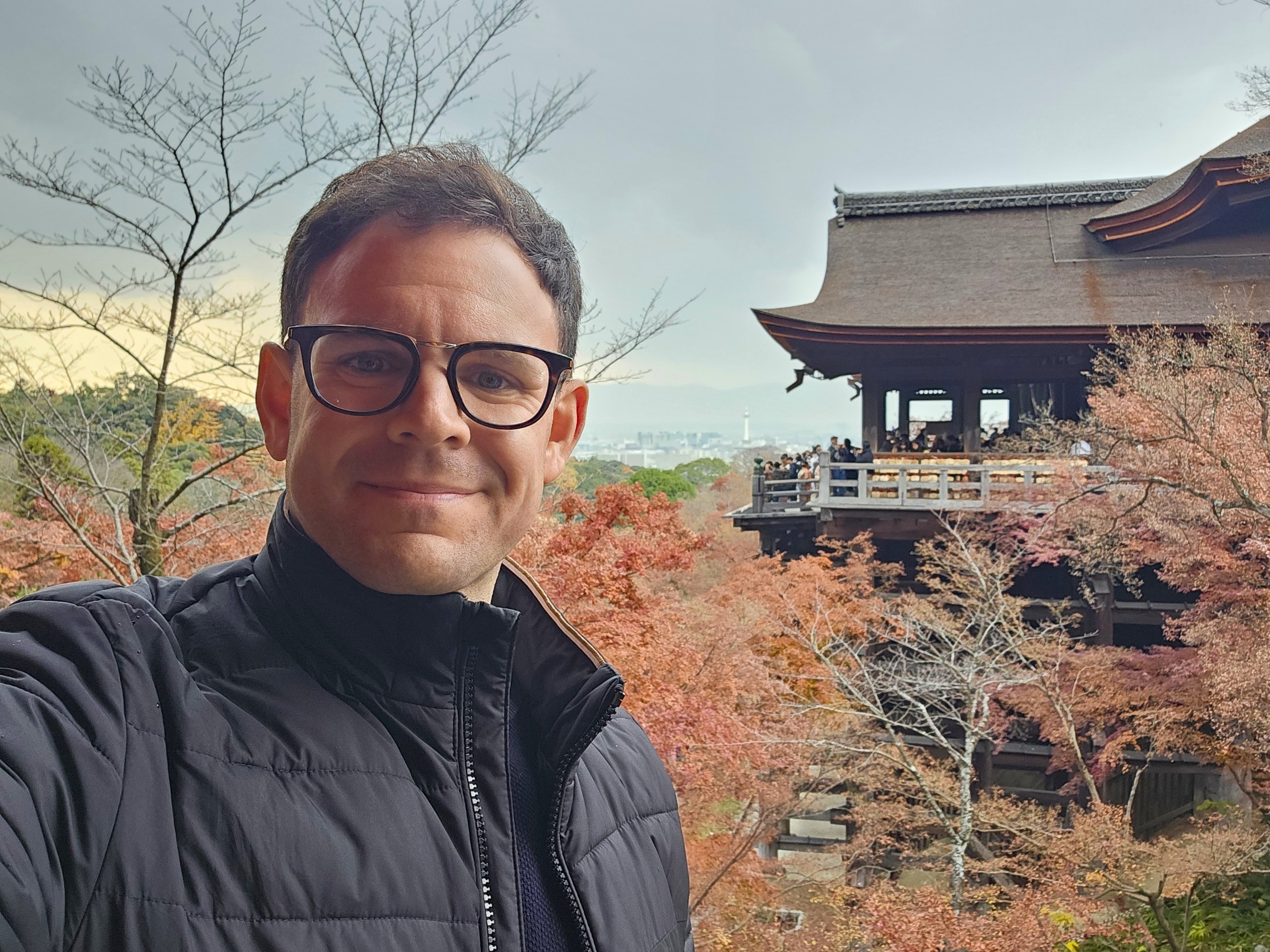
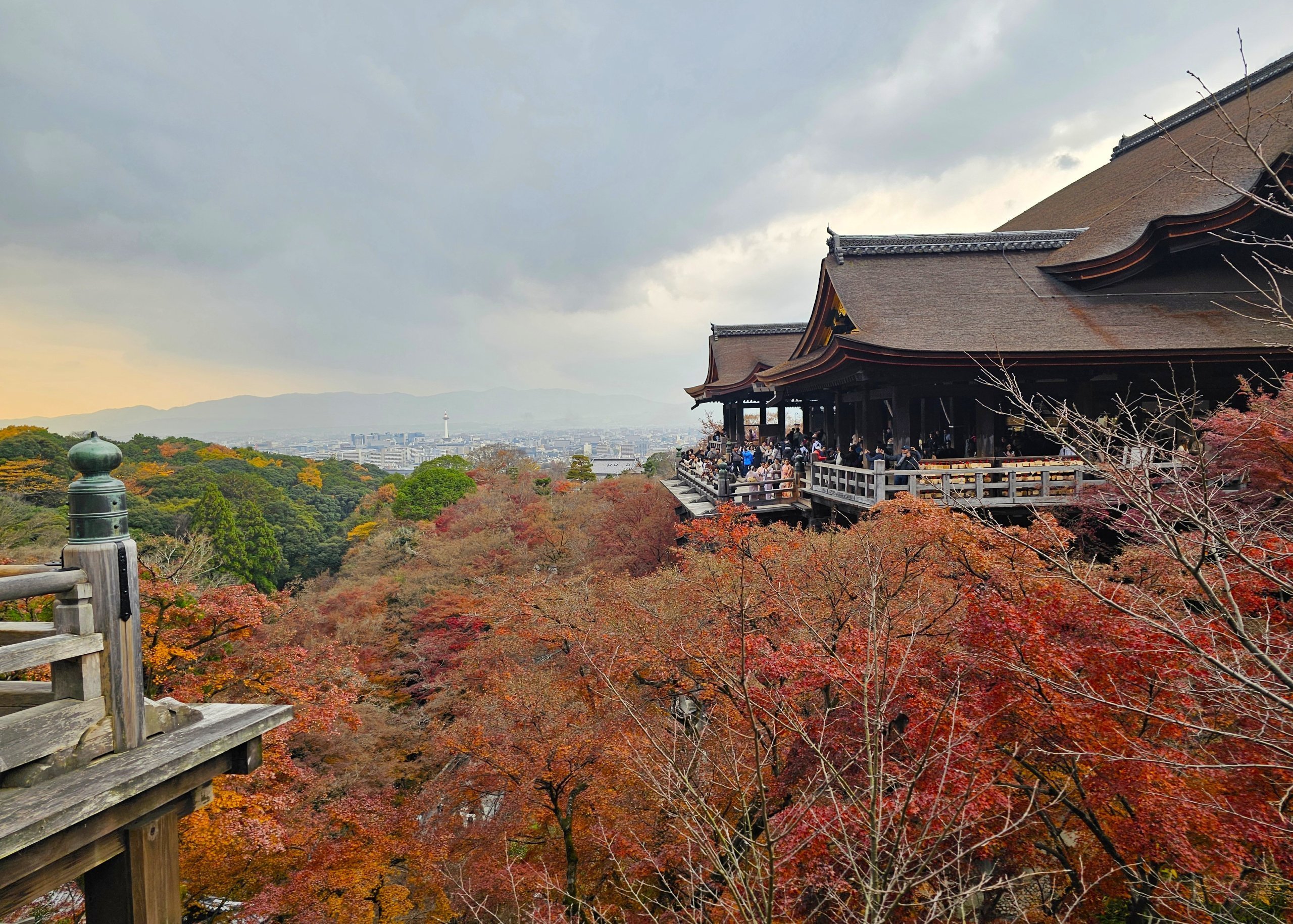
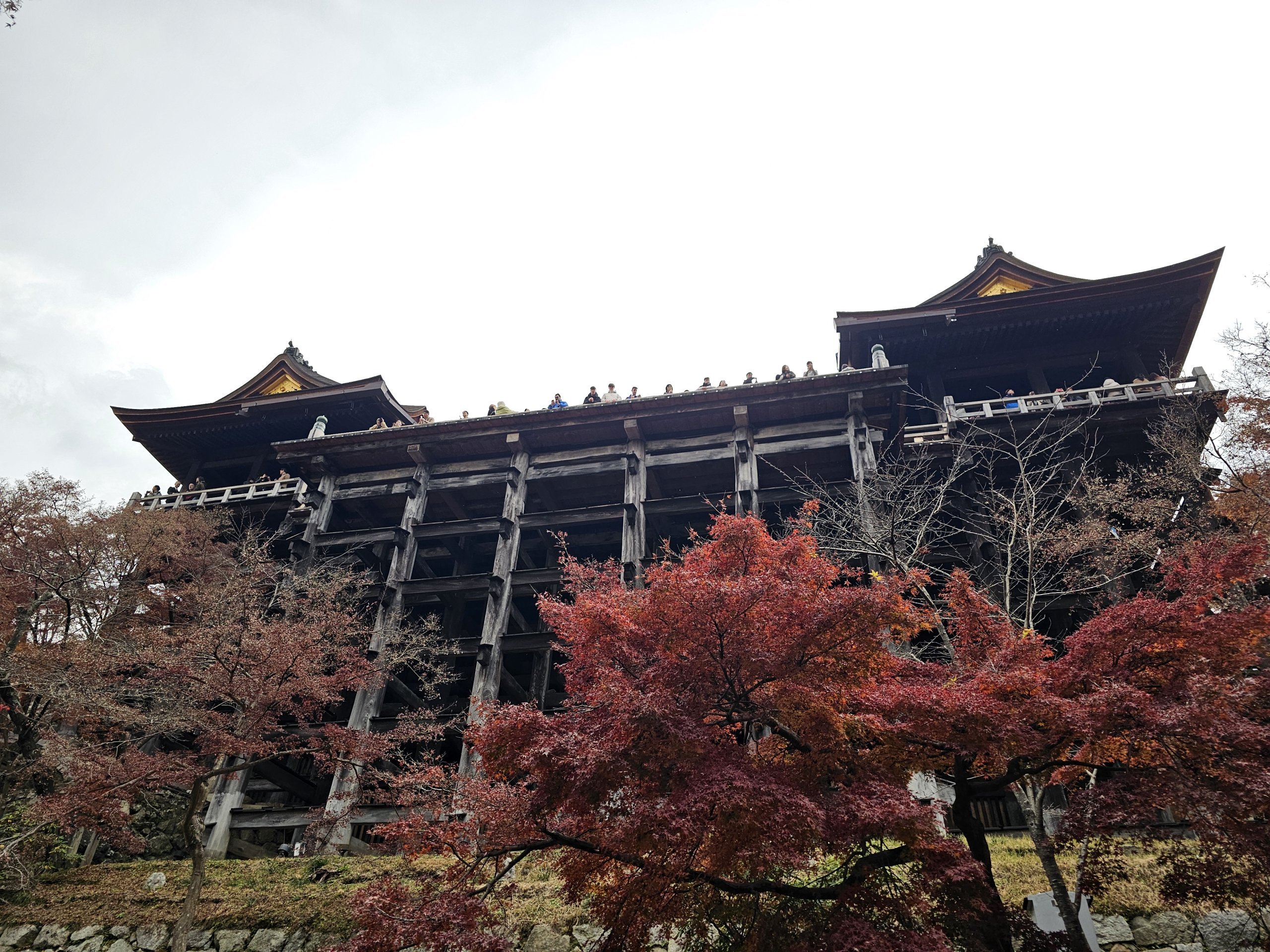
7:30 - Kiyomizu-dera
Kiyomizu-dera Temple is one of the most famous landmarks in all of Japan. Its biggest icon is the huge wooden terrace that overlooks the city and surrounding hills.
On our first visit, we arrived in the afternoon and the place was literally overrun with tourists. When we returned here the next time we went in the morning, the atmosphere was completely different.
9:30 - Sannenzaka and Ninenzaka
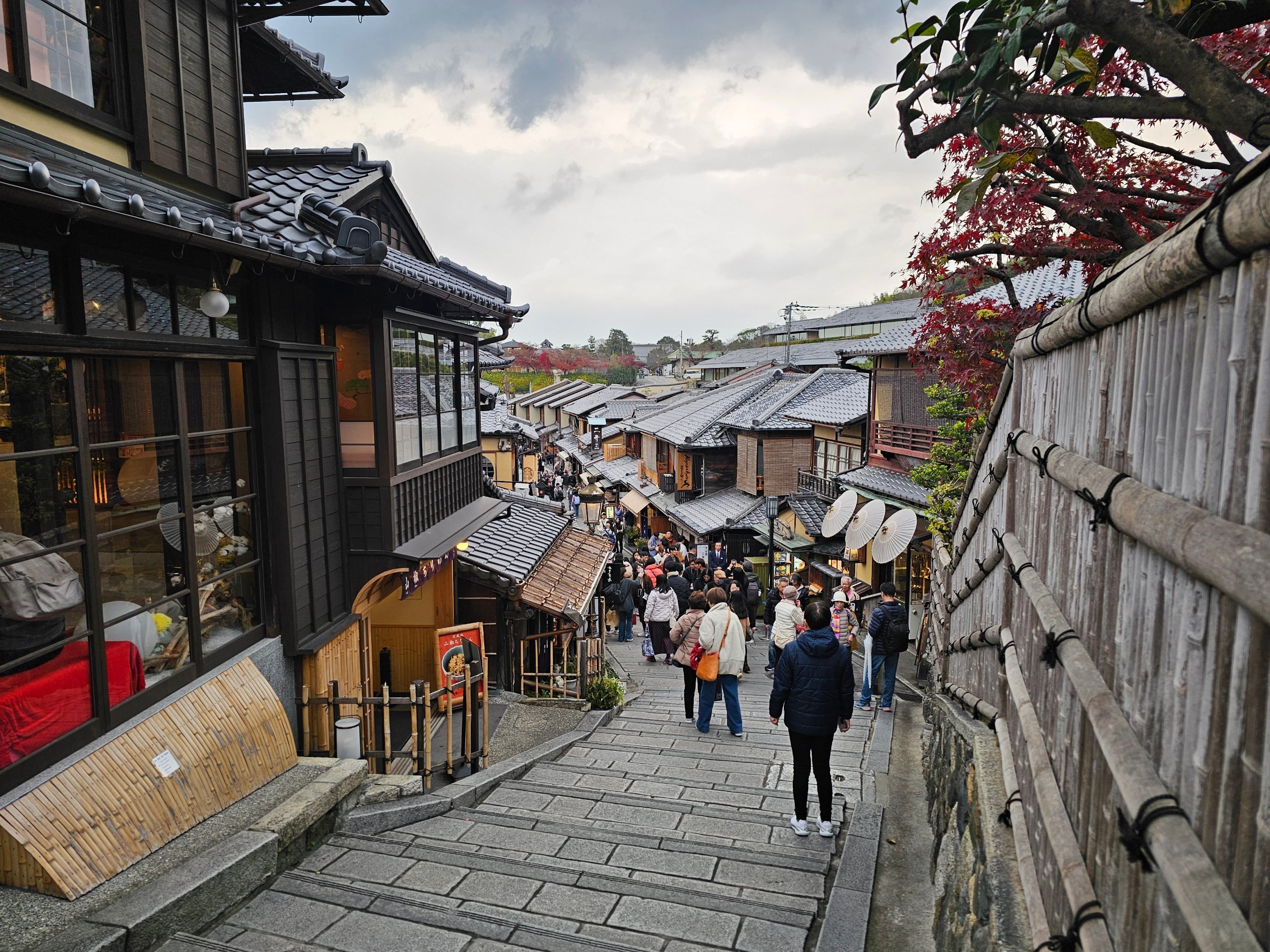
Leading down from the temple are several historic streets of the Higashiyama district, one of the most photographed places in Kyoto.
Here you will find:
If you want to experience the traditional atmosphere of the city even more, you can rent a kimono in this part of Kyoto.
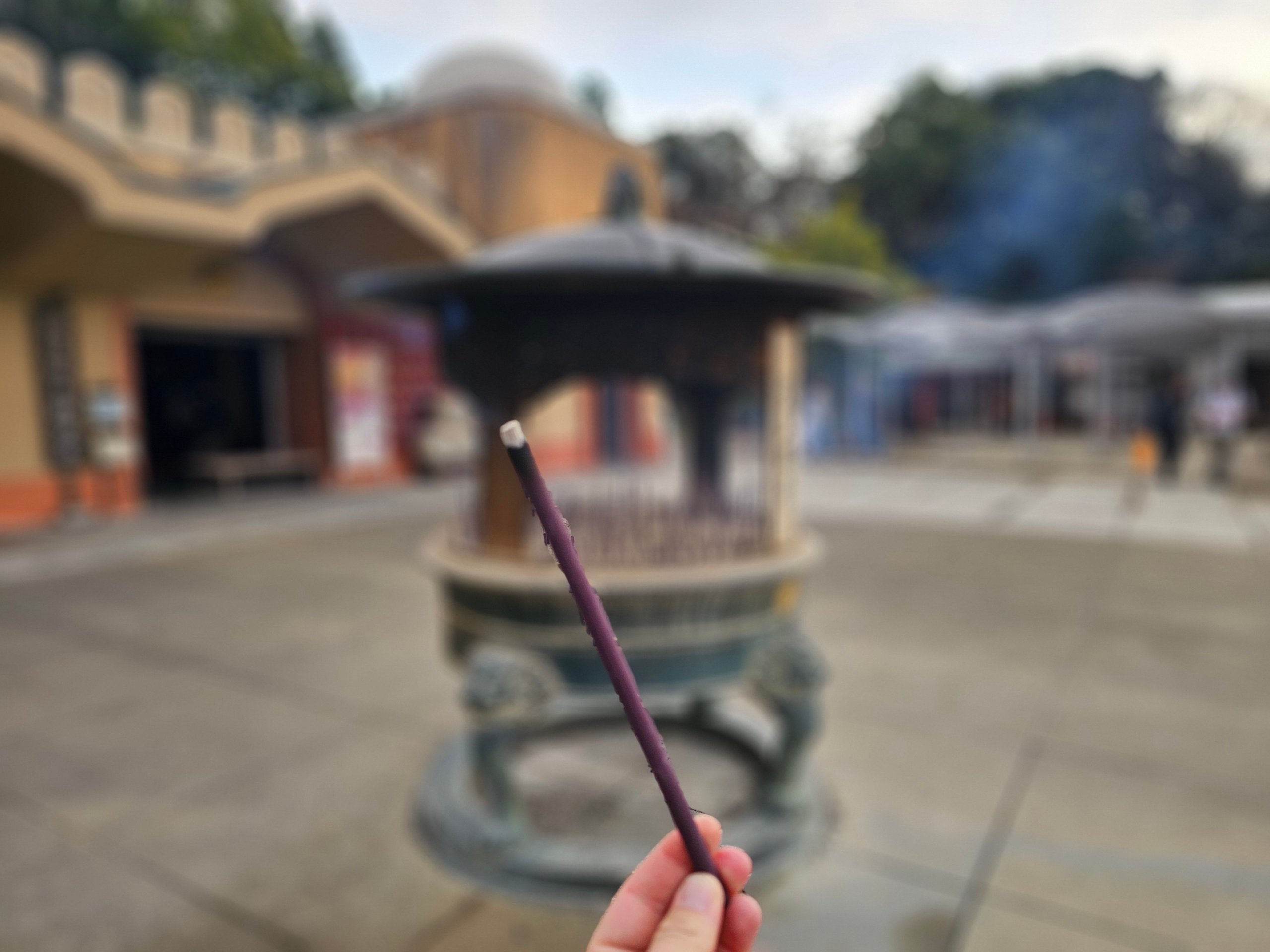
11:00 - light lunch
Higashiyama is full of restaurants with local Japanese goodies that are perfect for a quick lunch.
They won't keep you more than 30 minutes.
11:30 - Temples and shrines in Higashiyama
In the northern part of Higashiyama, you'll find several temples close together that you can easily visit within a few dozen minutes.
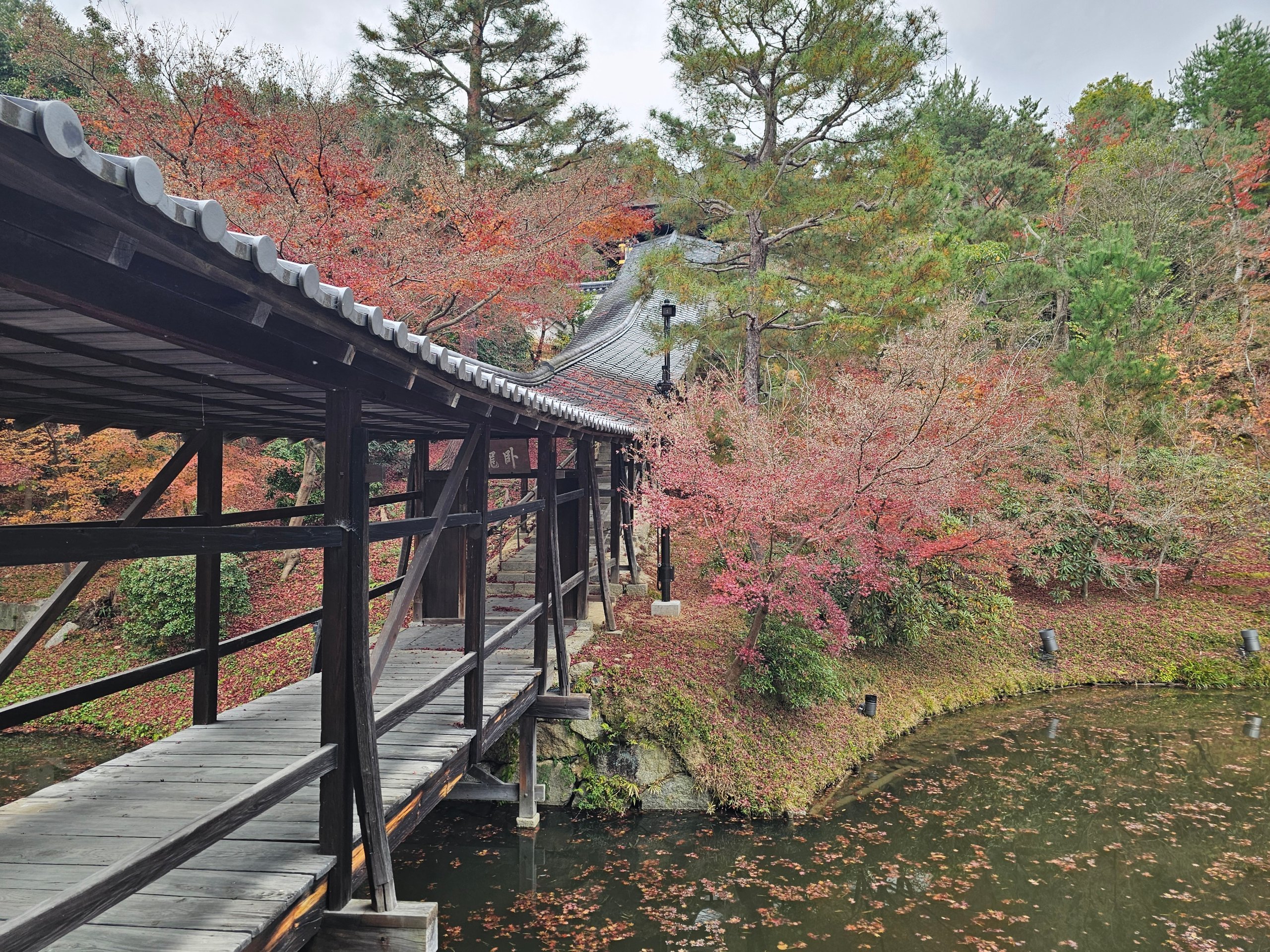
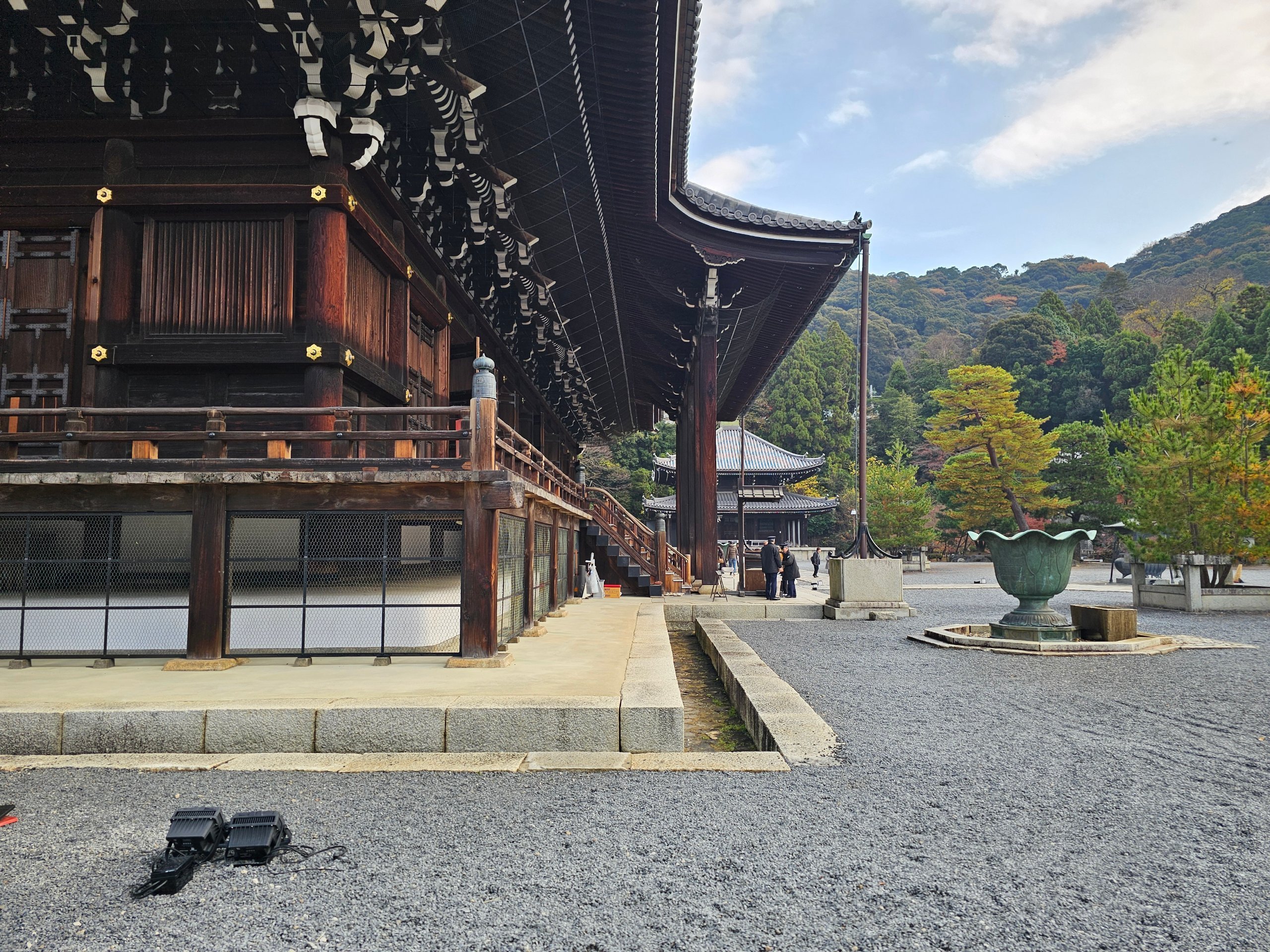
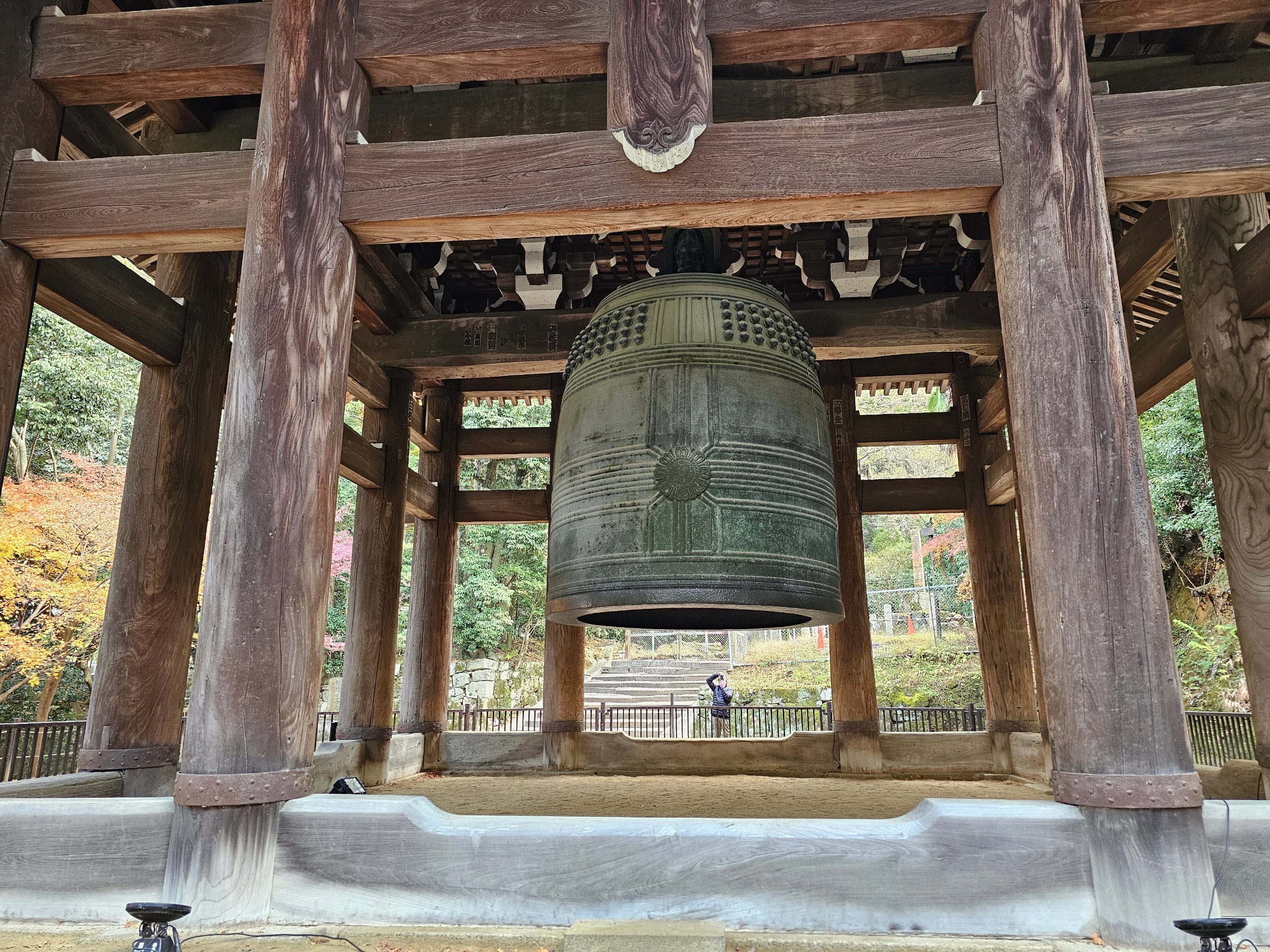
13:30 - Nanzen-ji and Heian Shrine Gardens
In the afternoon, move on foot to the more northern parts of eastern Kyoto, where you'll find the popular Nanzen-ji Temple with its aqueduct (about 40 minutes).
You can then walk down the historic Biwa Canal towards the centre to Heian Shrine with its beautiful garden with ponds.
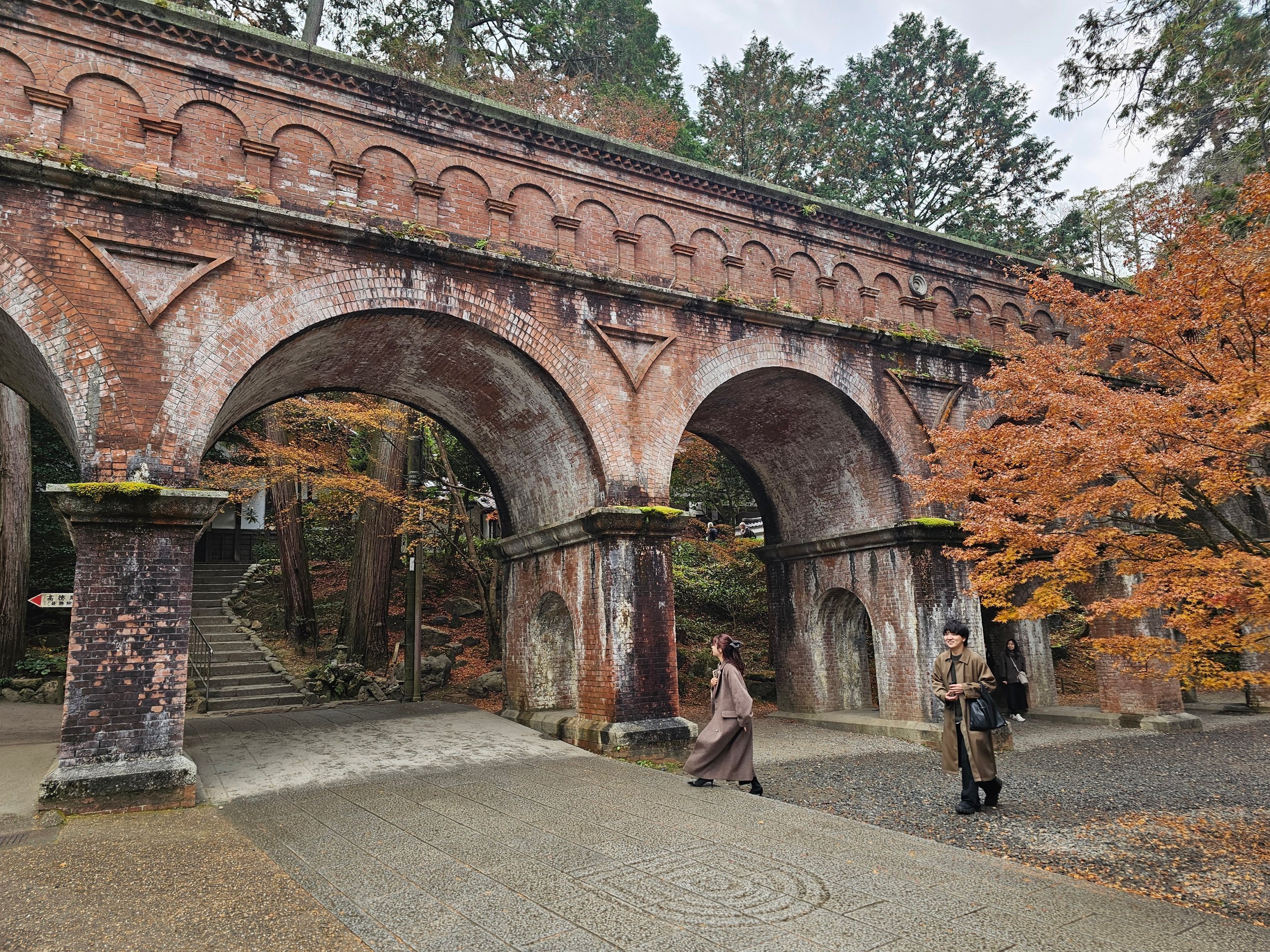
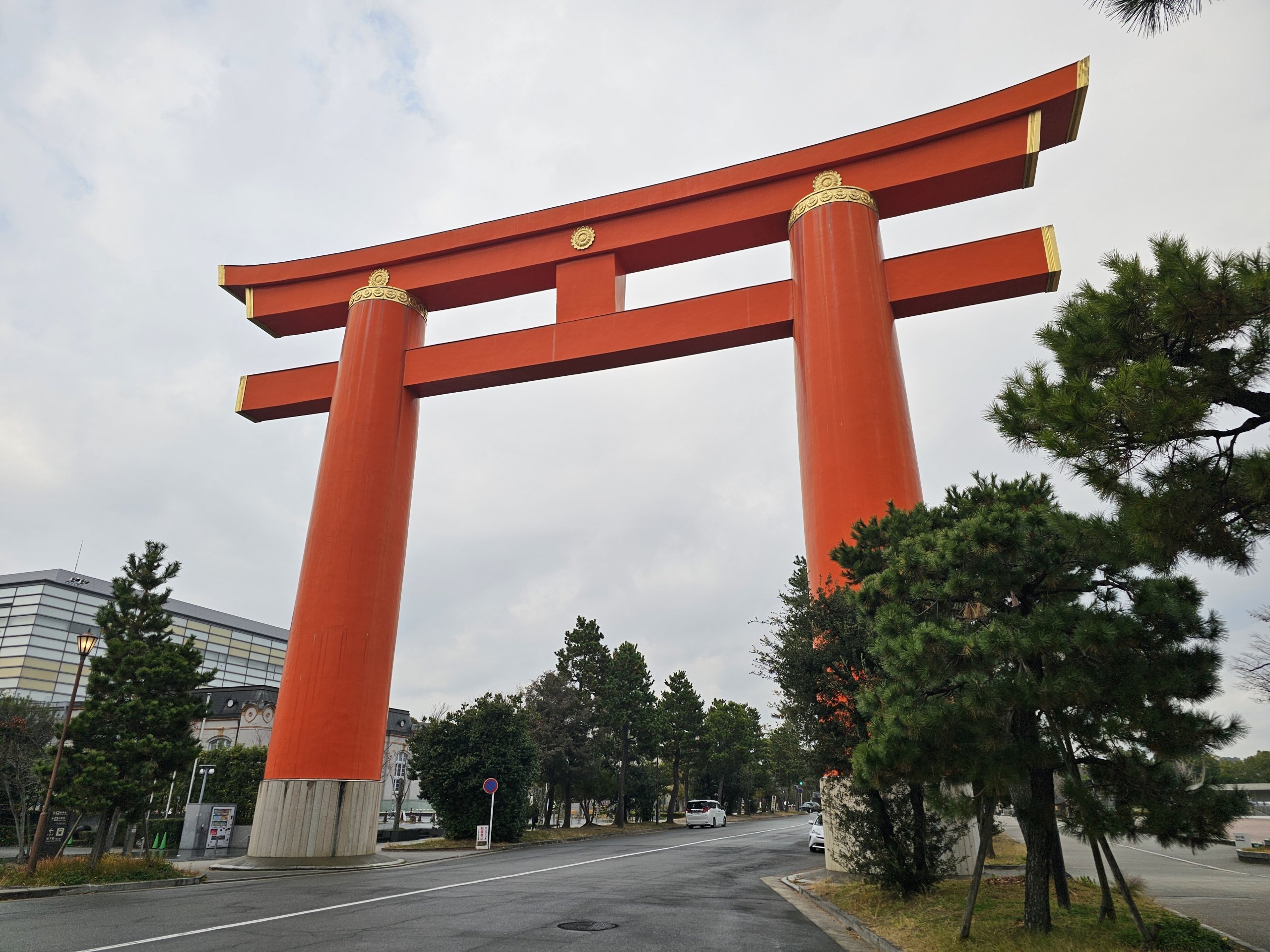
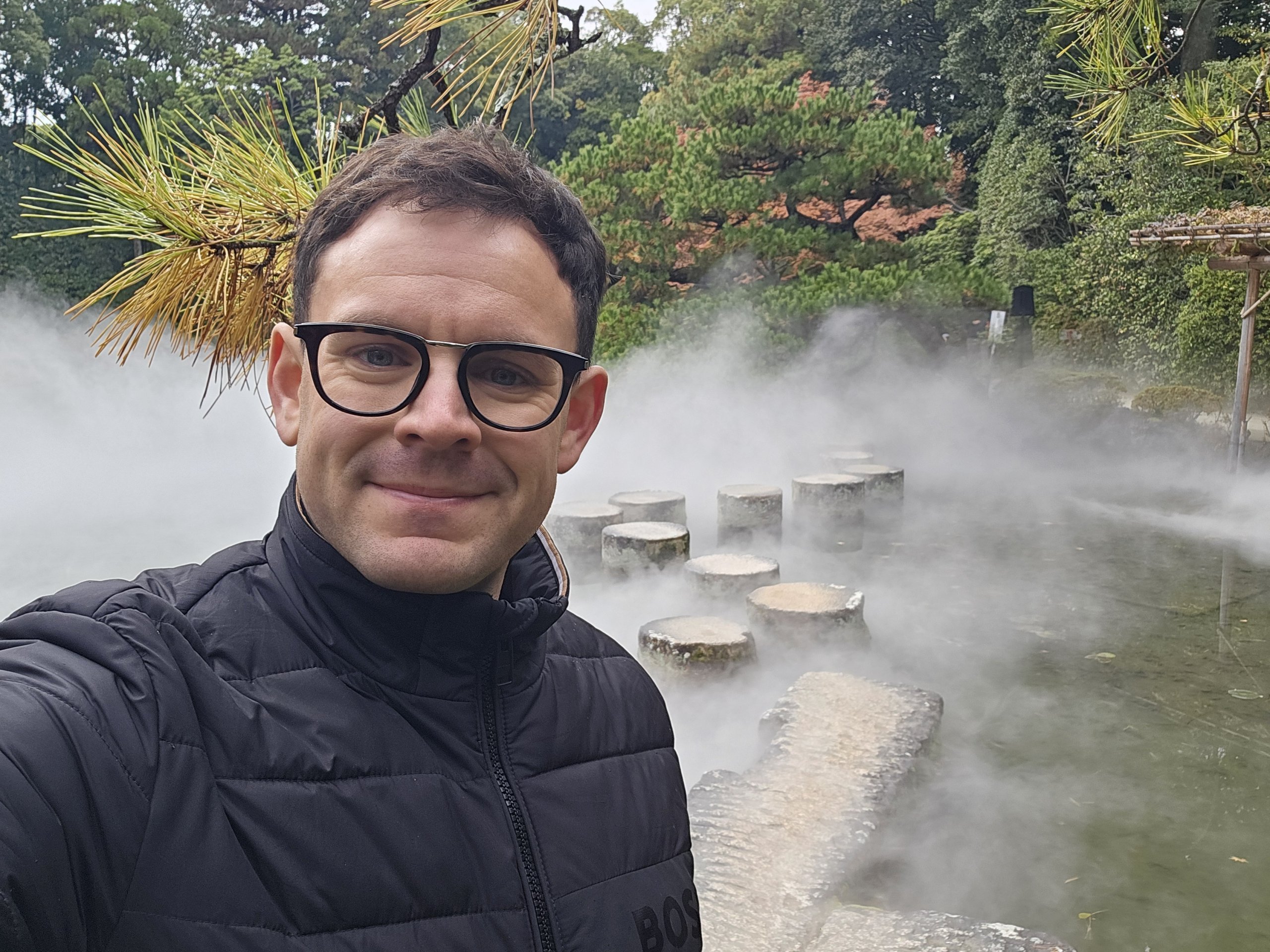
15:30 - Ginkaku-ji Silver Pavilion
A 15-minute bus or taxi ride takes you northeast to one of my favorite temples , Ginkaku-ji.
The small Silver Pavilion is surrounded by beautiful gardens, and you'll spend about half an hour there.
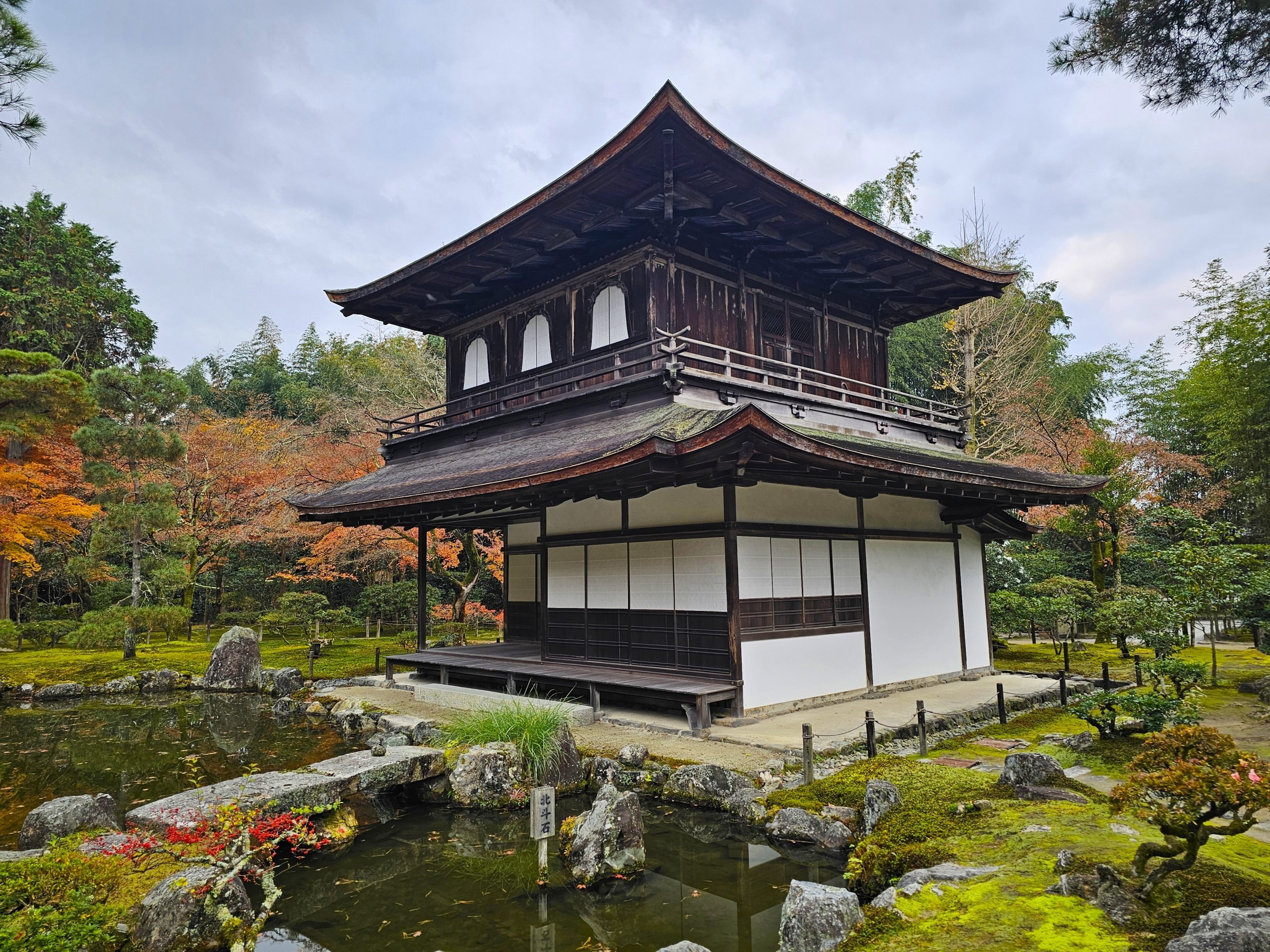
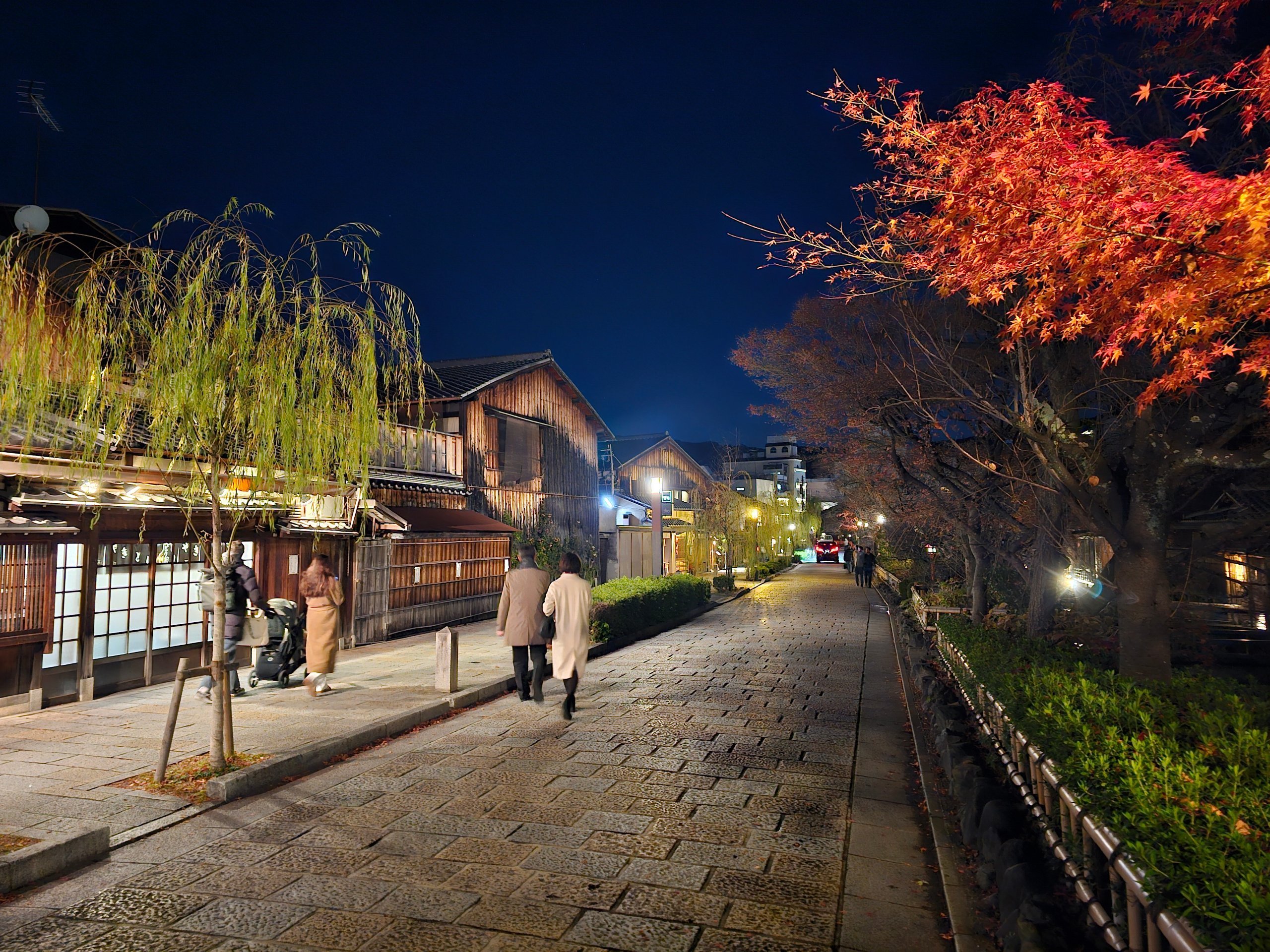
18:00 - Evening Gion
After dark, take a stroll through the historic Gion district.
The narrow lantern-lined streets, traditional restaurants and wooden houses are some of the best sights in all of Kyoto.
Gion is a famous neighbourhood for the geishas you can meet here. However, these encounters with geisha or maiko must be booked in advance through one of the local agencies.
On the second day, head to the Arashiyama area in the west of the city.
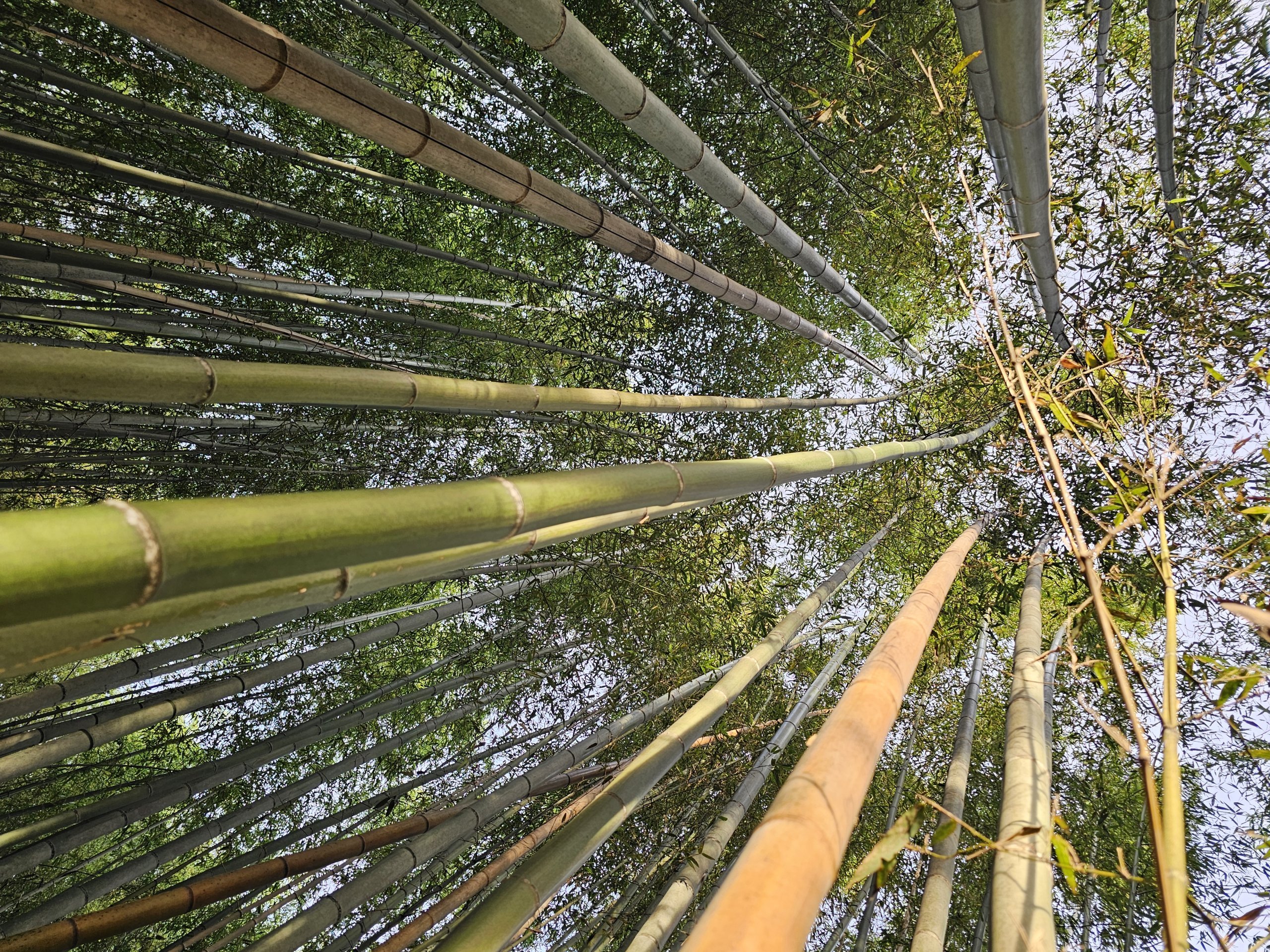
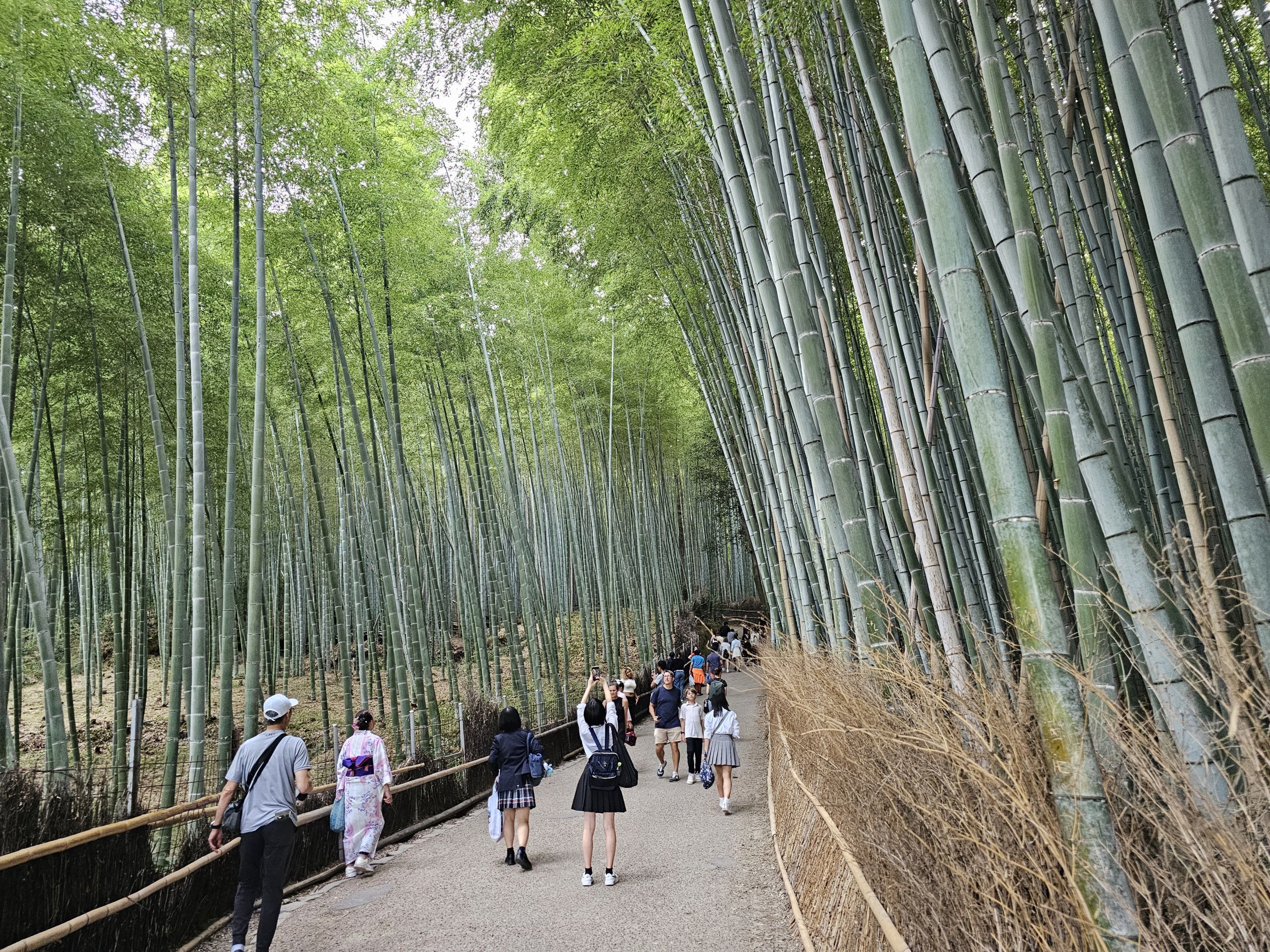
7:30 - Arashiyama Bamboo Grove
The Arashiyama B amboo Grove is one of the most famous photographs from Japan.
As with many other places in Kyoto, there is a simple rule - come early.
8:30 - Tenryu-ji
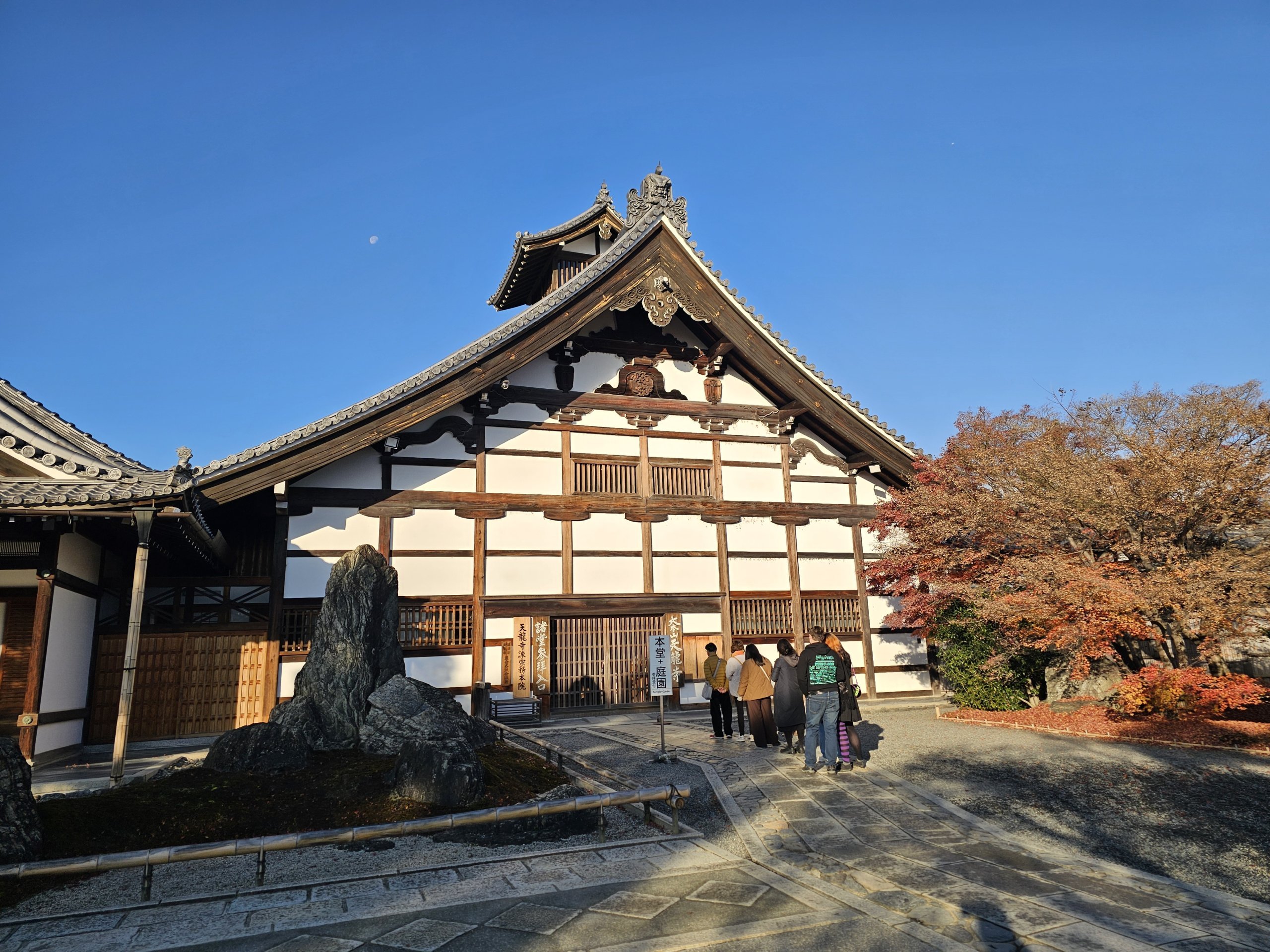
Just a few minutes from the bamboo forest stands the UNESCO-listed Tenryu-ji Zen temple and garden.
Again, the best time to visit is in the early morning when there are still very few people around.
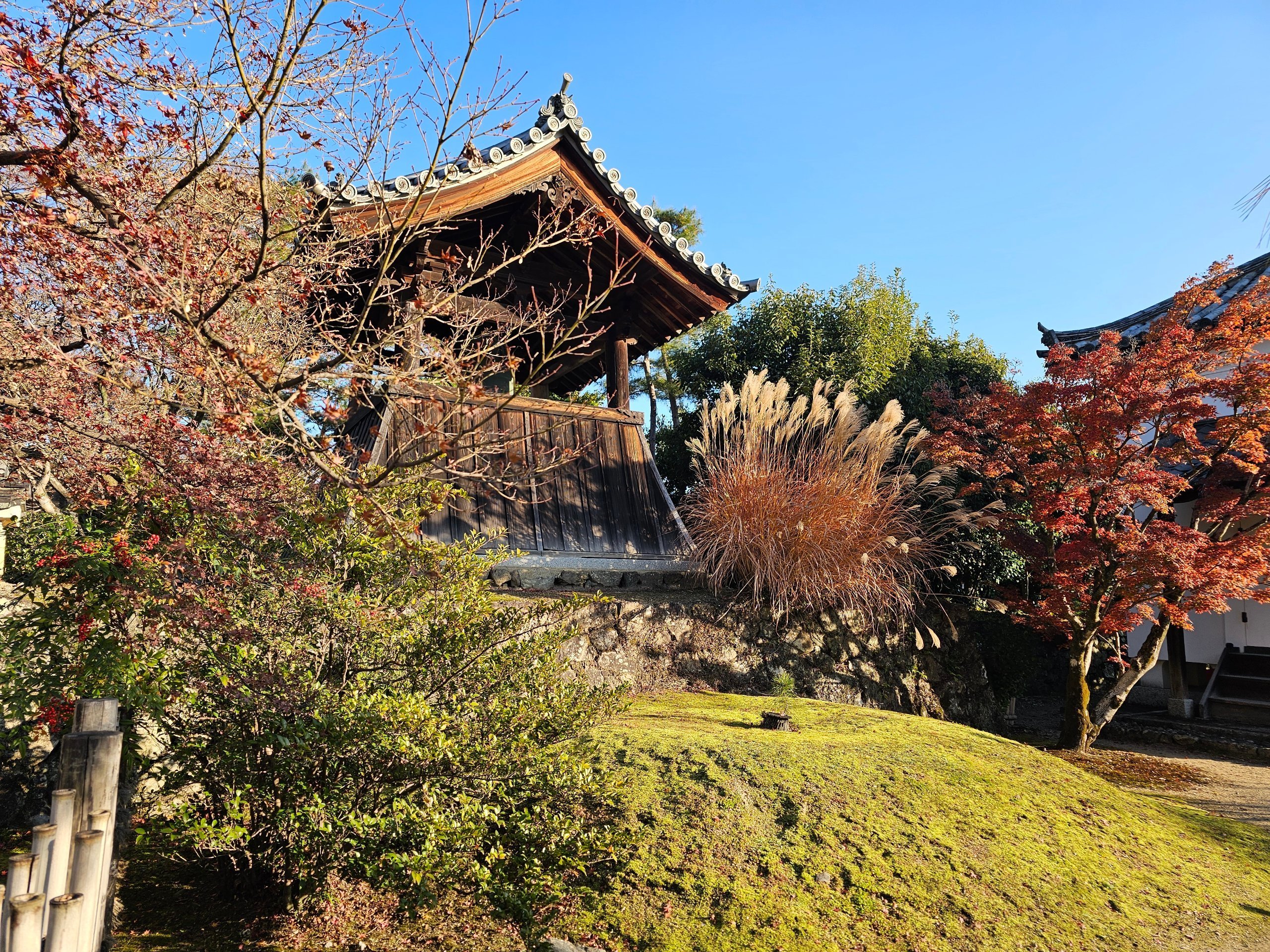
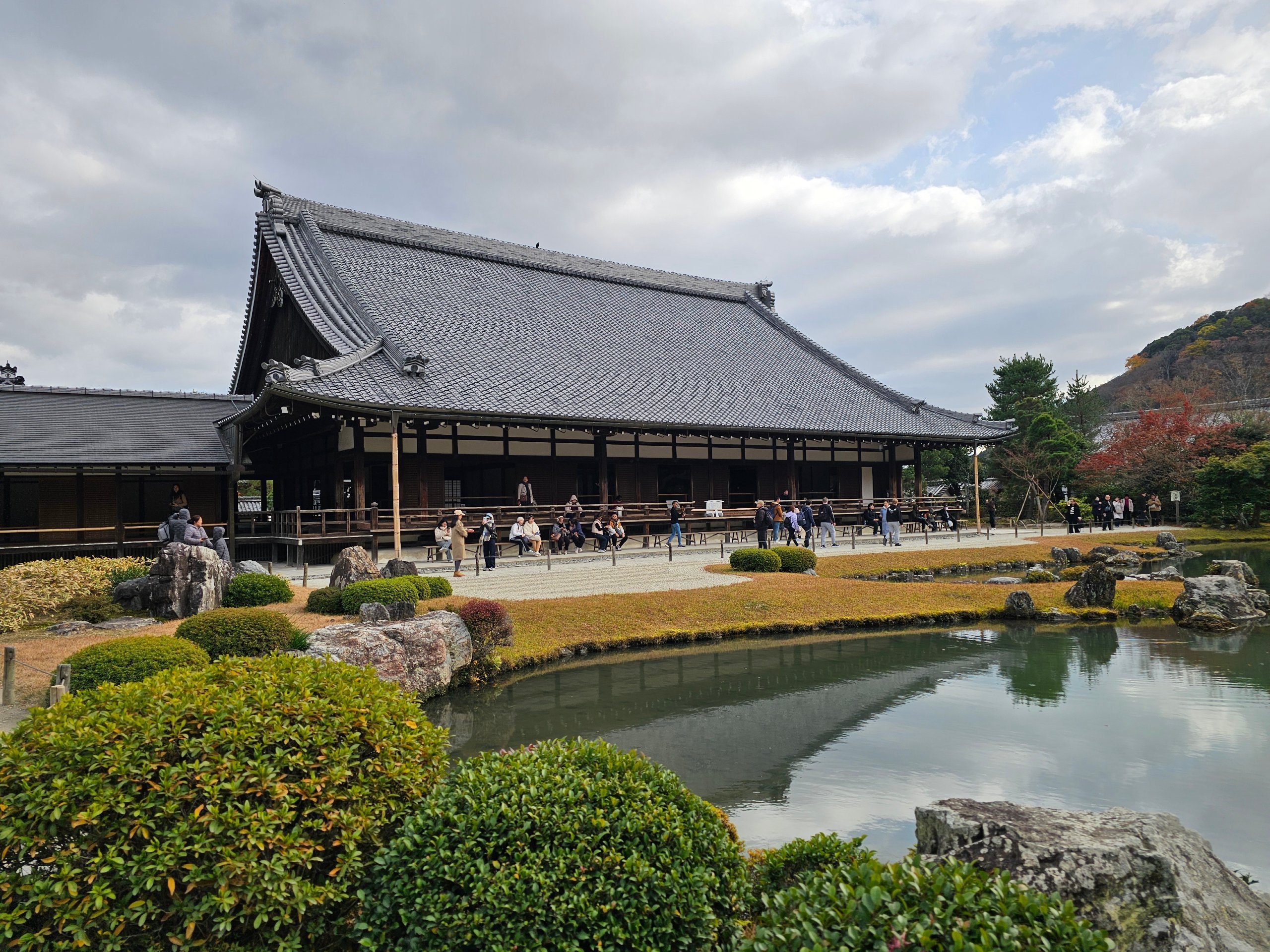
9:30 - Okochi Sanso Garden
One of the places that surprised us the most in Kyoto. Although it's only a few minutes from the bamboo forest, it's noticeably quieter.
10:30 - Historical Bridge and Monkey Park
Walk across the river on foot over the historic Togestsukyo Bridge to the Arashiyama Monkey Park Nature Park/Zoo.
12:00 - Lunch at Arashiyama
There are plenty of shops and restaurants on the main street where you can easily grab lunch.
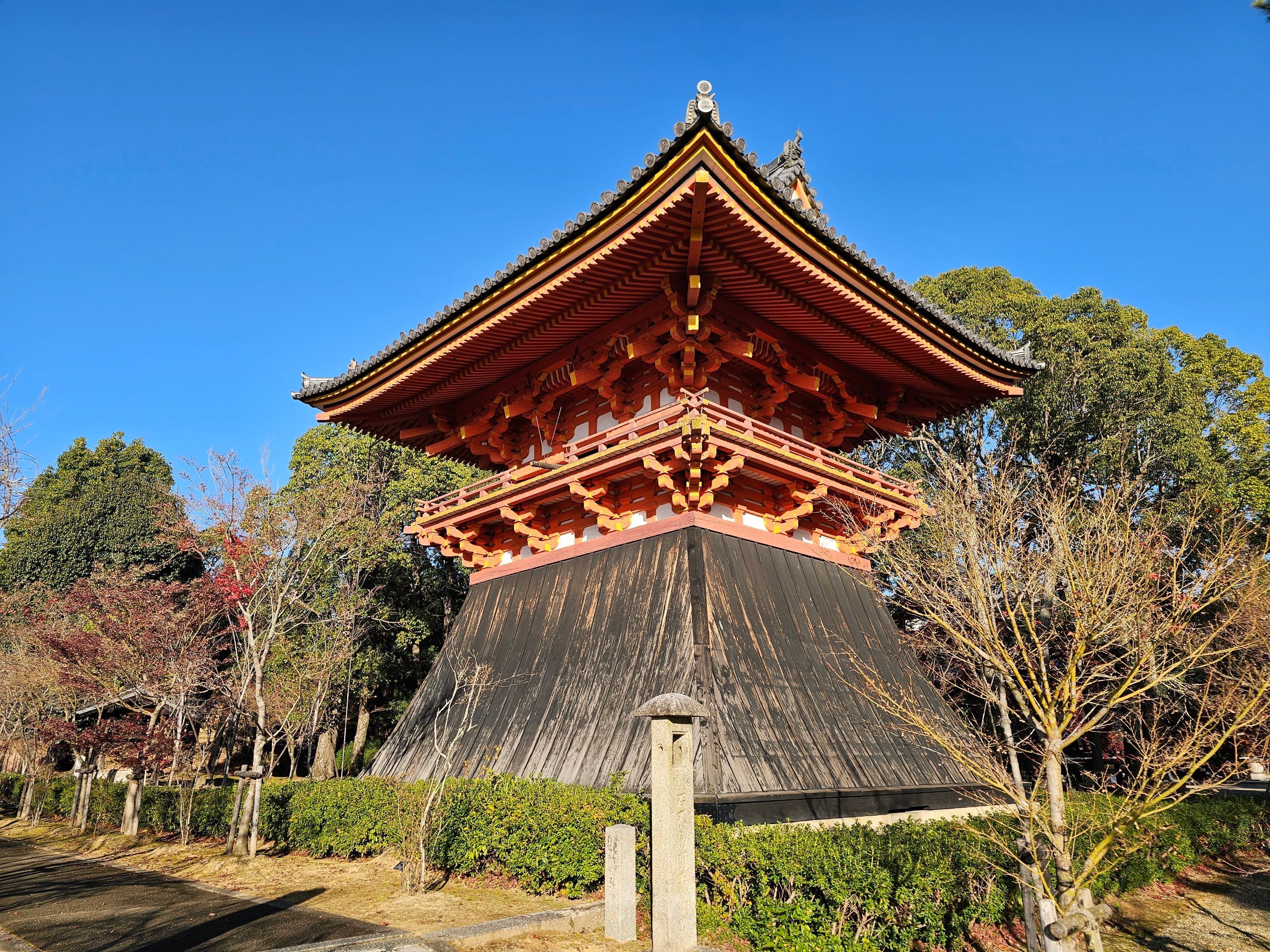
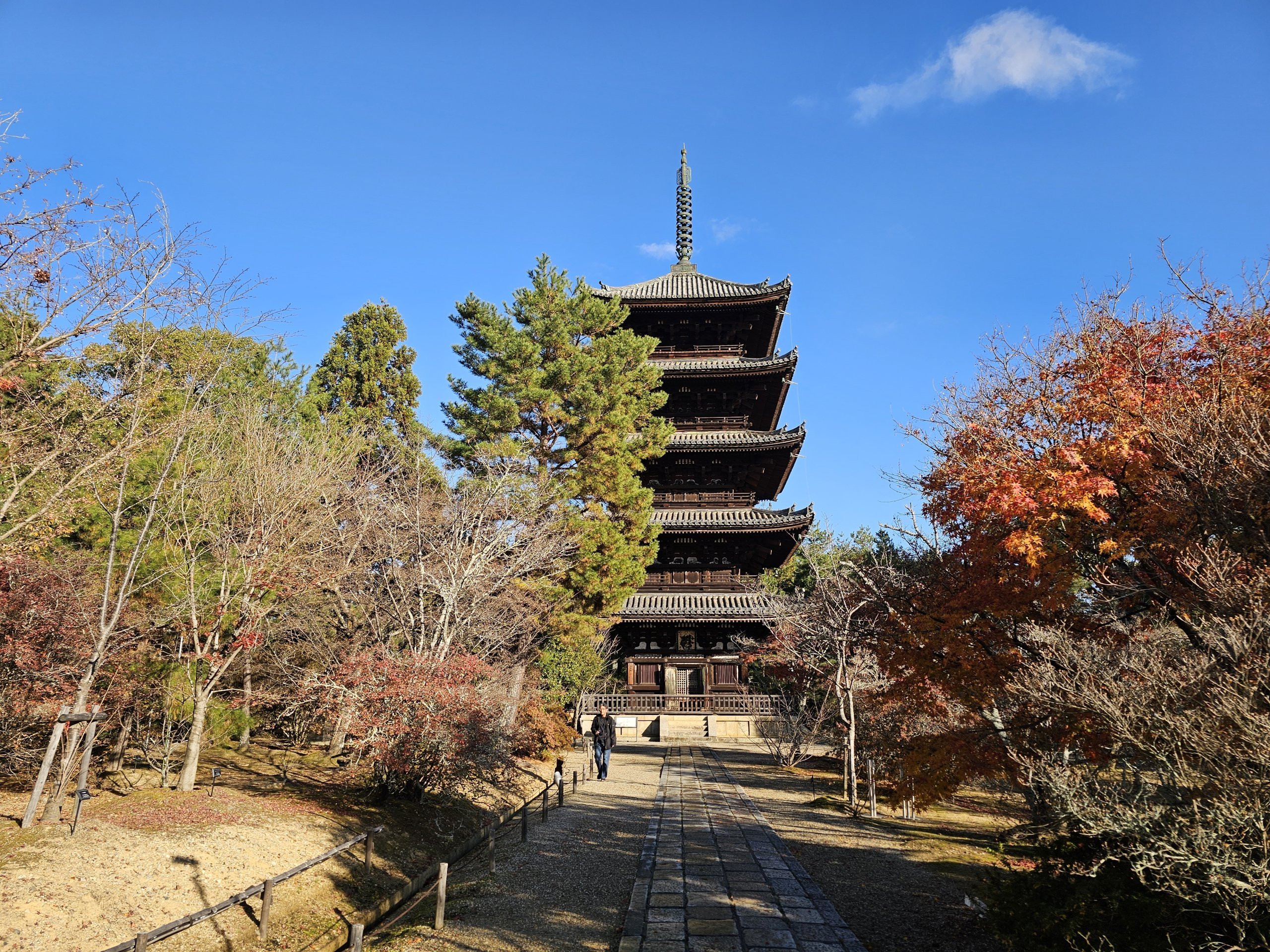
14:00 - Ninna-ji and Ryoan-ji North Temples
Take the Randen Tram to the beautiful and very peaceful UNESCO-listed Ninna-ji and Ryoan-ji Temples, with their most famous Zen garden, in 25 minutes.
Between these temples you can walk in 15 minutes and the visit will take about 2 hours in total.
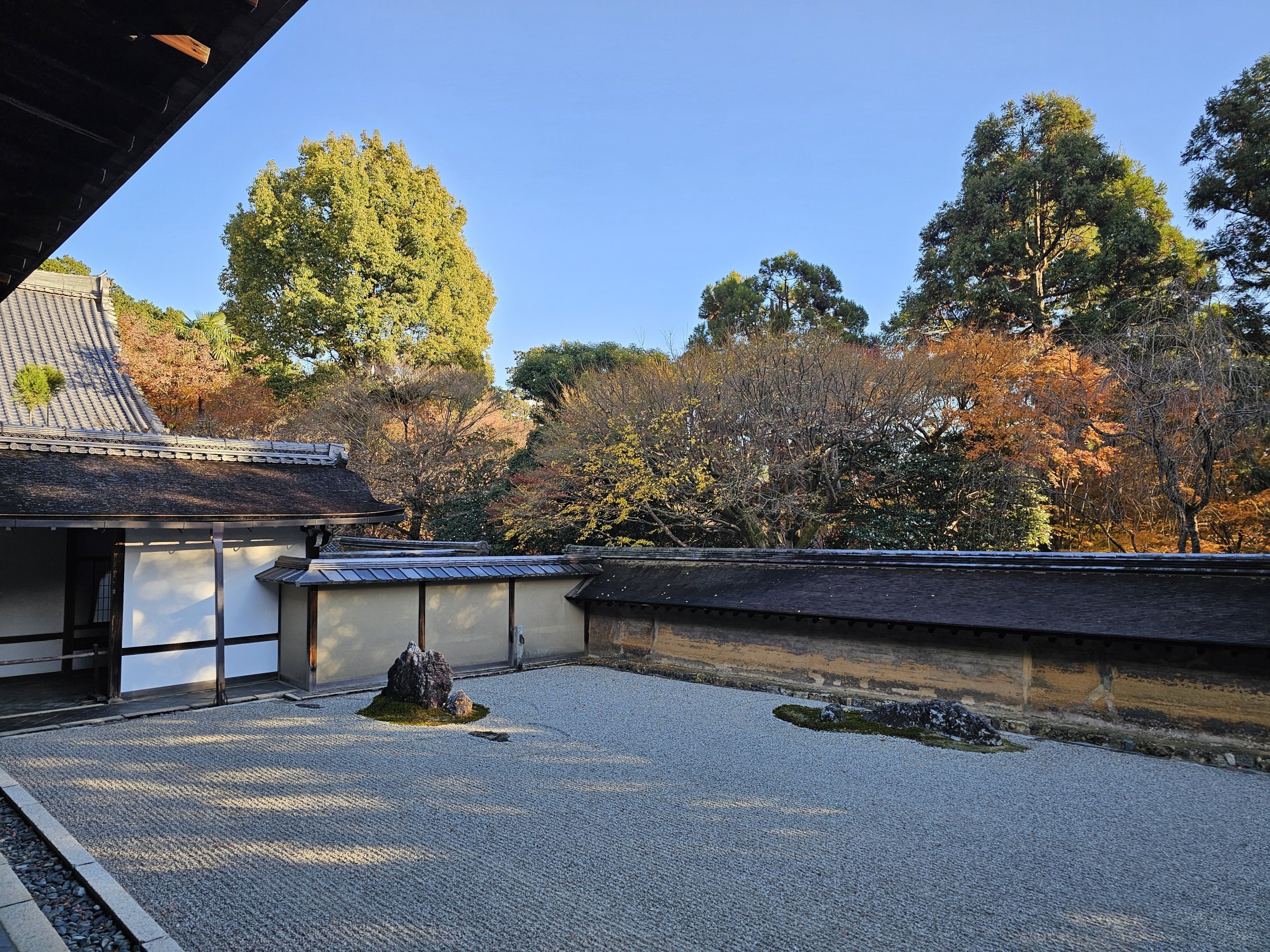
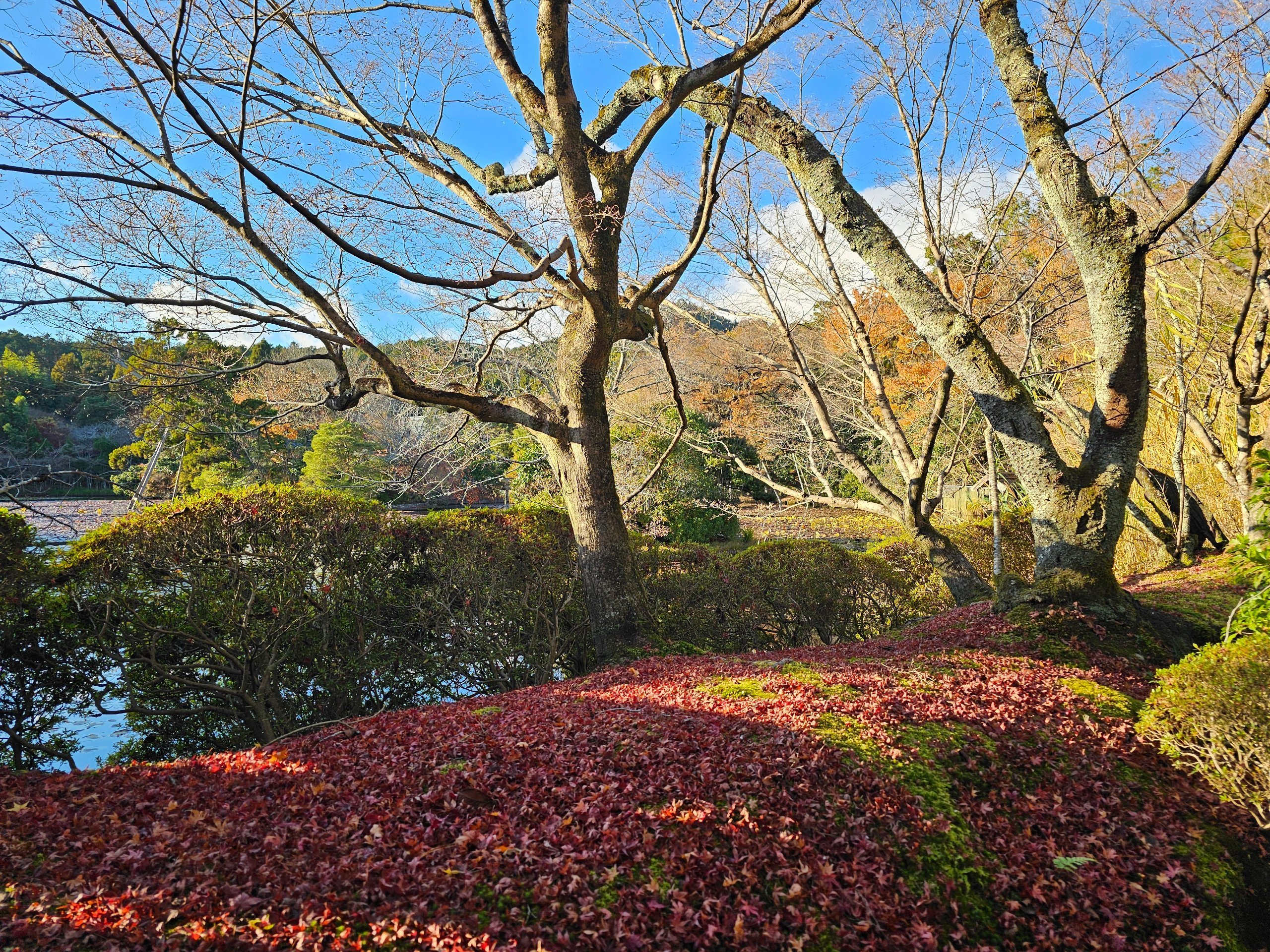
16:30 - Kinkaku-ji
In the afternoon, move on to the iconic Kinkaku-ji Temple, known as the Golden Pavilion.
It's one of those places you've probably seen in photos before your trip to Japan.
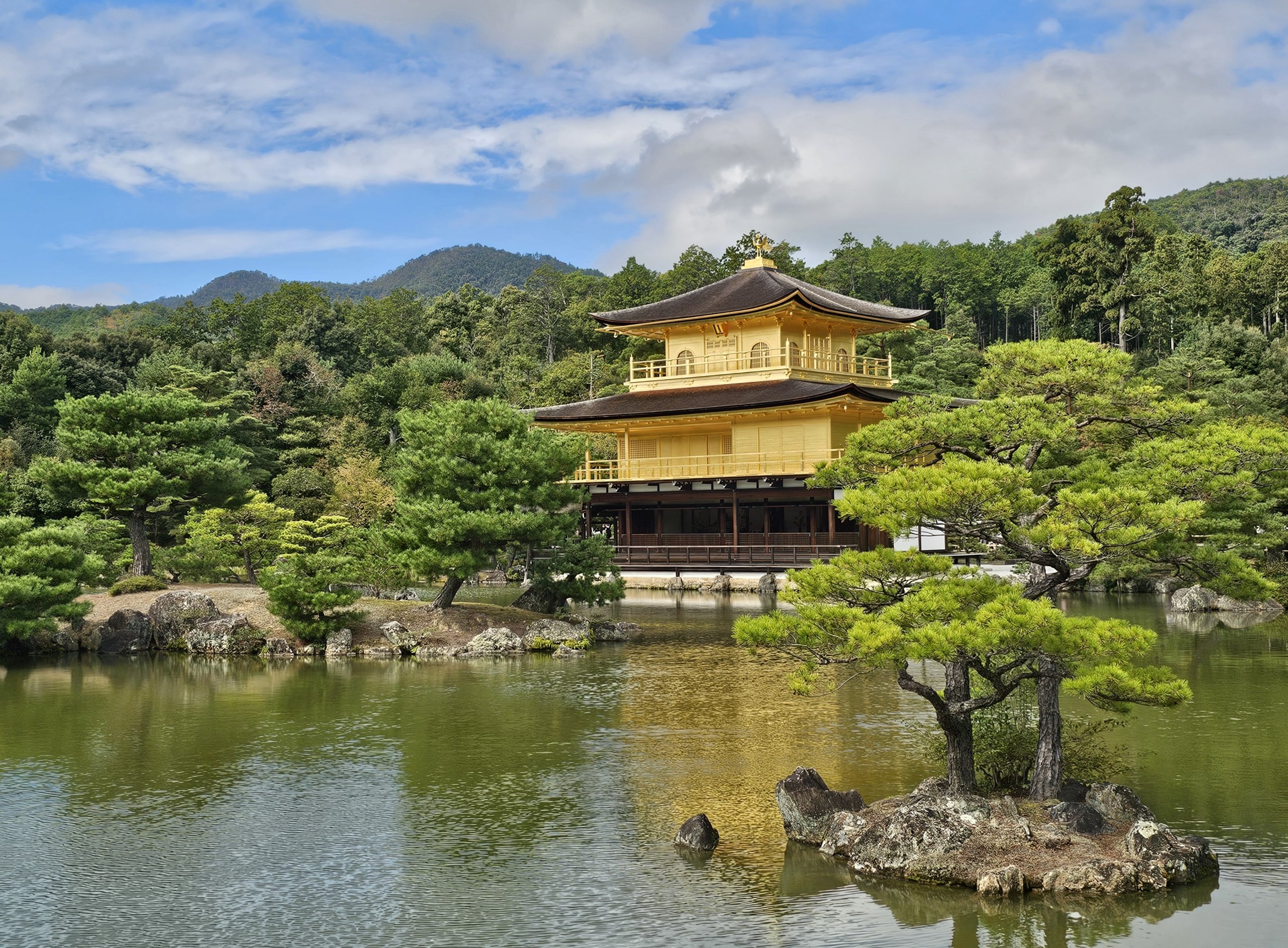
The ideal time to visit is either early in the morning or, conversely, in the afternoon before closing time, when it's significantly less crowded.
Find a hotel in Kyoto by location
My last day started with one of the most iconic places in all of Japan.
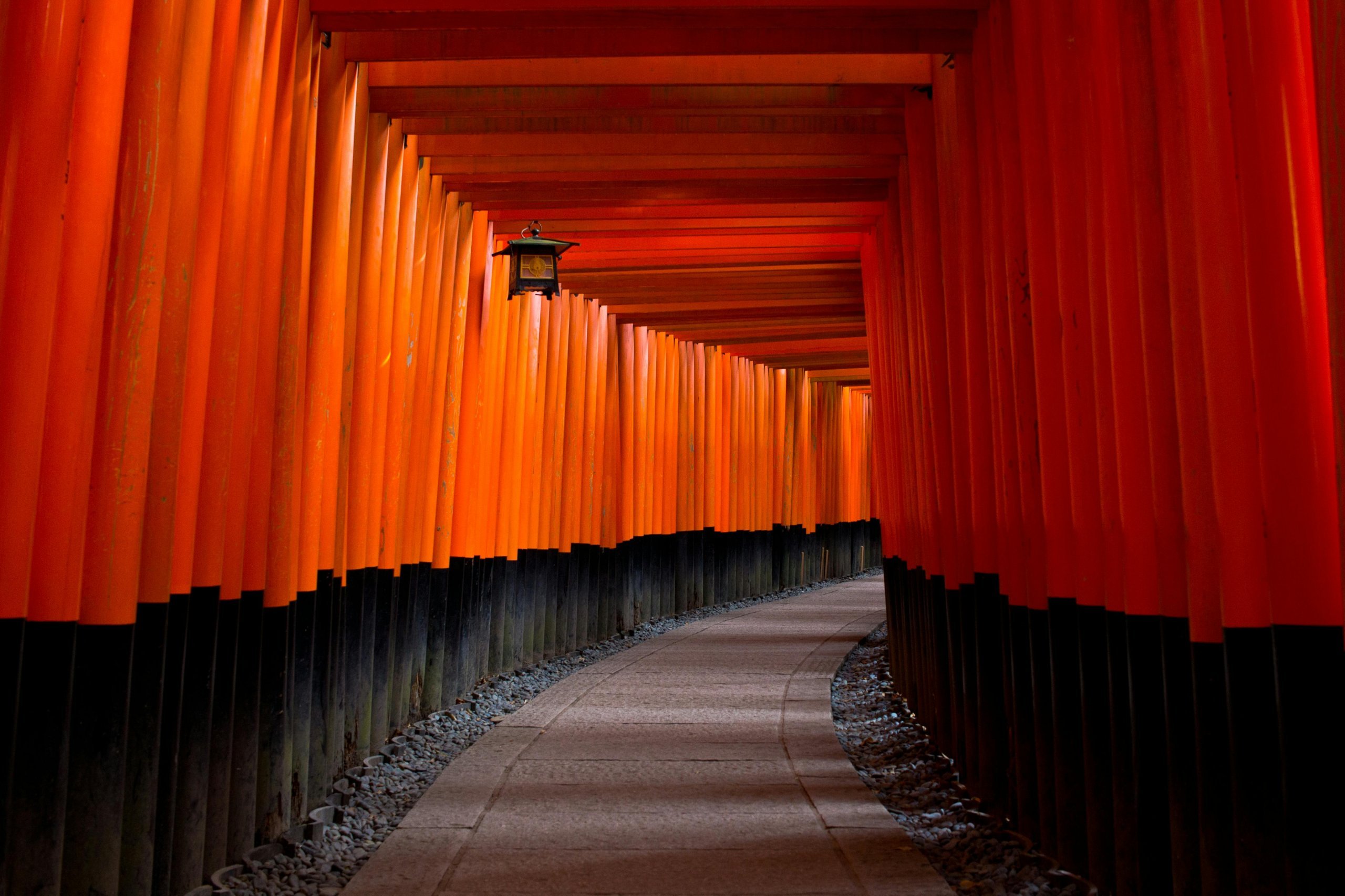
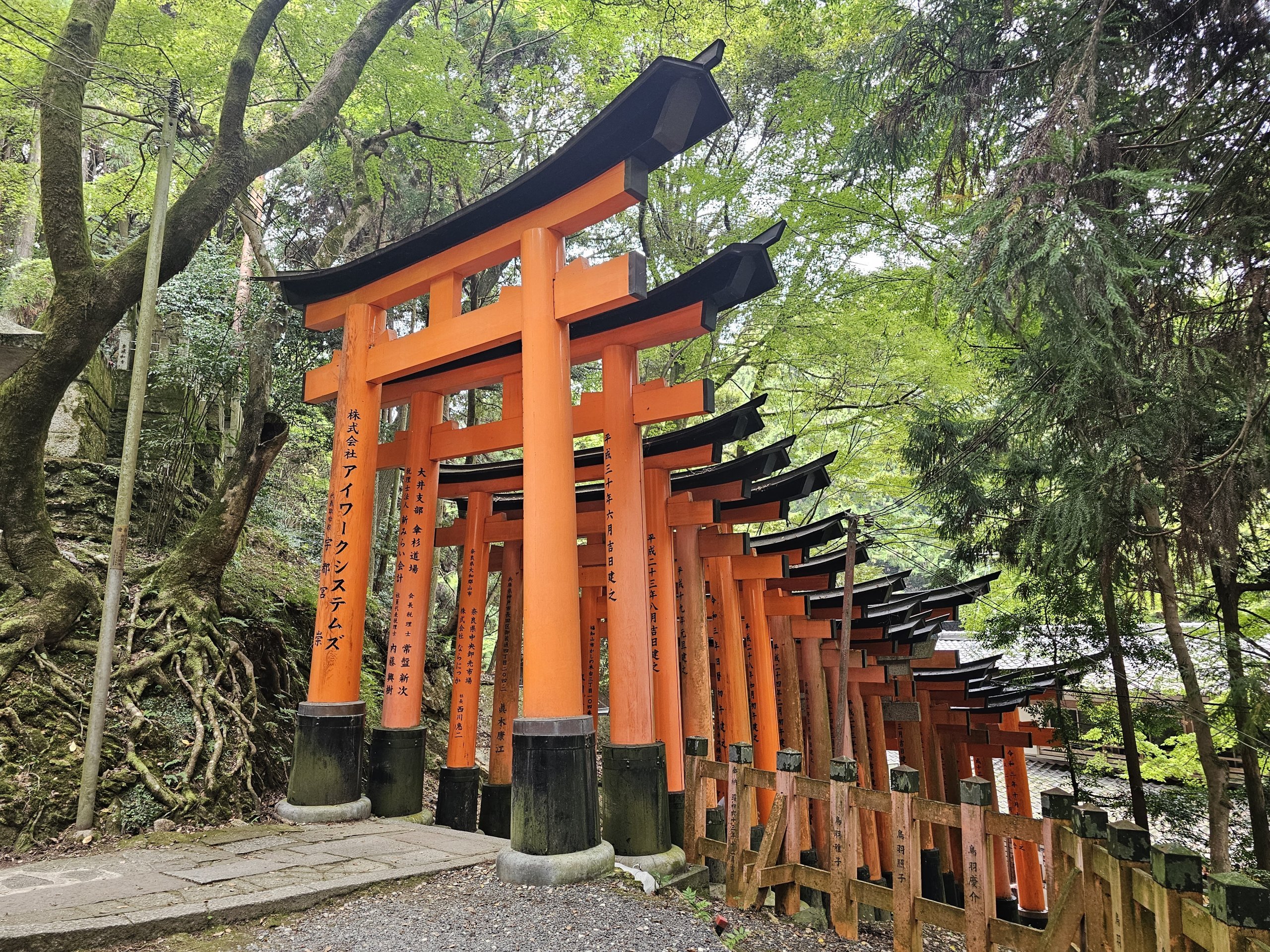
7:00 - Fushimi Inari Taisha
Fushimi Inari Shrine is famous for the thousands of red torii gates that form a several kilometer long trail up Mount Inari.
When we arrived here around 7am, most of the tour groups had not yet arrived and the path between the gates seemed almost mystical.
9:30 - Tofuku-ji Temple
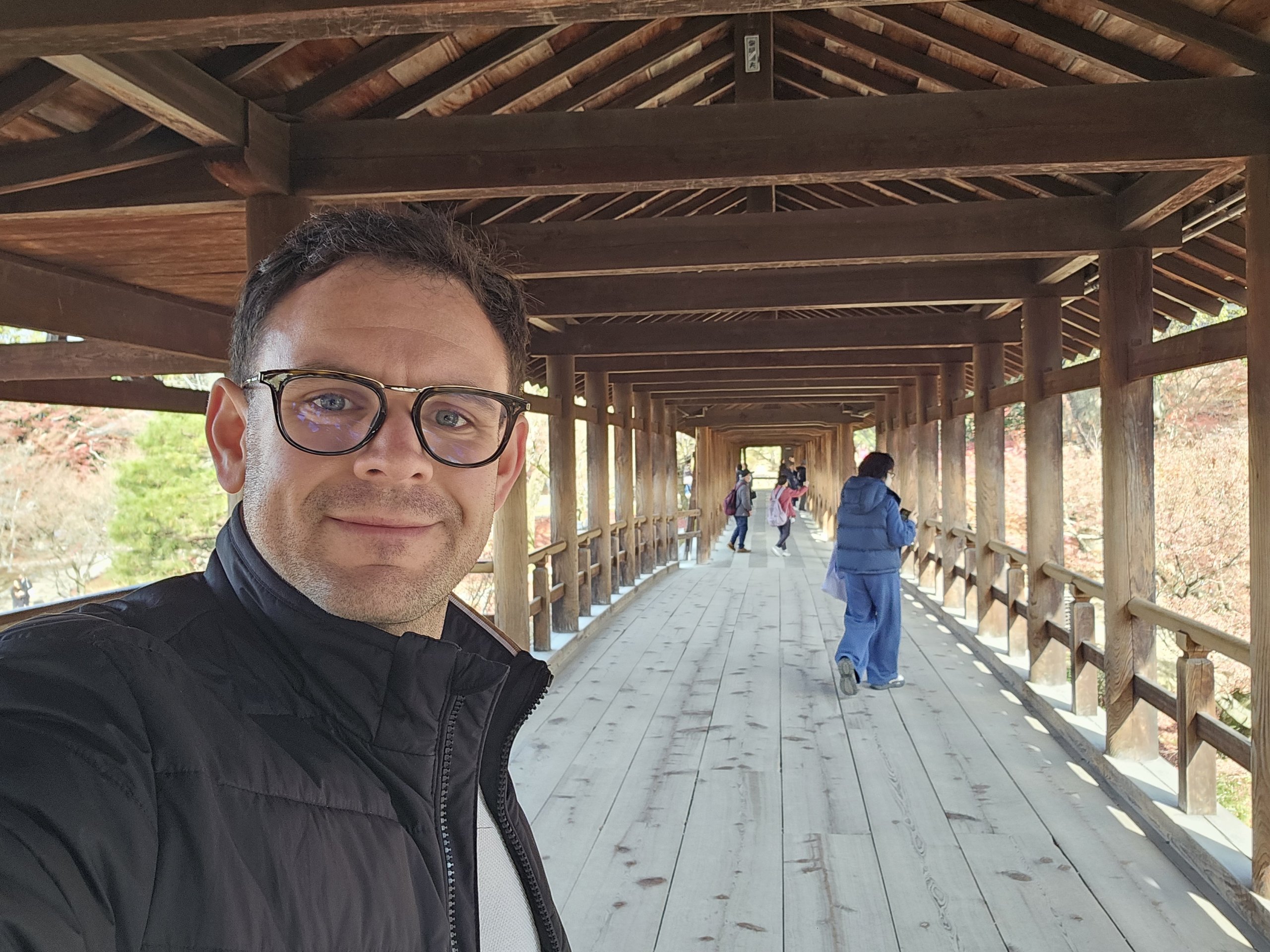
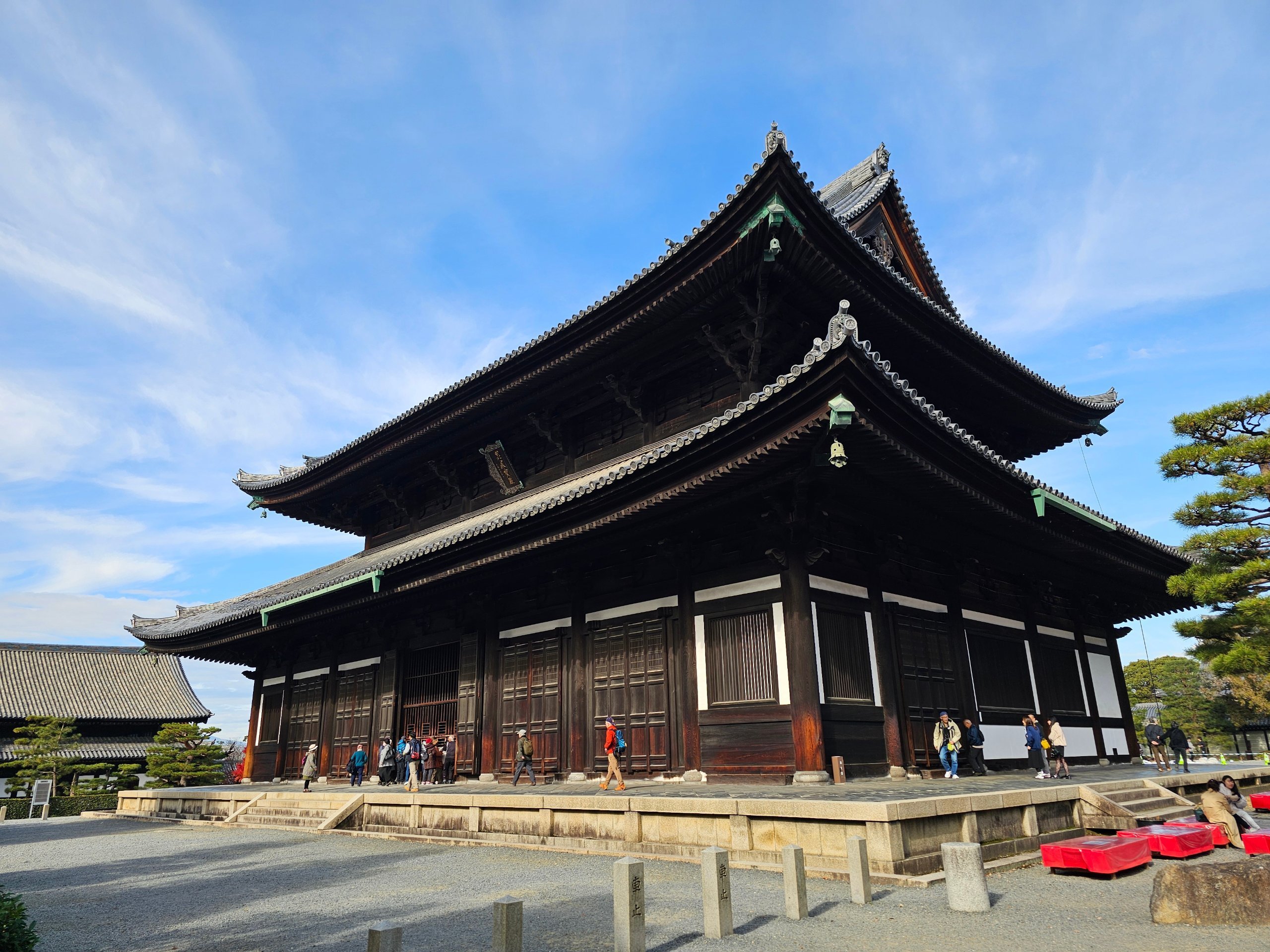
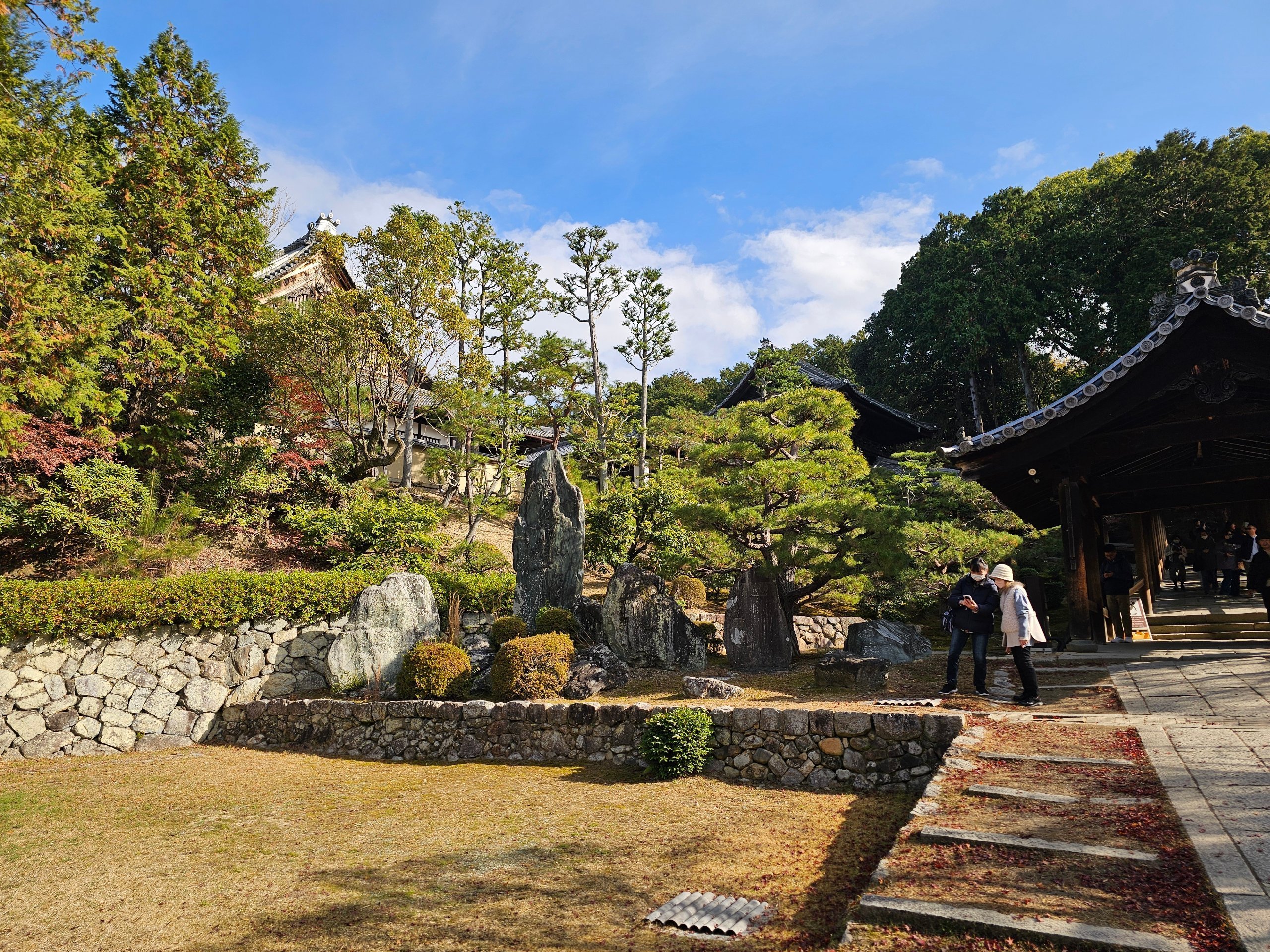
The beautiful and relatively little-visited Tofuku-ji Temple with its wooden bridge can be found just a 20-minute walk from Fushimi Inari.
An ideal place to stop for half an hour.
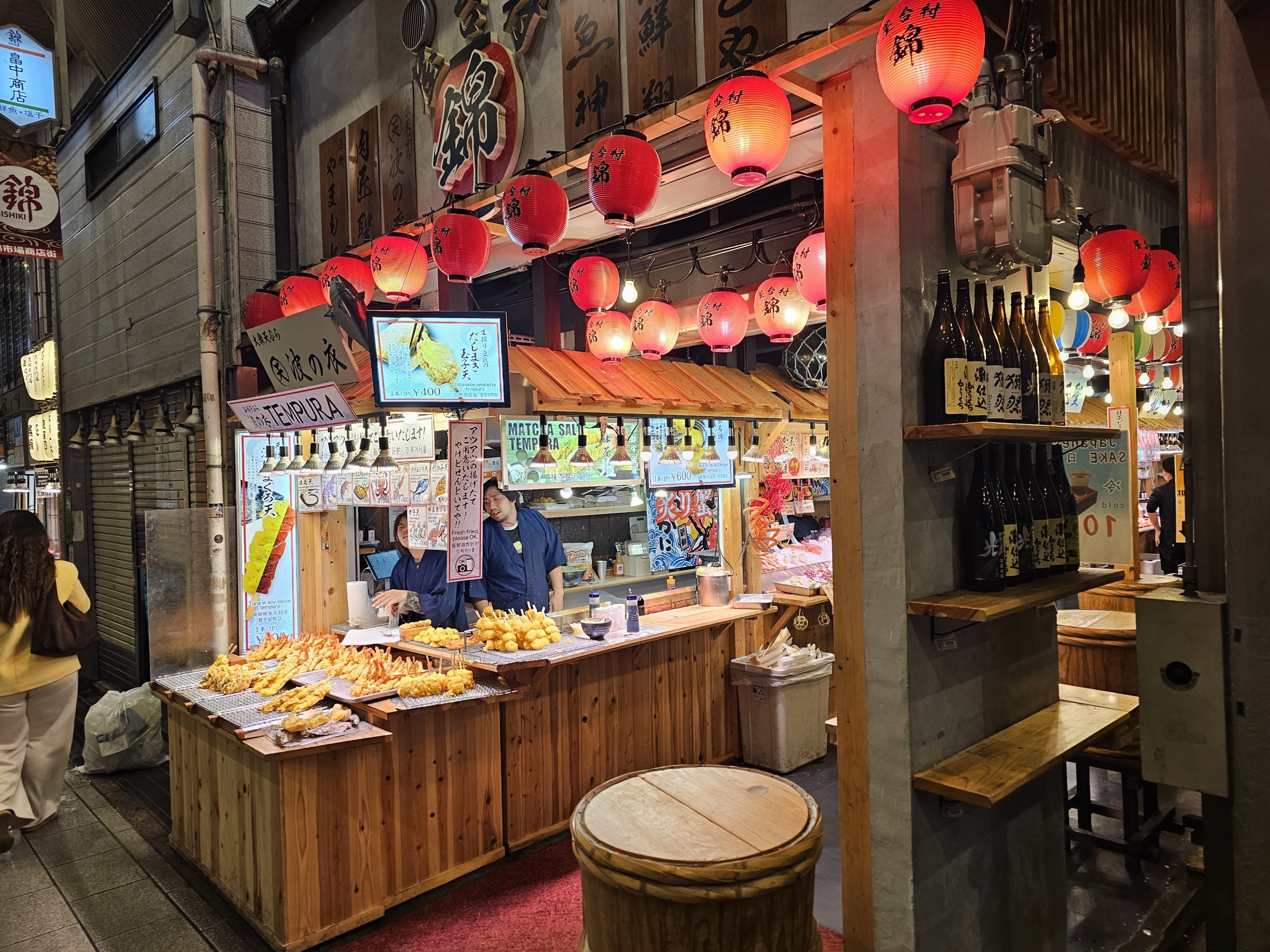
11:00 - Nishiki Market
On your return to the centre, stop for a meal at Nishiki Market. The local restaurants and shops are open mainly during the day, so it's a good idea to stop by around noon.
You'll find dozens of stalls selling Japanese specialties within a few hundred meters.
13:00 - Nijo Castle
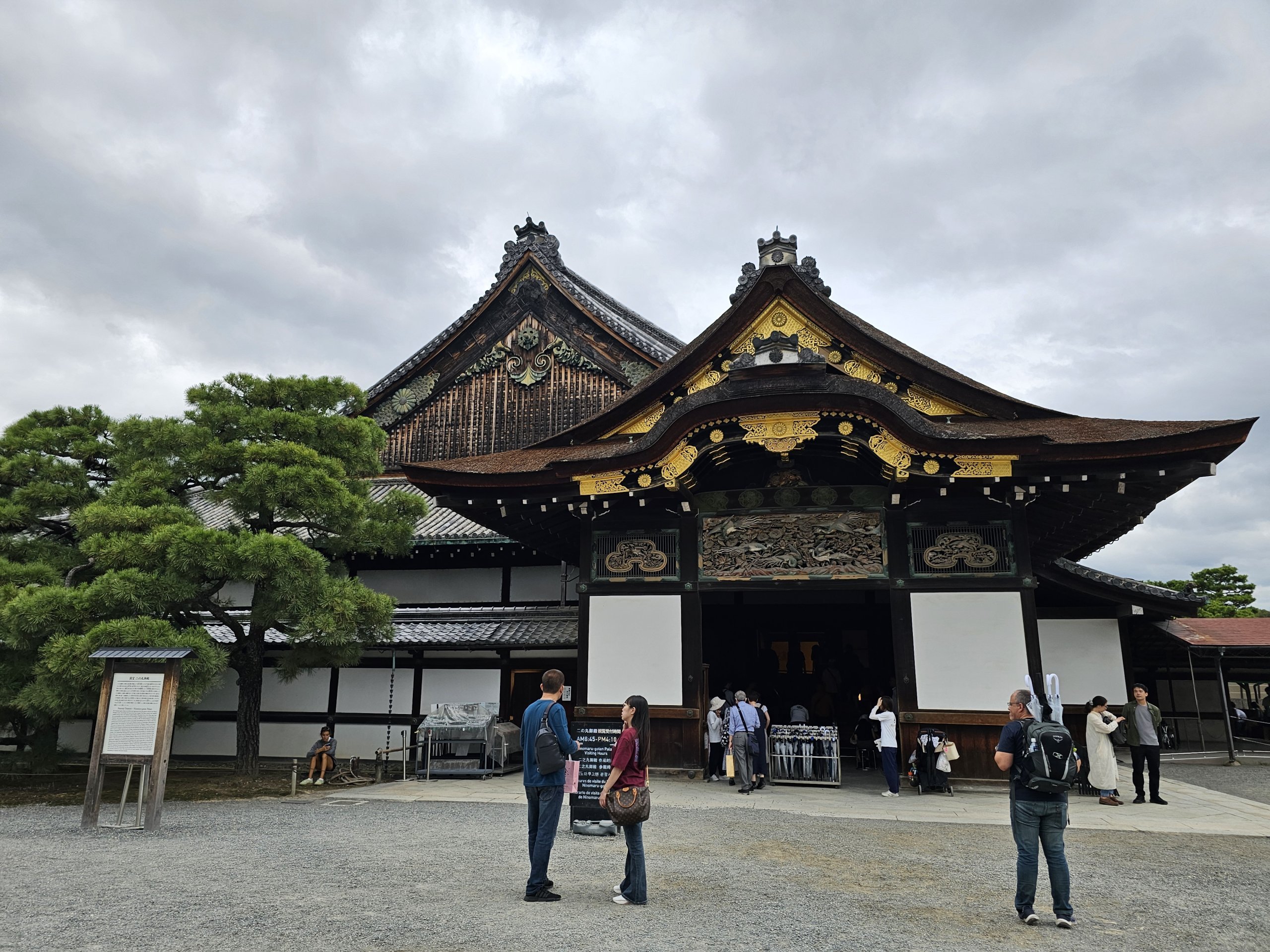
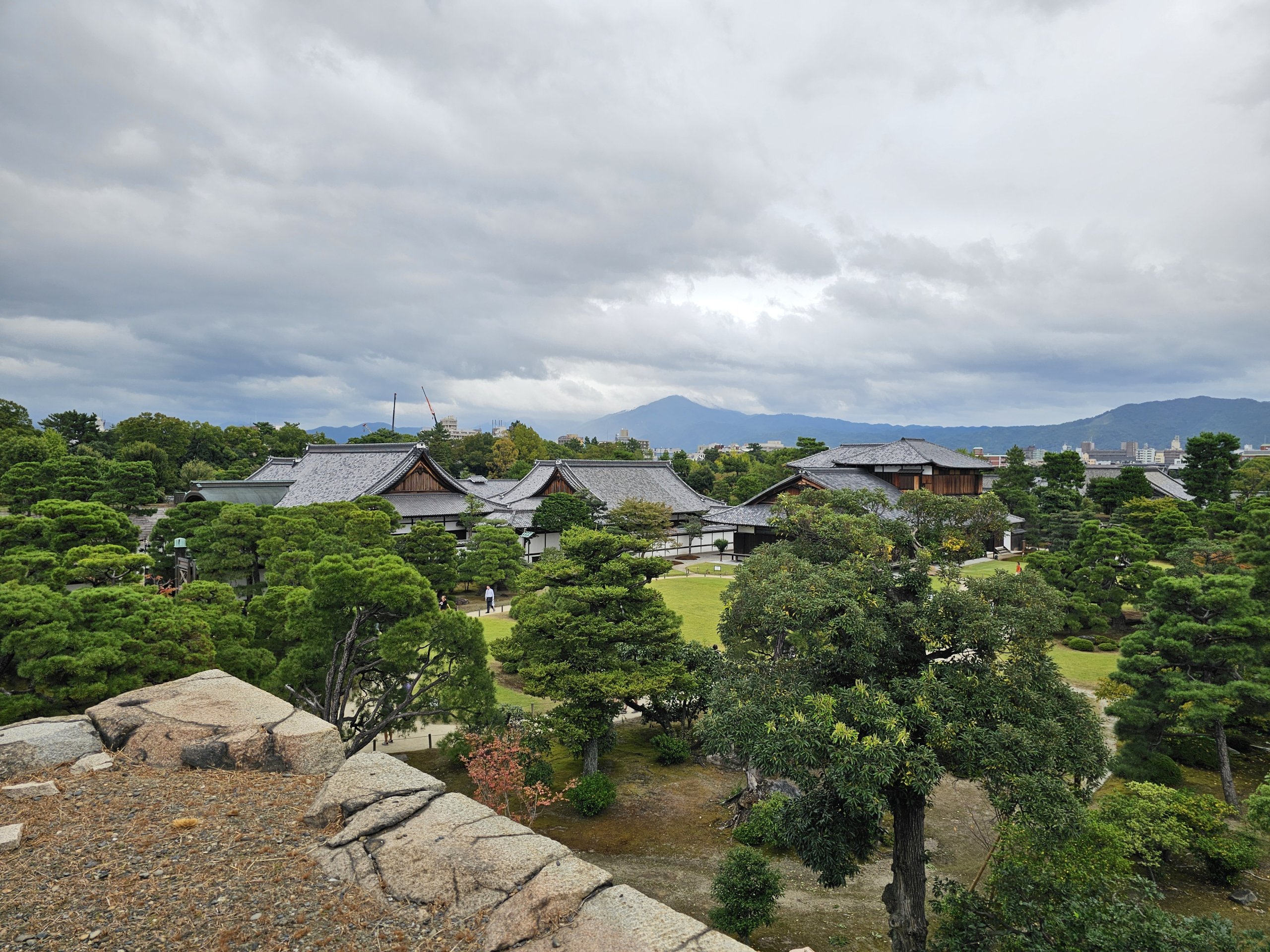
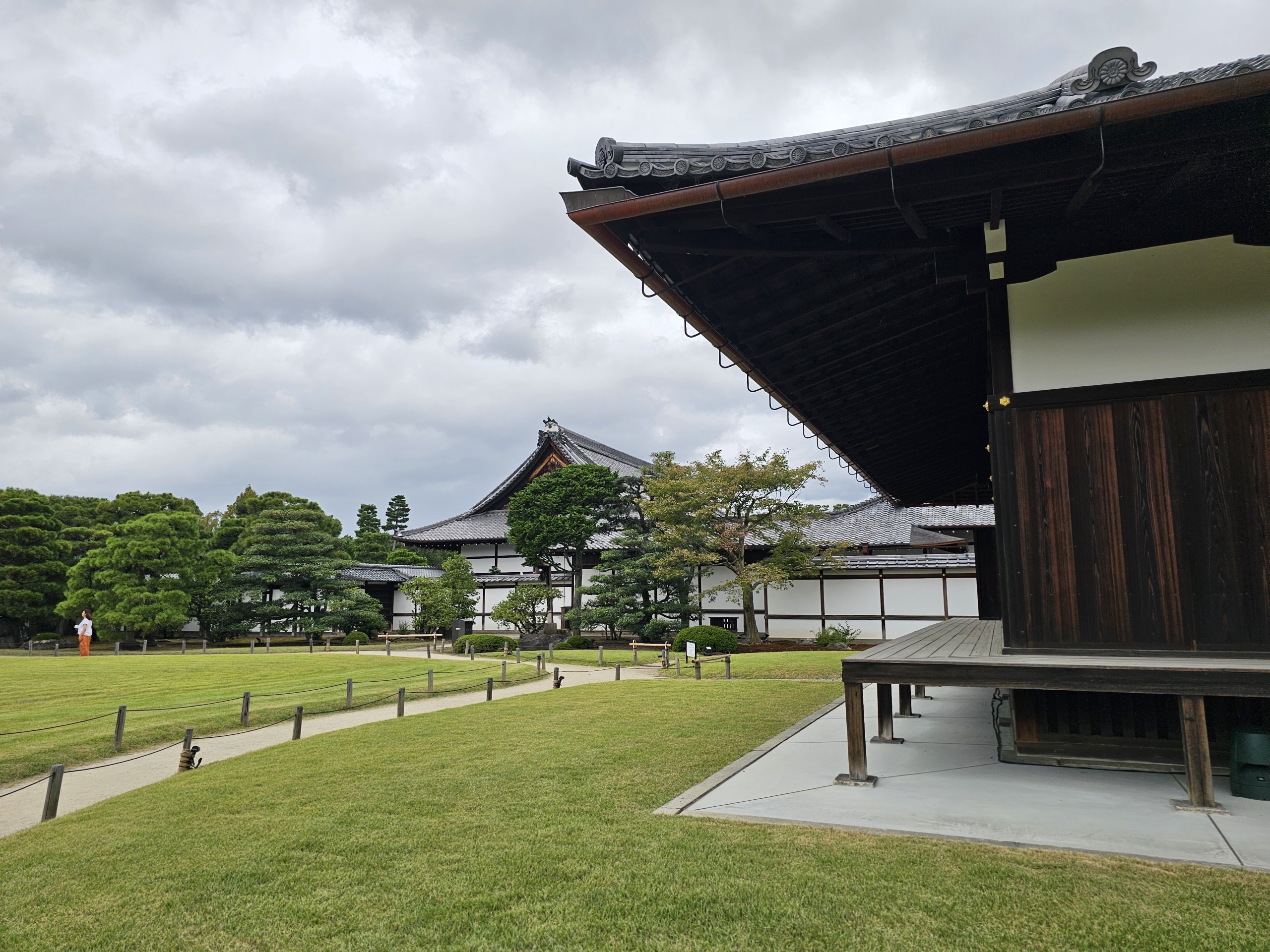
Take the metro to the geographical centre of Kyoto, where the historic Nijo Castle is located.
It took us about 60 minutes to walk through the grounds.
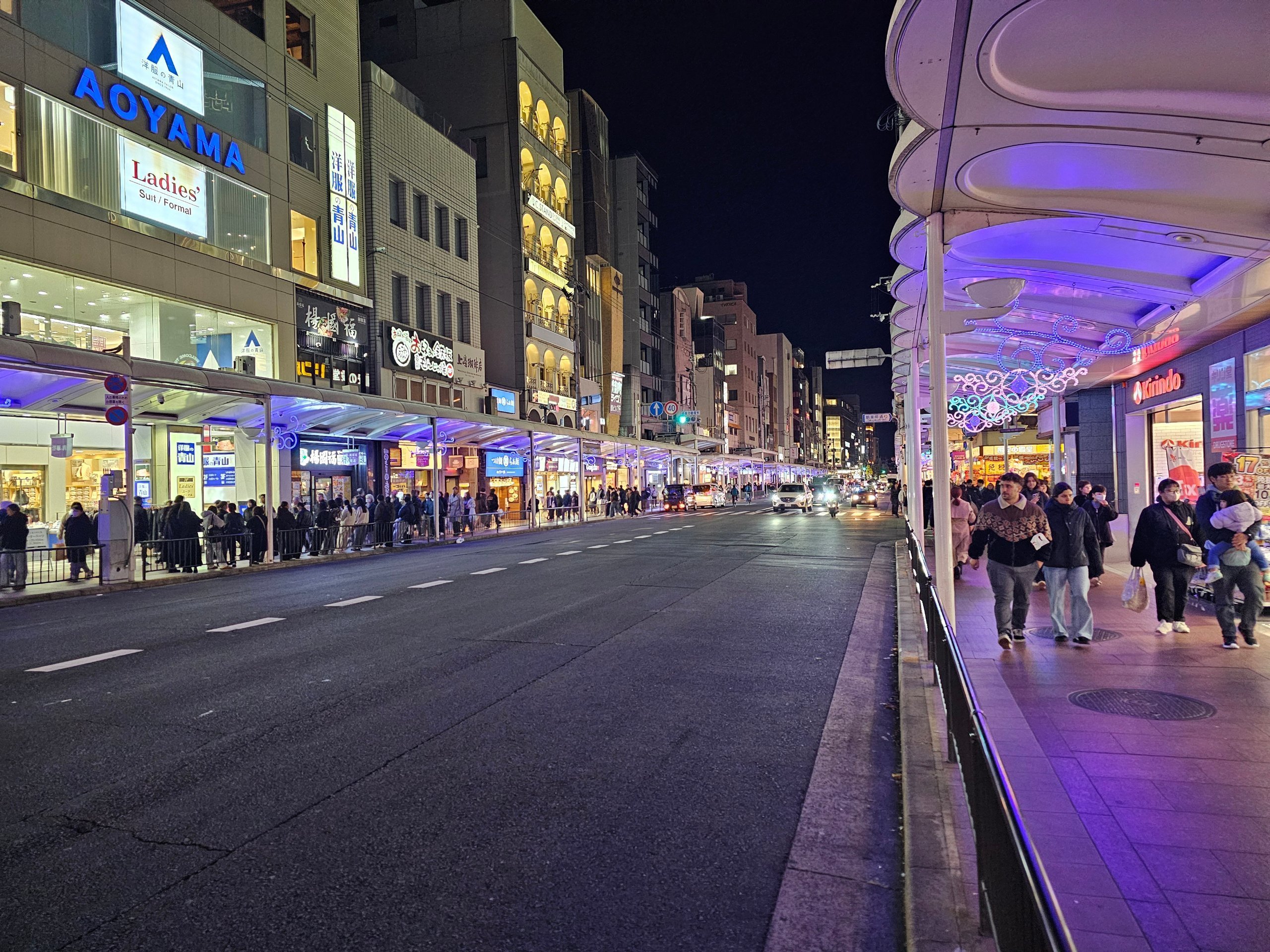
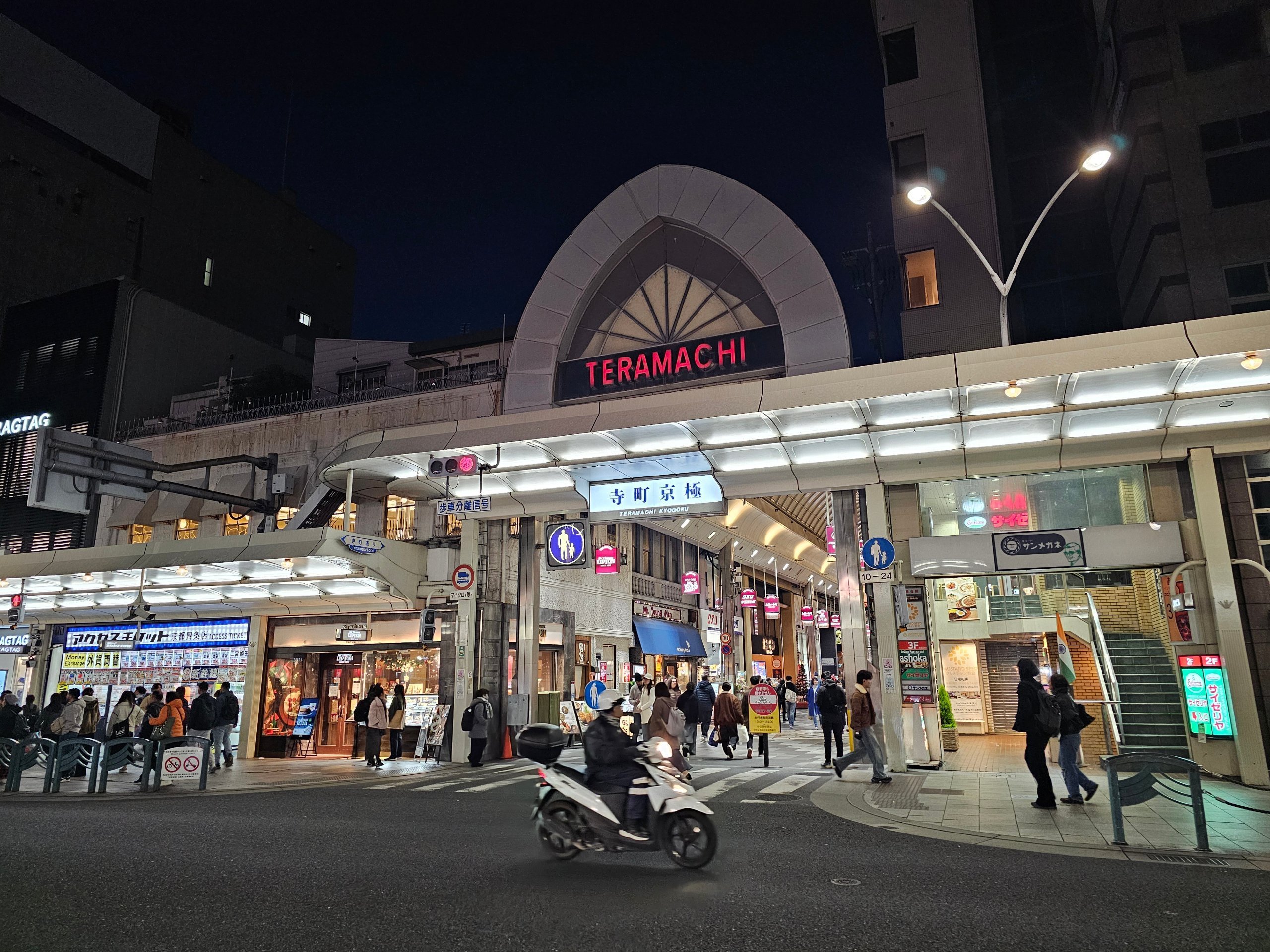
15:00 - Shopping in Kawaramachi
In the afternoon, we went back to the center, because it's mainly alive in the early evening.
Kyoto's modern downtown Shijo-Kawaramachi is full of huge department stores, cosmetics shops, restaurants, cheap electronics stores.
In short, a shopping paradise.

17:00 - Pontocho Alley
End the evening in historic Pontocho Alley.
The restaurants here have small terraces over the Kamo River and the atmosphere is completely different in the evening than during the day.
If you still have a moment before leaving Kyoto, we recommend leaving your luggage in one of the many lockers at Kyoto Station and walking to one of the nearby temples.
These sights are best visited in combination with a departure or arrival from/to Kyoto.
View hotels near Kyoto Station
Many travelers consider whether to stay in Kyoto or Osaka.
The good news is that the distance between the cities is very small. The train between the two takes approximately 30 minutes.
So, in theory, you can do the whole itinerary as trips from Osaka.
In practice, however, I recommend staying at least one night directly in Kyoto. In fact, the evening atmosphere of neighborhoods like Gion or Pontocho is completely different than during the day.
And if you do decide to take day trips from Osaka, I would definitely recommend choosing a hotel right by the train station heading towards Osaka.
Ideally, choose a hotel near Umeda Station, where the Hankyu (Kyoto Center + Arashiyama) or JR (Kyoto Station) trains run from.
One thing we only realised on several visits: Kyoto is planned very differently to Tokyo or Osaka.
Trying to see everything
On our first visit, we wanted to see Fushimi Inari, Kinkaku-ji and Arashiyama all in one day.
On the map it looks close, but in reality we spent several hours in traffic.
Arriving at iconic places late
Fushimi Inari at 7am and 11am are two completely different experiences.
Underestimating the traffic
Unlike Tokyo or Osaka, Kyoto has a limited subway system and most transfers are by bus. If you're planning on moving around the city, check out our handy guide to transport in Kyoto.
Kyoto is one of those cities where the seasons dramatically change the atmosphere of the city.
The same itinerary can look completely different in spring during sakura season or in autumn when the temples are surrounded by red maples.
The good news is that this three-day itinerary works in every season. It's just sometimes a good idea to adjust the order or add some locations.
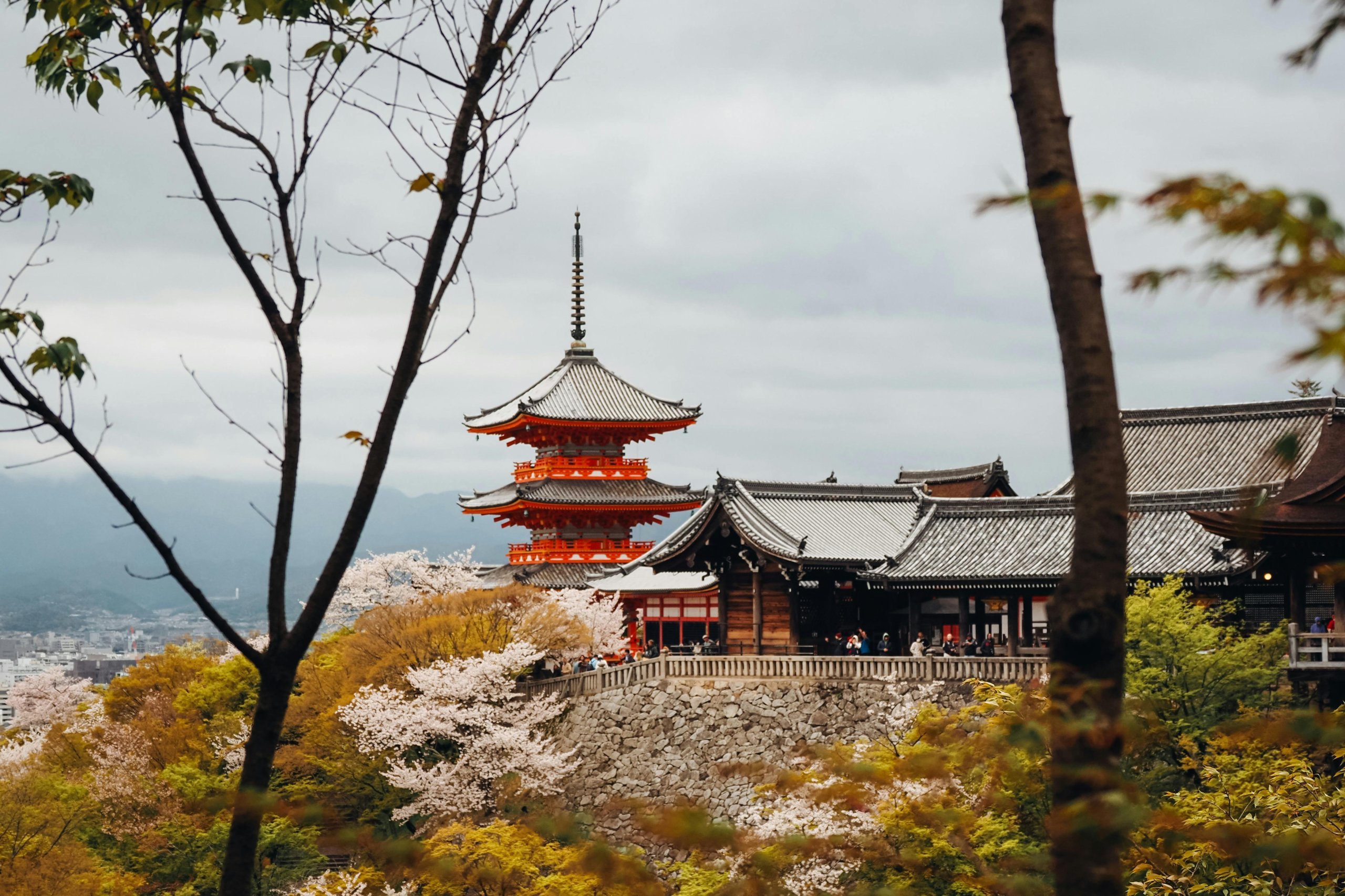
The cherry blossom season is one of the most beautiful moments in all of Japan. But in Kyoto, it also means a huge number of tourists.
That's why it pays to stick to an itinerary that minimizes transfers.
You'll especially experience the best spring atmosphere in these parts of the city:
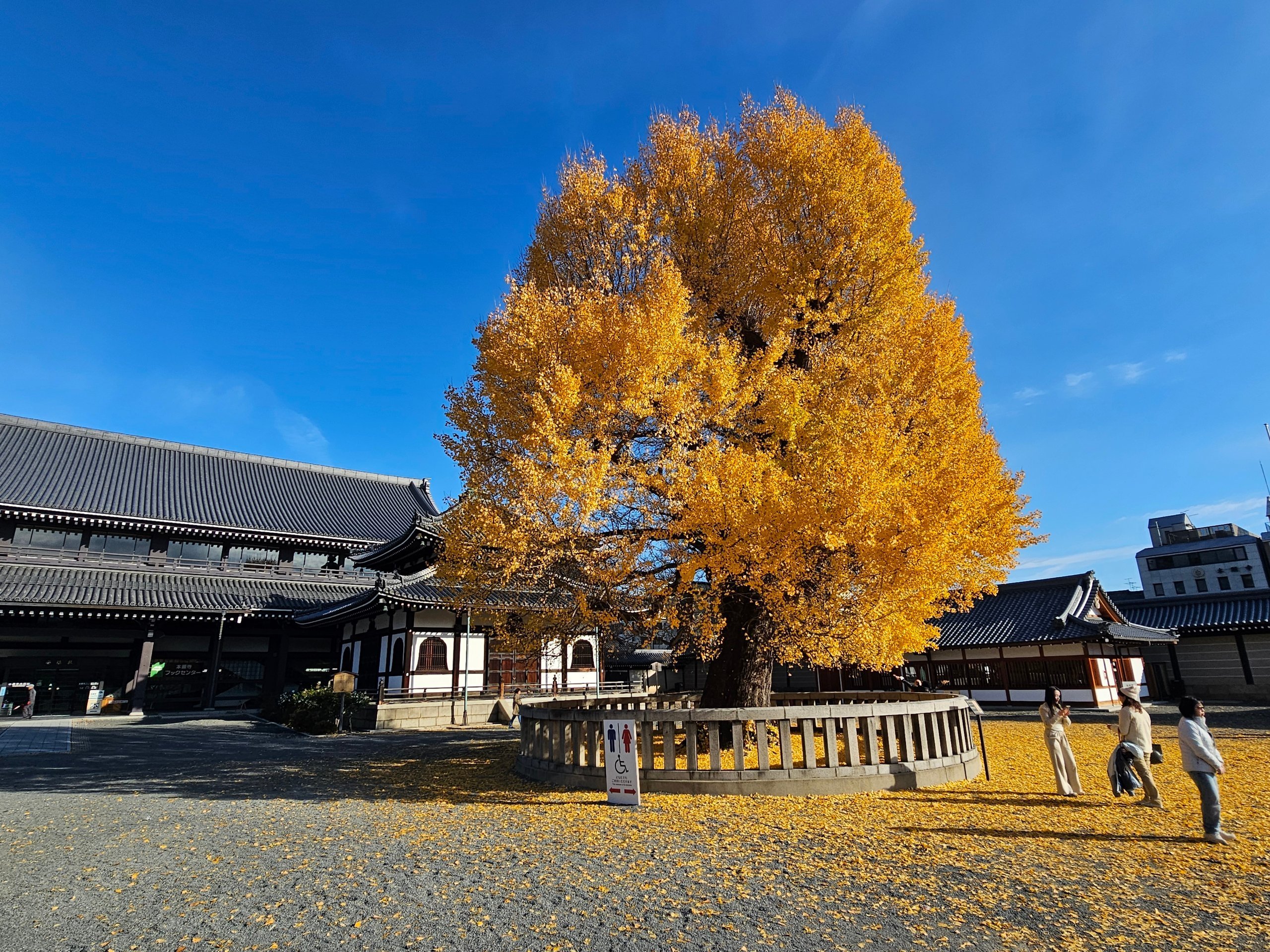
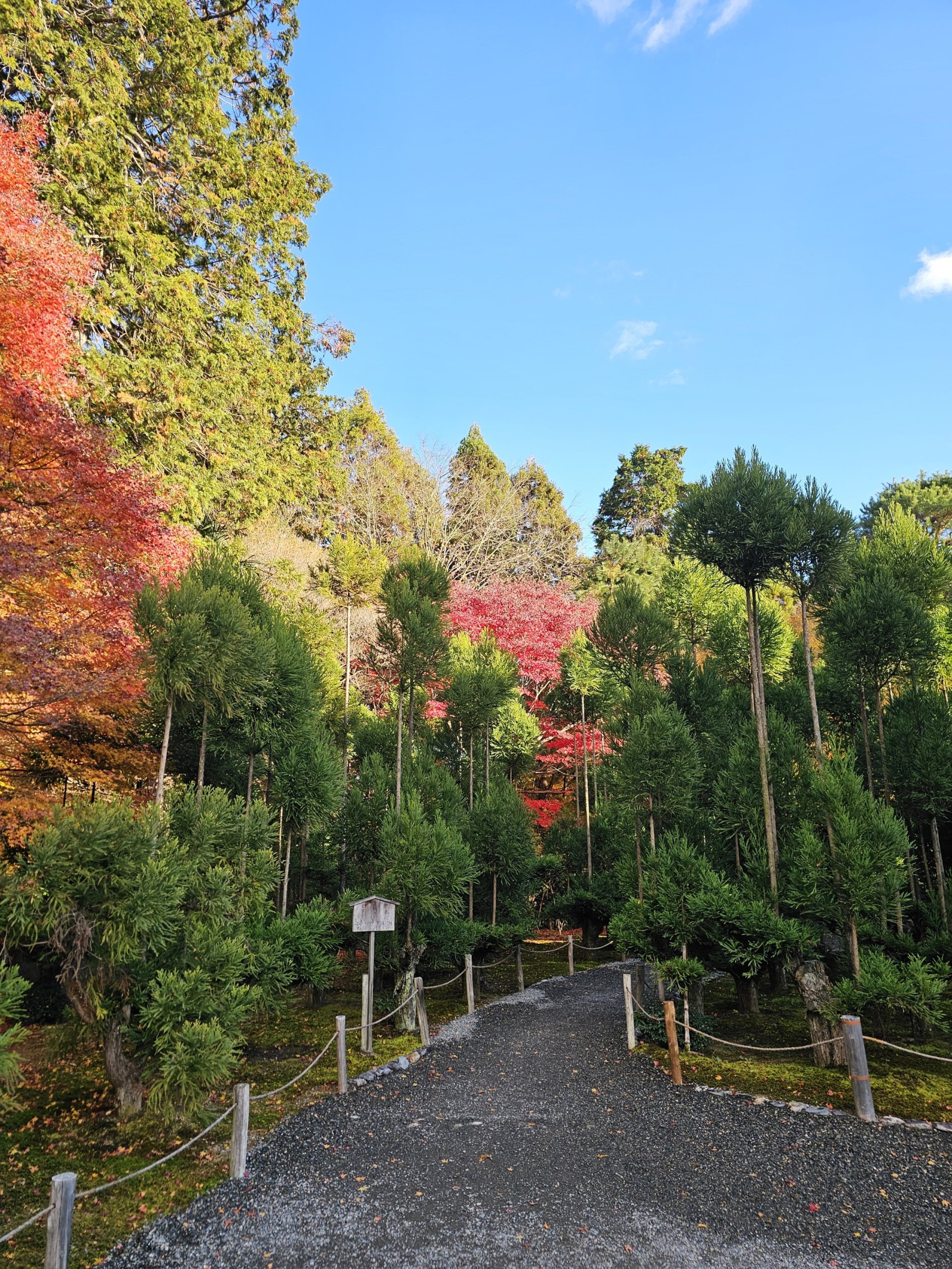
If I had to pick one best season to visit Kyoto, it would probably be autumn.
The Japanese maple trees turn red and orange and many of the temples look literally like something out of a postcard.
Autumn tends to be the most crowded time of year in Kyoto. Be inspired by my experience and discover Kyoto without the crowds of tourists.
The most beautiful autumn scenery can be found, for example, at:
Autumn is also slightly less crowded than spring, which is another big advantage.
Summer in Kyoto is honestly quite busy. Temperatures often exceed 35°C and the humidity is very high.
On the other hand, summer is when one of the most famous festivals in Japan takes place - Gion Matsuri, which takes place in July.
If you come in summer, I recommend it:
Ironically, winter is one of the most pleasant times to visit Kyoto if you don't mind the colder weather.
There are significantly fewer tourists and many temples seem much quieter than during the high season.
Plus, if you're lucky enough to get snow, some of the sights - such as Kinkaku-ji - look absolutely incredible.
💡 Practical tip
Regardless of the season, it always pays to start your day as early as possible in Kyoto. The most famous places like Fushimi Inari or Arashiyama Bamboo Grove have a completely different atmosphere in the morning than in the middle of the day.
For a first visit, yes. Three days will allow you to see the main sights without feeling like you're just quickly "ticking off" the city.
If you're planning more than one day, I definitely recommend staying in Kyoto. The evening atmosphere of neighborhoods like Gion or Pontocho is one of the best experiences of the whole city.
Prepare for a lot of walking. During my second visit I normally walked 30 km a day, but I'm an outlier - I love walking and tried to cover as many places as possible, also for the sake of the articles on our website.
Realistically, you're more likely to walk 10-15 km a day.
If I'm being completely honest, 4 to 5 days is ideal. Then you can add for example a trip to Nara or a trip on the romantic Sagano train + floating the Hozugawa river.
If you have any questions or comments about the article...