Barcelona from Prague with Vueling this winter
72 €



Nijō Castle is an important monument located in central Kyoto. It was built in 1603 as the residence of the first shogun of the Edo period, Tokugawa Ieyasu.
The site is a UNESCO World Heritage Site and one of the city's most important historical sites.
Unlike temples, you won't experience a spiritual atmosphere here, but rather the political history of Japan.
✅ Yes, if:
❌ More likely not, if:
Honestly: Nijo is not as visually stunning as Kiyomizu-dera or the Golden Pavilion. But if you take the time to walk through the interiors of Ninomaru Palace, it's one of the most authentic places in Kyoto.
💡 Alternative
If you're looking for more iconic architecture and a strong visual experience, consider Kinkaku-ji or Kiyomizu-dera. But if you're into the history of power and the samurai era, Nijo is a better choice.
The Nijo Castle complex consists of three main areas.
No photographs are allowed inside the interiors of the Ninomaru and Honmaru palaces.
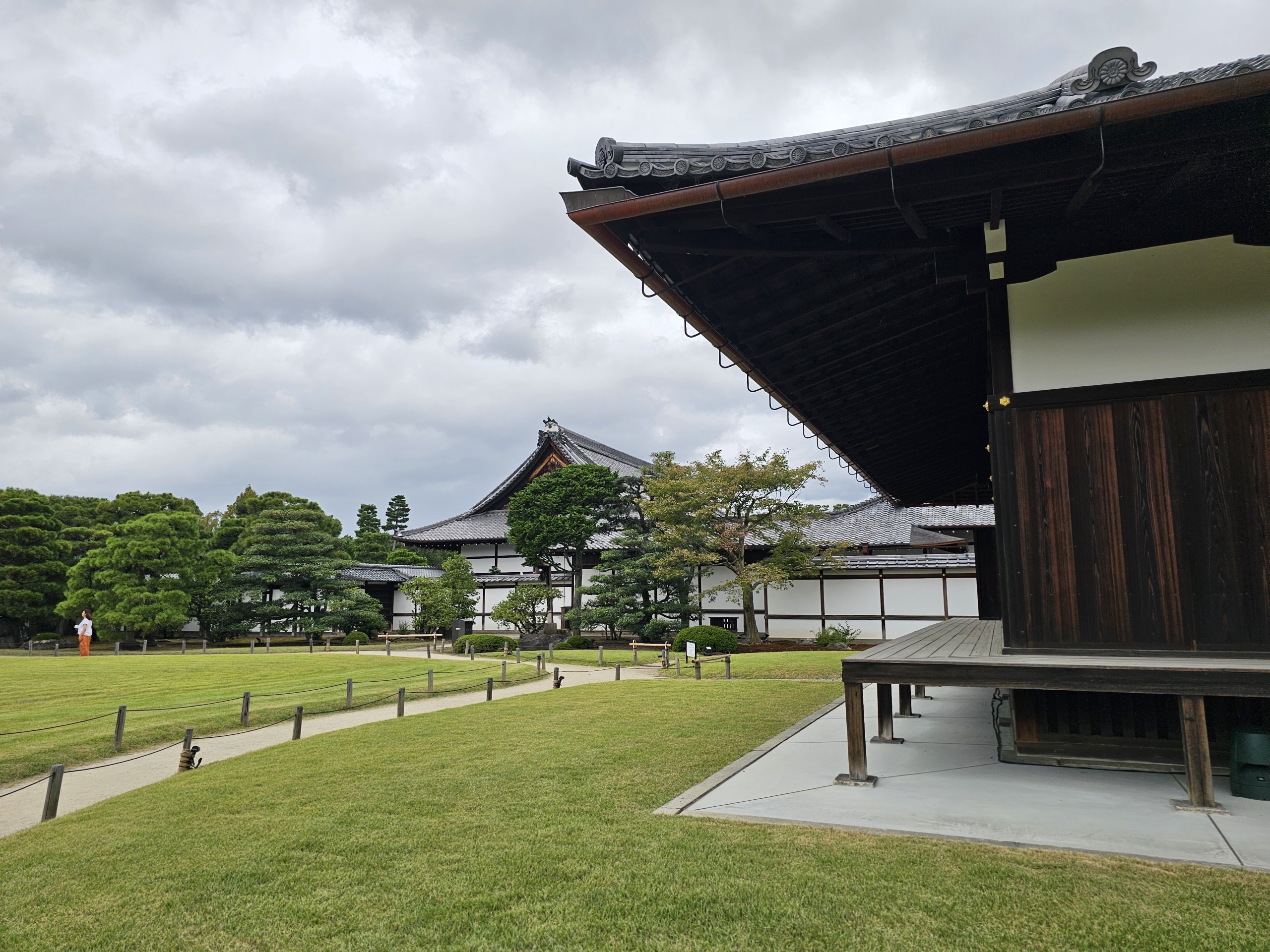
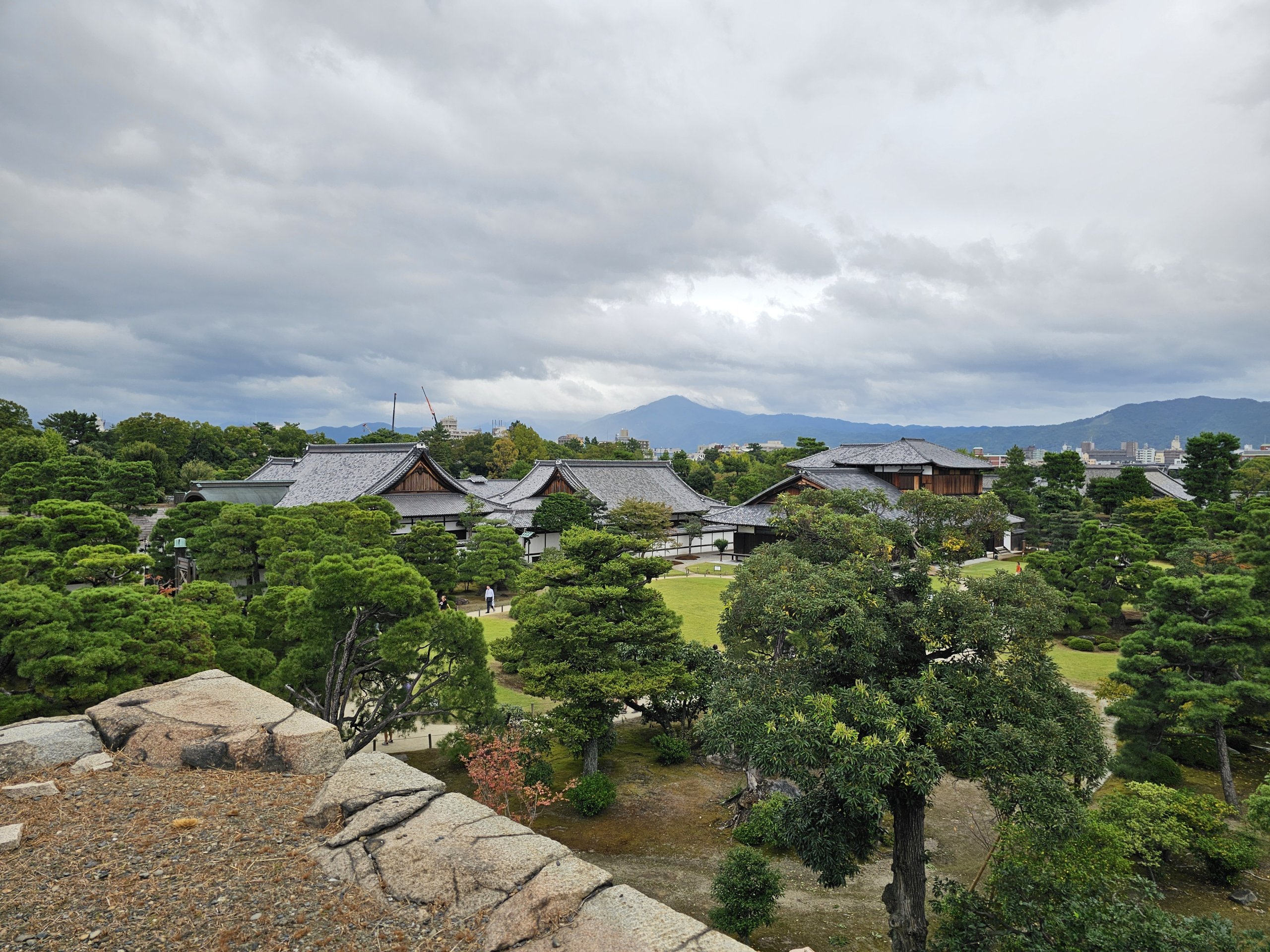
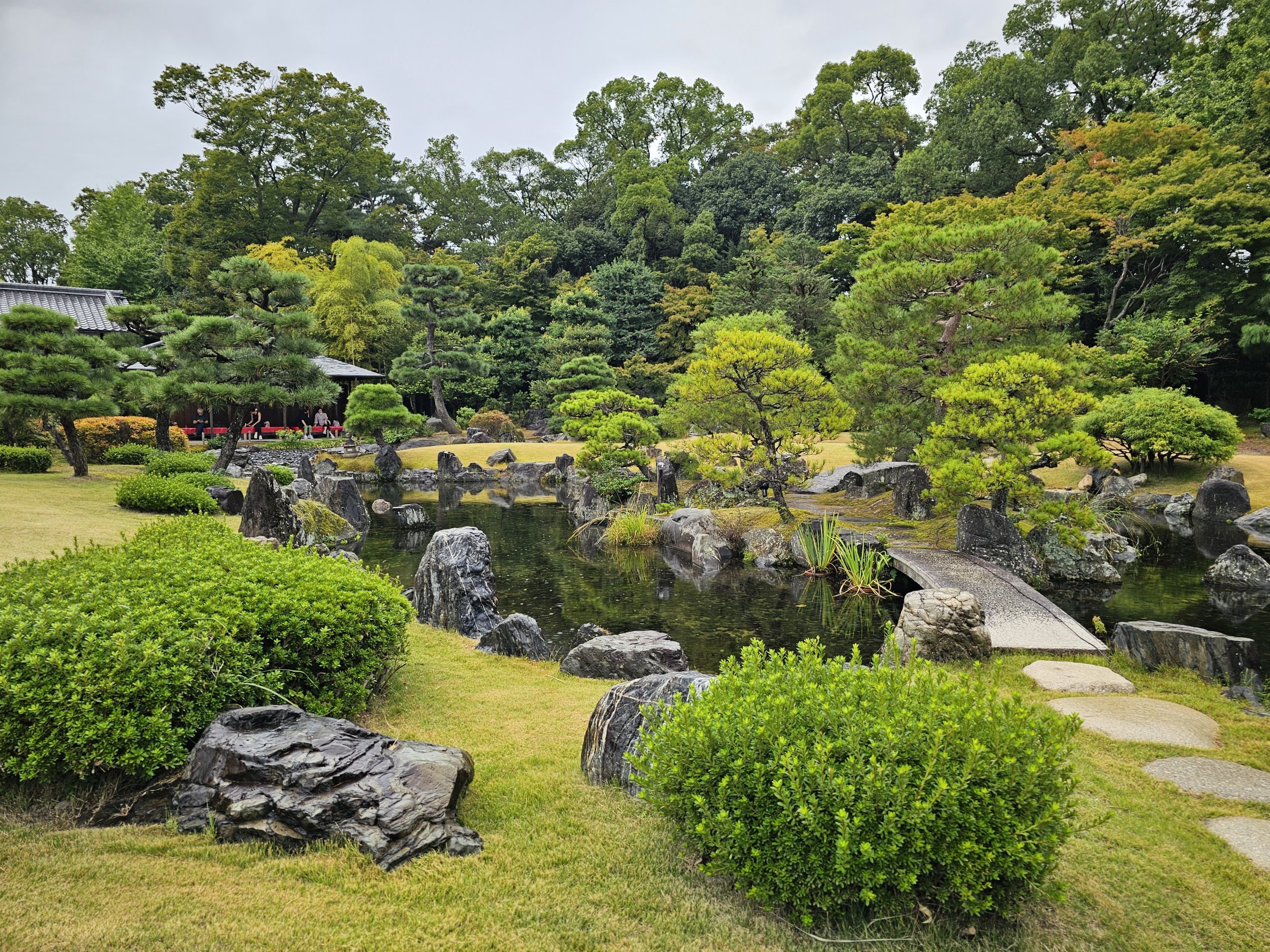
Nijo Castle has only one entrance and exit on its southeast side (see map). All other entrances and exits are closed to the public.
It is open every day from 8:45-17:00. However, the last entry is possible at 16:00.
Ticket prices are as follows:
These tickets can be purchased at the ticket office at the entrance with a card or cash.
You must book the entrance to Honmaru Palace in advance for additional 1 000 jpy on the official website: nijo-jocastle.city.kyoto.lg.jp
Official website: nijo-jocastle.city.kyoto.lg.jp
1️⃣ Buy only a basic ticket
If you're interested in history, it's definitely worth entering Ninomaru Palace. The gardens themselves are nice, but the main value is inside.
2️⃣ Come without the expectation of school groups
There tend to be a lot of school field trips here during the day.
3️⃣ Underestimate the time
The entire visit will take at least 1.5-2 hours if you want to walk through the interiors and gardens.
4️⃣ Fit it into a day crowded with other top sites
Nijo is better combined with sights in the central part of the city than moving north or south.
5️⃣ Count on having photos of the interior
You are only allowed to take photos in the gardens or exteriors of the palaces.
Nijo-jo is located in the central part of the city and combines very well with other places in the area.
The most common combinations:
If you have 2-3 days in Kyoto, Nijo is ideal to include as a quieter historical block between intense temple visits.
For a more detailed layout by number of days, see How many days to spend in Kyoto.
Nijo-jo is located in the middle of Kyoto and is easily accessible by public transport.
There are several large hotels and many smaller guesthouses near the castle. The area is easily accessible by metro and buses.
We recommend these quality hotels:
Book a hotel in downtown Kyoto
For more tips by location and budget, check out our Kyoto Accommodation section.
How long does it take to visit?
Usually 1.5-2 hours.
Is it worth entering Ninomaru Palace?
Yes, the interiors are the greatest value of the whole visit.
Is the castle a UNESCO World Heritage Site?
Yes, it is part of Kyoto's UNESCO-listed historical sites.
Is it possible to take photographs inside the palace?
No, photography is prohibited inside.
Discover all the places to see in Kyoto.
If you have any questions or comments about the article...