Barcelona from Prague with Vueling this winter
72 €



Kyoto is especially famous for its temples. For me personally, however, it was often not the buildings themselves - but the gardens around them- that were the greatest experience.
Zen-like stone compositions, ponds with bridges, mossy slopes or carefully shaped pine trees.
Kyoto is home to some of the most famous Japanese gardens in the world, and it is here that one can best understand why they are so important in Japanese culture.
Because most gardens are part of temples, it can be a little difficult to choose where to go when planning. This article is therefore not a list of temples, but a selection of the gardens that I personally found most interesting and would recommend including in a visit to Kyoto.
If you're looking for more of an overview of the most famous temples, check out the article as well:
Kyoto's gardens are scattered all over the city, from the temples in Arashiyama to the tranquil parks in the north.
The map below shows all the places mentioned in this article.
Zen gardens, called karesansui, are among the most iconic symbols of Japanese aesthetics.
They are minimalist - just stones and gravel - and yet they can be incredibly powerful.
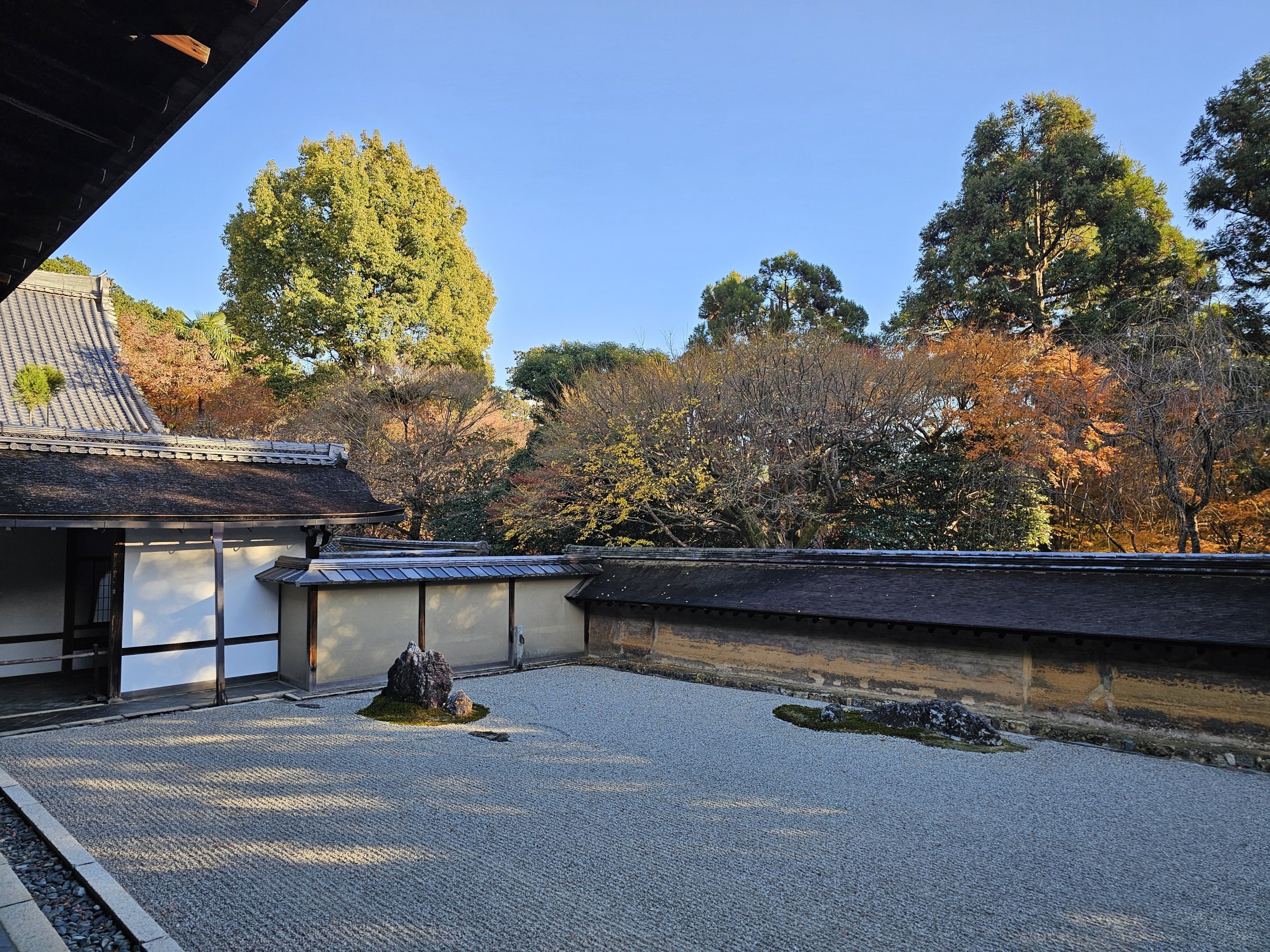
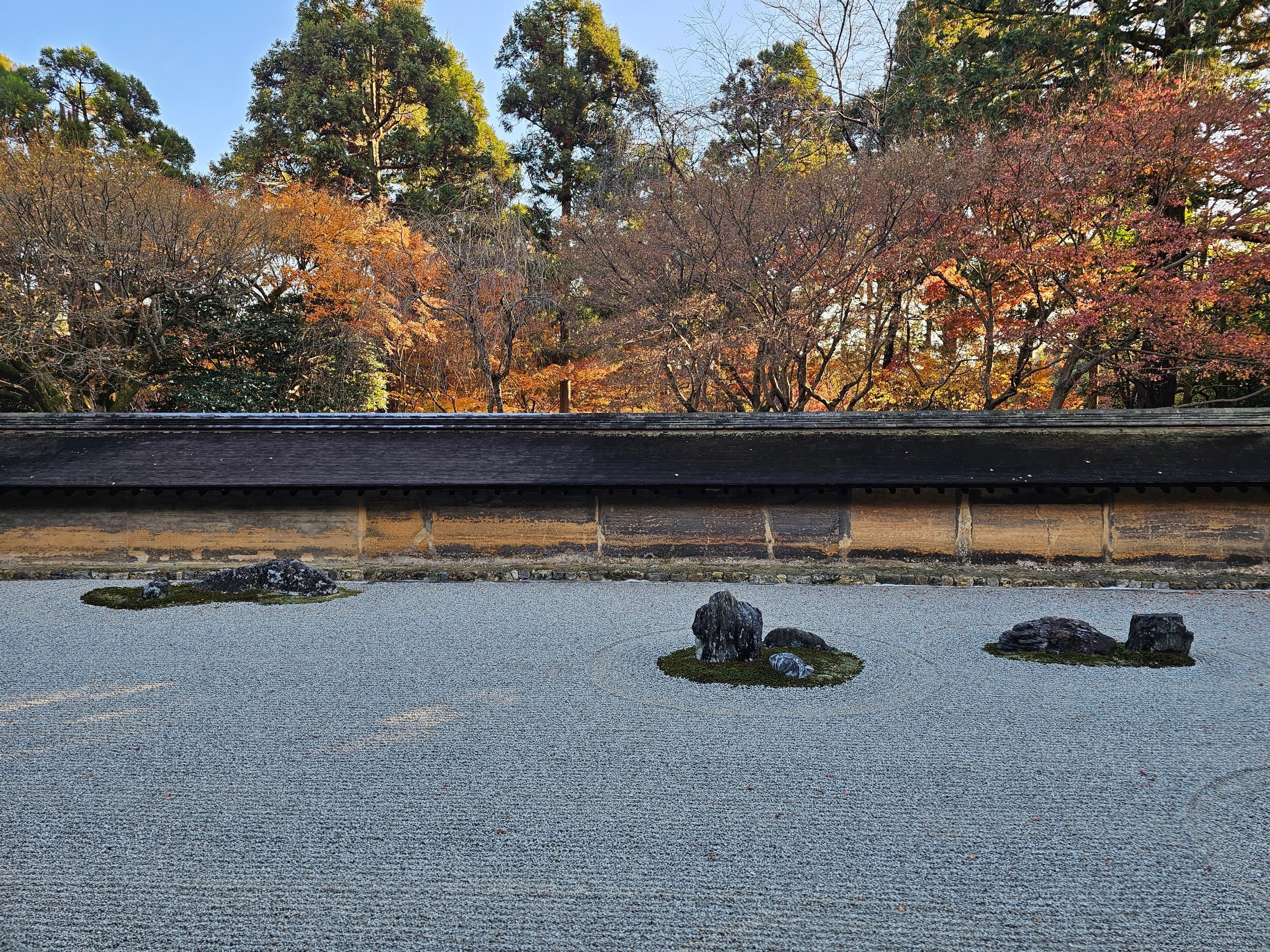
If I had to recommend just one Zen garden in Kyoto, it would be the one at Ryoan-ji Temple.
Fifteen stones scattered in a sea of white gravel create a composition that you never see all at once - one stone always remains hidden. It's simple, but fascinating at the same time.
Sitting on the wooden veranda and just watching the garden for a while was one of the most peaceful moments I've had in Kyoto.
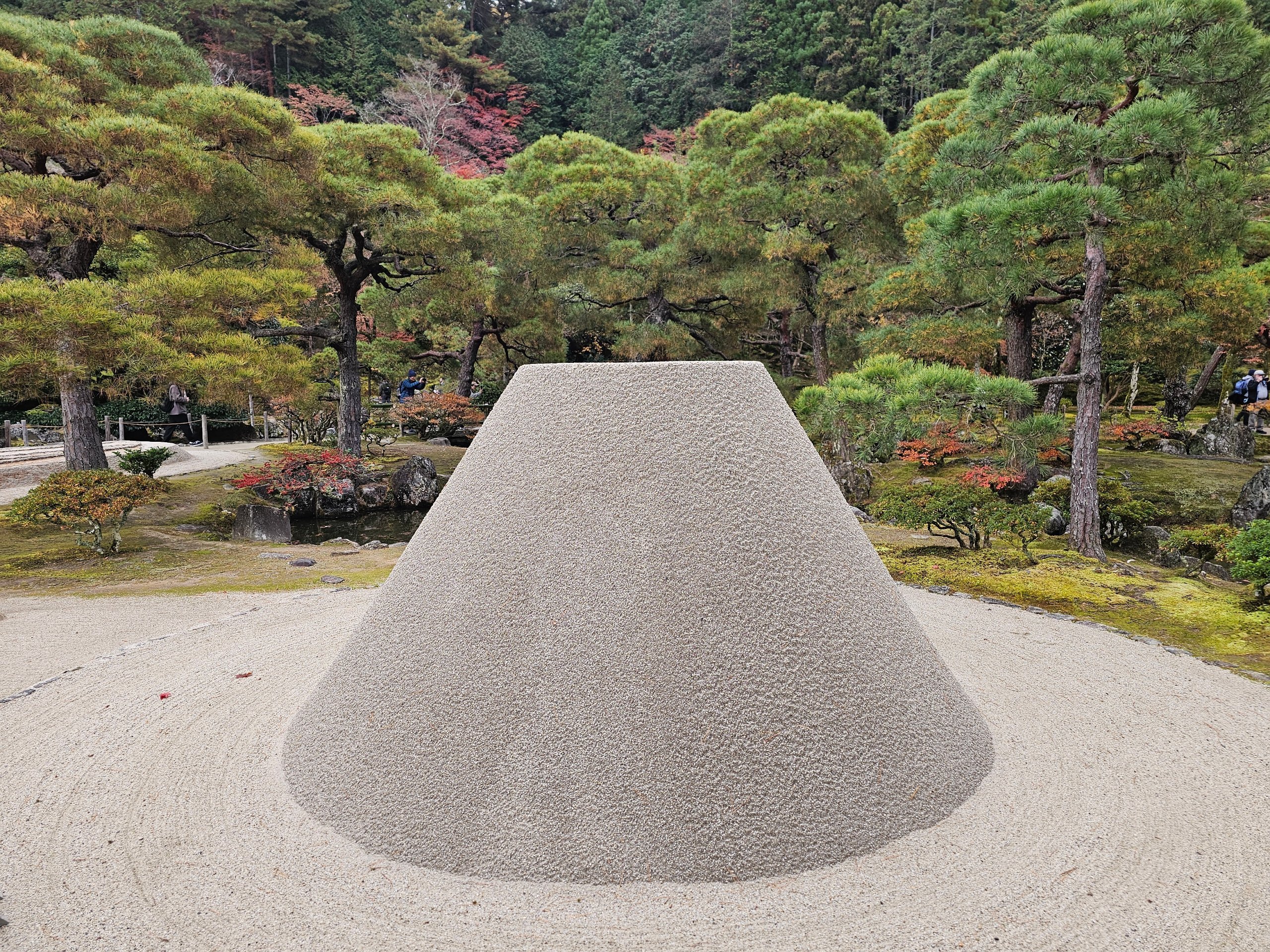
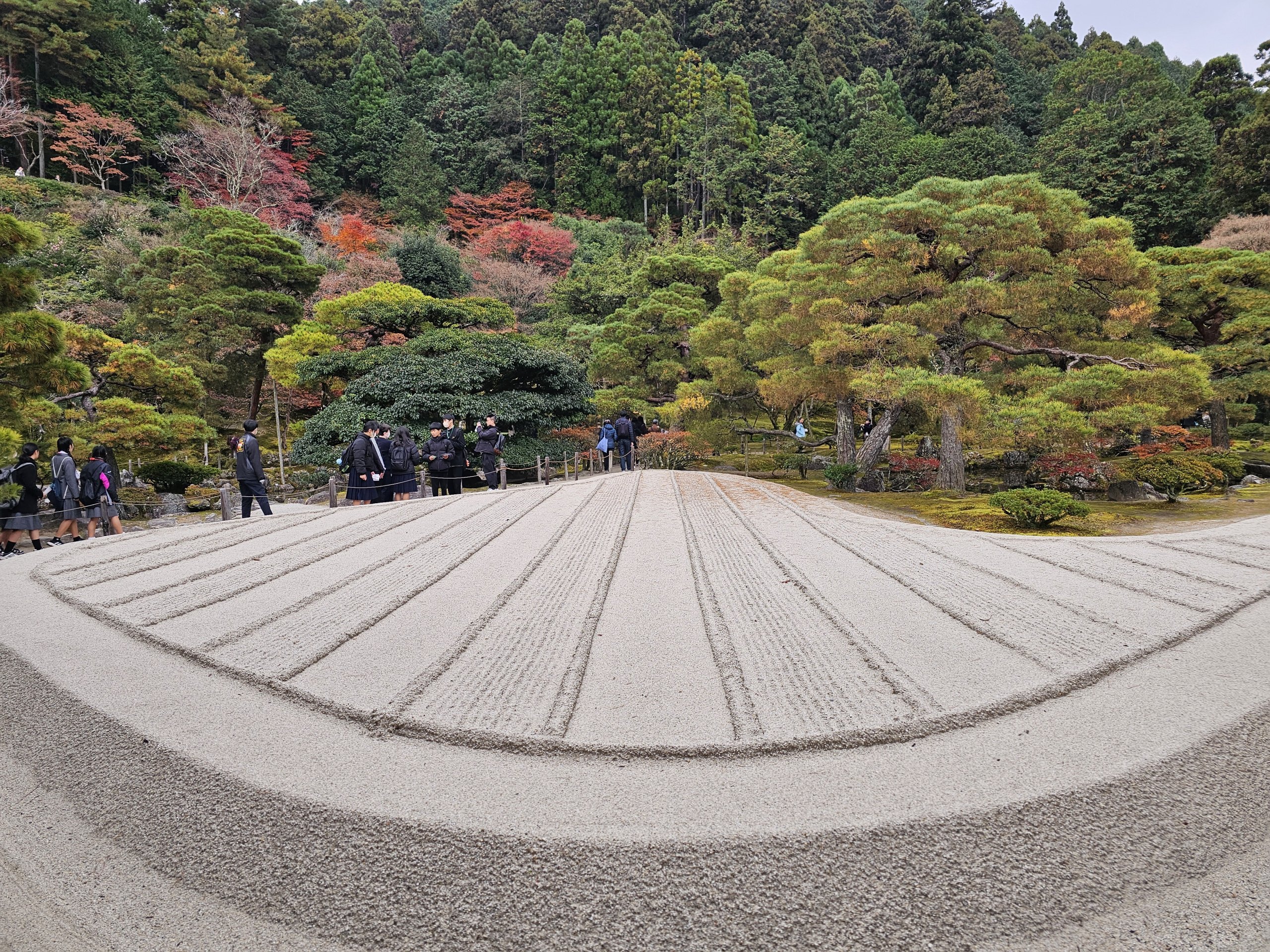
One of the most famous Zen gardens with a huge stone cone is located at the Silver Pavilion of Ginkaku-ji.
And in addition to the traditional Zen garden, Ginkaku-ji is surrounded by a beautiful Japanese garden with ponds.
The second type of gardens is completely different. Here it is no longer about minimalism, but about a landscape composition that gradually reveals itself as you walk.
The garden of Tenryu-ji Temple in Arashiyama is a completely different type of experience.
A large pond surrounded by hills creates a composition that uses the principle of shakkei - or "borrowed scenery". The surrounding mountains become part of the garden.
It is one of the few places where I felt that the garden flows seamlessly into the landscape.
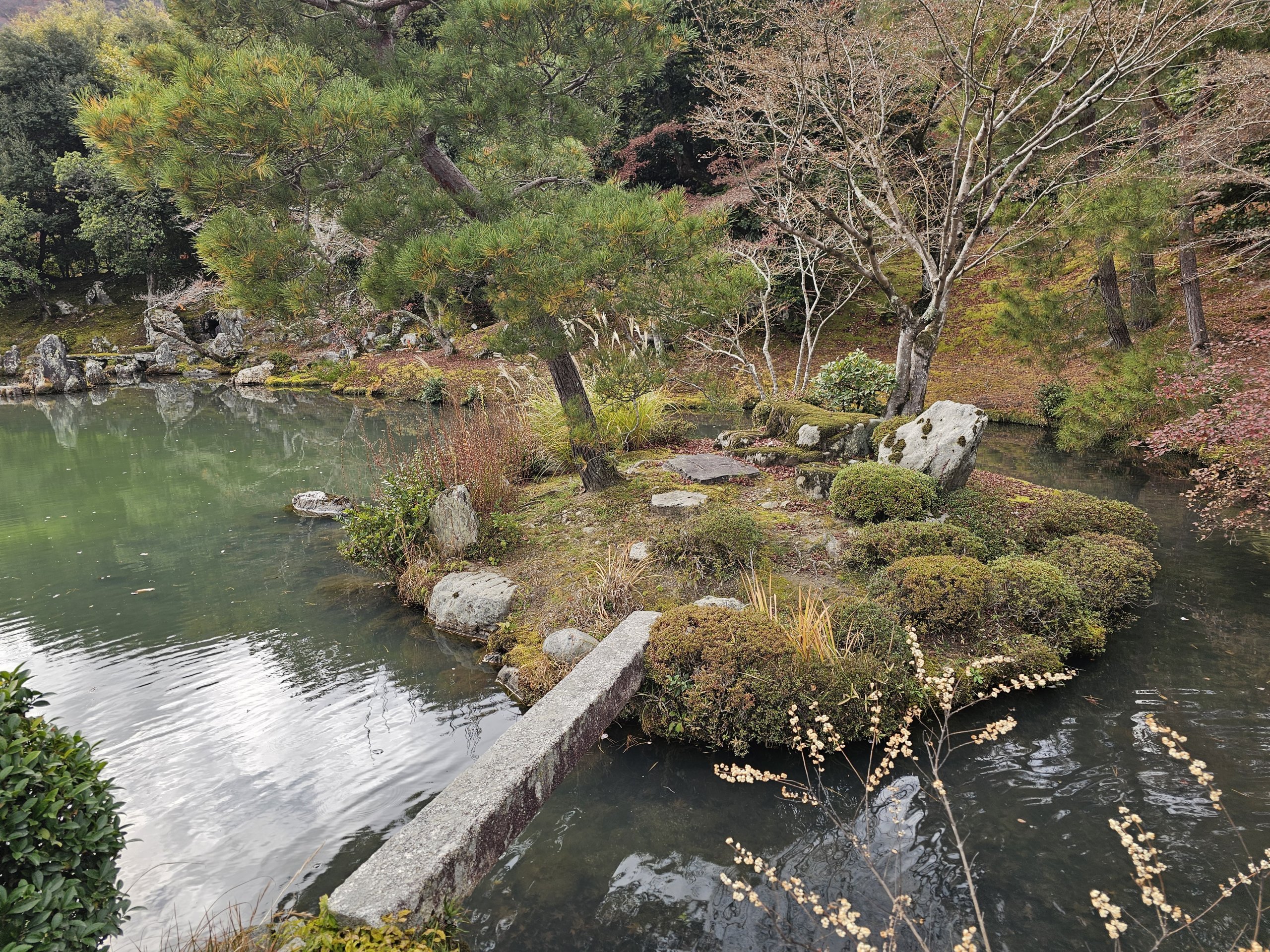
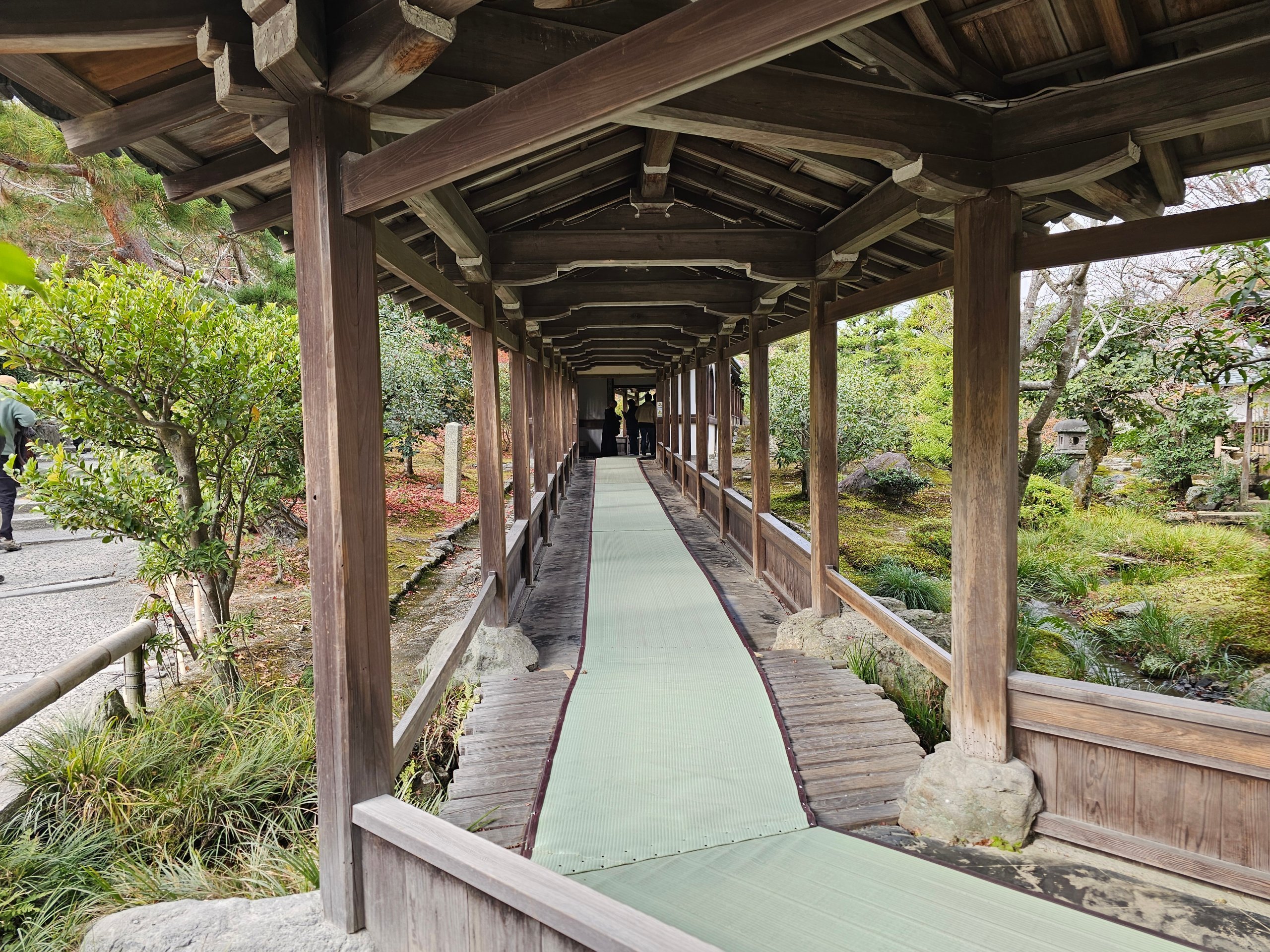
The gardens behind the Heian-jing Shrine were a big surprise for me.
Most people just walk through the main courtyard, but the real beauty lies beyond - large ponds, red bridges and lots of greenery.
Plus, in spring, there are some of the most beautiful sakura trees in Kyoto.
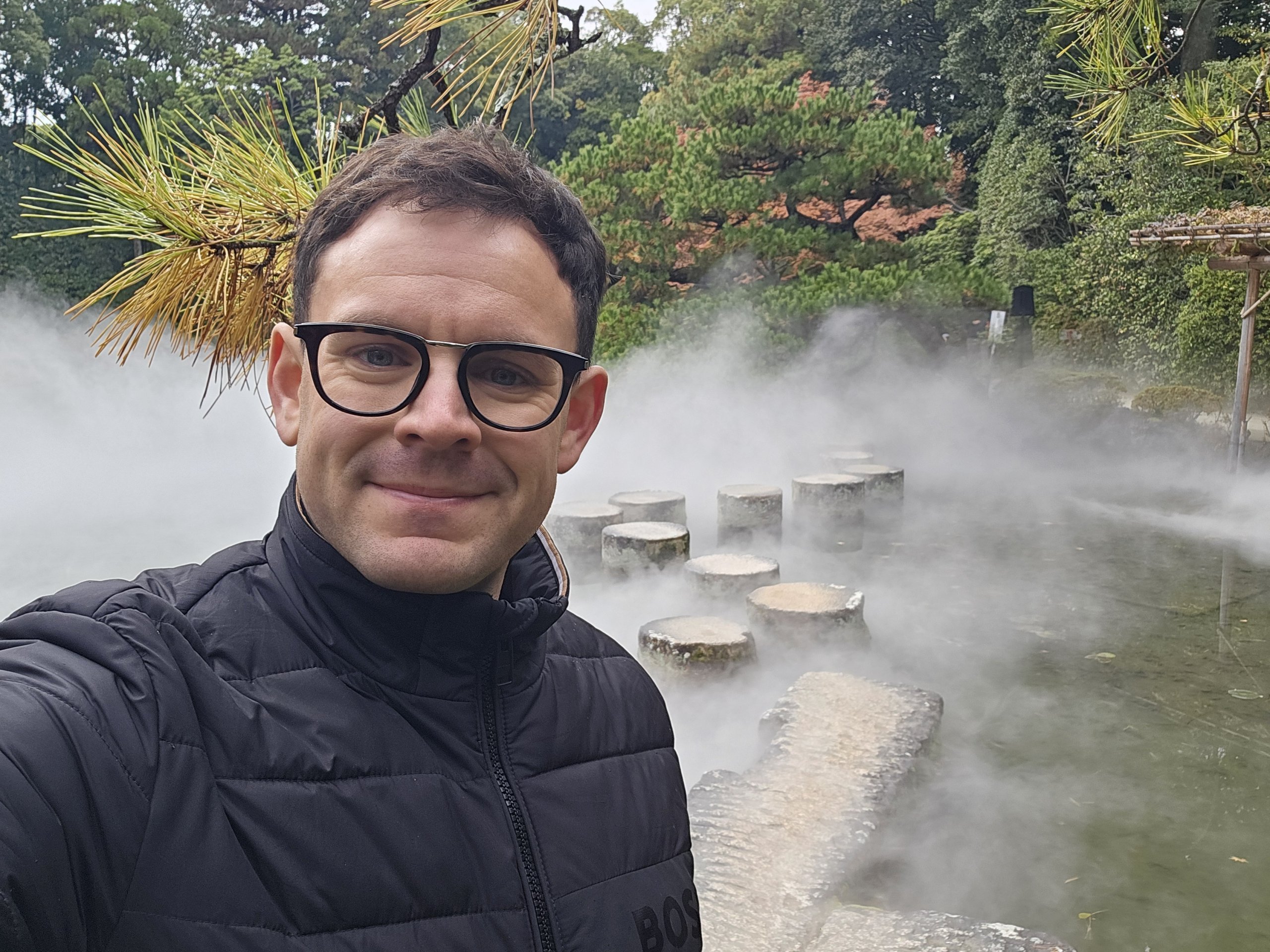
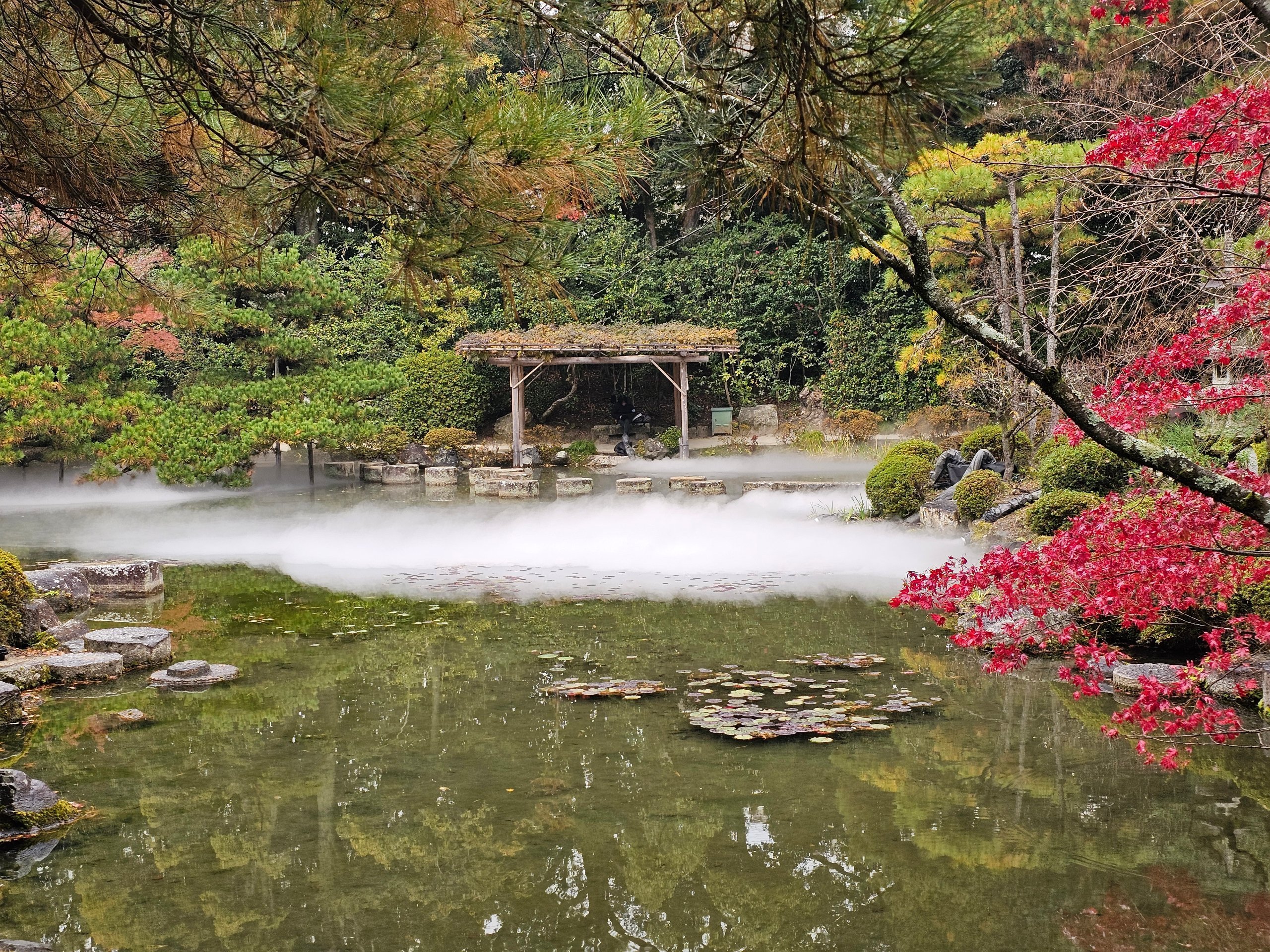
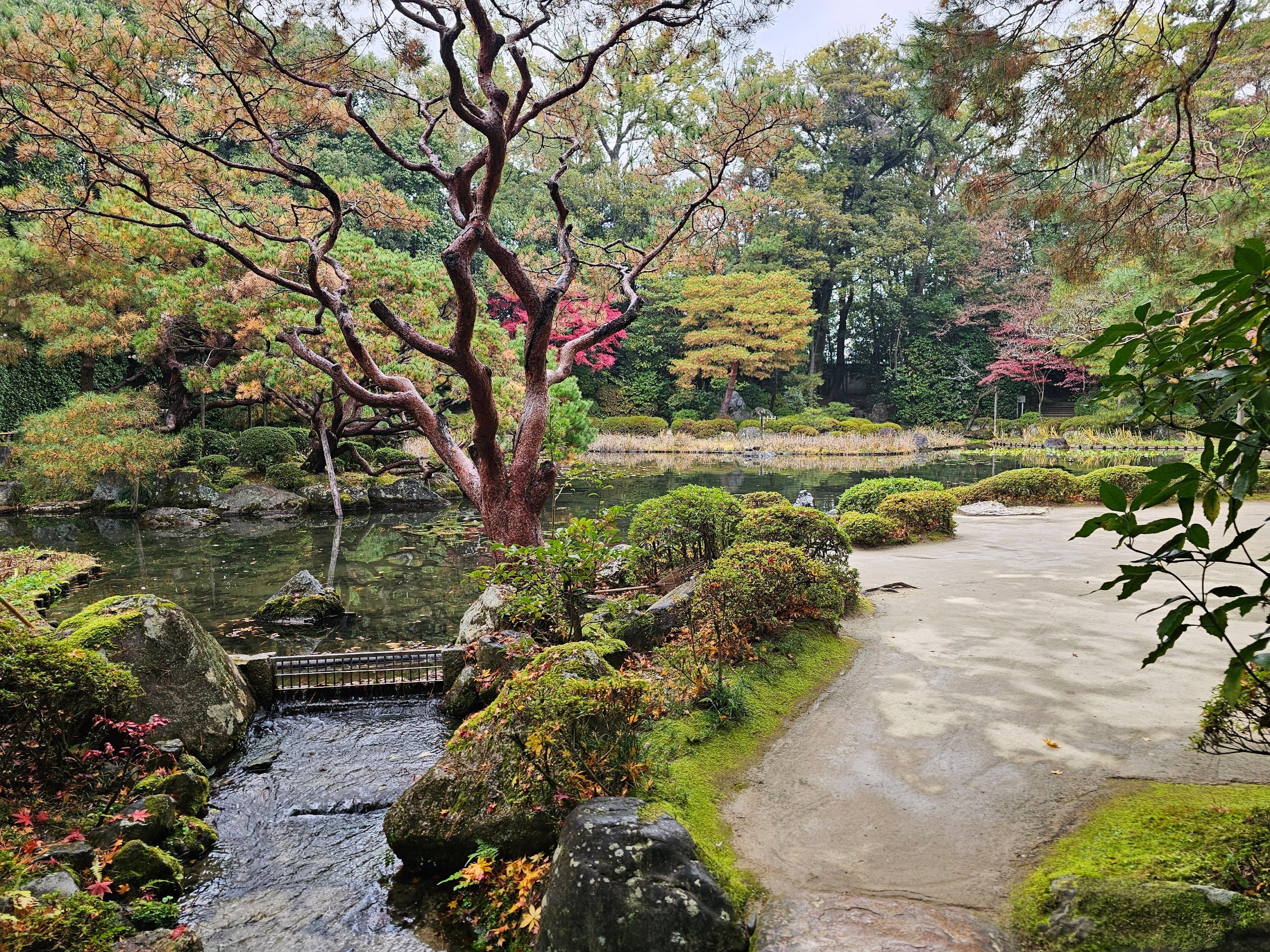
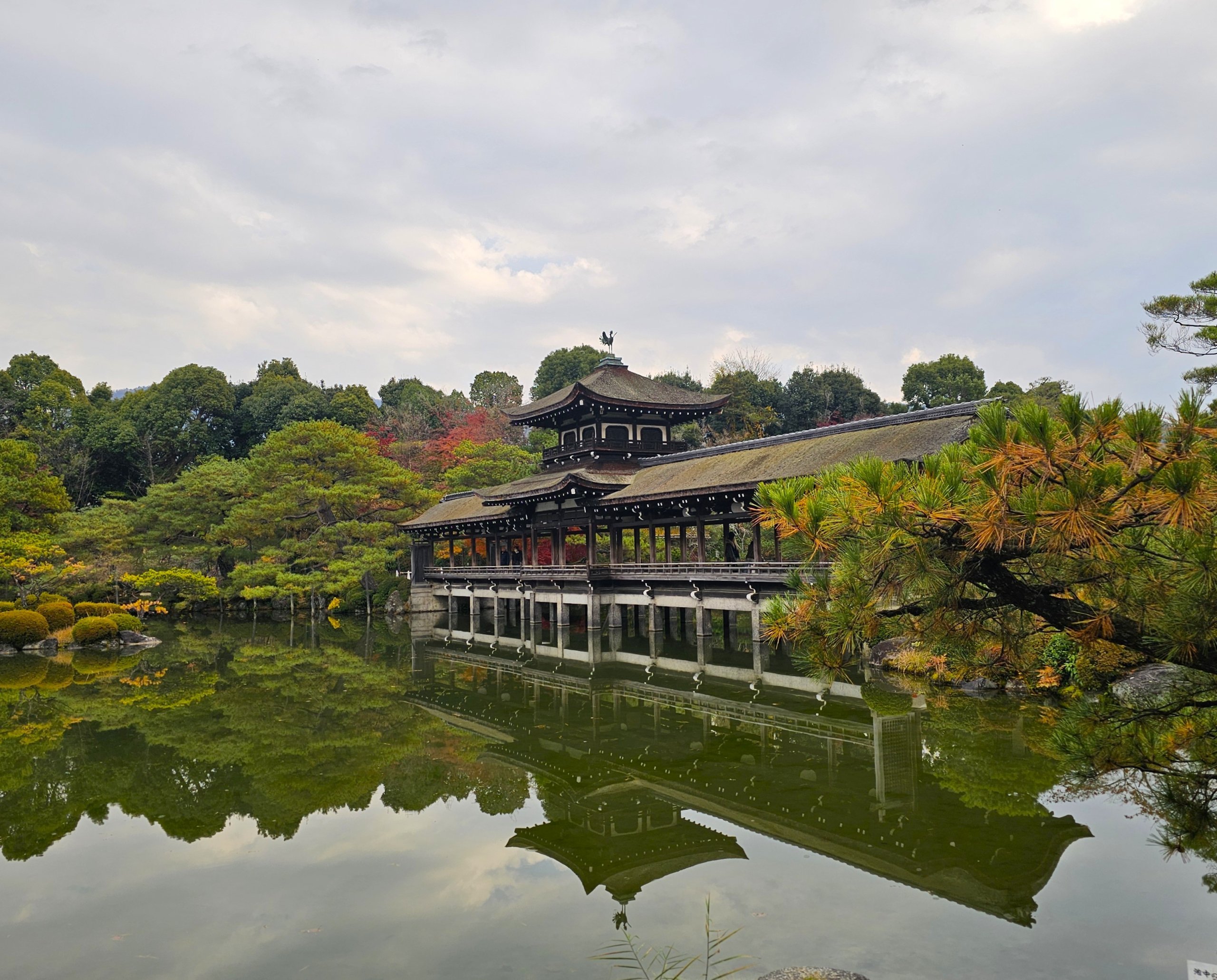
Some of the largest gardens with pathways, bonsai, ponds and bridges are located around Kyoto's largest castle, Nijo Castle.
In fact, I was actually perhaps more interested in the local gardens than the castle itself.
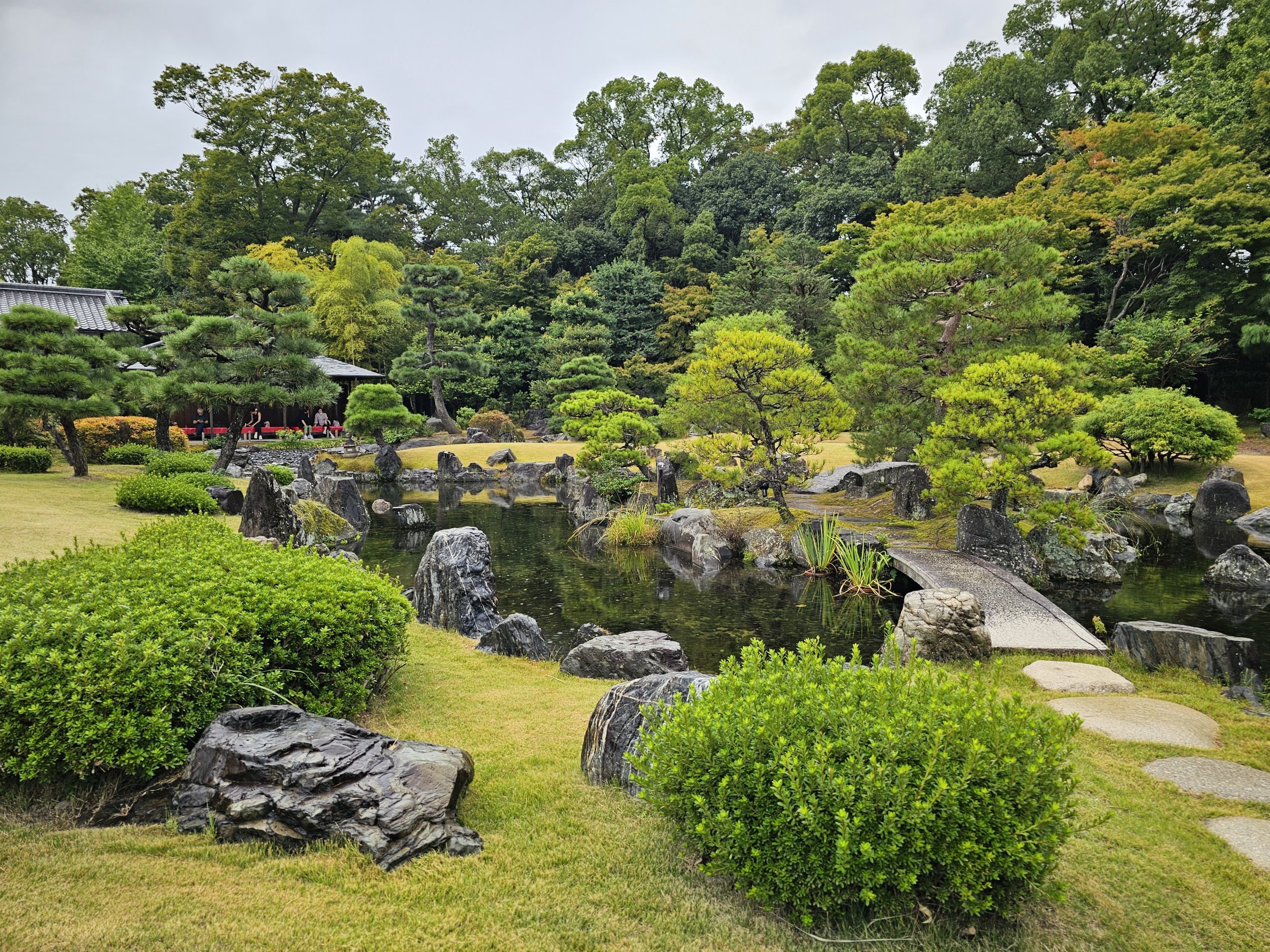
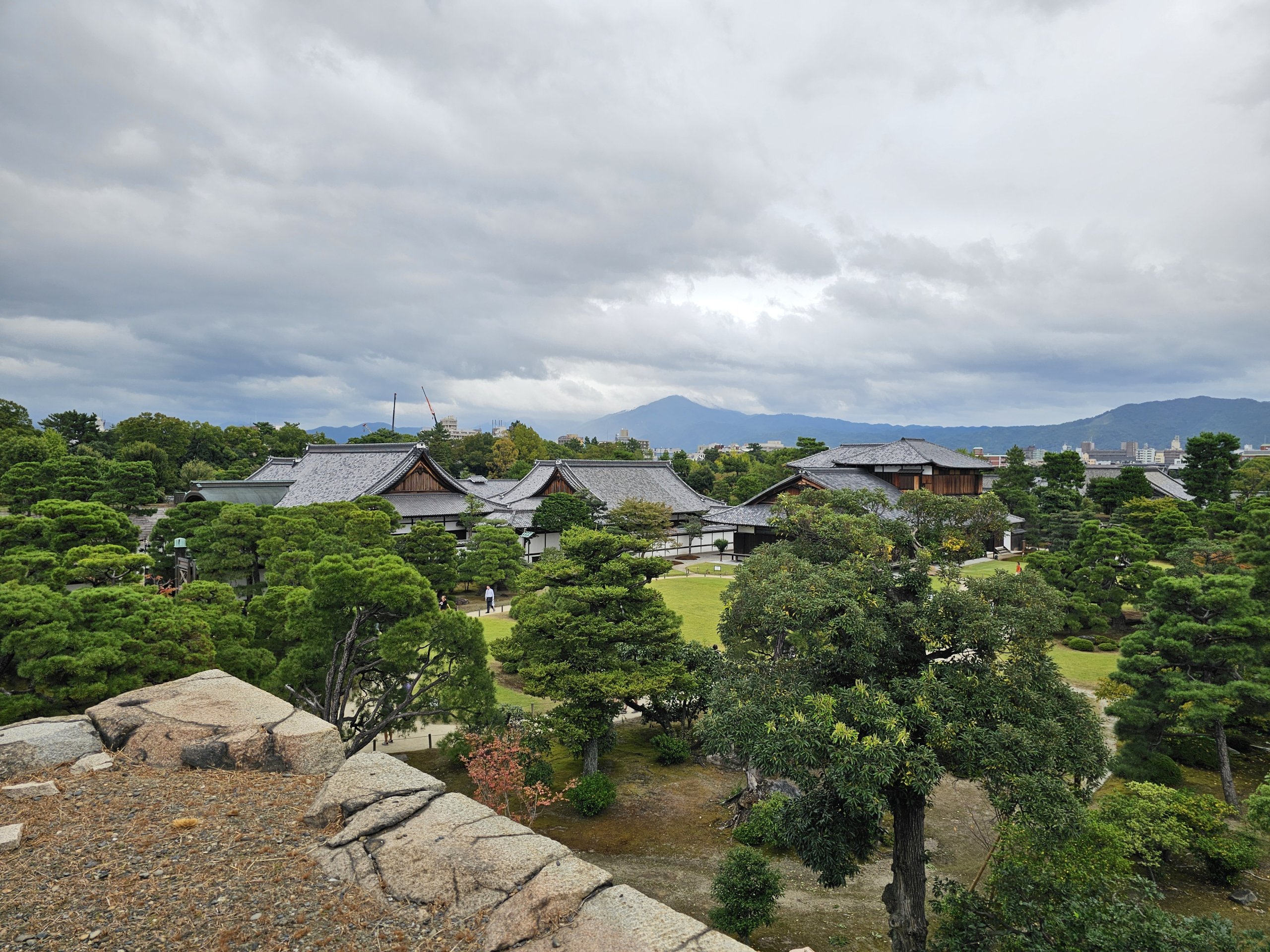
Some gardens are designed so that the visitor walks through them along a specific route and gradually discovers new scenery.
Kodai-ji Temple lies just minutes from the crowded streets of Higashiyama, but the atmosphere here is quite different.
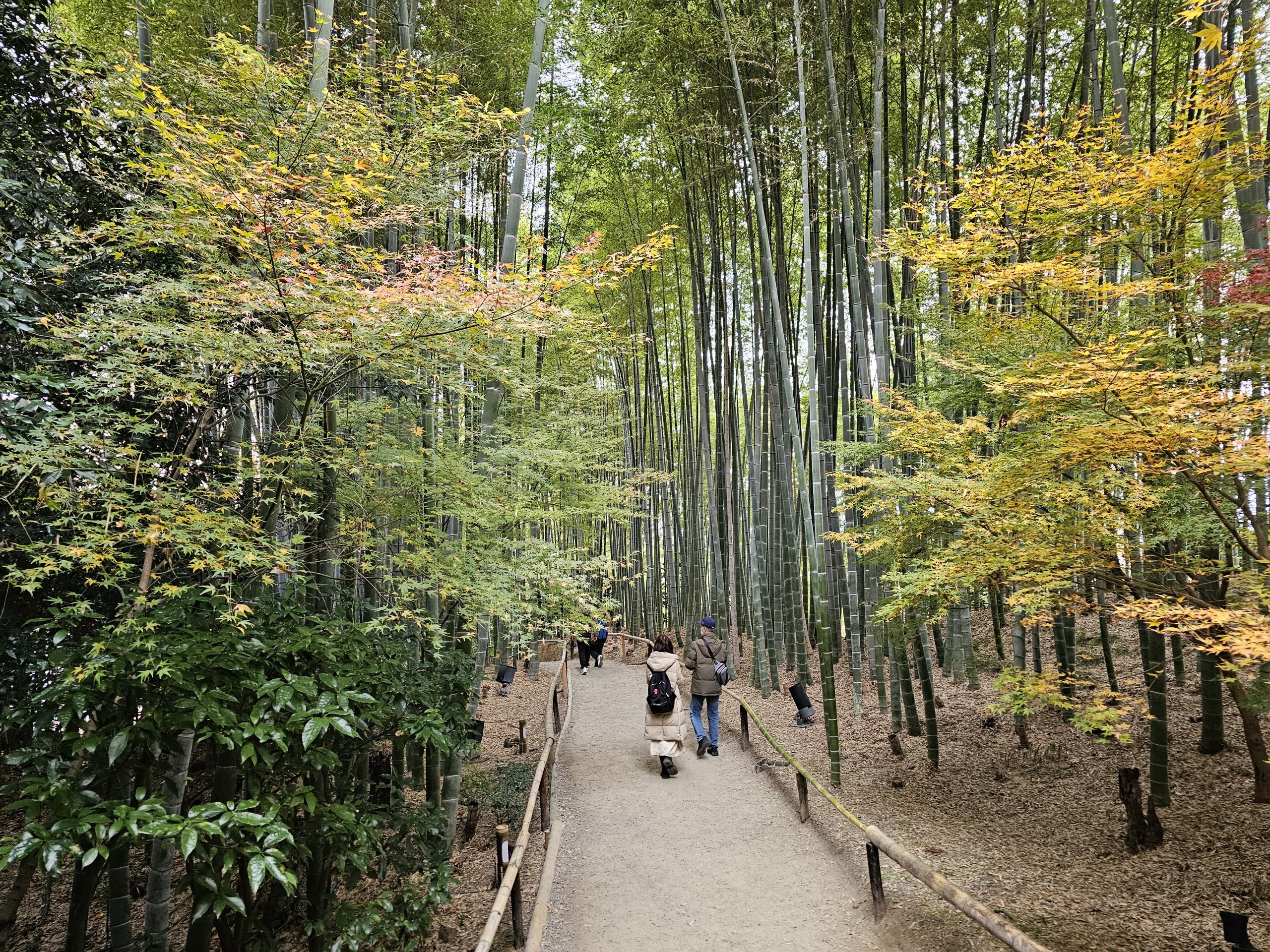
Elegant garden compositions, a small lake and a bamboo grove create one of the most peaceful spots in this part of town.
But the biggest attraction is definitely the small bamboo grove - significantly smaller than the famous Arashiyama Bamboo Forest, but also significantly less touristy.
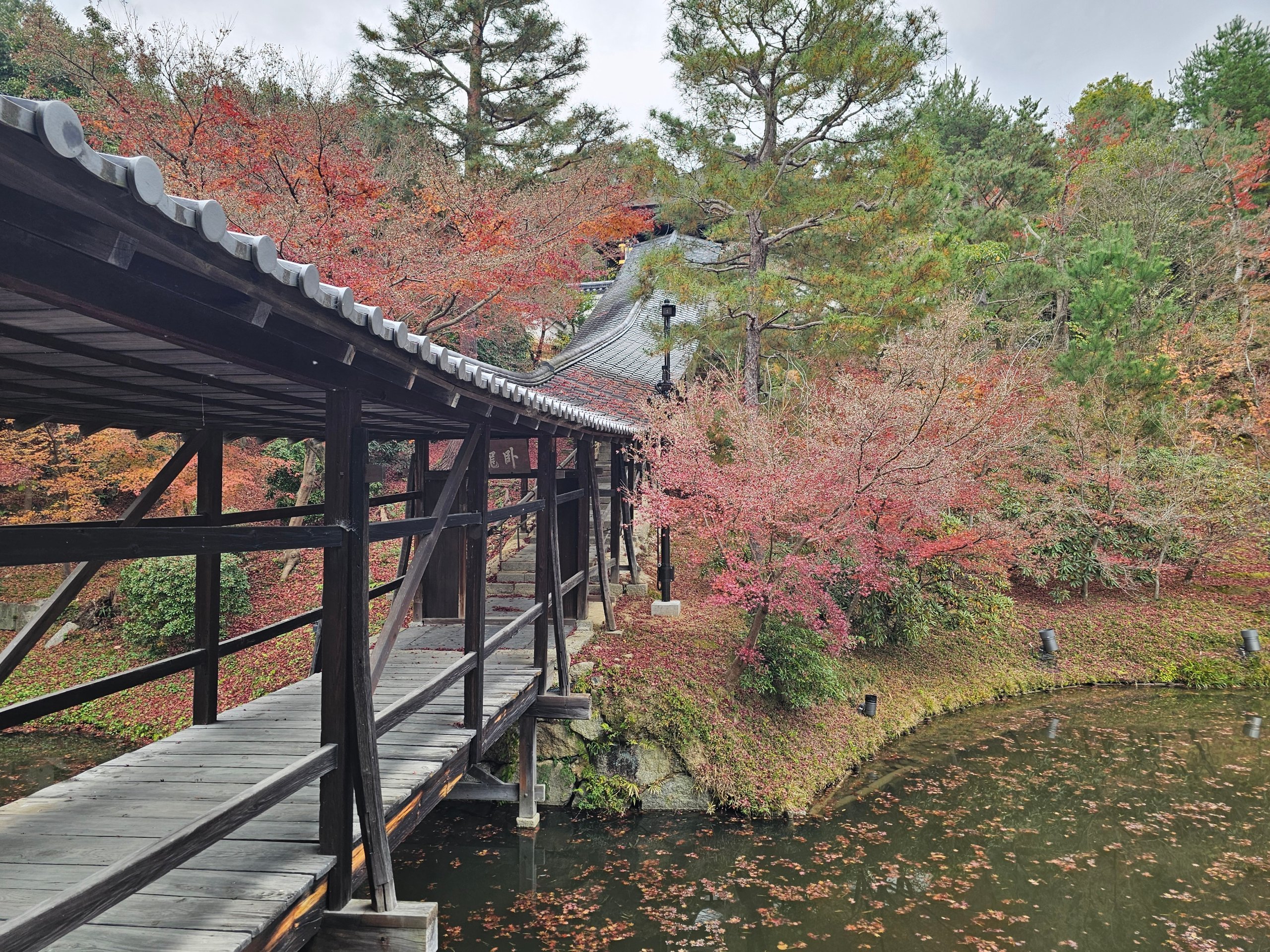
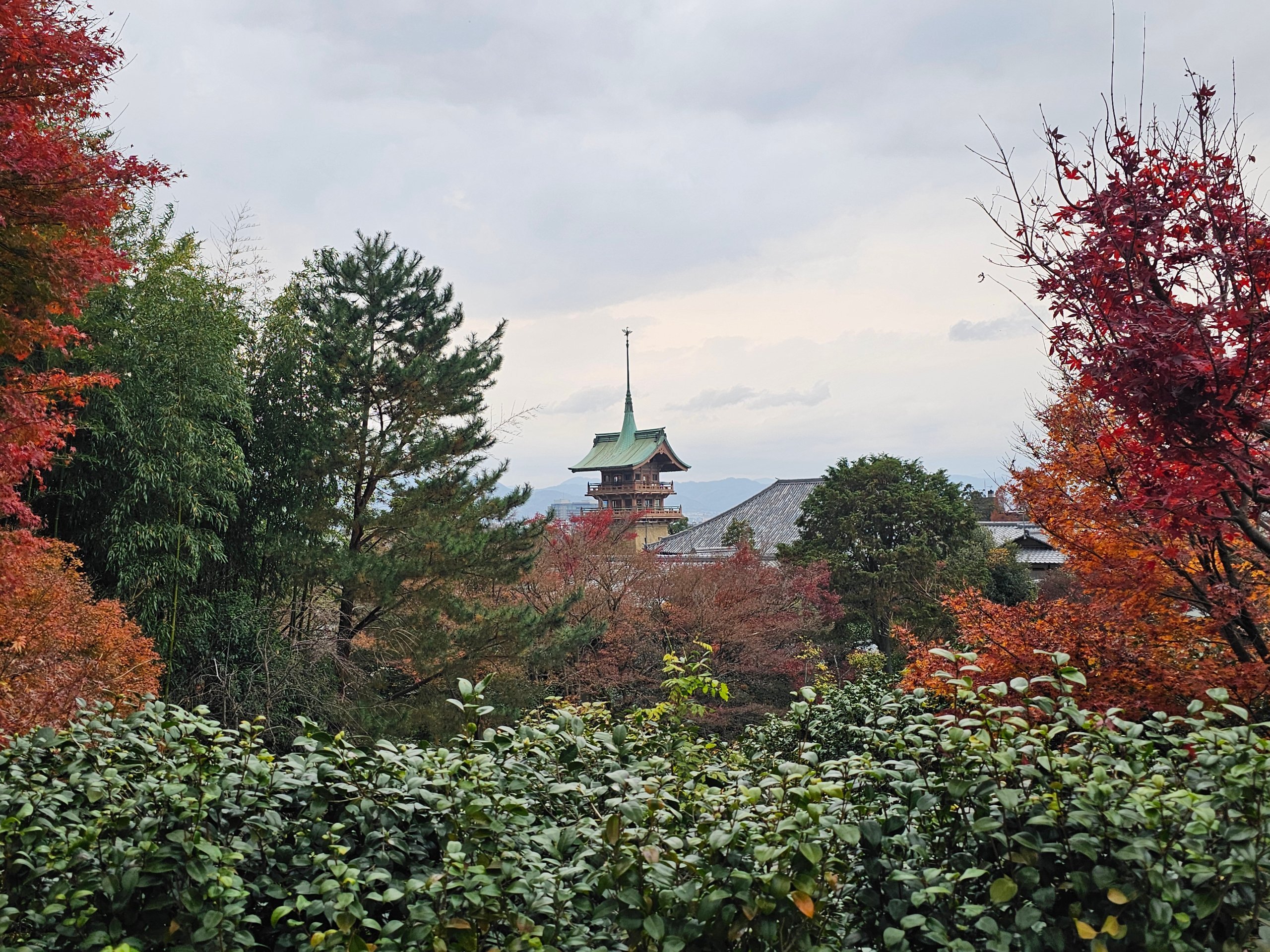
A small temple near Fushimi Inari beckons with a wooden pedestrian bridge that arches over a beautiful wooded valley.
A short walk across the bridge will also take you to a pretty Japanese garden.
A very pleasant place compared to the crowded temples in the area.
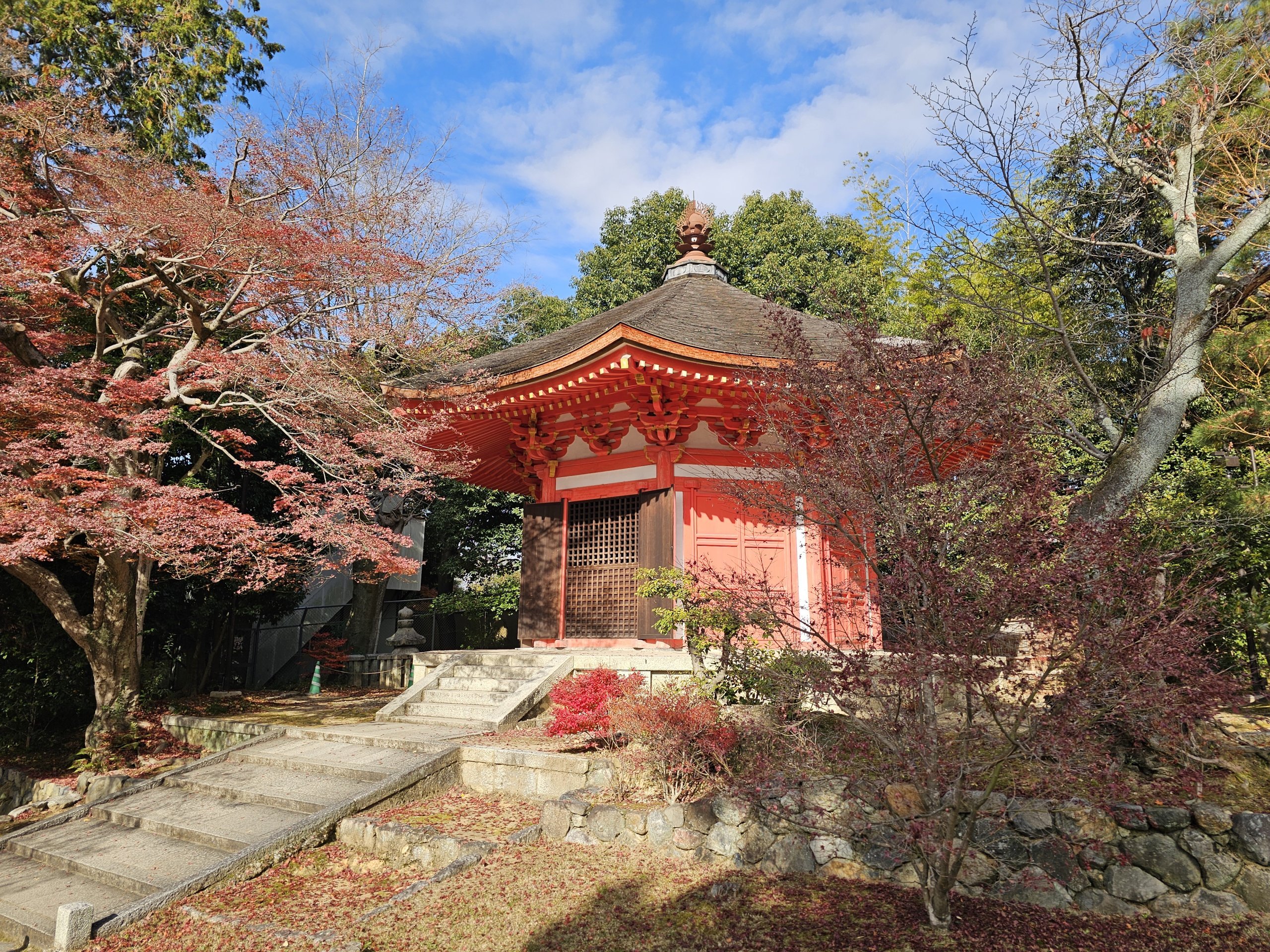
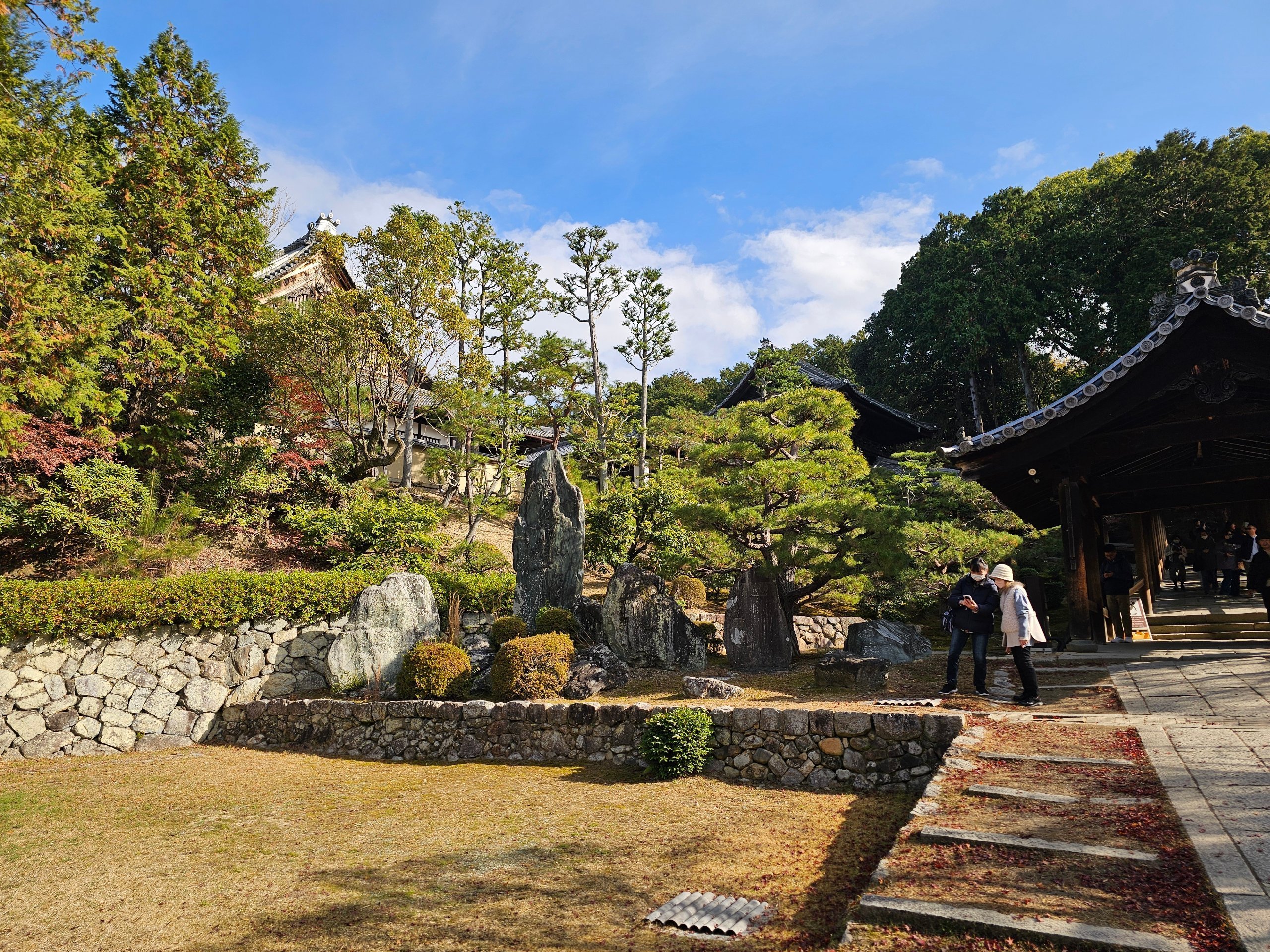
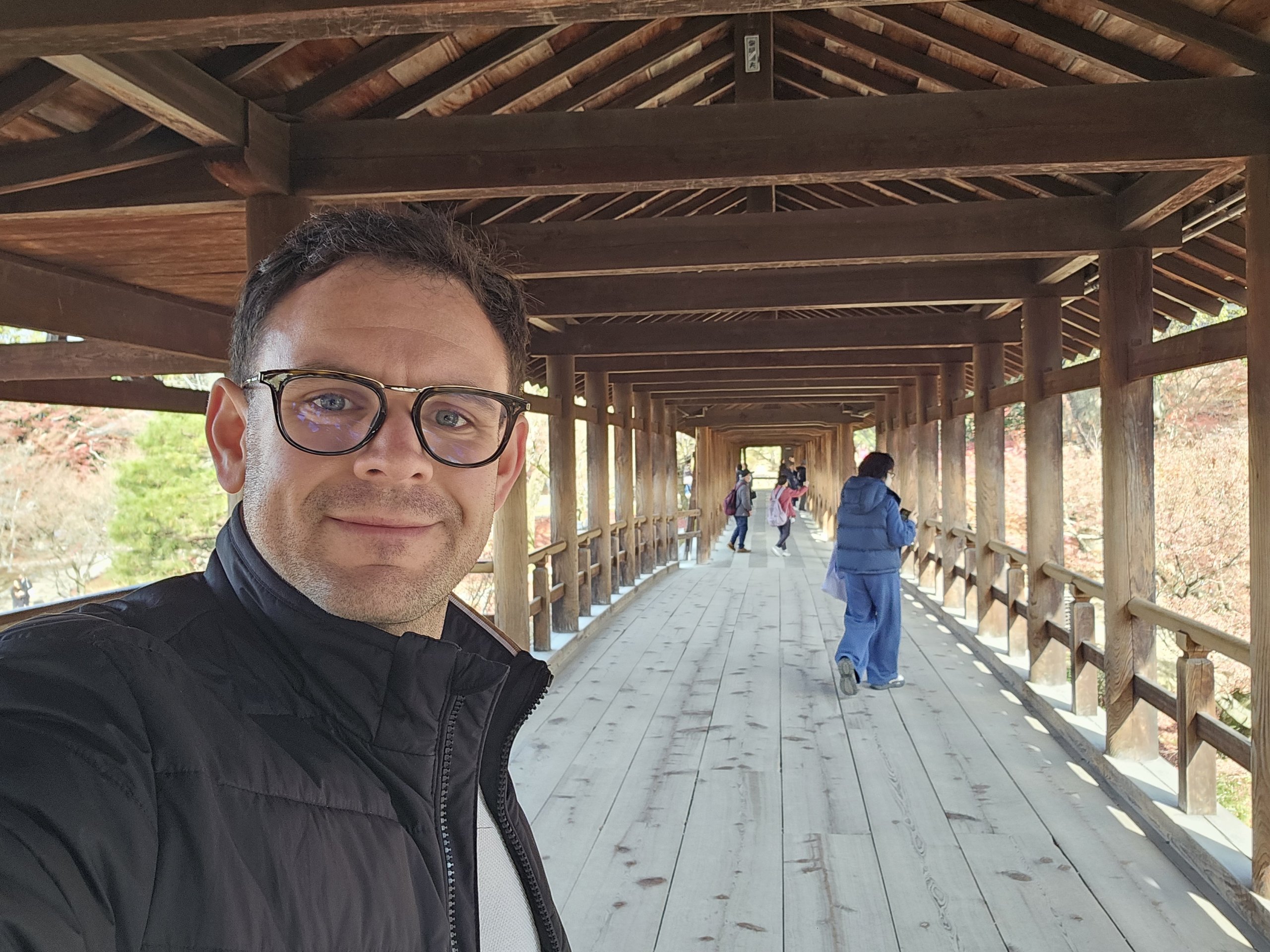
Beautiful natural scenery is not only created by precisely landscaped temple or castle gardens.
You can also visit parks or standard botanical gardens.
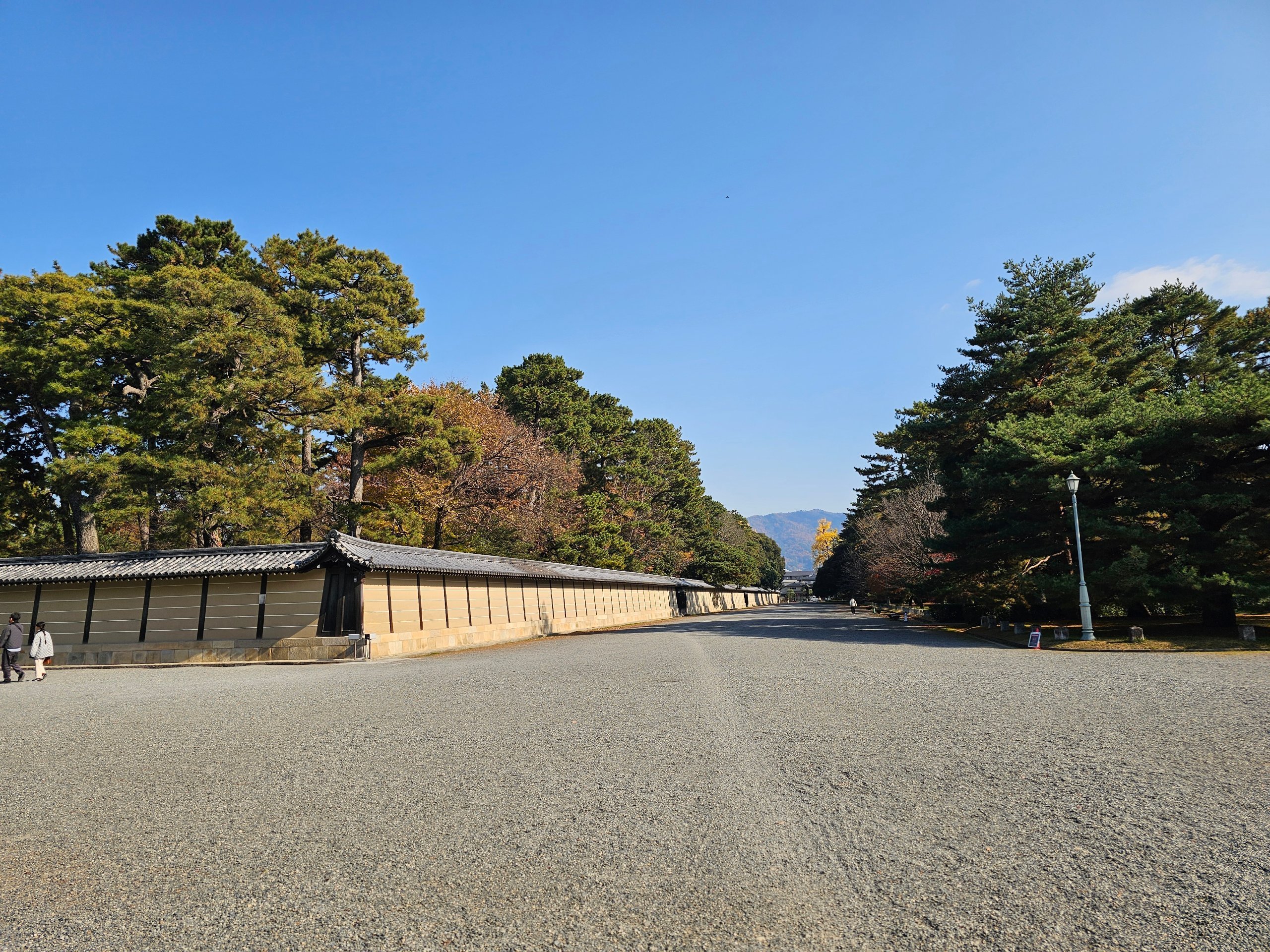
The largest public park open to the public for free is around Kyoto Imperial Palace.
Because it is located away from the main tourist streams and is very large, it is always less crowded than the historic centre.
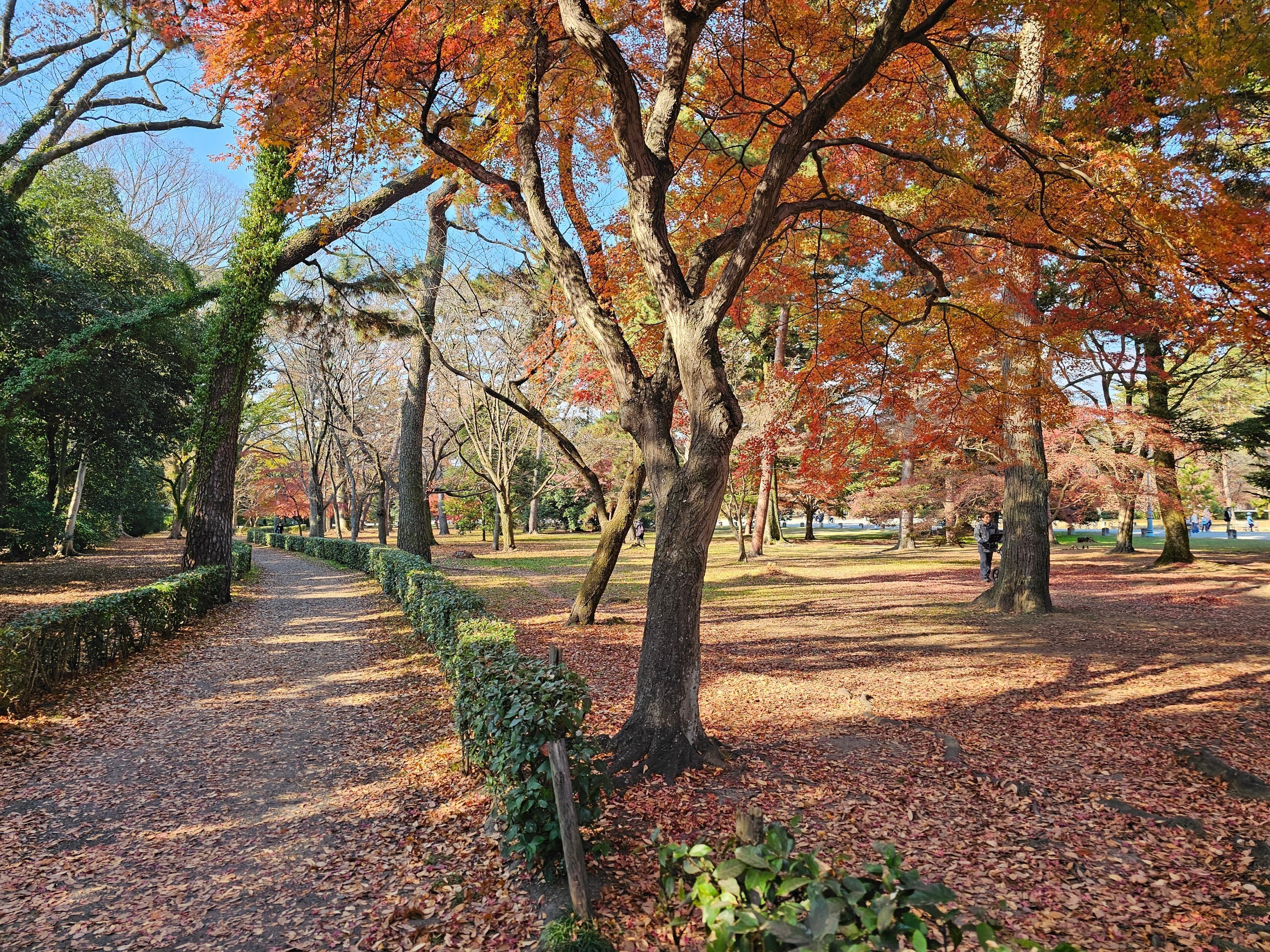
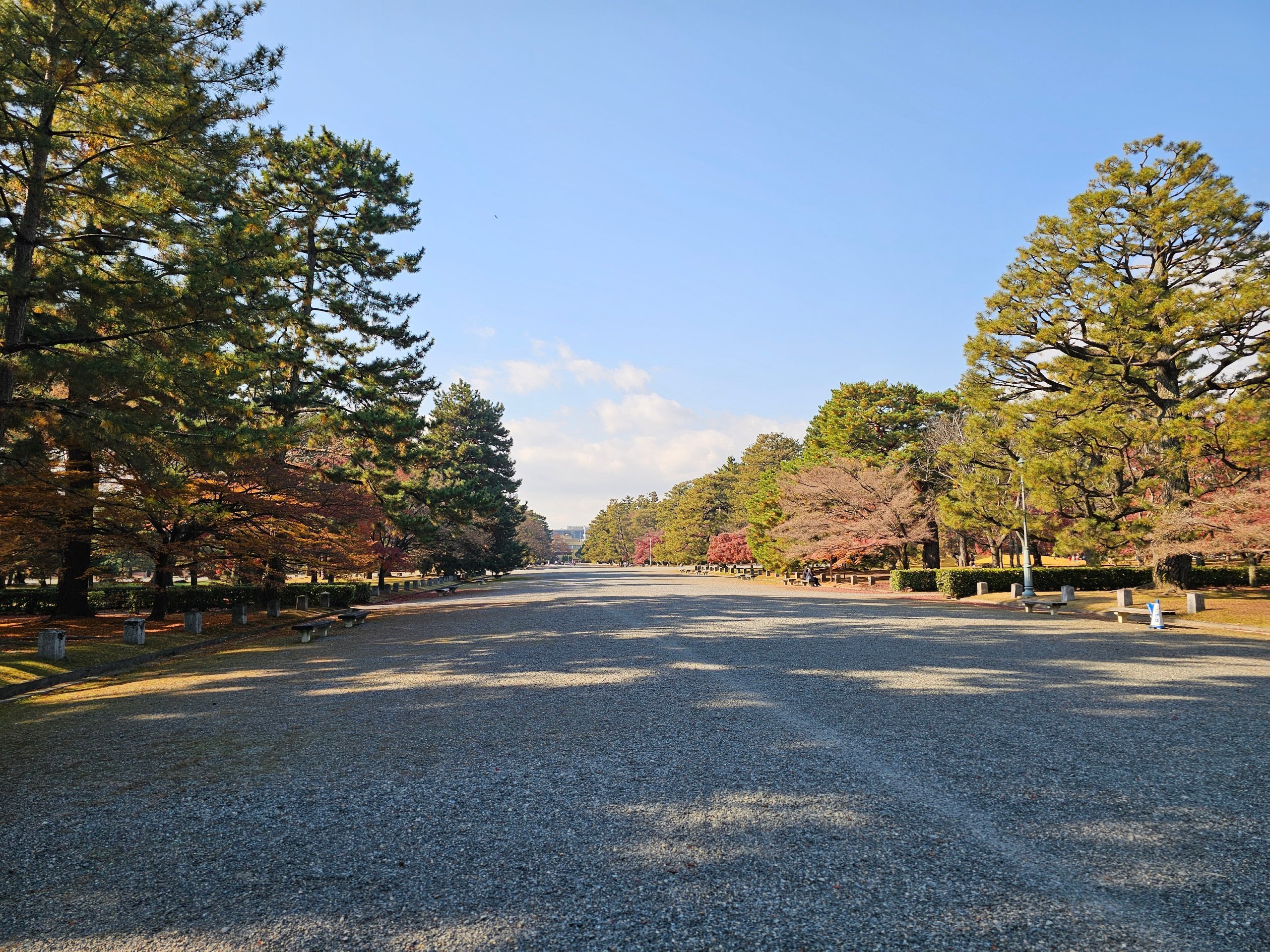
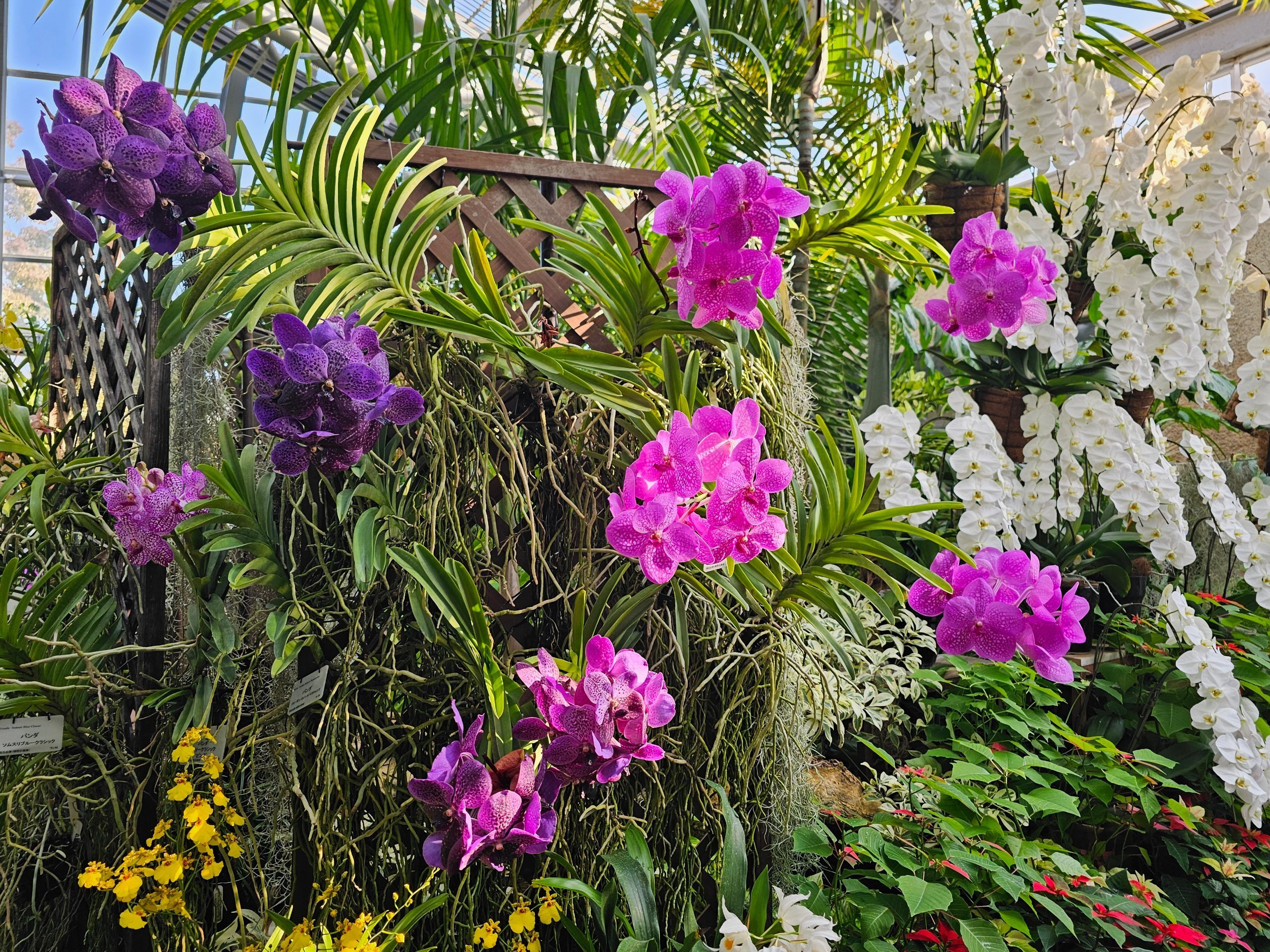
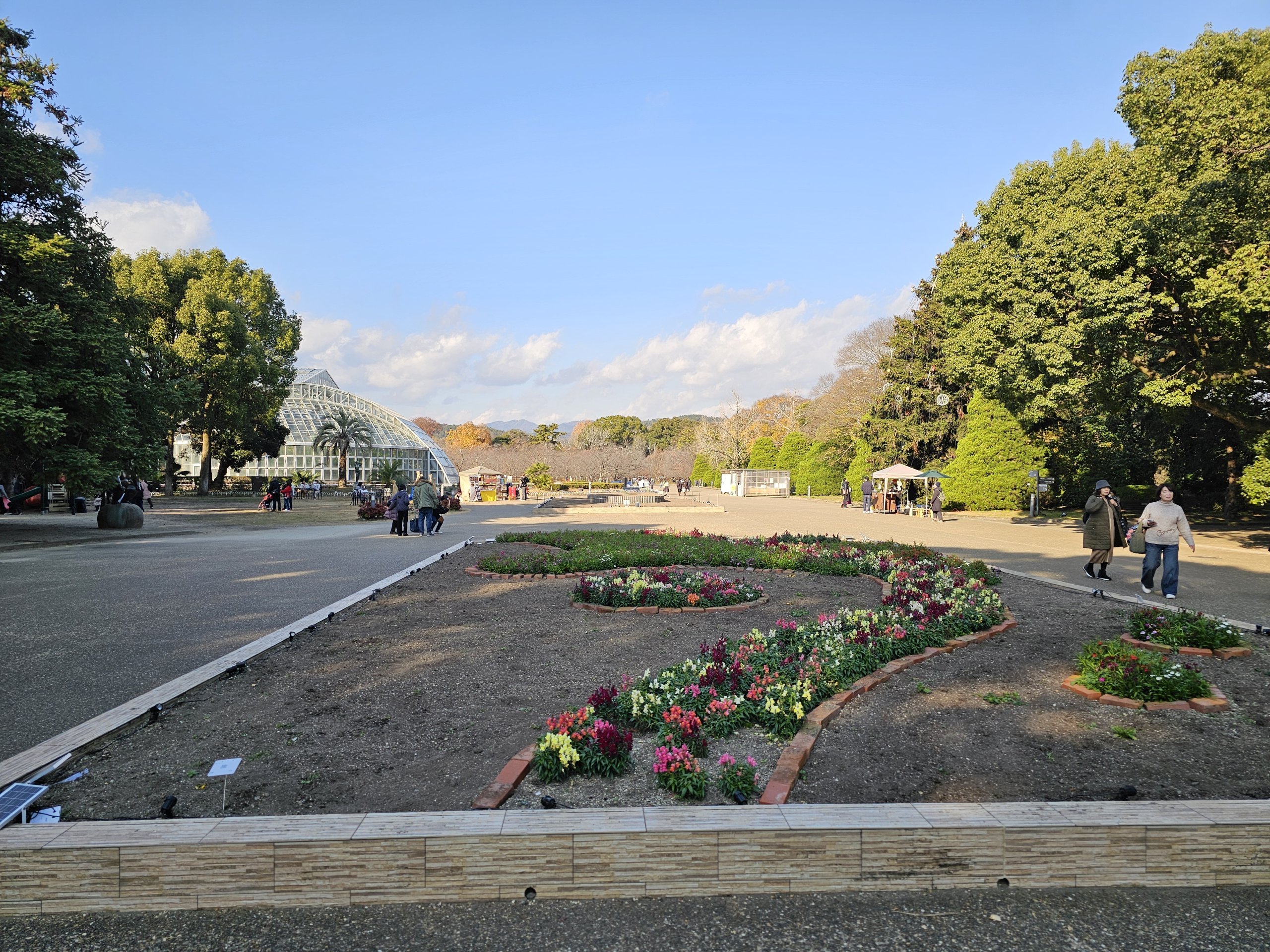
The Botanical Garden in the north of the city is one of those places that tourists hardly go to - and it's a bit of a shame.
The grounds are huge and there are several themed gardens, greenhouses and large grassy areas.
It's also a great place if you want to escape the crowds in the centre for a while.
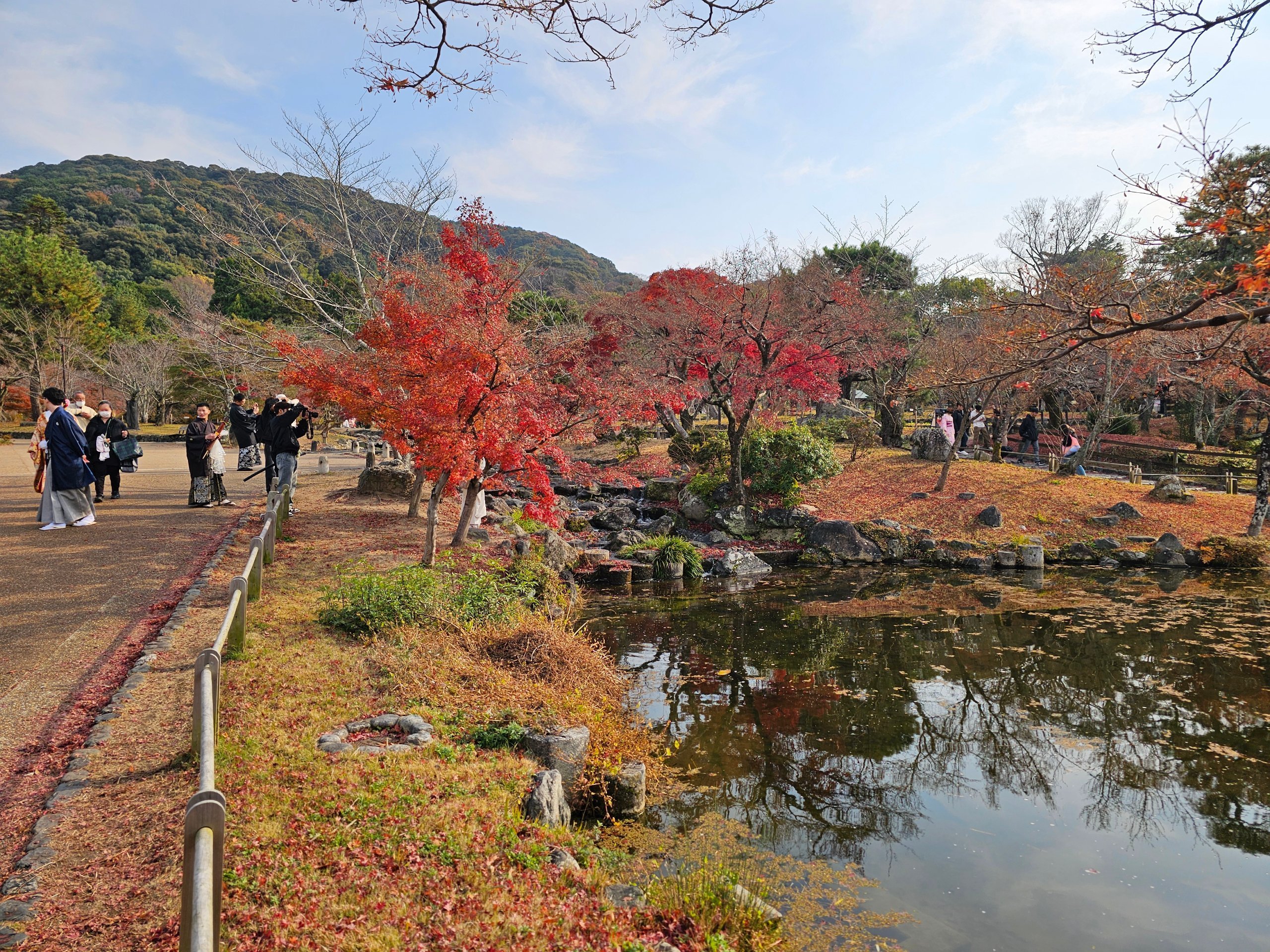
Maruyama Park is located right next to Yasaka Shrine and the Gion district.
During the day it looks like a pleasant city park, but in the evening it has a completely different atmosphere - especially during sakura season when the park is full of people sitting under the flowering trees.
If you're already in the Higashiyama area, it's worth taking at least a short walk through the park.
If you're visiting Kyoto for the first time, you don't need to see all the gardens on this list.
If I had to pick just a few places that I think are really worth it, it would be this combination:
If you have more time, I would add:
See the article for a detailed itinerary for visiting the city:
If you want to visit more gardens in a few days, it's worth staying somewhere near the centre - ideally in the Gion, Kawaramachi or Higashiyama areas.
One of the things I enjoy most about Kyoto's gardens is how dramatically they change throughout the year.
In spring, sakura trees and soft pastel colours dominate. In summer, everything is deep green and the gardens have an almost tropical feel.
Autumn, however, is the most beautiful season in my opinion - the colourful foliage combined with the stones, water and wooden temples create an almost perfect scenery.
In winter, on the other hand, the Zen gardens have a completely different, minimalist feel.
The most beautiful season is definitely spring and autumn.
If you have any questions or comments about the article...