Direct flights to Corsica from Prague on a single date in December
200 €



Ryōan-ji Temple is one of the most famous Zen places in Japan.
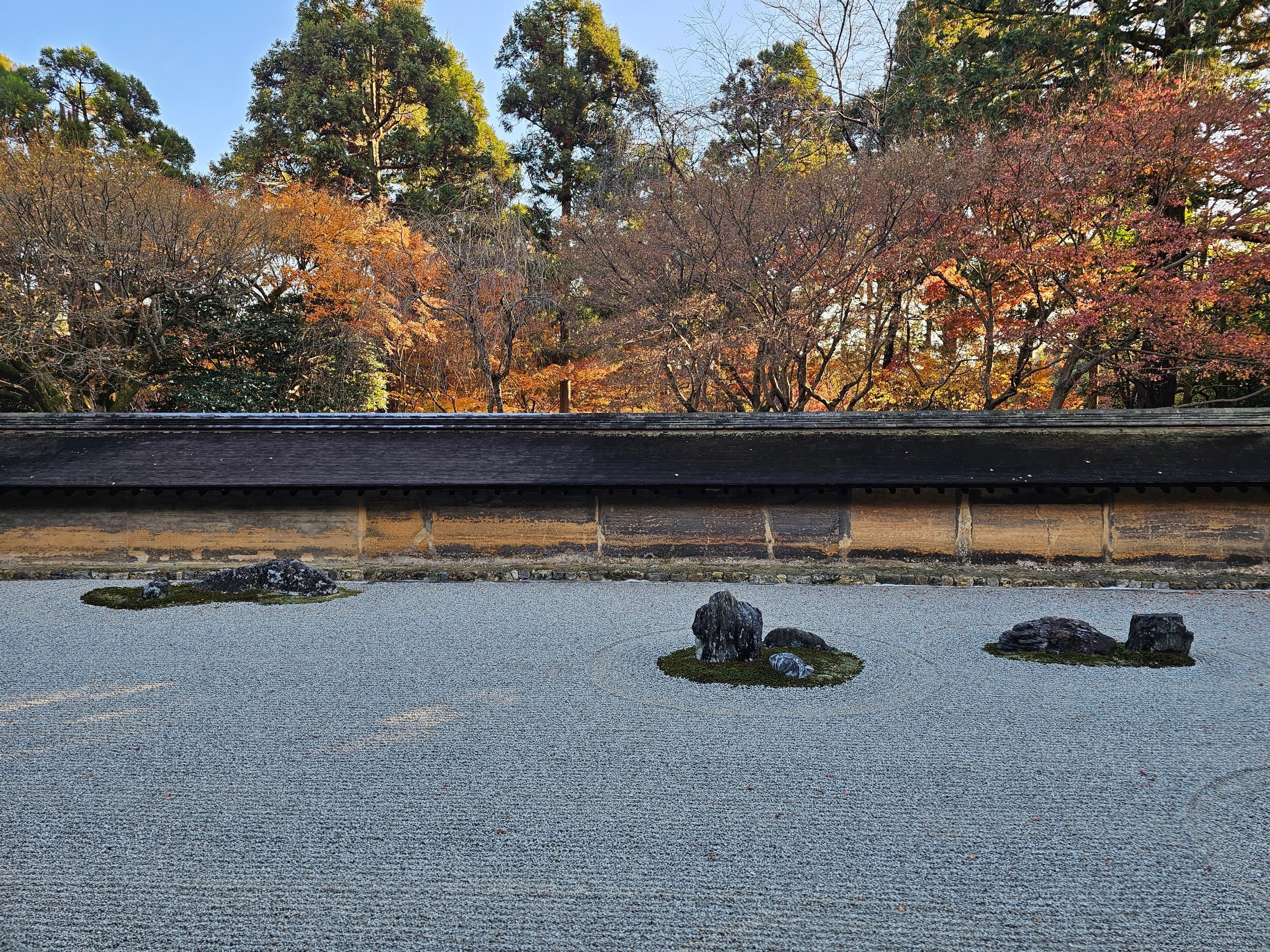
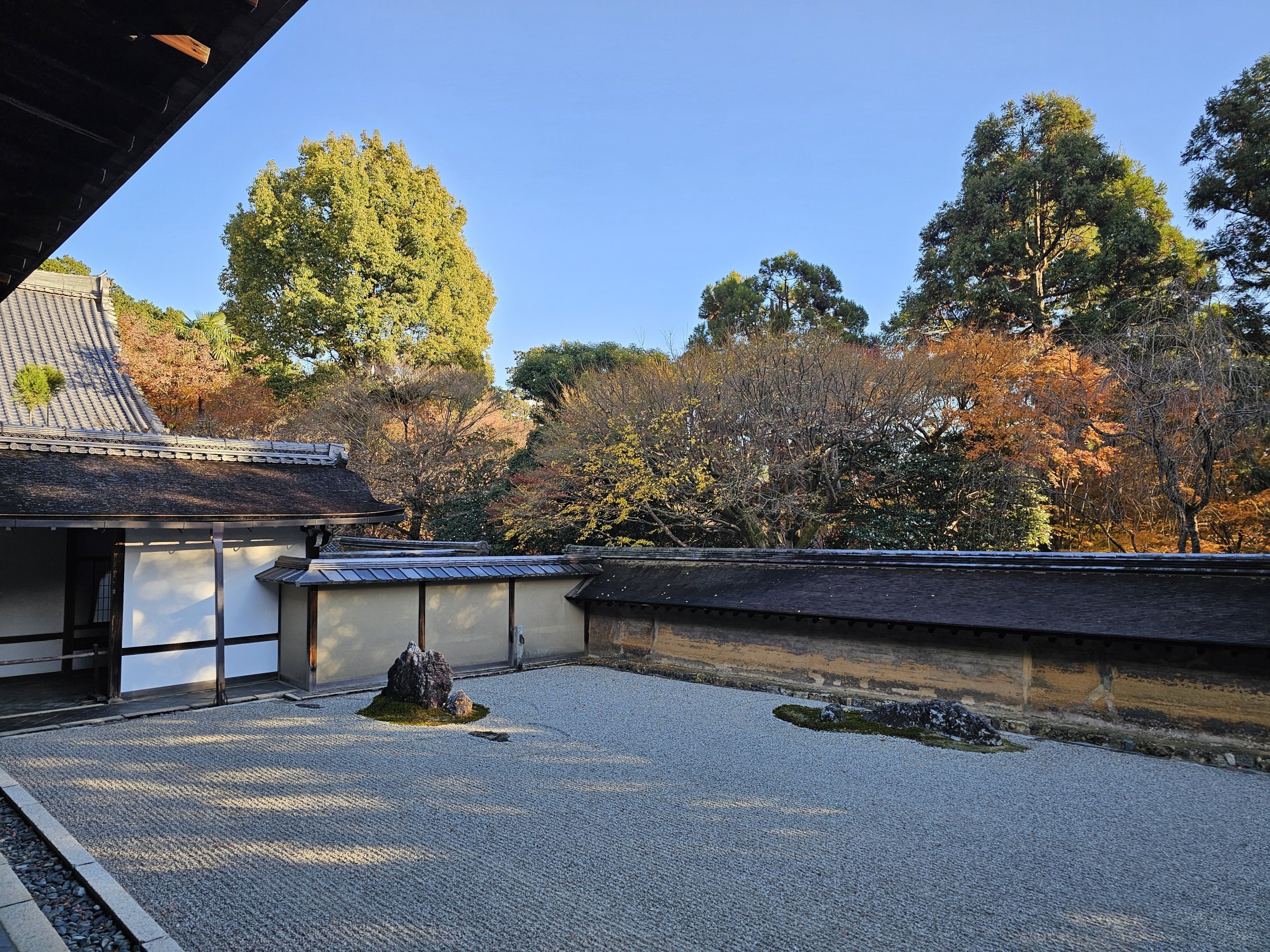
Although the grounds themselves are not huge, they hide one of the most iconic gardens in the world - a minimalist composition of 15 stones in a sea of white gravel.
At first glance, it looks surprisingly simple. But therein lies its power. The garden is designed in such a way that you cannot see all 15 stones at the same time from any one place. One of them always remains hidden.
Choose a hotel in Kyoto by location
✅ Yes, if:
❌ More likely not, if:
💡 Alternative:
If you want a Zen garden but also more distinctive architecture, try the more famous Ginkaku-ji in the eastern part of Kyoto.
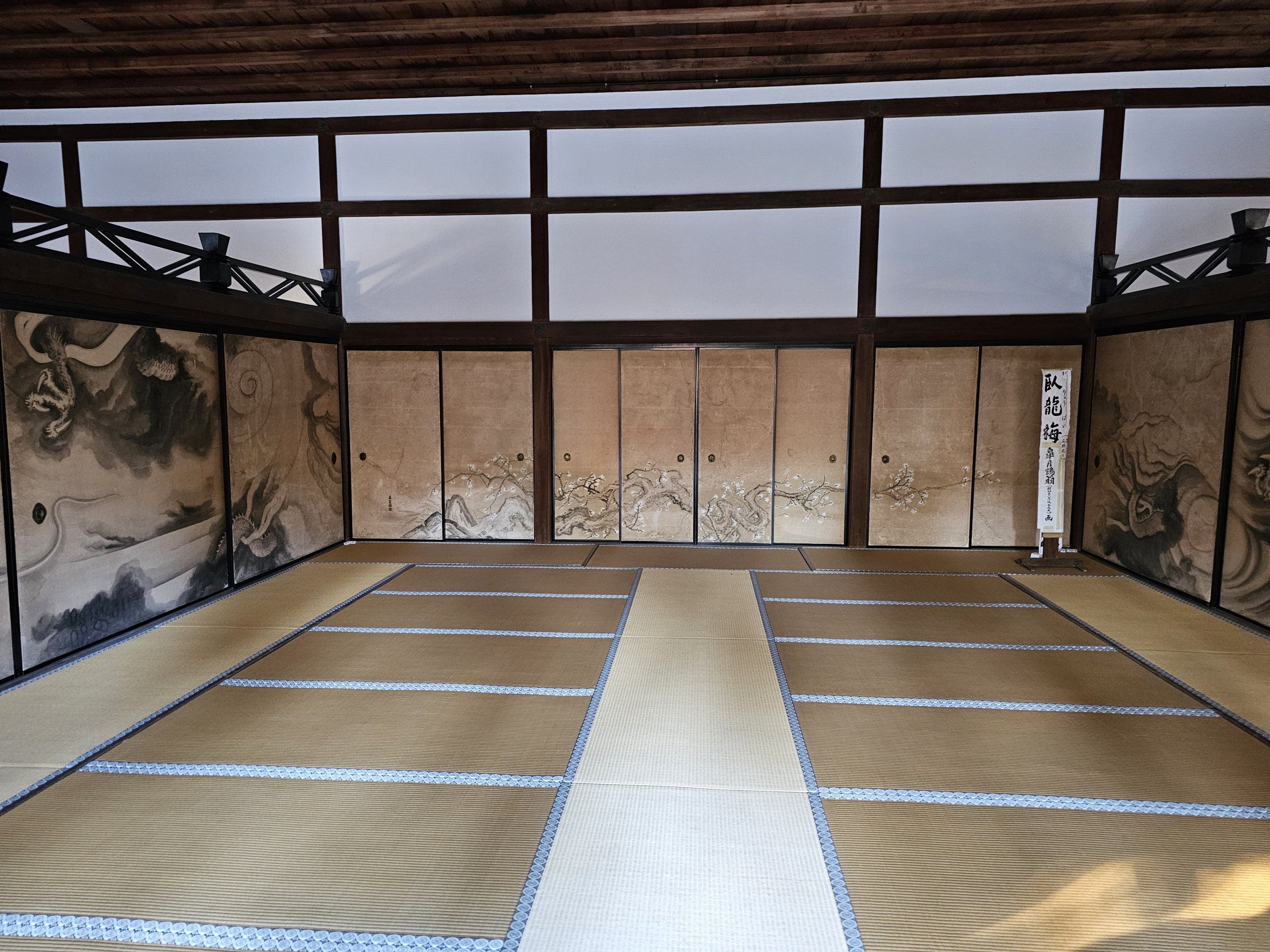
The stone garden in Ryōan-ji was probably created in the 15th century. Yet to this day, it's still unclear who designed it or what its exact significance was.
The garden measures approximately 25 by 10 metres and contains:
Visitors observe it from the wooden veranda of the temple building. Typically, people sit here for a few minutes in silence and just observe the composition of the stones.
It is here that you realise how different the Japanese aesthetic is from the European one - minimalism instead of ostentation.
Many people come to Ryōan-ji just for the famous garden and leave after a few minutes. That's a shame.
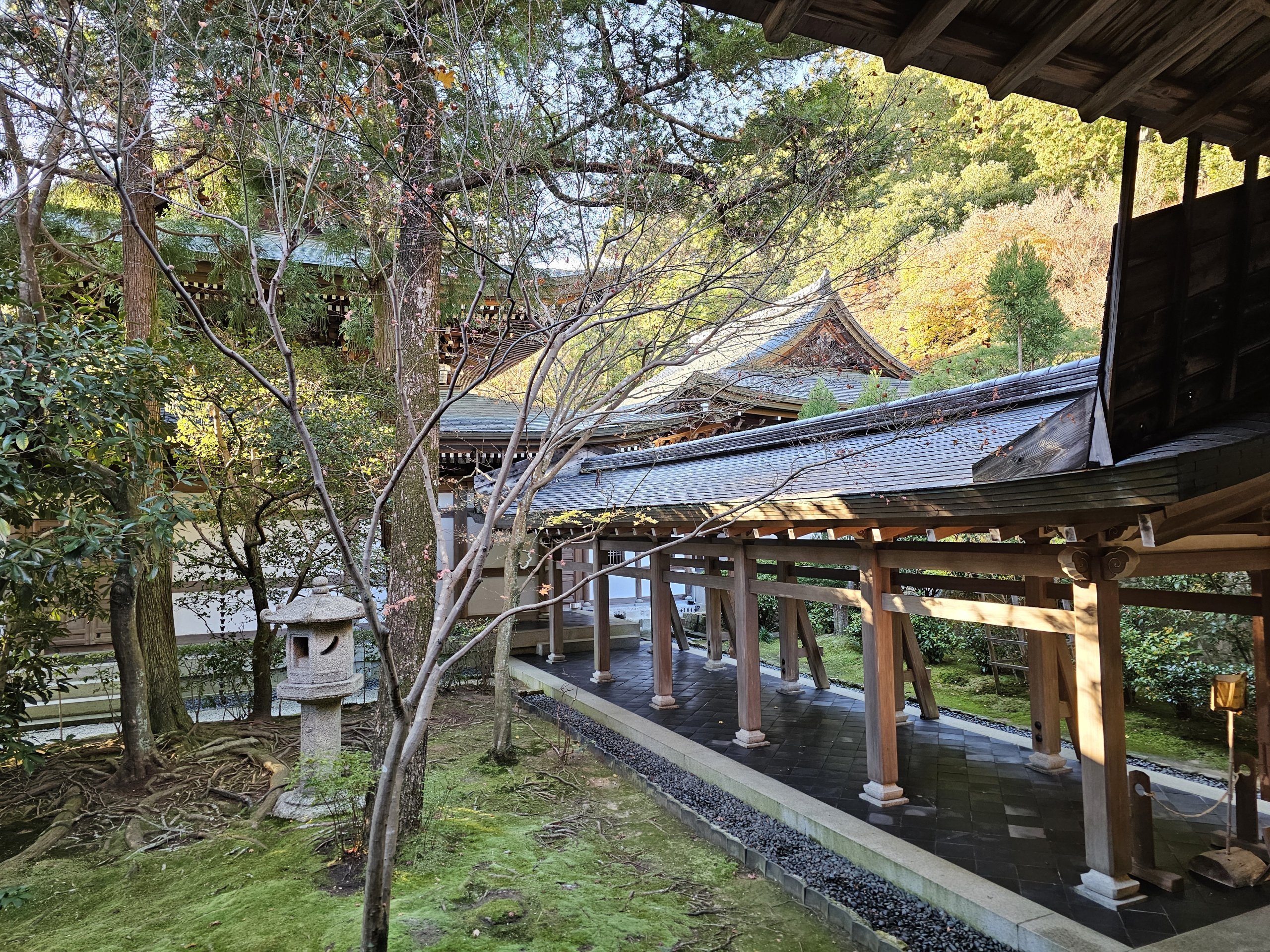
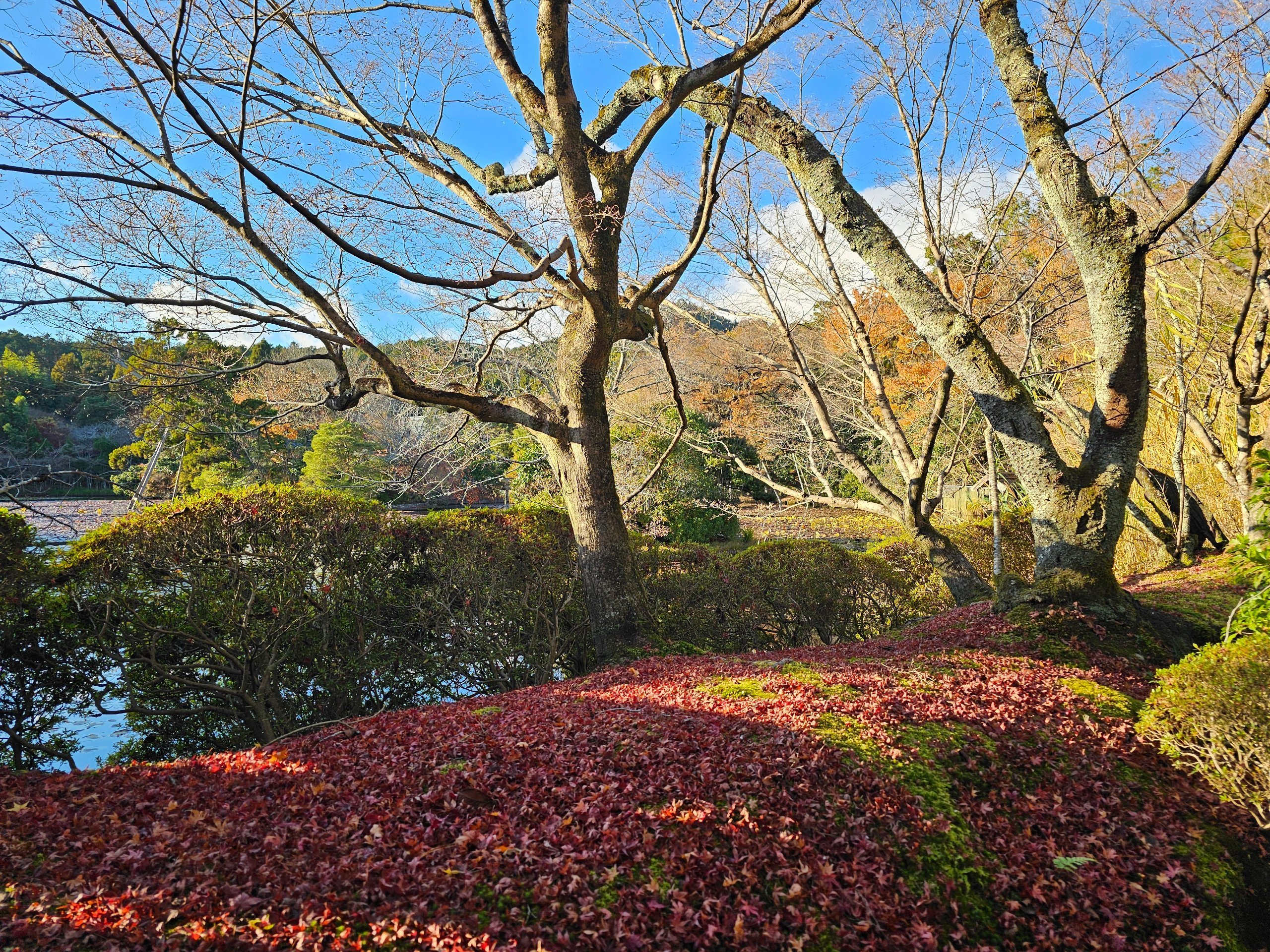
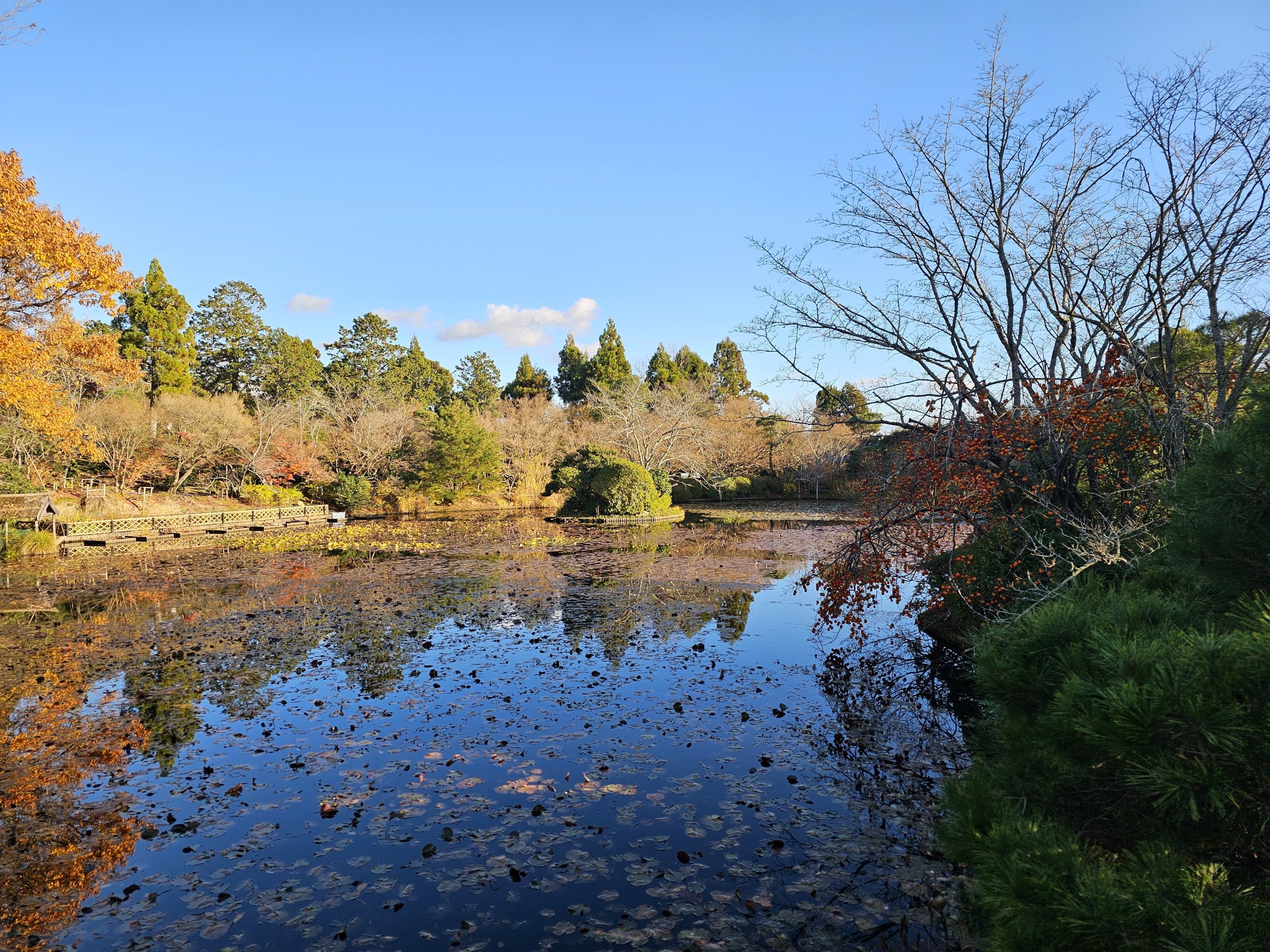
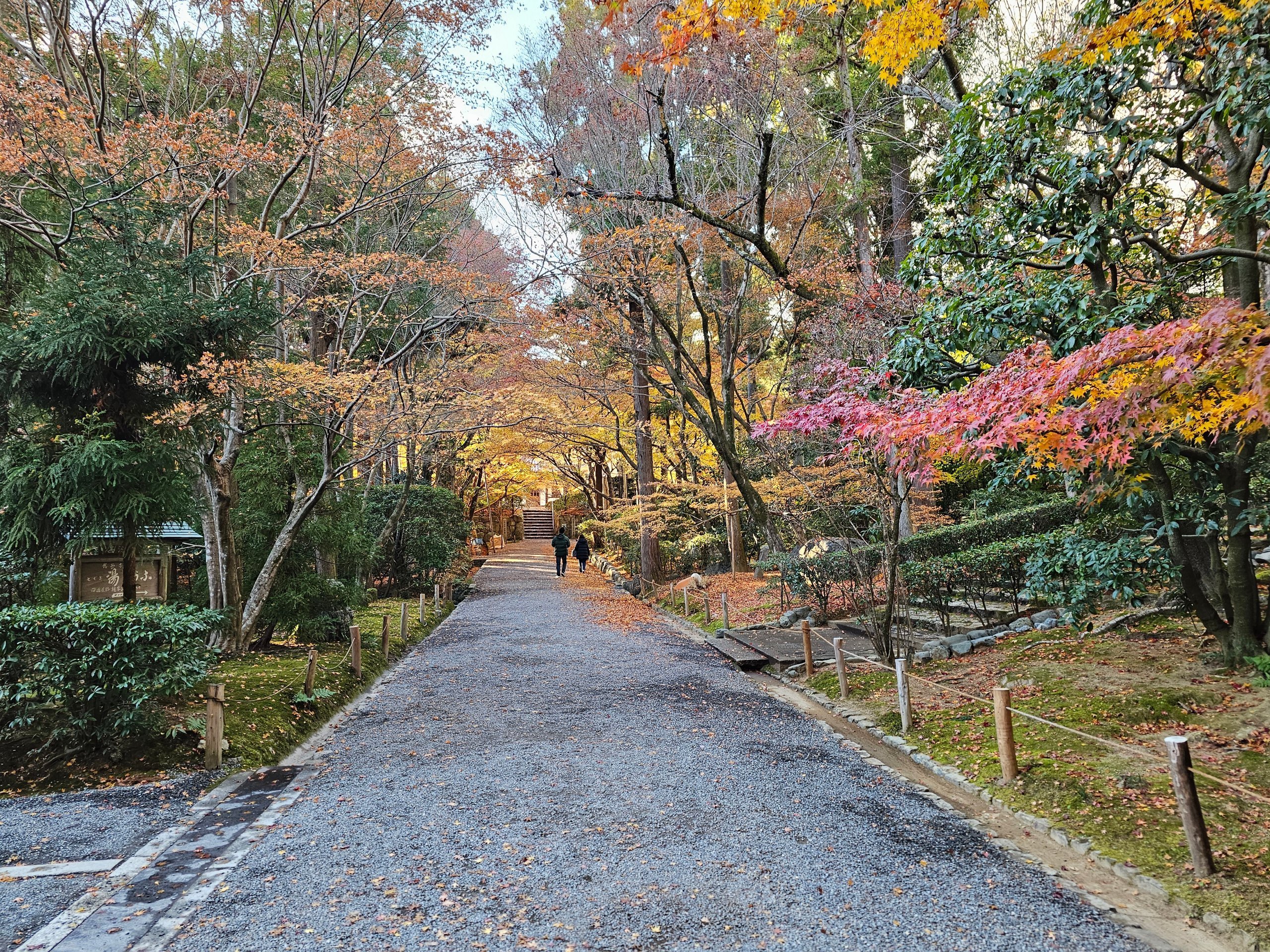
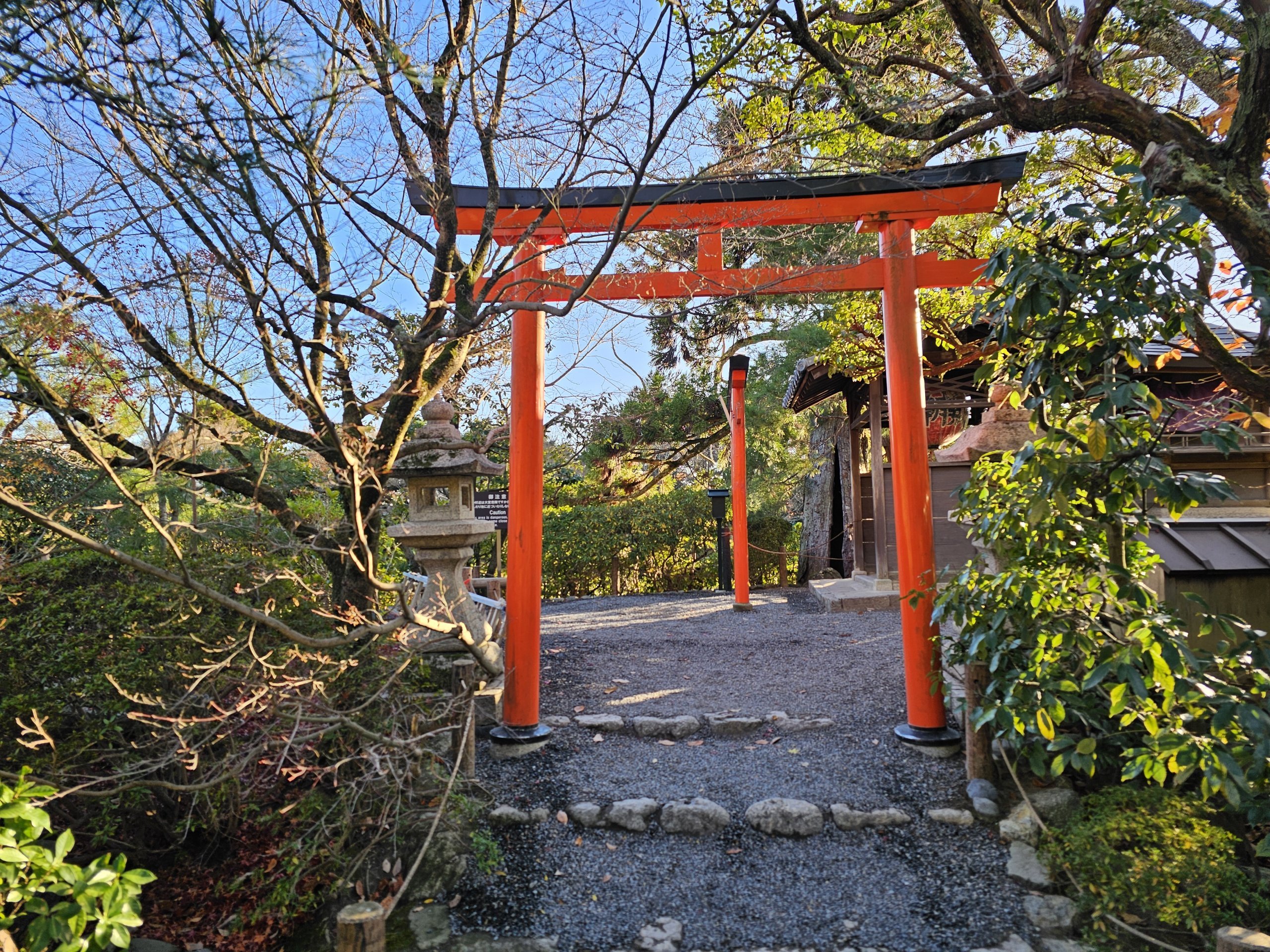
Behind the temple is a large lake called Kyōyō-chi, around which there is a very pleasant walk.
The atmosphere here is quite different from the stone garden:
If you have the time, set aside at least 20-30 minutes for a loop around the pond.
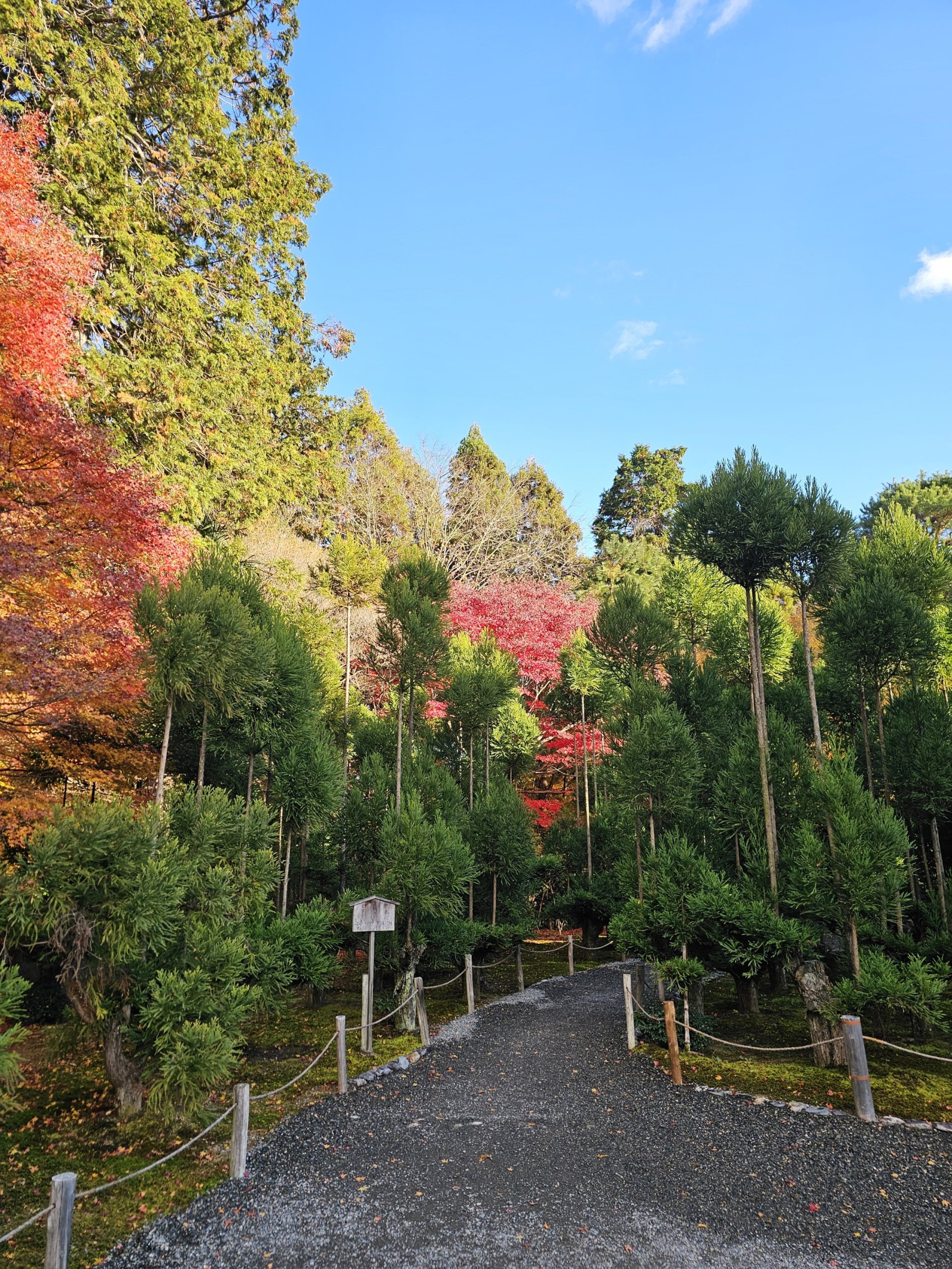
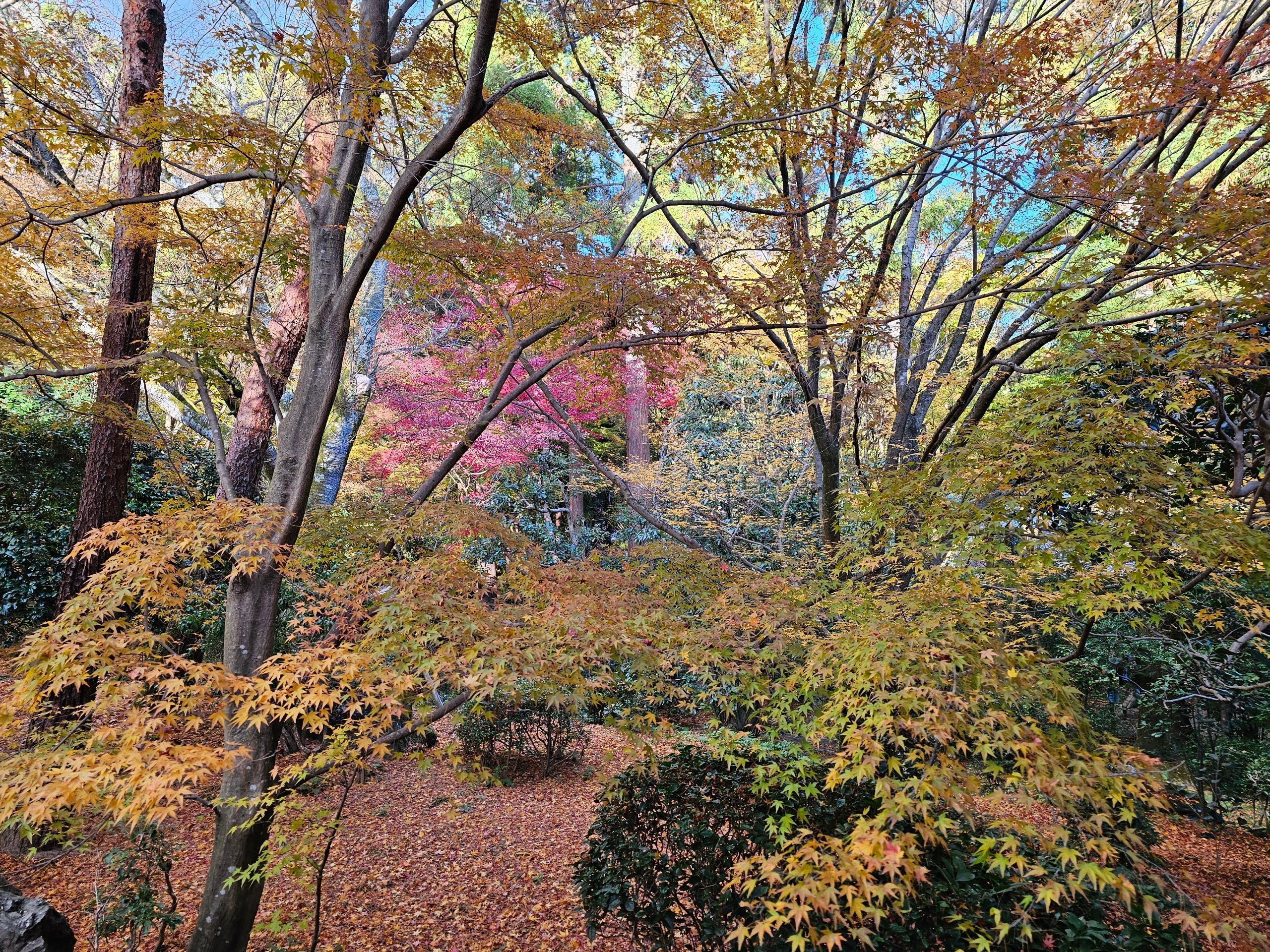
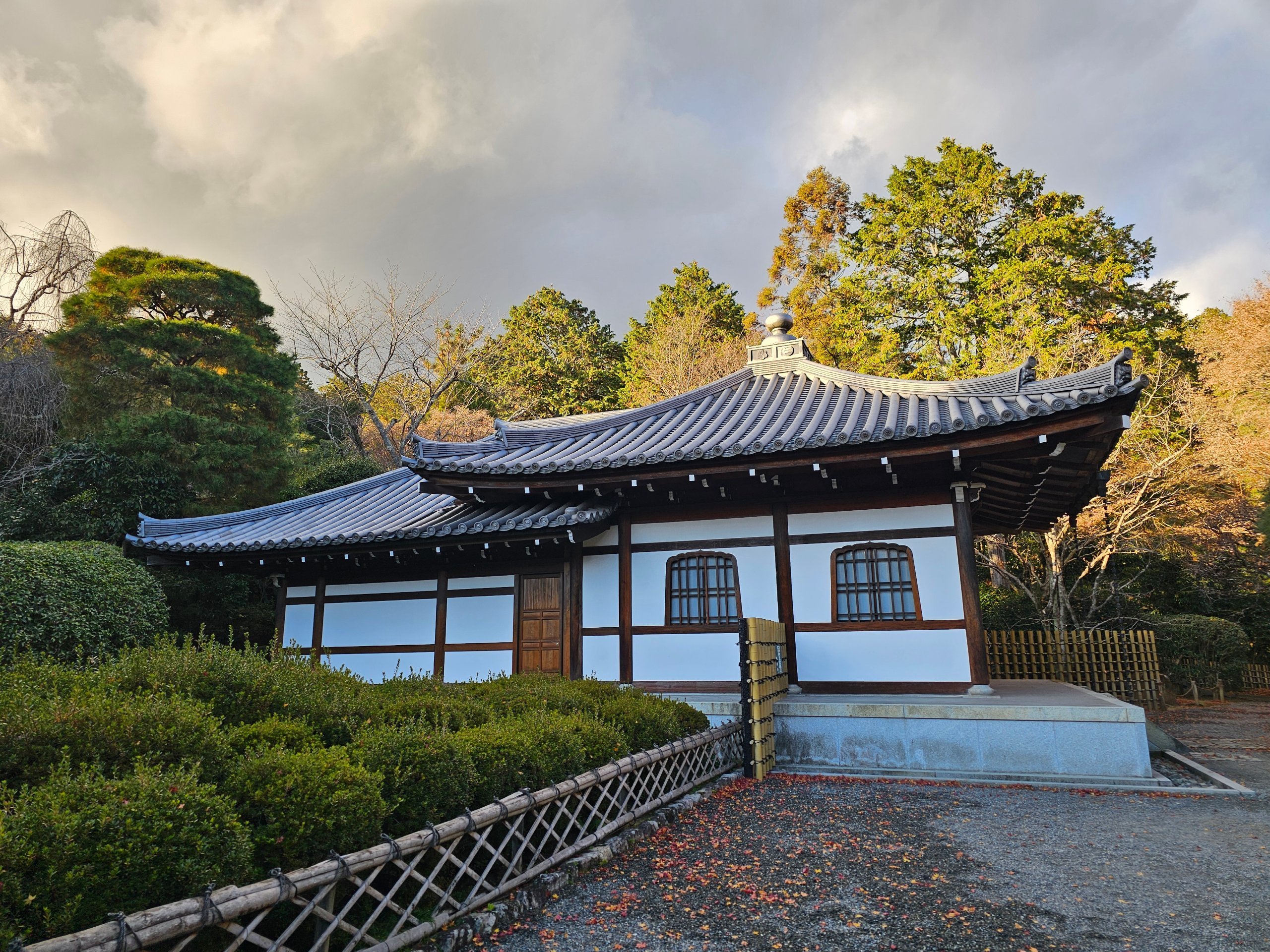

Ryōan-ji is most often combined with other temples in northwest Kyoto:
Typical half-day itinerary:
This combination works well because:
Show prices for hotels in Kyoto
1️⃣ Too quick to visit
People come, take a picture of the garden and leave. Try sitting on the veranda for a few minutes - it is in the silence that the place makes the most sense.
2️⃣ Ignoring the pond
Most tourists don't go through the back of the grounds at all. Yet that's often where it's the quietest.
3️⃣ Bad combination in the itinerary
It's not practical to combine Ryōan-ji with, for example, Fushimi Inari Taisha or Kiyomizu-dera - they're on opposite sides of town.
I recommend arriving first thing in the morning after opening, as there are a large number of bus tours arriving during the day.
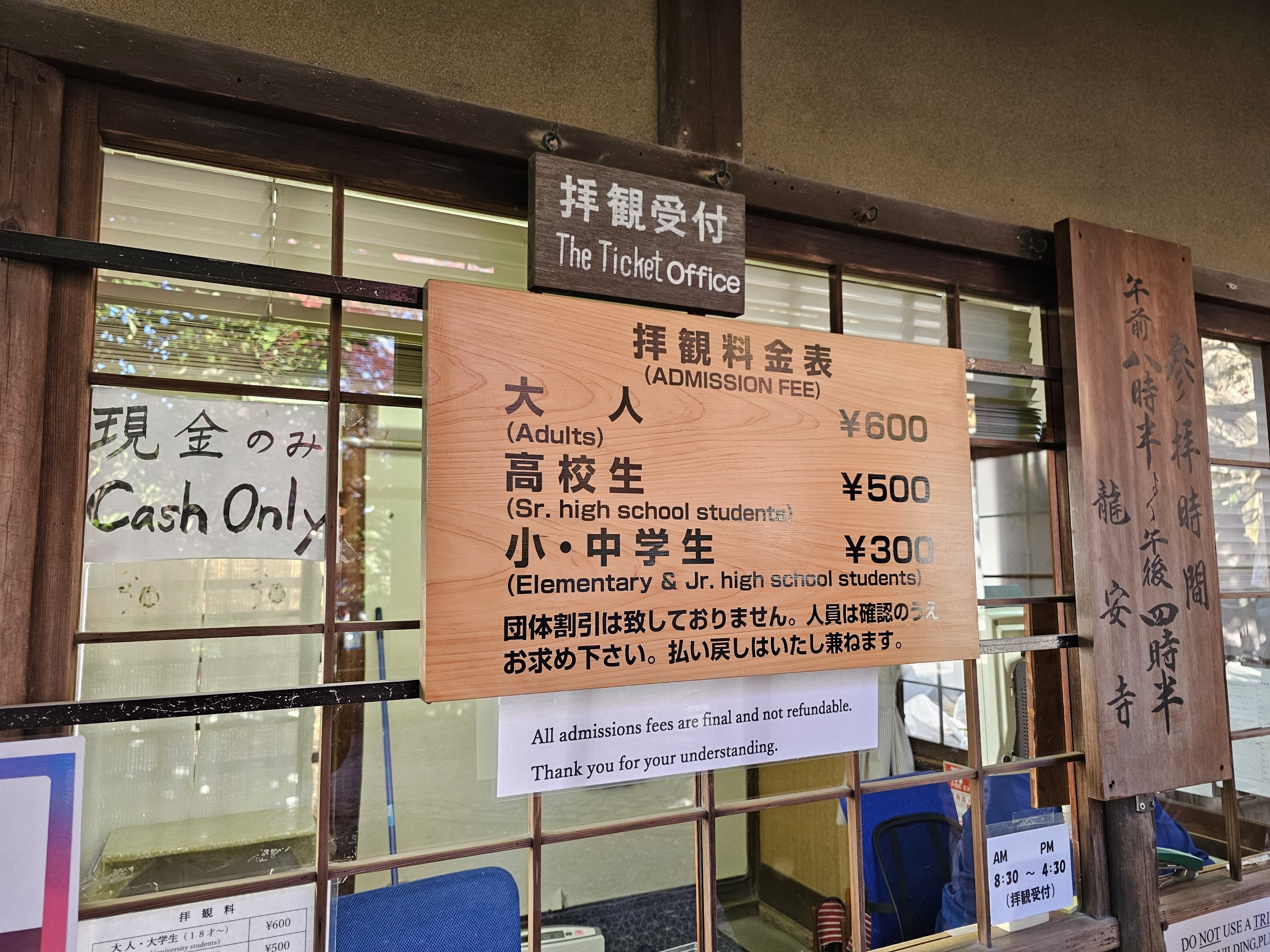
The temple is located in the northwestern part of Kyoto.
This area is far from the city centre, so expect to travel at least 50-75 minutes.
For details on transport, see the Kyoto Transport chapter.
Discover all the places to see in Kyoto.
If you have any questions or comments about the article...