From Prague to Japan with Korean Air – Tokyo, Osaka and open-jaw
677 €



Tokyo's subway system combined with trains looks scary on the map, but it's actually one of the best working systems in the world.
Read my experiences and tips and you'll see that travelling around Tokyo is not that difficult.
In fact, you only need to know the following to get around quickly:
📱 Tip: Without internet on the subway, planning is stressful.
SIM to Japan - internet on arrival
Tokyo has several rail transit systems. They operate similarly for travelers, but on the map and fare-wise they are different companies.
| Transportation system | All-day subway ticket | JR Pass |
|---|---|---|
| Tokyo Metro + Toei Subway | Yes | No |
| JR trains | No | Yes |
| Trains Keikyu, Keisei and other companies | no Yes - on sections where they run on the subway tracks |
no |
| Tokyo Monorail | No | yes |
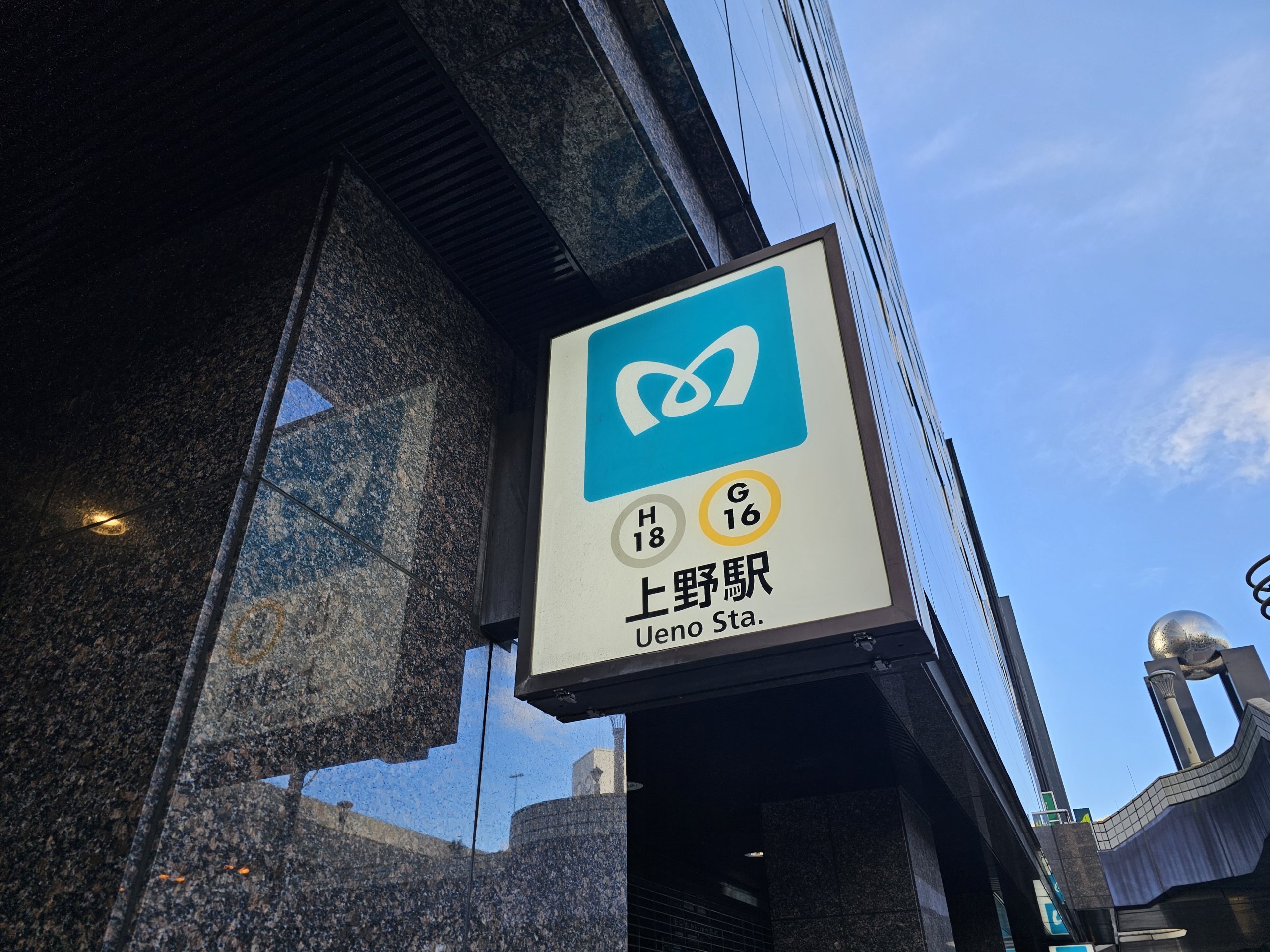
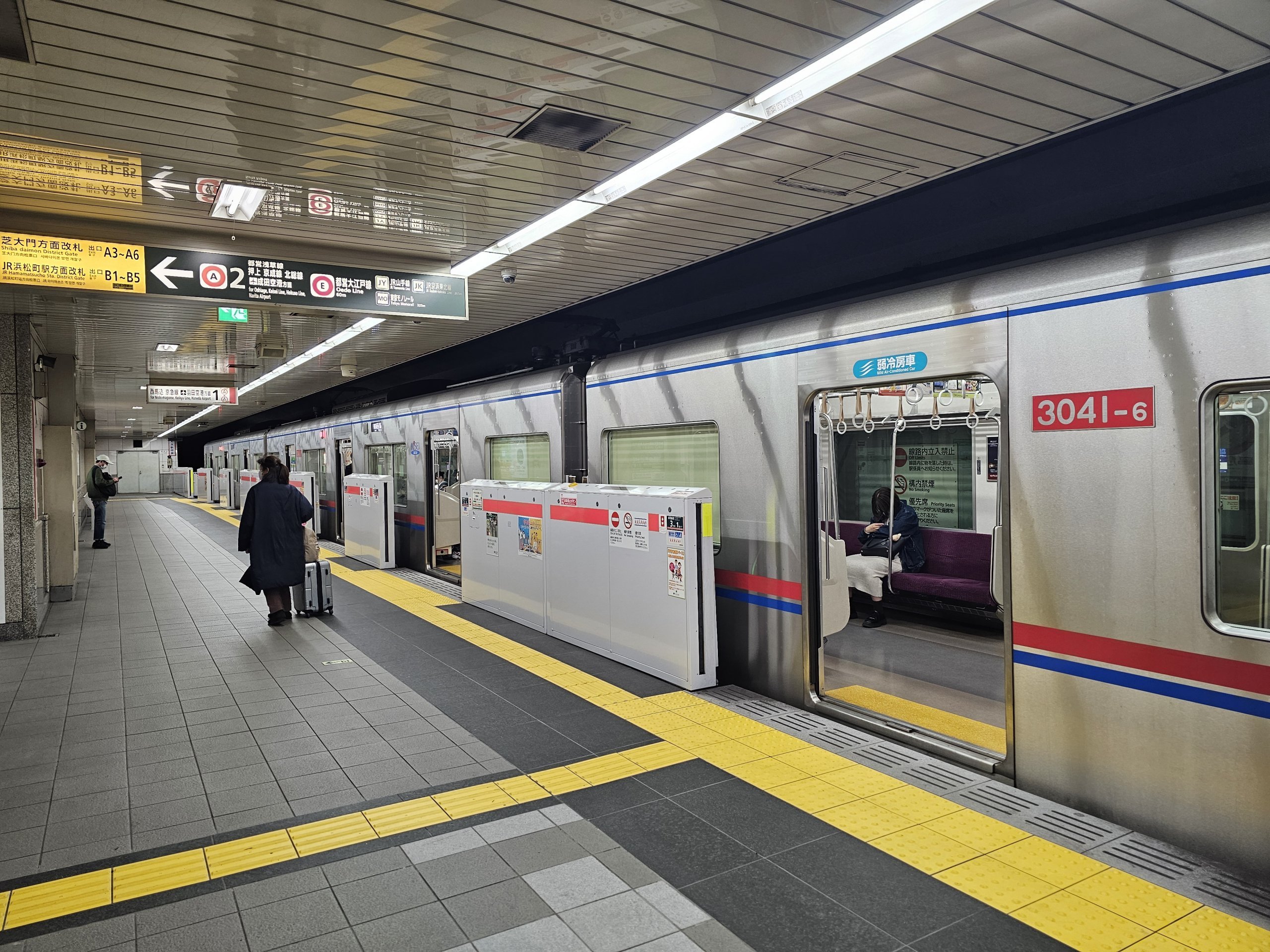
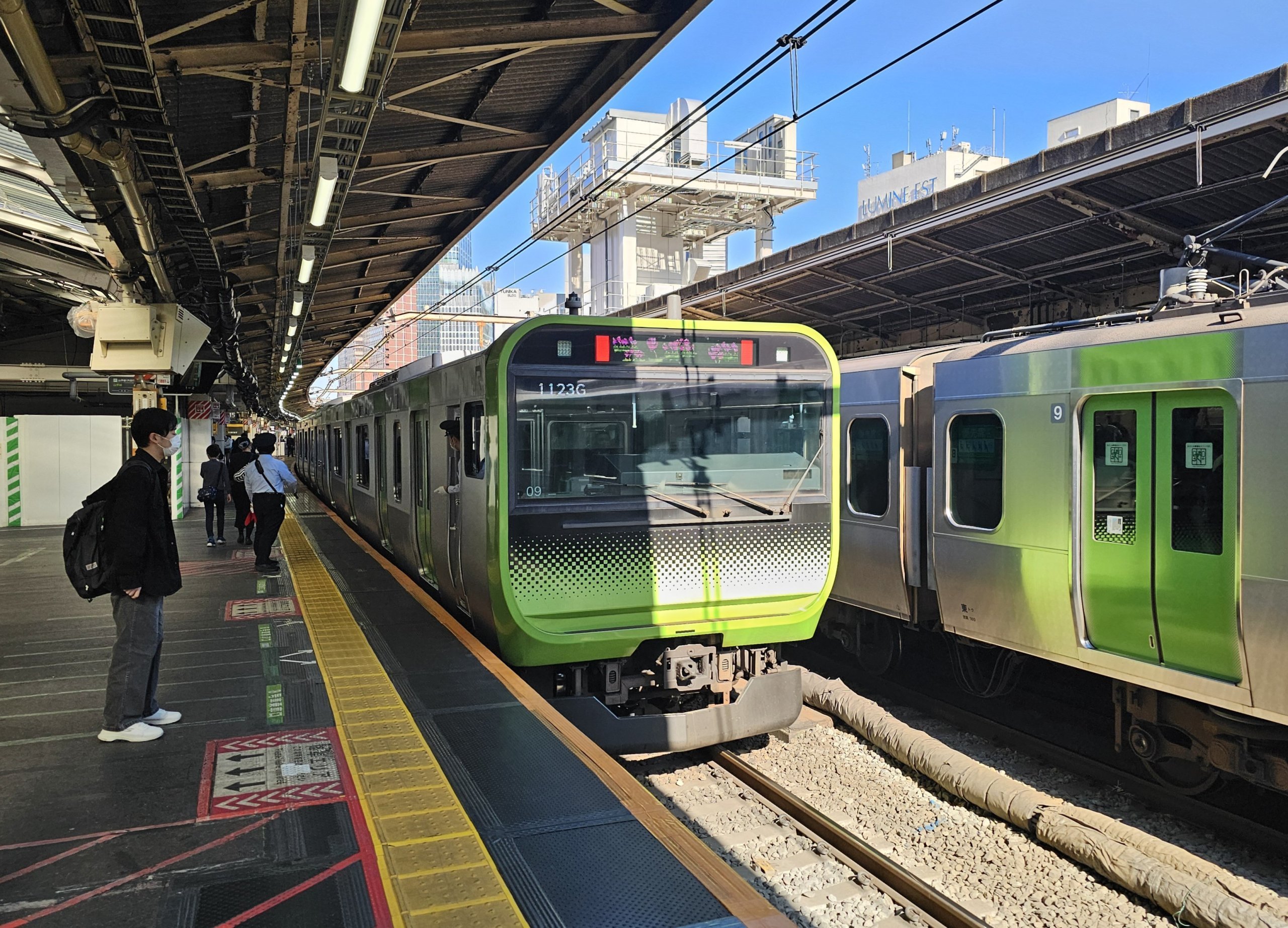
The most common question before a trip is: How do I pay for the subway in Tokyo? The good news is that Tokyo's system is one of the easiest in the world for tourists.
Most people don't just go to Tokyo, but continue on across Japan - so it pays to use a single IC transport card for the whole country.
If you're only in Tokyo (for example, when changing trains), it may be worth buying a day pass for the subway or buying individual tickets (this is more suitable for one-off transfers - if you're only going around the city a maximum of 3 times).
To help you quickly decide which form of payment to choose, we have prepared a few FAQs - the most common situations.
After visiting Tokyo, I continue my travels in Japan
I only visit Tokyo for 1 day or a few hours during a layover
I will be taking the subway a lot in Tokyo, but will not use the city trains at all
Fares in Tokyo are calculated according to distance.
Usually you pay from 180 jpy (an average ride of around 4 stations) to 330 jpy (a trip across Tokyo).
With an IC card you get a small discount on some lines, but it's within units of yen, so it's not worth calculating at all.
If I had to give one piece of advice on transportation in Tokyo, it's this: get a Suica or Pasmo on your first day.
The IC card works like a prepaid wallet - you charge your credit and then just swipe your card at the turnstiles. You don't have to deal with the prices of individual rides or buy tickets at the machines.
You can also use it outside the metro - for example in shops, vending machines, etc.
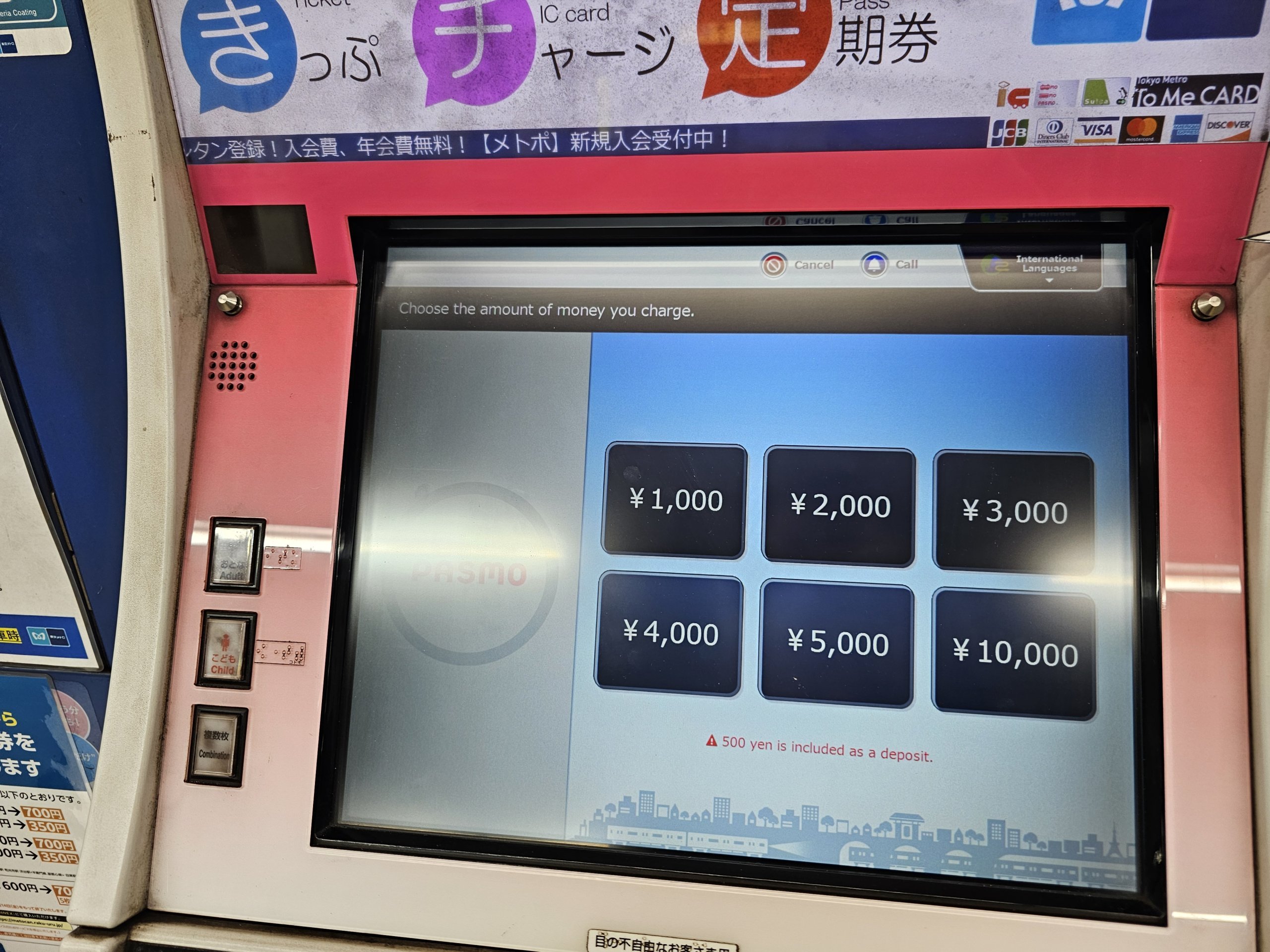
And most importantly: the Suica and Pasmo cards are valid throughout Japan. For Suica and Pasmo you have to pay a refundable deposit 500 jpy (you can only return the card in Tokyo and not elsewhere in Japan).
There is no charge for the Welcome Suica tourist card.
The minimum recharge amount is 2 000 jpy.
When do I recommend getting an IC card?
When is the IC card not worth it on the subway?
Even if you assess that you are more likely to buy a day or multi-day ticket on some days, the IC card is still worthwhile if you will be travelling to other Japanese cities.
And you'll use it in Tokyo, too, whether on the JR train or in mini-markets.
It's very simple. There are turnstiles at the entrance to the platform.
You just attach the card to the turnstile (beep) - both when entering and exiting the platform.
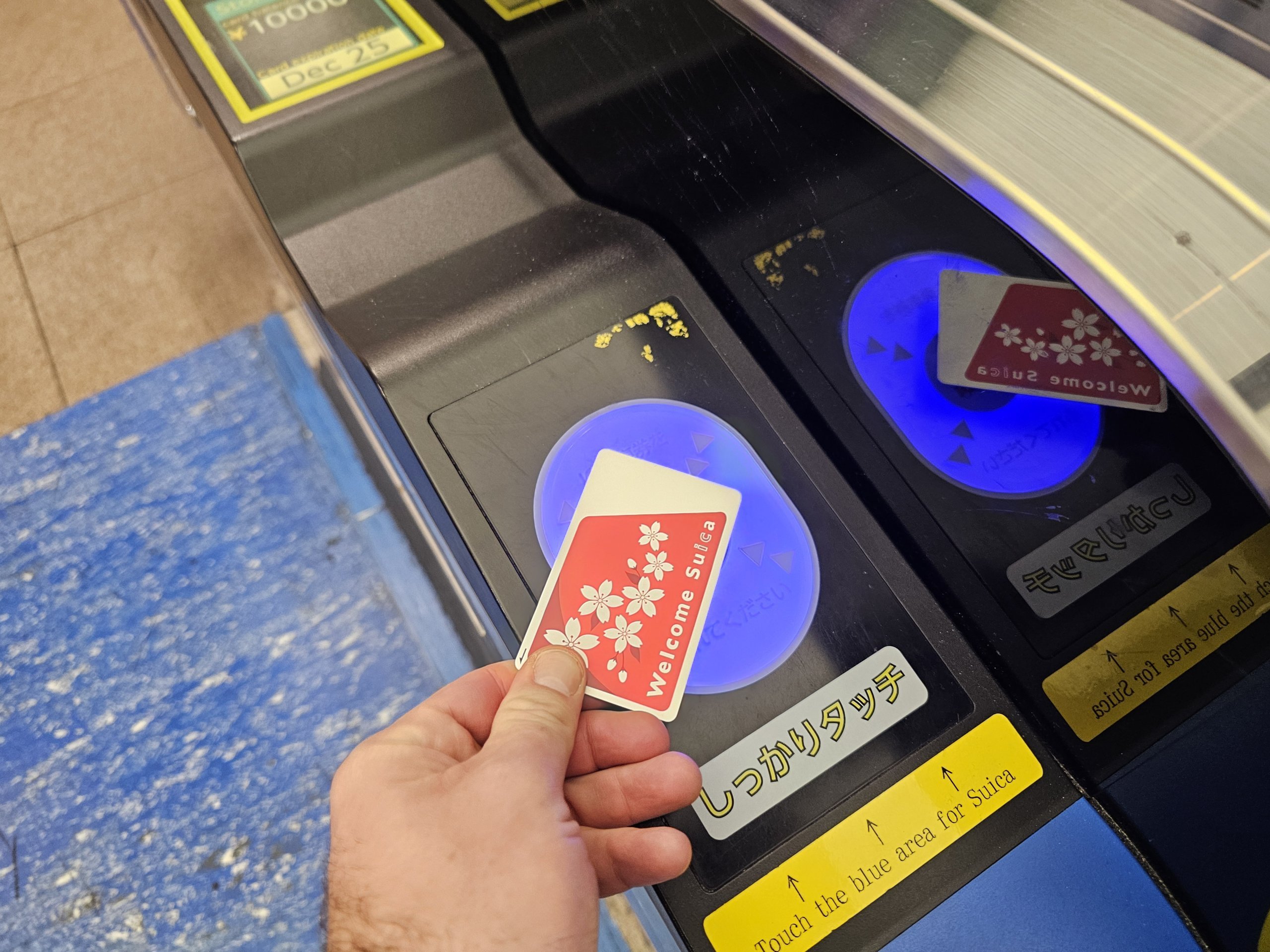
The fare is only calculated on exit. If you do not have enough credit, the turnstile will not let you off.
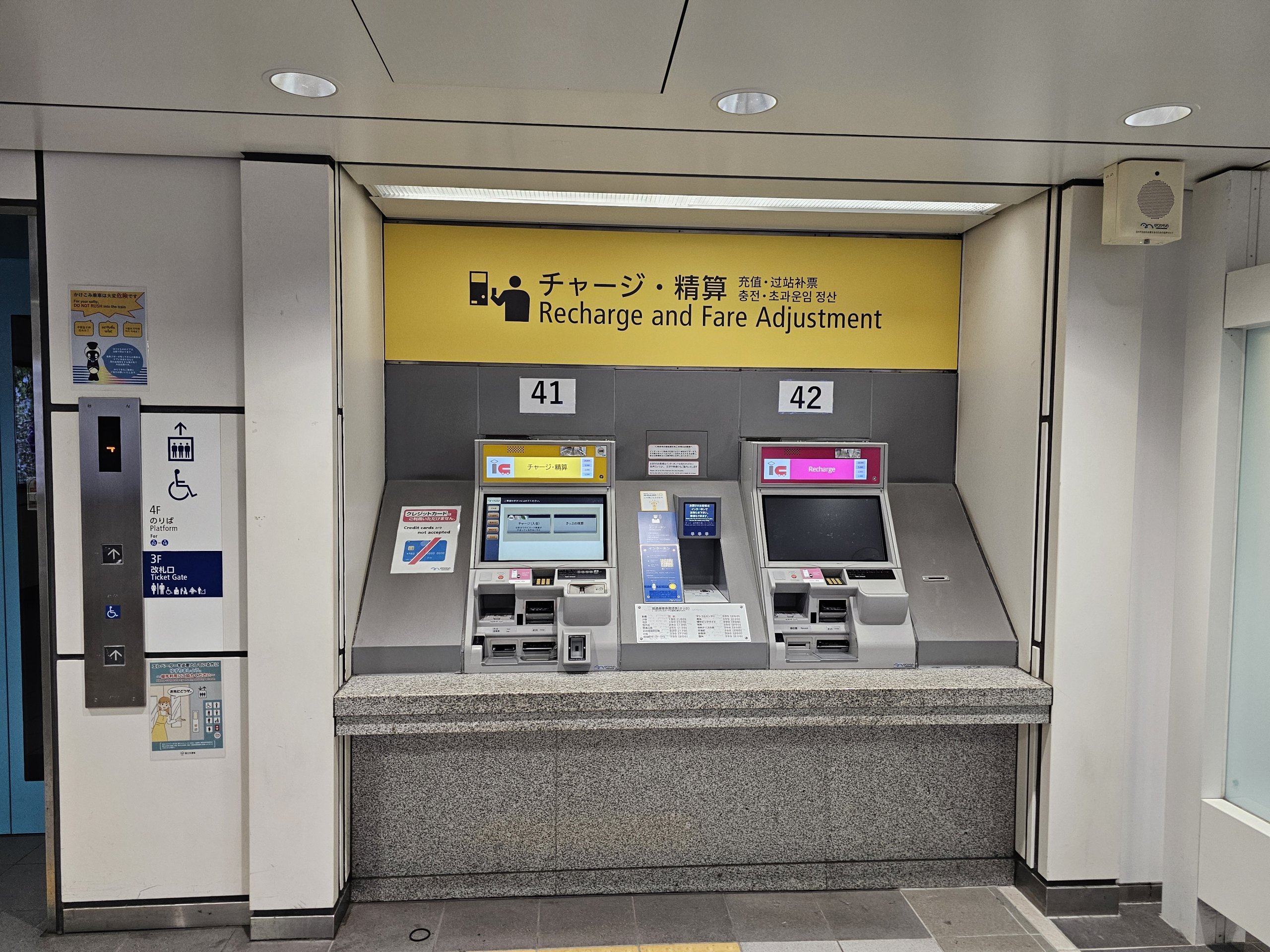
However, there are top-up machines in each station, also located before you get off, marked Fare Adjustment, where you can top up your card. Please note, you can only ever top up with cash.
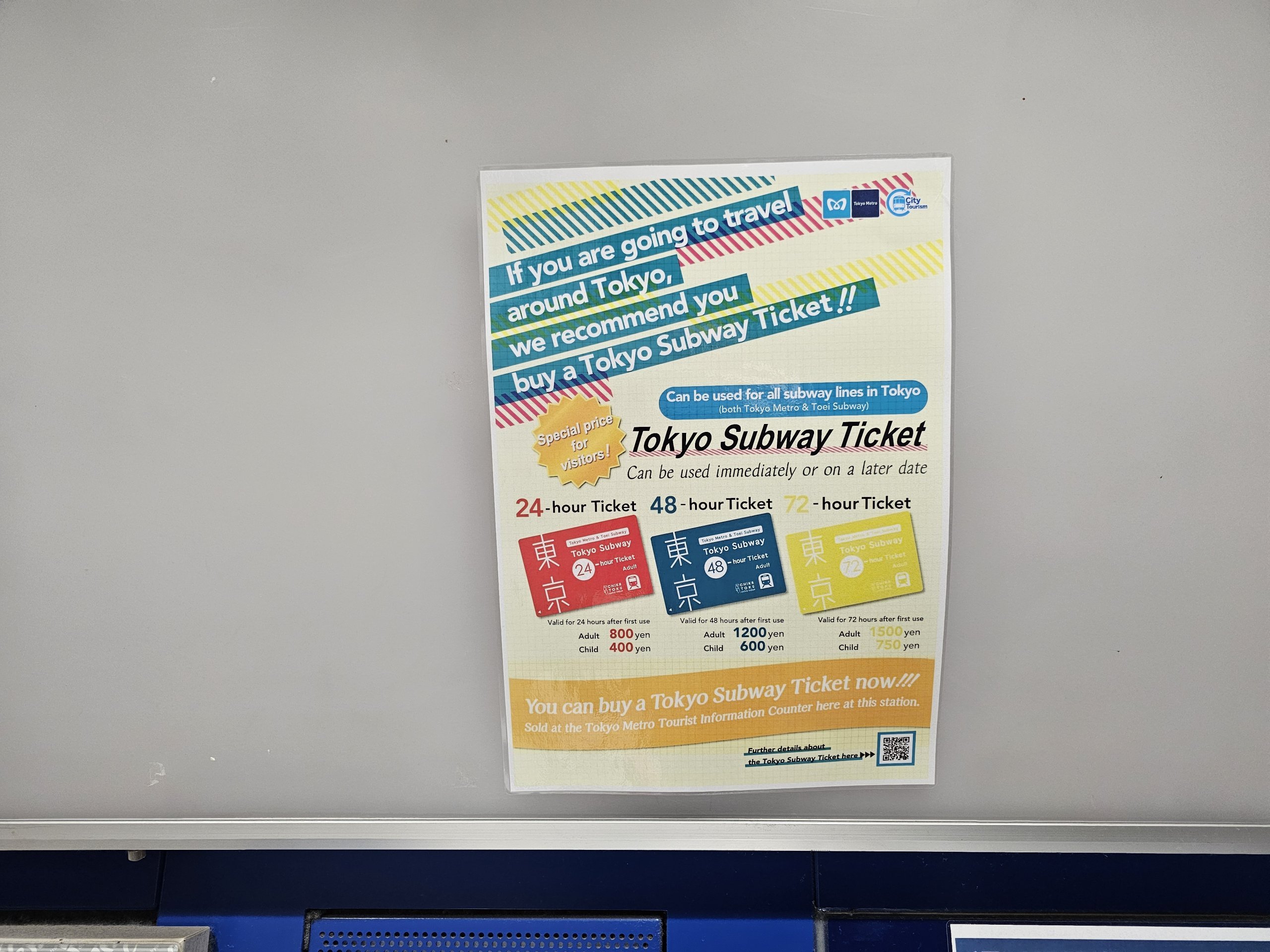
If you plan to travel a lot by metro, it is worth buying a day or multi-day ticket.
However, this is only valid on the Tokyo Metro and Toei Subway lines. It can't be used on JR trains or other carriers such as Keisei or Keikyu and others.
There are several types of day passes.
For official information, see tokyometro.jp/en/ticket.
Paper tickets exist in Tokyo, of course, but most tourists mainly use them for short stays when they only visit Tokyo as a stopover between flights.
They're only worth it if you're going on a really rare occasion or don't want to deal with topping up your card. Otherwise, an IC card or day pass is more convenient in all directions.
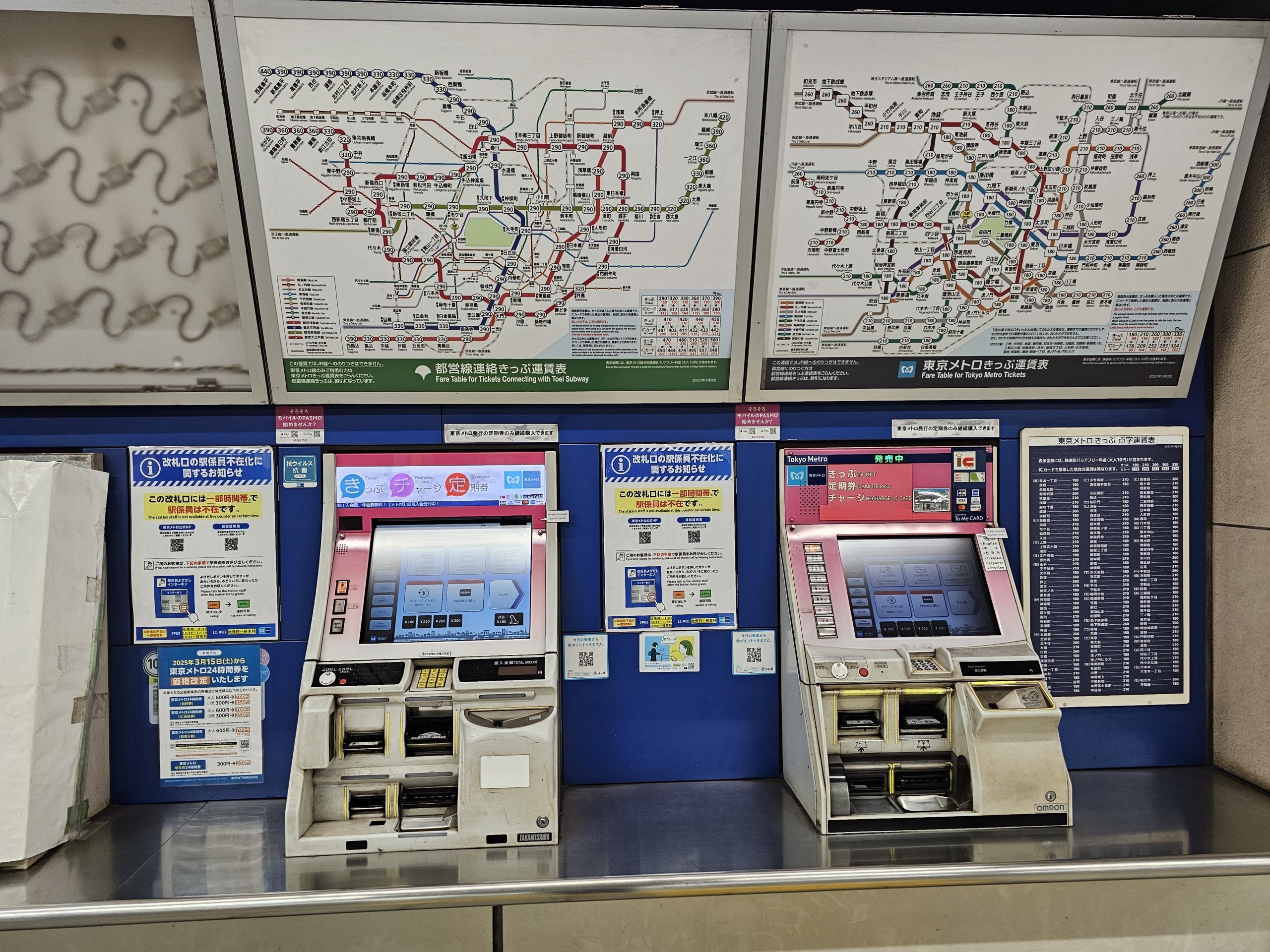
Tickets can be purchased from ticket machines in all metro stations - cash only.
It works as follows:
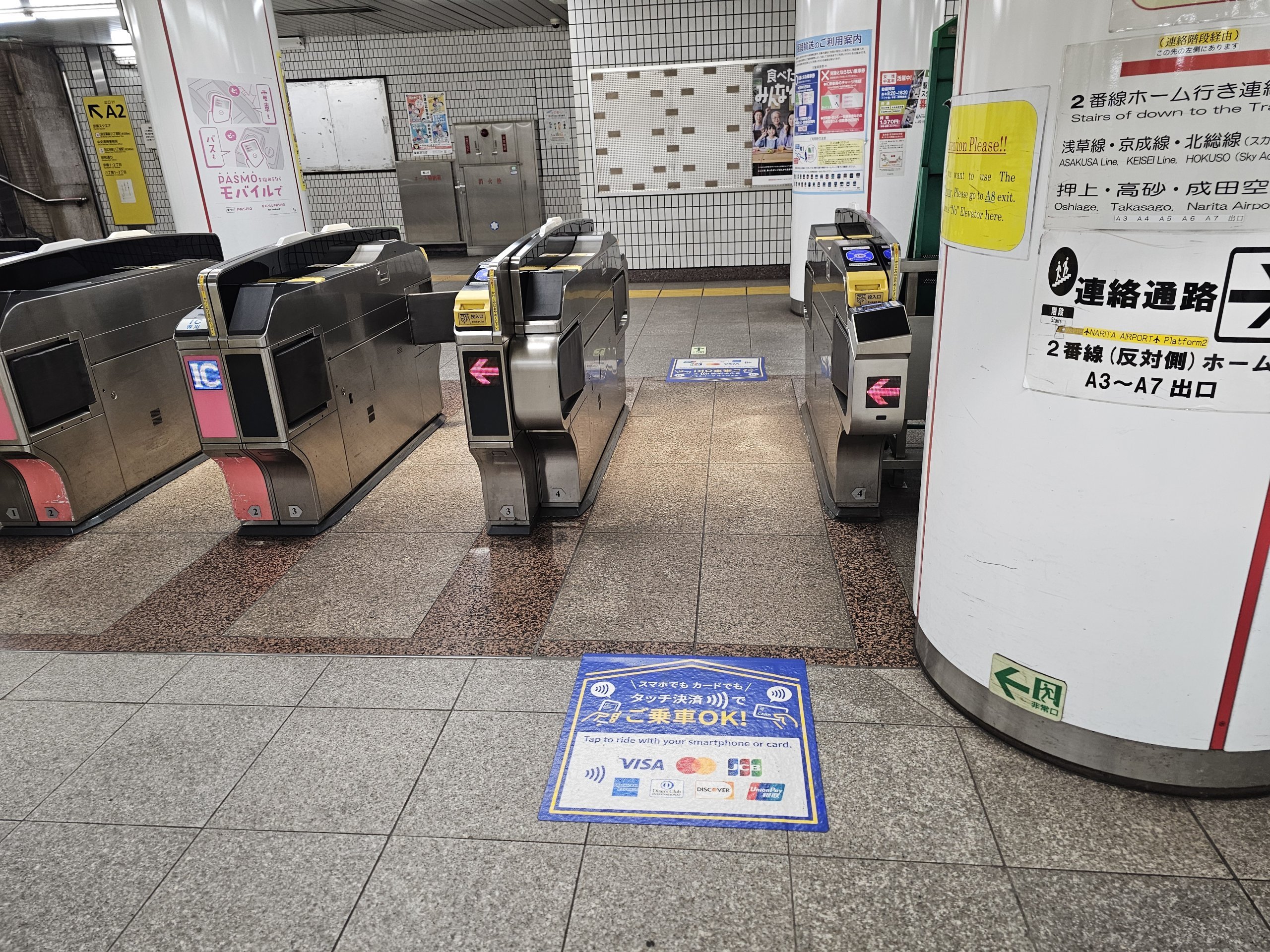
Currently, contactless payments with your own card are only possible on selected Toei Subway lines.
This is expected to change in mid-2026, when contactless payments are planned to be available on all Tokyo Metro and Toei Subway lines.
If contactless payments can also be made on trains, for example, it will make travelling around Tokyo much more convenient, and even buying an IC card will not be so convenient if you don't want to travel elsewhere in Japan.
Do you travel around Japan a lot on trains (especially shinkansen) and have bought a JR Pass? Here's a list of lines in Tokyo that you can use the JR Pass for without buying additional tickets:
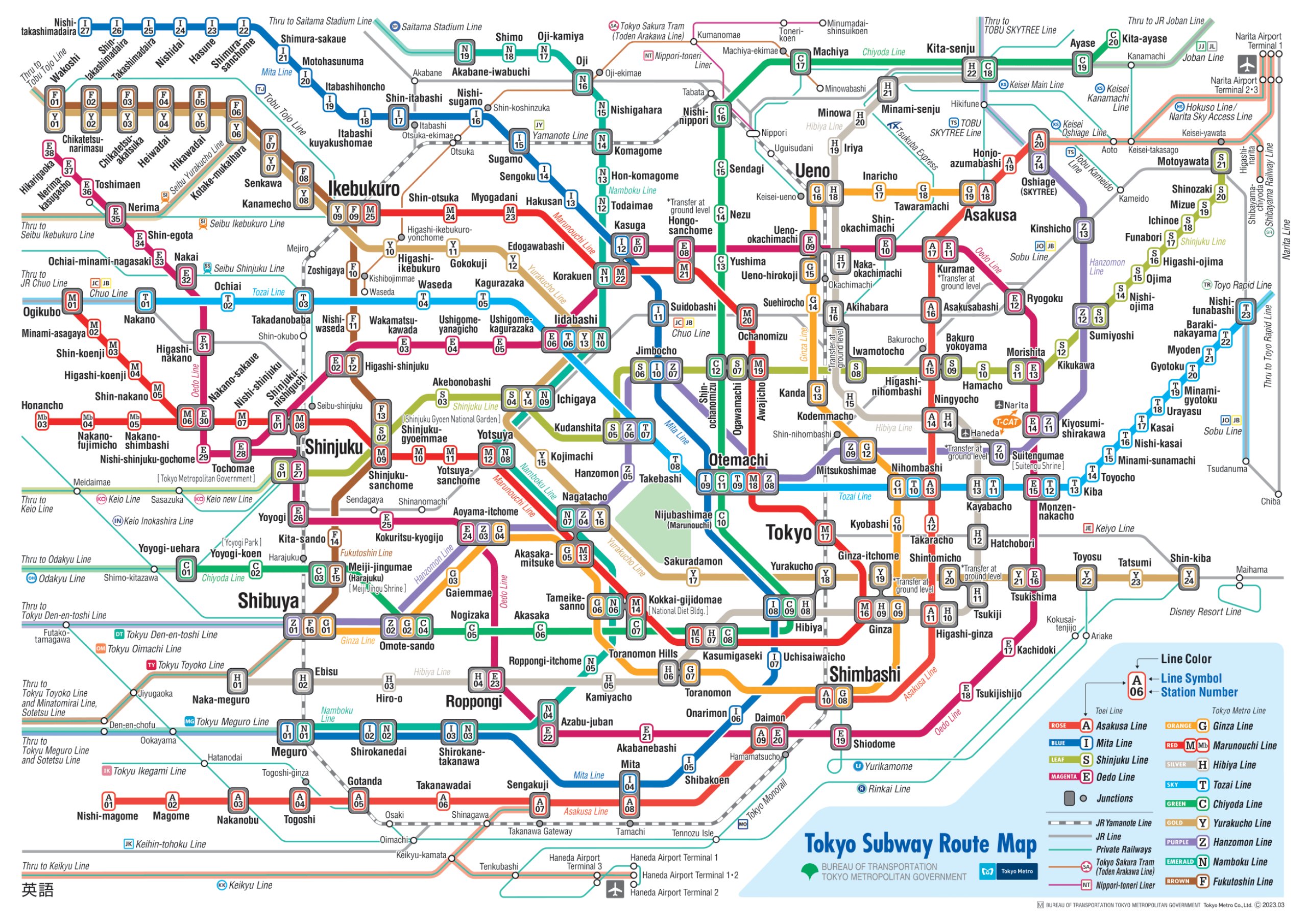
You'll find a subway map at every station, but in practice, your mobile phone will help you the most.
It's also good to remember that you can usually only find a subway map in a subway station, but not JR train lines.
I found planning by default via Google Maps the most helpful.
📱 Tip: Without internet on the metro, planning is stressful.
SIM to Japan - internet right after arrival
If you want to keep track of the lines, you can download a pdf map of the Tokyo subway.
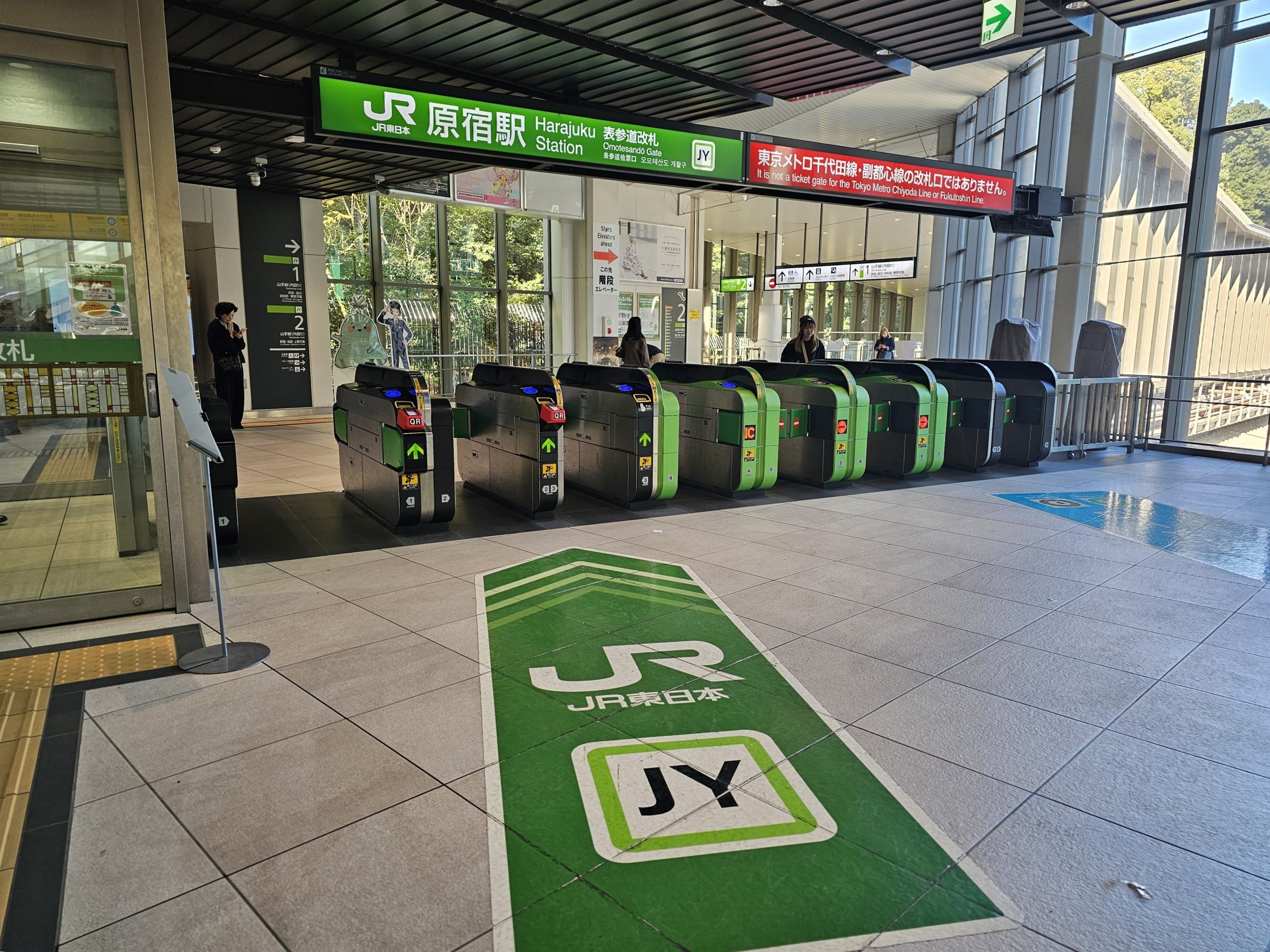
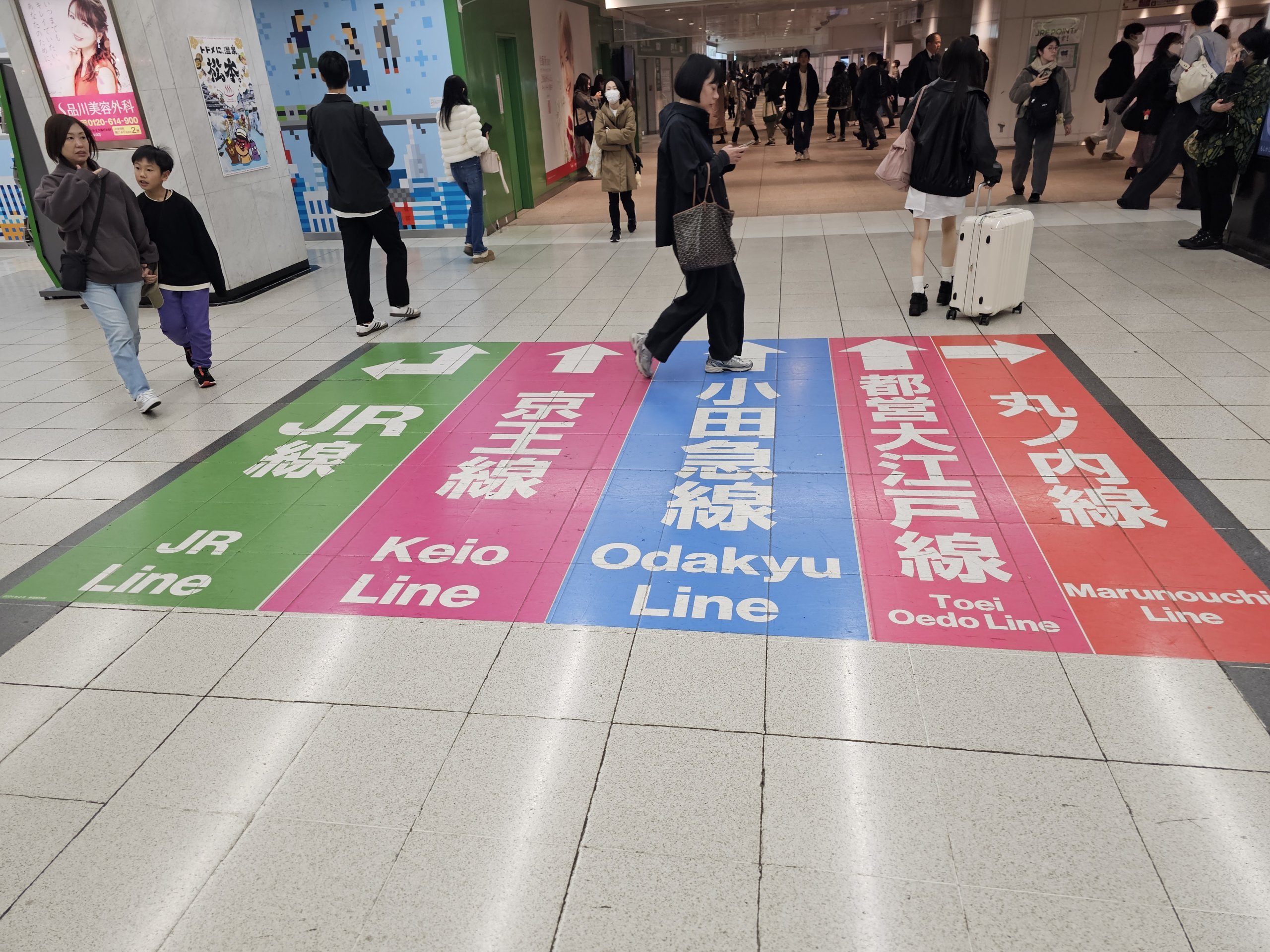
At major stations like Shibuya, Shinjuku, Tokyo Station or Ueno, many subway lines and trains cross at the same time.
However, orientation is quite easy.
There are a few things that have confused me on Tokyo's subways or trains that I recommend keeping an eye out for.
On some lines - like the New York subway - there are express trains that don't stop at all stations.
I once crossed my downtown Takaracho station this way, and at first I had a hard time figuring out which stations the express trains didn't actually stop at.
At each station you'll find a printed poster with a diagram of the route, showing the different types of trains and the stations they stop at.
The departure boards then show the type of train arriving for each train, and you have to work out for yourself whether or not the train will stop at your destination based on these two pieces of information.
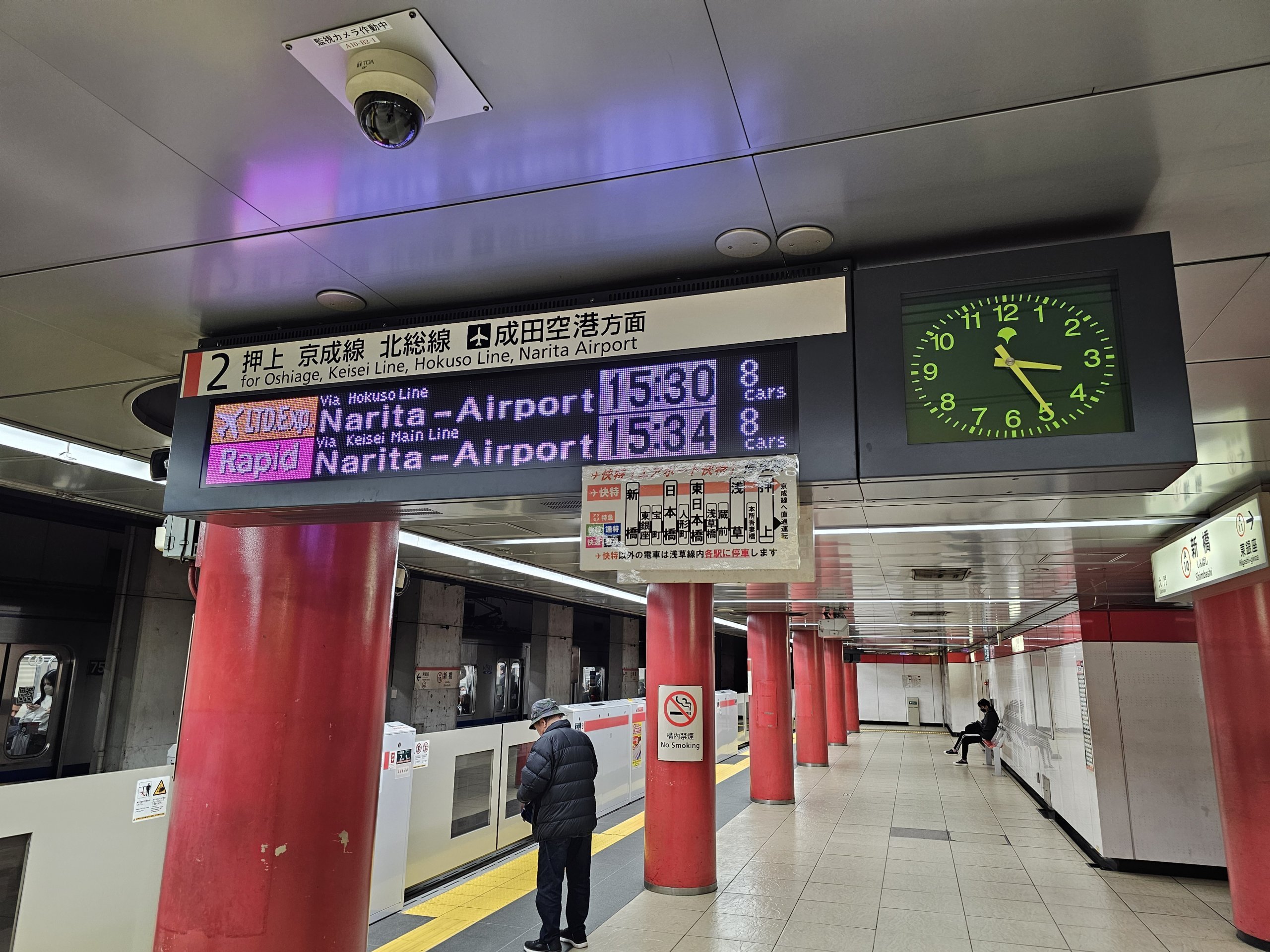
To make it easier to navigate, I've tried all the lines and listed the stations within the city centre where the express trains don't stop:
All other subway routes are not problematic and trains stop at all stations.
There are also various express trains on the JR lines, but the system is considerably more complicated to describe, while the station orientation is much clearer.
Many stations have several different exits.
For me, it's worked well to let the crowds leave after exiting the subway/train and find a map of the surrounding area, which is on each platform.
The map always has the different exits from the station marked in letters. These letters are then clearly marked in yellow throughout the station area.
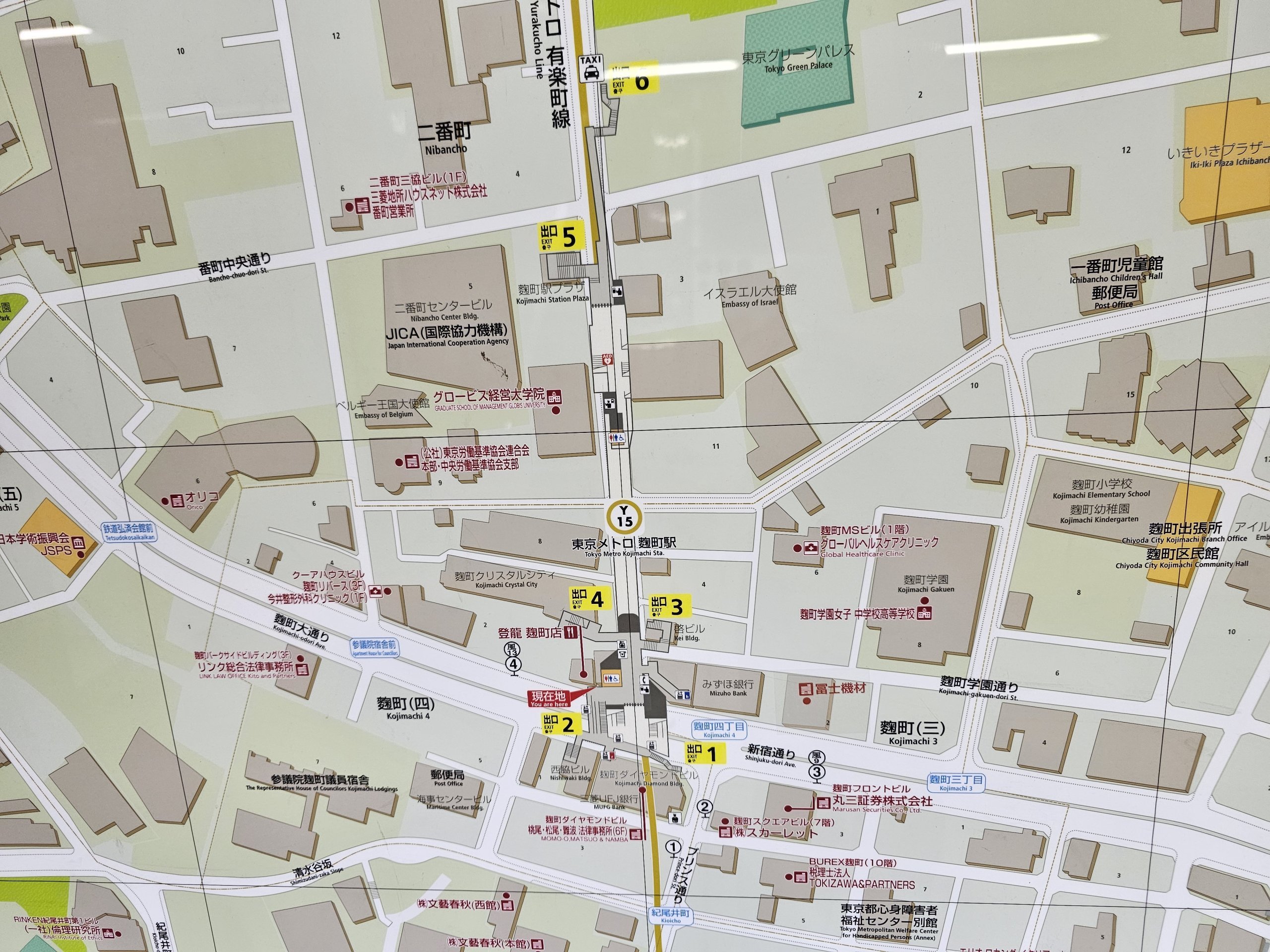
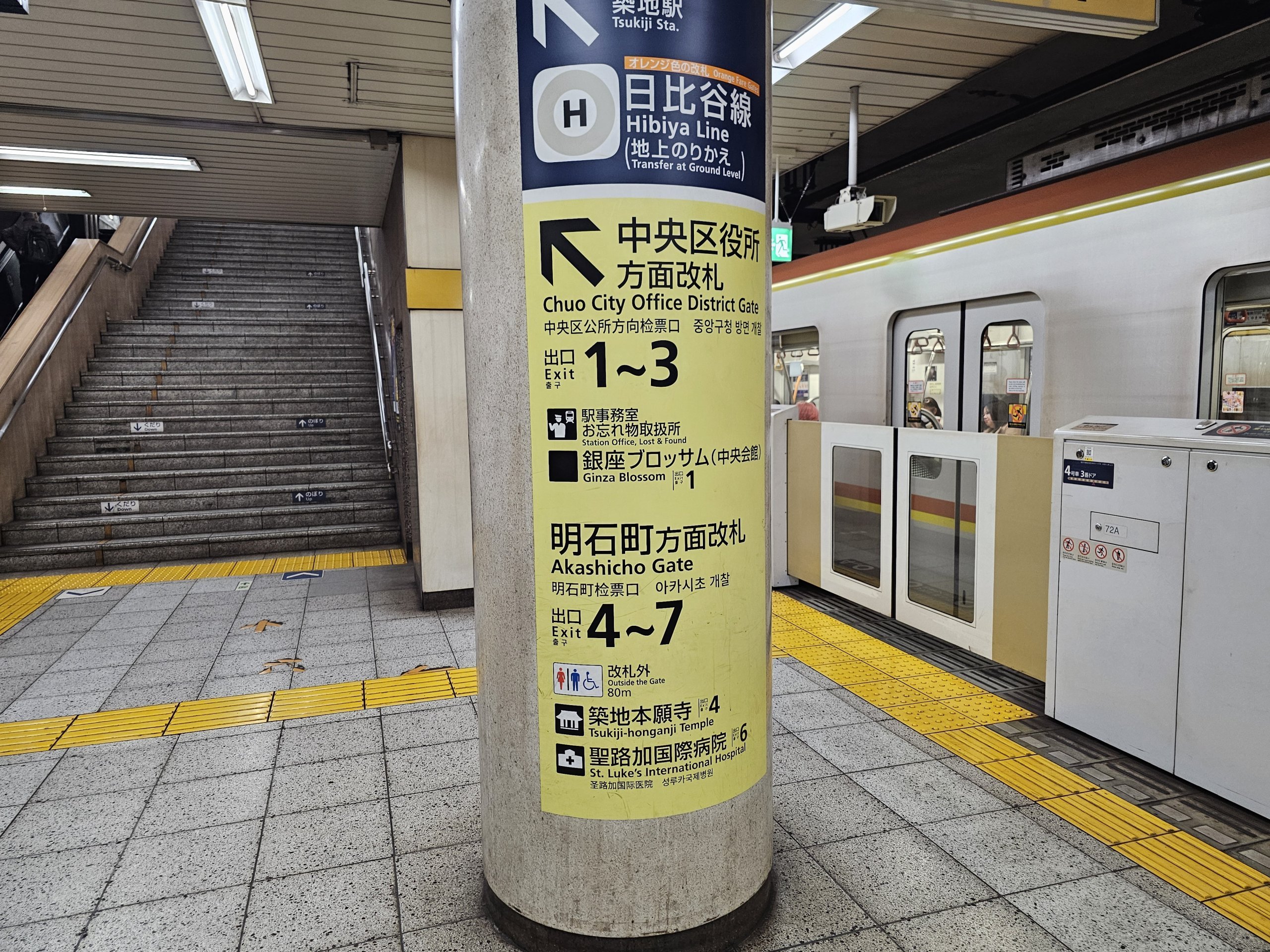
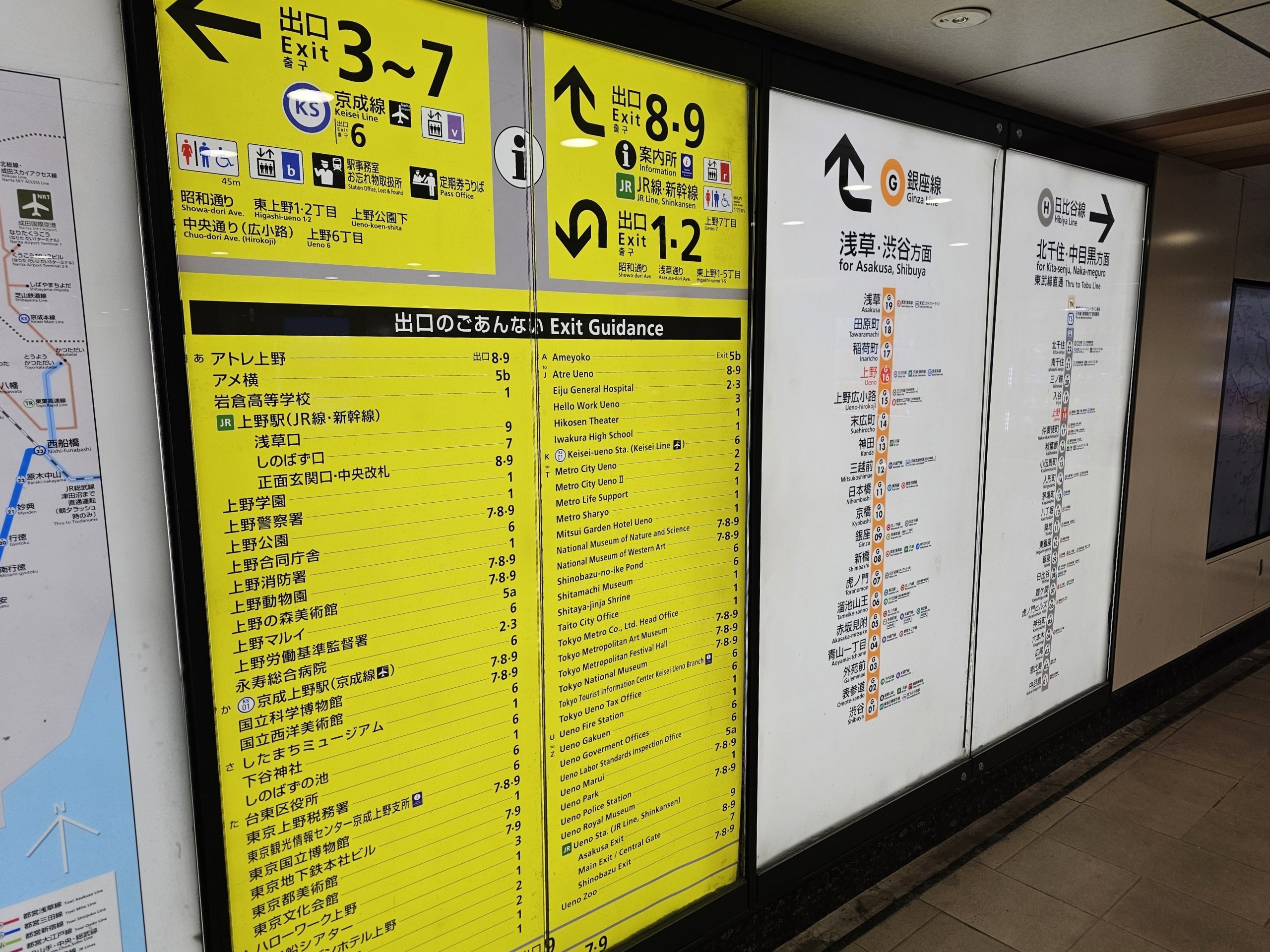
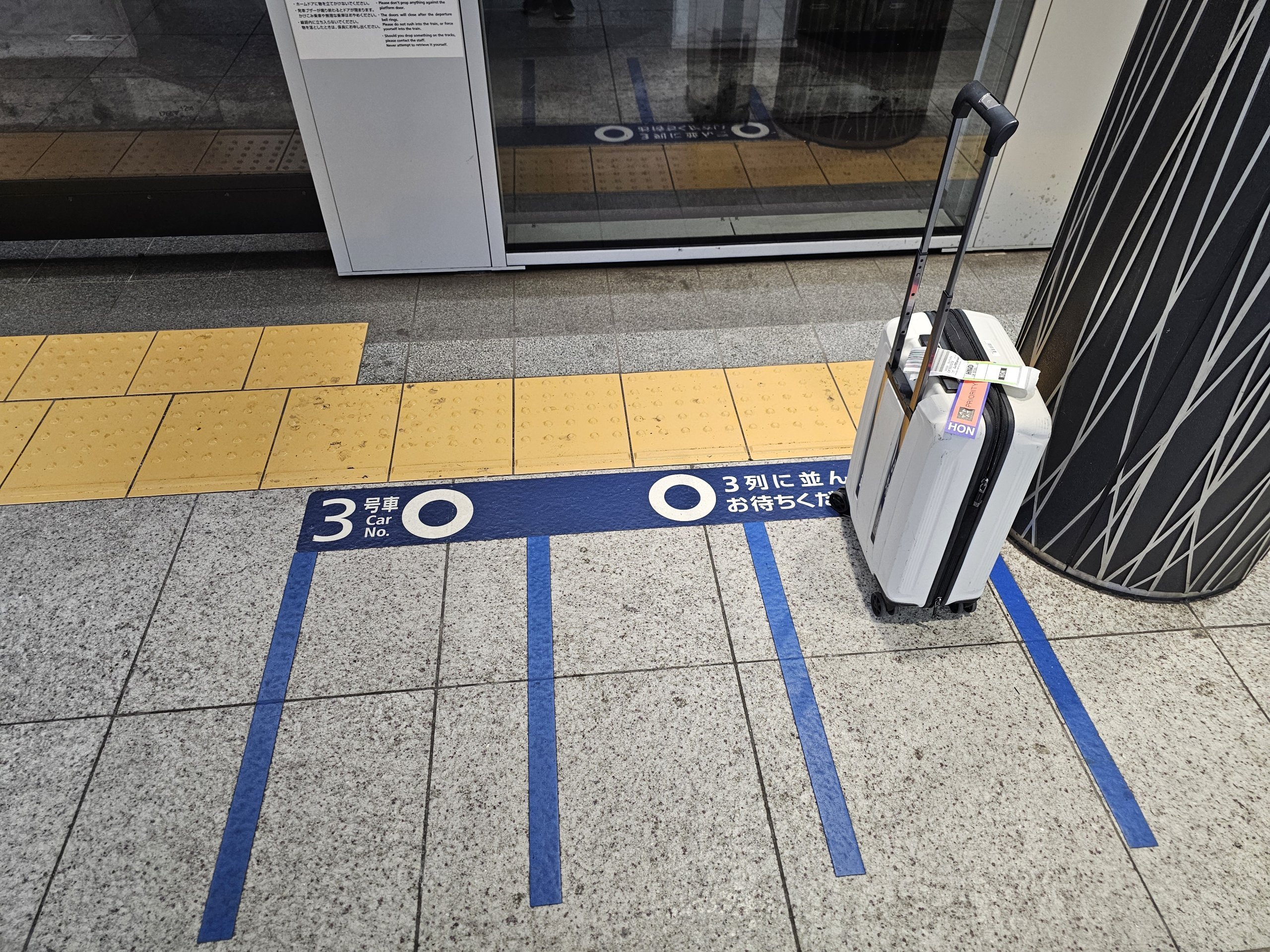
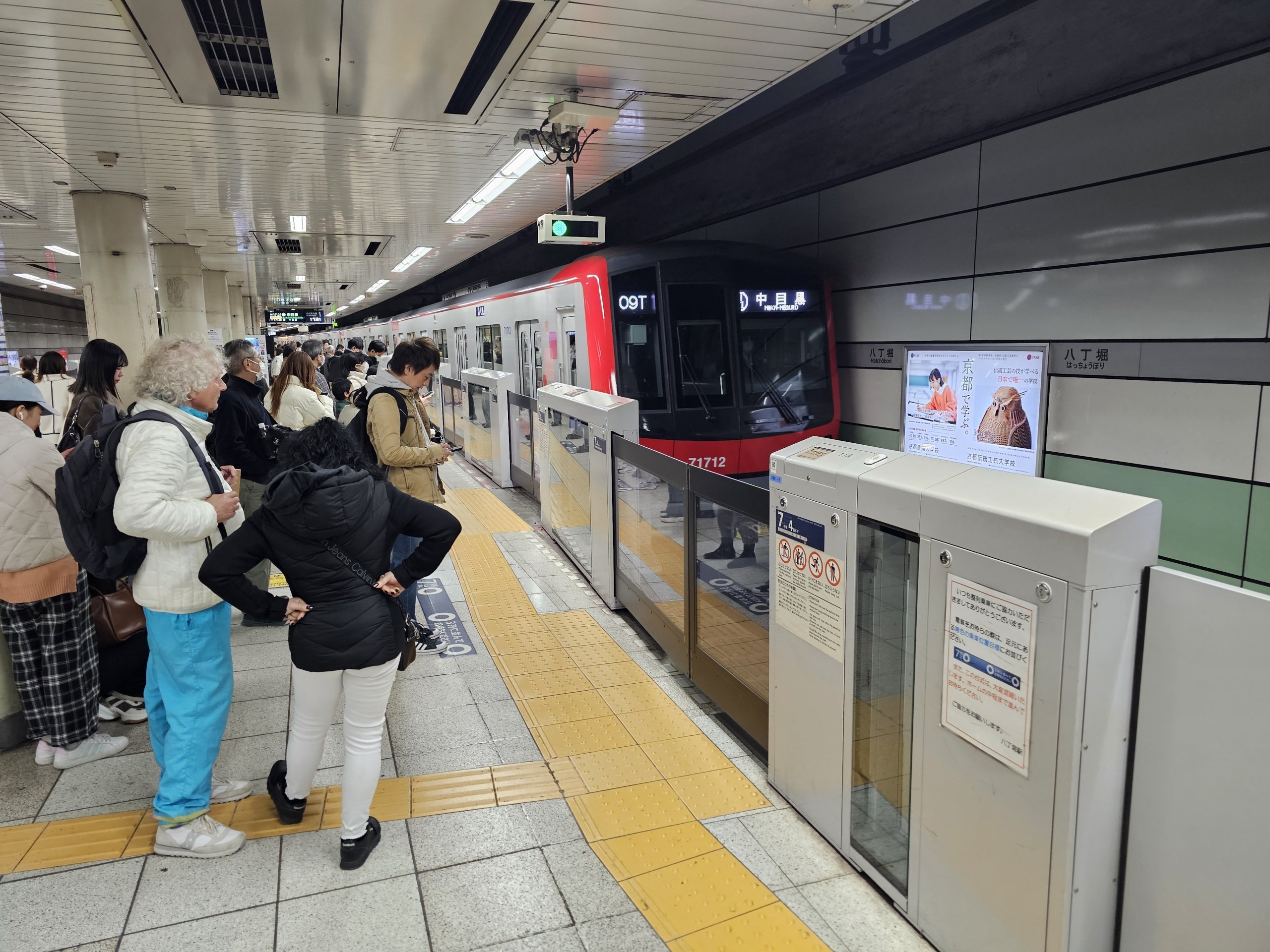
On all platforms there are coloured lines marked on the ground which you should line up in before boarding the train.
I would strongly recommend following this - firstly, it is considered extremely rude by locals if you overtake and secondly, it significantly speeds up getting on and off the train especially at peak times when there are really busy people.
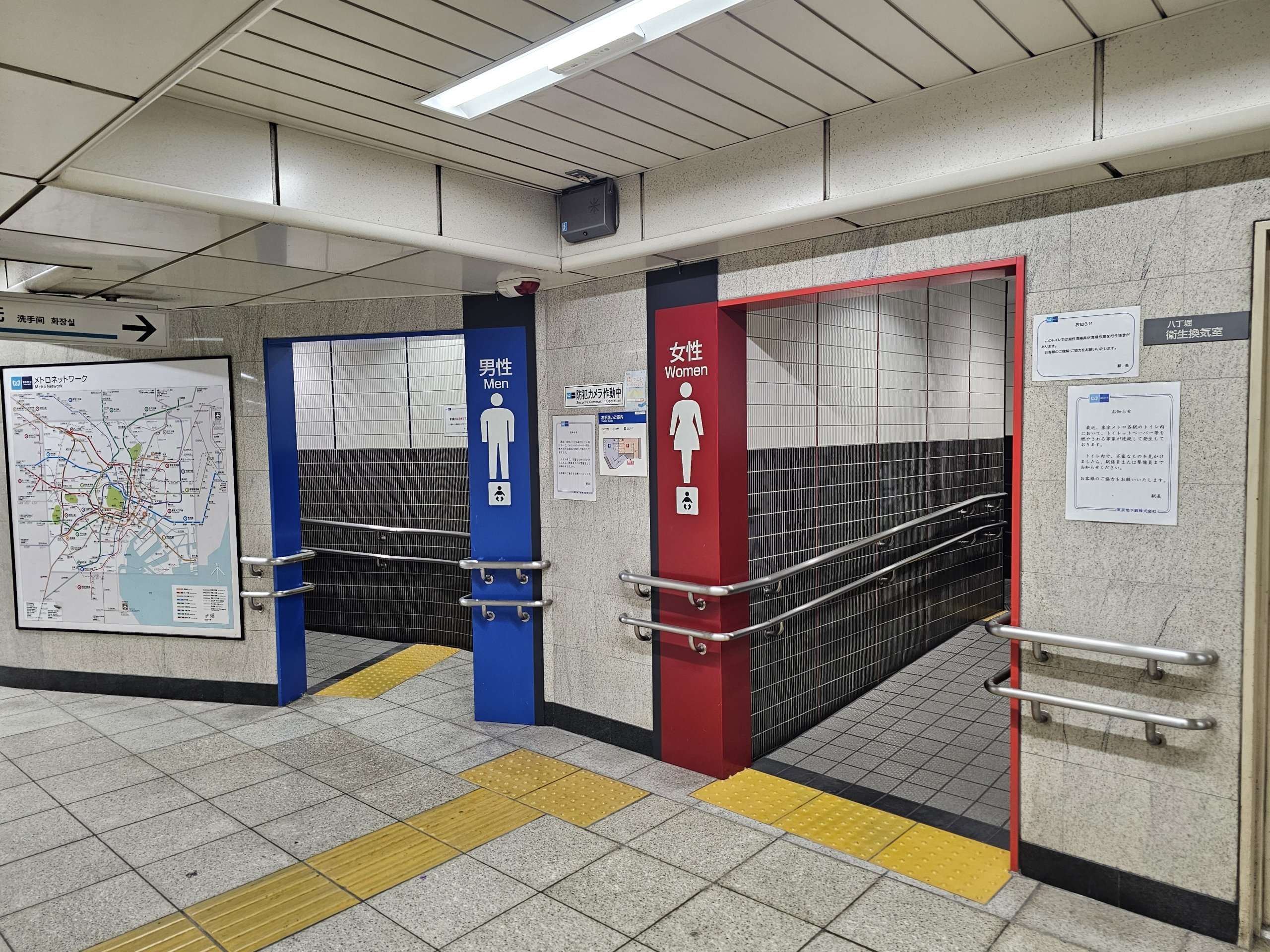
As well as transport, the subway and trains in Tokyo also provide one important safety feature - you will always find clean and functional free toilets at all stations!
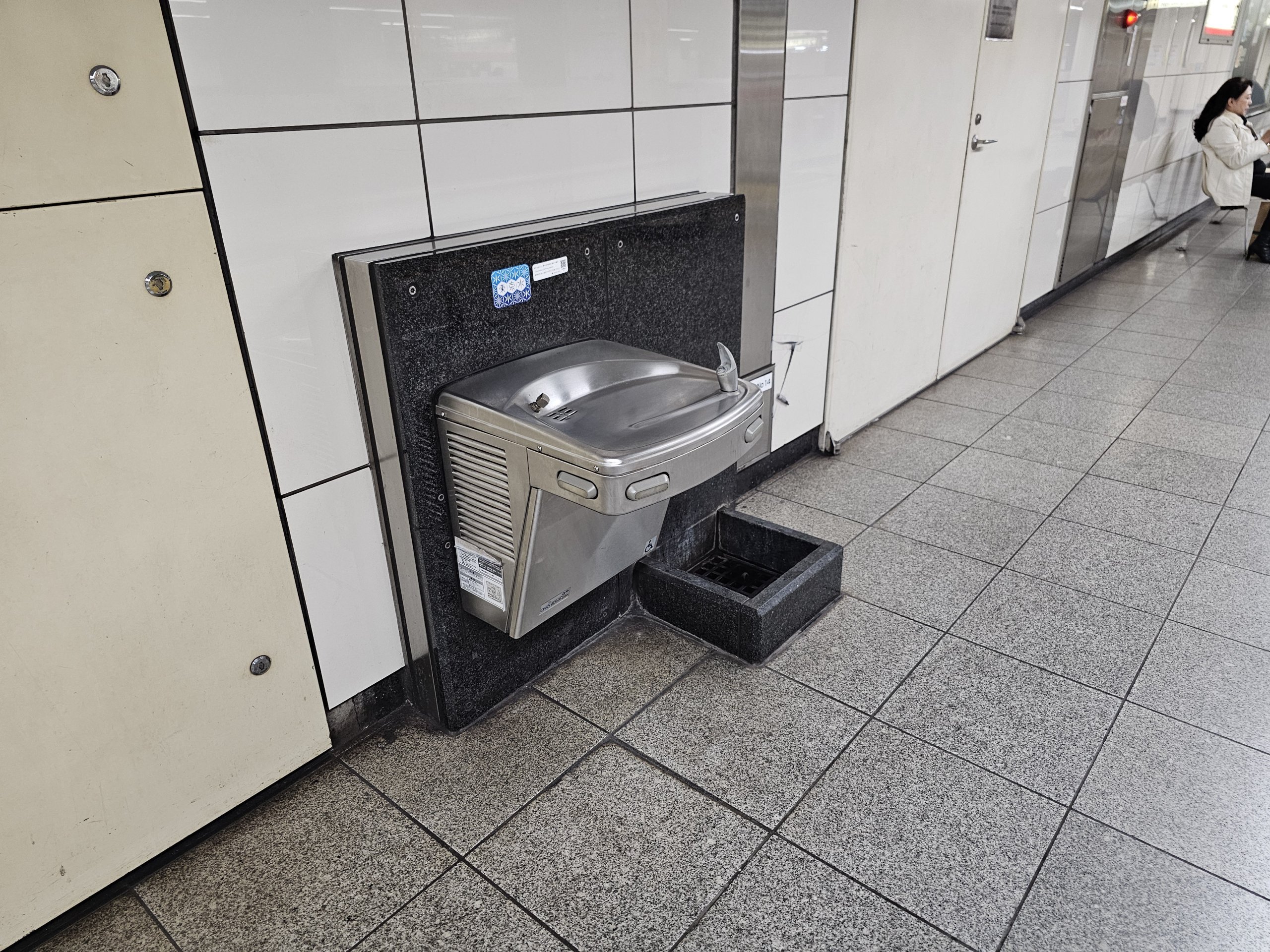
There are also drinking fountains at some stations.
Sometimes there are also vending machines with drinks on the platforms or lobbies.
The Tokyo Metro is very safe, as are all other means of transport.
The stations and subway and train sets are spotlessly clean.
In the morning and evening rush hours, you just have to reckon with the often extreme crowds. Passengers are disciplined and use the designated pedestrian corridors, but if you stop and look for directions, you have to expect people to bump into you rather than avoid you.
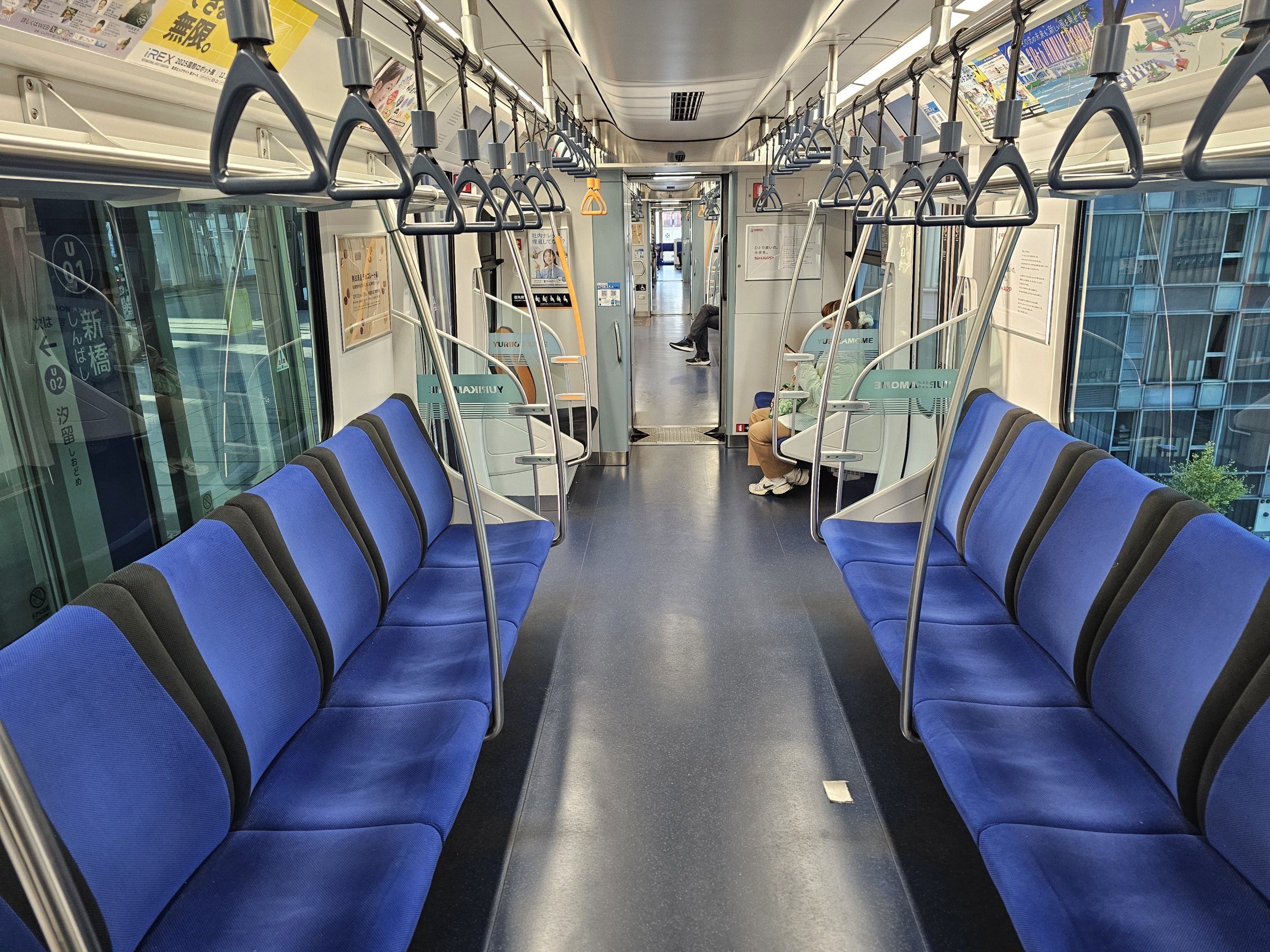
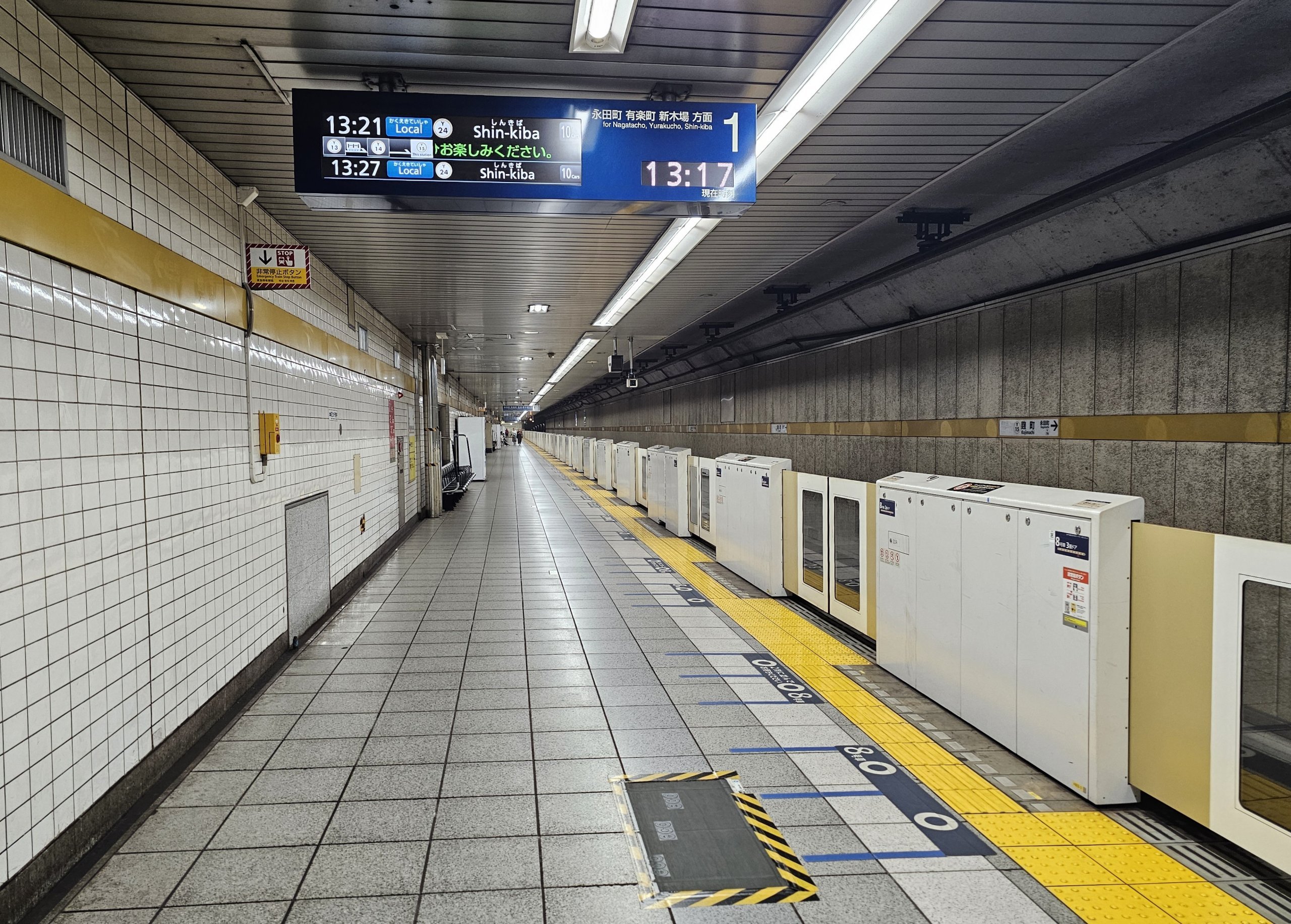
The subway in Tokyo usually ends around midnight. If you're planning an evening program in Shinjuku or Shibuya, it's a good idea to allow for this.
Taxis are safe but expensive - which is why it pays to stay in an area with good connections when you first visit.
🏨 Simplest rule of thumb: a hotel near the subway will save you time every day.
Find a hotel in Tokyo near the subway
Tokyo's subway and city trains have dozens of lines, but tourists will most often use only a few of them.
Most importantly:
If you have an IC card, you don't need to learn the whole system - Google Maps will sort out most of the routes anyway.
But if you're using a day or single ticket, it's important to remember that if you change the system, you're changing the ticket.
Tokyo Metro + Toei Subway is essentially one system, and all the trains (JR, Keikyu, Keisei, etc) are different systems.
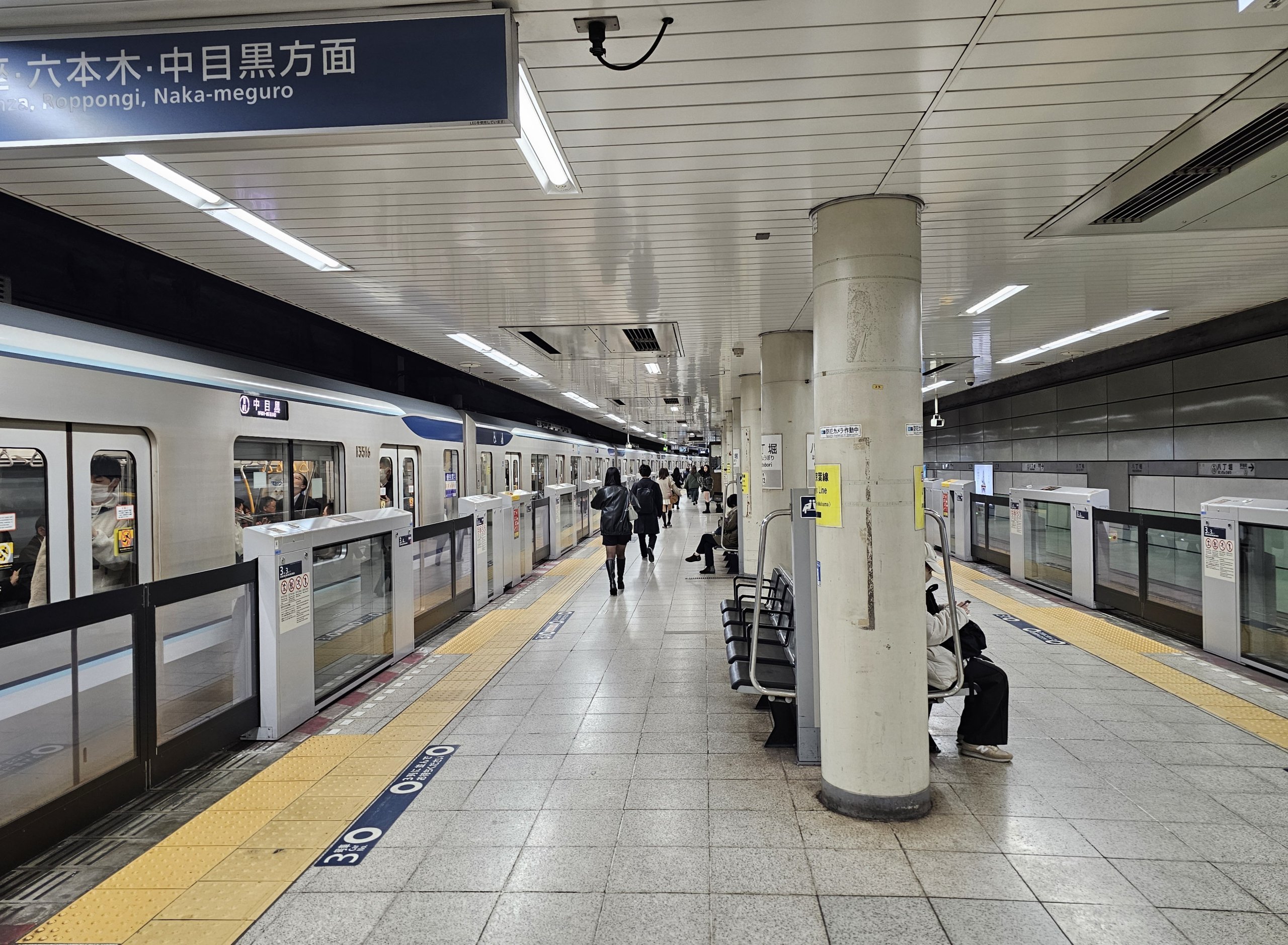
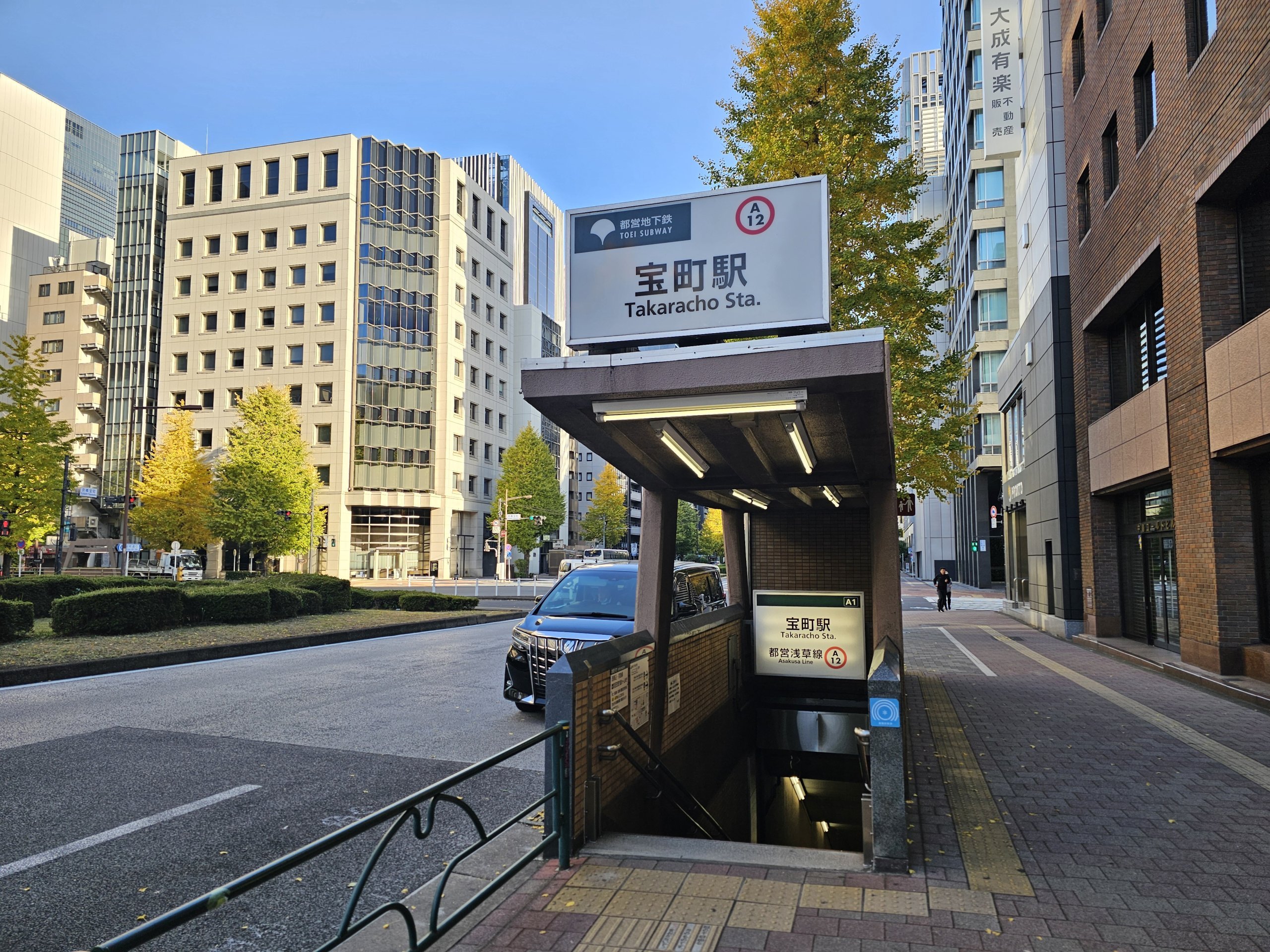
To show how easy the subway is in practice, here are typical tourist transfers:
If you are dealing with transportation from the airports in detail, we have a separate guide on the website:
Other articles on our website will help you plan your trip to Tokyo:
If you have any questions or comments about the article...