Direct flights to Corsica from Prague on a single date in December
200 €



Chion-in is the main temple of the Jōdo school in Japan and one of the largest temple complexes in Kyoto. It is located just a few minutes' walk from the Gion district, yet it tends to be considerably quieter than Kiyomizu-dera.
It is dominated by the massive wooden Sanmon Gate and a wide stone staircase, which is one of the most impressive temple entrances in the entire city.
For my money, Chion-in is a vastly underrated beautiful place with minimal crowds compared to Kyoto's better-known temples.
Compare hotel prices in the Gion area
I originally didn't even want to visit Chion-in. I didn't have this temple on my itinerary at all.
I just happened to pass by on my walking route from Biwa Canal to Higashiyama and ended up finding Chion-in to be one of the most beautiful temples in Kyoto.
How long did it take me to visit? I also walked through both gardens and stayed for about 40 minutes.
✅ Yes, if:
❌ More likely not, if:
💡 Alternative :
If you want a more significant historical highlight, consider Kiyomizu-dera. If you're looking for a similar temple closer to the Biwa Canal and closer to a subway station, Nanzen-ji may be a better choice.
The giant Sanmon Gate is one of the largest wooden temple gates in Japan. The staircase in front of the main complex itself is a frequently photographed spot - especially in autumn when the leaves are in colour.
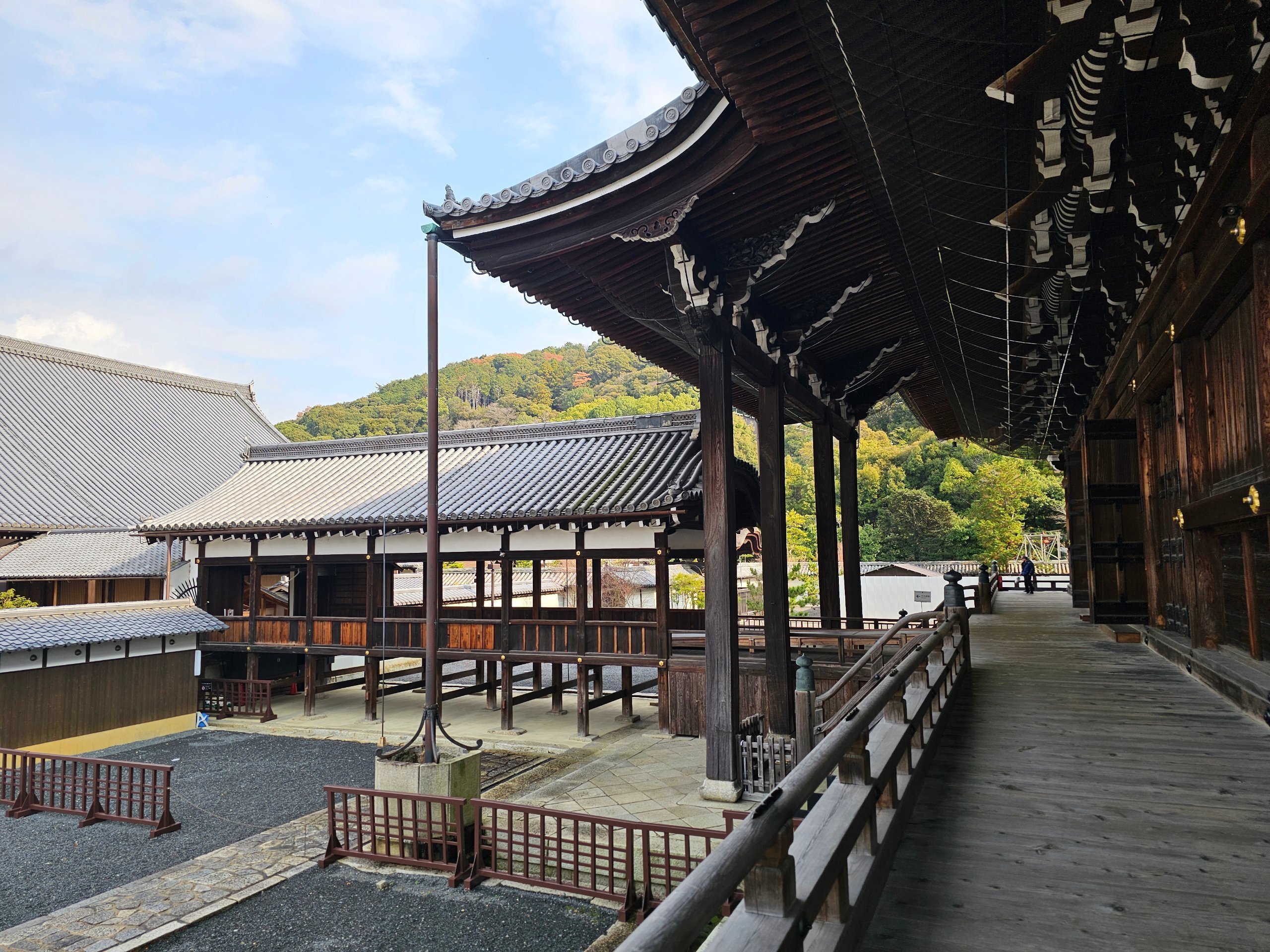
The scale of the structure is something that doesn't often stand out in photos.
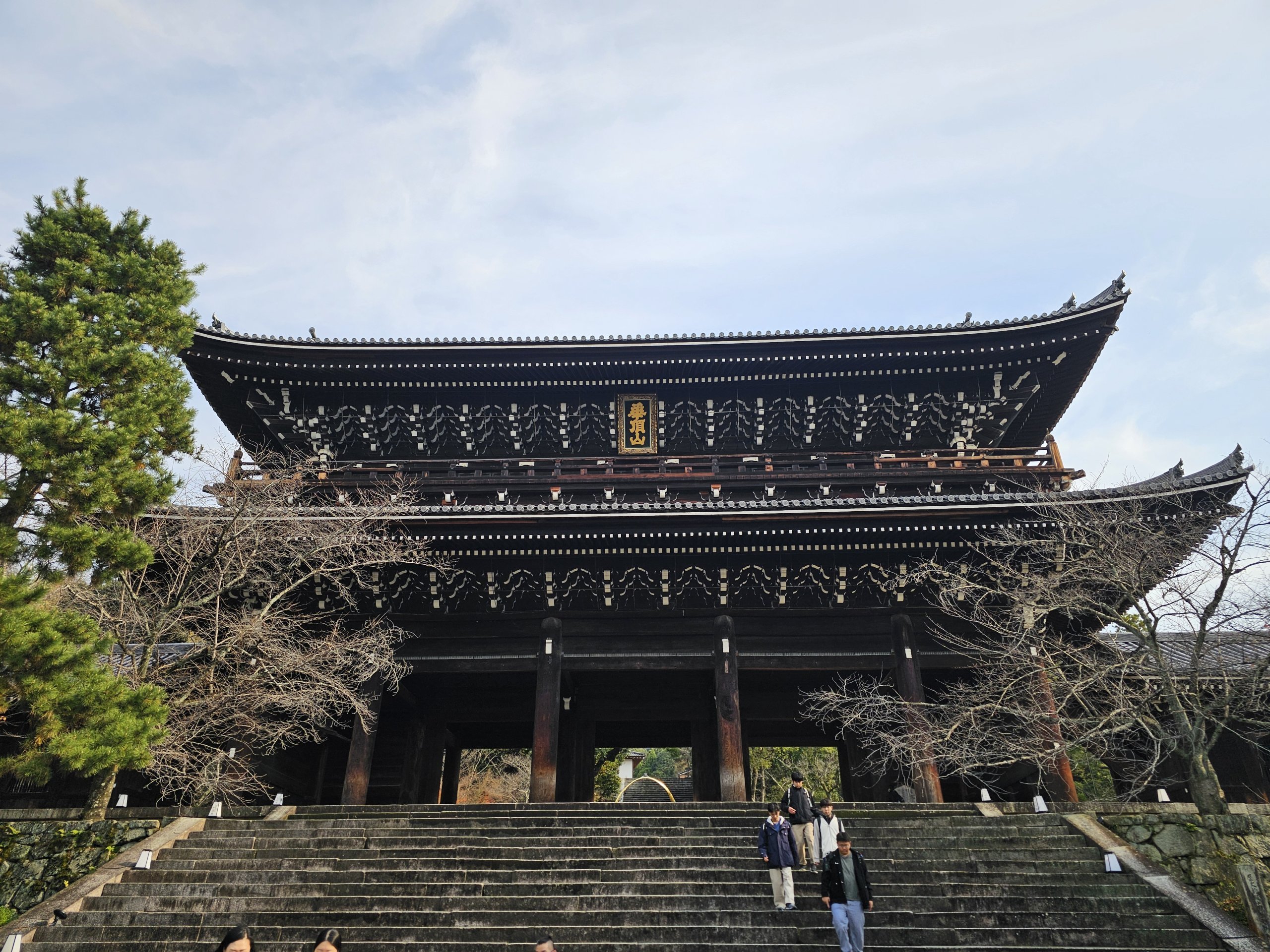
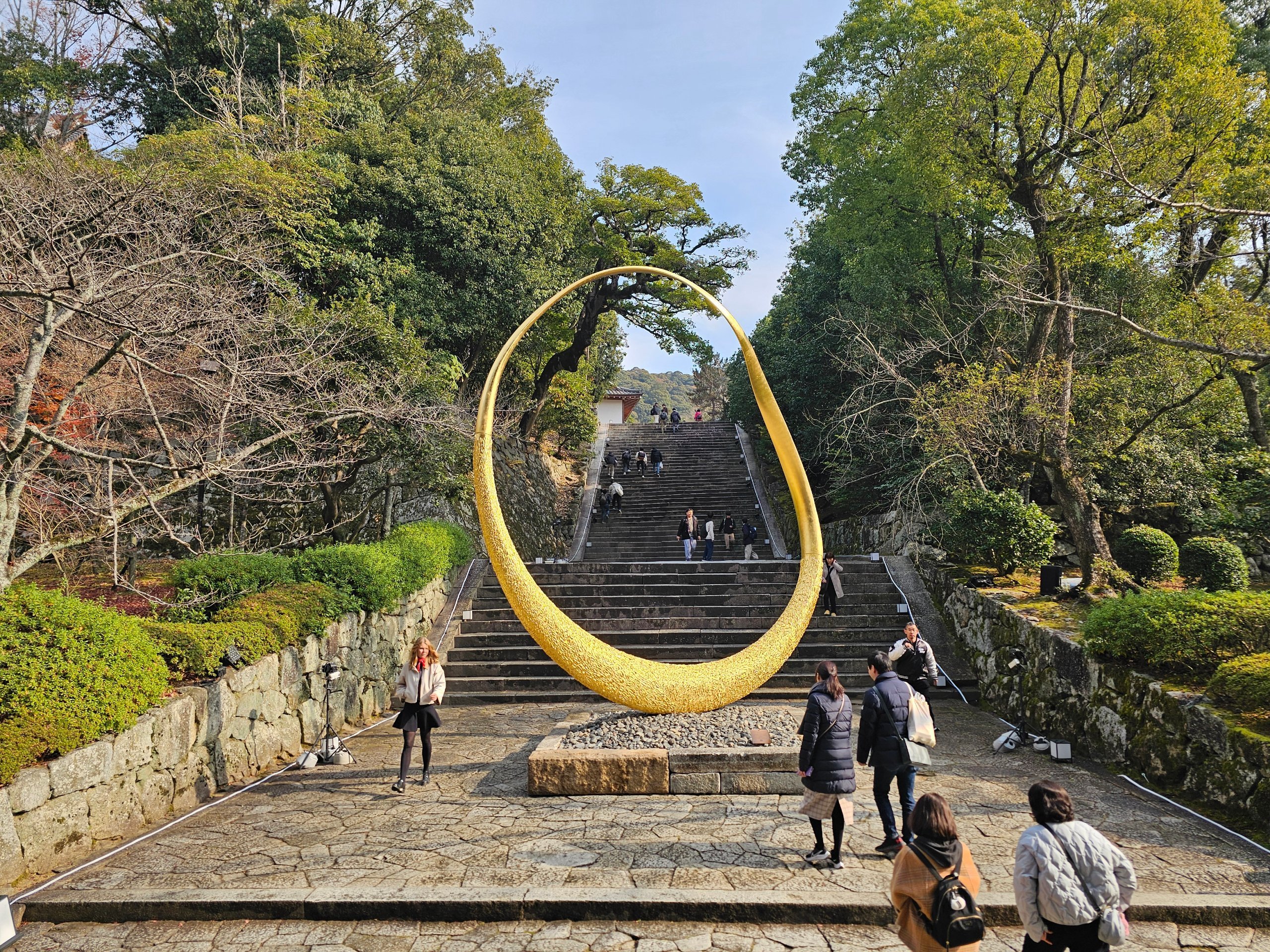
Unlike more compact temples, Chion-in is large and open. Even with higher attendance, it doesn't feel cramped.
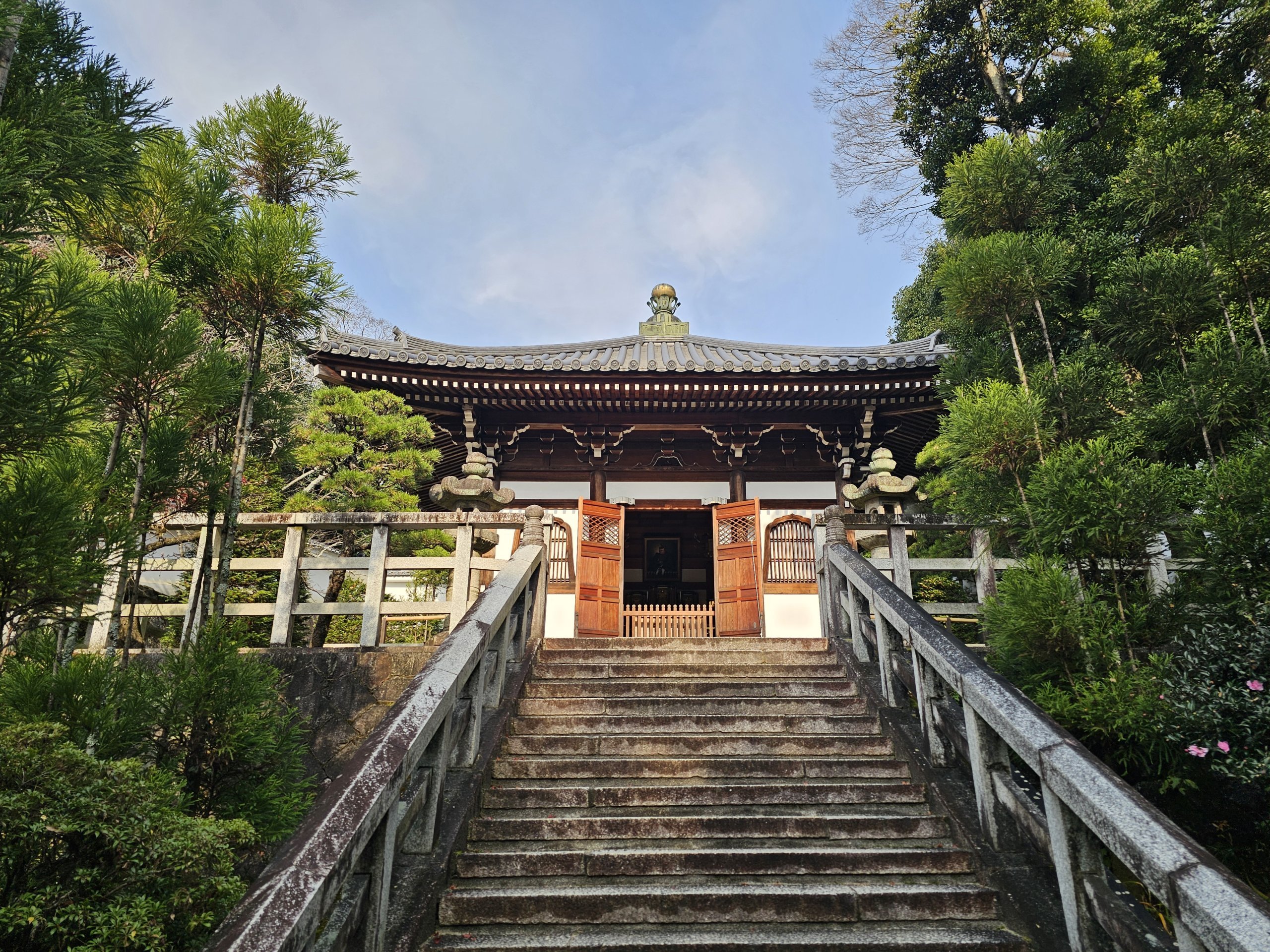
The grounds include:
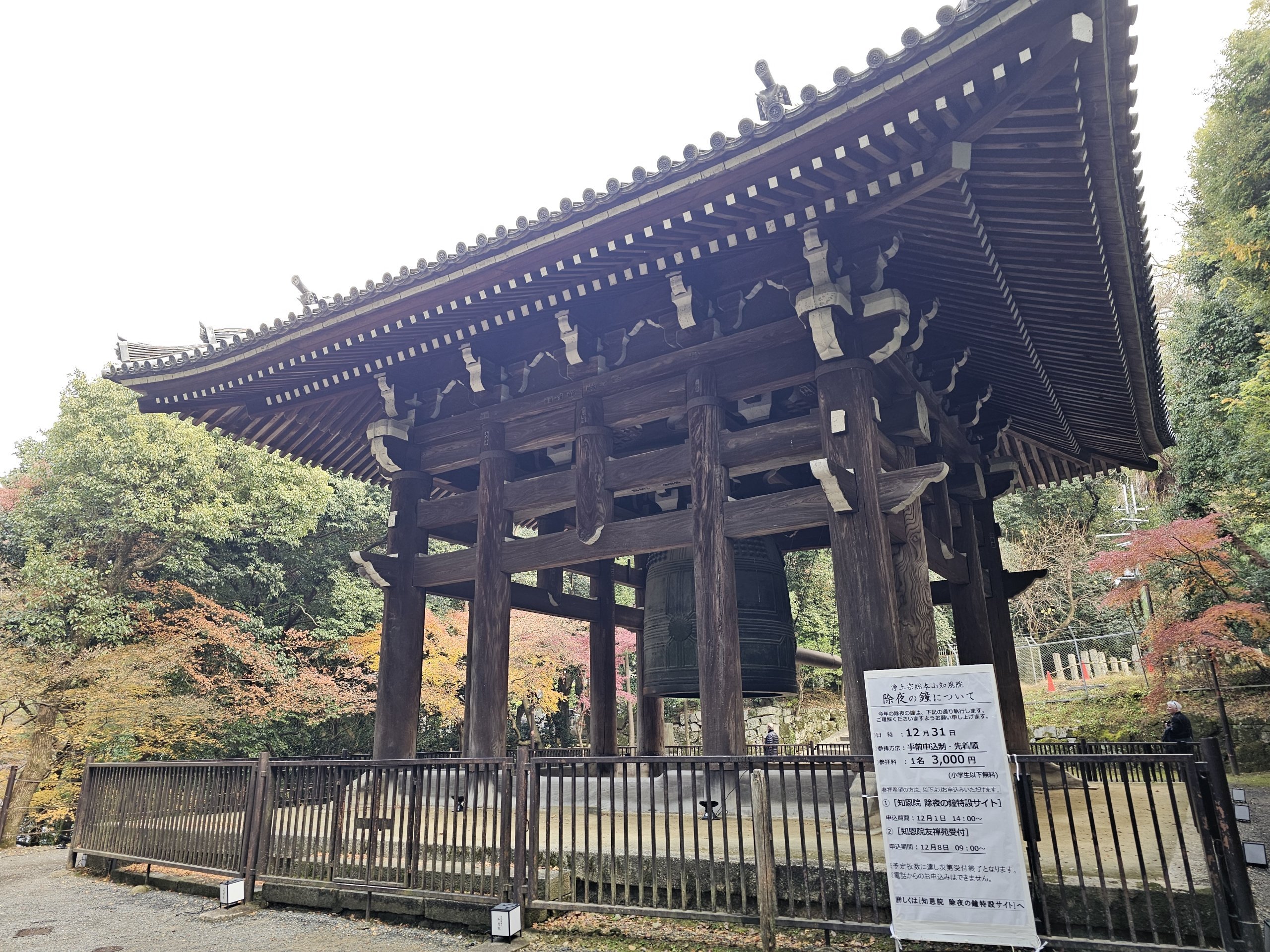
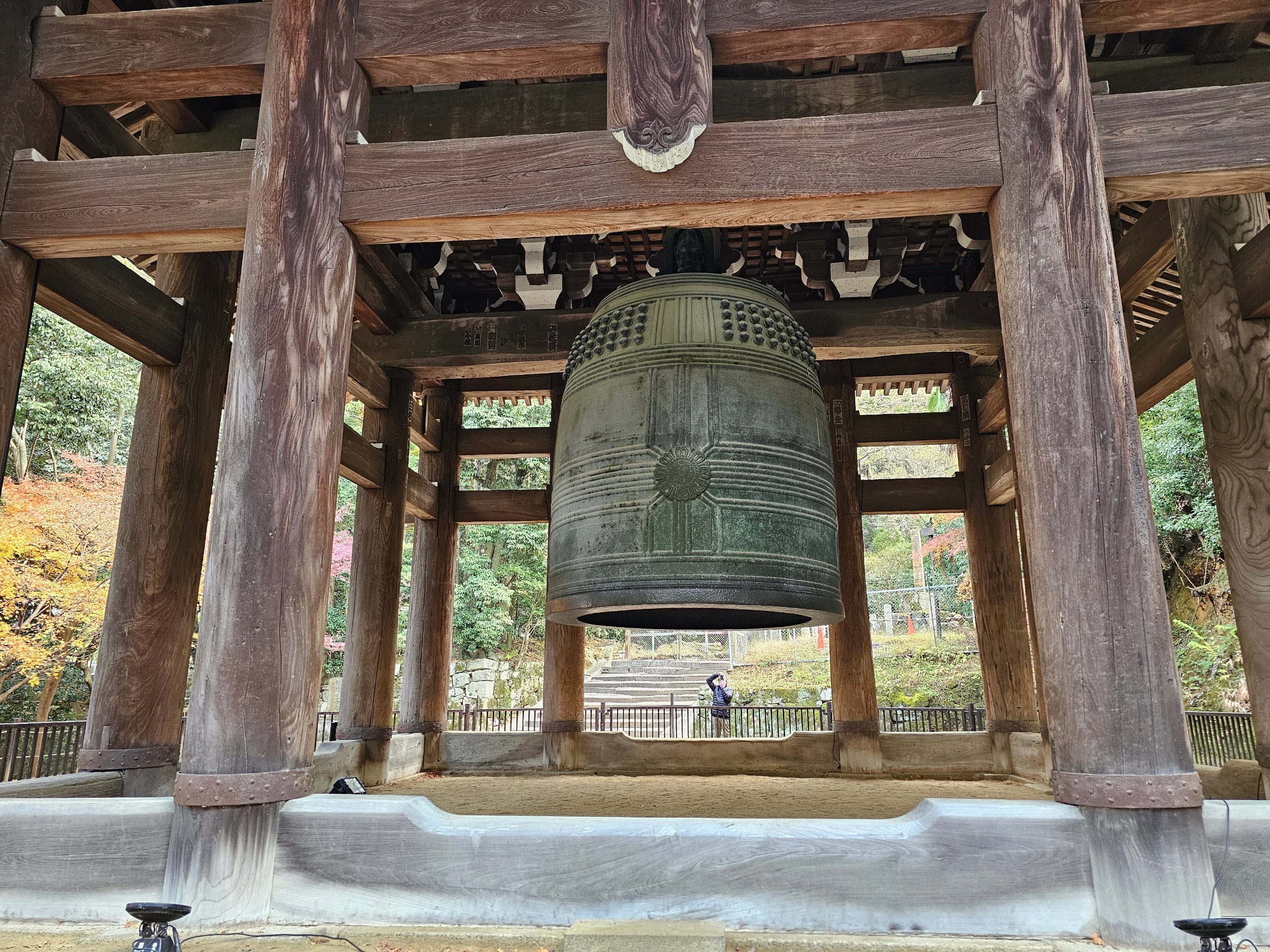
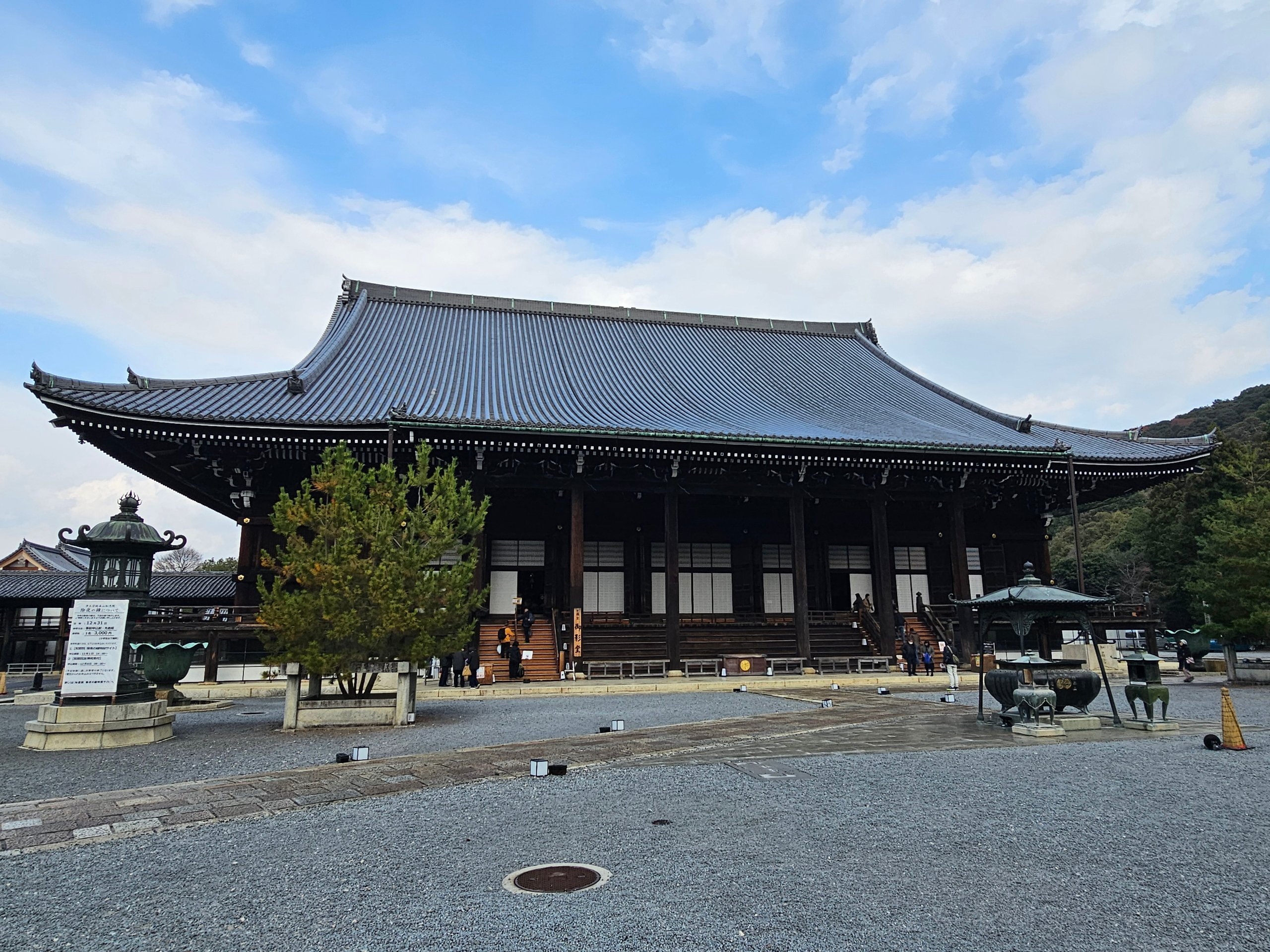
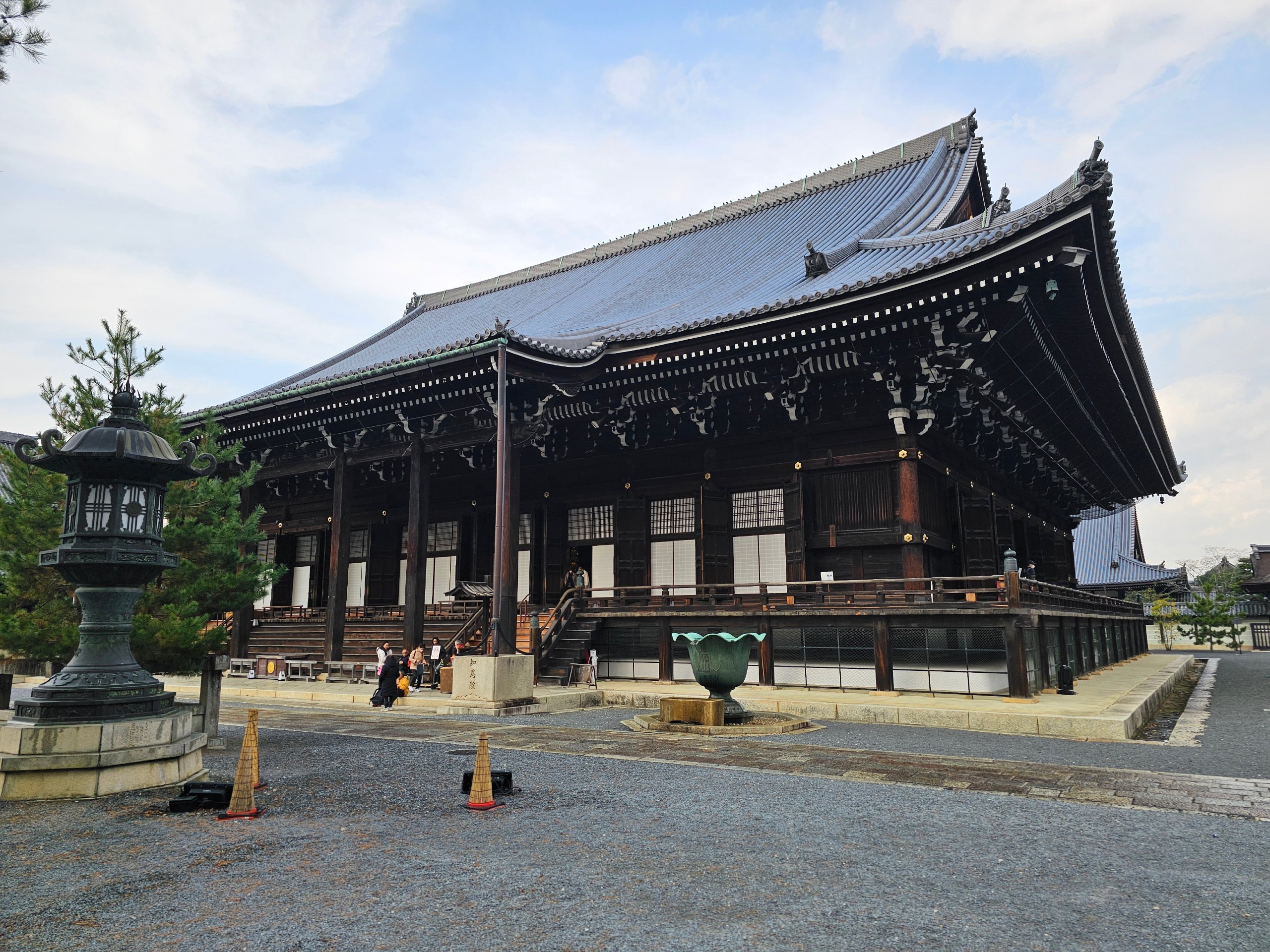
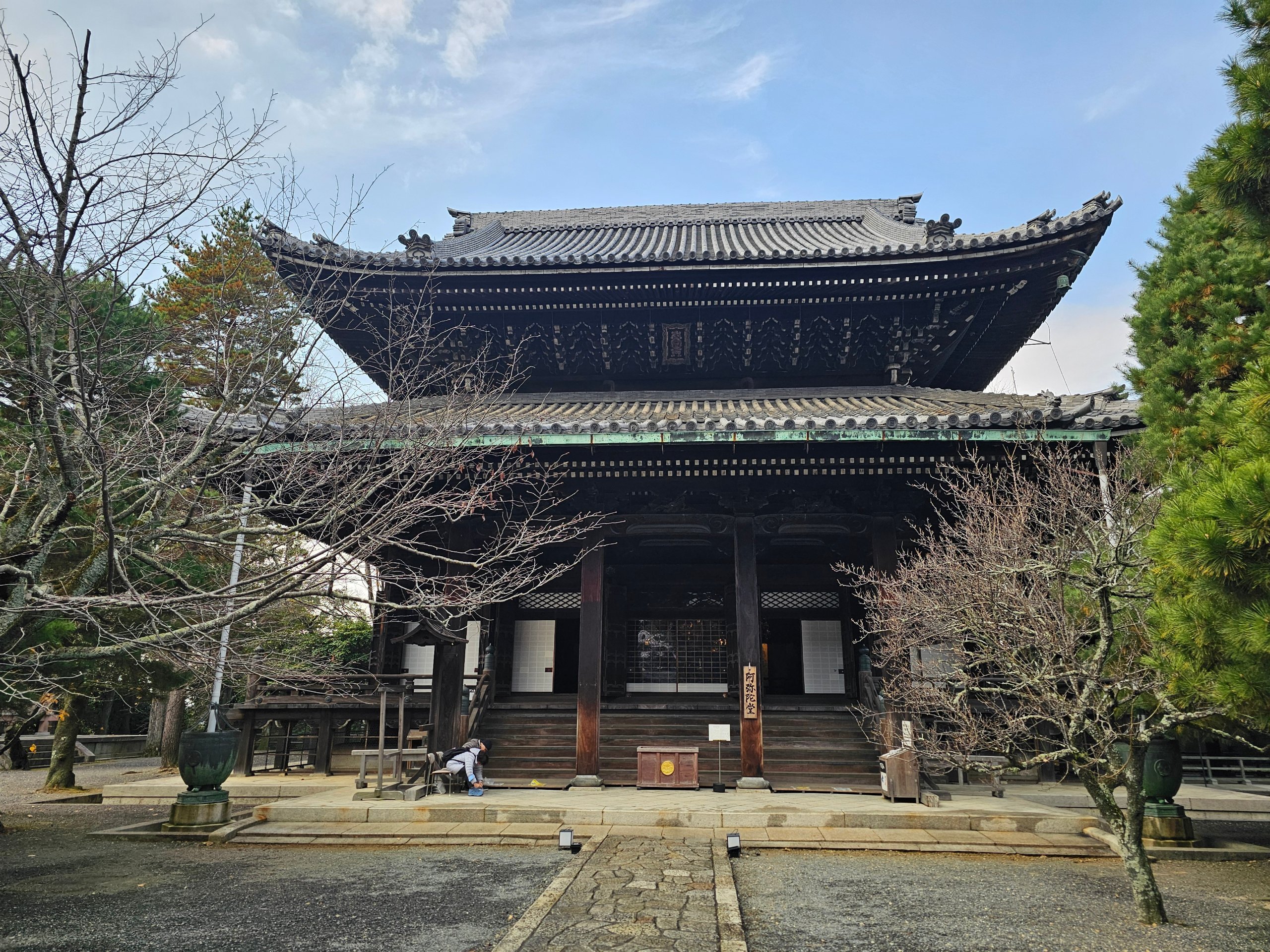
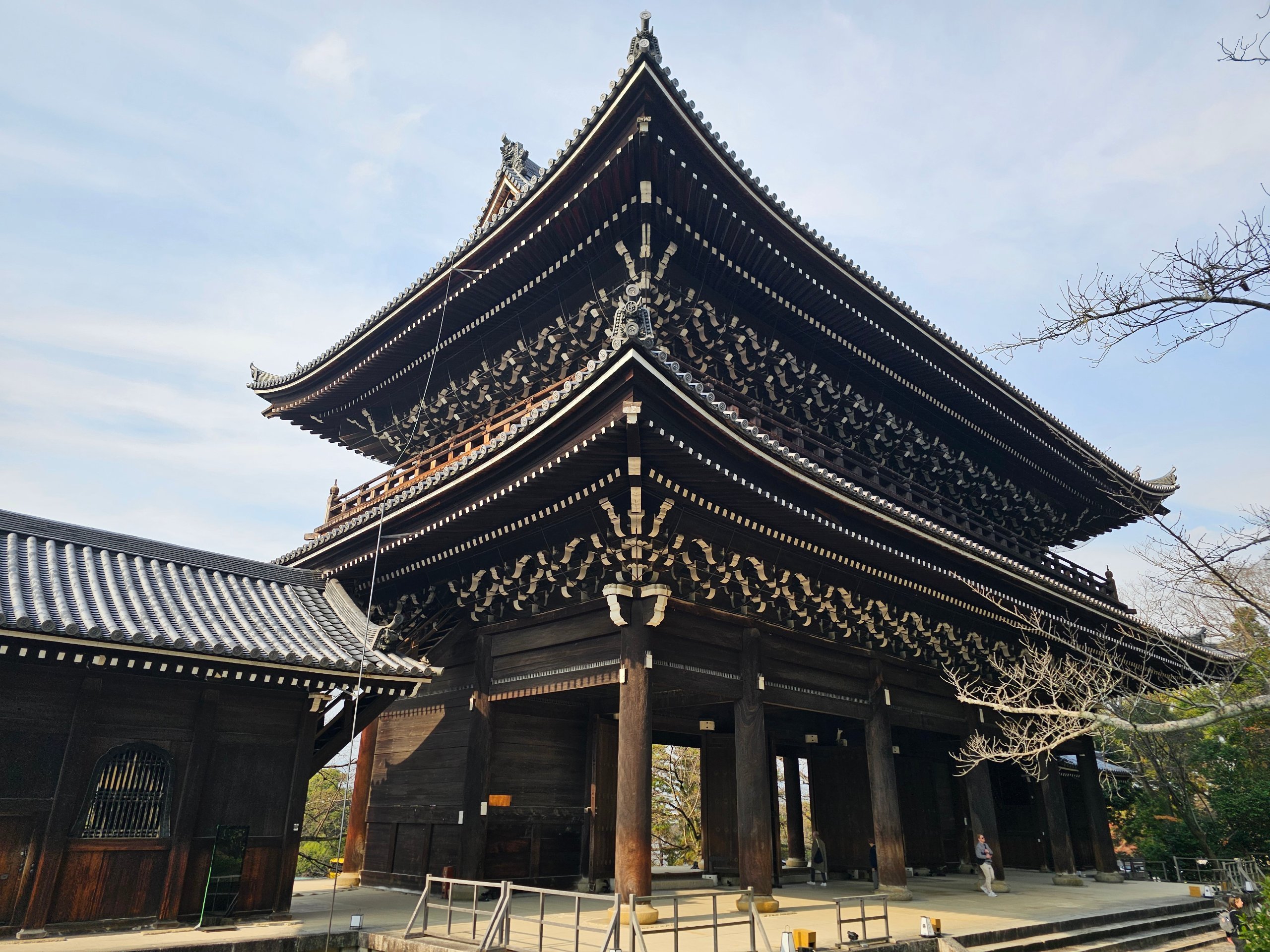
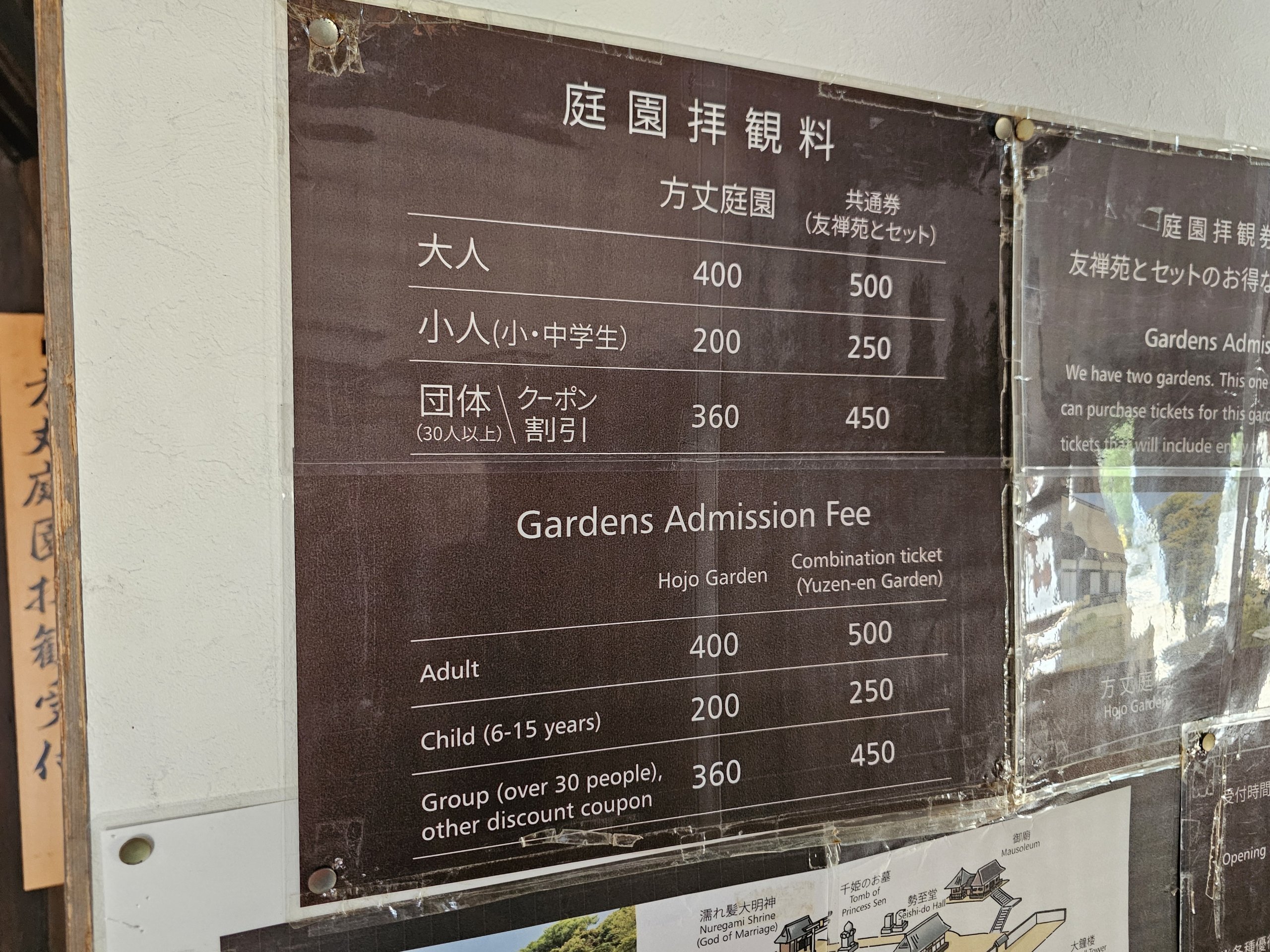
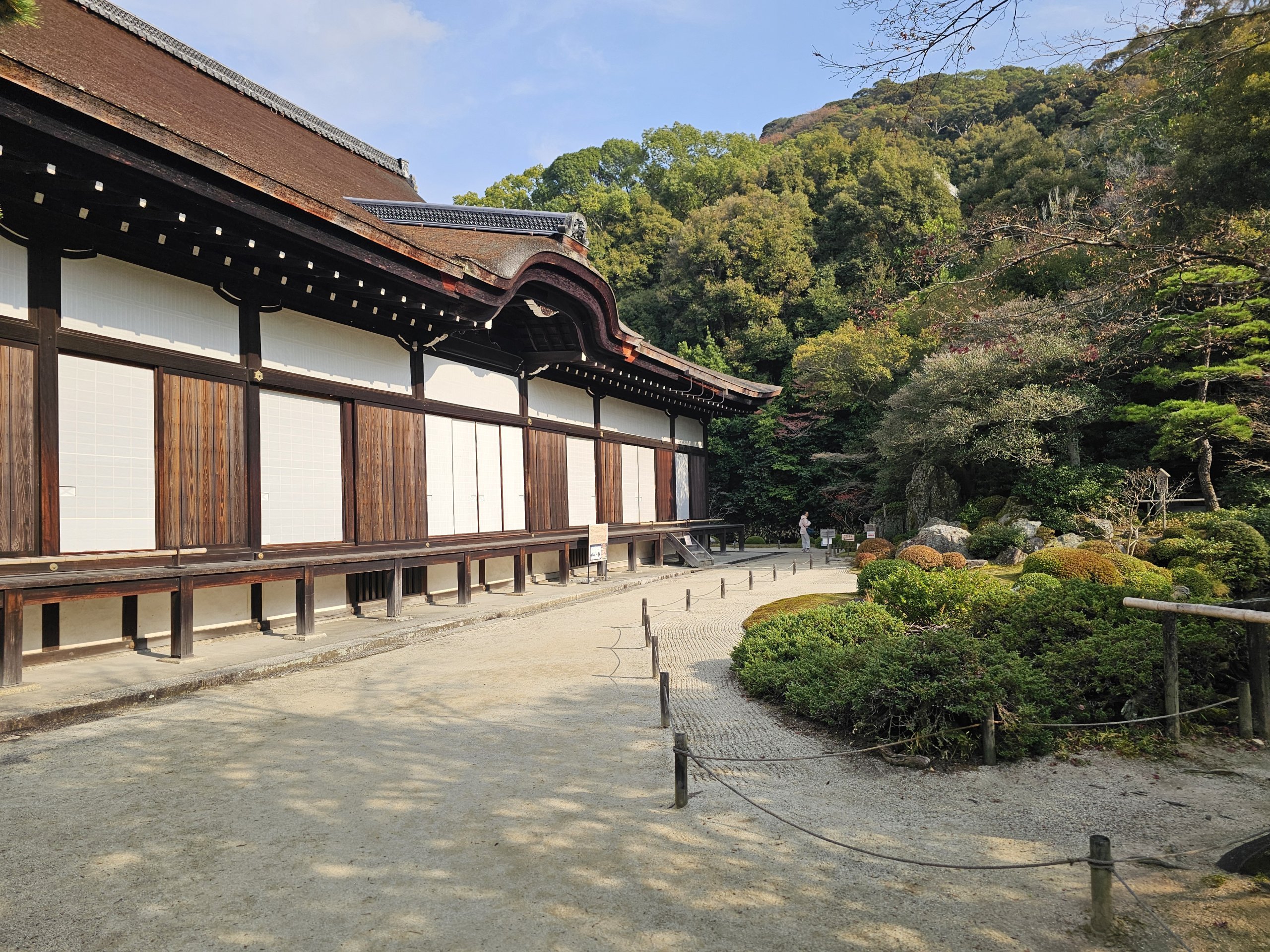
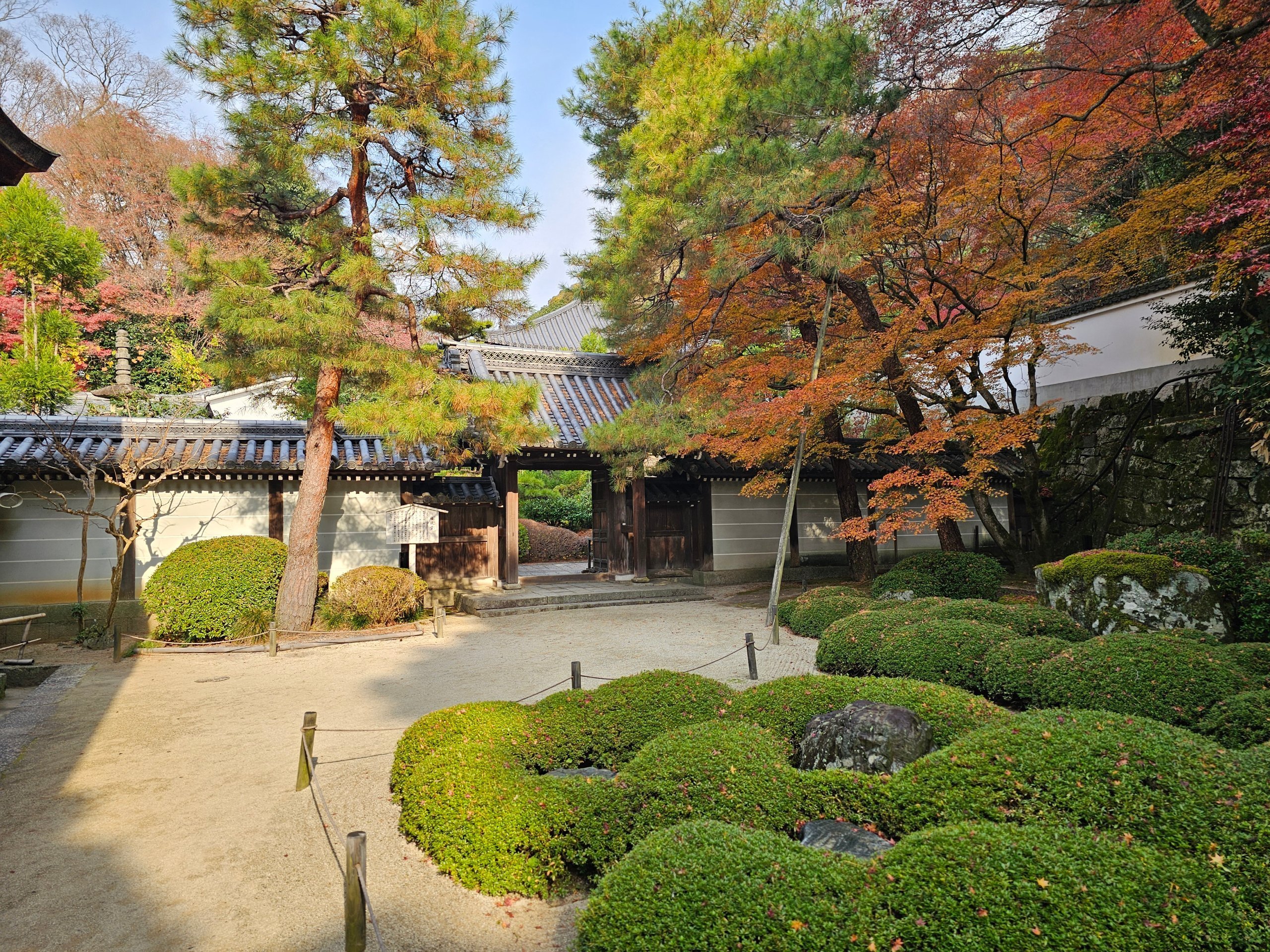
Personally, I definitely recommend visiting two very small but very nice Zen gardens.
Be aware that they are paid and that you can only pay with cash.
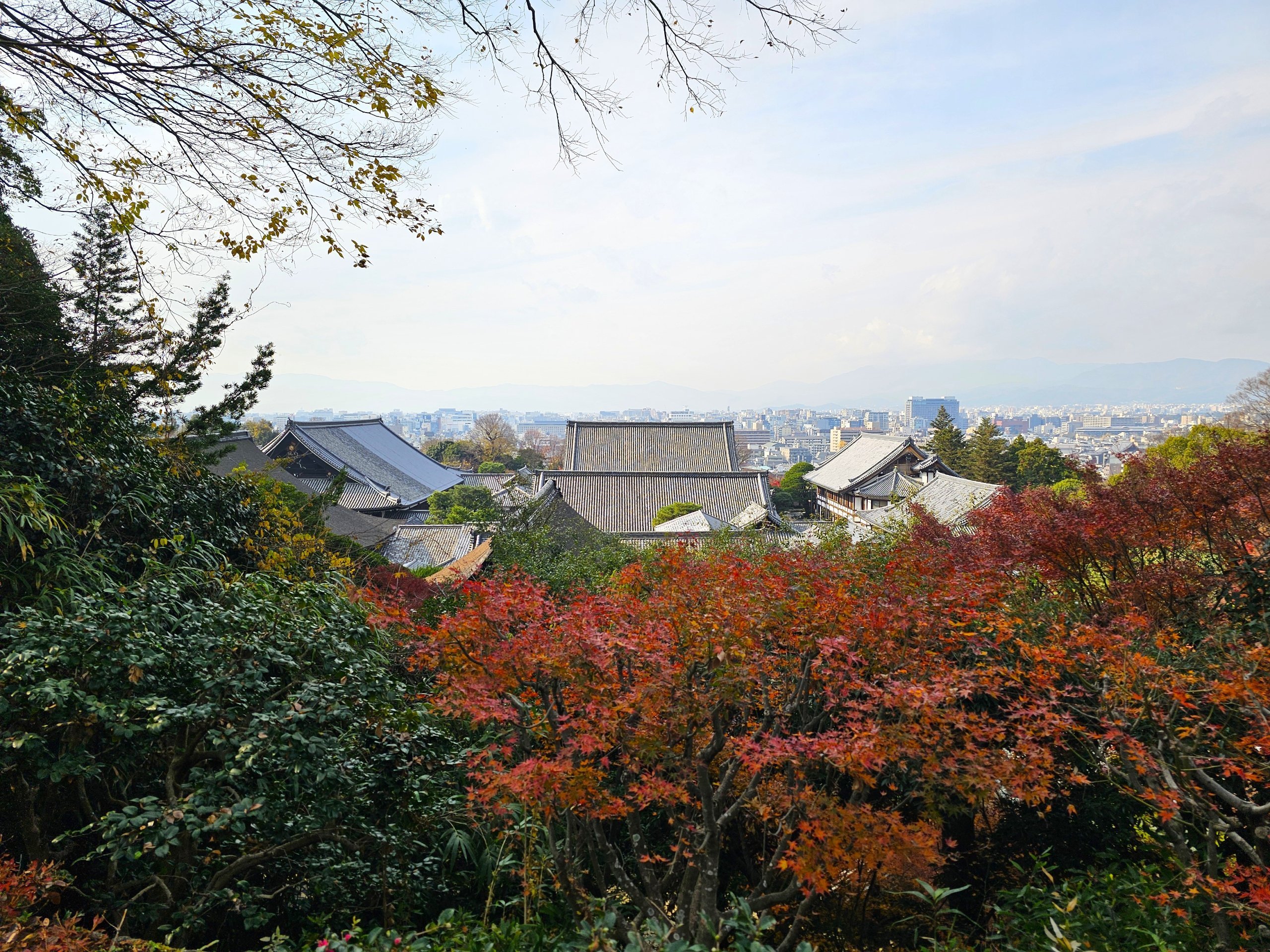
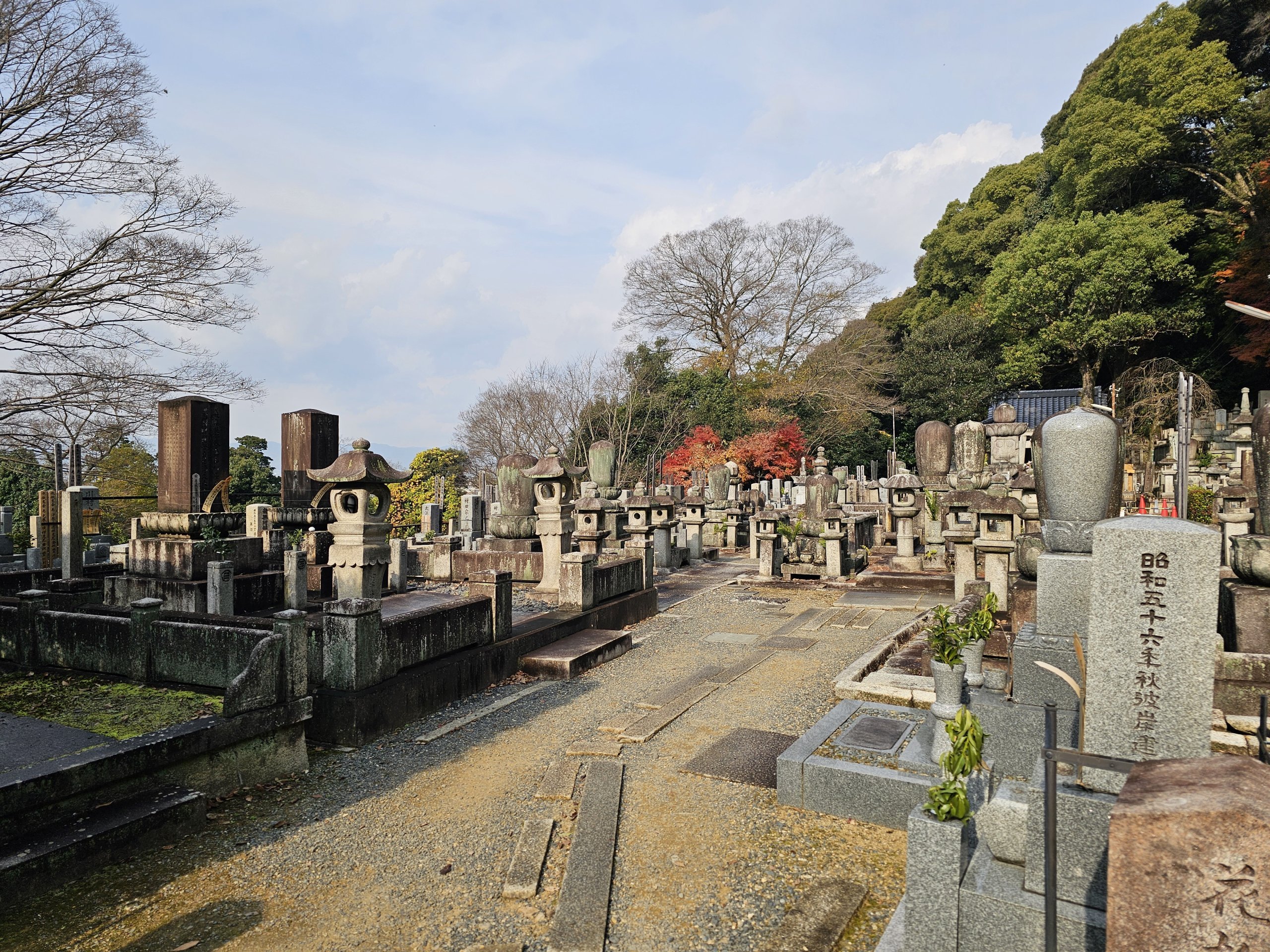
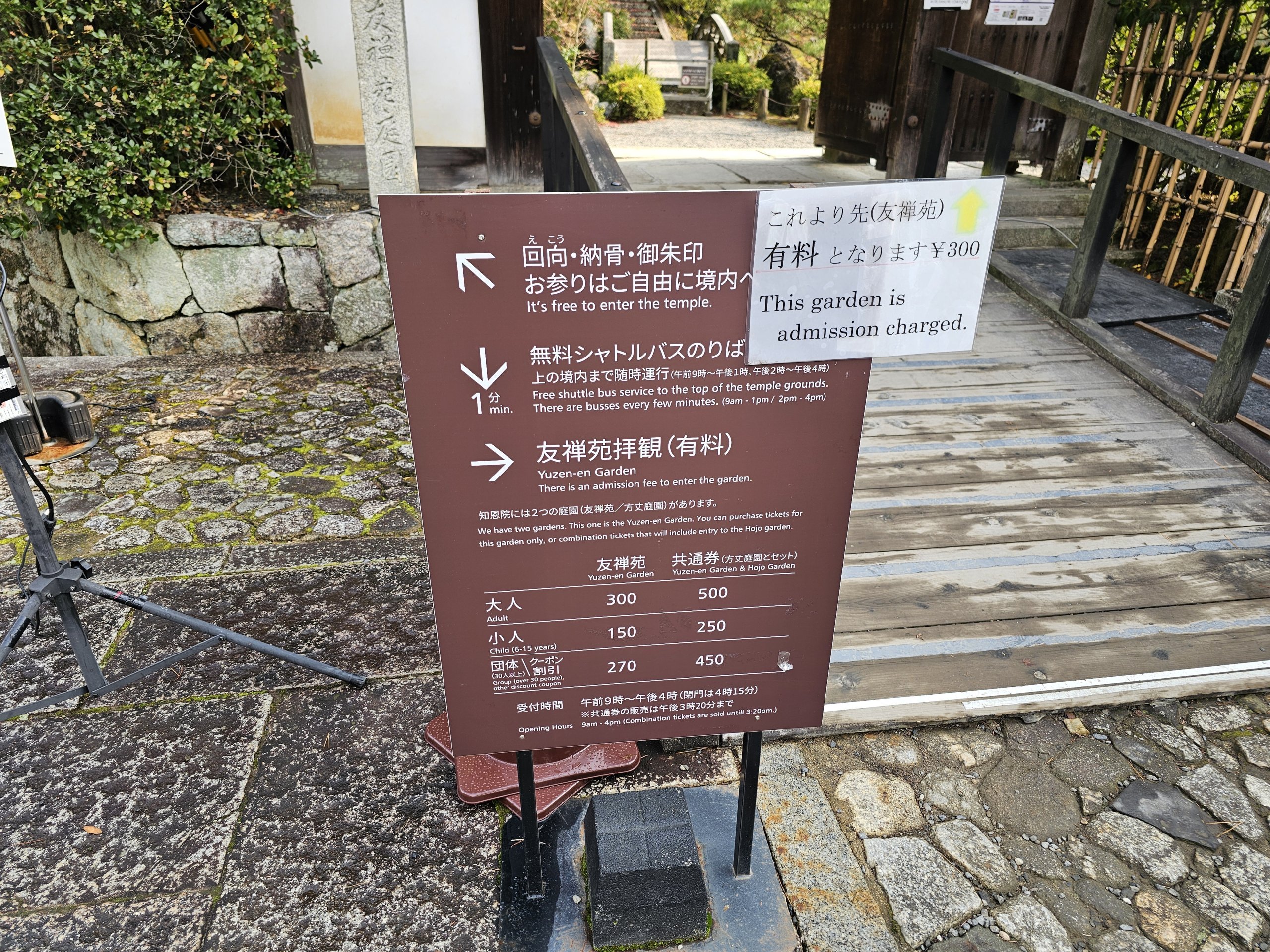
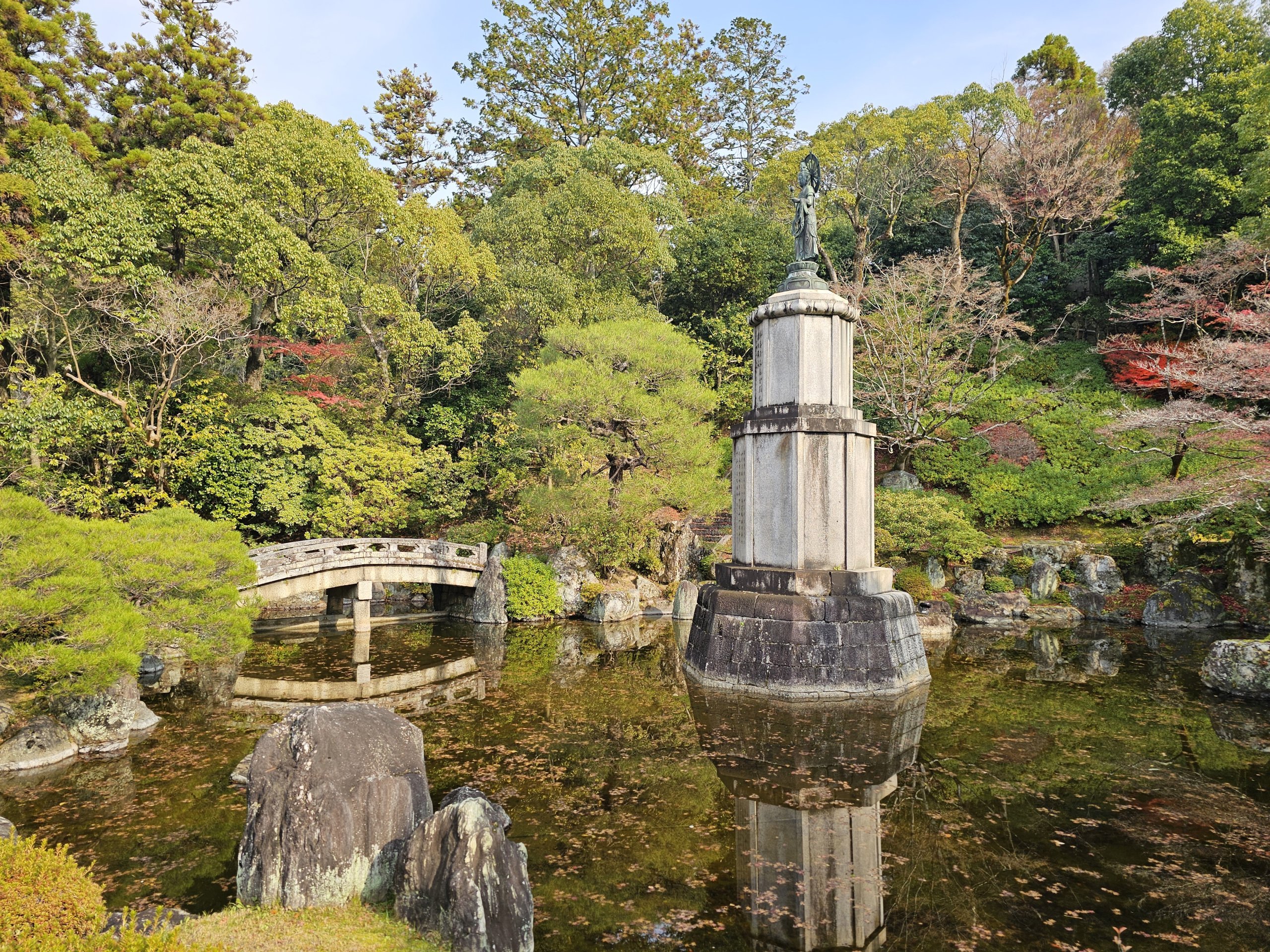
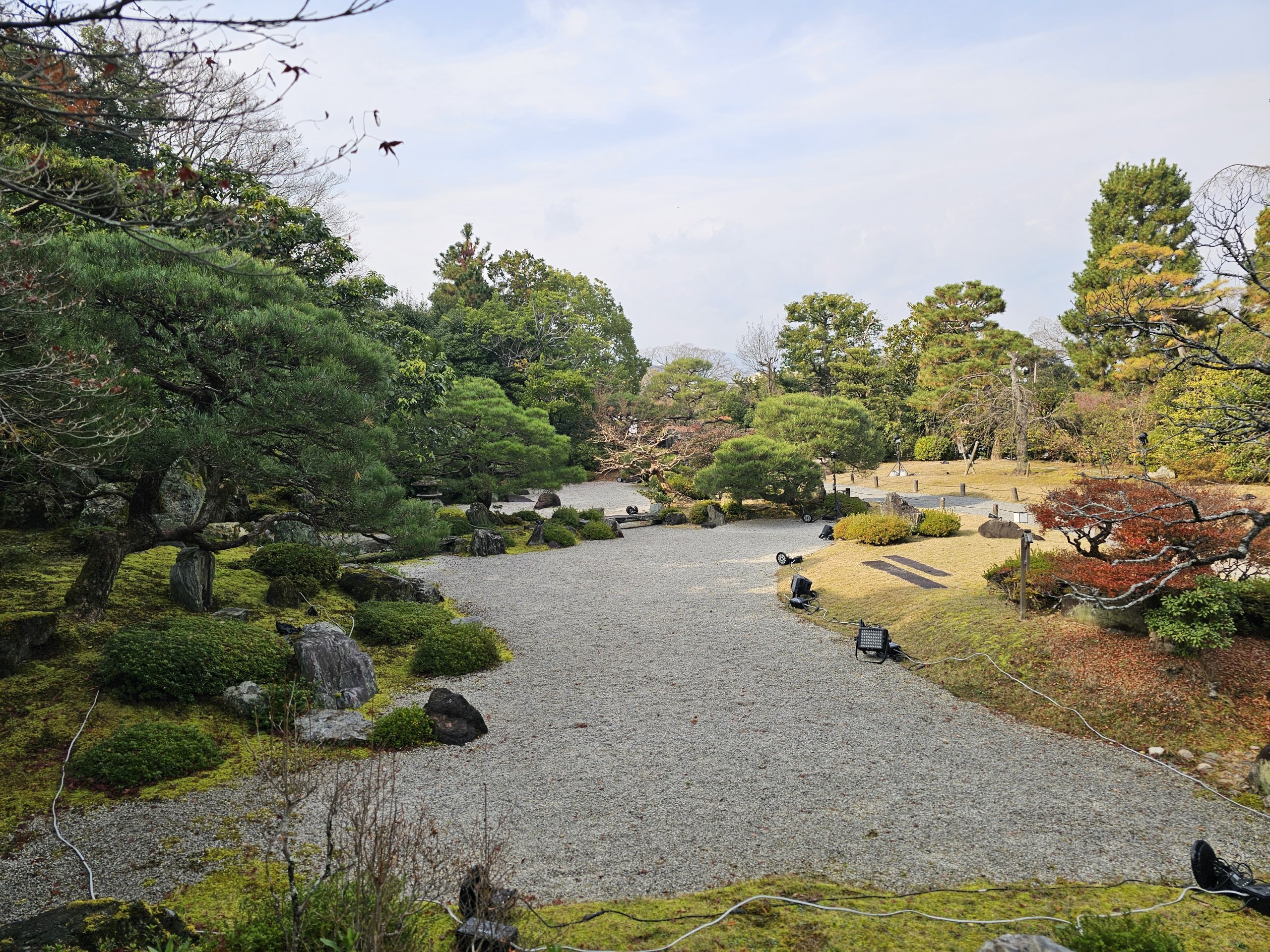
1️⃣ Just pass the gate and continue to Gion
The main hall, gardens and rear of the complex are worth a longer visit.
2️⃣ Classify Chion-in on its own without the surrounding monuments
Works best as part of a larger route from Nanzen-ji Temple down to Higashiyama or Gion.
3️⃣ Underestimate the time at sunset
The staircase and gate look significantly more dramatic in the evening.
The ideal combination, which I chose.
The entire area can be walked without the need for transport.
Detailed planning is addressed in the map What to see in Kyoto and in the overview Itinerary in Kyoto for 3 days.
If you're planning a wider tour of Japan, also check out the city guides for Tokyo, Hiroshima, Kobe, Osaka and Nara.
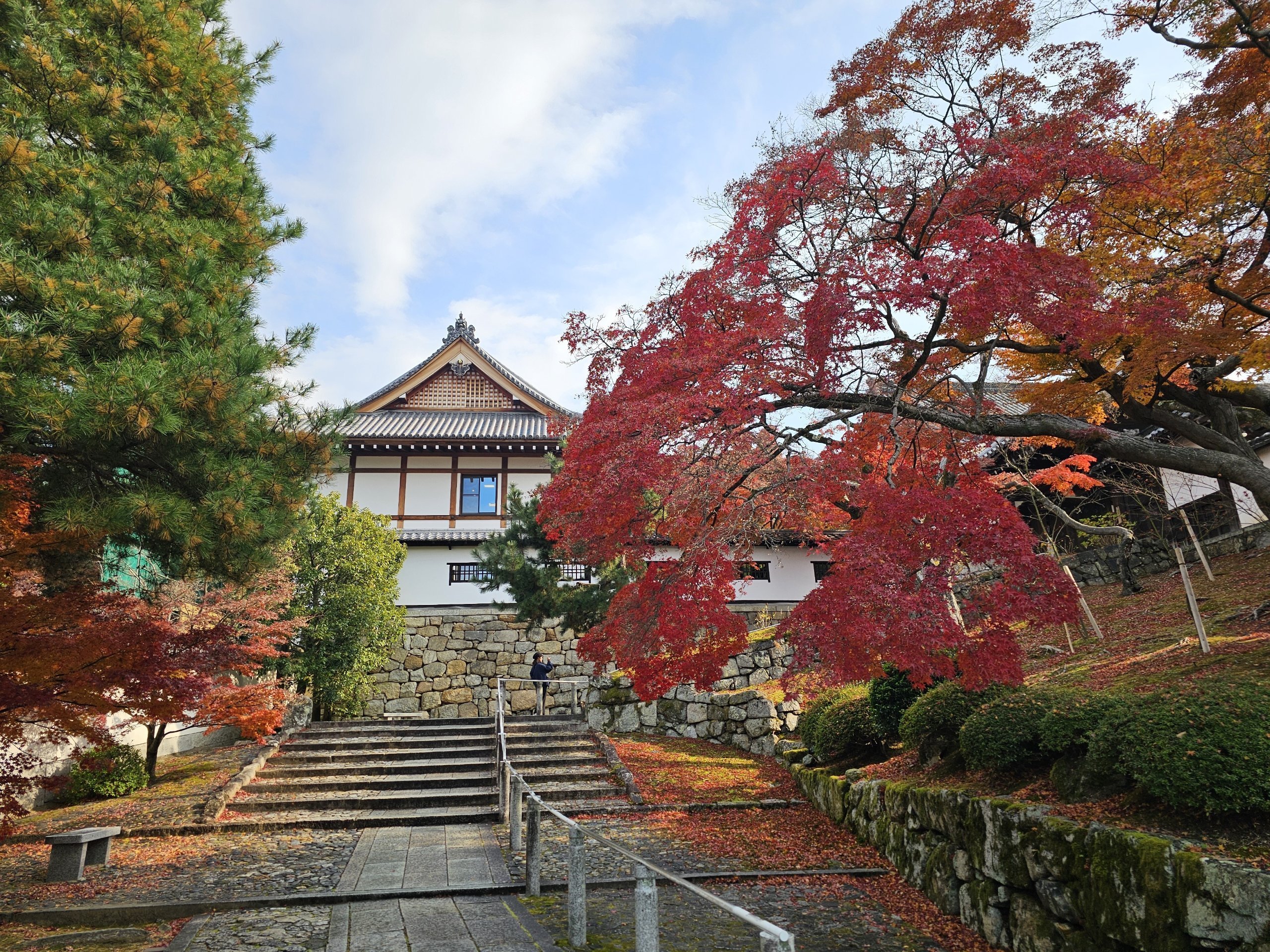
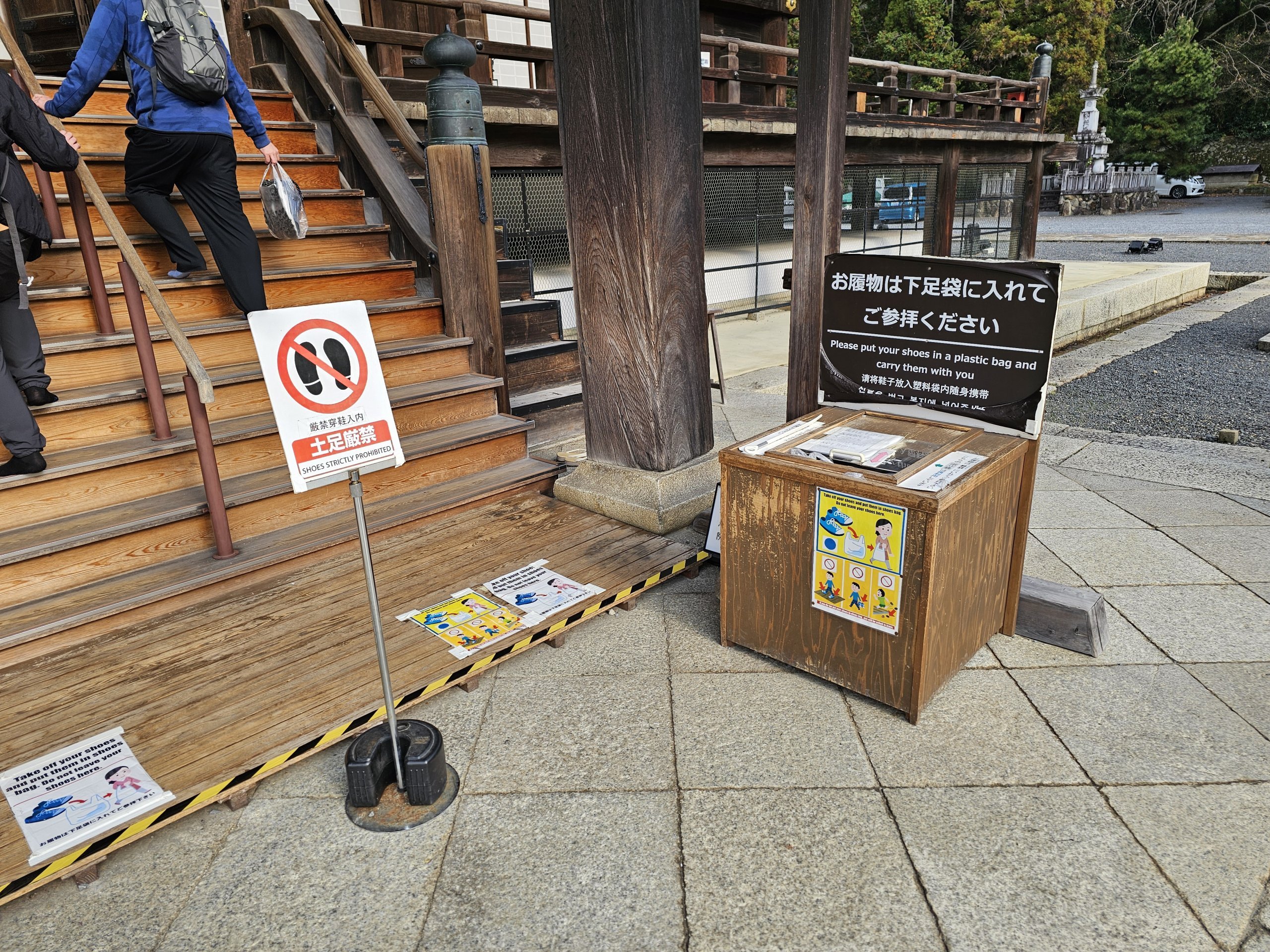
The interiors of the temple buildings are not open to the public. However, you can enter the wooden walkway along the main temple and look inside (no photos of the interior are allowed).
If you want to combine Gion, Yasaka Shrine, Chion-in and Kiyomizu-dera with interpretation, an organized walking tour may make sense.
Book a walking tour of the Gion area
Discover all the places to see in Kyoto.
If you have any questions or comments about the article...