
Monuments and statues in Kyoto
24 best monuments & statues in Kyoto
Temple
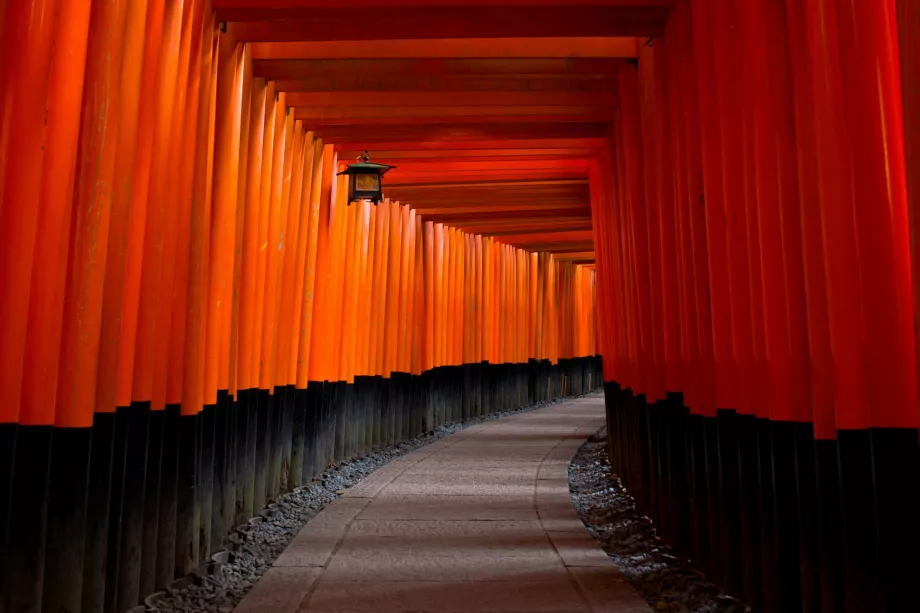
Fushimi Inari Taisha is the most famous Shinto shrine in Japan and one of the most photographed places in the whole country. It is famous for its endless avenue of more than 10,000 red and black torii gates that form tunnels climbing up the slopes of the sacred Mount Inariyama, which reaches a height of 233 metres. Yes, it's exactly the place you saw on Instagram. And yes, the reality can be very different depending on when you arrive. You…
Read more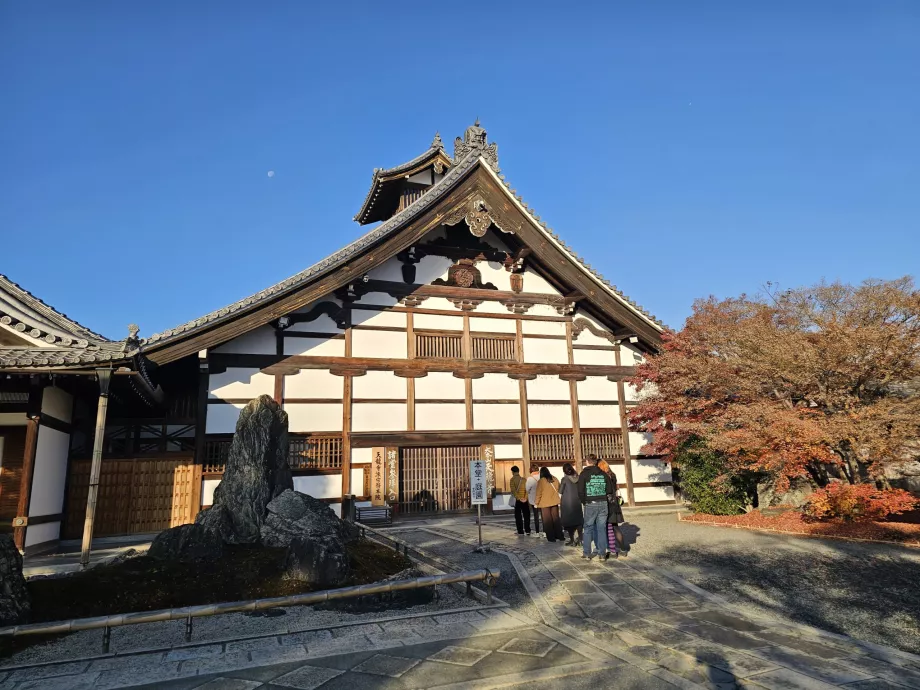
Temple
Tenryu-ji Buddhist Temple is the most important historical building in Kyoto's Arashiyama district and is located next to the famous Bamboo Forest. Tenryuji is the main temple of Zen Buddhism in all of Japan and is a UNESCO World Heritage Site. [btn "View the 10 best hotels in Kyoto" https://www.booking.com/city/jp/kyoto.en.html?aid=2380460;label=p-kjoto-tenryuji] Tenryuji Temple was built in 1339, but has been destroyed by fire and rebuilt…
Read more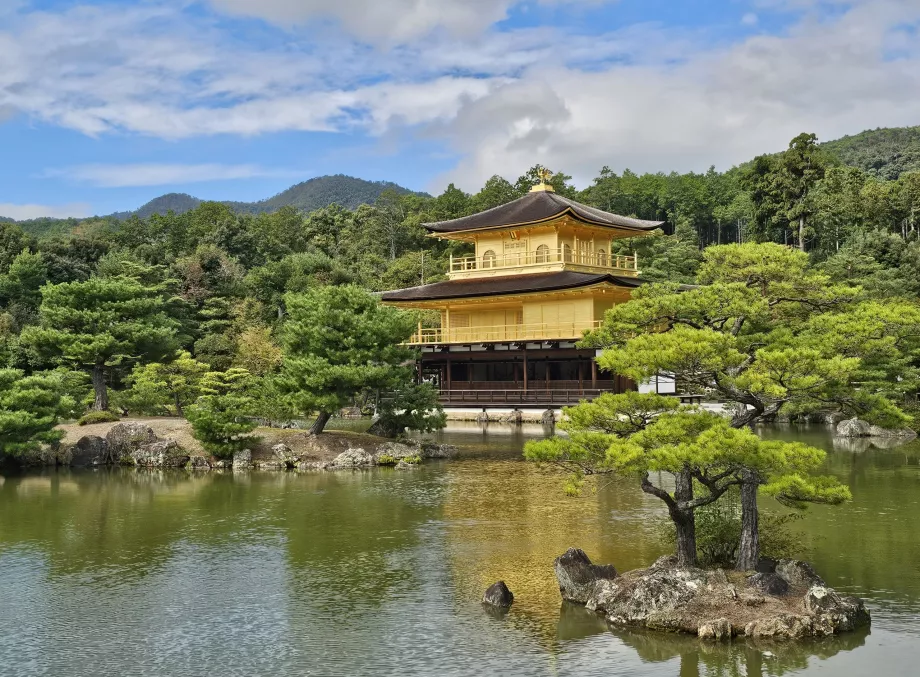
Temple
Kinkakuji Zen Buddhist Temple is also known as the Golden Pavilion and is one of the most beautiful monuments in Kyoto. [btn "View the 10 best hotels in Kyoto" https://www.booking.com/city/jp/kyoto.en.html?aid=2380460;label=p-kjoto-kinkakuji] The Golden Kinkakuji Temple was built in 1397, damaged and rebuilt several times, and is now in the form it was built in the 14th century. Along with 16 other sites in Kyoto, it is a UNESCO World…
Read more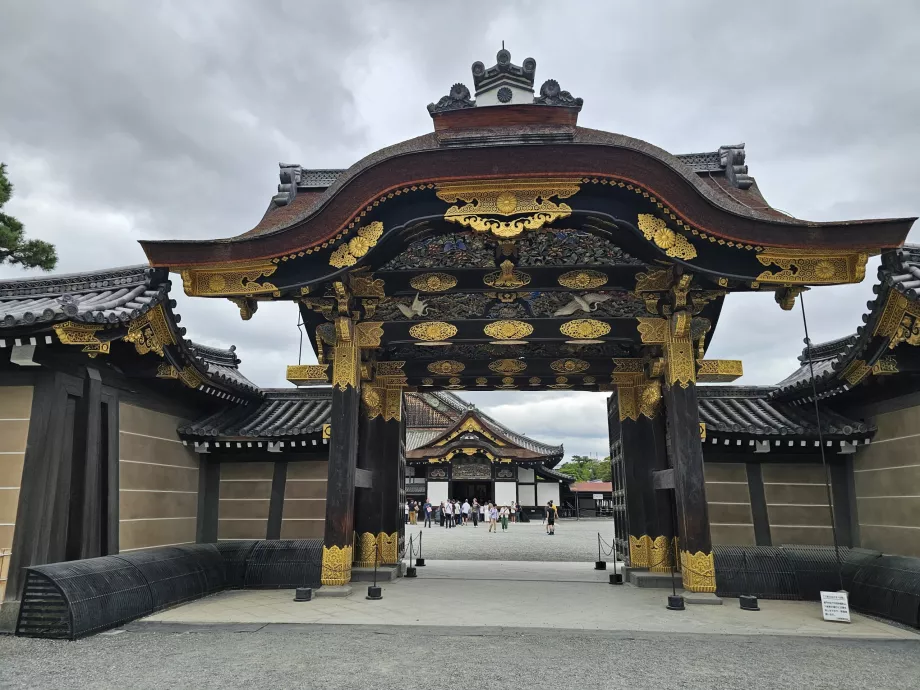
Castle
Nijō Castle is an important monument located in central Kyoto. It was built in 1603 as the residence of the first shogun of the Edo period, Tokugawa Ieyasu. The site is a UNESCO World Heritage Site and one of the city's most important historical sites. Unlike temples, you won't experience a spiritual atmosphere here, but rather the political history of Japan. [btn "Book a hotel in central Kyoto" https://www.booking.com/city/jp/kyoto.en.html…
Read more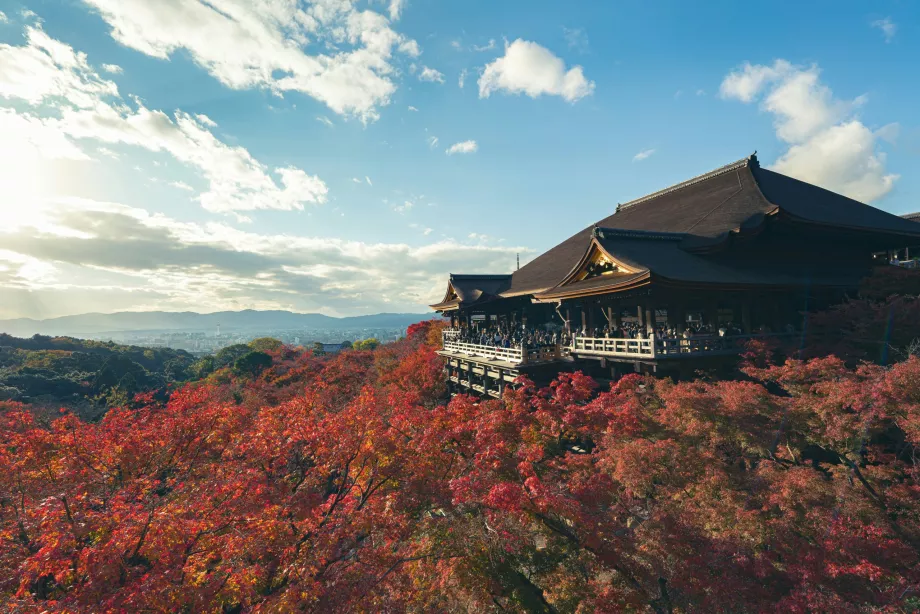
Temple, Lookout
Kiyomizu-dera is one of the most famous monuments in all of Japan and is a UNESCO World Heritage Site. The Buddhist temple stands on the edge of the hills above the Higashiyama Historic District, its iconic wooden terrace rising high above the hillside. The view of Kyoto from here is one of the best in the city. For me, the place is gorgeous and one of Kyoto's absolute highlights. But at the same time, I don't think I've seen such extreme…
Read more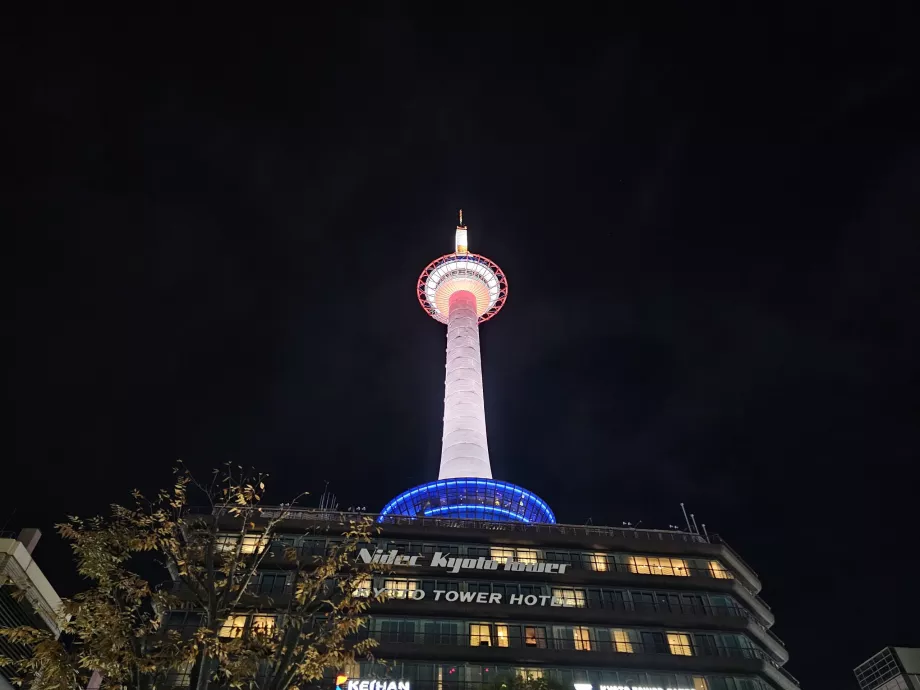
Tower, Lookout, Department store
The Kyoto Tower is the 131st tallest structure in Kyoto and is located right in the center of the city across from Central Station. Kyoto Tower is one of the few modern architectural attractions in an otherwise historic city. [btn "Book a hotel in central Kyoto" https://www.booking.com/city/jp/kyoto.en.html?aid=2380460;label=p-kjoto-tower] The observation platform is 100 metres high and offers panoramic 360° views of the whole of Kyoto. On…
Read more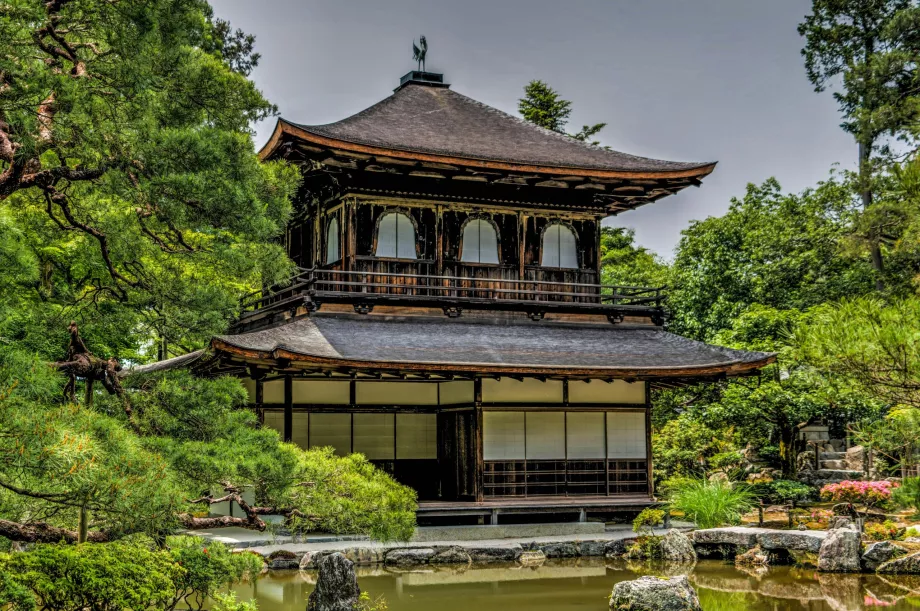
Temple
Ginkaku-ji, known as the Silver Pavilion, was built in 1482 as the residence of Shogun Ashikaga Yoshimasa. In reality, however, this pavilion is mostly wooden and is not covered in real silver the way the Golden Pavilion of Kinkaku-ji is covered in real gold. The nickname probably came about as a contrast to the Golden Pavilion of Kinkaku-ji. Located in the eastern part of Kyoto, it looks much quieter than the Golden Pavilion. The main…
Read more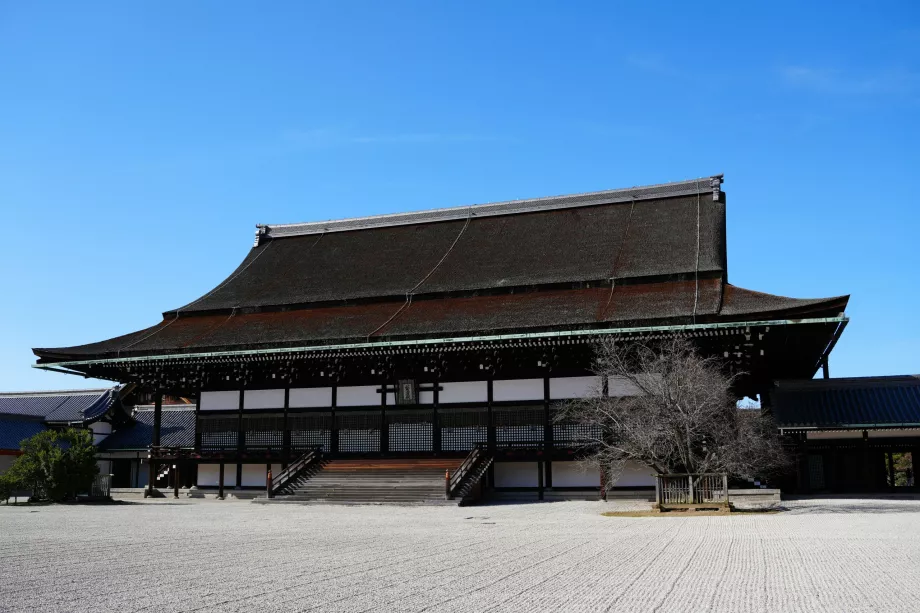
Palace, Garden
The Kyoto Imperial Palace served as the main residence of the Japanese Emperor until 1868. It was here that the imperial court resided for more than a thousand years - until the capital was moved to Tokyo. Located in the northern part of the city centre, in the middle of the extensive Kyoto Gyoen Park, the extensive grounds include many buildings and gardens covering approximately 1.5 km². 👉 [btn "Book a hotel in the centre of Kyoto" https:/…
Read more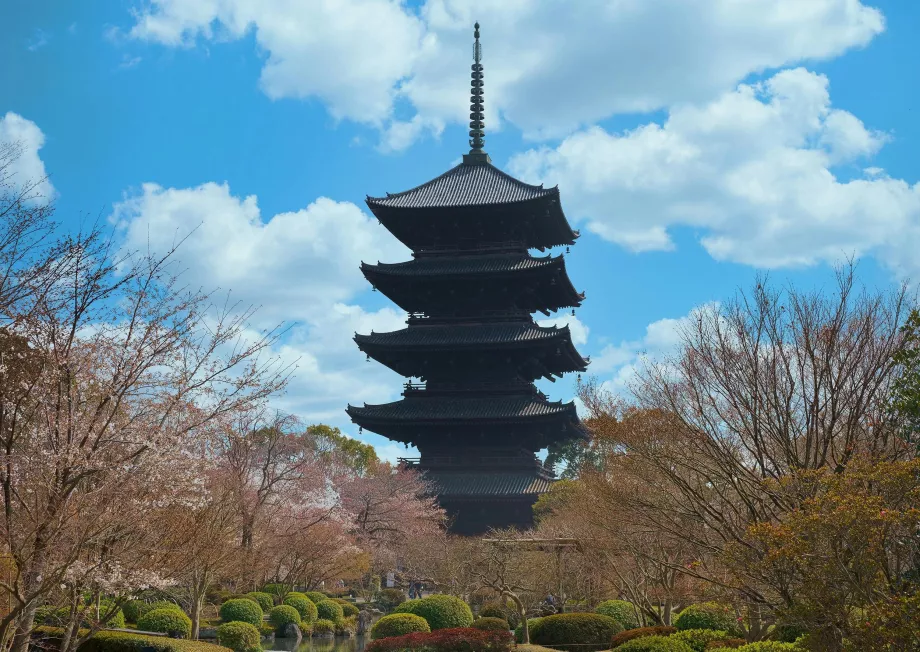
Temple, Pagoda
To-ji is a historic Buddhist temple on the southwestern edge of downtown Kyoto, best known for its iconic five-story pagoda. At 55 metres tall, it is the tallest wooden pagoda in Japan. The temple was built in 796 shortly after the founding of Kyoto as the imperial capital and is now a UNESCO World Heritage Site within the Historic Monuments of Ancient Kyoto. For most visitors, To-ji is more of a short stop than a half-day destination. A big…
Read more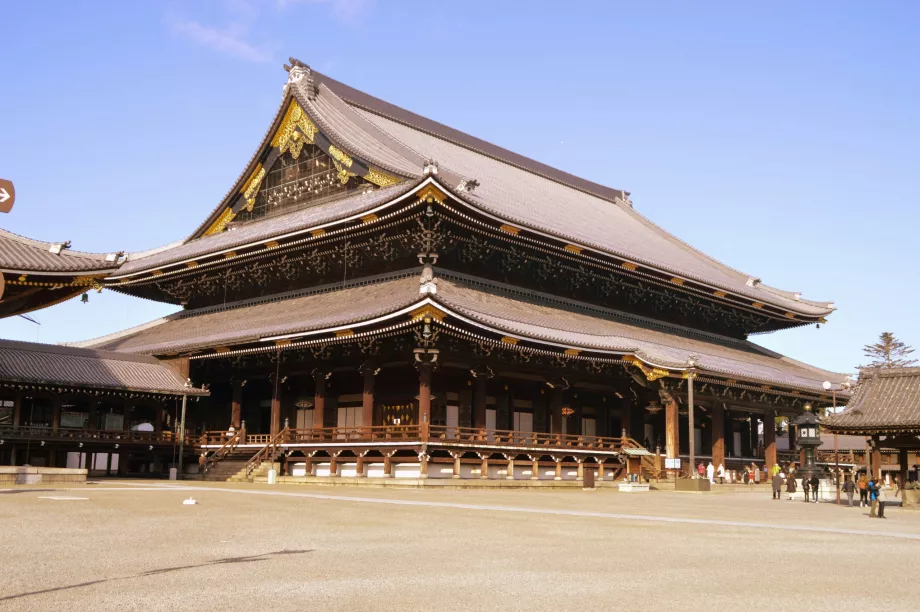
Temple
Nishi Hongan-ji is a large Buddhist temple complex about 10 minutes from Kyoto Station. It is one of the main temples of the Jōdo Shinshū school and a UNESCO World Heritage Site. Compared to places such as Kiyomizu-dera or Fushimi Inari Taisha, there are significantly fewer tourists, so it has a much quieter atmosphere. If you're in the Kyoto Station area or visiting To-ji Temple, Nishi Hongan-ji is a very easy short stop. [btn "View Kyoto…
Read more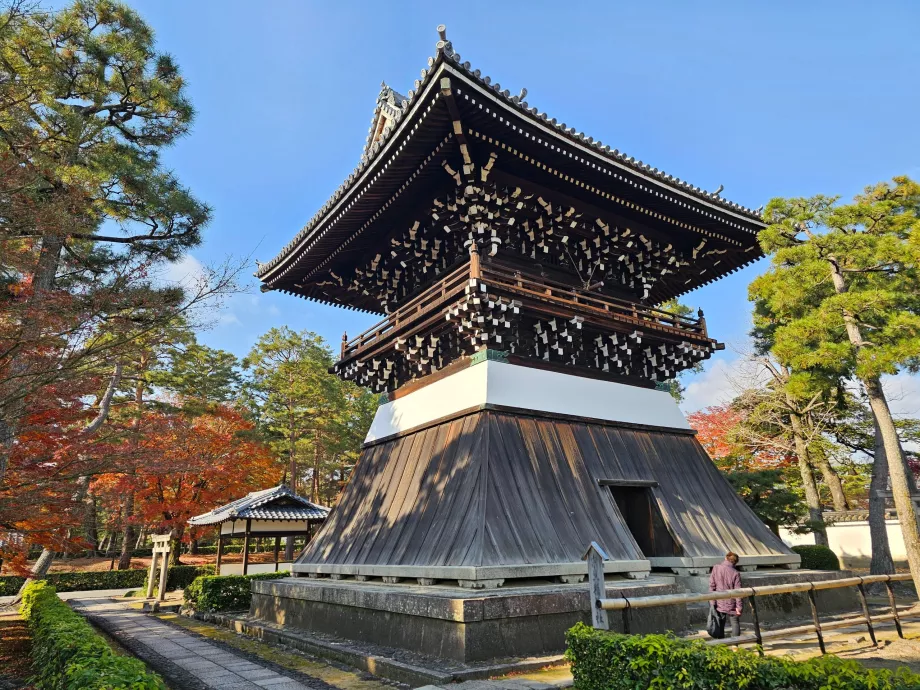
Temple
Shōkoku-ji is an important Zen temple located north of Kyoto Imperial Palace. It was founded in the 14th century and is one of the important centres of Zen Buddhism in Japan. Unlike Kyoto's most famous temples, you won't experience large crowds or dramatic sights here. The place feels peaceful, open and authentic. [btn "Find a hotel in Kyoto by location" https://www.booking.com/city/jp/kyoto.en.html?aid=2380460;label=p-kjoto-shokoku] Is…
Read more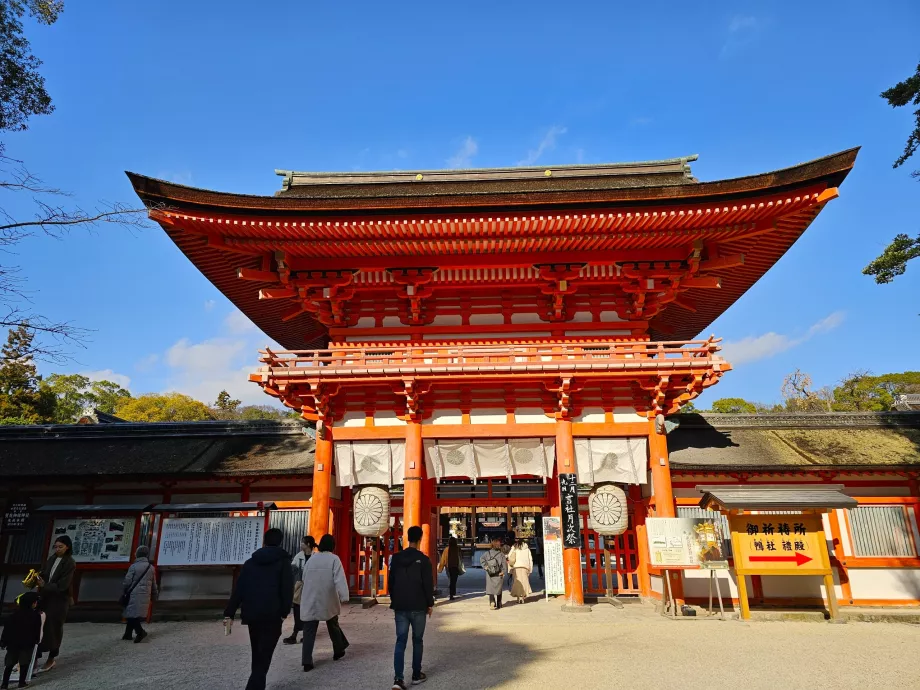
Temple
Shimogamo Shrine is one of the oldest Shinto shrines in Japan. Its history dates back to the 6th century, before Kyoto itself was established as the imperial capital. It is known for its beautiful red entrance gate, which is typical of Shinto shrines and not Buddhist temples. It is located in the north of the city, surrounded by the Tadasu no Mori forest, which acts as a natural oasis of calm in the middle of the urban development. The area…
Read more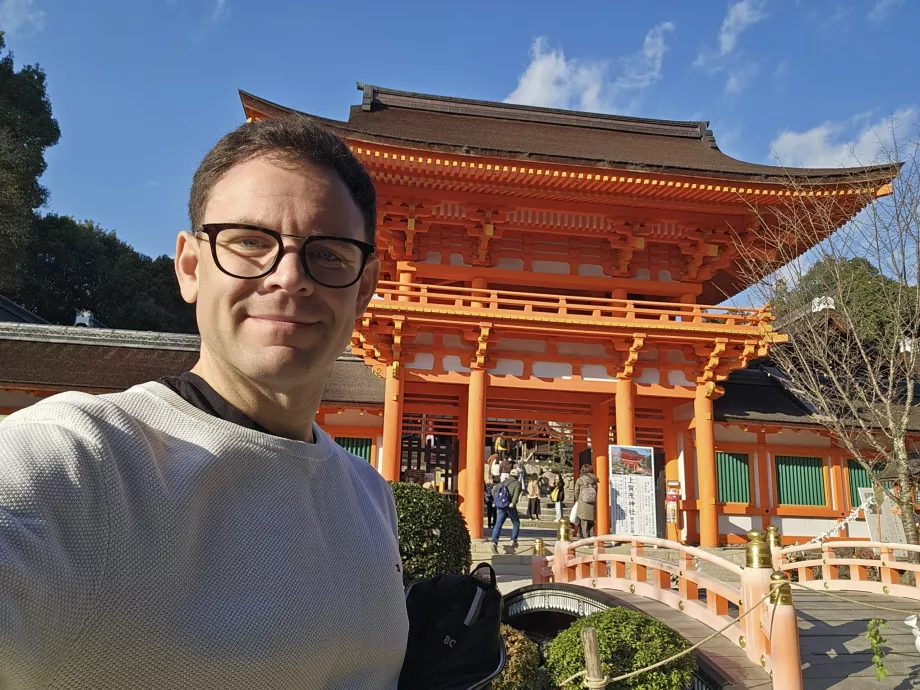
Temple
Kamigamo Shrine is one of the oldest Shinto shrines in Kyoto. Its history dates back to the 7th century and, together with Shimogamo Shrine, it is part of Kyoto's UNESCO-listed historical sites. It lies north of the city centre, off the main tourist routes - and that's its biggest advantage. Personally, I liked Kamigamo-jinja perhaps the most of all the shrines in Kyoto. [btn "View Kyoto hotels by location" https://www.booking.com/city/jp…
Read more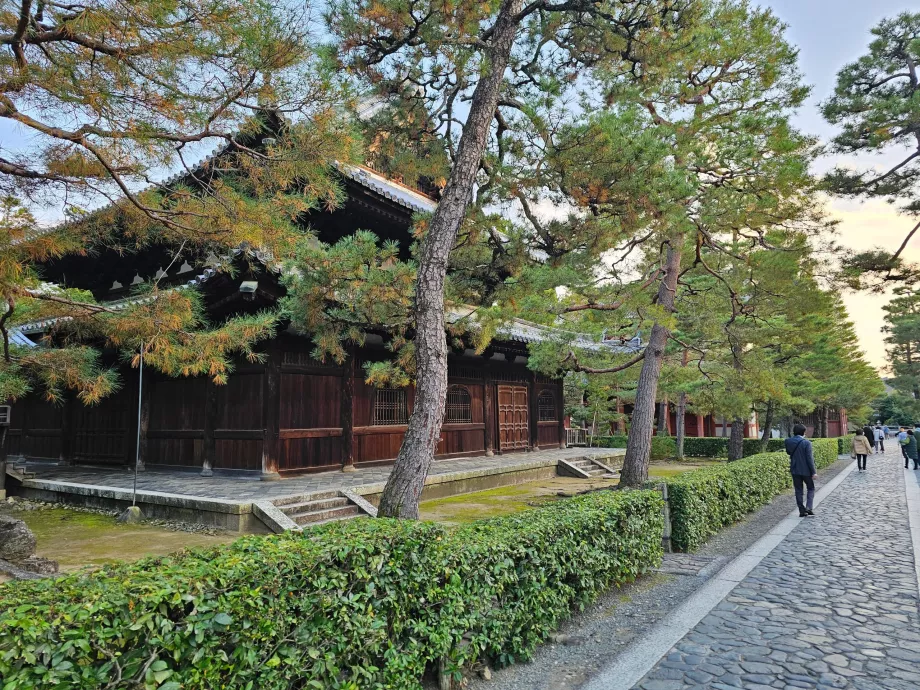
Temple
Daitoku-ji is not one temple. It is a large complex of dozens of smaller Zen temples (called sub-temples) spread out in the northern part of Kyoto. And that's why it felt a bit chaotic to me, and I actually didn't orient myself much here at first. [btn "View hotels in Kyoto" https://www.booking.com/city/jp/kyoto.en.html?aid=2380460;label=p-kjoto-daitokuji] What is Daitoku-ji anyway? Daitoku-ji was founded in the 14th century and became an…
Read more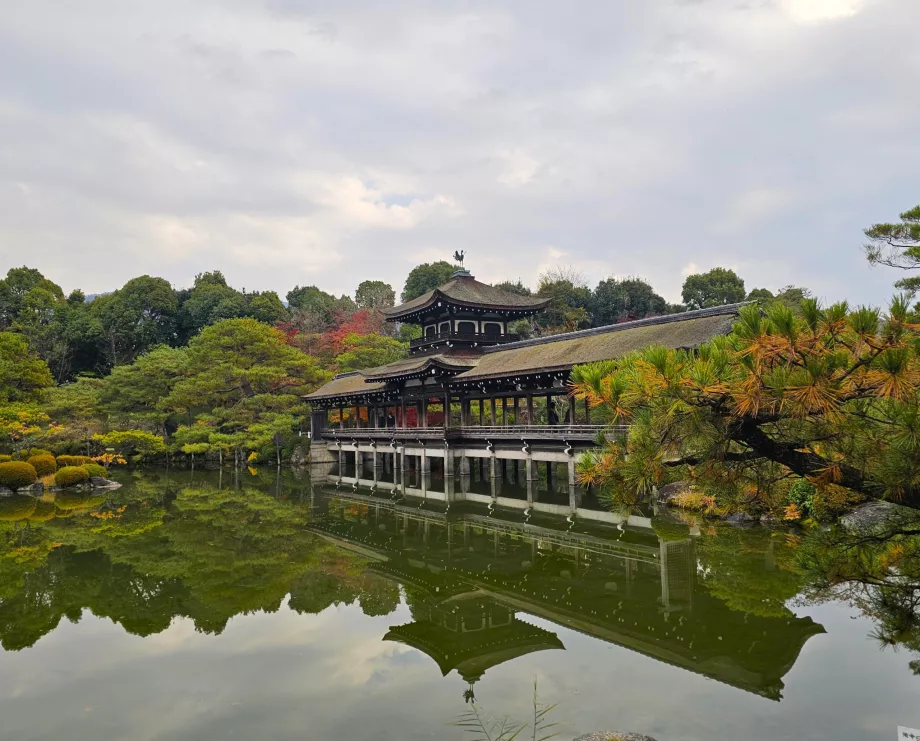
Temple, Garden
Heian Shrine was built in 1895 to commemorate the 1100th anniversary of Kyoto's founding as the imperial capital. The giant torii gate itself, about 600 meters from the entrance, is one of the largest in Japan and one of the main landmarks of downtown Kyoto. But honestly - I was more taken with the gardens behind the main grounds than the shrine itself or the giant torii gate. The ponds, the bridges, the silence... and the gentle artificial…
Read more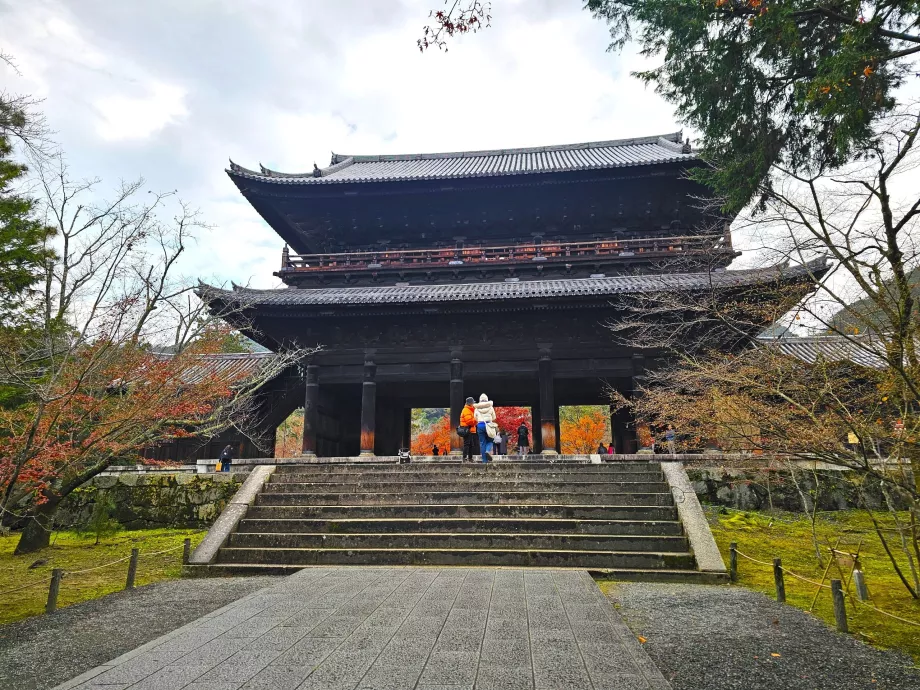
Temple, Aqueduct
Nanzen-ji is one of the most important Zen temples in Japan. Located at the foot of the mountains in the eastern part of Kyoto, the whole area is open, airy and monumental. The main symbol is the massive Sanmon Gate and the unexpected brick aqueduct from the Meiji period, which creates a very photogenic combination of traditional and modern Japan. [btn "Compare Kyoto hotel prices" https://www.booking.com/city/jp/kyoto.en.html?aid=2380460…
Read more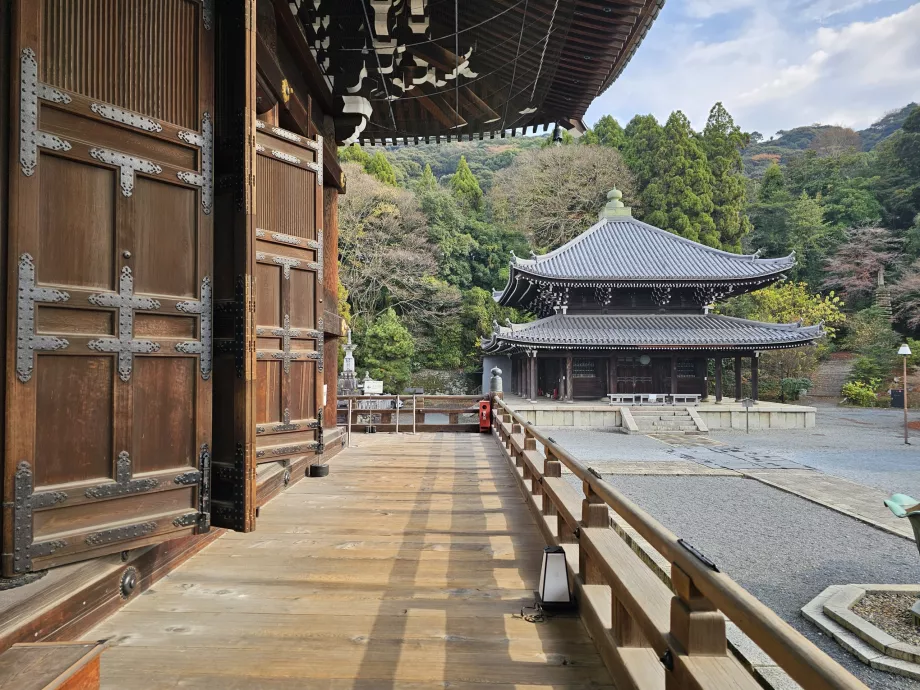
Temple, Garden
Chion-in is the main temple of the Jōdo school in Japan and one of the largest temple complexes in Kyoto. It is located just a few minutes' walk from the Gion district, yet it tends to be considerably quieter than Kiyomizu-dera. It is dominated by the massive wooden Sanmon Gate and a wide stone staircase, which is one of the most impressive temple entrances in the entire city. For my money, Chion-in is a vastly underrated beautiful place with…
Read more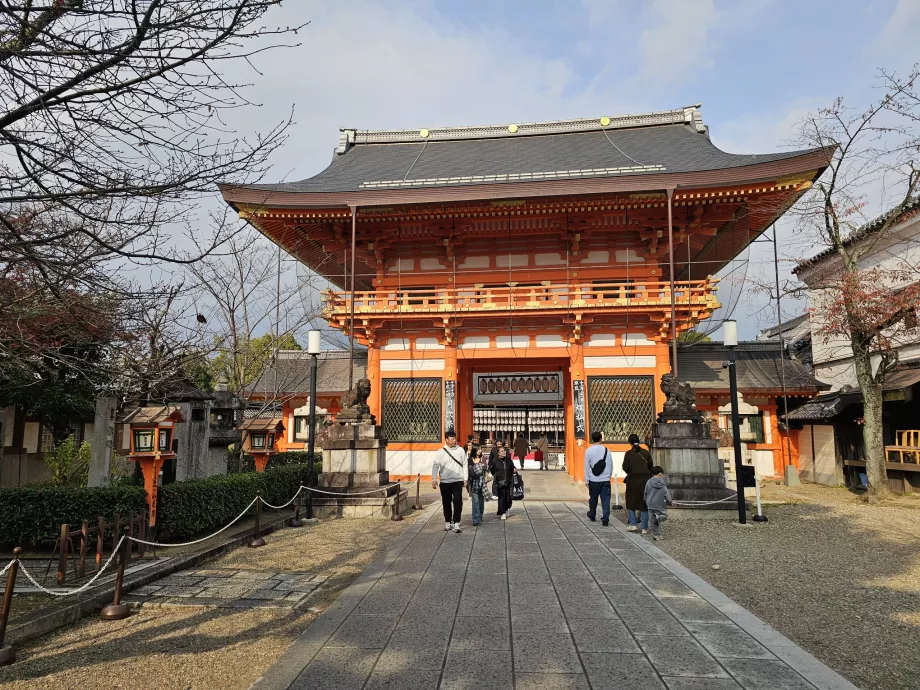
Temple, Park
Yasaka Shrine is one of the most famous shrines in Kyoto and the symbolic entrance to the Gion district. Just beyond the grounds is Maruyama Park, a popular spot for hanami and picnics under the sakura trees. Honestly? It's a very popular and often crowded place. If you've seen Fushimi Inari or the quieter shrines to the north of the city, it can feel a bit crowded. [btn "Find accommodation in the Gion area" https://www.booking.com/city/jp…
Read more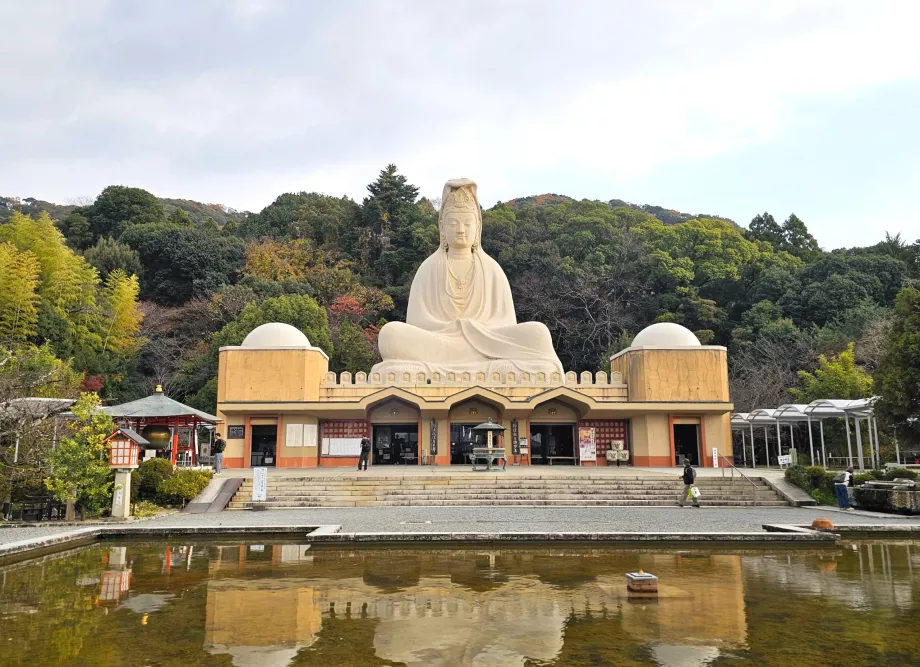
Statue
The Ryozen Kannon is a 24-metre high statue of the goddess of mercy Kannon, which stands on a hill between the Higashiyama district and Kiyomizu-dera Temple. The statue was erected in 1955 as a memorial to the fallen in World War II. It is not a historic temple complex, but rather a modern memorial with a scenic atmosphere. [btn "Find accommodations in the Higashiyama area" https://www.booking.com/city/jp/kyoto.en.html?aid=2380460;label=p…
Read more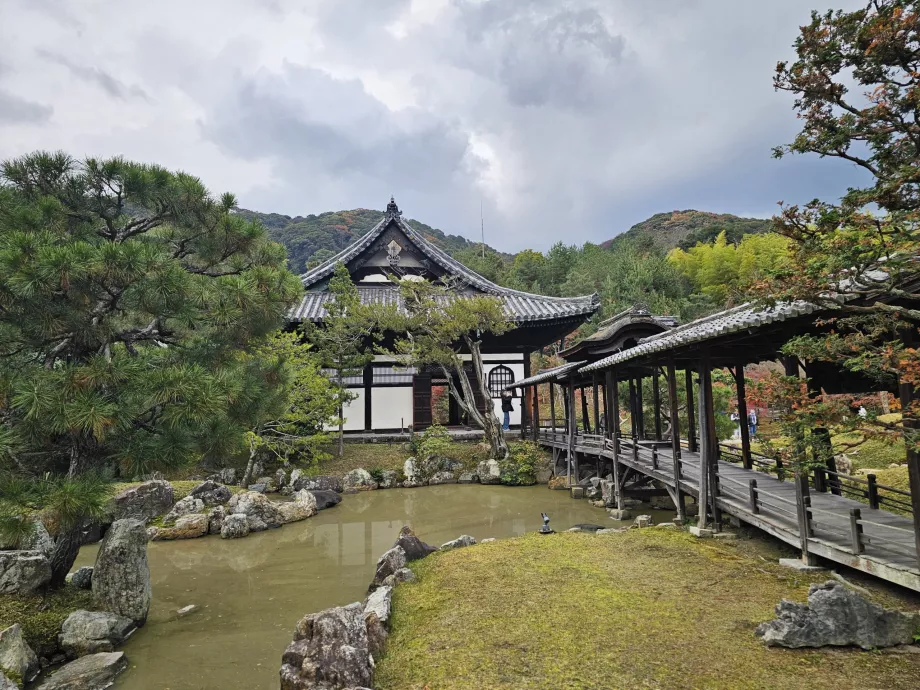
Temple, Garden
Kōdai-ji is one of the most beautiful Zen temples in the Higashiyama area, yet many visitors don't even know about it. It's just a few minutes' walk from Kiyomizu-dera and the iconic Yasaka Pagoda, but the atmosphere is often much quieter. The temple was founded in the early 17th century in honour of the famous warlord Toyotomi Hideyoshi and is surrounded by beautiful Zen gardens, a bamboo grove and small tea pavilions. [btn "Find a hotel in…
Read more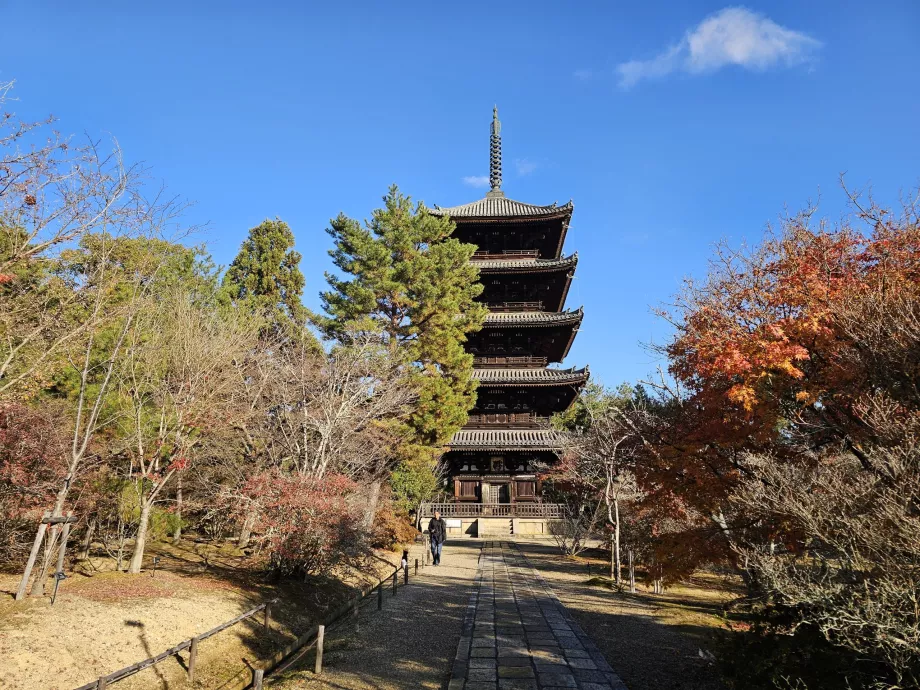
Temple, Garden
Ninna-ji is a large Buddhist temple in the northwestern part of Kyoto. Most tourists only head to nearby Kinkaku-ji, but Ninna-ji often offers a much more peaceful experience. The sprawling complex, with its five-story pagoda, gardens and former imperial palace, is a UNESCO World Heritage Site. The smaller crowds here make the Kyoto experience a little more authentic than at the most famous temples. [btn "Show hotel prices in Kyoto" https:/…
Read more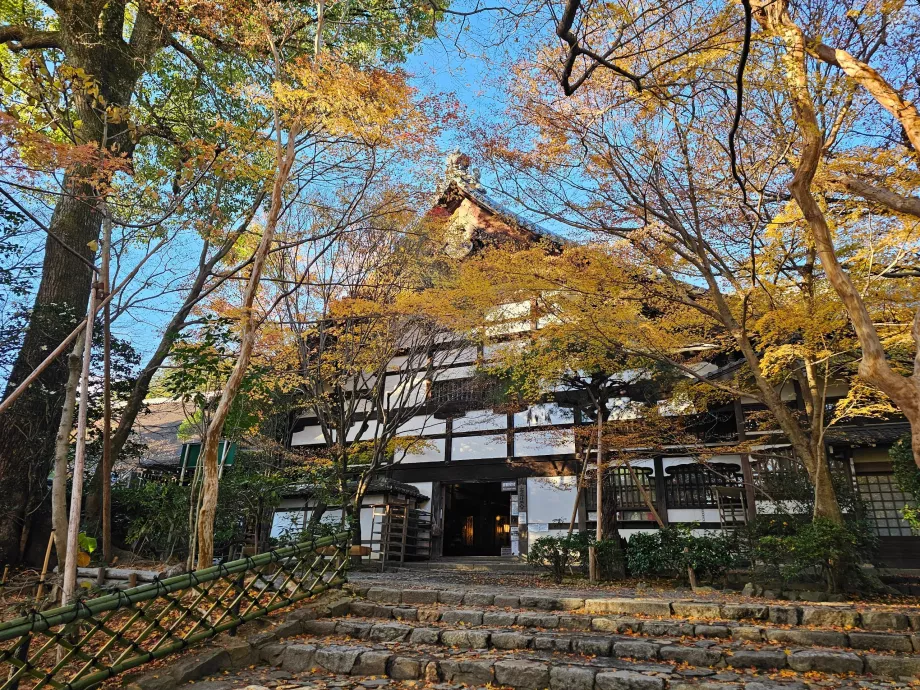
Temple, Garden
Ryōan-ji Temple is one of the most famous Zen places in Japan. Although the grounds themselves are not huge, they hide one of the most iconic gardens in the world - a minimalist composition of 15 stones in a sea of white gravel. At first glance, it looks surprisingly simple. But therein lies its power. The garden is designed in such a way that you cannot see all 15 stones at the same time from any one place. One of them always remains hidden. …
Read more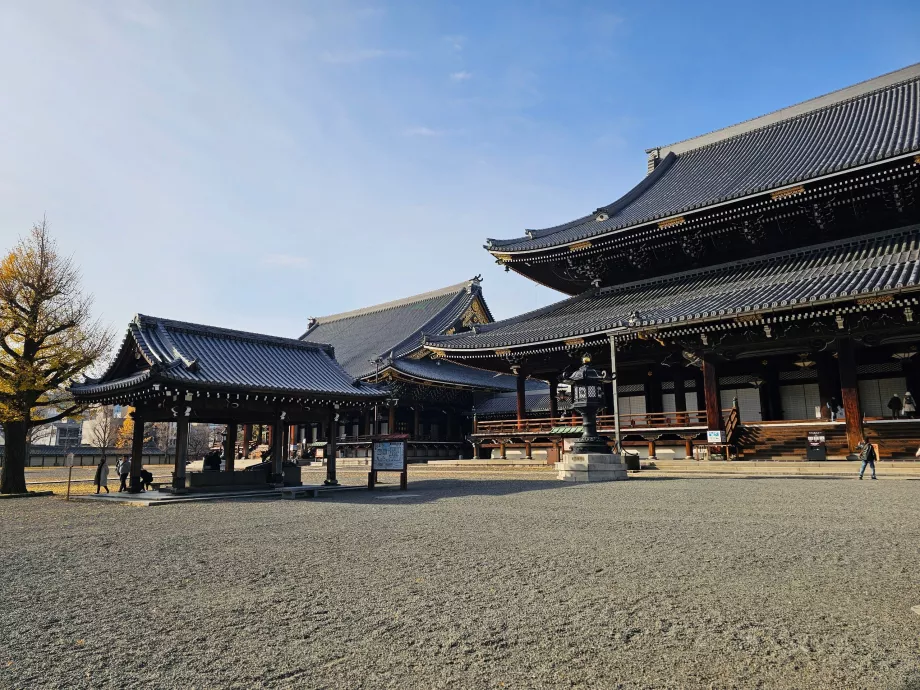
Temple
Higashi Hongan-ji is one of the largest Buddhist temples in Kyoto and one of the closest historical complexes to Kyoto Station. It lies just a few minutes walk north of the station, making it a very easy stop when arriving in the city or before taking the train. The temple belongs to the Jōdo Shinshū school and was built in the early 17th century as the "eastern" branch of Nishi Hongan-ji Temple. Compared to Kyoto's most famous landmarks,…
Read more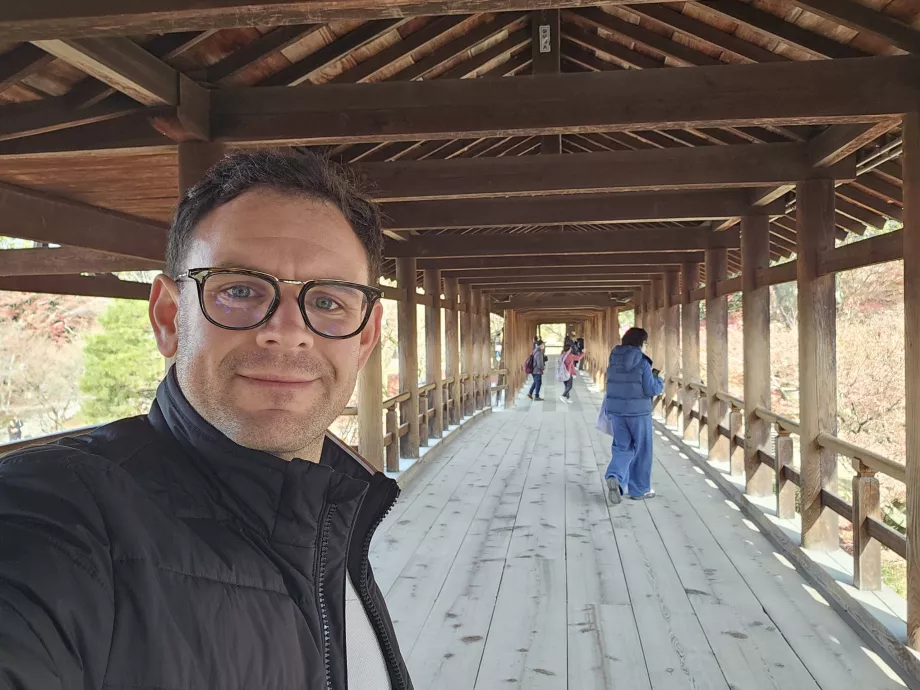
Temple, Historic Bridge, Garden
Tofuku-ji is one of the most famous Zen temples in Kyoto and is especially famous for its beautiful autumn colours. The temple complex was built in the 13th century and is now one of the largest Zen temples in the city. The main attraction is the Tsutenkyo Bridge, which runs across a valley full of maple trees. In autumn, the entire valley turns shades of red and orange and the site is one of the most photographed locations in Kyoto. The…
Read more