Krakow from Prague, Saturday to Monday in November
30 €



What activities to do in Kyoto and what did we do in the city?
Be prepared that Kyoto is a large city with an extraordinary concentration of sights, and to see only the most famous ones, set aside at least 3-4 full days to visit.
If you have limited time in Kyoto, these experiences are among the most popular:
Plan your stay in Kyoto according to my tips:
But many experiences need to be booked in advance - especially during the sakura and autumn foliage season.
Book the best experiences at getyourguide.com
Kyoto was Japan's capital for more than 1,000 years and is still one of the most treasured historic cities in Asia.
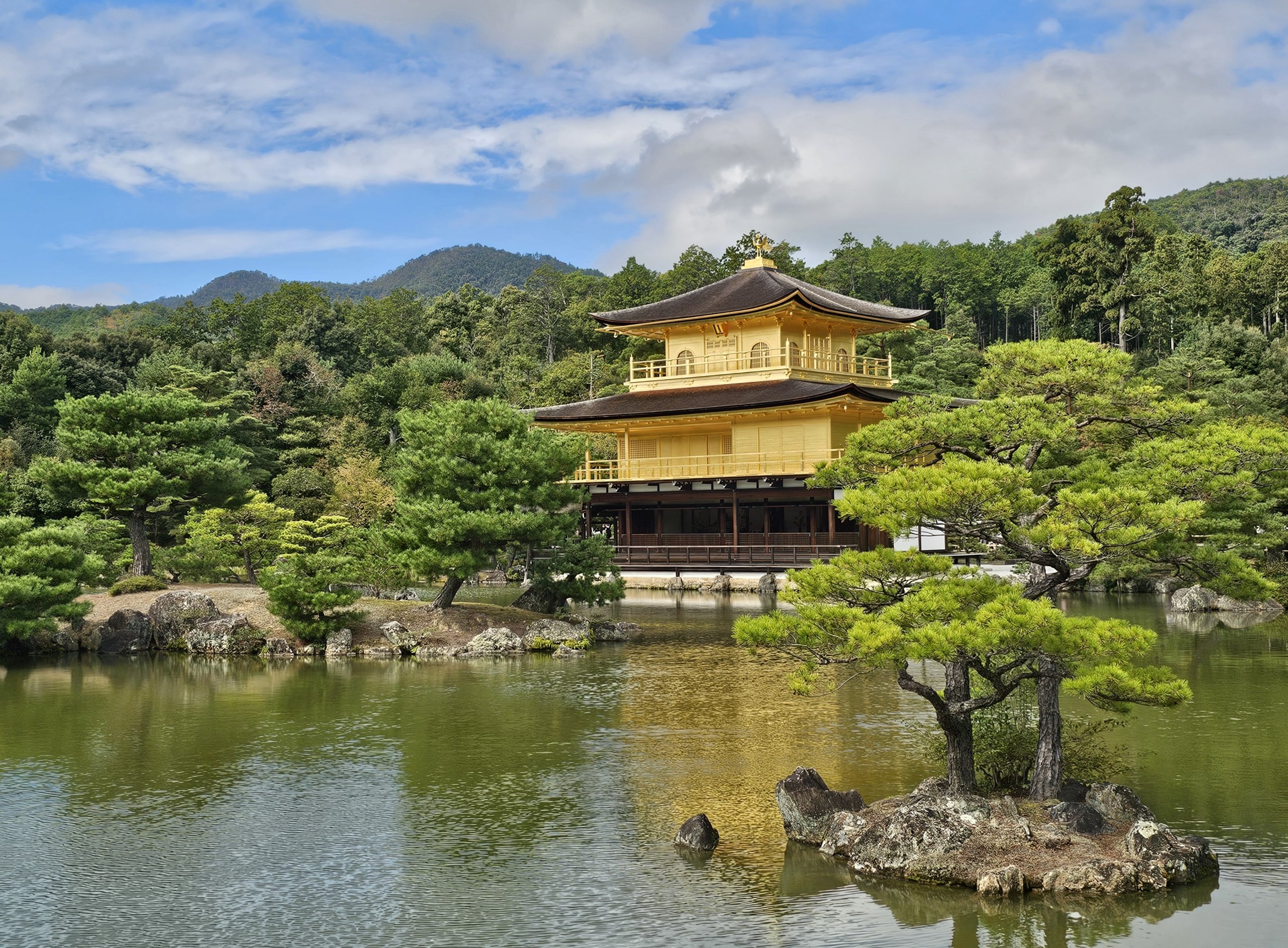
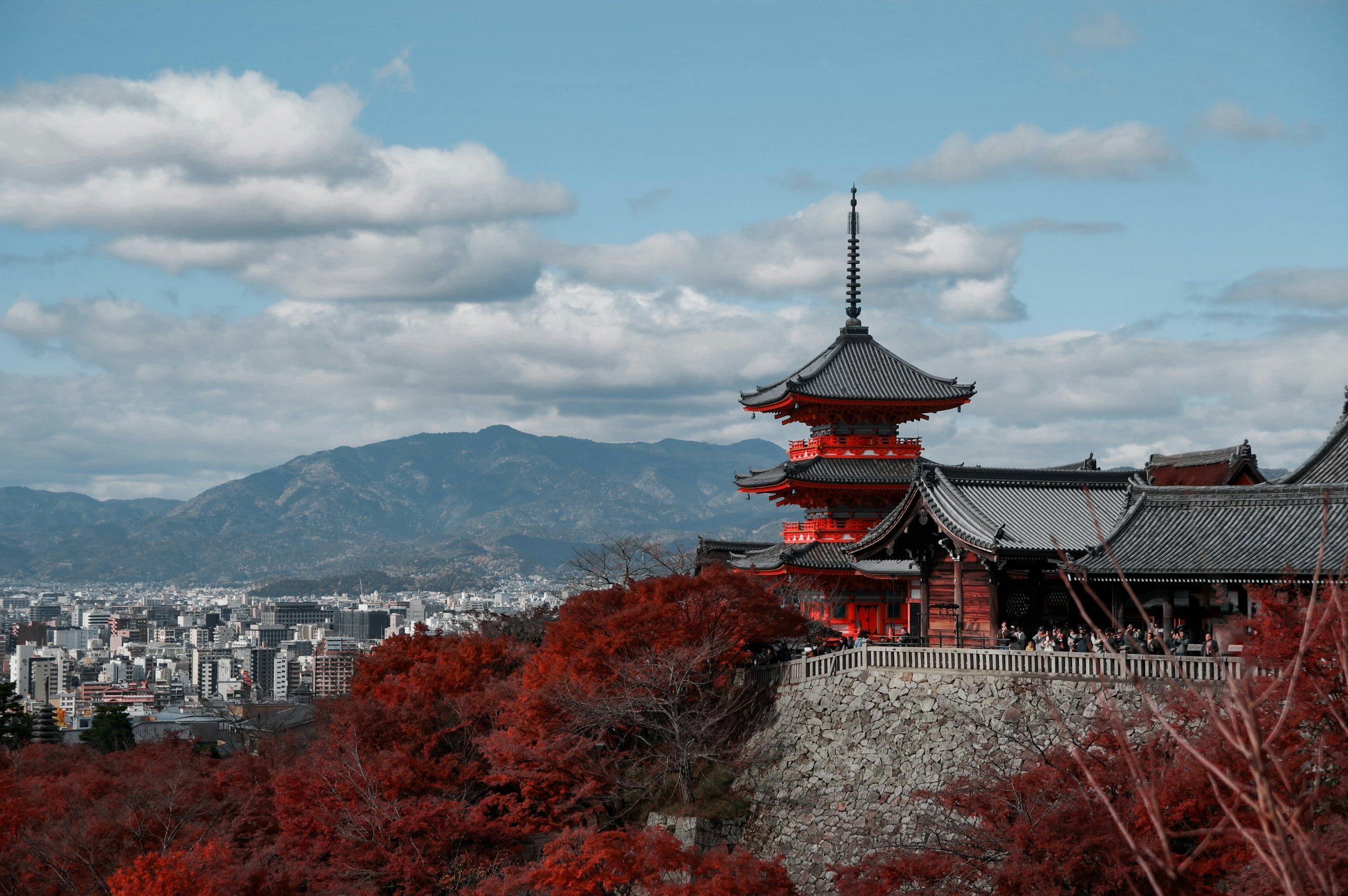
A total of 17 sites in Kyoto are UNESCO World Heritage Sites.
Among the most famous are:
All of the sights we visited in Kyoto are detailed in the What to See in Kyoto map section .
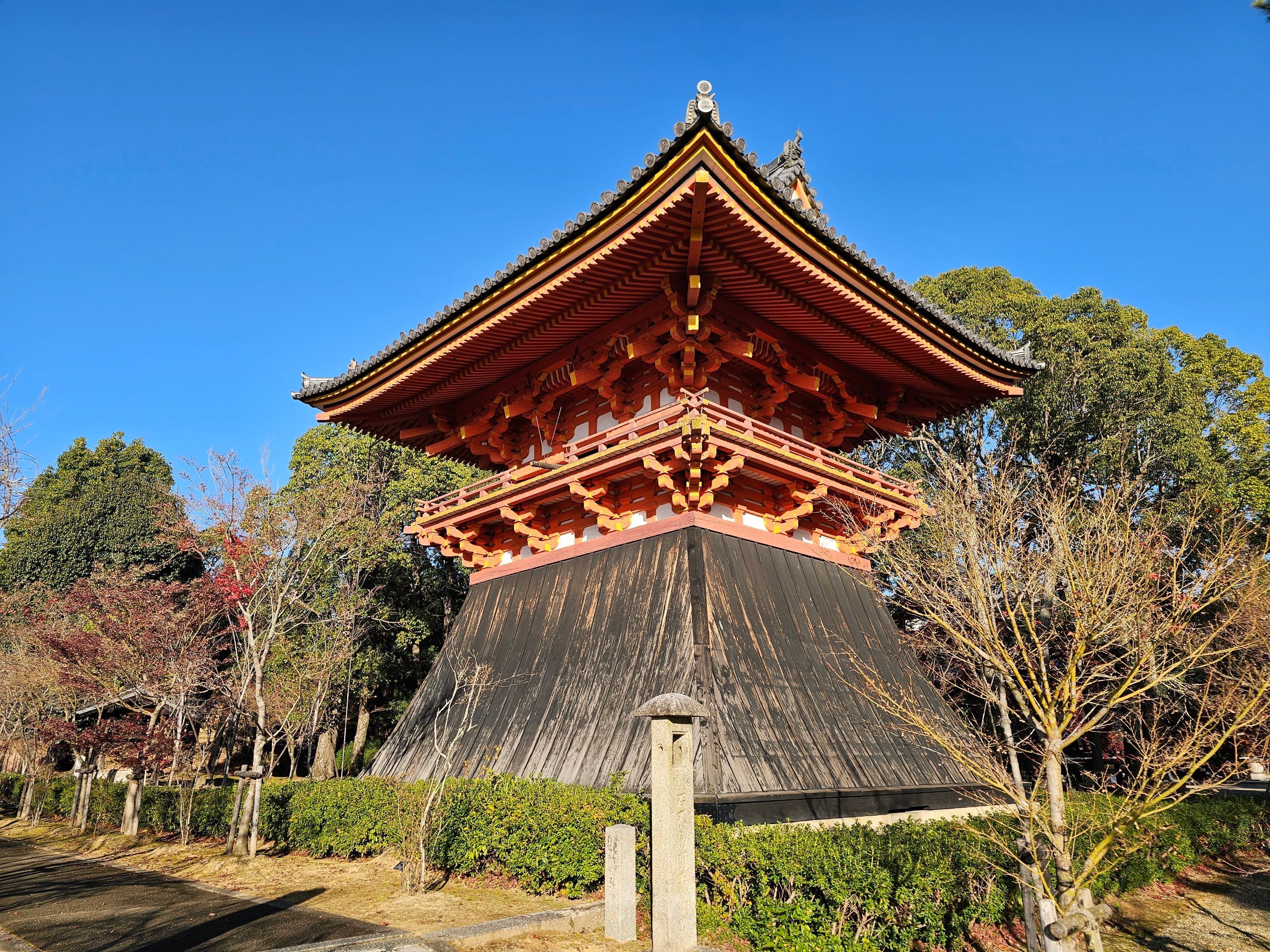
If you want to take away more than just photos of temples from Kyoto, these are the three most rewarding "cultural" experiences.
They work best in combination with the Gion and Higashiyama areas (in the evening), or around Kiyomizu-dera (during the day).
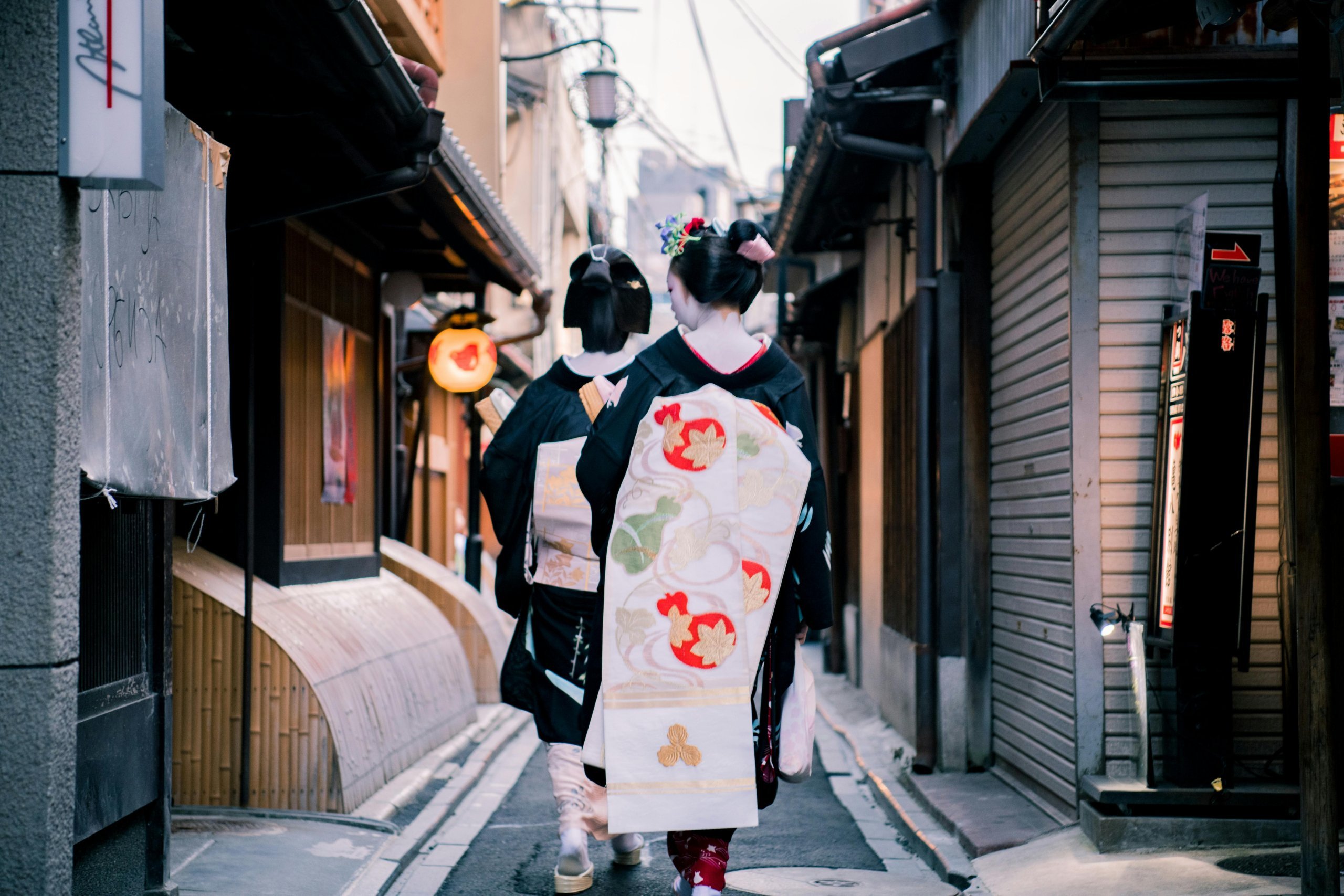
A geisha is a highly professional, intelligent, and trained companion whose main goal is to entertain a closed society by dancing, singing, conversing, playing musical instruments, or other arts.
Many tourists think that geishas also practice prostitution, but this is a big mistake and an insult to this esteemed craft.
This profession is inherently one of the symbols of Japan and the city of Kyoto is one of the main centres of geisha art.
In Kyoto, geisha are called geiko.
This is where you are most likely to see an authentic geisha on the street, especially on a Friday or Saturday in the early evening. Remember that it is highly inappropriate and even forbidden to take photos of geisha.
If you'd like to experience an evening with a geisha, you can book this experience, for example, through the popular website Klook.
There are two designated geisha in Kyoto - a geiko is an experienced geisha after several years of rigorous training, while a maiko is a novice geisha.
| Price from | Length | Booking | |
|---|---|---|---|
| Maiko Experience | 5 500 jpy | 1.5 hours | Book here |
| Dinner with Maiko | 44 000 jpy | 2.5 hrs | Book here |
| Maiko or Geiko Machiya Tour | 35 000 jpy | 1.5 hrs | Book here |
| Tea Ceremony with Geiko | 12 000 jpy | 45 min | Book here |
Organised performances featuring various geisha arts take place at the Gion Corner Theatre every day at 6pm and 7pm, and tickets cost from 5 500 jpy. You must always book online at kyoto-gioncorner.com.
The kimono is the "easiest" cultural experience in Kyoto, and it makes a huge difference in photos - and most importantly, it only makes sense in certain neighborhoods.
Where it makes the most sense:
How it works in practice:
The cost tends to start at around 3 500 jpy for 60 minutes.
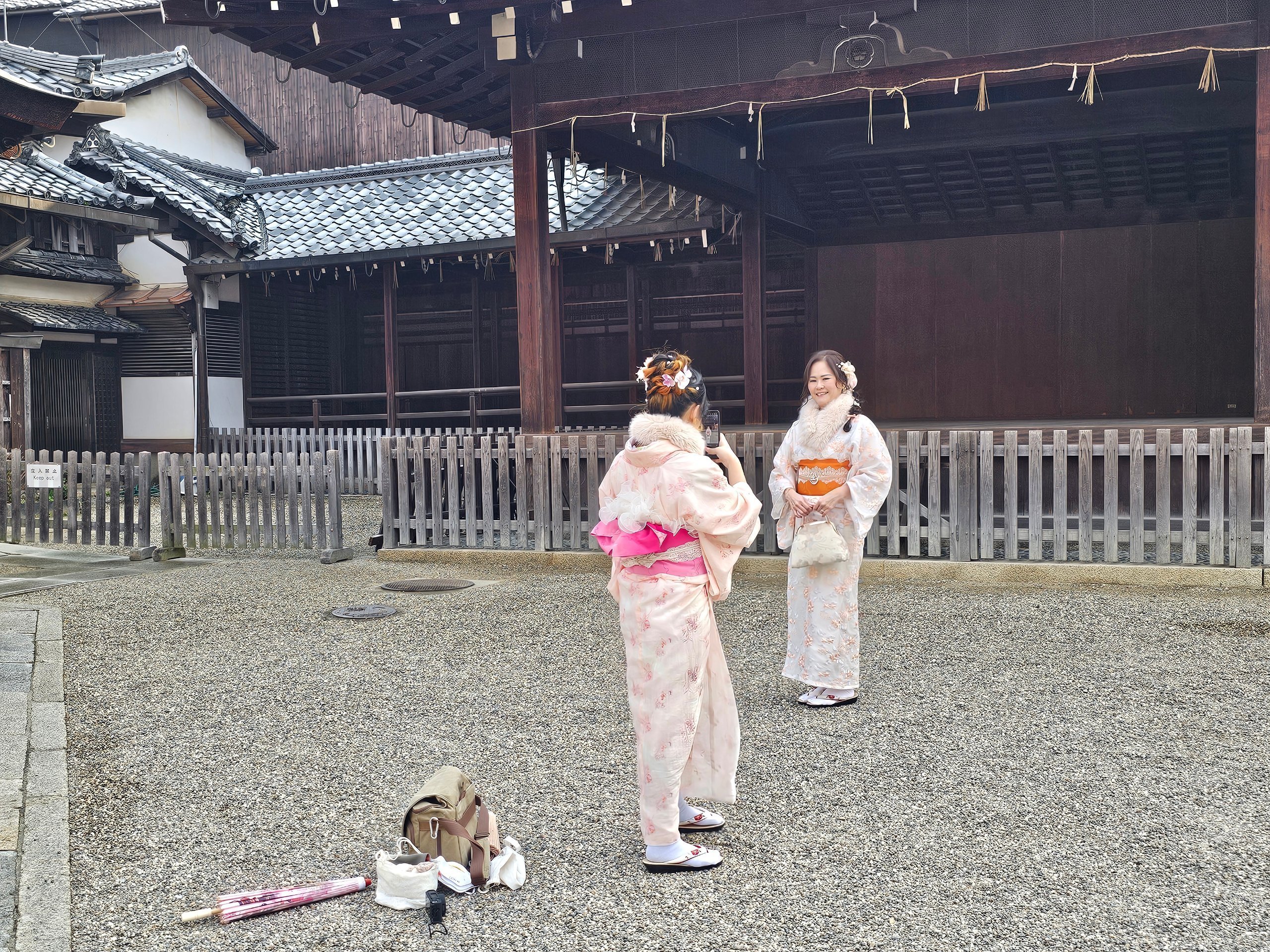
As an example of the hugely widespread rental network: the Kimono Okamoto has branches right in the best tourist spots (Kiyomizu, Gion, Yasaka, etc).
The Tea Ceremony is a super "compact" experience that can be fit into your schedule even on days when you can't make it to the next big temple.
Practical:
Prices start at 7 700 jpy for a 1.5 hour tea ceremony.
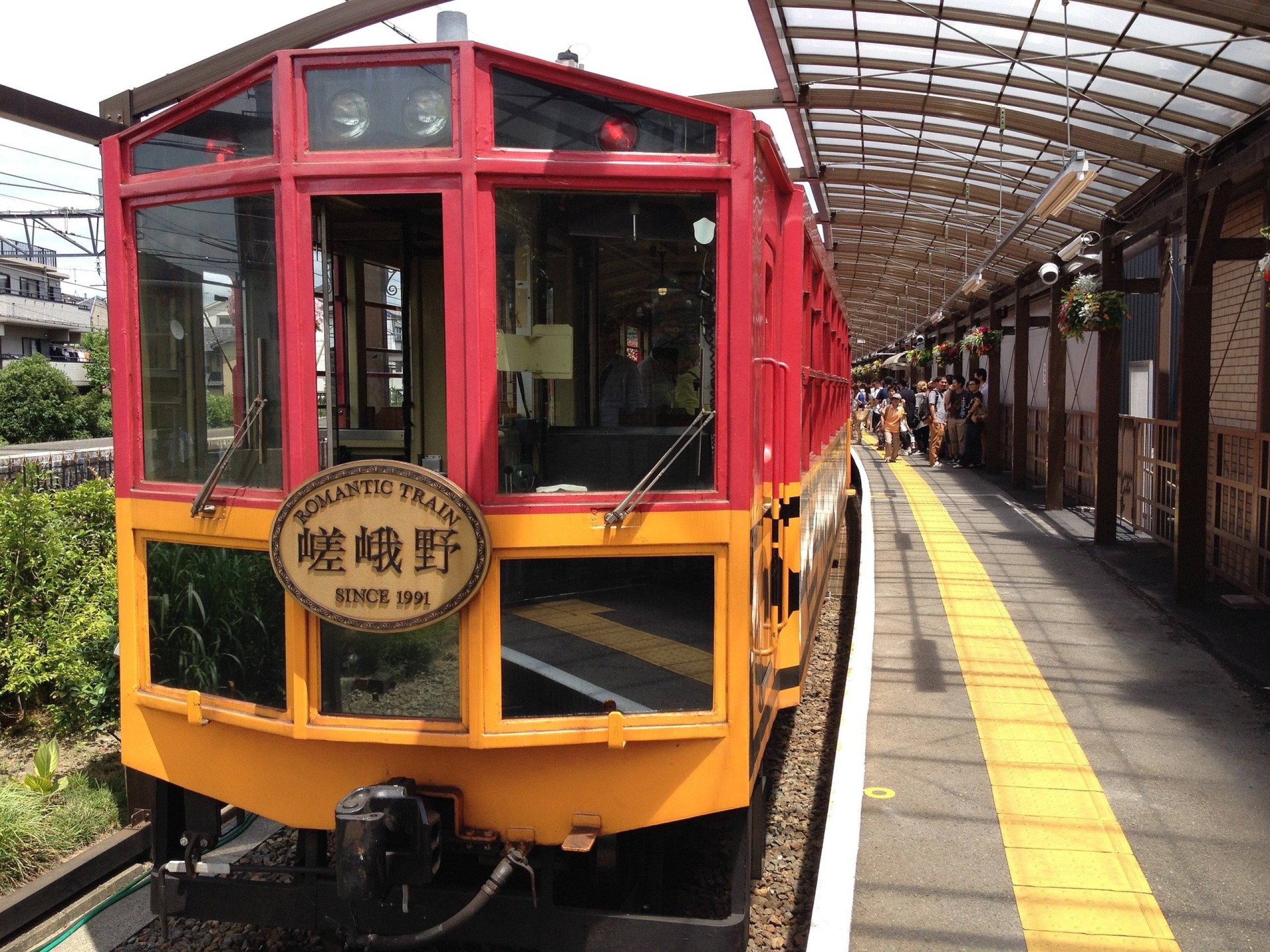
Between the tourist district of Arashiyama/Sagano and the town of Kameoka, a historic railway weaves through deep forests and the winding valley of the Hozugawa River Sagano Romantic Train.
Today, the modern railway runs through tunnels and over bridges, but the old line along the river remains and daily cruise trains run along it.
Trains usually run every day except Wednesday, but in the peak season of autumn-tinted leaves (November), for example, they run daily.
Despite the fact that the train runs from about 9:00 am to 7:00 pm every hour, it is necessary to book tickets in advance online. Trains tend to sell out especially in November and in spring (March, April) even several days in advance.
You can easily reach the starting station "Saga Arashiyama" near Bamboo Forest from central Kyoto by JR trains or buses 11, 92 and 93.
You can get back from Kameoka either by JR trains or a sightseeing cruise, see below.
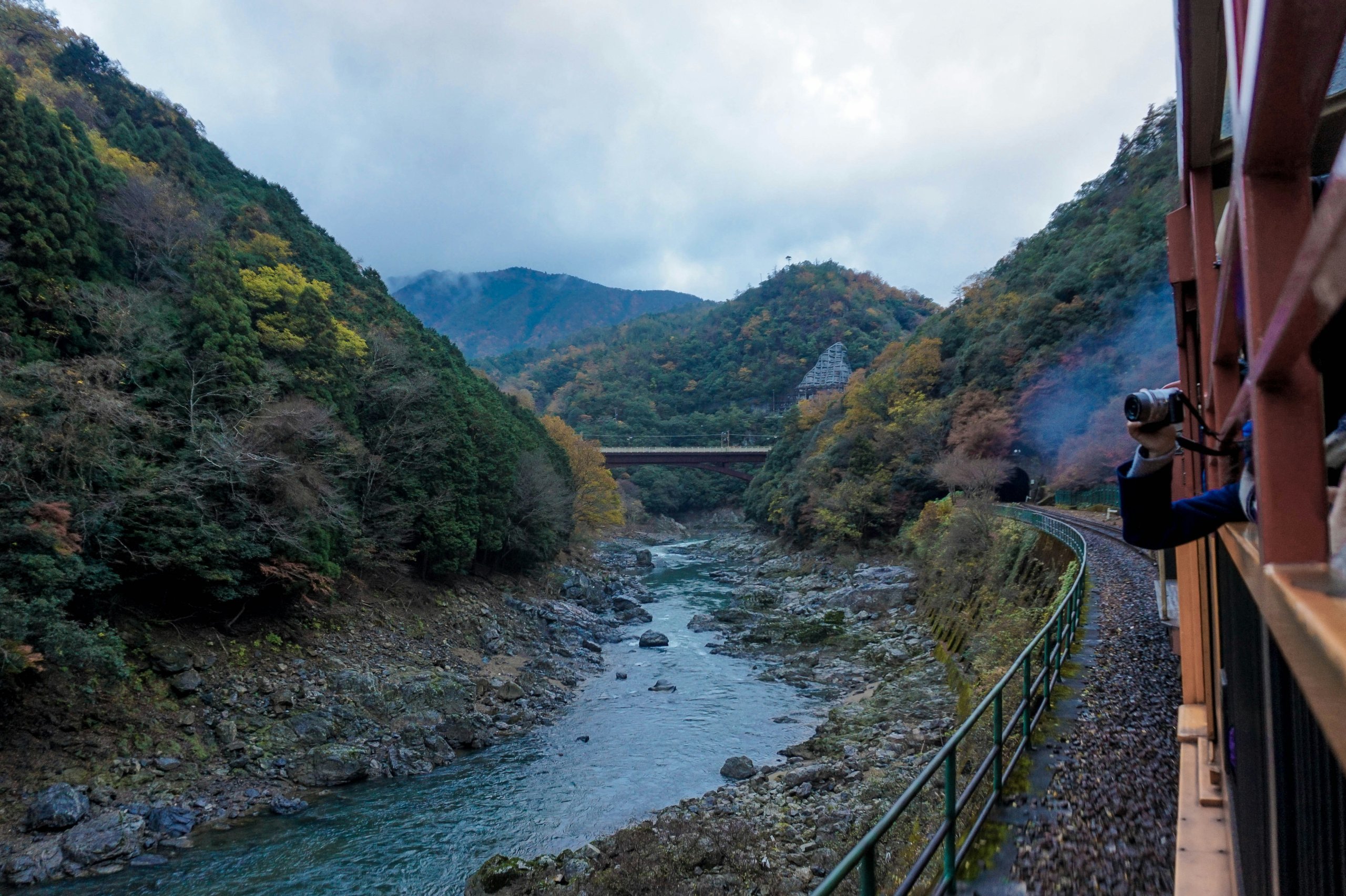
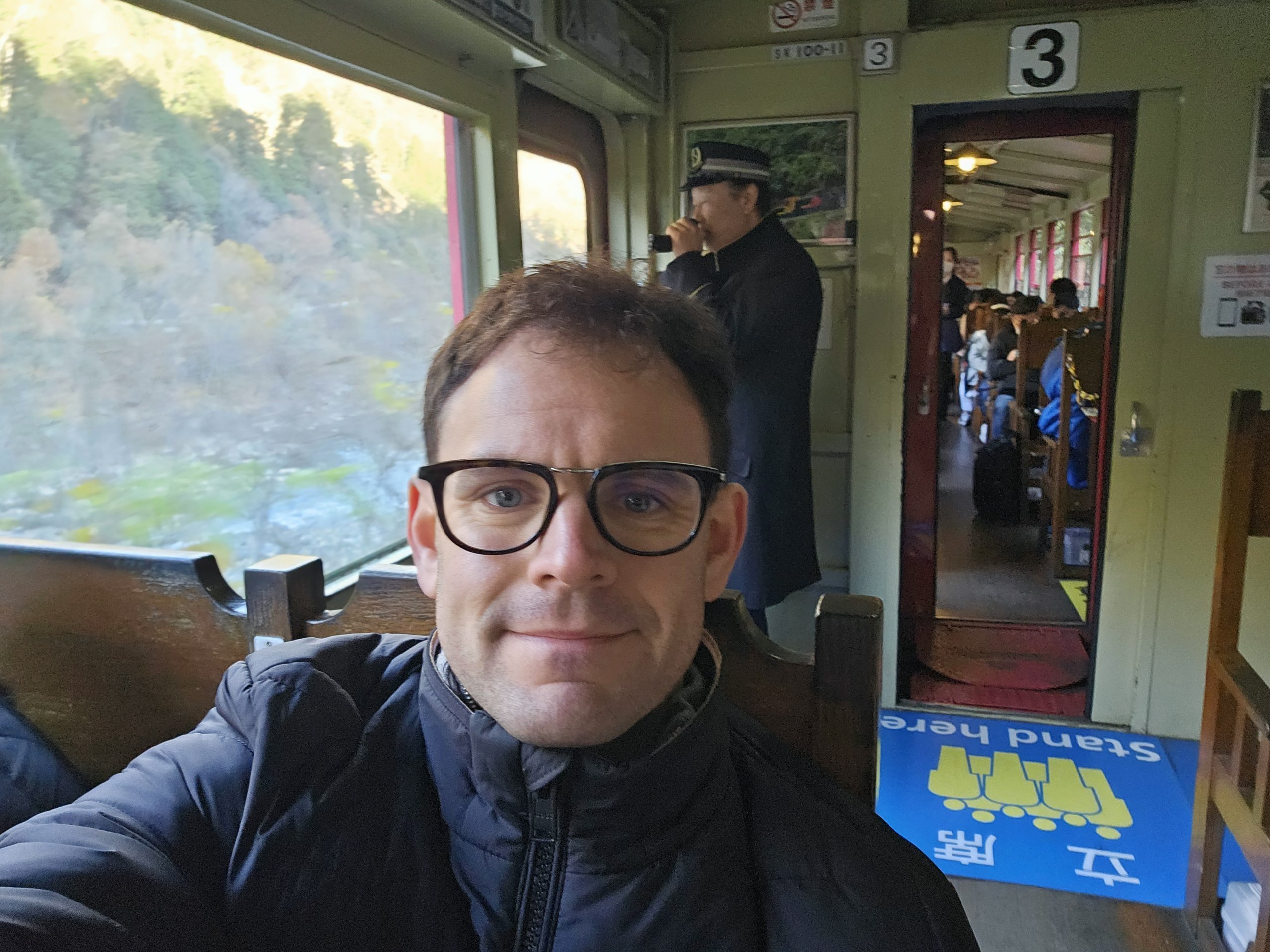
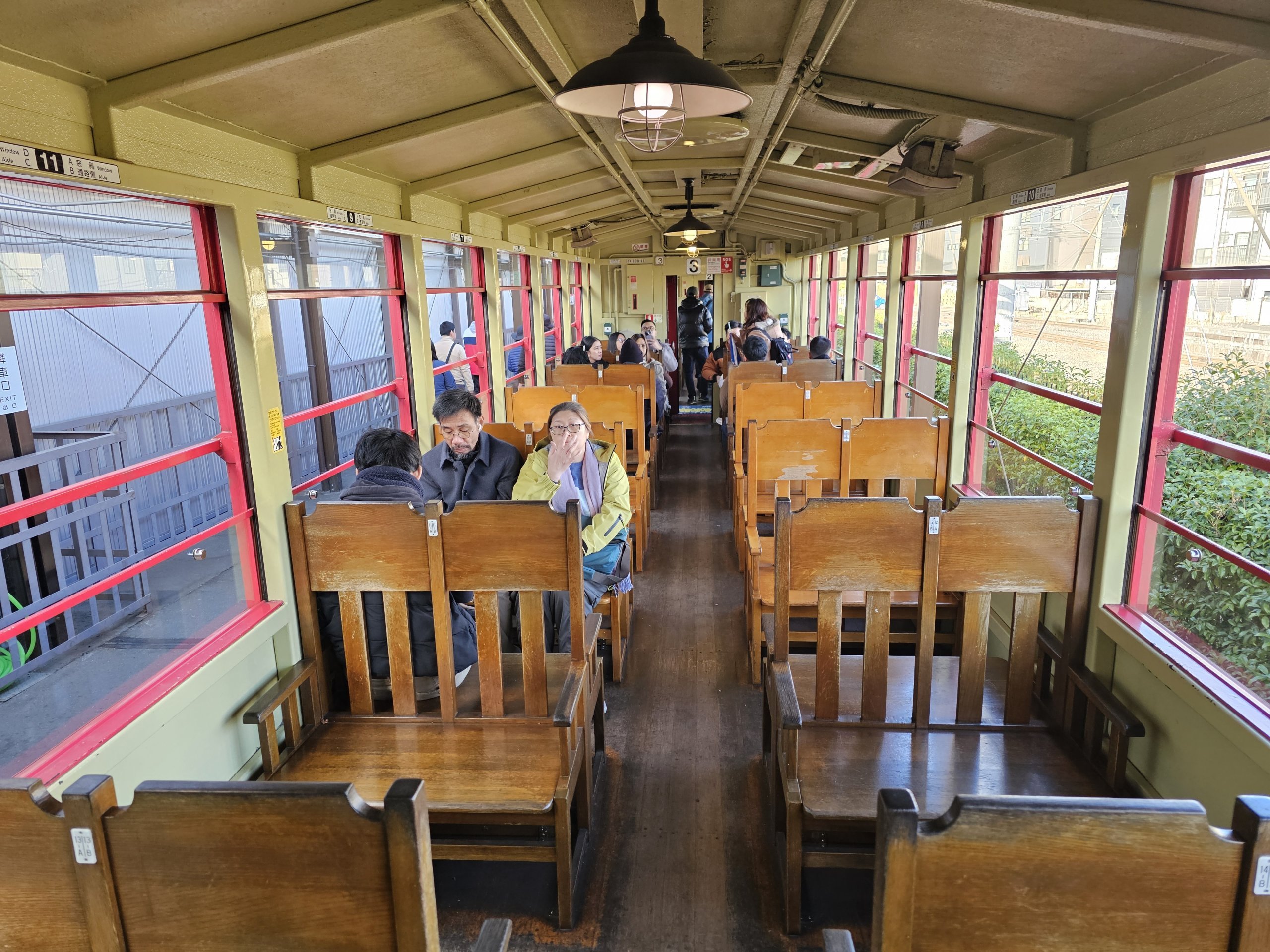
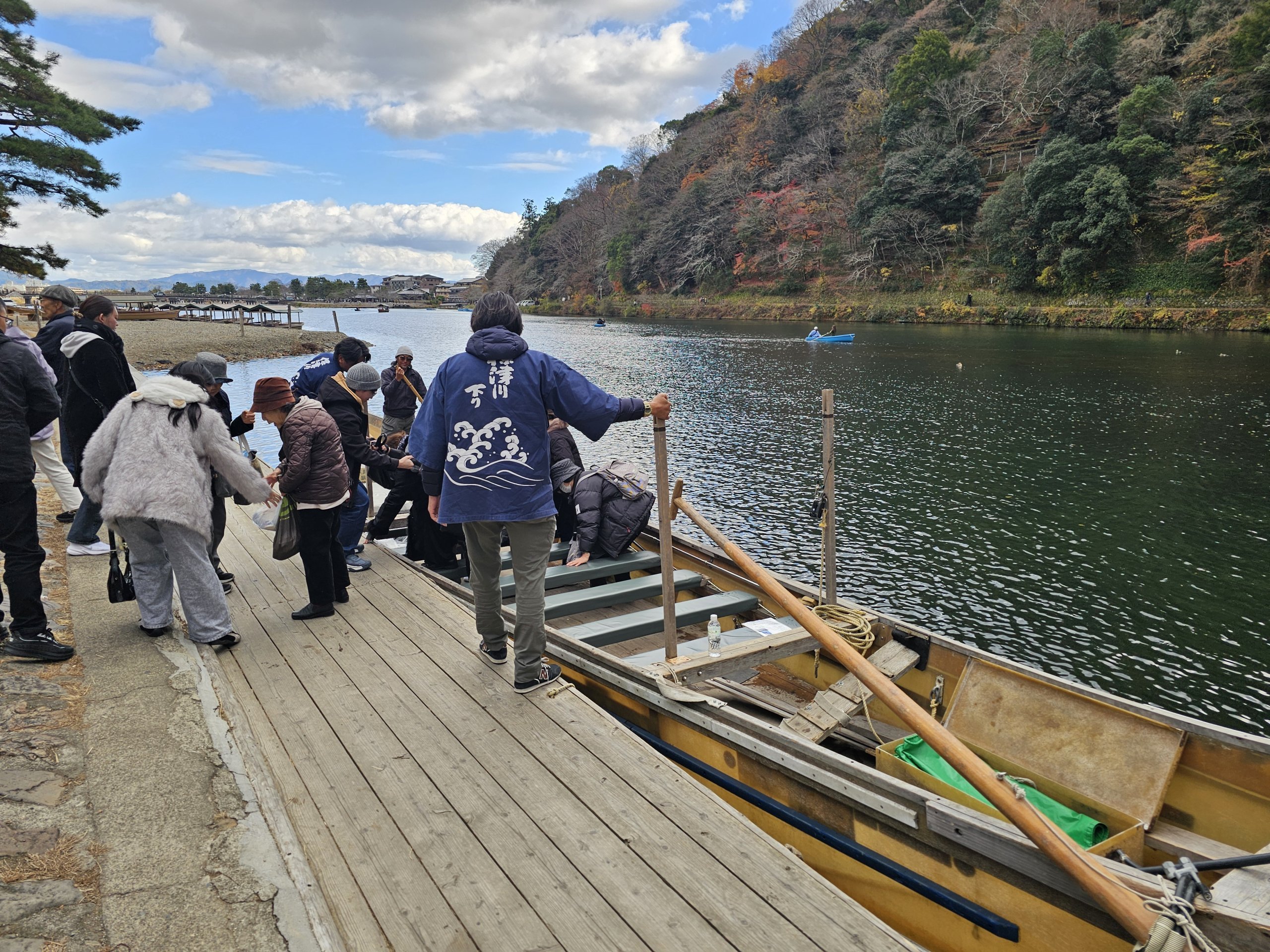
Take a scenic train ride from Arashiyama to Kameoka Town and sail back by boat!
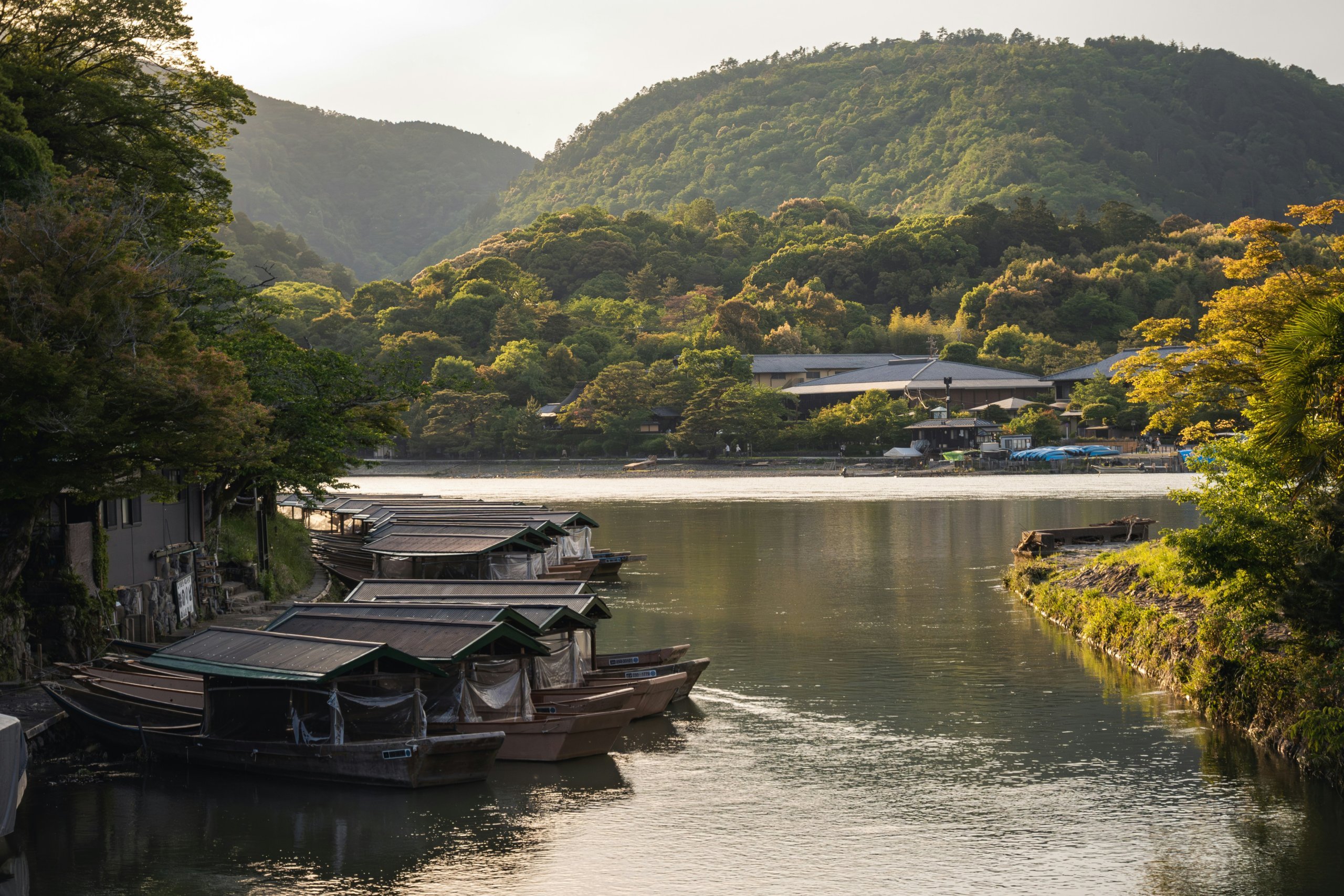
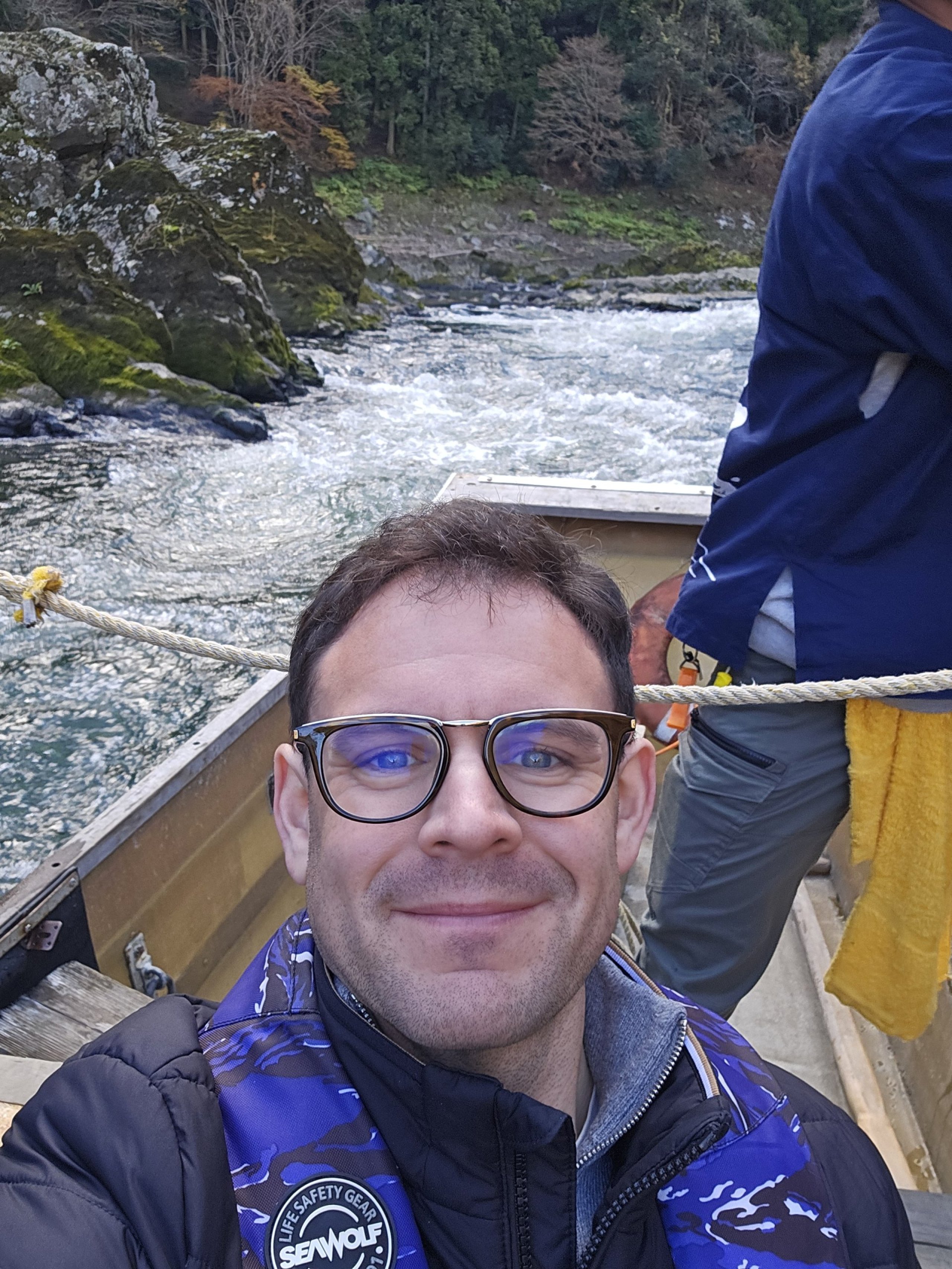
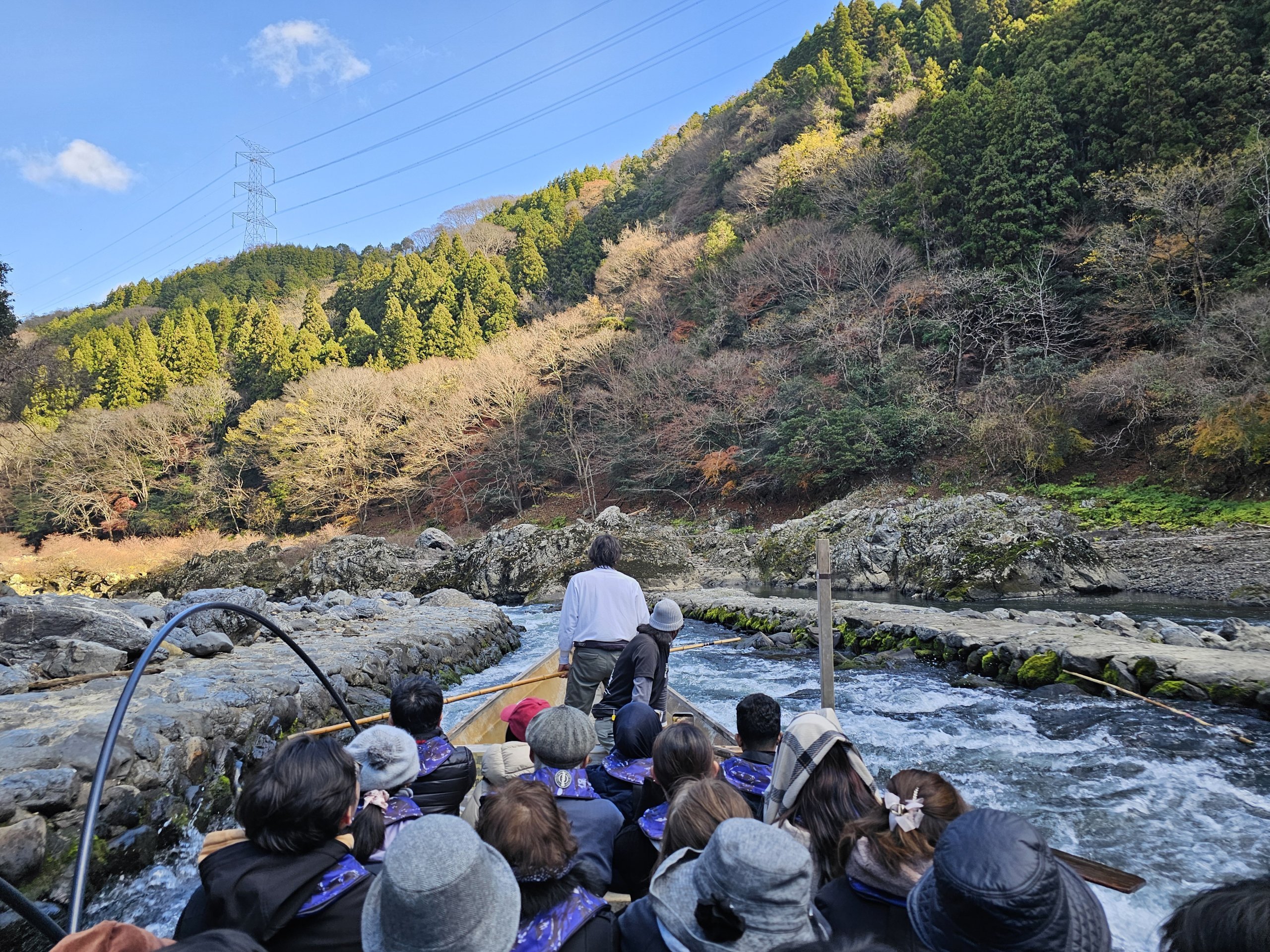
You'll float down the river in traditional flat-bottomed boats steered by boatmen with oars and bamboo poles.
In places, the cruise can be a little more adrenaline-fuelled, but you won't be navigating any large rapids or weirs along the way and even a life jacket is not compulsory.
You can also buy your ticket on the spot, but during high season (autumn when the leaves are colourful and spring when the sakura are in bloom) we definitely recommend booking online.
The dock is at Sanga Stadium about a 5 minute walk from the Kameoka modern JR train station.
The "Torkko Kameoka" scenic railway station is about 1.5 km away and can be reached by local bus for 350 jpy.
Kyoto has its own gastronomic tradition known as kyō-ryōri, which is characterised by seasonal ingredients and very elegant presentation of food.
Organised food tours that take you through the old streets and small restaurants are very popular.
They often include, for example, a visit to a market:
If you have more time and Kyoto is your main base in this part of Japan, there are some great day trips to take:
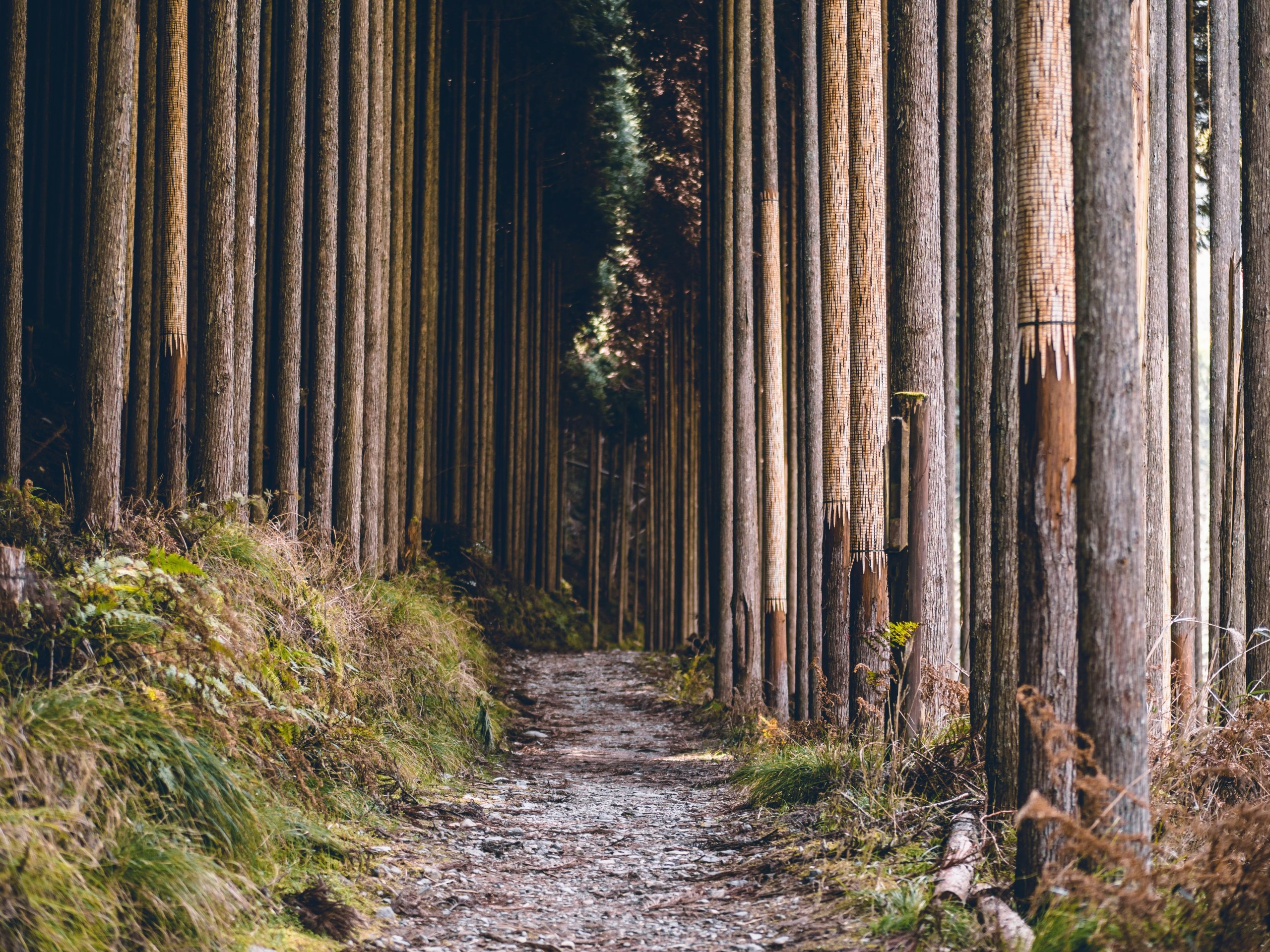
Beautiful forests thickly covered with hills surround Kyoto on three sides and beckon for hiking.
There are two main hiking areas around Kyoto.
View the 10 best hotels in Kyoto
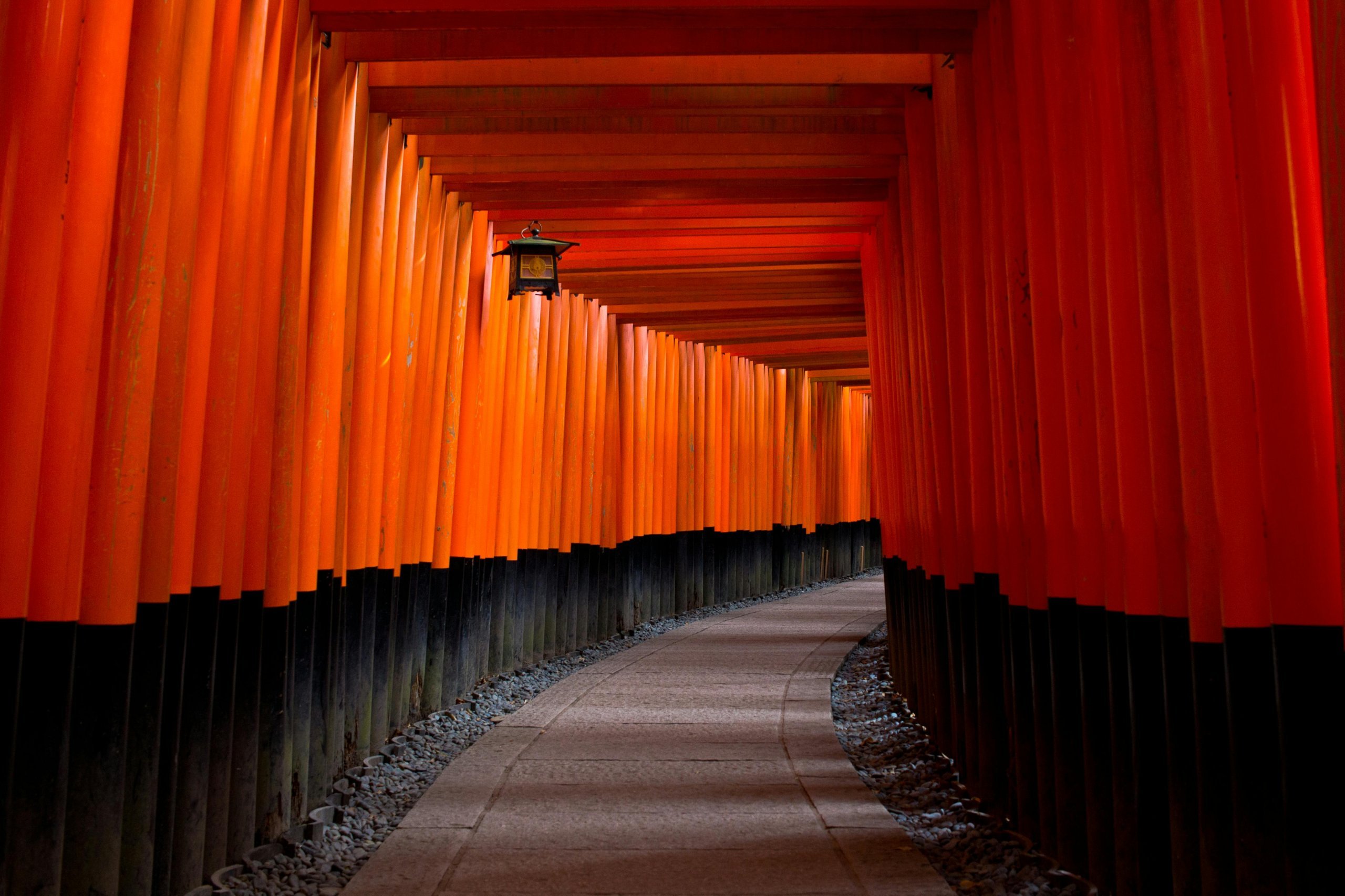
The most popular hiking trail is the hike up among the thousands of red torii gates to Fushimi Inari Shrine.
The entire circuit over Mount Inari takes approximately 2-3 hours.
This monumental 80km trail through mountains and valleys with rivers and waterfalls follows the northern and eastern ring of hills around Kyoto.
The Kyoto Trail can be divided into many arbitrarily long sections. Parts of this trail can be used for just a short one-hour hike, or you can take a day trip.
Remember that the eastern part (Higashiyama) in particular is very hilly and you can expect considerable elevation changes.
The trail goes all the way out of town through deep forests, but there are often beautiful views. The Kyoto Trail can be reached by public transport to several places:
A shorter trail through the picturesque Kiyotaki River valley in the west of Kyoto.
Although it is formally part of the Kyoto Trail, it is not directly connected to the main part of the trail.
Both ends of the trail are easily accessible by bus lines, on which a full-day bus + subway ticket is valid.
If you have any questions or comments about the article...