There in the morning, back in the evening: Bergamo from Prague for a day trip
49 €



The metro is the most popular mode of transport in Kyoto, but it is not very convenient for tourists. It only goes to a very limited number of sights.
However, the metro is a great complement to buses, which are described more in the Transport chapter. In fact, you can buy a convenient day ticket for the metro + buses.
Since many maps also show urban and suburban railways as metro lines, we'll describe them in this chapter as well. There are indeed marked differences, for example in ticketing, between the subway and other rail carriers in Kyoto.
Book a hotel in Kyoto in advance
Clear official maps of all railways in Kyoto are not available, so we have created our own map of Kyoto's subway, JR trains and all private railways.
In practice, the subway in Kyoto is best when:
On the other hand, if you are mainly planning to:
...you'll often end up with a combination of train + bus + walking anyway.
Handy tip: accommodation near the main station is most convenient for a combination of subway, train and bus (and especially for day trips outside Kyoto).
Choose a hotel near Kyoto Station
The classic subway is the busiest urban railway in Kyoto, but it only has 2 lines.
The official website with a list of lines and timetables can be found at: city.kyoto.lg.jp.
Looking for information on other Japanese cities as well? Check out our experiences and articles:
Fares for children aged 6 to 11 are always half the adult fare. Children under 6 travel free on the metro.
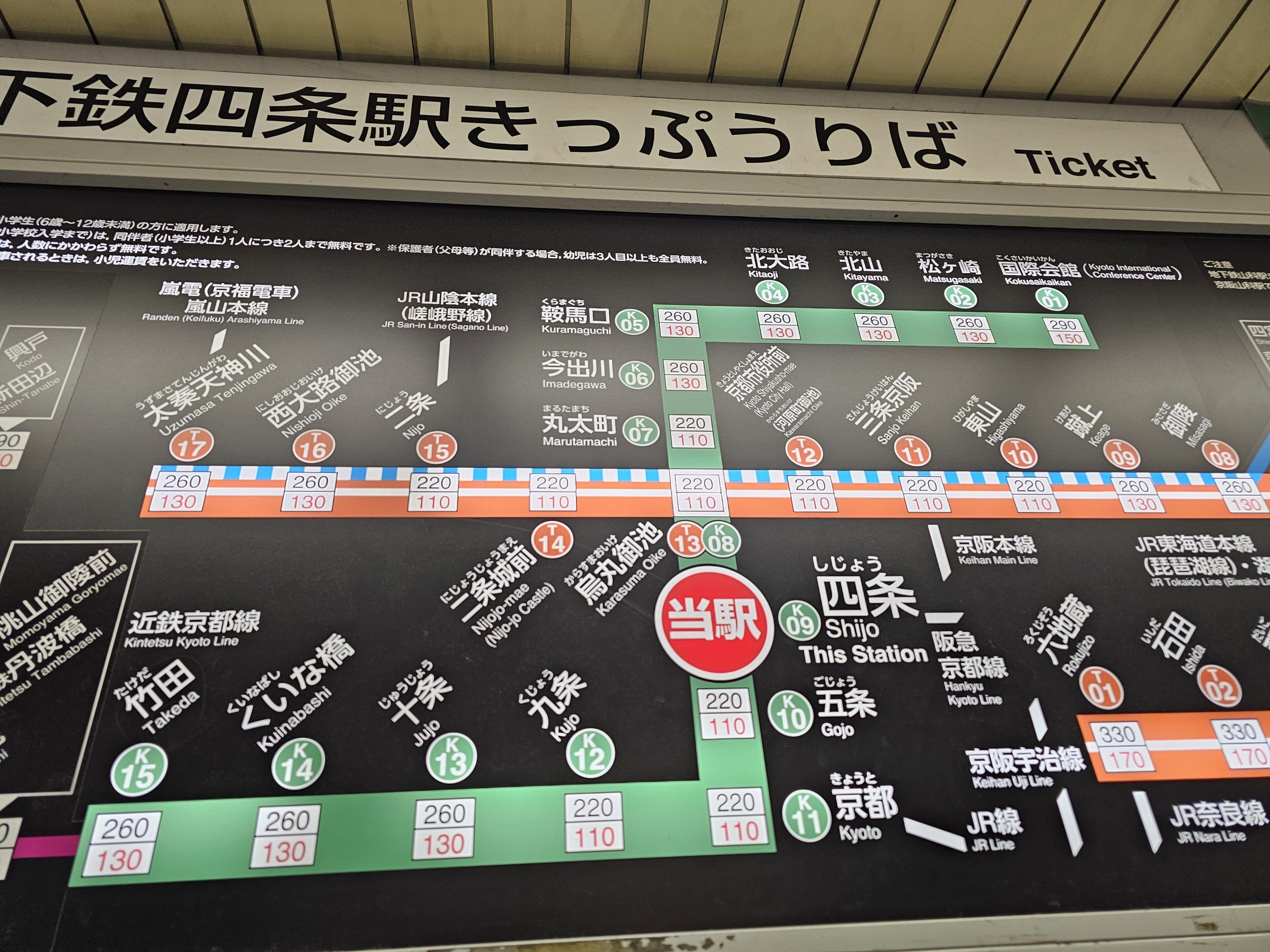
Single fares are calculated according to distance. There is a network map hanging above the machines at each station - find your destination station and the amount next to it.
Day tickets are valid for 1 calendar day, not 24 hours.
| Single tickets | 220 jpy - 300 jpy |
| All-day - metro only | 800 jpy |
| All-day - metro + buses | 1 100 jpy |
For the exact price of single fares, please visit city.kyoto.lg.jp.
What other tickets and passes are valid for riding the Osaka Metro?
| Kyoto Subway 1-Day Pass | Yes |
|---|---|
| JR Pass / JR-WEST Pass | No |
| Kansai Railway Pass | yes |
You can use traditional paper tickets or transport cards on Kyoto Metro.
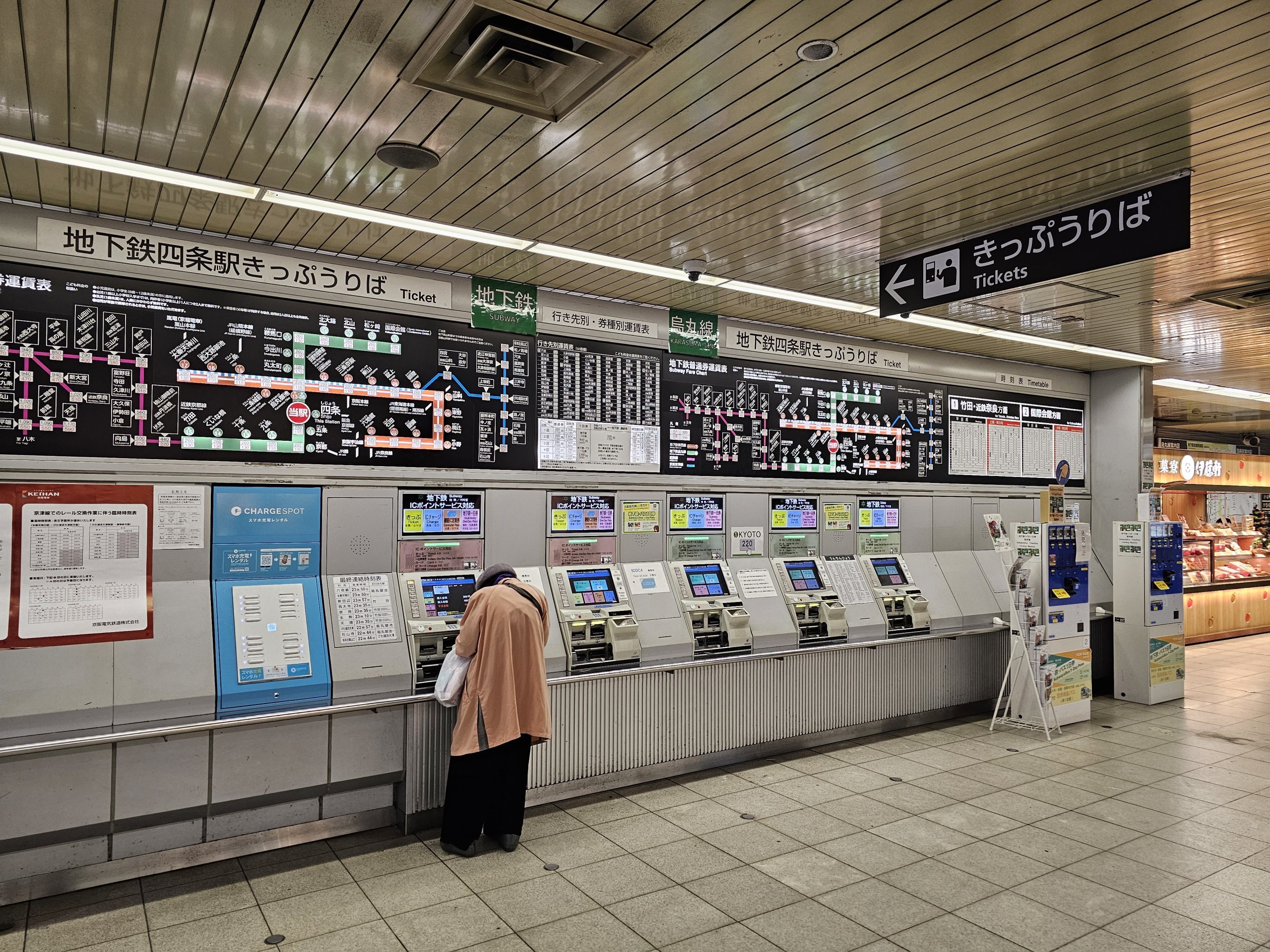
You can buy them from the ticket machines at each station, or from a ticket office with a ticket attendant. Paper tickets can only be paid for in cash.
Single ticket procedure:
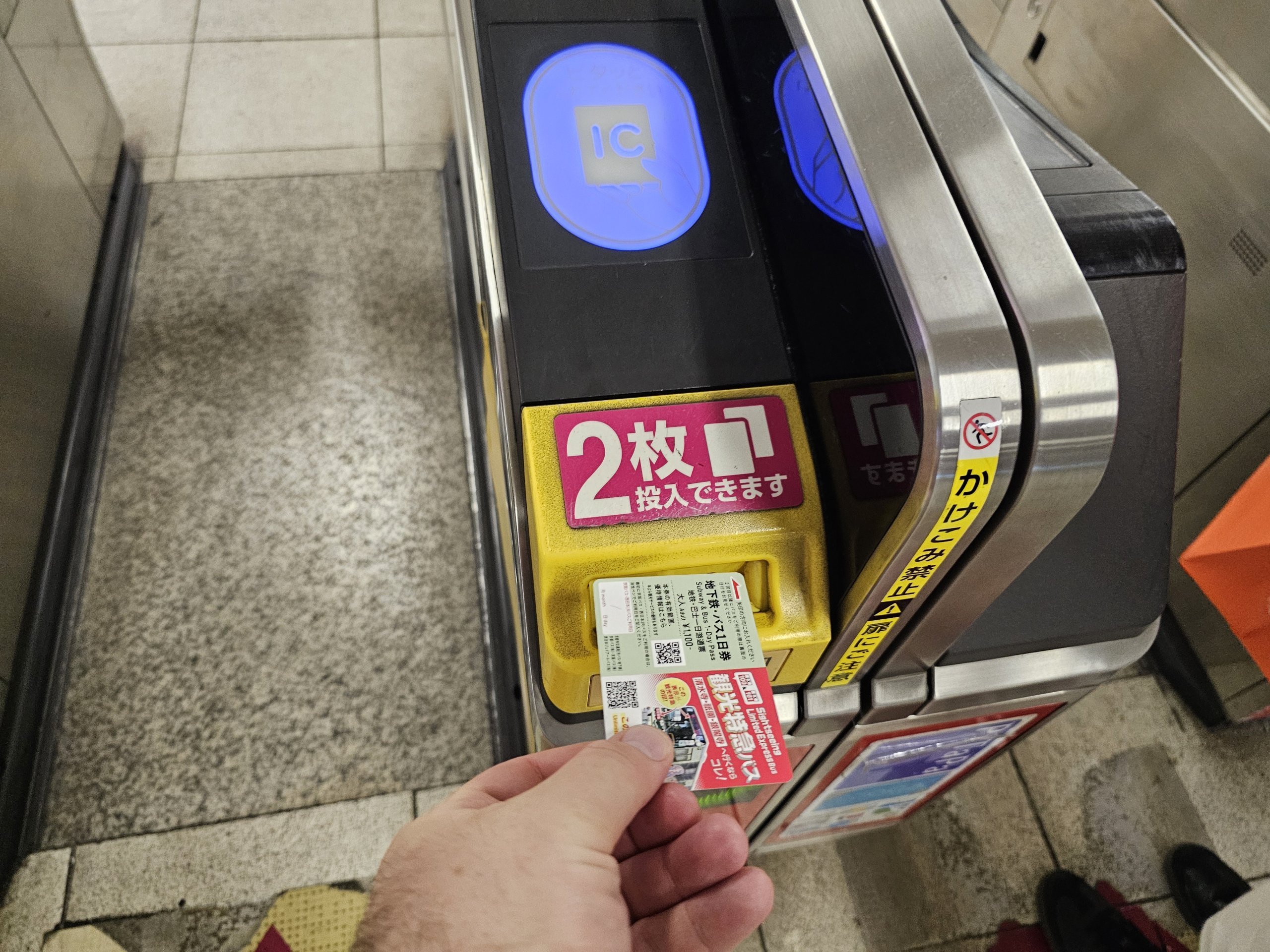
For day tickets, the turnstile returns the ticket when you exit.
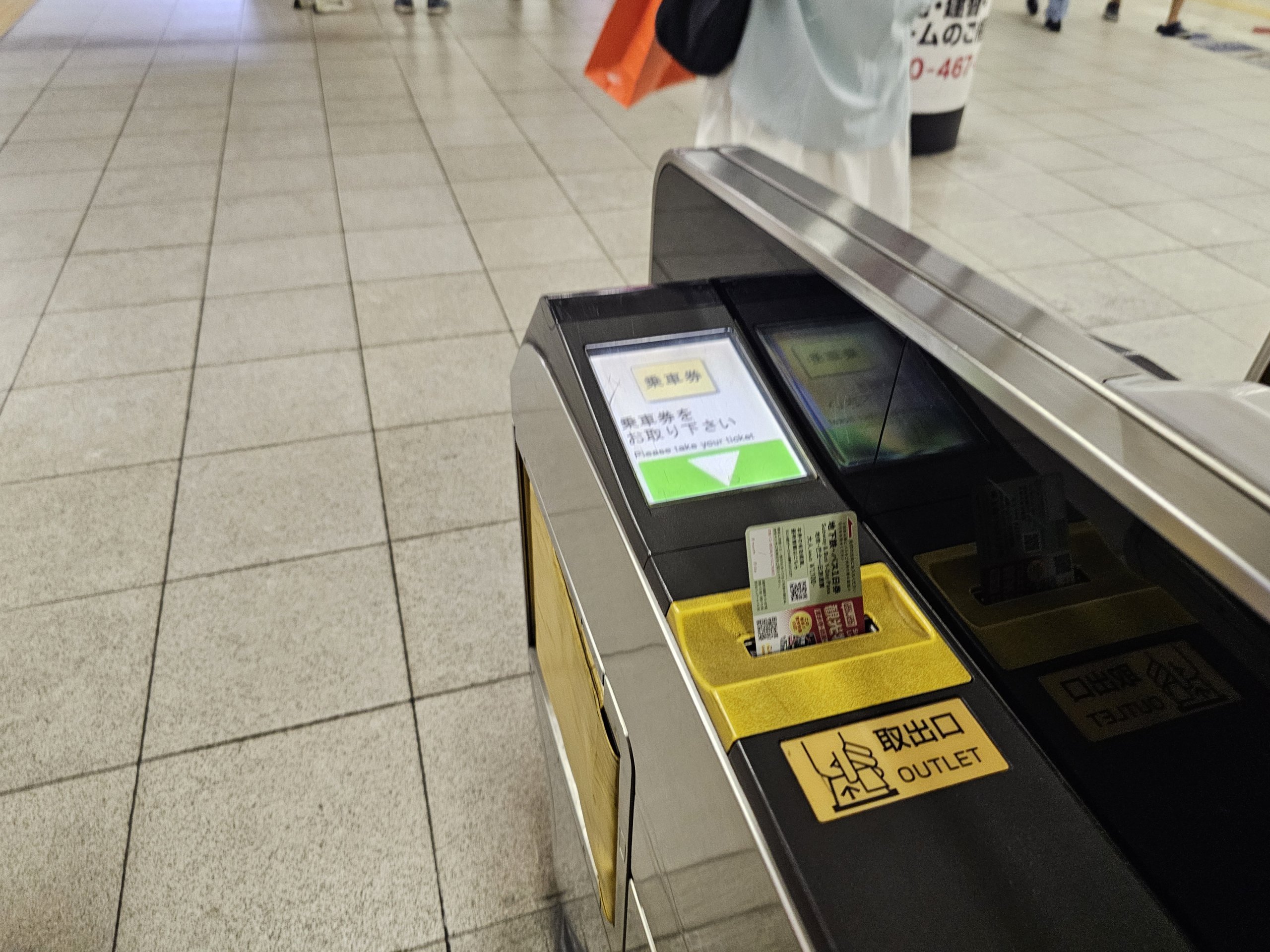
You can use one of Japan's 10 transport cards to pay your fare:
There is no discount compared to cash when paying with these cards in Kyoto, but it's the most convenient way - you don't have to worry about the fare.
Icoca is the most commonly purchased in Kyoto. You get a card from a machine at each metro station (backup 500 jpy) and top it up straight away.
Usage:
The card can then be used virtually anywhere in Japan.
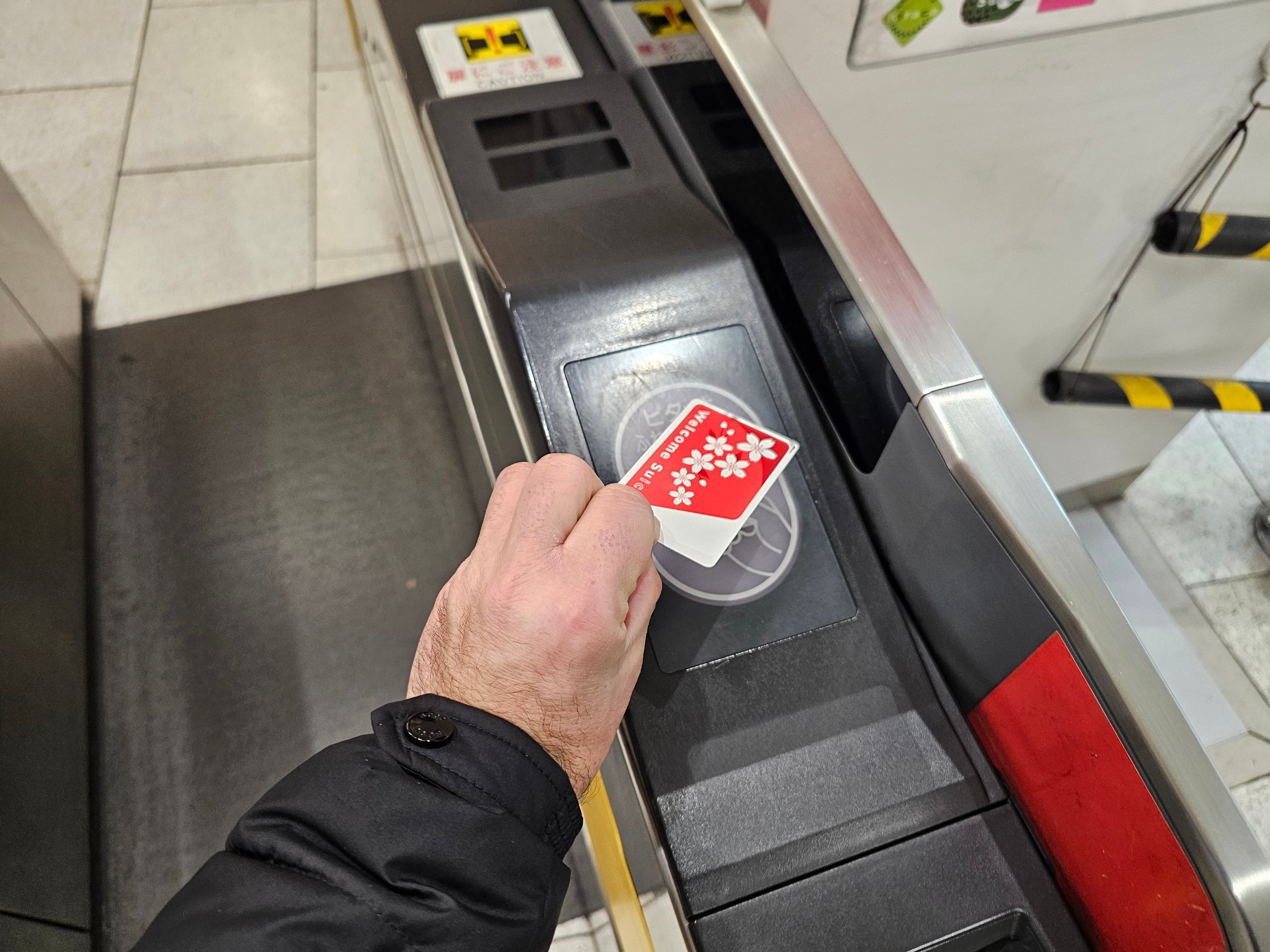
Practical tip: once you start paying with a transport card, you'll use it all the time - not just for transport, but often in vending machines or smaller shops. That's why it's also nice to have reliable data (maps, translator, timetables) and easy payments to hand.
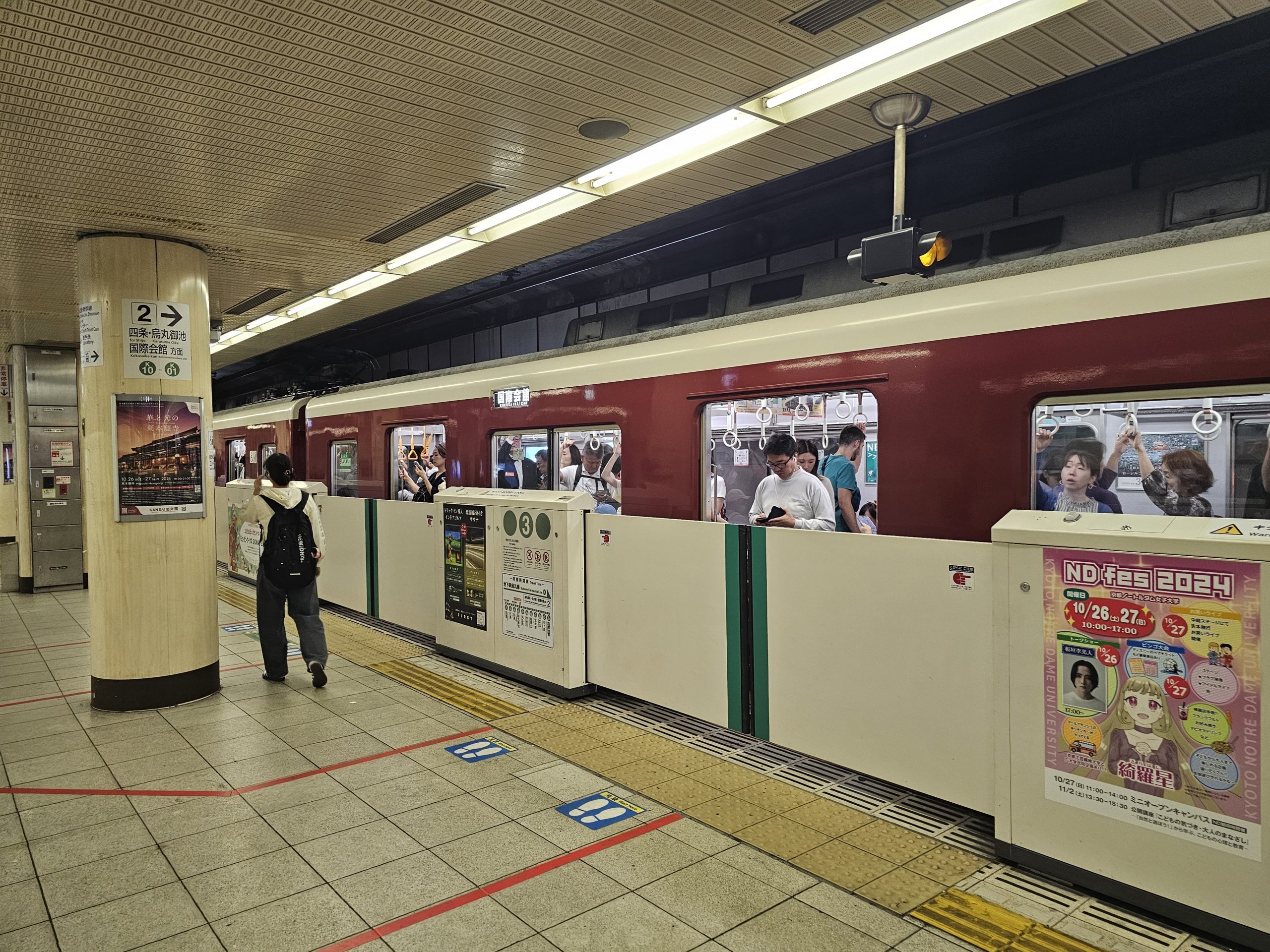
Kyoto has 2 metro lines:
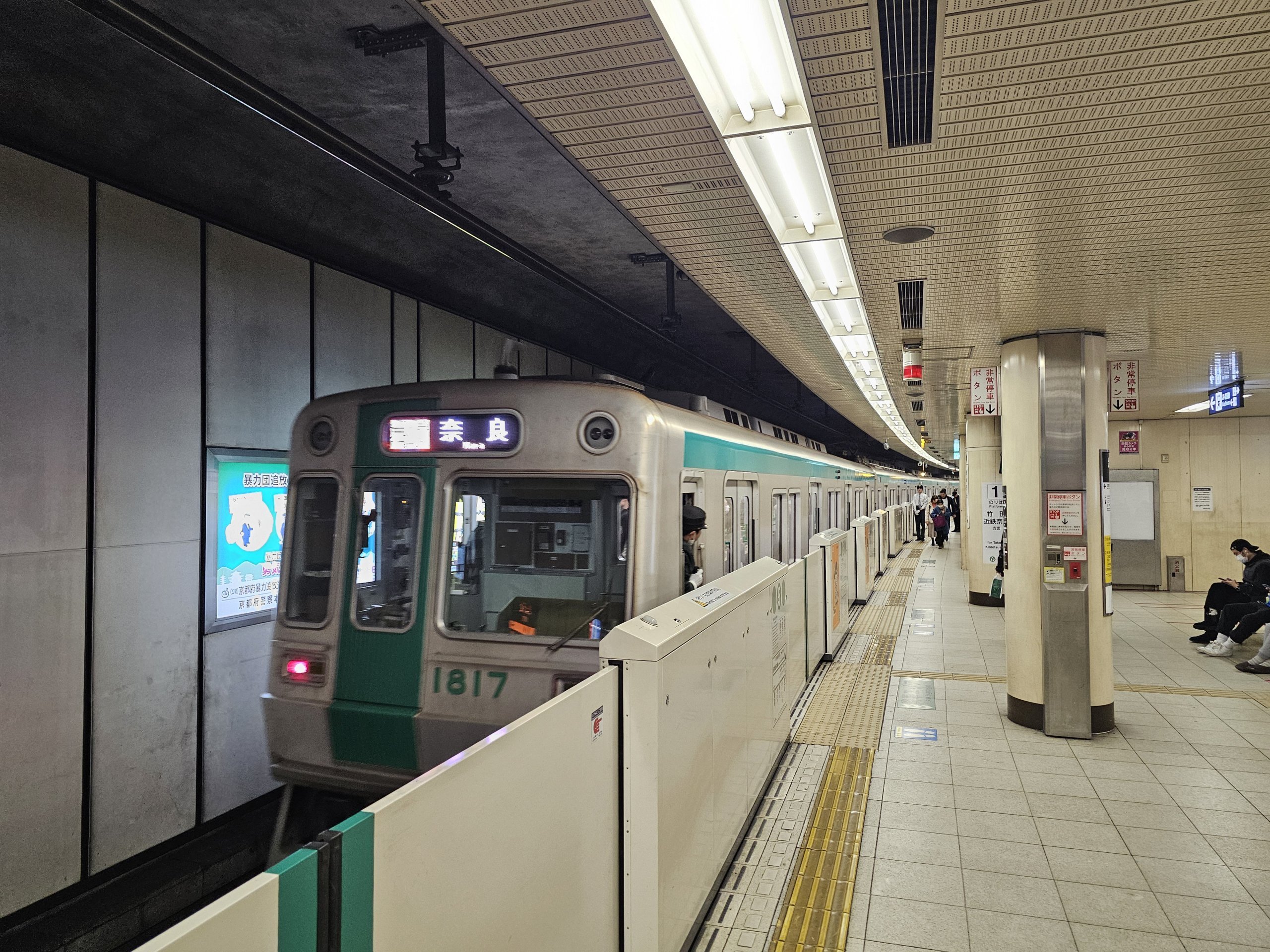
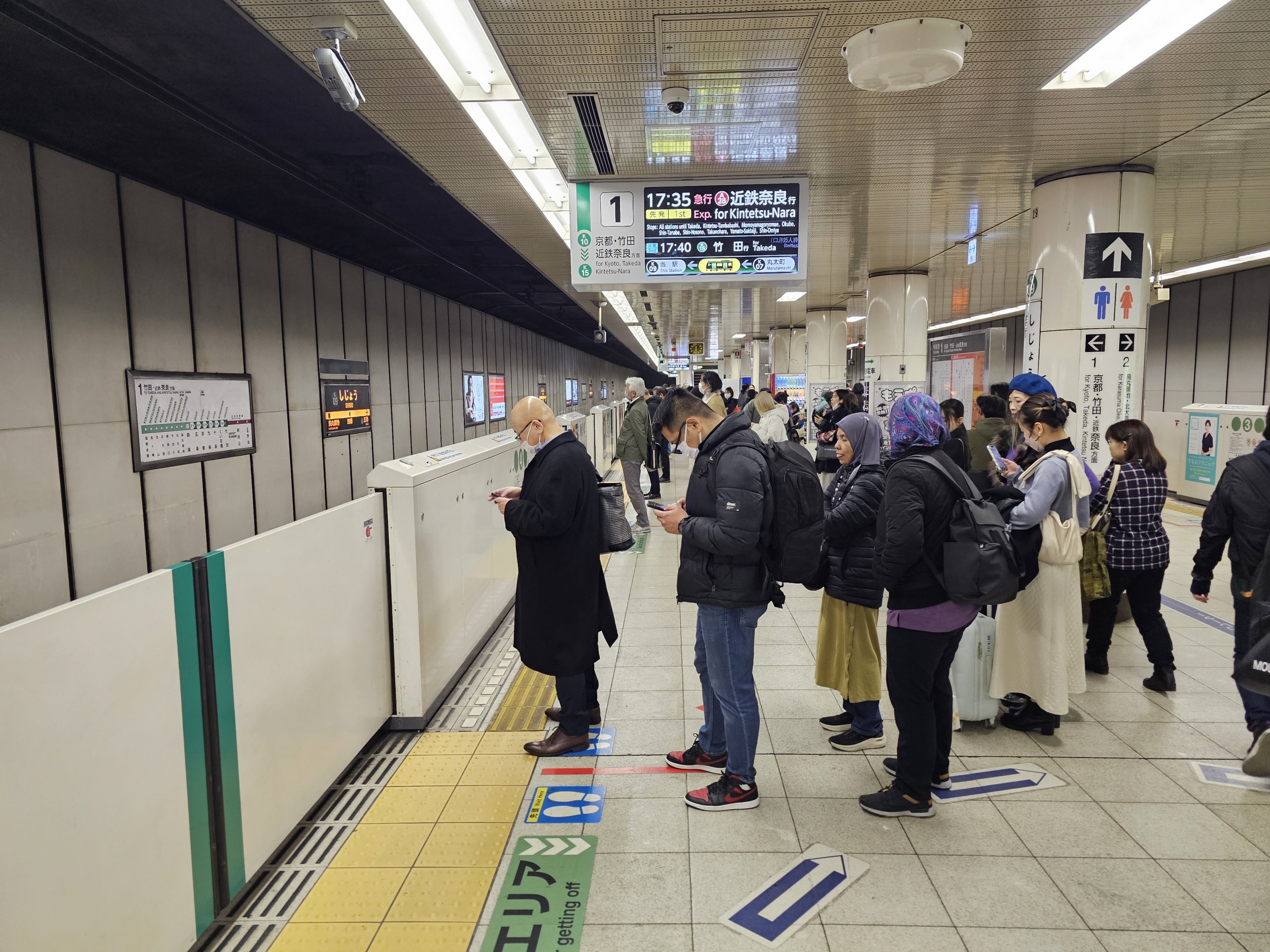
All stations are equipped with very clean toilets, which are always accessible free of charge.
Most stations have drinking machines in the ticket machine area and sometimes on the platform, which are usually cash only.
In the vast majority of stations you will also find automatic luggage lockers with prices ranging from 400 jpy to 800 jpy for 24 hours depending on the size of the luggage.
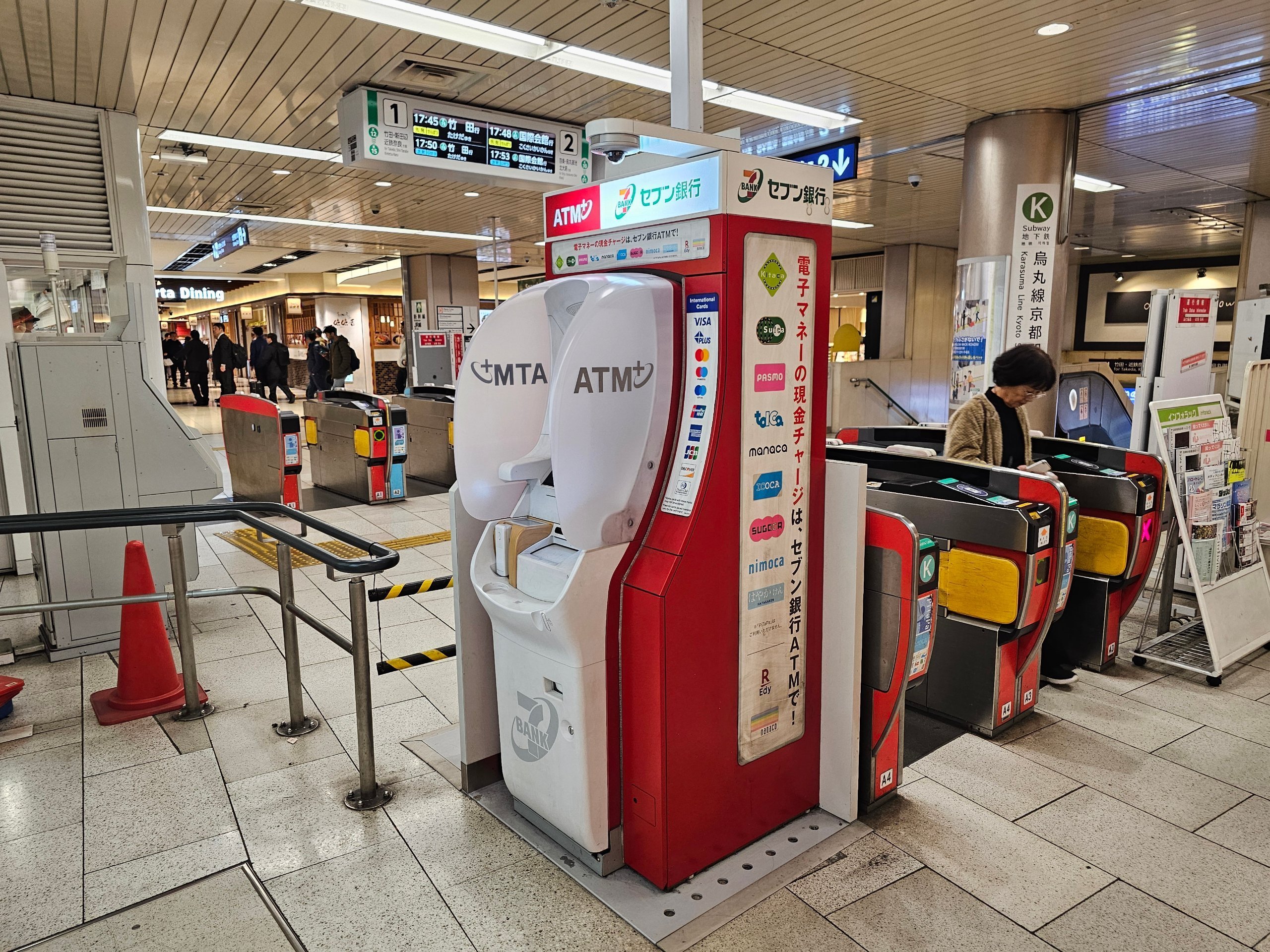
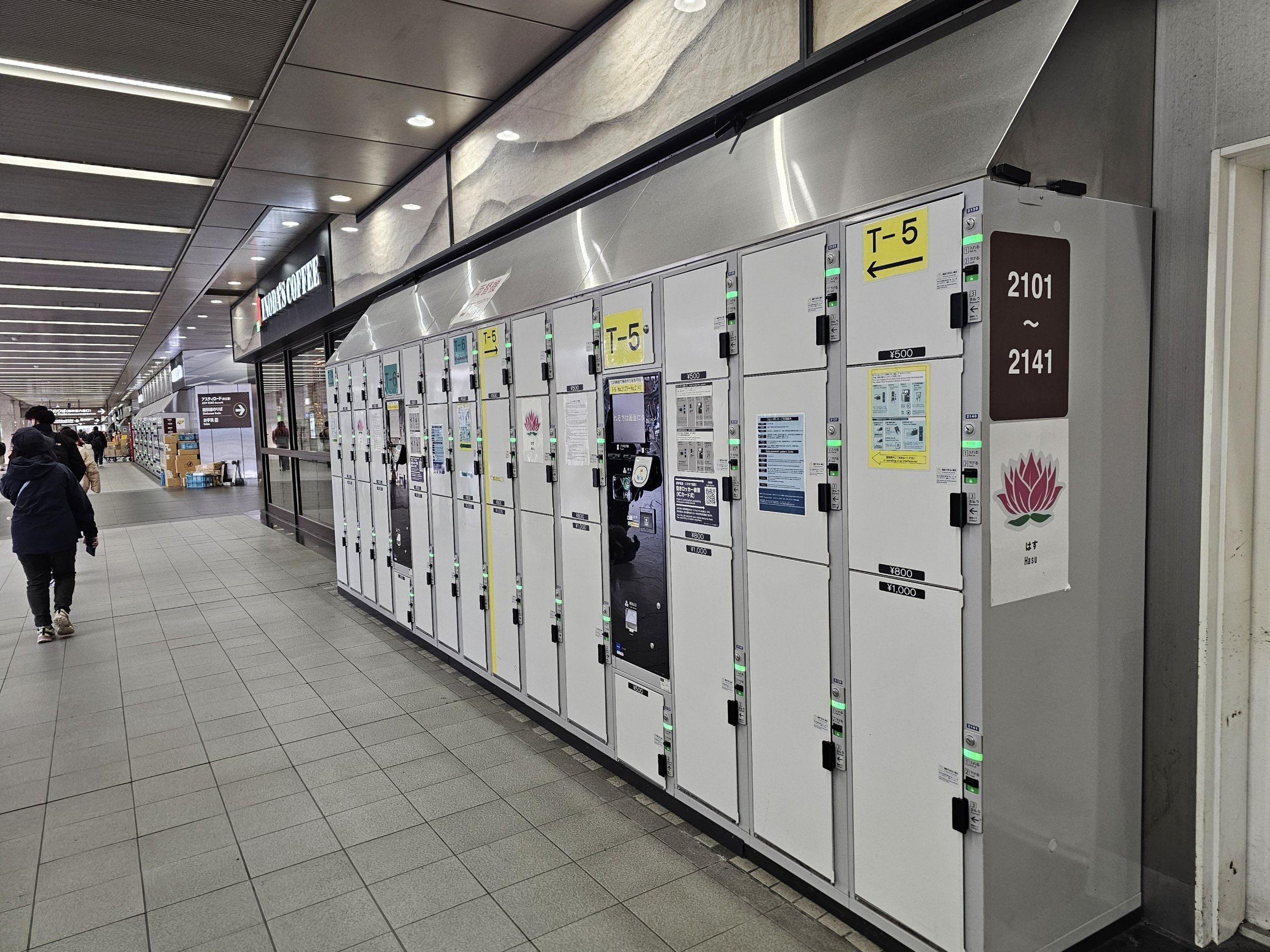
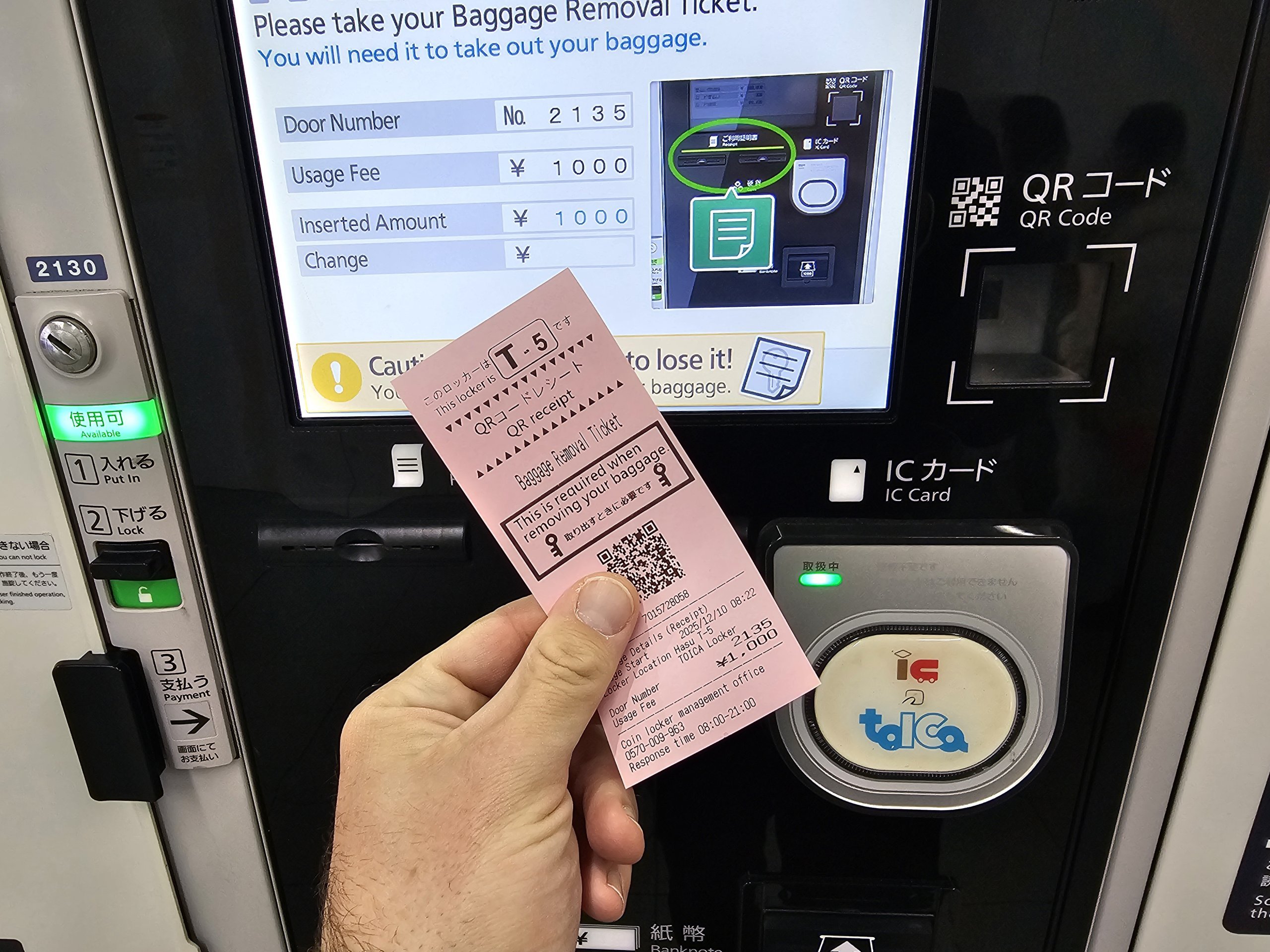
In Kyoto, you'll often confuse the subway with other rail carriers on maps. But for tourists, the difference is crucial - mainly because of tickets and passes.
Below are the carriers you will realistically use most often.
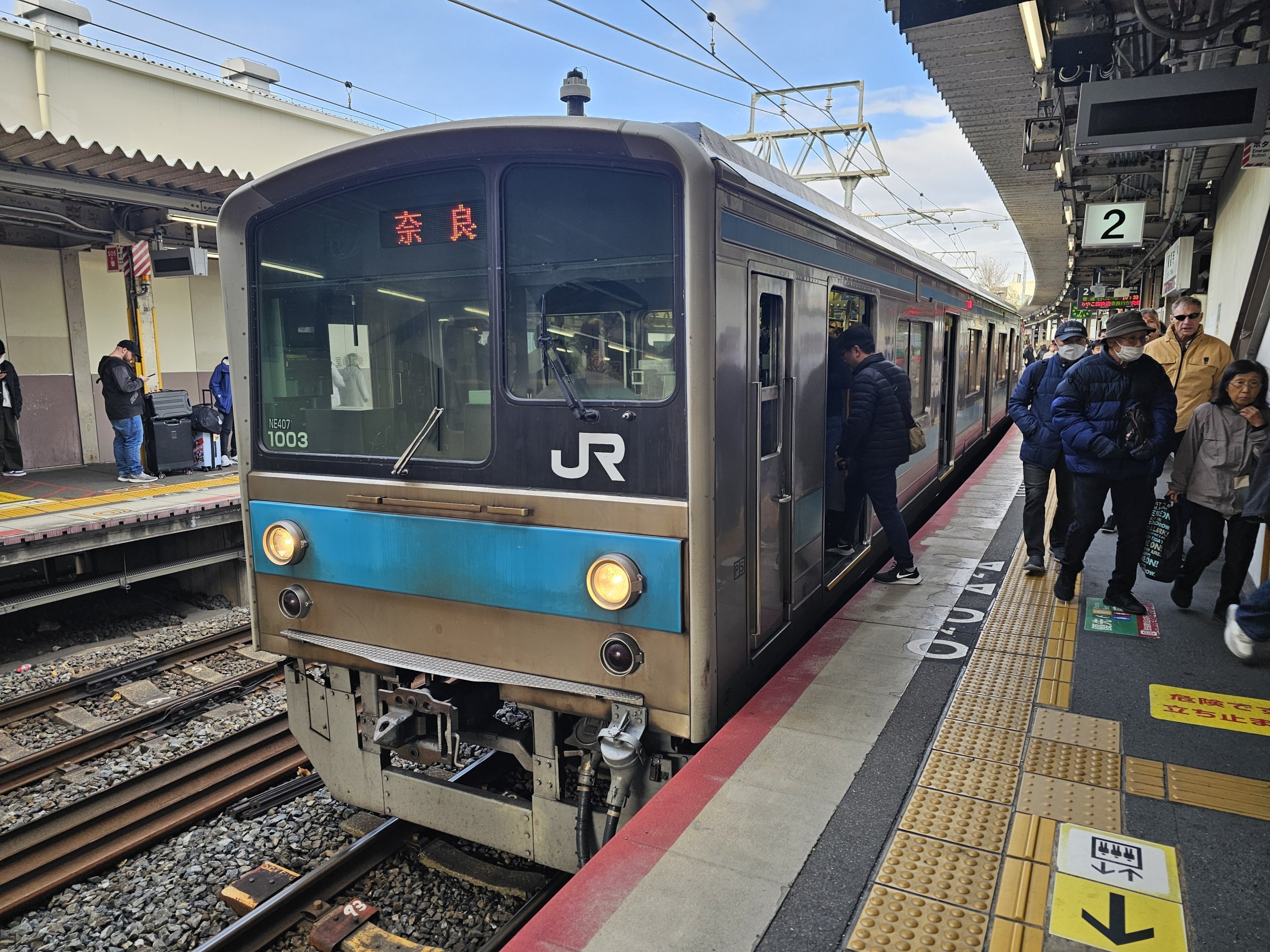
JR trains are often the fastest option in Kyoto, though they don't get mentioned much in "subway" inquiries.
They are especially useful for:
Choose a hotel near Kyoto Station
Convenient for travelers who have a JR Pass or JR-WEST Pass.
Fares are based on distance, typically 190-290 jpy.
| Kyoto Subway 1-Day Pass | No |
|---|---|
| JR Pass / JR-WEST Pass | Yes |
| Kansai Railway Pass | no |
Find connections and exact ticket prices on the westjr.co.jp website.
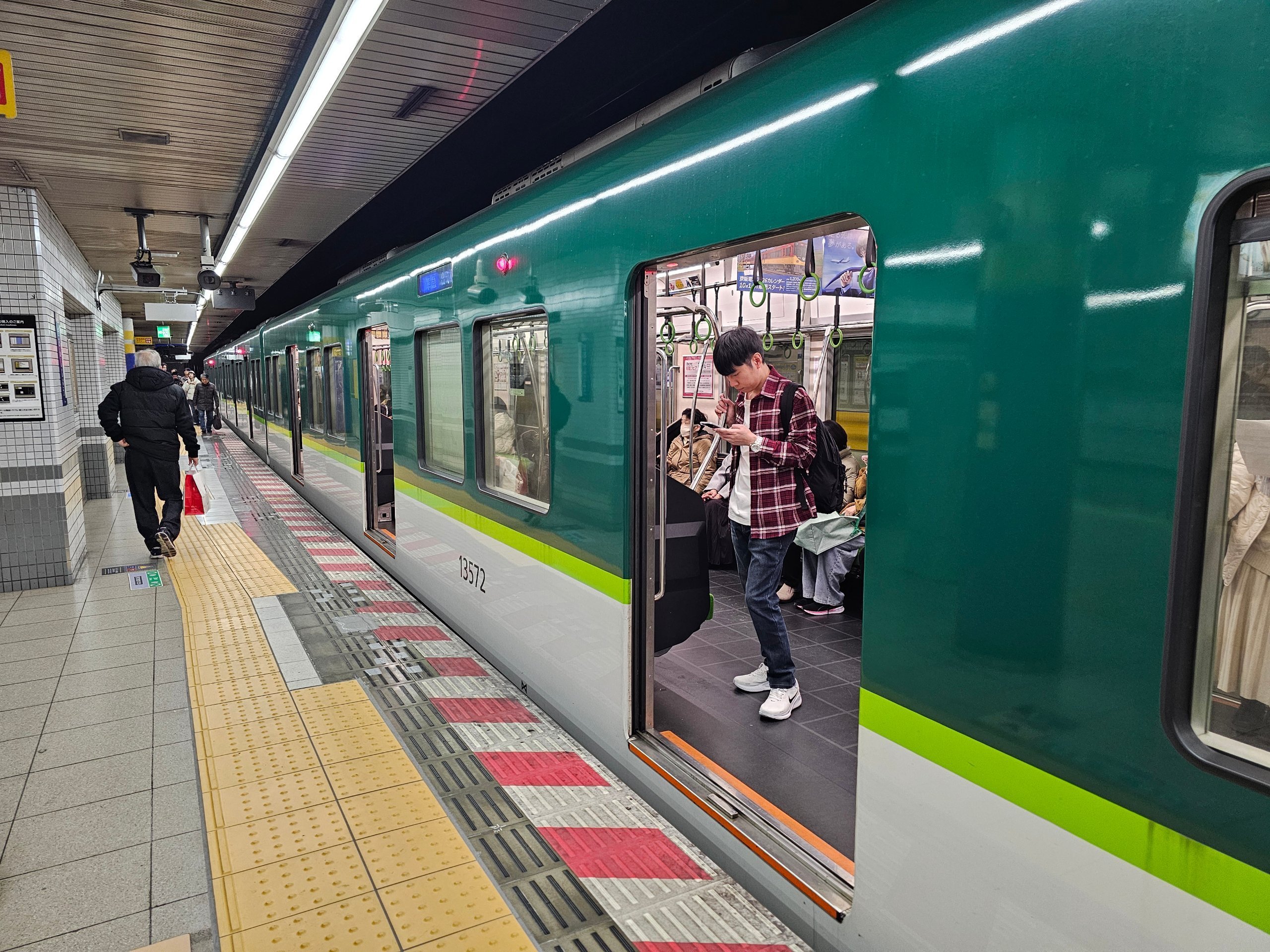
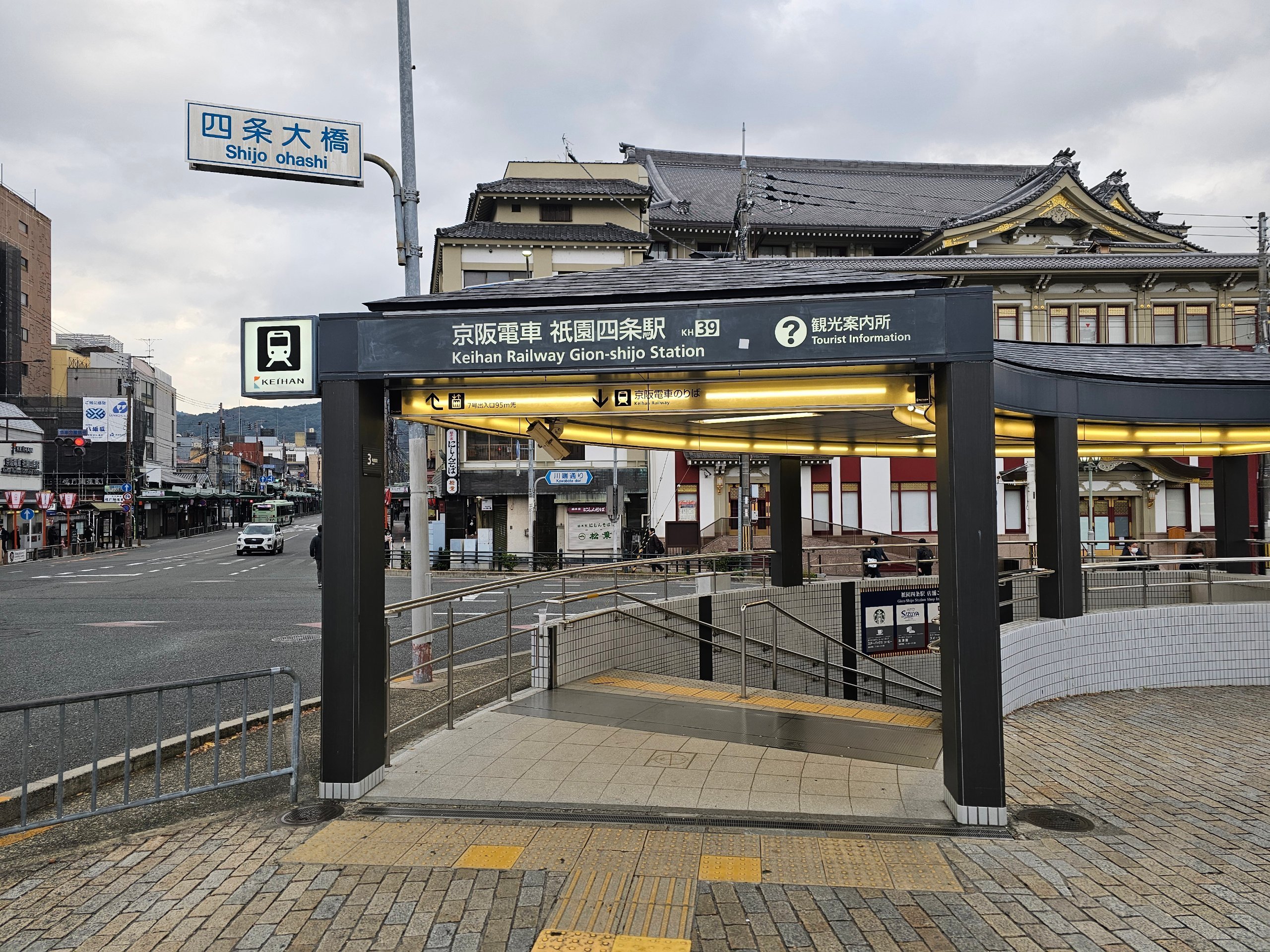
The Keihan is an extremely practical railway if you are moving between the eastern part of Kyoto and the tourist areas.
It is suitable for:
You can buy tickets from ticket machines or pay with a transport card. Fares usually 190-290 jpy.
| Kyoto Subway 1-Day Pass | No |
|---|---|
| JR Pass / JR-WEST Pass | no |
| Kansai Railway Pass | yes |
Official website: keihan.co.jp
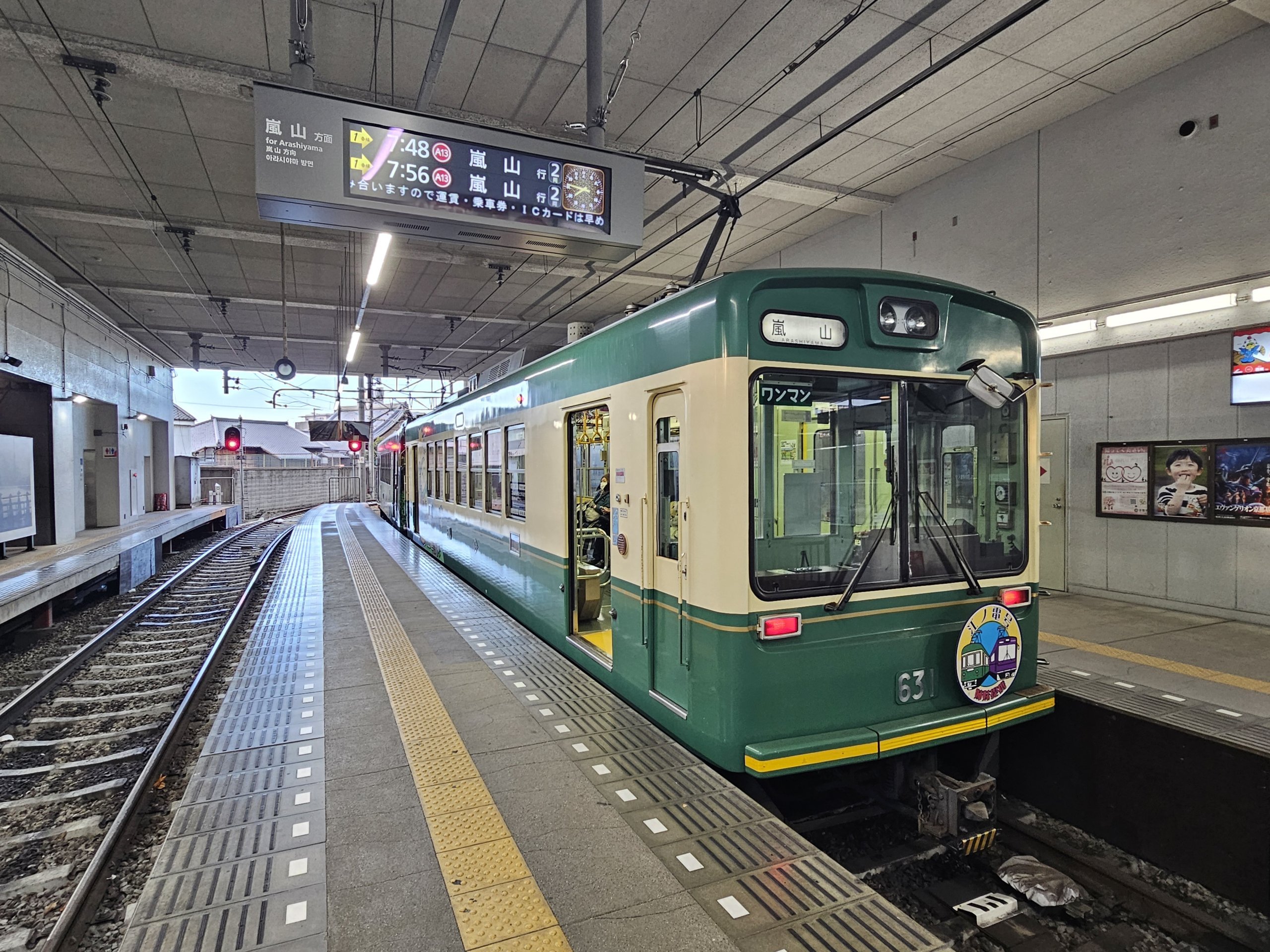
Kyoto also has two Randen tram lines operated by Keifuku Railway.
They are suitable for:
The fare is flat 220 jpy and is payable on exit (exact cash or transport card).
| Kyoto Subway 1-Day Pass | No |
|---|---|
| JR Pass / JR-WEST Pass | No |
| Kansai Railway Pass | no |
Official website: keifuku.co.jp
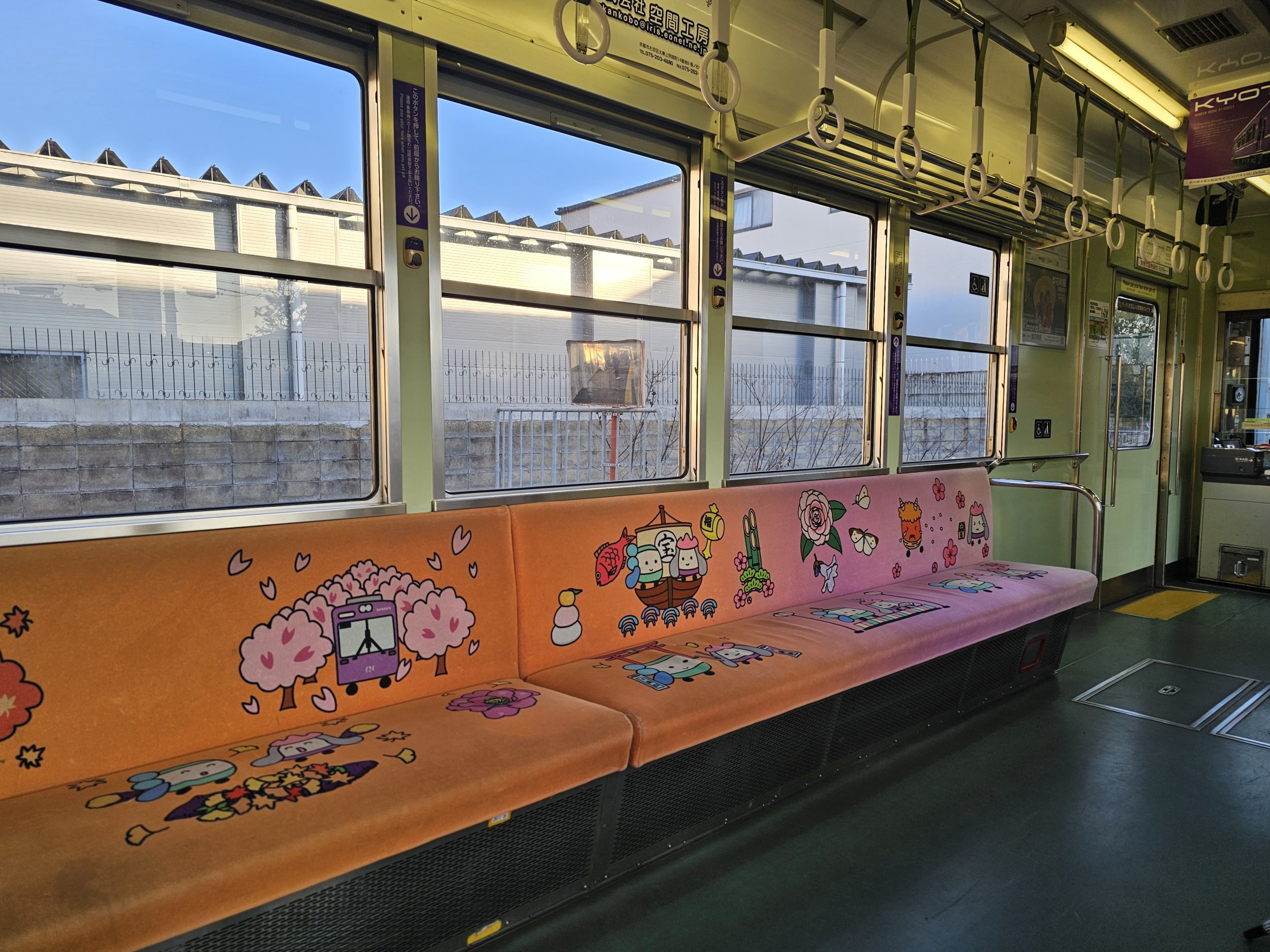
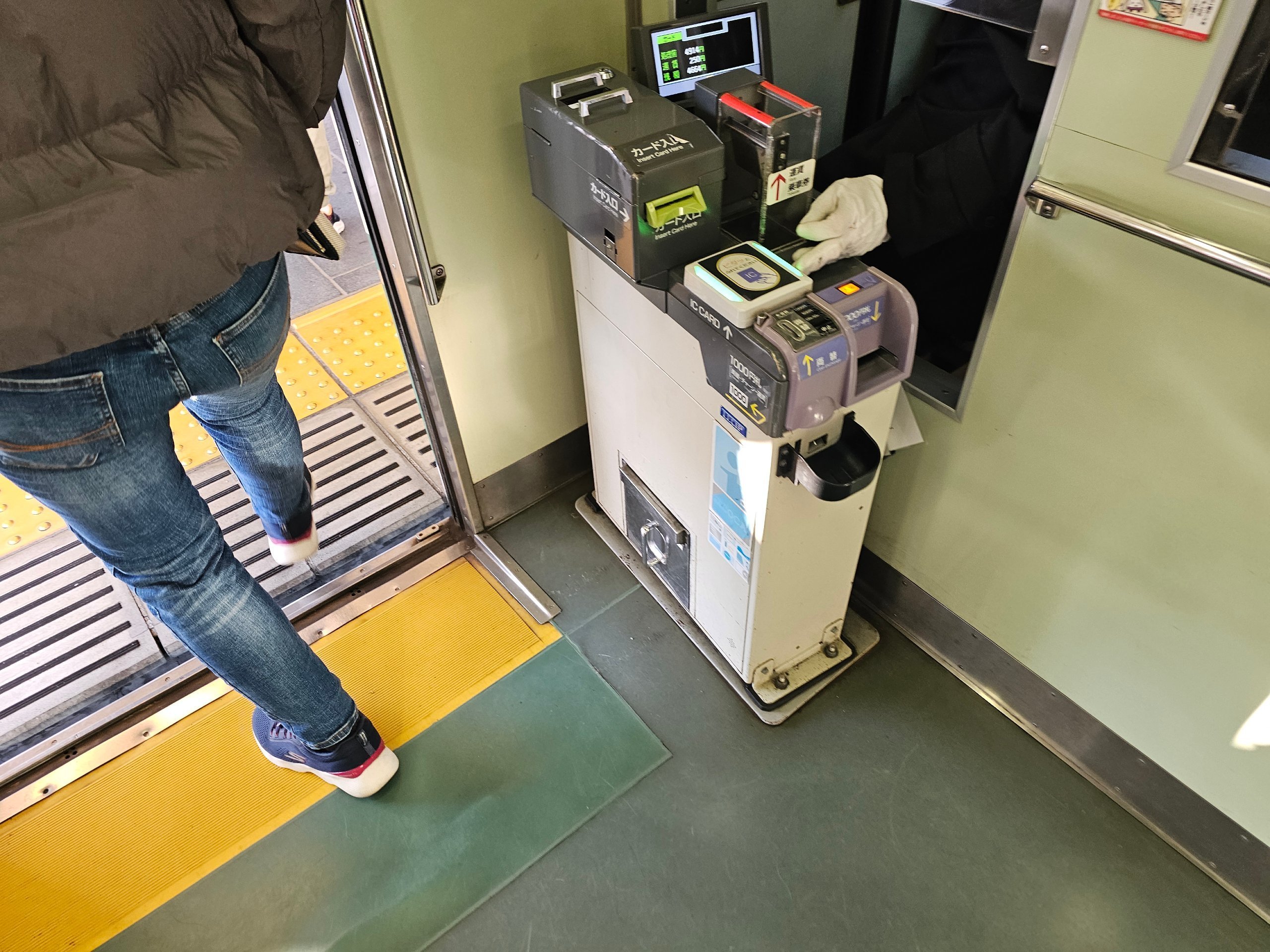
Hankyu is mainly used for:
Payment by transport card is possible.
| Kyoto Subway 1-Day Pass | No |
|---|---|
| JR Pass / JR-WEST Pass | No |
| Kansai Railway Pass | yes |
Official website: hankyu.co.jp
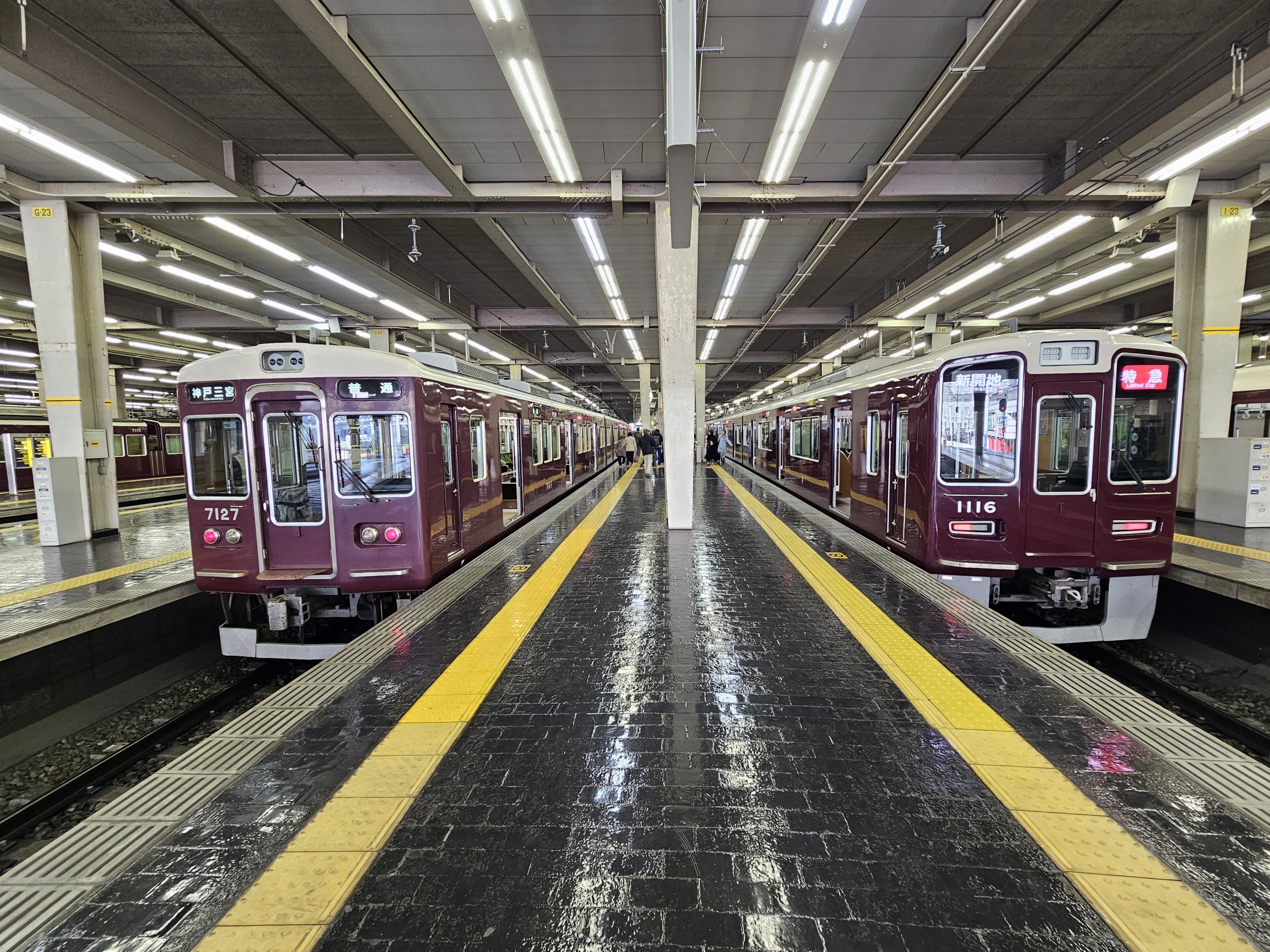
Eizan connects to Keihan at Demachiyanagi Station and is one of the nicest "local" railways around Kyoto.
Suitable for:
Fares usually 190-290 jpy, payment by transport card possible.
| Kyoto Subway 1-Day Pass | No |
|---|---|
| JR Pass / JR-WEST Pass | no |
| Kansai Railway Pass | no |
Official website: keihan.co.jp
You won't get much use out of these trains for pure transportation around Kyoto.
They are suitable for trips to the surrounding area, especially Nara.
Tickets can be purchased from vending machines (paper tickets) or you can pay with one of the 10 Japanese transport cards.
| Kyoto Subway 1-Day Pass | No |
|---|---|
| JR Pass / JR-WEST Pass | No |
| Kansai Railway Pass | yes |
Convenient multi-day passes are also available for the Kintetsu train network only:
For Limited Express trains, you must always purchase a seat reservation in addition to the fare.
Official website: kintetsu.co.jp
1️⃣ People often look for the subway because they know it from Tokyo. But in Kyoto, the subway doesn't cover the sights that well - you usually end up with a combination of subway + bus.
2️⃣ In Google Maps, the railways (JR, Keihan, Hankyu) sometimes act as "subway". It's normal - just keep an eye on what you're ticketed for.
3️⃣ Subway & Bus 1 Day Passes are not valid on rail (JR, Keihan, Hankyu, Randen). You pay separately for those.
Not usually as the only mode of transport. It's worthwhile as a quick way to move across the city and as a complement to buses, especially when using the metro + bus day pass.
A single ticket costs approximately 220-300 jpy depending on distance. A full day metro ticket costs 800 jpy.
Either with a paper ticket from a machine (cash) or with a transport card (Icoca, Suica and others), whichever is most convenient.
If you want to minimize transportation solutions and take frequent trains (Arashiyama, Fushimi Inari, trips to Nara/Osaka), the Kyoto Station area is the most practical.
If you want to be within walking distance of downtown in the evening and also have a quick connection to subway lines, the area around Karasuma/Kawaramachi often makes sense.
If you have any questions or comments about the article...