From Vienna to the Algarve in Portugal in January
61 €



Rome can be a bit dangerous.
You might fly here for three days with the plan: ‘The Colosseum, the Vatican, the Trevi Fountain, and then home’.
And then you realise that even a week isn’t enough.
Book your hotel in advance to get the best price
At first glance, Rome seems like a city of monuments. In reality, though, I often found myself enjoying the things in between the most. A morning espresso standing at the bar. Evening strolls with no particular destination. An ancient road outside the city centre, or those moments when you can escape the biggest crowds for a few hours.
Here are my useful planning articles
And below, popular activities in more detail.
If there’s one place in Europe that’s practically unrivalled, it’s Rome.
In just a few minutes, you can walk from the Colosseum to the Roman Forum. A little further on is the Capitoline Hill. Then the Pantheon.
And you begin to realise just how absurd this concentration of history in one place actually is.
If you’re visiting Rome for the first time, I’d put the ancient city centre right at the start of your itinerary. You simply have to experience this on your very first day.
Does Rome suffer from overtourism? Yes. Is it still worth seeing the most famous ancient monuments despite this? Absolutely, without a doubt.
Here are my thoughts on each of the sights:
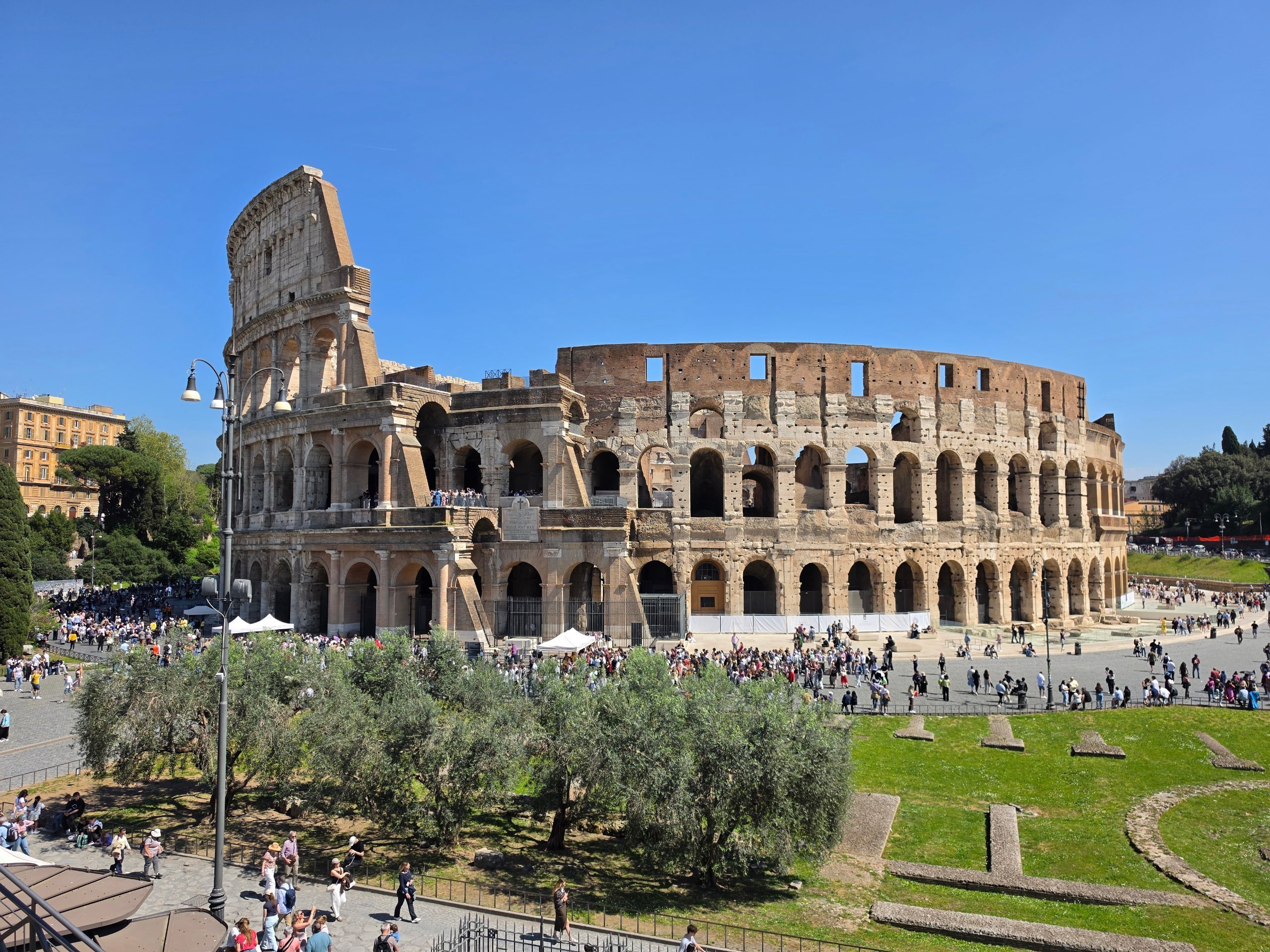
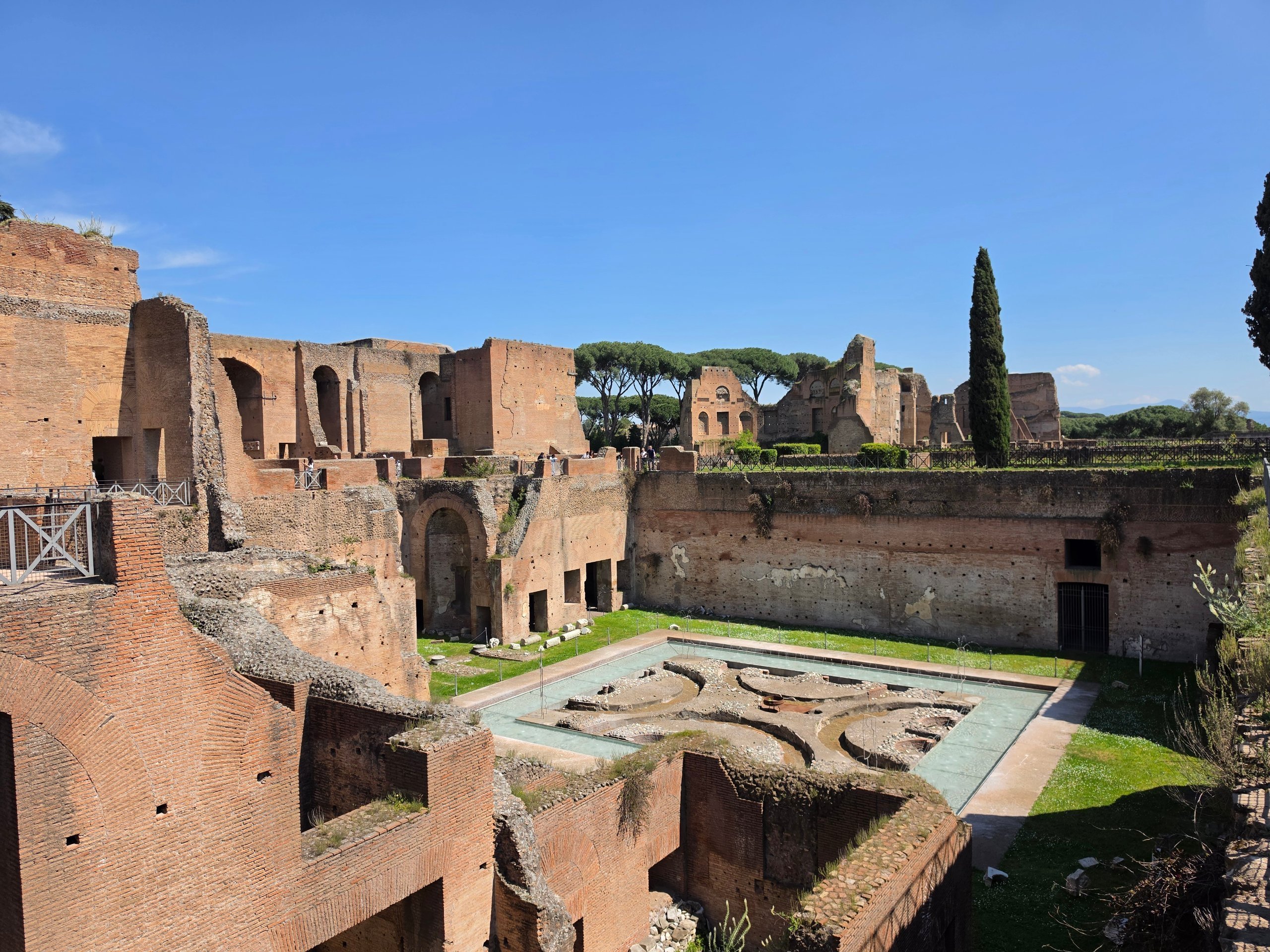
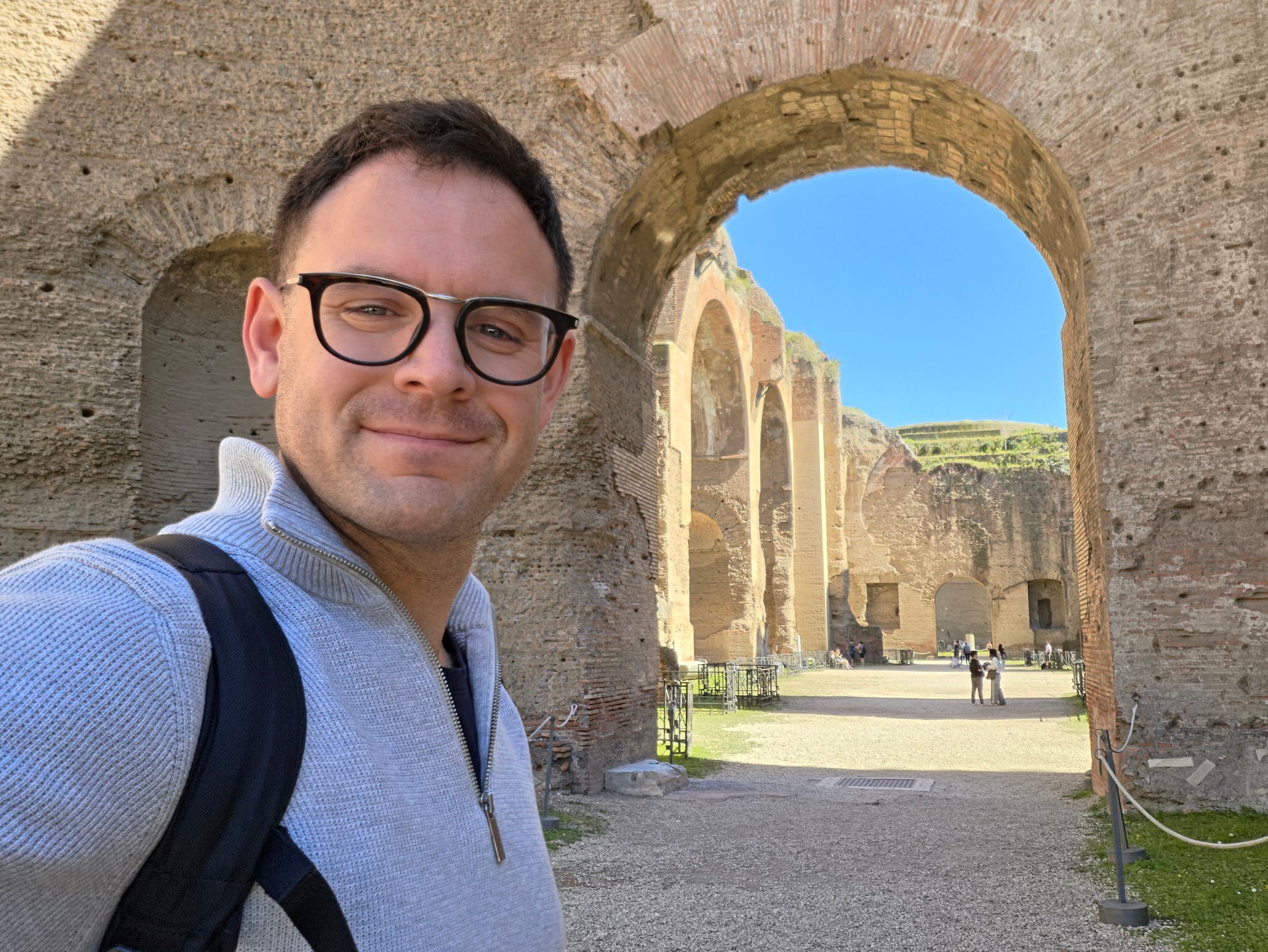
History has unfolded in Rome across the centuries right up to the present day.
Ancient monuments are just a fraction of what you can see here.
I know of no other city in the world that could captivate history lovers as much as Rome. Perhaps only Kyoto in Japan.
And it captivated me too. Even though I’m more of a lover of nature, beaches and mountains.
Which sights did I like best?
💬 Do you have a favourite city with such a concentration of monuments? Inspire us and other travellers by leaving a comment below the article!
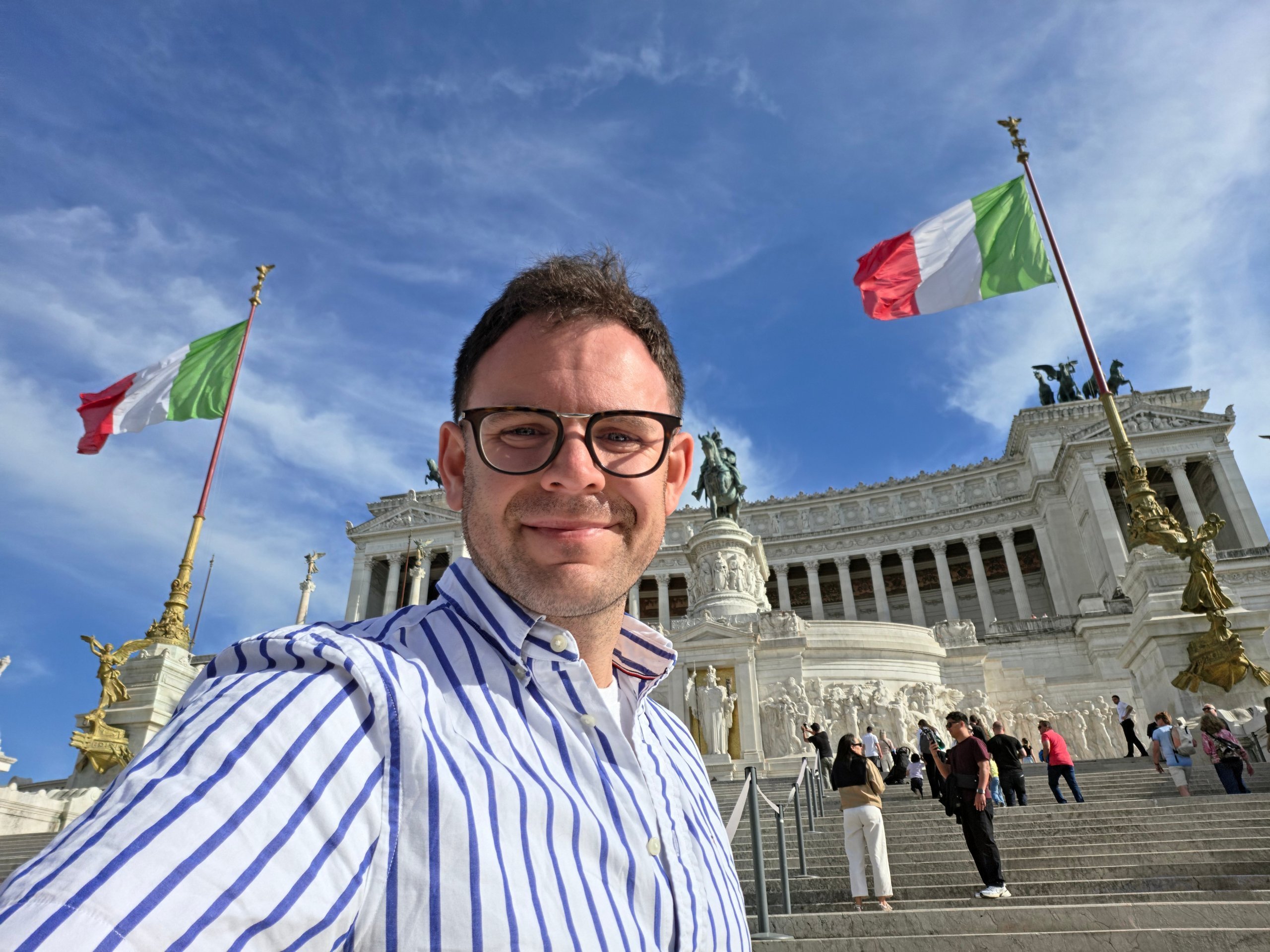
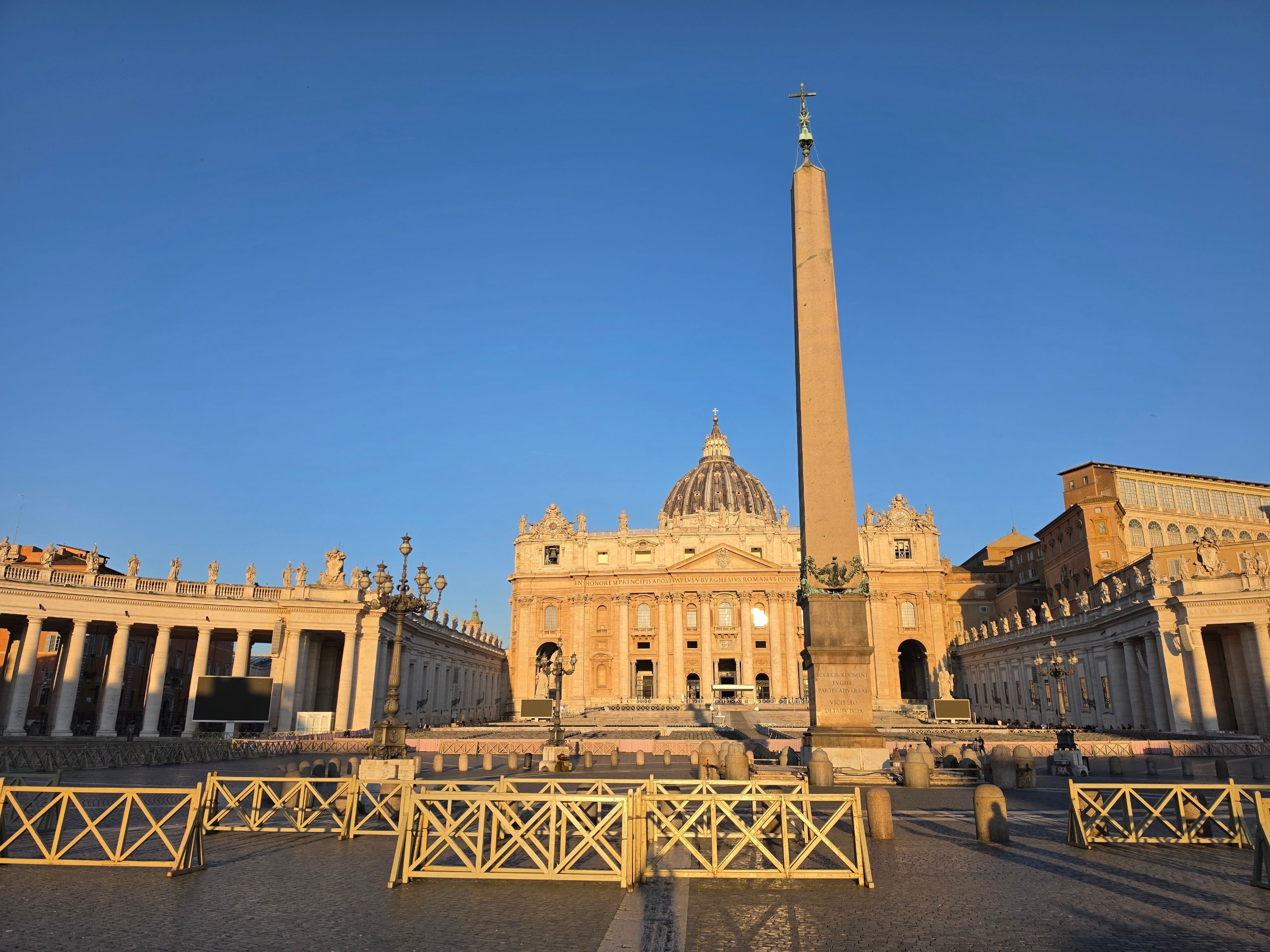
Technically speaking, you’ll be leaving Italy for a moment. In practical terms, it’s one of the biggest attractions in the whole of Rome.
The Vatican is officially the world’s smallest state – both in terms of area and population.
In reality, it consists of the Pope’s residence, a huge basilica, a square and famous museums.
If you’re visiting Rome for the first time, I’d definitely not miss the Vatican.
👉 What’s there to see, what are the entry requirements, and what does the border between Italy and the Vatican look like? You’ll find all this in my comprehensive guide to the Vatican.
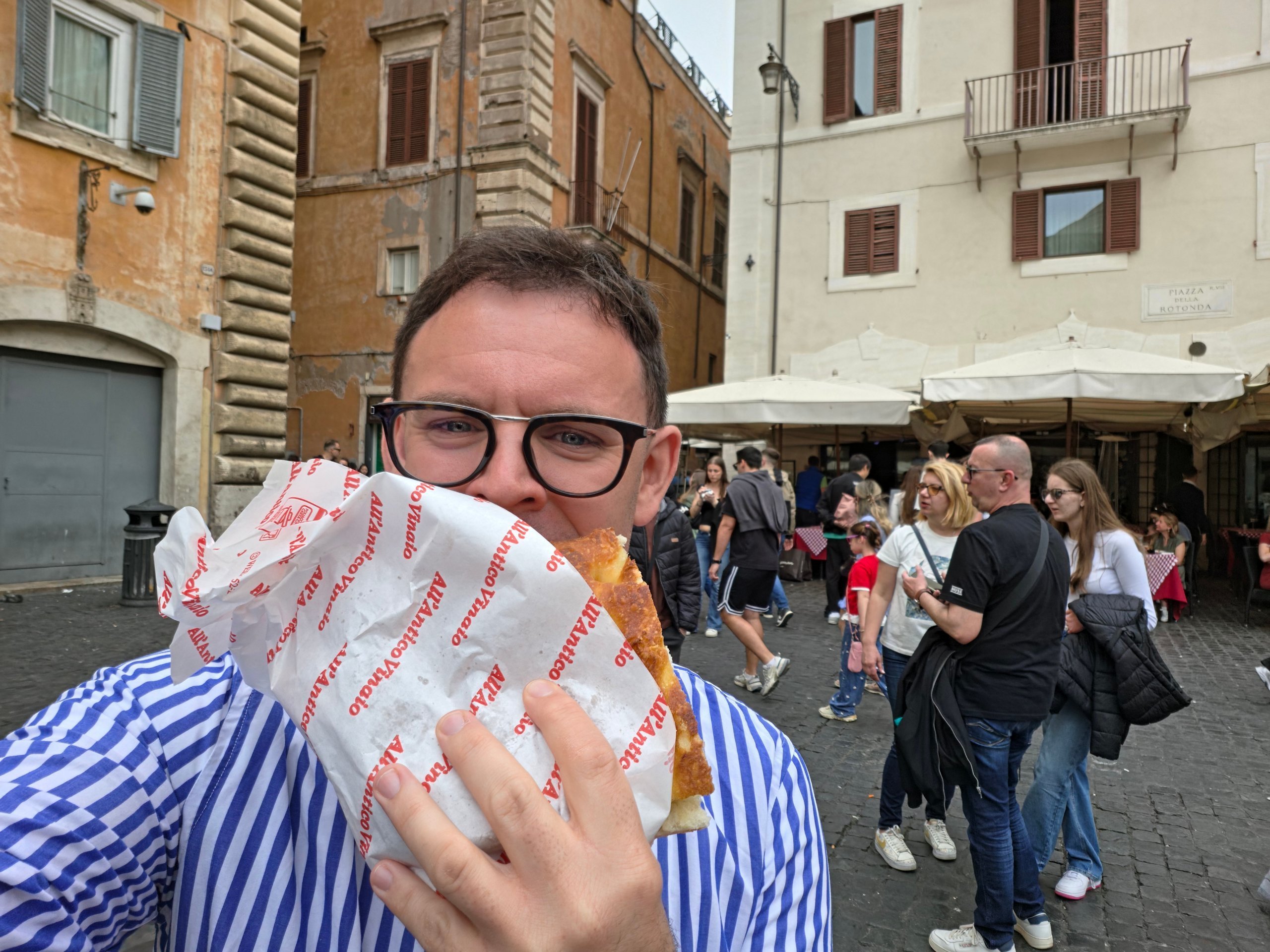
Whilst writing this article, I found myself wondering whether I’d ever had such a fantastic meal anywhere else in the world.
No, not even the street markets in Kuala Lumpur, nor even thesuperb Japanese cuisine, have captivated me as much as the restaurants, cafés and bars in Rome.
Over the course of several visits, I sampled everything on offer.
👉 Here are all my tips on where I enjoyed the best food and drink in Rome.
I’ll let you in on a secret: what I enjoyed most of all was the focaccia with mortadella and pistachio pesto, just a stone’s throw from the Pantheon.
Oh, and I was pleasantly surprised by the prices. Rome is a bit more expensive than Sicily, for example, but for such an extremely touristy city, I’d expected the prices to be much higher.
It’s a bit of a challenge.
A rather good way to get to know the city.
Ancient Rome was built around seven hills.
Today, you can walk through much of the historic centre amongst them.
Find a hotel in Rome by location
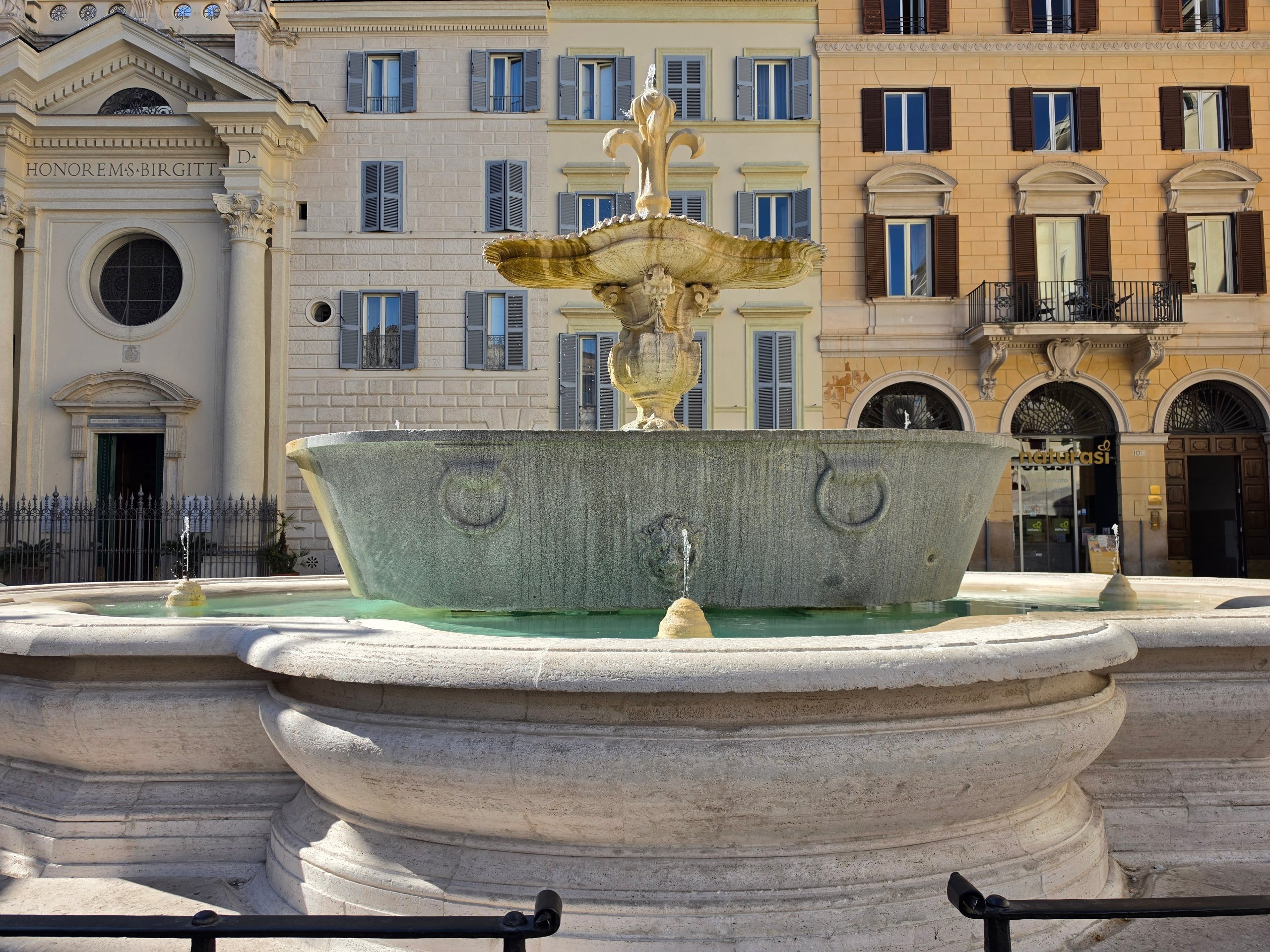
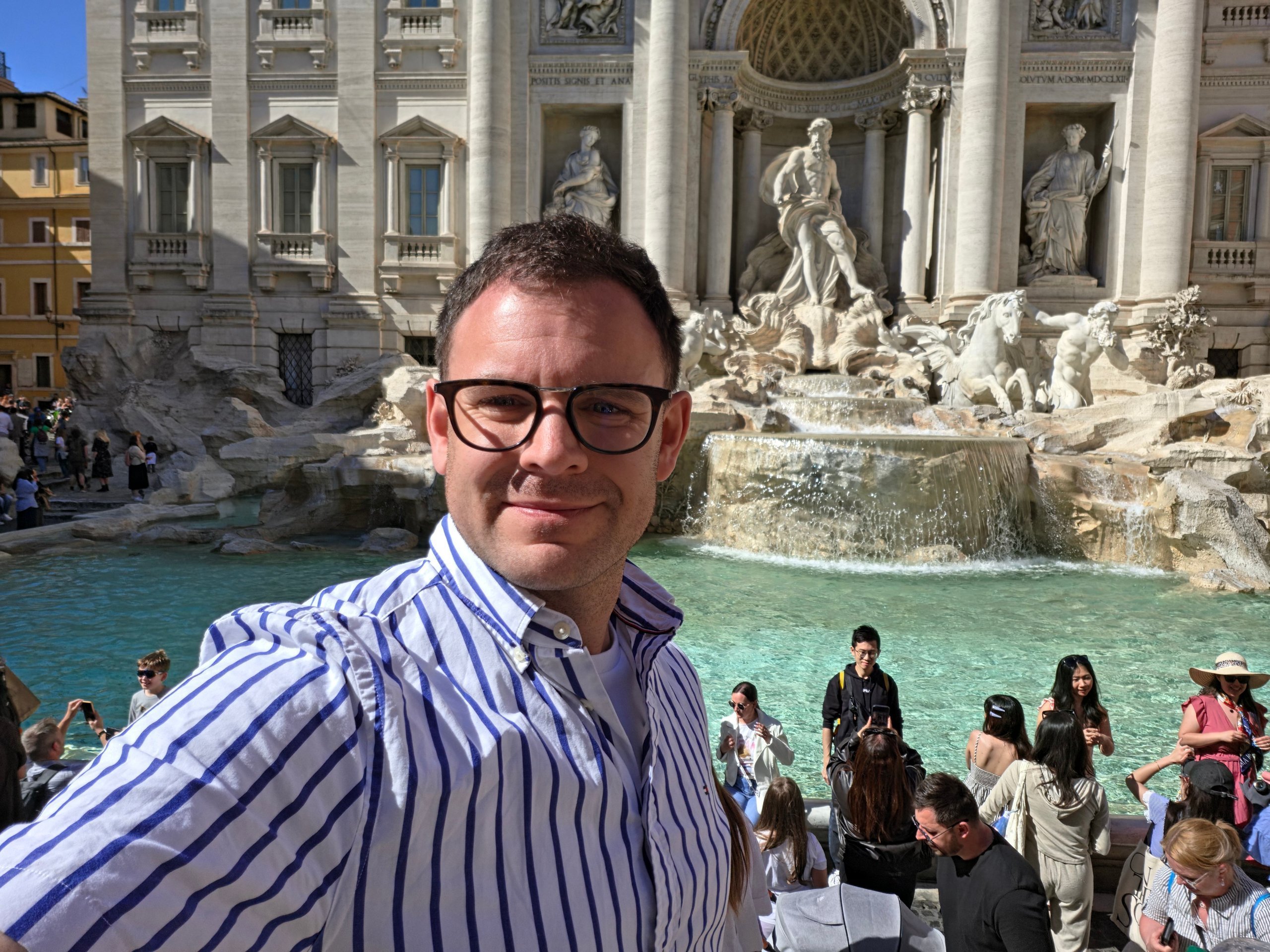
Rome is a city of fountains.
You only need to spend a couple of hours walking around the city centre to see dozens of them.
And once you start noticing the fountains, suddenly you see them absolutely everywhere.
These were the fountains I liked best:
💬 Do you have any favourite fountains in Rome? Share your tips in the comments below the article. Thanks!
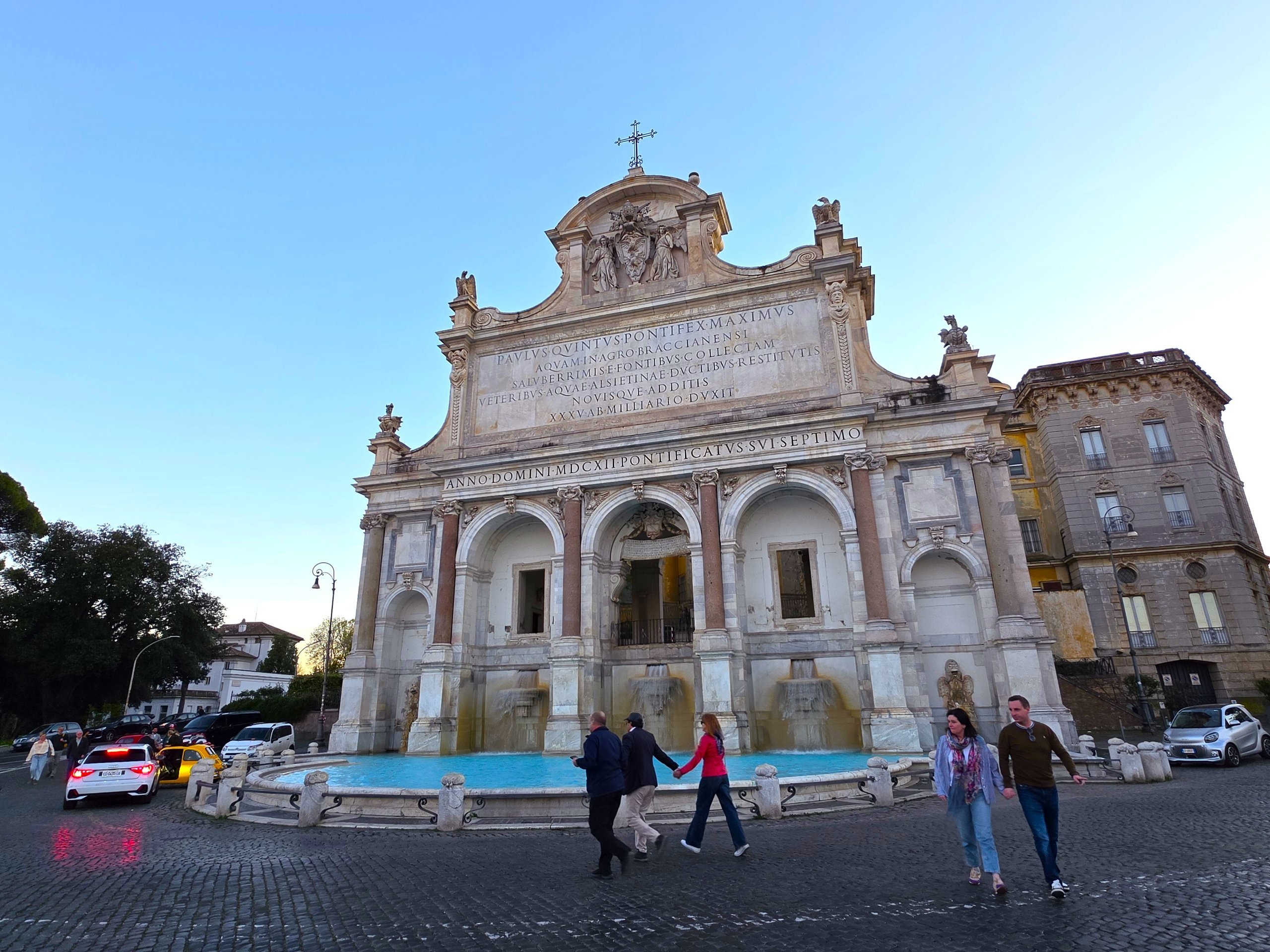
After a few hours’ walk, you’ll start to understand why the Italians are so good at designing parks.
These parks caught my eye the most:
Taking an hour’s break from the sights sometimes works better than visiting yet another museum.
The entire course of the Tiber is, in effect, a long, narrow park right in the heart of the city.
The river winds its way through Rome from north to south, and on both banks there are pedestrian promenades boasting plenty of benches, mature trees and iconic views of St Peter’s Basilica or Castel Sant’Angelo.
But what really caught my attention was the promenade on the beautiful Isola Tiberina, situated between the historic centre and Trastevere.
You simply must visit this place. Especially in summer.
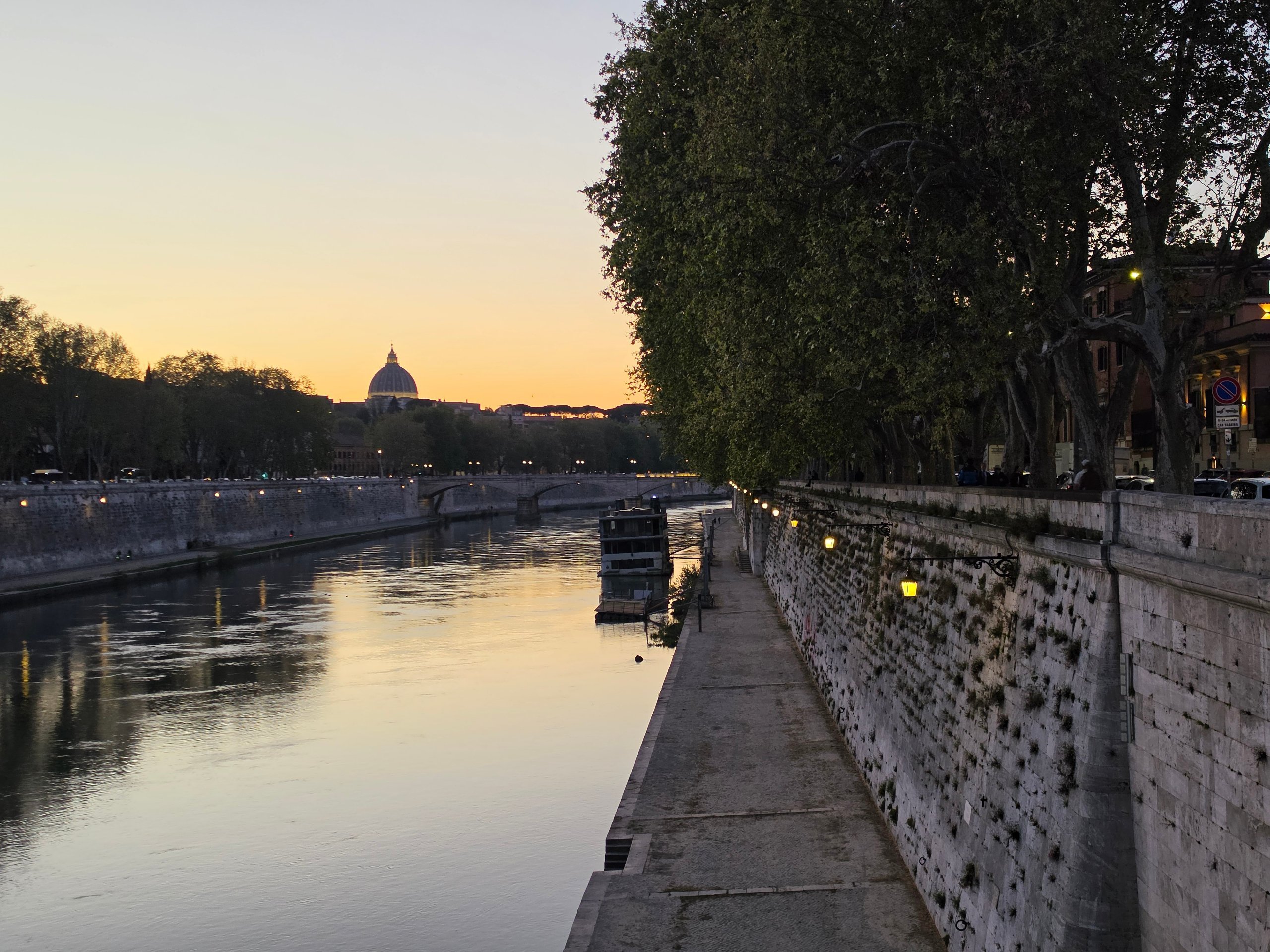
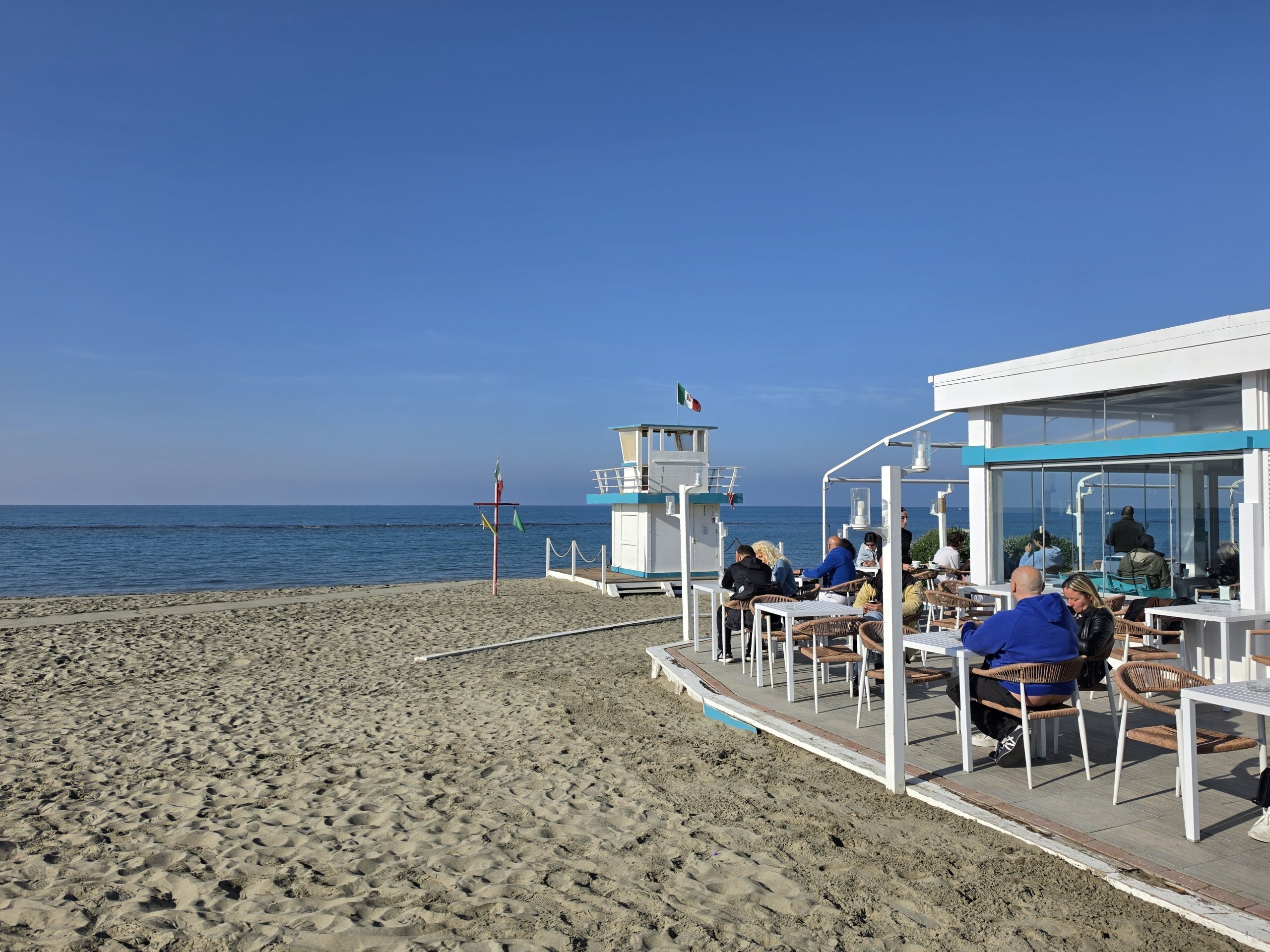
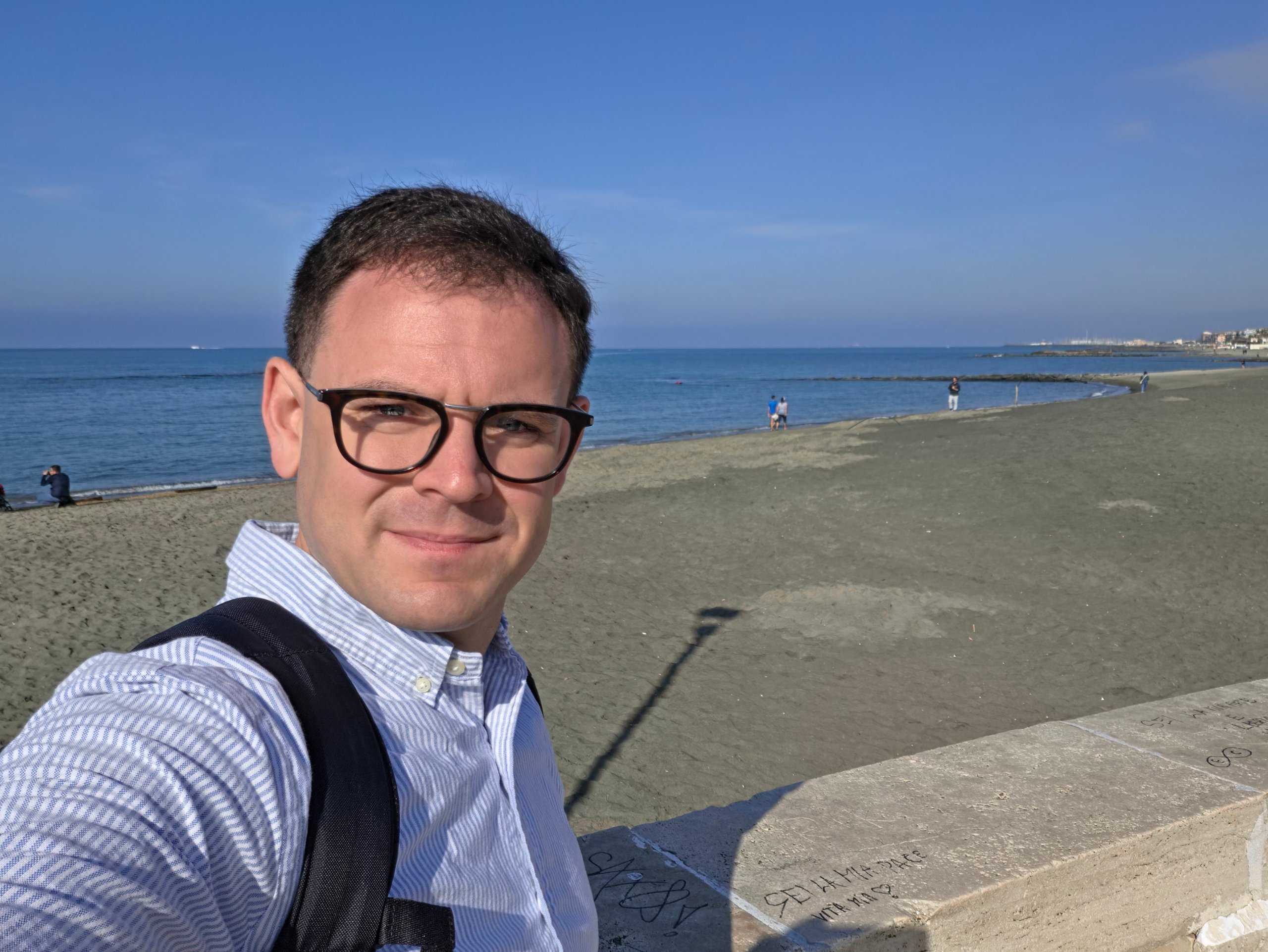
If, by any chance, you get tired of visiting the city, or if you happen to be caught in an unpleasant heatwave, do take at least a half-day trip to the seaside.
You’ll find the nearest beaches in the coastal town of Ostia, 30 km away, which you can reach from Rome every 20 minutes by regional train (Roma-Lido). T
departs from Piramide station, near the larger Ostiense station, where it connects with metro line B (Piramide station).
The journey to Ostia takes about 40 minutes and you can use standard public transport fares.
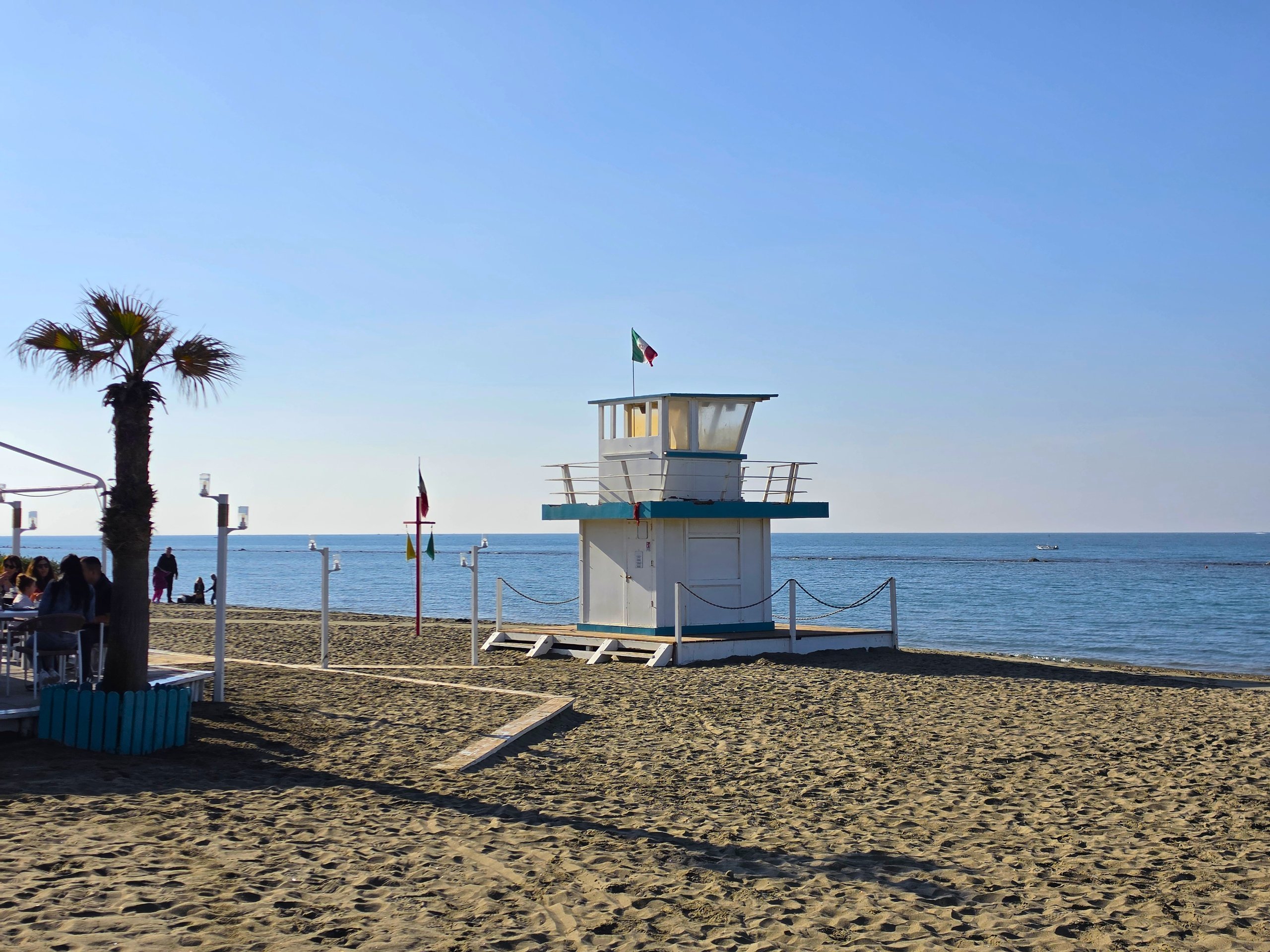
Ostia is a classic Italian seaside town with long beaches, a pier and several restaurants. Bear in mind that the beaches are extremely crowded, especially at weekends.
Extend your stay in Rome by at least one day and head to the beautiful inland town of Tivoli, perched on a rocky promontory.
Here you’ll see beautiful Renaissance gardens, which cities all over the world have sought to emulate, as well as some of the best-preserved monuments of Ancient Rome.
You can find out all about what to see and do in Tivoli, how to get there from Rome and where to stay in our separate guide to Tivoli.
If you have any questions or comments about the article...