
From Vienna to the Algarve in Portugal in January
61 €



If you’re staying reasonably close to the city centre, you can explore much of Rome on foot.
Within the city centre and the Vatican, walking was almost always the quickest way for me to get around the city.
The historic centre is much more compact than it might appear on a map. The Colosseum, the Roman Forum, the Pantheon, Piazza Navona, the Vatican and the Trevi Fountain can all be easily reached on foot in a single day.
Find a hotel in Rome by location
In a nutshell:
I used the buses when I was really tired. They aren’t very fast or easy to navigate, but they’re everywhere in the city centre.

The underground tends to bypass the historic centre (for now, at least; part of Line C is currently under construction, which will also run through the centre).
Buses get stuck in traffic jams.
And anyway, you usually walk between the sights.
You can walk through the whole city centre in a relatively short stroll.
I walked through the whole city centre over the course of three days, following these walking routes:
If you’re visiting Rome for the first time, I’d recommend a hotel near:
View hotels in the centre of Rome
Rome has an integrated transport system.
One ticket is valid for:
Most common options:
| Ticket | Price |
|---|---|
| 100 minutes | 1,50 eur |
| 24 hours | 8,50 eur |
| 48 hours | 15 eur |
| 72 hours | 22 eur |
| 7 days | 29 eur |
💡 My experience: If you’re mainly walking around the city centre, you’ll often spend significantly less on public transport than you might expect.
On one of my visits, I bought a 48-hour ticket straight away and ended up only using public transport three times over two days...
You can find the current ticket prices on the official website atatac.roma.it/tickets-and-passes.
There are several ways to buy tickets:
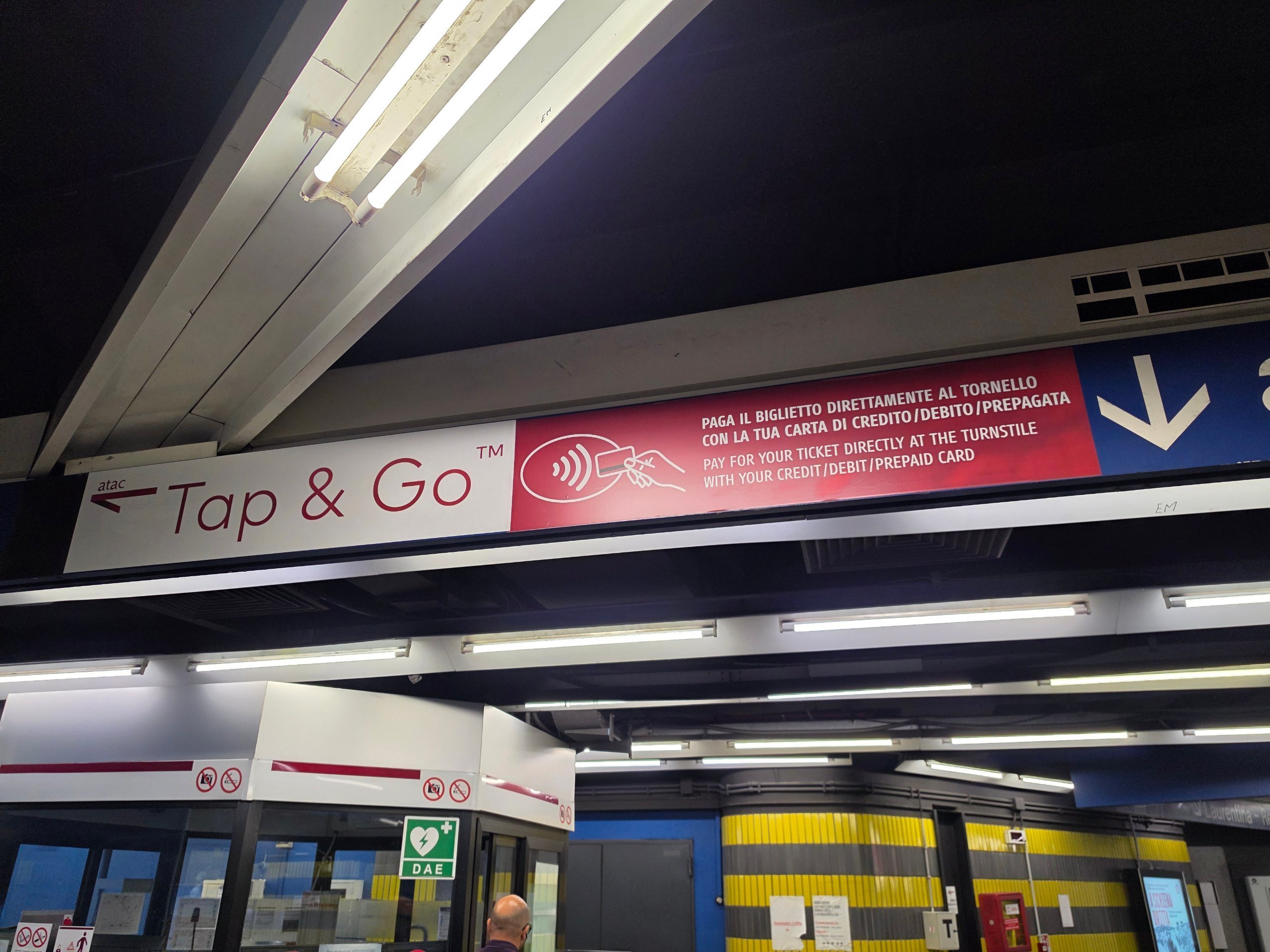
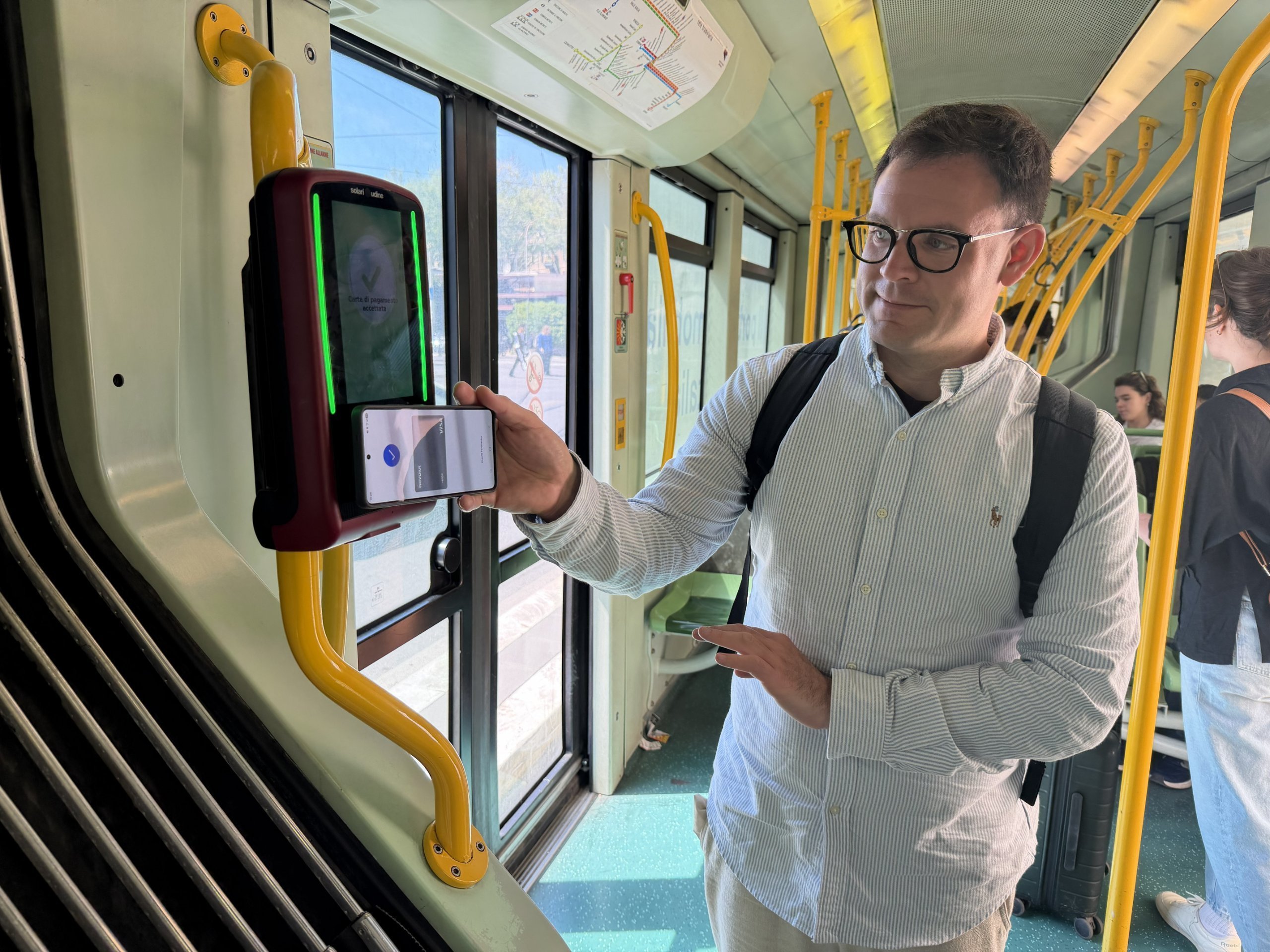
Personally, I only paid using my own contactless payment method.
It’s the easiest option for me – you don’t have to worry about a thing, you just tap and go. Of course, payments via mobile or smartwatches also work, and my payments have always gone through without a hitch – I pay with my Revolut card.
With contactless payments, so-called ‘daily caps ’ are normally applied.
So, over a 24-hour period, no more than 7 eur will ever be deducted from your card; over a 48-hour period, no more than 12,50 eur will ever be deducted, and so on.
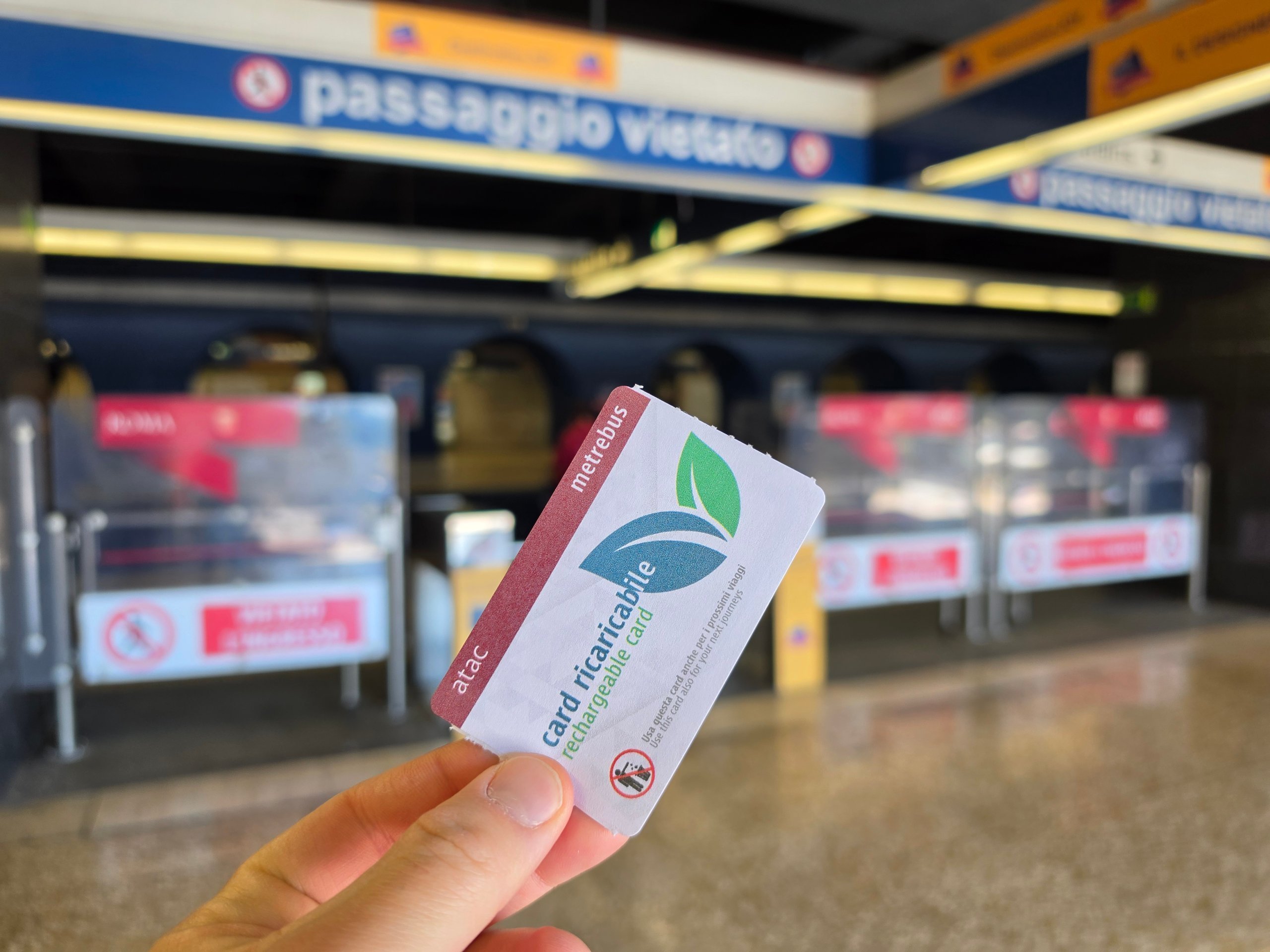
A paper ticket mustonly everbe validatedon your first journey!If you validate the ticket again, it automatically becomes invalid.
With the 100-minute ‘ 1,50 eur ’ ticket, you can travel on any number of buses and trams, but only once on the underground (you can change between underground lines, as you do not pass through the turnstiles when changing).
Sometimes yes, but it certainly wouldn’t be worth it for me.
The Roma Pass really starts to make sense if:
If you’re mainly planning to go for walks and visit a few of the main attractions, it’s often cheaper to buy tickets separately.
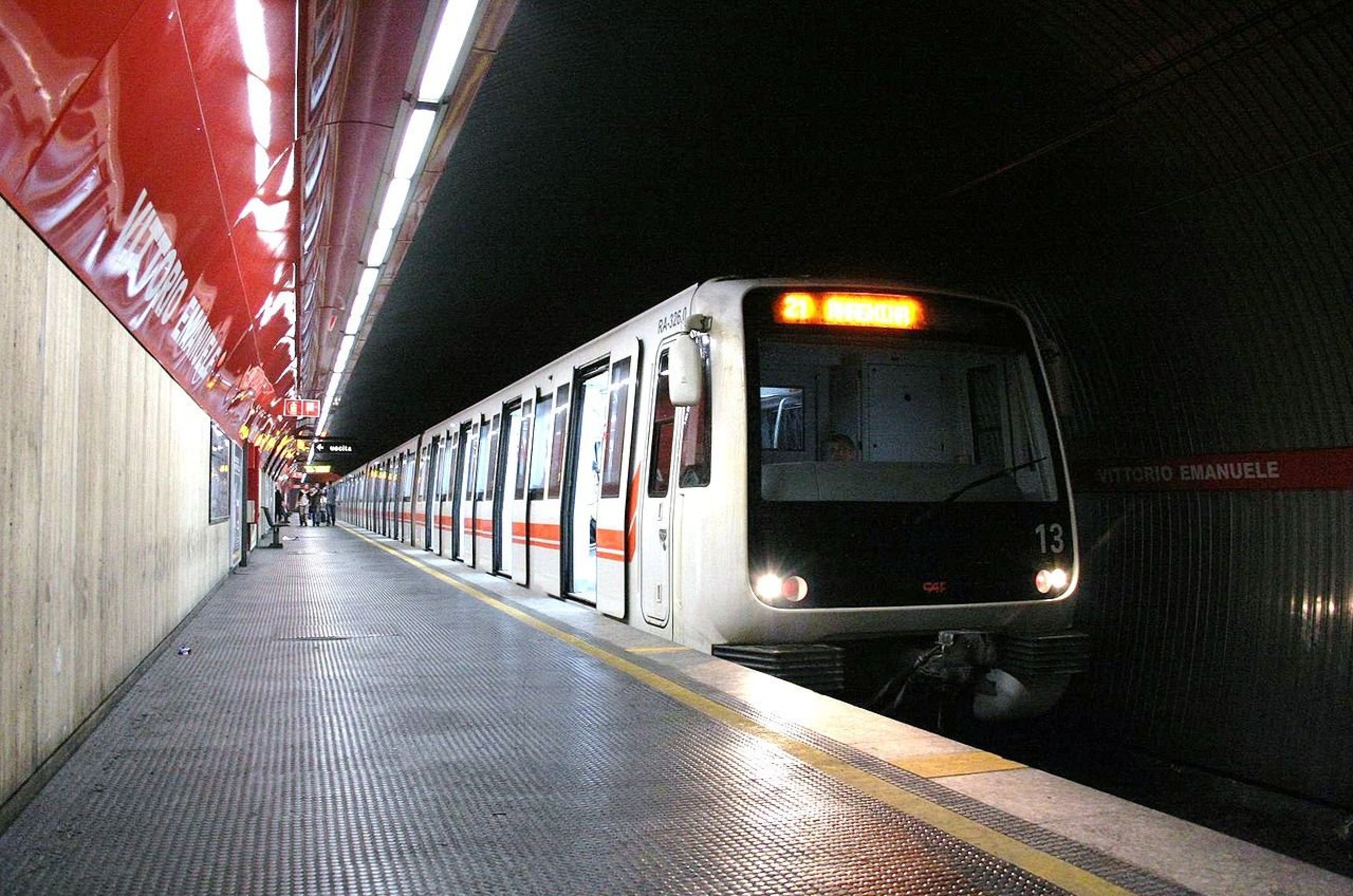
The Rome metro isn’t like London or Paris.
The metro is mainly used for travelling from the outskirts of the city to the centre, but it is used primarily by local residents.
It is much less useful for sightseeing than in other major cities.
If you’re mainly planning to visit the historic centre, you’ll often not use the metro at all.
I describe my detailed experiences of the metro and city trains in the article ‘The Metro in Rome’.
Surprisingly, bus services are the main form of transport, particularly in the city centre.
However, unless you’re really tired or have a disability, I’d recommend walking instead.
Although there are plenty of buses, they are modern and the stops are clearly marked, the service is very slow.
Problems:
If you do end up taking the bus, Google Maps works very well in Rome and was the only app I used to plan my journeys around the city.
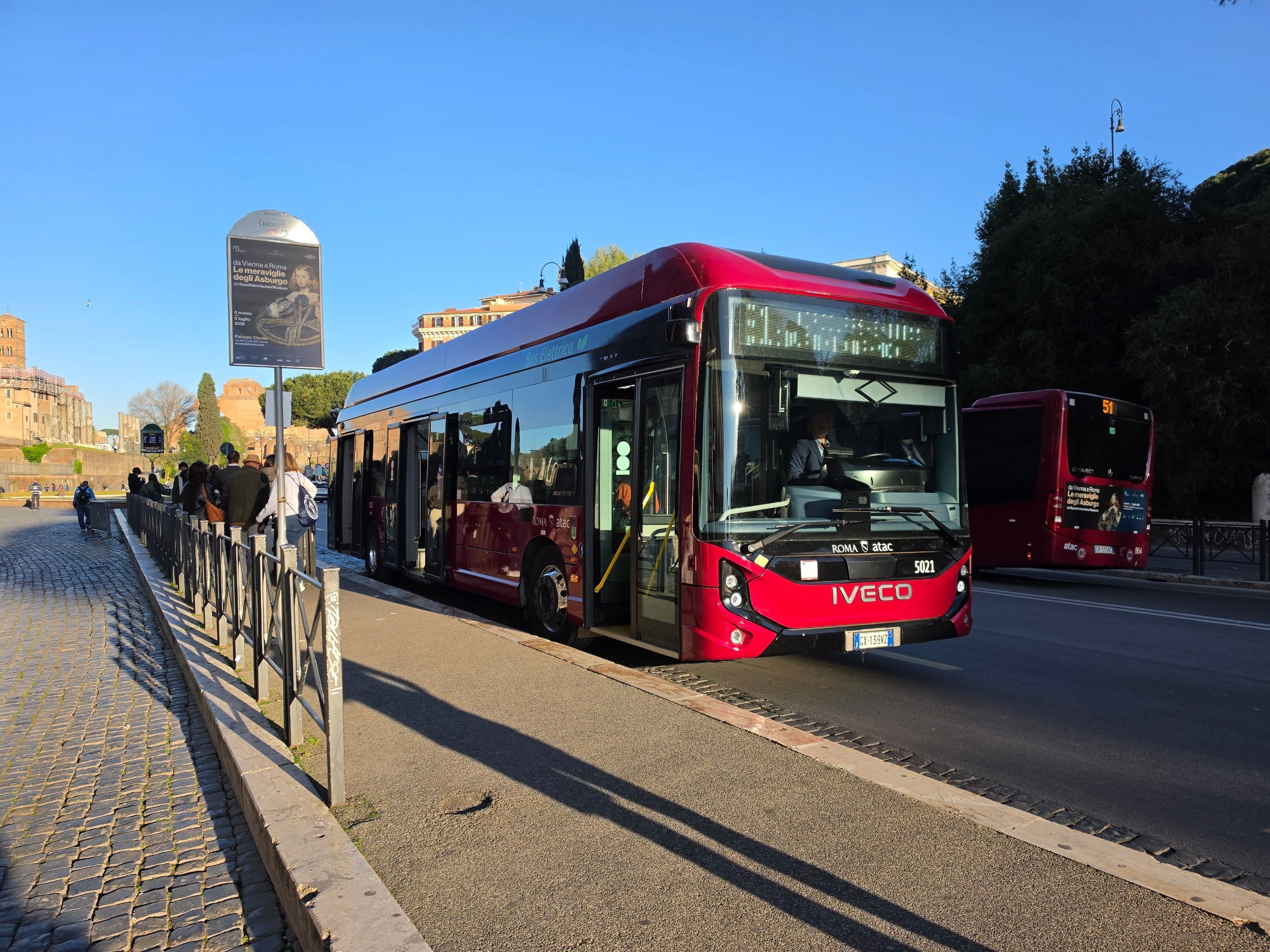
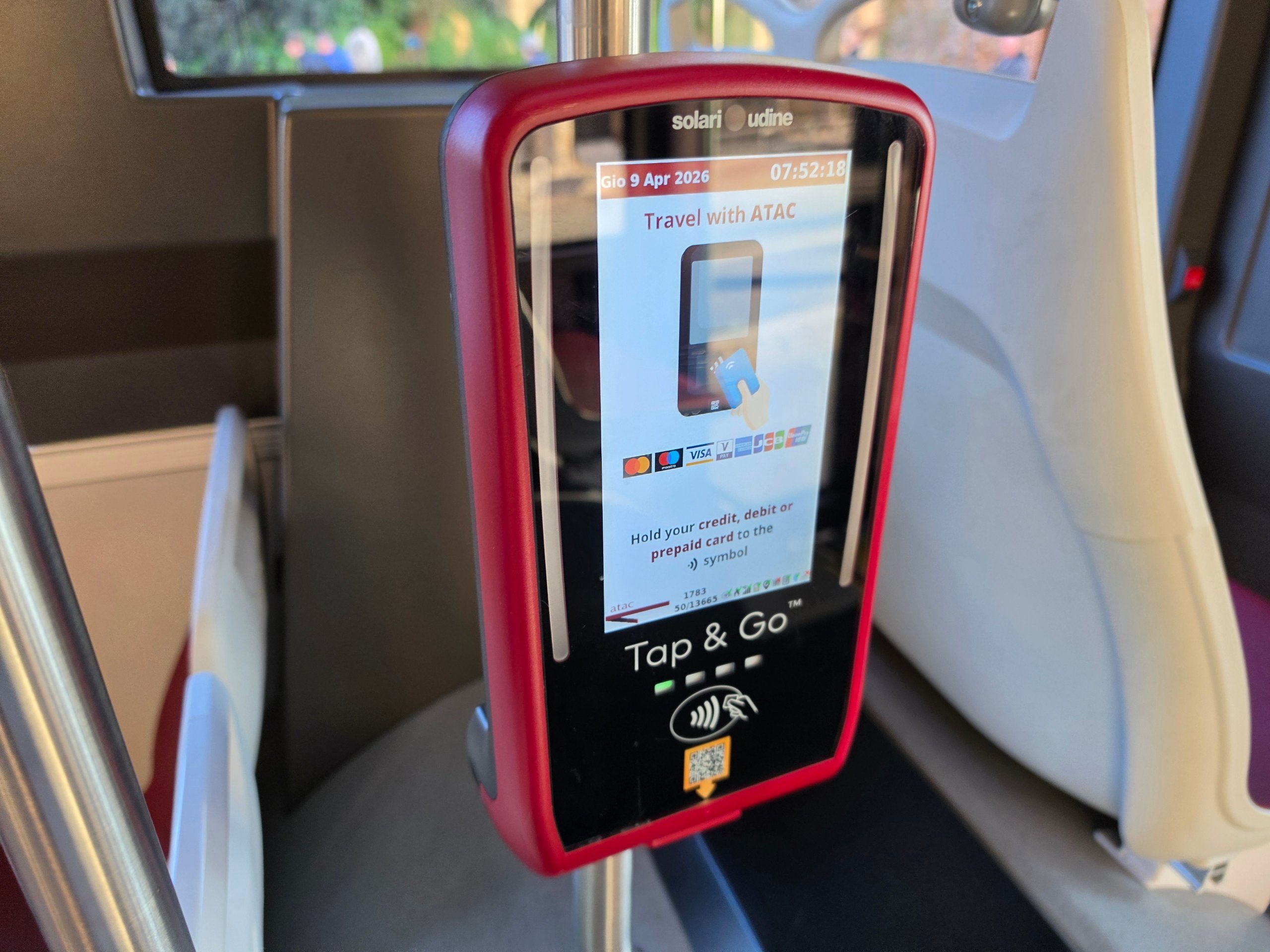
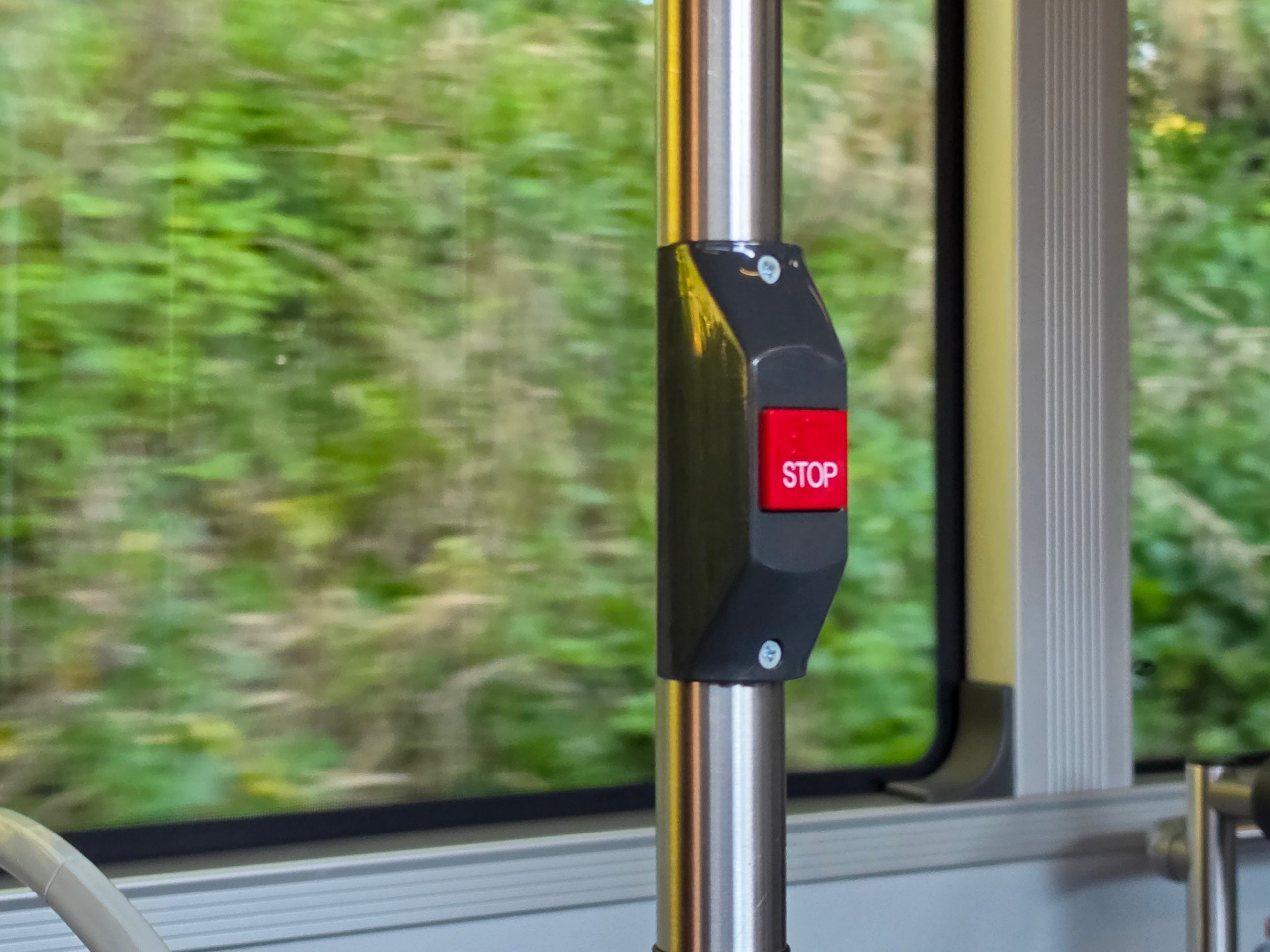
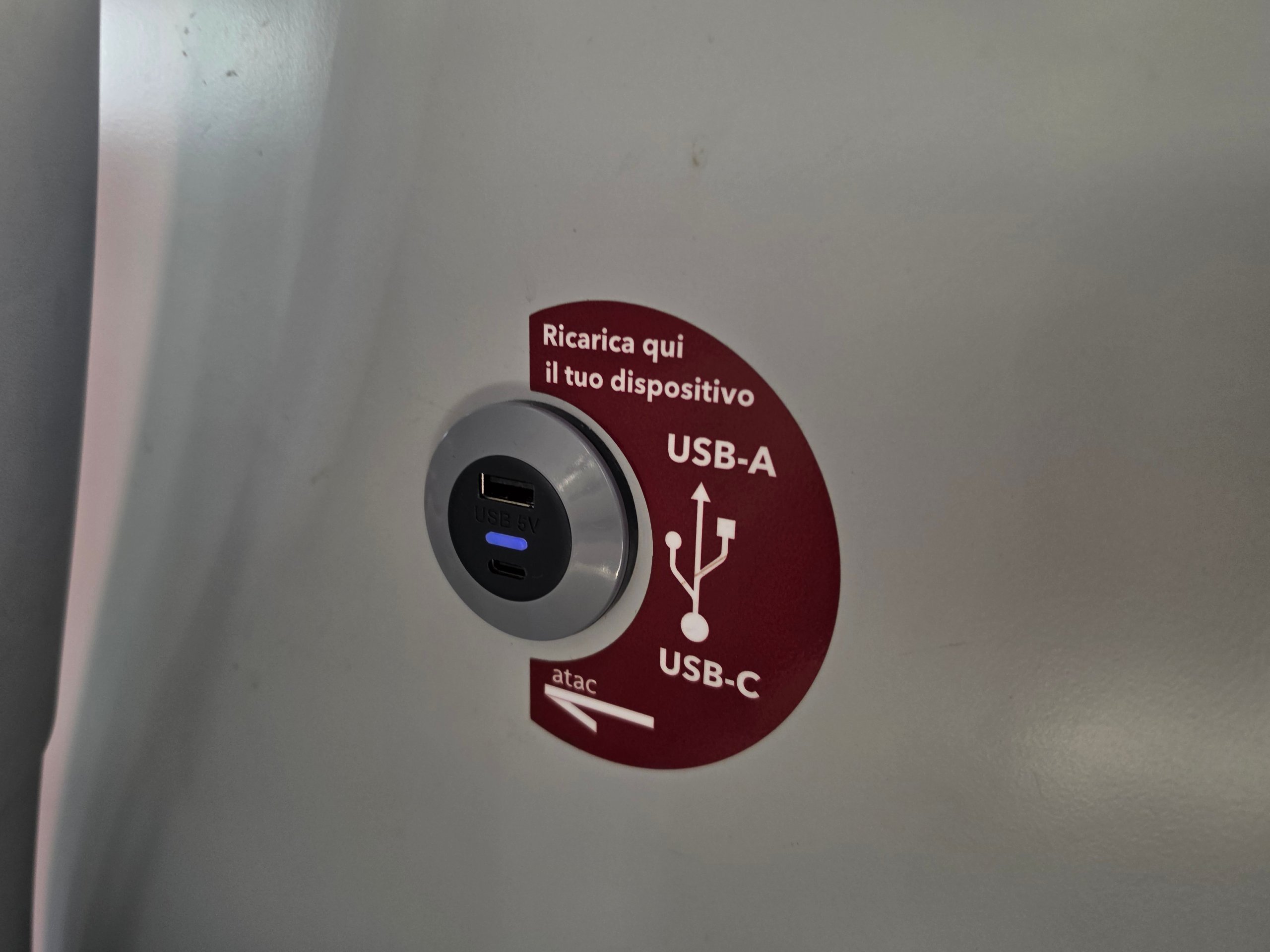
The buses are generally modern, air-conditioned and often equipped with USB-A charging ports.
I used the following bus routes in Rome:
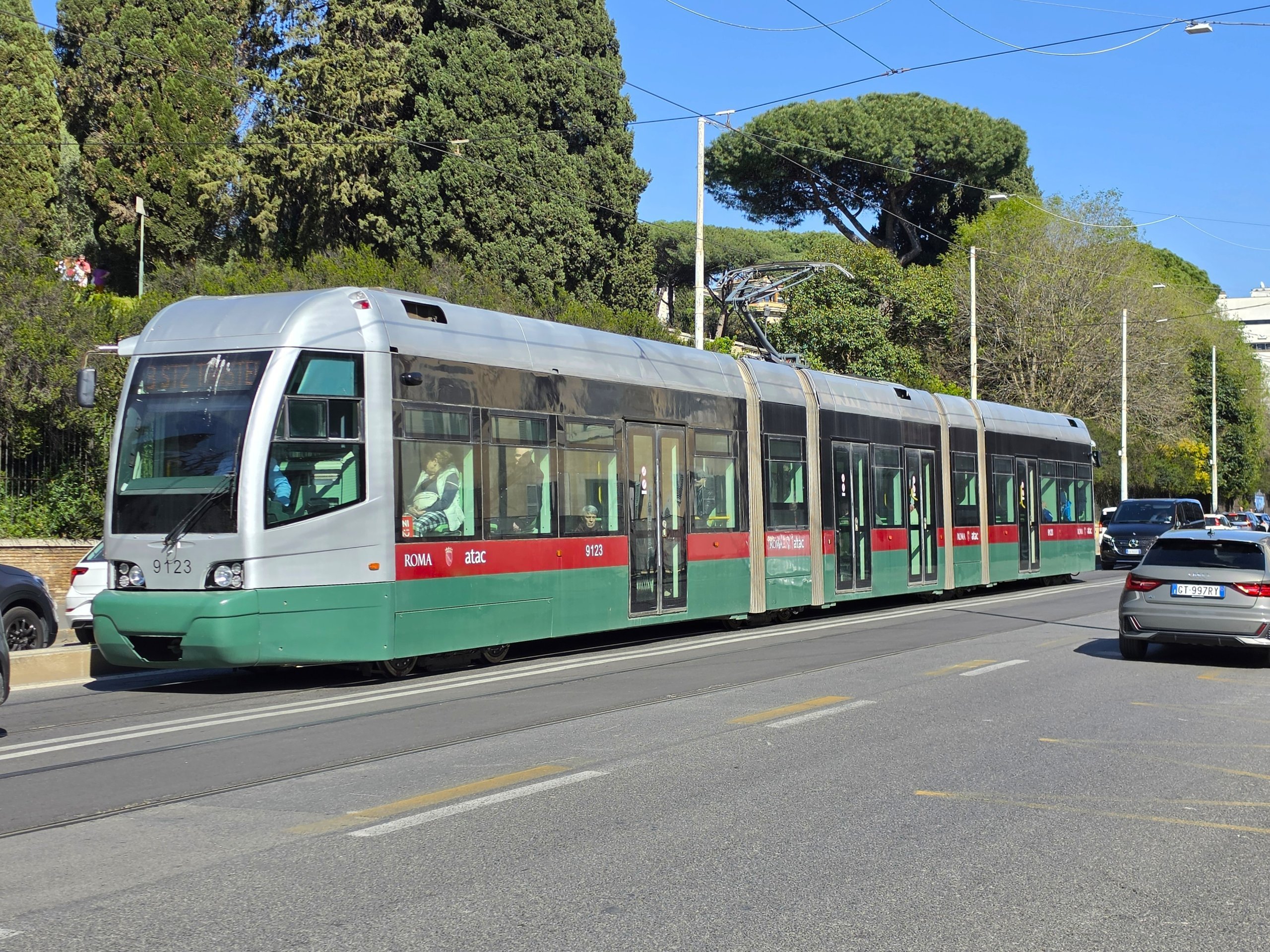
If you’re staying near a tram line, trams often work better than buses.
This is mainly because they don’t get stuck in traffic for much of the journey.
On the other hand, there are very few trams in Rome, and I really only used them when travelling to and from Trastevere.
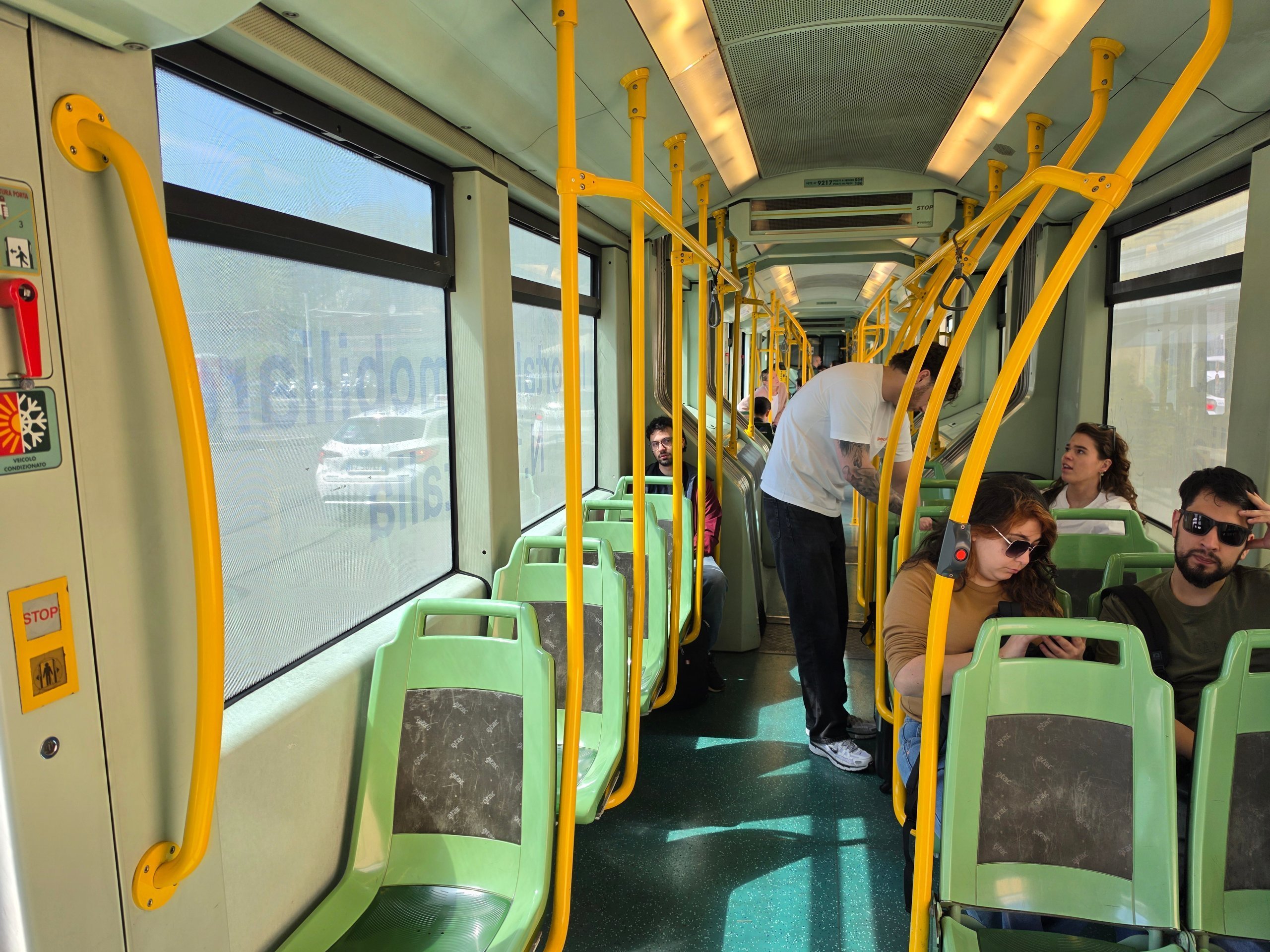
Unlike buses, the trams tend to be quite old, poorly maintained and often hot inside.
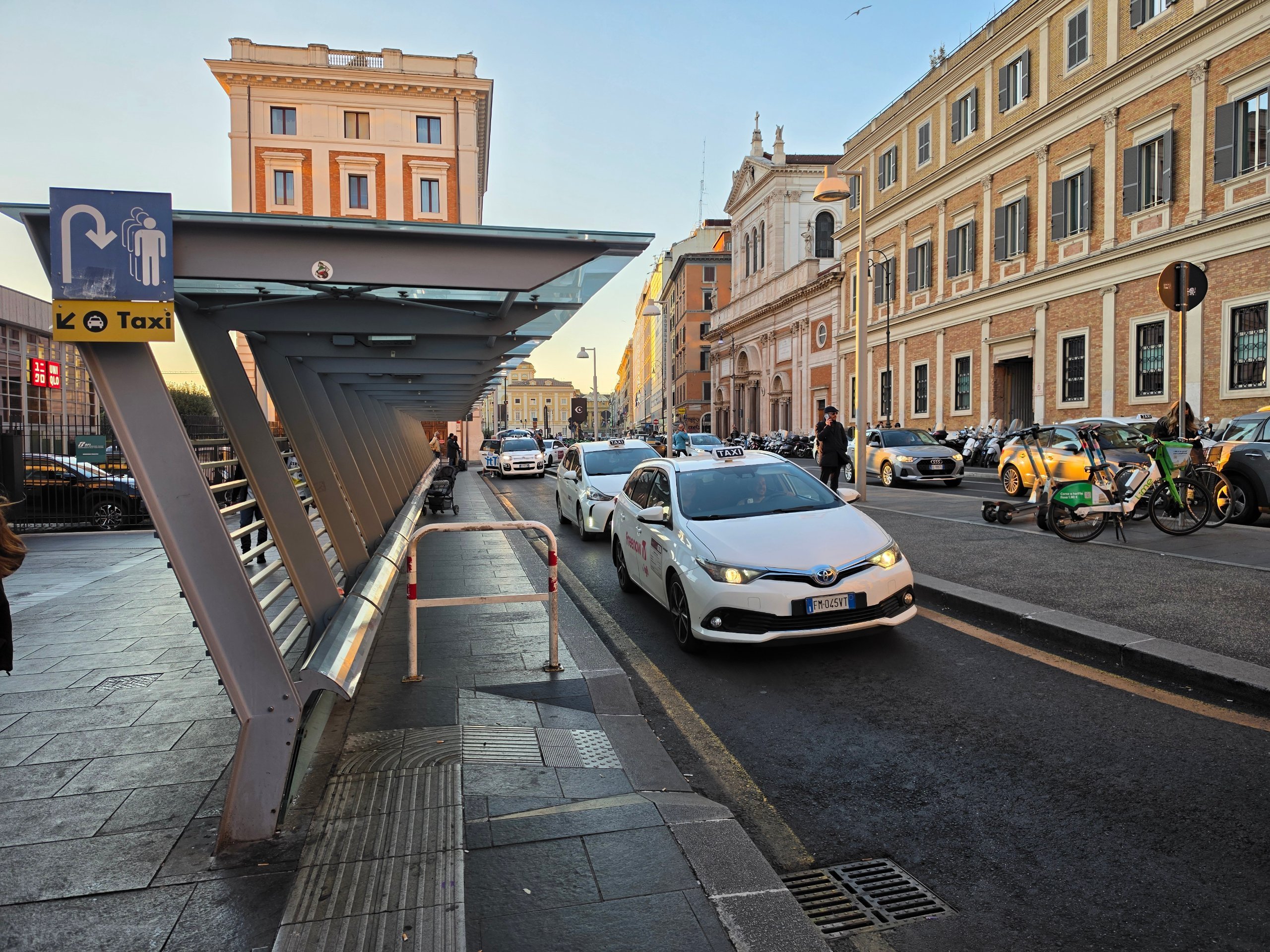
In Rome, taxis are literally everywhere. Always – day and night.
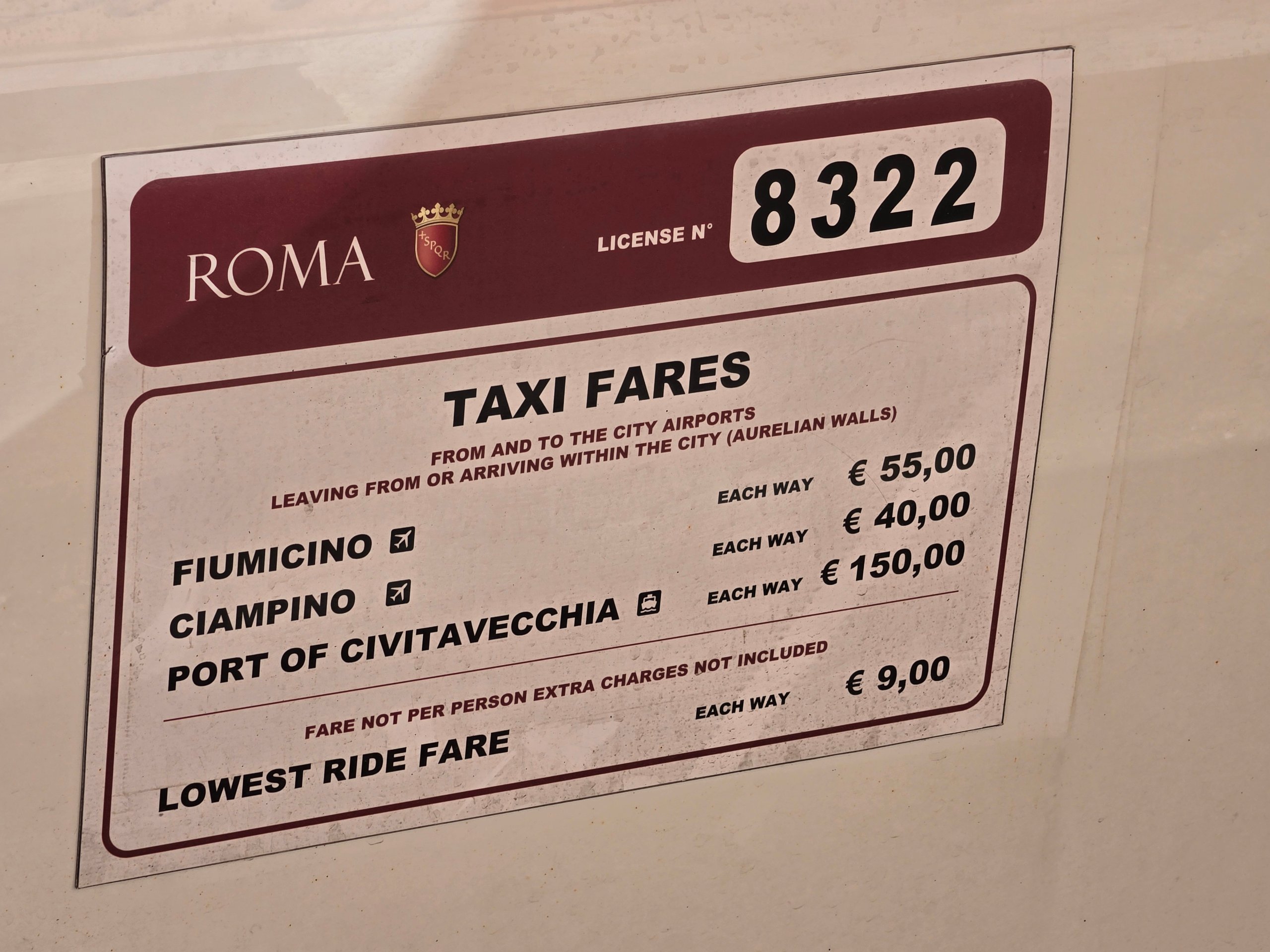
Official taxis are white with fares displayed on the doors. You can pay by card or cash, and the meter is always used.
Taxis in Rome are safe, and dishonest behaviour by taxi drivers is rare.
However, the fares are quite high:
Uber in Rome works differently to how it does in many other cities.
You won’t find the standard, low-cost UberX here. The service mainly consists of the more expensive Uber Black or Uber Taxi – that is, hailing a standard taxi via the Uber app, but charged at the standard taxi rate as shown on the meter.
No other ride-sharing apps are currently operating in Rome.
The metro, trams and daytime buses usually run until around 11.30 pm.
Overnight, bus services marked with the letter N take over. However, you should expect longer intervals between services and, particularly at weekends, significantly busier buses.
You can find a map of the night services at this link:atac.roma.it/mappa-linee-notturne.
Official information on transport in Rome, ticket prices and more: atac.roma.it.
Clear maps of bus, tram and metro routes can be found here:atac.roma.it/maps.
I planned all my journeys on Rome’s public transport using Google Maps.
Both of Rome’s airports are located some distance from the city centre. The smaller Ciampino Airport is served by regular public transport bus routes 520 and 720, for which you can use the public transport tickets mentioned above.
The larger Fiumicino Airport is accessible only by train, express buses and Cotral buses, for which special fares apply.
You can find detailed information, not only about transport to the airports, on the relevant websites:
If you have any questions or comments about the article...
Hello, we need to get from the airport to the city centre, but there are eight of us. Wouldn’t it be better to take a taxi? Are there any minivans available? Thank you
Hello, I’m not sure where or how to validate the ticket I’ve bought for €1.50. I’ll be using both the bus and the metro. When I change from one bus to another, do I have to validate my ticket every time? Thank you
Hello, I’ve added this to the text.
You only need to validate your ticket the first time you use it! When changing services, you do not need to validate it again on the next bus or tram.
Buses/trams: validate your ticket inside the vehicle using the validator.
Metro: insert your ticket into the turnstile before entering the station and don’t forget to take it back (it will come out on the other side of the turnstile).
A 100-minute ticket costing 1.50 EUR is valid for any number of journeys by bus or tram, but allows only one entry to the metro.

Hello, when I’m changing from the bus to the underground and I’ve already validated my ticket, do I still need to validate it again? I mean on the underground…
Hello. On the underground, you must always insert all paper tickets into the turnstile in any case, so that the gate will let you through.