From Vienna to the Algarve in Portugal in January
61 €



Good news. The Rome Metro is easy to use.
The bad news? For a tourist city of this size, the metro network is surprisingly sparse.
If you're expecting a network like London, Barcelona or Paris, you'll be a little surprised. Rome has only 3 lines and it bypasses rather than crosses the historic centre.
In fact, most tourists mainly use the metro for longer journeys unless they have a hotel in the centre.
Within the centre, walking works best for me.
Find hotels near Termini station
Short answer: yes, but less than one expects.
If you live near the centre, you can often manage most of the day without it.
For example, you can walk the entire length of a popular route without using public transport:
The metro starts to make more sense especially in these directions:
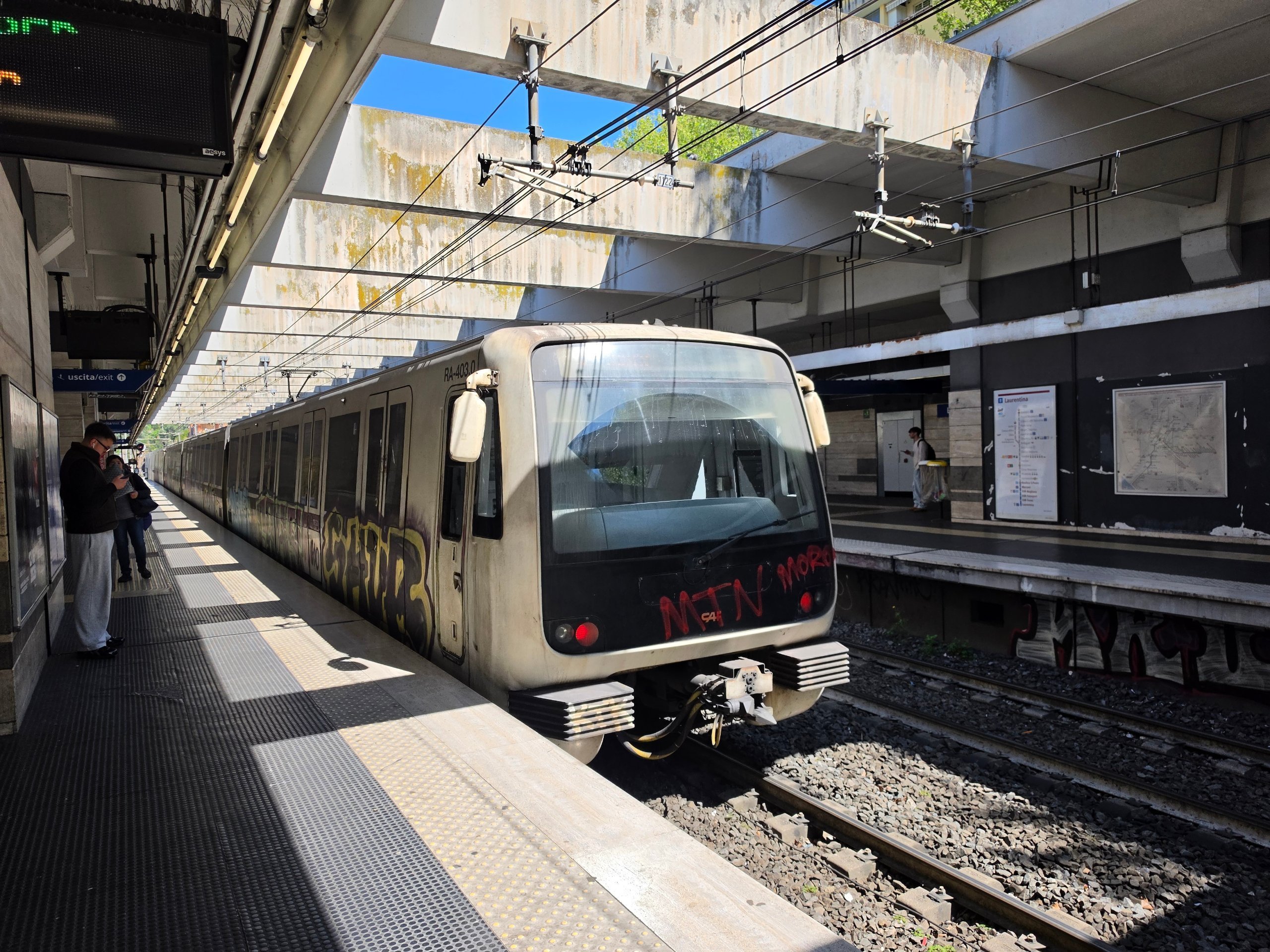
Rome has 3 lines.
Most tourists, however, so far only realistically use two of them.
The Orange Line of the Rome Metro runs from the south-eastern part of Rome from Anagnina station through the centre and along the Vatican to the western part of the city to the terminus at Battistini station.
Most important stations:
The other route that is very usable for tourists is the blue line B.
It runs from the south of the city from Laurentina station through the centre to the north, where it splits into line B1 to the final station Jonio and line B2 with the final station Rebibbia.
Most important stations:
The green line C serves as a connection to lines A and B from the south-eastern and eastern suburbs of Rome.
From a tourist point of view, line C is not useful in any way.
However, an extension from Colosseo station under the historic centre towards the Vatican is currently under construction.
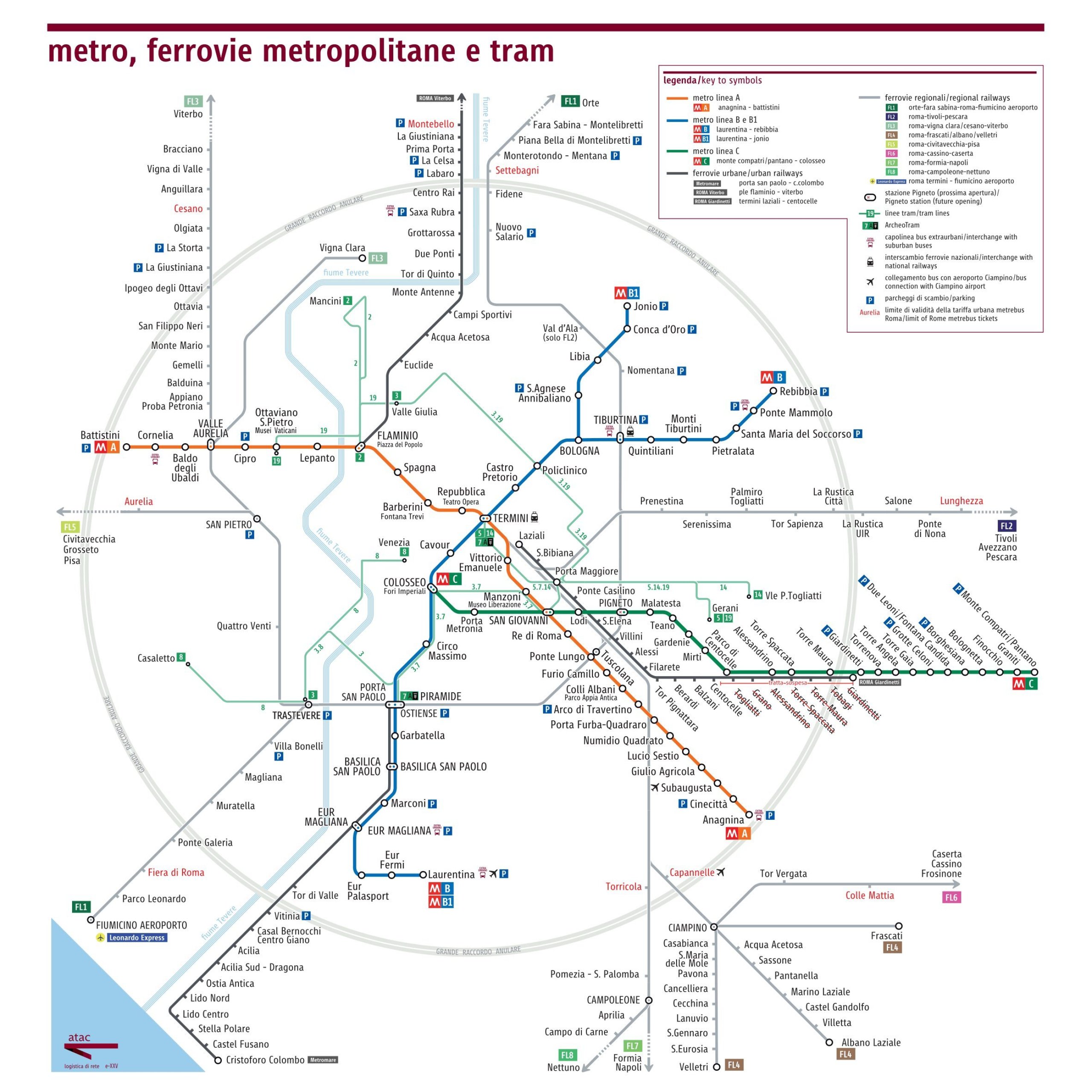
To find your way around the metro, all you need to remember is Termini station, which is in the centre of Rome.
You'll find a metro plan and map at each station.
The official map of the metro and the city's railways can be found on the ATAC website at atac.roma.it/en/utility/maps. The metro map can be found under the title Urban metro-rail map.
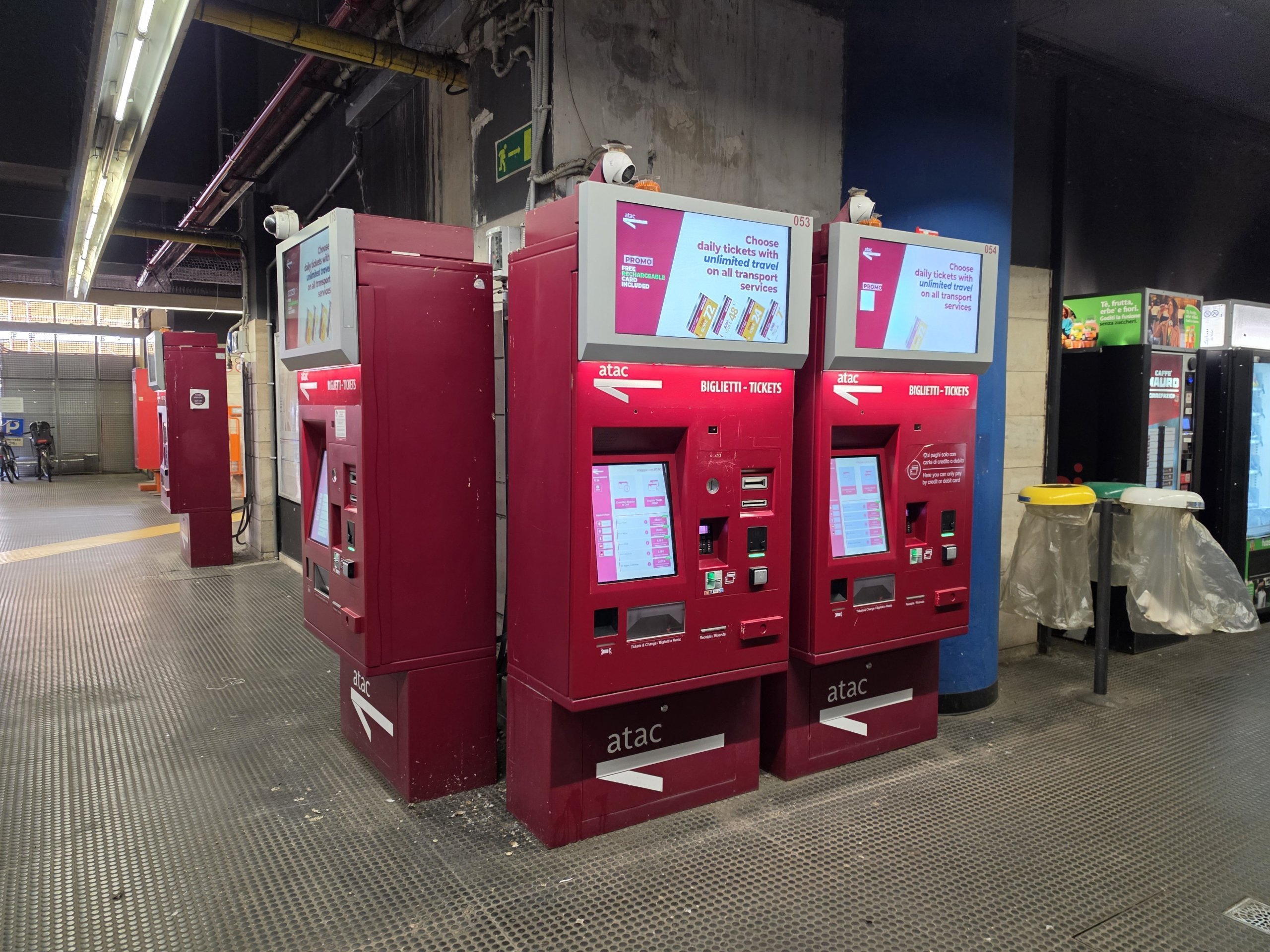
There are several options:
The last option is usually the easiest.
You attach the card. You pass. You're done. You don't have to deal with paper tickets or what kind of fare you buy.
With contactless payment, daily limits work, so you won't take more money off in a calendar day than you would for a 24-hour ticket, you won't pay more in 2 days than you would for a 48-hour ticket, etc.
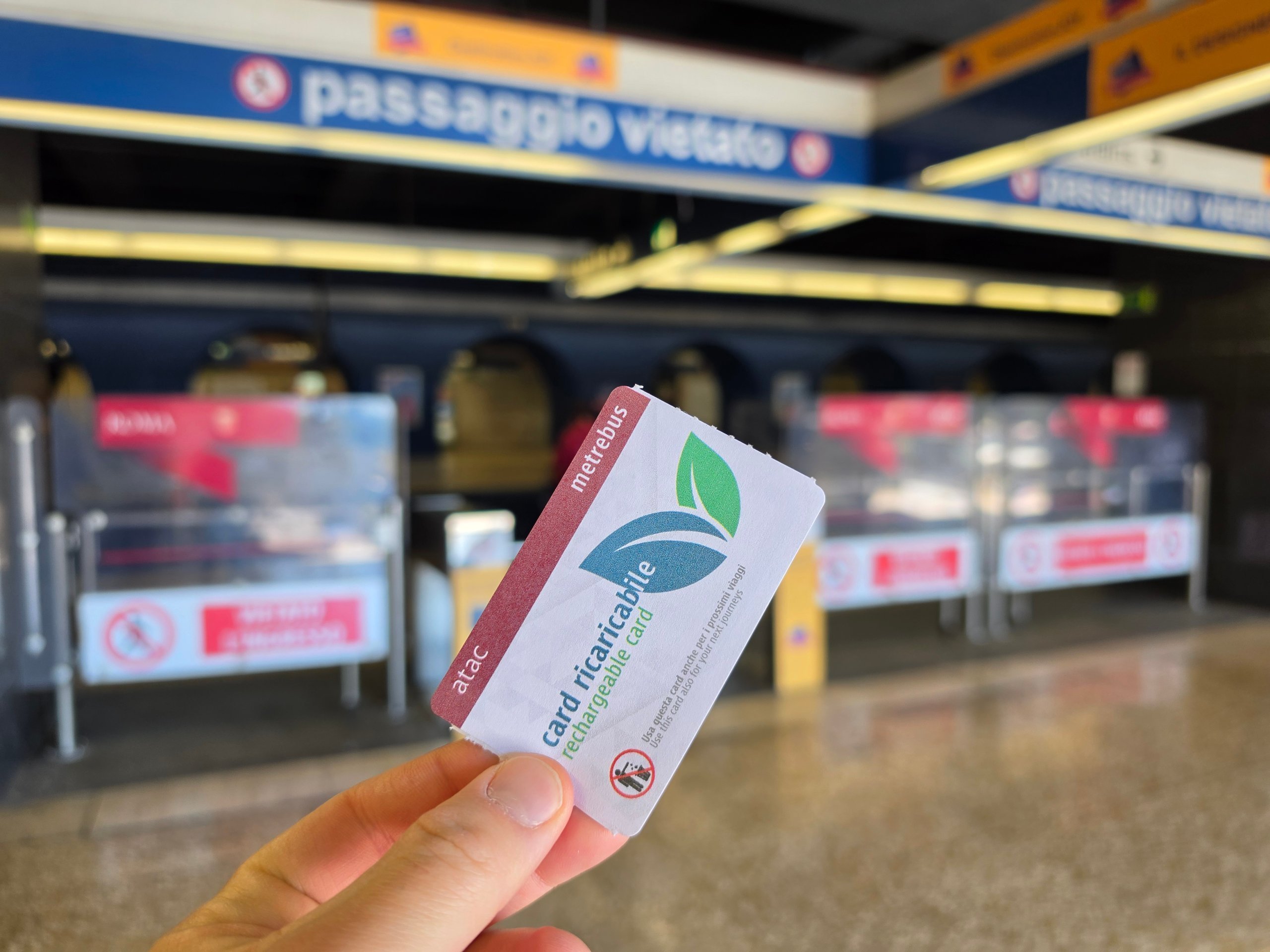
Most common options:
| Ticket | Price | For whom |
|---|---|---|
| 100 minutes | 1,50 eur | a couple of rides |
| 24 hours | 8,50 eur | More than 5 rides per day (unrealistic) |
| 48 hours | 15 eur | more than 10 rides in 2 days (unrealistic) |
| 72 hours | 22 eur | more than 14 rides in 3 days (may make sense) |
| 7 days | 29 eur | more than 3 rides per day (may make sense) |
Tickets also work for:
For more available ticket options for long-term travel, visit the transport company's website atac.roma.it/en/tickets-and-passes.
Children under 10 travel free when accompanied by a paying adult.
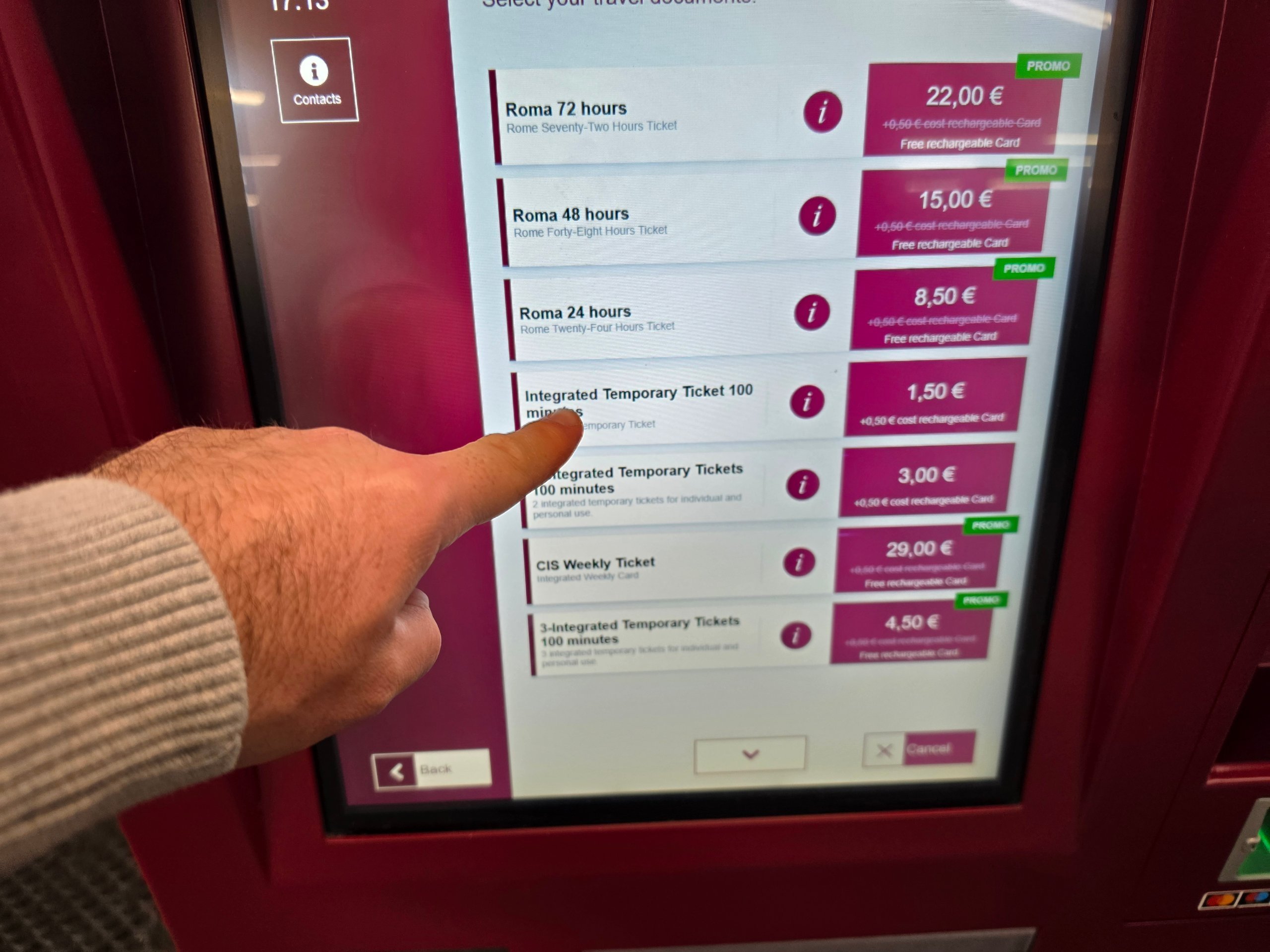
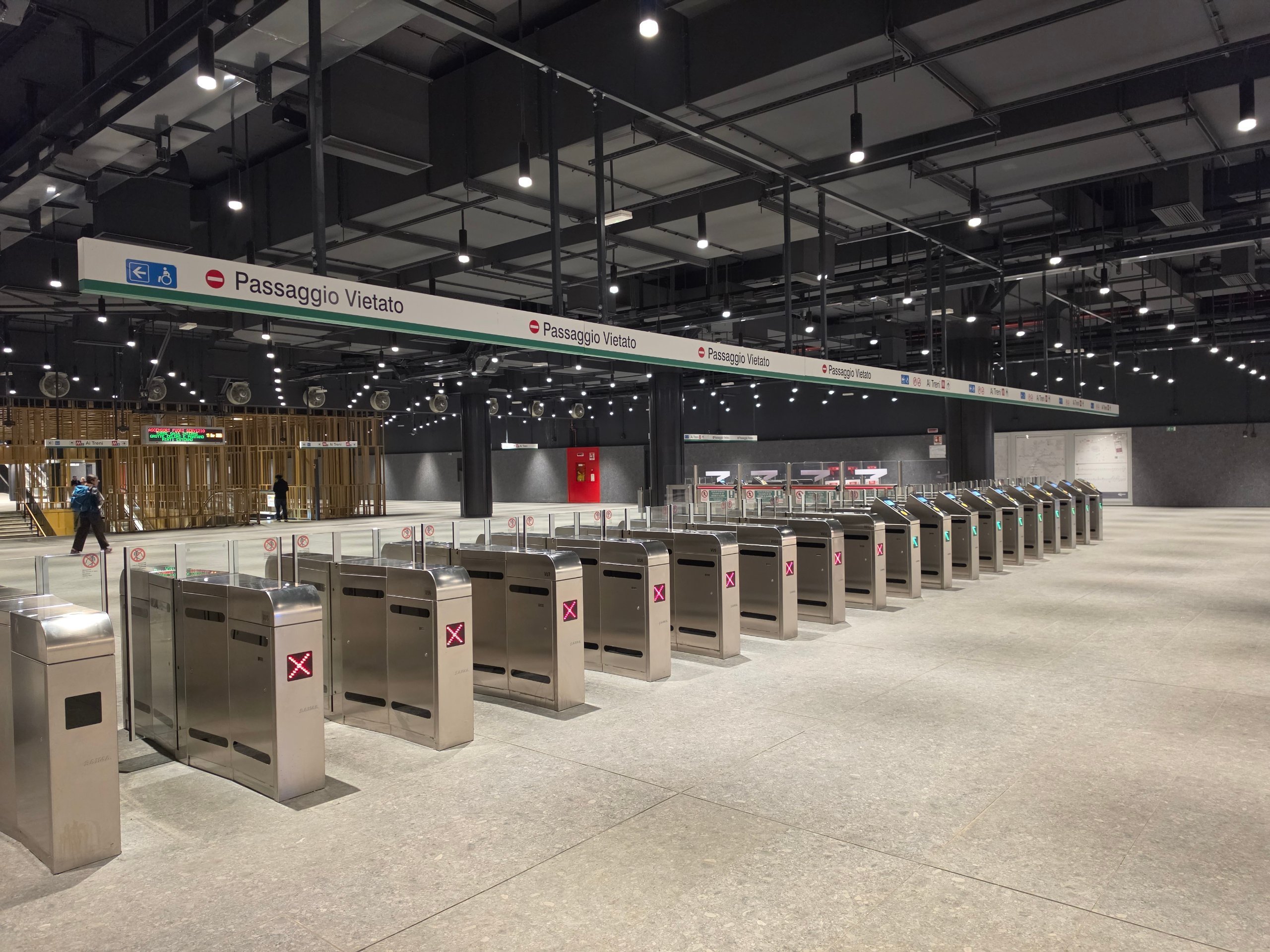
The station is accessed via turnstiles. Simply insert your contactless card into the reader or insert a paper ticket into the turnstile and you're done.
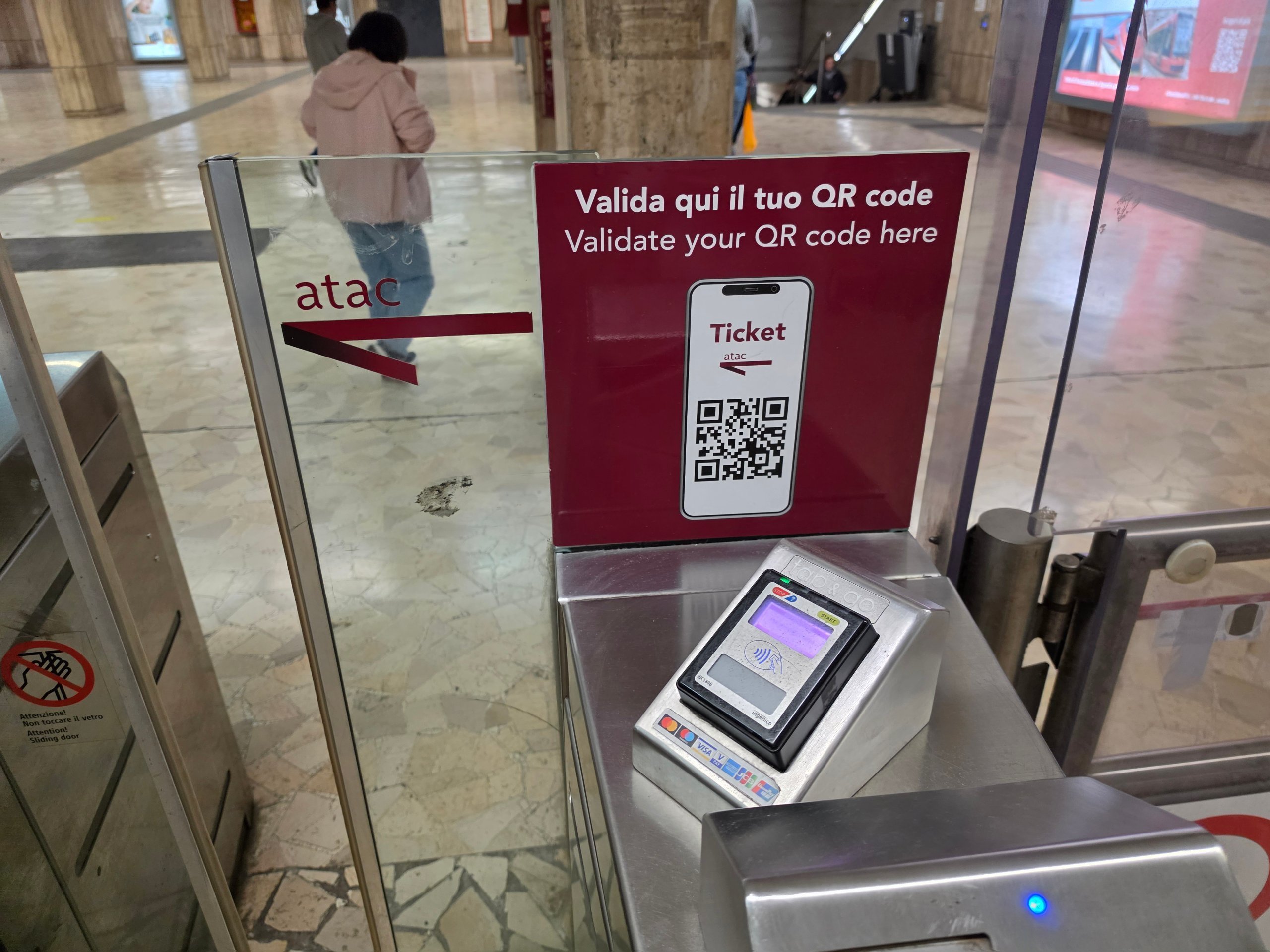
There are also turnstiles at the exit of stations, but you just need to go through them without using a ticket.
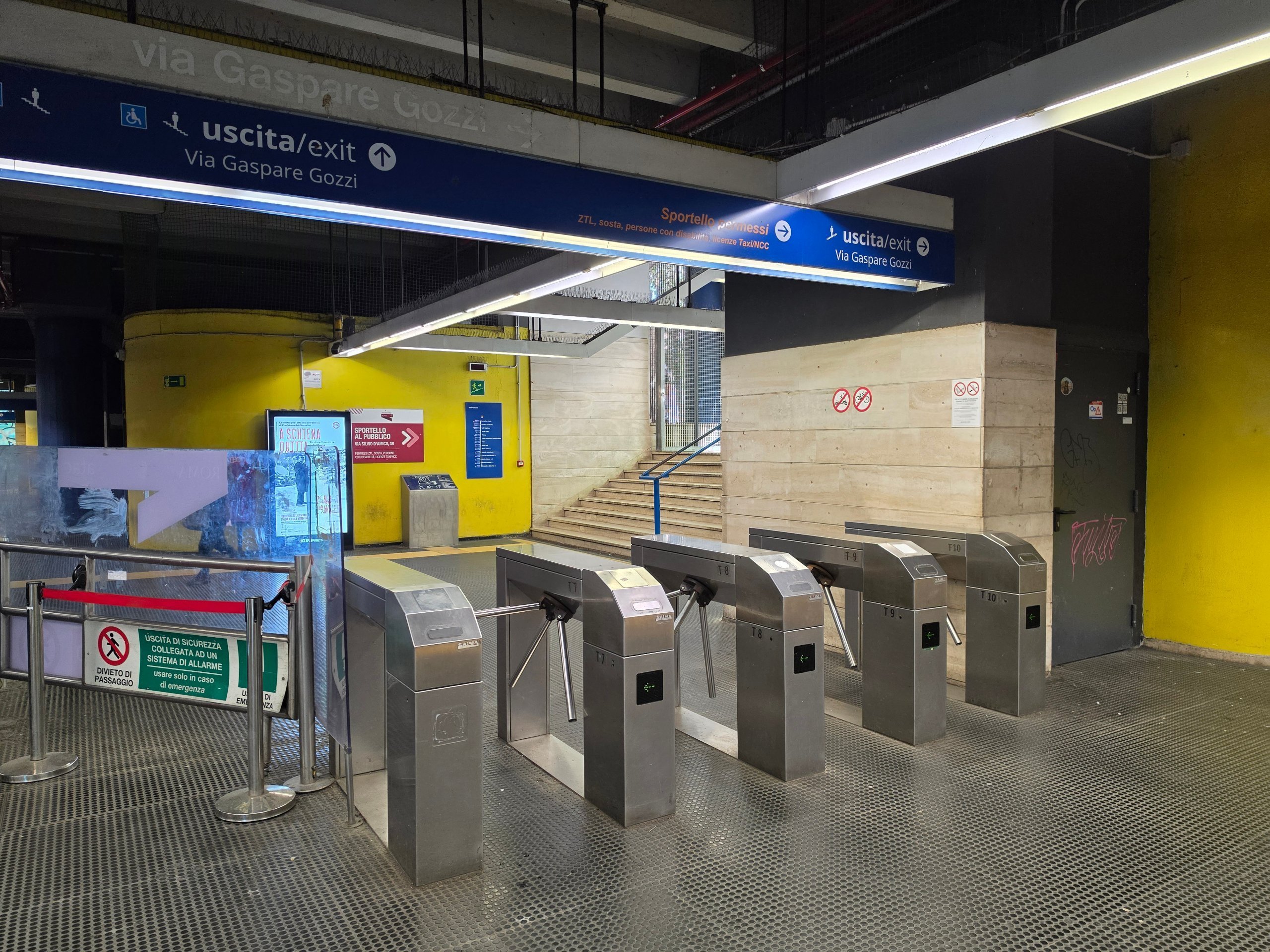
One small detail and a surprisingly common question.
The metro runs approximately:
Operation:
None of the Rome metro lines run 24/7.
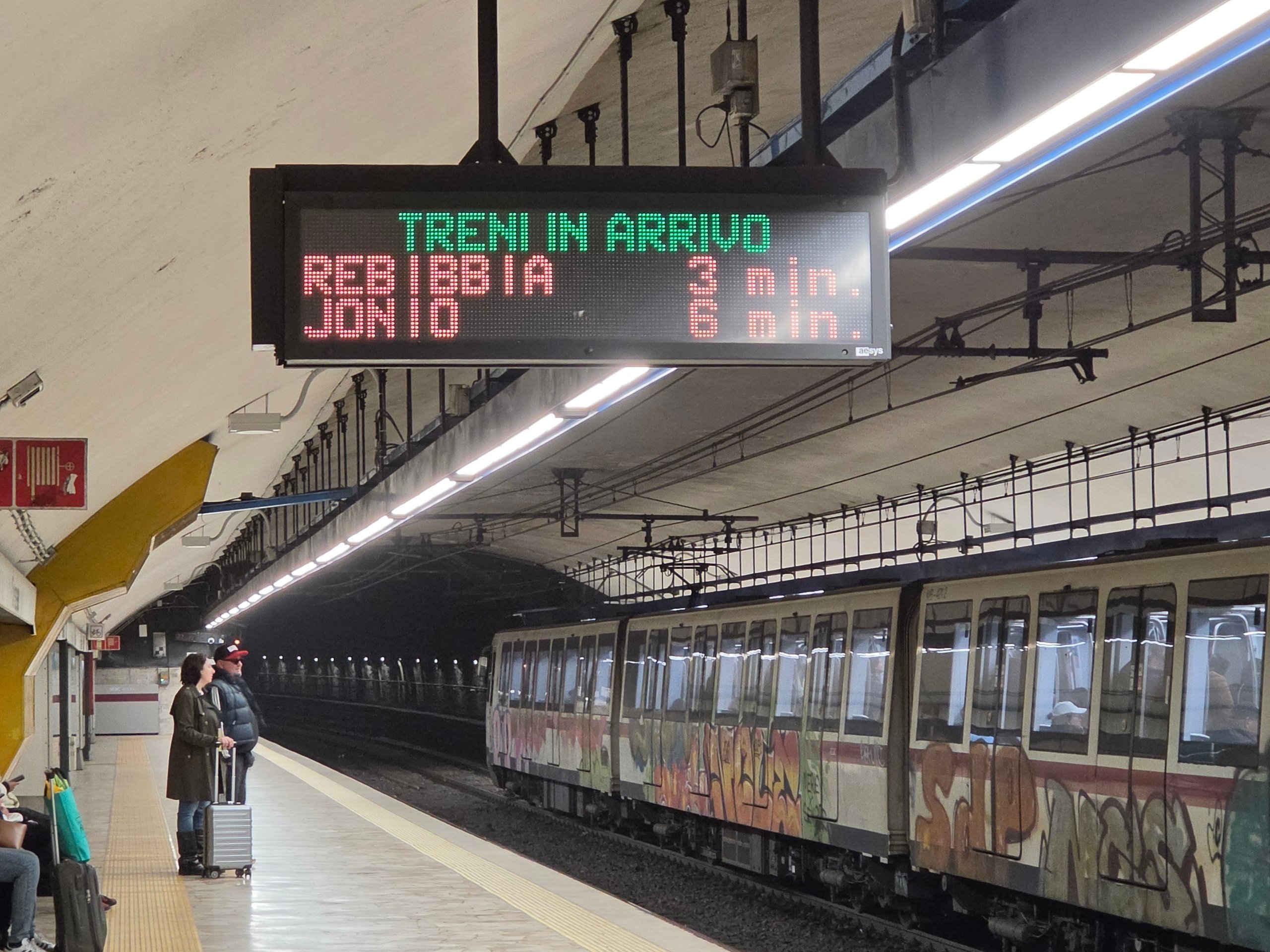
The metro trains are relatively modern and quite clean.
Rome's metro is generally safe, but there is an increased risk of petty pickpocketing.
Personally, I always keep my backpack where I can see it on the metro.
The worst part is around Termini station to the east, where there are a lot of homeless people, but otherwise I didn't feel particularly uncomfortable on the metro.
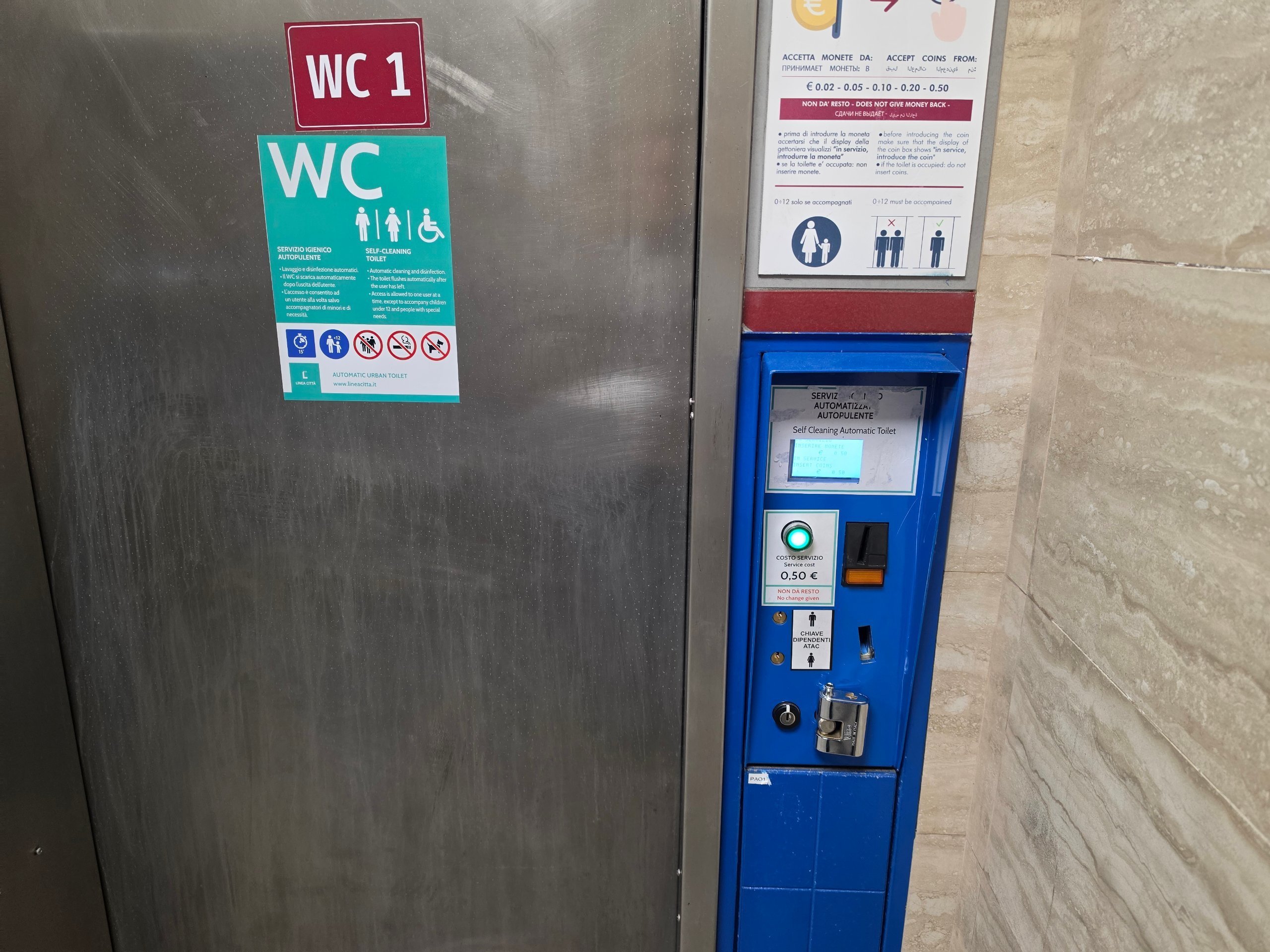
A very handy thing is that you can find public toilets at every metro station in Rome.
Less practical is that you can't pay for them except with coins.
You have to pay to use the toilets everywhere 0,50 eur.
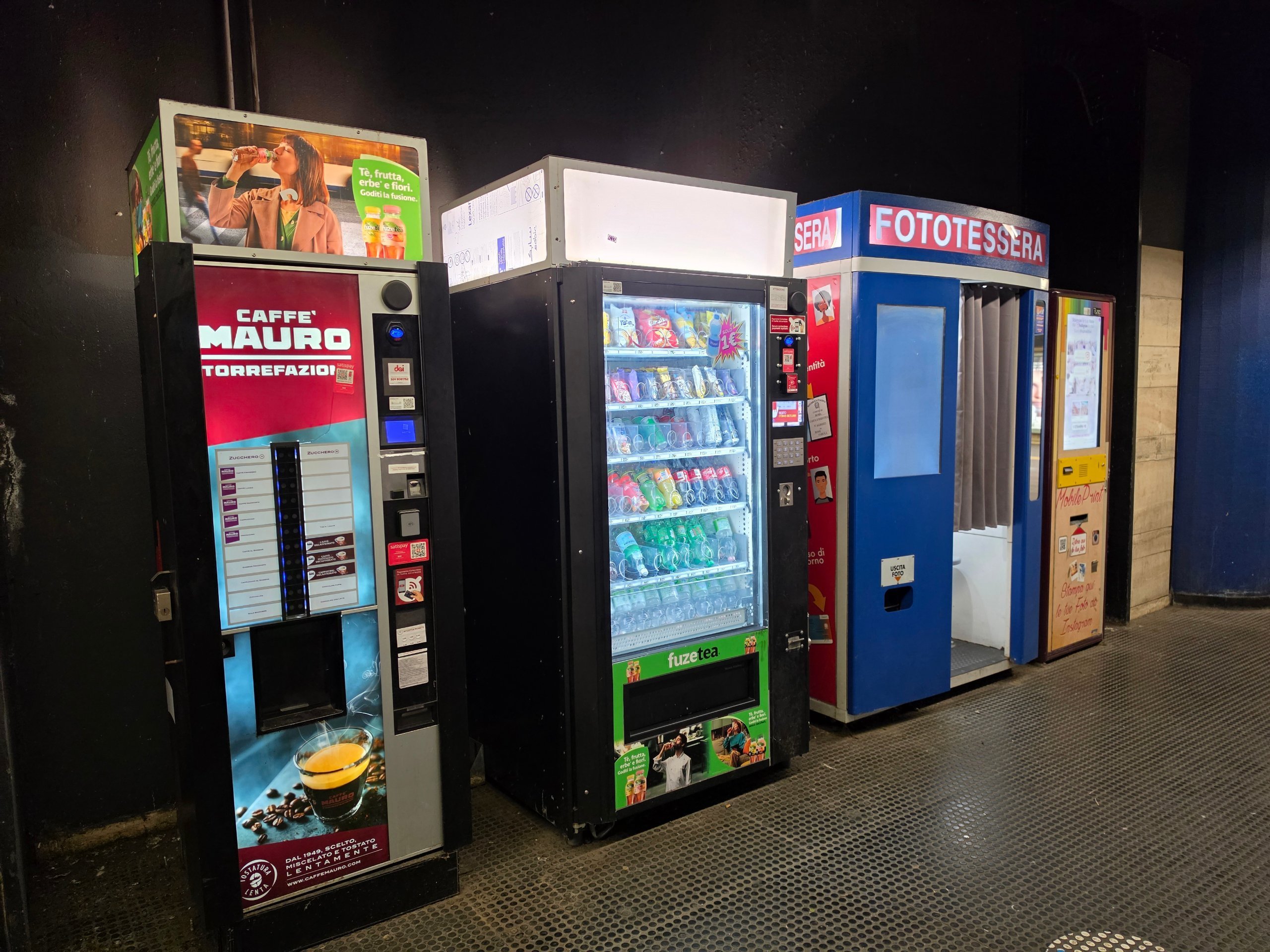
In addition, you will often find vending machines with drinks and sweets, small newsagents and snack bars, or even photo ID stands at stations.
Before my first visit, I expected to use the metro significantly more.
I even bought a 48-hour ticket and ended up only taking the metro (not just the metro, but the metro + buses in total) 3 times.
I only used the metro itself 3 times:
On one of my visits I used the metro on the way from my hotel out of the centre, but I wouldn't make that mistake again. For me, staying out of the centre doesn't make sense - I didn't save much money and spent over an hour a day commuting.
If you have any questions or comments about the article...