From Vienna to the Algarve in Portugal in January
61 €



Rome is one of the most accessible cities in Europe.
You can fly in from virtually anywhere in the world, high-speed trains from other Italian cities work well, and long-distance buses have a surprisingly strong presence, acting as a cheap alternative to trains, especially from other Italian cities.
If you're travelling to Rome for the first time, the most practical way is by plane. If you're already in Italy, the train often makes more sense.
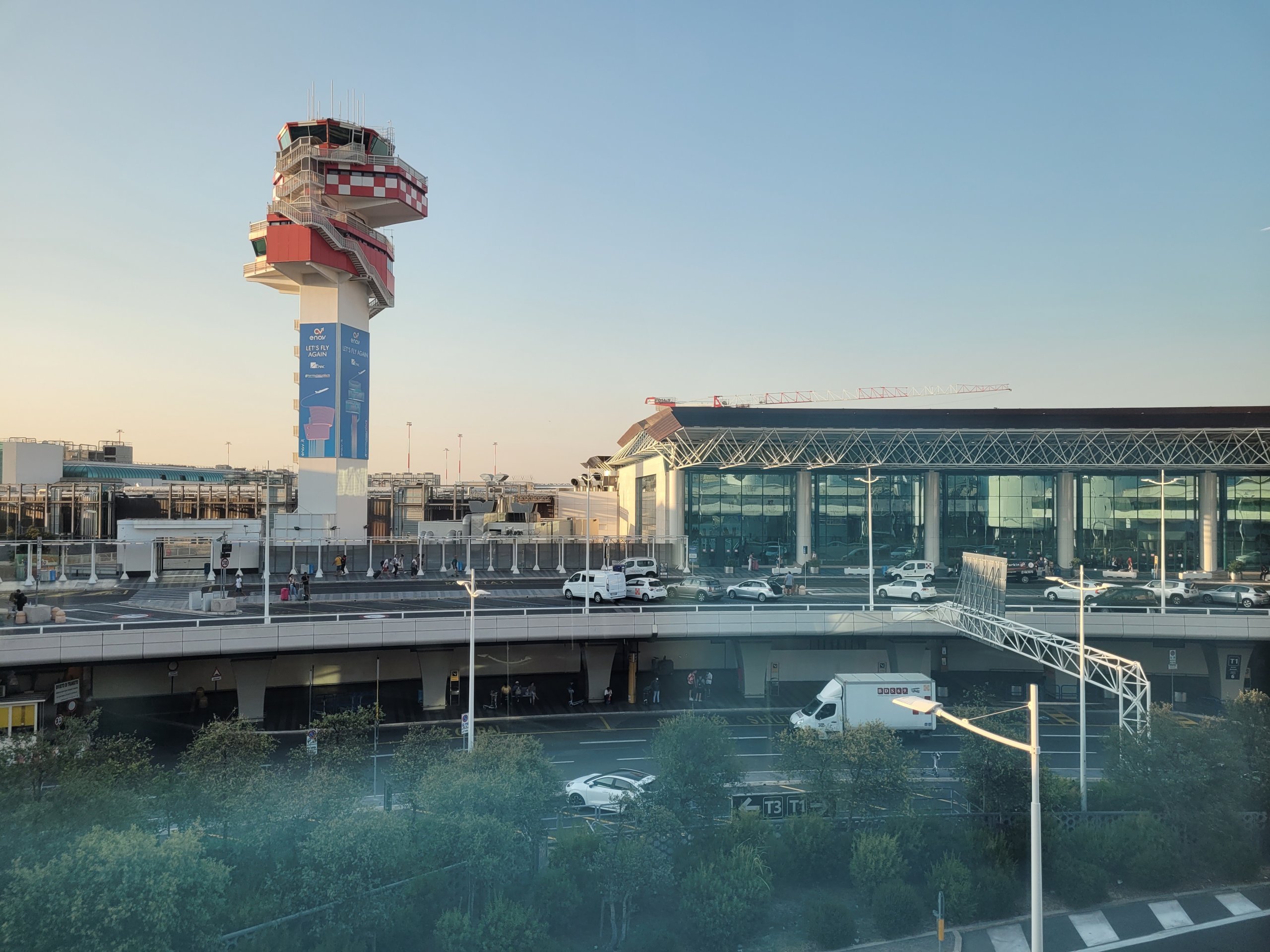
Rome is served by two main airports.
Rome's main international airport.
Officially called Leonardo da Vinci, it will be the most likely arrival airport for most passengers.
A large number of conventional airlines and long-haul services fly here.
For example:
Fiumicino advantage:
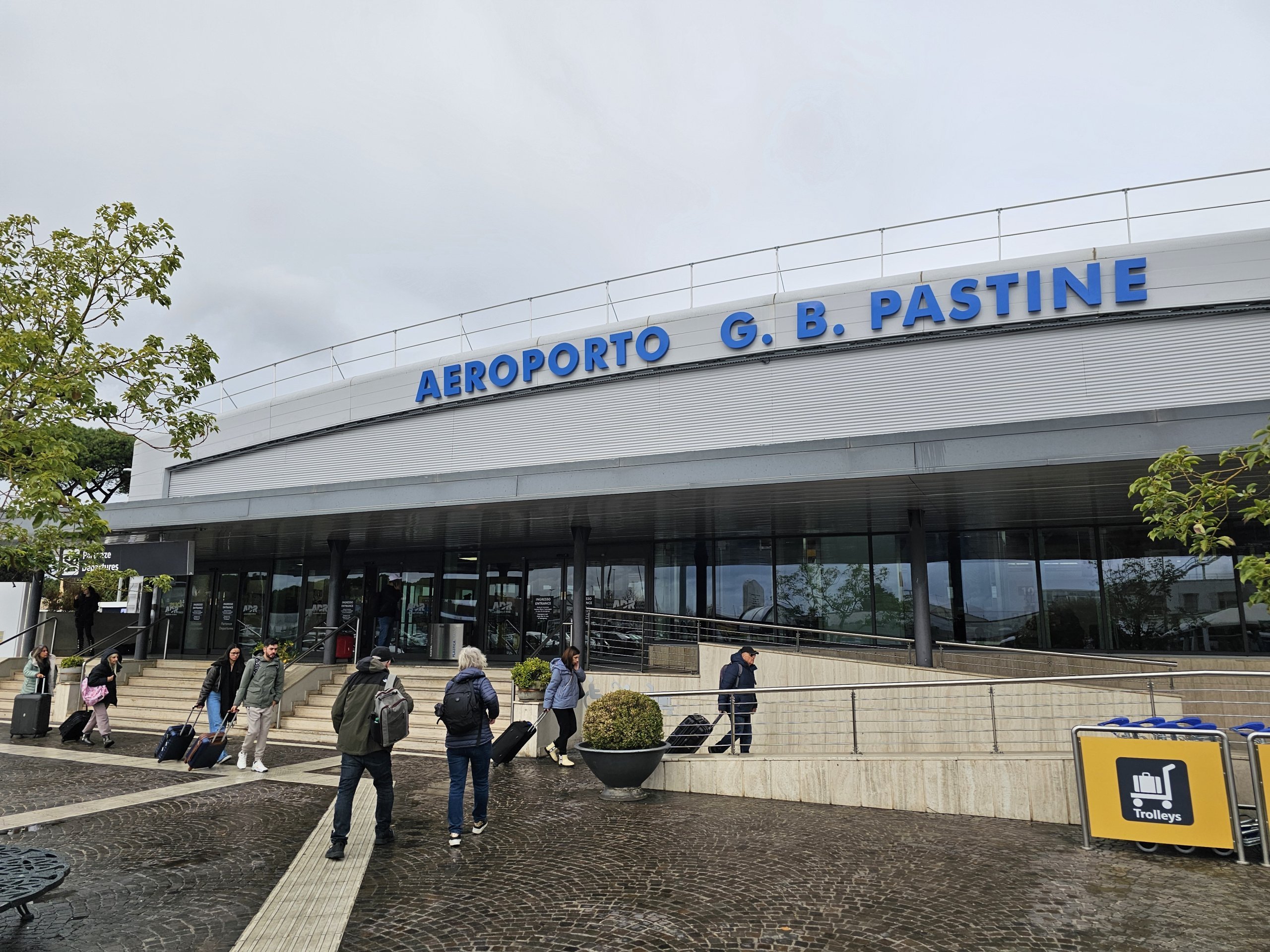
A smaller airport south of the centre of Rome.
Historically it was Rome's main airport before the opening of Fiumicino, but today it is mainly dominated by low-cost airlines.
Currently only Ryanair flies here to supplement its flights to the main Fiumicino airport.
Advantage:
Disadvantage:
If you're already in Italy, the train is often the best option. I personally love the Italian railways.
The long-distance connections are modern and more reliable than in many other European countries (for example, than in Germany or France).
Rome is served by two main companies:
Both operate modern high-speed services and usually compete on price.
Indicative times:
For long-distance high-speed trains, definitely yes, if you want a lower price.
Last-minute tickets are often very expensive (more expensive than domestic tickets) and some services can sell out.
I buy my train tickets in Italy at least 3-4 weeks in advance.
On the main routes from Rome (Florence, Naples, Milan, Bologna, Salerno, Venice) I always compare prices with Trenitalia and Italo Treno on Trainline.com, where I buy my tickets.
You don't need to buy tickets for regional services in advance.
Rome has one main station , Roma Termini, where the vast majority of long-distance and regional trains arrive.
It's a huge but uncluttered station combined with a shopping centre. Shops, restaurants, fast-food outlets and cafes are aplenty at Termini station.
There are also toilets for 1,50 eur (you can pay by card).
Roma Termini is a clean station with great transport links throughout Rome.
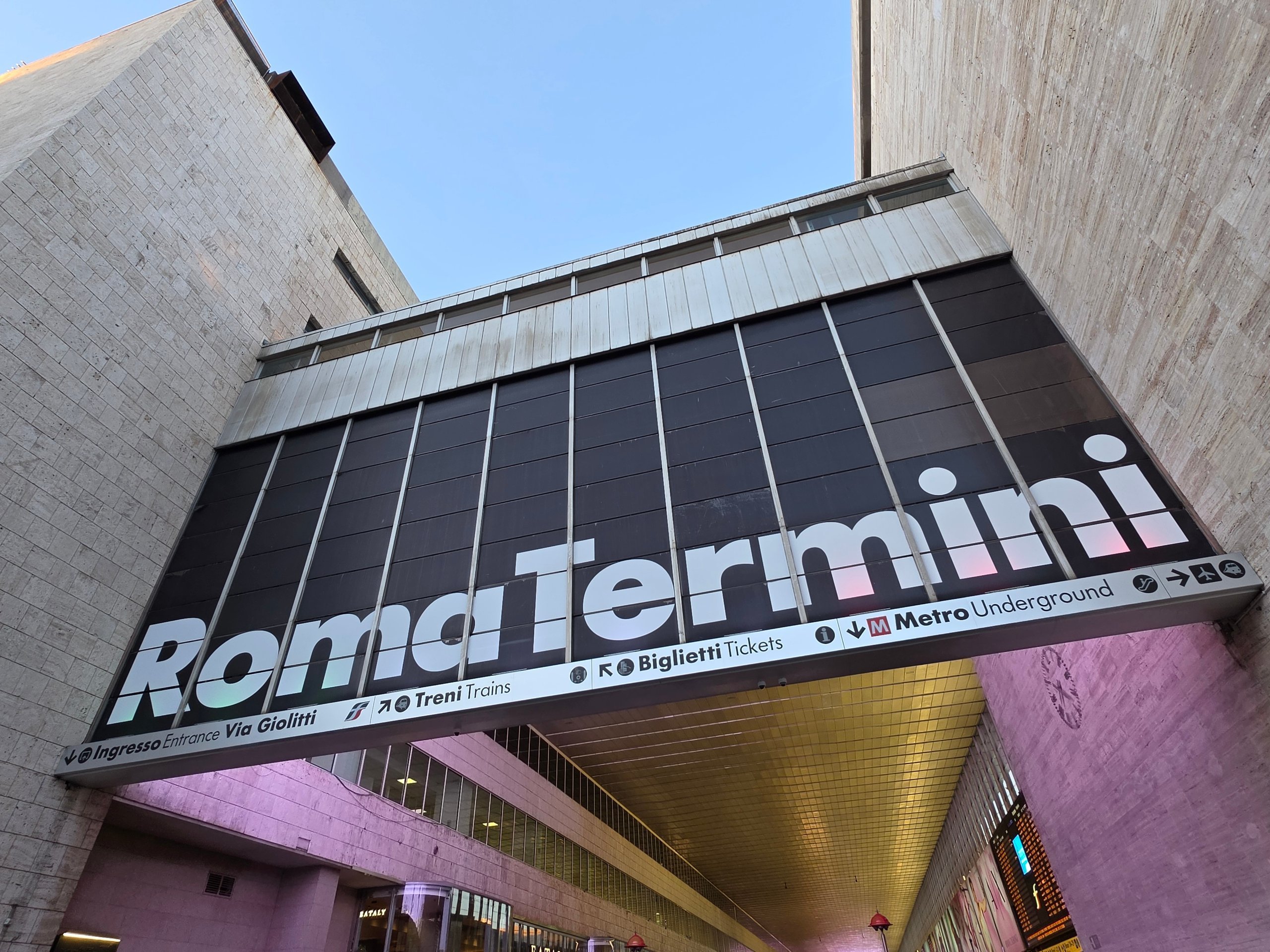
The area around the main station is great for accommodation, not only if you have an early morning train departure.
It's also a strategic place for exploring Rome because 2 metro lines and several bus routes cross here.
The bus makes sense mainly:
The strongest carriers:
For the average tourist, the train tends to be much more pleasant. But the price difference can sometimes be huge.
For me, it's more the shorter routes, where the difference in comfort compared to the train is not so decisive, but the price is.
For example, to Naples or Florence you can often buy a one-way bus ticket from 5 eur.
Buy your ticket on Flixbus.com
The biggest carriers like Flixbus or Itabus stop at Tiburtina Train Station.
The station is connected to the centre of Rome by metro line B.
If you have any questions or comments about the article...