
From Bucharest to Istanbul or Antalya with Pegasus Airlines
62 €



You can't see all of Rome in a week. I think I'd have to be here for at least 14 days to leave thinking I'd seen it all.
But you can do a surprising amount in 3 days - if you put it together smartly.
This itinerary is based on exactly how I explored Rome: minimal unnecessary transfers, logical routes, and a mix of iconic spots with quieter spots.
View the 10 best hotels in Rome
In addition to this itinerary tip, I've also written other practical blogs:
💬 How did you put together your stay in Rome? I'm interested in this and travelers from all over the world, share in the comments below. Thanks!
The first day is all about that "classic Rome" that most people come here for.
I wanted to "check it off" right at the beginning to make sure I saw everything I wanted to see.
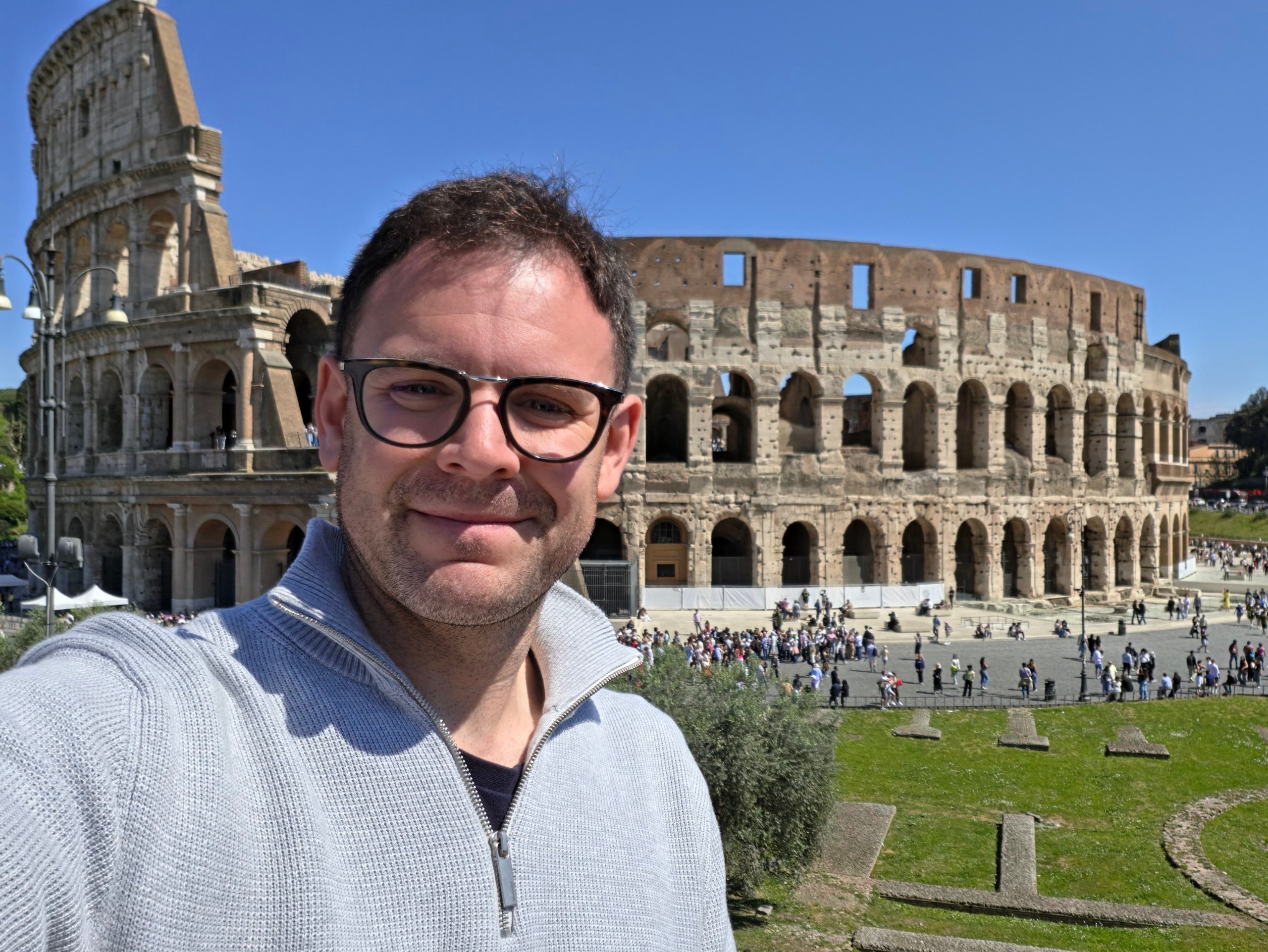
Start at the Forum Romana early in the morning - you can buy a ticket here easily on the spot, with the understanding that you'll reserve your Colosseum admission for the exact time after you've toured the Forum Romana.
If you book your tickets online ahead of time, I'd still recommend the morning - it's the perfect light for taking photos and it's not as hot.
This part took me almost 3 hours in total.
Continue walking towards the centre:
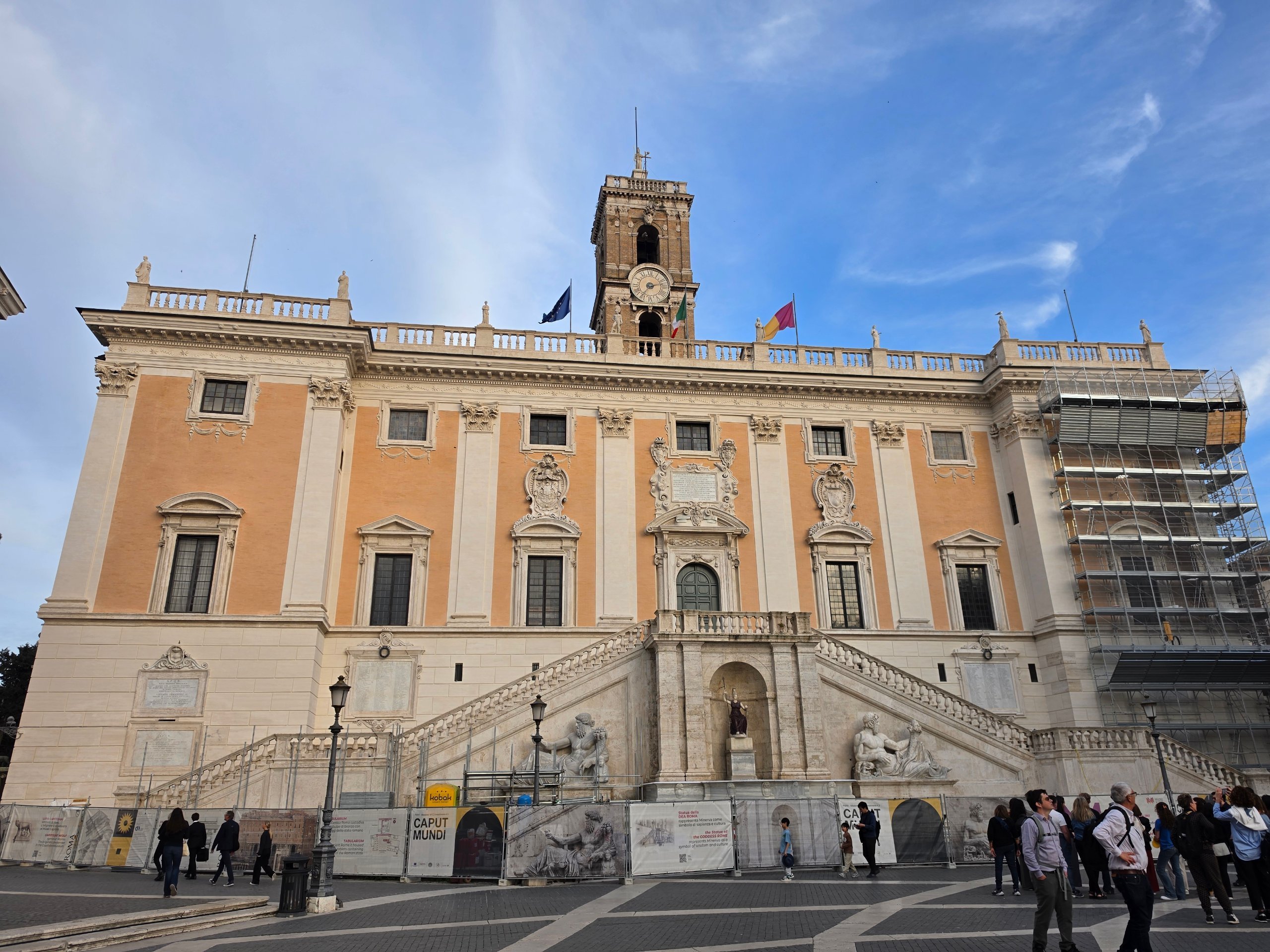
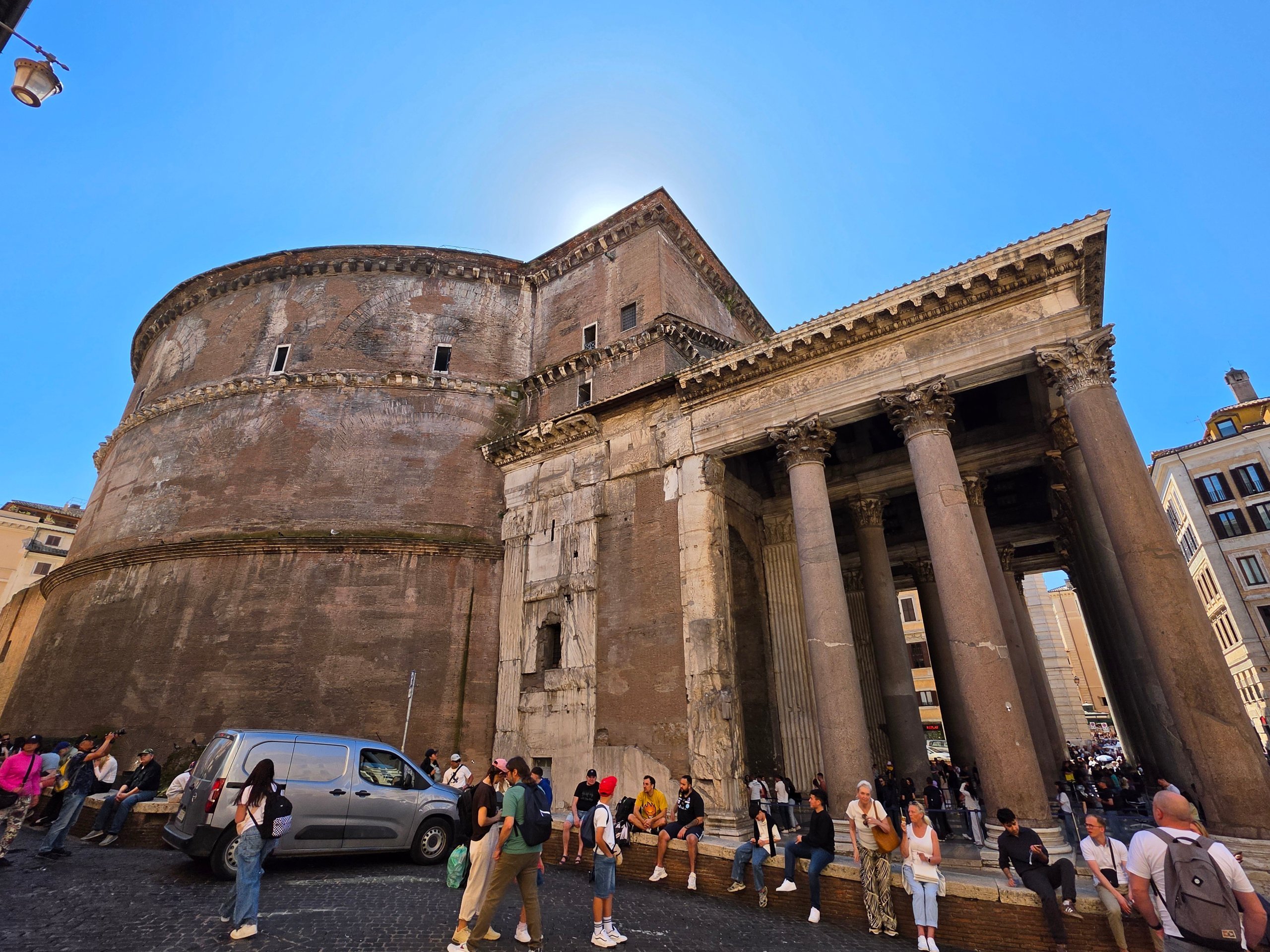
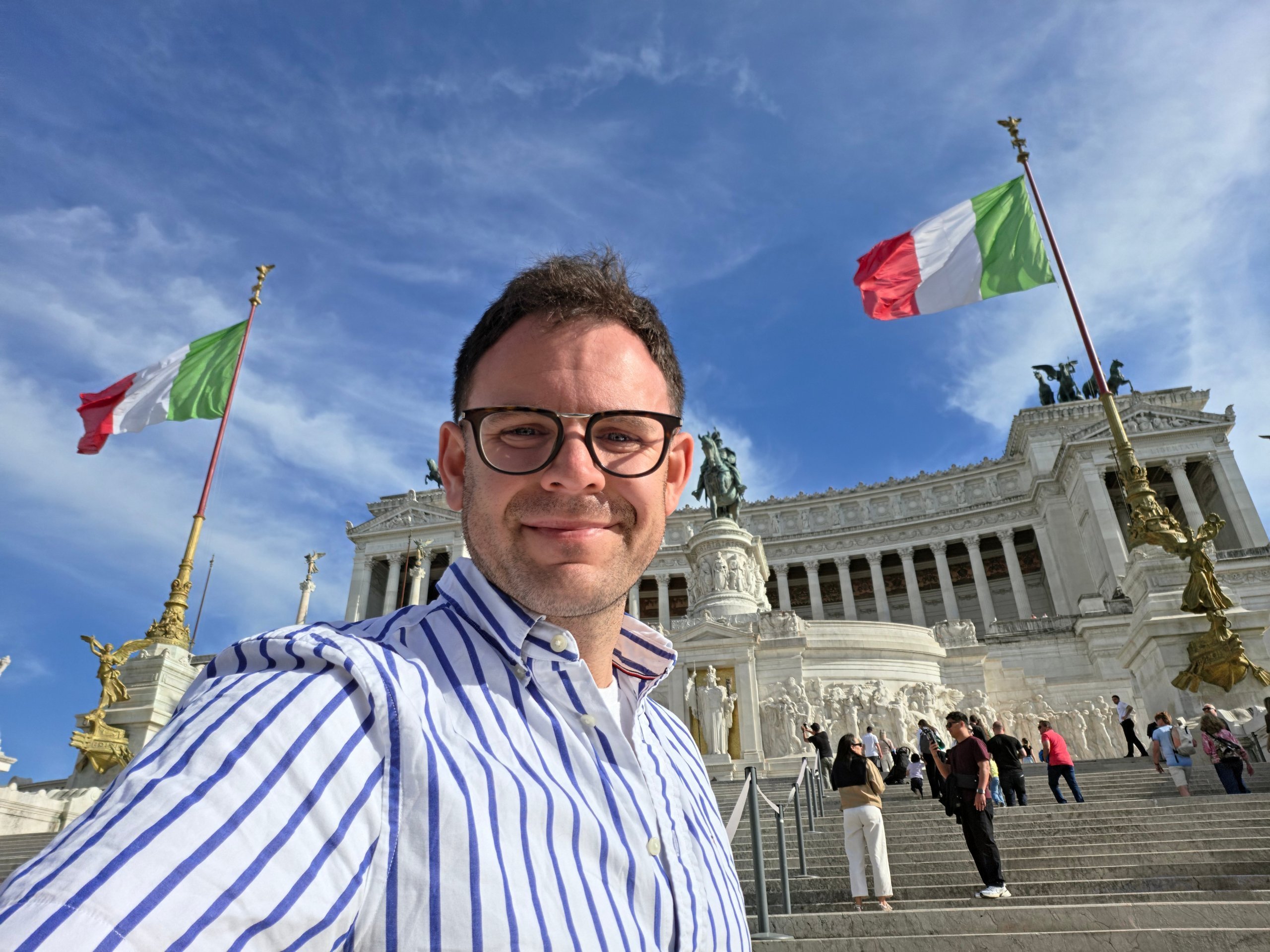
Next approx. 2,5 hours.
After lunch (here are my tips for eating and drinking in Rome), I took a leisurely stroll through the historic center of Rome, discovering a few familiar spots along the way:
Also, because the crowds are usually the biggest in the afternoon, I didn't worry too much about entering museums or monuments, but just enjoyed the atmosphere of Rome.
Here you can easily get through it in 45 minutes, or even 2 hours. Depending on your mood.
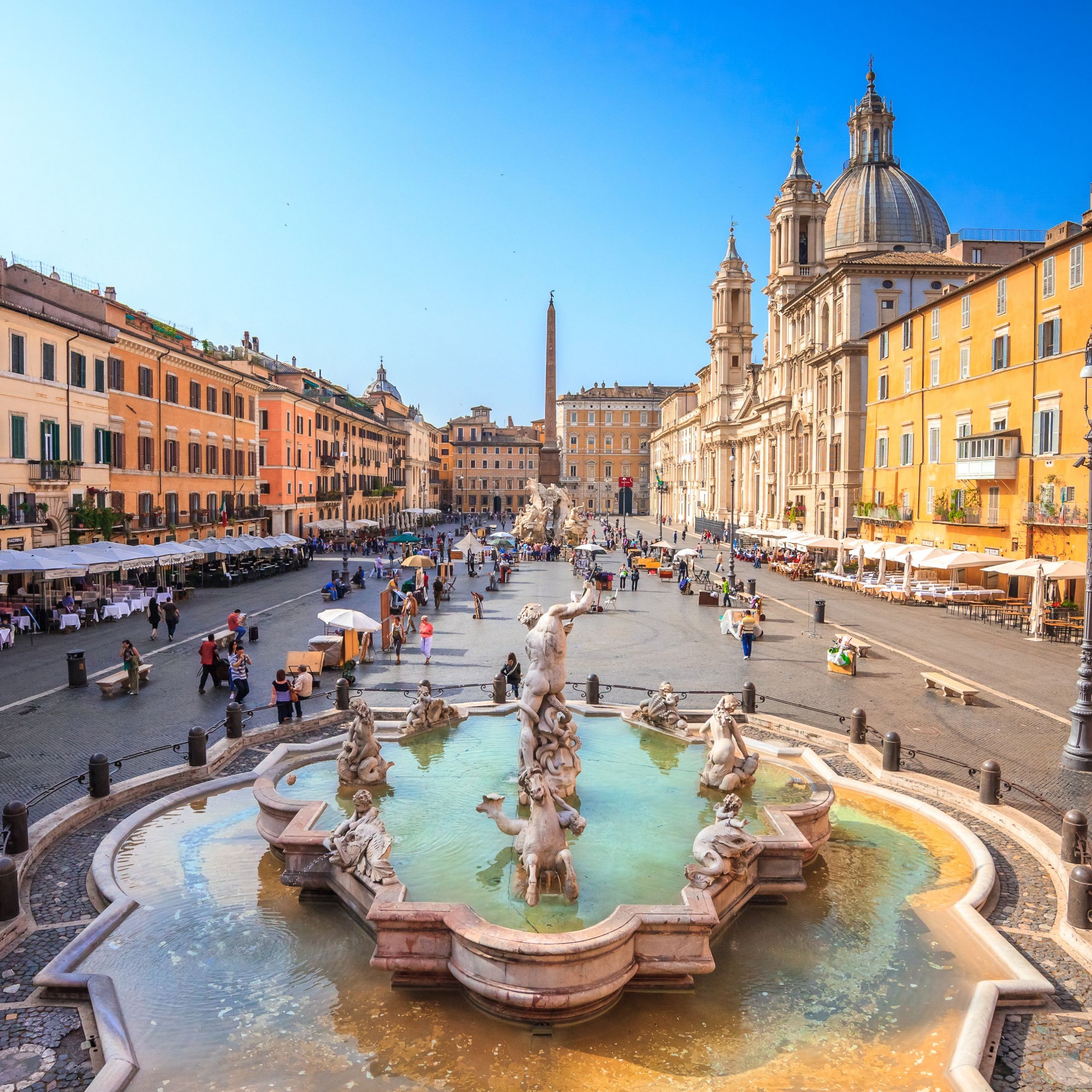
I saved the northern part of the centre for the early evening.
This is where the longest pedestrian crossings of the day are. In total, you're looking at around 35 minutes of walking. But it's still significantly faster than taking the bus or metro.
I write about getting around Rome in more detail in the 👉 Transport in Rome chapter.
If you still have the time and inclination, you can go to the evening viewpoint above Piazza del Popolo, which is about 15 minutes walk from the Spanish Steps.
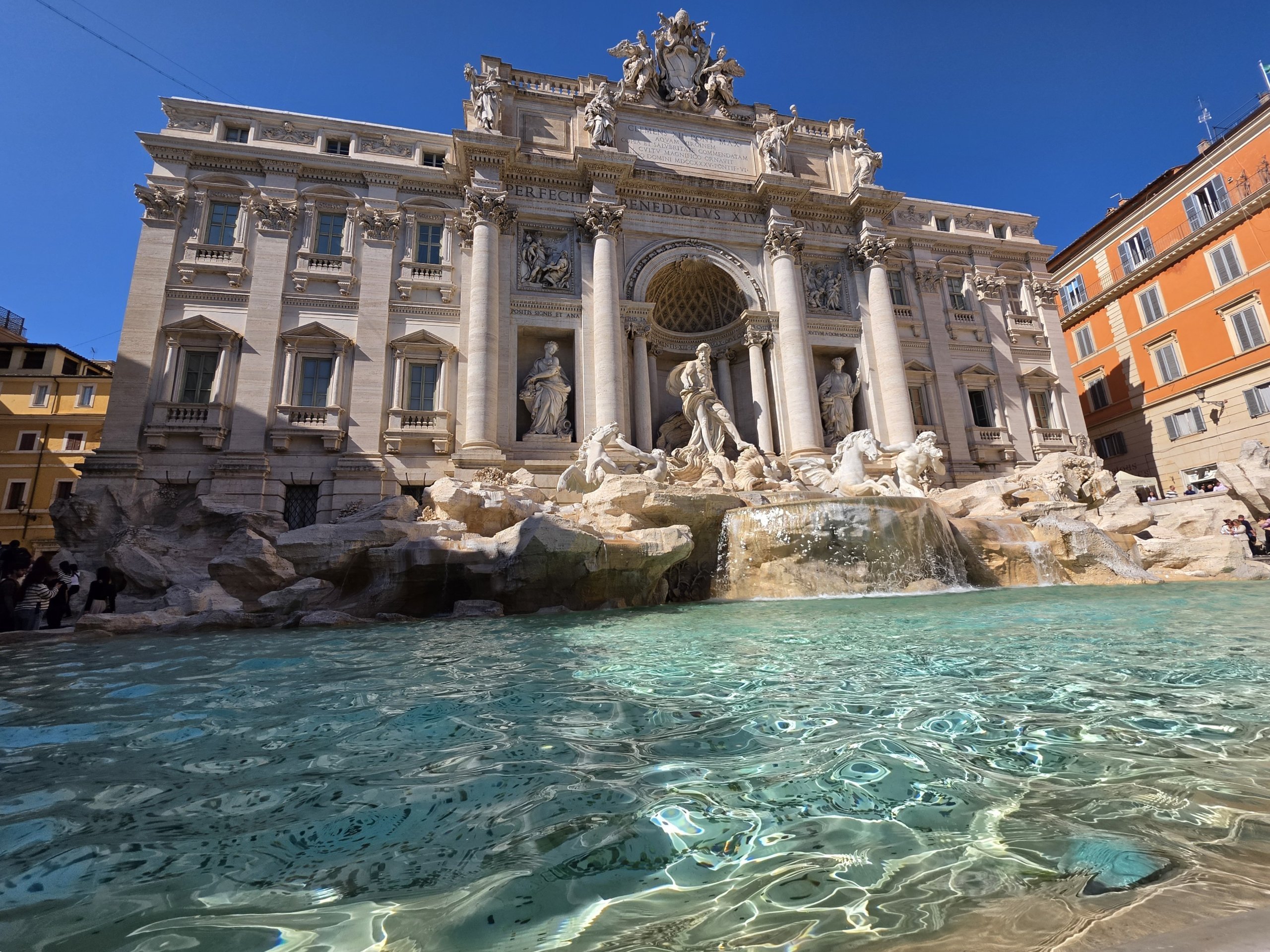
💬 When have you been to the Trevi Fountain? In the morning or in the evening?
The second day is a combination of Vatican City and less hectic parts.
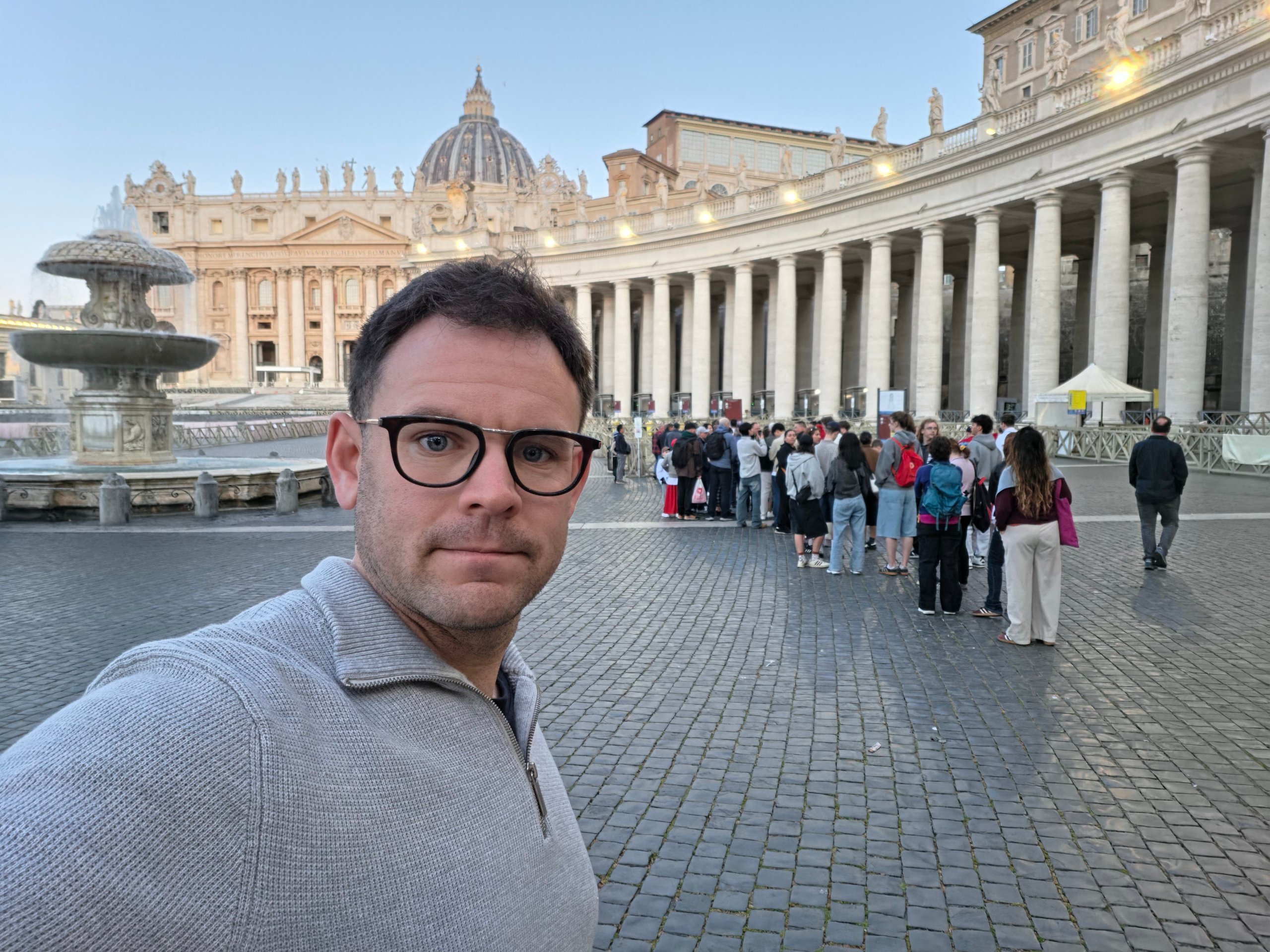
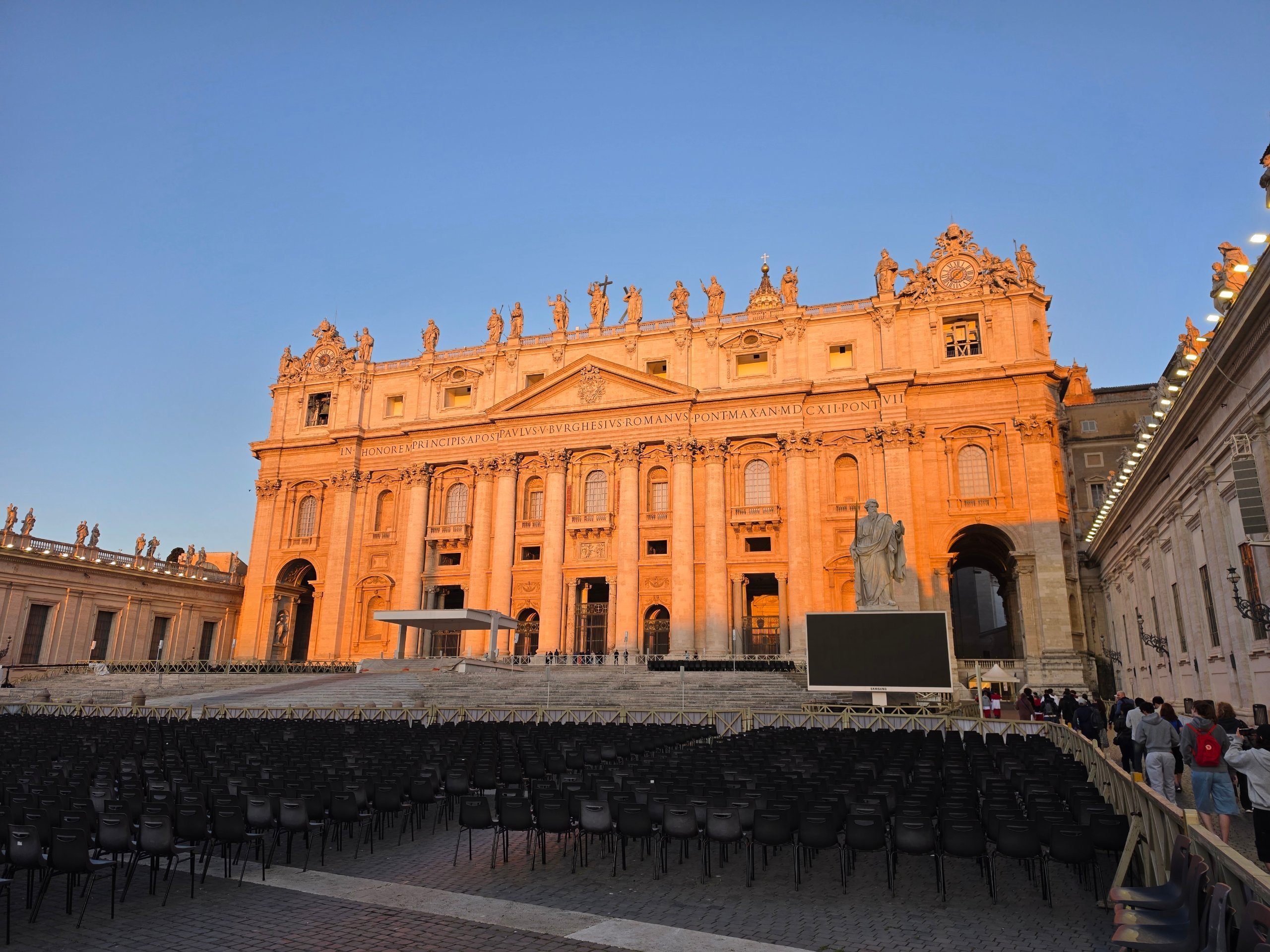
Here it's clear. I would definitely start the morning at the most famous church in the world. Before 8:00am you have a chance to go in with a very short queue of under 10 minutes.
At any time of the day, the lines extend up to 3 hours.
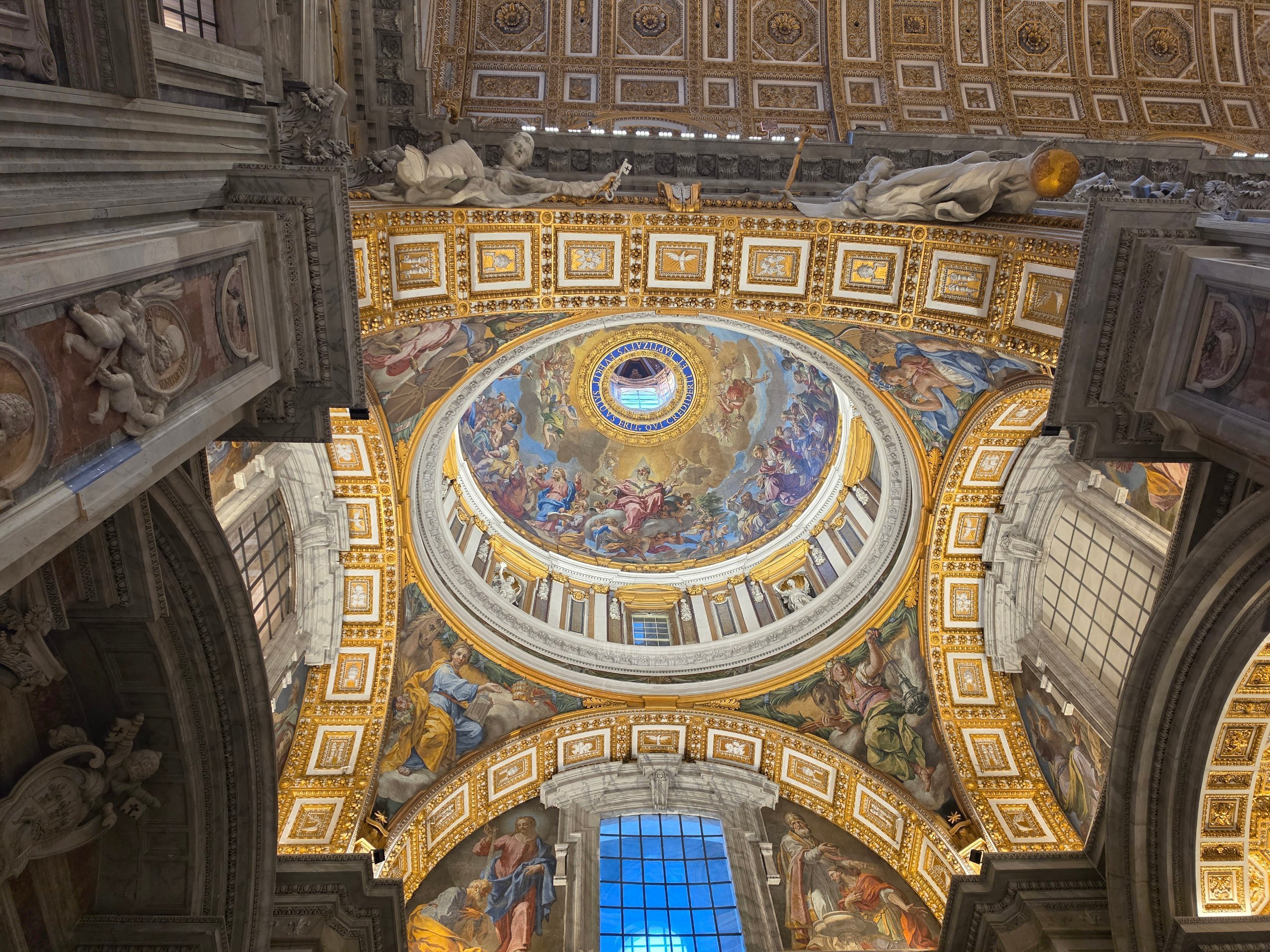
If you're the least bit interested in art, then the Vatican Museums and the Sistine Chapel are a definite must-see!
Tip! I definitely recommend booking online at least 14 days in advance. Without a reservation, queues can be as long as 3 hours.
On the way out of the Vatican, I stopped for a great gelato in the Borgo Pio alley and continued on to the next monument:
If I had booked well in advance for the Passetto di Borgo, I would have enjoyed my visit much more for sure!
Then move slowly towards Trastevere with a relaxing walk along the Tiber River. Or take a leisurely stroll through the southern part of the historic centre to the beautiful Isola Tiberina.
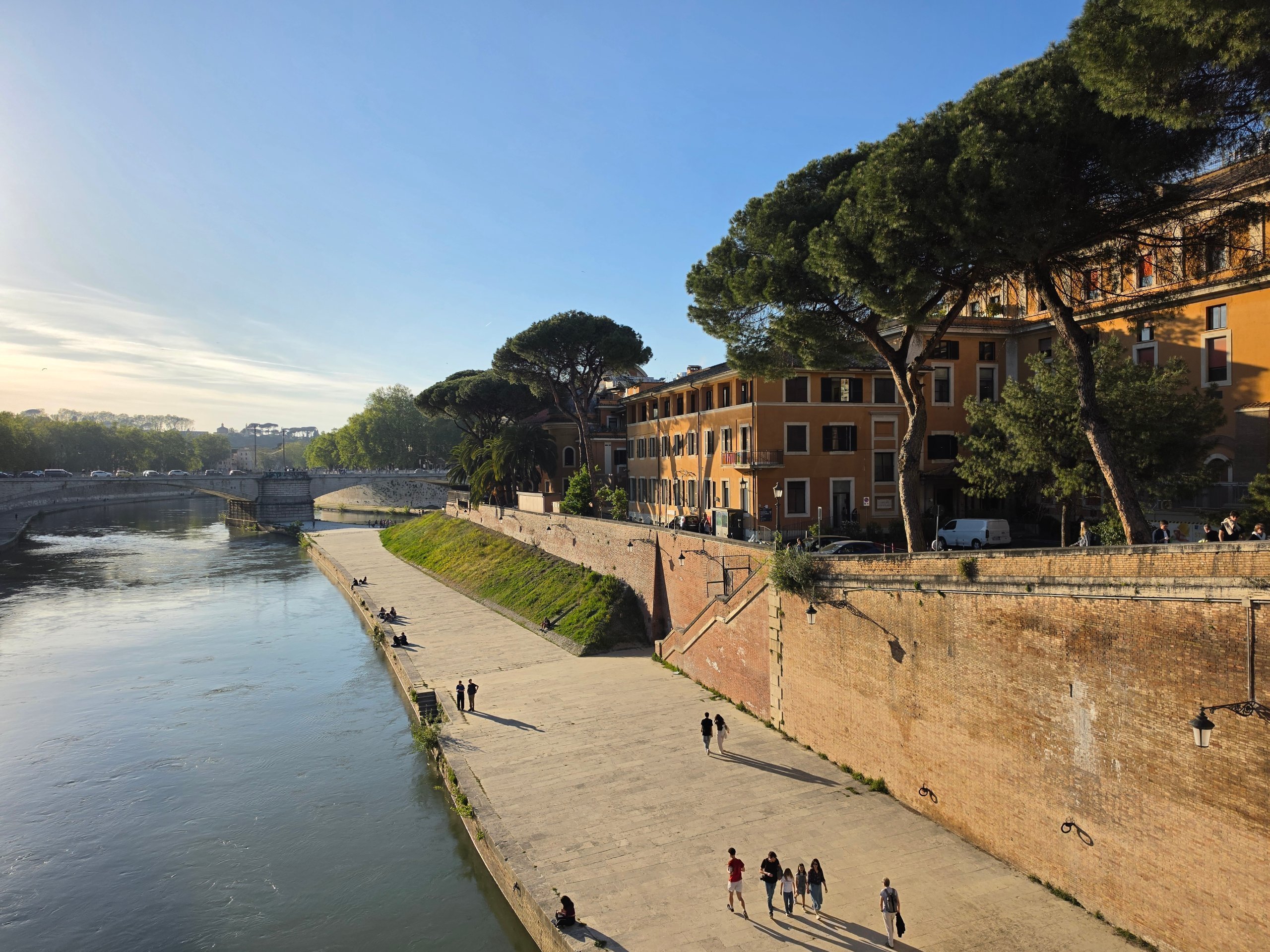
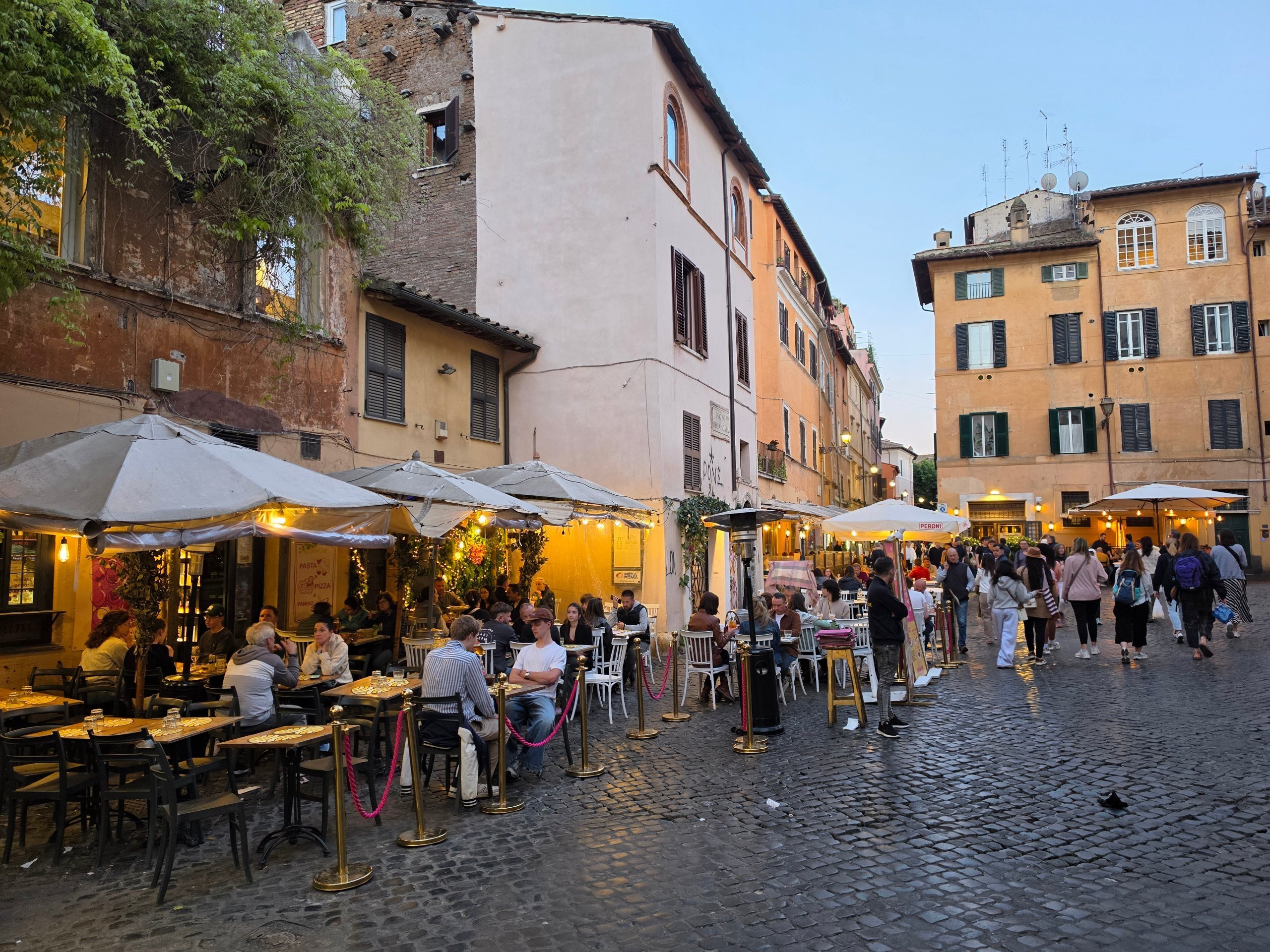
This is the perfect place to end the day - food, atmosphere, no stress.
Realistically, this is one of my favourite neighbourhoods ever!
💬 Do you have a tip for a restaurant in Trastevere? Here you go (write it in the comments below the article, thanks!)
By the third one, I just wanted to enjoy Rome without the "obligatory stops".
In the end, it fell into place perfectly so that I minimized the transfers again.
Booking.com - top hotels in Rome
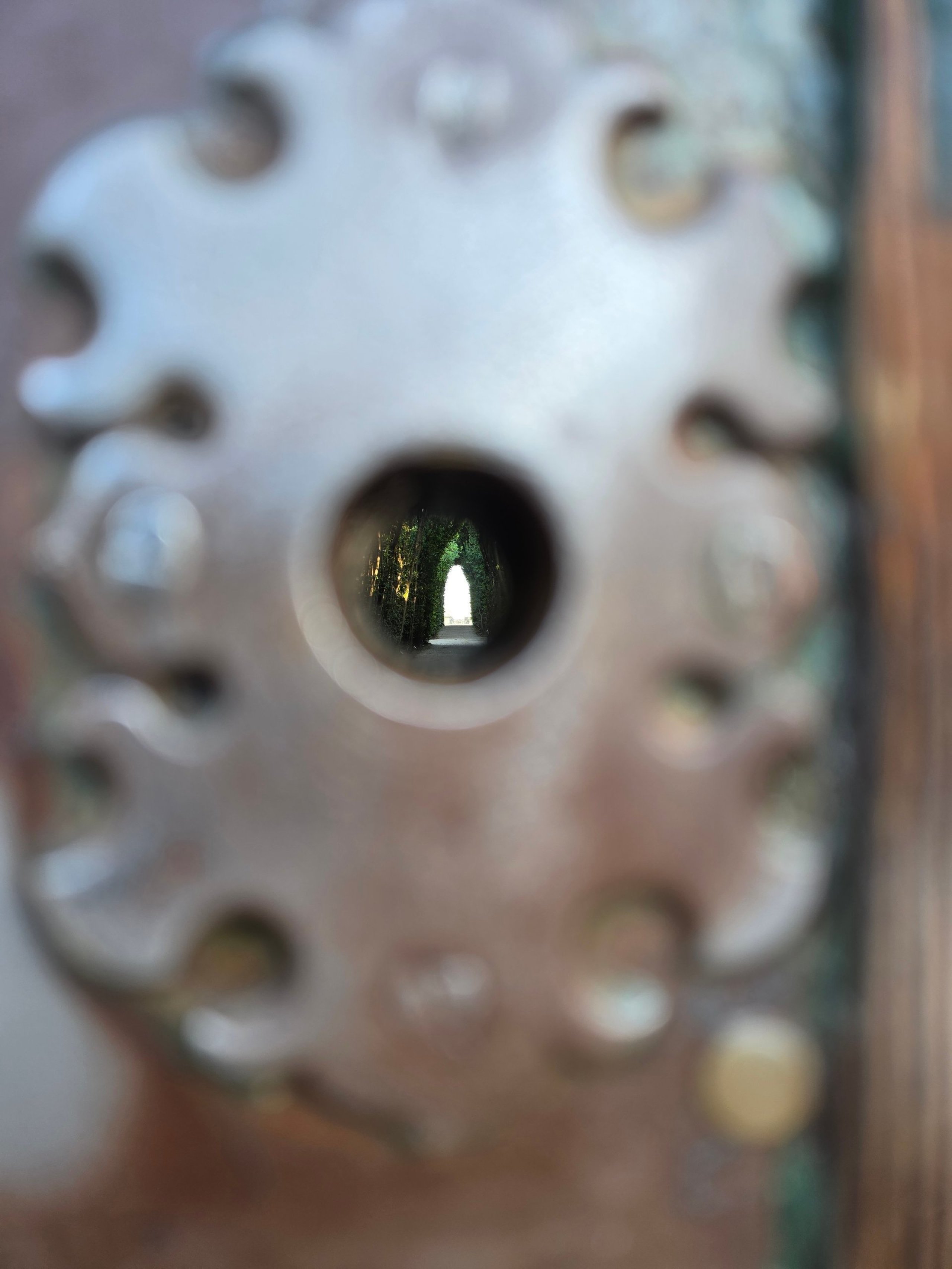
Before 8:00am I set off for the Aventine hill, which is besieged by people during the day, but in the morning there is absolutely no one here.
I visited the two main attractions
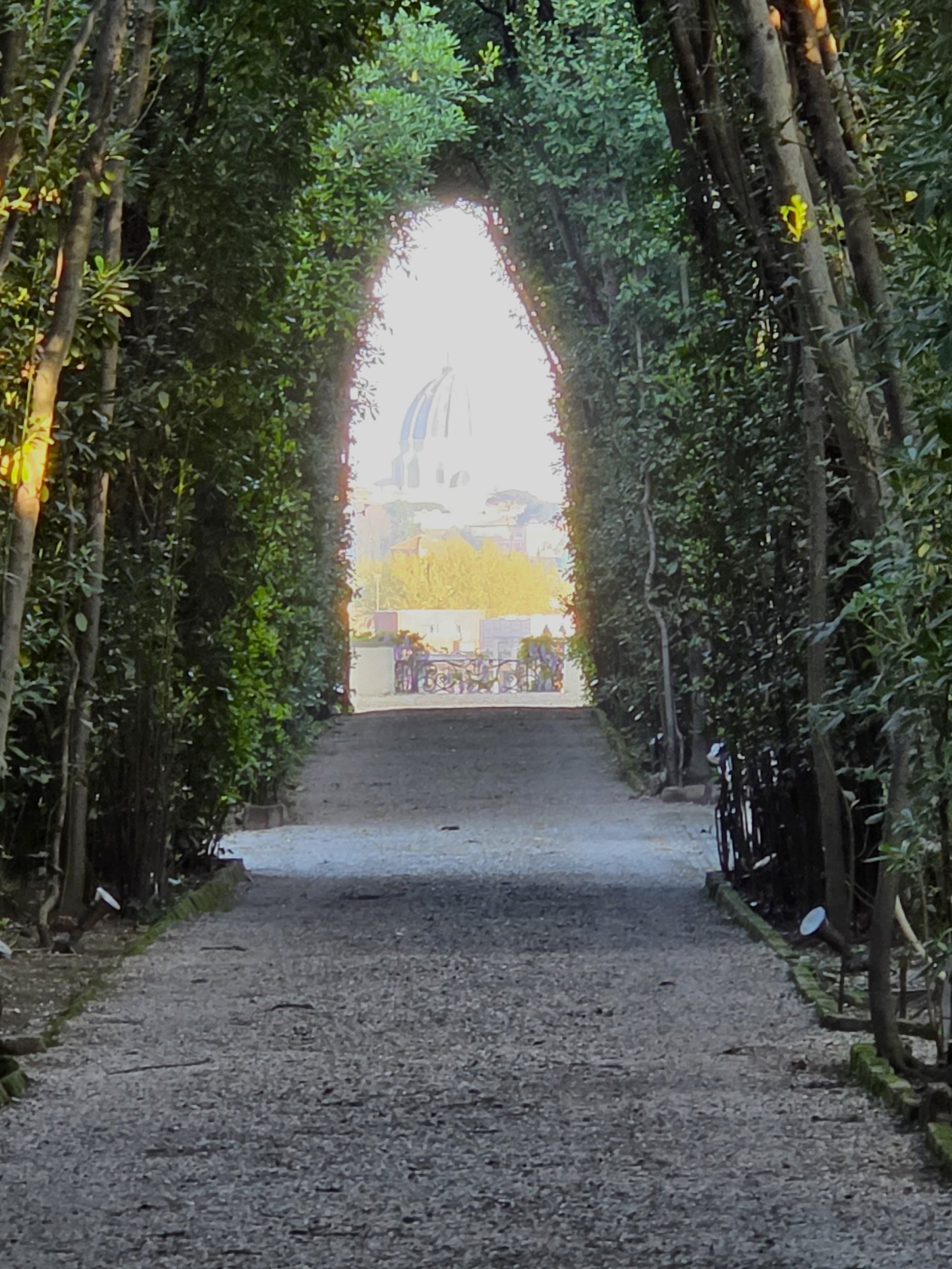
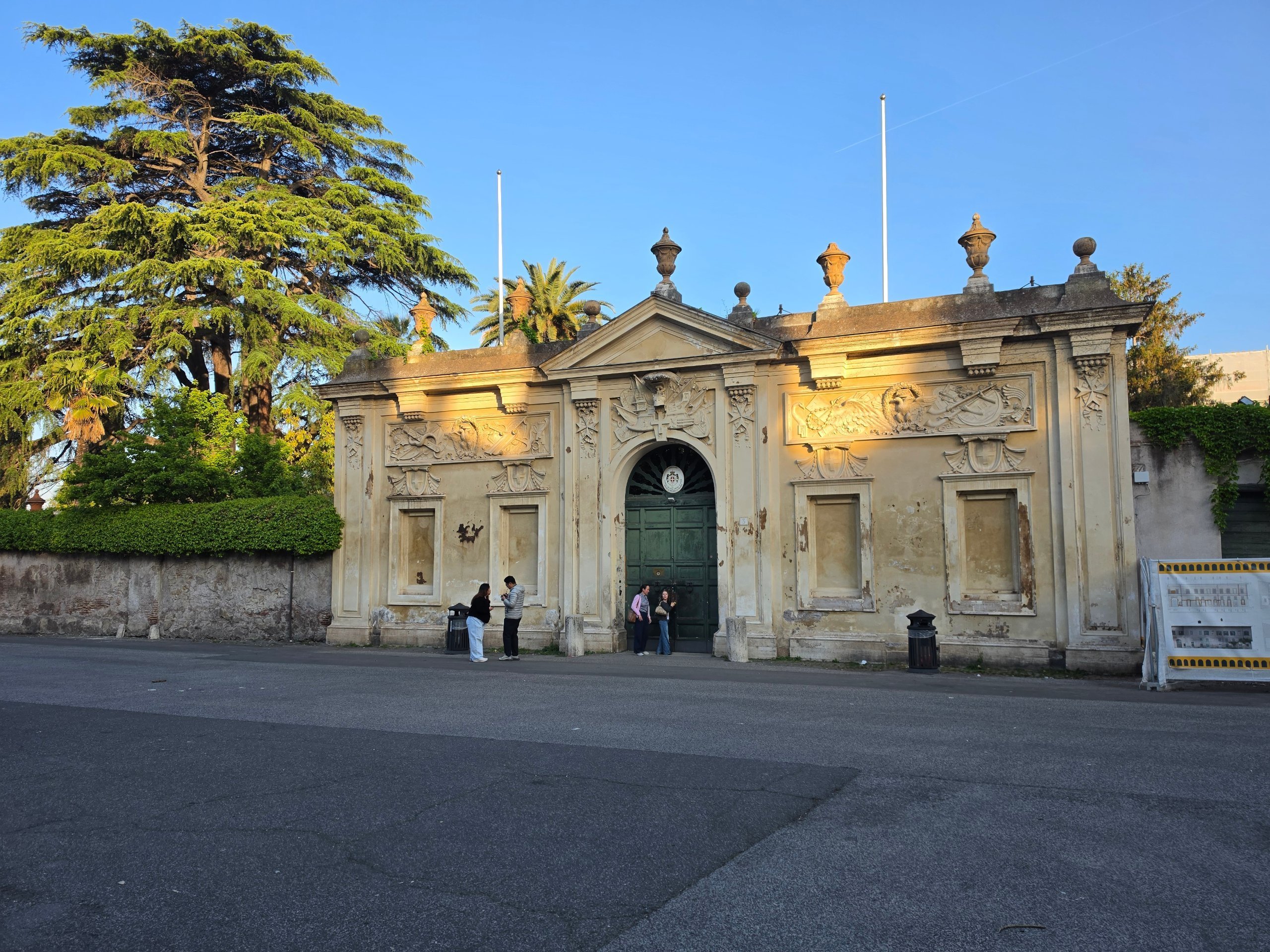
From Aventino, I ran down to the Tiber and then headed east. I visited the following places in turn:
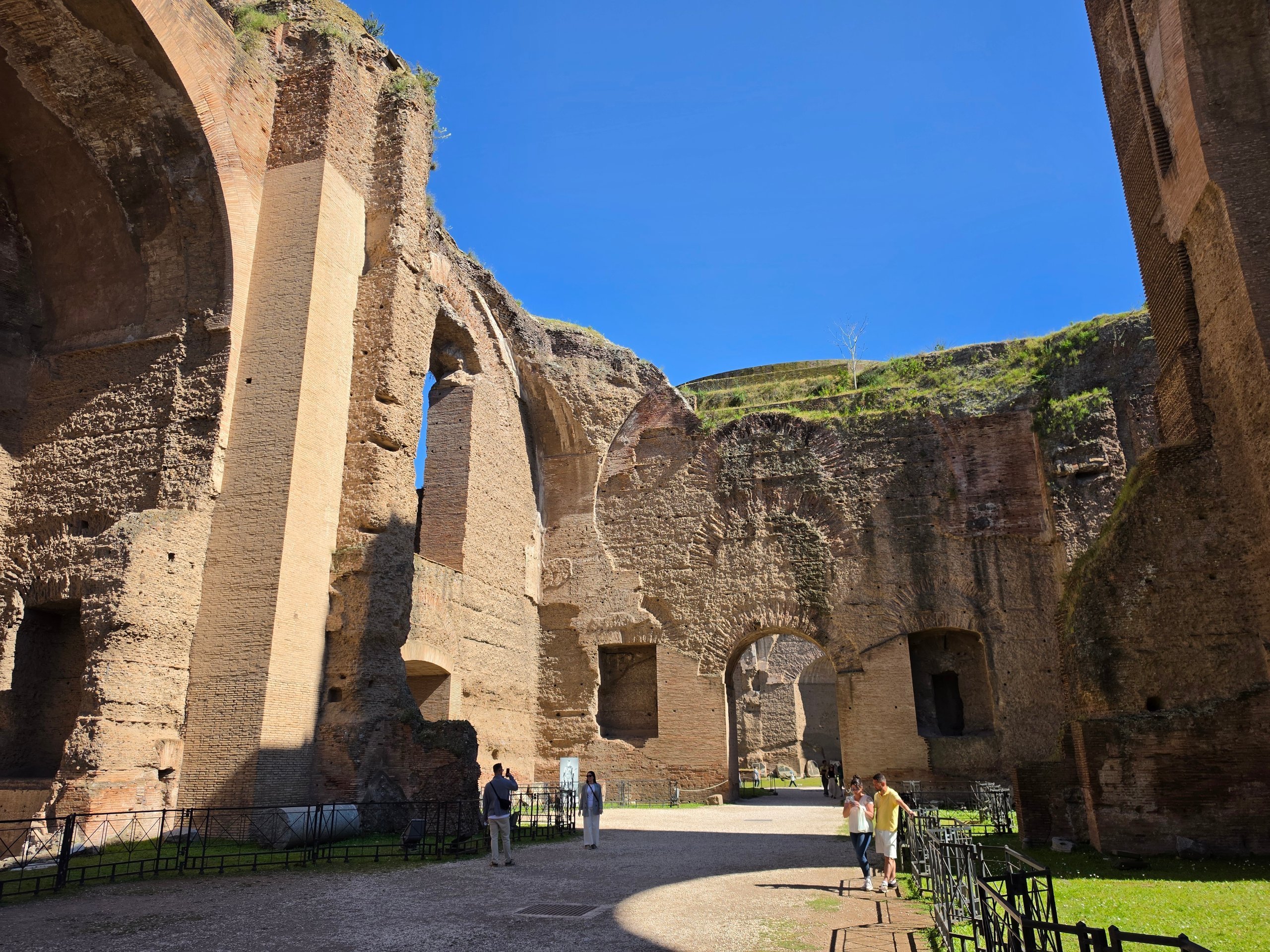
I wanted to experience something completely different for a little while, so right outside the Baths of Caracalla, I took the 118 bus and drove about 30 minutes out of the centre.
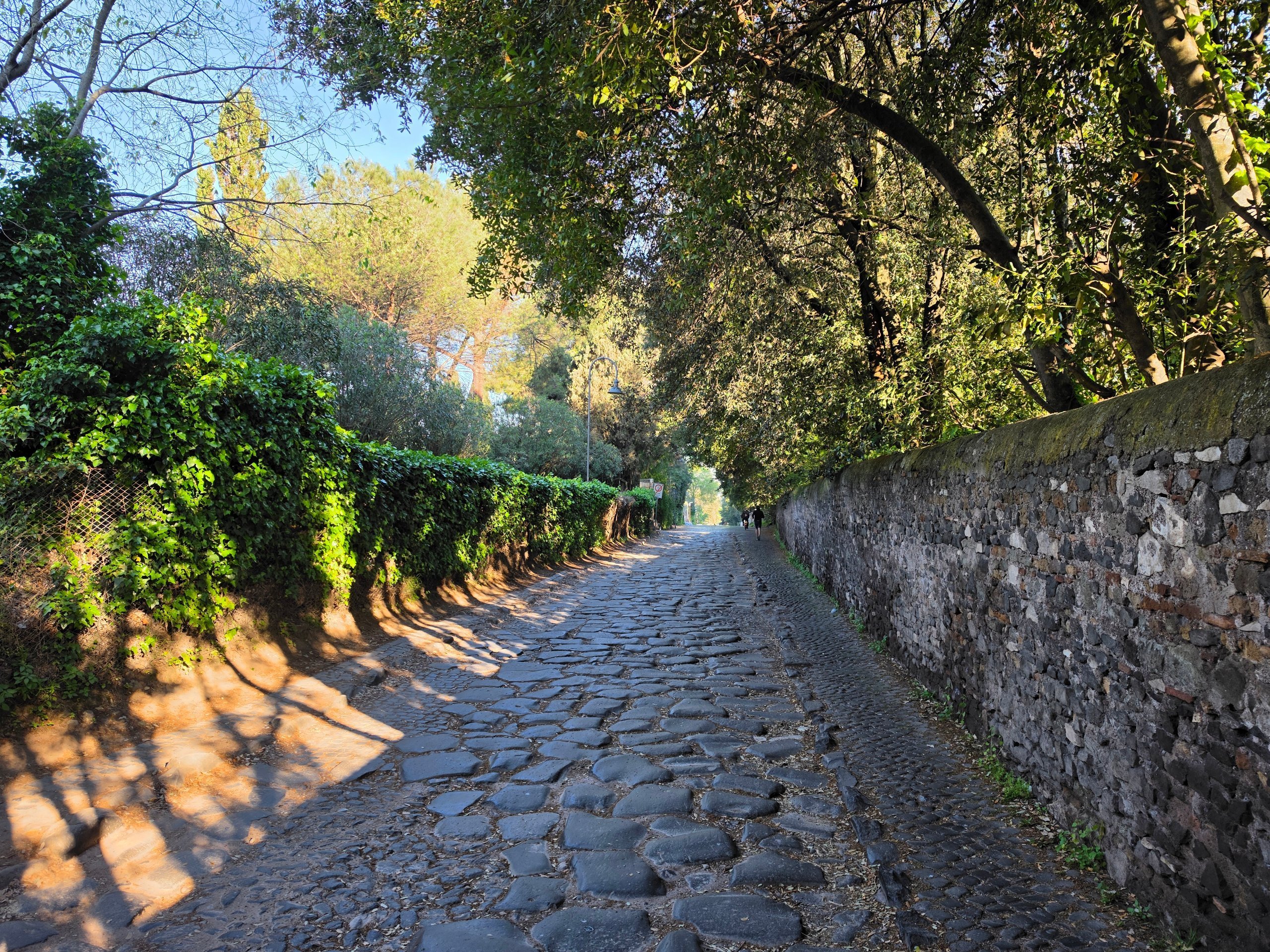
The goal was one: to walk along the iconic Via Appia Antica.
There are some very interesting catacombs here. I got lucky and managed to buy a ticket on the spot, but I definitely prefer to buy tickets online in advance.
An alternative if you don't want the Via Appia: the magnificent Basilica of St. Paul outside the walls
Later in the afternoon I headed to the beautiful Basilica of Santa Maria Maggiore, where admission is free.
Then I walked down to the Colosseum to enjoy the view from outside of the beautifully lit facade as the sun set.
I sorted out dinner in the Cavour district, where we also visited the very interesting Drink Kong bar, ranked #40 in the 2025 "50 Best Bars" poll.

Ideal Locations:
Find a hotel in Rome by location
1️⃣ Too ambitious a plan
Rome is not a city to sprint to - prefer fewer places, but quiet.
2️⃣ Bad timing of sights
Morning and evening are completely different than midday (less people).
3️⃣ Underestimating transfers
The map looks small, but you're walking easily 15-20 km a day. Within the centre, walking is the fastest, but still the distances are quite long.
At the end of the 3 days, I felt like I had seen the highlights - and at the same time that I could have easily stayed another week.
💬 How long were you in Rome? Was 3 days enough or would you stay longer next time?
If you have any questions or comments about the article...

How long are the queues for St Peter’s Basilica throughout the day?
I’ve booked a ticket for the Vatican Museums for 2.00 pm; I’m expecting the tour to take around 2½ to 3 hours.
St Peter’s Basilica – is it better to visit it before going to the Vatican Museums, or afterwards in the early evening?
Thank you
Have a look at the current queue and see for yourself. All it takes is for a few groups of pilgrims to arrive at once and everything changes in an instant.
I’d go to St Peter’s Basilica as early as 7 am, otherwise the queue will be really long. For women, I’d recommend wearing something that covers the knees; sometimes the security staff at the entrance check for this and may even refuse entry.
It’s worth visiting St Peter’s Basilica without a booking by 8.30 at the latest (the queue is usually about 20 minutes long).
In April, on a weekday (after midday), I asked some people and the waiting time was about 3 hours.
Thank you for your comments.
The best option is to head to St Peter’s Basilica by 08:30, have a look around the Vatican, return to Trastevere for lunch, and then be at the entrance to the Vatican Museums by 13:30.
@Kryštof Hájek
Thank you very much for the articles about Rome
Any recommendations for a good, reasonably priced restaurant near the Vatican or around Ottaviano metro station?