From Bucharest to Istanbul or Antalya with Pegasus Airlines
62 €



Rome is one of the world's most visited cities - and in my experience, the situation here has long since passed the point of overtourism.
Even so, I've found plenty of quiet spots here with only a minimum of visitors.
You just need to know when and where to go.
Over the course of several visits, I've put together my own system for enjoying the iconic places without the crowds while discovering the quieter corners that most tourists completely miss.
Below is a specific list - no general advice, but exactly what I've personally tried and visited.
Book a hotel in Rome in advance
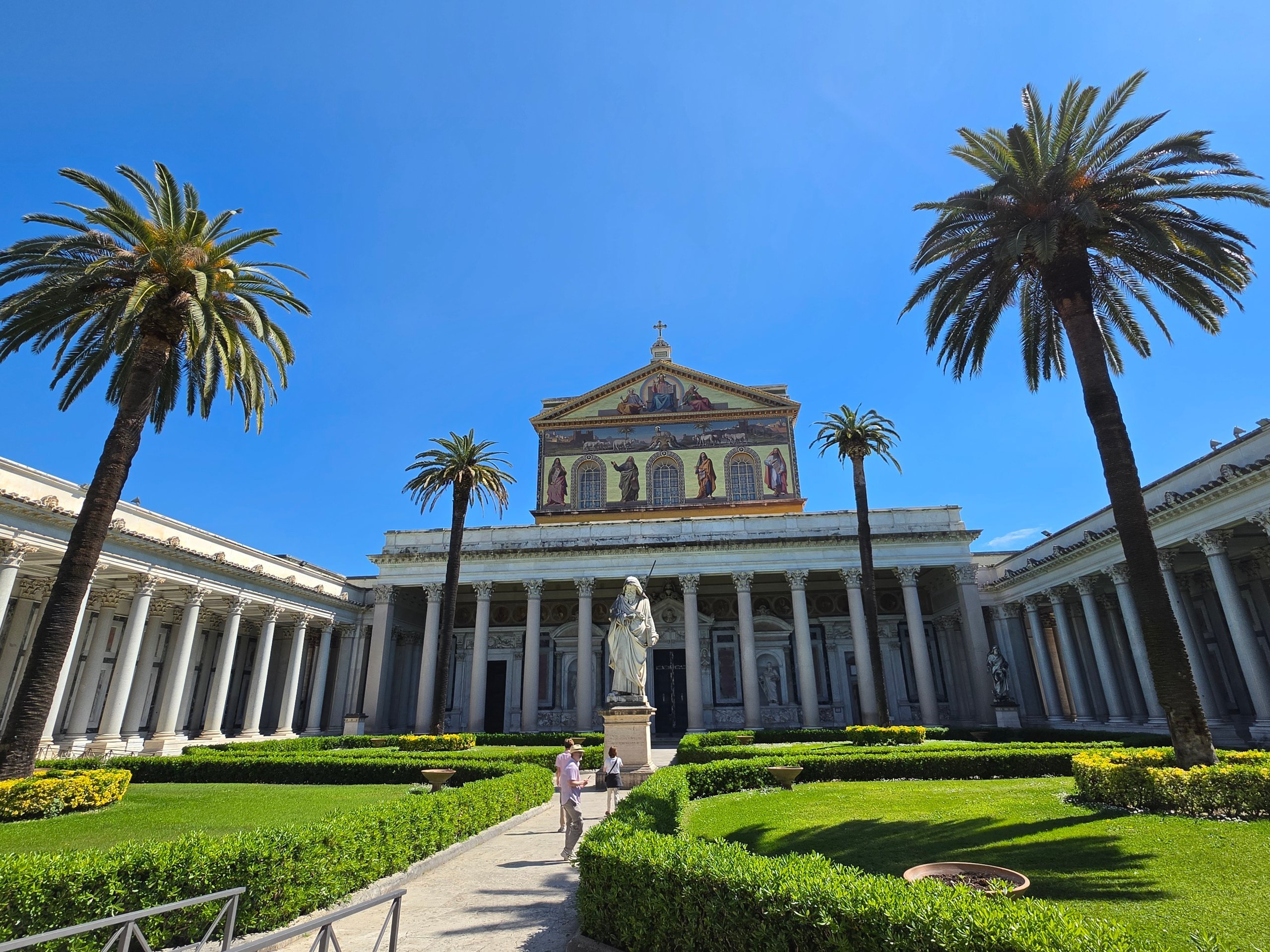
This kosel is one of the four main papal basilicas - but unlike St Peter's, there's hardly anyone here.
The interior is huge, quiet and feels much more authentic than the crowded centre.
What worked for me:
👉 For more photos and detailed information see the page St. Paul's Basilica outside the walls - how to visit.
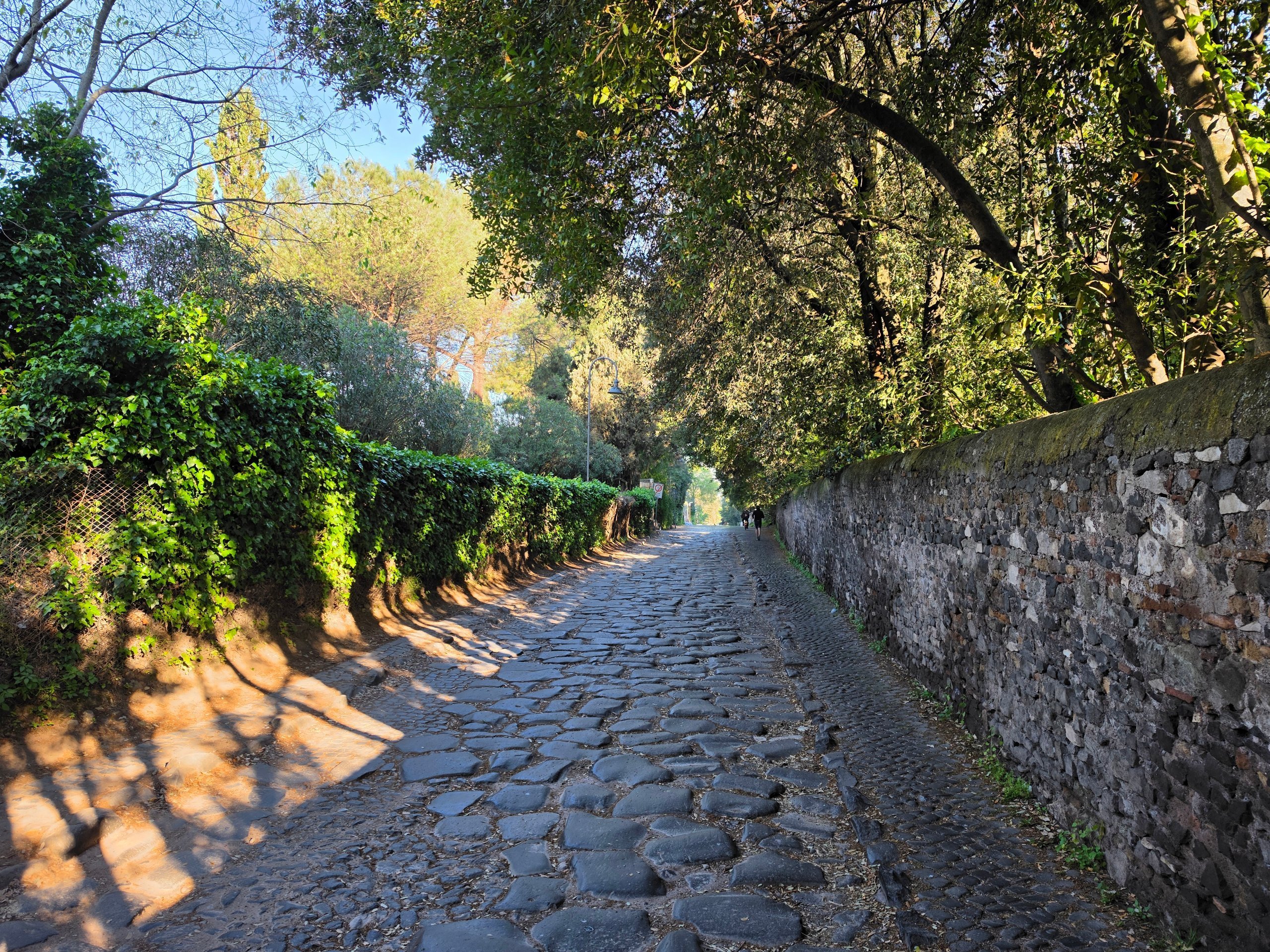
An ancient road lined with ruins, tombs and pine trees. Minimum tourists, maximum atmosphere.
The peaceful atmosphere is completed by a few athletic locals for whom the Via Appia is a favourite running avenue.
Practice tip:
This is a completely different rural Rome, where you will get a truly ancient atmosphere.
👉 For practical information, see the article Via Appia - how to get there.
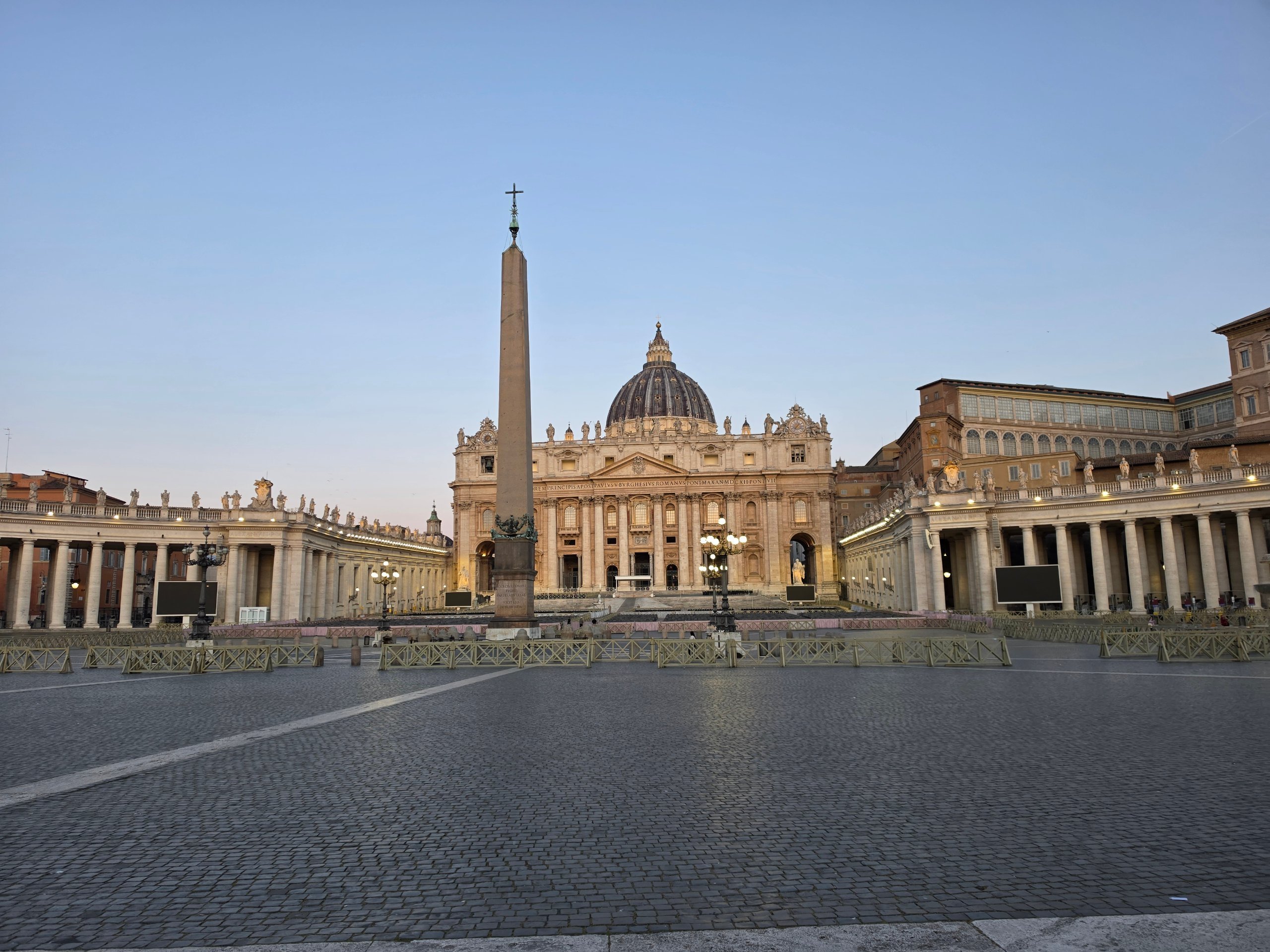
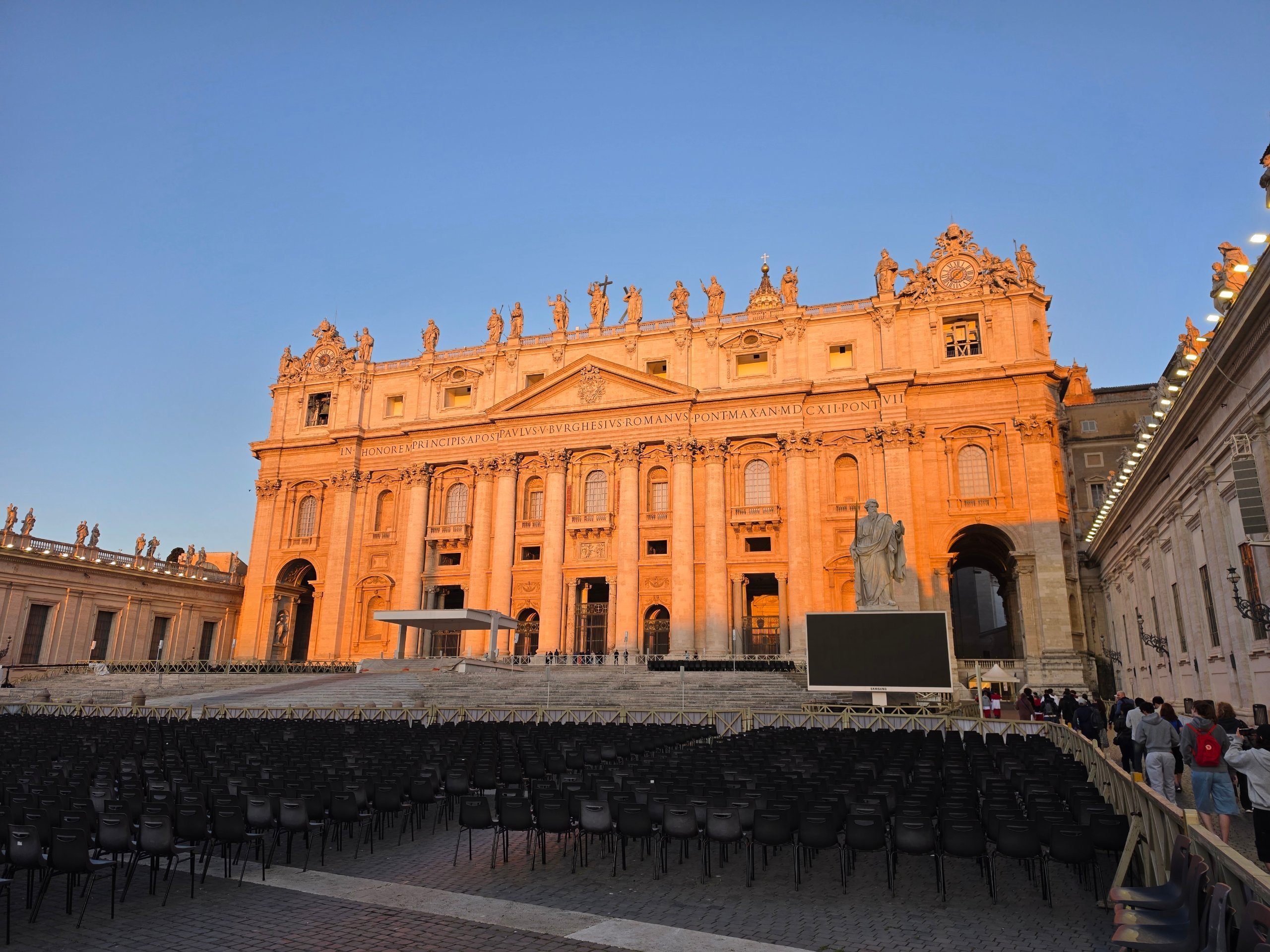
Even the most famous and largest church in the world can be visited without the crowds - you just have to get up early in the morning.
How to do it?
The difference is huge. In the morning the basilica has a completely different atmosphere - silence, space, few people. And a completely empty St. Peter's Square as a bonus.
Plus, the basilica is beautifully lit up in the morning by the rising sun!
👉 How to visit the church, how much it costs to enter the dome and other practical information in the article St. Peter's Basilica in the Vatican.

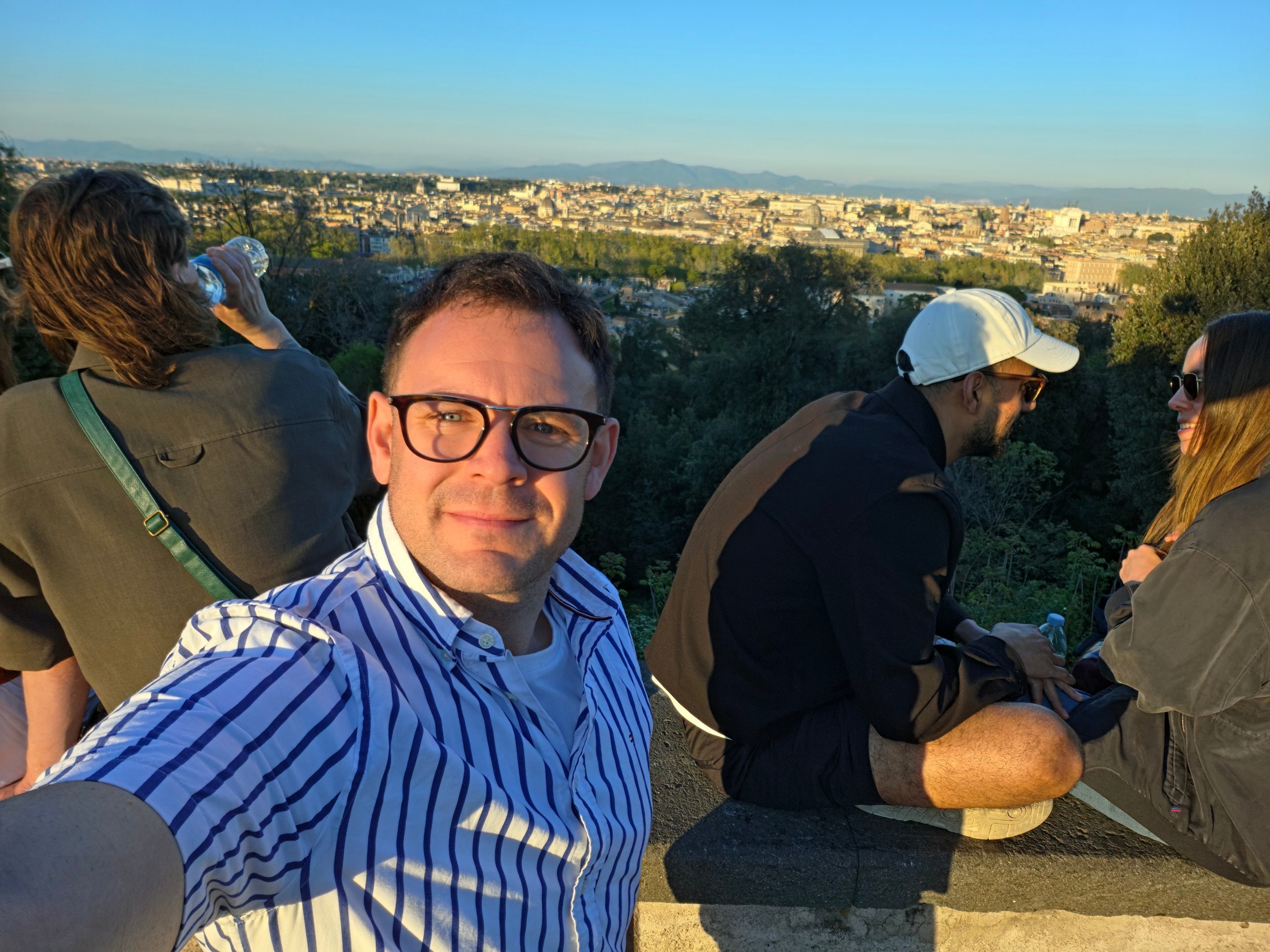
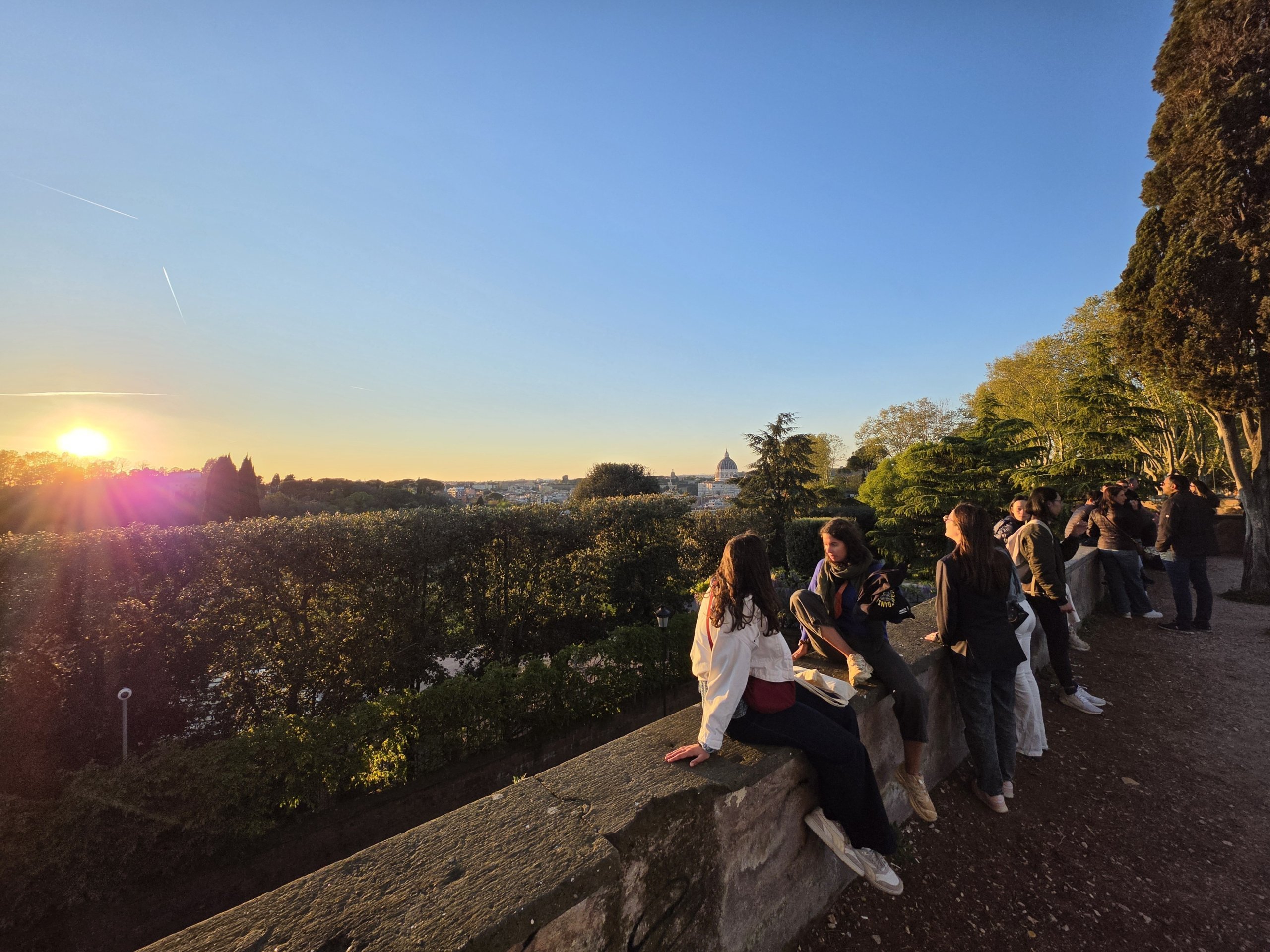
Gianniculus Hill is just above Trastevere - but tourists hardly come here.
Why go here:
👉 I wrote more information in the article Gianicolo - how to get there.
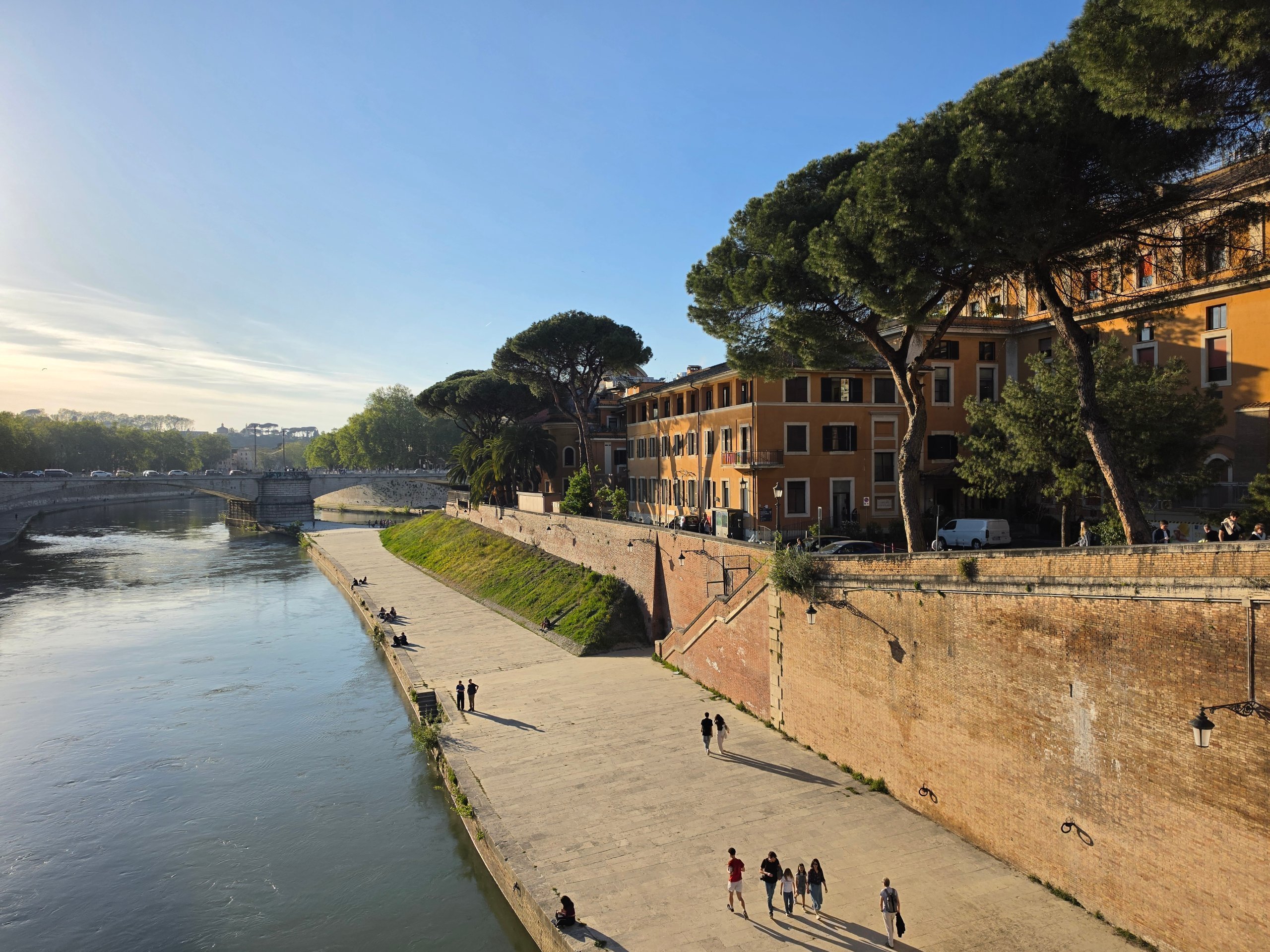
Isola Tiberina is a small island on the Tiber River, which you can walk across a bridge on your way between the centre and Trastevere.
Tourists usually just cross it - but if you stop for a moment, you'll find out:
Isola Tiberina has the best atmosphere in the early evening just before sunset.
👉 Find out what else you can find on the island in my detailed article about Isola Tiberina.
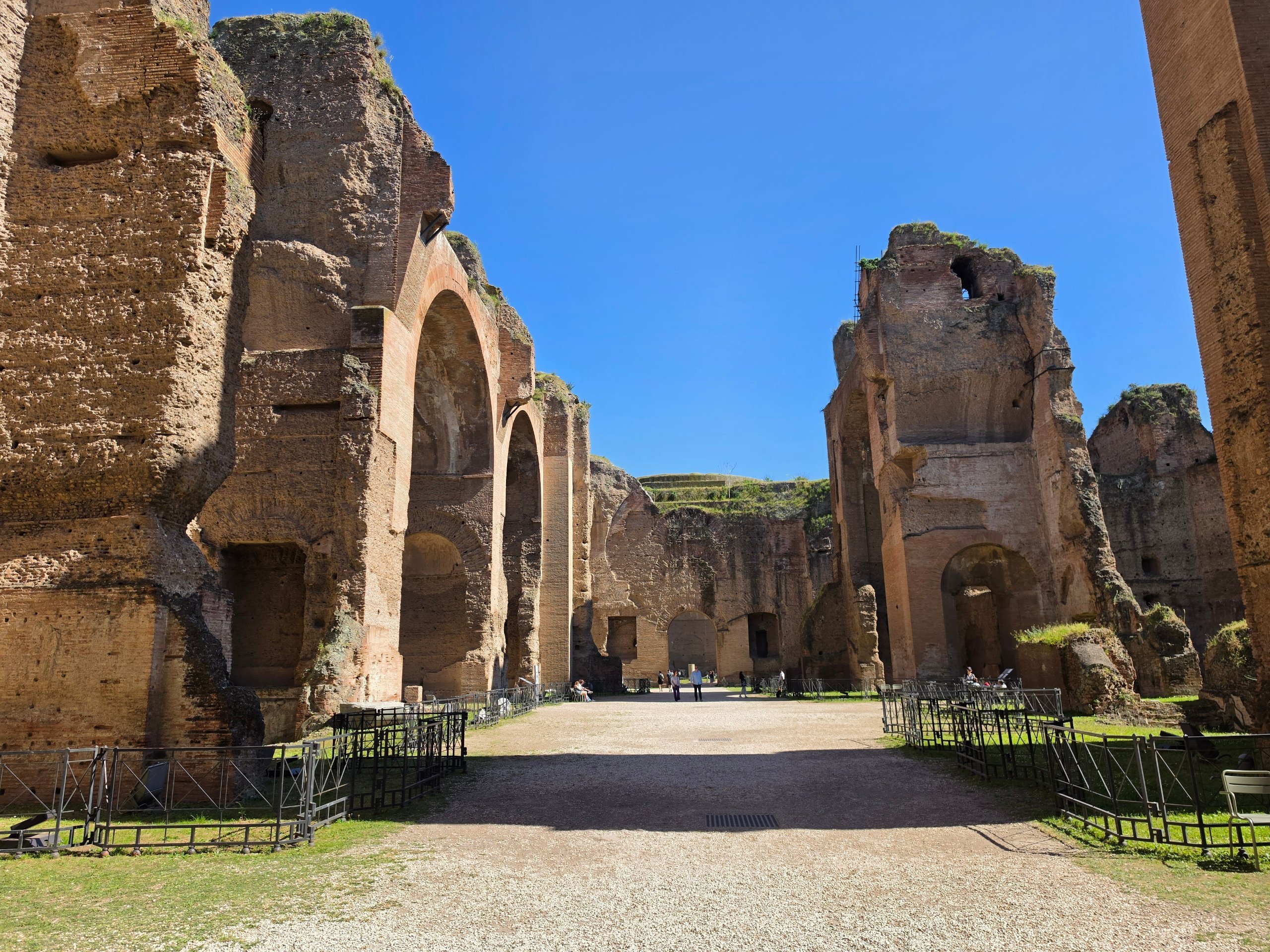
This was one of the most surprising ancient monuments I visited in Rome.
The Baths of Caracalla are huge and I enjoyed the atmosphere more than the crowded Forum Romanum or Colosseum.
Pros:
👉 Check out the detailed article Caracalla Baths - admission prices.
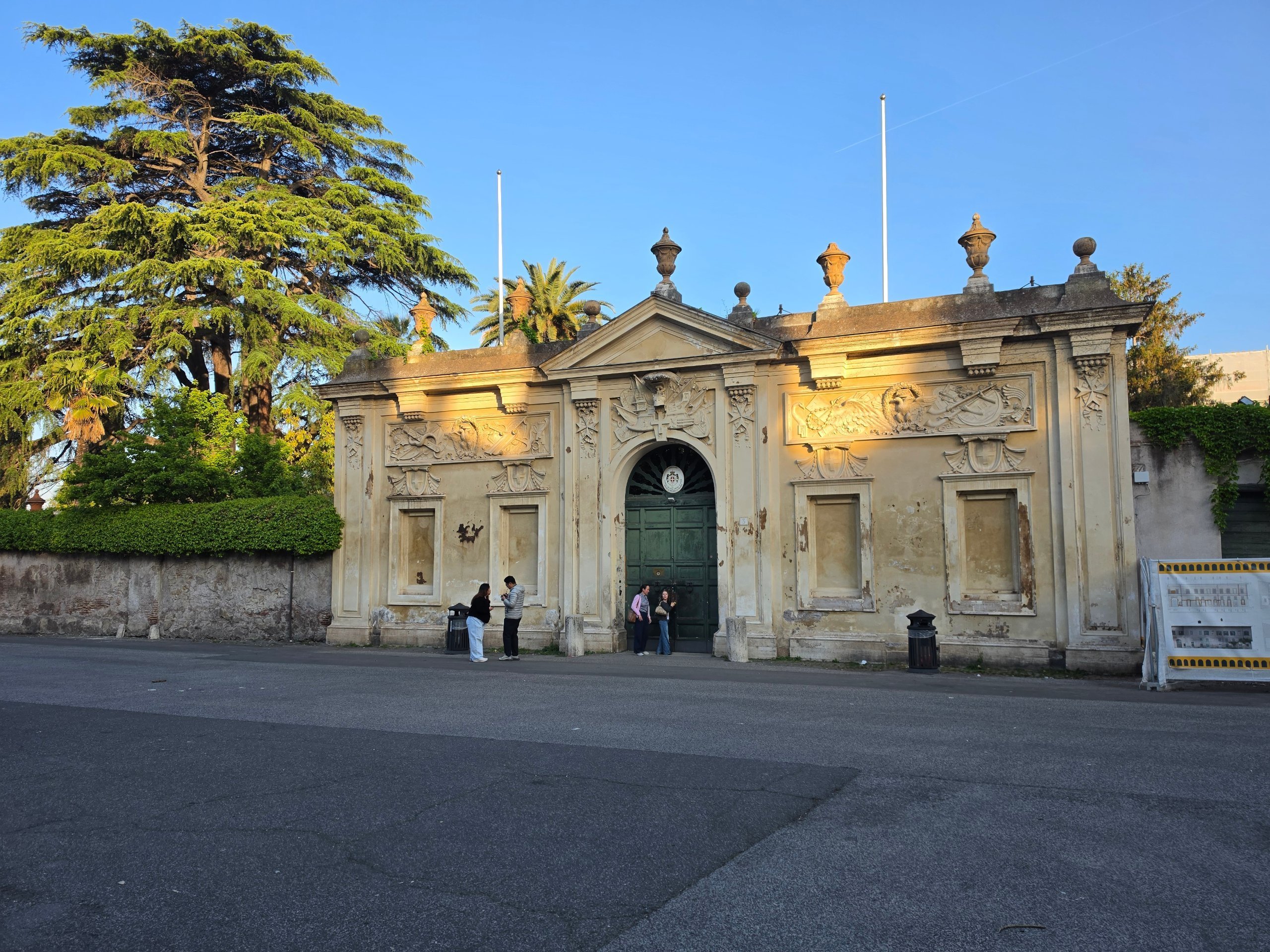
The keyhole in the gate of the Knights of Malta grounds is a small detail that has become extremely popular.
Reality:
Solution:
I was here around 8:15 and didn't wait a minute.
👉 More details about what you will see here: Aventine Keyhole - worth a visit?
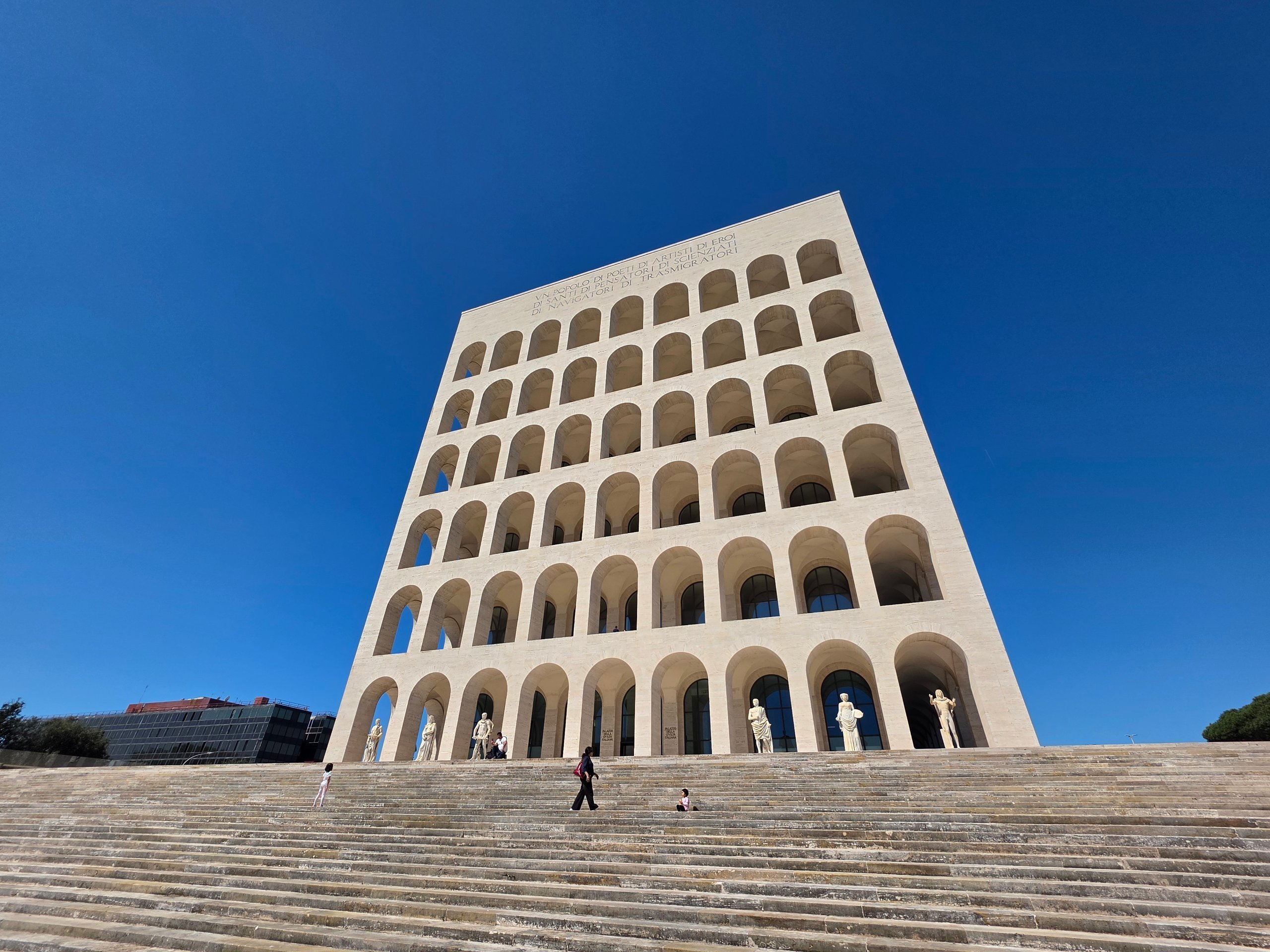
EUR is a neighbourhood from Mussolini's era - modern, geometric, empty.
What to expect:
It's exactly the kind of contrast you don't experience in a traditional centre.
👉 Why go here and how to include EUR in your itinerary? Read the article EUR Roma - how to get there.
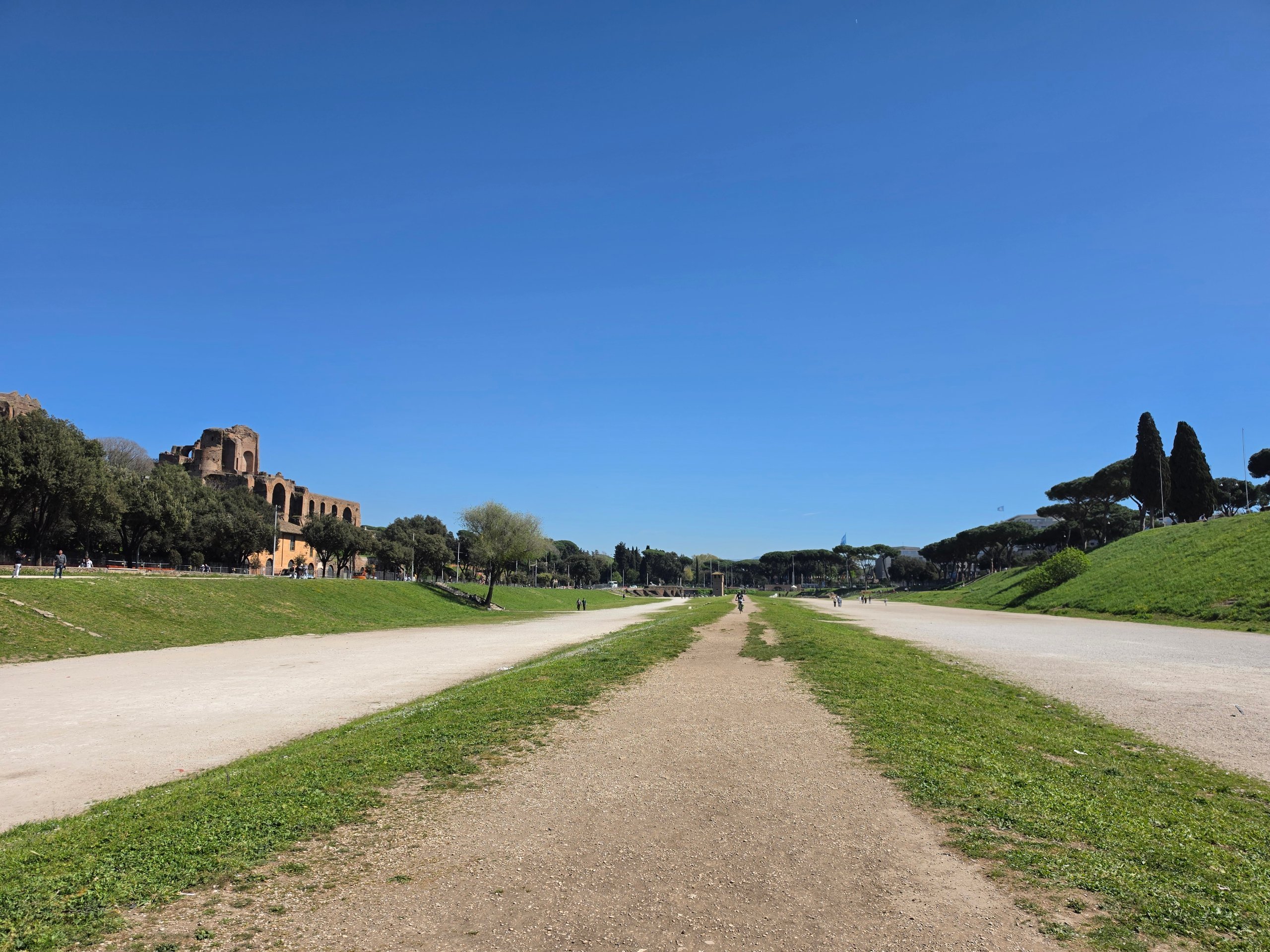
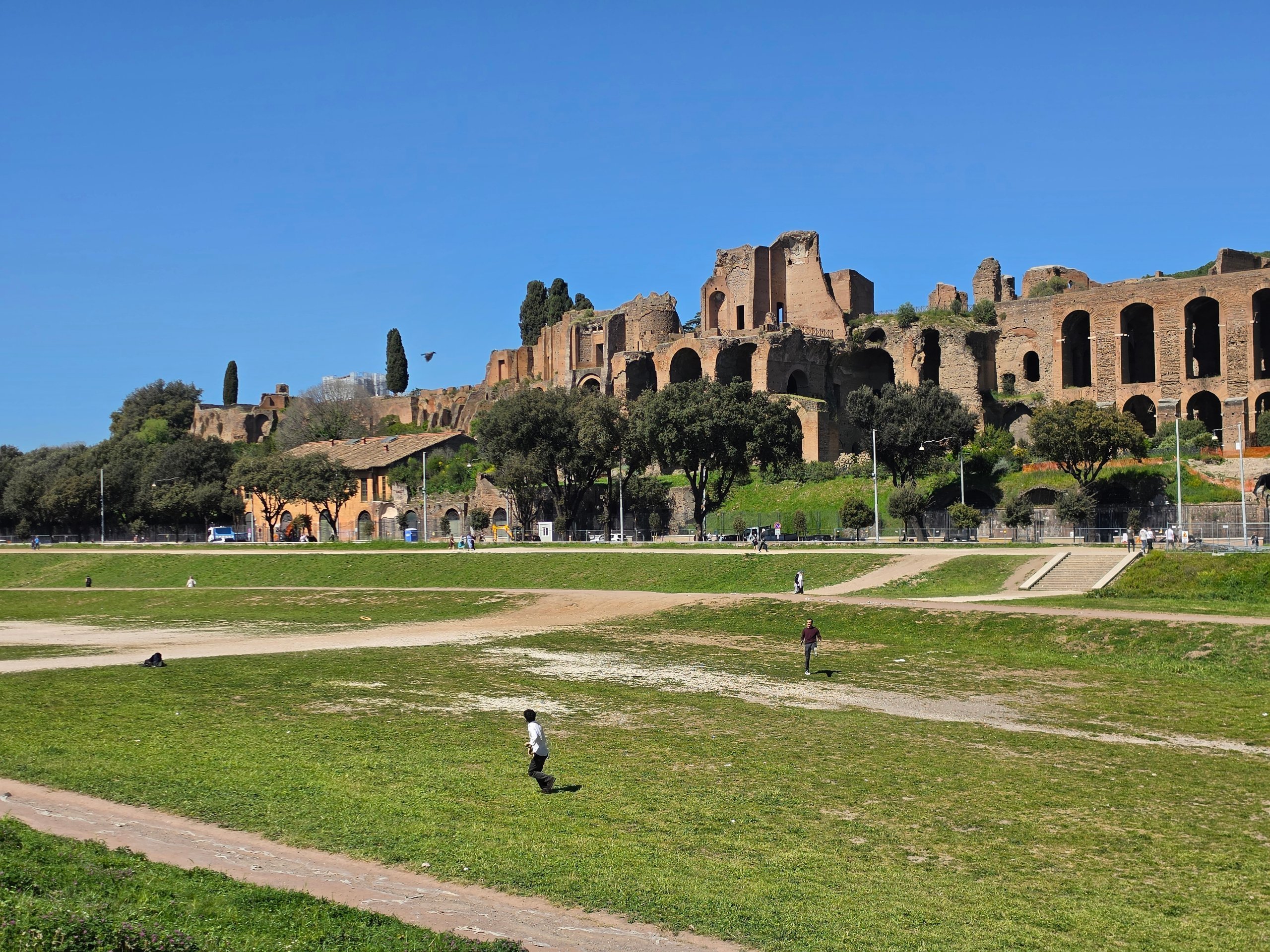
Circus Maximus is a huge area between Palatine and Aventine.
Most people just walk through it - but:
You can sit or lie on the grass and relax.
👉 I walked the area on my way from Aventine to the Baths of Caracalla and wrote detailed observations in the article Circus Maximus - what you will see here.
What's my biggest "hack" for seeing Rome without the crowds?
Just go down one street. Literally.
Where does it work best? Everywhere, actually.
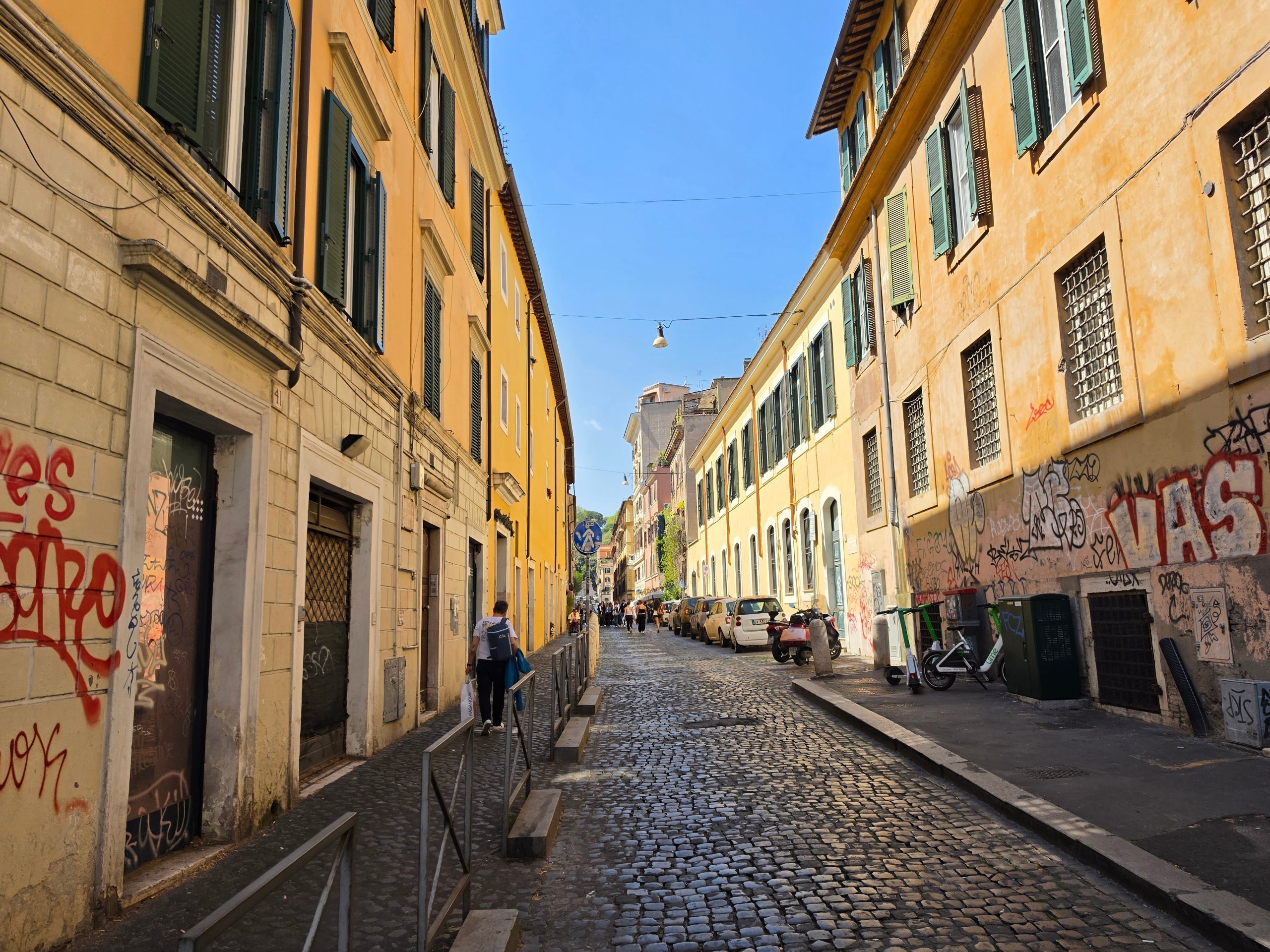
Even in the biggest city centre or Trastevere, you can usually just turn down a street away from the main tourist streams and experience a quiet Rome with no tourists, just locals.
Find cheap hotels in central Rome
This is perhaps more important than specific locations:
Rome is not just about "seeing everything". It's about experiencing it.
If you have any questions or comments about the article...