Fly to Corsica from Vienna, even during the summer holidays, with Air Corsica
198 €



The London Underground is legendary, both for its extensive and efficient network and for beingthe oldest underground railway in the world.
The first steam trains set off along the Metropolitan Line through the London Underground as early as 1863.
Book a hotel near an Underground station
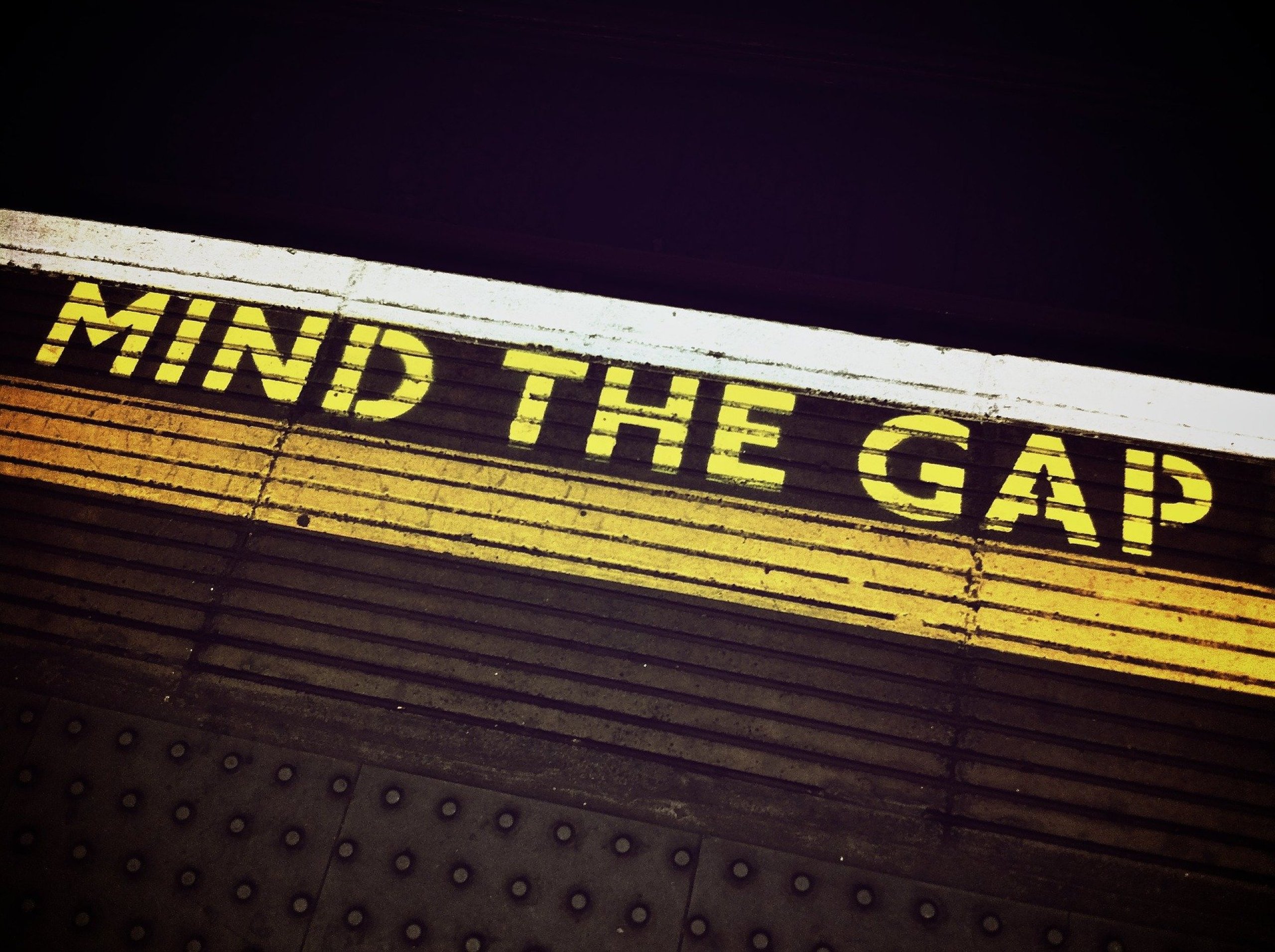
The London Underground is so popular that the vast majority of souvenirs and tourist items feature elements of the London Underground. Among the most famous souvenirs are the Tube’s distinctive logo (a red circle with a blue horizontal line and the station name) and the iconic announcement ‘ "Please Mind the Gap Between the Train and the Platform" ’, which alerts passengers at every station to the gap between the train and the platform.
In English, the term The Tube, less frequently and more formally,‘London Underground’.
The network of 11 Tube lines is complemented by several routes of the automated DLR, the London Overground and regular trains, which can also be used for travelling around the city.
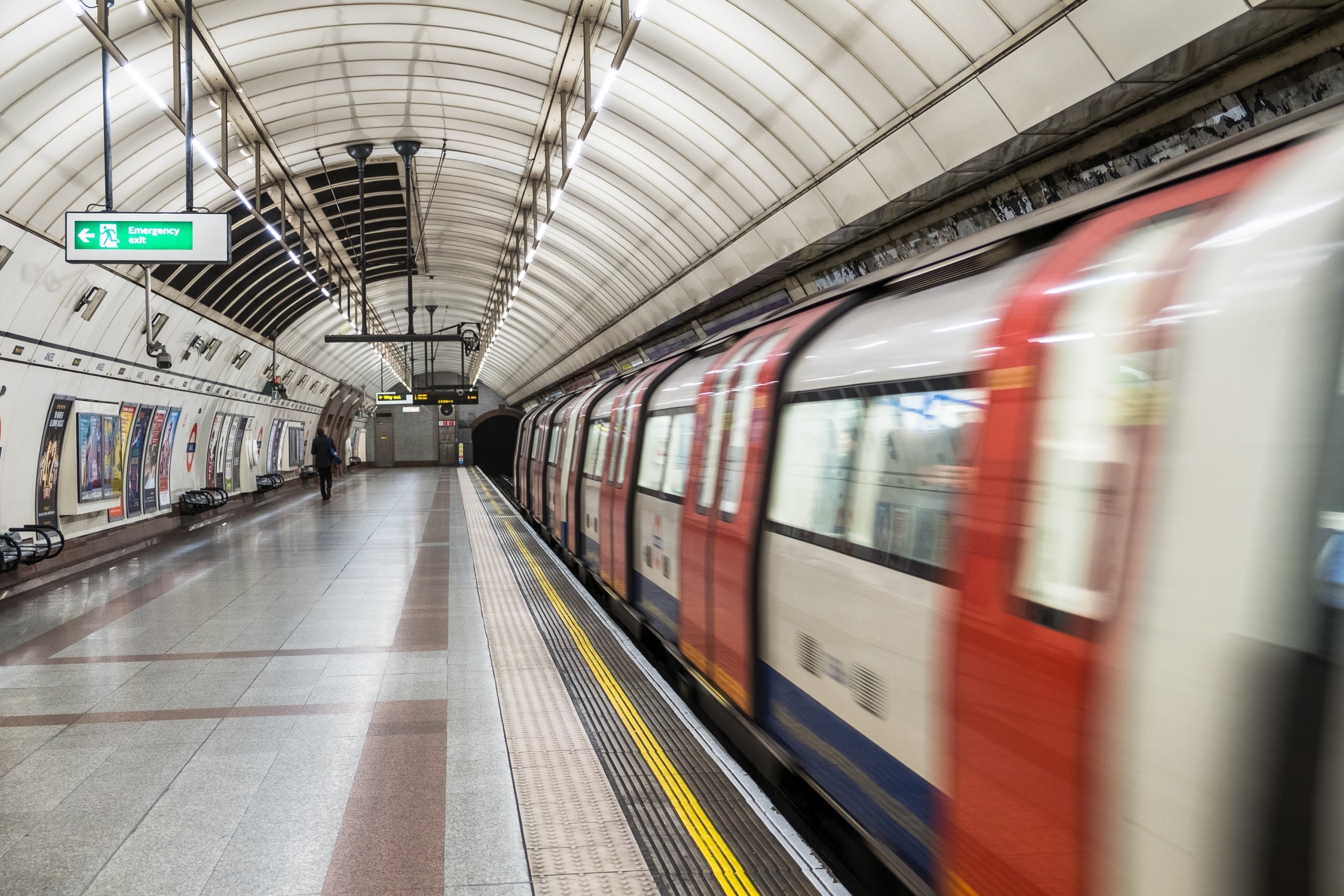
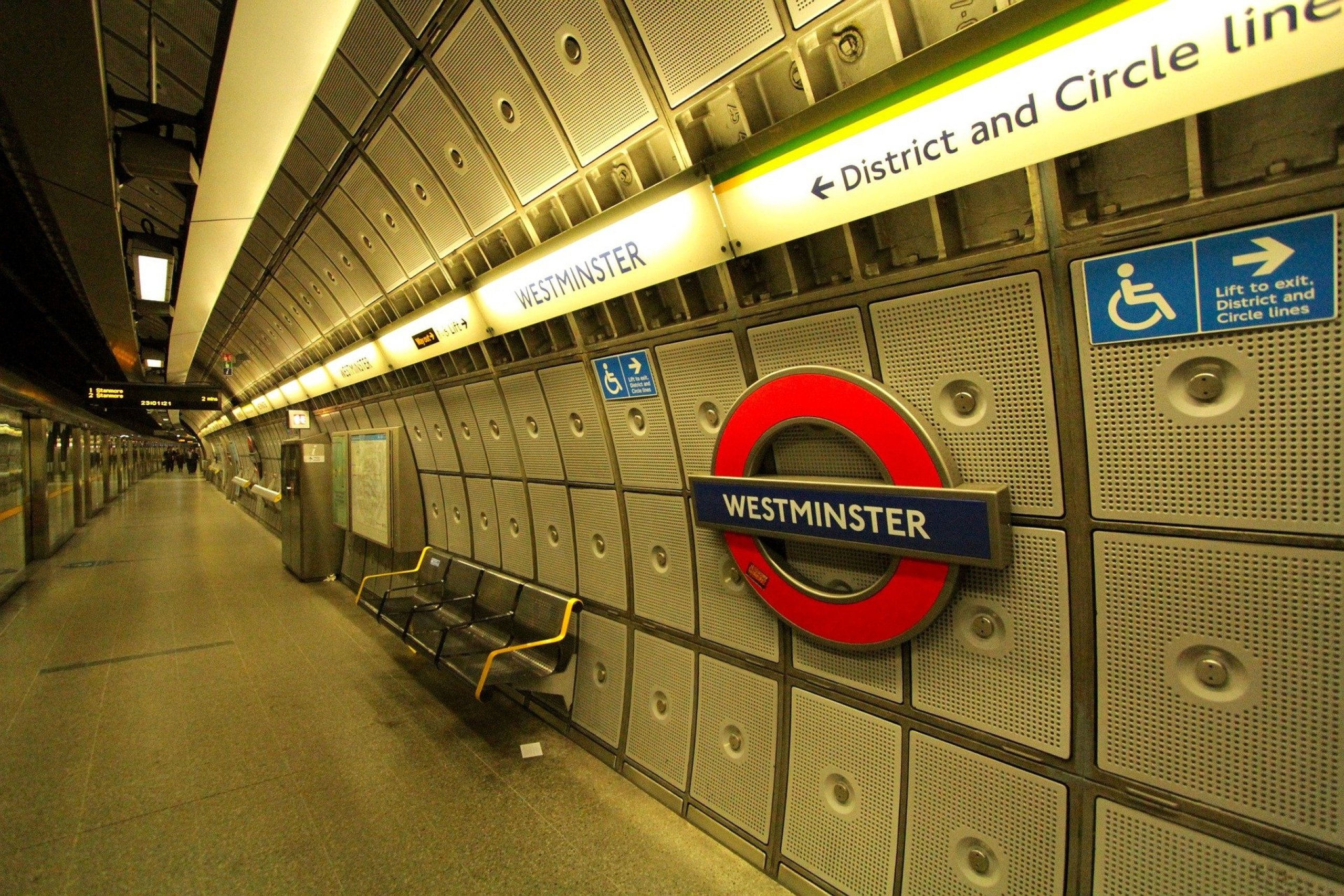
The London Underground (and, on the outskirts of the city, surface railways) is criss-crossed by 11 Tube lines, which will take you to all the sights and attractions.
If you’re looking to get around the wider city centre quickly, the Underground alone will easily suffice without the need for buses. Within the city centre, you’ll find a station on literally every corner.
In London, you’ll find two types of line: underground lines with shorter, more cramped trains, and deep-level lines with significantly more spacious trains.
The Underground lines in London are distinguished by colour and historical name:
At first glance,changing linesmay seem chaotic, particularly due to the often cramped spaces of historic Underground stations and the long, winding corridors with numerous staircases and escalators.
However, if you follow the signs carefully, you won’t get lost.
The signage is really clear and will guide you exactly where you’re heading. It’s importantto always know the name of the terminus station in the direction you’re travelling. Then you’ll never get lost.
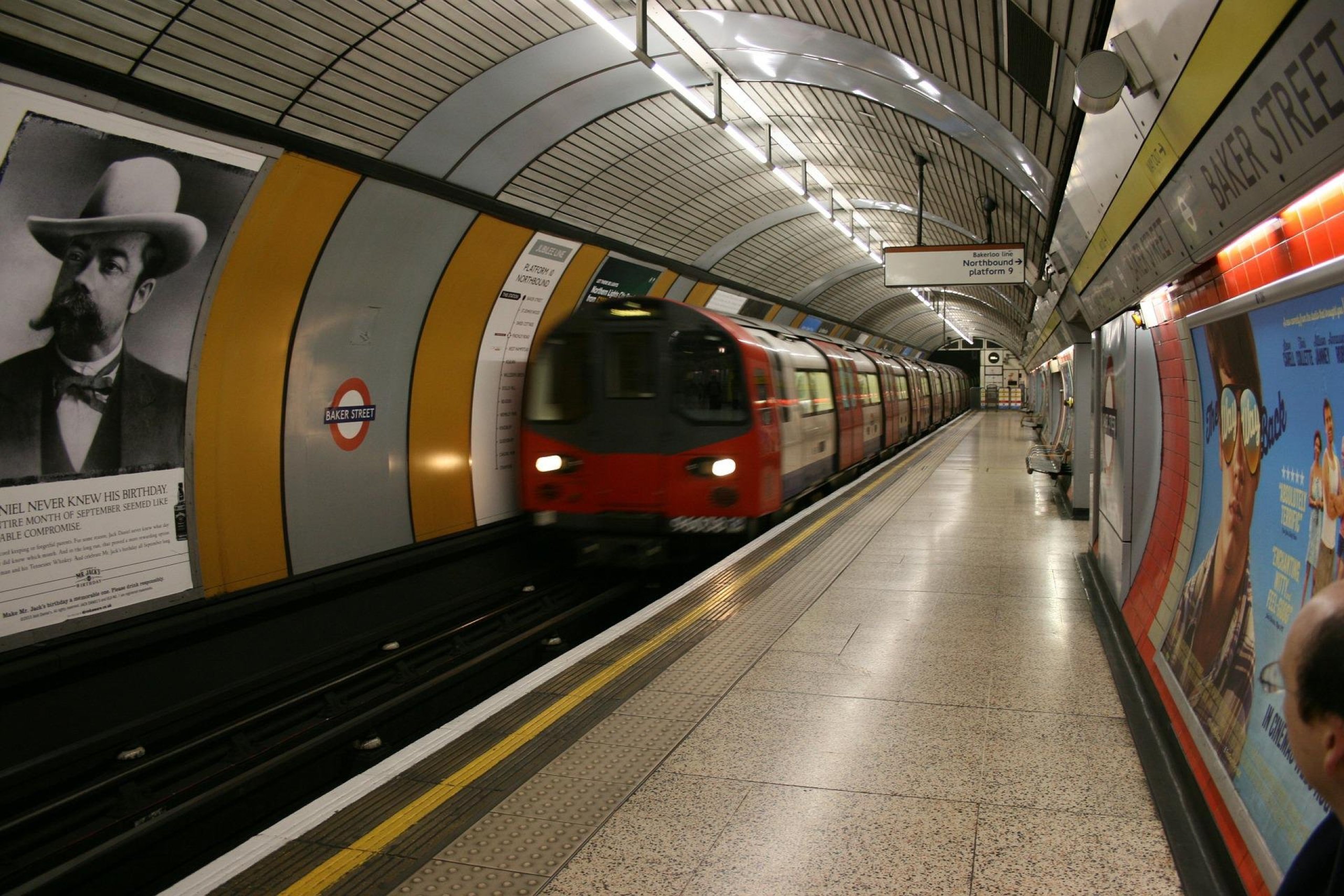
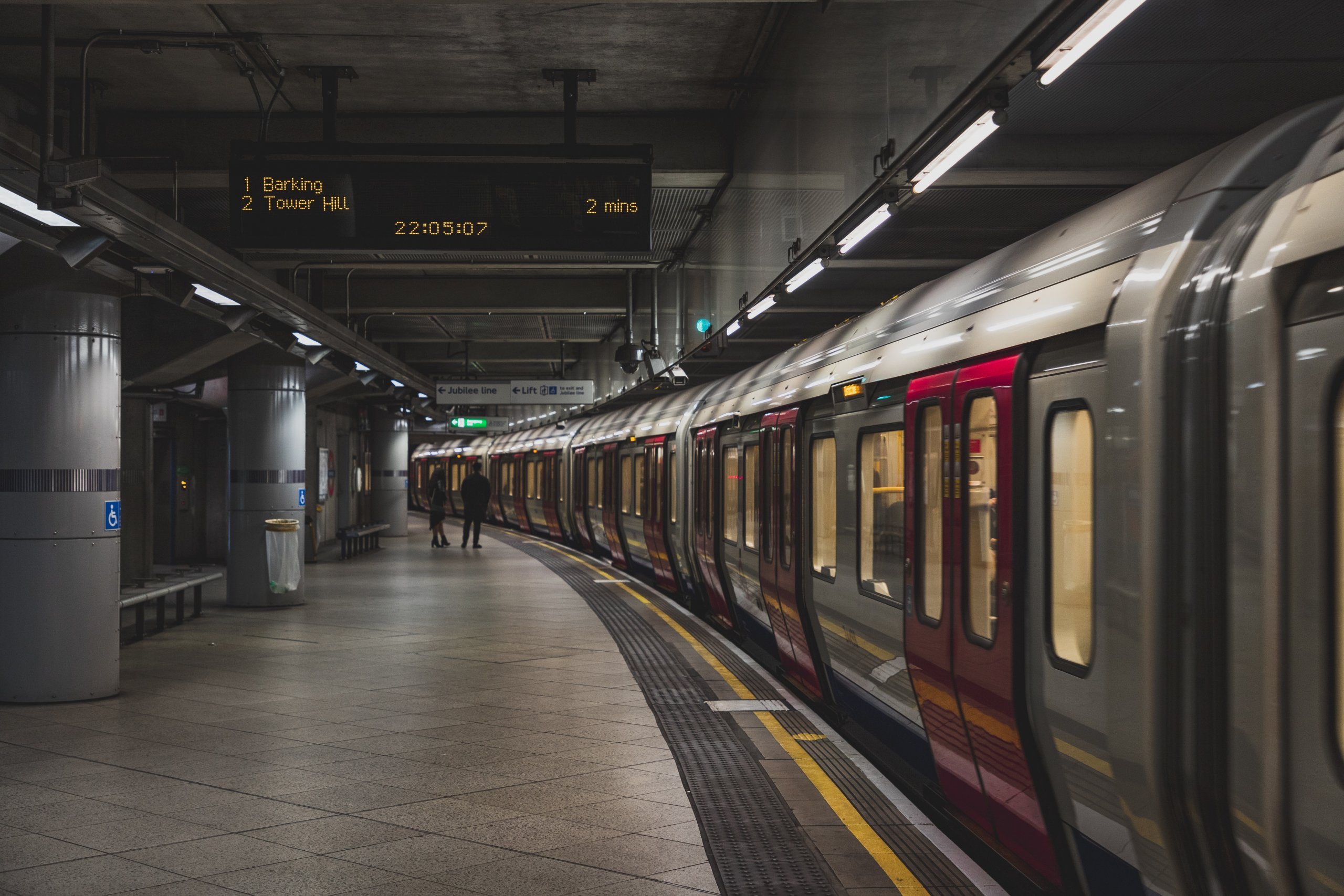
London and the surrounding area are divided into 6 fare zones, and ticket prices are based on this.
The easiest and cheapest way to pay for your journey is with your own contactless card.
You enter each underground station through turnstiles, where you tap your card on the yellow reader and walk through. When leaving the station, you pass through the turnstile again, where you must tap your card on the reader once more so that your fare is calculated correctly.
The system also works when paying by mobile phone, smartwatch or any other device onto which you can load your own card.
The all-day ticket system has been replaced by the so-called Daily Caps, a maximum amount that is deducted from your card per calendar day. Once you reach this limit, you must continue to tap your card on the turnstile, but nothing further will be deducted from your card. Given the high cost of single-journey fares, you’ll always reach the daily cap whilst staying in London.
Paper tickets can also be used, but they are more expensive than paying by card. Conversely, the fares are the same when paying with an Oyster Card; however, this is not worthwhile for tourists, as it costs 5 gbp to purchase and offers no advantage over using your own card.
The weekly maximum fare is always calculated per calendar week from Monday to Sunday. So, for example, if you are in London from Wednesday to Wednesday, the weekly limit will be calculated twice – from Wednesday to Sunday and from Monday to Wednesday.
A single journey within central London costs between 2,50 gbp and 6 gbp.
We have compiled an interactive map of the Underground, the Elizabeth Line, the DLR and the London Overground here:
Official maps of the London Underground and trains are available to download from the transport operator’s website:tfl.gov.uk/maps/track/national-rail
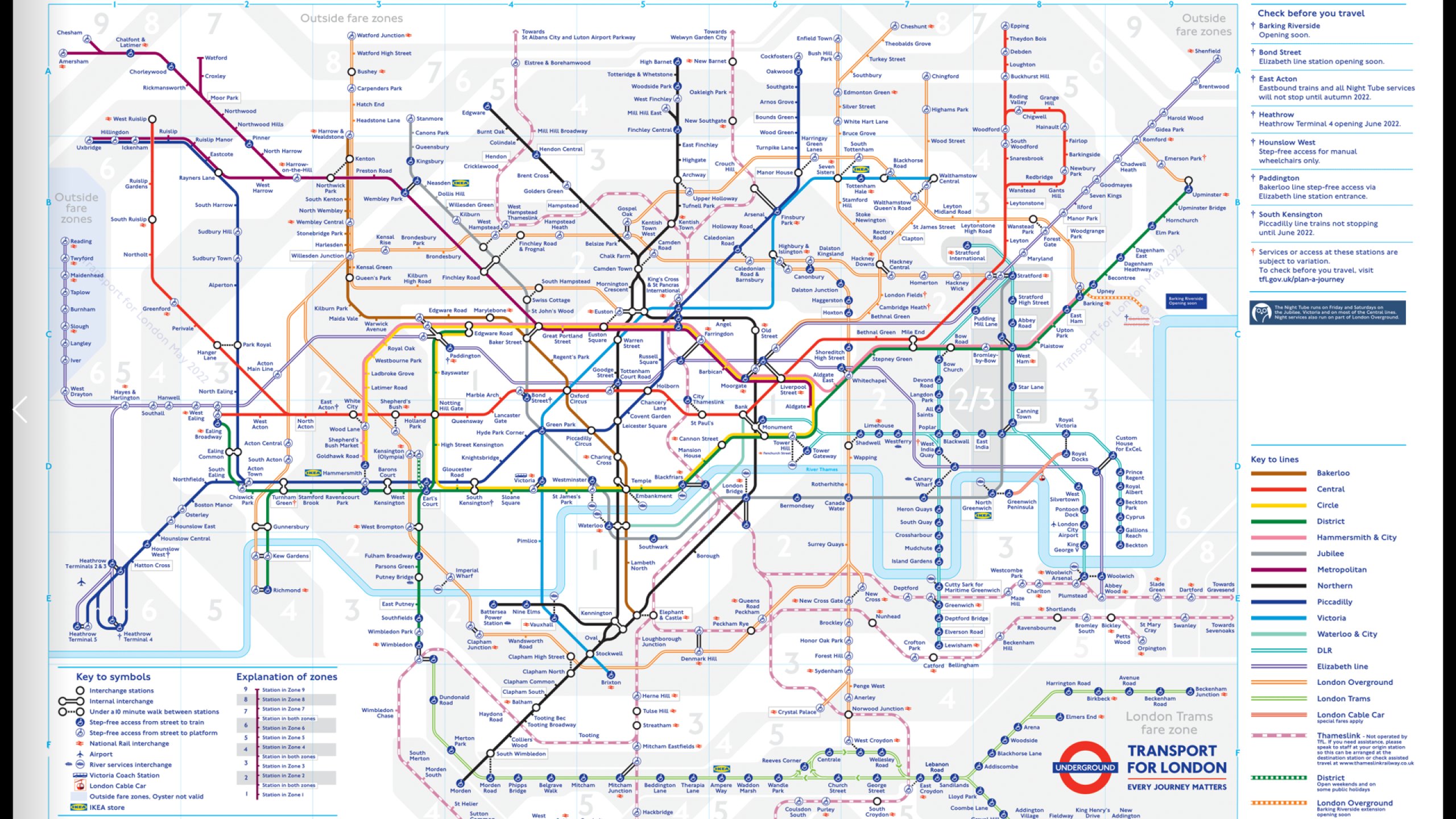
Partly due to the age and complexity of the London Underground system, you should expect very frequent closures, which usually take place at weekends. However, occasional disruptions do occur, and sometimes certain stations may even be closed due to staff shortages.
It’s always a good idea to check the transport authority’s website under the ‘Disruptions’ section to see if your Tube line is running along its entire route.
It’s also a good idea to have an offline tube map downloaded onto your mobile, as there’s no signal in the underground sections of the Tube.
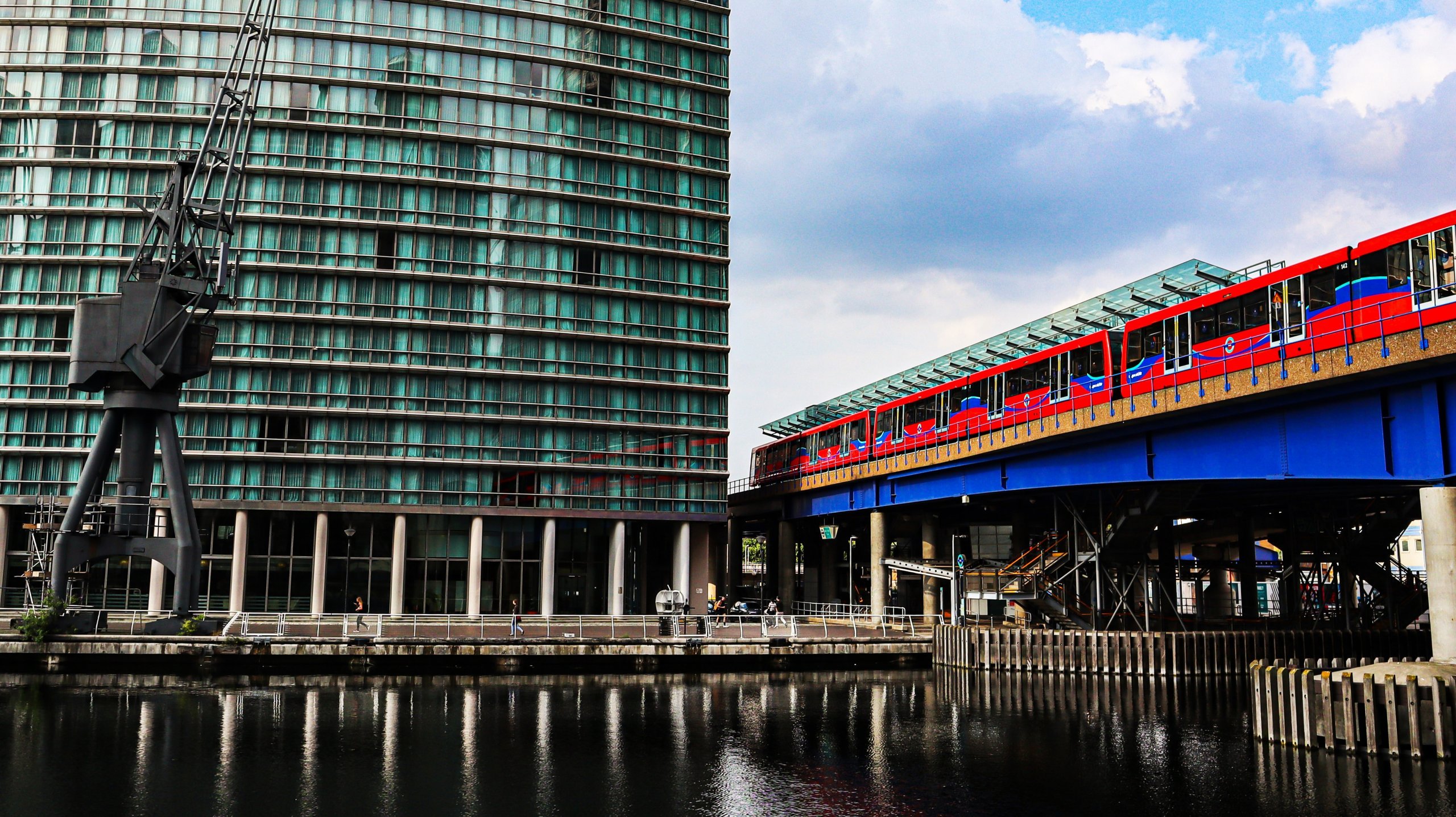
The eastern part of London, in the modern Canary Wharf district, is served by several driverless DLR lines.
Direct DLR services run on the following routes:
The fare payment system is the same as on the Underground. You pass through ticket barriers with card readers when entering and exiting stations.
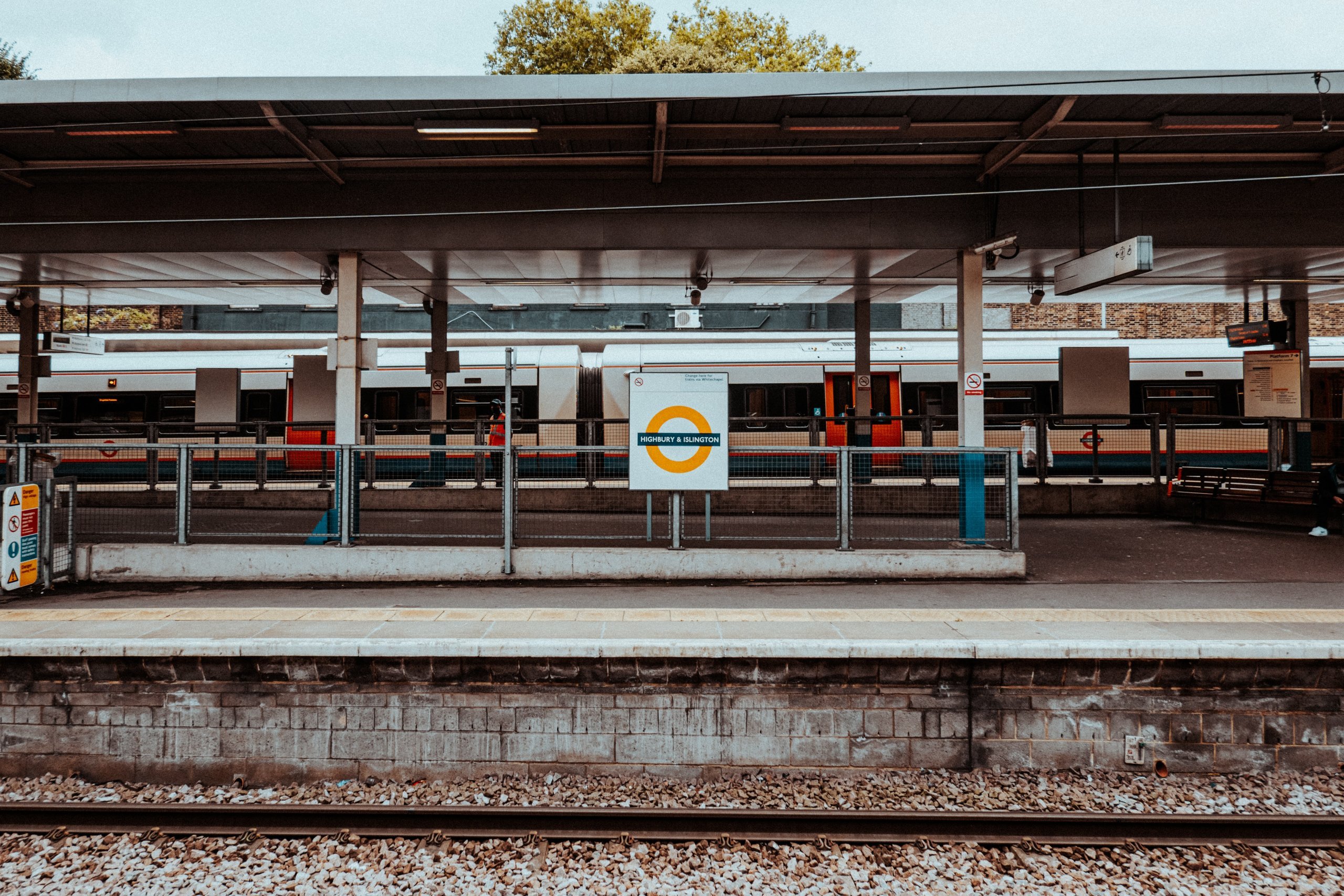
The Underground and DLR networks are complemented by traditional overground trains, some of which are operated by Transport for London (the London Overground and the Elizabeth Line) and others by various rail companies running from London to other destinations in England under the National Rail brand.
You can travel on all local train services within London zones 1–9 for the fares listed above. The same applies when paying for tickets using your own payment card at the ticket barriers found at every station.
If you have any questions or comments about the article...