Direct flights to Corsica from Prague on a single date in December
200 €



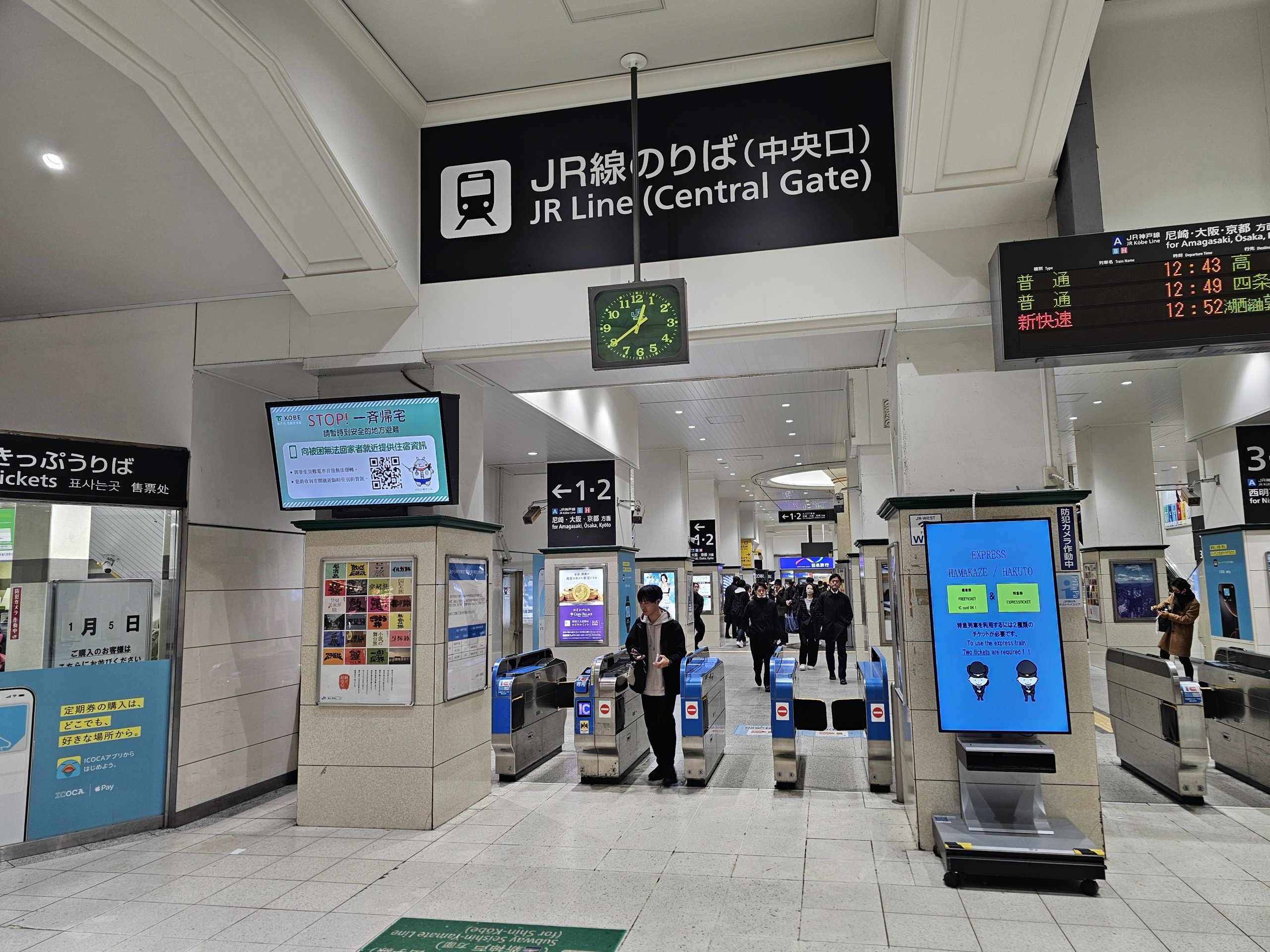
Transportation in Kobe is simple, but can feel cluttered as there are several different rail companies operating in the city.
In practice, however, this usually doesn't matter - one transport card is enough for most connections and there's no need to deal with individual carriers.
Read also:
There is no single integrated ticket in the city in the sense of European public transport systems. Each carrier has its own fare.
In practice, however, you can hardly tell because:
This is the easiest method of transport and is used by most visitors.
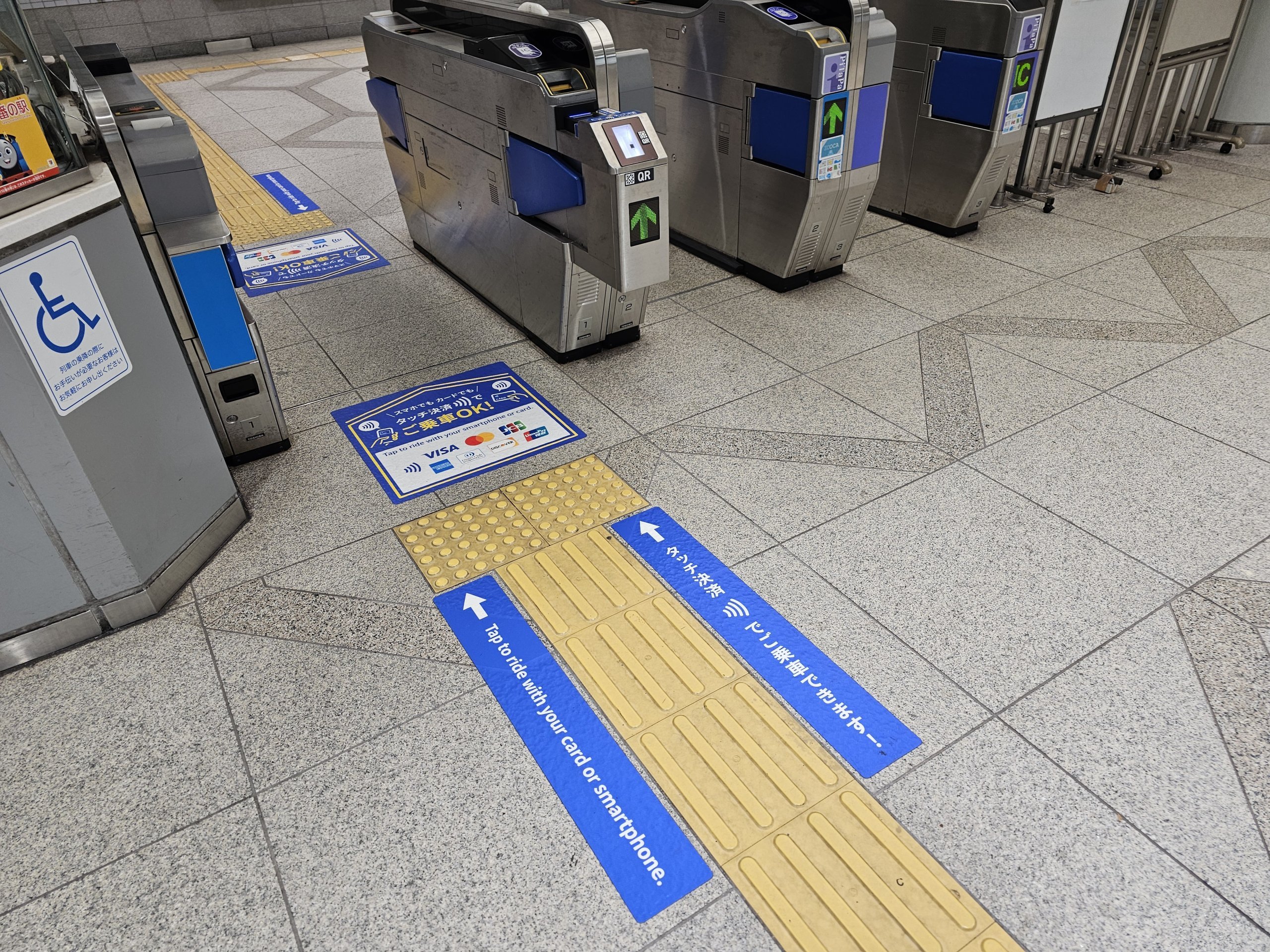
In addition, paying with your own contactless card is also starting to become more widespread, for example on Kobe subway lines.
The ICOCA card is sold in Kobe or Osaka, but you can use any of the nationwide Japanese cards here, such as the Suica from Tokyo.
Advantages:
Read also:
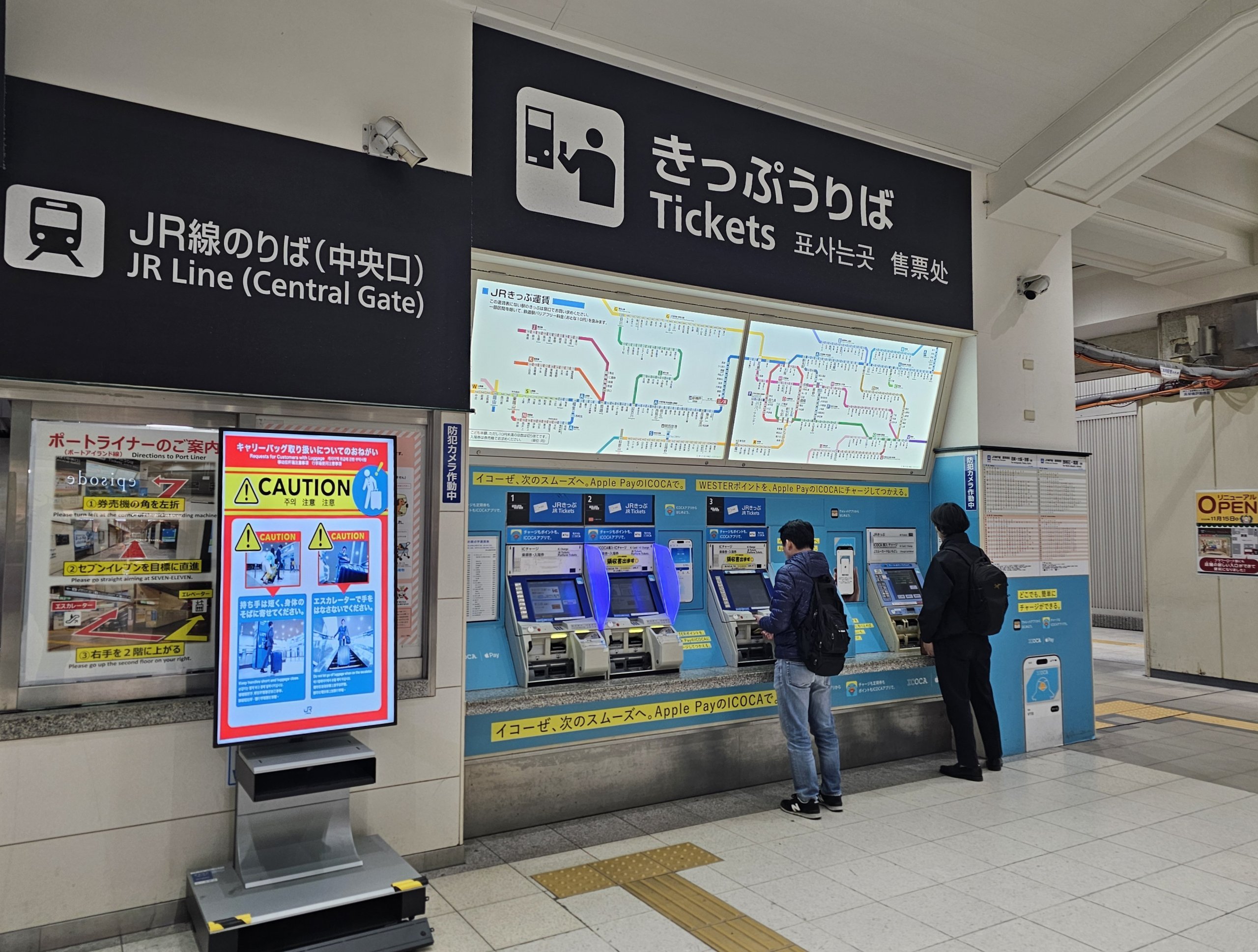
You can also buy paper tickets for the same price on all means of transport.
However, you can only ever pay in cash and must buy a ticket on every journey.
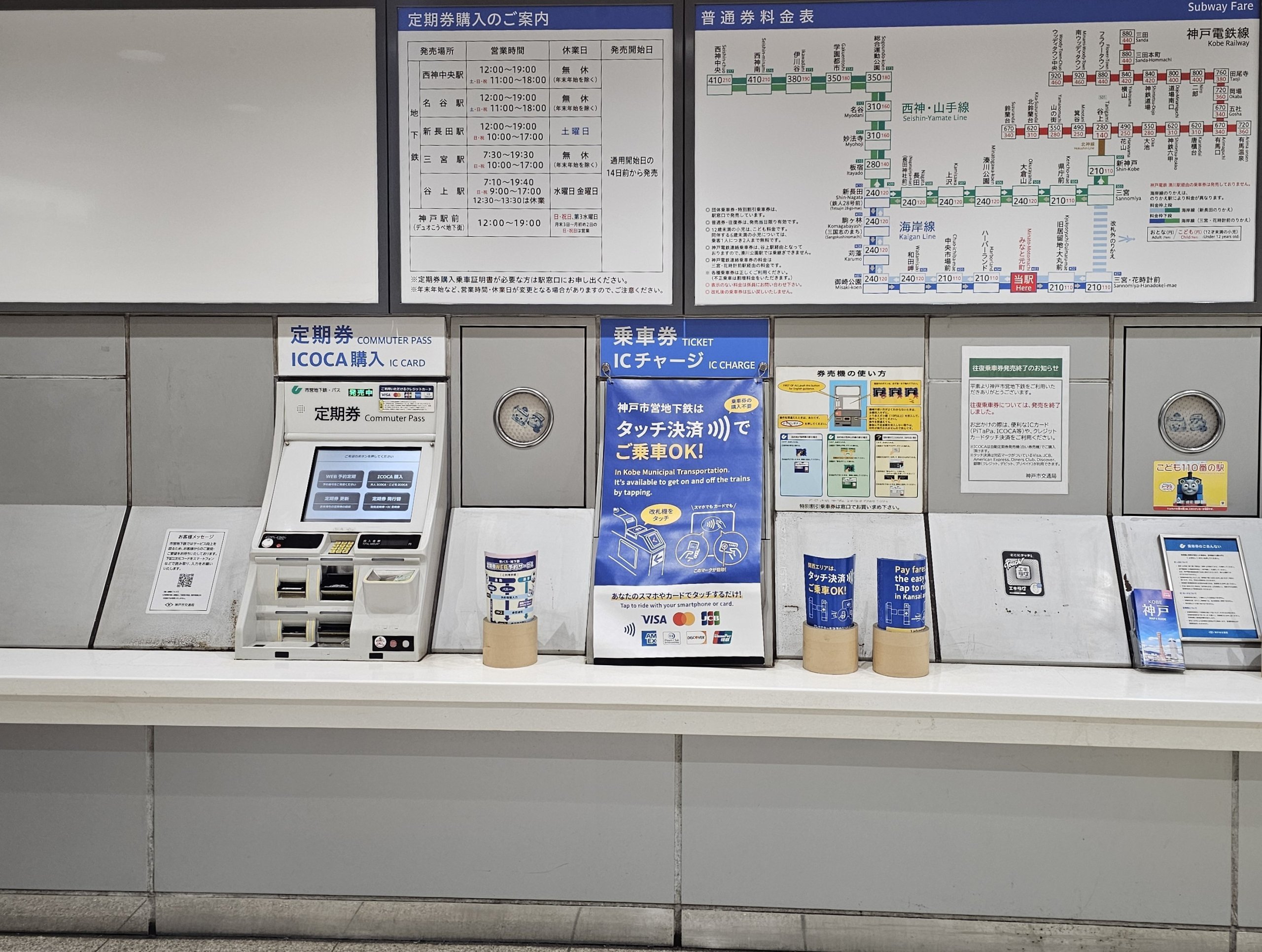
At the moment, self-payment by card only works on the Kobe Metro.
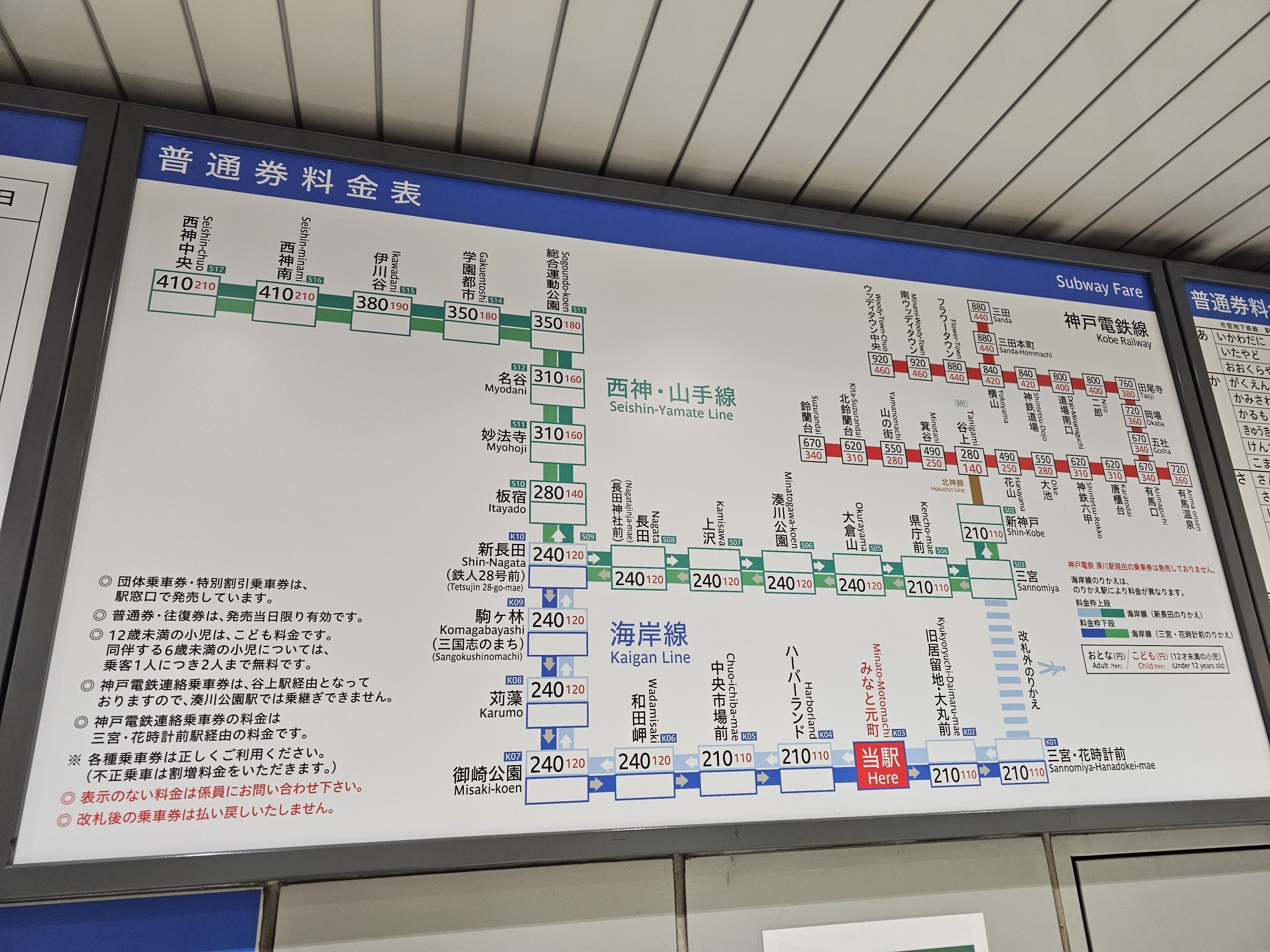
Fares are calculated automatically for trains or subways according to the distance travelled and range between 210 jpy and 410 jpy.
You can always find the exact price on the station price map located above each machine.
The pricing is very similar for JR, Hanshin, Hankyu and metro trains.
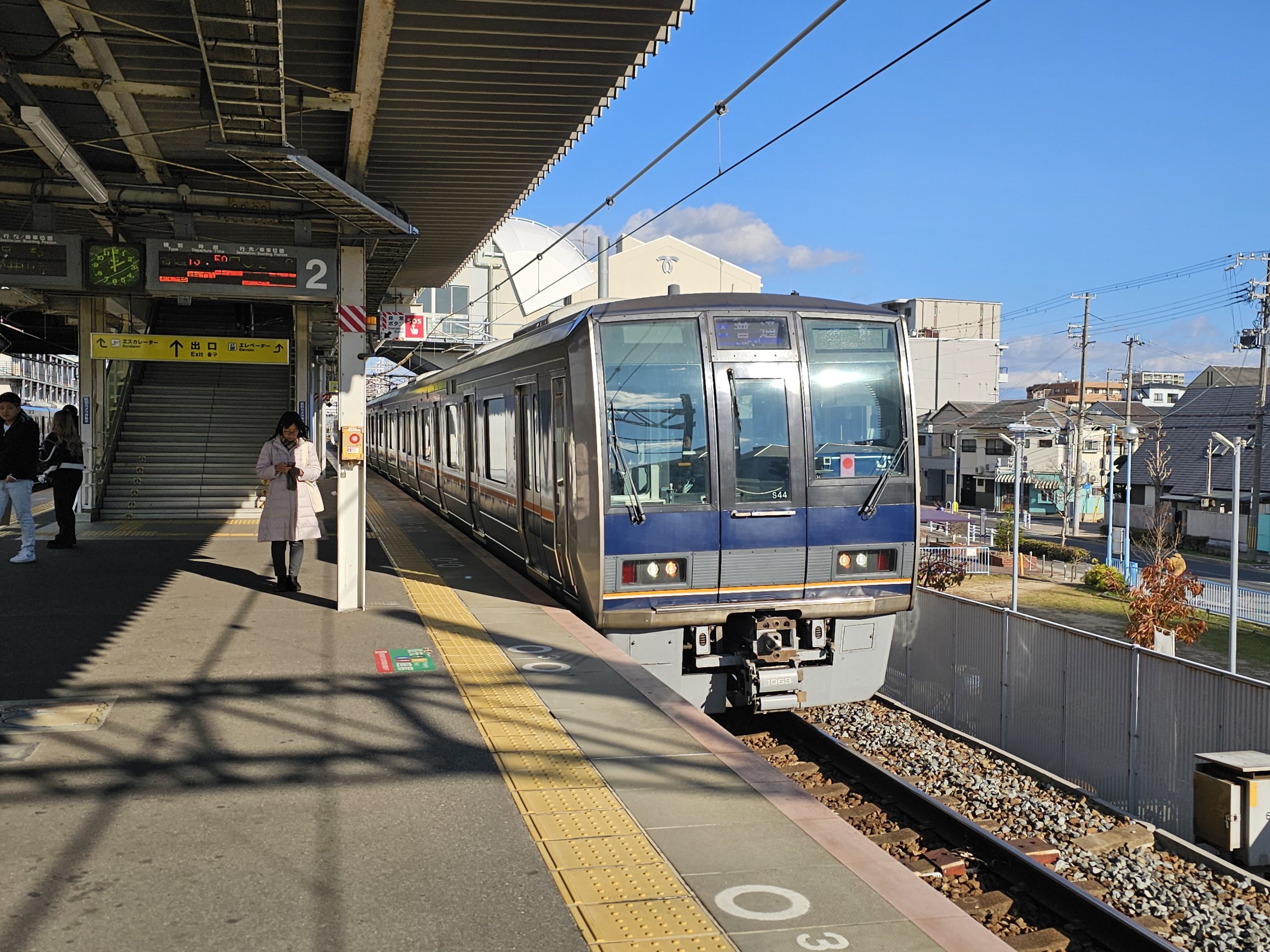
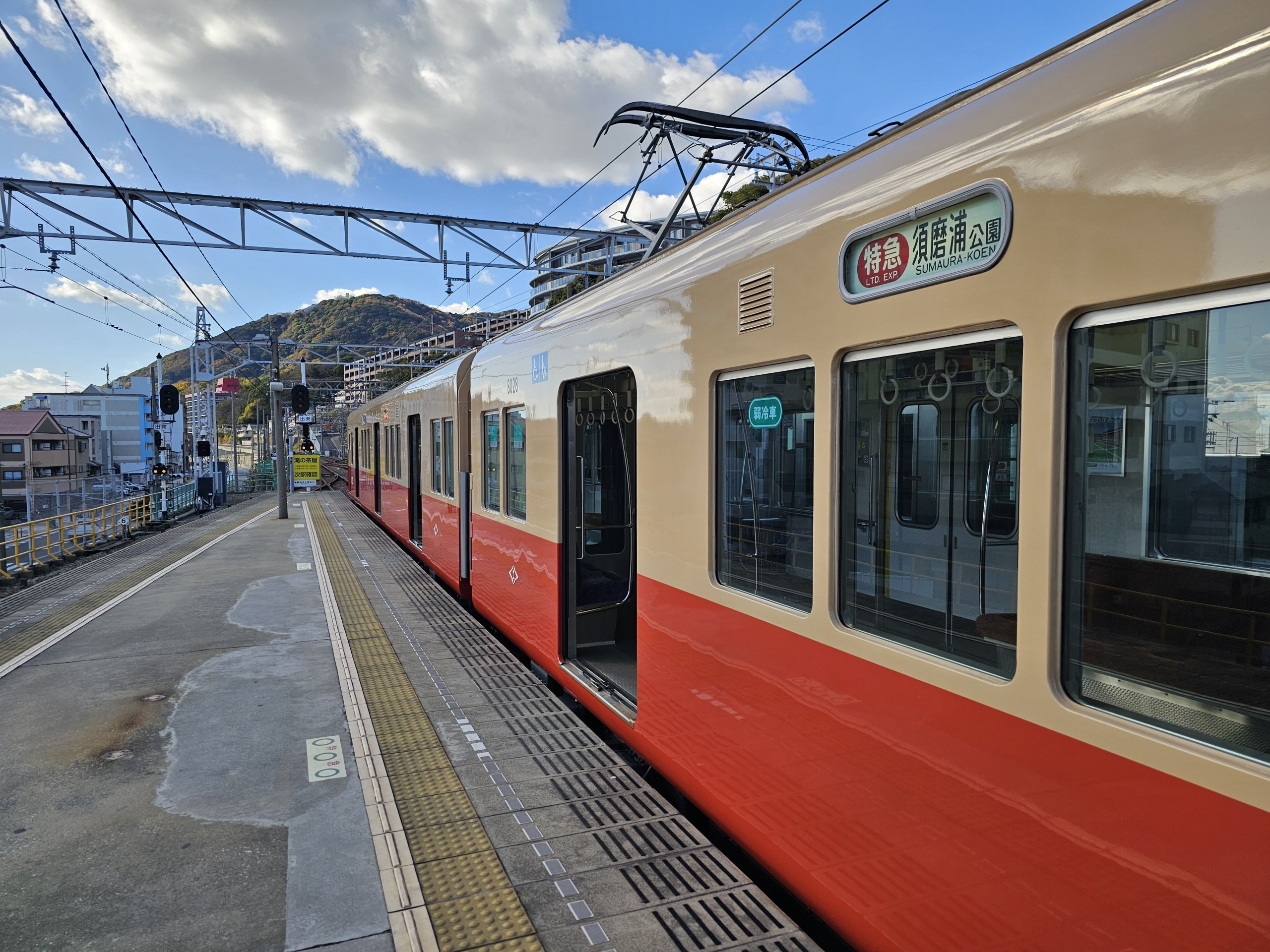
For visitors, the JR trains are often the most important - not only for getting to Kobe, but also for getting around Kobe itself.
You will use them mainly on this route:
Book a hotel near Sannomiya Station
Trains run along this route approximately every 10-15 minutes.
Benefits:
Disadvantages:
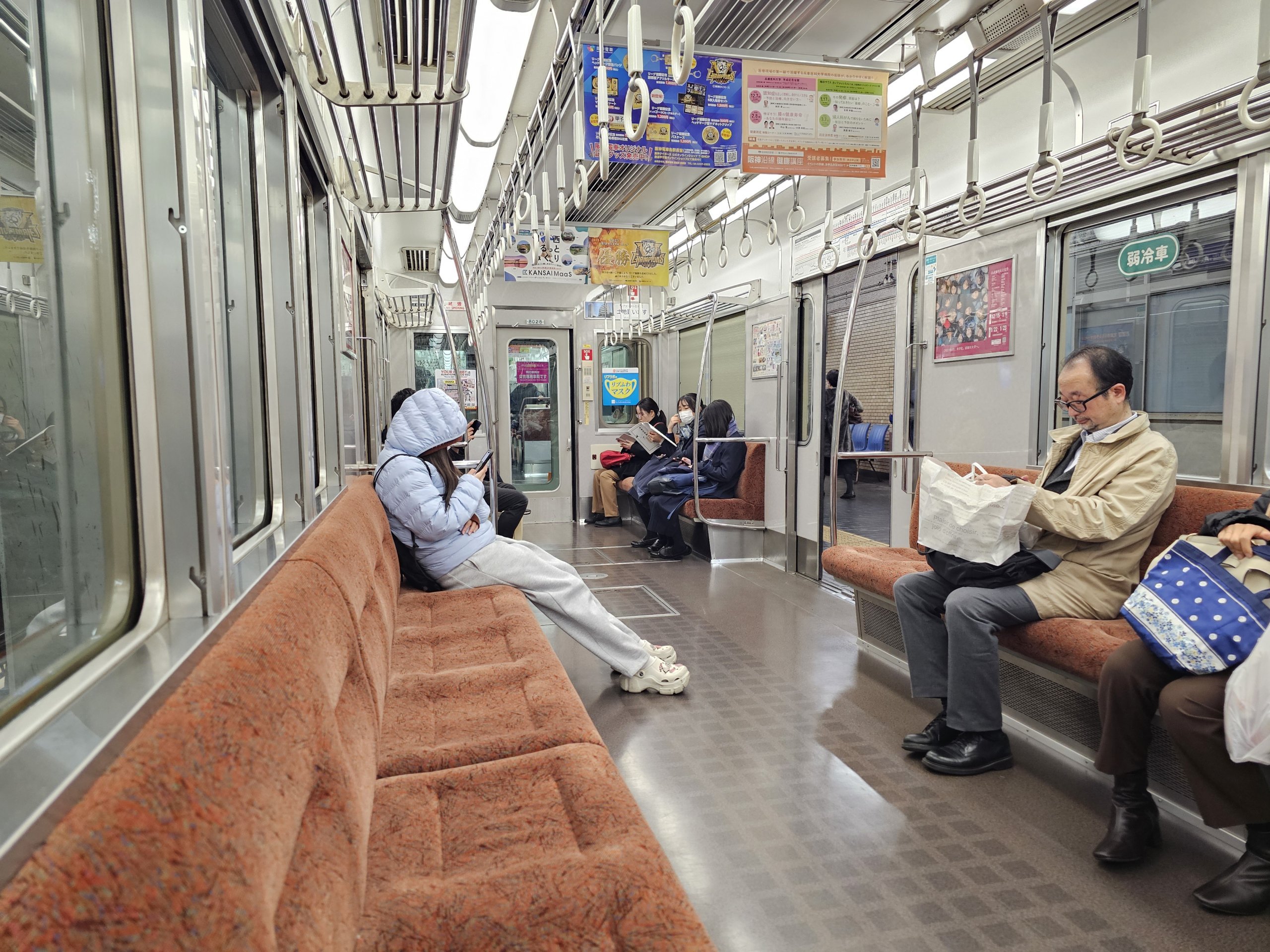
These private railways are mainly used for travel:
You cannot use the JR Pass with these companies, but you can use the Kansai Railway Pass.
Hankyu
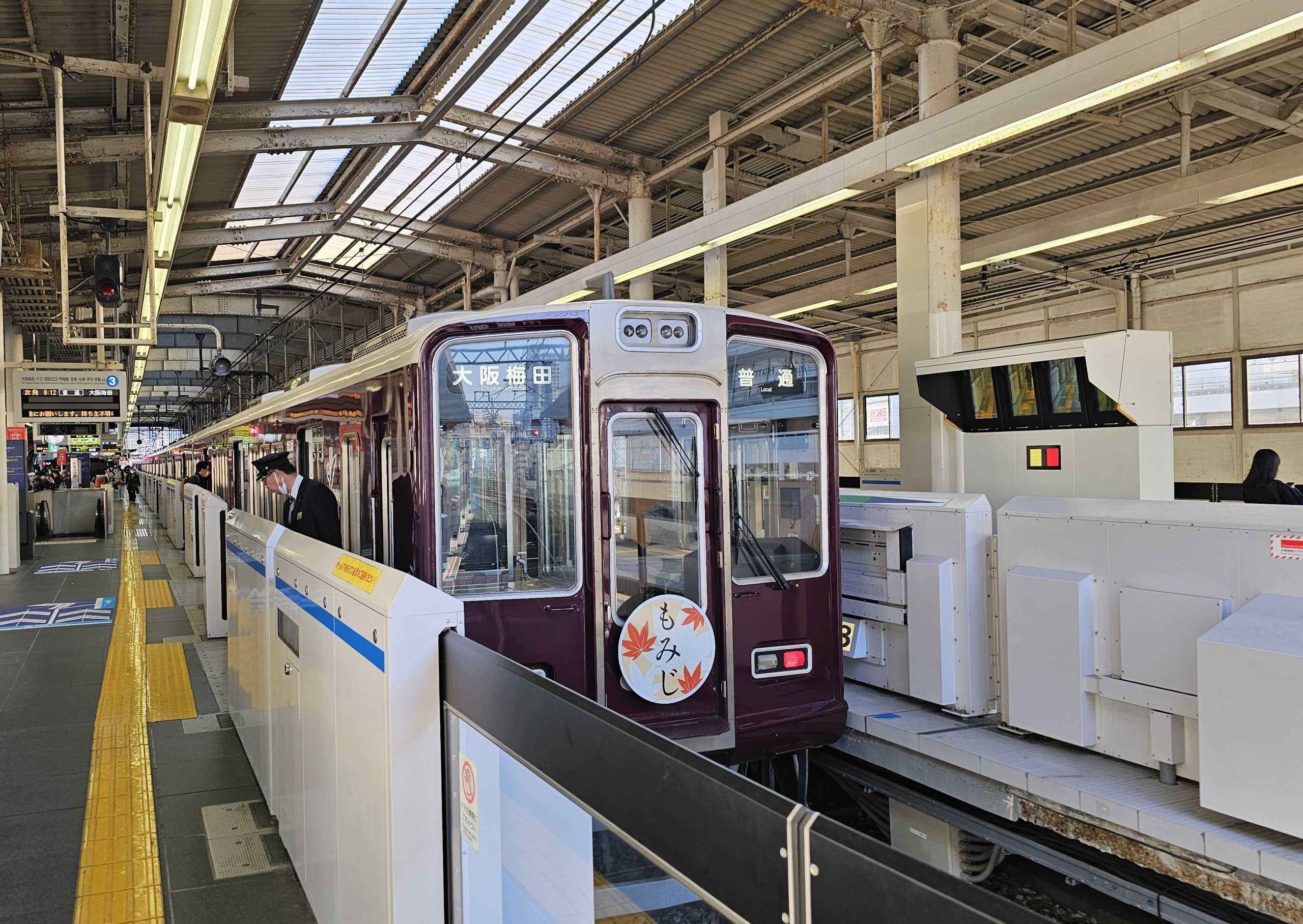
Hanshin/Sanyo
But for normal movement around Kobe in these directions, JR is usually sufficient - clearer orientation.
The Kobe metro has only 2 lines and tourists use it less than trains.
Mainly useful for:
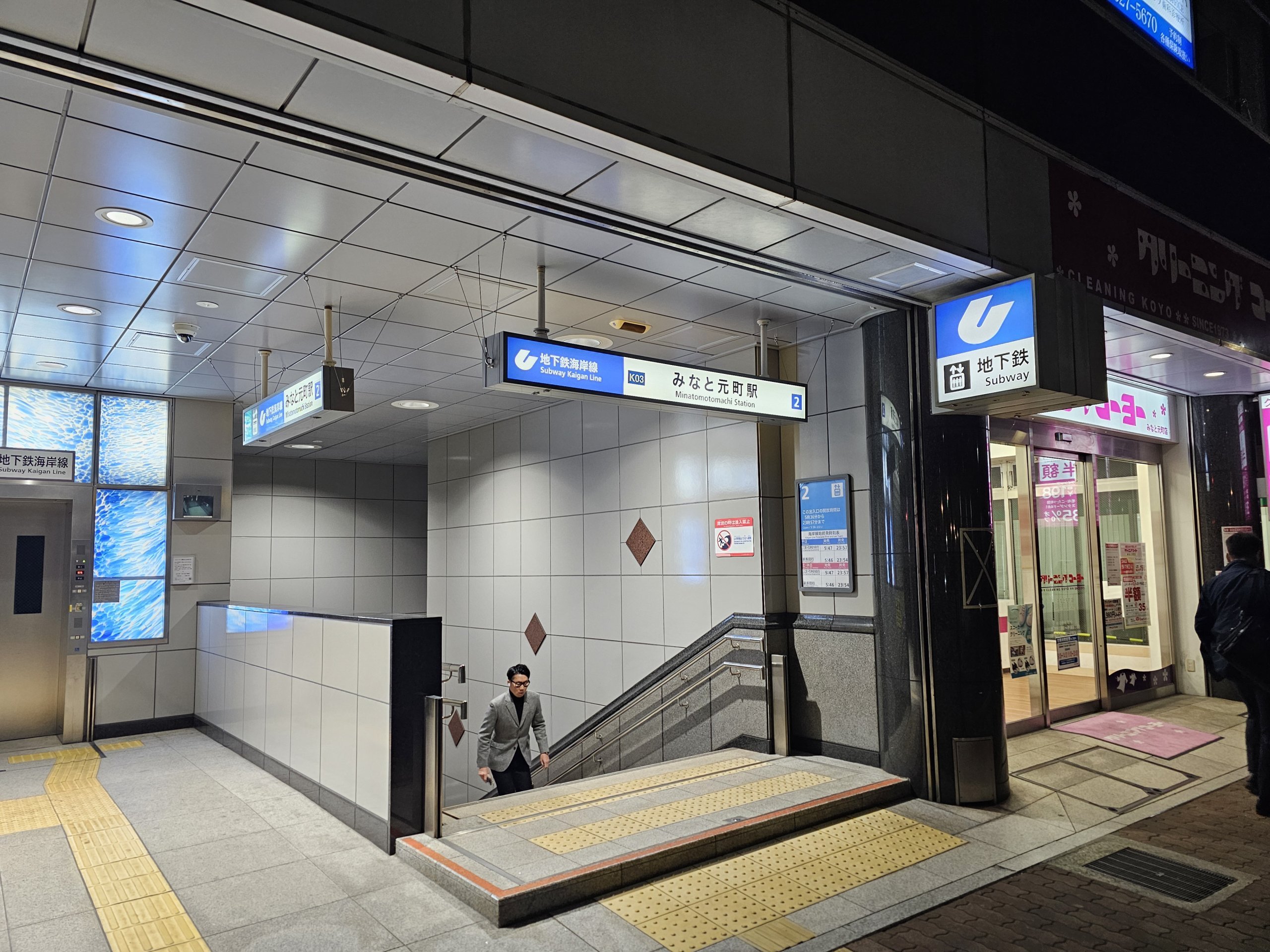
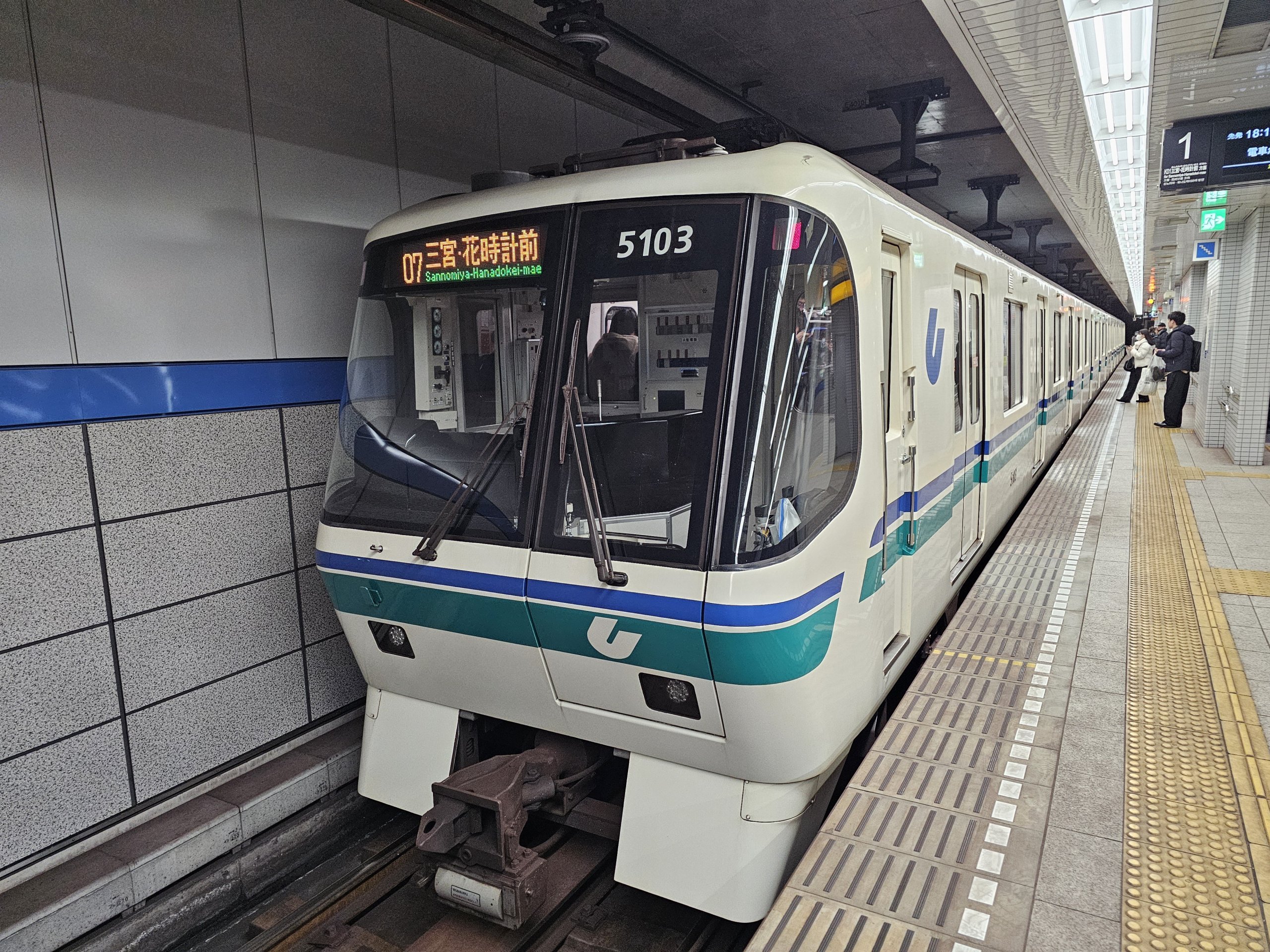
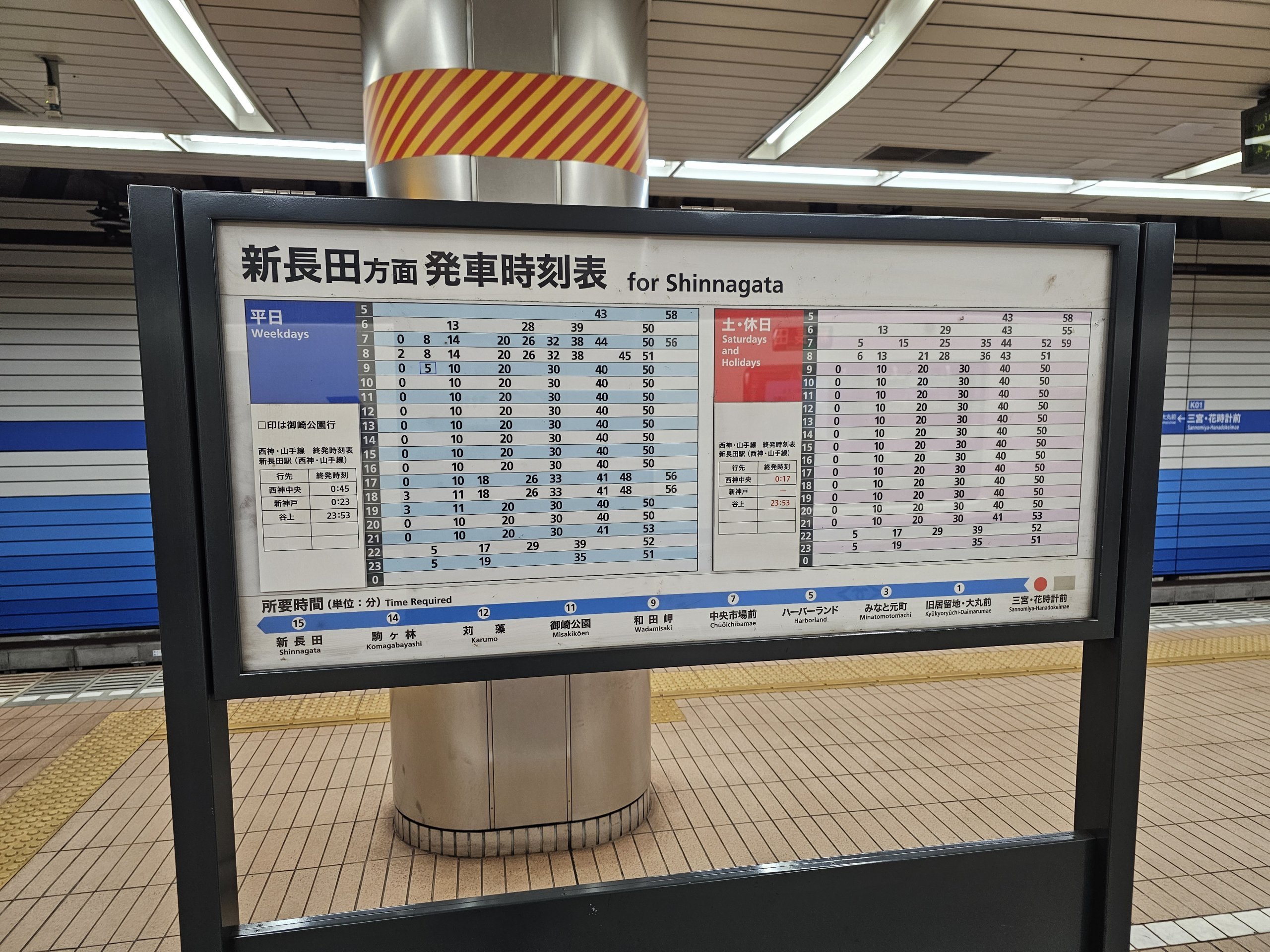
You don't need the subway for most of the tourist routes.
You can easily pay the subway fare with your own contactless card or IC card by attaching it to the turnstile when entering and exiting the station.
Unlike, for example, Tokyo, where buses are practically unusable, Kobe has several useful lines and 2 different carriers.
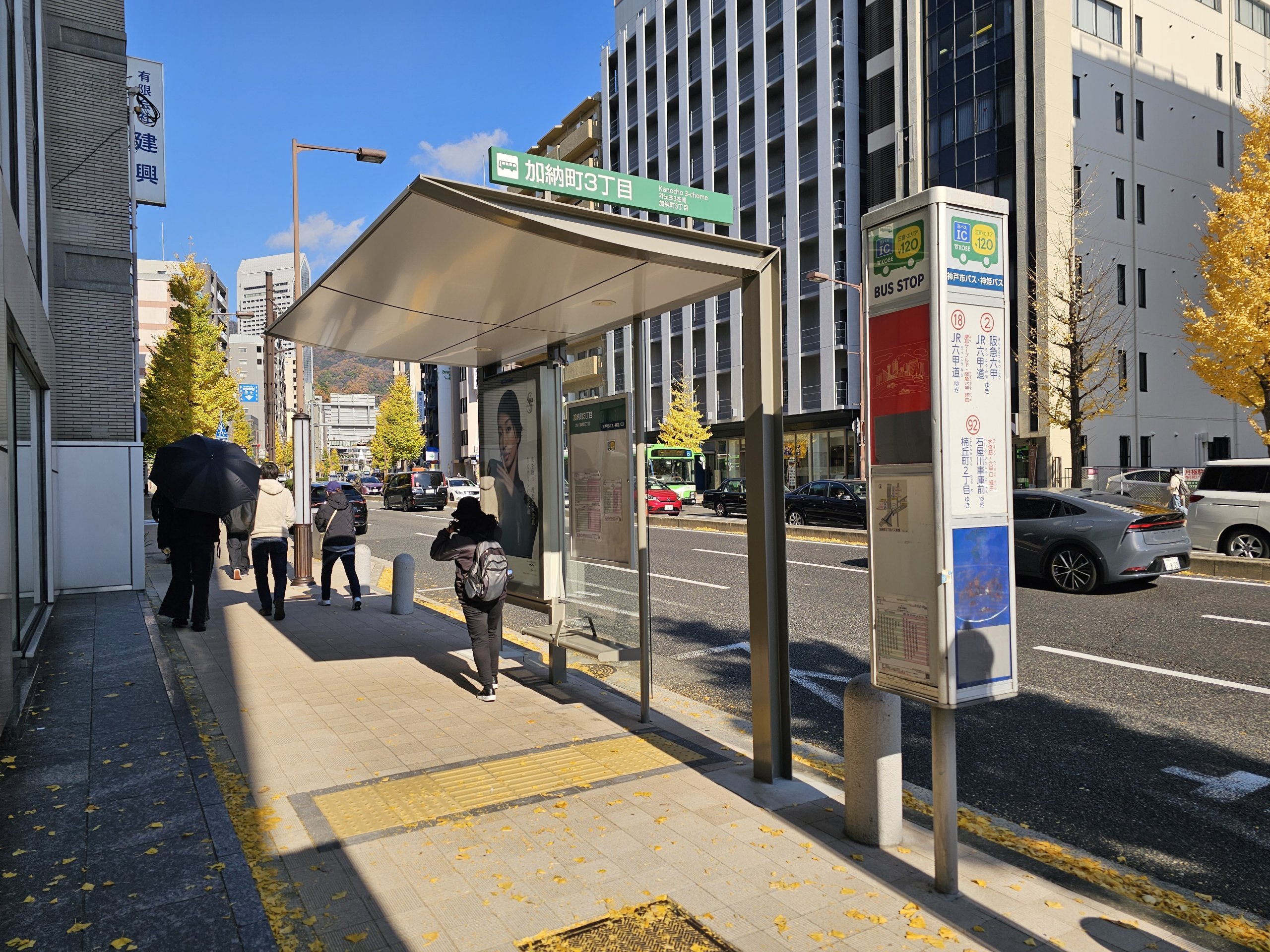
The regular green and white public buses serve mainly locals, but tourists will use them mainly to get to the cable cars up the mountains.
The following routes are the most useful:
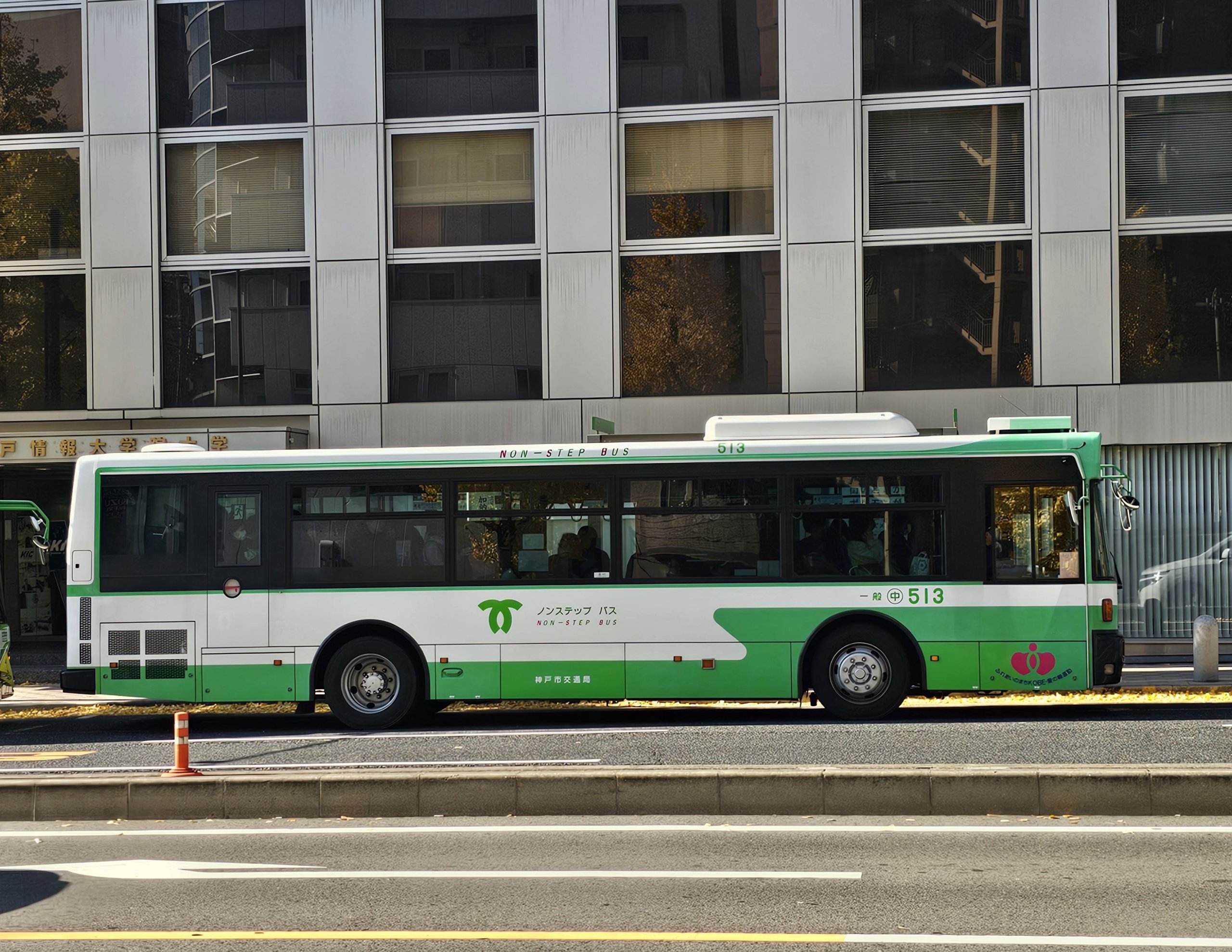
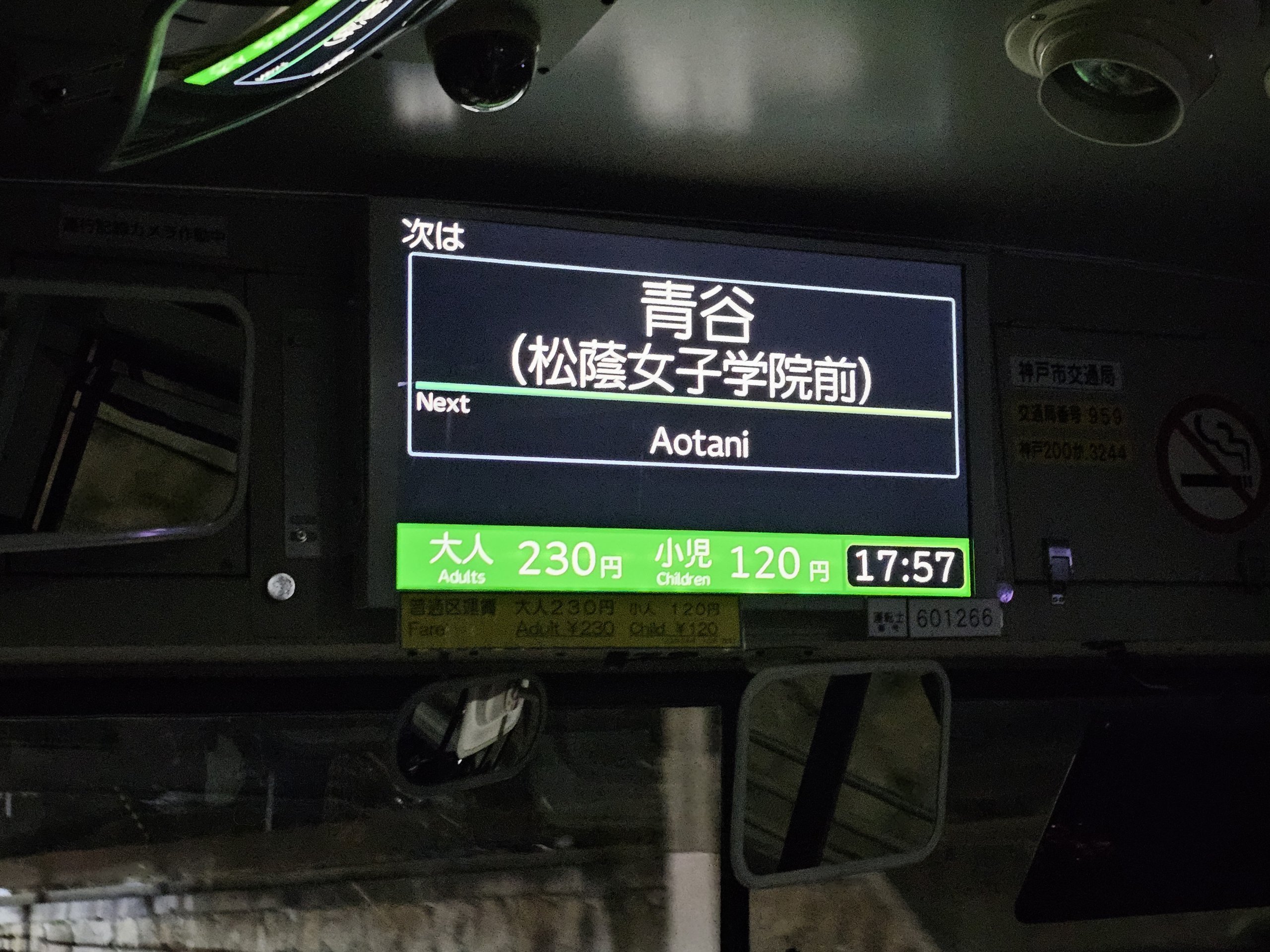
Fares are flat and pay for 1 trip - 230 jpy.
The exception is the small downtown area around Sannomiya station, where you only pay for 1 trip 120 jpy.
How do I pay the fare?
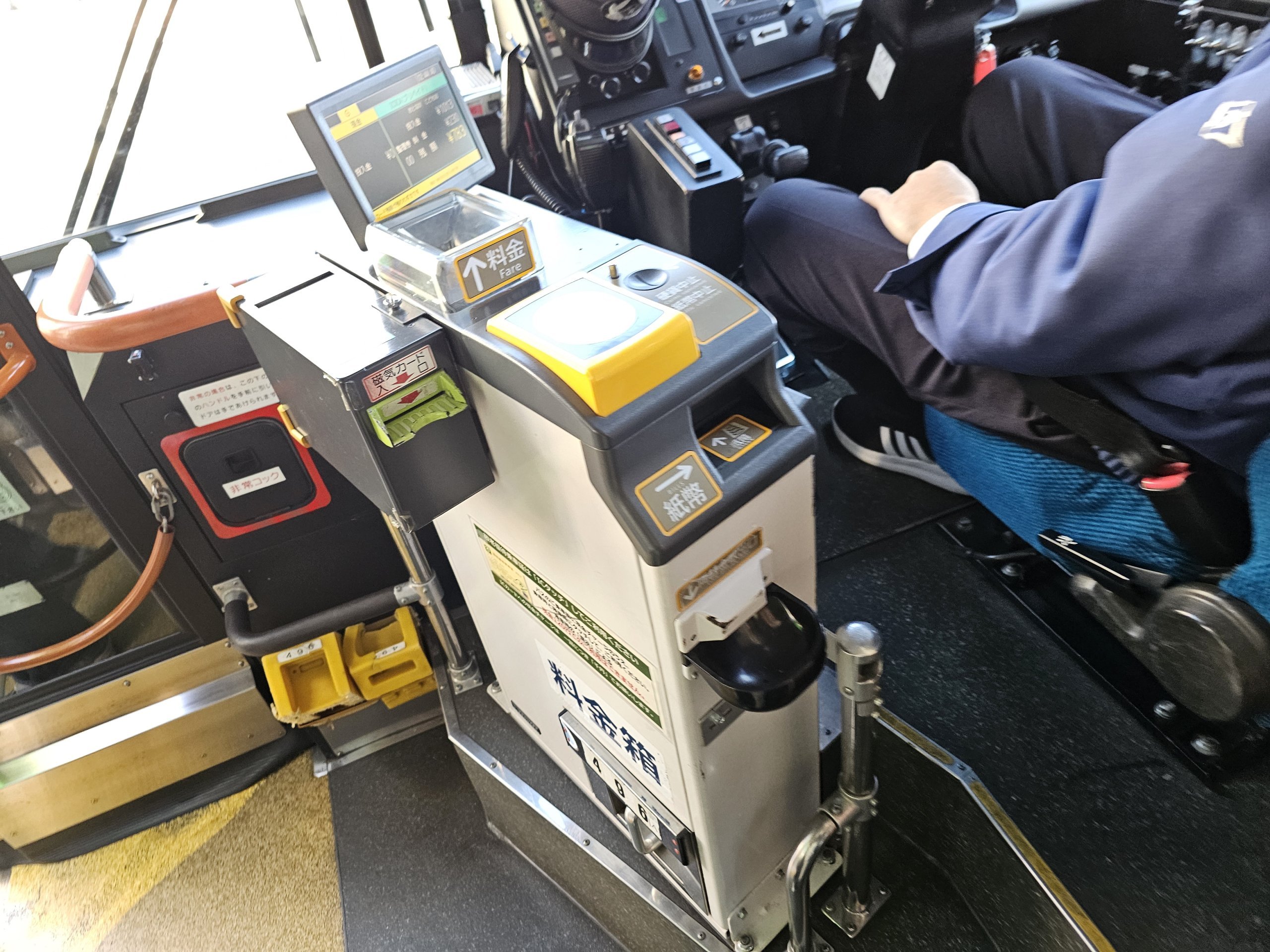
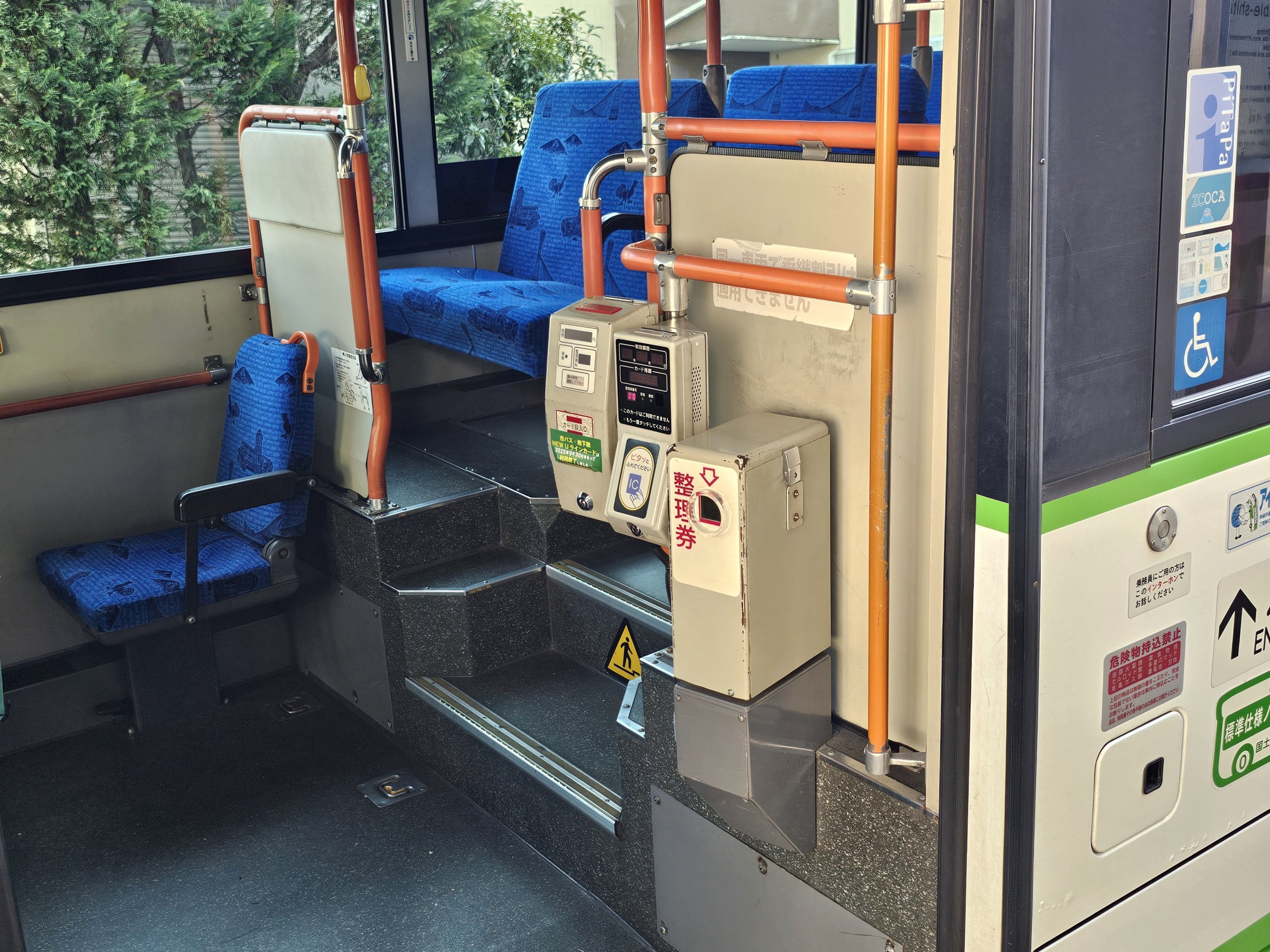
Where do you find the connection?
Easiest via Google Maps, which works flawlessly in Kobe.
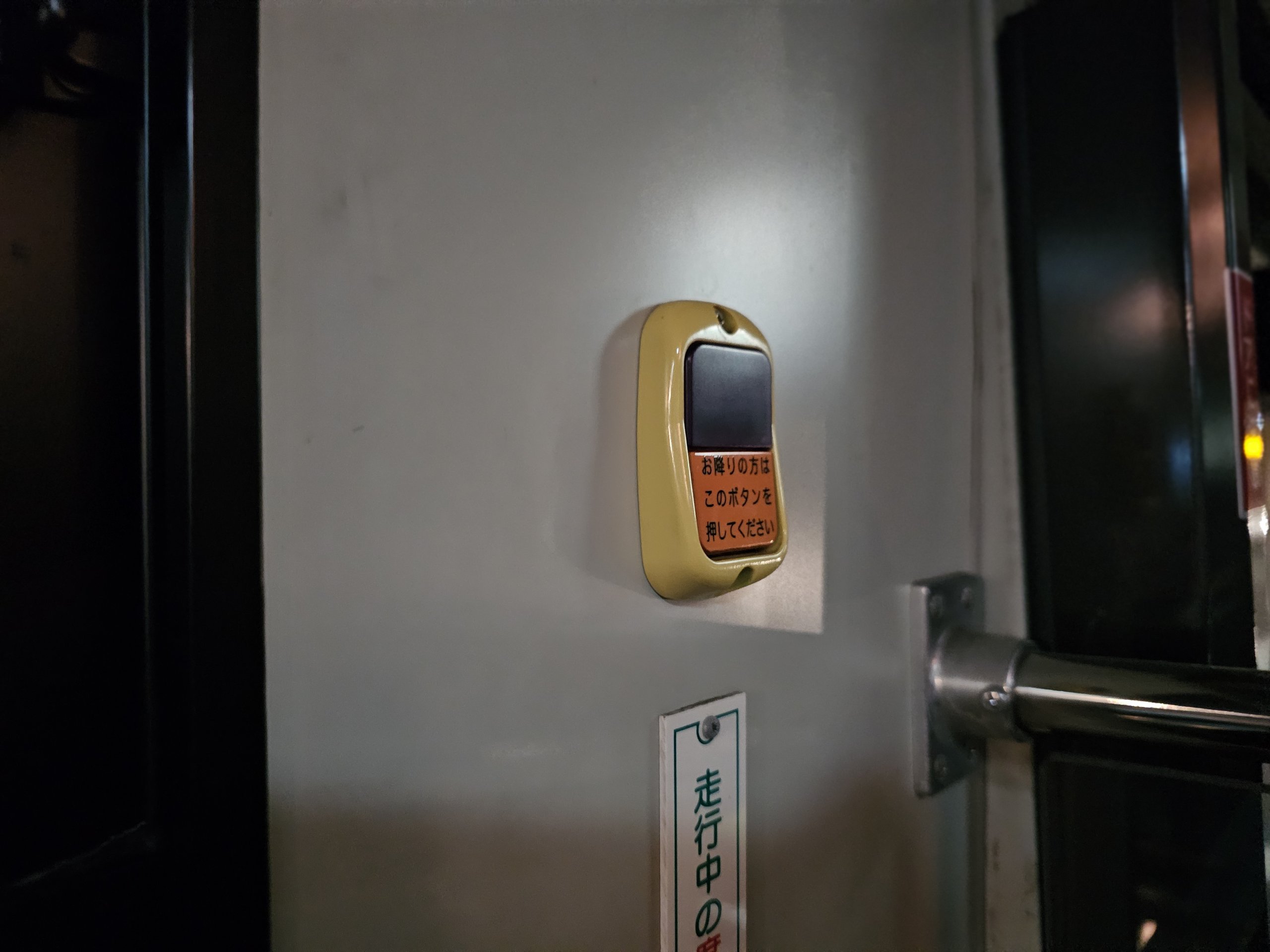
Whenever you want to get off, you need to press the "stop" button well before the stop.
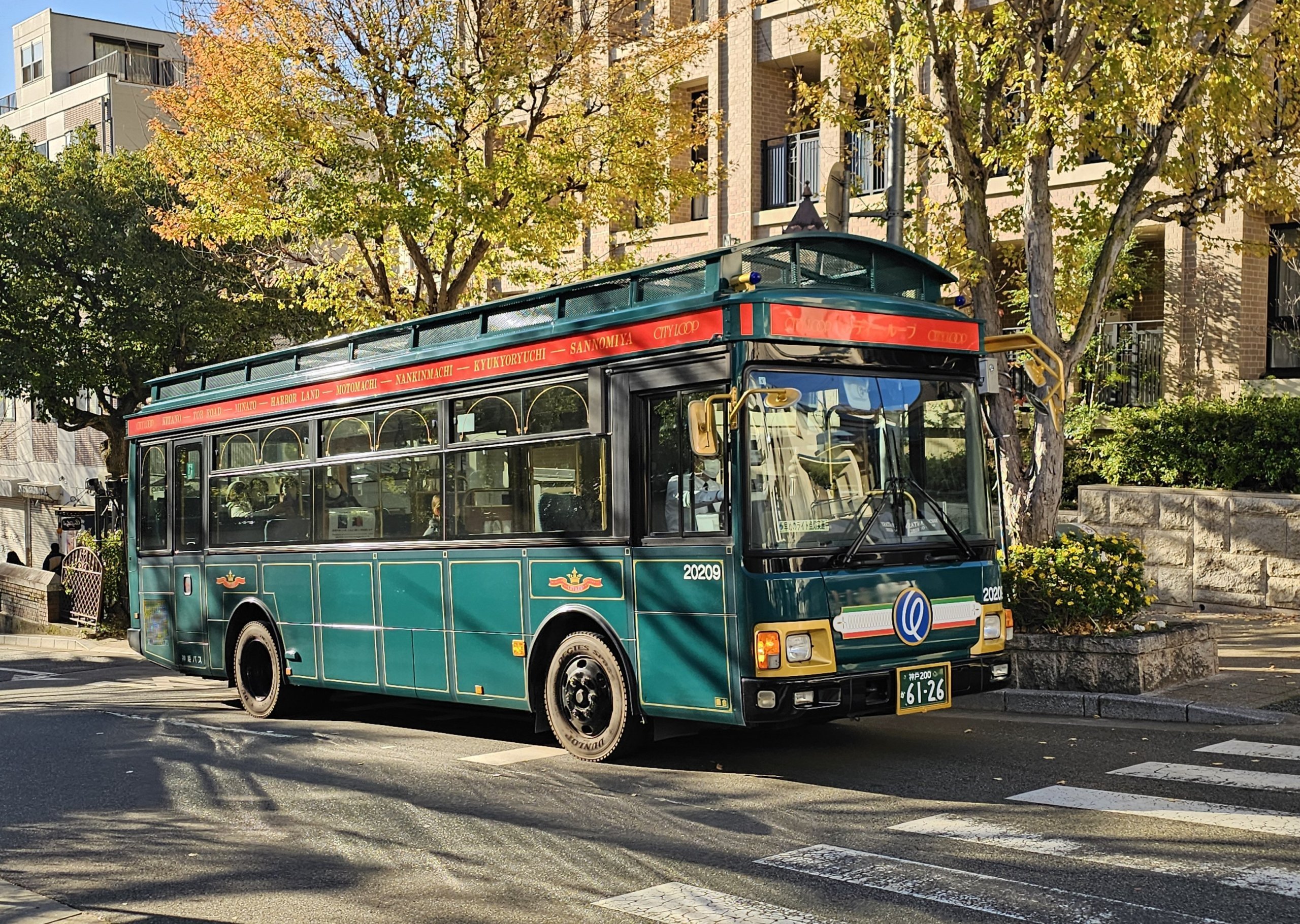
There are two bus routes running through the centre and around the tourist attractions, primarily aimed at tourists.
You can only purchase a full-day or 2-day ticket.
1 ride only fares are not on sale.
Official information: kobeloop.bus-japan.net.
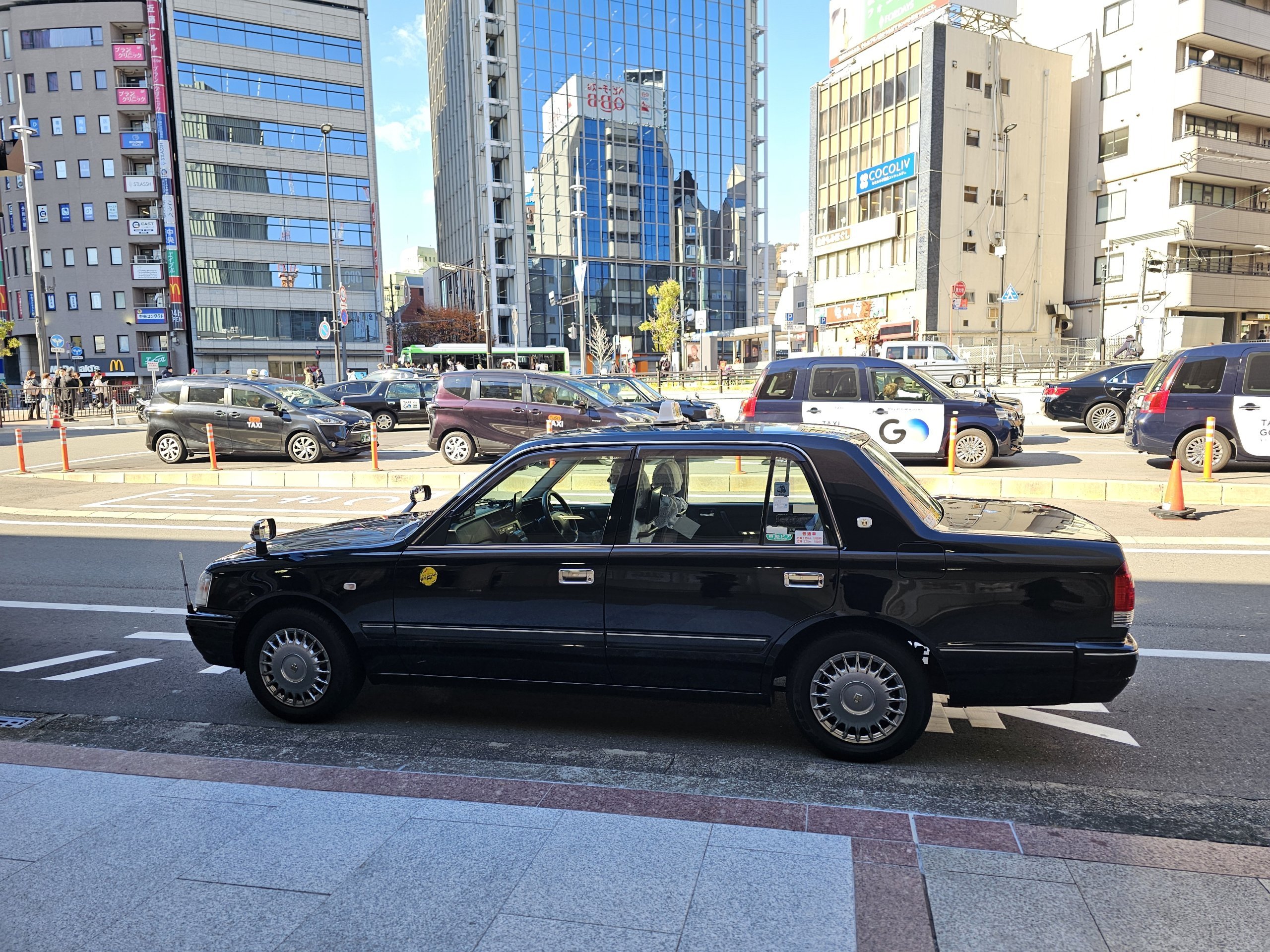
Classic black cabs are literally ubiquitous in Kobe.
You can hail a taxi by waving on the street (but they don't always stop - only where traffic laws allow it) or use one of the many official stands. These are usually near hotels, subway stations or trains.
Kobe also has ride-sharing apps, or you can order a regular taxi through them.
Mobile apps are convenient if you don't want to deal with cash payments (not all taxis accept credit cards), but pay with a card stored in the app.
Compared to other developed cities like New York, London or Hong Kong, they are not that expensive.
Compared to the subway and trains in Kobe, which get you everywhere, they are very expensive.
It makes a big difference if you fly directly into Kobe or one of the Osaka airports.
For detailed information and my experience getting to/from the airport, see the links below.
If you are planning a trip to Kobe, here are the sites that will be most useful to you.
Also book travel services in advance on this site:
If you have any questions or comments about the article...