
Direct flights to Corsica from Prague on a single date in December
200 €



Japan is a country that never ceases to surprise travellers at every turn. Some things work brilliantly and make getting around the cities a breeze, whilst others, on the other hand, take a bit of getting used to or require some preparation in advance.
In this article, I’ve set out my observations from travelling around Japan – things I encountered during my trip that took me by surprise.
If you’re heading to Japan for the first time, some of the following points might take you by surprise. And if you’ve been there before, it’s quite possible you’ll recognise yourself in them.
Book your hotel in Japan well in advance
I’ve used luggage lockers in Japan time and time again. I had no idea just how handy they’d be!
For example, on the morning before catching the train to Mount Fuji, I wanted to visit the beautiful Shinjuku Garden, which is near the station. I was staying at the Indigo Hotel in Shibuya, so I packed up in the morning and headed to Shinjuku Station with my suitcase, where I left all my luggage and went for a stroll in the garden.
I didn’t even have to think about what to do with my luggage.
That’s because automatic luggage lockers areabsolutely everywherein Japan!The most common places where you’ll find them are:
In busy areas, it’s often the case that all the lockers are full, but it usually won’t take you even five minutes to find another set of empty lockers.
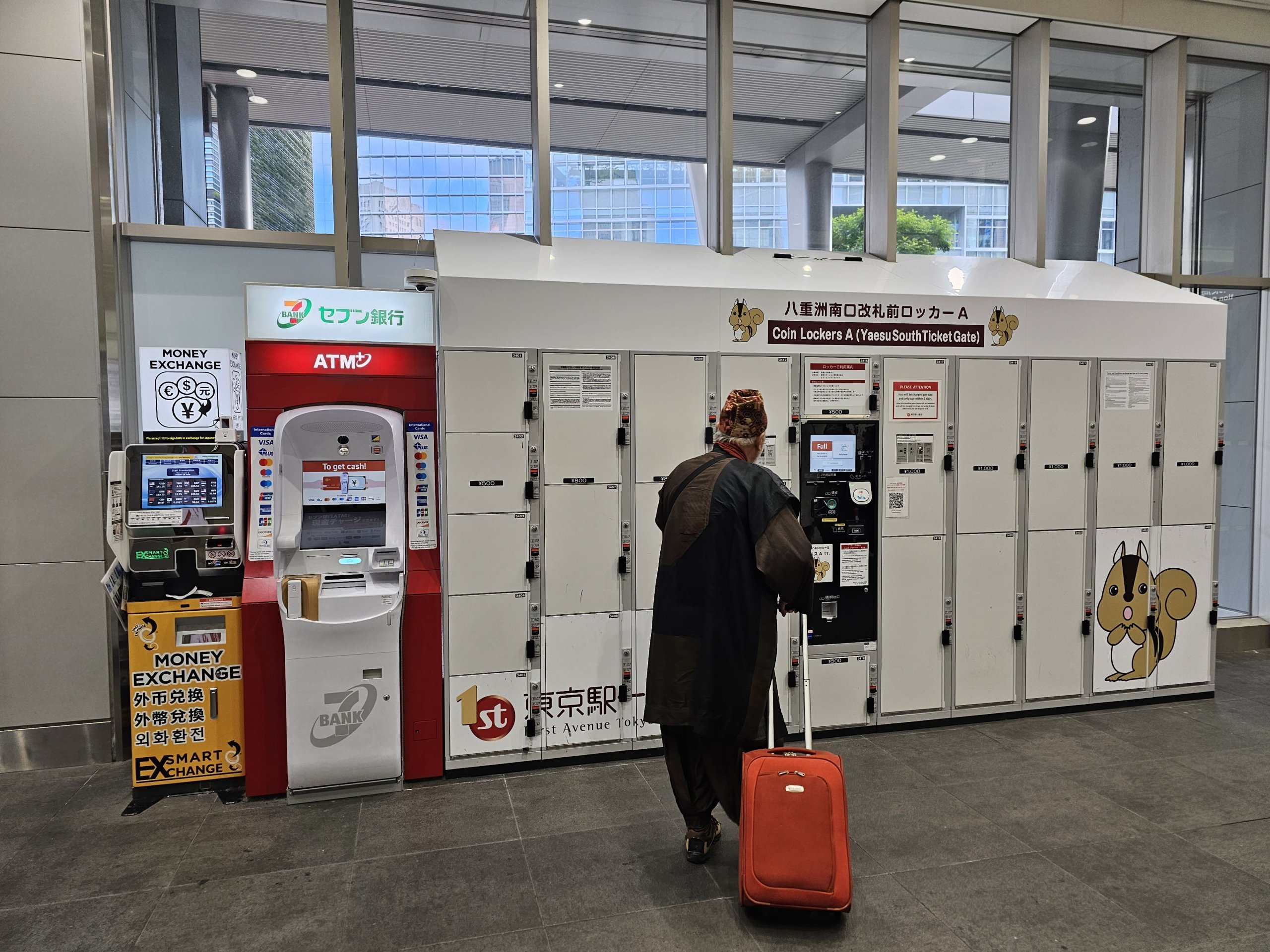
At large stations or with more modern lockers, you can pay by card, but this isn’t usually the case.
Often, you can only pay with coins, but in that case there’s usually a change machine next to the lockers where you can break up your notes.
It is also very common to be able to pay using transport cards (such as Suica, Icoca, Pasmo and others).
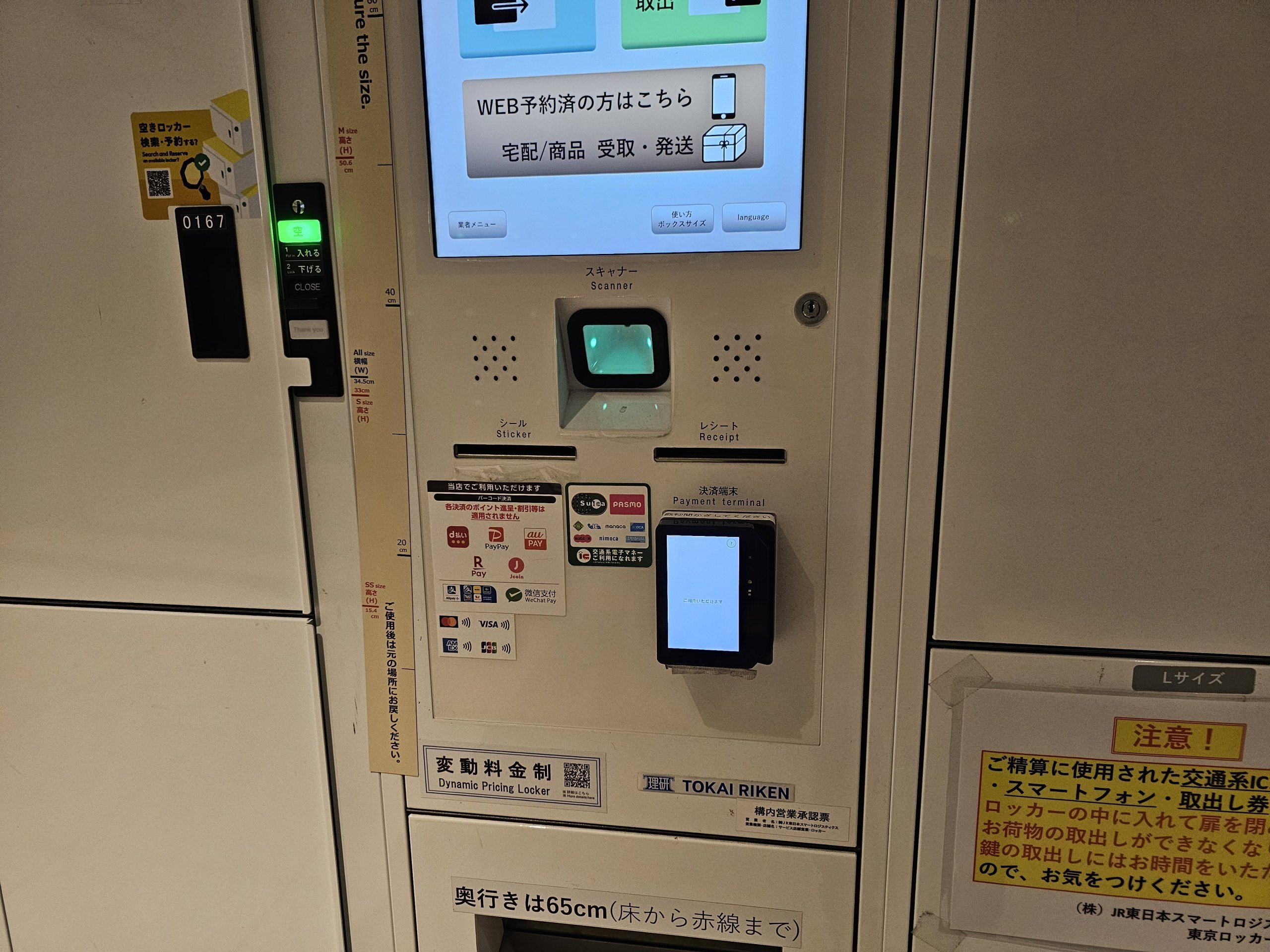
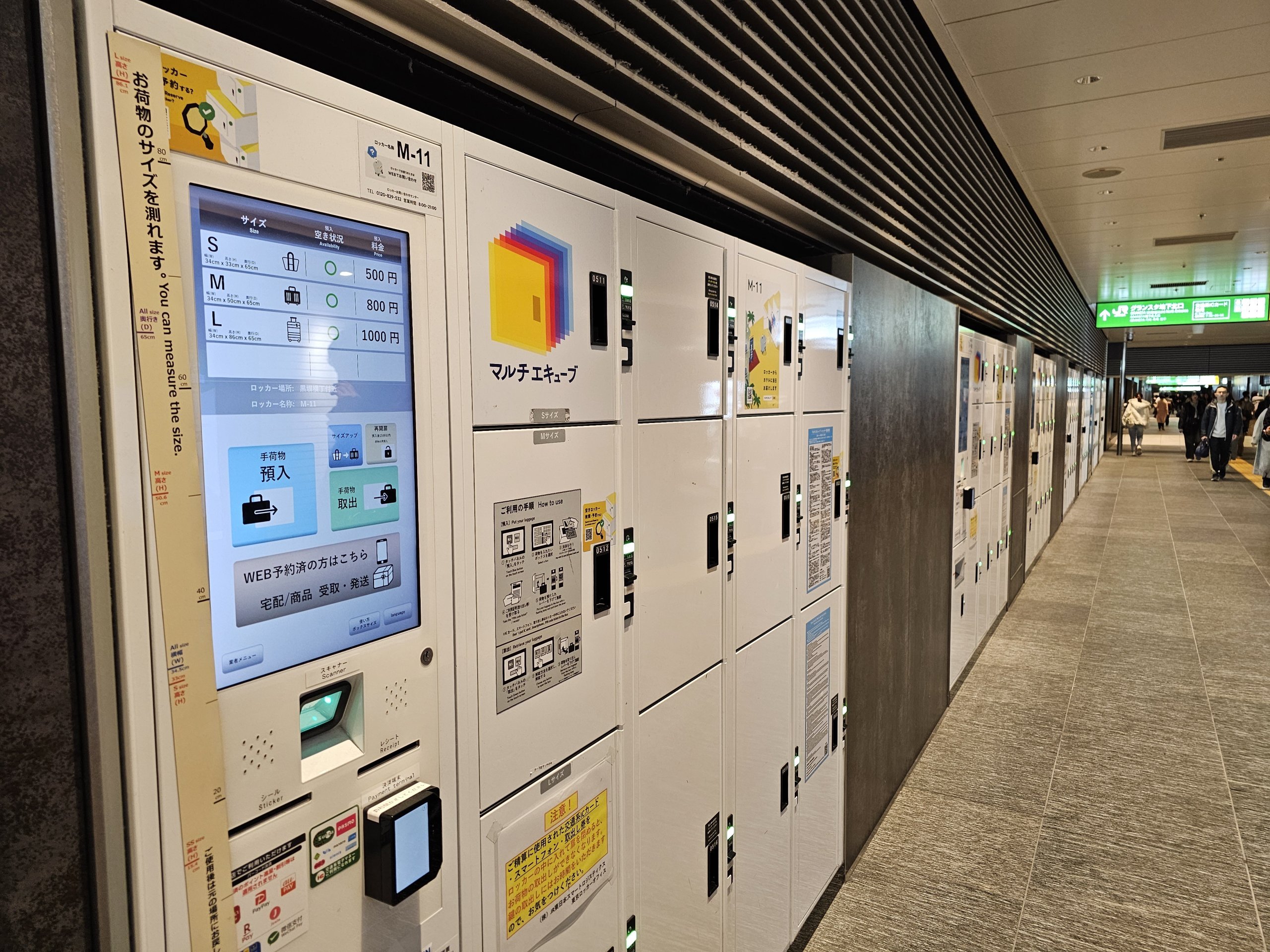
You always pay for a 24-hour period – it doesn’t matter whether your luggage is in the locker for 30 minutes or 23 hours. The price is the same.
The largest lockers are usually available for between900 jpy and 1 100 jpy.
The smallest lockers usually cost between 300 jpy and 500 jpy.
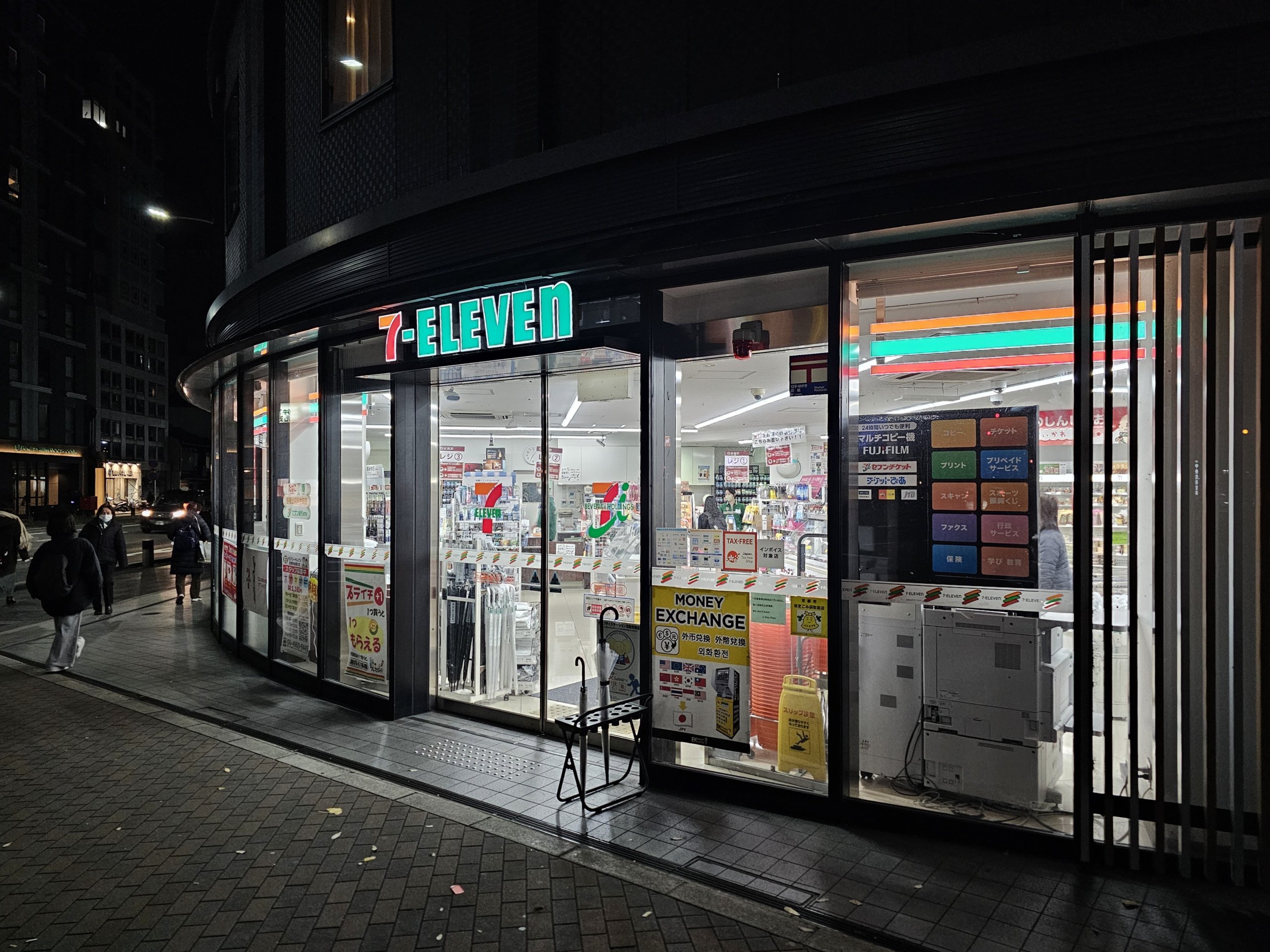
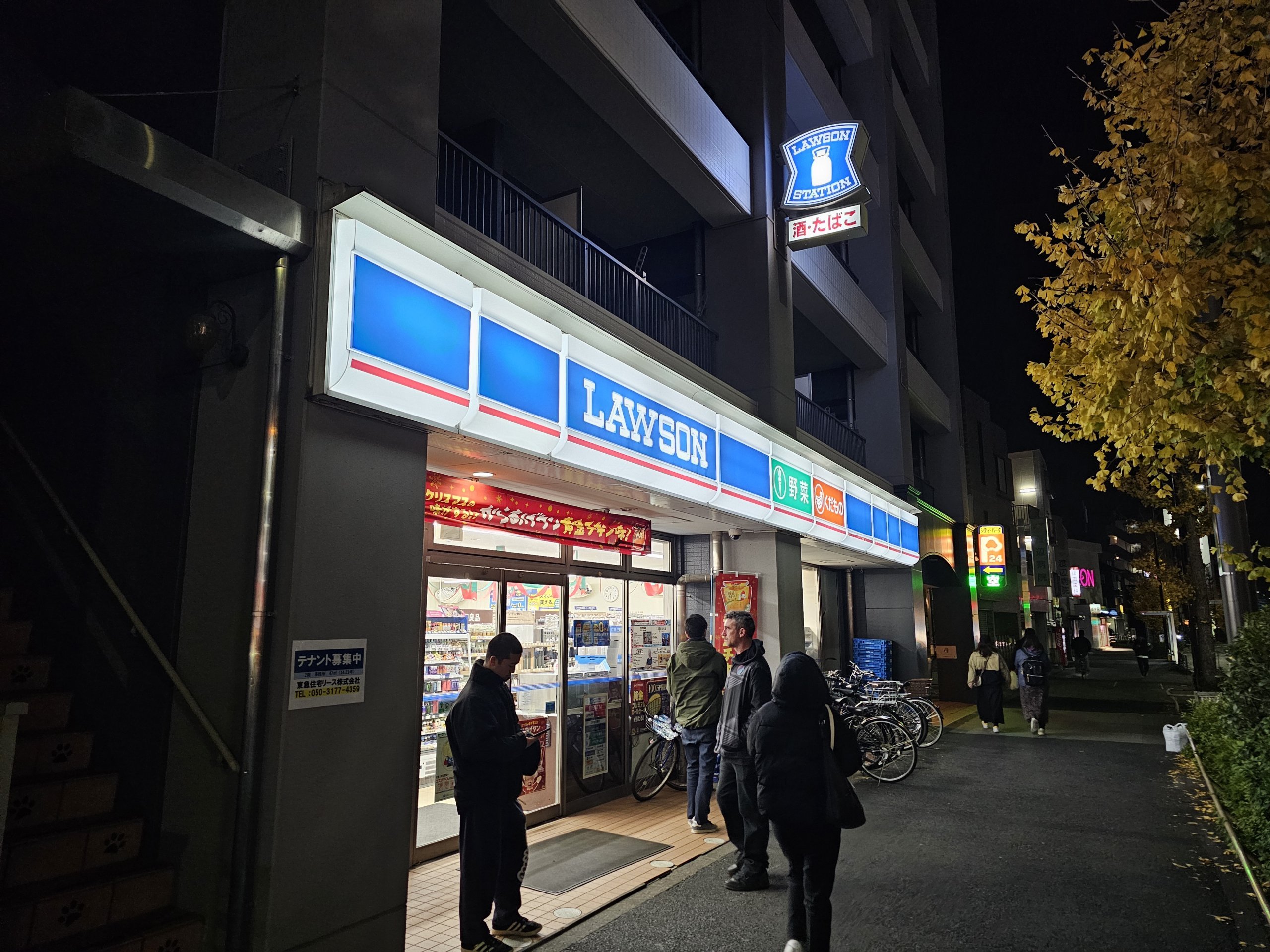
Just like in Thailand or South Korea, for example, there are convenience shops literally on every corner in Japan.
Not just in big cities, but even in the most remote villages.
This is particularly handy for travellers. You don’t have to worry at all about where to grab a bite to eat when you’re thirsty, ravenous or fancy something sweet. And what can you find in Japanese convenience shops?
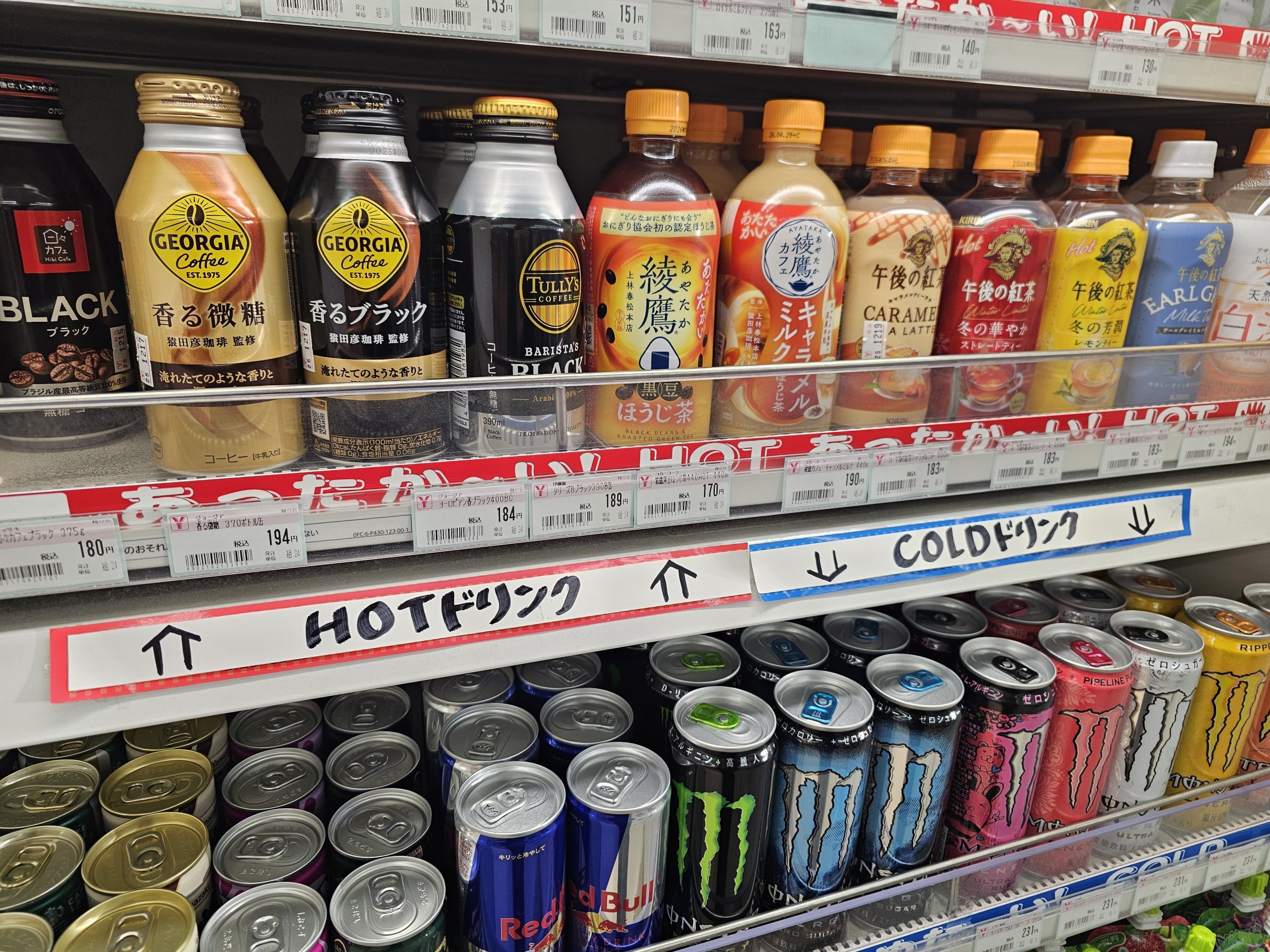
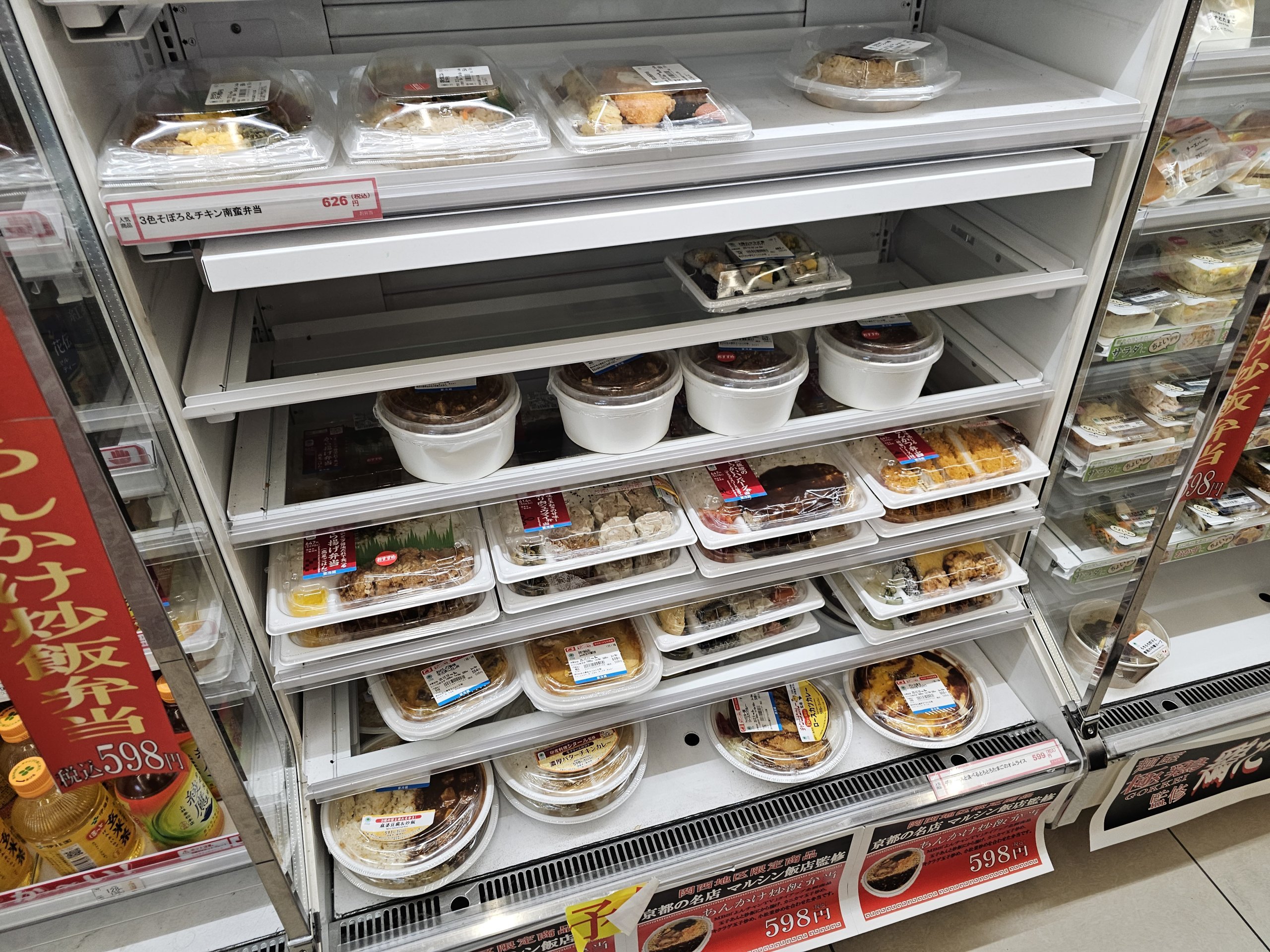
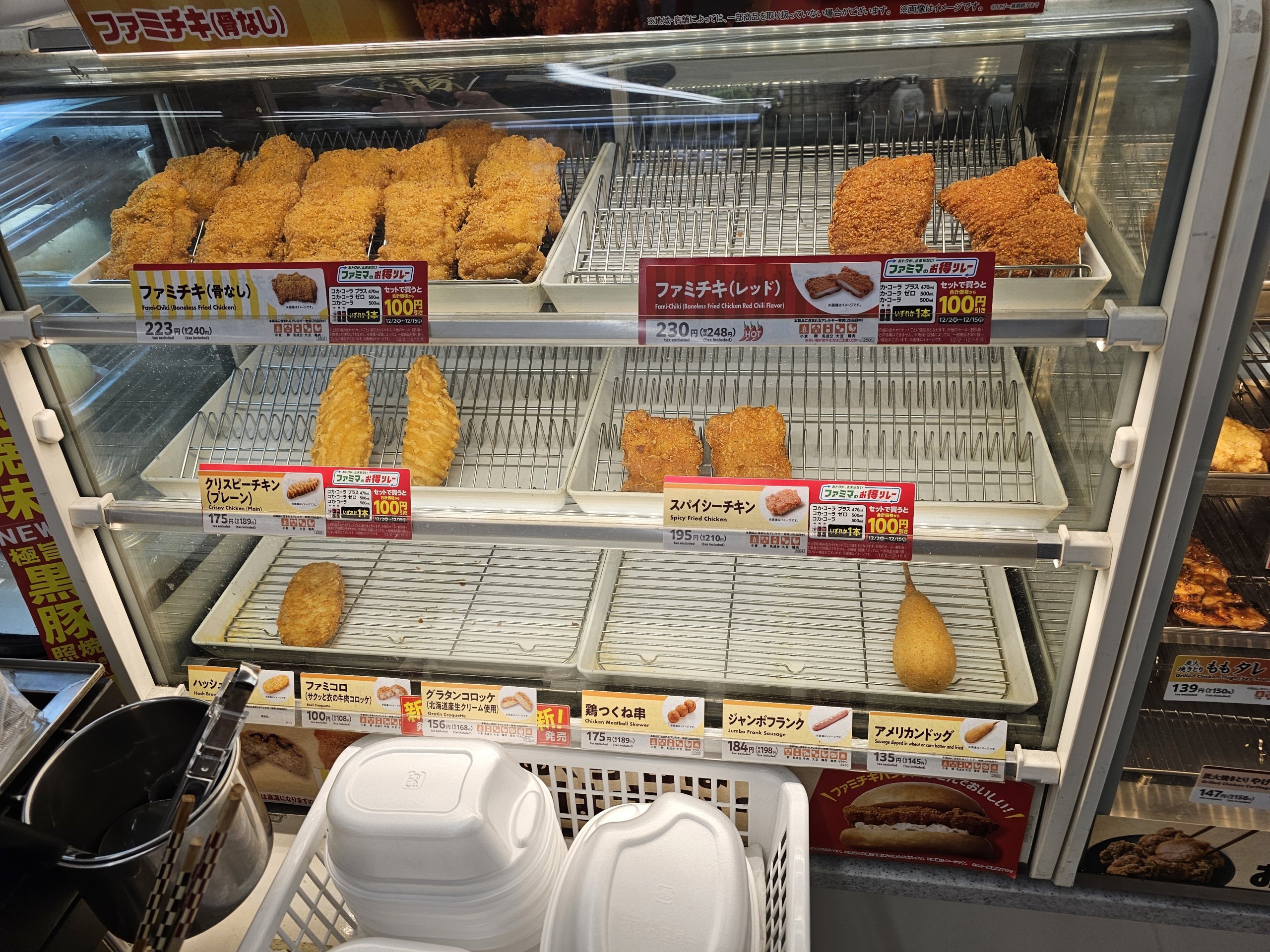
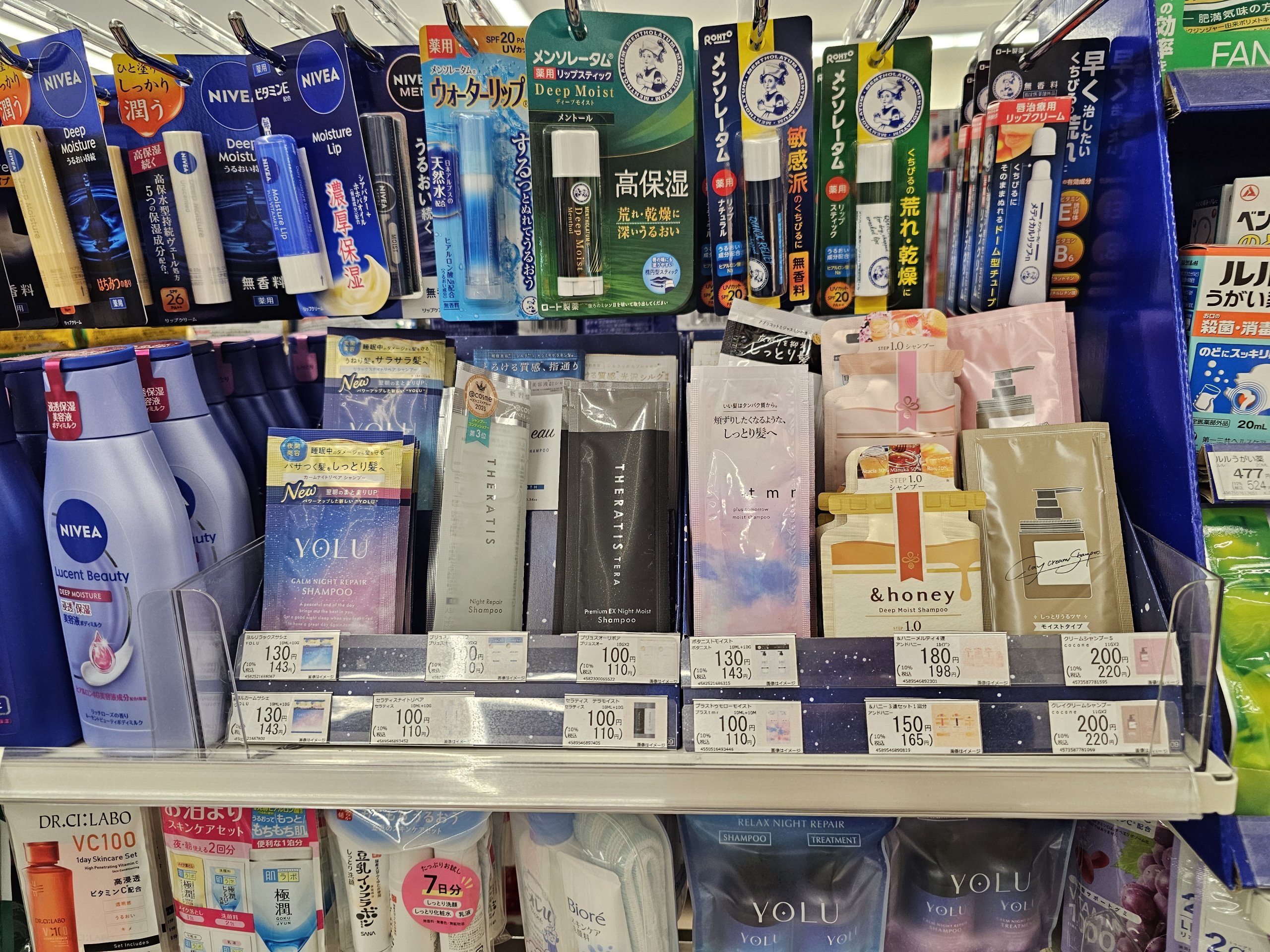
There are many convenience store chains in Japan, but the most common ones – which you’ll find absolutely everywhere – are these:
Most of these shops are open 24/7, and you can pay with cash or standard international payment cards at all of them. And unlike in Thailand, for example, there’s no surcharge for card payments.
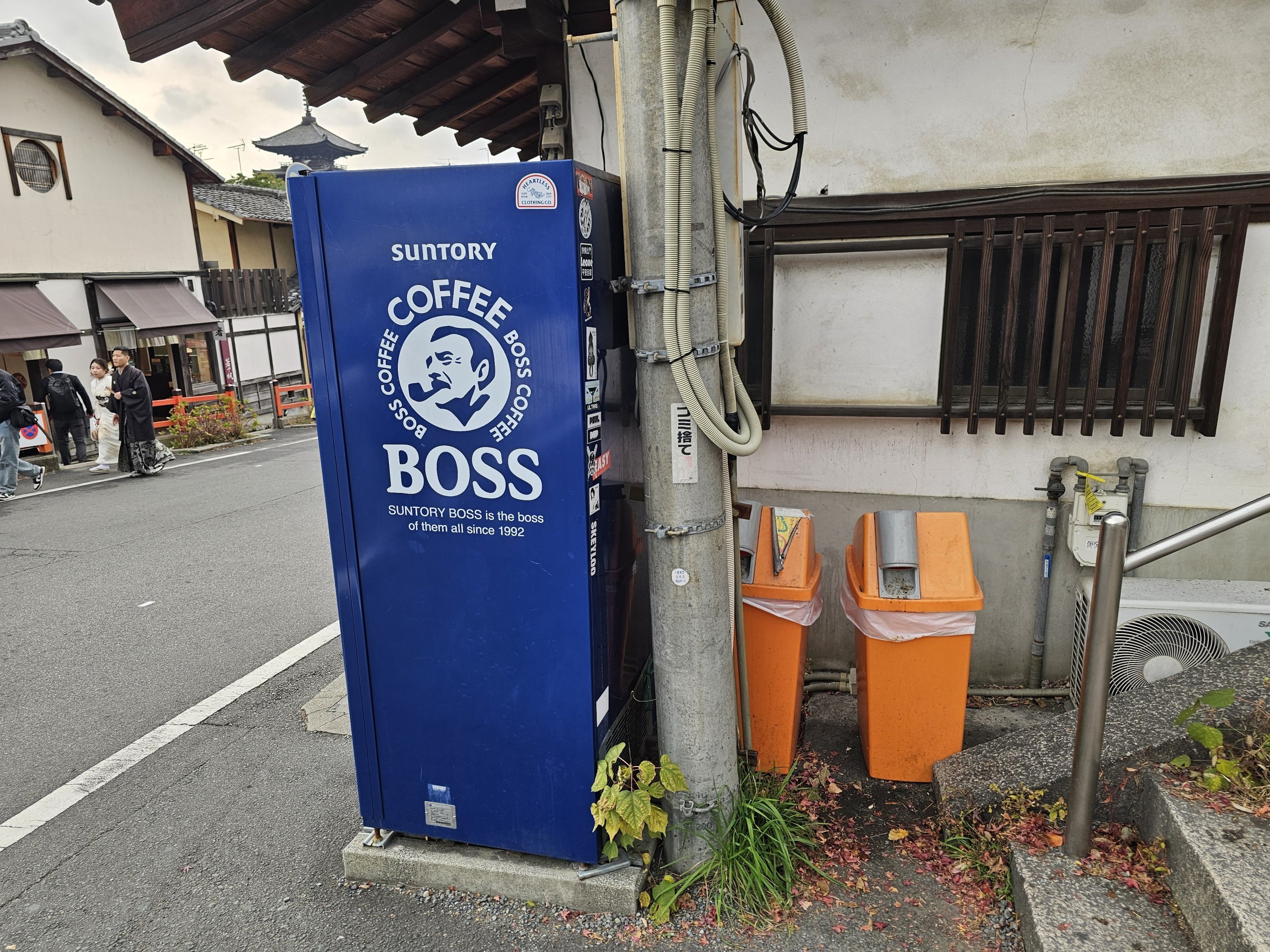
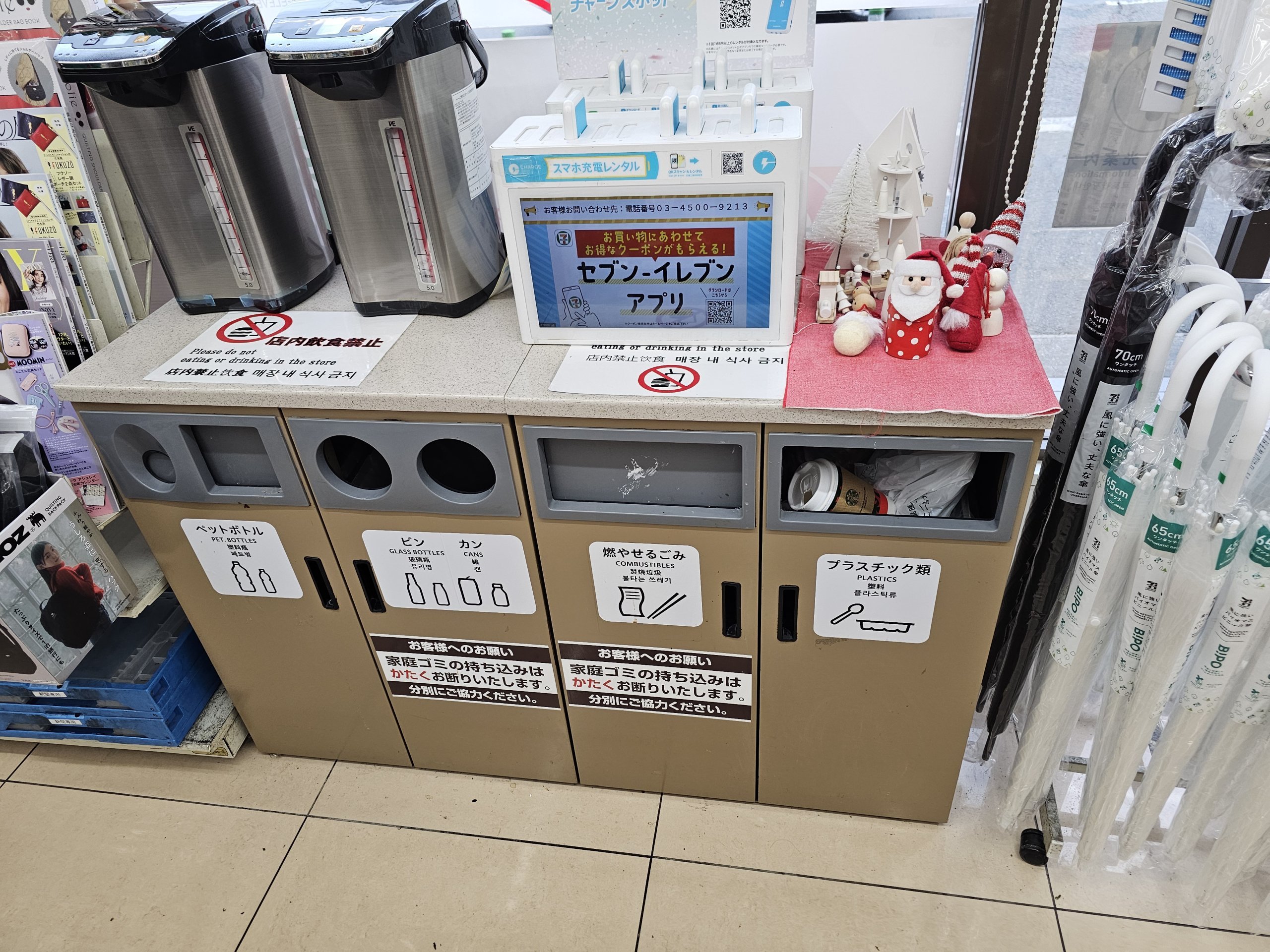
This surprised me the most. There are no rubbish bins or dustbins in Japan!
I’d definitely recommend taking a small rucksack or handbag with you when you go out, so you can put any packaging or rubbish you end up with in there.
Where can you find bins?
Where, on the other hand, won’t you find bins, even though you’d expect to?
And yet, everywhere is spotlessly clean...
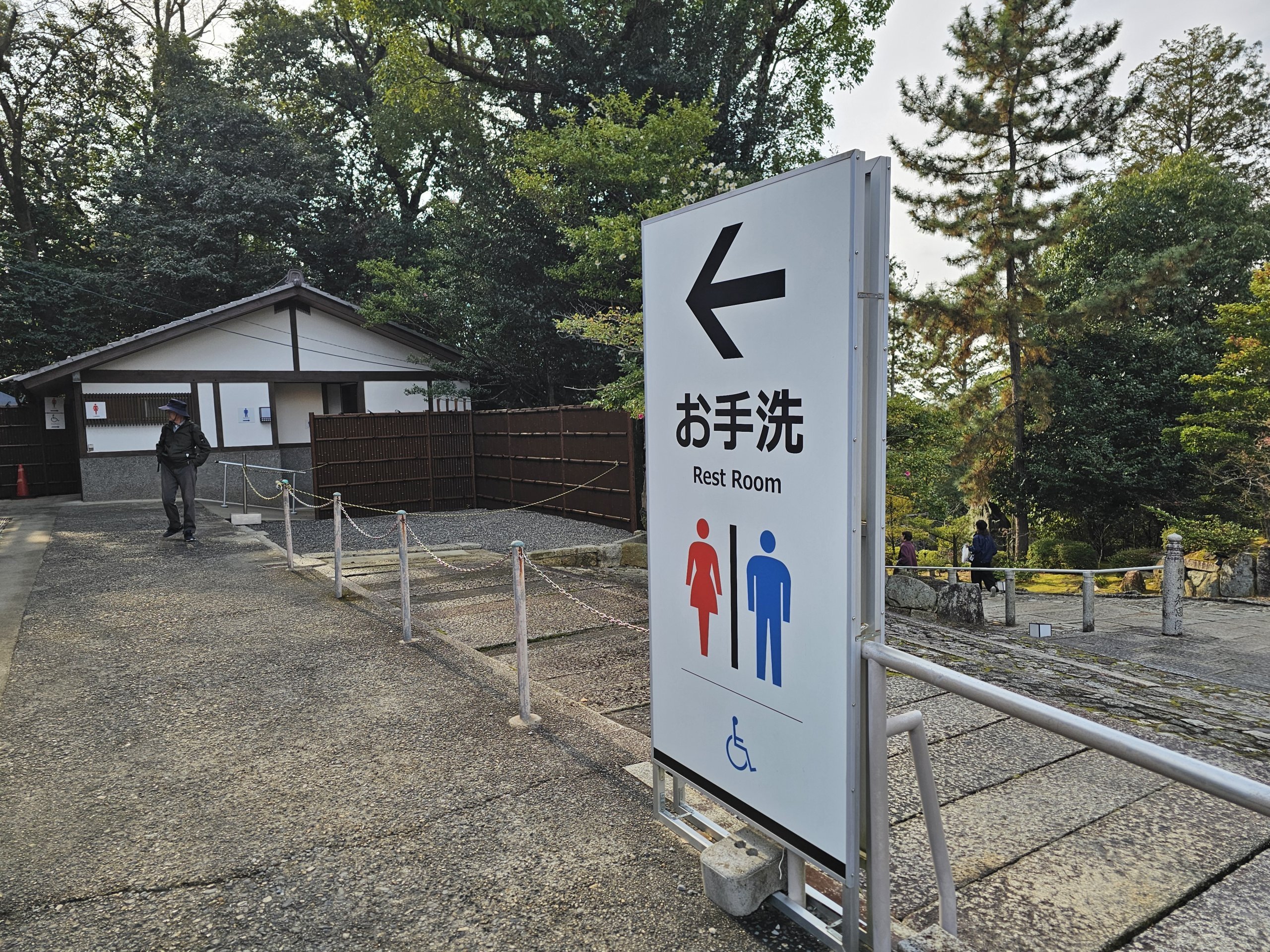
What you certainly don’t need to look for, however, are toilets.
And you generally don’t need to worry about their cleanliness either.
Public toilets can be found in many places throughout Japan – they’re always free and accessible 24/7.
Urinals and standard ‘Western-style’ toilets are always available, but in some places you’ll also find traditional Japanese-style toilets. Toilet paper and soap are always provided.
Where are the toilets usually located?
Maps.com, for example, shows the location of toilets clearly.
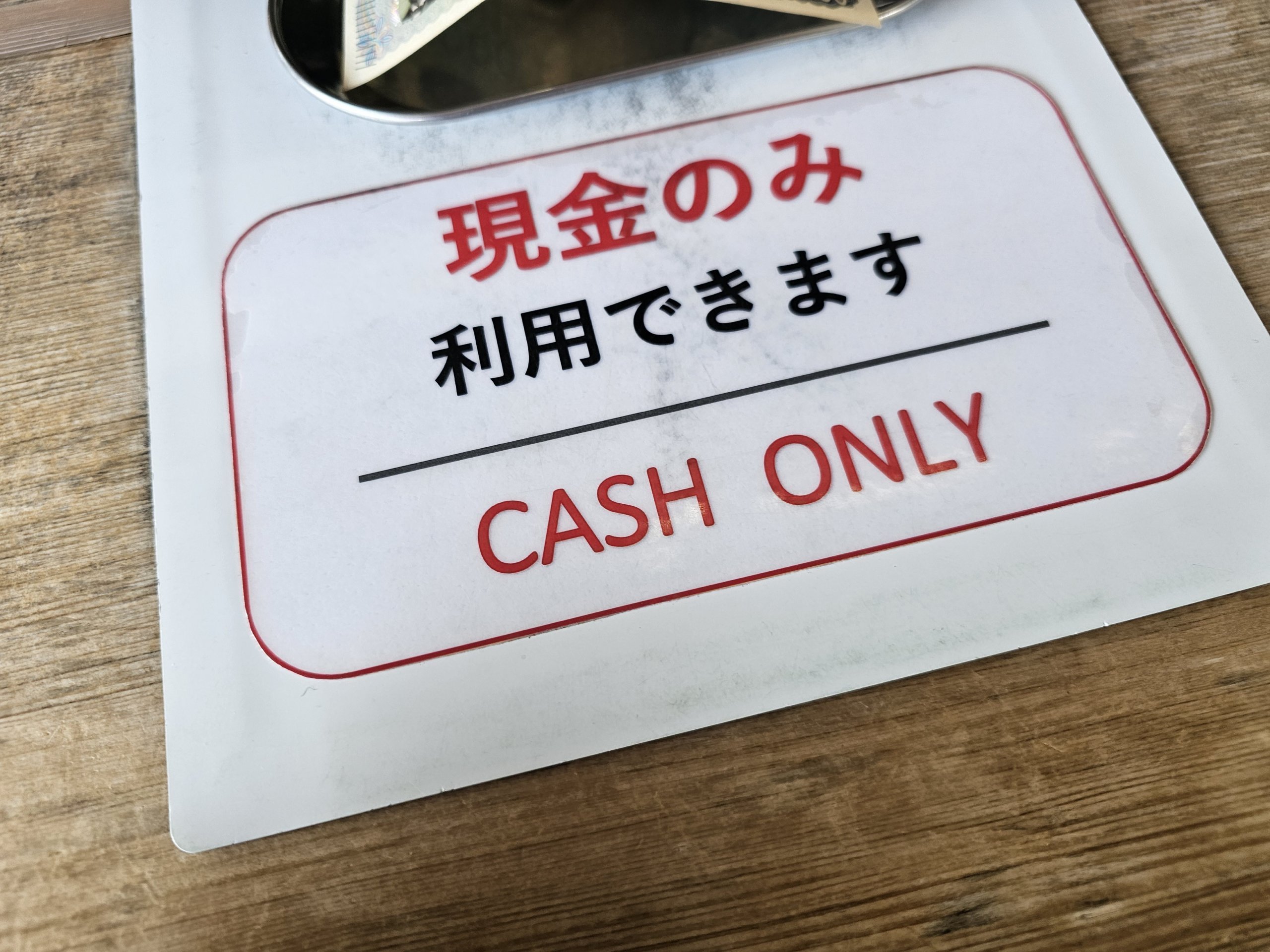
Although you can use standard international cards (including Revolut, which I use everywhere) in many places in Japan, you still can’t get by without some cash.
Most historic sites, some museums and even some luggage lockers only accept cash.
You won’t be able to pay by card at many food stalls, or even in small cafés or local restaurants.
On the third day of my stay in Tokyo, I set off light – without my wallet or any cash – to the gardens by the Kiyomasa Spring. However, the entrance fee could only be paid in cash, so I confidently set off for the nearest cash machine with my contactless card on my mobile – but oh dear!
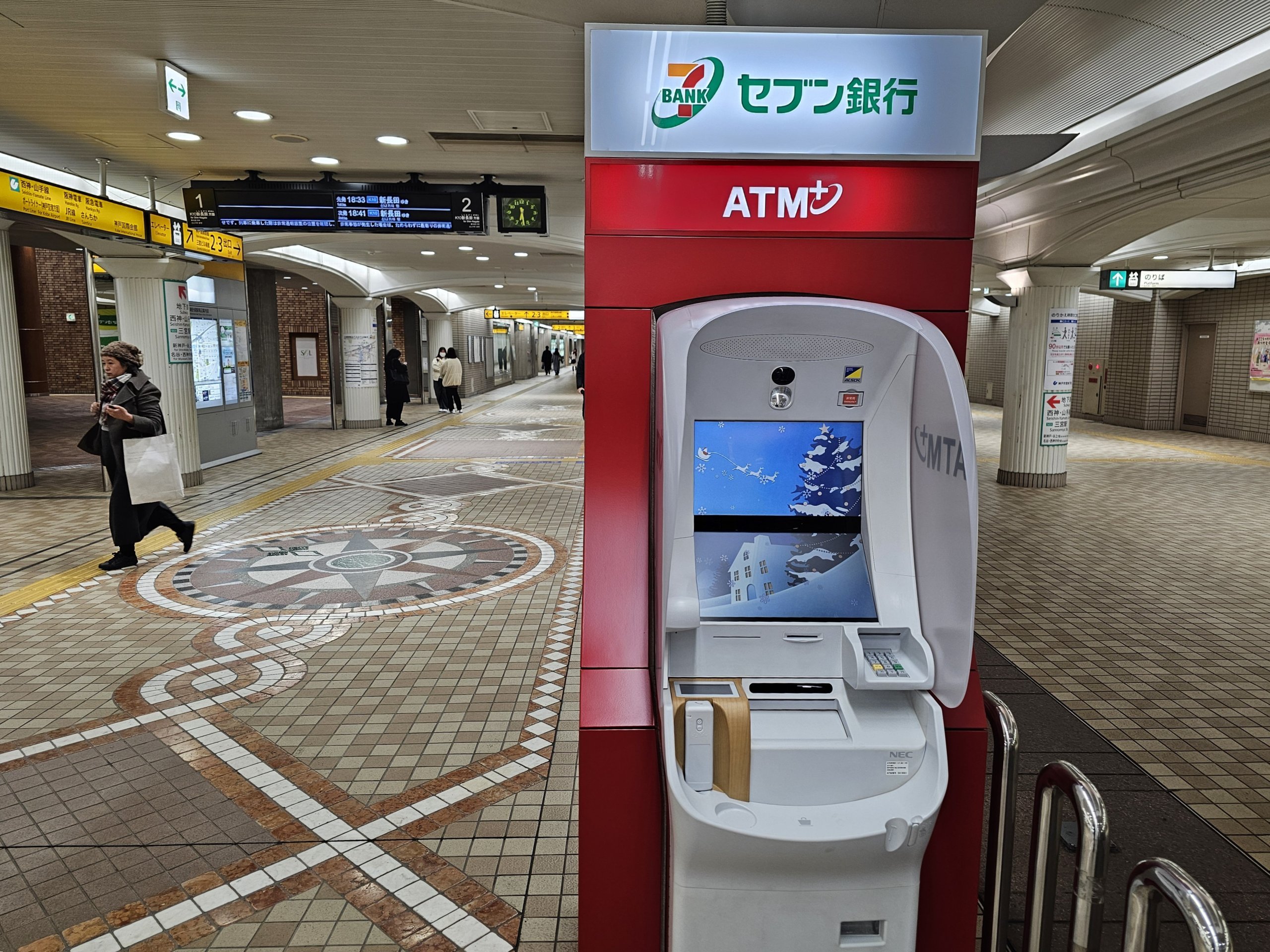
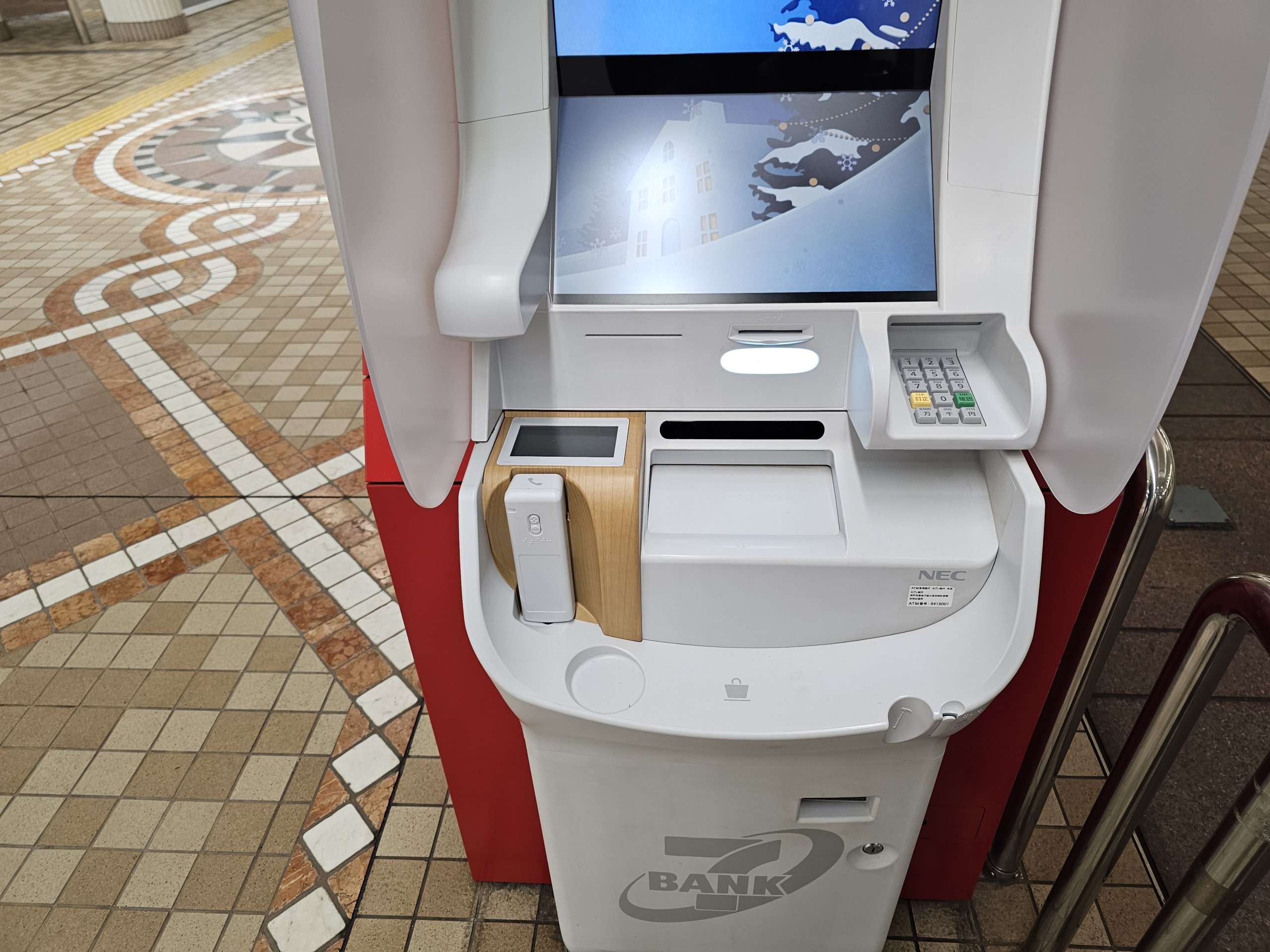
There are no contactless cash machines in Japan.
You always need a physical card – these work without any problems, even from foreign banks, includingRevolut.
You’ll usually find cash machines in underground stations, train stations or at 7-Eleven or Lawson convenience stores.
Foreign visitors to Japan can enjoy shopping for many items without the standard 10 per cent consumption tax.
Shops where you can take advantage of this 10 per cent ‘discount’ are usually marked with signs tax-free.
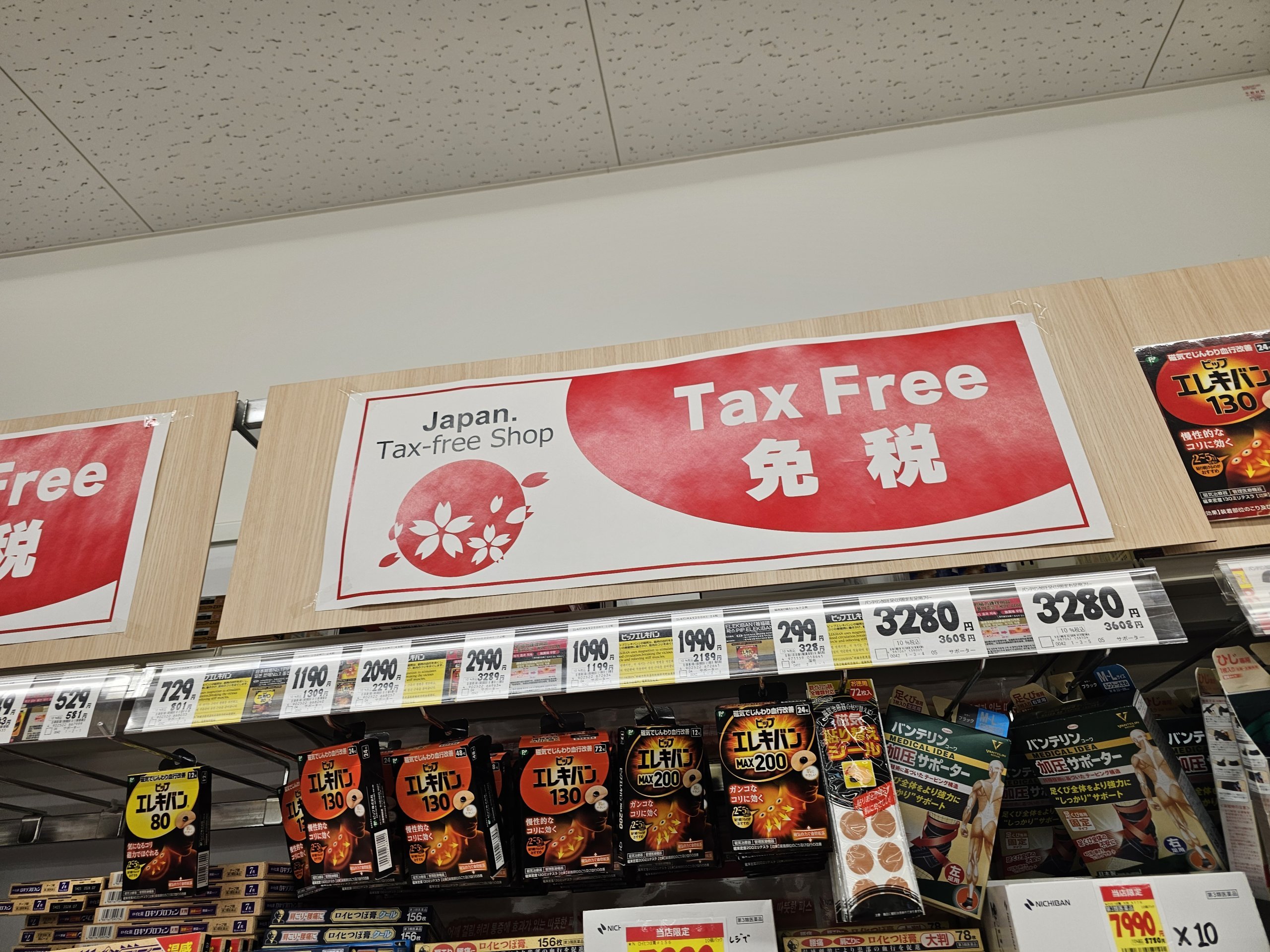
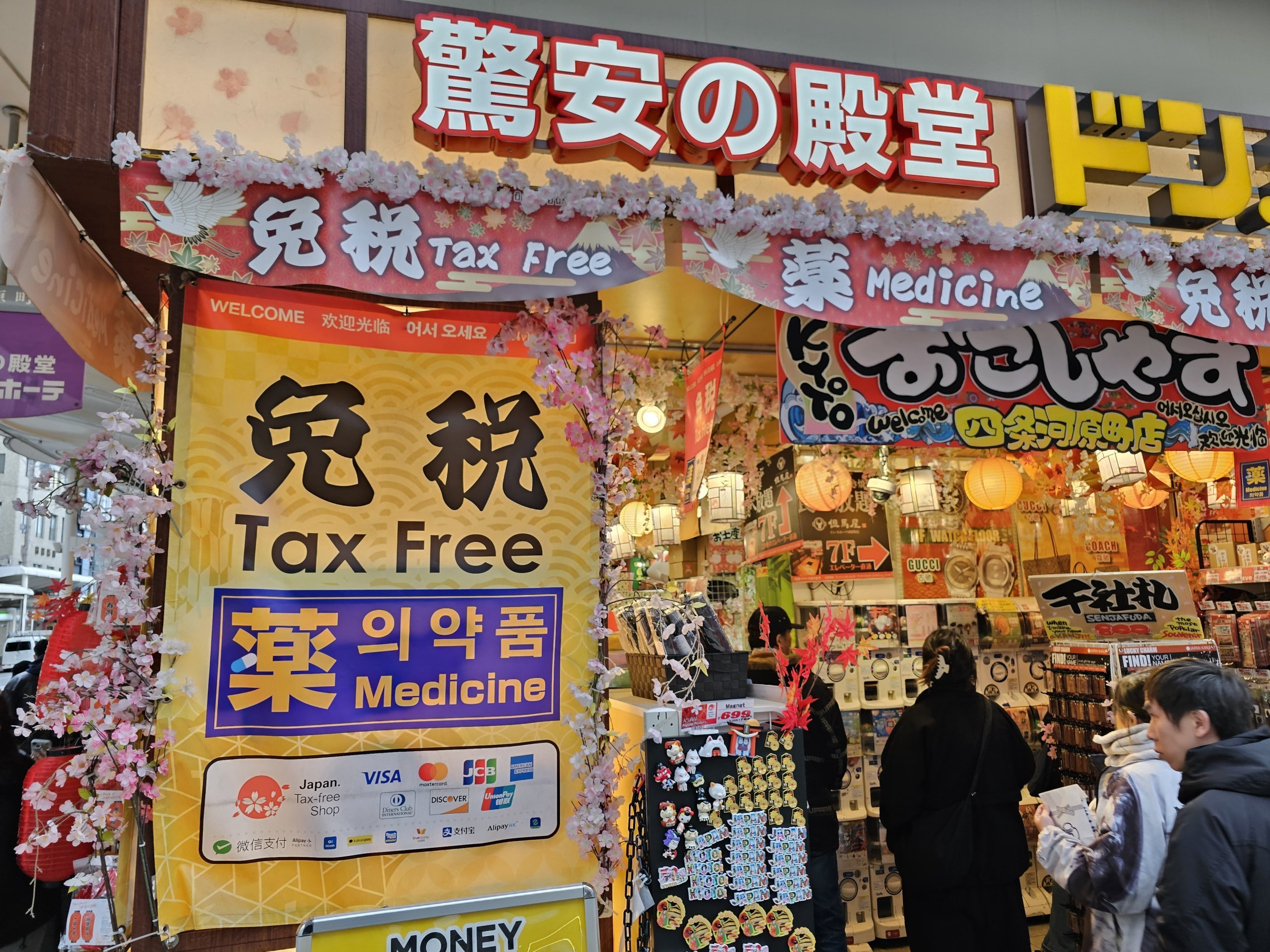
Which goods are eligible for tax-free purchases?
👉 We provide detailed information in a separate article: Tax-free shopping in Japan: how much you can save and how to claim a tax refund.
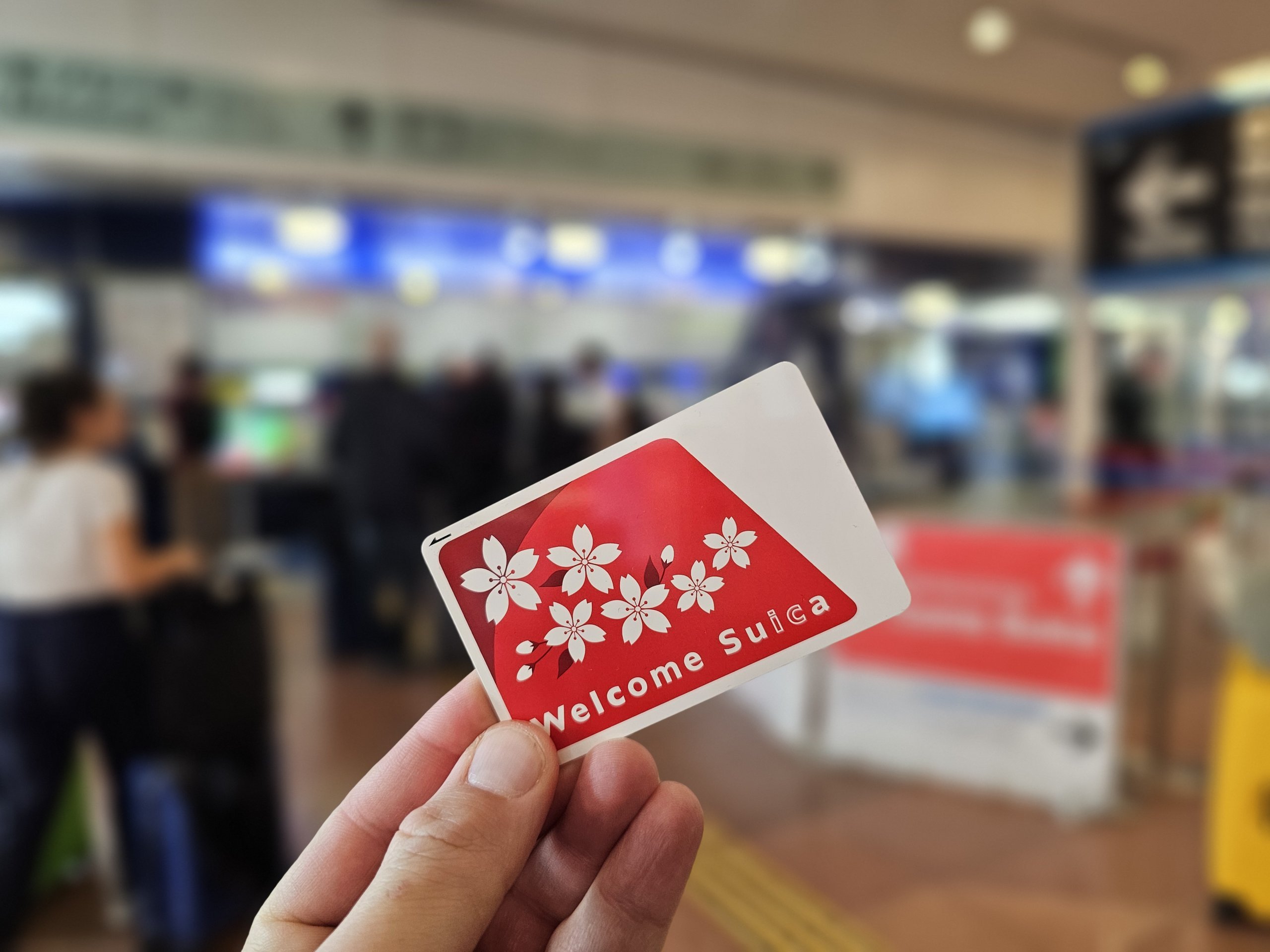
Travel cards are essential for every passenger.
Although contactless payment using your own bank card is gradually becoming more widespread in Japan, as of 2026 it is still only available in a handful of places, and you simply cannot get by without transport cards.
However, they are very easy to use.
You can buy a transport card as soon as you arrive at any Japanese airport. You top it up with any amount at 10 000 jpy, and then simply tap the card against the readers on any form of transport.
You can top up the card as often as you like at the machines found at all train, bus and underground stations, etc.
You can usually only top up the card with cash.
Each region in Japan has its own transport card, but you can always use it throughout the country.
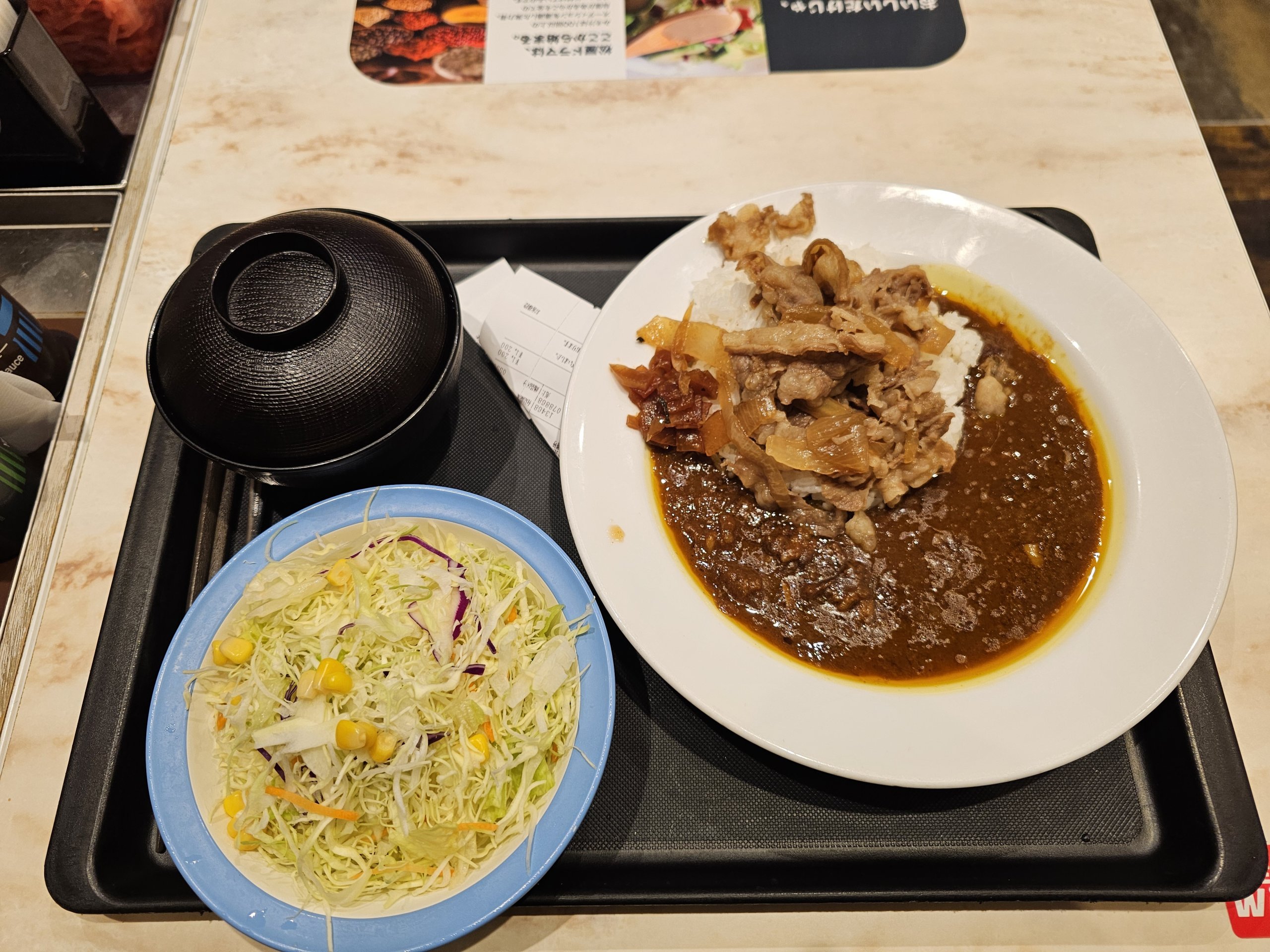
If you want to try Japanese cuisine but prefer quick and simple meals, you’ll be delighted in Japan.
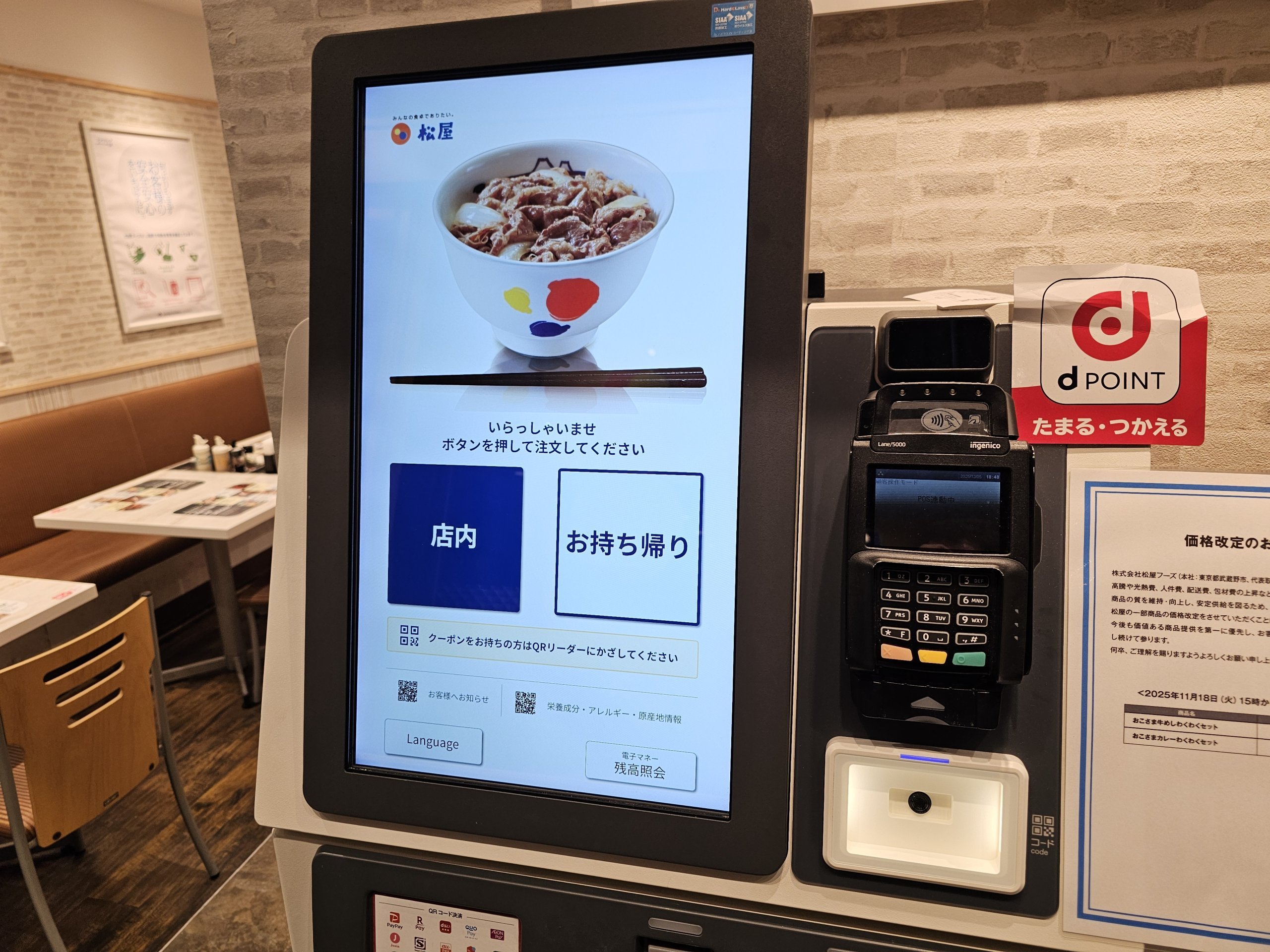
There are plenty of local chains here (such as Yoshinoya, Sukiya, Matsuya and Ippudo) where you can get traditional ramen or curry.
In these eateries, you place your order via a self-service machine, where you pay (you can usually pay by card) and then wait with your order slip.
Prices generally range from around 1 300 jpy per meal.
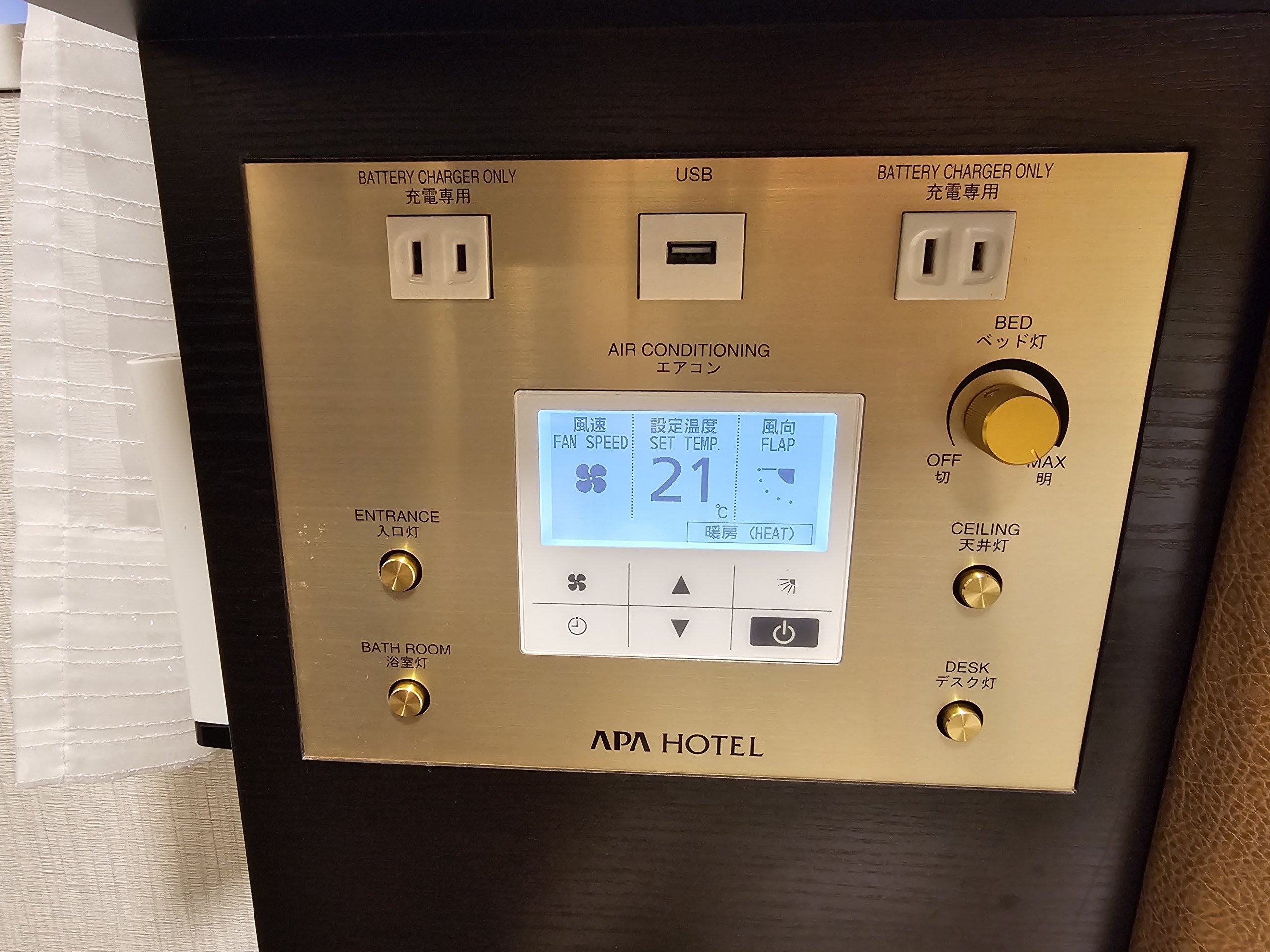
Type A sockets are used in Japan.
I always forget that my travel adaptor doesn’t have a Type A plug, but only a Type B (with an earth pin), which doesn’t fit into Japanese sockets!
I was hoping that at least the larger hotels would have universal sockets, but I didn’t come across any anywhere in Japan and had to buy a local power adapter for my laptop at a Lawson convenience store.
Some hotels also have a USB power socket.
If you have any questions or comments about the article...

The thing about paying cash is... If somewhere requires cash payment (I'm thinking specifically of, say, a restaurant), there's nothing easier than going to the establishment next door, where they accept cashless payment just fine. That's the great thing about Japan, the endless options and eventualities for the customer. And in the vast majority of cases, you can't go wrong... Otherwise, the need to hold a physical payment card is confirmed, I was buying a shin ticket at Tokyo Station and was surprised that they didn't accept payment via GooglePay and wanted to SEE the payment card physically before I could attach it to the payment terminal and pay. Interesting