
Getting around Tokyo


Tokyo is a huge metropolitan area of over 30 million people, and before the trip I was a little worried about how well I knew my way around the highly convoluted public transport system.
In the end it was easier than I thought and in this chapter I share my tips, advice and experiences.
Read it on our website too:
My practical tips: how to get around most easily
The city has one of the most complex transport systems in the world, but after a few rides you'll find that it's actually quite easy to navigate.
You don't have to deal with anything other than the metro or the city's trains. Ground transportation (buses or trams) is virtually non-existent in Tokyo.
Public transport here is safe, clean and very reliable!
- ✅ Metro and trains are the basis of transport
- ✅ IC card (Suica, Pasmo) is suitable for almost all tourists
- ✅ Google Maps works as a reliable transport search engine here
- ✅ Taxi / Uber work well here and are ideal if you are travelling with luggage
- ❌ You won't need buses at all
- ❌ Expect extreme crowds at peak times (7:30-9:30am and 4:30-7pm)
Stay online - download eSIM for Japan
Tickets for everything - Suica or Pasmo IC cards
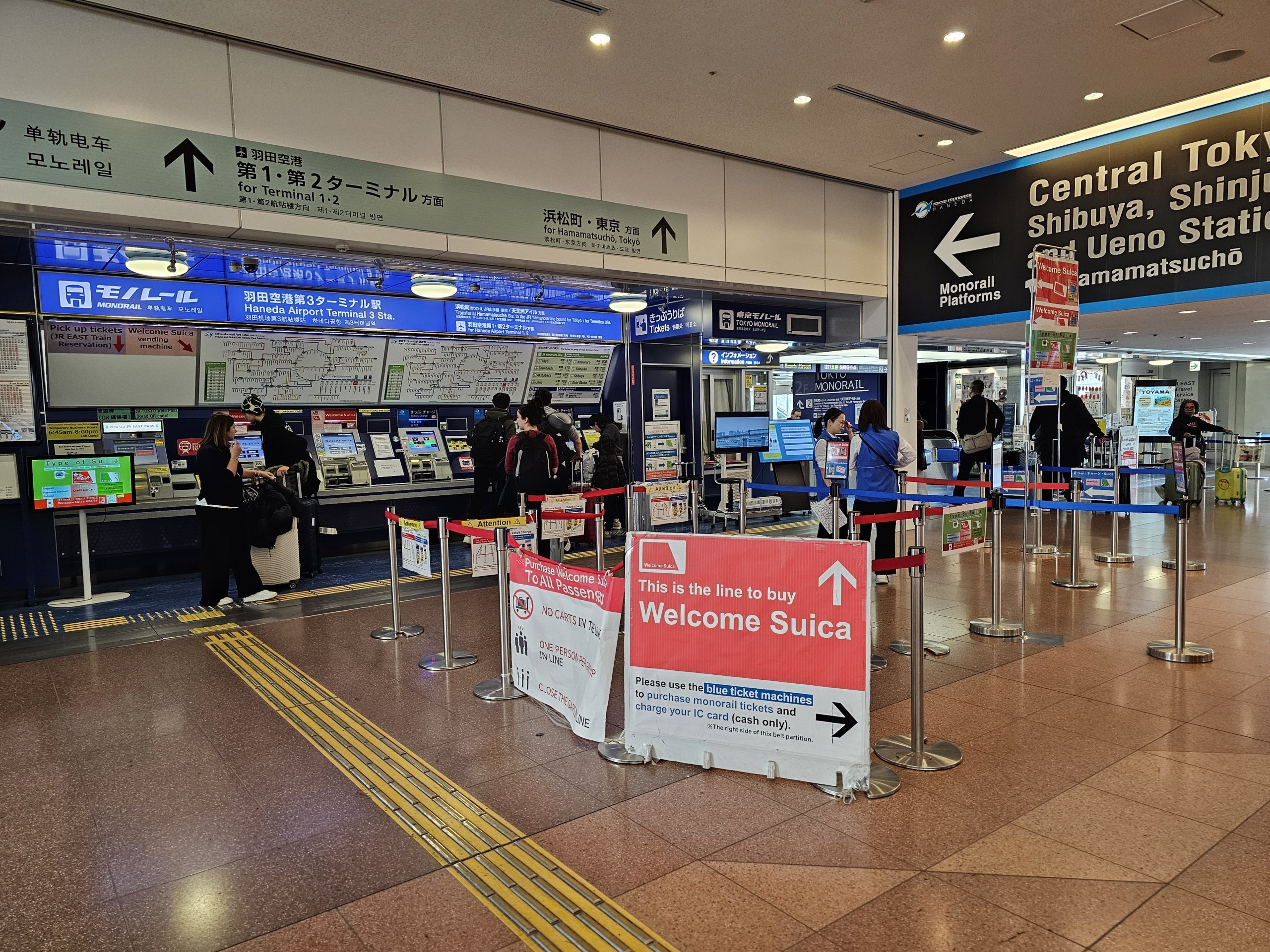
If you don't plan to use public transport only once, at most twice (for example, just transferring from the airport to shinaknesnu station), it is worth buying one of the transport cards (called IC cards) at the airport already.
Transport cards
There are several types, all of which are valid outside Tokyo and throughout Japan:
- Suica
- Welcome Suica
- Passport
Suica and Pasmo are exactly the same, just issued by different companies. For both of them, you have to pay a deposit 500 jpy and later return them when you leave Japan and get back the unused credit (only refundable in Tokyo).
Both Suica and Pasmo are valid for the long term, so you can use them on repeat visits to Japan.
The Welcome Suica is a no-deposit tourist card and you cannot return an unused deposit. It is only valid for 28 days.
- 👉 Suica vs. Welcome Suica - the biggest differences
- 👉 IC cards in Japan - where they are valid and how they work
Day passes for the subway
In addition to IC cards, there are also 24-hour, 48-hour and 72-hour metro passes, but these are mainly worthwhile if you ride really often (at least 4-5 rides a day).
- Day passes only make sense if you travel several times a day
- They are only valid on the metro (not on trains or buses)
- 🚇 Details in the Tokyo Metro chapter
Single fare - contactless payment and paper tickets
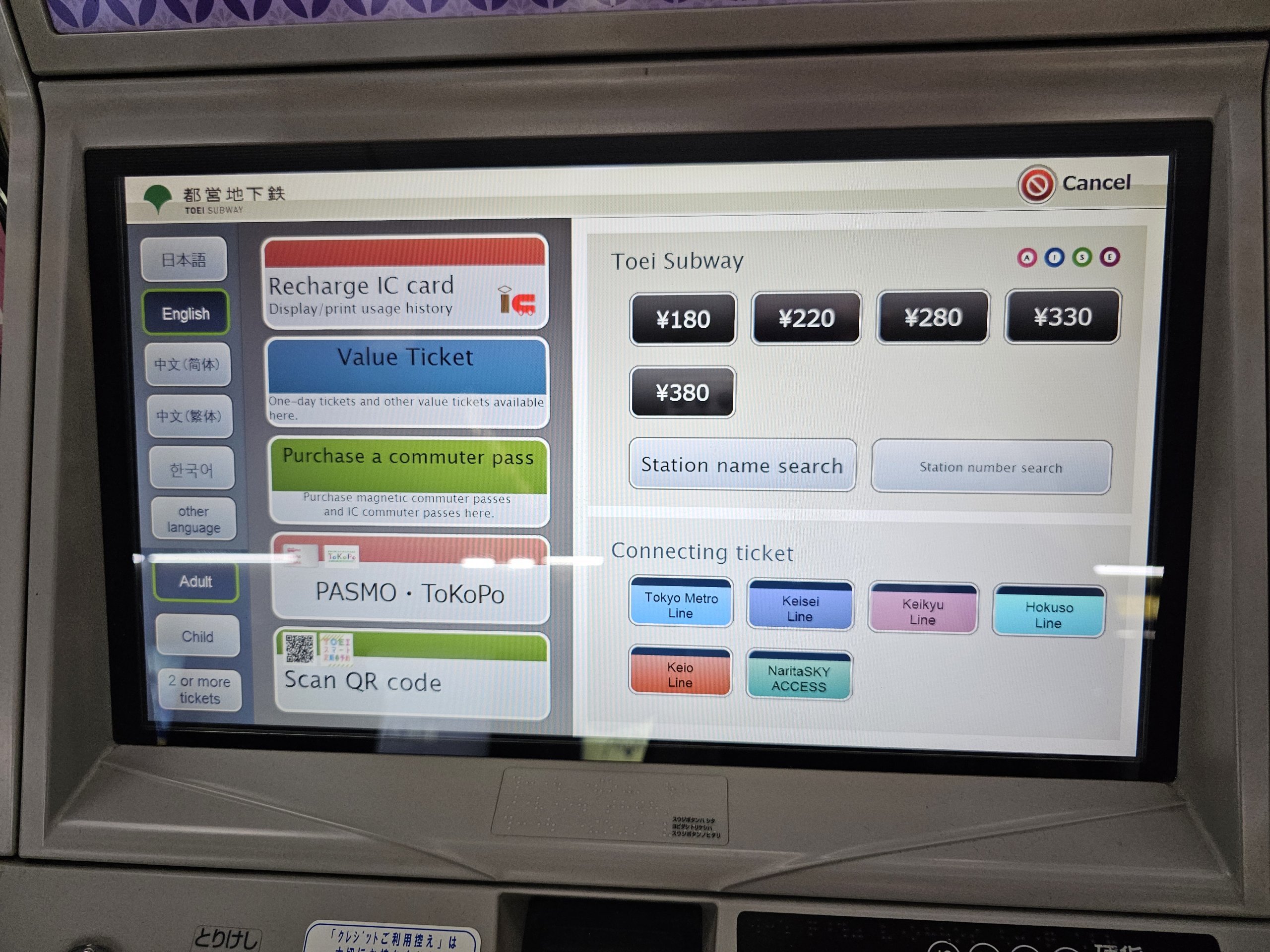
You can also buy single tickets on all subway lines, trains and buses.
These must always be paid for in cash - on the subway and trains they are sold from machines, on buses from the driver.
Some systems are gradually introducing the option to pay with your own contactless card, but this only applies to some Toei Subway lines for now.
Trains and subways: they work similarly in Tokyo
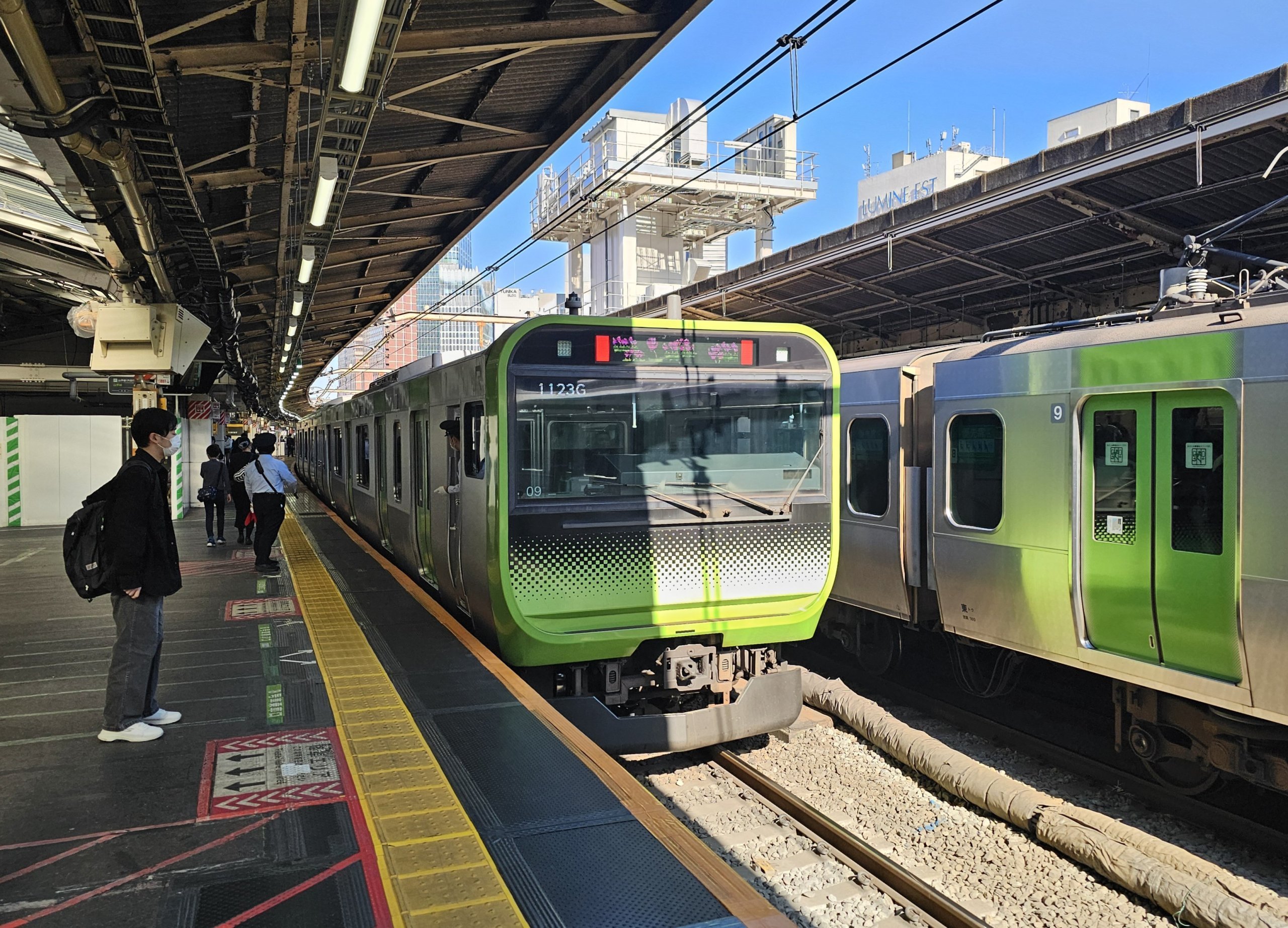
In practice, in Tokyo you'll mainly ride "trains" - sometimes underground like the subway (Tokyo Metro and Toei Subway), sometimes on the surface like the city lines of JR or other local carriers (Keisei, Keikyu and others).
Because trains and subways are the backbone of transportation in Tokyo and the tourist often doesn't actually know the difference, both modes of transportation are covered in detail in the Tokyo Metro chapter.
Taxi / Uber / DiDi and other mobile apps
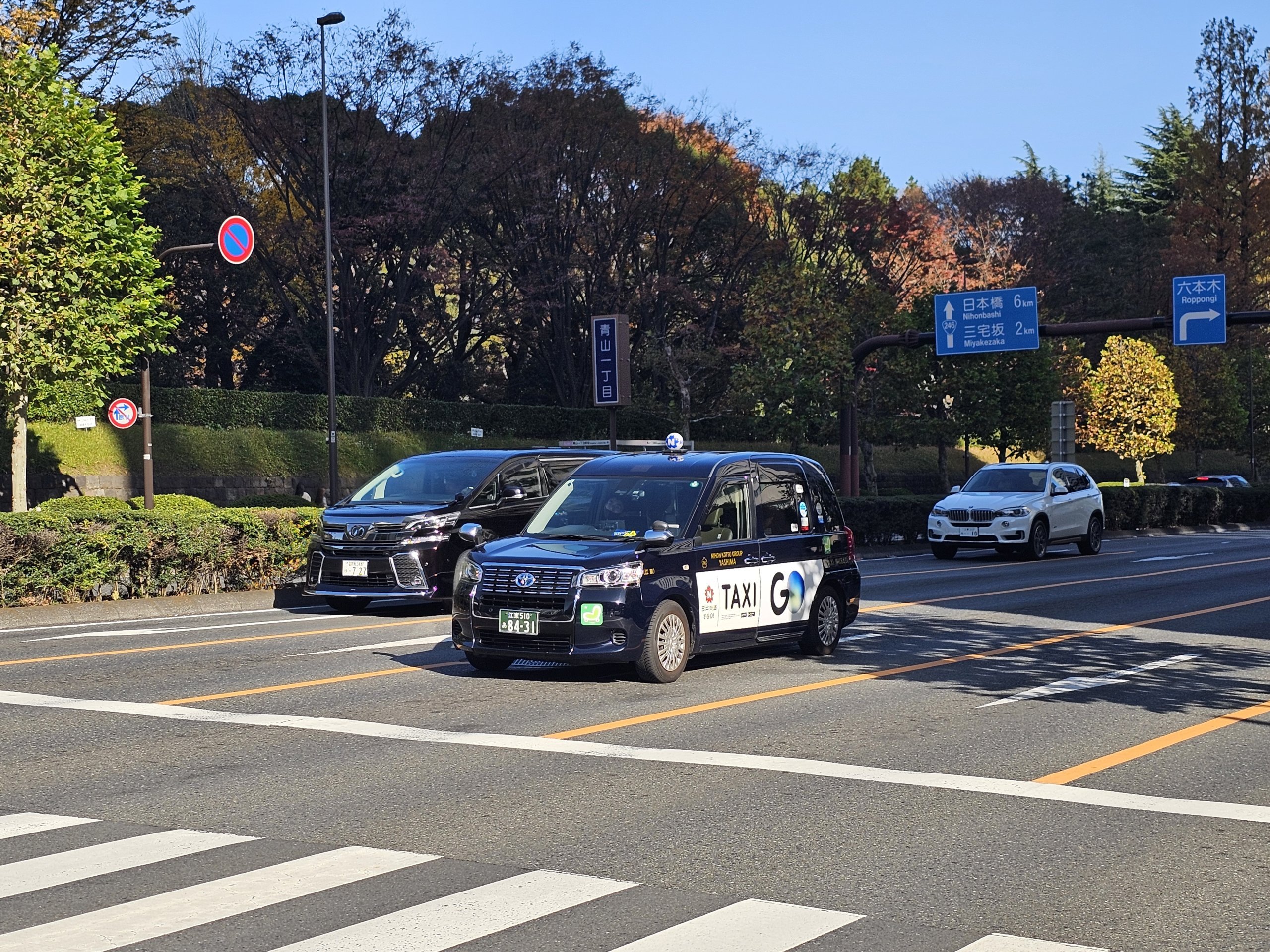
Classic black cabs are literally ubiquitous in Tokyo.
You can hail a taxi by waving on the street (but they don't always stop - only where traffic laws allow it) or use one of the many official stands. These are usually near hotels, subway stations or trains.
Ride-sharing apps also work in Tokyo, or you can order a classic taxi through them.
Mobile apps are convenient if you don't want to deal with cash payments (not all taxis accept credit cards), but pay with a card stored in the app.
- GO - Google Play / App Store
- Uber - Google Play / App Store
- S.Ride - Google Play / App Store
- DiDi - Google Play / App Store
Are taxis expensive in Tokyo?
Compared to other developed cities like New York, London or Hong Kong, they are not that expensive.
Compared to the subway and trains in Tokyo, which get you everywhere, they are very expensive.
- 500 jpy up to 700 jpy - starting rate
- 100 jpy - for every 255 metres
- 100 jpy - an additional rate for slow travel below 10 km/h for every 85 seconds
- + 20% for travel between 22:00 and 5:00
When would I recommend taking a taxi
Despite the higher price, taxi/Uber/other apps are a relevant and reliable form of transport.
In these cases I would choose a taxi instead of the metro:
- ✅ if you are travelling with luggage (in the metro you often have to change trains and there are not escalators everywhere)
- ✅ if you are travelling at night (taxi is the only transport option)
- ✅ you want to be as comfortable as possible (Tokyo doesn't have the traffic jams of other Asian cities)
Buses in Tokyo: when are they useful?
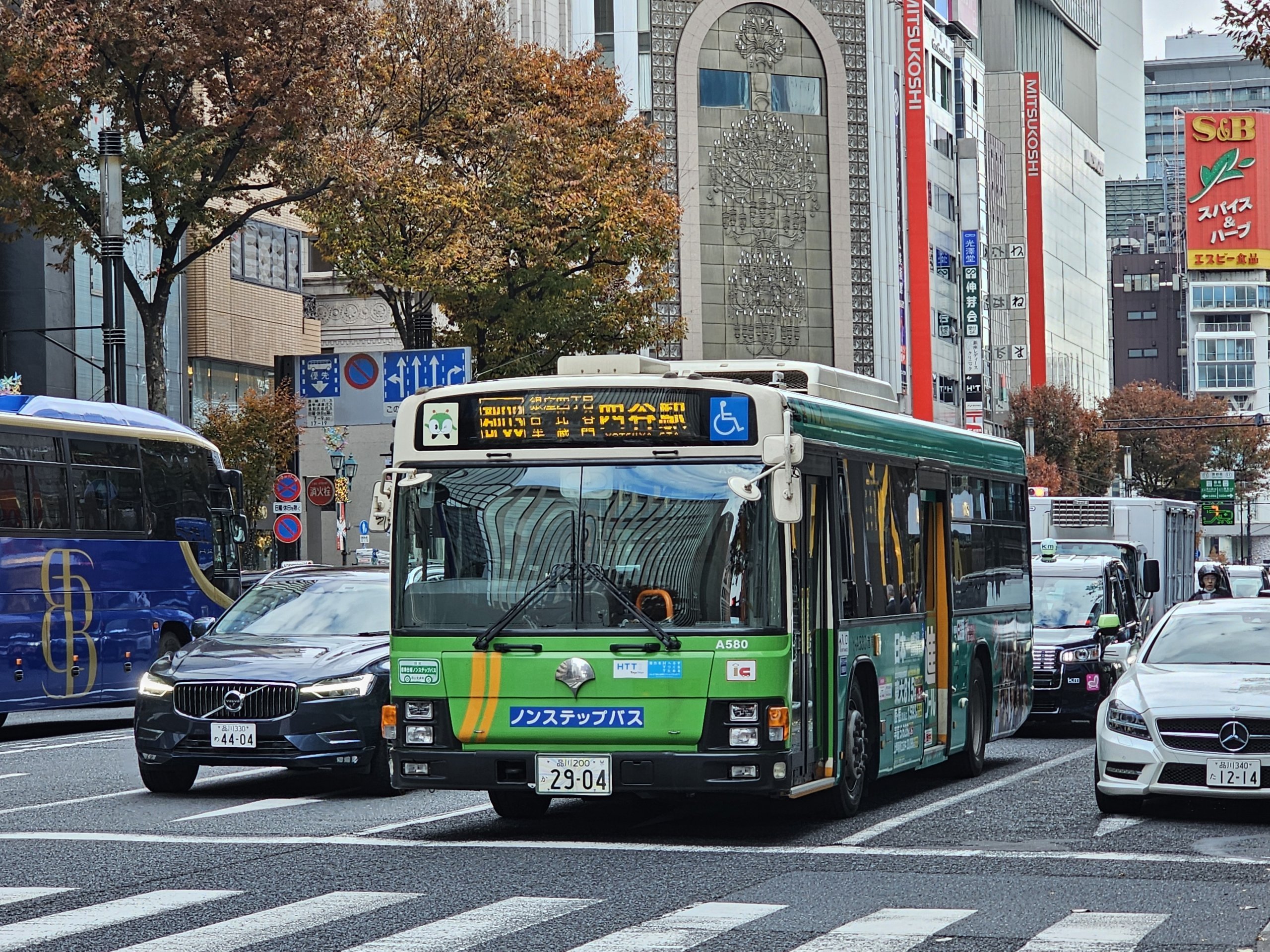
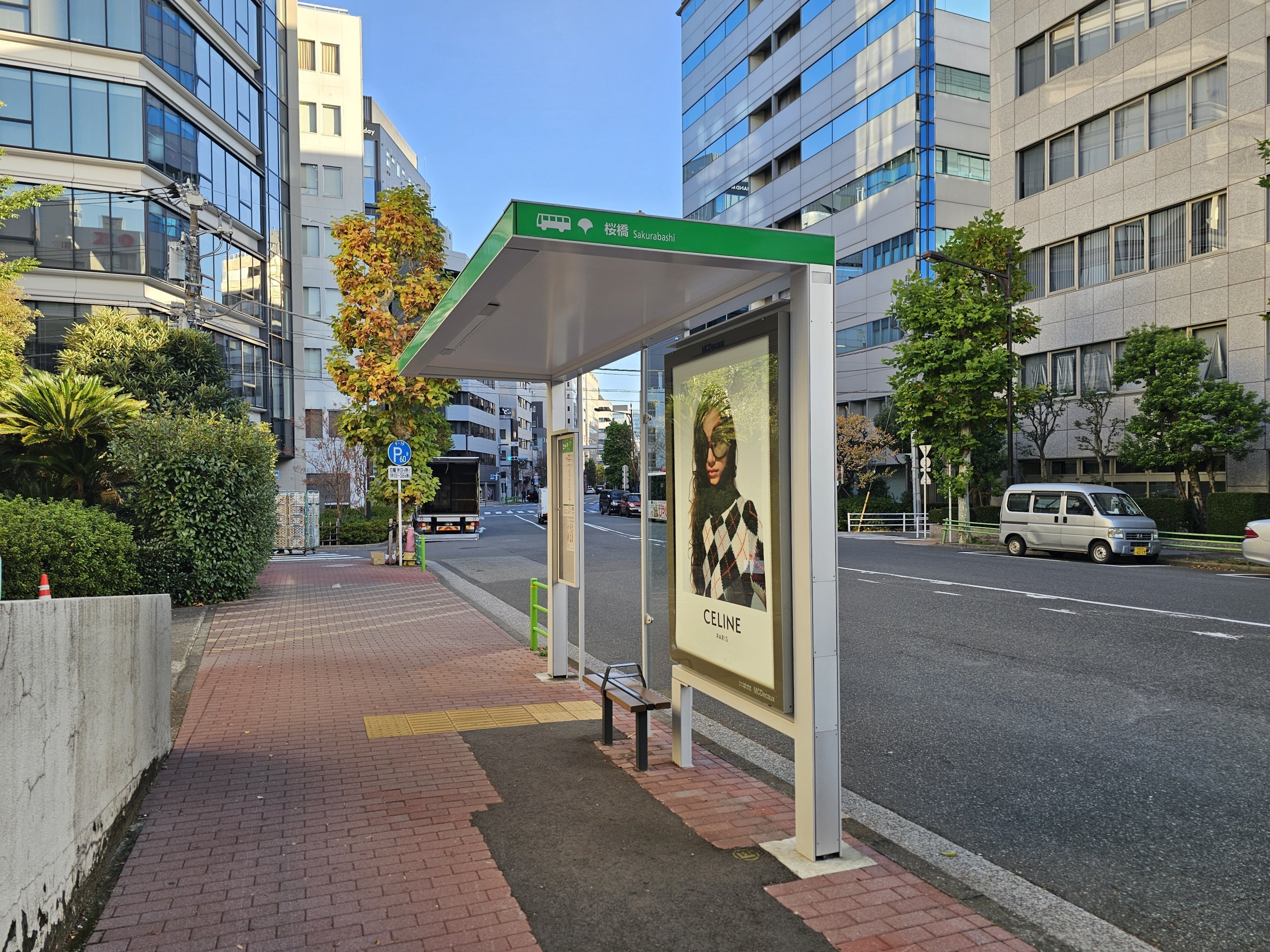
Compared to other cities in the world, as a tourist you probably won't use buses in Tokyo at all.
The regular city lines serve more as feeders to the subway for locals and are mainly used by the elderly who find it difficult to walk even a short distance to the subway.
This is also why buses in Tokyo are not frequent at all, even on the outskirts of cities.
Usually there is one bus line running along the main street connecting several metro stations - the intervals are also long and typically between 20 and 40 minutes.
The official websites of the local carriers are often only in Japanese and not very useful anyway.
Google Maps is the best way to find transport.
Ticket price
Fares on Tokyo's city buses are flat and cost 210 jpy.
The price is the same if you pay by IC card and cash.
How to pay the fare?
If you have an IC card (Suica, Pasmo, Icoca, etc.), attach it to the reader at the driver's side when you board and then again when you get off at the other door (called the "tap-in, tap-out" system).
If you pay in cash, you must put the exact amount in the cash box at the driver's counter.
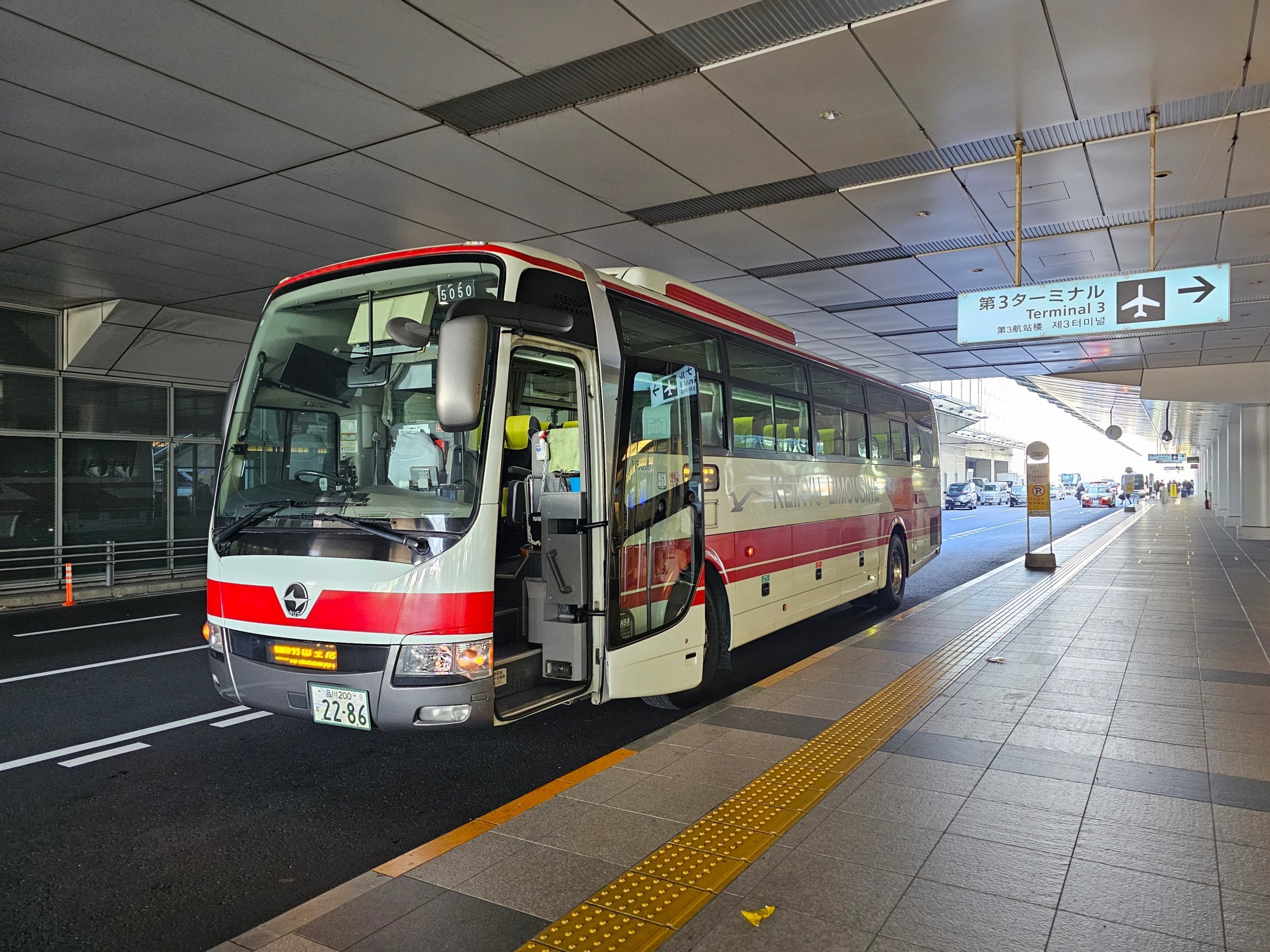
Limousine buses from the airport
These are the only practical buses in Tokyo - large buses linking different districts of Tokyo to the two airports.
Fares are usually higher than trains and the subway, but the benefit is a connection without transferring from the airports to many parts of Tokyo.
Suijobus - ferry
An interesting way to experience Tokyo from a different perspective, but also the most convenient way to connect Odaiba Island with the Asakusa district, is a water ferry called the Suijobus.
The boats serve more as a tourist attraction, but you can also use them as a means of transport.
The most touristic use of these wharves are:
- Asakusa - at Senso-Ji Temple
- Hinode Pier - near Hamarikyu Gardens
- Odaiba Seaside Park - near the replica of the Statue of Liberty
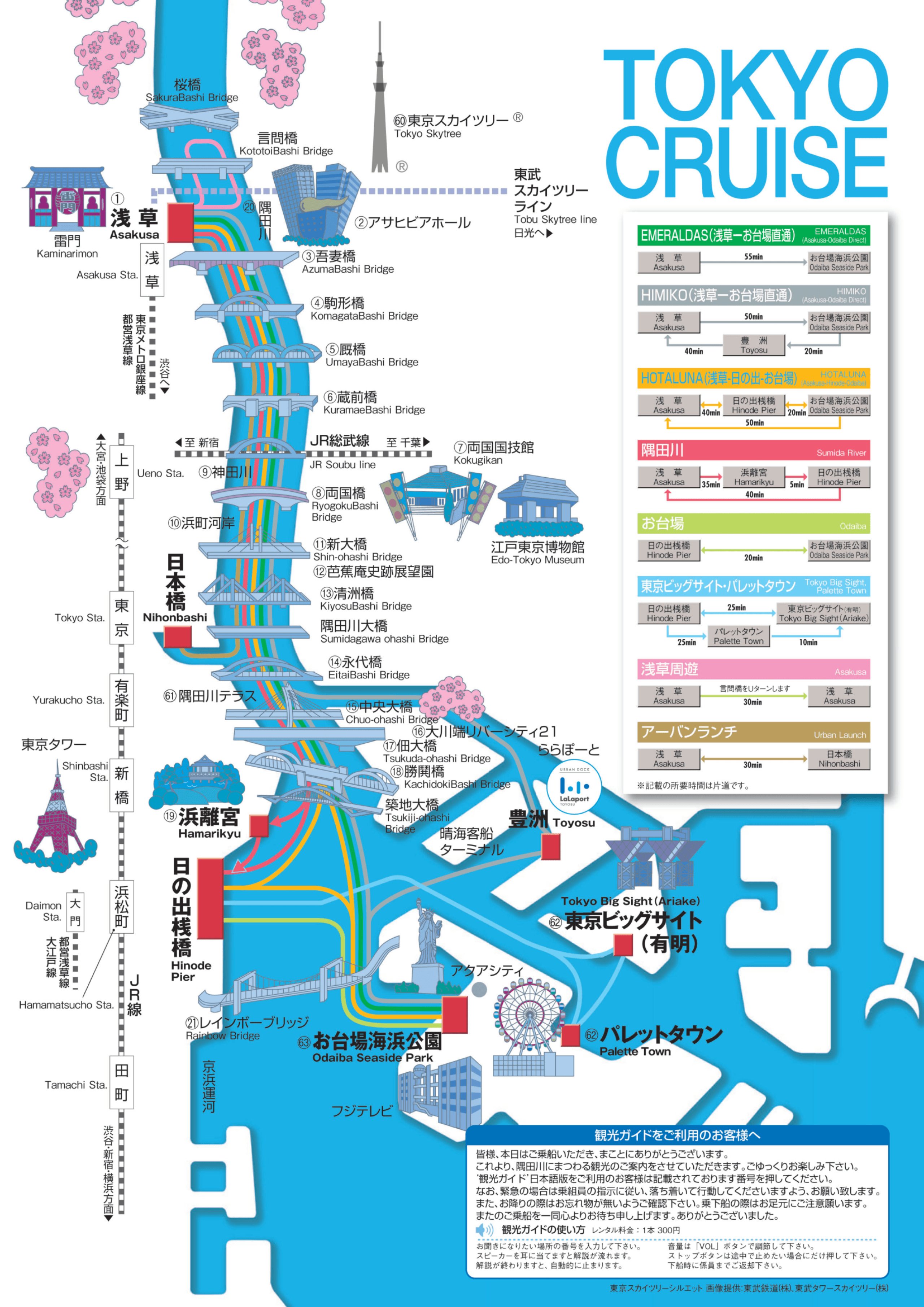
Ferries sail about 8-9 times a day and the entire trip from Asakusa to the Odaiba Statue of Liberty takes about 45 minutes.
The cost of a boat ticket is 800 jpy to 2 000 jpy and is payable in cash or by card at the kiosk at the dock.
The ticket can also be bought on the official website suijobus.co.jp.

Transportation from Haneda and Narita airports
It makes a big difference if you're flying into Narita or Haneda - one airport is much closer to the centre than the other.
See the links below for details and my experience getting to/from the airport.
- Narita NRT - Longer journey, often 60-90 minutes
- Haneda HND - faster connection to the city, about 45 minutes
Night transport - after midnight only by taxi
Tokyo is not as famous for its nightlife as, say, New York, where the subway operates 24/7.
On most subway and city train routes, the last services run around midnight, sometimes as early as 11:30pm.
Between about midnight and 5:00 am, there is virtually no public transportation in Tokyo, leaving taxis as the only option.
Useful links for getting to Tokyo
If you are planning a trip to Tokyo, here are the sites that will be most useful to you.
- 🏨 O ur tips for hotels in Tokyo - where to stay
- 🛃 Visa requirements for Japan
- 📅 Ideal itinerary for 3 days in Tokyo
Also book in advance travel services on this site:
- 👉 Compare flight prices on skyscanner.com
- 👉 Book organized activities on GetYourGuide.com
- 👉 Get your eSIM data in advance at airalo.com
Any questions left?
If you have any questions or comments about the article...