The Seychelles from Prague in December, including checked-in luggage
584 €



Zanzibar isn’t just a place to spend a week by the hotel pool. You can go snorkelling among the coral reefs, take a trip on a traditional dhow, or fly over to mainland Tanzania for a safari.
Most activities are offered by small local agencies. Some of them do not have their own booking system. I therefore compare offers, prices and reviews via GetYourGuide.
Compare tours and activities in Zanzibar
For all tours, check whether the price includes transport, entrance fees, meals and equipment. This is where seemingly similar offers often differ.
The island’s main attractions are undoubtedly its beaches. Zanzibar has uniquewhite beaches with very fine sand. They’re great for sunbathing, walking and running.
I can only recall similarly comfortable and visually stunning, photogenic beaches from Mauritius or the Hawaiian island of Maui.
Choose a beach mainly based on what you’re looking for from the sea:
By law, all beaches in Tanzania are public.
Hotel resorts always have a designated section of the beach for their guests, but a wide strip along the shore always remains open to everyone.
It can therefore be said that all beaches in Zanzibar are accessible to the public free of charge.
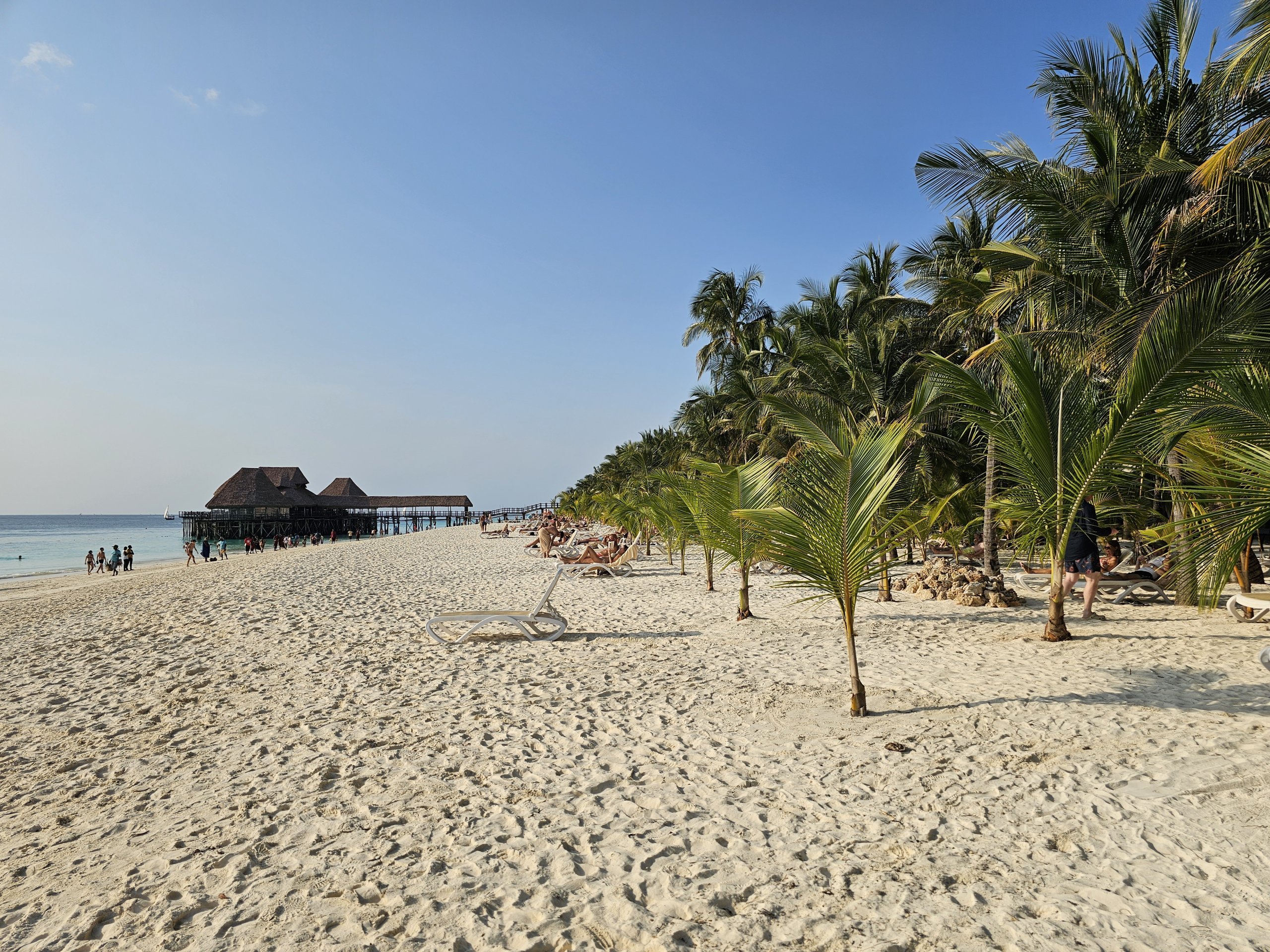
Zanzibar’s beaches generally have no facilities.
Hotel beaches always have sun loungers with parasols and all facilities included in the price for their guests, but if you’re on a beach outside your hotel, you’ll almost never find any sun lounger hire facilities.
Public toilets and other facilities are usually not available either.
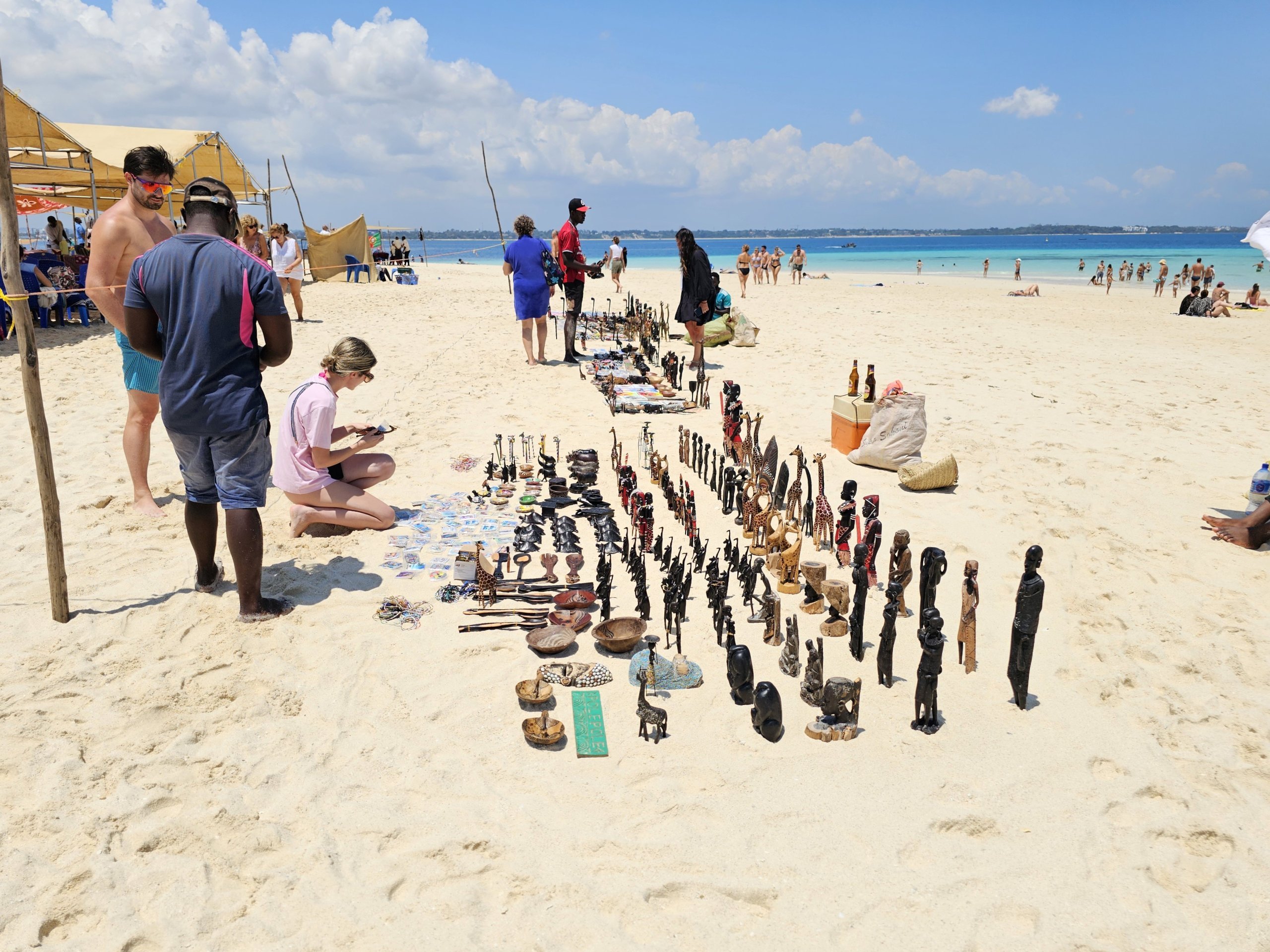
There are plenty of vendors on the beaches selling souvenirs, coconuts, oranges and other small snacks. Vendors also walk along the beaches offering trips and activities, but their services are usually expensive and of lower quality than those offered by official agencies.
It’s best to book excursions via the comparison sitegetyourguide.com, where all the local agencies are listed.
Zanzibar’s well-known beaches are only found in the east and north.
You’ll definitely find the best beaches on the northern tip of Zanzibar.
This is because the sea isn’t as shallow here, so the tides don’t have as much of an effect as in other parts of the island.
This means you can still swim at the local beaches even at low tide. What’s more, there is far less seaweed on the north coast.
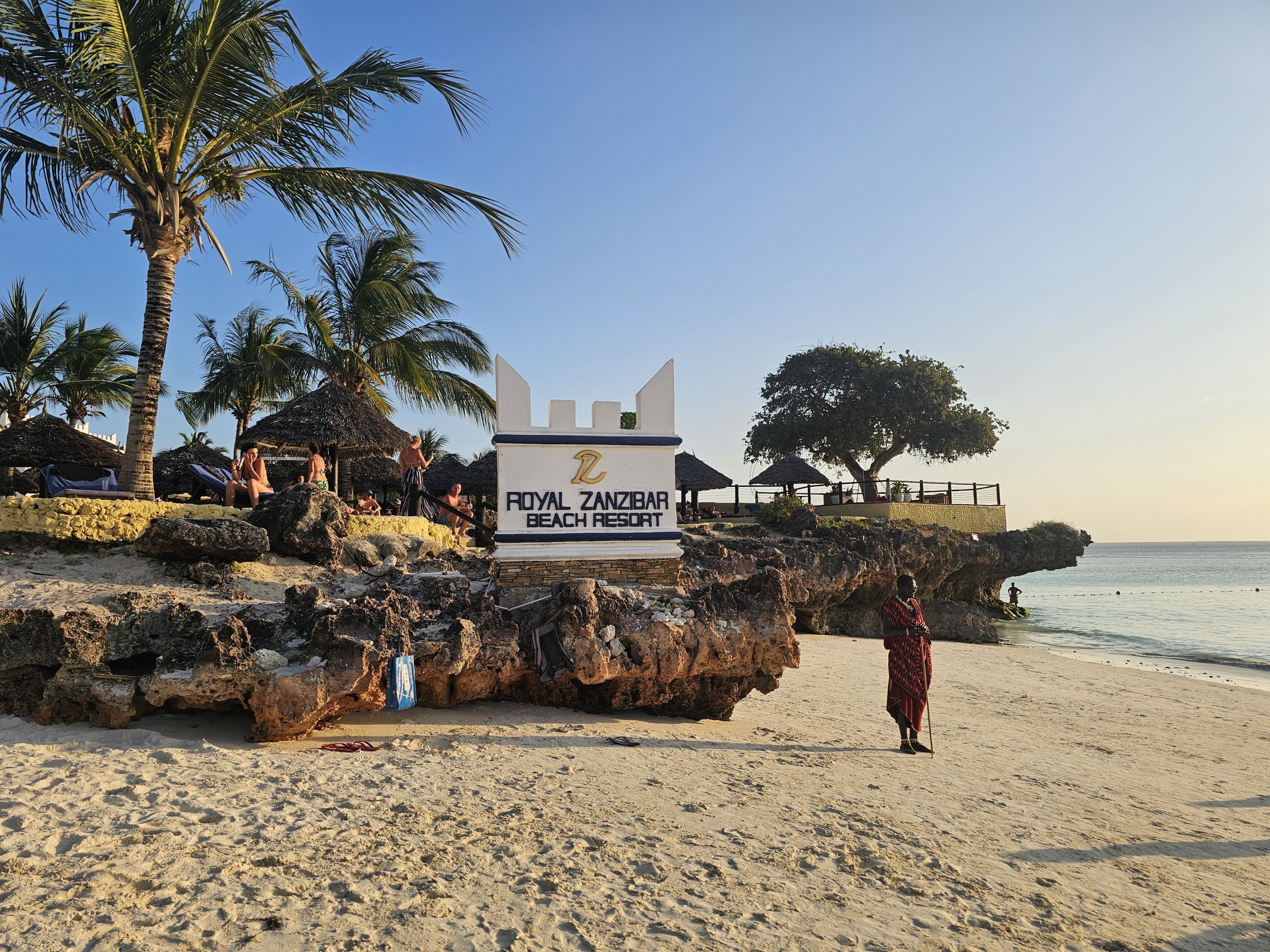
The resorts in the north are also among the best, offering a wide range of luxury hotels as well as very affordable apartments.
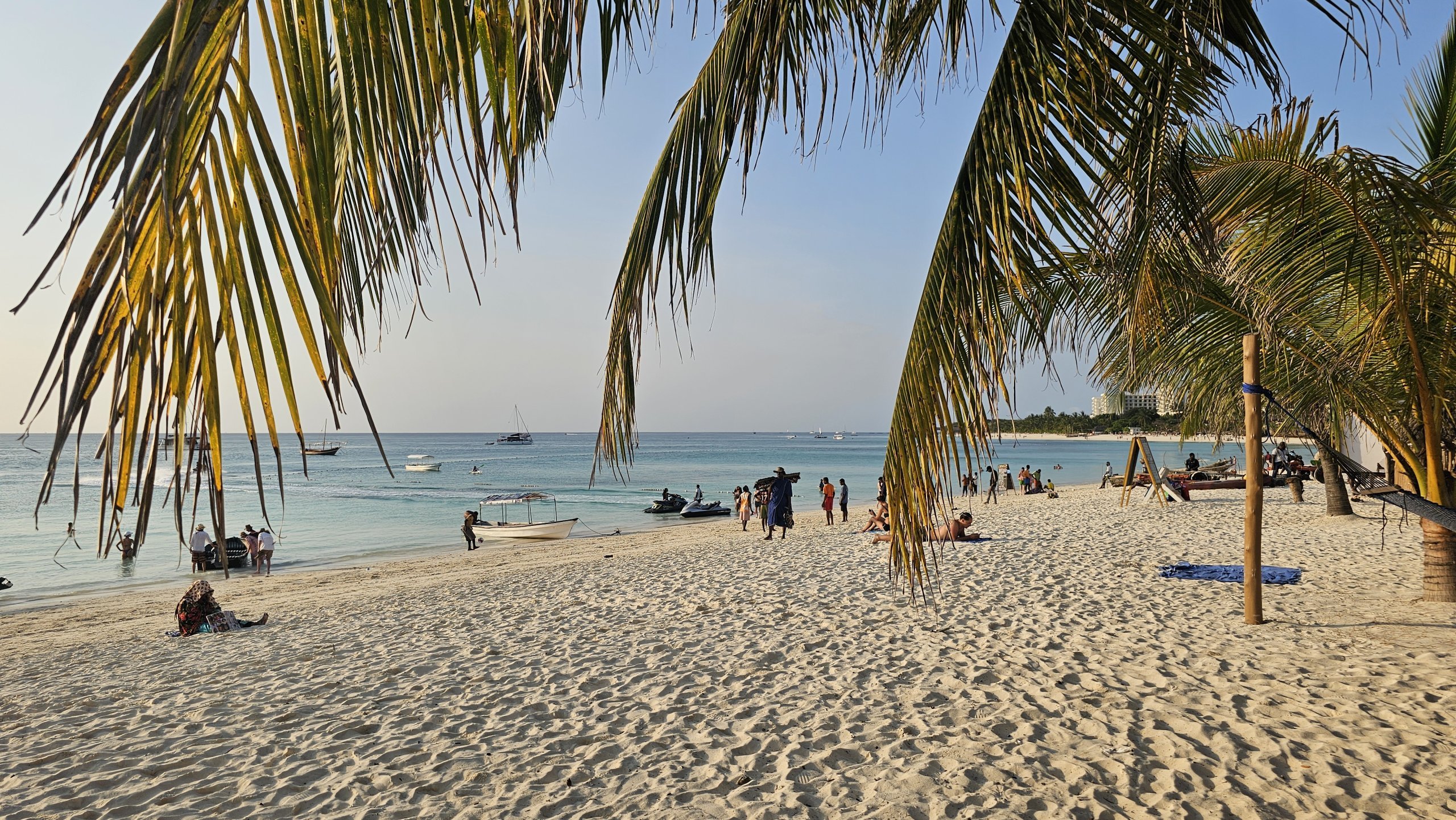
Virtually the entire east coast consists of a single coral reef. Twice a day, at low tide, the sea recedes for kilometres, making the area completely unsuitable for swimming. Some visitors, however, are delighted, as the receding sea leaves behind small pools where you can observe a colourful underwater world – tiny fish, corals, sea plants and sea urchins.
A minor inconvenience is the fact that a large amount of seaweed remains on the beaches at low tide. Luxury hotels clear it away immediately, but on public beaches nobody tends to it, as it is a never-ending task.
That is why you’ll find the most holiday resorts in the east.
However, the local beaches have a major drawback – the east coast is surrounded by shallow waters, which recedeup to 1 km from the shore at low tide. During this time, it is not possible to swim in the sea.
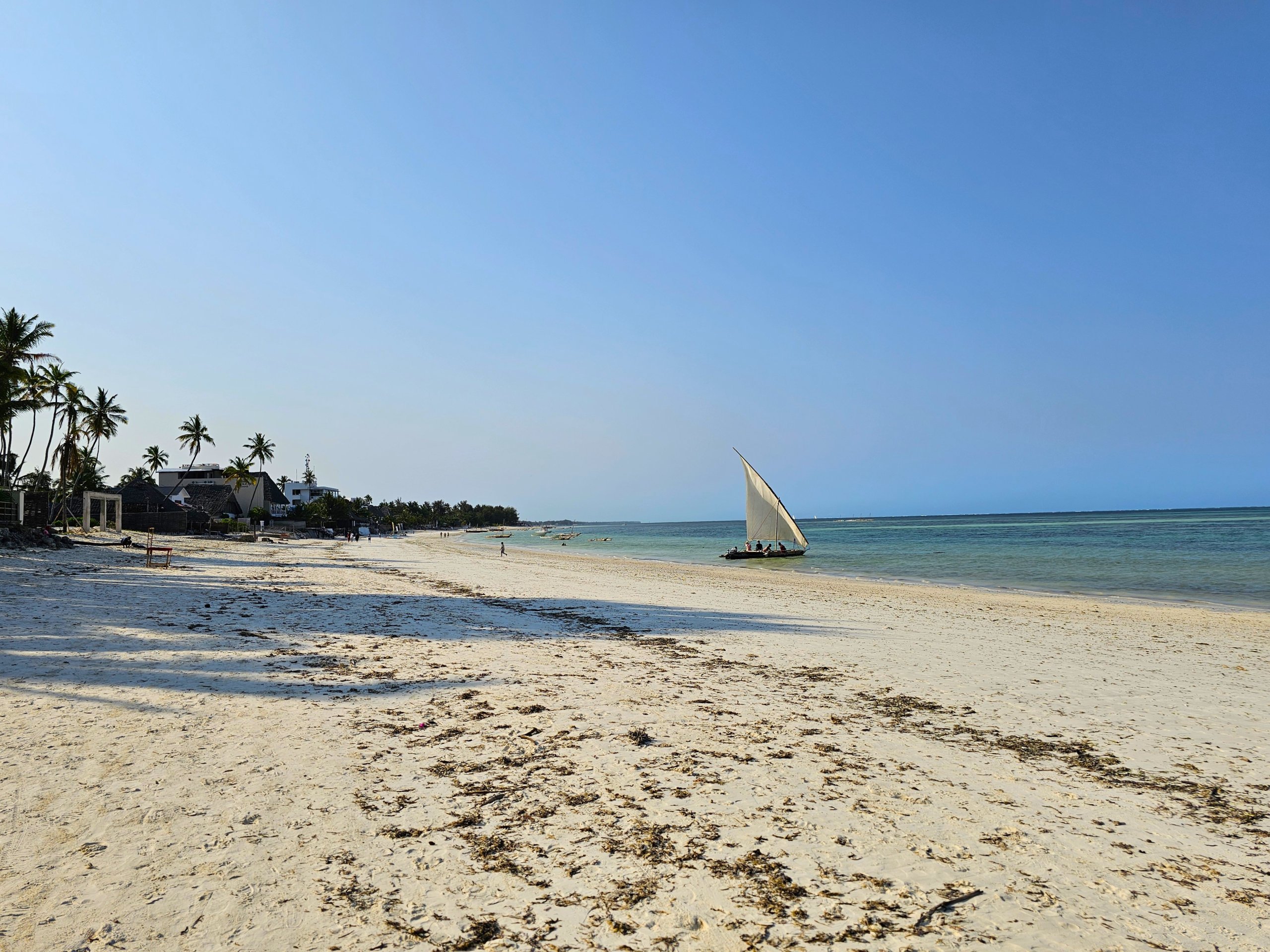
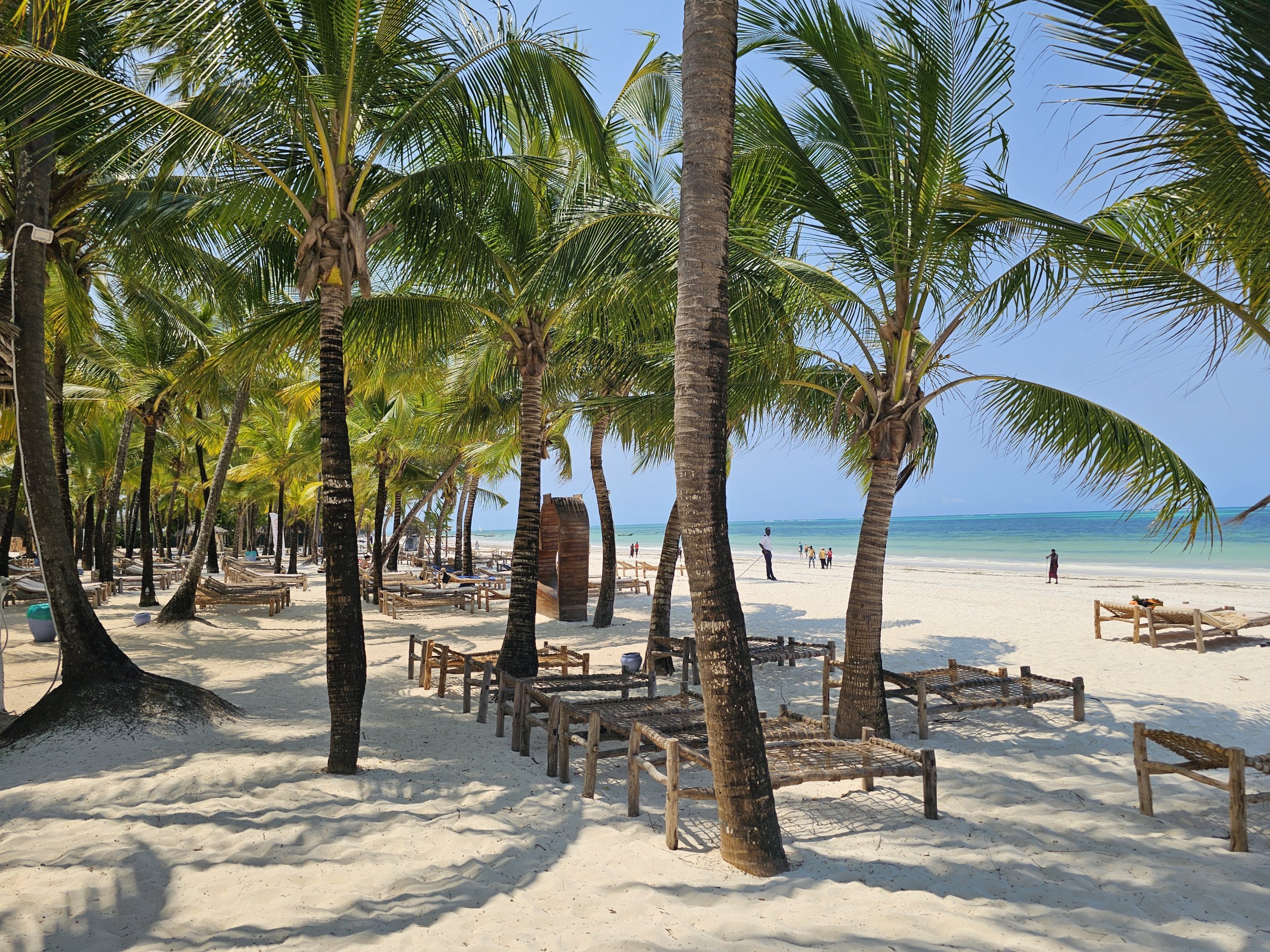
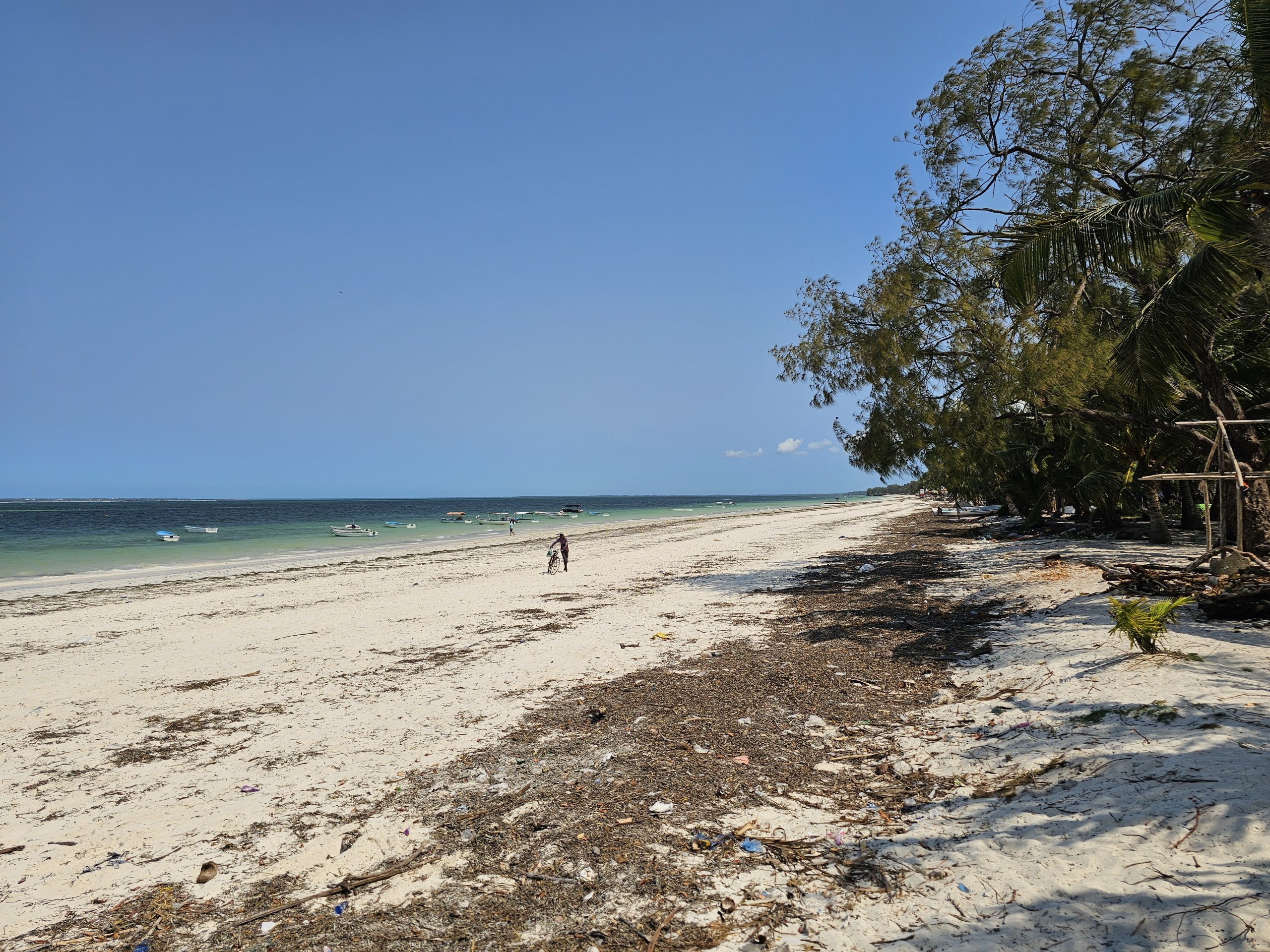
In the south, there is just one resort and one hidden beach, which I consider to be the most beautiful in Zanzibar!
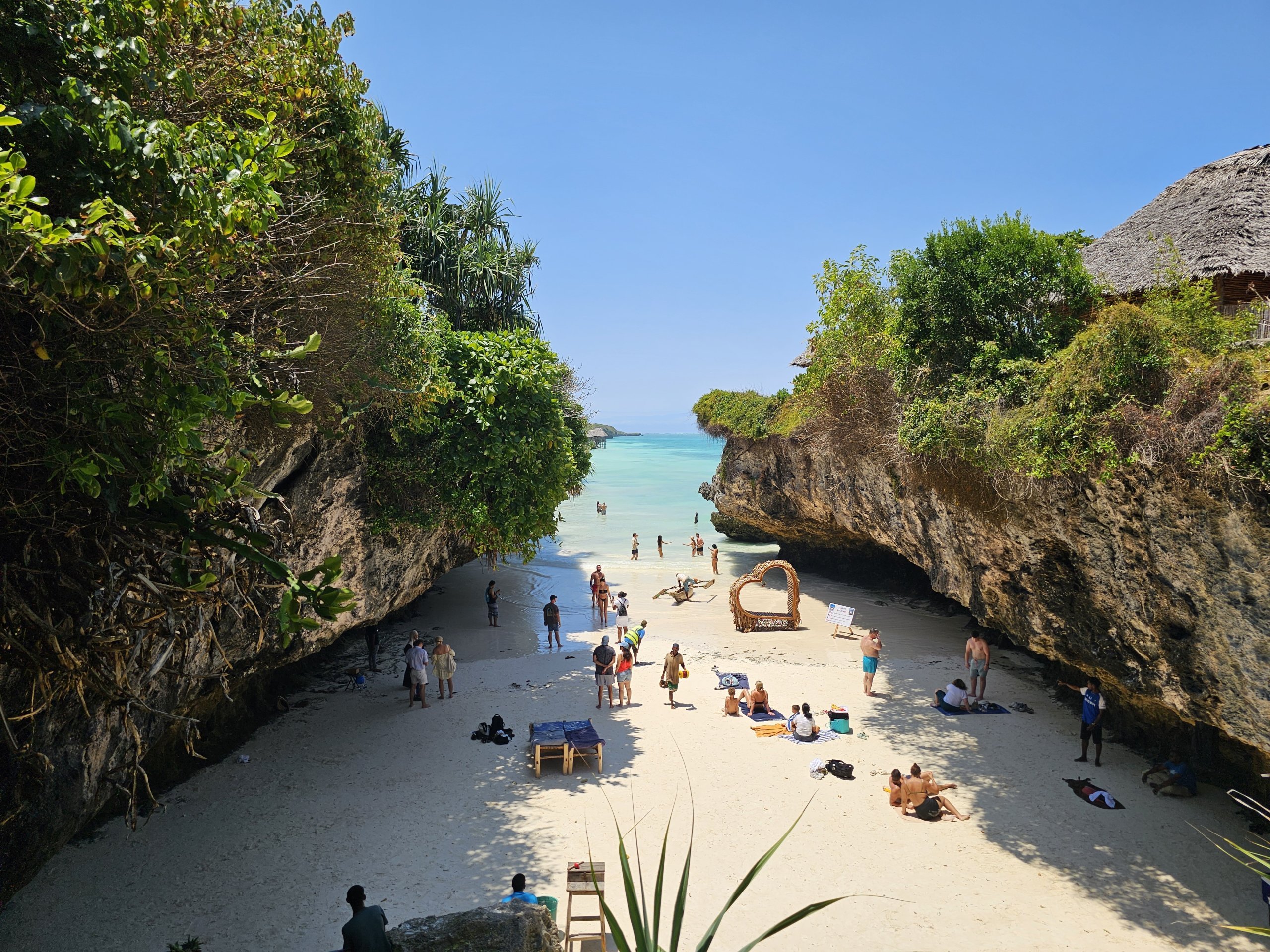
If you’re staying in Stone Town, the largest historic town, head to Nakupenda Sandbank for a swim in the sea – a unique sand dune in the middle of the sea, which is the destination for a large number of day trips organised by local travel agencies.
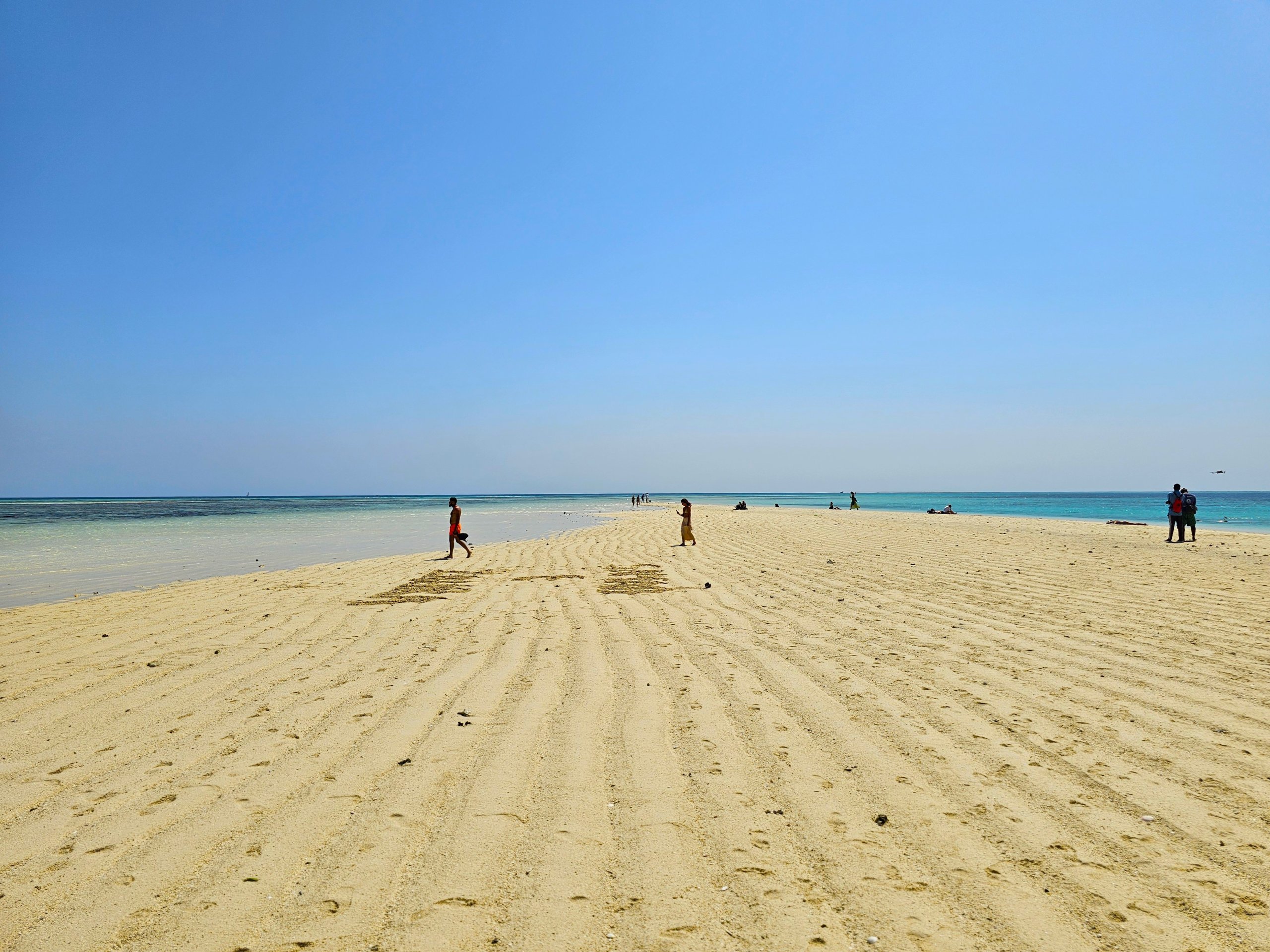
A great way to liven up a relaxing day at the beach is to take a boat trip to the nearby small islands, go dolphin-spotting or go snorkelling (more on that below).
There are dozens of local travel agencies operating in Zanzibar, but almost none of them have their own websites.
All bookings are made via the GetYourGuide comparison site.
Compare prices and book a cruise at getyourguide.com
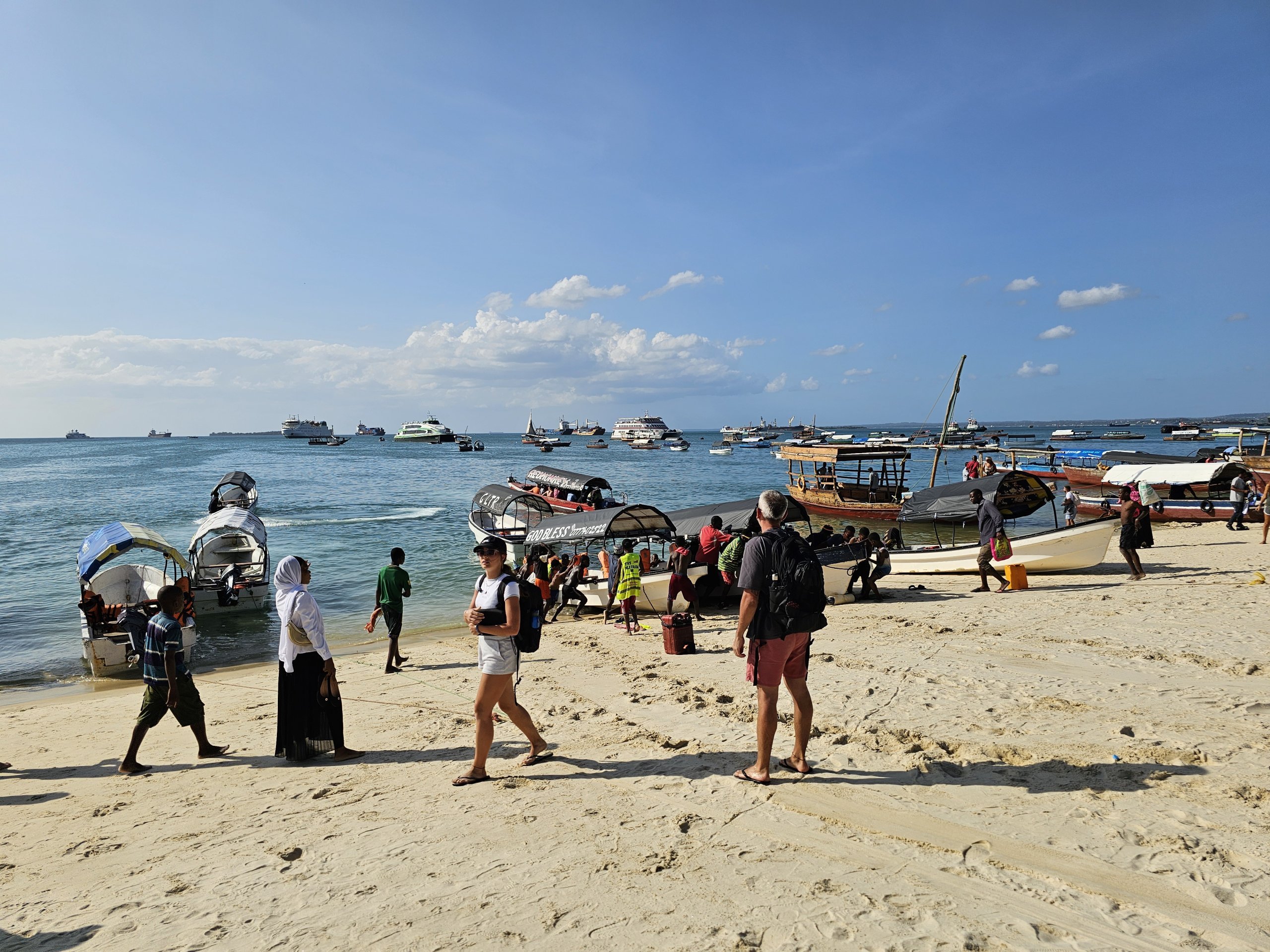
Most boat trips depart from Stone Town.
By far the most popular destinations, with dozens of boats setting off daily, are:
The trips are usually full-day (around 6 hours) and combine both locations. Prices range from around 65 usd to 70 usd and generally do not include the entrance fee for Prison Island, which is an additional 22 usd.
Significantly more expensive are the trips to Chumbe Island, where capacity is limited to a maximum of 14 people per day.
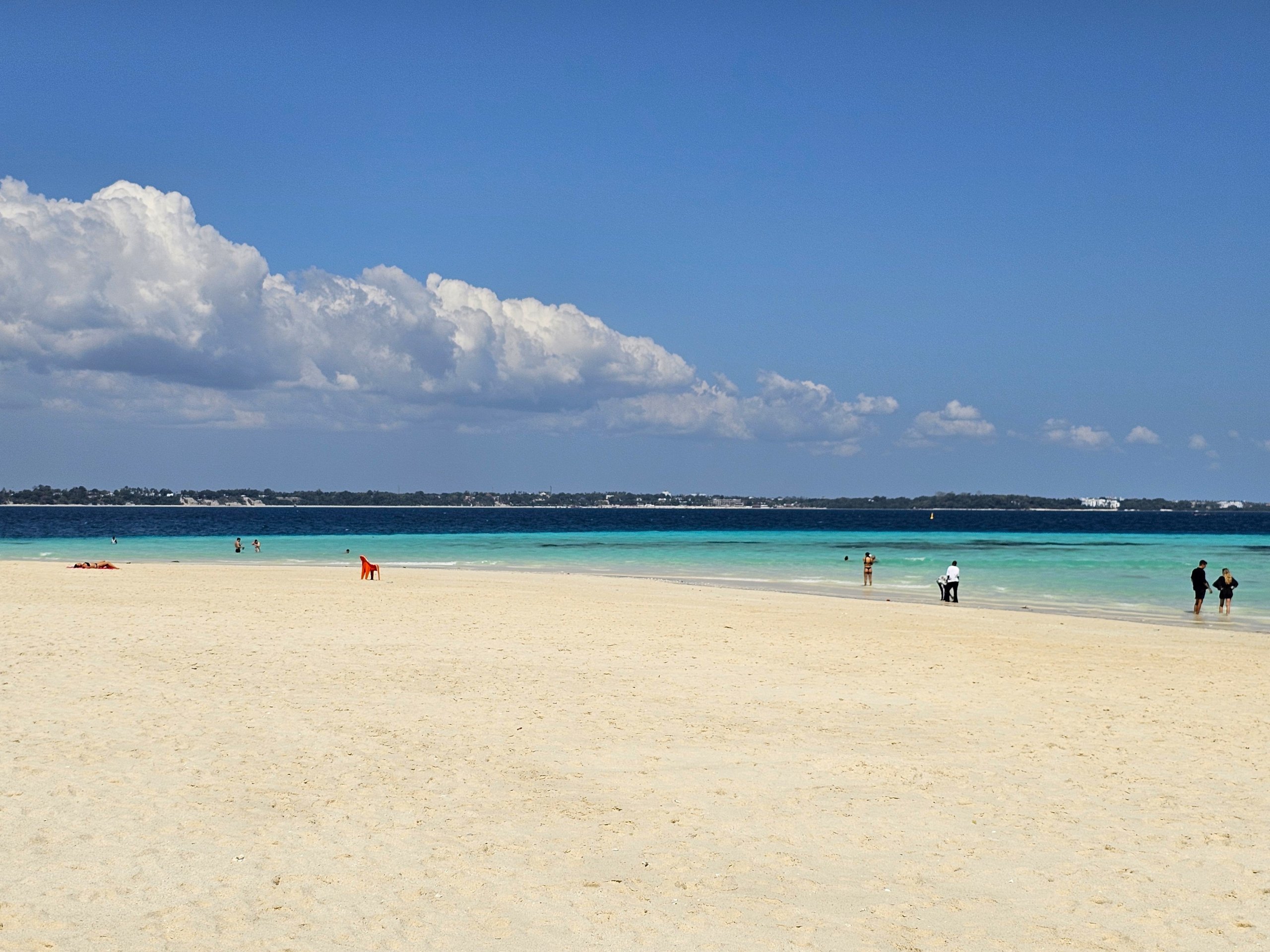
Other popular starting points for trips are the resorts of Nungwi and Matemwe, from where the following cruises mainly depart:
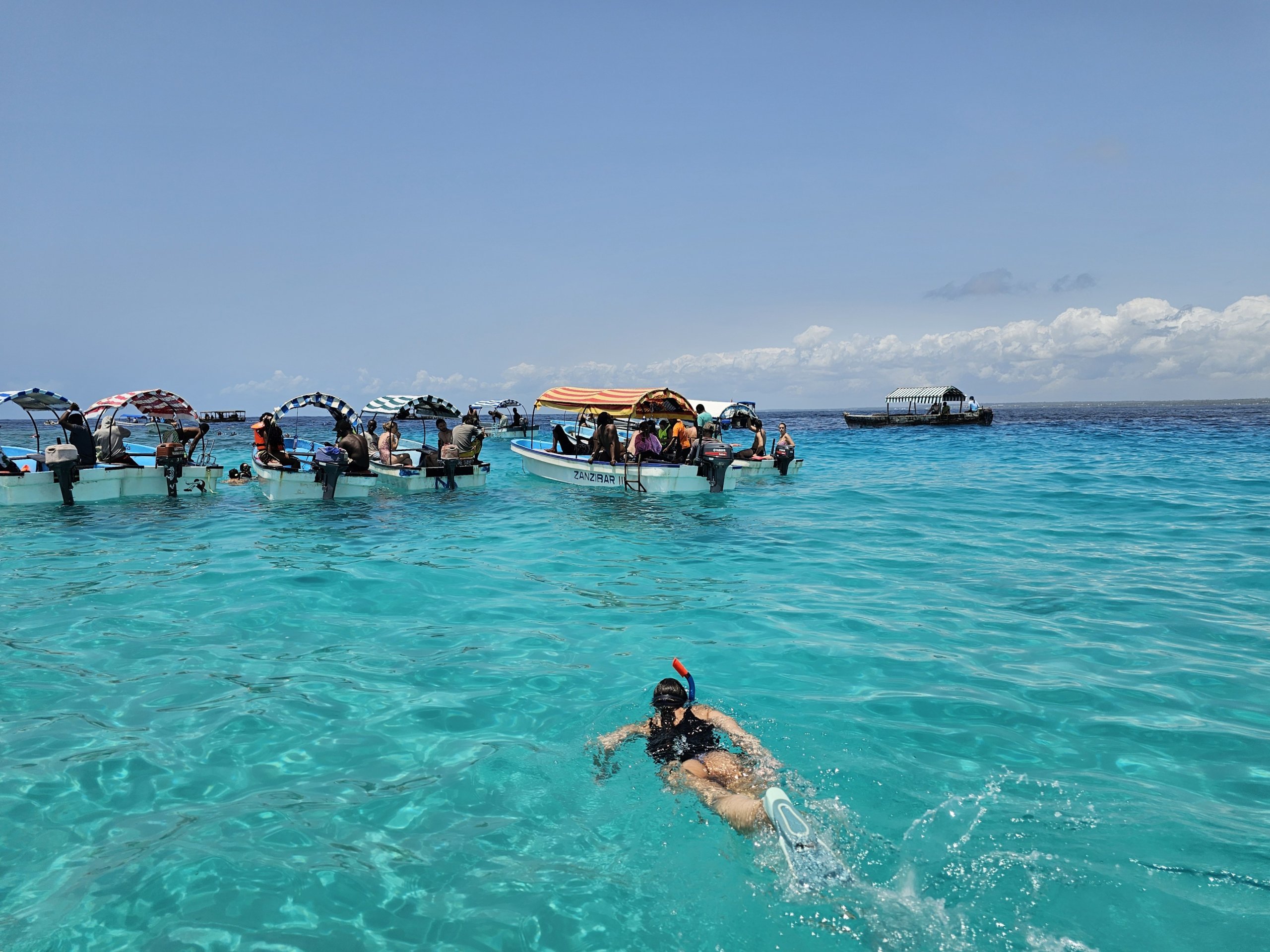
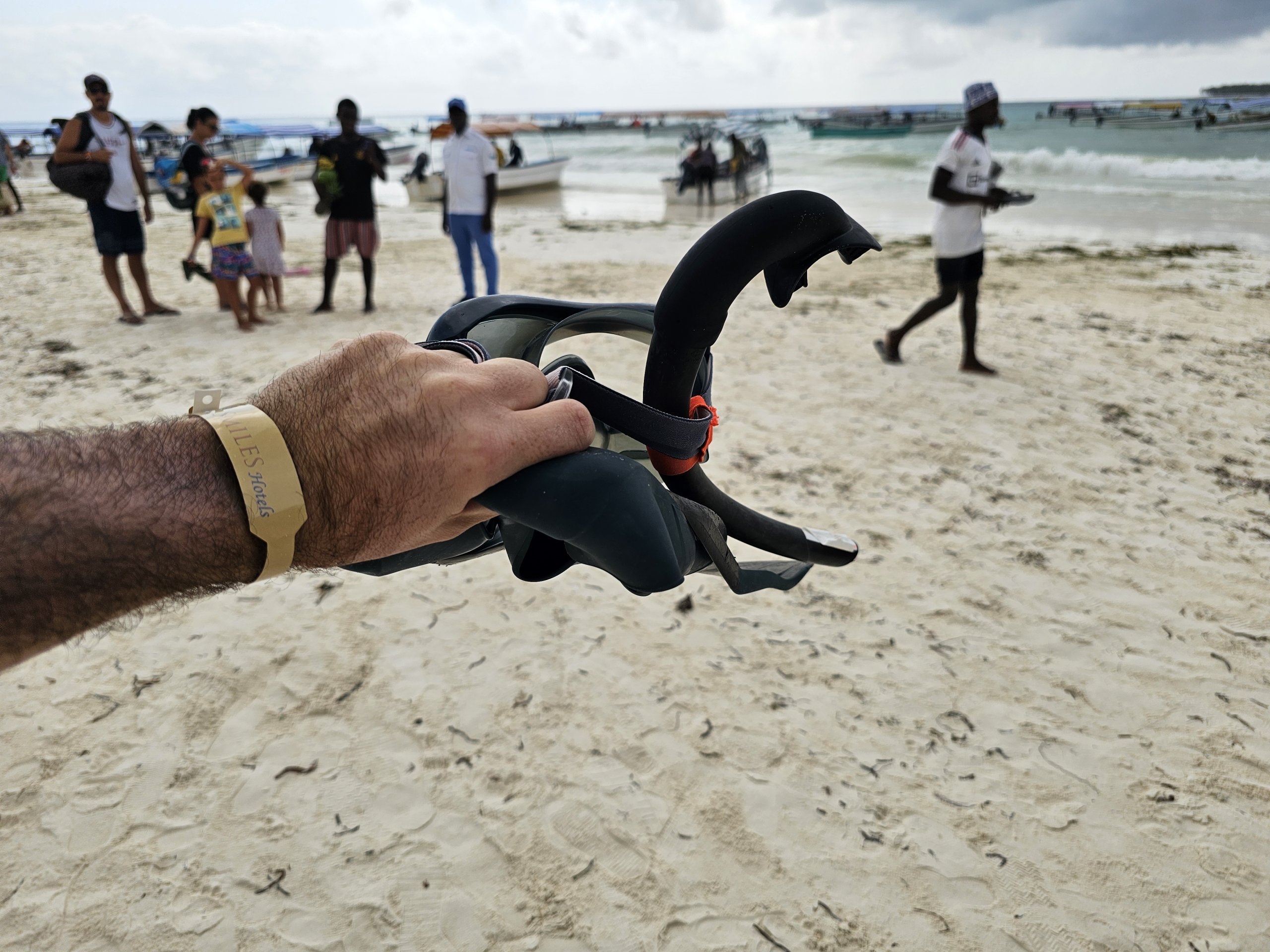
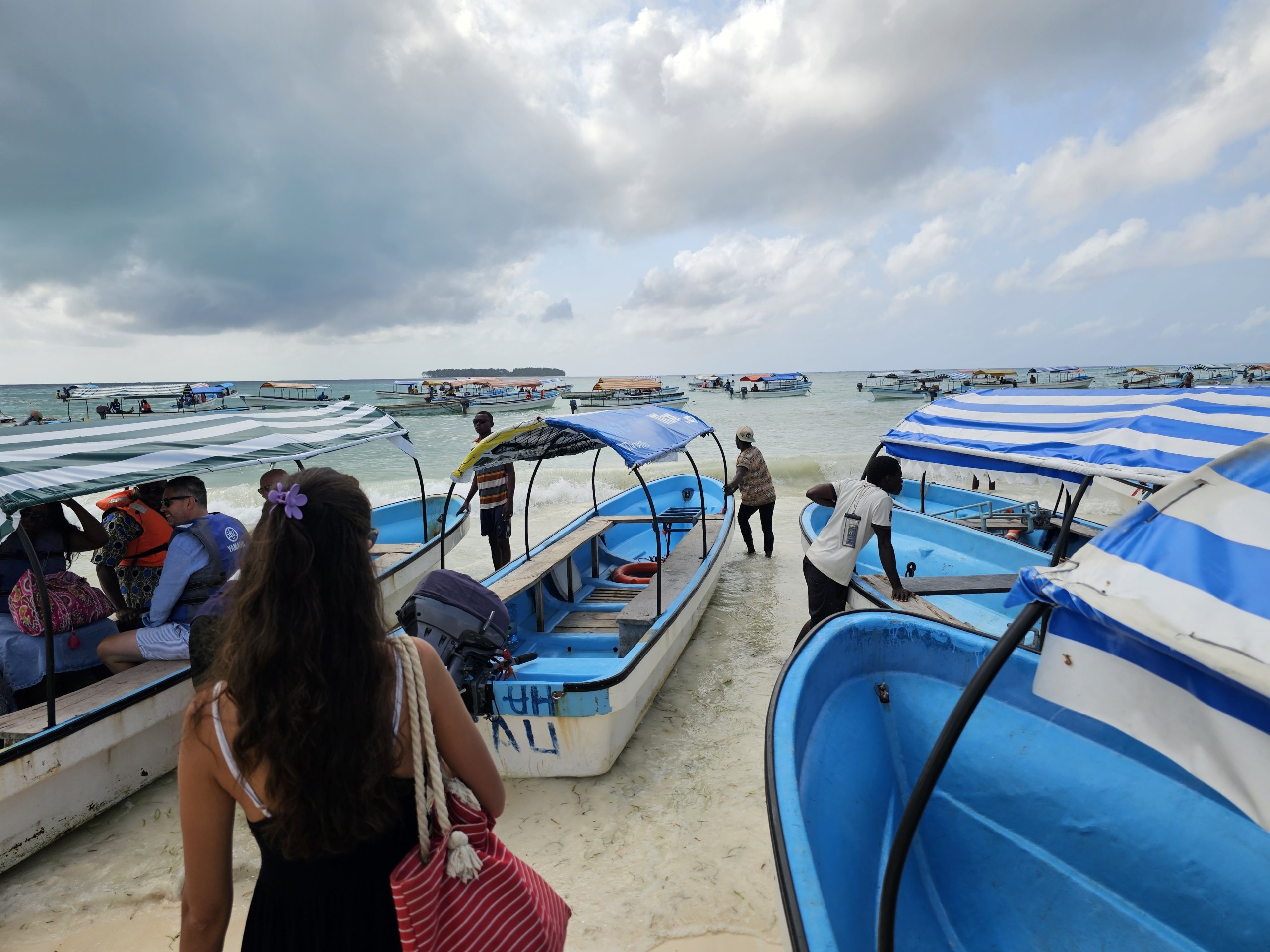
Safari Blue is not a wildlife safari. It is a full-day boat trip from the Fumba Peninsula in the south-west of the island.
The programme combines snorkelling, swimming in the lagoon, sand dunes and lunch. The cruise lasts 6 to 8 hours. Prices range from 60 usd to 120 usd.
I’d choose Safari Blue if you want to spend the whole day at sea. For snorkelling alone, Mnemba or Tumbatu are more practical options.
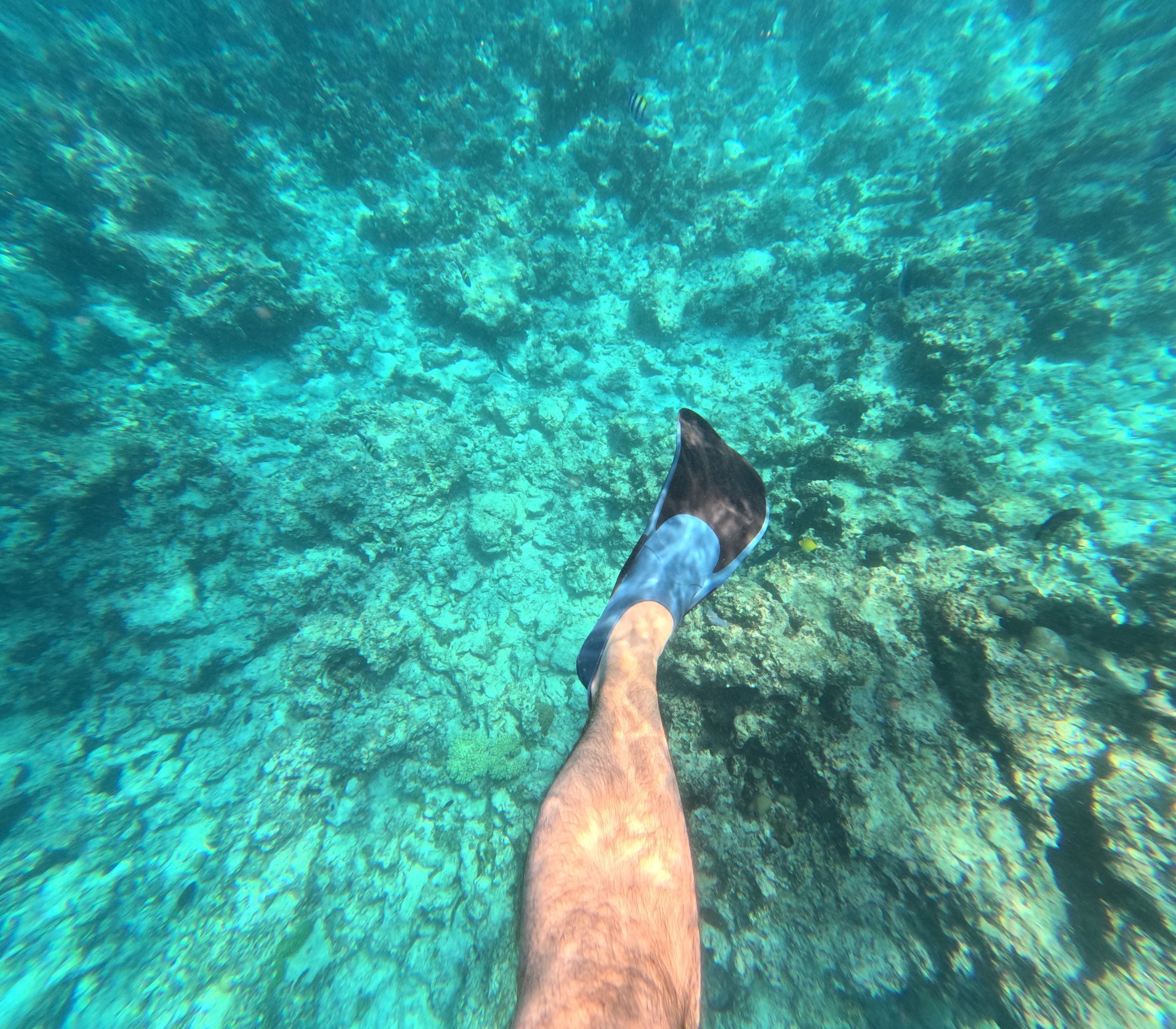
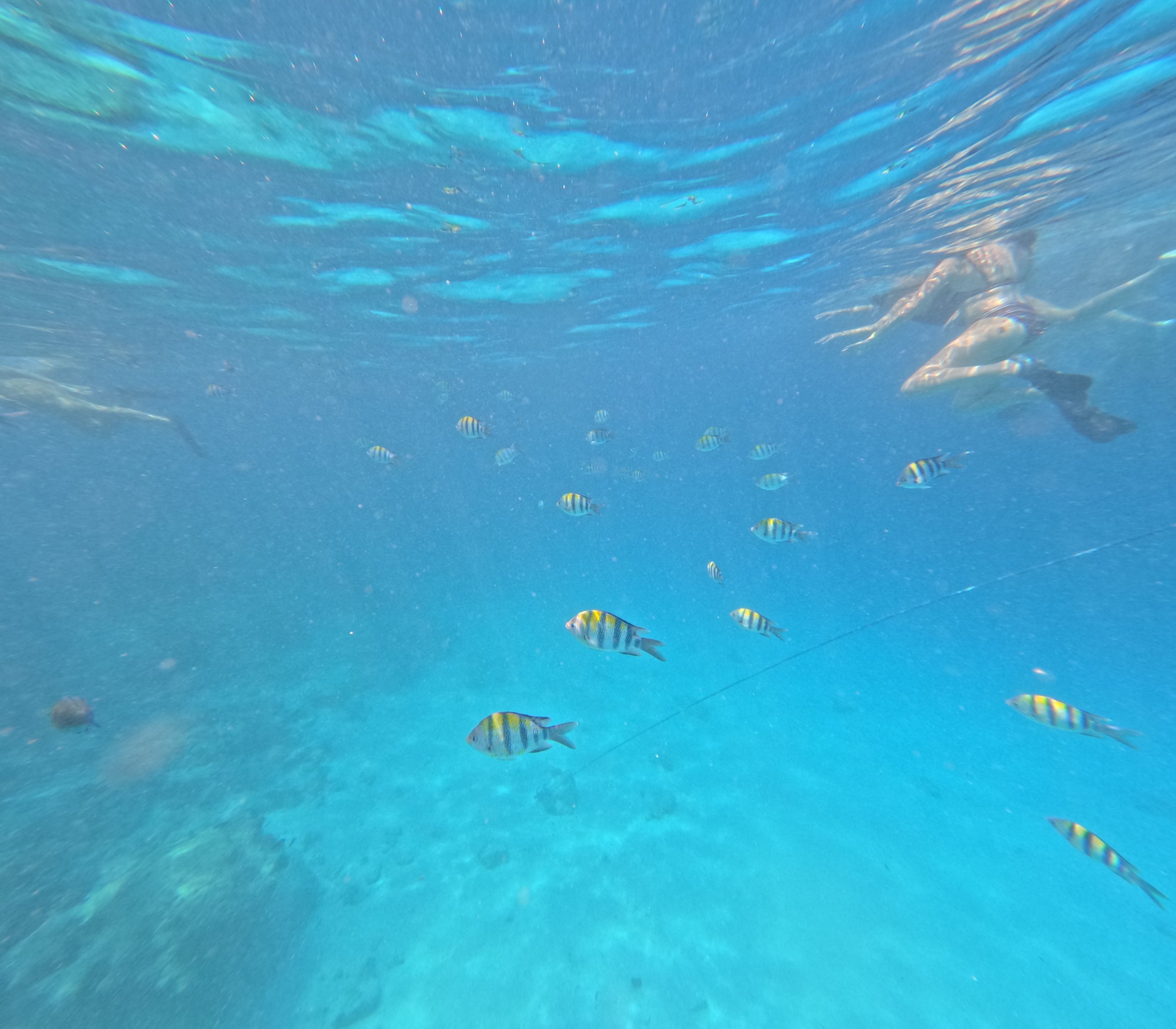
The east coast of Zanzibar is ideal for diving and snorkelling.
This stretch of coastline is fringed by a long barrier reef. The shallow, sheltered coral gardens in the lagoon offer ideal conditions for beginners, whilst the deeper, exposed reefs beyond the barrier attract more experienced divers.
Conditions are at their best from November to January, when visibility can reach up to forty metres.
Almost all diving schools offer one-day ‘fun dives’ for beginners.
The price for a day’s diving is around 150 usd. The north of the island, around Nungwi Beach, is subject to strong currents and the coral here is quite damaged, so this spot isn’t ideal for snorkelling or diving.
Boat trips combined with snorkelling (1 or 2 stops of around 20 minutes each) usually cost around 70 usd.
Zanzibar owed a significant part of its wealth to cloves, nutmeg, pepper, vanilla and other exotic spices, which were exported from here all over the world. The best way to discover the secrets of Zanzibar, the ‘Island of Cloves’, is on the ‘Spice Tour’, where you’ll learn about the different plants and can even buy individual spices.
In Zanzibar, you’ll find a large number of spice farms that organise guided tours for the public.
Most tourists visit the spice farms as part of organised trips directly from their hotels.
These trips often include stops at several farms, as well as places such as Jozani Forest or Stone Town. They are organised from all the major resorts in Zanzibar.
Prices for full-day tours range from 60 usd to 80 usd.
However, you can also visit the spice farms on your own, especially if you’re travelling around Zanzibar in a hire car.
A standard private tour costs around 10 usd / 25 000 tzs and usually lasts about 60 minutes. At most farms, you’ll also be offered a taste of various types of spices.
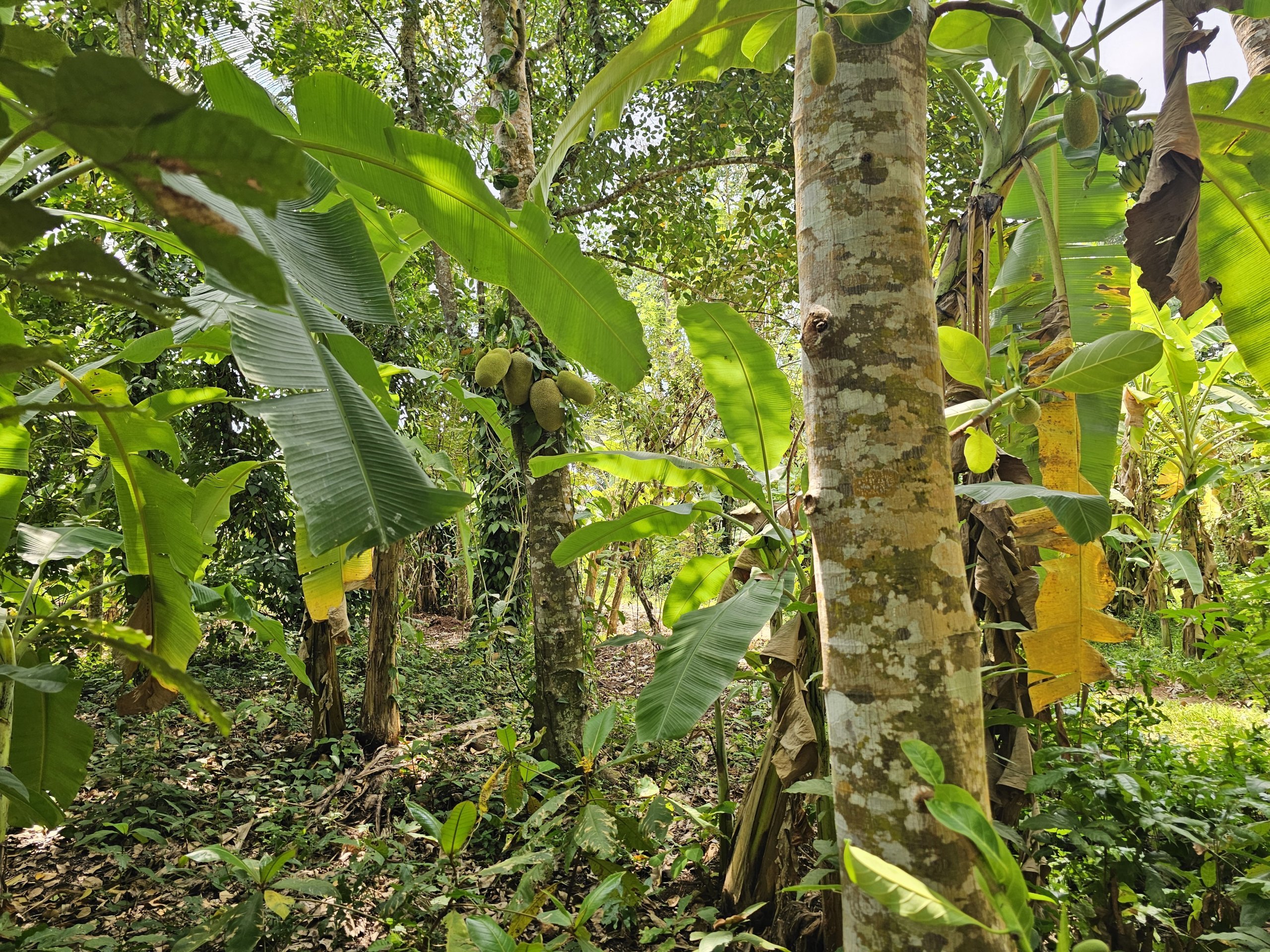
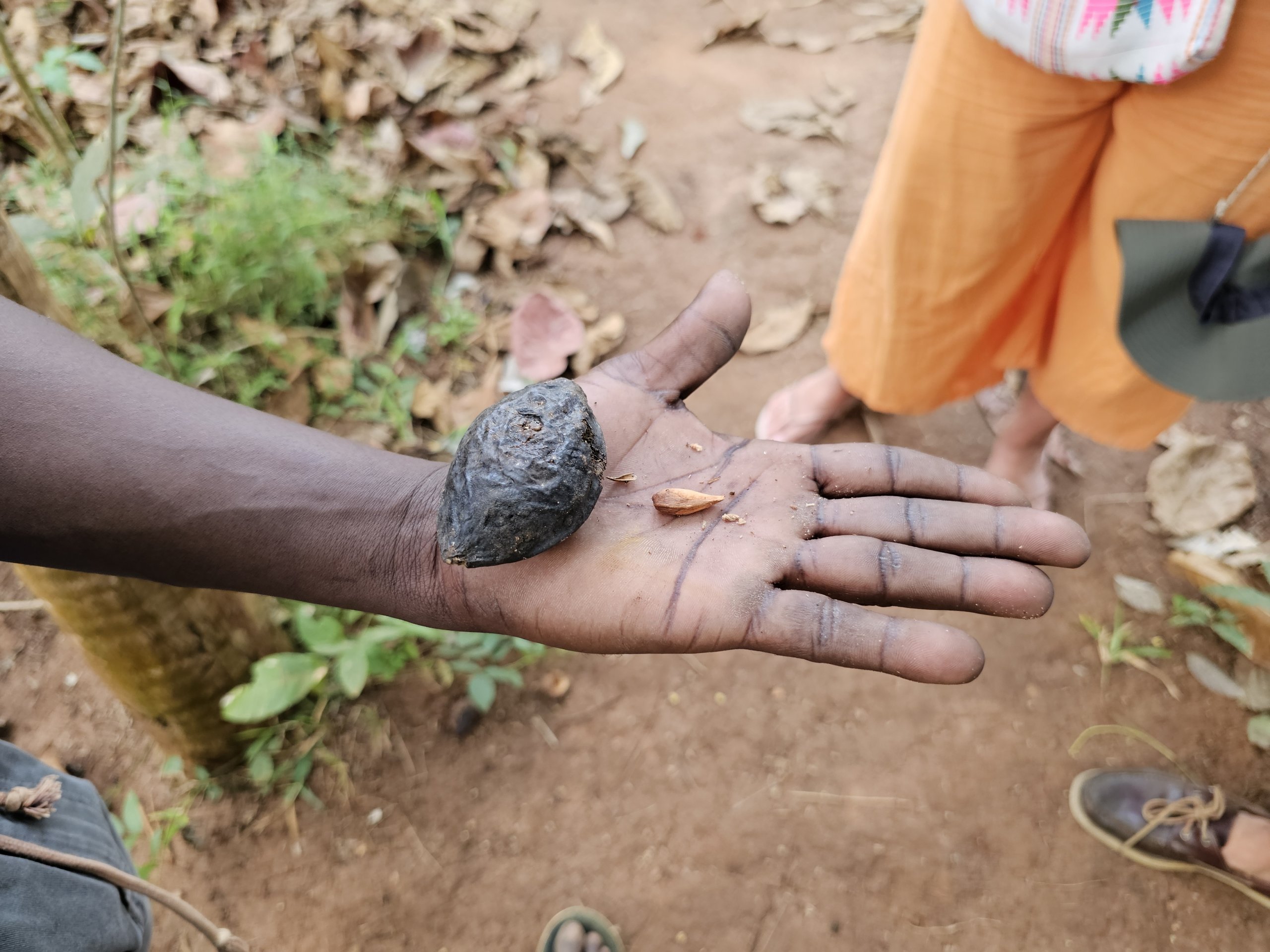
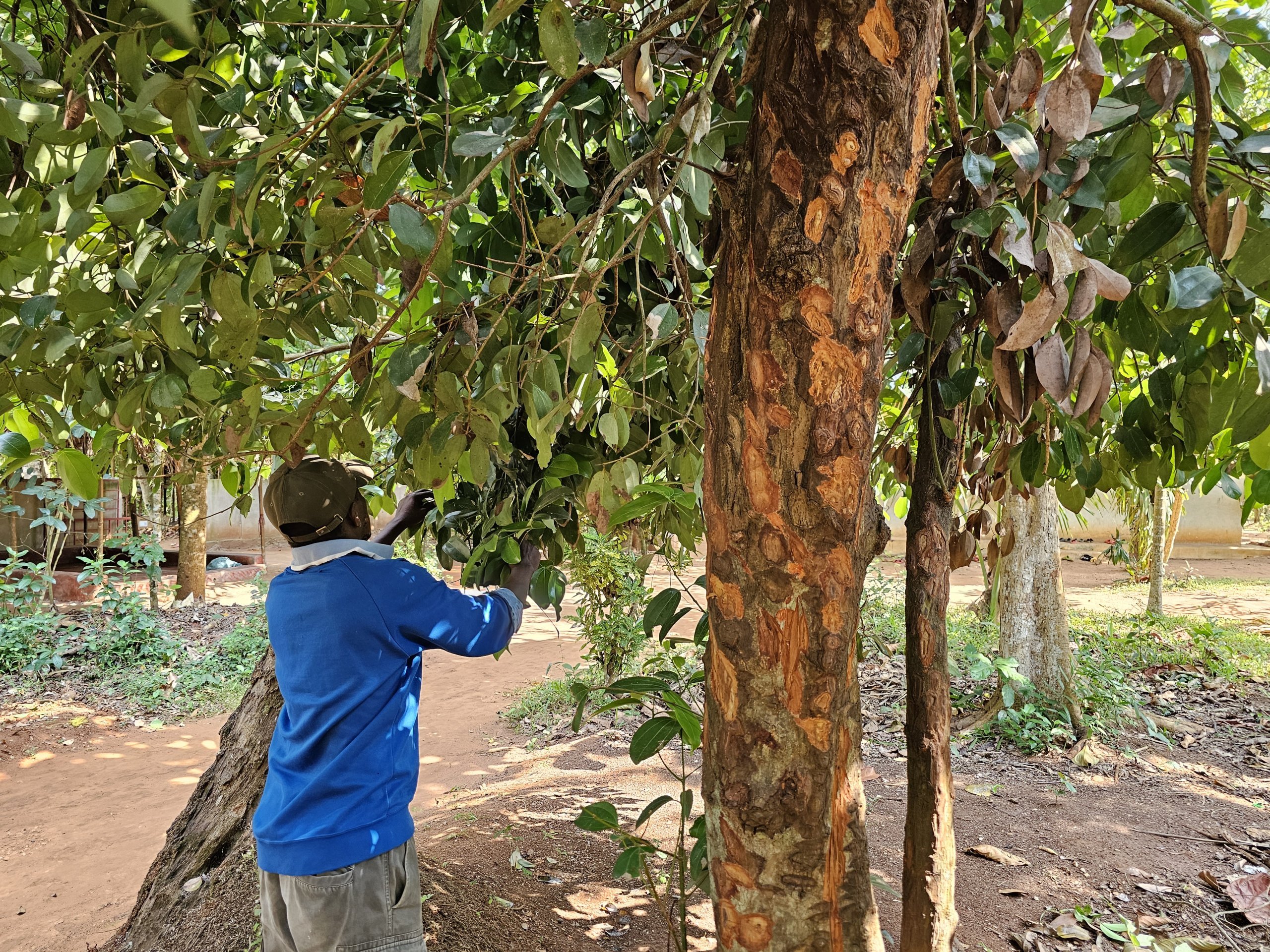
The highest concentration of farms is near the town of Bububu in central Zanzibar.
Where are the best spice farms? Take a look at the map I’ve created based on my travels.
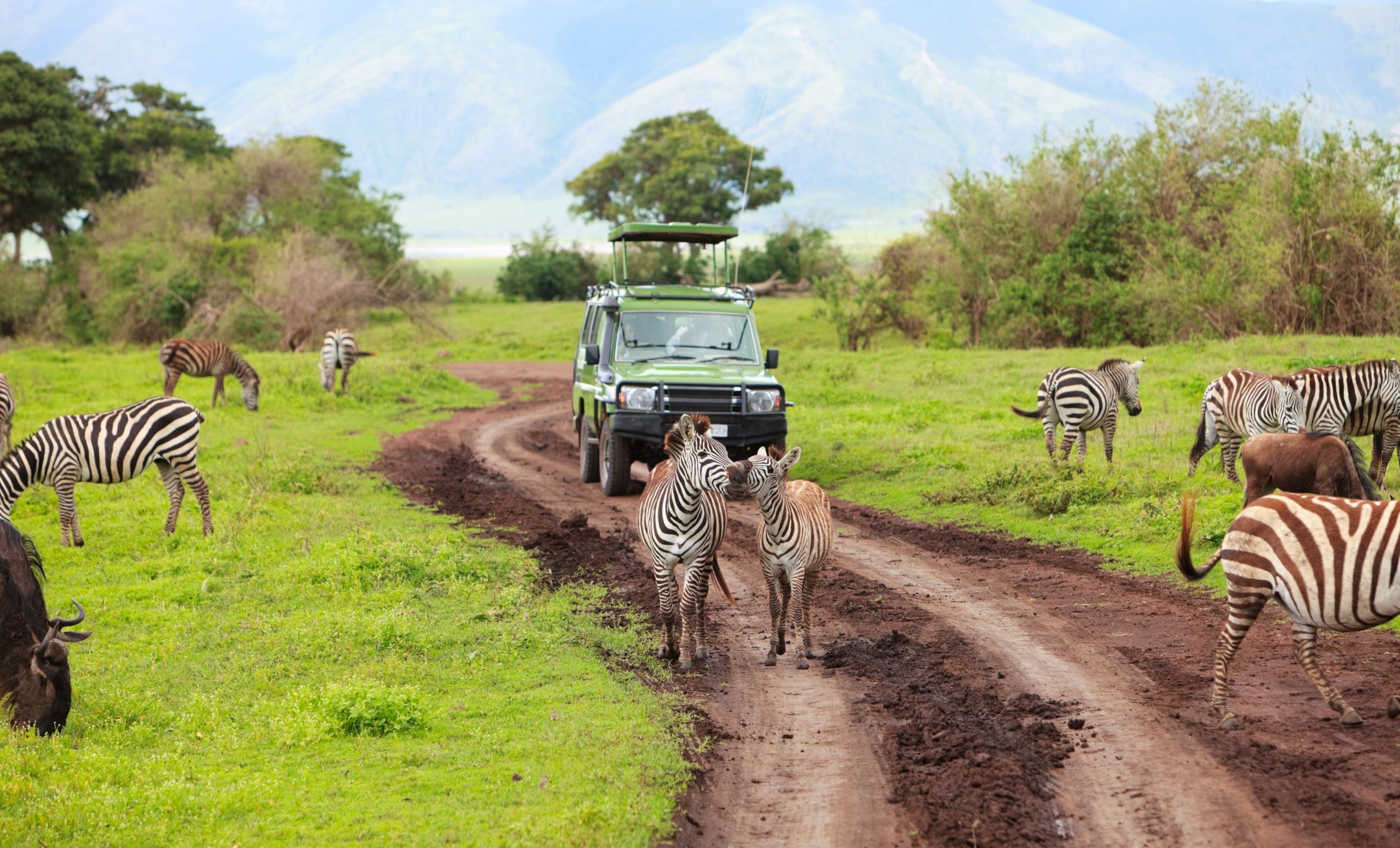
Whilst there are no large animals living on Zanzibar itself, the mainland part of Tanzania is, on the other hand, one of the world’s best safari destinations!
And because many safari resorts have their own airstrips and Zanzibar is only about an hour’s flight by small plane from most of them, flying to the mainland to see the wildlife is one of the most popular activities.
Prices vary significantly depending on which safari you choose. Generally, the cheapest trips tend to be to the Mikumi or Selous safaris, where you can go for as little as 2 days / 1 night.
It also depends on whether you fly directly from Zanzibar to the safari or whether the agency arranges a boat trip to Dar es Salaam followed by a transfer by jeep.
The better-known safaris in northern Tanzania, such as the Ngorongoro Crater, Lake Manyara or the Serengeti, are usually 3–4 nights long and are always accessed by plane only.
If a safari is one of the main reasons for your trip, I would also consider Kenya before booking.
In Zanzibar, a safari is a separate trip to the mainland, whereas in Kenya you can easily combine it with a beach holiday. I describe the differences in the comparison ‘Zanzibar or Kenya: which to choose for a beach holiday and a safari’.
In the resorts and in Stone Town, you’ll find a huge number of agencies organising safari trips.
If you’re travelling independently, based on our own experience, we recommend using the GetYourGuide comparison site, where you’ll find reviews for each agency – which is quite important. Not all local travel agencies are trustworthy.
Book a safari trip at getyourguide.com
If you’re travelling to Zanzibar as part of a package holiday booked through a travel agency in Europe, you can arrange an optional excursion with the tour representative at your hotel.
The price of the safari always includes all transport, i.e. the journey from the hotel to the airport or port, the return flight or ferry crossing, and transport from the airport directly to the safari.
Safaris in mainland Tanzania run all year round – they are divided into two main seasons:
Zanzibar hasn’t inherited many monuments from its colonial past. The only exception is the centre of its largest city – Stone Town.
Discover the bustling markets and dark corners of this magical historic district, a UNESCO World Heritage Site, which I liked so much that I wrote a separate guide about it:
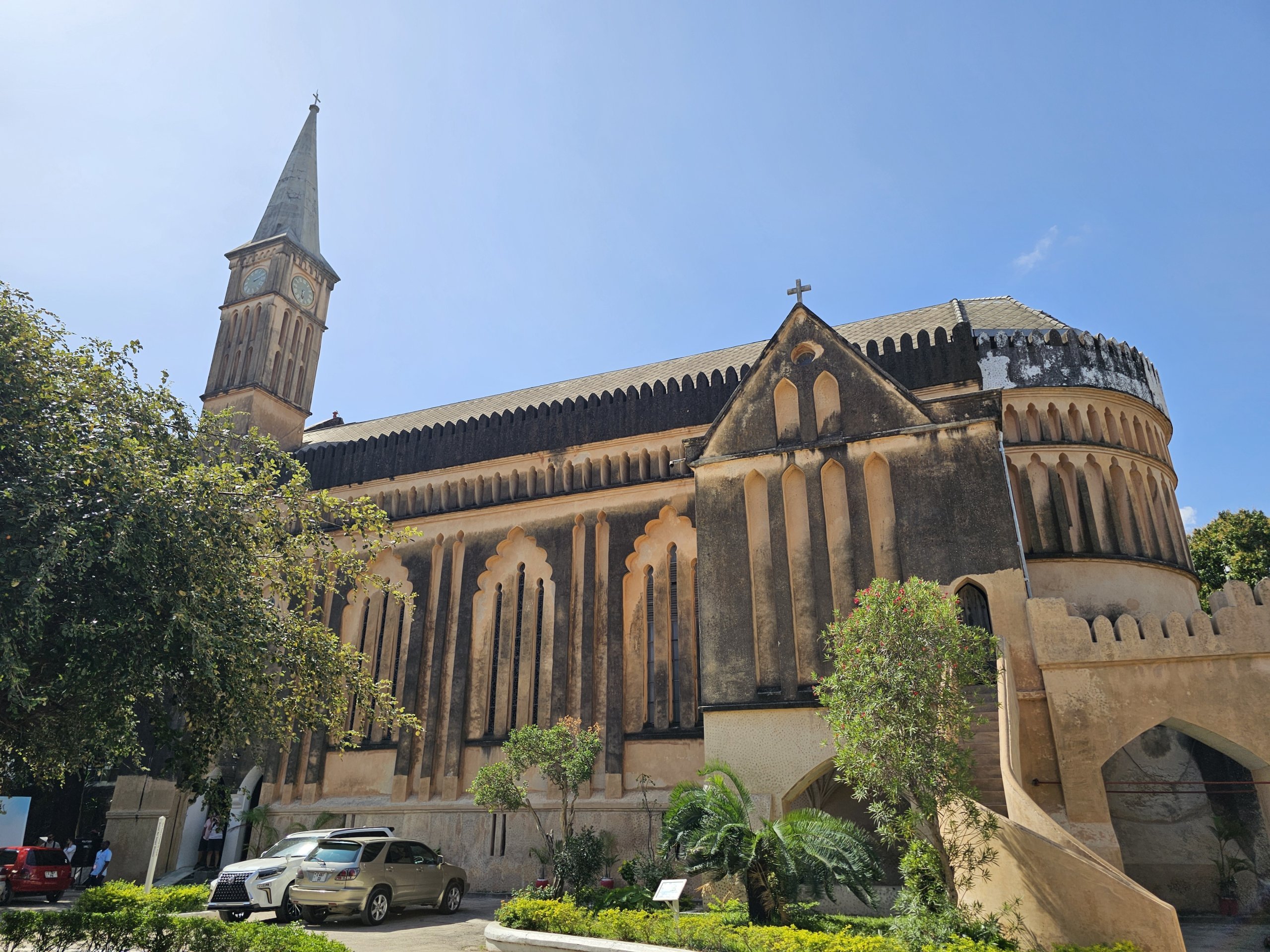
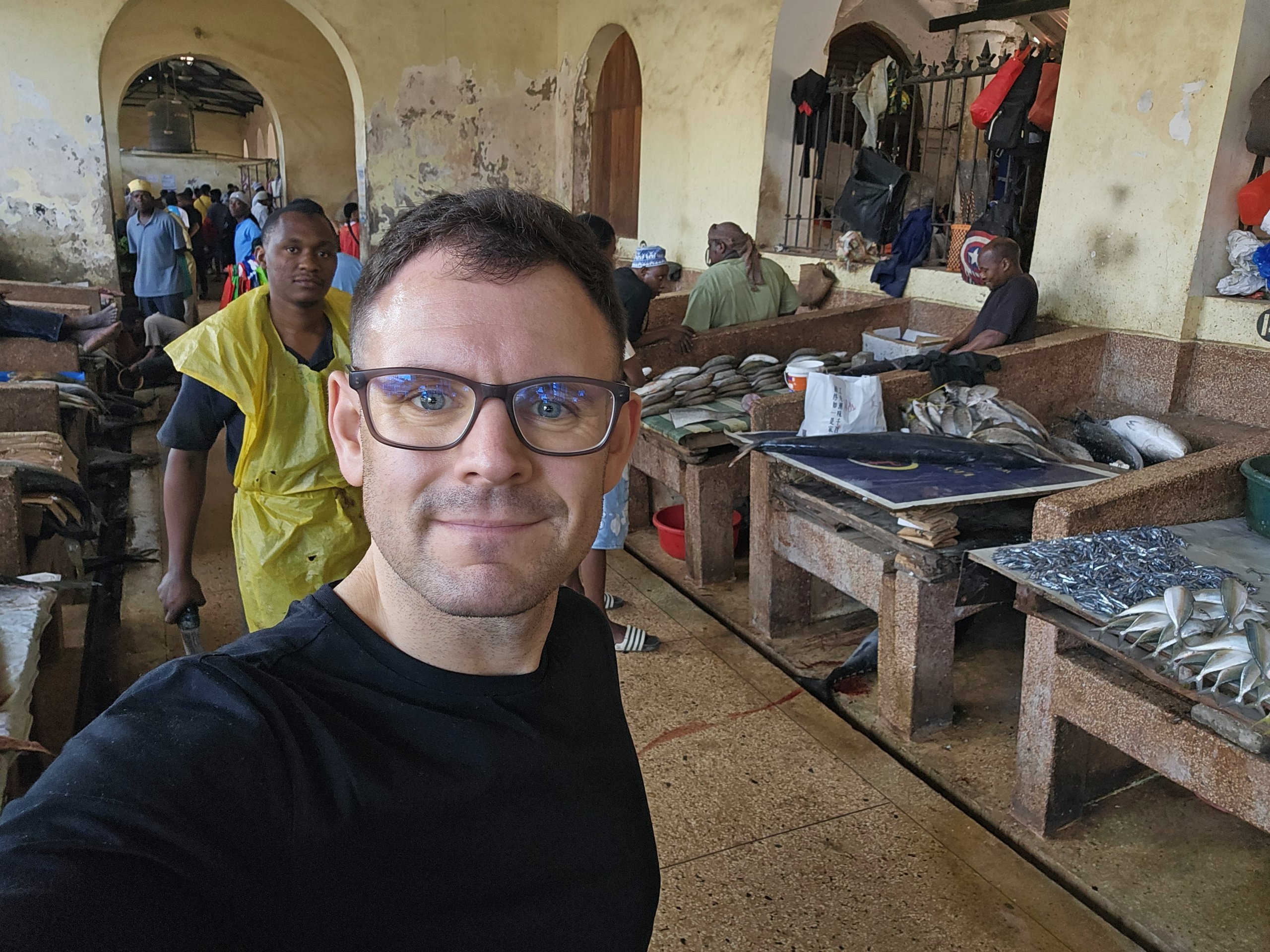
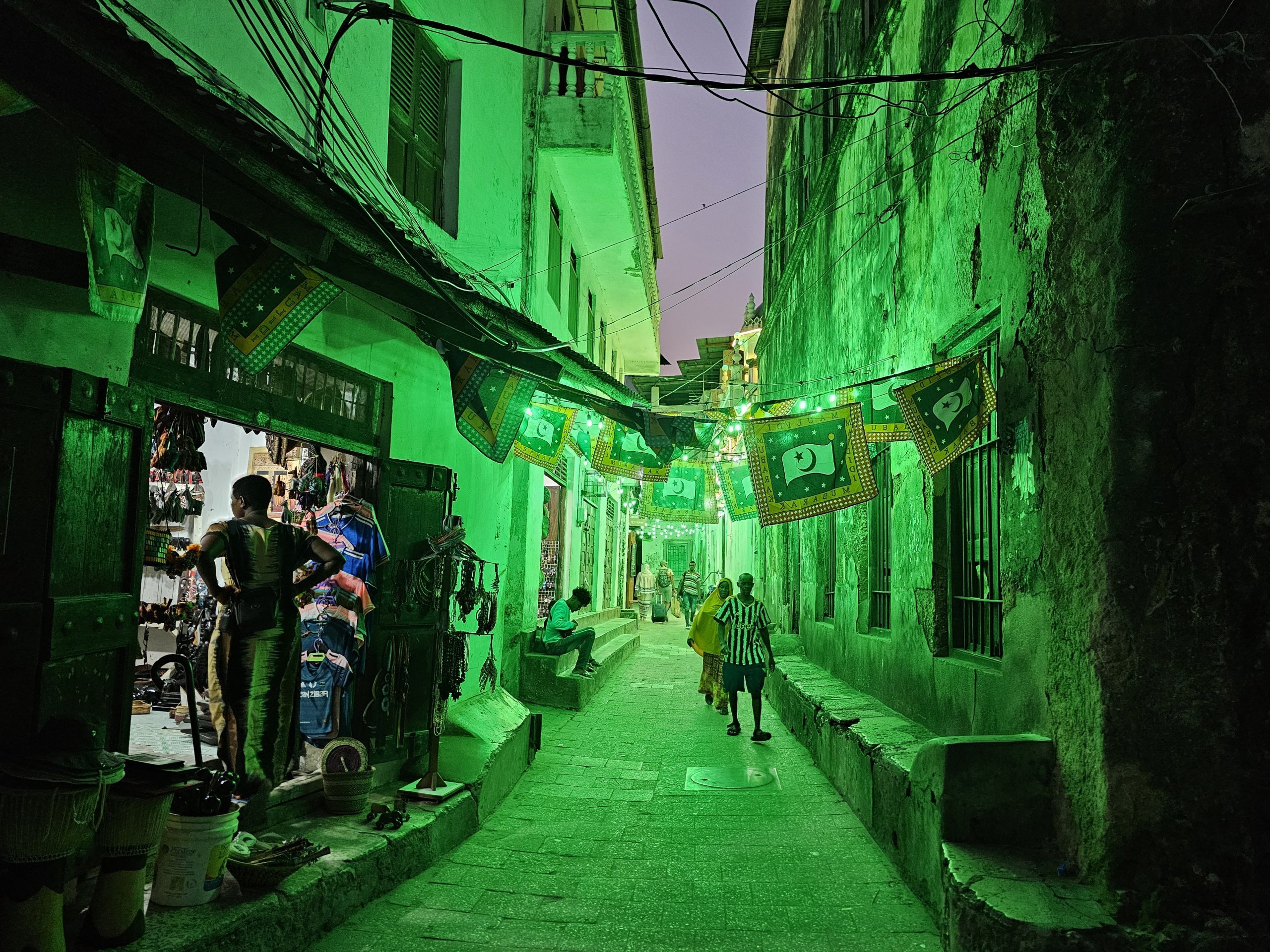
Apart from its beaches, Zanzibar doesn’t have many natural attractions, but the limestone caves are an interesting exception.
Hidden away in dense vegetation, they’re usually not visible from the main roads or towns, but this makes their size all the more surprising!
At the bottom of the caves, you’ll often find small lakes or underground mineral rivers, where you can take a swim in the crystal-clear water.
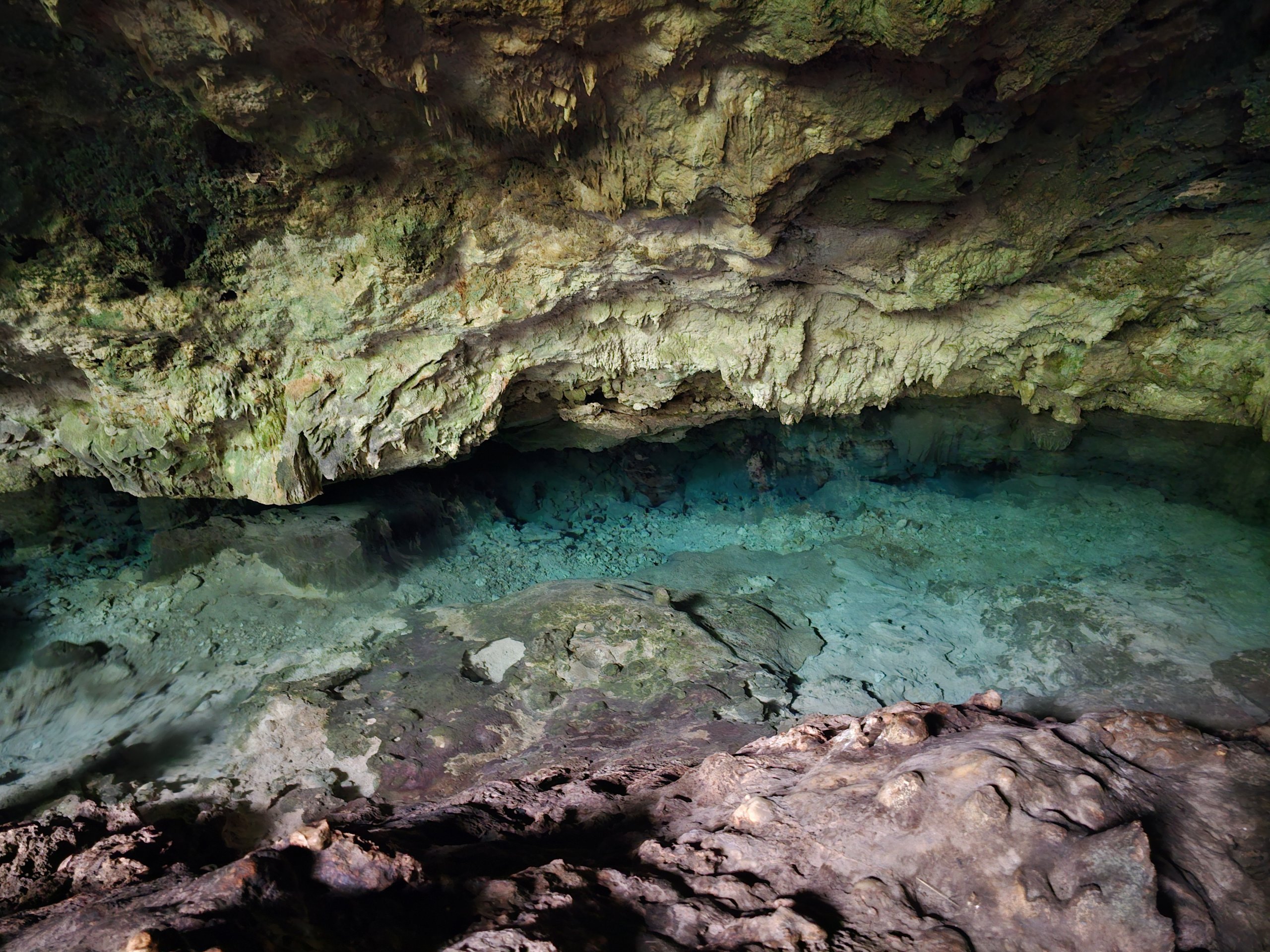
We visited Kuza Cave near the resort of Jambiani, but there are several similar caves in Zanzibar where you can swim.
Entry fees are around 10 usd / 25 000 tzs.
At Salaam Cave in the south, in the resortof Kizimakzi, or at the Mnarani Natural Aquarium in Nungwi, you can even swim with giant tortoises!
We’ve put together a map of the most interesting caves for you:
Paje is one of the best-known kitesurfing spots in Africa. The shallow lagoon and sandy seabed make it ideal even for beginners.
The most reliable winds are usually from June to September and from December to March. Schools operate mainly in Paje and Jambiani. You’ll also find a few centres in Kiwengwe.
A single lesson lasts 2 to 3 hours and costs from 60 usd. A complete beginner’s course lasting 6 to 9 hours starts at 320 usd.
Book lessons in advance during the peak season. Check with the school regarding the ratio of pupils to instructor and the availability of a rescue boat. Standard travel insurance often does not cover kitesurfing.
If you have any questions or comments about the article...