The Seychelles from Prague in December, including checked-in luggage
584 €



If you want to discover more of Zanzibar’s beaches and explore the island’s interior at your own pace – including the spice farms and Jozani National Park – hiring a car is the best option.
However, compared to other tourist destinations, hiring a car in Zanzibar has its own particularities. I’ve experienced them first-hand and will share them in this article.
In Zanzibar, they drive on the left.
There are no multinational car hire companies operating directly in Zanzibar, but some of them hire cars from local car hire firms, which act as contractors.
Among the well-known brands, you can book a car hire in Zanzibar through Europcar, AutoUnion or SurPrice, for example.
You can compare relevant car hire companies, for example, using the Kayak comparison tool.
Car hire is not yet widespread in Zanzibar, so prices are similar whether you book well in advance or at the last minute.
You’ll also find local car and scooter hire companies right in the resorts themselves, such as Nungwi or Paje.
Car hire prices are quite reasonable. What’s more, in most cases you’ll get a large SUV-type car
As is the case elsewhere in the world, the longer you hire a car in Zanzibar, the lower the daily rate you’ll get.
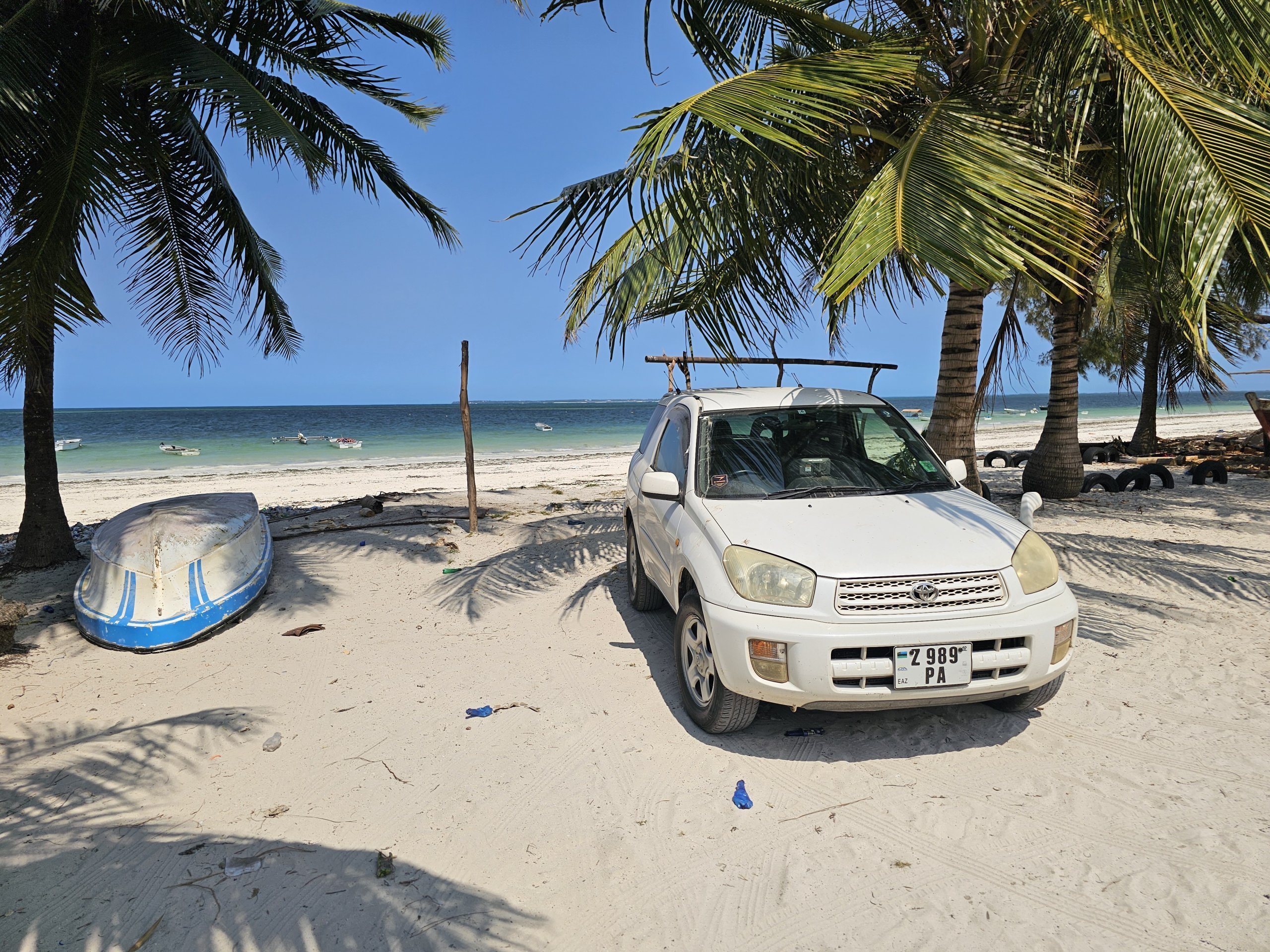
Most car hire companies only offer car collection at Zanzibar International Airport.
However, no car hire company has an office inside the terminal itself – a car hire representative will be waiting for you outside the arrivals hall, holding a sign with your name on it.
The car will be ready in the airport car park.
Returning the car follows the same procedure – you must return the car at the exact time you specified when making your booking. At that time, a member of staff will be waiting for you at the airport to collect the car. There are no key return boxes in case you manage to return the car early.
You can try to arrange to return the car to a different address.
The vast majority of communication with the car hire company takes place via WhatsApp, so it is essential that you have a data connection whilst in Zanzibar – for example, via an Airalo eSIM.
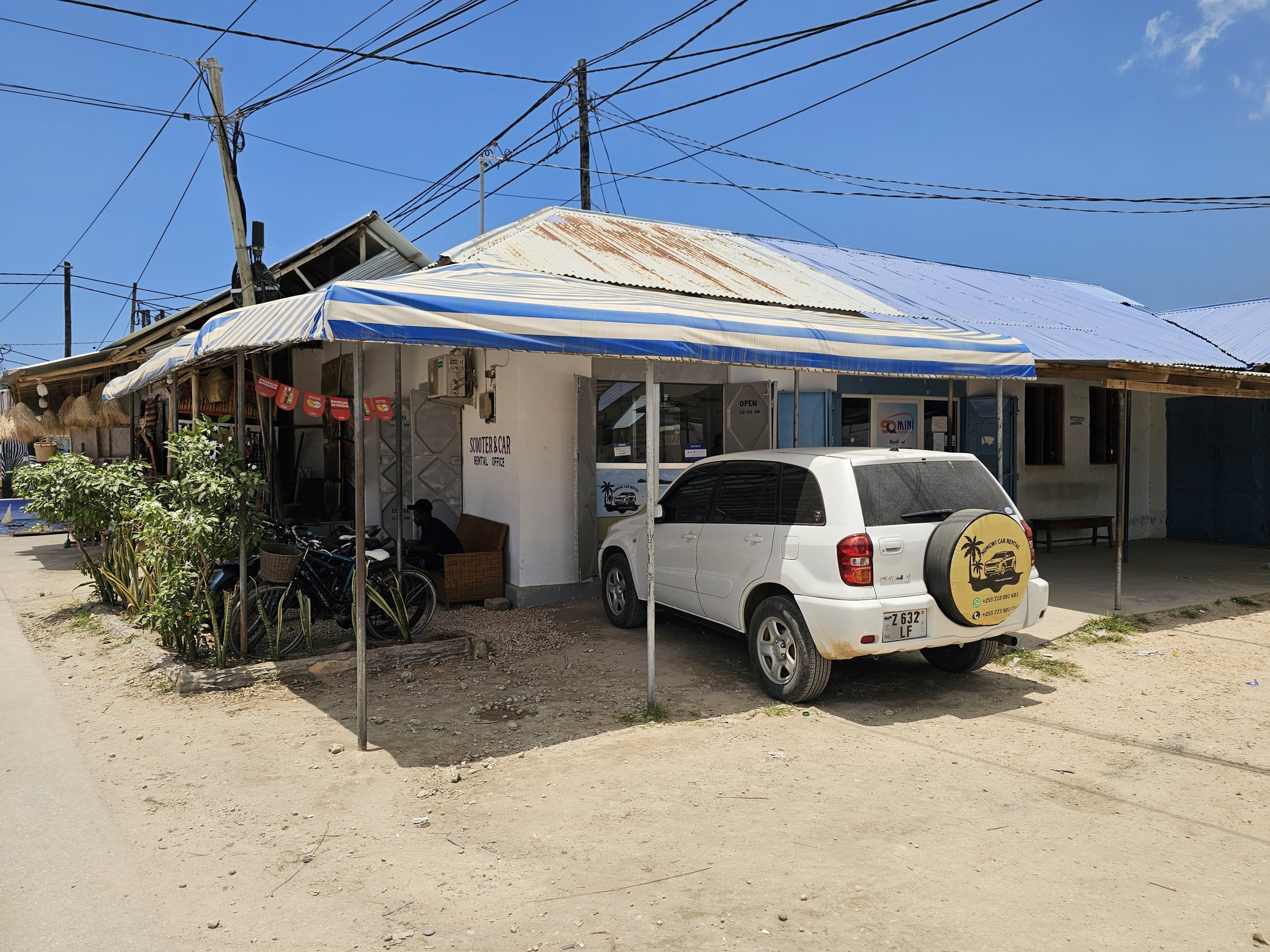
From my own experience, I recommend that you contact the car hire company a day in advance to make sure that someone will actually be waiting for you at the airport.
I booked a car through AutoUnion, but nobody was waiting for me at the airport at the agreed time. I had to go through the hassle of phoning several numbers before finally discovering that AutoUnion’s local contractor had simply forgotten about me.
In the end, everything turned out fine and I collected the car about 9 hours later.
To hire a car in Zanzibar, you will need a national driving licence. Tanzania is not a signatory to the agreements on international driving licences, so you will not officially need one.
In fact, nobody has ever asked to see mine – not even at police checkpoints, which you’ll almost certainly encounter several times a day.
In Zanzibar, car hire companies usually accept both credit and debit cards. Most local car hire companies do not require a deposit.
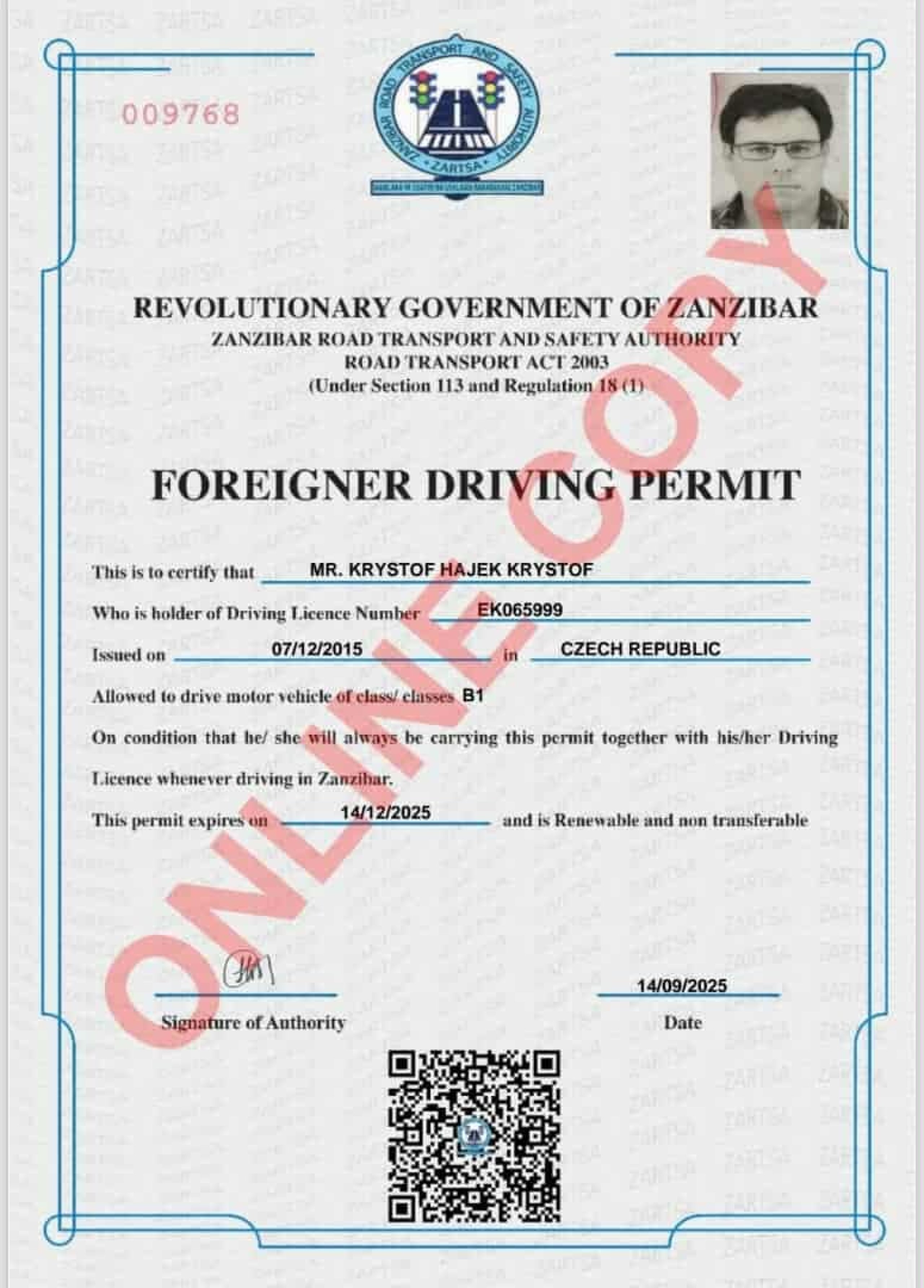
However, in addition to your national driving licence, you must holda local Zanzibar driving licence. The car hire company will arrange this for you.
Usually, shortly after you book a car, you’ll receive a message via WhatsApp or email from the local car hire company asking you to send a copy of your driving licence. This is not spam, but a necessary step so that the car hire company can generate your Zanzibar driving licence online.
It can take up to 3 hours to issue a local driving licence, so we really do recommend sending all the details to the car hire company in advance.
An online copy of the local driving licence, which the car hire company will send to you via email or WhatsApp, is always sufficient. Download the image and present it during police checks.
Issuing a Zanzibar driving licence costs 20 usd and must be paid in cash directly to a car hire company employee.
Petrol in Zanzibar is relatively expensive by African standards.
Petrol prices range from 2 800 tzs to 3 000 tzs per litre.
You’ll find petrol stations all over the island, in all the major towns. There are no major multinational companies operating directly in Zanzibar, but the local petrol stations are reliable.
Many petrol stations are open 24/7.
All petrol stations in Zanzibar are manned.
In practice, it works like this: you drive up to the pump, open your fuel cap and tell the attendant how much petrol you want. You then pay the attendant directly without having to get out of the car.
Payment is almost always in cash only– payment in Tanzanian shillings is preferred, but most petrol stations also accept US dollars.
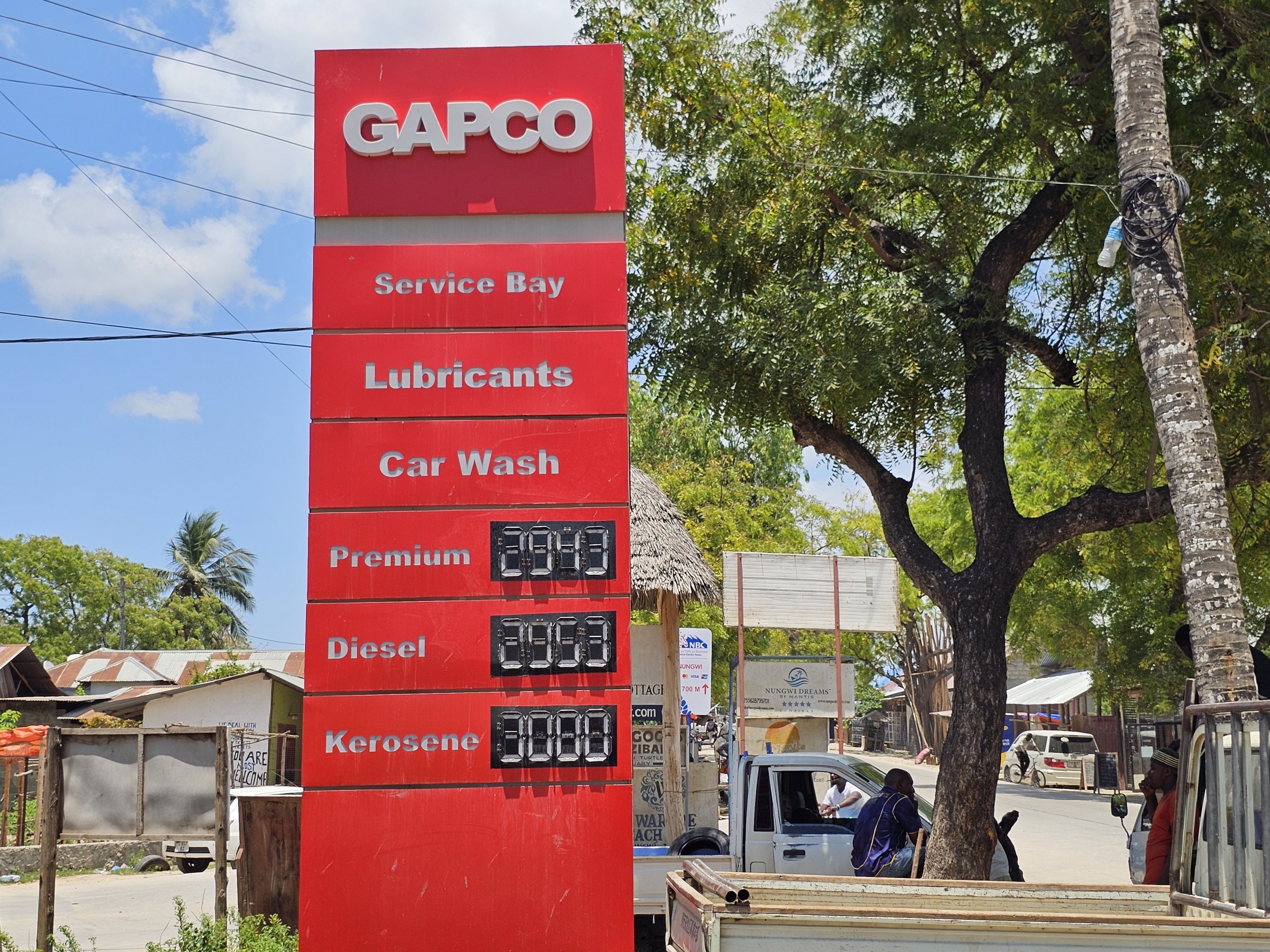
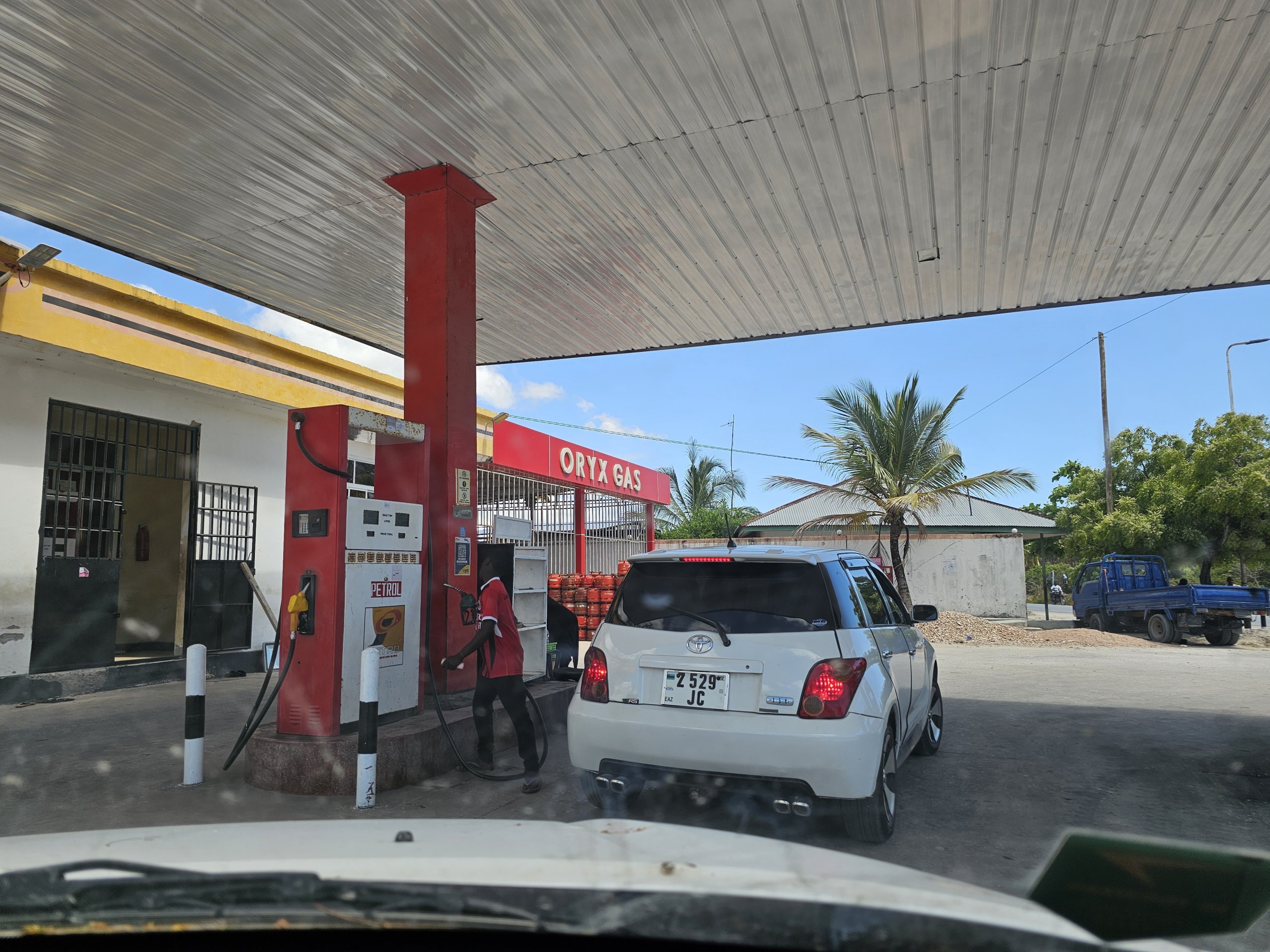
Petrol prices are quoted in shillings per litre, and there are three types of fuel available:
The quality of the roads in Zanzibar is reasonable. Whilst they are not as good as in Mauritius, for example, they are better than in most other African countries.
All main roads are tarmac, although most lack road markings, which can make driving difficult, particularly at night.
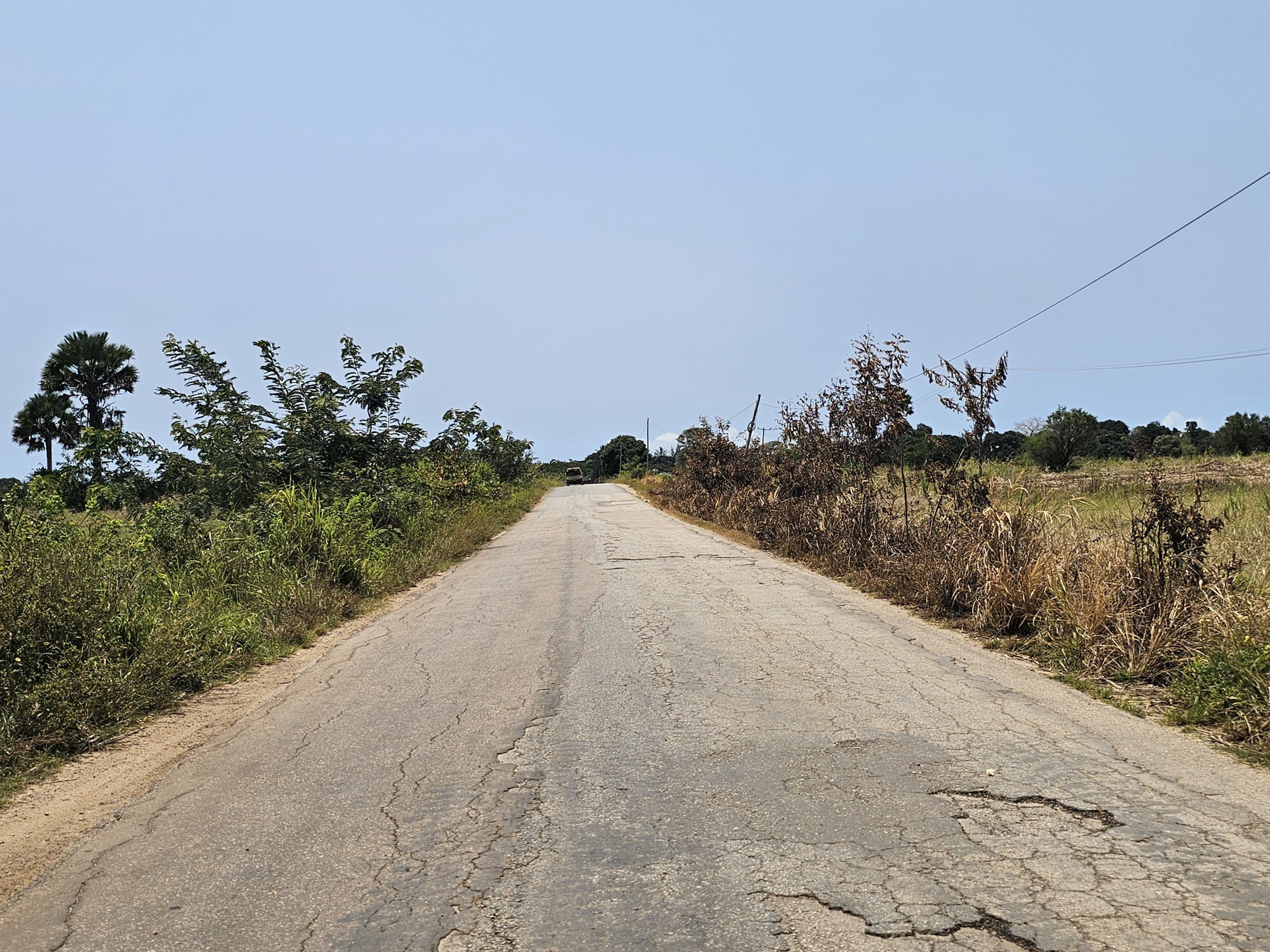
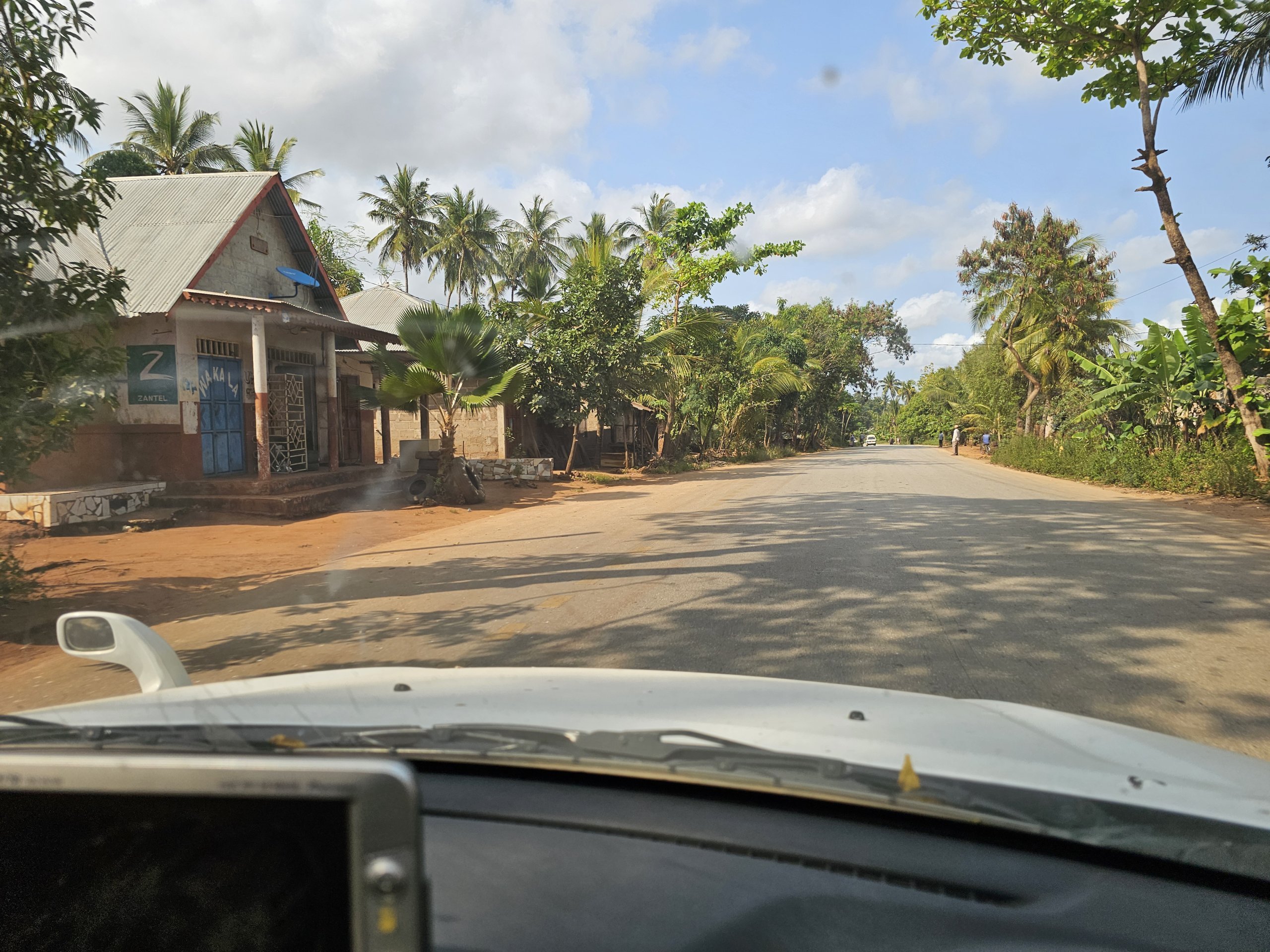
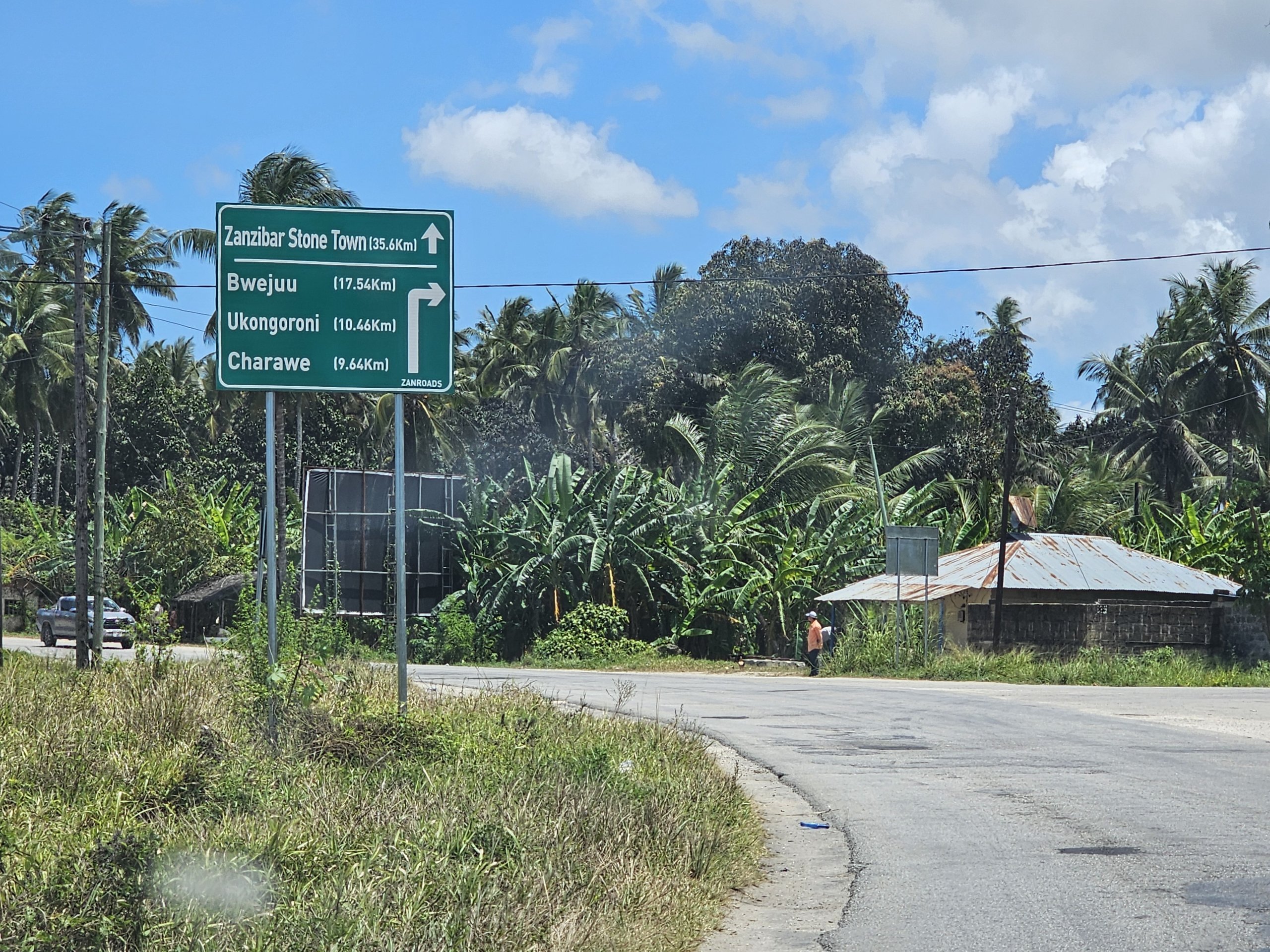
Signs here follow the European format, and directional signage is not very good – it is only found at major junctions.
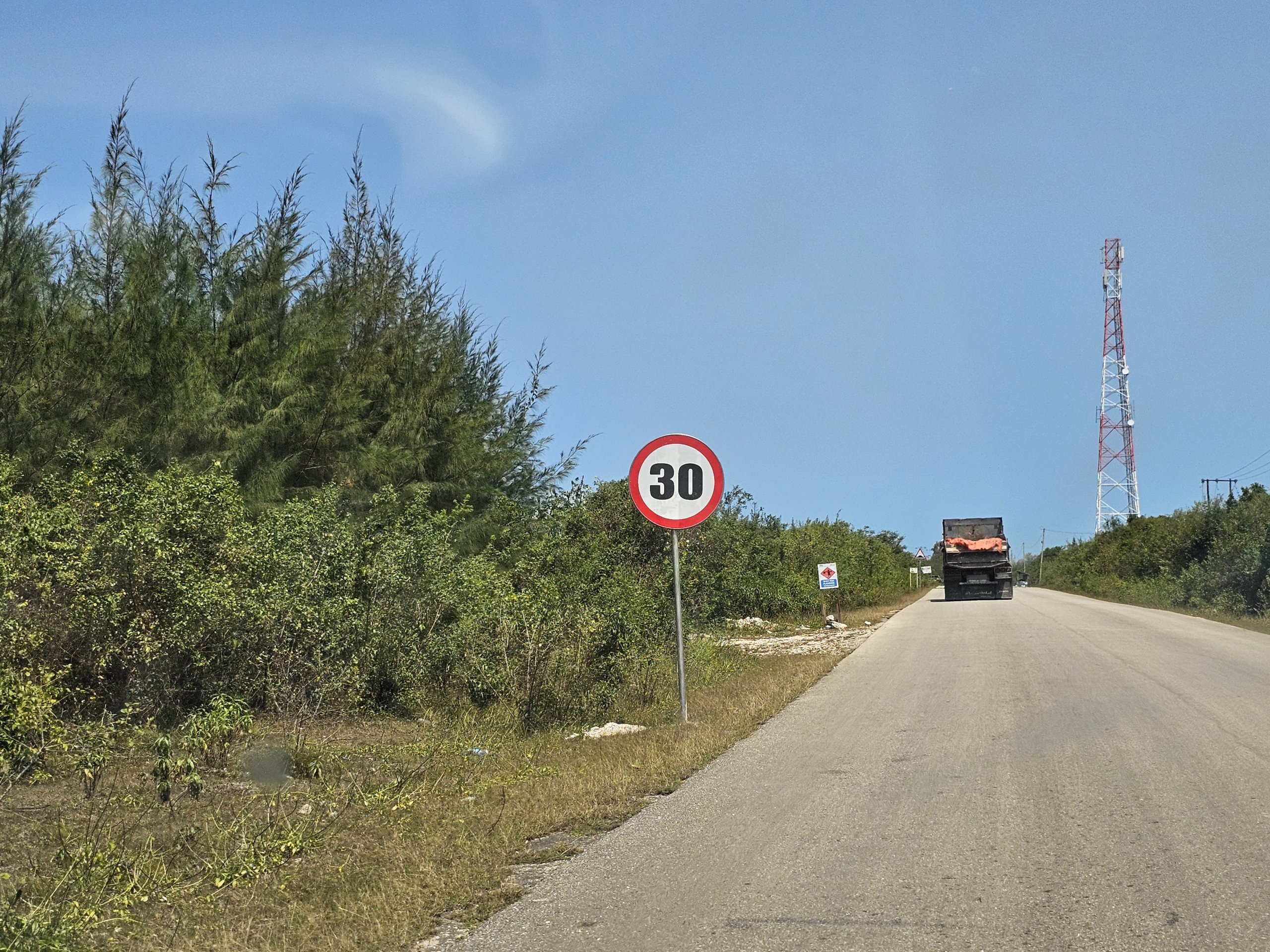
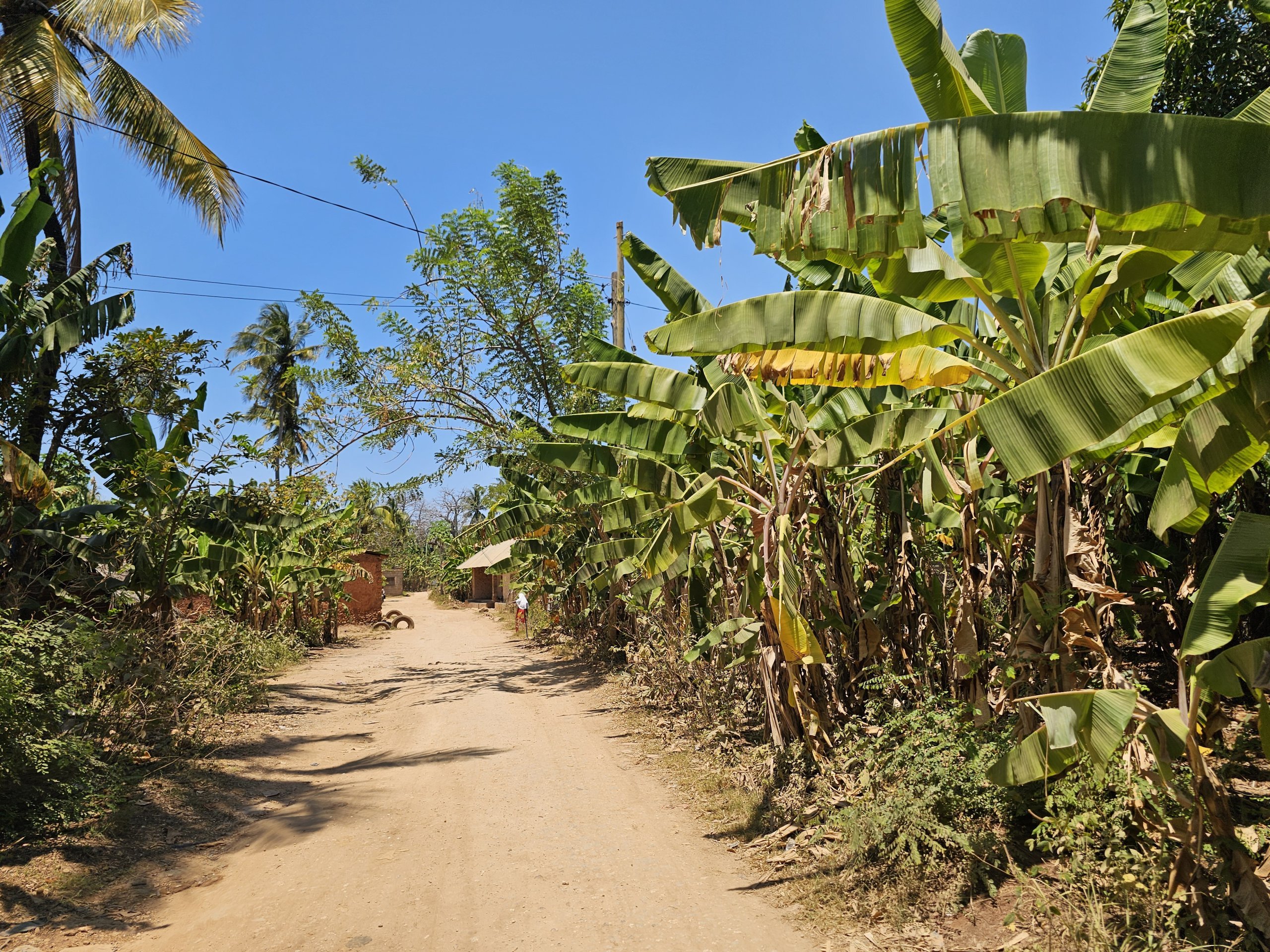
Side roads outside towns (such as the one to Mtende Beach) are dusty and full of potholes.
The greatest danger to drivers comes in the form of speed bumps.
These are everywhere and are often very poorly marked. Even on a clear day, it is often difficult to spot a speed bump, let alone at night, when they are practically invisible.
Always bear in mind that speed bumps are designed to really make you slow down! A comfortable speed is no more than 5–10 km/h.
Police checks are very common in Zanzibar.
For example, whilst travelling across the island from Nungwi to Jambiani, I was stopped by the police a total of five times in a single day.
During a check, you must present your national driving licence and your local Zanzibar permit, which you can simply show on your mobile phone.
It was very rare for the police not to ask me for a bribe. Officers usually employ two different tactics:
In the first instance, the burden of proof lies with the police. Therefore, politely state that you insist on everything being dealt with officially at the police station.
In most cases, the police officer will let you go, but there is a risk that you will actually end up at the police station, where other officers will demand further bribes from you...
In the second scenario, the police officer will be satisfied with practically any amount. However, it is much better to say that this is the umpteenth police stop where someone has asked for a ‘gift’ and that you have absolutely no money left. In such cases, the officer will usually let you drive off without a ‘gift’ and without a fine.
In Zanzibar, they drive on the left.
The biggest problem with local drivers is that they overtake absolutely anywhere, including on bends and at junctions.
Speeds are measuredin kilometres per hourand the maximum permitted limits are as follows:
However, road signs very often specify different speed limits.
At junctions not controlled by traffic lights or road signs, the right-of-way rule applies.
Roundabouts are common, and vehicles already on the roundabout always have right of way. You should indicate before entering a roundabout in the same way as you would when approaching a normal junction, i.e.:
Once you are driving round a roundabout, you must always indicate right just before exiting it.
However, most drivers do not use their indicators at all on a roundabout.
In Tanzania, pedestrians have right of way at pedestrian crossings. Although there are very few pedestrian crossings in Zanzibar, drivers often observe this rule.
The use of seatbelts is compulsory and using a mobile phone whilst driving is prohibited.
In Zanzibar, the legal blood alcohol limit for driving is 0.08%.
Parking in Zanzibar is absolutely hassle-free.
I didn’t come across any paid parking at any of the tourist attractions or beaches.
The exception is Stone Town, where you pay 3 000 tzs for parking, regardless of how long you stay. Parking fees are collected by staff wearing high-visibility vests, and they must always issue you with a receipt.
If you have any questions or comments about the article...