The Seychelles from Prague in December, including checked-in luggage
584 €



Zanzibar has a fairly extensive network of local buses, known as dala dala. However, this mode of transport is really more for the adventurous.
Most tourists get around Zanzibar by taxi or tuk-tuk. It is also possible to hire a car.
In Zanzibar, they drive on the left.
As travelling by car in Zanzibar has some quite distinctive characteristics compared to other tourist destinations, I describe my personal experiences in the chapter ‘Car Hire in Zanzibar’.
If you’re not good at haggling or aren’t assertive, renting a car will always end up costing you more due to bribes and ‘gifts’ to the police at checkpoints, which are very common in Zanzibar (I was stopped by the police a total of five times whilst driving across the island!)
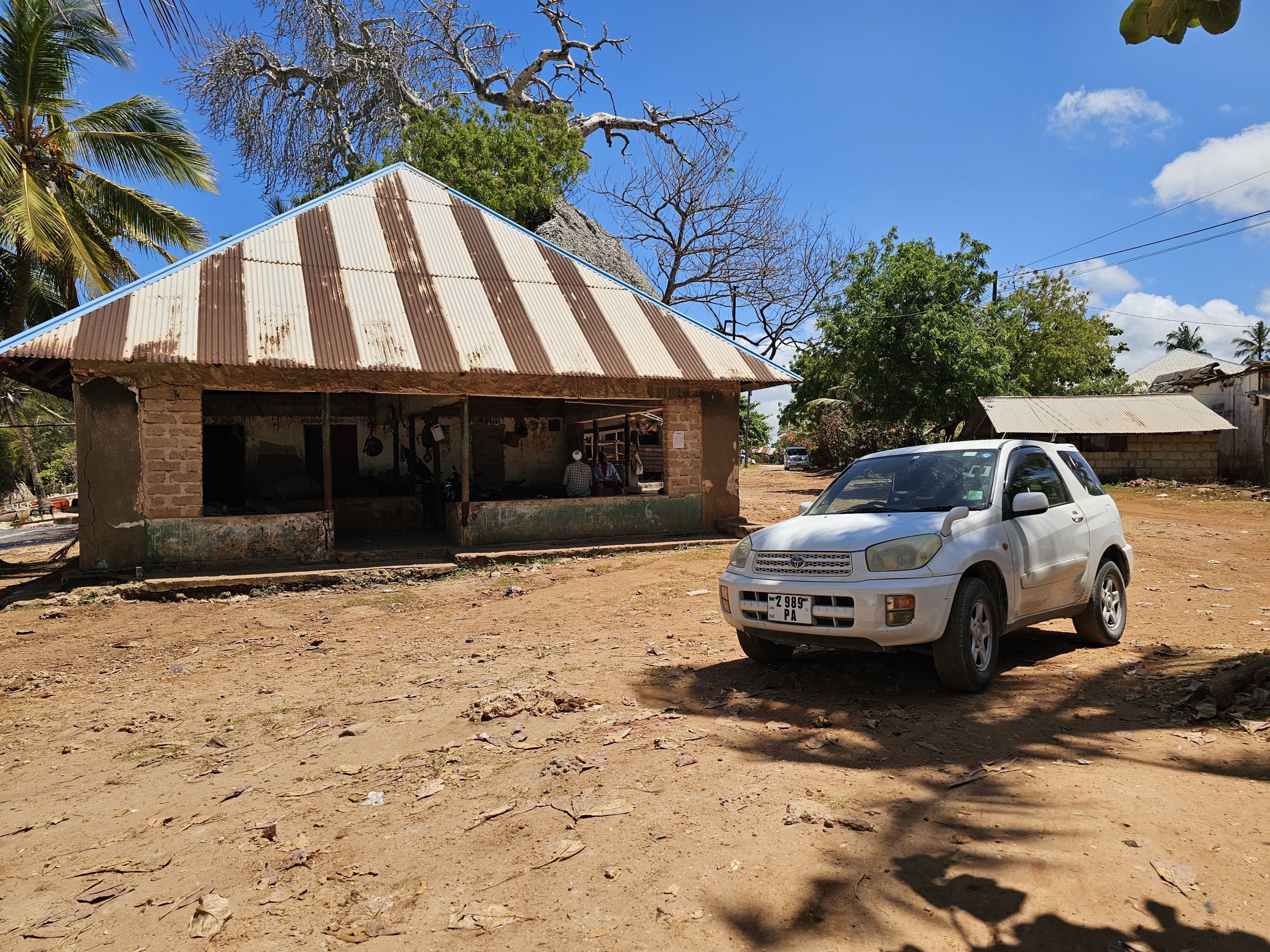
If you’re heading to Zanzibar mainly for a beach holiday, it’s worth using organised transfers through local travel agencies for your excursions.
These agencies offer a wide range of excursions, boat trips and other activities, which we describe in detail in the section ‘Things to do in Zanzibar’.
All transfers you choose are always included in the price of the excursions. The most common arrangement is for a car or minibus to collect you at the agreed time directly from your hotel and take you back to the hotel once the excursion is over.
I’ve always booked these excursions via the comparison site getyourguide.com, where all the relevant Zanzibari tour operators are listed.
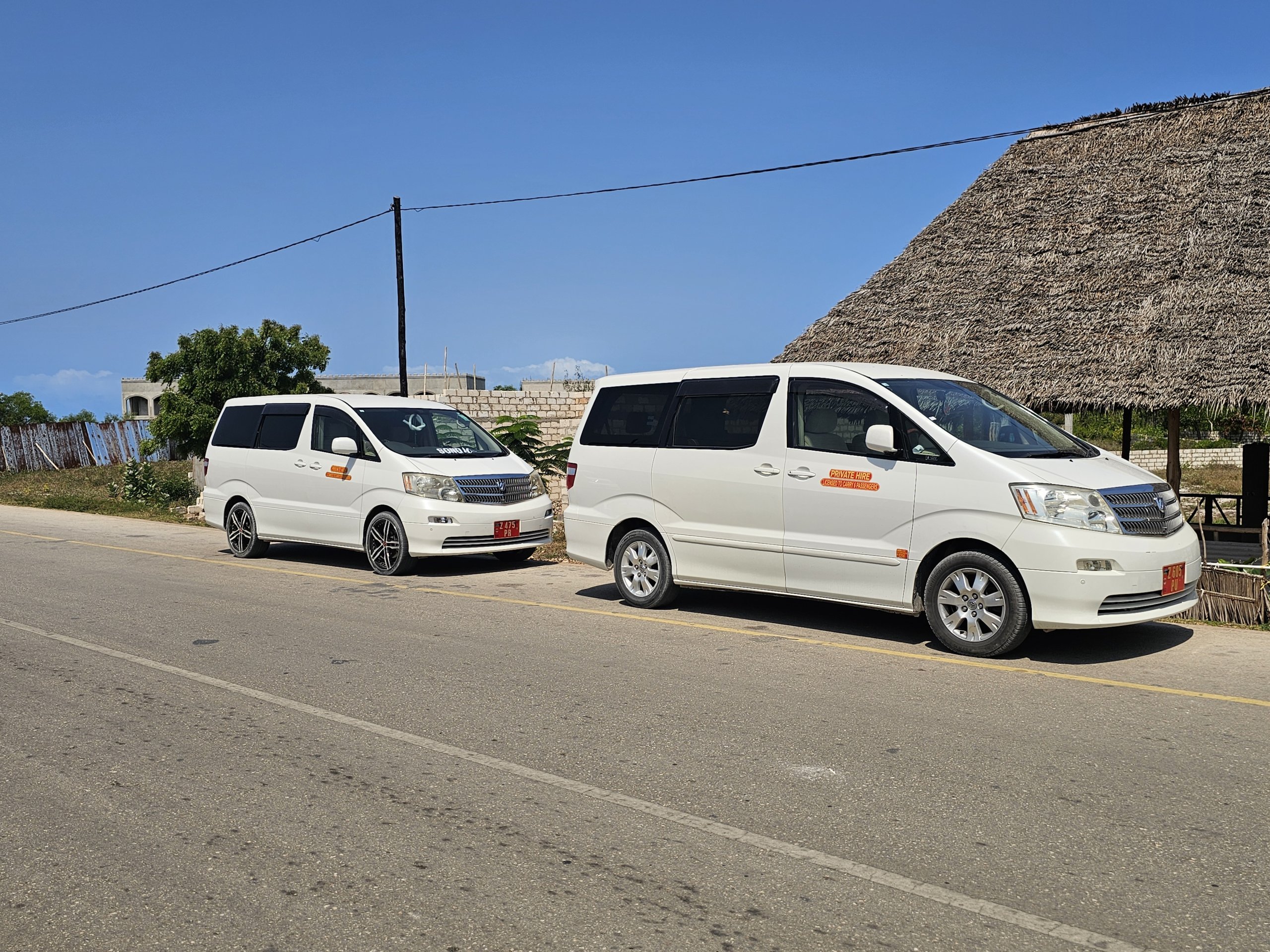
If you want to set off on a trip on your own, the most comfortable way to travel is by taxi. You can opt for the cheaper option of tuk-tuks or motorbikes.
Official taxis in Zanzibar are modern and always air-conditioned. The cars are white with a small red emblem on the side or a ‘taxi’ sign behind the windscreen.
The downside of taxis is that there are no taximeters in Zanzibar, so you always have to haggle over the fare.
Fixed prices apply only for journeys from the airport.
Taxi fares in Zanzibar are very high! For the shortest distances (2–5 km), you usually won’t be able to haggle the fare down below 10 usd to 15 usd.
Travelling across the island for longer distances – for example, from Nungwi to Stone Town – will cost between 60 usd and 80 usd.
Taxis can only be paid for in cash, and taxi drivers prefer US dollars or euros, although payment in Tanzanian shillings is also accepted without any problems.
Taxi ranks are usually located outside large hotels or in the centres of all resorts. If you’re in a hurry, it’s best to ask the hotel reception to call a taxi for you.
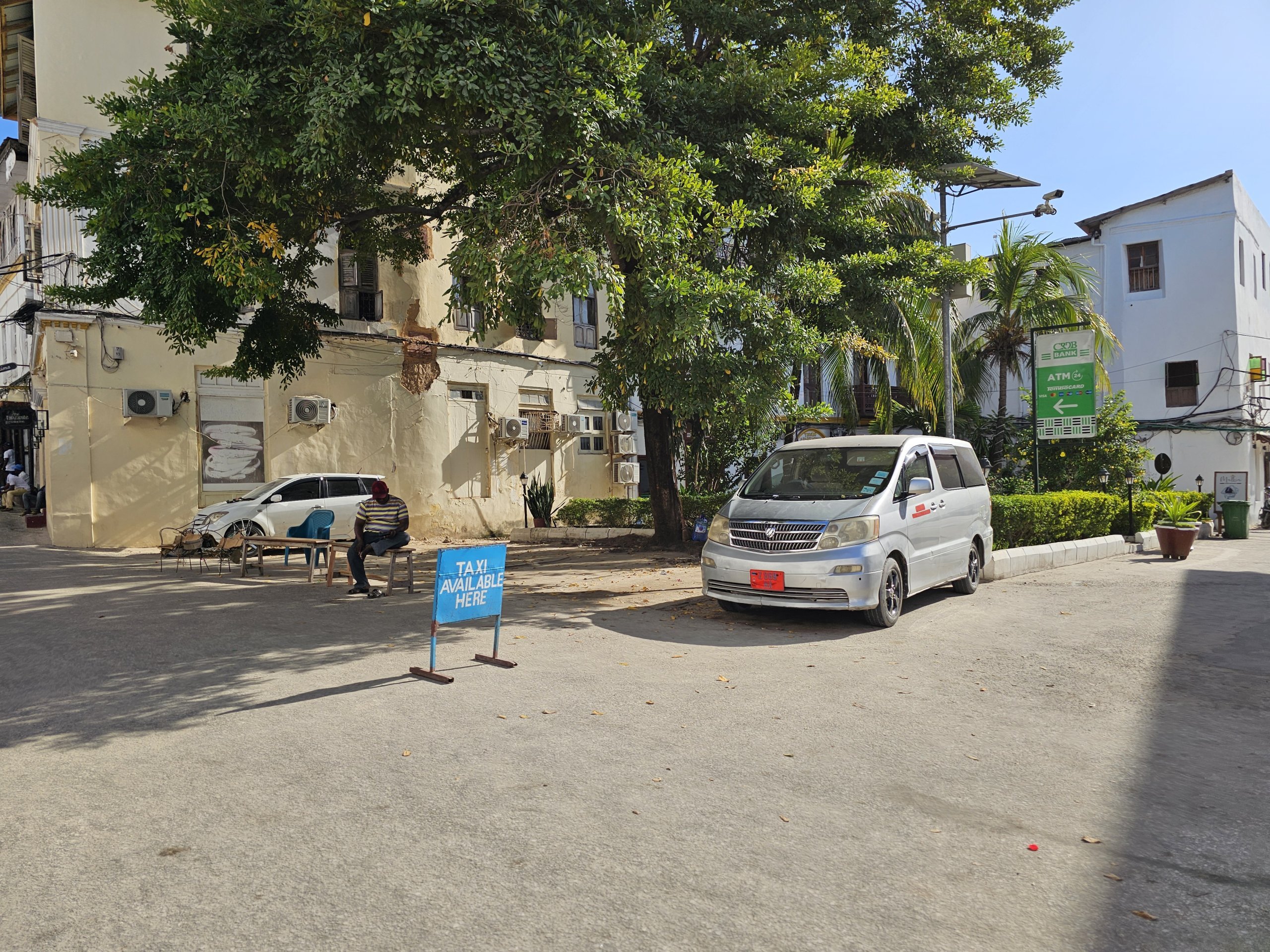
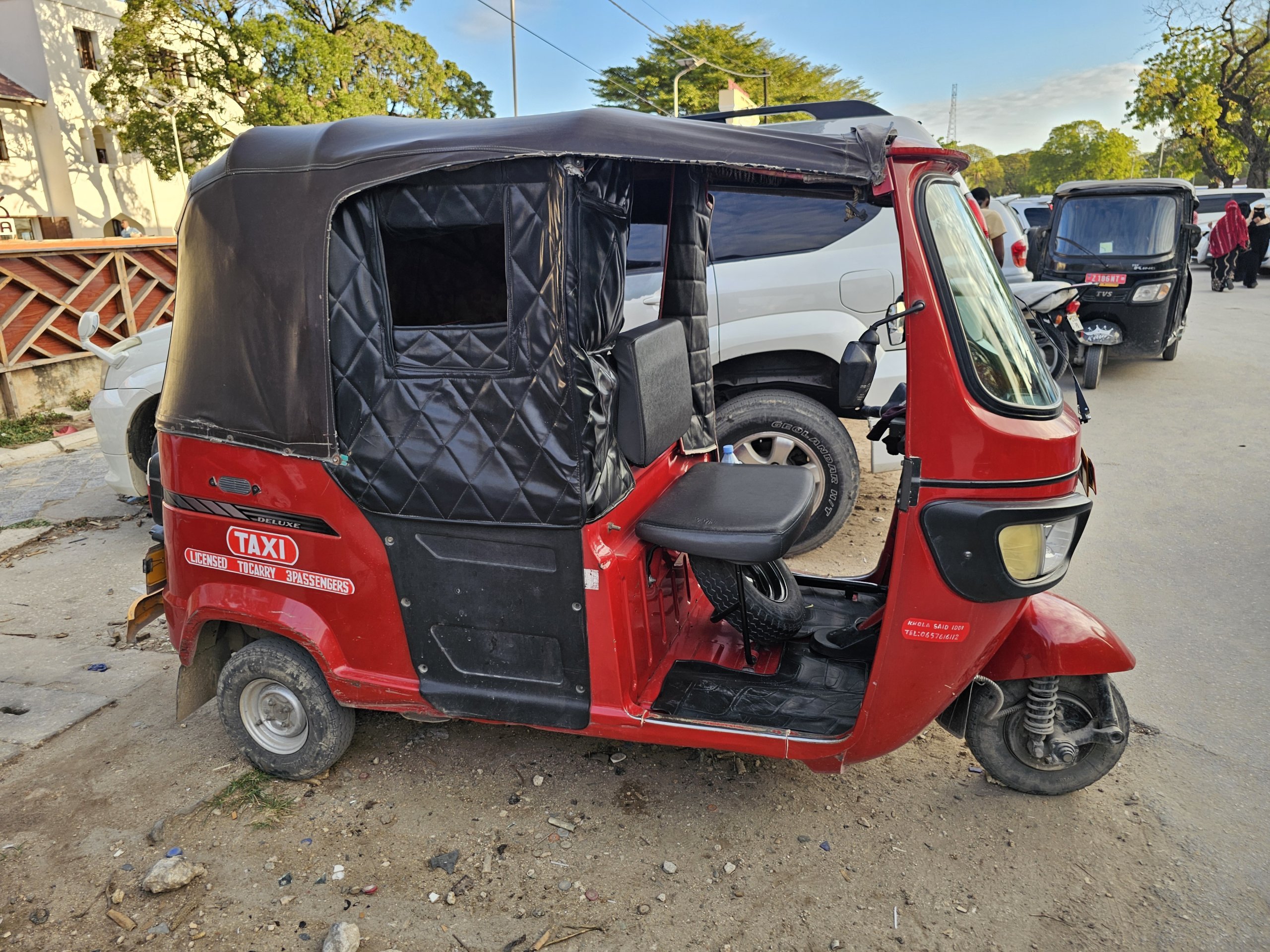
Tuk-tuks are ubiquitous in Zanzibar; in Tanzania, they are known as ‘bajaji’.
Travelling by bajaj is considerably less comfortable than by taxi, and if you’re travelling with large luggage, we definitely do not recommend taking a bajaj.
On the other hand, you should always be able to haggle for a lower price.
Bajaja drivers prefer payment in Tanzanian shillings, but many of them also accept US dollars.
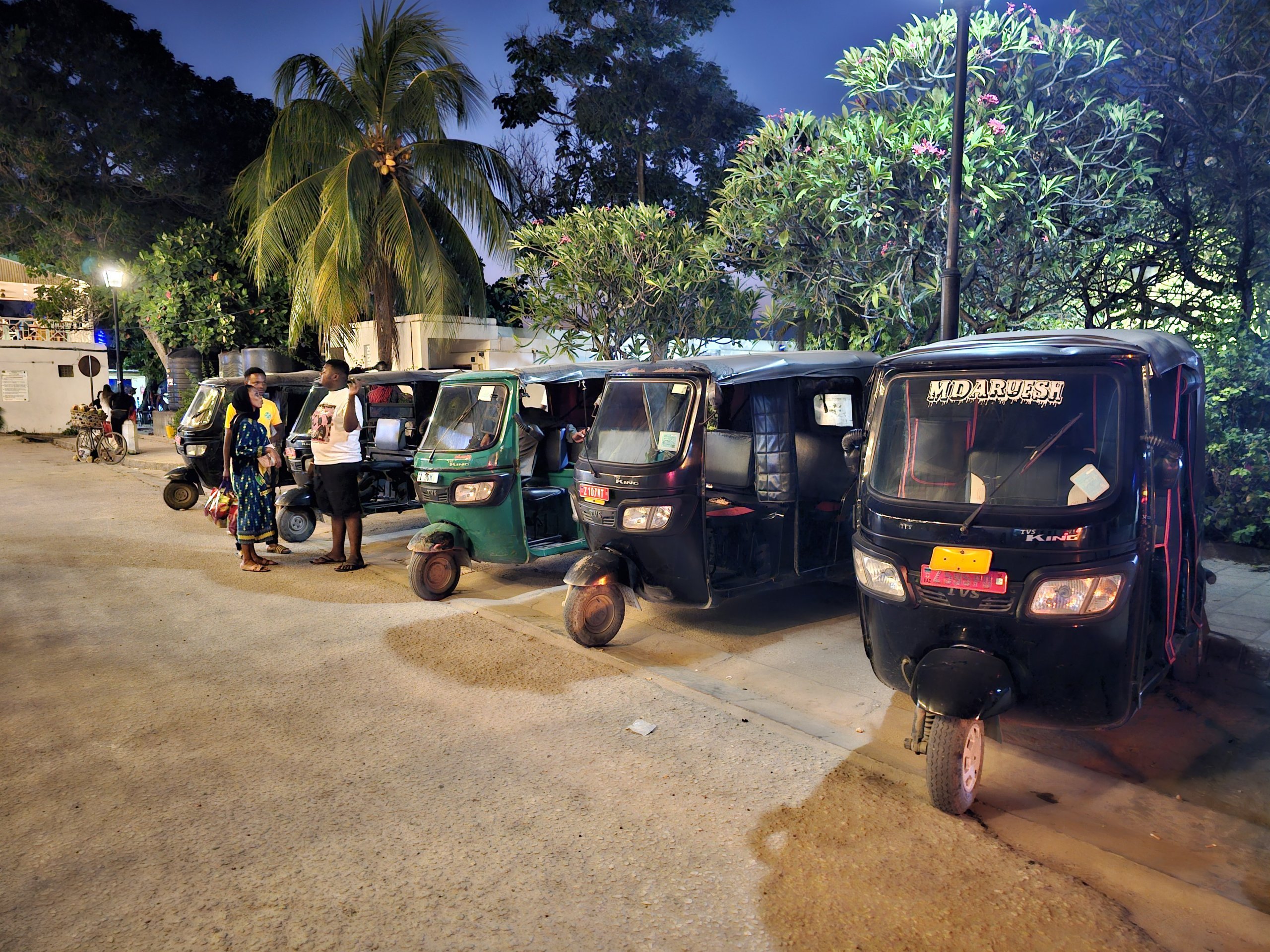
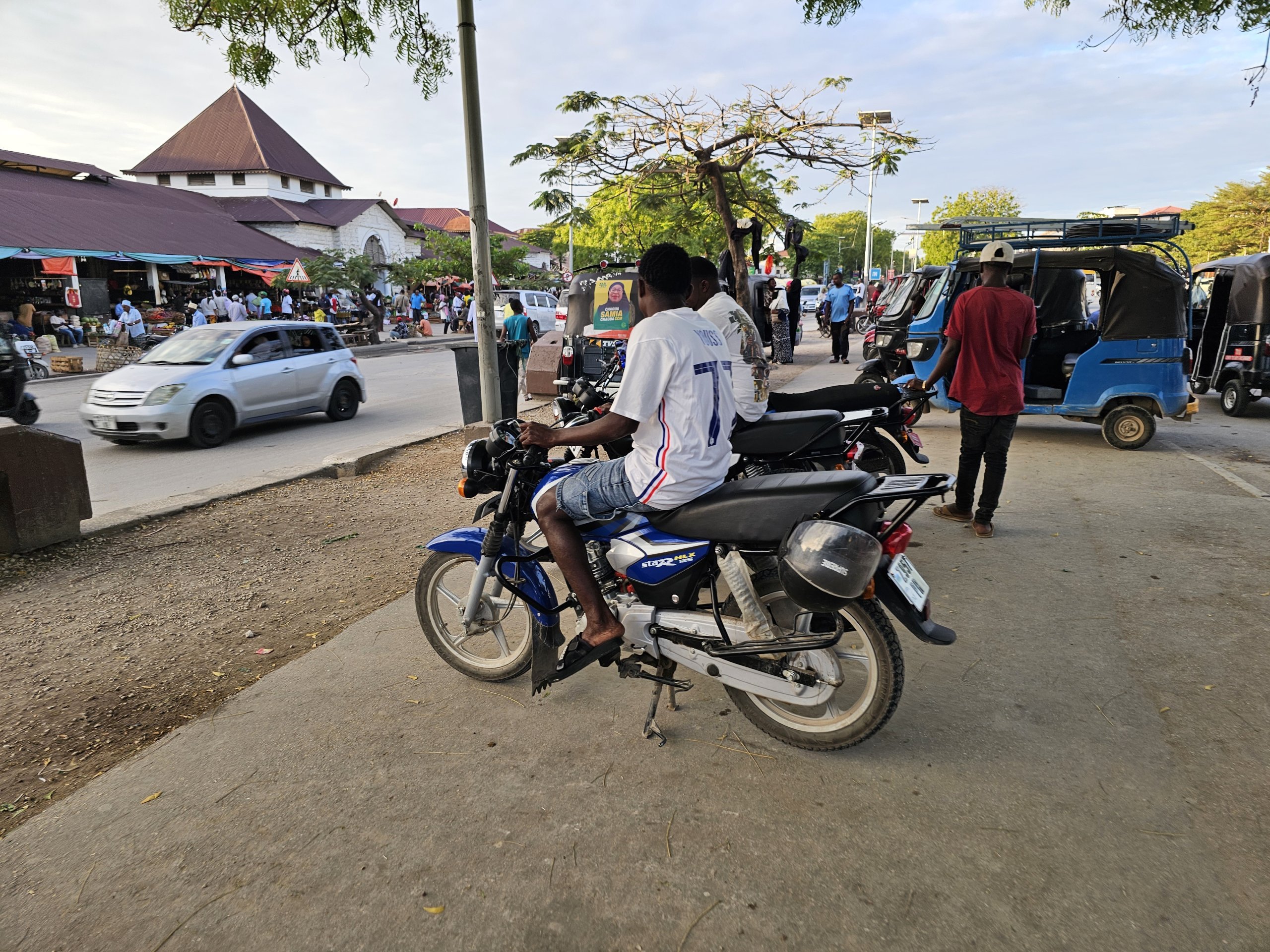
The cheapest, least comfortable and, above all, least safe form of transport is the standard motorbike.
In Tanzania, these are known as ‘boda’.
Motorcycle drivers offering lifts are absolutely everywhere, even outside tourist destinations.
For short distances of up to 2 km, you certainly shouldn’t pay more than 5 000 tzs.
In Zanzibar, none of the local apps – nor, as yet, any international ones such as Bolt, Uber, Careem or Grab – work reliably.
Although Bolt is now available in Zanzibar, for the time being you can only use the app to book a motorbike taxi (boda). Furthermore, there are still very few drivers registered with the Bolt app.
However, the Bolt and Uber apps work brilliantly on the Tanzanian mainland, for example in Dar es Salaam.
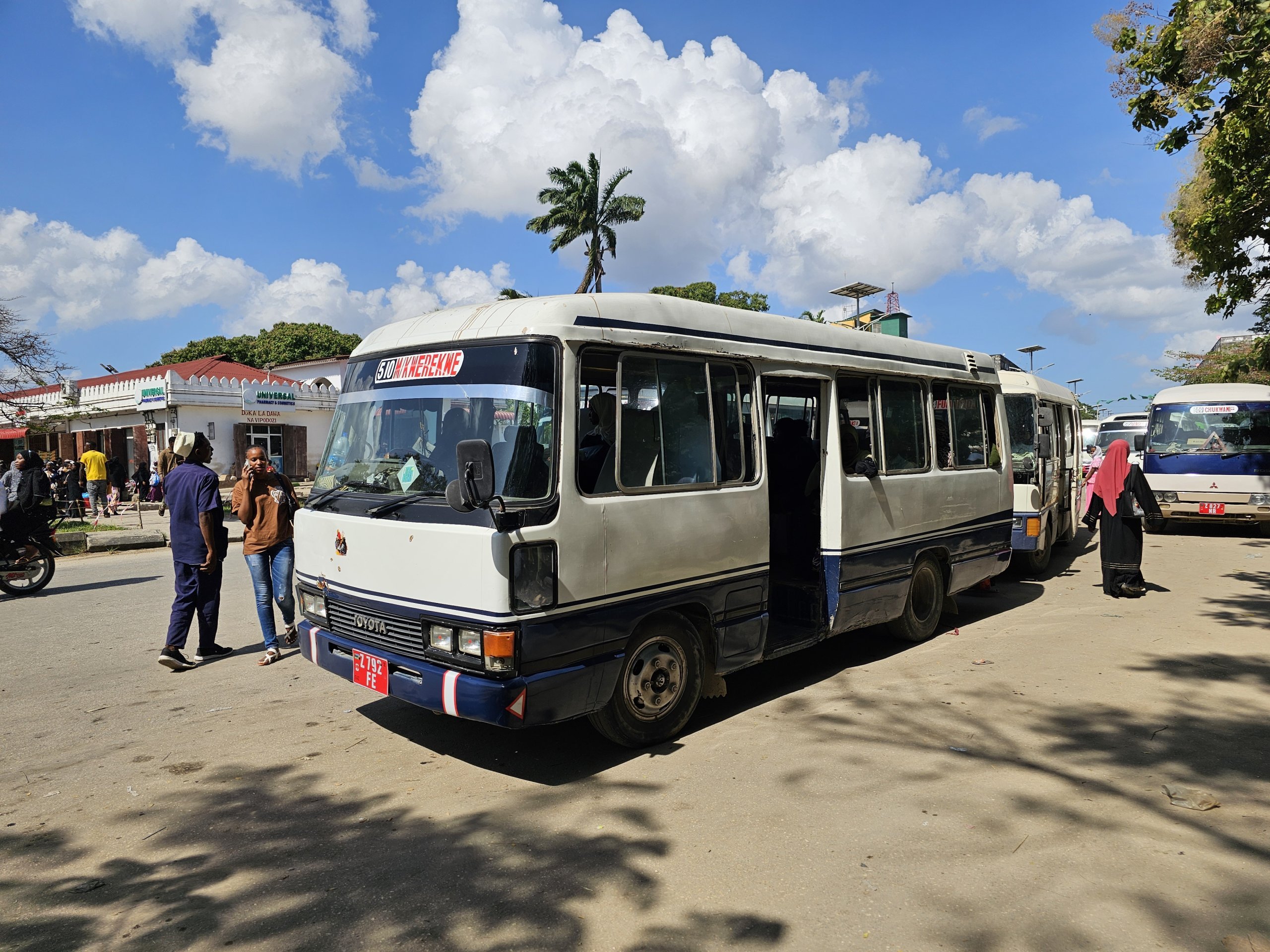
If you want to soak up the local atmosphere, be sure to use the local minibuses (known as ‘dala dala’) for transport.
The 10 cheapest hotels in Stone Town
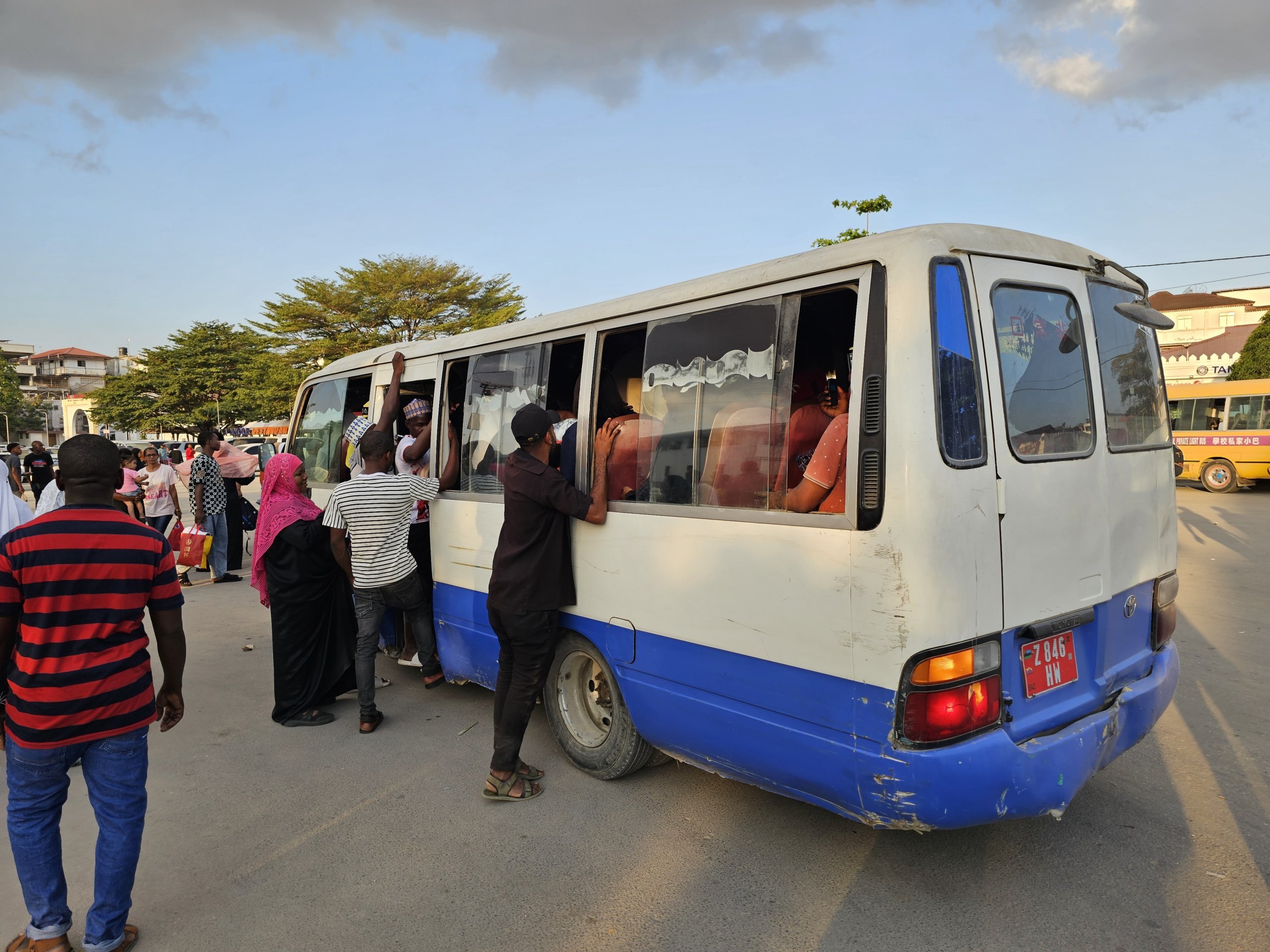
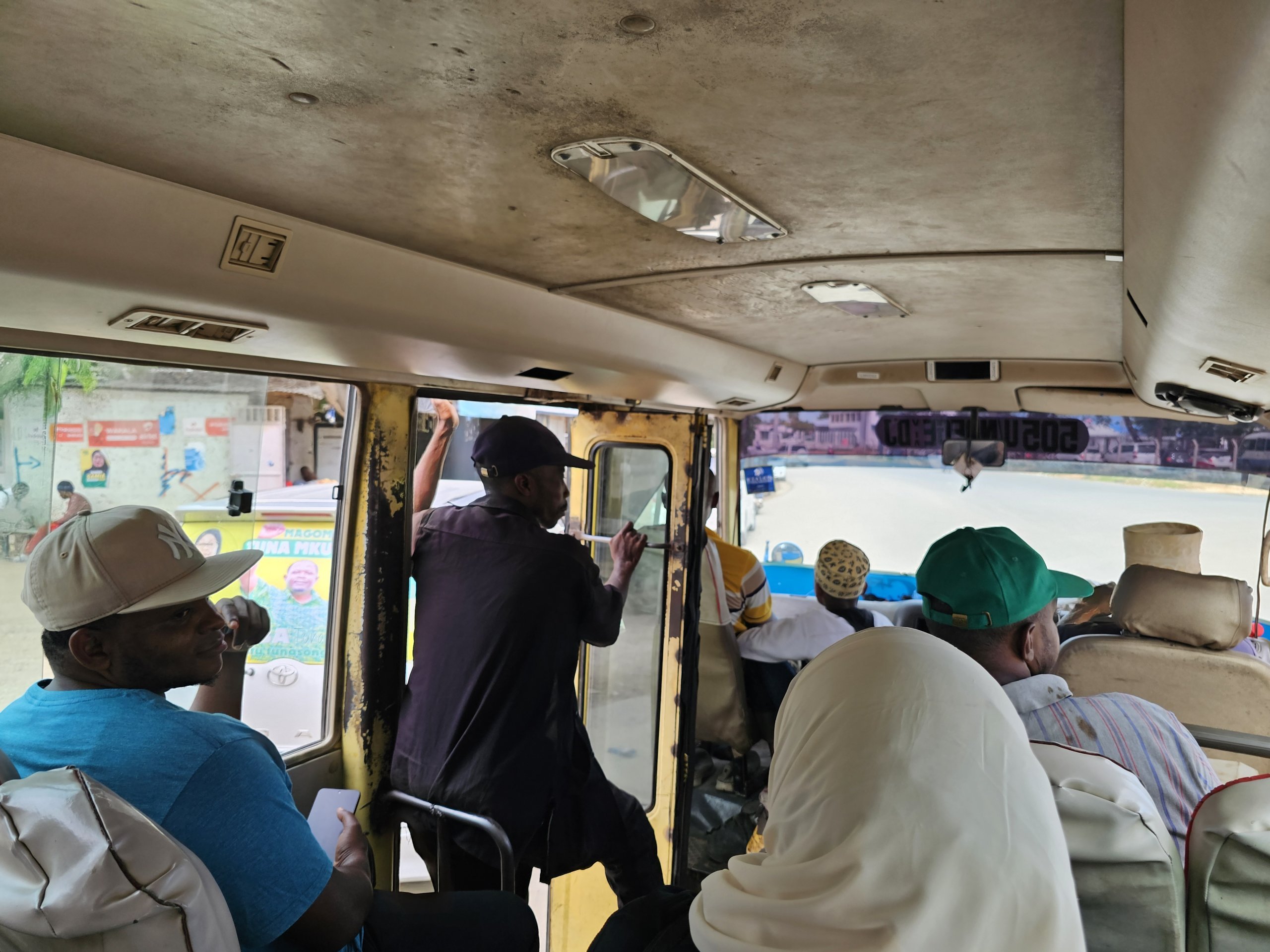
Travelling by bus is mainly for adventurers – the vehicles are often extremely overcrowded and the journey is very slow, as the dala dala does not have fixed stops but stops wherever passengers ask it to.
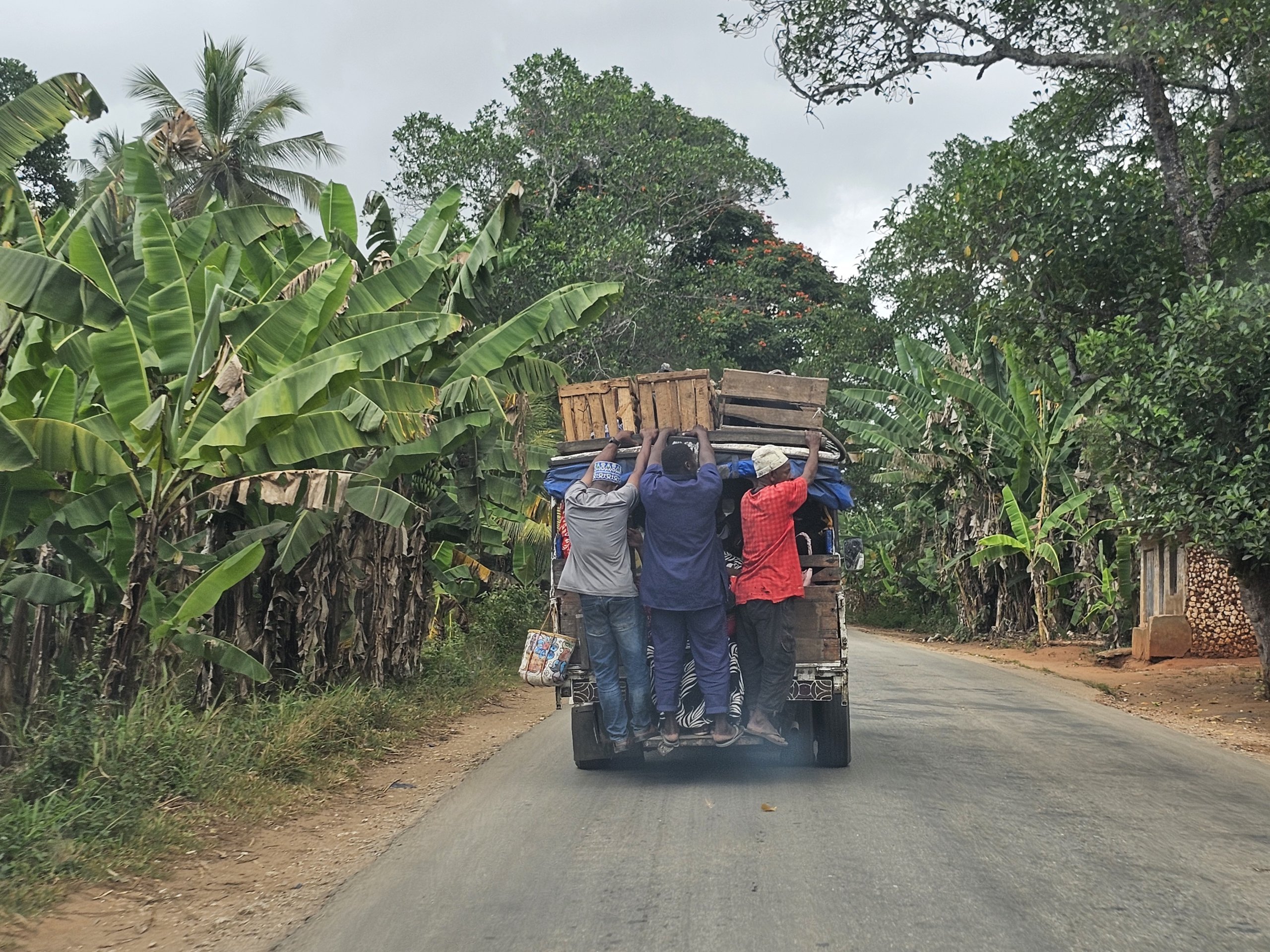
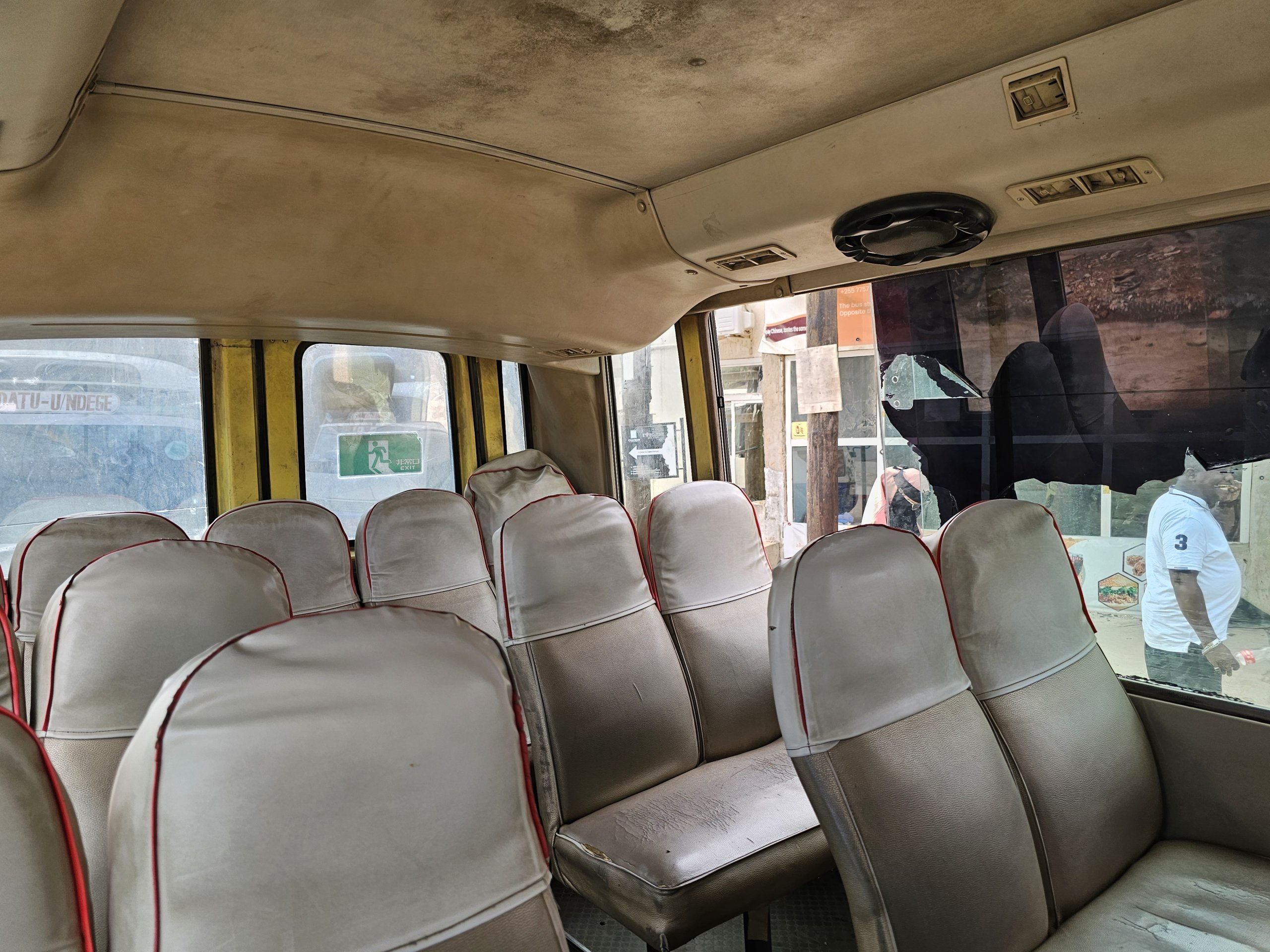
No information on routes or timetables is available online. That’s why I’ve created a map of all the bus routes in Zanzibar based on my own experience.
The map only shows bus routes of interest to tourists, running from Stone Town to the coast or to the airport.
Fares are always paid to the conductor, who usually stands by the door throughout the journey.
You pay when you get off – in cash only and exclusively in Tanzanian shillings.
Prices vary depending on the distance. For the shortest journeys within the city or up to about 5 km, the fare is 500 tzs, whilst the longest journeys, for example from Stone Town to Nungwi, cost around 2 000 tzs.
Most routes run from around 5.30 am to 8.00 pm.
Services on busy routes (such as the 116 to Nungwi, the 309 to Jambiani or the 630 between Makunduchi and Michamwi) run at intervals of between 5 and 15 minutes.
Individual dala-dala routes have a fixed route, but no fixed stops. Simply wave at a passing bus and it will stop anywhere along the route.
If you are getting off, let the conductor know; they will tap on the door to signal to the driver to stop.
If you have any questions or comments about the article...