
Metro in Singapore


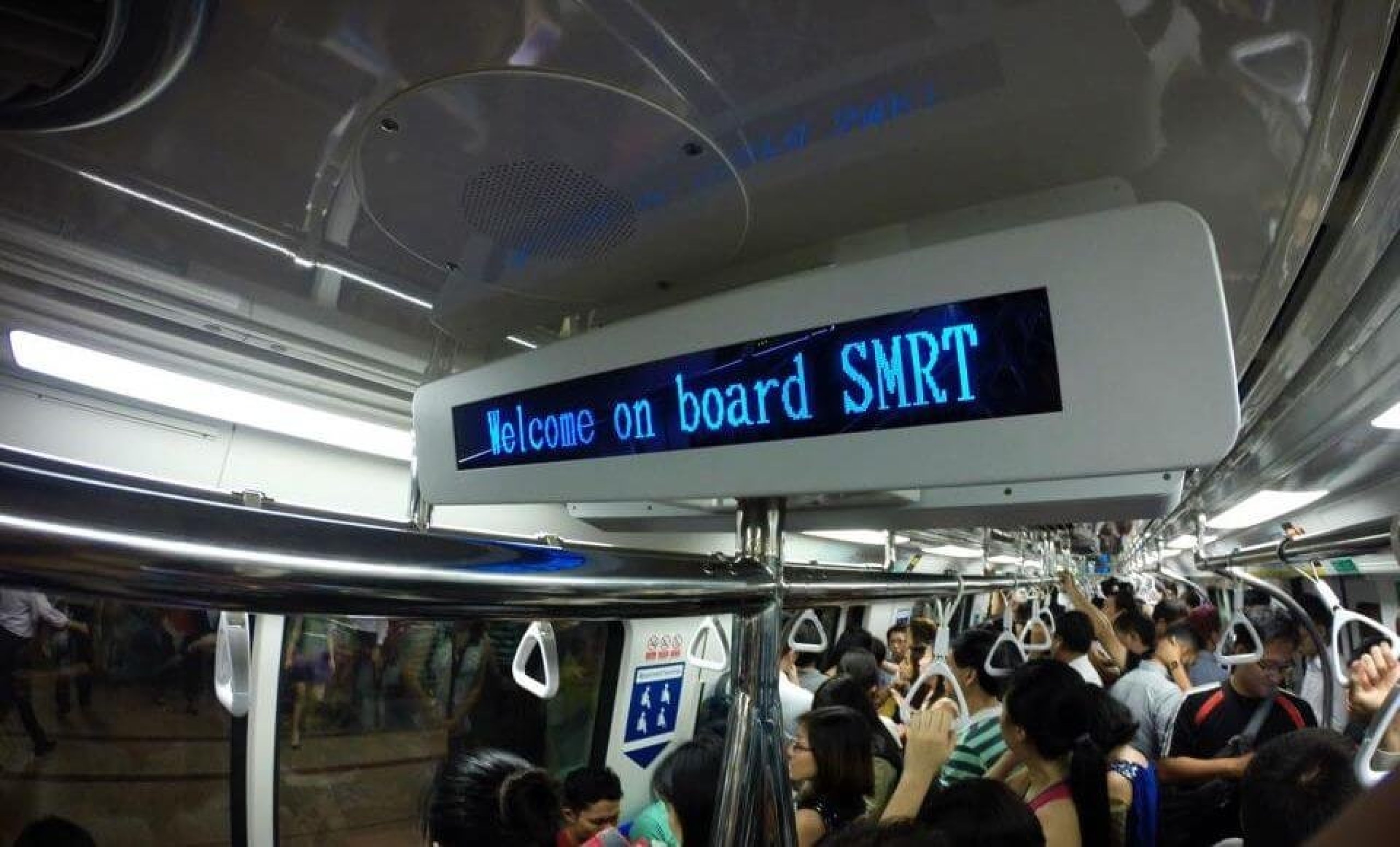
The MRT (Mass Rapid Transit) Metro is the fastest and most convenient mode of transport around Singapore. The network covers most of the city and most tourist spots are within walking distance of a station.
Official SMRT website: death.com.sg
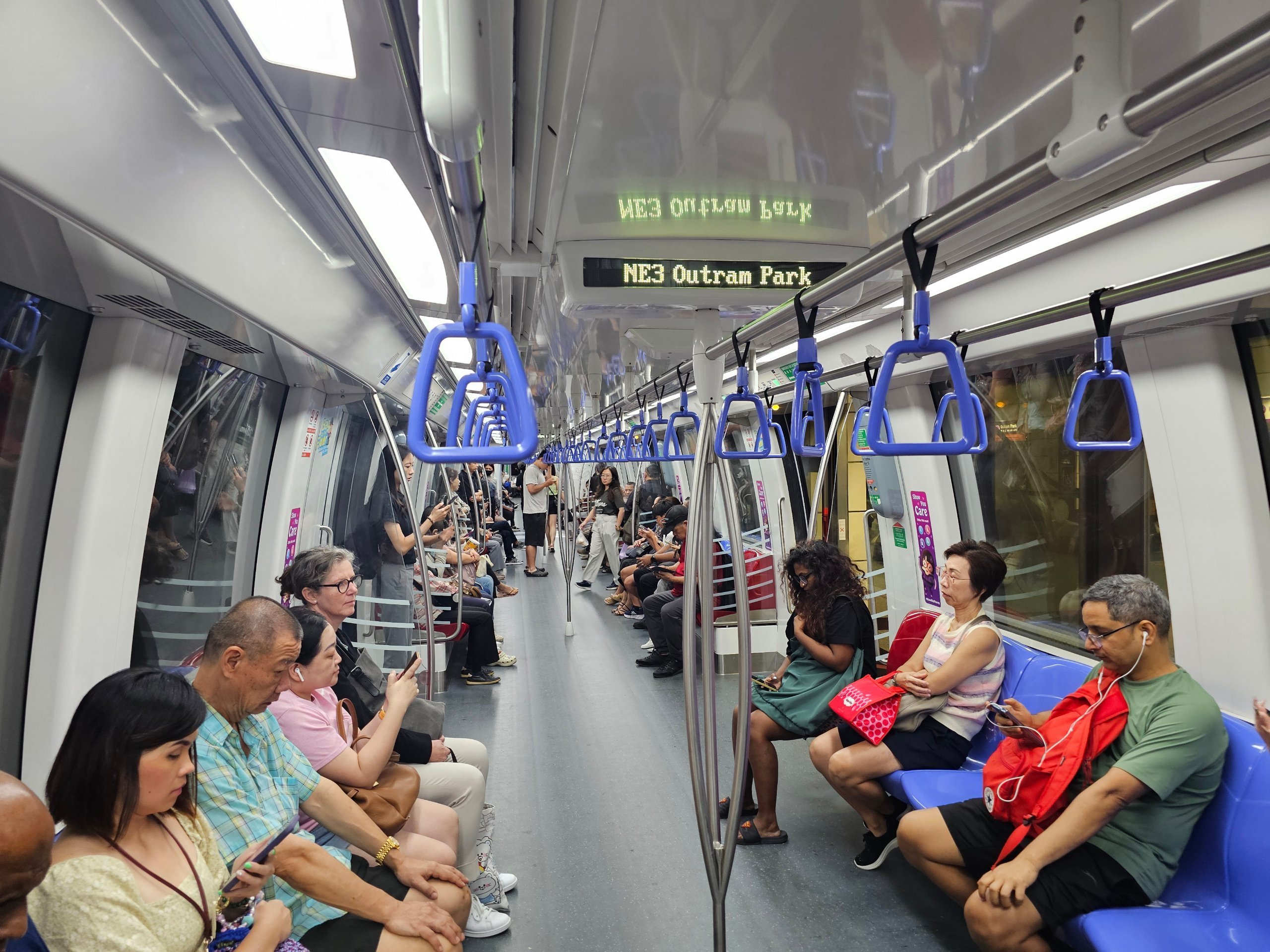
Trains are air-conditioned, clean and run at short intervals. The metro is therefore used by most locals and visitors.
If you plan to visit more than one part of the city during your stay, the MRT will probably be your main mode of transport.
You can also find a more detailed overview of all modes of transport (buses, taxis, Grab) in the Transport in Singapore chapter.
Show hotels in Singapore by rating
When to use the SMRT Metro
The metro is the best option for most journeys around the city.
✅ Ideal for:
- moving between neighbourhoods
- getting from SIN airport to the city centre
- fast transport around the city for longer distances (3 or more stations)
⚠️ Less suitable for:
- very short distances
- if you don't want to change between lines
💡 Alternative:
Buses often supplement the metro in areas where the tracks don't go. In the evening or for shorter routes, taxis or Grab/Gojek apps can be convenient.
How to pay for the metro?
Here it's very simple. You don't have to deal with any tickets at all.
You just need
- a contactless card
- Apple Pay / Google Pay
Simply place your card or mobile phone at the turnstile when entering and exiting the station.
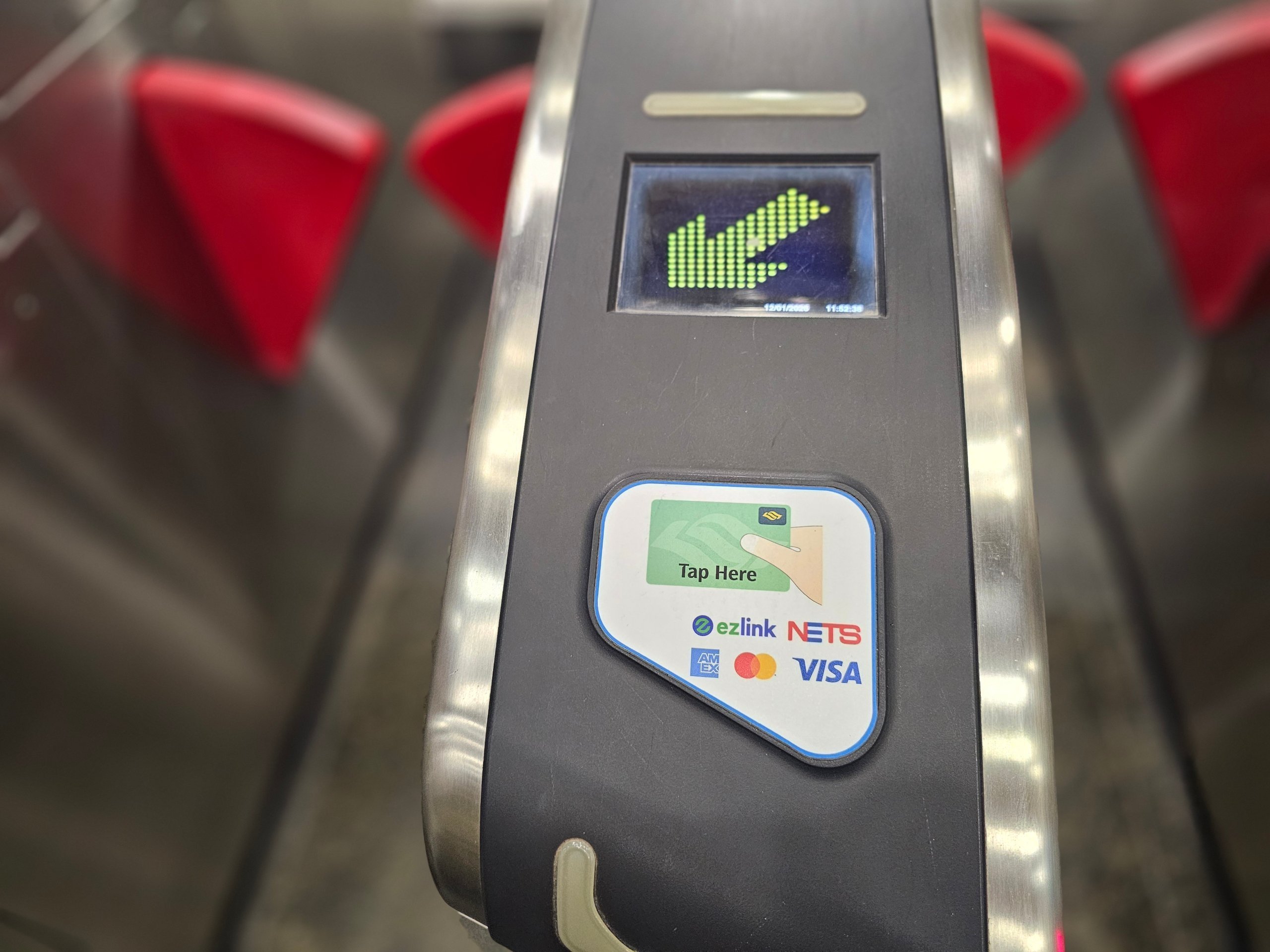
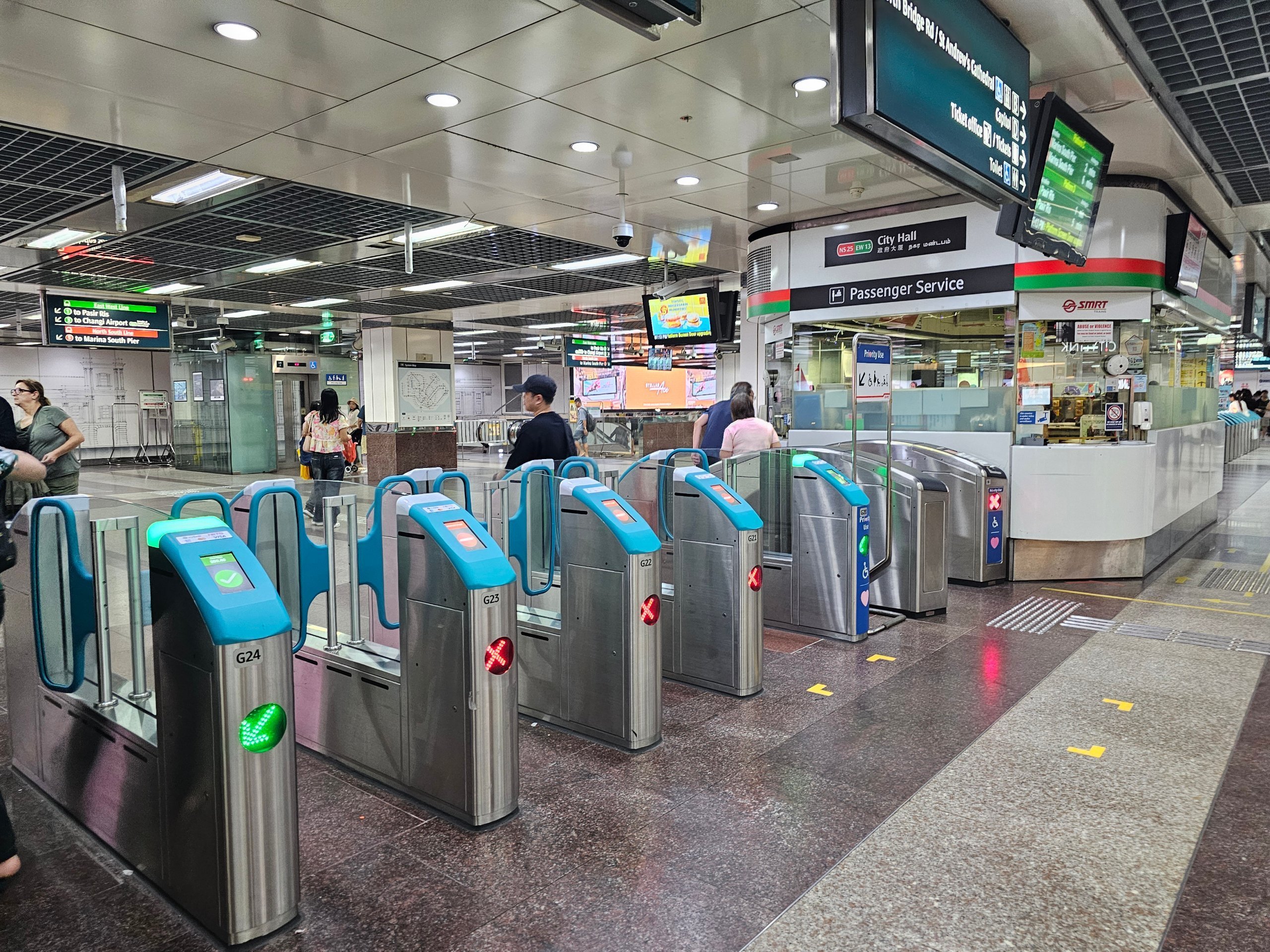
I've routinely paid fares with my Revolut card and the payment has always been seamless.
How much does the fare cost?
Ticket prices are calculated according to the distance travelled.
- Short ride around the centre: 1,20 sgd to 1,50 sgd
- Longer journeys (for example to the airport or to the border with Malaysia): approx. 2,50 sgd
Does the tourist card make sense?
Honestly: mostly no.
- Singapore Tourist Pass = unlimited rides
- but regular fares are so cheap they're often not worth it.
It's only worth it if you drive a lot, see the Transport section.
Map of the Singapore Metro
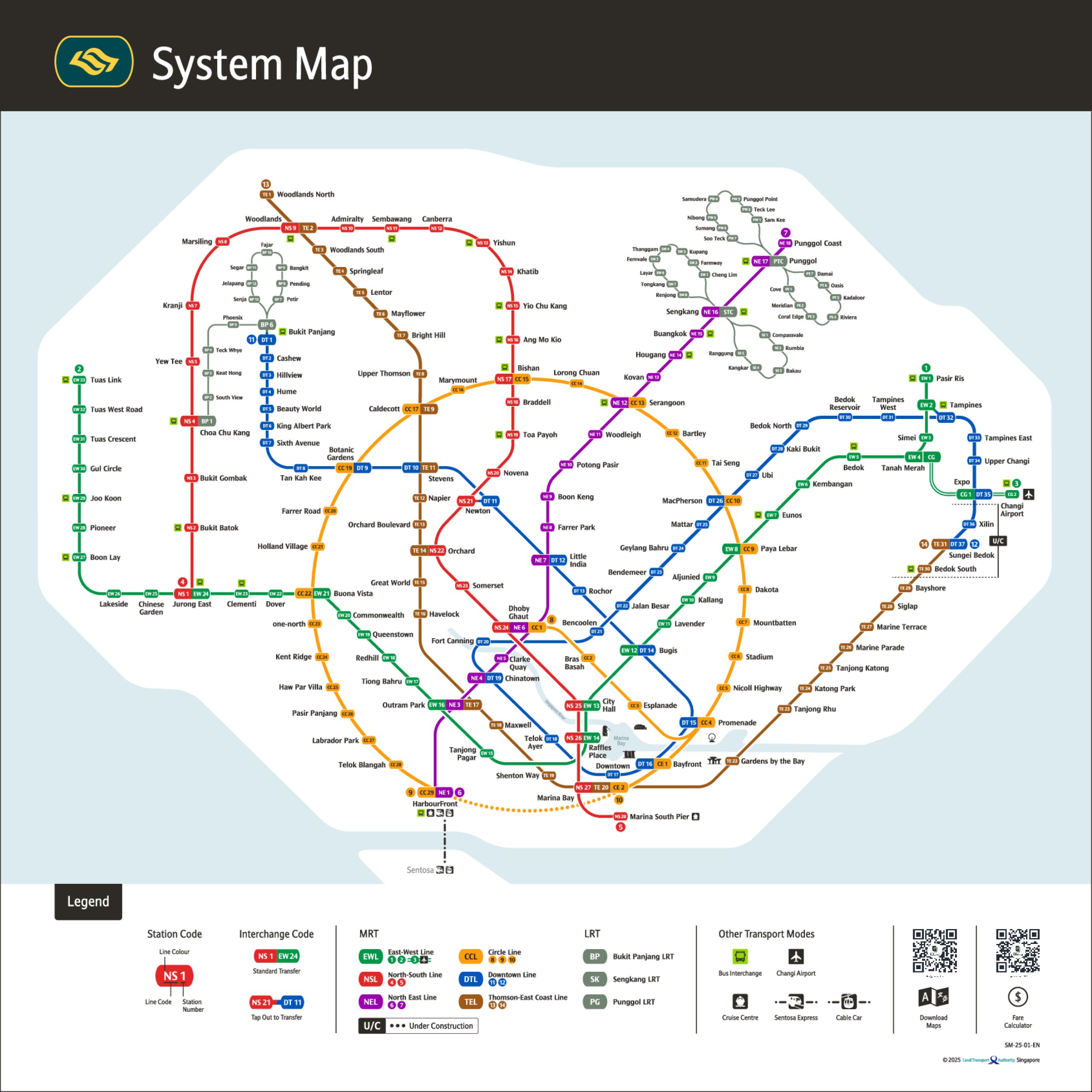
The MRT map is the easiest way to navigate the system. Each line has its own colour and number, and transfers between lines are clearly marked.
The map also shows which stations are closest to major attractions.
Typical examples:
- Bayfront - Marina Bay Sands and Gardens by the Bay
- Orchard - the main shopping street
- Chinatown - Chinatown Historic District
- HarbourFront - entrance to Sentosa Island
If you plan to visit more than one place during the day, it's worth checking the subway map before you leave.
How do I search for connections?
Preferably via Google Maps.
In Singapore, the search works well and will give you a bus connection in addition to the metro if it's faster.
Stay online - get a Singapore eSIM with data
First and last metro: timetables
Singapore's metro runs at roughly 4-7 minute intervals.
The first metro trains from central stations run at about 6:00.
The last trains leave the city centre just before midnight.
MRT subway lines
The MRT network consists of several main lines.
Each has its own colour and name. The individual stations all have a number and two letters corresponding to the name of the line on which the station is located.
- Downtown Line (DTL), blue line
- the main tourist line connecting the area around Marina Bay Sands with Chinatown and Little India
- East-West Line (EW), green route
- followed by the short "CG" branch connecting Tanah Merah Station to Changi SIN Airport
- main route from the airport to the city centre
- Thomson-East Line (TEL), brown route
- runs from Woodlands near the Malaysian border through Outram Park in the centre to Gardens by the Bay
- North-East Line (NE), the purple route
- line goes to Harbourfront station, where you change to the monorail to Sentosa
- North-South Line (NS), the red line
- Main line from Kranji (buses from Malaysia) to downtown, connects Orchard Boulevard to downtown
- Circle Line (CC), yellow route
- circularline, but not very useful for tourists
What do the metro stations look like?
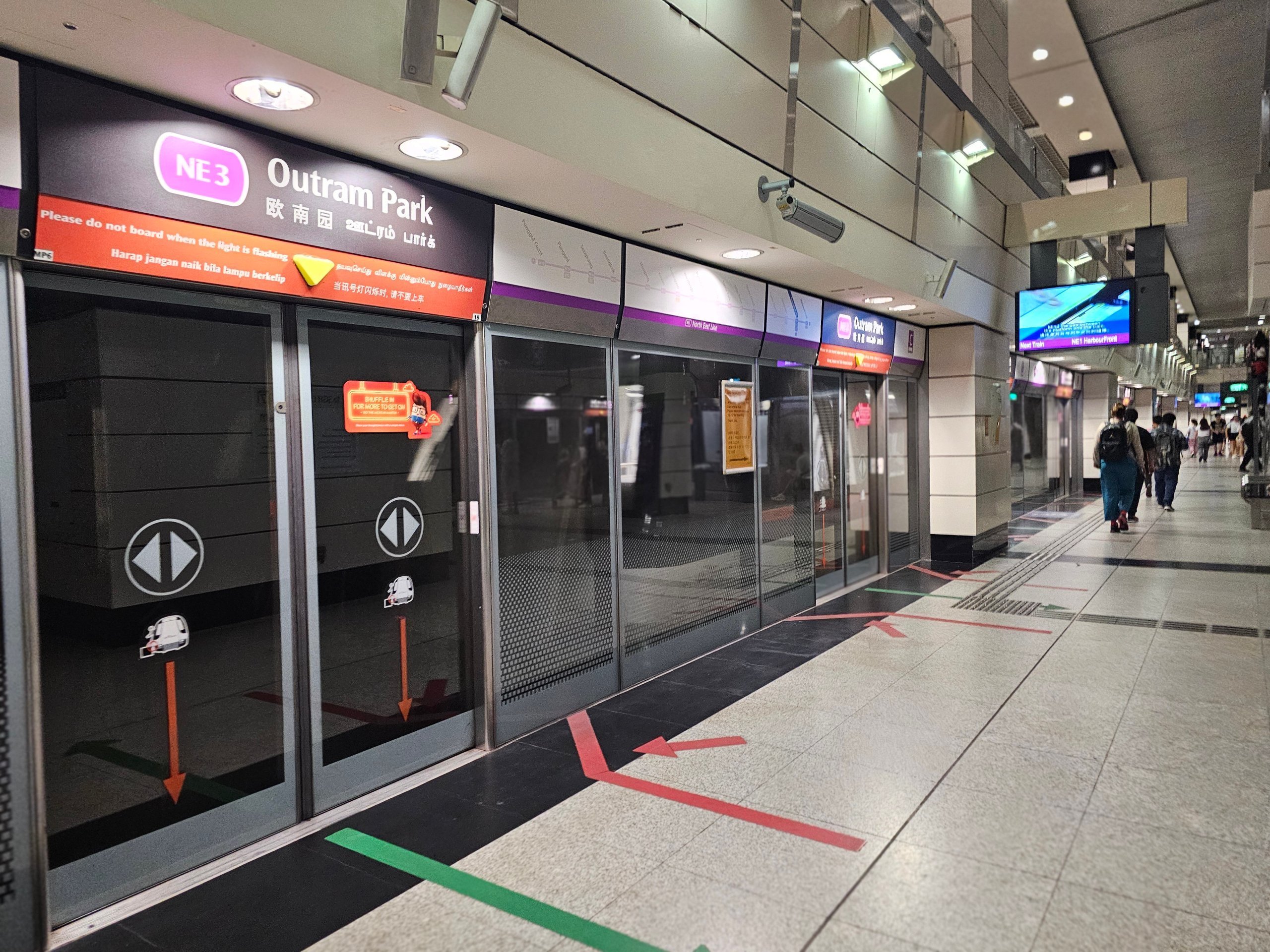
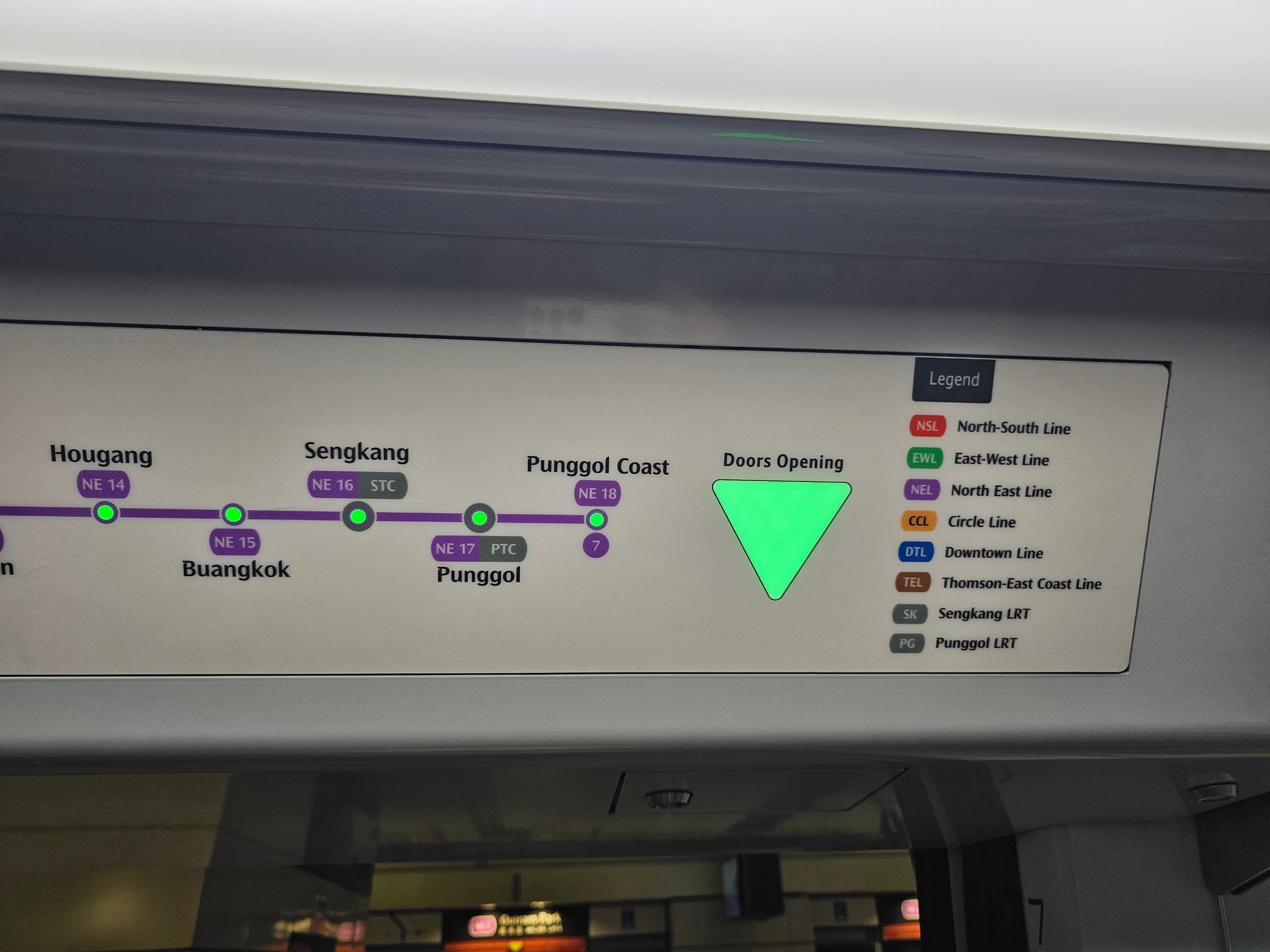
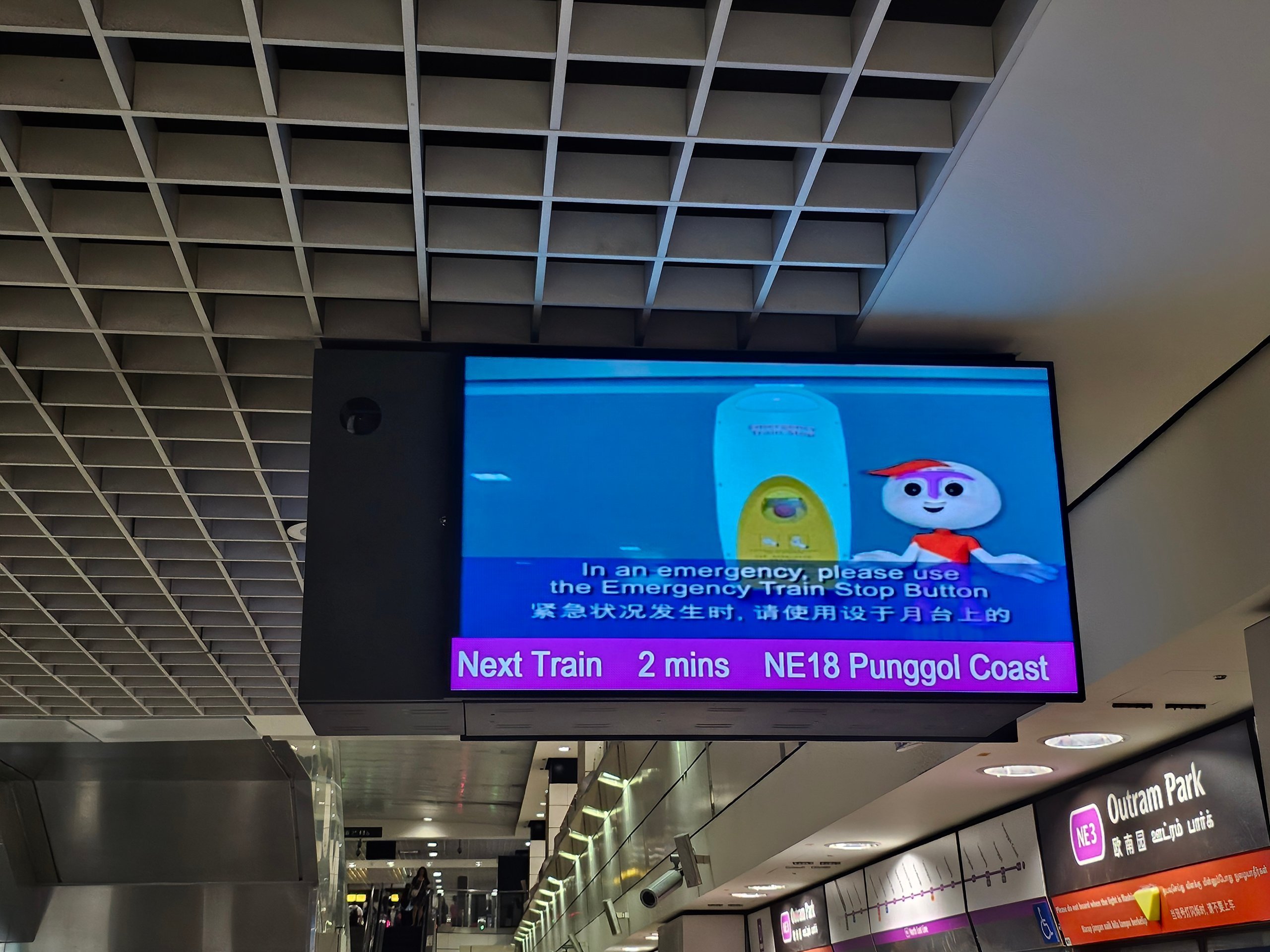
Singapore has a very modern and clean metro network. The stations are clearly signposted, it's just a good idea to find out which direction you're going beforehand.
The platforms are labeled with the end station on that line.
Metro stations usually have small mini-markets like 7-Elevens, and occasionally drink machines and EZ-Card machines, but you won't really need one since you can pay the fare with your own contactless card.
There are usually no toilets at metro stations.
Any questions left?
If you have any questions or comments about the article...