Culture and history of Singapore


How easy is it to speak English in Singapore? What are Singaporeans like and when are shops closed in Singapore?
Language
The national language is Malay, and in addition to Malay, the official languages are English, Mandarin and Tamil.
In reality, however, the vast majority of people use English.
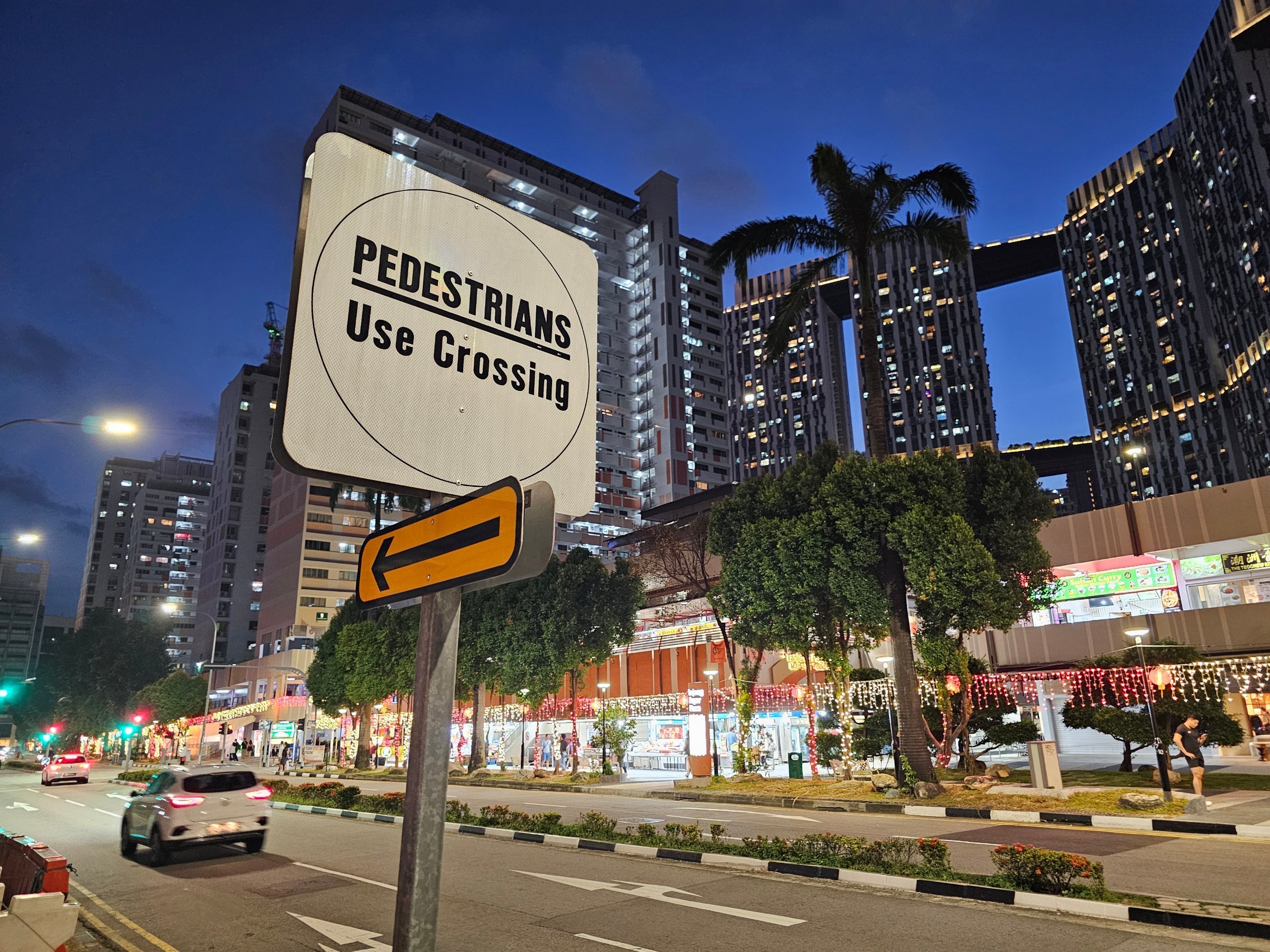
All public signs are in English and Malay, sometimes only in English.
English is spoken by the vast majority of Singapore's population.
Find the best hotels in Singapore
People and Religion
Singapore has a population of approximately 5.5 million, of which 75% are Chinese, 13% Malays, 9% Indians and the rest other nationalities. Buddhism is the predominant religion here, with a third of the population believing in Buddhism.
The people are generally very clean and take care of their city. More than once you will see someone bending down to pick up rubbish and throwing it where it belongs - in the bin.
Due to the great diversity of the population, but also the strict secularization of the state and religion, faith does not play a very significant role in the lives of the general population.
Most people (over 30%) profess Buddhism, but over 20% of the population report being non-religious, one of the highest numbers in East Asia.
Holidays
If you lived in Singapore, you would celebrate the arrival of the New Year three times.
- New Year - 1.1.
- Chinese New Year - Varies January-February
- Muslim New Year - alternating April, September-October
Regular shops and supermarkets remain open on holidays.
In addition, Singaporeans celebrate several festivals:
- Thaipusam (January-February) is a dramatic Hindu festival; it may involve transporting milk jugs or piercing various parts of the body, most commonly the cheeks and tongue. Believers undergoing these sacrifices are expected to purify themselves through prayer and fasting for 48 hours before the celebration begins.
- The Birth of the Monkey God (February, September) is a celebration taking place at the Chinese shrines of Eng Hoon and Cumming Street. It is a typical Chinese festival in the form of chasing away evil spirits with acrobatic stunts.
- Wesak (May) Buddhist celebrations commemorating the birth, death and enlightenment of the Buddha can be found at the Temple of 1,000 Lights and Thian Hok Keng Temple. From early in the morning, people listen to monks reciting sutras, the Buddha's teachings. Various offerings are brought and the day ends with the release of birds representing freedom for lonely human souls.
- Deepavali (October-November) is the "Festival of Lights" celebrating King Rama's victory over the demon Ravana. Oil lamps are lit everywhere as Hindus believe that Lakshmi, the goddess of abundance and wealth, will not come where there is no light.
- Loy Krathong (November) is Thailand's oldest festival, when lotus-shaped boats are launched with a lit candle in the East Coast Parkway. Water spirits are worshipped and everything bad that happened in the past year is forgotten.
- Yu Lan (autumn) is known as the lantern festival. It celebrates and gives thanks for the previous year's harvest. Paper lanterns are made and there is a competition for the most beautiful one in the Chinese Garden.
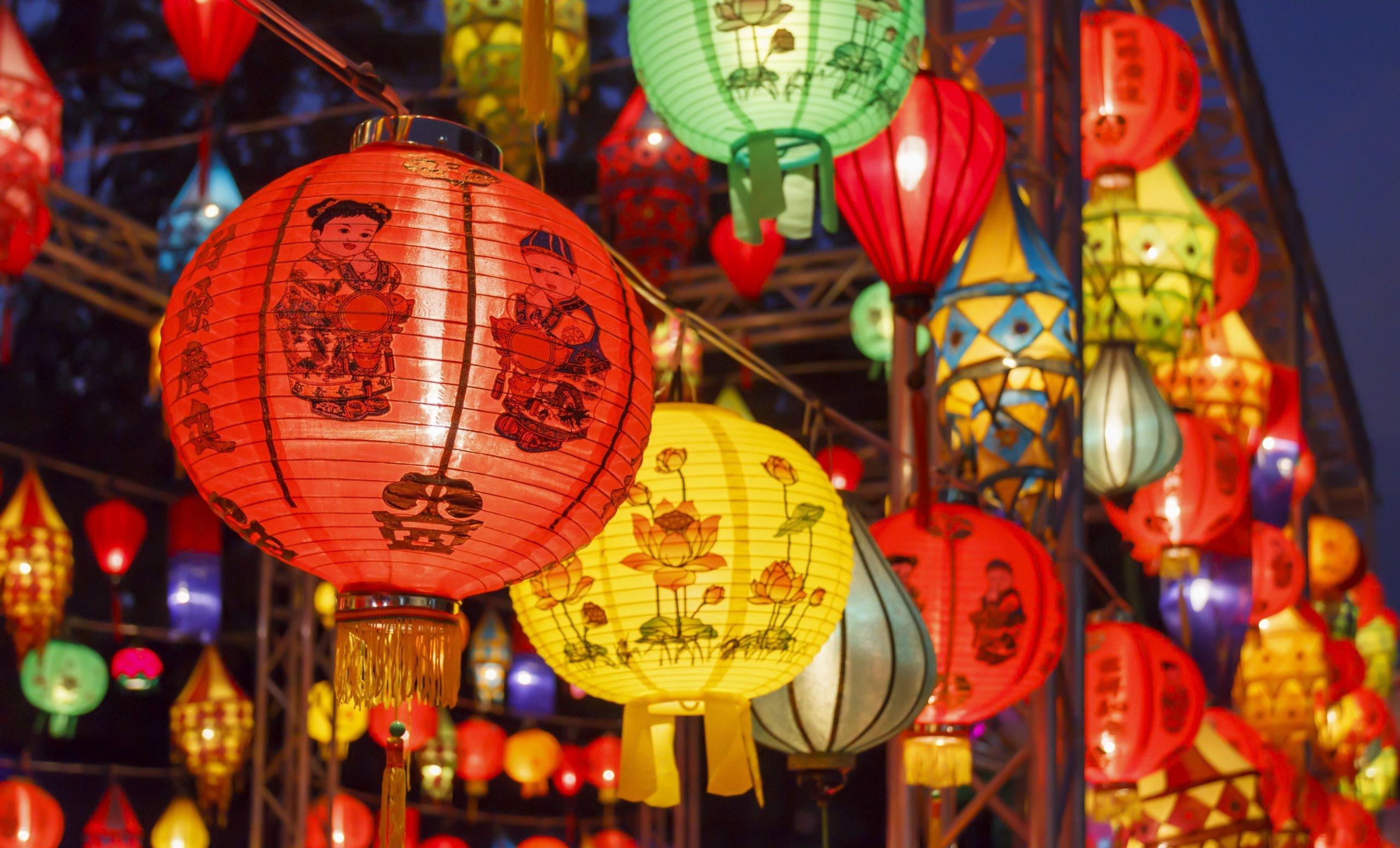
For more on the festivals, visit yoursingapore.com.
Culture
Culturally, Singapore is a mix of predominantly Chinese and Malay culture, but one that has undoubtedly been influenced by the Western economic world.
Cleanliness and decency is an essential element of Singaporean culture. You will encounter bans and strict fines at every turn, but these are banalities in order to be considerate of others. In Singapore, you should not:
- Walk on red lights,
- chew gum,
- beat the queues,
- eat in public places,
- not littering.
That's just a list of the most important things to watch out for. With more than a fine, tourists would be met with disdainful looks from the locals. We are traveling and visiting the country, so we should follow the local rules.
Every year, Singapore hosts the Formula 1 Grand Prix at the city's Marina Bay circuit. Interestingly, the race is run at night under artificial light in the city streets.
Book your hotel in Singapore in advance
History in a nutshell
Singapore was founded in 1819 by British botanist, ornithologist and politician Sir Thomas Stamford Raffles. In 1867 it became a British colony, which it remained until 1965, except for several years of occupation by the Japanese during World War II.
Today, Singapore is an independent republic headed by a president and is one of the most dynamically growing countries economically.
Singapore is the world's largest seaport.
Tourism
If we had to pick one of the most tourist-ready countries in Southeast Asia, it would certainly be Singapore. From the Changi International Airport, you will understand that tourism plays a big role here and the city will try to make your stay easier and more enjoyable at any cost.
Organised transport, excellent tourist maps and signs, plenty of hotels and hostels or information centres make Singapore a state without tourist obstacles.
Geography
Singapore is actually an island state, separated from the Malay Peninsula by the Strait of Johor. The land itself is slightly hilly with the highest point, Bukit Timah, reaching 163 metres above sea level.
The area is continually being artificially increased by sand being added to the islands adjacent to Singapore. In the last 50 years, the country has grown from 580 km² to 710 km². The country is roughly 100 times smaller than the Czech Republic.
The time difference is +6 hours during summer time and +7 during winter time.
Any questions left?
If you have any questions or comments about the article...