Madeira direct from Stockholm with SAS at great prices
208 €



The island’s largest tourist attraction – Mount Pico – shares its name with the island itself. In reality, of course, it was the mountain that gave its name to the entire island, as it is the most prominent feature in the wider area.
Mount Pico stands at 2,351 metres and is therefore not only the highest point in the Azores, but also in the whole of Portugal.
You can climb to the summit without mountaineering equipment, but don’t expect an easy walk. The ascent is steep, leads across lava terrain and takes most travellers practically the whole day.
If you’re planning a trip to Pico to climb Portugal’s highest mountain, we recommend staying on the island for at least 2–3 nights. The weather on the mountain changes very quickly, and you’ll often need to adjust your climbing plans to suit the current conditions.
Find accommodation on the island of Pico
| Question | Answer |
|---|---|
| The height of Mount Pico | 2,351 metres |
| Route length | approx. 3.8 km one way |
| Elevation gain | approx. 1,150 metres |
| Ascent and descent time | usually 7–8 hours in total |
| Booking | required via the official website |
| Price | 5 / 15 / 25 eur depending on the destination |
| Public transport | There is no public transport to Casa da Montanha |
You cannot climb Mount Pico without a booked entry.
You could try heading to Casa da Montanha on the off chance that there are still places available, but, particularly in summer, the chances are quite slim and you’ll most likely not make it to the summit.
Entry can only be booked via the nature park’s official website: montanhapico.azores.gov.pt.
You can choose from two different fee options.
During the summer season (May–September), we recommend booking at least 3–4 weeksin advance to ensure you can go on the hike at your preferred time.
Bookings are usually made a few days in advance, when it is absolutely impossible to predict the actual weather conditions on the mountain for that particular day.
You can change the time of your booking up to 2 hours before the originally scheduled start time. However, you cannot cancel your booking. You will only receive a full refund if the authorities ban the ascent due to the weather.
Pico is open to tourists all year round, except on 1 January and 25 December, when climbing is not legally permitted.
Search for flights to Pico Island
During the winter, it is not possible to stay overnight at the summit, nor are night-time ascents permitted for the purpose of watching the sunrise. In summer, the mountain is open 24/7.
The opening hours of Casa da Montanha are as follows:
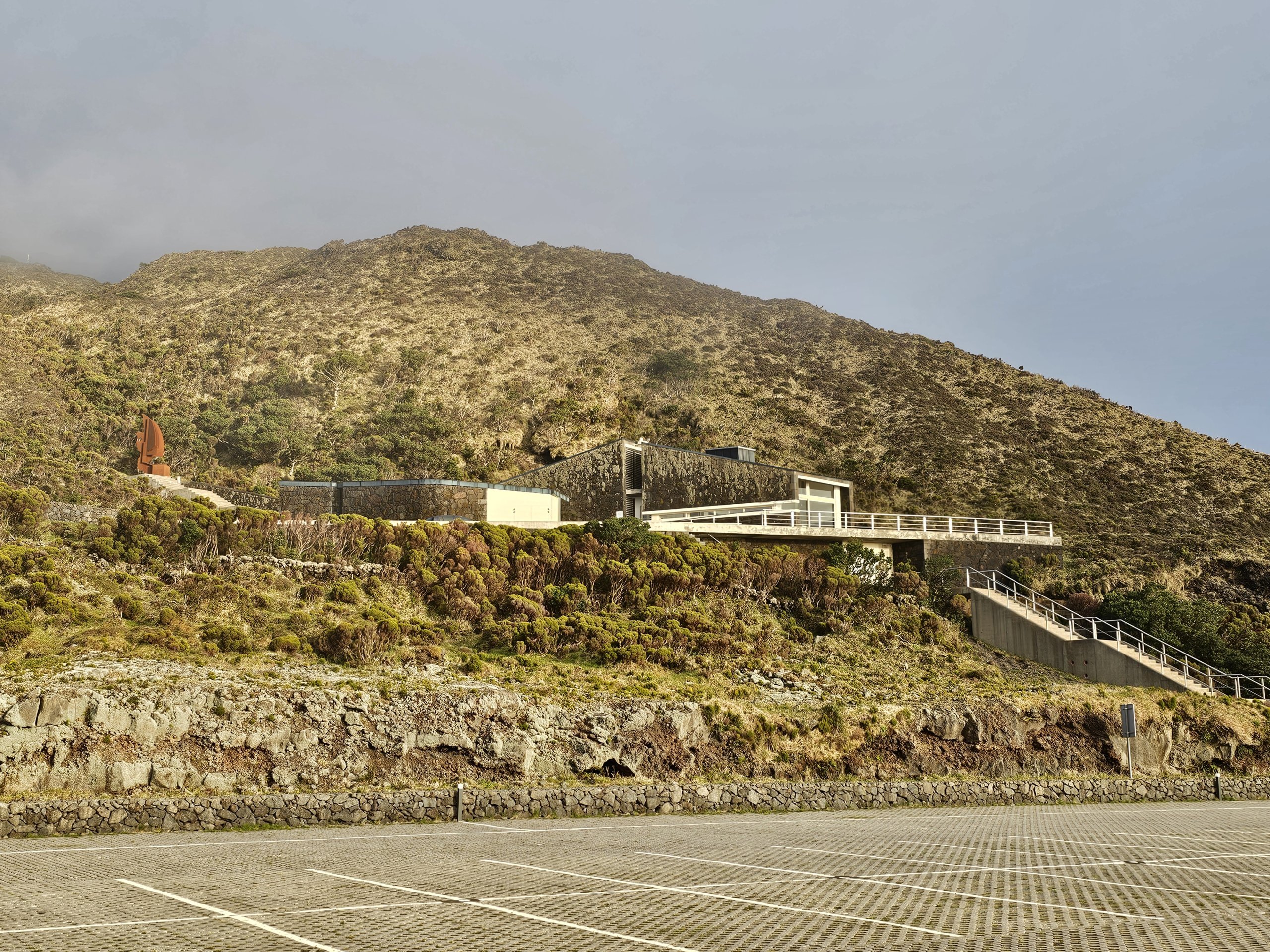
The possibility of climbing right to the summit without any mountaineering skills also appeals to travellers who do not have much experience of mountain hiking.
Here we describe our experience of Mount Pico and provide the practical information you absolutely need to know before you even decide to climb Portugal’s highest mountain.
Even when viewed from a distance, it is clear that a single, even sharper peak rises above the summit itself – the highest point of the mountain. This is called ‘Piquinho’ and can accommodate a maximum of 20 people at any one time.
The route from the crater to the very summit of Piquinho, at an altitude of 2,351 metres, is very short, but even steeper than the previous three-hour climb from Casa da Montanha.
You should therefore assess your fitness carefully and allow for an extra 45 minutes or so for the walk there and back in total.
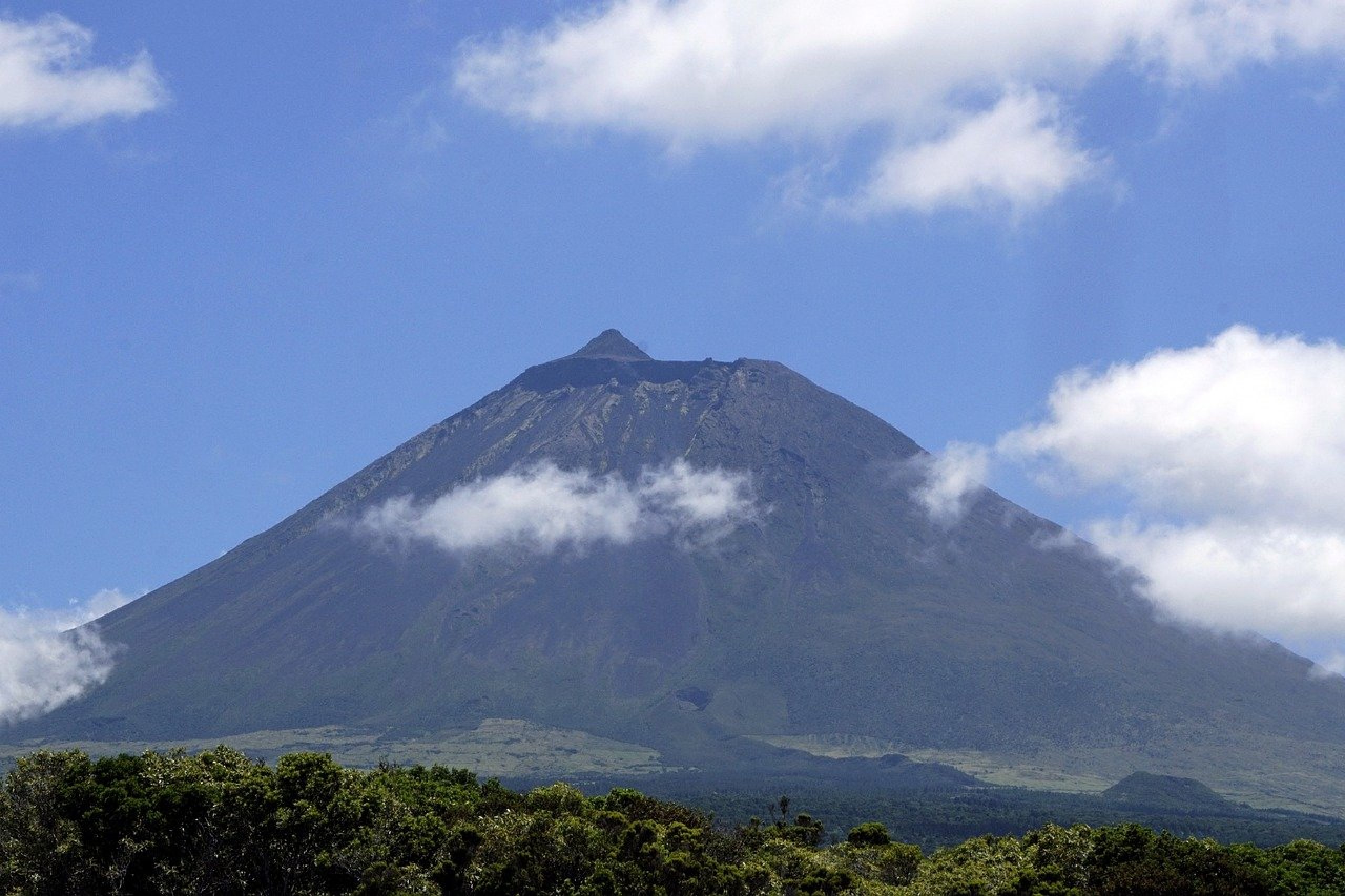
Personally, we consider Pico to be one of the most difficult mountains that can be climbed without mountaineering equipment.
Around a third of all hikers ultimately fail to reach the summit and have to turn back.
The distance isn’t that long – the route from Casa da Montanha to the summit and back is 7.2 km – but the elevation gain is steep. For every 3 metres of distance, there is a 1-metre climb.
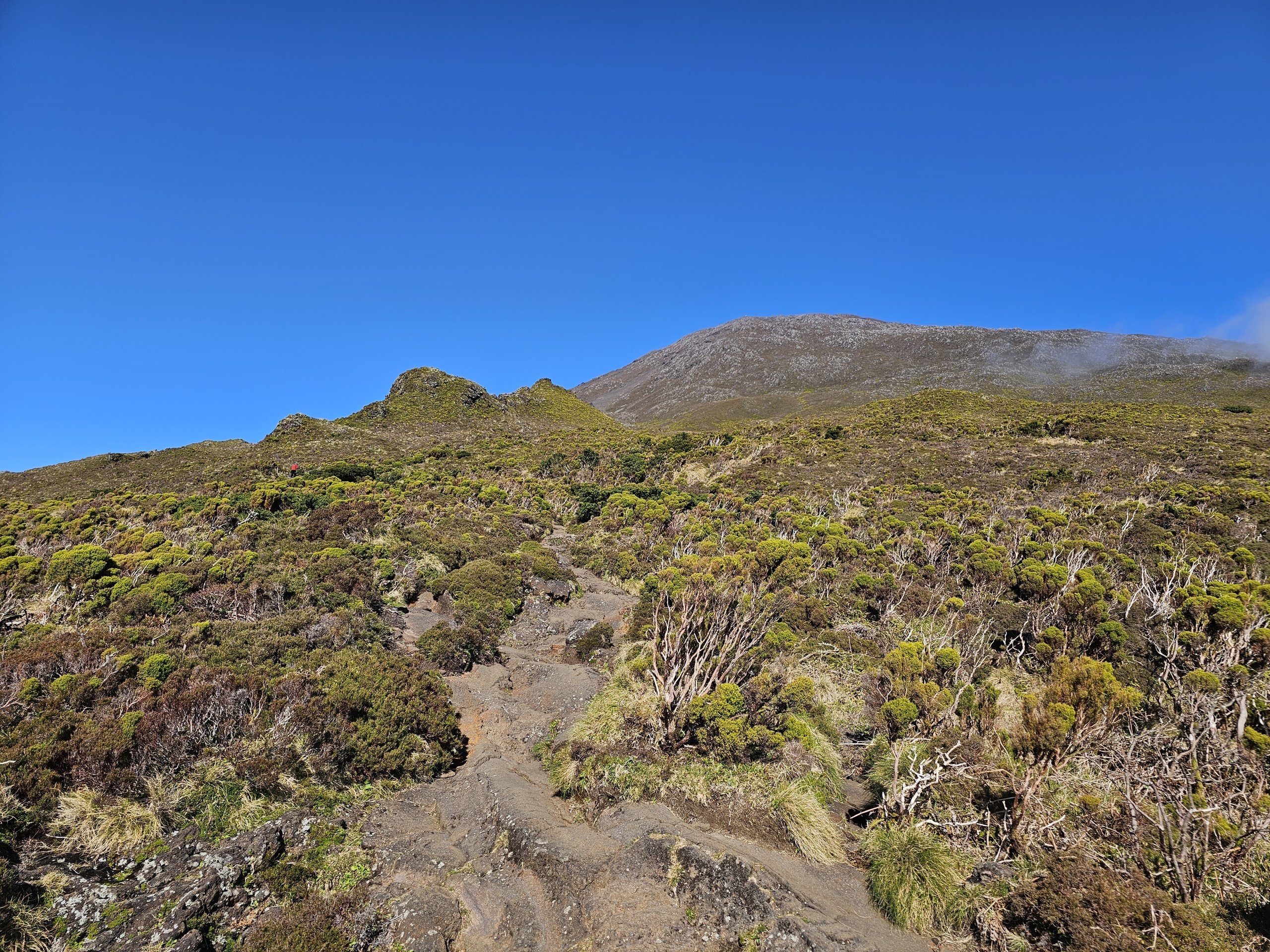
The trail runs over ancient lava rock, but the surface varies considerably. The most treacherous are the small round pebbles that slip away from under your feet, or the lava flows, which are very comfortable when dry but turn into a slippery slope when wet.
The first 30 minutes or so to Abrigo Cave are steep, but the path is fairly safe and comfortable.
From around signpost number 6, the path turns into a consistently steep climb.
There are often several well-trodden paths between the individual signposts, but for the ascent, they are all similarly challenging and relatively safe. After all, when climbing, it is easier to brace yourself with your hands should you slip.
Generally speaking, anyone in good physical condition who is used to hiking will manage the climb without any major problems.

Paradoxically, the descent from the summit is more demanding than the ascent.
Although there are no sections requiring rock climbing, you will occasionally have to take really long strides and choose your footing very carefully.
The descent therefore takes a little longer than the ascent and can be described as a never-ending process of choosing the right place to put your foot.
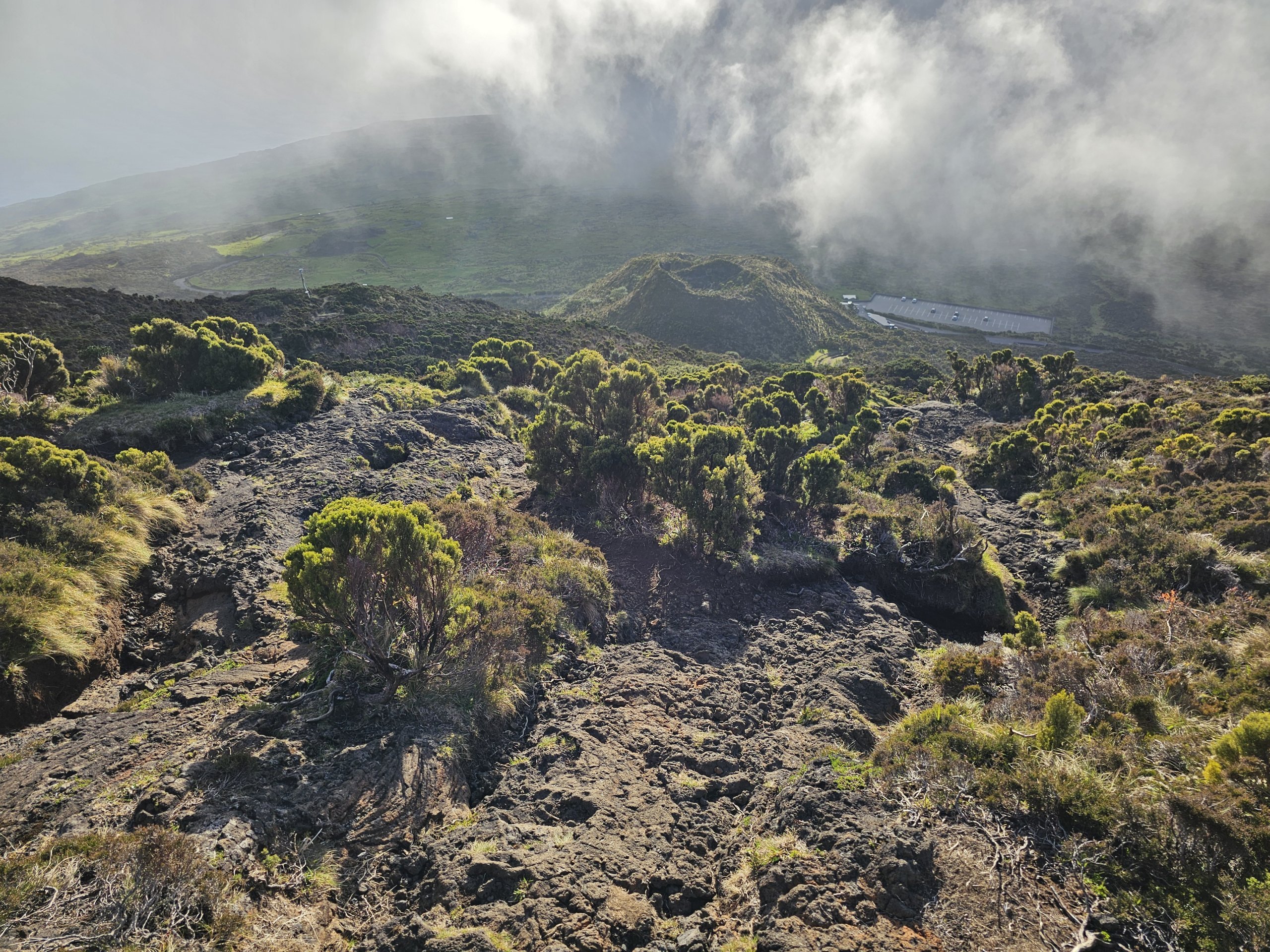
Experienced hikers in good physical condition can reach the summit in 2.5 to 3 hours. The return journey takes 3 to 3.5 hours.
Average travellers should allow at least an extra 2.5 hours and plan for a total of 8 hours (ascent and descent combined).
The total length of the route is 3.6 km one way, with an elevation gain of 1,150 metres one way.
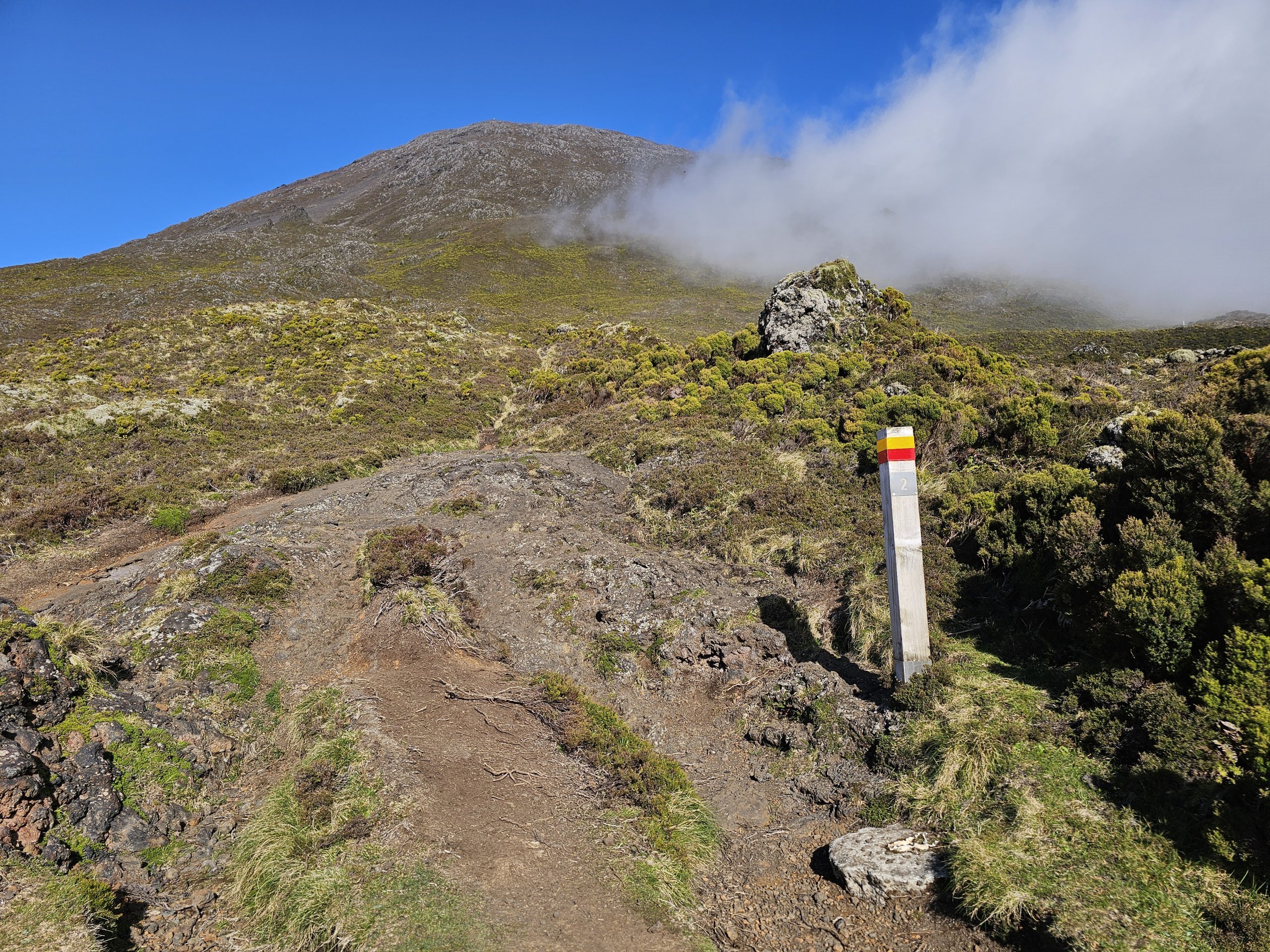
Between Casa da Montanha and the summit, there are 47 numbered posts along the route, marked with the typical red-and-yellow sign.
The longest stretch between the first and second posts (about a 25-minute walk) follows a very clearly visible, well-trodden path.
The other posts are spaced approximately 4–10 minutes’ walk apart. The markings are reflective and very well maintained, and are therefore visible even at night by torchlight if you are climbing to the summit to watch the sunrise.
There are often several well-trodden paths to choose from between the posts. Please stick to these paths only – walking off the beaten track is prohibited.
During the summer, from May to September, night-time ascents are also possible, including spending the night at the summit along the crater rim in your own tent.
If you want to experience the sunrise, it is possible to set off for the summit without staying overnight at around 2:00, depending on the time of year.
If you want to experience the sunset, it is recommended that you spend the night at the summit. The ascent in the dark is quite different from the descent, as walking in the dark is considerably more dangerous.
Most travellers set off for the summit in the morning to allow plenty of time. Bear in mind that during the morning, the entire side of the mountain along which the trail runs is in the shade and therefore cool.
| Alternative | Advantage | Disadvantage | Who it’s for |
|---|---|---|---|
| Morning hike | the safest option | it tends to be cold in the morning | Most travellers |
| Sunrise hike | a powerful experience | Hike in the dark | experienced hikers |
| Sunset hike | beautiful light | Descending in the dark is risky | best done with an overnight stay |
| Spending the night by the crater | both sunrise and sunset | Your own tent and kit | experienced mountaineers |
Be prepared for very rapid and, above all, unexpected changes in the weather.
Even if the sky is completely clear everywhere before you set off for the summit, it may well rain throughout your entire stay on the mountain or be shrouded in thick fog.
Conversely, even if conditions seem extremely unfavourable, you may well find glorious sunny weather at the summit.
As there is no vegetation along the route, you can often expect strong winds, with nowhere to shelter from them.
In summer, however, when the weather is clear, you’ll need to use a good-quality sun cream.
Temperatures at the summit typically range between -5 °C and +7 °C, so warm clothing is essential.
Between December and February, there may be snow and ice at the summit. In such cases, access is only permitted if hikers have their own crampons or snowshoes.
At the Casa da Montanha reception, you must fill in a form with your personal details, and staff at the nature reserve will check that you have the following compulsory equipment:
You will also be given a compulsory GPS tracker, which you must return to Casa da Montanha upon your return.
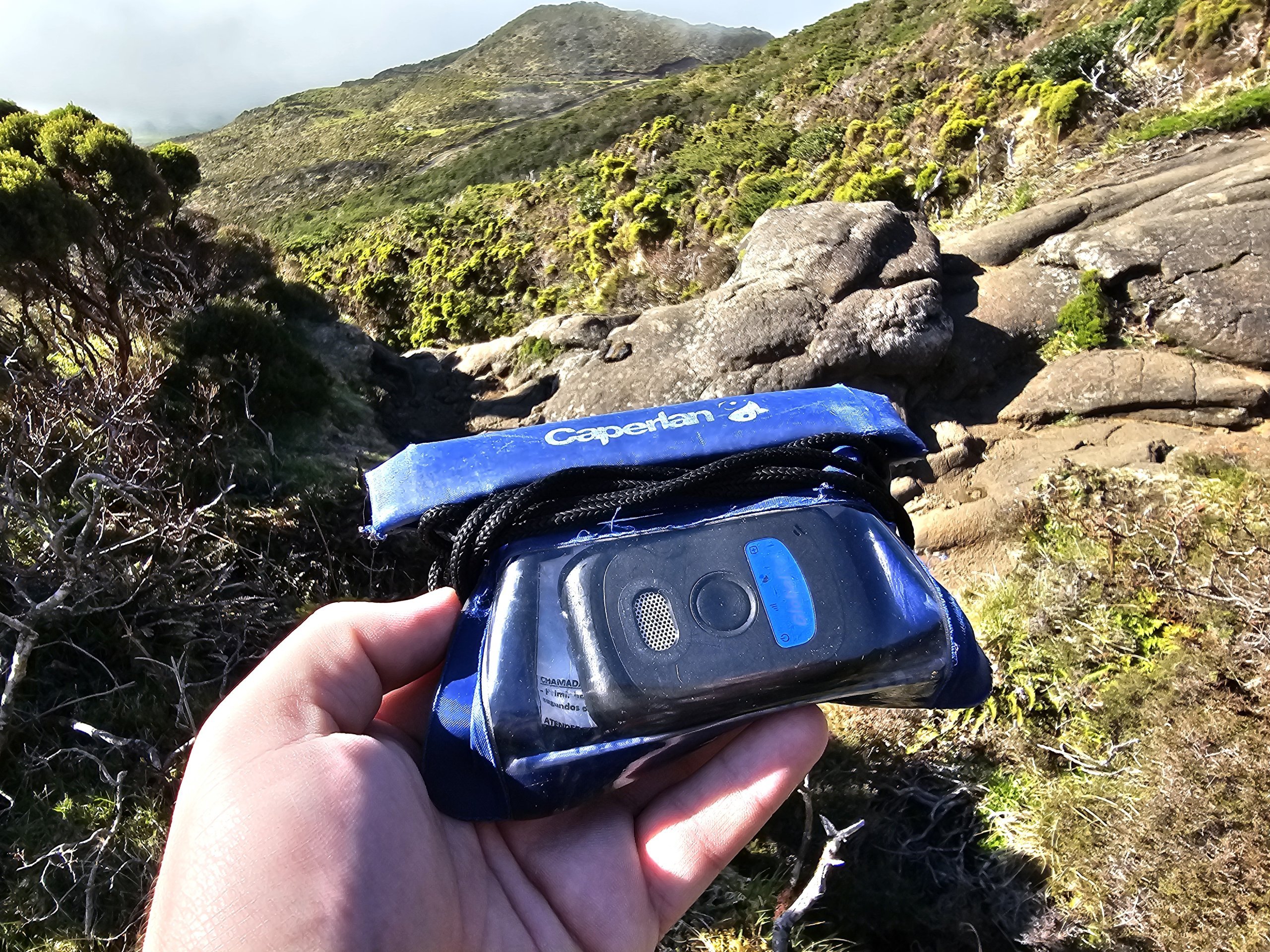
We also recommend good-quality sun cream, sunglasses and gloves, which may also come in handy.
Only bring walking poles if you have experience using them. For many less experienced walkers, they can actually be more of a hindrance in challenging terrain, particularly on the descent.
There are several agencies on the island that organise guided ascents of Mount Pico, including transport from the town (usually Madalena or Lajes) to the start of the route and back again.
Prices are around 60 eur.
Examples of registered agencies:
An asphalt road leads to the starting point of the route, but there is no regular public transport service to this location.
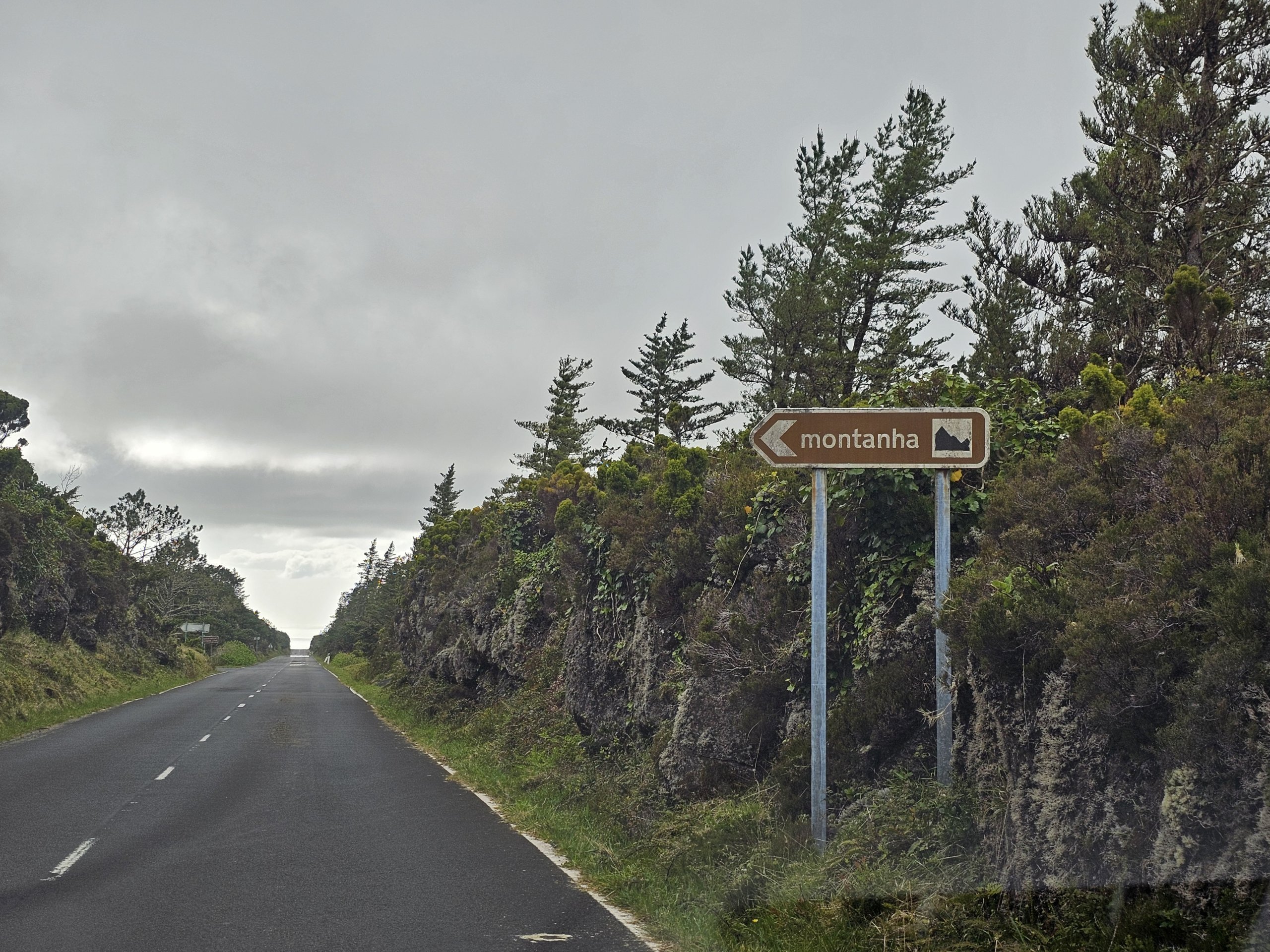
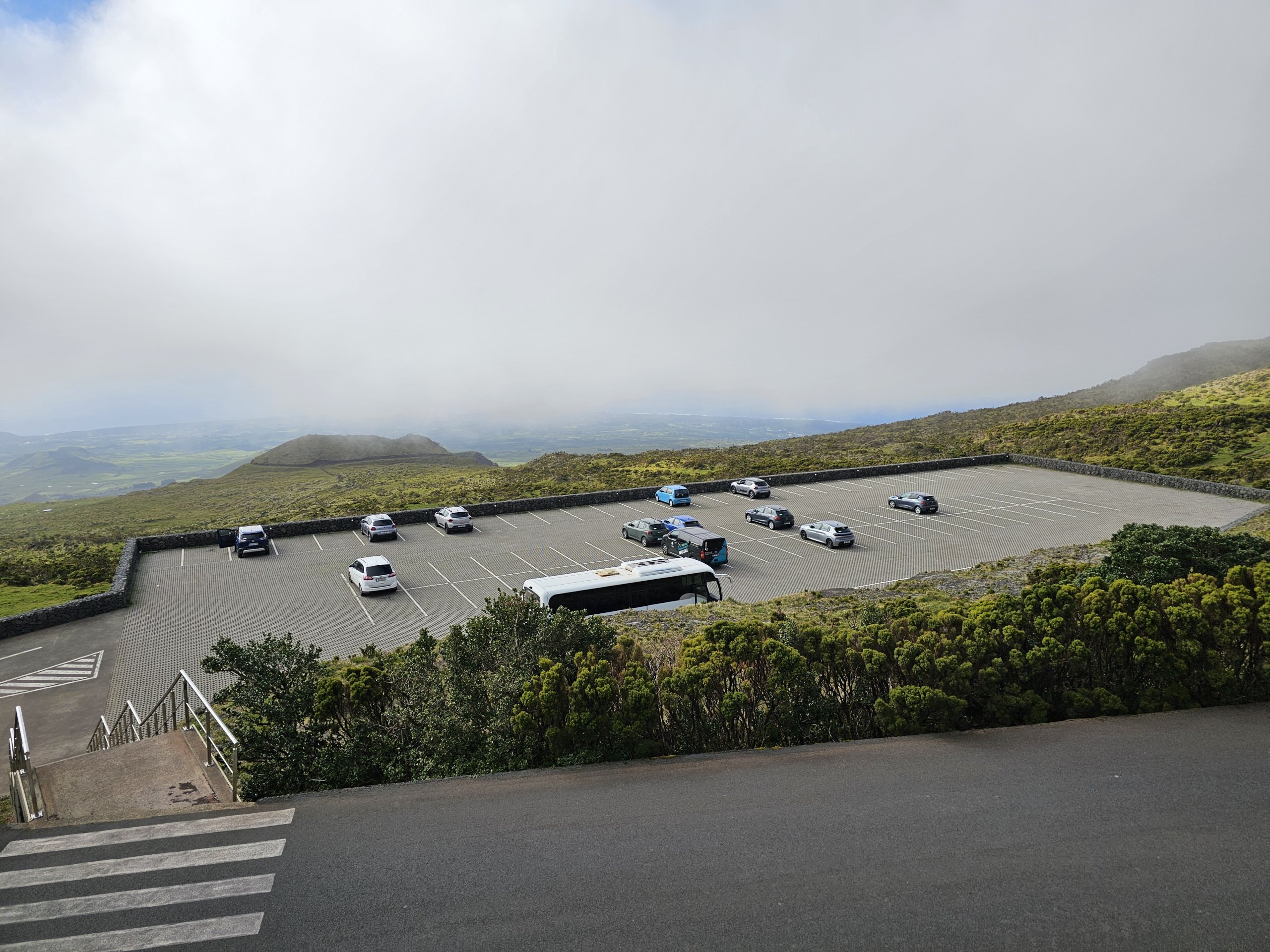
If you wish to climb to the summit on your own, you will need to travel to Casa da Montanha in a hire car.
There is a large free car park below the mountain chalet, where you will always find plenty of free spaces.
Compare prices and book a car at the airport
You can find more practical information in the section on car hire in Pica.
If you don’t have a hire car, your only option is a taxi.
For this reason, I recommend staying in the largest town, Madalena, where there is the greatest availability of regular taxis.
You must always agree a time with the driver for your return journey from the mountain. They will usually give you their WhatsApp contact details or a phone number, and you should call them when you are near the car park.
The usual price for a taxi from Madalena is 30 eur one-way.
If you’re planning to climb Pico, it’s usually best to stay in the western or central parts of the island.
Madalena is particularly convenient, as it offers the widest range of accommodation, restaurants and a ferry to neighbouring Faial.
You can get to Casa da Montanha from here by car quite quickly – in about 20 minutes.
Lajes do Pico or smaller accommodation further inland might also be a good option if you’re looking for a quieter atmosphere and don’t mind longer journeys.
The main thing is not to plan your ascent for a single specific day. The weather on the mountain is unpredictable, and spending 2–3 nights on the island will give you a much better chance of choosing the best possible date.
The 10 best places to stay on Pico
We cover a detailed selection of areas in the chapter on where to stay on Pico.
Yes. To climb to the crater or to Piquinho, you must book via the official website montanhapico.azores.gov.pt.
Without a booking, you may not be able to get onto the mountain due to limited capacity.
The hike to Furna Abrigo costs 5 eur, to the crater 15 eur and all the way to Piquinho 25 eur. Spending the night by the crater costs an additional 10 eur.
Most hikers need 3–4 hours to get to the top and 3–4 hours to come back down. So, in total, you should allow 7–8 hours.
Yes. Technically, it is not a mountaineering ascent, but due to the elevation gain of around 1,150 metres over a short distance and the rocky lava terrain, it is physically very demanding.
Yes, provided you’re in good physical shape, have experience of mountain hiking and have the right kit.
However, a guide is advisable for night-time ascents, in the event of poor weather forecasts, or if you don’t have your own transport.
No. There is no regular public transport service to Casa da Montanha.
The easiest way is by hire car, or alternatively by taxi, private transfer or a guided hike organised by a travel agency.
If you’re feeling up to it and the weather’s on your side, we recommend booking a hike all the way up to Piquinho. The price difference is 10 eur and you’ll reach the very highest point in Portugal.
For most travellers, a morning ascent is best. You’ll have plenty of time, a lower risk of having to return in the dark, and more leeway should the weather take a turn for the worse.
Mount Pico is the island’s most memorable experience, but by no means the only one. If you’re spending several days on Pico, be sure to also plan visits to the coastal viewpoints, the UNESCO-listed wine-growing region, the lava lakes and excursions to other parts of the island.
You’ll find these sections particularly useful:
Discover all the places to see in Pico.
If you have any questions or comments about the article...