Riga from Prague with airBaltic on a wide range of dates until August 2027
99 €



From Haneda Airport, you can use two train lines to get to one of Tokyo's many city centres. The stations at the airport are always on Arrivals Level 1F and are located at each of the terminals.
There are also complementary bus services available, particularly for transport to the outskirts of Tokyo or other cities.
Taxis and ride-sharing apps are also available. However, a taxi ride into the city centre can be significantly longer than a train journey due to the congestion.
✅ Keikyu - the best choice if:
✅ Tokyo Monorail - the best option if:
❌ Bus - probably not if:
💡 Taxi - an alternative if:
| Destinations | Price | Travel time | JR Pass | ||||||||||||||||
|---|---|---|---|---|---|---|---|---|---|---|---|---|---|---|---|---|---|---|---|
| Tokyo Monorail |
|
|
|
✔ | |||||||||||||||
| Trains Keikyu |
|
|
|
x | |||||||||||||||
| Limousine Bus | many places in Tokyo | approx. 1 500 jpy | 75-90 min | x |
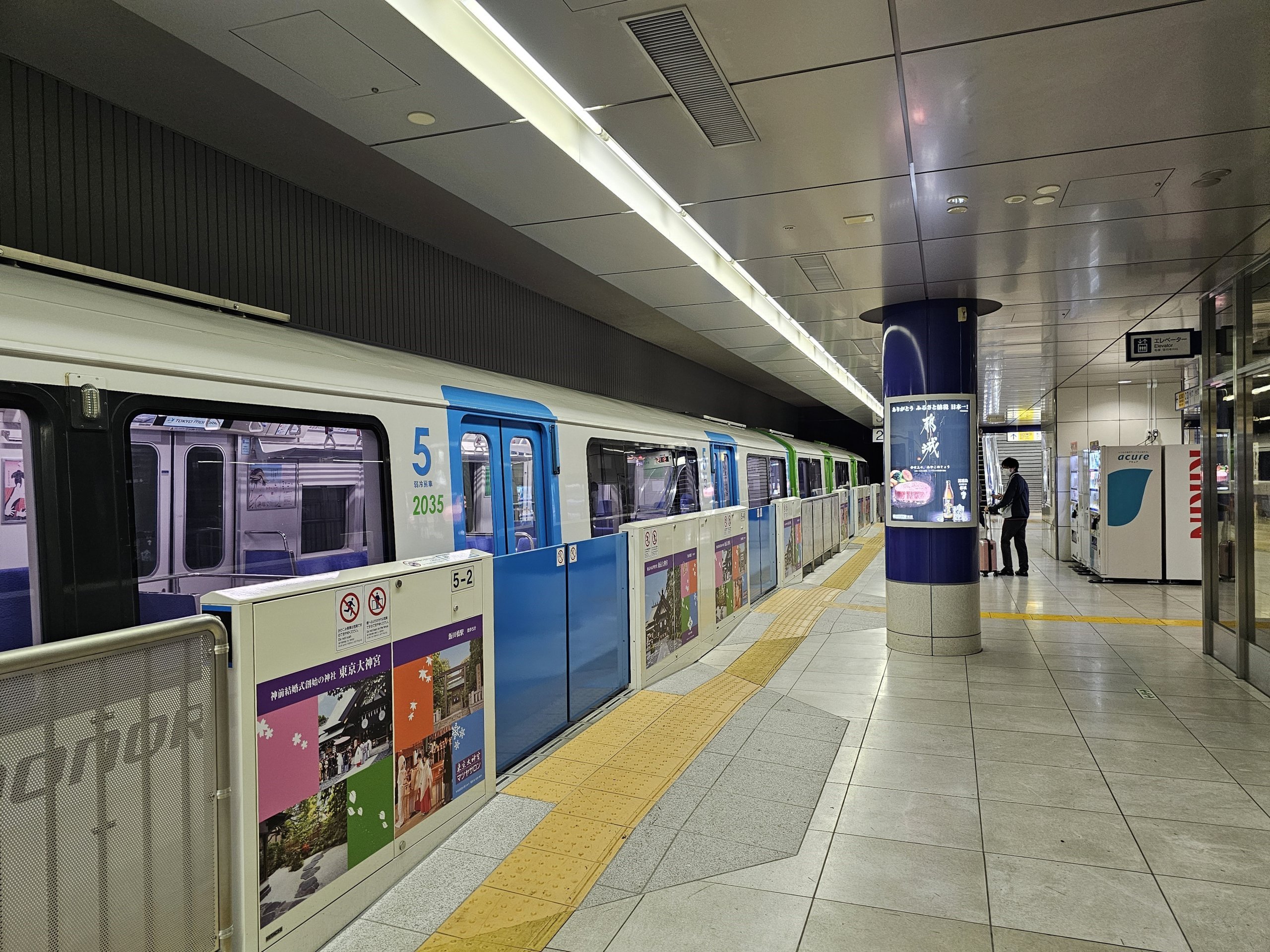
The overground automatic train Tokyo Monorail is the fastest connection between Haneda Airport and central Tokyo.
The official website with exact timetables and current ticket prices can be found at: tokyo-monorail.co.jp.
The Monorail runs between the airport and Hamamatsucho Station, where you transfer to the following subway or train lines:
There are two types of trains to the airport:
How often does the Tokyo Monorail run and how long is the journey to the city centre?
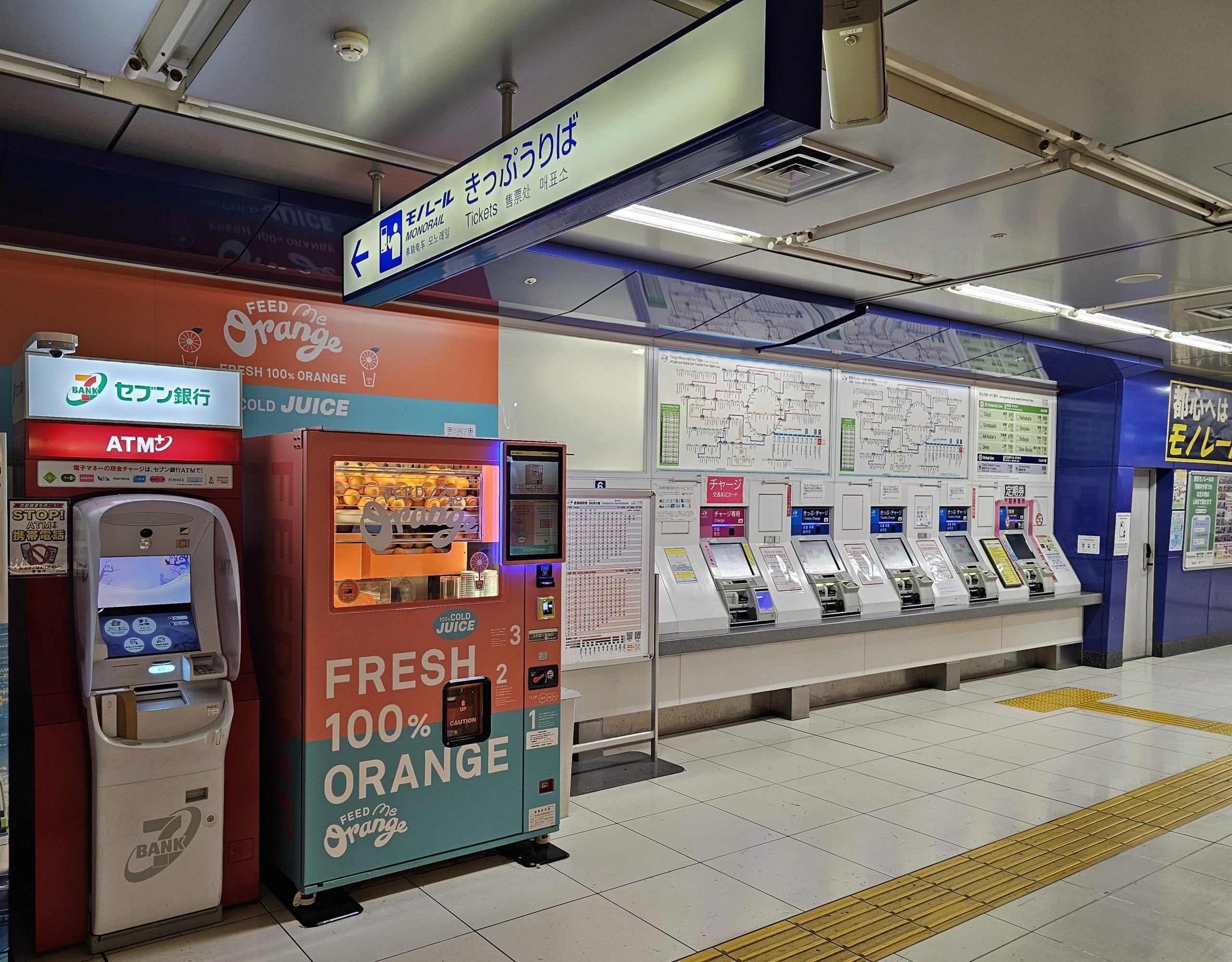
Ticket offices and ticket machines can always be found outside the entrance to the platform.
Vending machines can be used to pay with cash or Japanese transport cards (e.g. Suica, Icoca and others). You can't pay with a regular contactless card at the machines, but there is an ATM next door.
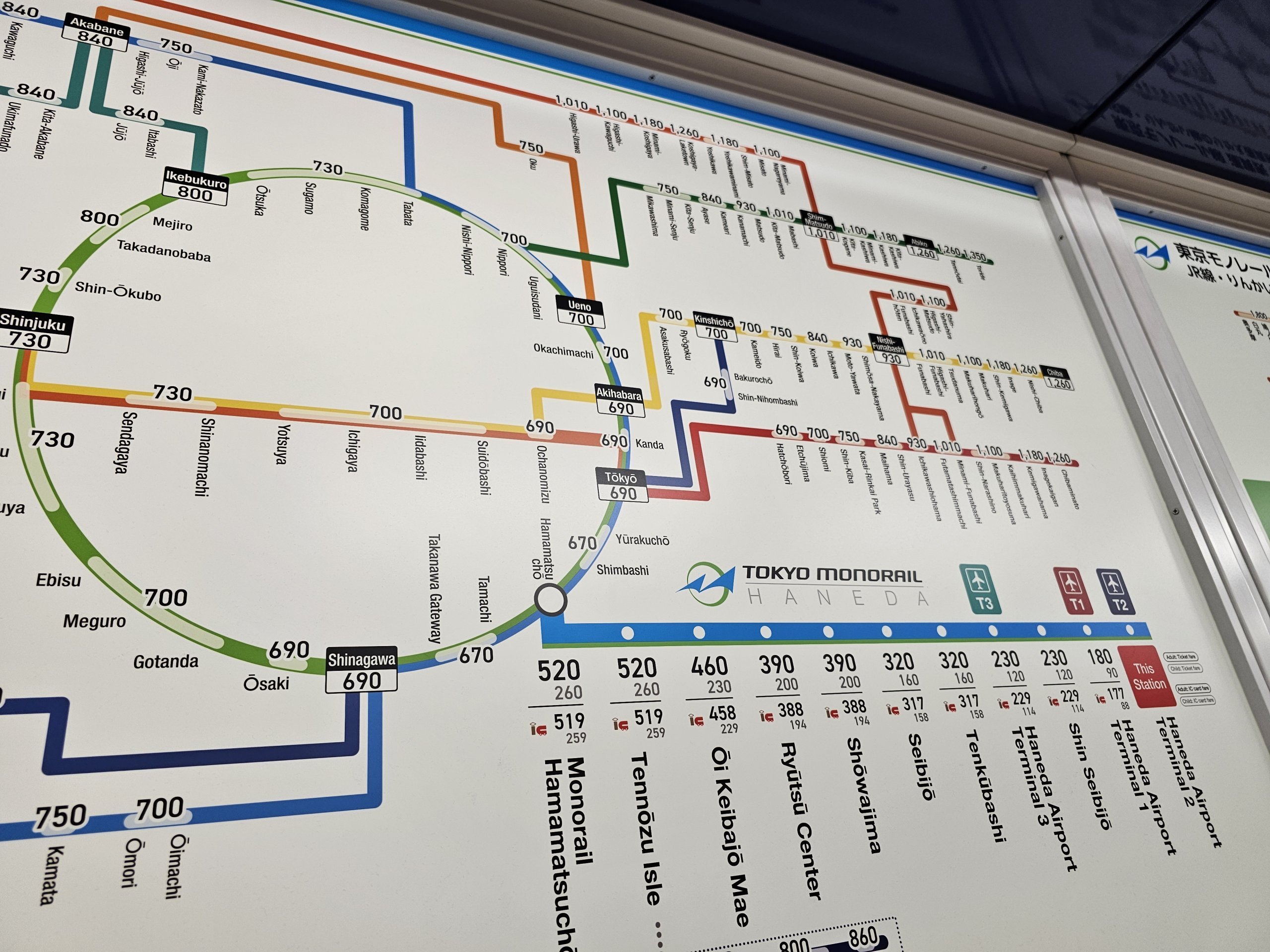
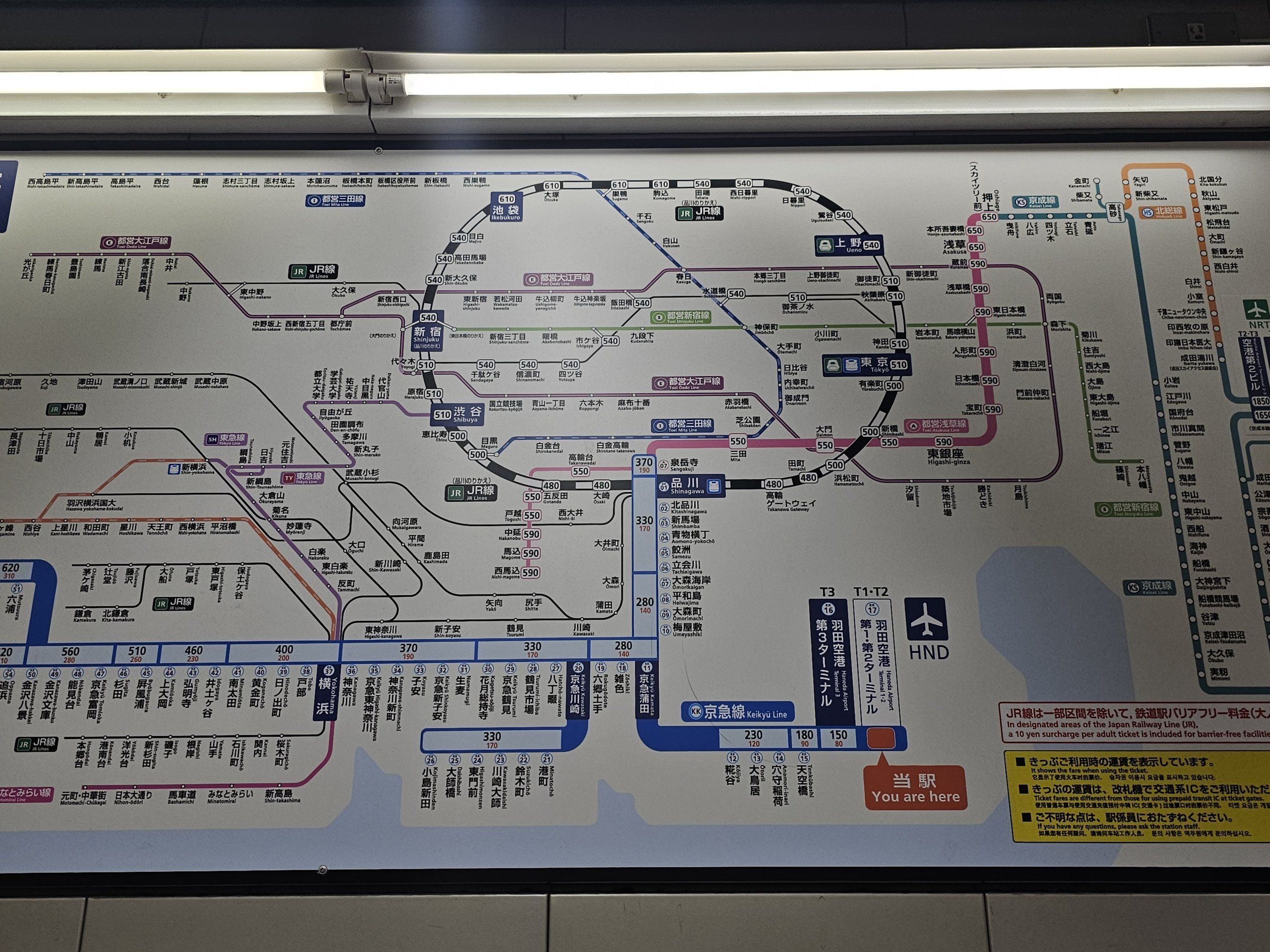
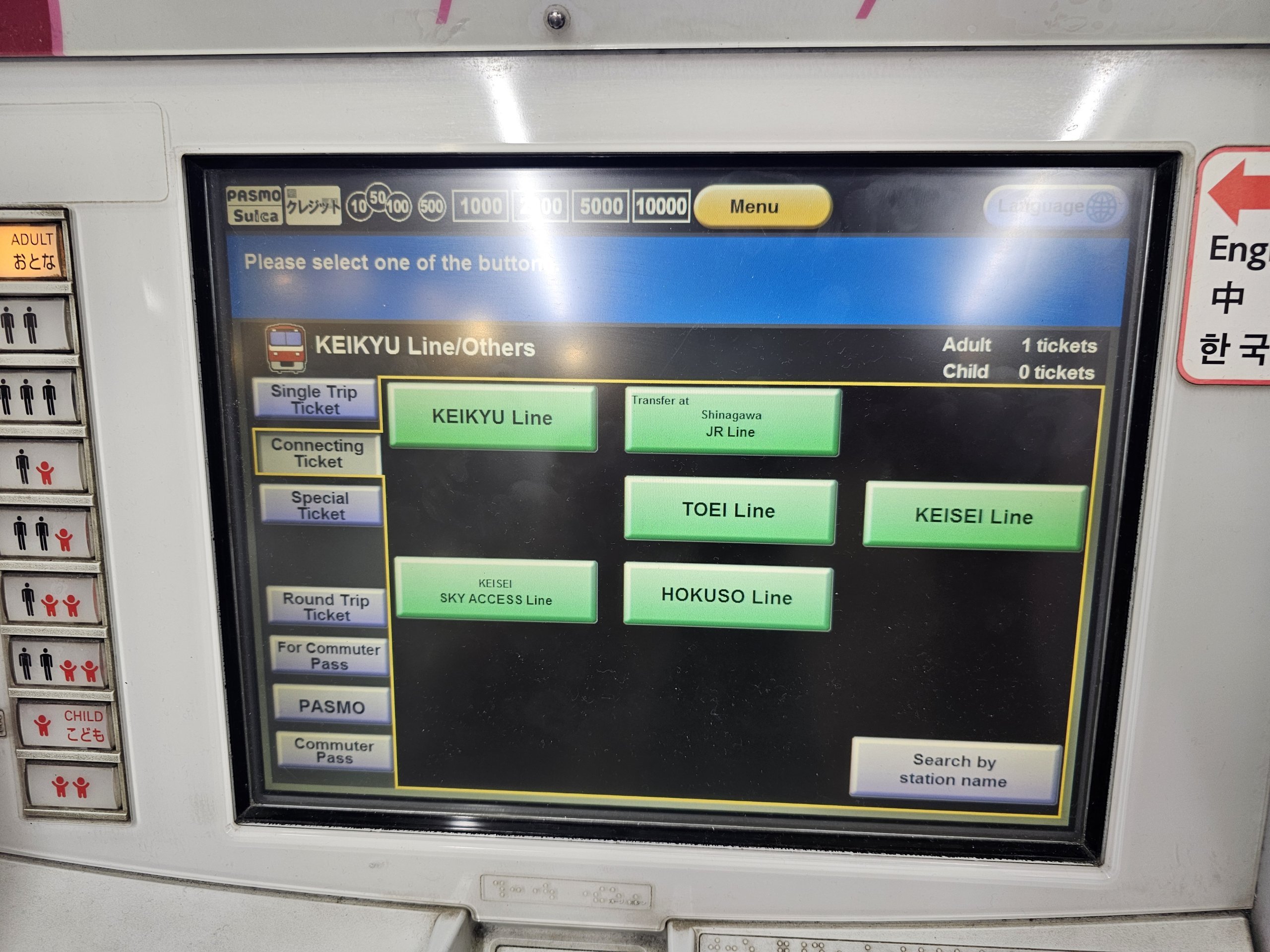
Prices are based on distance and are always the same from all terminals. You can also purchase transfer tickets for the JR Yamanote line and other JR train lines. However, you cannot purchase transfer tickets for the Tokyo Metro. You have to buy them at the subway station when you transfer.
On Saturdays, Sundays and public holidays, pay the flat rate 540 jpy to travel from the airport to anywhere on the Tokyo Monorail or JR Yamanote Line.
On the map above the machine, you will first find the destination station with the amount written next to it. You then select this on the machine screen and pay.
When selecting a transfer ticket for JR city trains, first select the transfer via "Hamamatsucho" station.
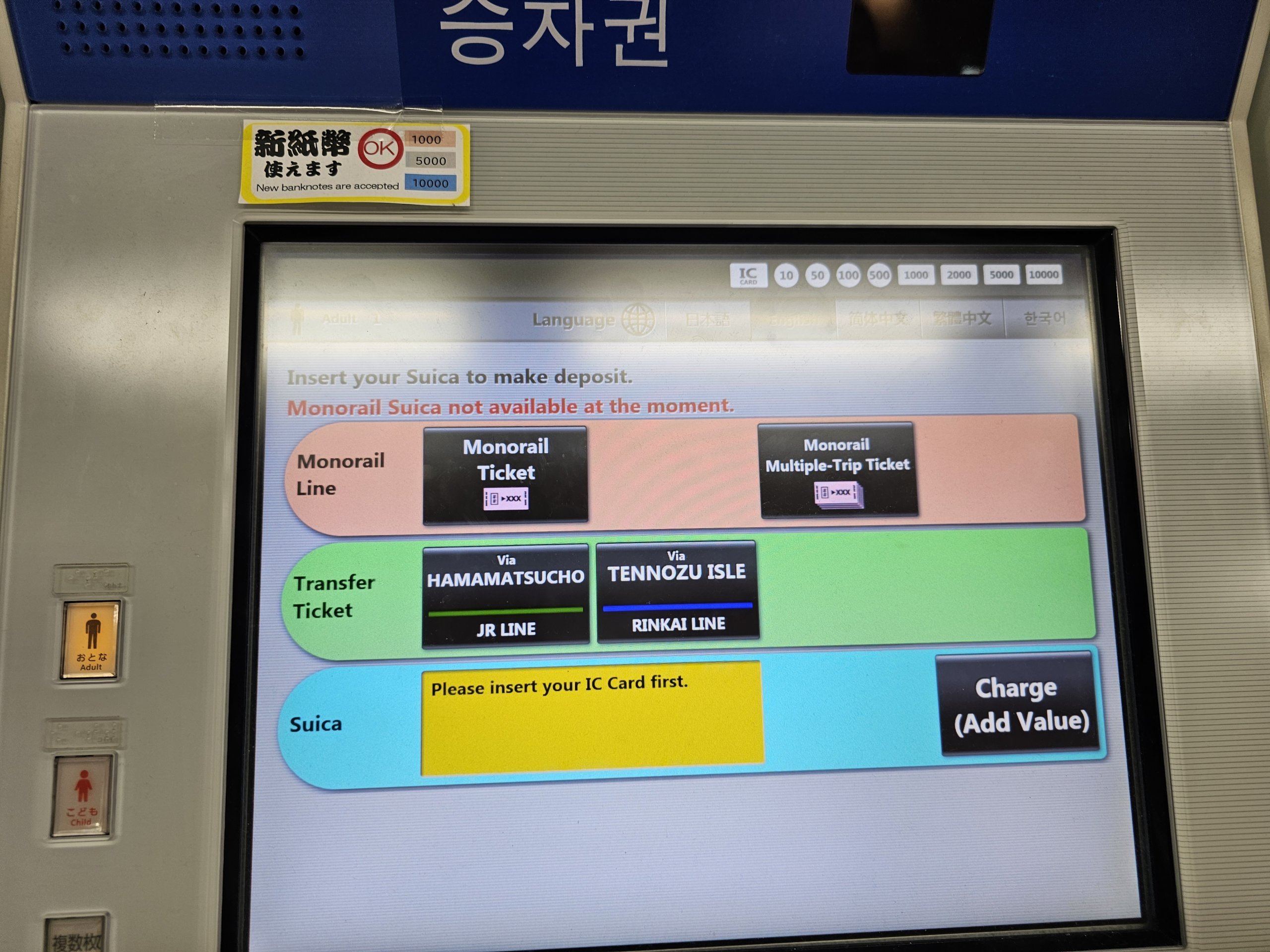
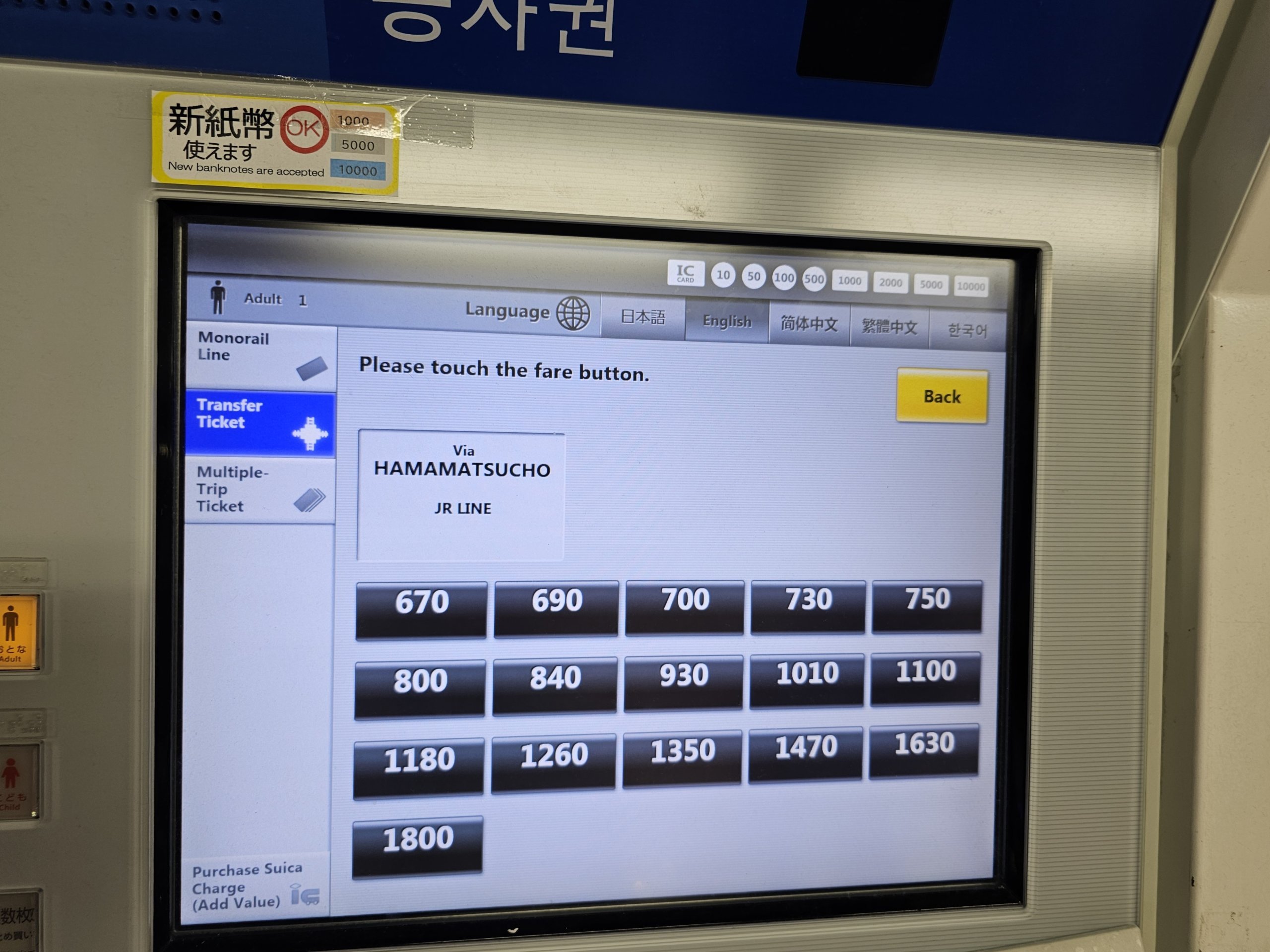
If you pay your fare with Japanese transport cards, you do not need to buy a ticket at the machine. Just attach the card to the turnstile when entering and exiting the platform.
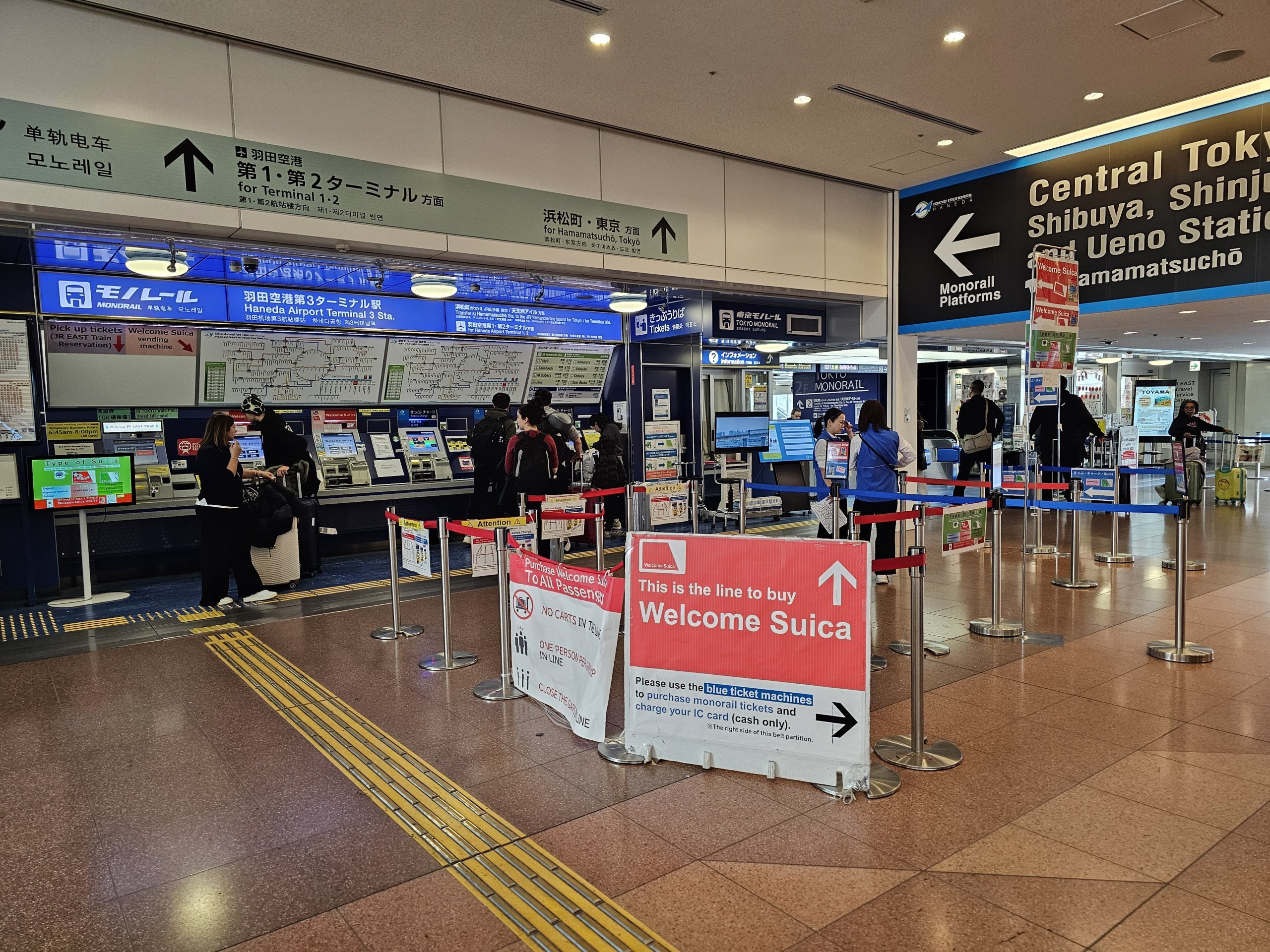
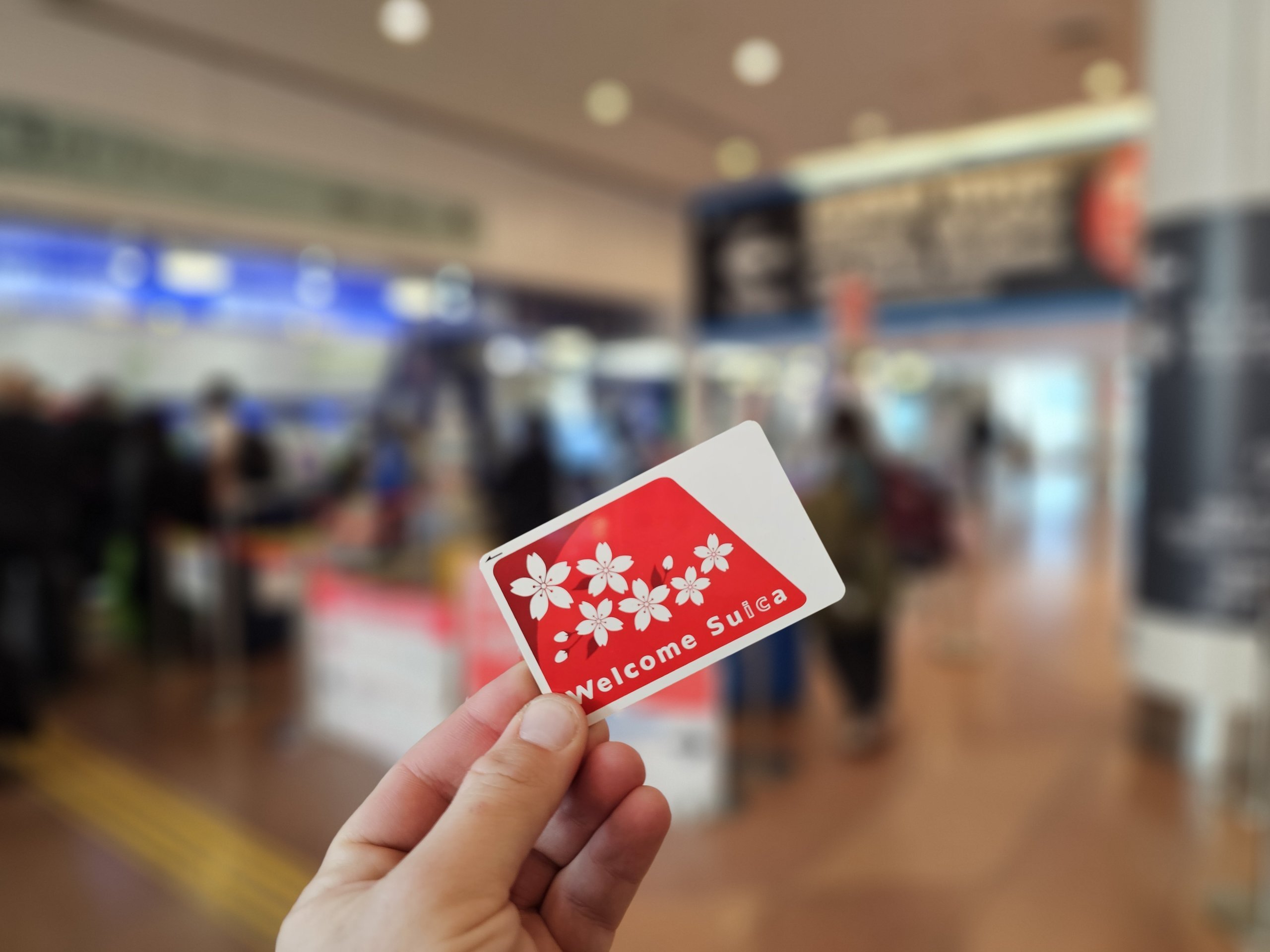
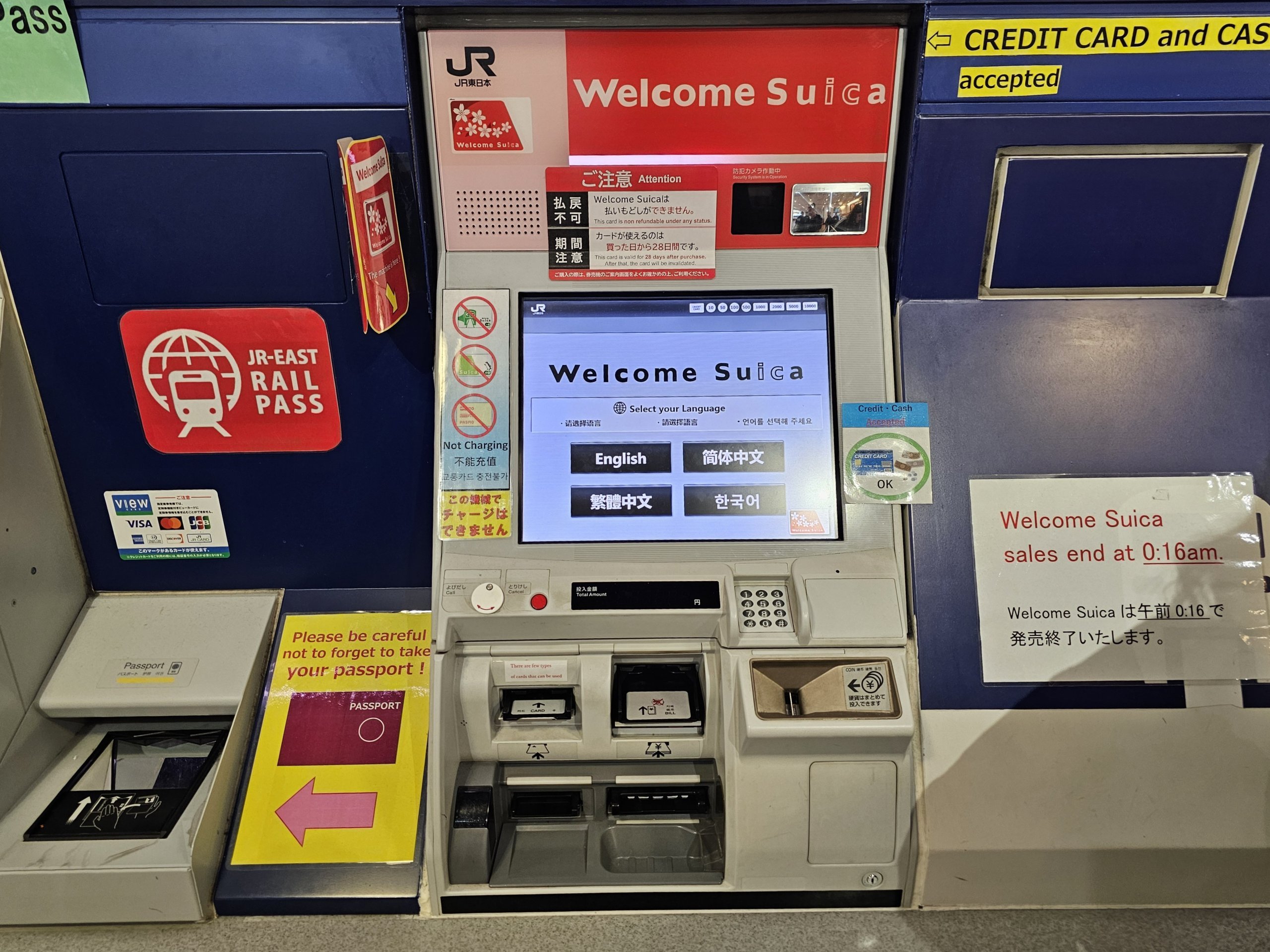
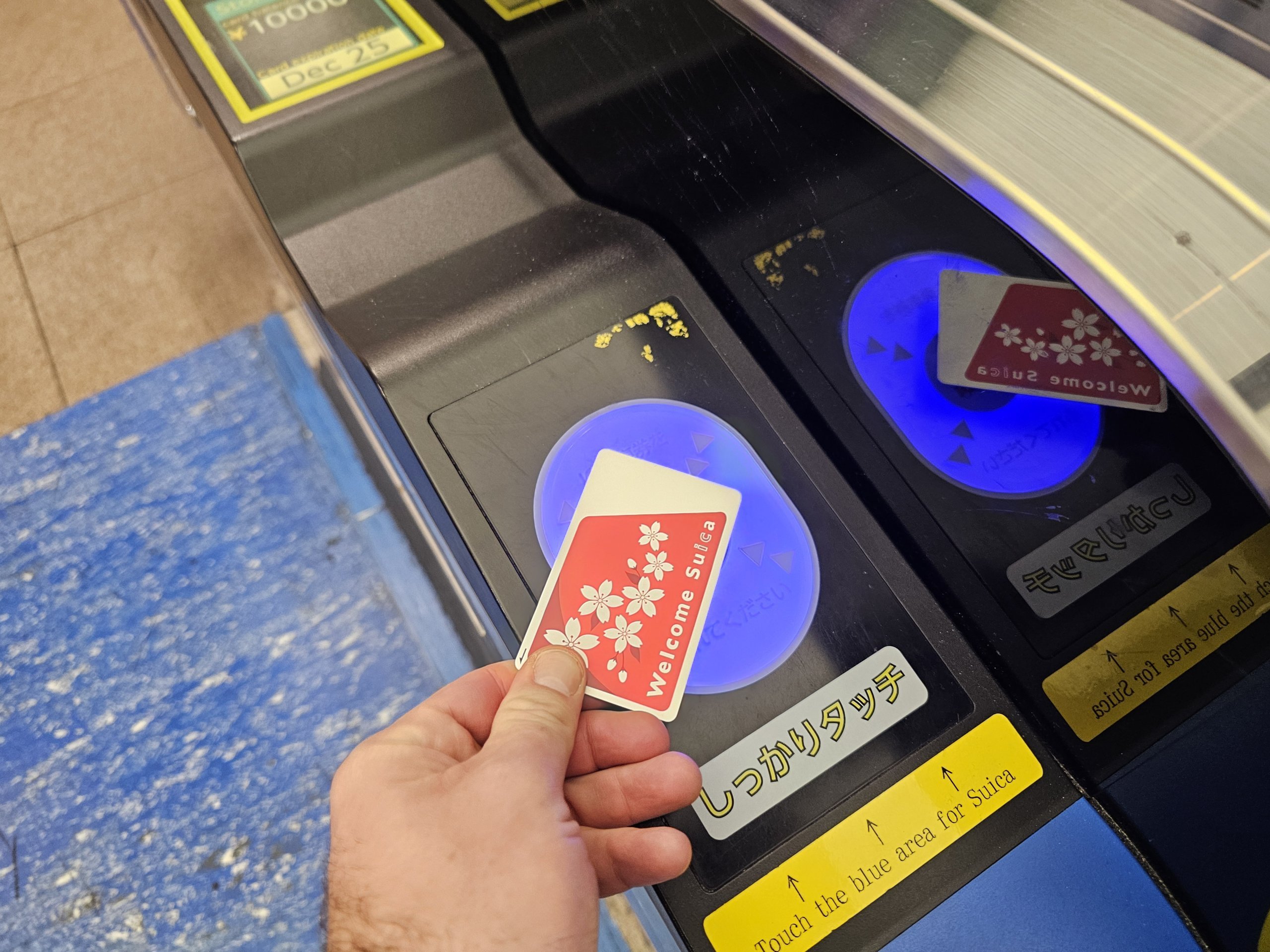
To find transport or Suica card on your mobile, it is important to have mobile data at all times.
Keikyu trains offer the widest range of direct connections without changing trains to central Tokyo, as well as the best connections to long-distance services and express trains at Shinagawa Station.
When travelling from the airport you need to pay attention to where the train is going, usually:
For timetable searches and official information, visit: haneda-tokyo-access.com.
Trains pass through all of central Tokyo without changing trains and continue on to Narita Airport NRT (some services only).
There are various express and local services to the airport. It is generally quite difficult to find out where which train is going. The timetable on the platform lists the Japanese characters with the destination station for each time. Explanations in English are also described.
To travel to different parts of Tokyo, you will often have to change trains at Keikyu-Kamata or Shinagawa stations.
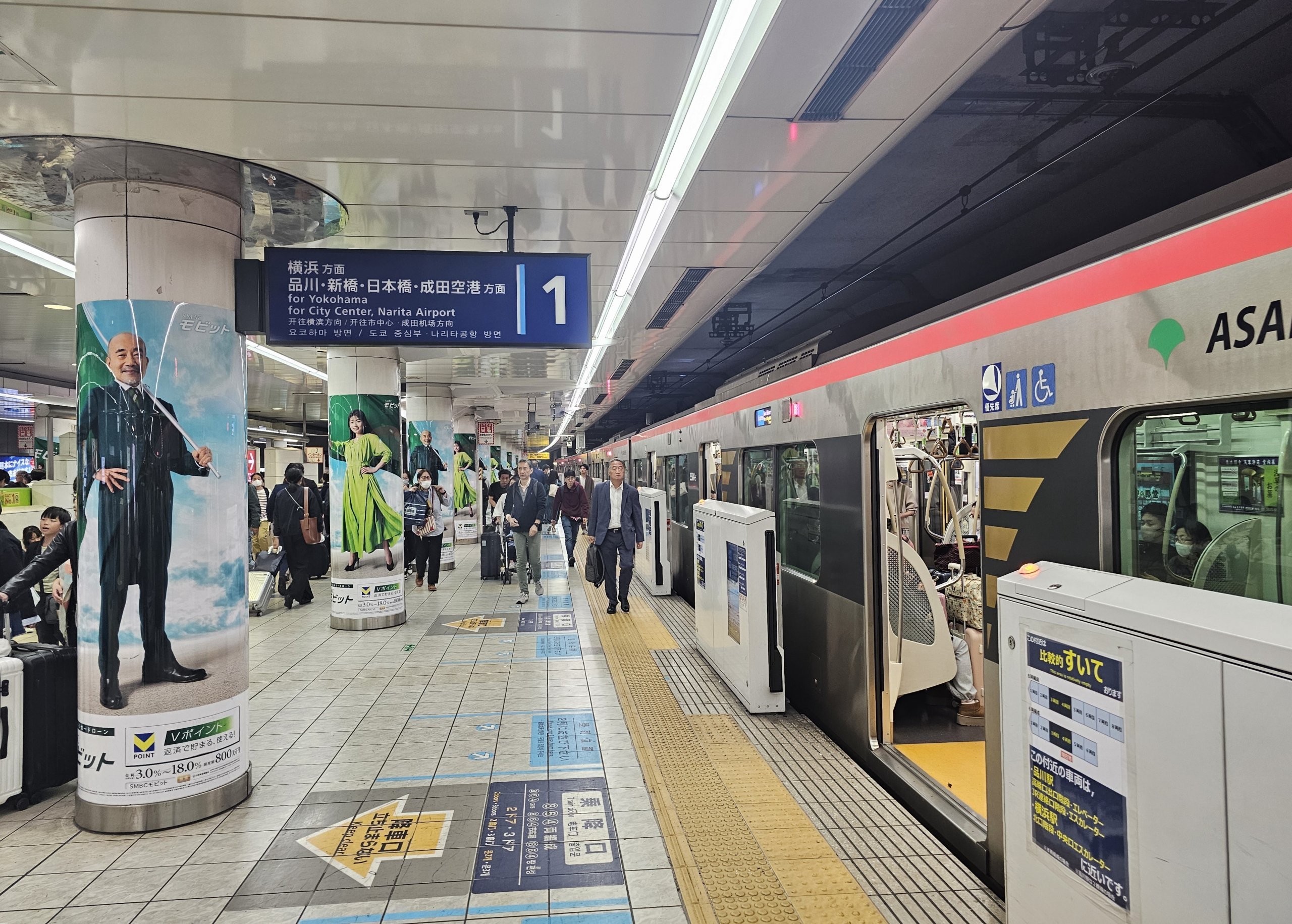
Ticket offices and ticket machines can always be found outside the entrance to the platform.
Vending machines can be used to pay with cash or Japanese transport cards (e.g. Suica, Icoca and others). You can't pay with a regular contactless card at the machines, but there is an ATM next door.
You can also pay with your own contactless card at selected turnstiles without having to deal with tickets. But this option is not yet that widespread in Tokyo and I would personally recommend buying one of the Japanese transport cards instead.
Prices are based on distance and are always the same from all terminals.
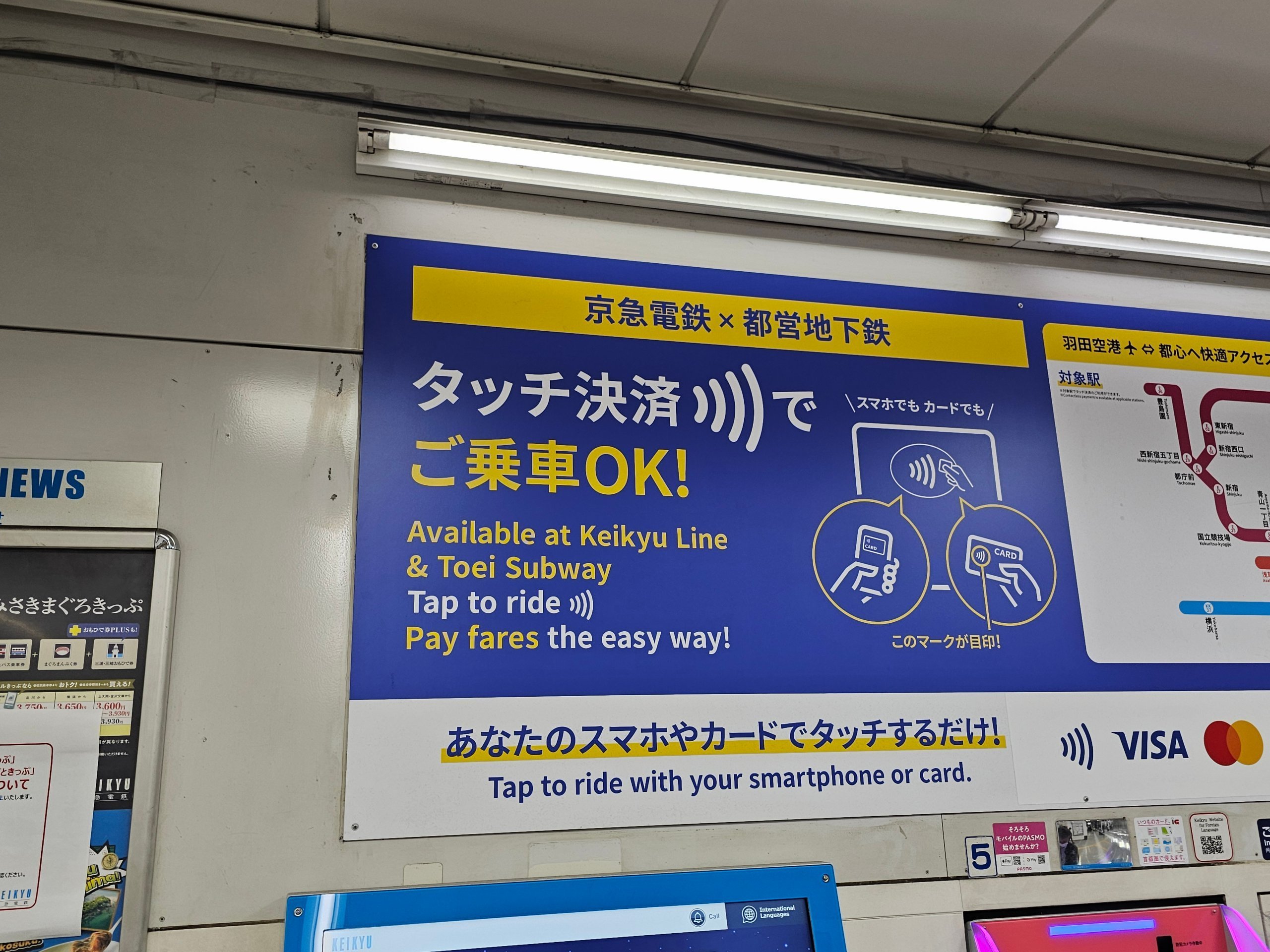
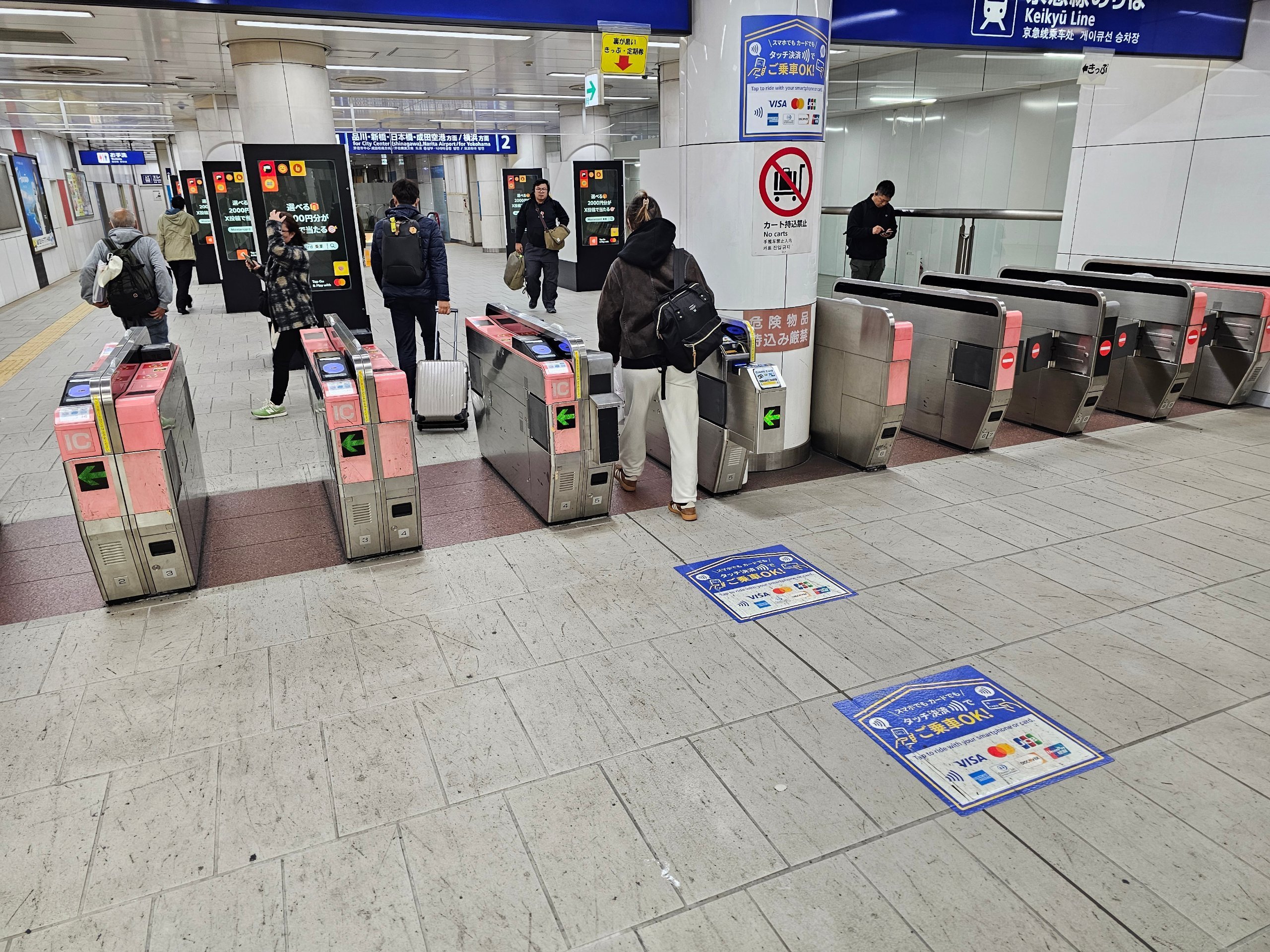
You can also purchase transfer tickets for the JR Yamanote line, Toei subway lines (i.e. lines A, E, I, S, you cannot purchase transfer tickets for Tokyo Metro) and KEISEI and HOKUSO trains.
You get a small discount (about 3 to 10 yen) when paying with a transport card. If you pay your fare with Japanese transport cards, you do not need to buy a ticket at a ticket machine. Just attach the card to the turnstile when entering and exiting the platform.
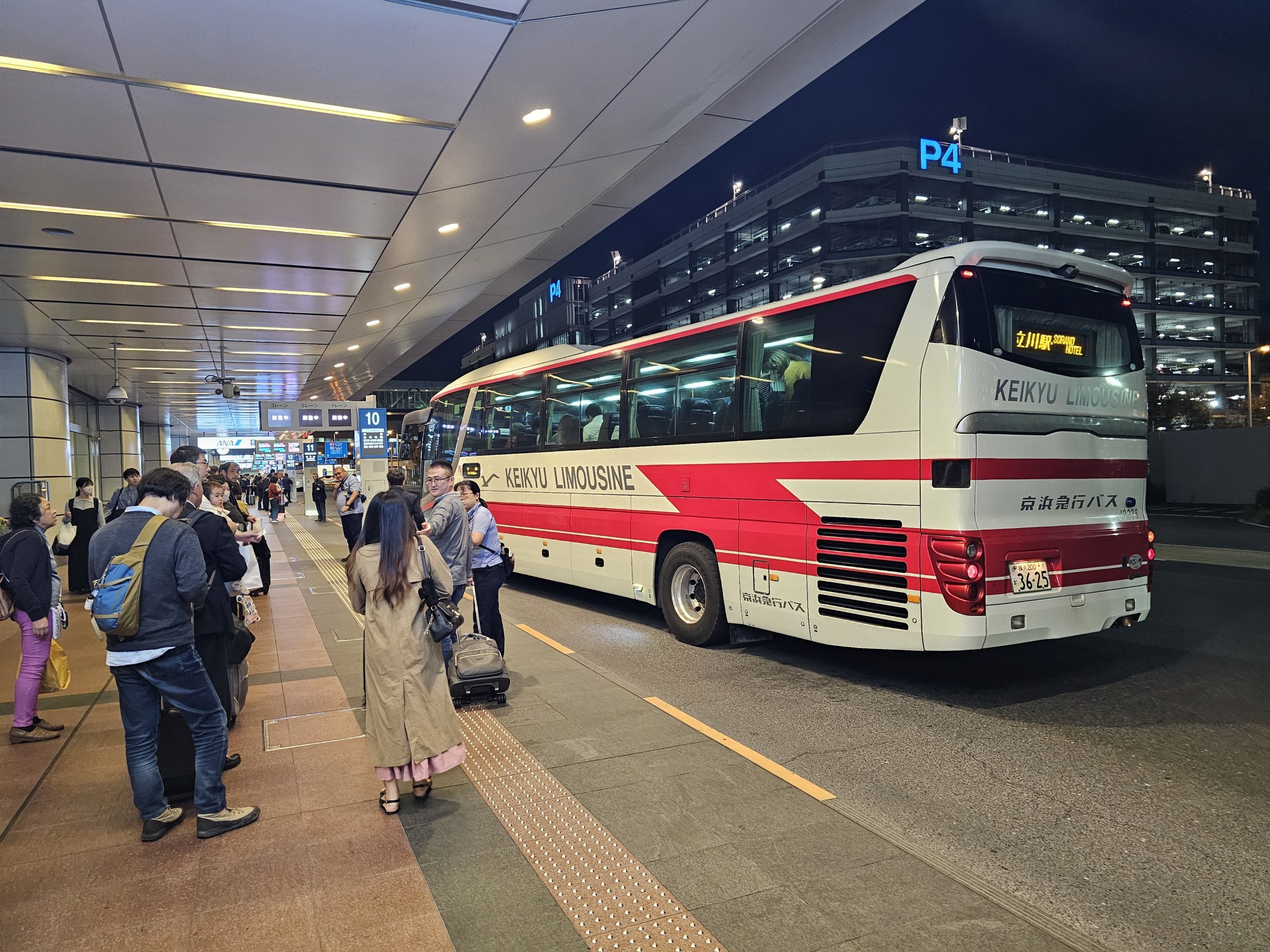
Countless bus lines run to various districts of Tokyo and are convenient for direct travel without transfers to virtually anywhere in the city.
The downside is that they are prone to long delays due to traffic jams as well as less frequent than the Tokyo Monorail or Keikyu trains.
Buses run every 20-30 minutes on average on each line, and it takes about 60-90 minutes to get to central Tokyo.
The stops are always right outside the arrivals hall and are clearly signposted.
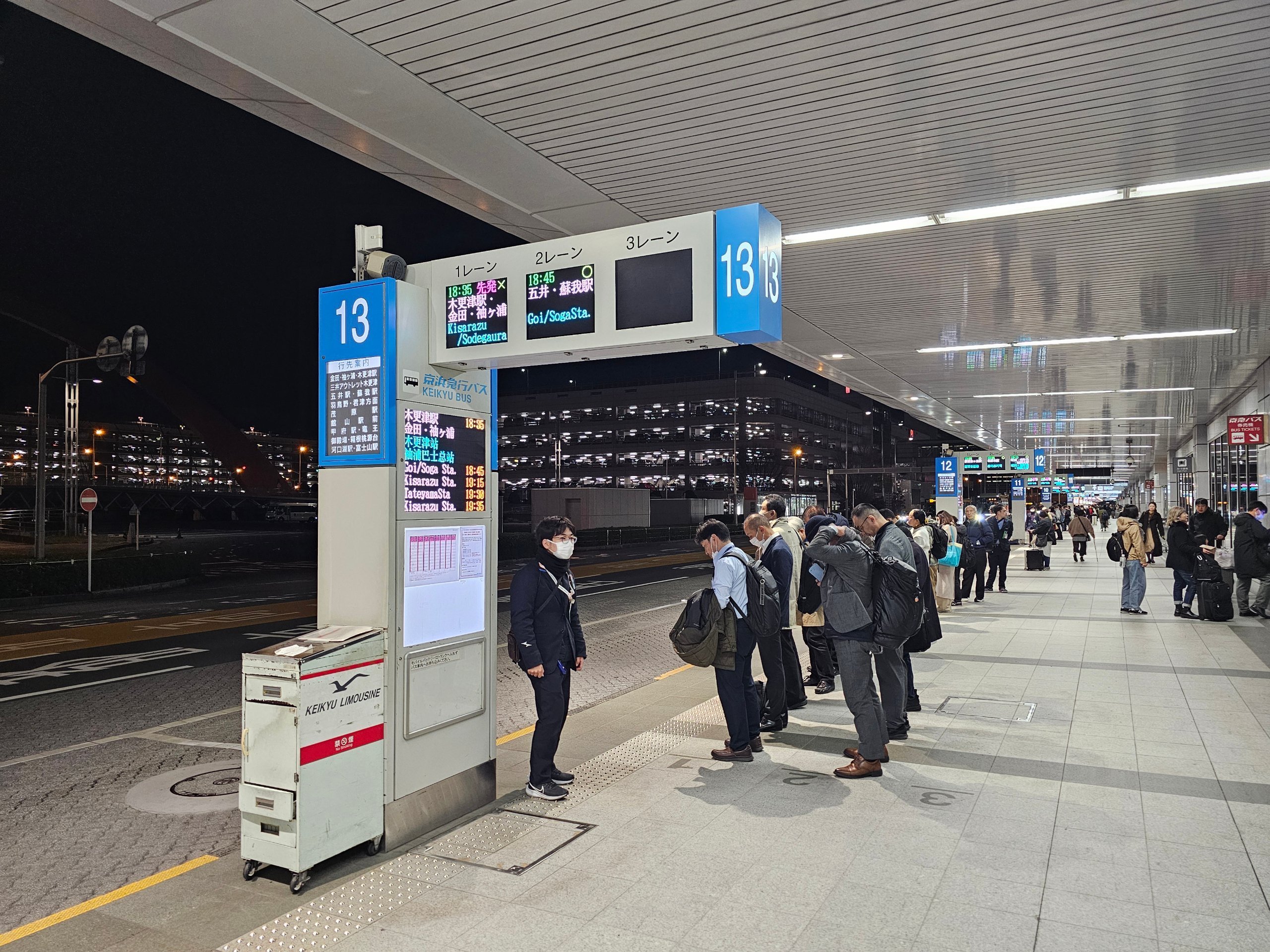
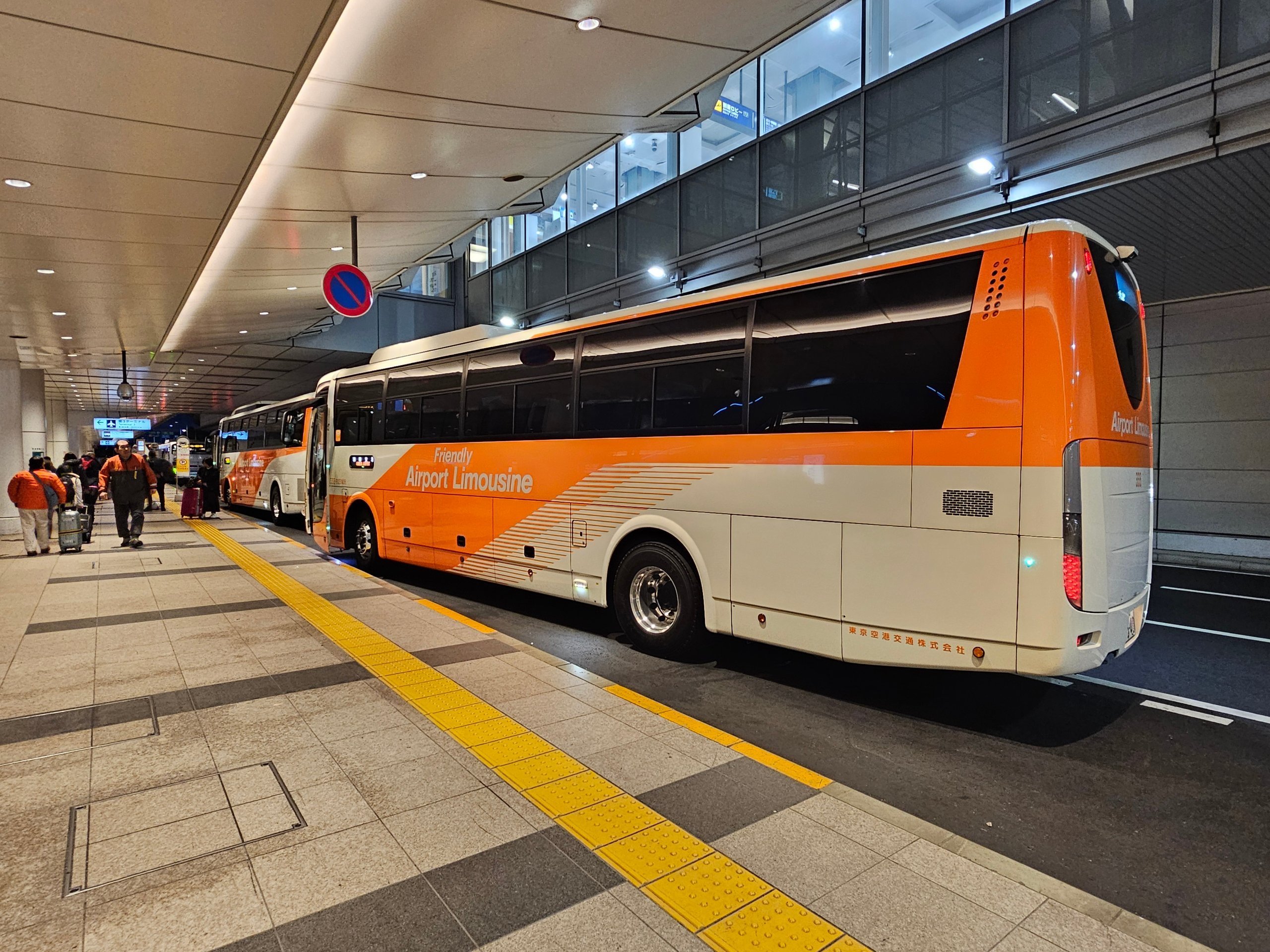
Tickets can be purchased at the ticket booths in the arrivals hall or directly at the stops. Prices to central Tokyo range between 1 000 jpy a 1 500 jpy and are therefore 2-3 times higher than train and monorail tickets.
You can always pay with cash and foreign credit cards.
There are dozens of different routes from the airport to all over Tokyo, a complete list of which is shown on the transport map below.
For a complete list of all routes, visit the airport's website: tokyo-haneda.com/bus.
What are the most popular routes and which carriers operate them?
View a map of all train and bus routes serving Tokyo Haneda HND Airport.
All stops and stations where trains and buses from/to the airport stop are marked.
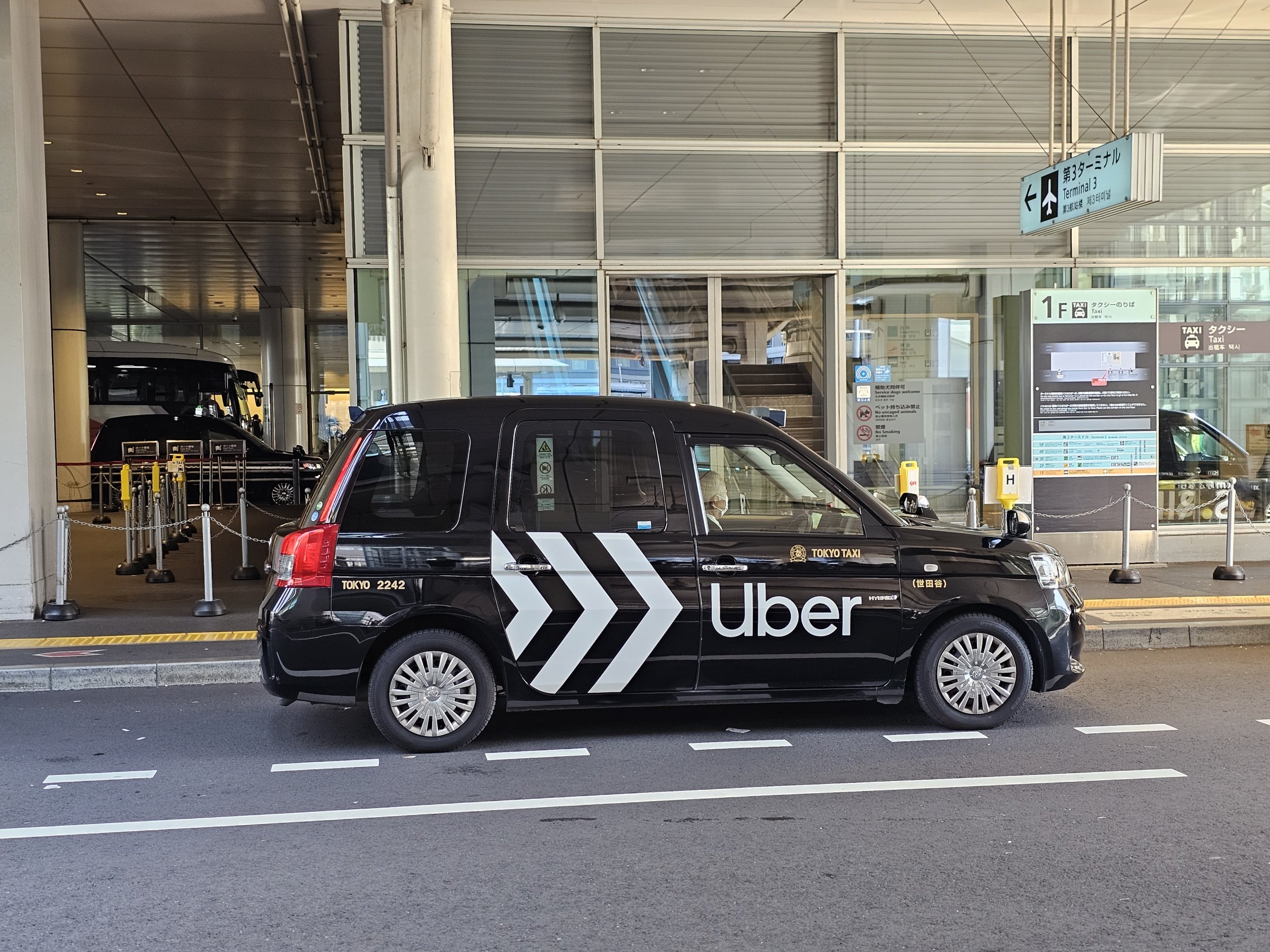
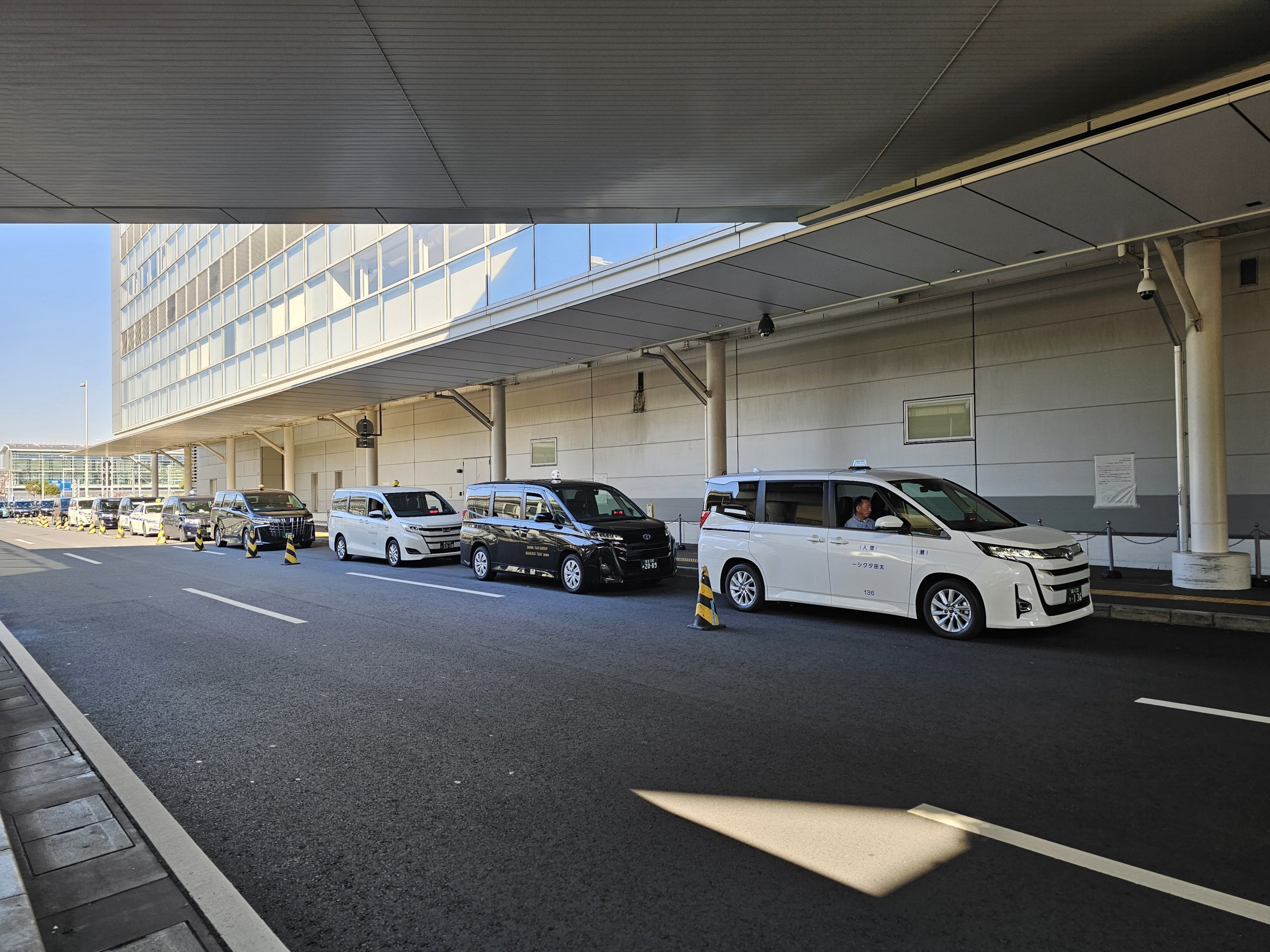
Taxi stands are always located outside the arrival halls of all terminals, next to the bus stops.
Regular taxis can also be booked via the Uber app.
For the sake of clarity, Haneda Airport is not metered, but has fixed prices to all locations in the Tokyo metropolitan area. For example, you can find the current price list on the website: taxi-tokyo.or.jp/english.
Prices at night are about 20% higher.
Transferring from Haneda Airport to Narita is very easy and non-stop.
You can choose between bus lines and Keikyu trains.
Direct services run 1-2 times per hour and the journey takes about 100-120 minutes. The cheapest tickets cost 1 840 jpy, but there are also more expensive connections with a transfer, which can ironically be faster than the direct trains.
For timetable searches and official information, visit: haneda-tokyo-access.com.
Buses offer more frequent connections. The service is operated by a company called Airport Limousine.
The buses run 1-3 times per hour and the journey takes approximately 90 to 115 minutes without changing buses, depending on the traffic. Most services only stop outside terminals 1 and 2. Buses only go to terminal 3 at selected times of the day when international traffic is heaviest.
The price of a one-way ticket is 3 600 jpy and a detailed timetable is available on the company's website: limousinebus.co.jp/timetable.
The great city of Yokohama actually forms one giant conurbation along with Tokyo, and can be reached from the airport by direct bus lines or more cheaply by train with a transfer.
The cheapest way to get there is by Keikyu Line trains, which run directly without a change. every 10-18 minutes.
You can buy a ticket to Yokohama from the ticket machine at the airport for 400 jpy.
Depending on the length of the transfer, journey times are 26 to 35 minutes and you can find connections at haneda-tokyo-access.com.
More convenient connections are by bus Keikyu Bus running on many routes to all parts of Yokohama.
Depending on traffic, journey times vary between 35 and 55 minutes and ticket prices around 650 jpy.
If you have booked an unlimited JR Pass before travelling to Japan, pick it up directly at the airport.
There are tourist information centres in all international arrival halls where you can pick up your JR Pass upon presentation of your booking code.
How do shinkansen and trains work in Japan? Check out our experience in the chapter Transport in Japan.
When you arrive in Tokyo, there are usually two things to sort out:
eSIM to Japan - works as soon as you land
Find practical information for getting around Tokyo in our guide:
If you have any questions or comments about the article...