
Imperial Palace Kokyo


Kōkyō Palace, with its extensive gardens, is still used as the residence of the Japanese Imperial Family and is the most visited landmark in Tokyo. For this reason, it is normally inaccessible to the public.
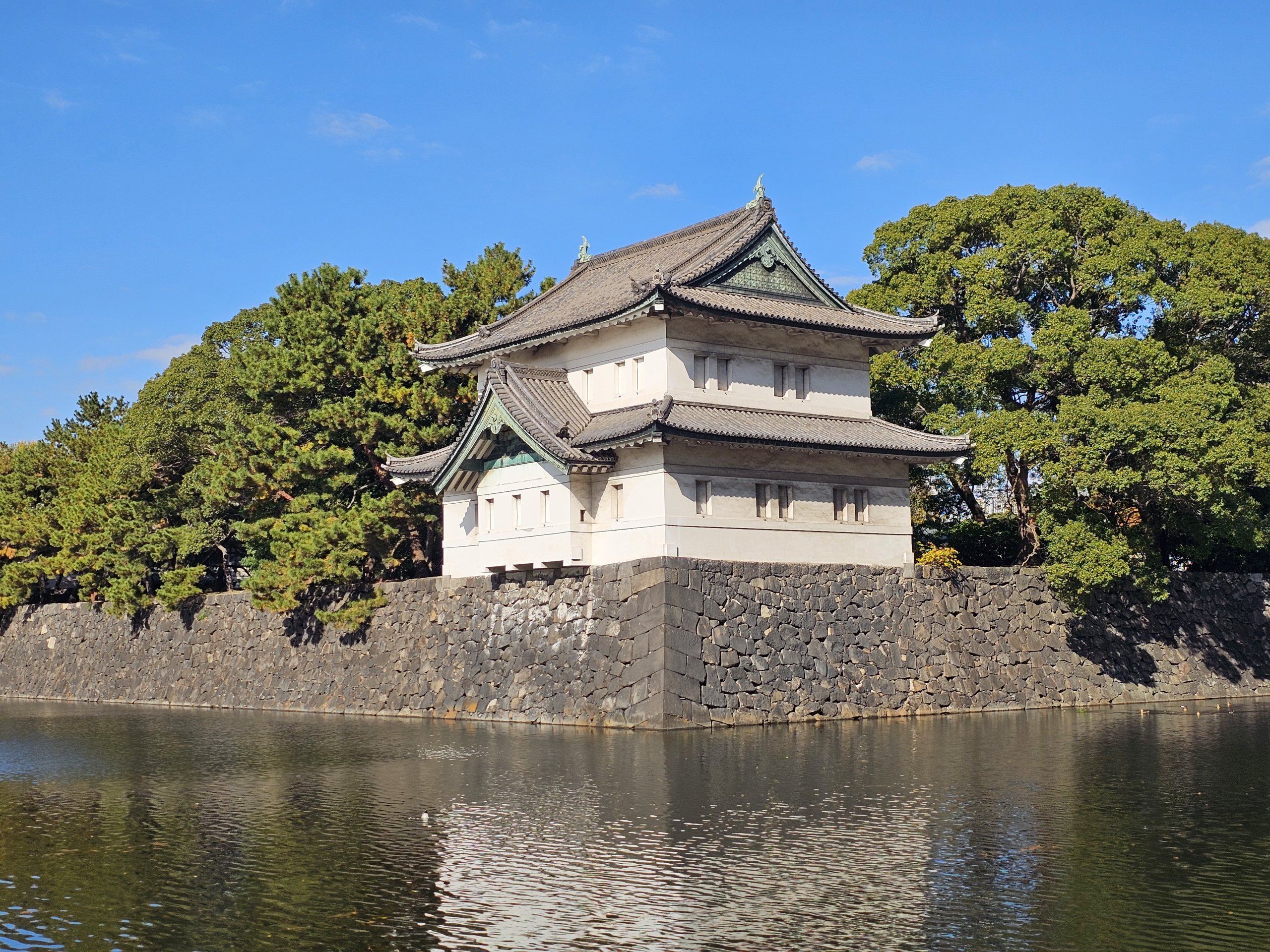
Flower gardens have been planted around it and a moat has been built. The entire area is surrounded by defensive walls.
Read also on our website:
- 👉 O ur tips on where to stay in Tokyo
- 🏯 My other favourite sights in Japan
Imperial Palace: must-see or disappointment?
I had an idea that it would be one of the top things to do in Tokyo, but the reality was a little different. So is it even worth a visit?
✅ Yes, if:
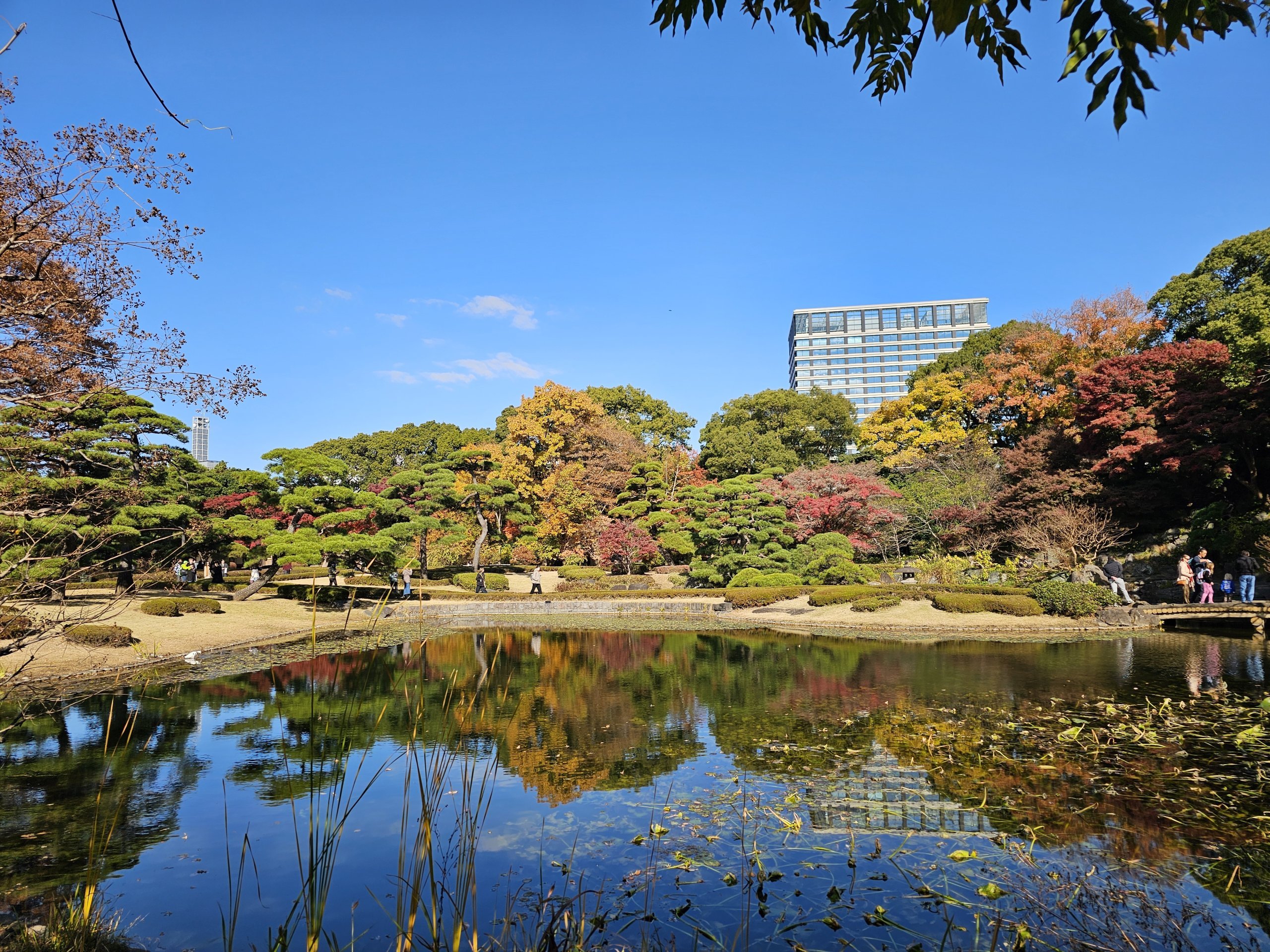
- you like beautiful Japanese gardens
- you're only changing trains in Tokyo (Tokyo Station is very close)
- you want to see from afar where the Japanese Emperor lives
❌ No, if:
- you are in Tokyo for 1-2 days (there are more interesting places)
- you expect to see the palace building itself
- you expect that interior tours are possible
- you're mainly looking for "instagram" famous spots
- 👉 My tip: visit Shibuya Junction or Tokyo Tower instead
Top 10 hotels near Tokyo Station
When is the palace open to the public?
As the palace buildings are still actively used by the Imperial Family, they are not open to the public.
The exception is two days a year, during which you can visit the inner courtyard of the palace and see the imperial family. This is free, but be prepared for huge crowds:
- 2 January (New Year's greeting) - detailed info
- 23 February (Emperor's birthday) - detailed info
Although many tourist agencies offer guided tours of the palace, these are always only free guided tours of the gardens, where you can go without a guide.
Public gardens
Two outdoor gardens are open to the public all year round and every day.
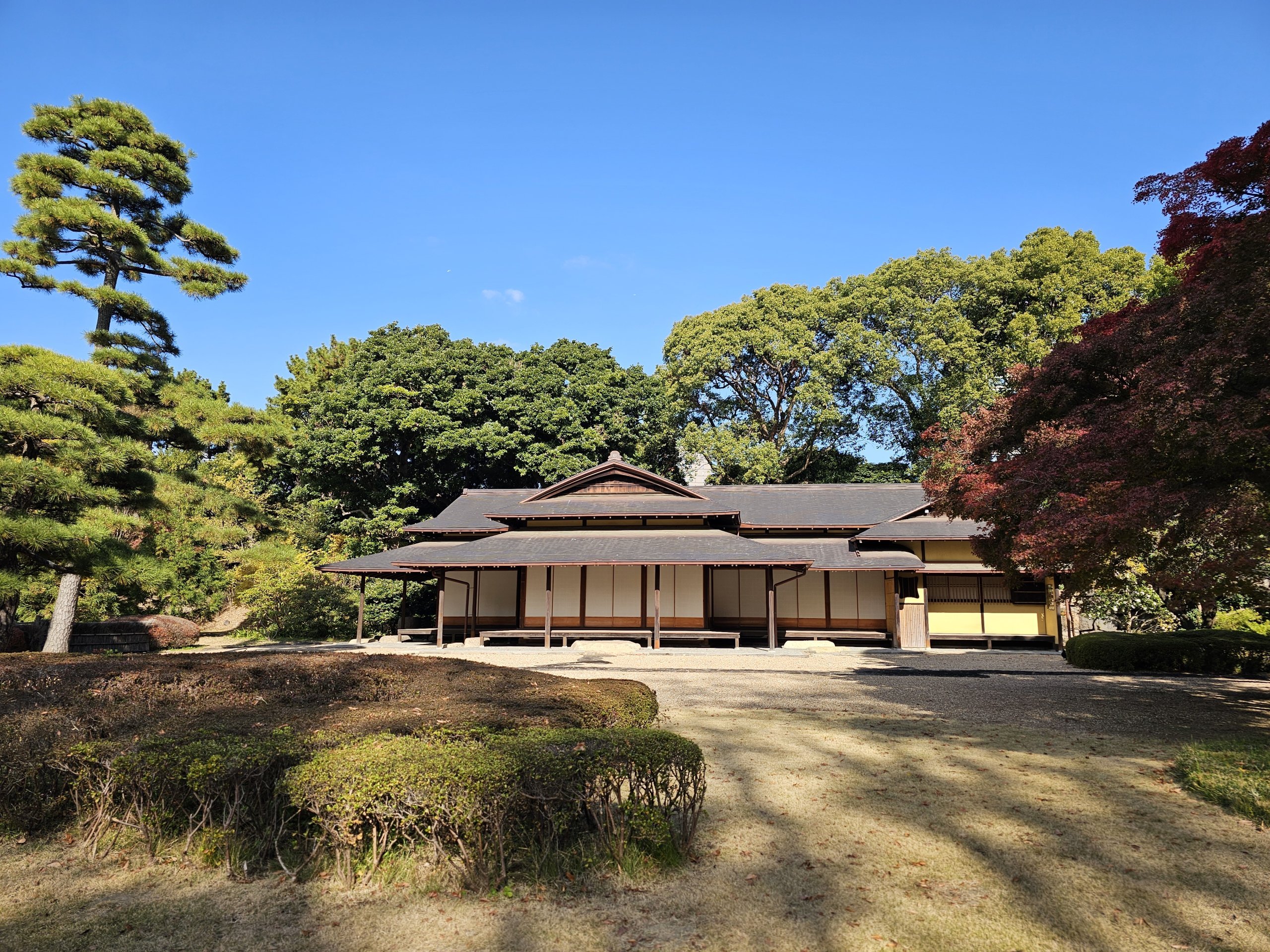
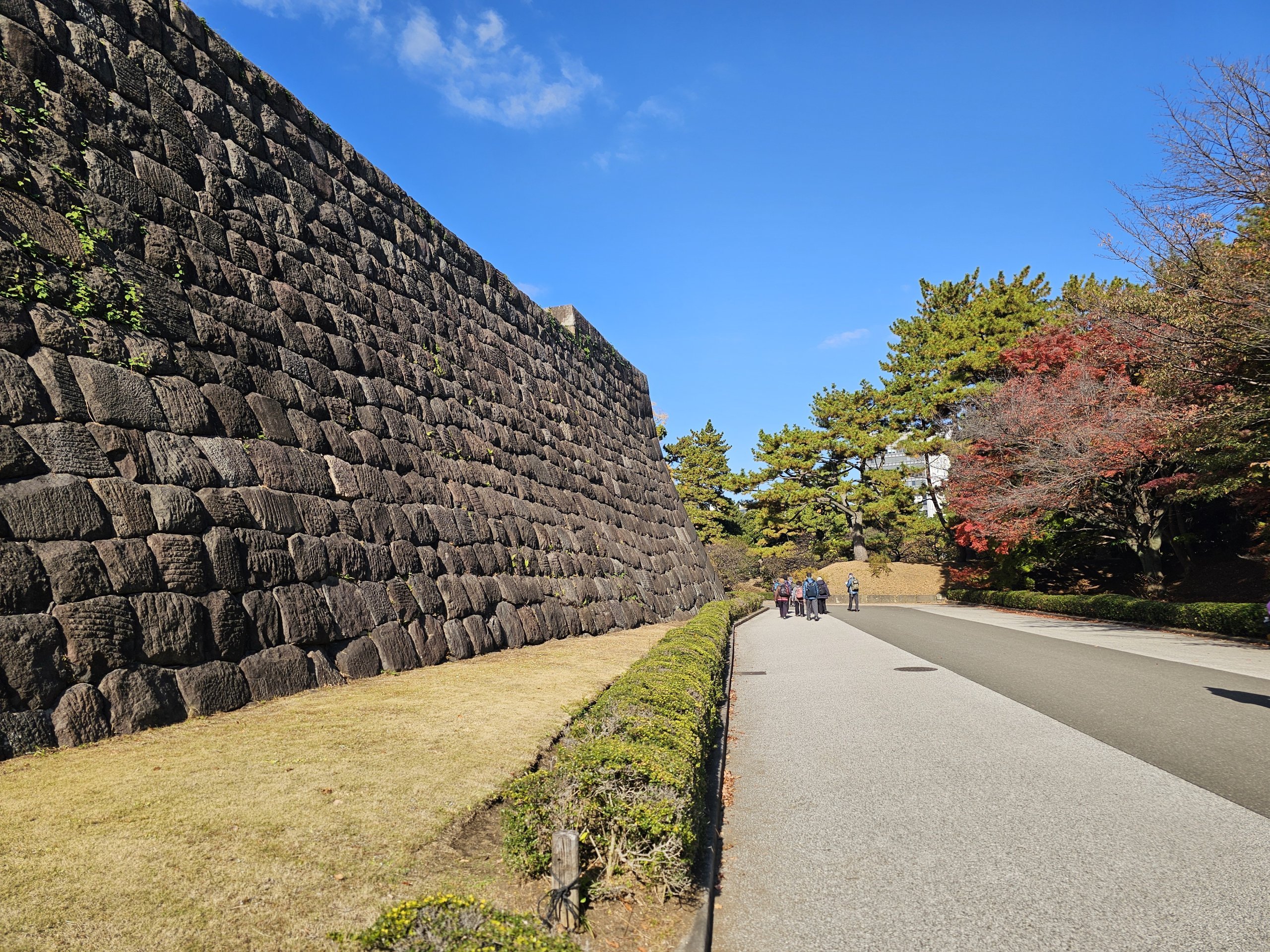
The East Garden
The beautiful setting with its historic walls and watchtowers is the most beautiful part of the whole complex.
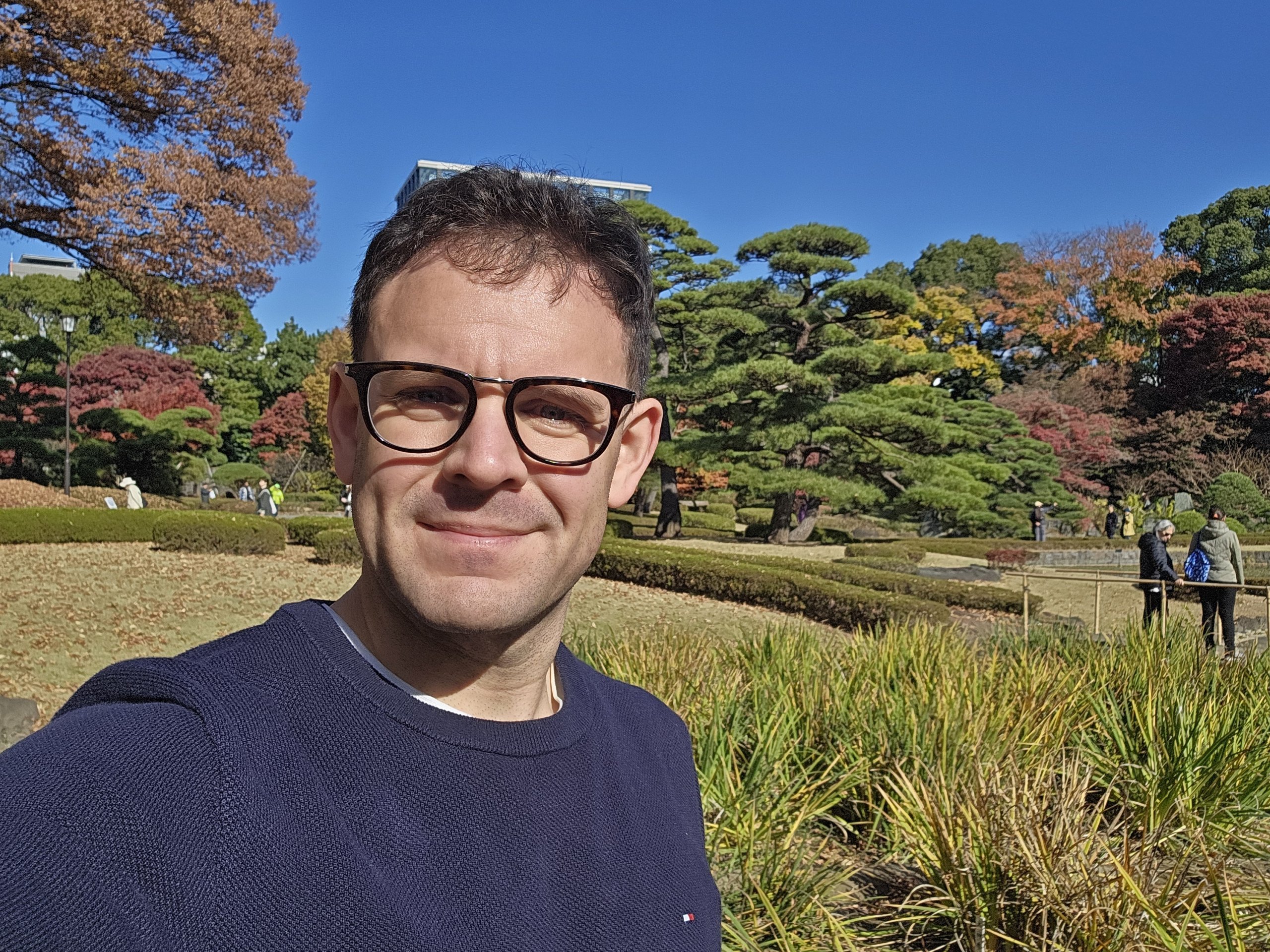
Just a few minutes' walk from bustling Tokyo Station, the garden is a great place to escape the hustle and bustle of the big city and stands out especially in spring and autumn when the trees are beautifully coloured.
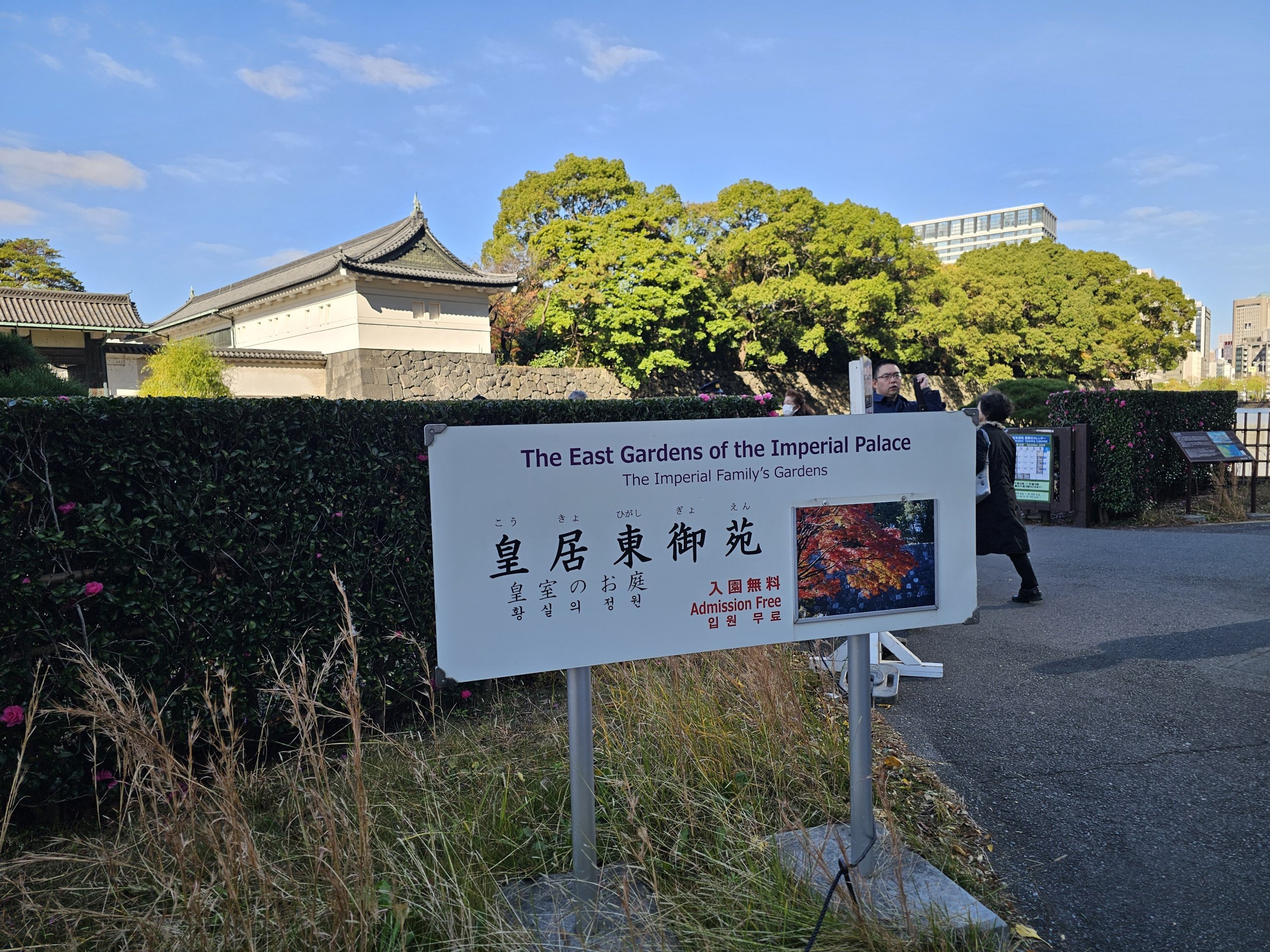
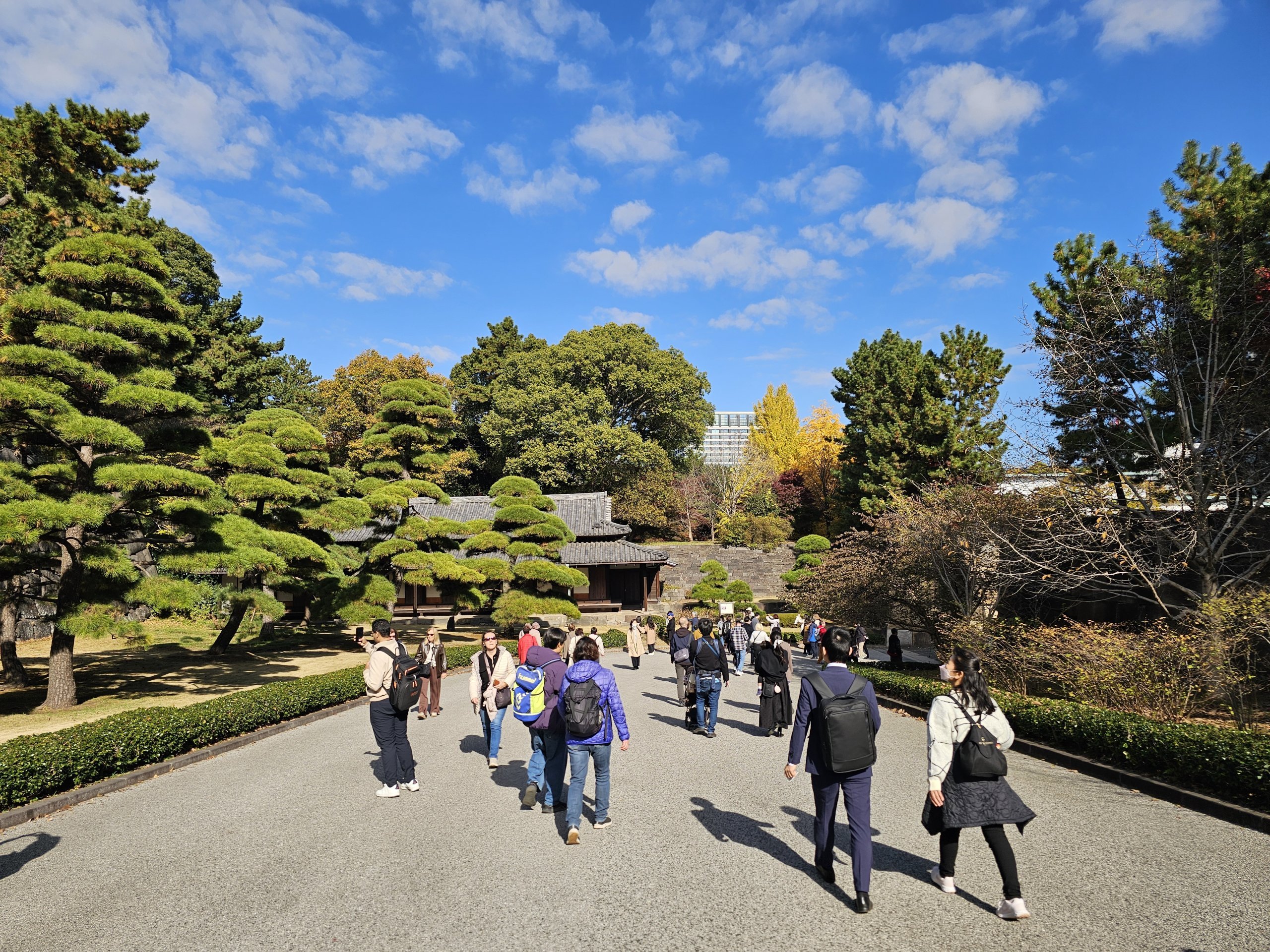
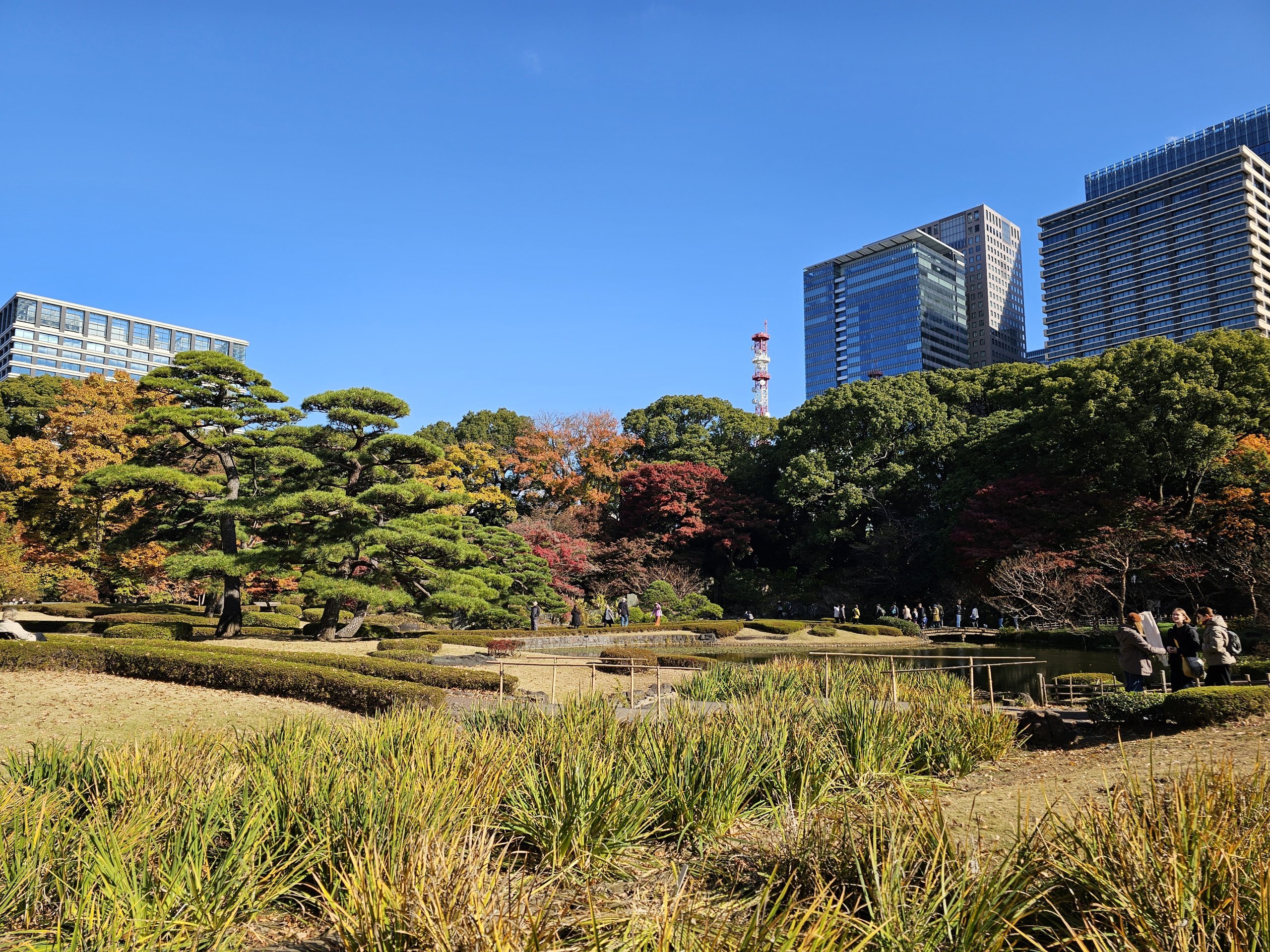
- Admission: free
- Open: 9am-4pm daily except Mondays and Fridays, when it is closed all day
- 3 main entrances
- Ote-mon Gate closest to Tokyo Station (see map)
- Kita-Hanebashi Gate towards Kitanomaru Garden (see map)
- Hirakawa-mon Gate near Takebashi subway station (see map)
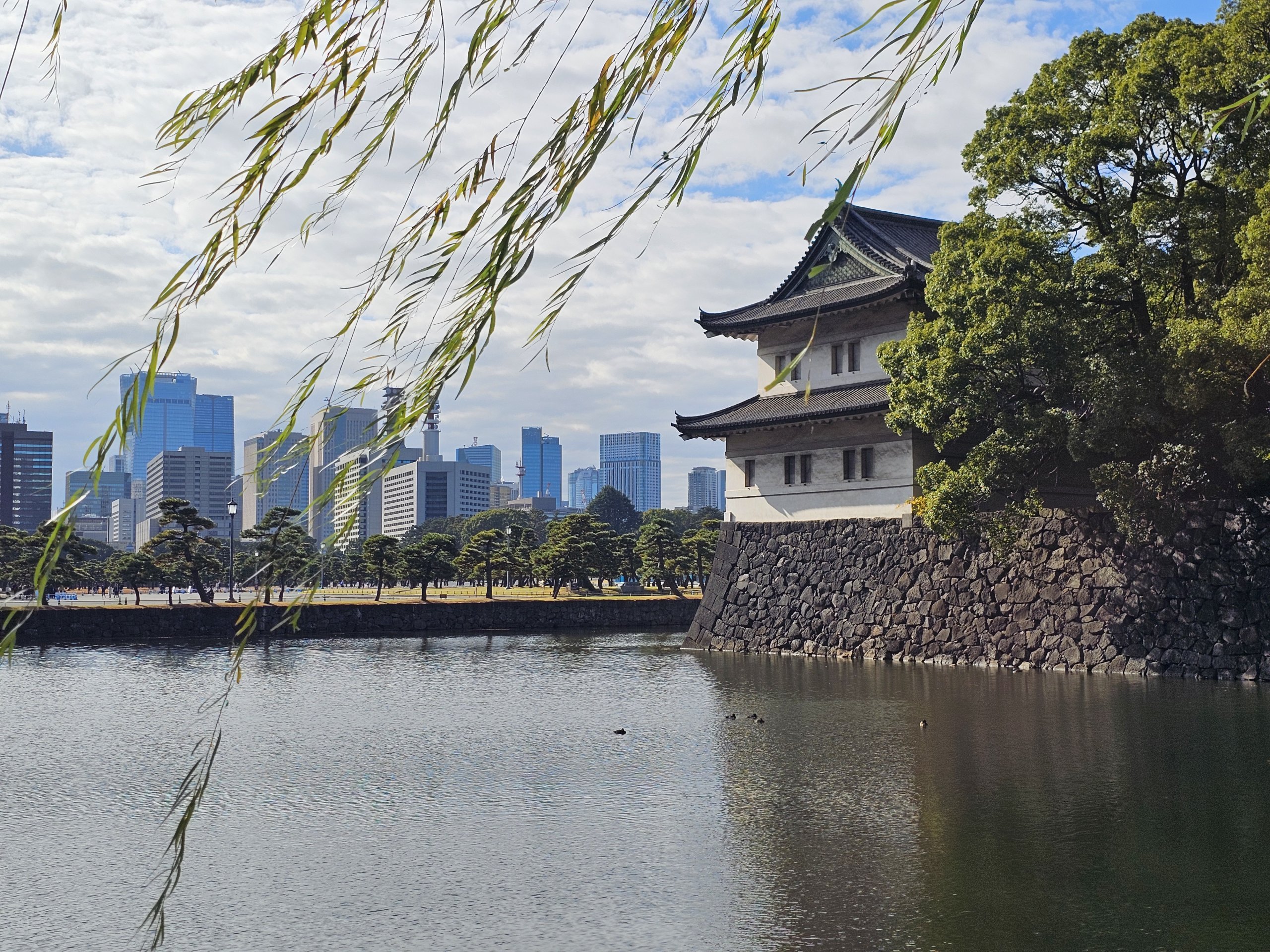
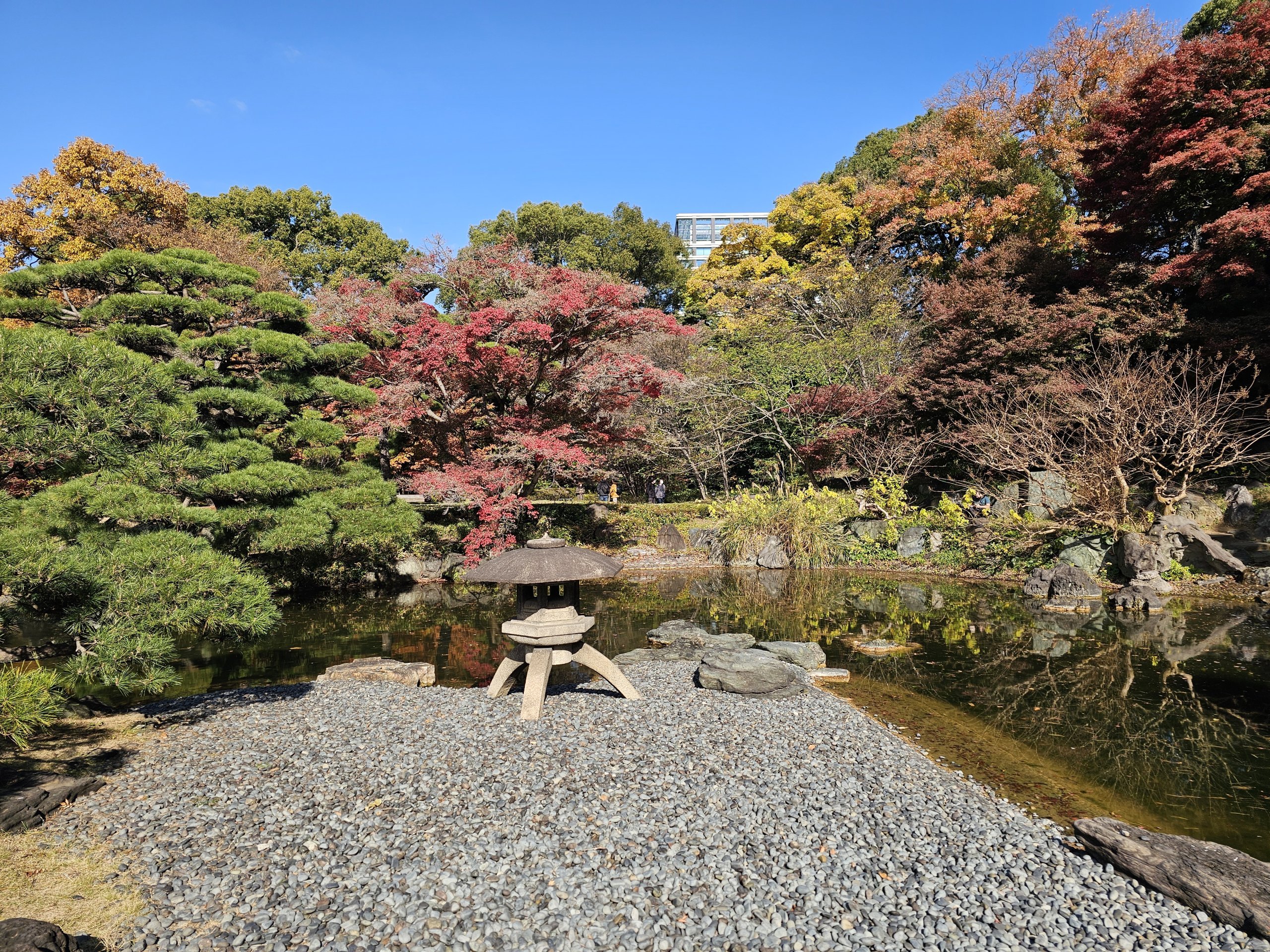
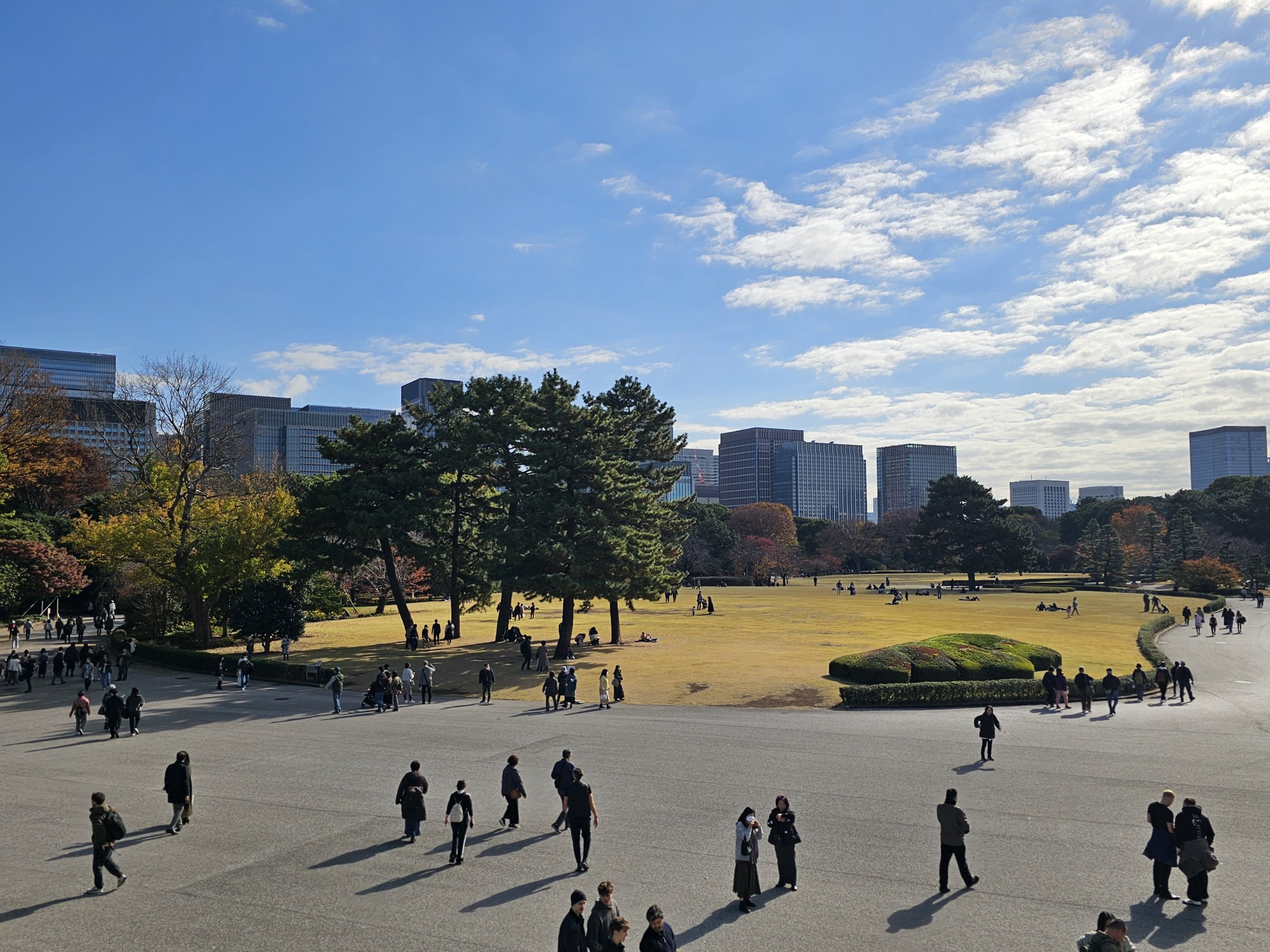
Kokyo Gaien National Garden
A huge grassy area with freely scattered trees located right in front of the main entrance to the Imperial Palace.
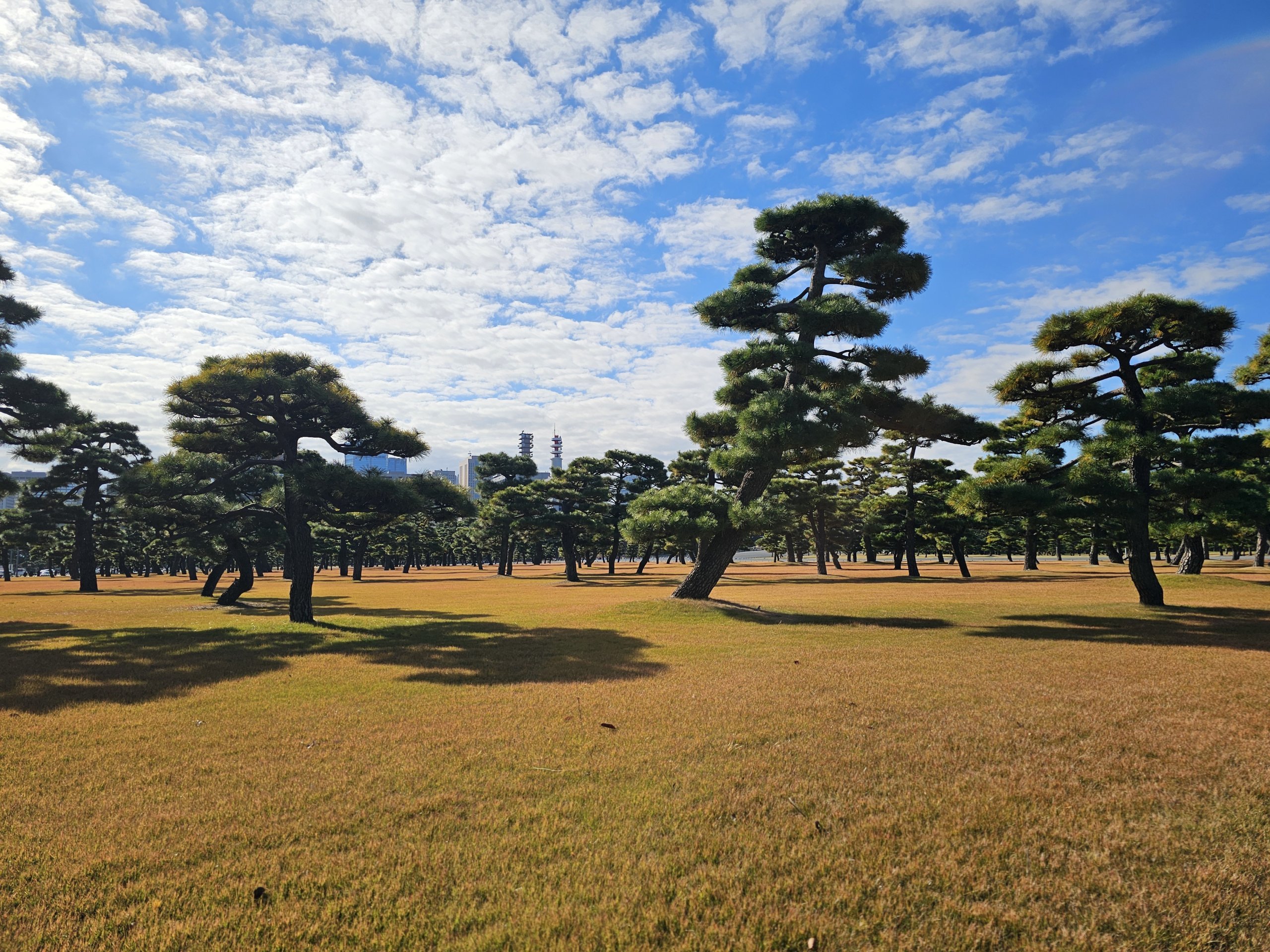
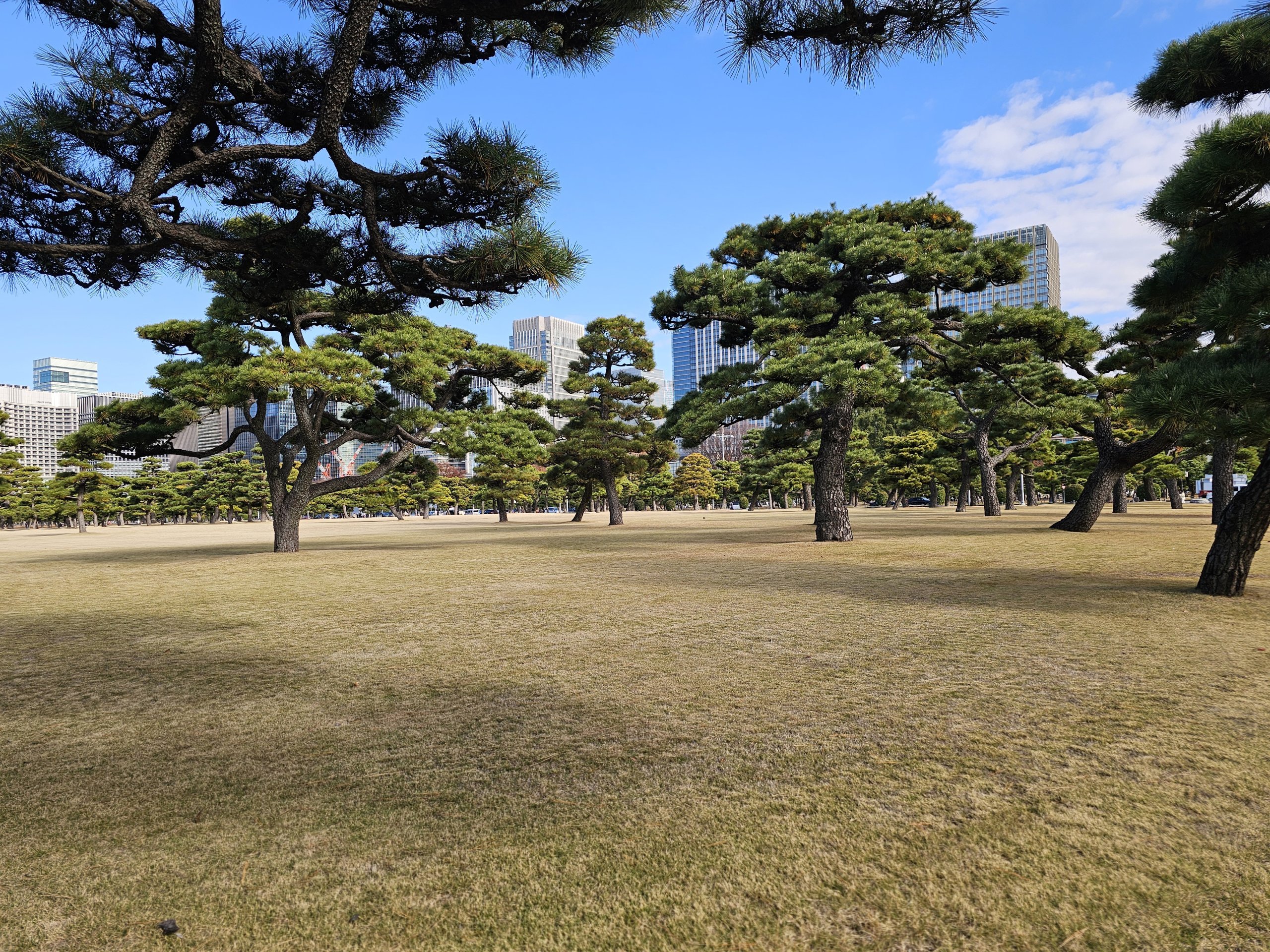
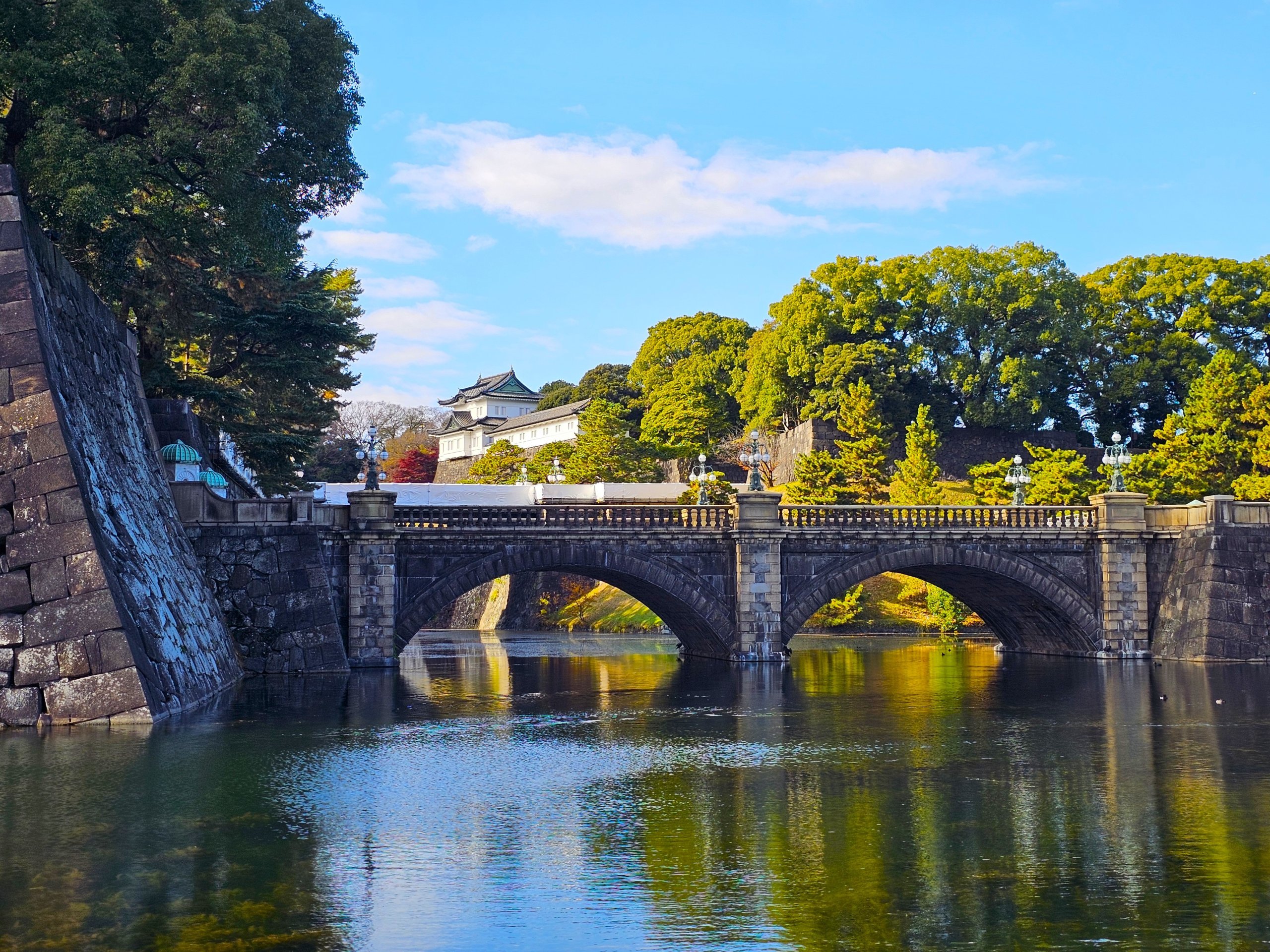
This garden is nowhere near as spectacular as the East Garden, but you can see the historic Nijubashi Bridge from here.
If you don't have that much time in Tokyo:
- ✅ Go to Kokyo if you want to see the historic Nijubashi Bridge
- ❌ Skip the visit and go straight to the Eastern Gardens if you prefer nice parks
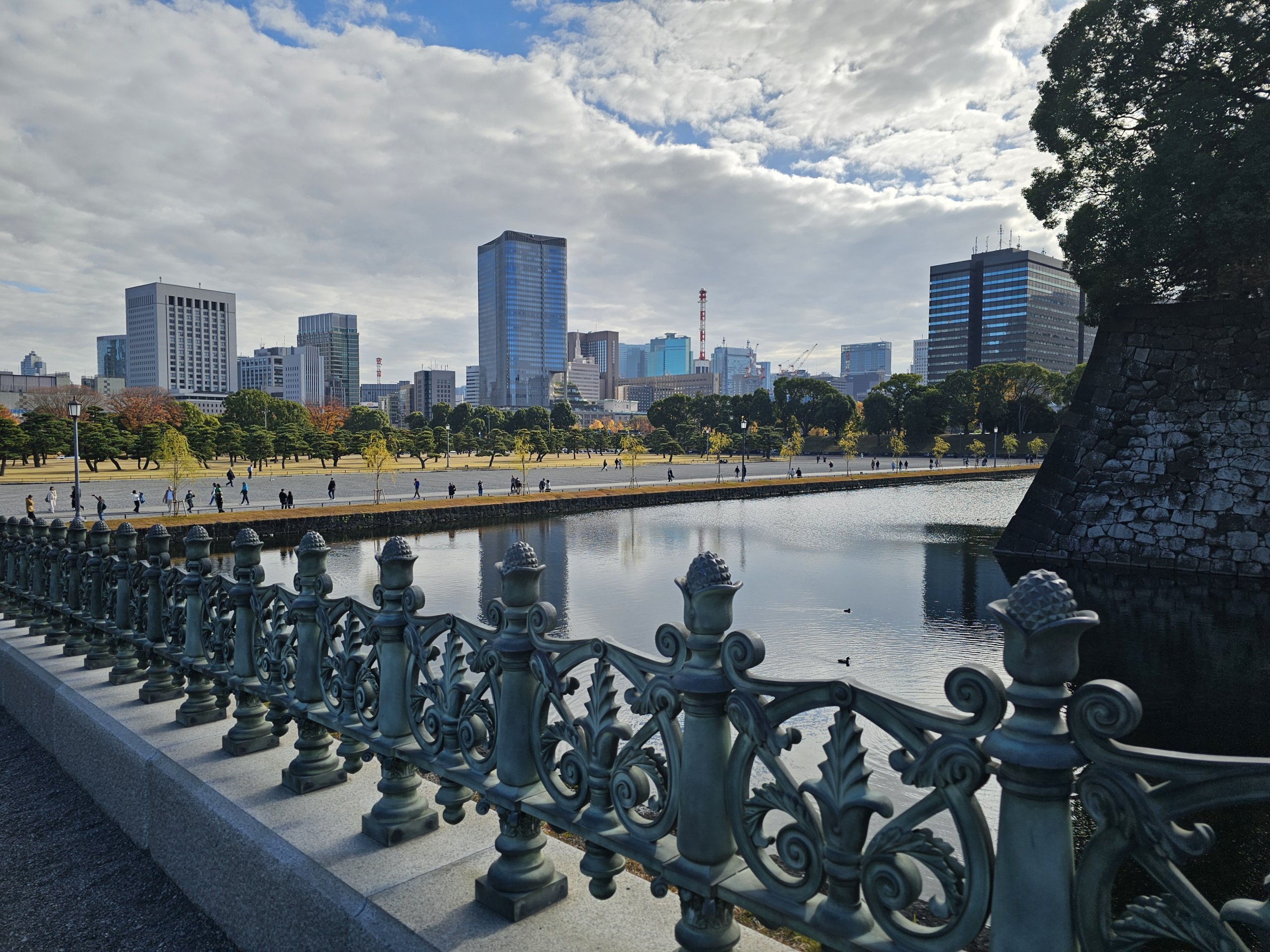
- Admission: free
- Open: 24/7 every day
Take a walk around the moat
If you have an extra half hour, I recommend going around the entire Imperial Palace complex.
There is a photogenic moat running along the northern and western parts of the walls, with a pedestrian walkway around it.
I started my walk at Tokyo Station, walked all the way through the Eastern Gardens and Kitanomaru Park, and walked around the moat to get back in front of the main part of the palace to the Nijubashi Bridge.
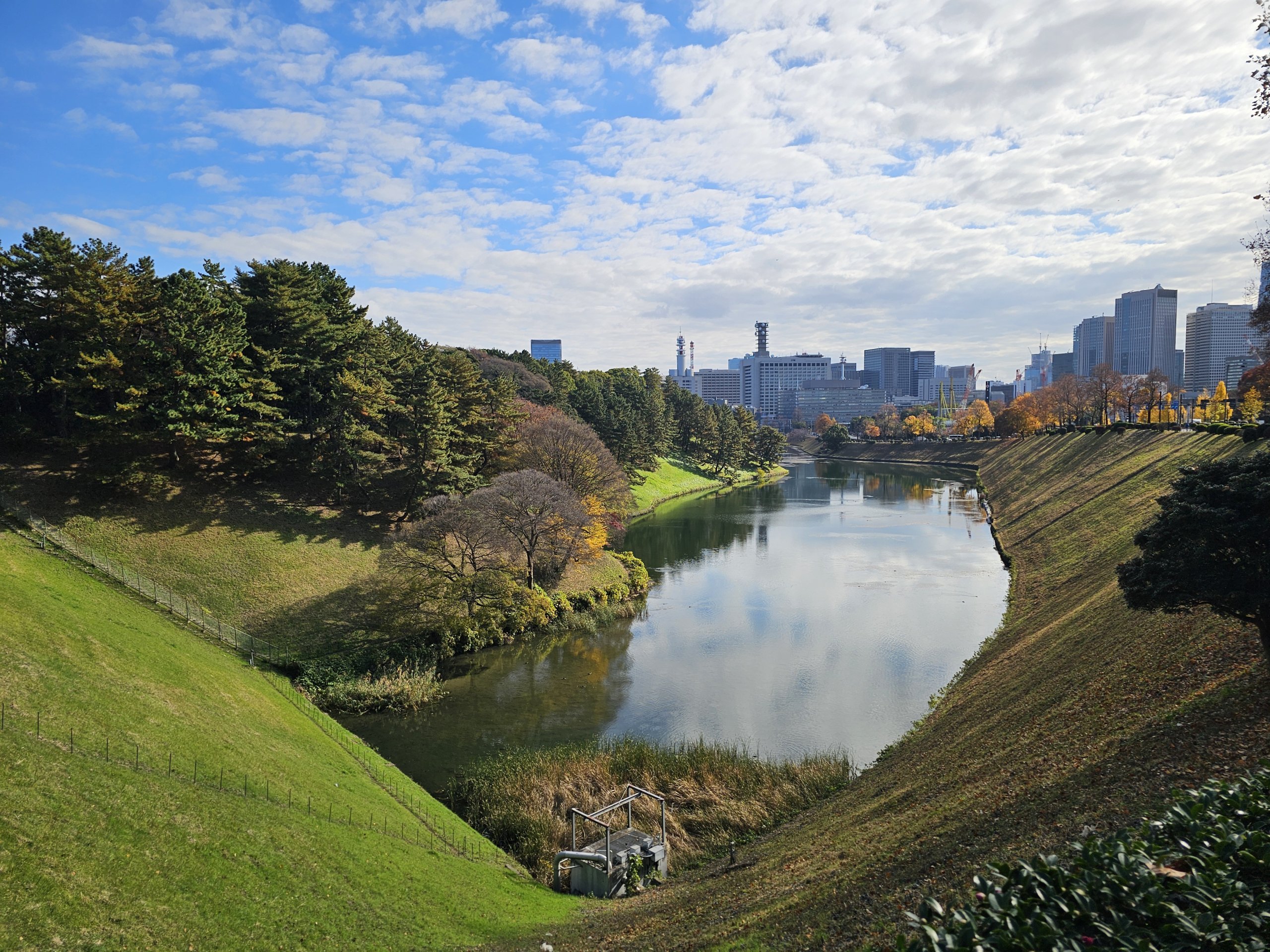
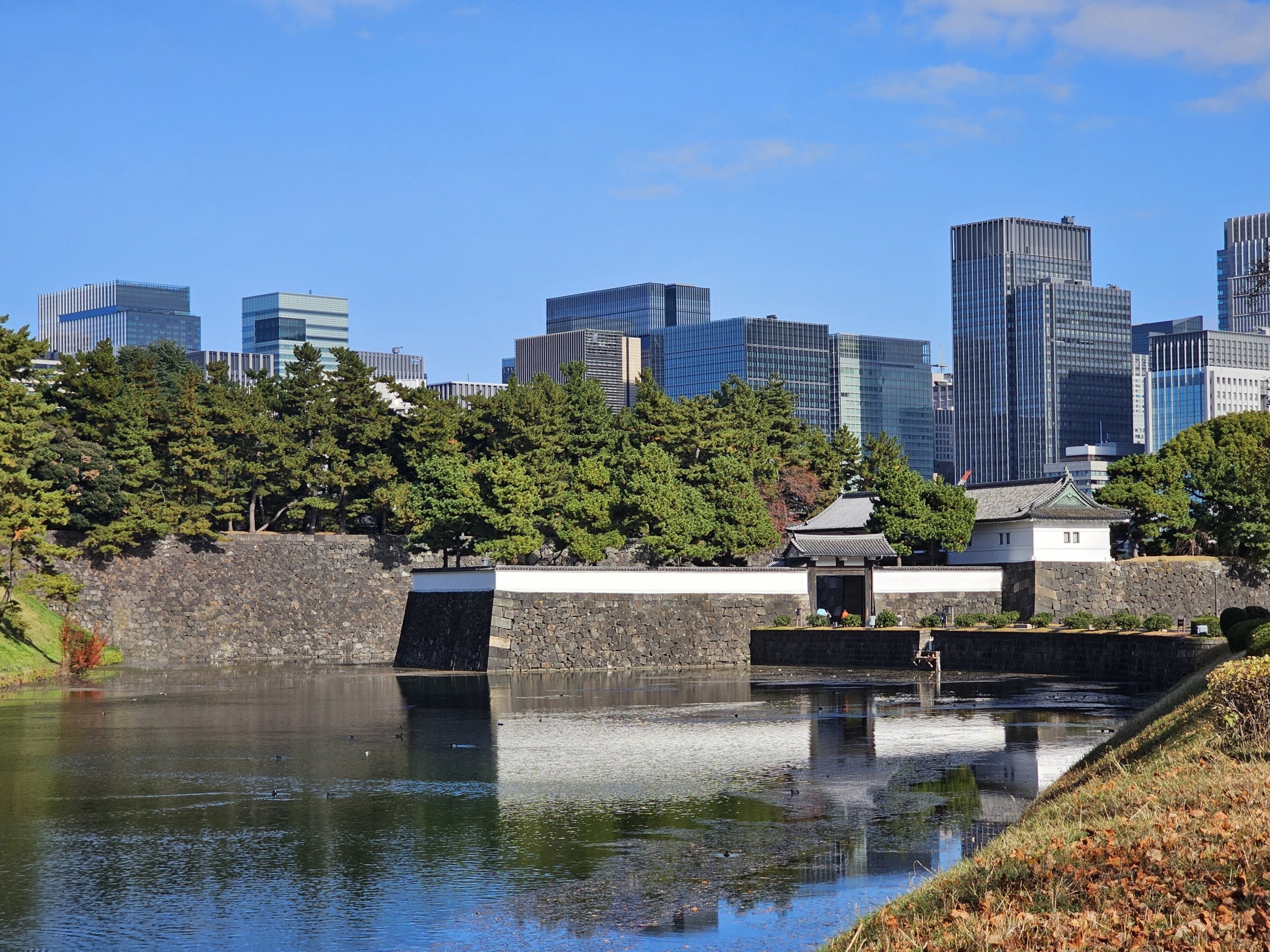
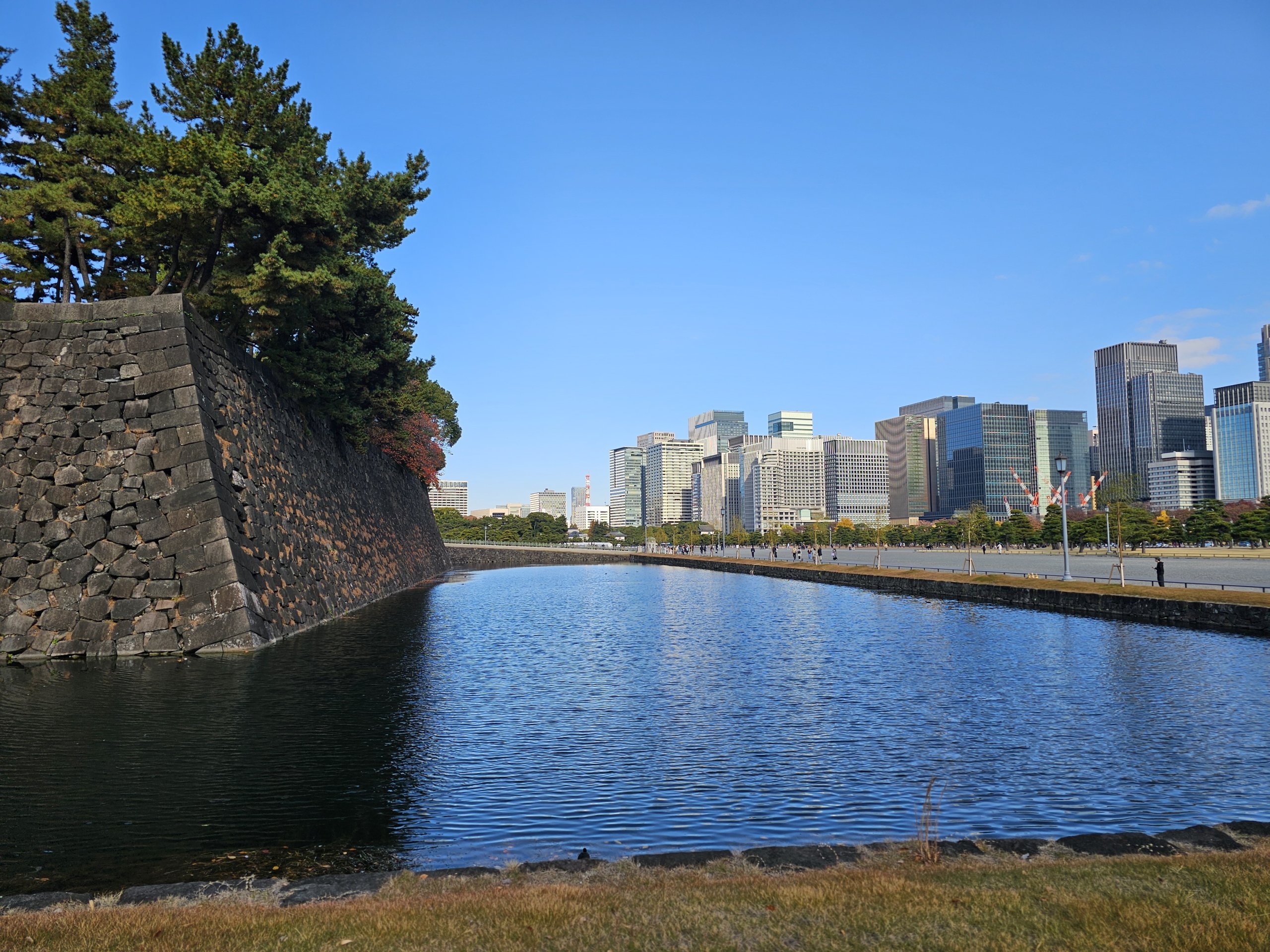
The total length of the tour was about 6.5 km and took me an hour and a half.
My itinerary with Kokyo Palace
I visited the gardens at the palace on my 2nd day in Tokyo.
- Breakfast in the morning and at the APA Hotel Tokyo Ginza
- Walking through the historic Tokyo Station building to the palace
- Tour the palace gardens (approx. 2 hours) and nearby Kitanomaru Park
- After noon walk through the Ginza district to the Tsukiji fish market
- Afternoon visit to Hama-rikyu Gardens
- Evening transfer by subway to the Odaiba Statue of Liberty
For all about trains and the subway, fares and how to find connections, see the Tokyo Subway chapter.
What to see around
Discover all the places to see in Tokyo.


Any questions left?
If you have any questions or comments about the article...