From Prague to Japan with Korean Air – Tokyo, Osaka and open-jaw
677 €



Tokyo (maybe even together with Osaka) is the gateway to Japan for most travellers and is most often reached by air via Haneda or Narita airports.
Whether you're flying in from Europe, Asia, America or moving to Tokyo from another Japanese city, there are more options - but some make more sense than others.
Japan is an island, so almost everyone gets to Tokyo by air if they're flying in from abroad.
And even domestic air travel often makes more sense than shinkansen - tickets tend to be cheaper and the plane is faster when travelling from further afield.
The most common question is "Tokyo Haneda or Narita?" We've tried both airports several times and share our experiences under the detailed links below.
👉 Detailed directions:
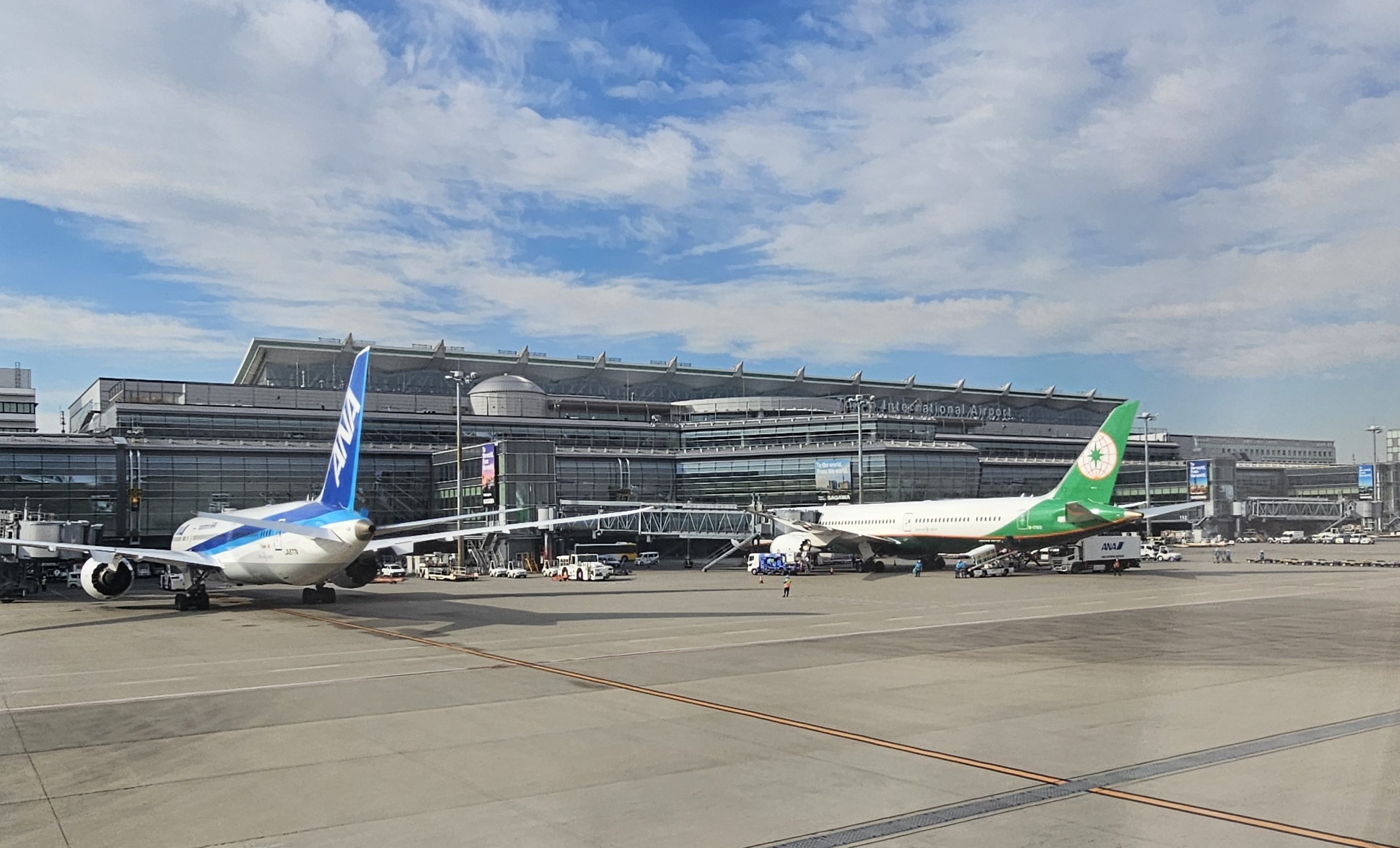
When looking for international flights to Tokyo, it pays to keep an eye on both airports - the difference in price or arrival time can be significant.
Generally, I wouldn't look at arrival/departure airports if you're heading to Tokyo on a long-haul flight and would choose the cheapest or most convenient option.
If you want to search for flights to both airports at the same time, enter the code "TYO" in the search engines.
If you're already in the country, you're more concerned with getting to Tokyo from Kyoto or Osaka than international flights.
This is a comparison of average prices and flight or drive times for the most common routes to Tokyo.
| Route | Time | Average price | Winner |
|---|---|---|---|
| Kyoto -> Tokyo | 🚅 1:45 🚌 6:30 (night flights only) ✈️ - Kyoto has no airport |
🚅 13 320 jpy 🚌 10 000 jpy |
🚅 |
| Osaka -> Tokyo | 🚅 2:30 🚌 7:00 (night flights only) ✈️ 1:10 |
🚅 13 870 jpy 🚌 13 000 jpy ✈️ 9 500 jpy |
🚅 / ✈️ |
| Nagoya -> Tokyo | 🚅 1:40 6:30 (night flights only) ✈️ 1:00 |
🚅 10 560 jpy 🚌 8 900 jpy ✈️ 10 000 jpy |
🚅 |
| Fukuoka -> Tokyo | 🚅 5:00 🚌 not running ✈️ 1:50 |
🚅 22 220 jpy ✈️ 12 500 jpy |
✈️ |
| Sapporo -> Tokyo | 🚅 8:10 🚌 not running ✈️ 1:40 |
🚅 30 000 jpy ✈️ 9 000 jpy |
✈️ |
Only net travel time is given. For air travel, you always need to add about 2-2.5 hours reserve for getting to the airport and waiting before departure.
The most convenient mode of transport tends to be the high-speed shinaknsen train to Tokyo.
In the city, most services stop at several stations:
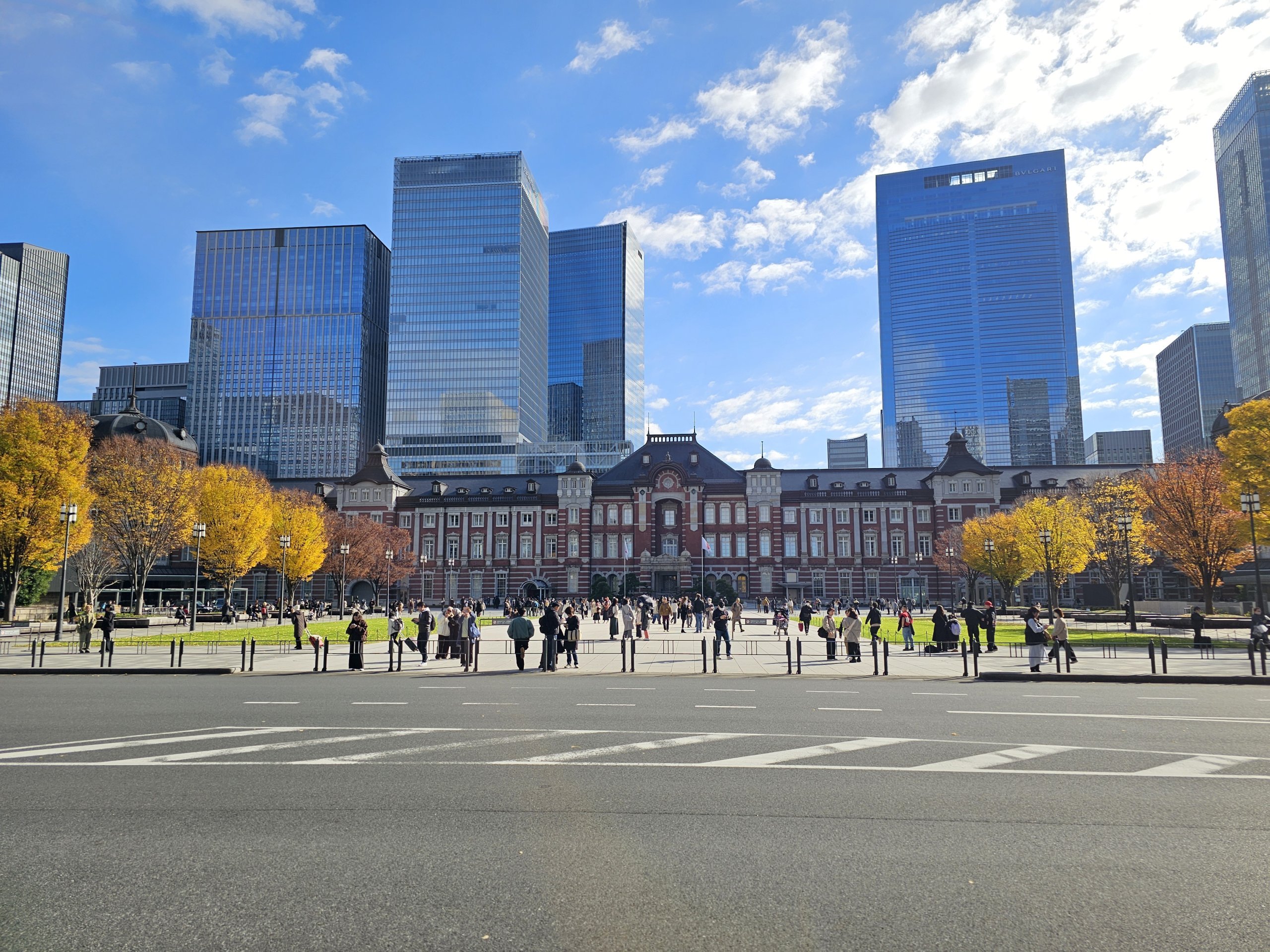
Shinkansen tickets are quite expensive though, and especially if you're travelling with only hand luggage and checked luggage under 20kg, very frequent domestic air travel can work out cheaper.
On the other hand, it is almost always worth taking the train to some cities because of the speed of the shinkansen and the long distance of the airports from the centre.
If you are planning multiple train trips, the JR Pass for Tokyo and other cities may make sense, but it is only worthwhile in some itineraries.
👉 Detailed guides and my experience with train travel:
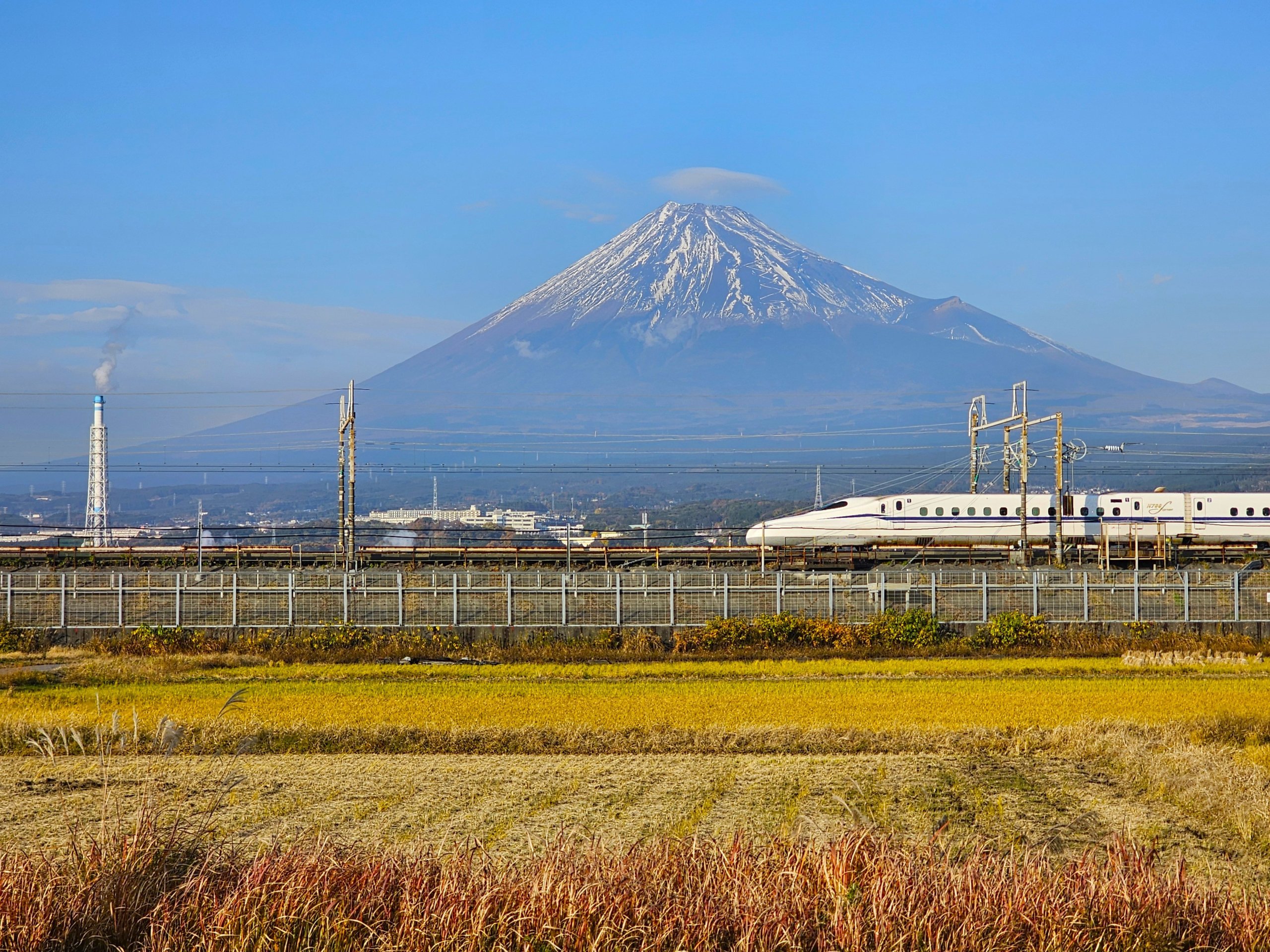
It is particularly worth flying within Japan if the train journey takes 3 hours or more.
In addition, some low-cost airlines are up to half the price of shinkansen, and many offer free 20kg checked baggage as standard.
However, the cheapest flights to Tokyo often go to the remote Narita Airport, so you'll need to add up to 90 minutes of traffic to your total journey.
These airlines fly to Tokyo from other Japanese cities:
Compare flight prices around Japan - skyscanner.com
The downside is a significantly longer journey, less comfort and fewer frequencies than trains or planes, but for budget travel it's a workable option.
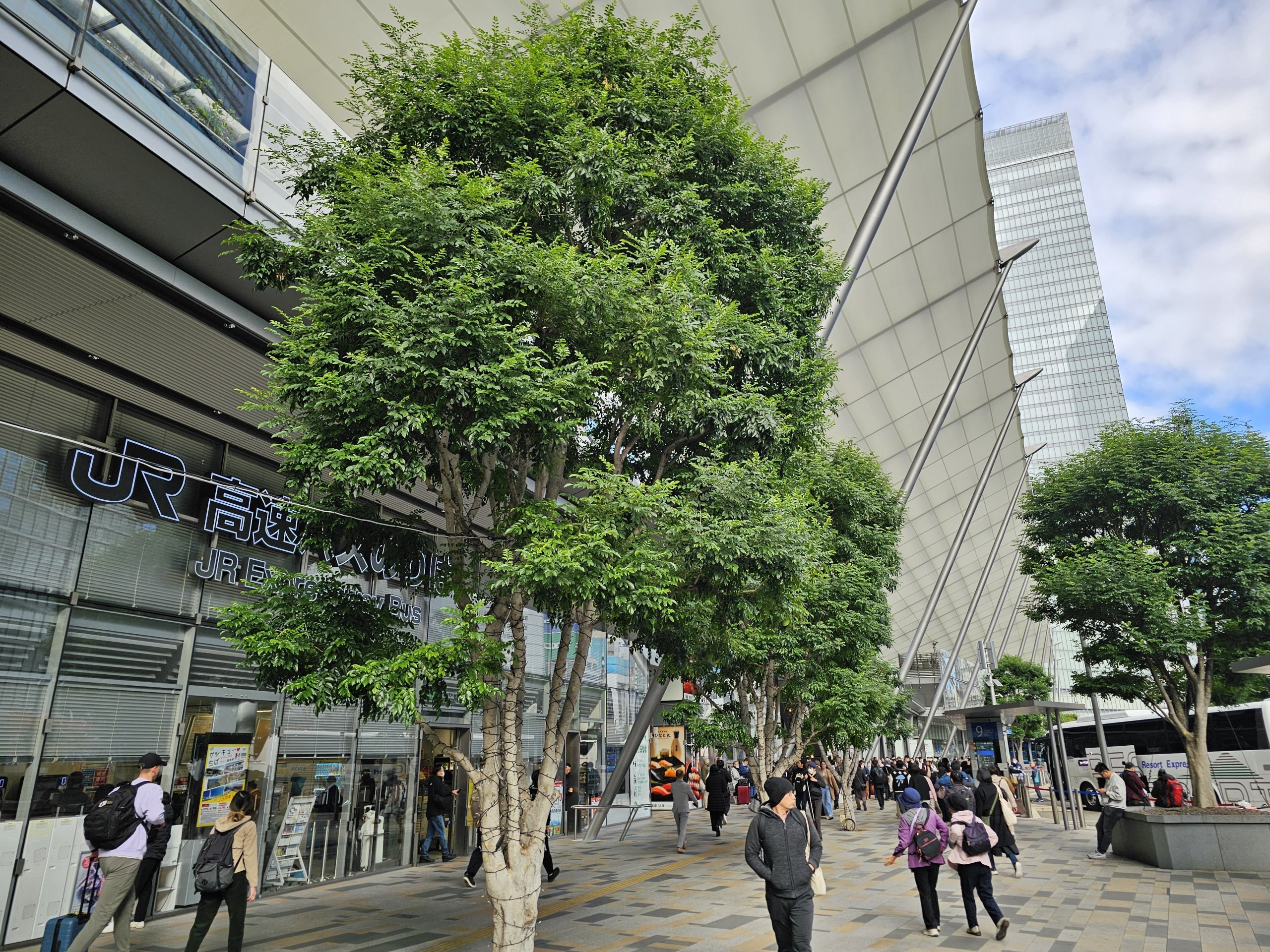
All long-distance buses stop at the south (more modern) side of Tokyo Station.
👉 Where to buy tickets and what are the bus companies:
Regular passenger ferry services run to Tokyo only from the small islands in the Izu archipelago.
These cruises last between 2 and 6 hours and tickets can be booked, for example, through the comparison site directferries.com.
If you are planning a trip to Japan, you may also find these articles helpful:
If you have any questions or comments about the article...