
Direct flights to Corsica from Prague on a single date in December
200 €



What currency do you use to pay in Japan? How much do goods cost in a typical supermarket and how much in a restaurant? And how much does a week’s stay in Japan cost? You’ll find out in this chapter.
Search for the best hotels in Japan
The local currency is the Japanese yen, which is divided into 100 sen, which are in turn divided into 1,000 rin.
Coins are available in denominations of 1, 5, 10, 50, 100 and 500 yen.
Commonly used banknotes are in denominations of 1,000, 2,000, 5,000 and 10,000 yen.
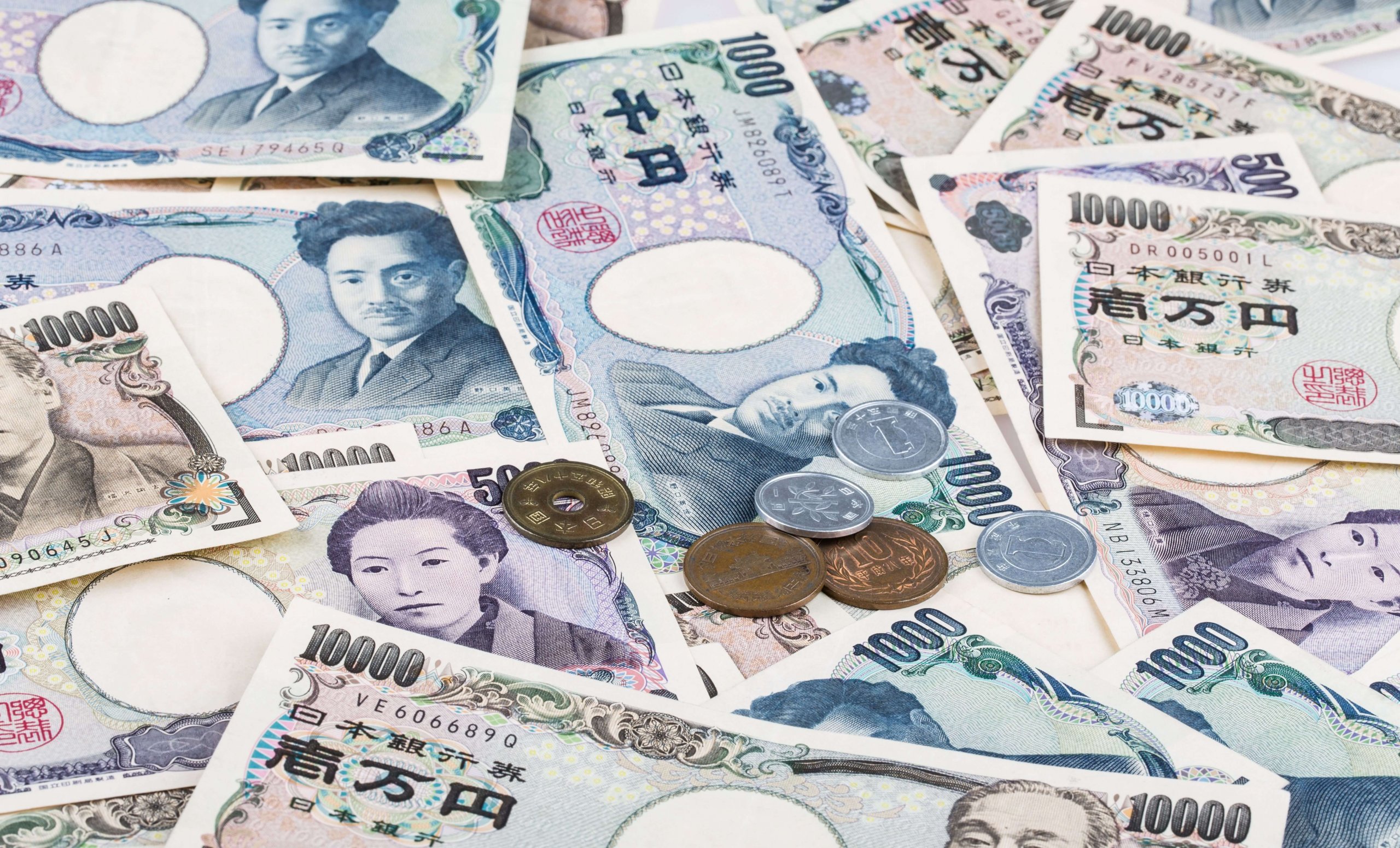
Foreign currencies are not generally accepted in Japan, not even in tourist shops or hotels.
You’ll find currency exchange bureaux at airports, though they usually offer very poor exchange rates, or at banks, where you’ll end up paying more in fees than you would at standard cash machines.
The best way to withdraw Japanese yen is from the ubiquitous cash machines.
Whilst some Japanese bank ATMs do not accept foreign cards, you can be sure that ATMs in 7-Eleven, Family Mart or Lawson convenience stores will always accept foreign cards without any problems.
The fee for withdrawing cash from an ATM is the same at all Japanese ATMs.
Card payments are very common in Japan, but it’s still a good idea to carry some cash with you.
For example, public transport tickets are often payable by cash only, and some smaller bistros or shops may not accept cards.
Japan is an expensive country compared with the rest of Asia. However, compared with Europe or North America, Japan is cheaper.
Prices for food – particularly meals in restaurants – as well as admission to historical sites and tourist attractions are significantly lower than in Europe or North America.
Hotel prices and long-distance transport costs are relatively high and comparable to those in Western Europe.
Accommodation in a double room (prices per night):
To give you a better idea, we have converted the hotel prices into US dollars.
Eating out:
Groceries at the supermarket:
Transport:
Alcohol and cigarettes:
Find the cheapest hotels in Japan
Tourists are exempt from paying the 10% Japanese value-added tax on many types of goods.
👉 We provide detailed information in a separate article: Tax-free shopping in Japan: how much you’ll save and how to claim your tax back.
Tipping is not practised anywhere in Japan; in fact, doing so may offend the staff.
Therefore, do not leave any tips or round up the bill to avoid having to deal with small change.
It is not customary to haggle over the price of goods and services; prices are always set out on the menu or in the price list.
How much money should you take with you to Japan?
Budget travellers use public transport and prefer the slower, cheaper Shinkansen trains. They usually stay in capsule hotels. The cheapest place to eat is at local bistros.
Find the cheapest accommodation in Japan
The average traveller stays in a standard 3* hotel. For lunch, you can visit cheaper restaurants or eat at local fast-food outlets. You travel by public transport and opt for the more expensive Shinkansen on long-distance journeys.
If you’re looking for something a bit more upmarket, you’ll stay in a 4* or 5* hotel, at least with breakfast included. You’ll get around by taxi or a hire car for the duration of your stay, and try a different attraction on the beach every day.
The table below shows the costs for a one-week stay during peak season for two people. The expenditure is shown as a daily rate per person.
| Low-cost traveller |
Average traveller | Expensive option | |
|---|---|---|---|
| Accommodation | 3 200 jpy | 5 000 jpy | 6 500 jpy |
| Food | 2 500 jpy | 3 500 jpy | 5 000 jpy |
| Transport | 4 000 jpy | 5 000 jpy | 8 000 jpy |
| Car hire | 0 jpy | 0 jpy | 9 000 jpy |
| Attractions | 500 jpy | 2 000 jpy | 4 000 jpy |
| Total | 10 200 jpy | 15 500 jpy | 32 500 jpy |
If you have any questions or comments about the article...

Hi, please is there any ATM in Japan where you can withdraw without a fee?I have RB gold so I should get it for free from my bank, I mean the Japanese side:)
Seven Bank / 7-Eleven
Correct
Take your Partners card with you and keep your RB as a backup. You'll save a lot on the exchange rate.