Etihad Airways now flies from Gothenburg: cheap flights to Thailand and Singapore
516 €



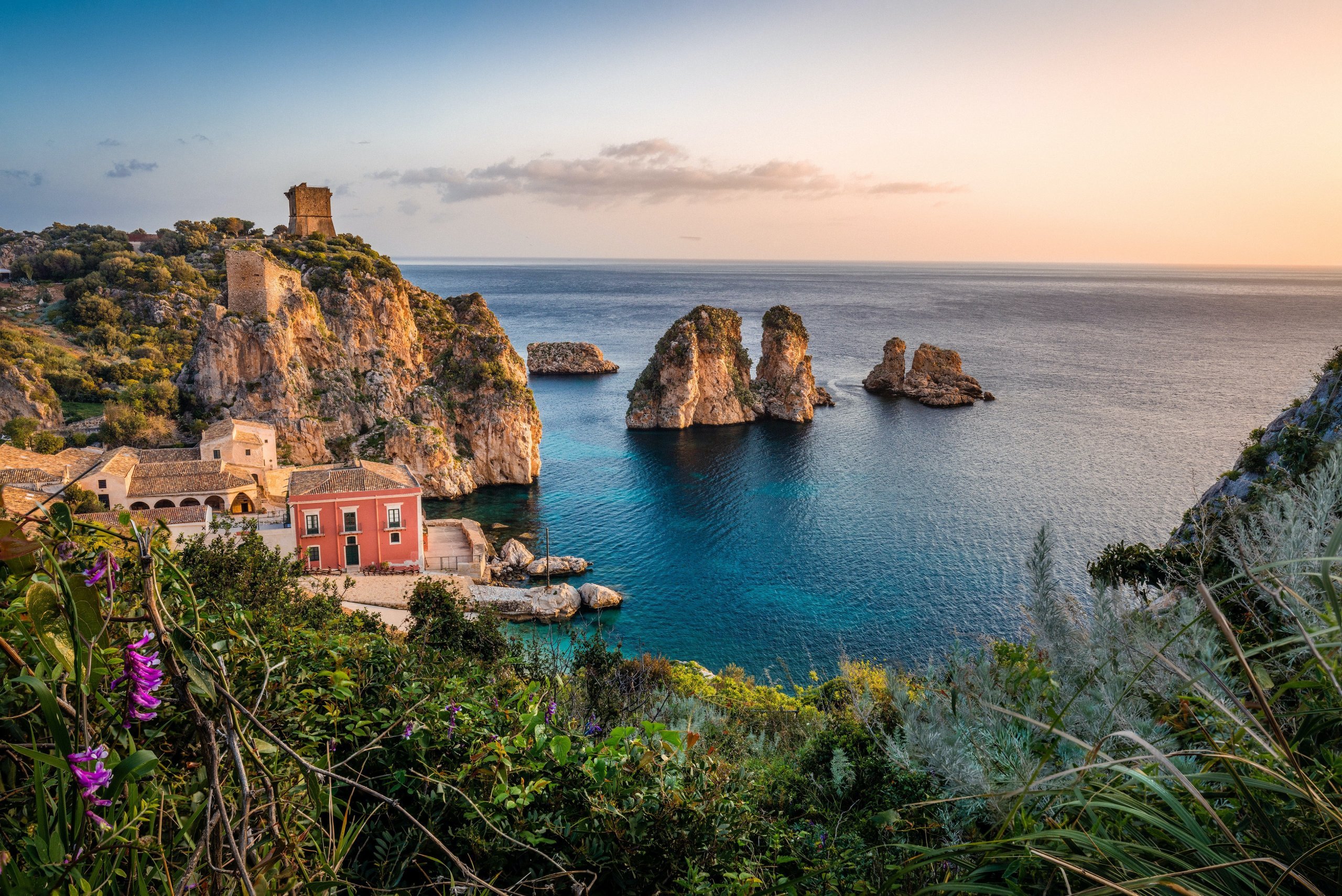
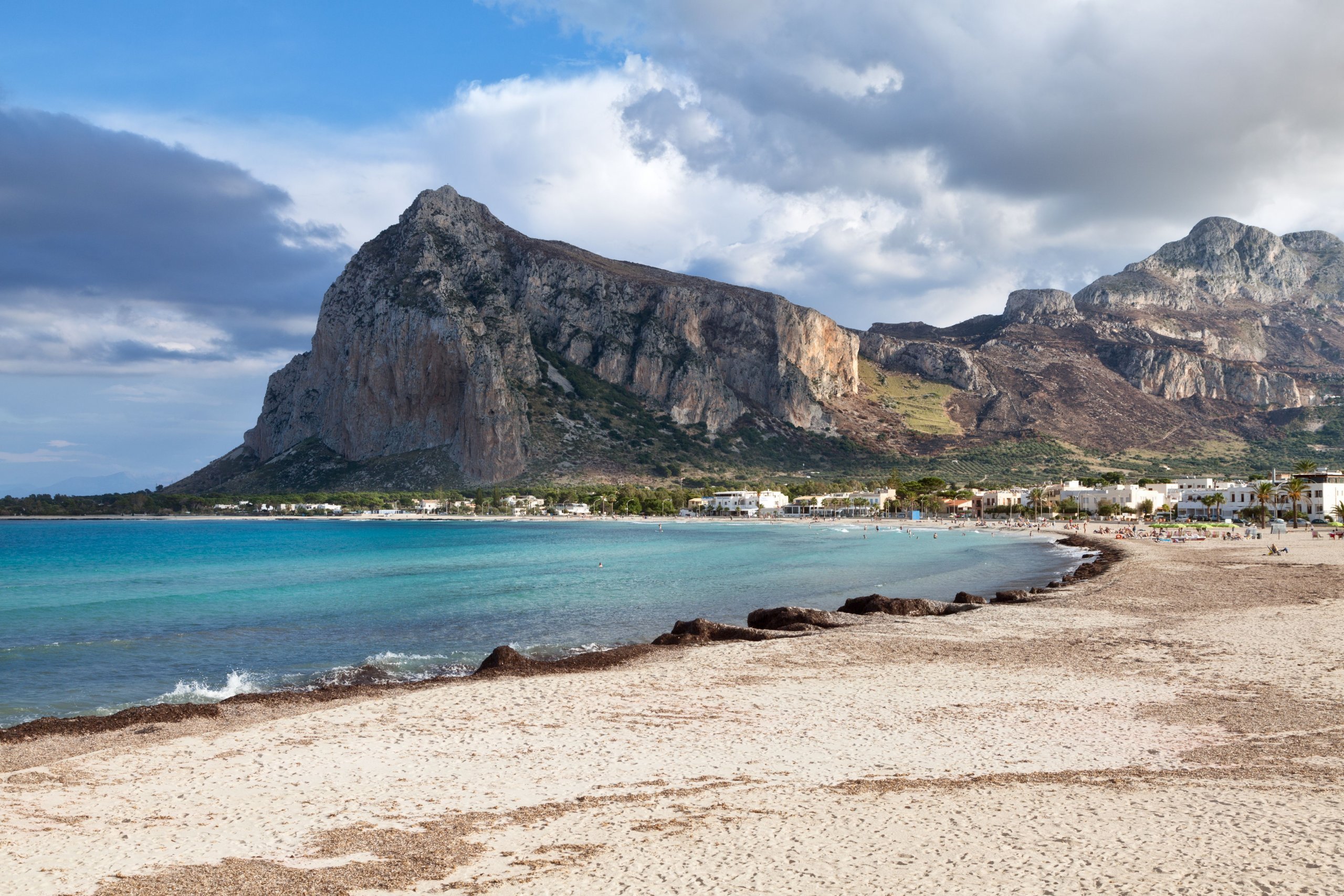
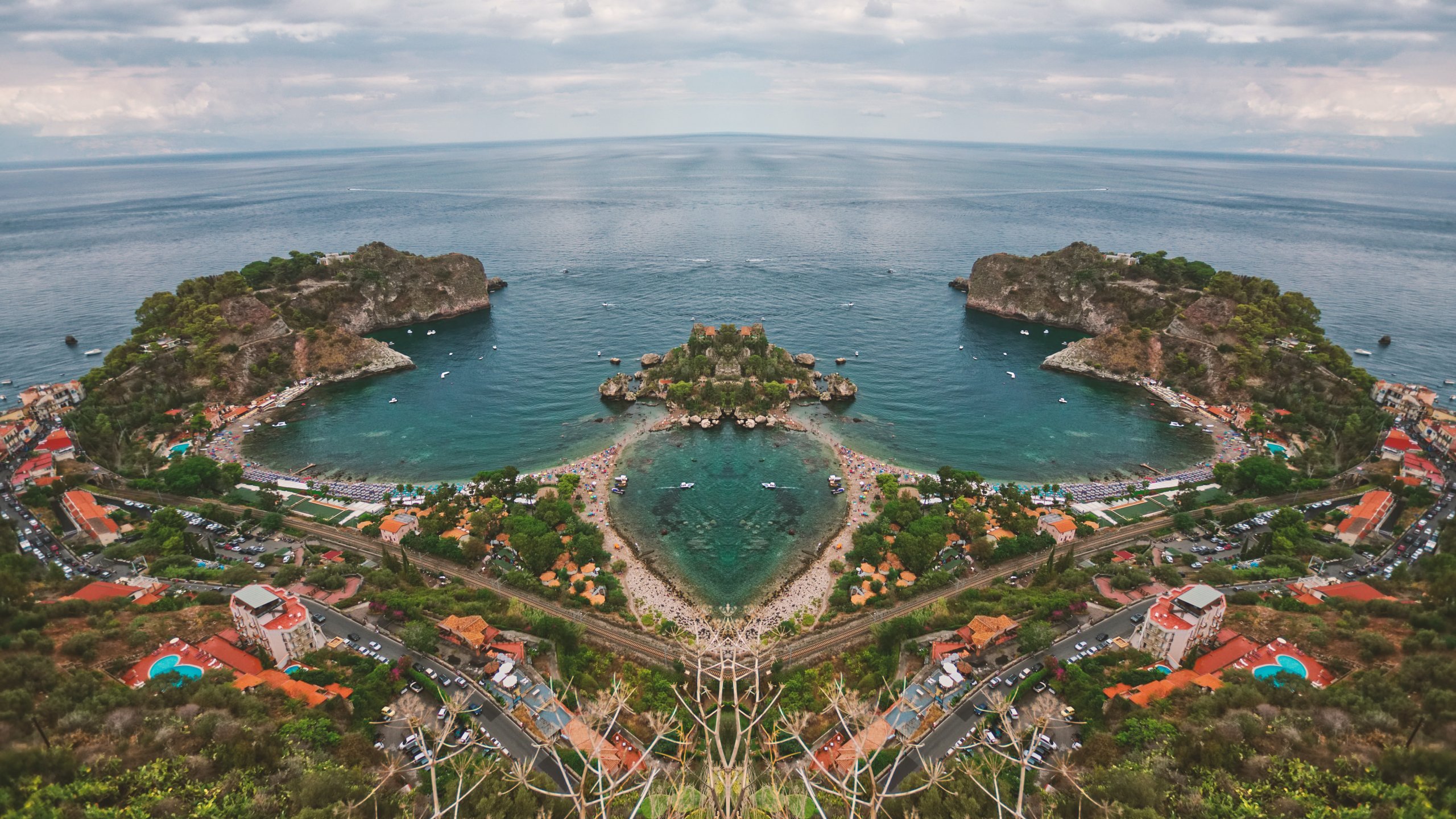
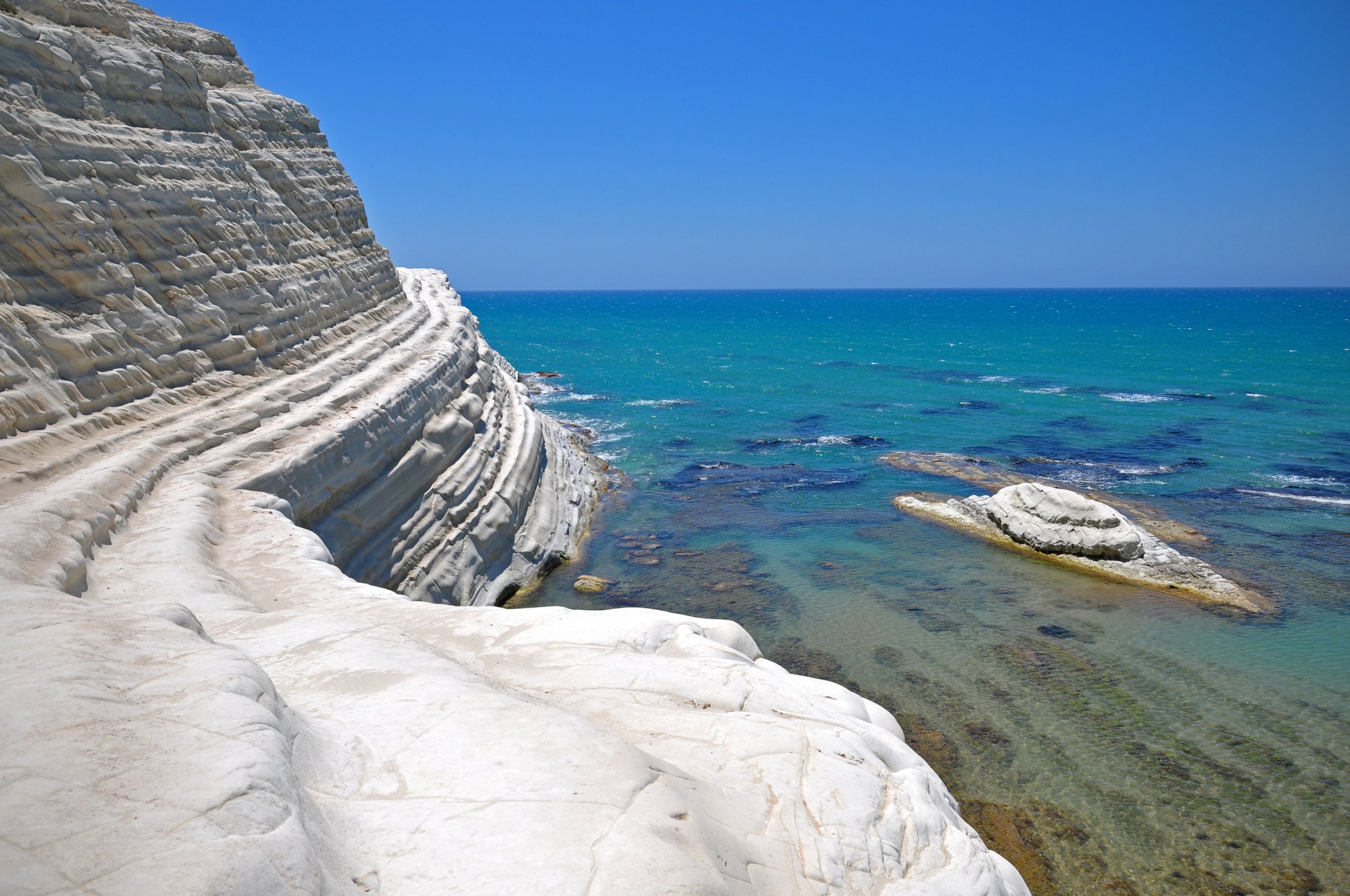
The Sicilian coastline is dotted with beautiful beaches, although if you visit in July or August, you’ll hardly be able to see anything for all the crowds. Generally, the busier beaches are in the north of the island; they offer beautiful rocky scenery, clear water and a gentle slope into the relatively calm sea.
You’ll find more peace and quiet on the beaches along the southern coast, stretching from the resort of Gela through the towns of Licata, Agrigento, Sicacca and Mazara to Marsala. The beaches here are flat, long and sandy, and the surrounding area is mostly just as flat.
The most beautiful scenery can be found on the east coast, between the resorts of Taormina and Letojanni, and also in the north-west, around the Zingaro National Park and the resort of San Vito lo Capo.
Whilst the southern coast is mostly covered in fine, light-coloured sand, on the northern and western coasts this is often mixed with very small pebbles. Sicilian beaches have a typical Mediterranean character and, thanks to the milder climate, are surrounded by greenery, particularly in the north and east.
Where should you go to find the most beautiful beaches in Sicily? Take a look at our selection of the most beautiful beaches on the island of Sicily.
The best-known and most popular mountain in Sicily is Mount Etna, the highest volcano in Europe. You don’t even have to walk all the way up it. In the surrounding towns, tours are available that take you almost right up to the crater.
If you prefer walking in more secluded hills and countryside, where you’ll be on your own without the crowds of tourists, then head to the northern half of Sicily to the Nebrodi or Madonie mountains.
Admittedly, the hiking trails are nowhere near as good as those in our country, but the main ones are marked quite well and the advantage is that there are very few other hikers. Take a look at the detailed information:
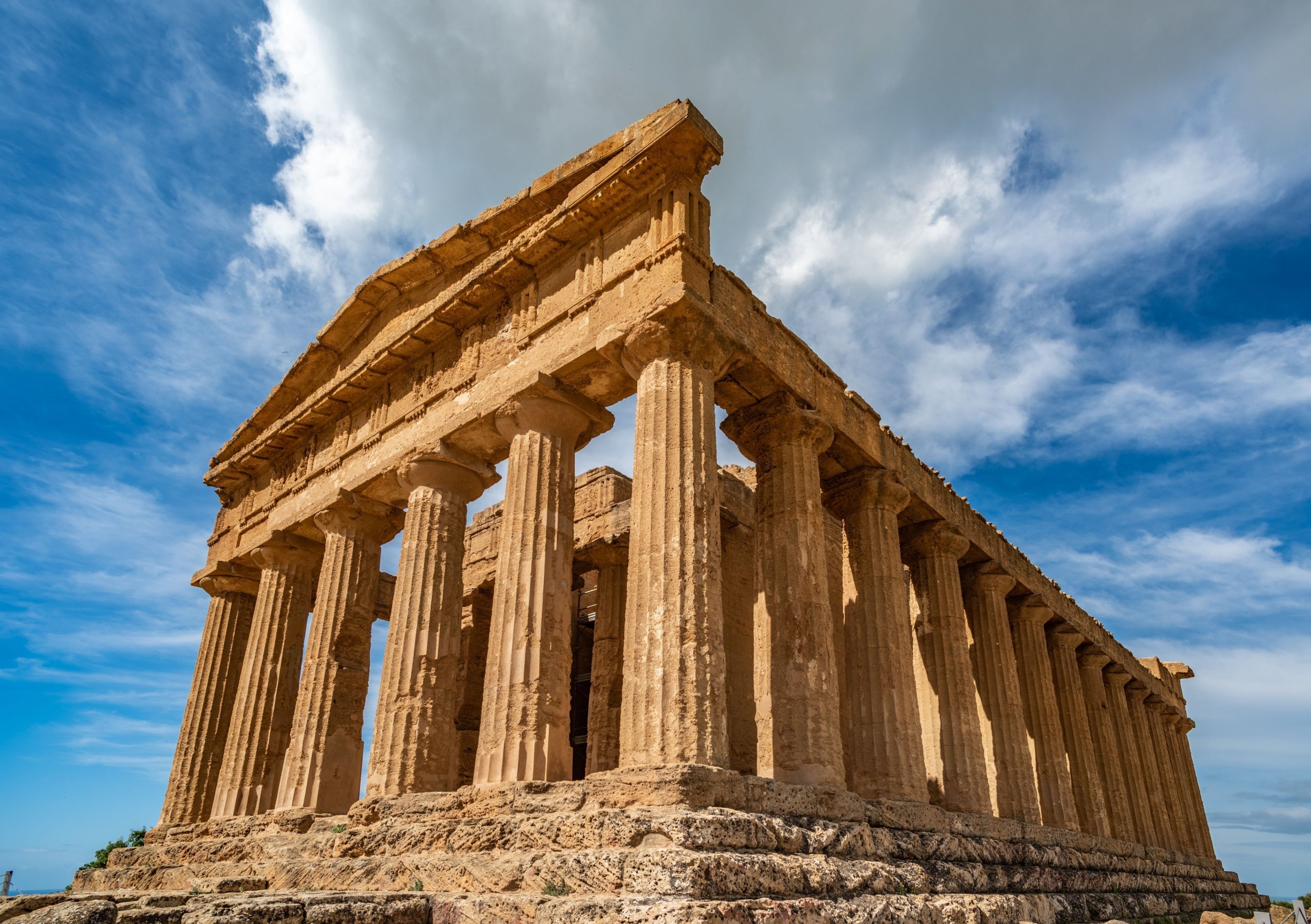
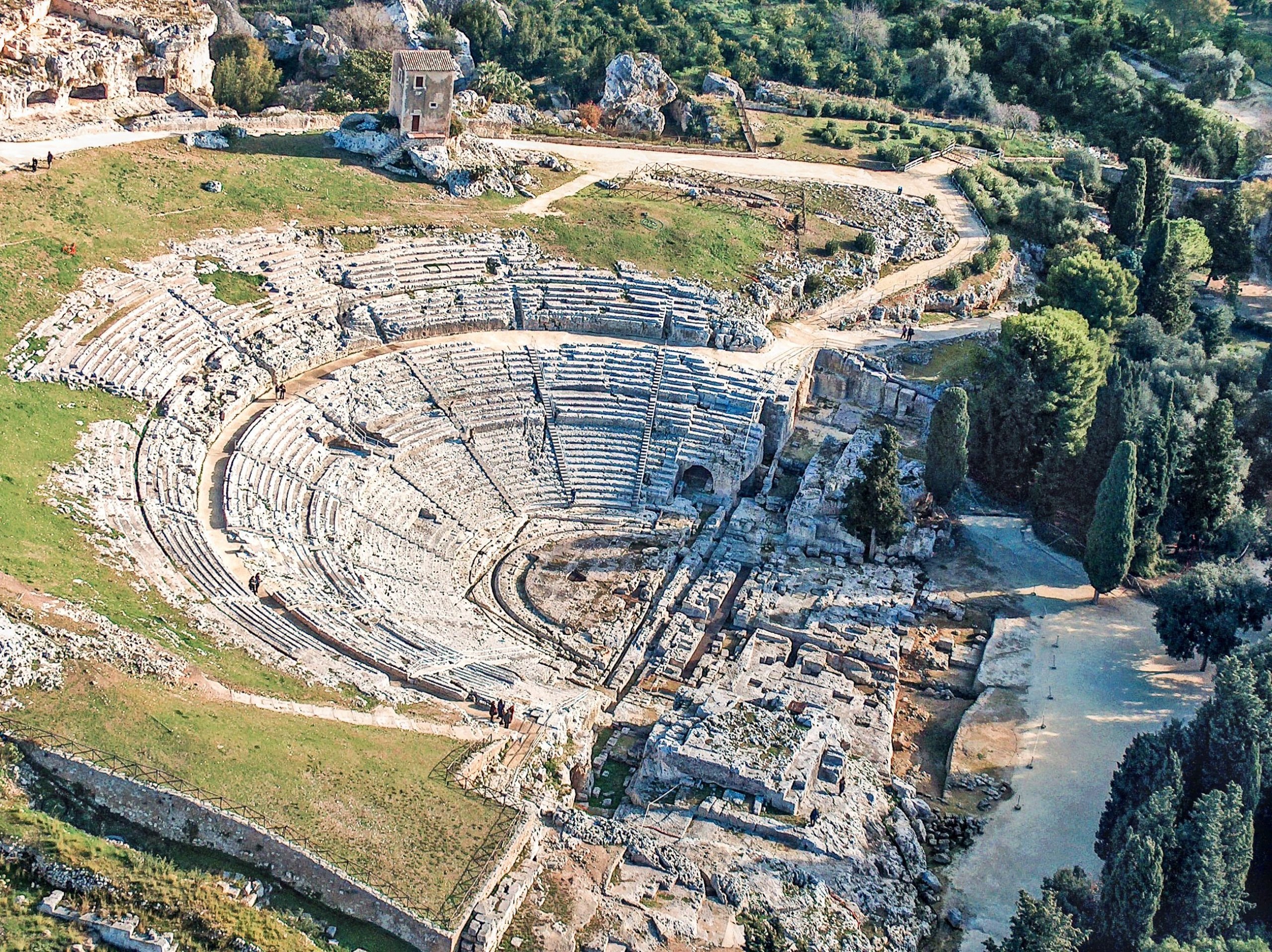
Thanks to its strategic location on the trade route between southern Europe and North Africa, and the fertility of its soil due to its abundance of minerals, Sicily became the cradle of many cultures. The original inhabitants (the Sicans) were joined by settlers from Greece as early as the 7th century AD. These immigrants settled across most of Sicily and inevitably came into conflict with other tribes, such as the Phoenicians and, later, the Carthaginians, who, amongst other things, founded the city of Palermo. Following the Greco-Roman occupations and the gradual displacement of the Punics, the Normans came to power and ruled the island for practically the entire Middle Ages, until Sicily was annexed to Italy in 1860. Surprisingly, a vast number of historical monuments have survived, and in very good condition; visitors to Sicily can therefore enjoy a truly enriching cultural experience.
Almost every major city on the island has a historic centre; in Palermo, for example, you’ll be utterly captivated by the blend of Norman, Oriental and Baroque architecture. Similarly, in Syracuse, you’ll discover monuments ranging from antiquity to modern architecture, spanning all significant periods. For lovers of museums, galleries and exhibitions, there are plenty of places where you can enjoy a break from the scorching sun. Among the most interesting are, for example, the Museum of Volcanology and the Museum of Archaeology on the Aeolian Islands. If you prefer something a little more bizarre and are interested in mummies, don’t miss the Capuchin Catacombs, home to more than 8,000 deceased and, amongst other things, the most beautiful mummy in the world – a little girl named Rosalia.
And if cultural attractions alone aren’t enough for you and you’re looking for at least a touch of natural beauty, a stroll through Taormina and Catania is sure to delight everyone. Few places offer such a combination of magnificent architecture set against the backdrop of Mount Etna and the endless sea.
You’ll find detailed information on the most important sights via the links below. If we’ve missed any sights, please do let us know in the comments below.

Sicilian cuisine is as rich as Sicilian history. It blends all the cultures that have left their mark on the island. The Arab influence is the most noticeable of all. Rice, saffron, raisins, cloves and cinnamon are used in cooking, and in western Sicily, couscous remains a common side dish to this day. However, Sicilian cuisine, just like Italian cuisine, could not exist without tomatoes, garlic and olive oil. Sicily is renowned for its production of almonds and pistachios, citrus fruits and sea fishing.
Traditional sweets
Wine
Sicily produces white, red and rosé wines. The best-known grape variety is Nero d’Avola. Among the most famous wines is also Malvasia delle Lipari, produced on the Aeolian Islands.
Divers flock to Sicily to visit Ustica (Punta Cavazzi, Riserva Naturale Marina) and the Aeolian Islands (Punta Castagna, Pietra del Bagno). The peak season runs from May to October. The underwater world here is home not only to colourful fish, but also to Roman amphorae and anchors from shipwrecks.
Sicily has relatively reasonable prices compared to the rest of Italy, particularly when compared to Rome and the north of the Apennine Peninsula. If you’d like to bring back something typically Sicilian, look for local hand-painted ceramics, especially on plates. But here too, you’re in the cradle of fashion and can shop for Italian clothing and cosmetics. The largest number of shops and the widest range of goods can be found in major cities such as Palermo and Catania, but above all in the hugely popular tourist destination of Taormina. In the streets of Taormina, you’ll also find luxury boutiques selling diamonds, fine jewellery and international brands such as Versace, Dior and the like.
If you have any questions or comments about the article...