Skiing in the Italian Alps: Turin from Prague, January to March 2027
52 €



Sofia is the ideal city for a short weekend break. The city centre isn’t large; you can explore most of the main sights on foot, and the next day you can head to Boyana Church or straight into the mountains.
In 48 hours in Sofia, you’ll have time to see Roman ruins, Orthodox churches, monumental buildings from the socialist era, sample Bulgarian cuisine and even take a short trip to the Vitosha Mountains.
This 2-day itinerary for Sofia is based on two full days. It therefore works best if you arrive on Friday evening and depart late on Sunday evening or on Monday morning.
At least, that’s how I planned my trip to Sofia.
You can find further practical information on transport, prices, the weather and sights in my comprehensive guide to Sofia.
| Day | Itinerary |
|---|---|
| Day 1 | Sights in the city centre, nightlife |
| Day 2 | Boyana Church, Vitosha Mountains |
I spent the first day in the city centre, where I managed to visit all the sights in just a few hours (they really are very close to one another) and spent the afternoon simply wandering through the streets and popping into restaurants.
On the second day, I set off for the Vitosha Mountains and still managed to visit Boyana Church in the afternoon.
If you’d like to spend a whole day in the mountains, you can easily fit in a visit to Boyana Church on the first day as well.
Hotels in Sofia aren’t expensive, so in my opinion there’s no point in looking anywhere other than the city centre.
The best area is around Serdika metro station. You’ll be staying right in the middle of the main sights, and you can get here by metro from the airport without having to change trains.
Another good option is the northern section of Vitosha Boulevard, between the Church of St Nedelya and the National Palace of Culture. This area is livelier, full of restaurants and still within easy walking distance of the historic centre.
You can find specific hotels, approximate prices and a map of the best areas in our articleon where to stay in Sofia.
Choose a hotel in Sofia by location
The metro doesn’t run all night. If you’re arriving very late, you should therefore compare the cost of a taxi with that of a hotel near the airport.
You’ll find an overview of your options in the following sections:
On your first day, head out of the city centre, as you have a full 24 hours in Sofia.
Boyana Church and the Vitosha Mountains are both in the same direction on the southern outskirts of Sofia, so it makes sense to combine them into a single day’s trip.
Personally, though, next time I’d visit Boyana Church on the first day and devote the whole day to hiking in the mountains.
The small Boyana Church is one of Bulgaria’s most significant historical monuments and is the only site in Sofia to be listed as a UNESCO World Heritage Site.
From the outside, it looks very unassuming. The main reason to visit is the rare medieval frescoes inside.
The number of visitors allowed inside is limited, and visits are kept short. You should therefore go in the morning and, at weekends, consider booking in advance.
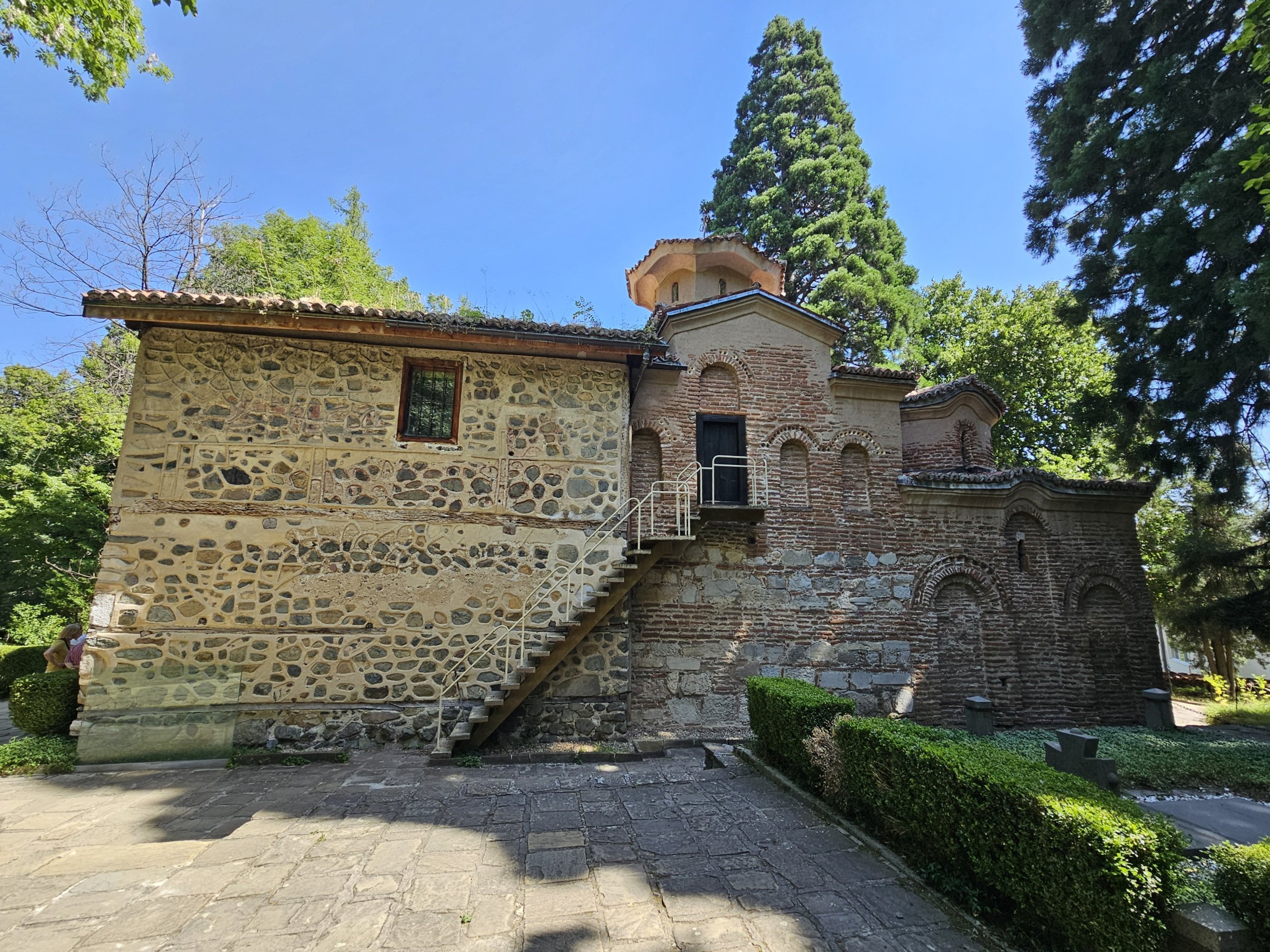
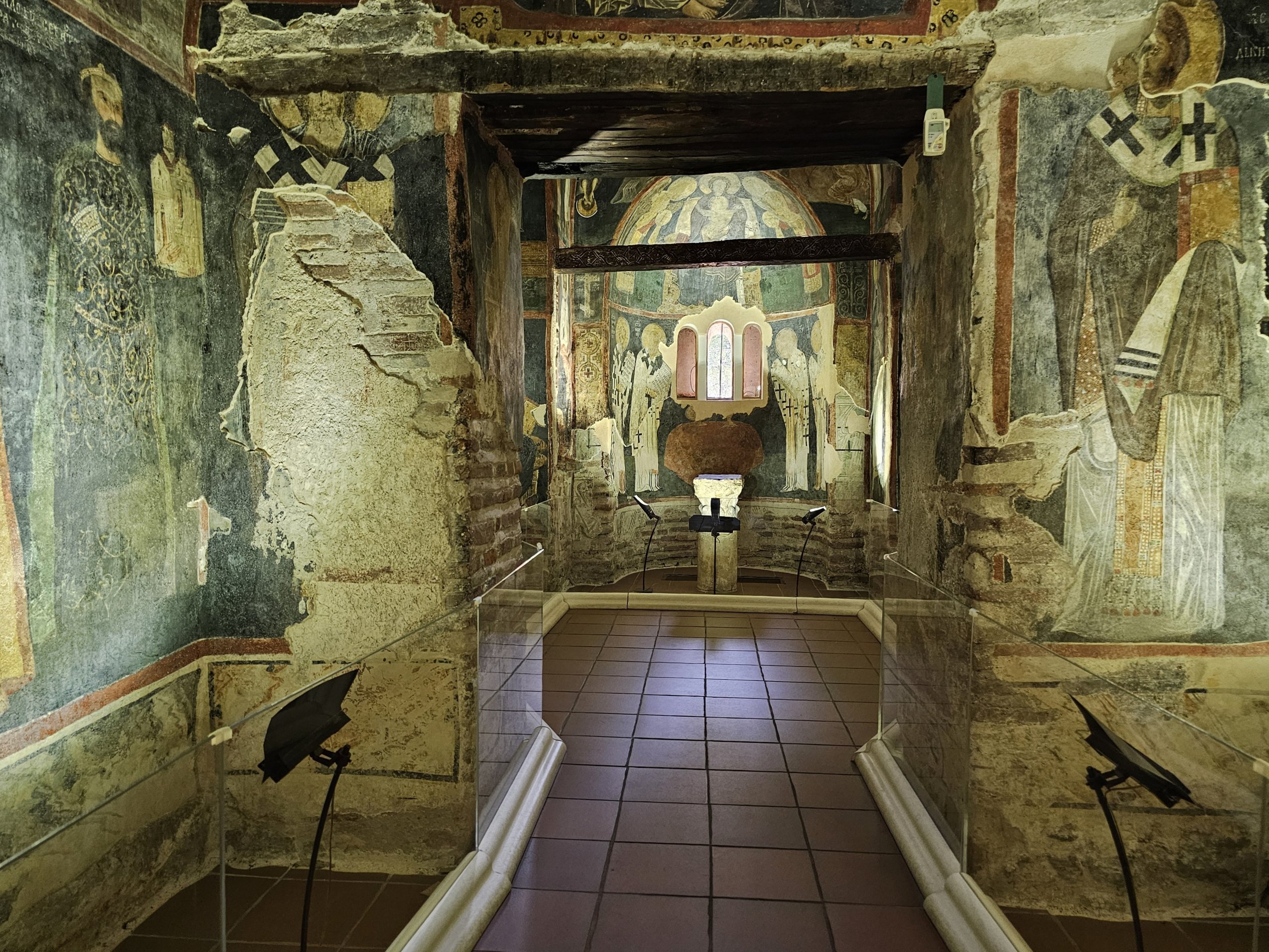
After visiting the church, head to Vitosha metro station.
From there, bus number 66 continues across the northern slopes of the mountains to the Aleko chalet and the Moreni Hotel.
Always check the current timetable in advance. The mountain bus doesn’t run as frequently as regular city services, and unnecessary waiting could take up a significant part of your day during a two-day stay.
You can find details of bus routes, walking trails and maps in our guide to the Vitosha Mountains.
During your weekend in Sofia, don’t try to climb all the way to the highest peak, Cherni Vrah, at all costs.
The walk from the Moreni Hotel to the summit takes about 2 hours one way. Taking into account the return journey, waiting for the bus and a visit to Boyana Church, the itinerary would be unnecessarily rushed.
For a classic 2-day itinerary in Sofia, opt for a shorter walk around the Aleko chalet and the Moreni Hotel. After just a few minutes, you’ll find yourself in open mountain countryside and, if visibility is good, you’ll see Sofia far below you.
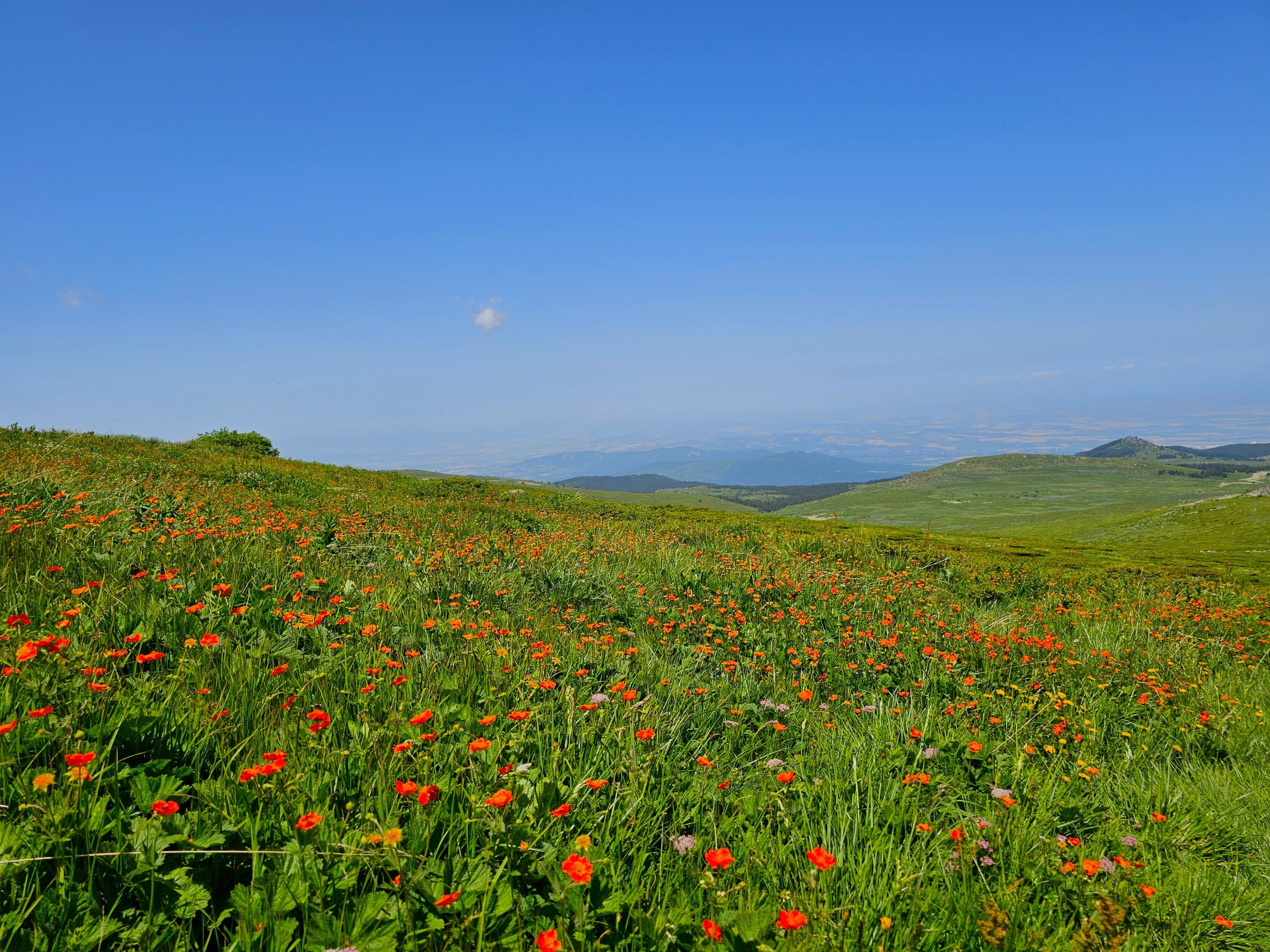
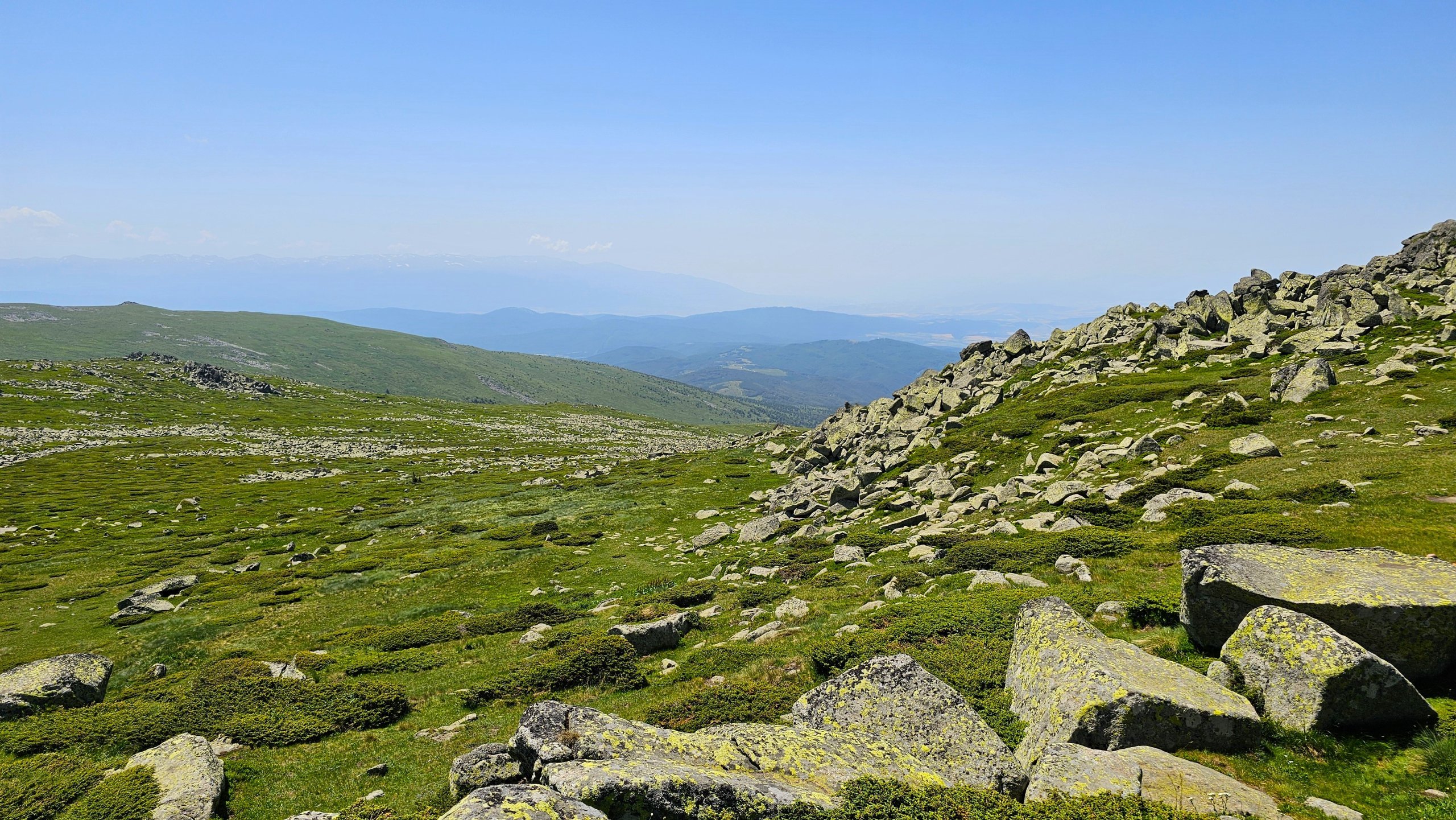
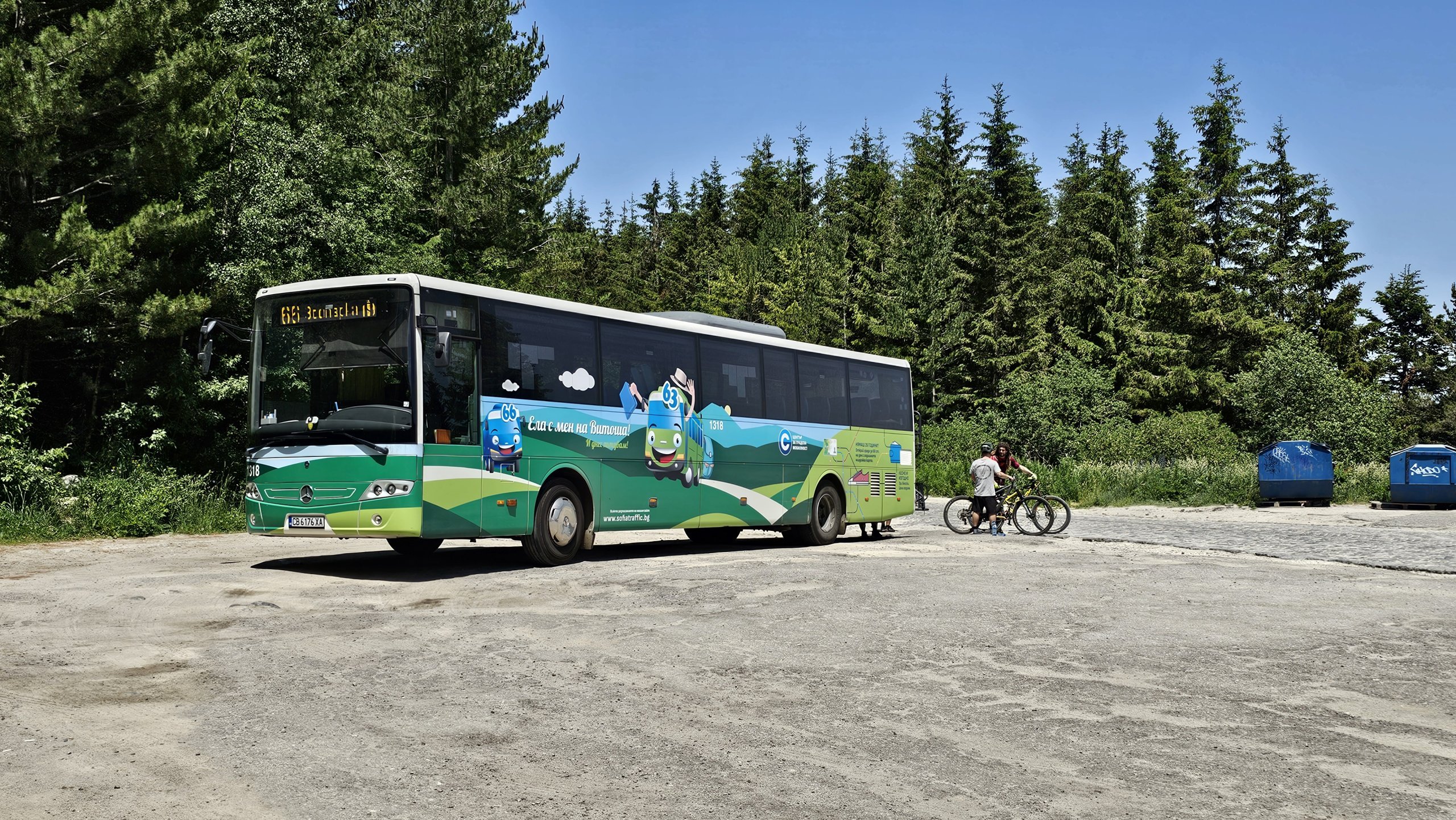
You can spend between 2 and 4 hours on Vitosha, depending on the weather and how far you fancy walking.
If you want to climb Cherni Vrah or take the longer route from the Golden Bridges, set aside a whole day just for Vitosha.
Personally, I came back from the mountains quite tired and wasn’t in the mood for any sightseeing that evening.
I took a stroll around Vitosha Boulevard and
Find a hotel in the centre of Sofia
On the second day, you won’t need the metro or a bus.
The route takes you from ancient Serdica, past the main sights of the historic centre, to the Alexander Nevsky Cathedral and, in the evening, to Vitosha Boulevard.
Right between the government buildings and the bustling streets lie the excavated remains of the Roman city of Serdica.
Part of the excavation site is in the open air, whilst other sections run beneath the square and around the metro concourse.
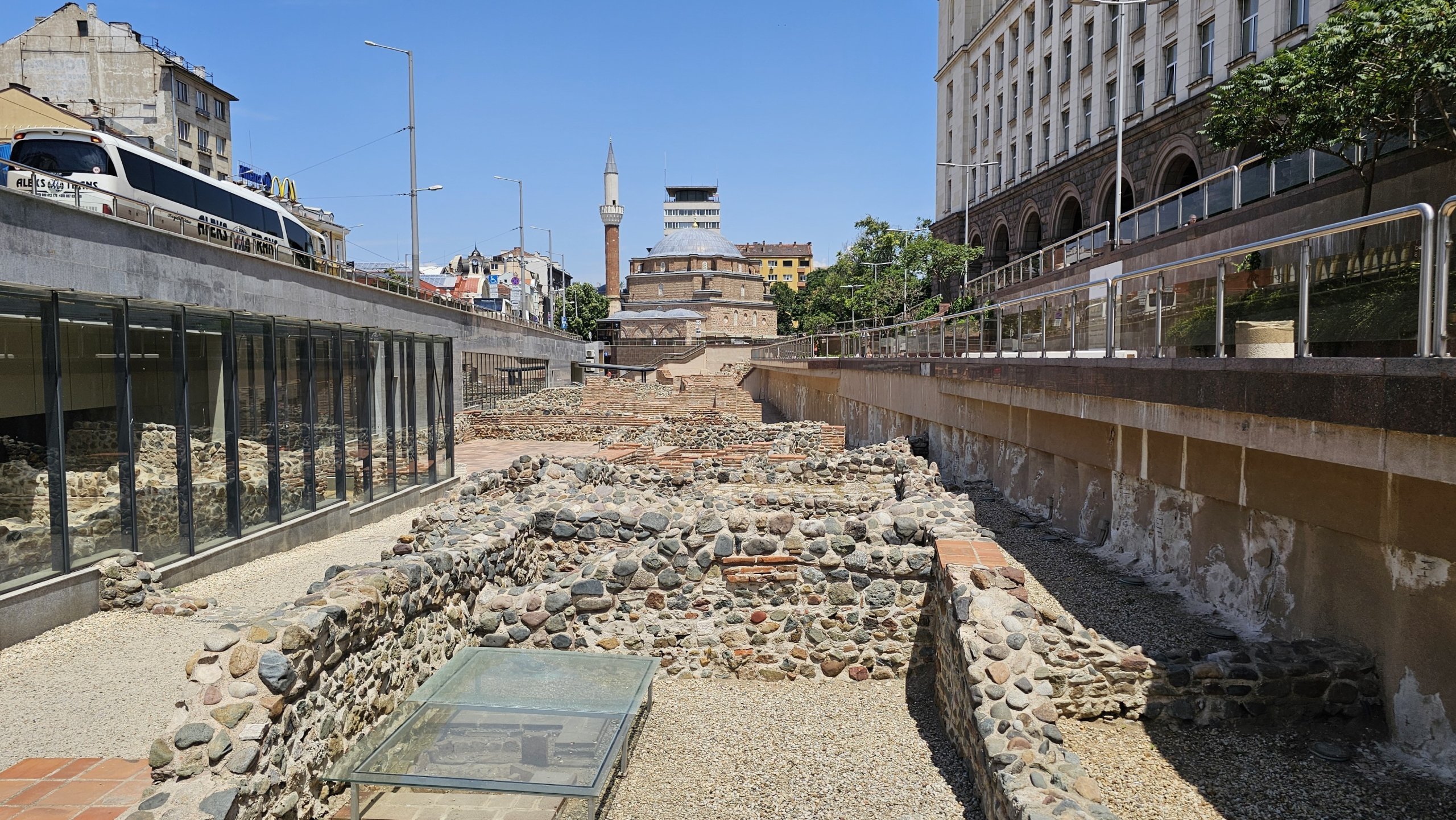
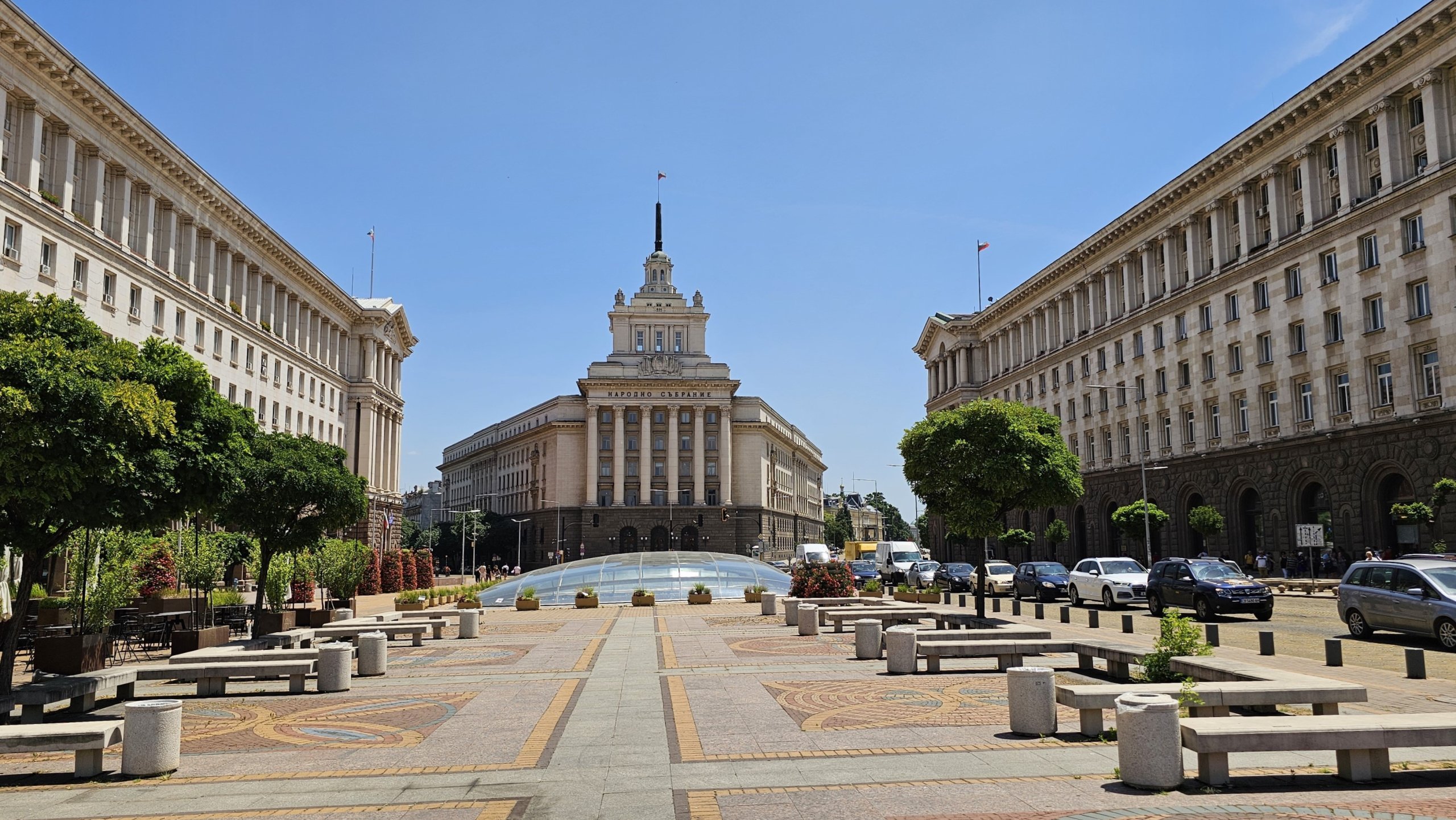
From the excavation site, continue to Independence Square (barely a 5-minute walk), which is dominated by a complex of monumental government buildings known as the Largo.
This is where the typical character of Sofia is clearly evident. Within a few hundred metres, Roman ruins, places of worship of various faiths, grand buildings from the late 19th century and the architecture of socialist Bulgaria all stand side by side.
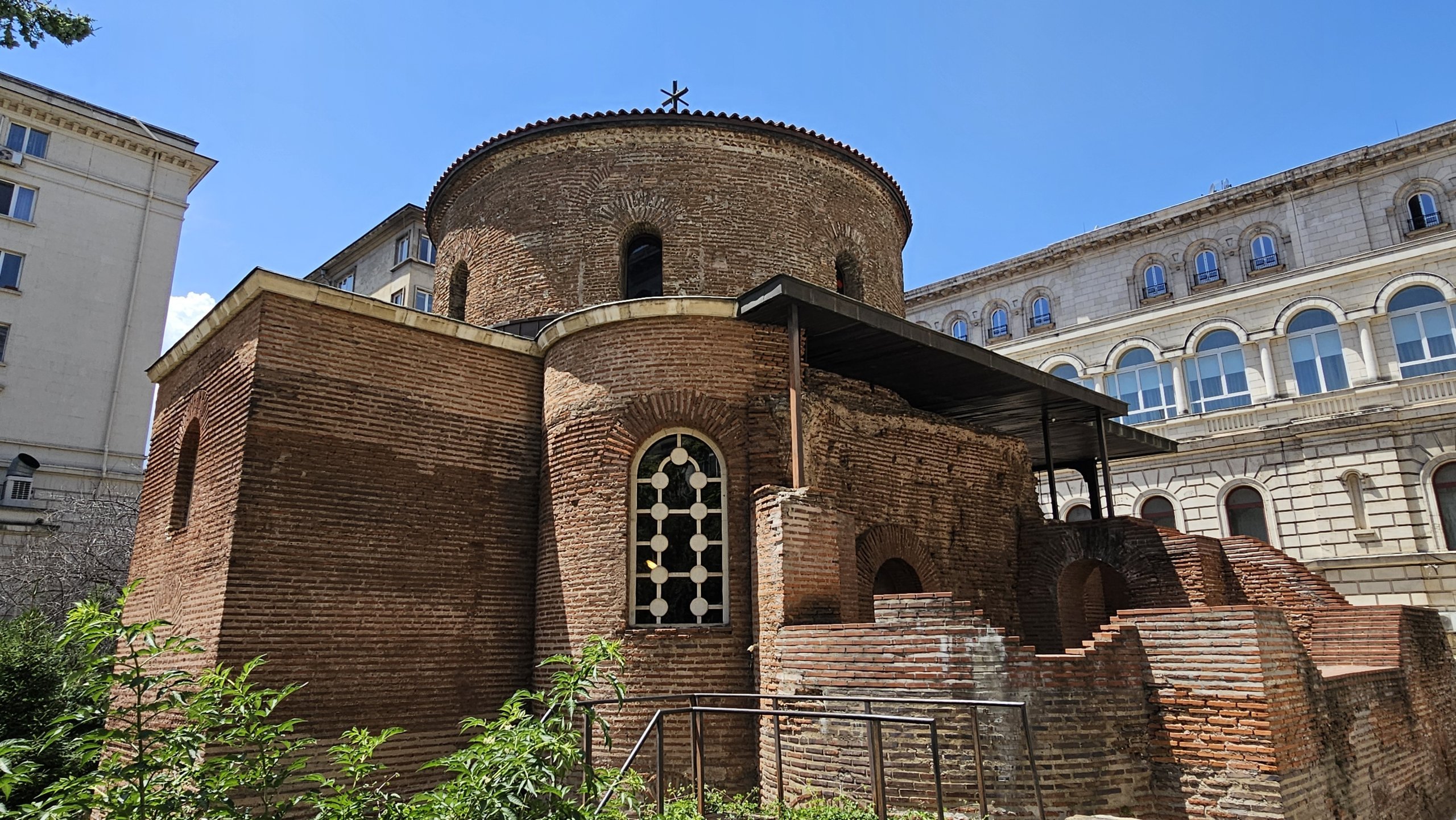
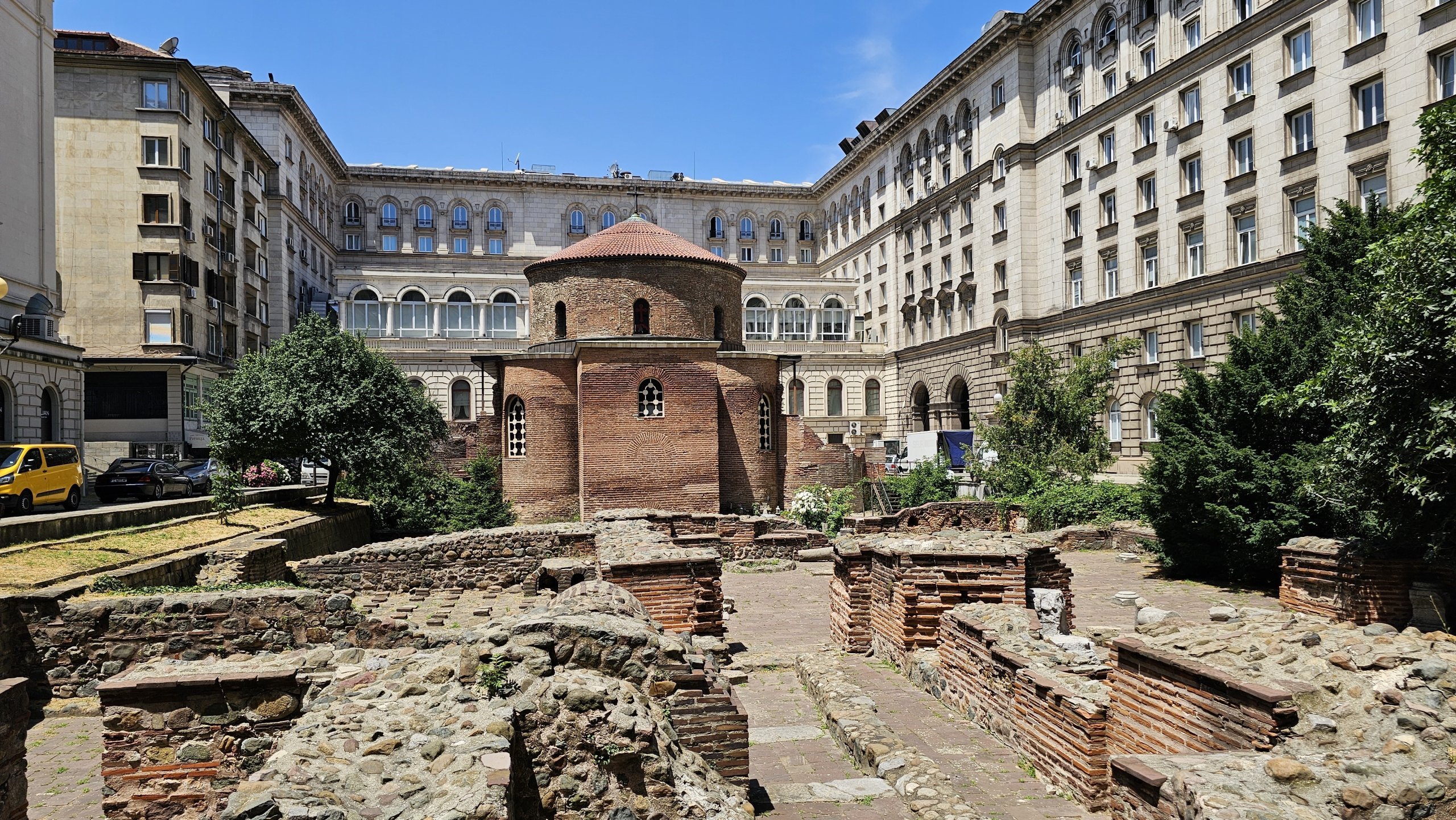
Hidden away in the middle of the courtyard between the hotel and the presidential palace is the unassuming brick rotunda of St George.
It is one of the oldest buildings in the city, but it is barely visible from the main street. Simply walk through the passageway in the building and within seconds you’ll find yourself in the middle of a small archaeological site.
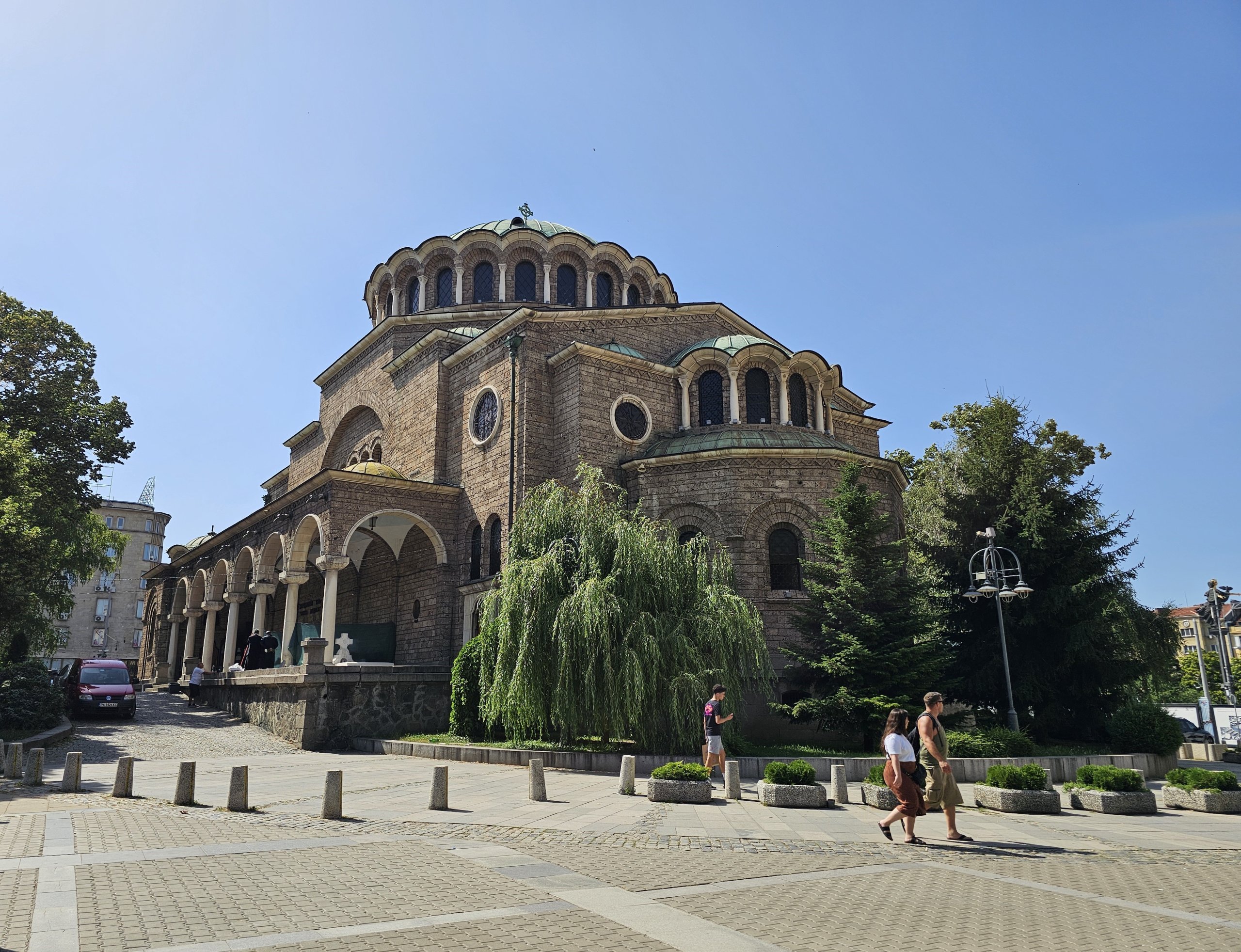
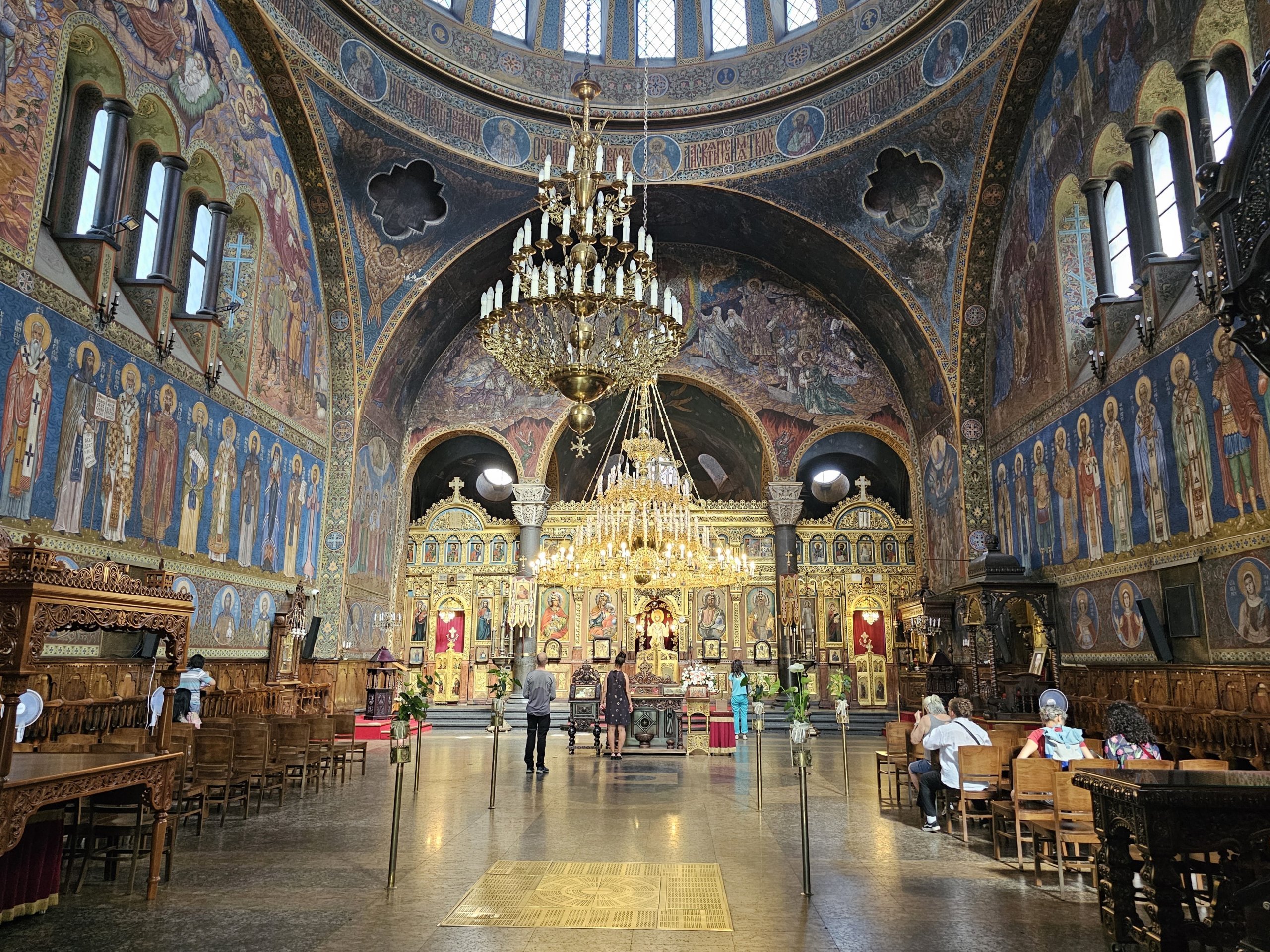
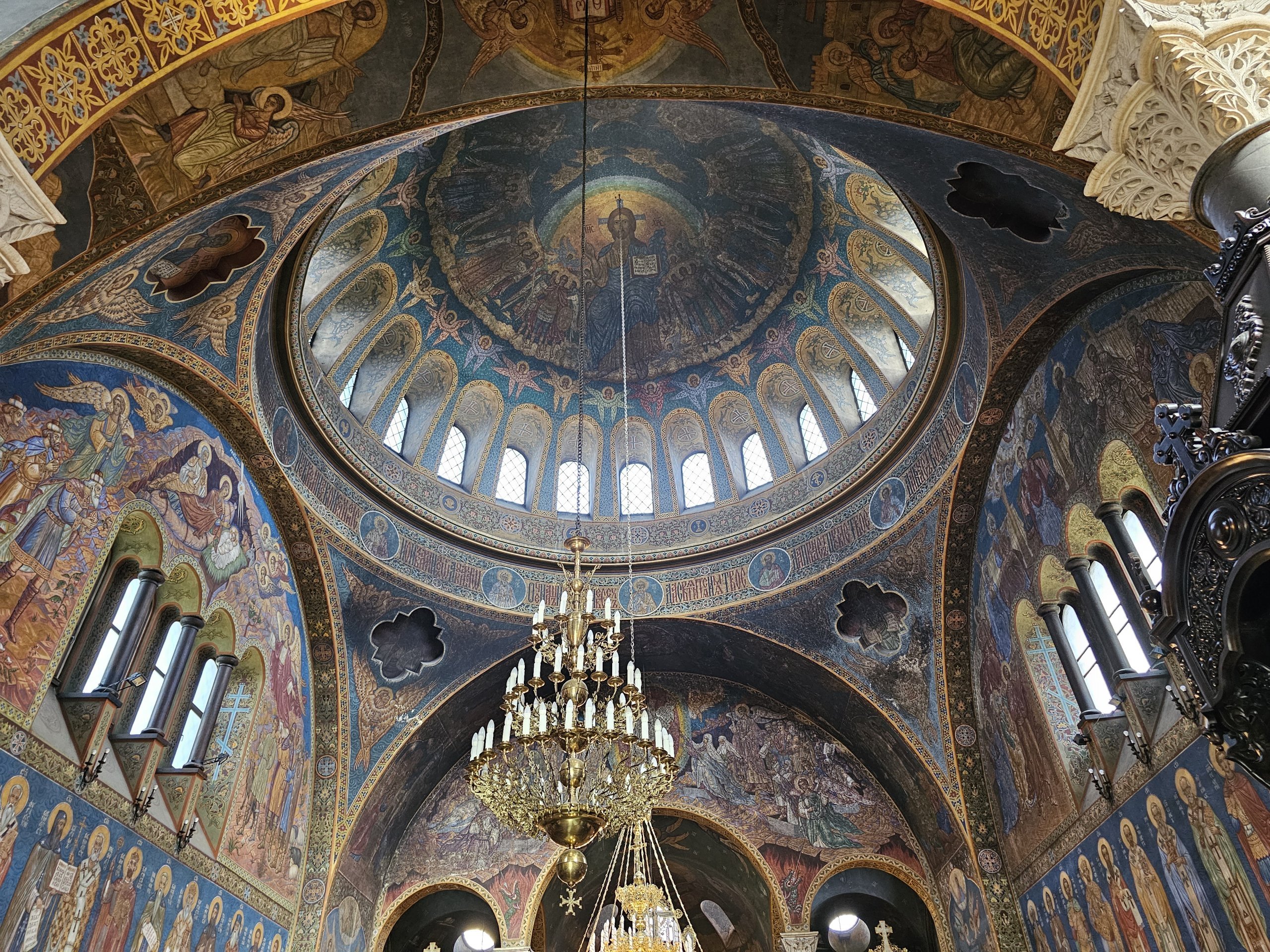
Then head over to the Cathedral of St Nedelya, which stands at the start of the pedestrianised section of Vitosha Boulevard.
From Serdika, continue towards the historic building of the Central Mineral Baths.
In this small area, you’ll find:
Sofia is sometimes described as a city of religious tolerance. An Orthodox church, a Catholic cathedral, a mosque and a synagogue are all just a few minutes’ walk from one another.
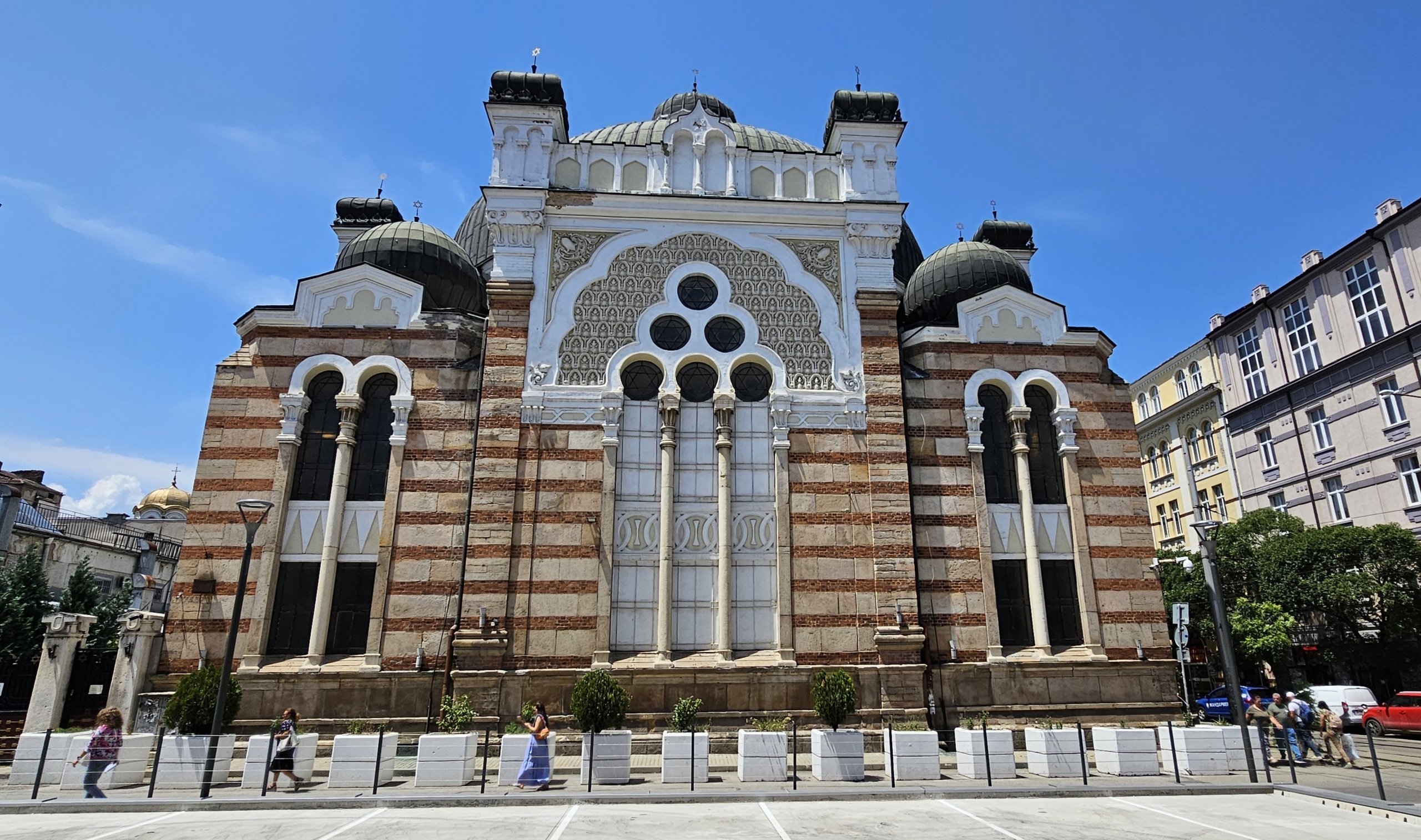
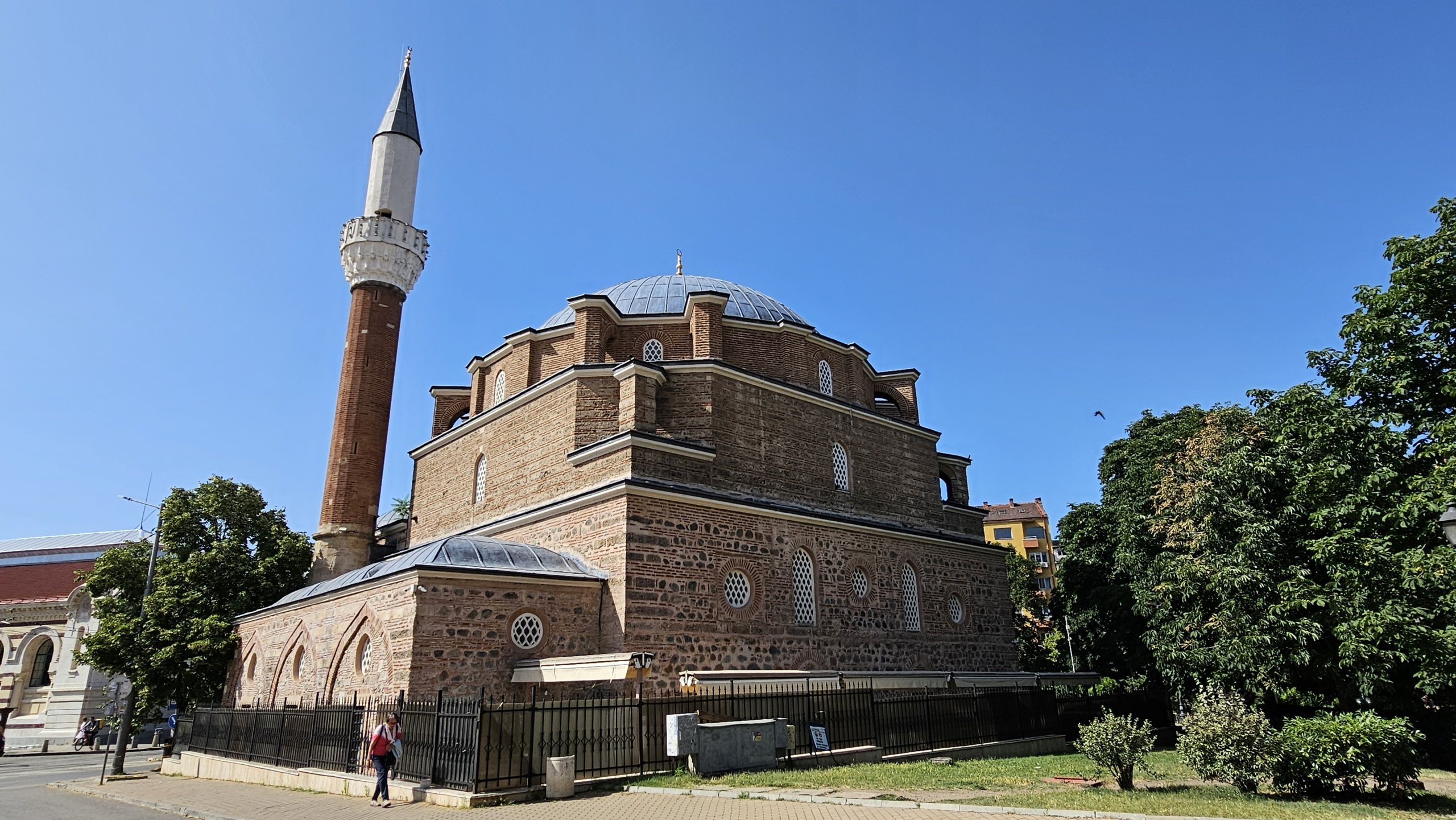
For lunch, try one of the Bulgarian classics.
Start with a Shopska salad and follow it up with, for example, kavarma, kebapche meat rolls, kjufte meatballs or banica pastry.
Restaurants in the main pedestrianised section of Vitosha Boulevard tend to be more expensive and cater mainly to tourists. You’ll often find better value for money in the side streets between Serdika, Graf Ignatiev Street and the Church of the Seven Saints.
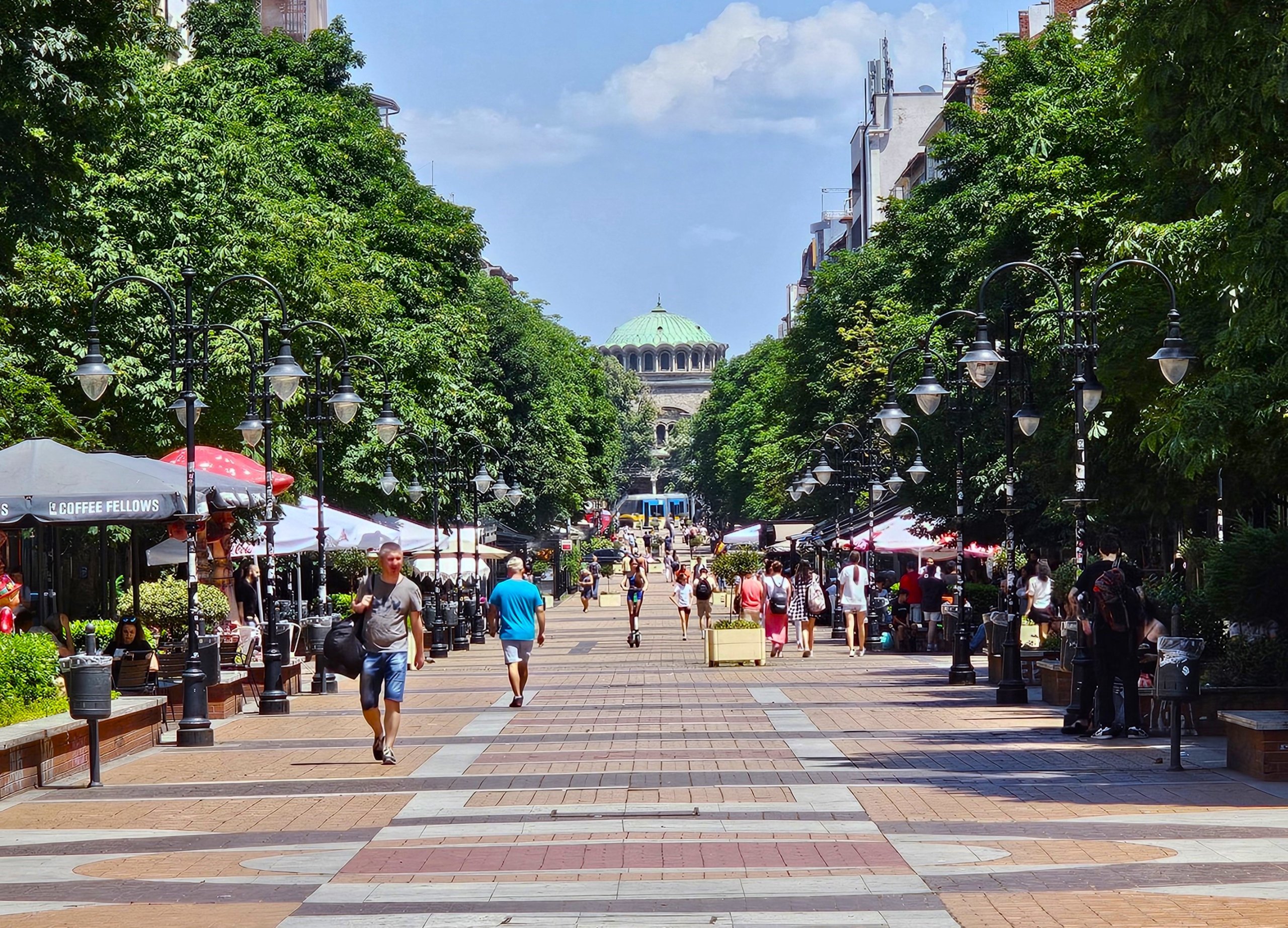
What is a typical dish? We cover this in our article on Bulgarian cuisine.
💬 Do you have any particular favourite restaurants right here in Sofia? Let us know in the comments below the article – thanks!
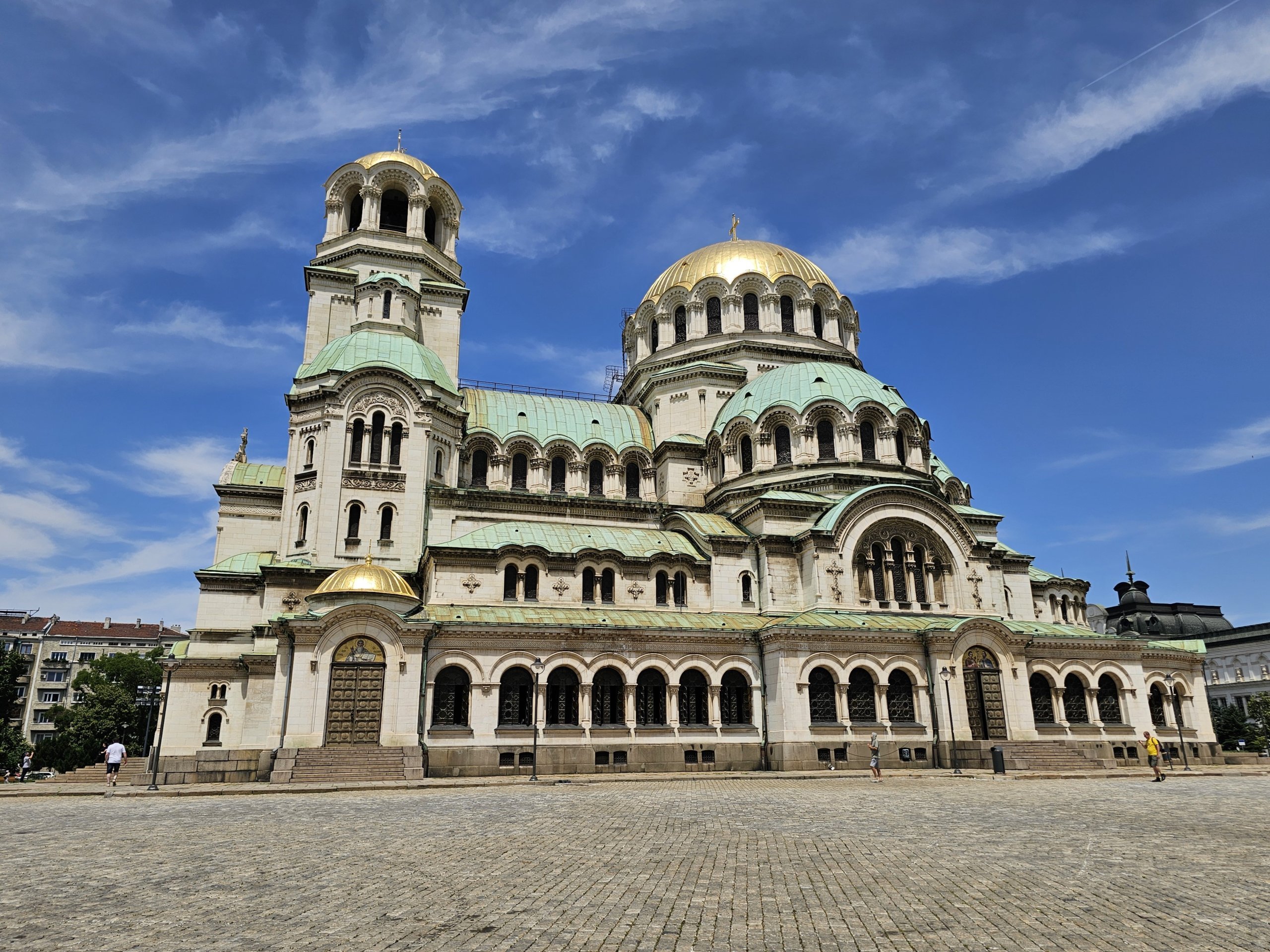
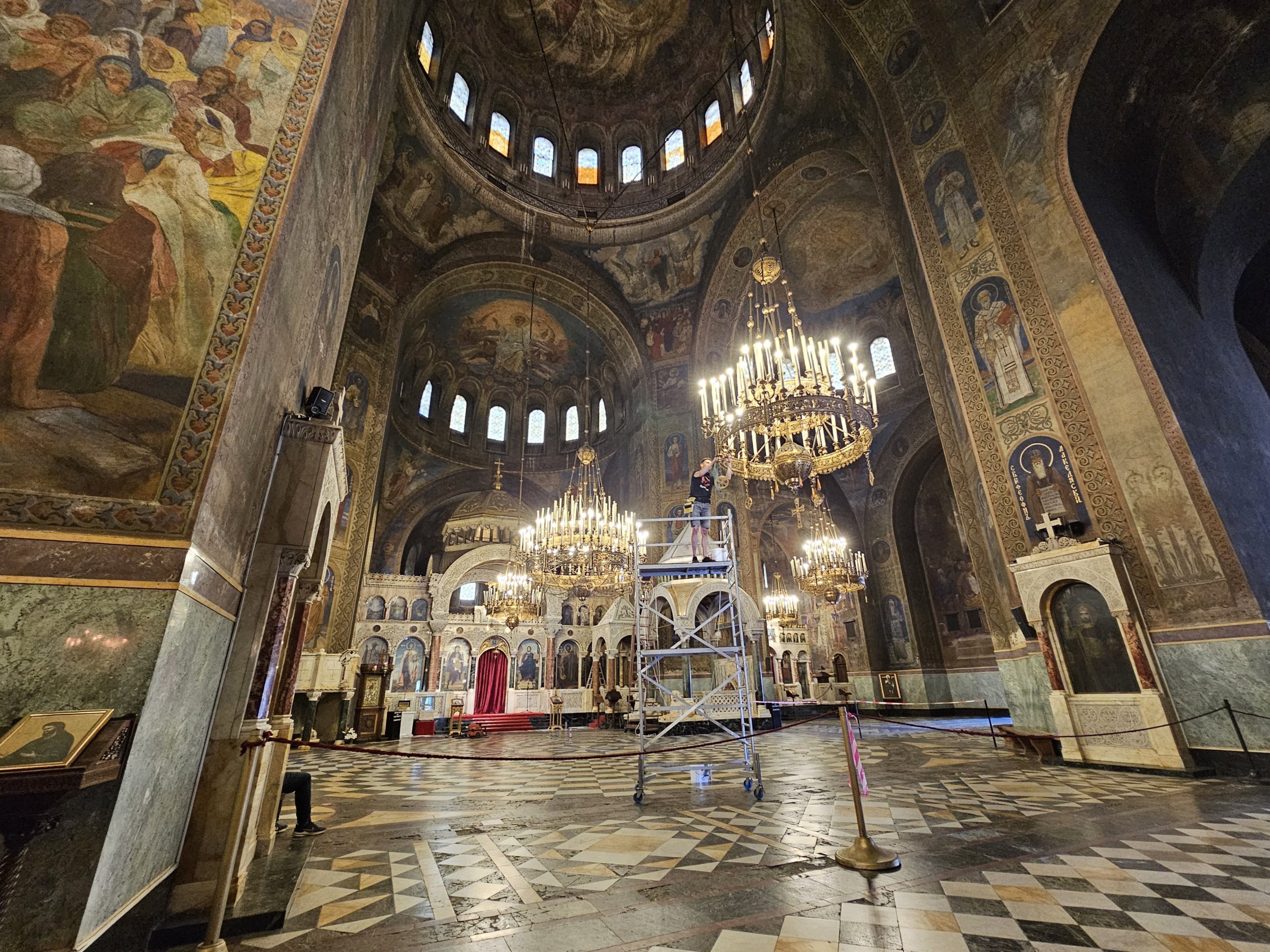
The main highlight of the first day is the Alexander Nevsky Cathedral.
The cathedral is Sofia’s most famous landmark, and its sheer scale is best appreciated from the vast square in front of the main entrance. Be sure to explore the interior too, which is usually open to the public free of charge.
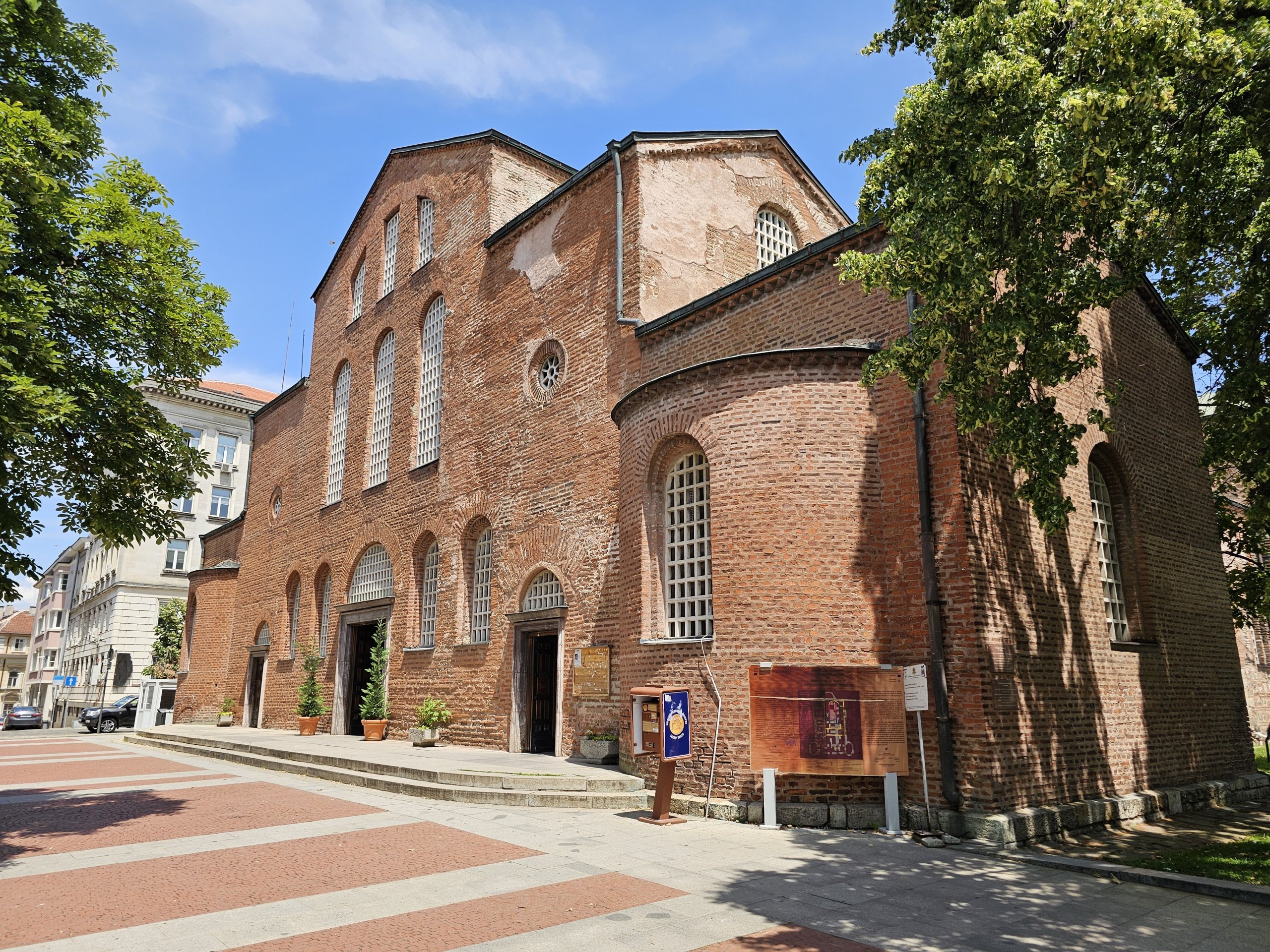
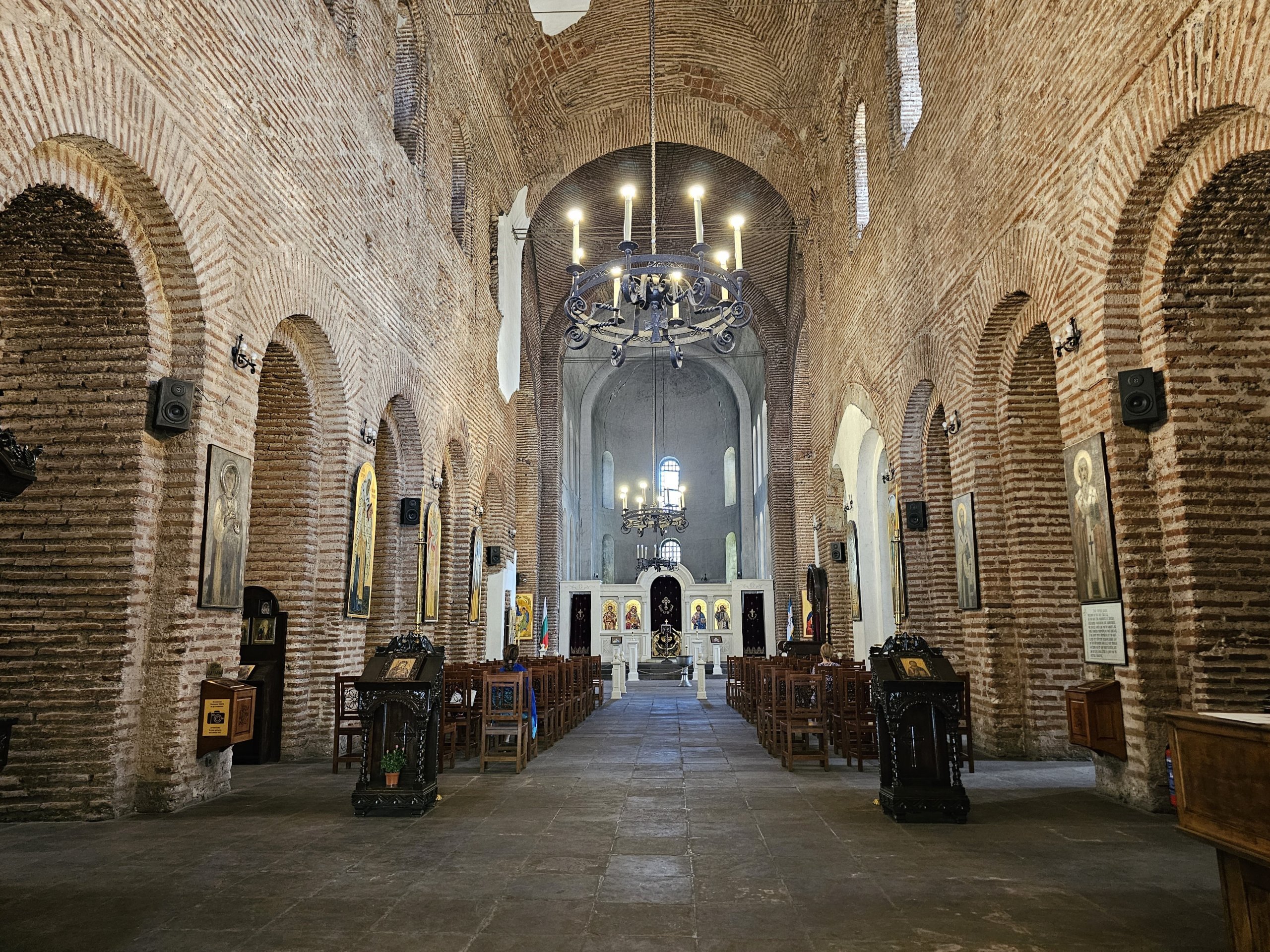
Next to the cathedral stands the much older Basilica of Saint Sophia, from which the city derives its current name.
The basilica is not as striking, but it is definitely worth a visit. Beneath the church, there is also an archaeological exhibition featuring tombs and the remains of older buildings.
If you’re flying home the very next day, you can easily get from the city centre to the airport by metro.
If your flight isn’t until the morning of the third day, round off the day on the main pedestrian boulevard, Vitosha.
The boulevard itself isn’t the most beautiful street in the world, and the restaurants right on the pedestrian zone are quite touristy. Even so, do head here in the evening, at least for a stroll.
For dinner, it’s better to head one or two streets further away, where there’s usually a wider choice of places to eat and a less touristy atmosphere.
In the event of heavy rain, snow or low cloud, avoid heading high up into the mountains. The views will be non-existent and Vitosha will take up far too much of your time.
You can combine a visit to Boyana Church with a trip to the nearby National History Museum and then return to the city centre.
Other places to visit include, for example:
You can find more tips in the ‘Things to do in Sofia’ section.
Yes. Two full days are ideal for a first visit to Sofia.
On the first day, you’ll be able to see all the most famous sights in the city centre.
On the second day, you can visit the Boyana Church and take at least a brief trip into the Vitosha Mountains.
For a weekend in Sofia, we recommend booking three nights. Arriving on Friday evening and departing on Monday morning will give you two full days without having to adjust your itinerary to suit your flight times.
If you’re only staying for two nights, choose the latest possible Sunday departure.
Book a hotel in Sofia for 3 nights
However, if you’d like to spend more time in the mountains, feel free to stay for 4 nights. Mount Vitosha alone can easily take a full 2 days of walking.
I wouldn’t include trips tothe Rila Monastery, the Seven Rila Lakes or Plovdiv in a two-day itinerary.
All these places are well worth a visit, but the trip will take a whole day. That would leave you with only a few hours to spend in Sofia itself.
If you’re planning a longer trip, have a look at our guide to Bulgaria and our overview of the most interesting places in Bulgaria.
If you’re only travelling around Sofia, you won’t need a car. Hiring a car only really makes sense if you’re heading into the mountains, to smaller towns or to other parts of Bulgaria.
The metro is the quickest and easiest way to get from Terminal 2 to the city centre. Get off at Serdika station.
If you’re arriving at Terminal 1, take the free airport bus to Terminal 2 or a city bus to the city centre. You can find a detailed timetable in the guide to transport from Sofia Airport.
You won’t need a ticket on your first day. You’ll mainly use the metro and buses when travelling from the airport, to Boyana Church and to Vitosha.
The easiest way to pay for public transport is with your own contactless card or mobile phone. You can find details about tickets and daily limits in the sections on public transport in Sofia and the Sofia Metro.
For a two-night stay, Serdika is more practical than a cheaper hotel in the suburbs. You’ll save time and a few journeys on public transport.
Even on a short walk, shoes with sturdier soles can come in handy.
The weather and temperature on Vitosha can differ significantly from those in the centre of Sofia.
Bulgaria adopted the euro on 1 January 2026. You should therefore treat the old prices in Bulgarian leva as a guide only.
How expensive is Bulgaria? Find out in our article Money and prices in Bulgaria.
If you have any questions or comments about the article...