
Etihad Airways now flies from Gothenburg: cheap flights to Thailand and Singapore
515 €



What currency do you pay with in Bulgaria? How much do goods cost in a regular supermarket and how much in a restaurant? And how much does a week's stay cost? Find out in this chapter.
Find out the prices of hotels in Bulgaria
In Bulgaria, as in most other EU countries, the euro, which is 100 cents, is the currency of payment from 2026.
Banknotes are worth €500, €200, €100, €50, €20, €10 and €5, while coins are worth €1, €2, €5, €10, €20, €50 and €1 and €2.
Until 2025, payment was made in Bulgarian leva.
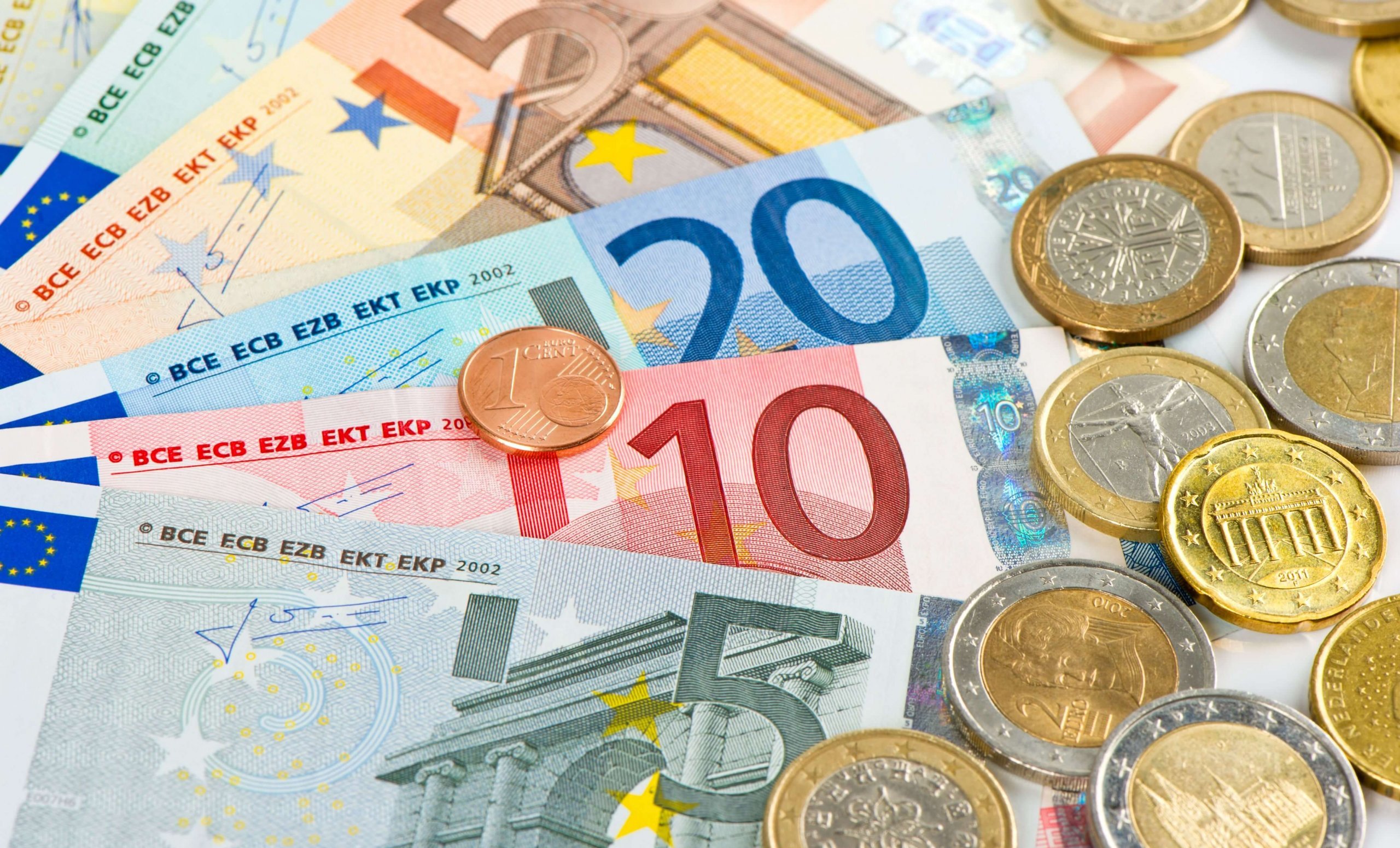
There are a large number of currency exchange offices in Bulgaria, not only in the tourist resorts. However, after Bulgaria's accession to the Eurozone, the number of currency exchange offices has significantly decreased and most travellers will now arrive in Bulgaria with the Euro.
From our point of view, the optimal option is to withdraw from ATMs, unless your bank applies high withdrawal fees abroad. ATM fees may be charged by the Bulgarian bank itself, but they are usually the same or lower than the fees at exchange offices, and you are not exposed to any risk of fraud.
Bulgarian ATMs that do not charge a withdrawal fee:
OTP, Euronet and ING Bank, for example, charge a high fee around 5 bgn.
ATMs are easy to find in all major cities and seaside resorts.
Card payments are much less widespread in Bulgaria than elsewhere in Europe.
You can easily pay by card in all supermarkets, hotels, petrol stations or shops selling expensive goods (electronics, clothes, etc.).
On the other hand, you can almost never pay by card in transport, restaurants (except fast-food outlets), monuments or attractions.
You simply cannot do without cash in Bulgaria.
In some expensive restaurants, a tip of 10% is usually already included in the price.
However, this is generally not the rule and tips are left in addition to the total bill at around 10%. The tip is left on the table when you leave; putting it directly in your hand is socially unacceptable.
Bargaining in Bulgaria is not very traditional and we do not recommend trying it even in the markets.
Bulgaria is one of the weakest countries in the EU economically. In general, therefore, Bulgaria is cheaper than countries in Western Europe, but the differences are quickly blurring.
Public transport is very cheap in Bulgaria, hotels and car rentals are also cheap. Prices in shops and restaurants are at a comparable level to those in Western Europe.
Inland it is about twice as cheap as in the seaside resorts.
For hotels by the sea, it is always a good idea to book well in advance (at least 2-3 months).
Book a hotel in Bulgaria in advance
How much does basic food, tourist attractions or transport cost in Bulgaria? Check out the price guide.
Accommodation in a double room (prices per night)
Food in restaurants
Food in the supermarket
Transport
Beaches
Cigarettes and alcohol
How much money to bring to Bulgaria is mainly a question of the type of stay.
If you are going with a travel agent and have most things arranged and paid for in advance, then you won't need more than 150 eur per person for a week in case you want to go out for a drink in the evening, buy some souvenirs, eat at beach restaurants over lunch and occasionally take advantage of an attraction.
If you are travelling on your own, you will surely find yourself in one of the categories below:
The low-budget traveler takes public transport, bus or minibus. They usually stay in an apartment with a kitchenette. The cheapest way to get food is at local small shops, supermarkets or markets.
Find the cheapest accommodation in Bulgaria
A common traveller is staying in an apartment with breakfast. For lunches, you can go to cheaper restaurants or eat at buffets. You travel by public transport, but rent a car for a few days and go on a trip.
If you're more discerning, stay in a 4* or 5* with at least breakfast. You deal with transport by taxi or hire car throughout your stay and try a different attraction on the beach each day.
The following table shows prices for a week's stay in high season for 2 people. The cost is based on a per day basis for 1 person.
| Accommodation | Food | Public transport | Car rental | Attractions | Total price | |
|---|---|---|---|---|---|---|
| Low-cost | 140 eur | 20 eur | 28 eur | 0 bgn | 20 eur | 200 eur |
| Regular traveller | 180 eur | 40 eur | 40 eur | 80 eur | 80 eur | 220 eur |
| Expensive option | 290 eur | 75 eur | 0 bgn | 230 eur | 160 eur | 755 eur |
If you have any questions or comments about the article...

Bulgaria switches to the euro from 1.1.2026.