Vietnam from Vienna with a return to Budapest (luggage included)
382 €


The best way to get around Hanoi’s historic centre is on foot. For longer journeys, Grab or the bus are good options, whilst the metro is of limited use for the average tourist.
I myself mainly got about Hanoi on foot. The city centre is compact, the distances between individual places are short, and you’ll always come across something interesting along the way anyway.
Walking does, however, have its own challenges. Pavements are often blocked by parked motorbikes, crossing the road requires caution, and for some journeys it’s simply more comfortable to hop into an air-conditioned car or bus.
A good hotel location in Hanoi will save you a lot of travelling. I stayed at the WECOZY Hanoi – Railway Side apartment, which was close to both the city centre and the main railway station. I compare other areas and specific hotels in the article ‘Where to stay in Hanoi’.
| Transport | When to use it | Price |
|---|---|---|
| On foot | Old Town, around the lake | Free |
| GrabCar | Longer journeys, rain, luggage | As per the app |
| GrabBike | Shorter journeys for one person | As per the offer in the app |
| Bus | Cheap journeys around town | Depending on the route; usually 5 000 vnd |
| Underground | Journeys to the west and south-west | Single fare approx. 9,000–19 000 vnd |
For a first visit , I’d be fine just walking, using a ride-hailing app once and Google Maps for buses. I wouldn’t prioritise accommodation near a metro station when exploring the historic centre. At least not for now, as the metro doesn’t run to the centre (that’s set to change around 2032).
You can easily walk to Hoan Kiem Lake, St Joseph’s Cathedral, Bach Ma Temple or Dong Xuan Market.
The distances are greater when heading towards the Temple of Literature, Ho Chi Minh’s Mausoleum or Tran Quoc Pagoda. You can walk there too, but given the heat and fatigue, I’d happily cover part of the journey by bus or Grab.
The biggest surprise for me wasn’t the distance, but the obstacles. Motorbikes are parked on the pavements, restaurant tables and shop goods spill out onto them, and sometimes you have to step onto the road for a moment.
You’ll make particularly slow progress if you’re carrying luggage or pushing a pram.
The promenade around Hoan Kiem Lake or Thong Nhat Park offers a more pleasant setting for a leisurely stroll.
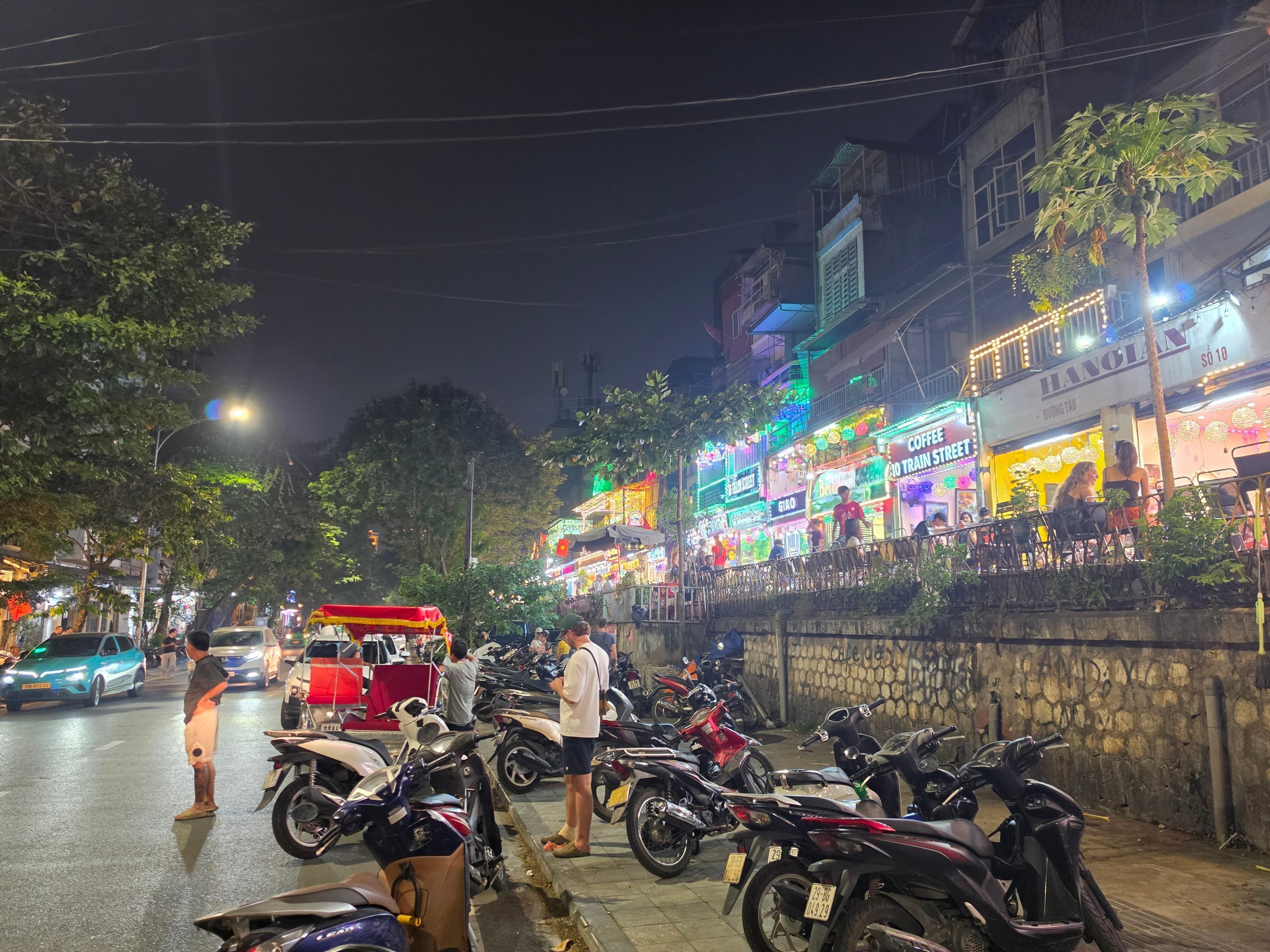
Even at a marked crossing, I couldn’t count on approaching vehicles automatically giving way to me.
Predictability was what helped me most:
The traffic lights worked quite well for me in Hanoi. Even when the light is green, however, keep an eye out for motorbikes, which may appear from an unexpected direction or fail to obey the lights.
At weekends, parts of the area around Hoan Kiem Lake and the Old Quarter become pedestrian zones. It’s pleasant for a stroll, but if you’re being picked up by car, you’ll need to get in at the edge of the zone.
For me, Grab was the easiest way to book a car in Hanoi without having to haggle over the price with the driver.
I selected my pick-up point and destination, saw the price quoted and, after confirming the booking, tracked the driver’s arrival.
In my experience, it worked without any problems. Compared to Bangkok, for example, however, the availability of cars seemed lower. On one occasion, I waited for about 15 minutes around 6.00 pm; the usual wait was 7–10 minutes.
During rush hour, therefore, make sure you allow extra time for the driver’s arrival.
| Apps | What it offers | Why use it |
|---|---|---|
| Grab | Cars and motorbike taxis | The version I’ve tried |
| Green SM | Electric cars and motorbikes | An alternative for comparing offers |
| Be | beCar, beBike and other services | Another option during a long wait |
Green SM is the newer name for the Xanh SM service, under which you will still find it in older guides. The brand was renamed in April 2026.
Green SM also offers a booking service via the local telephone number 1555. Be is another viable alternative, but personally, I used Grab during this visit.
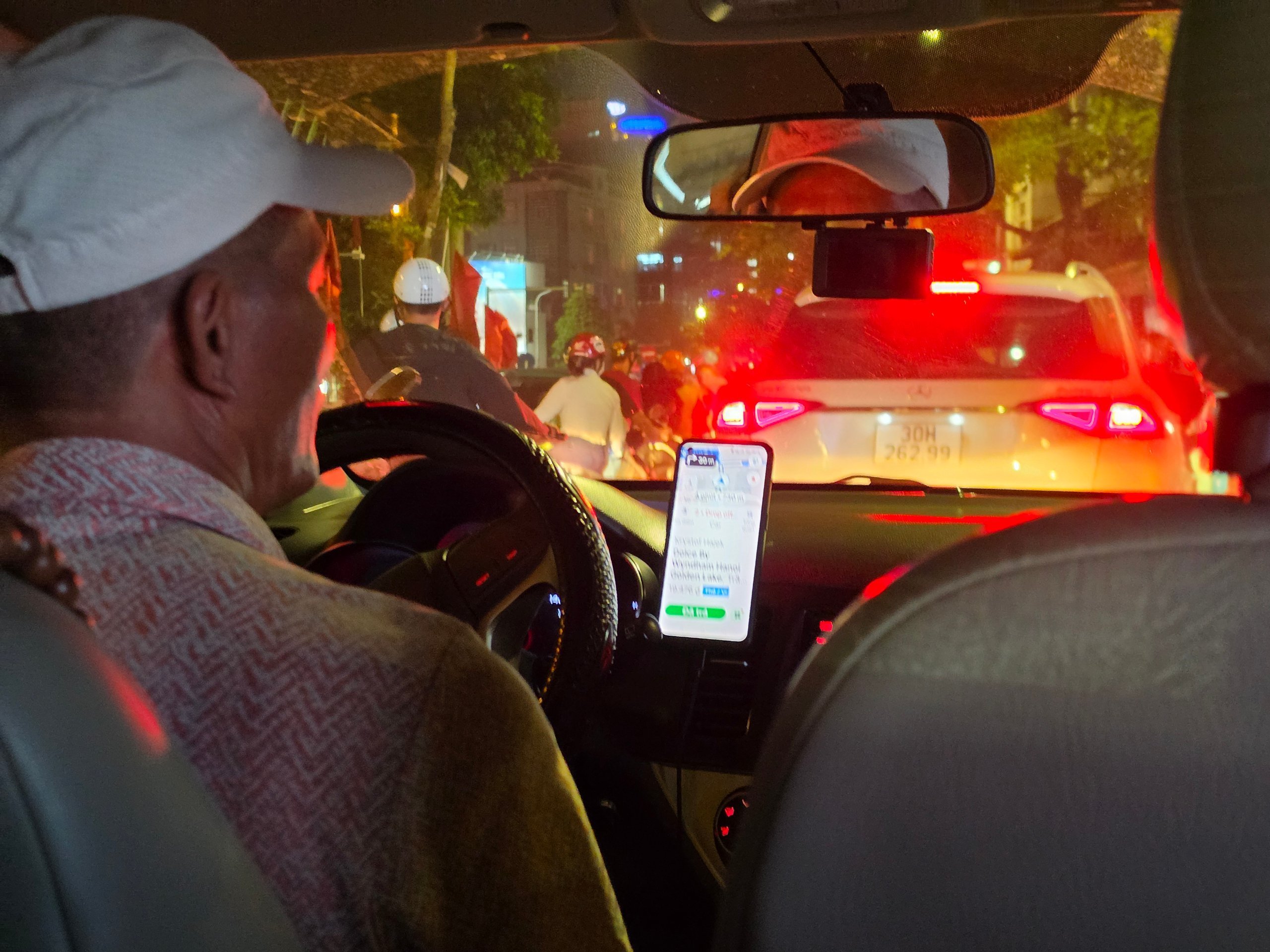
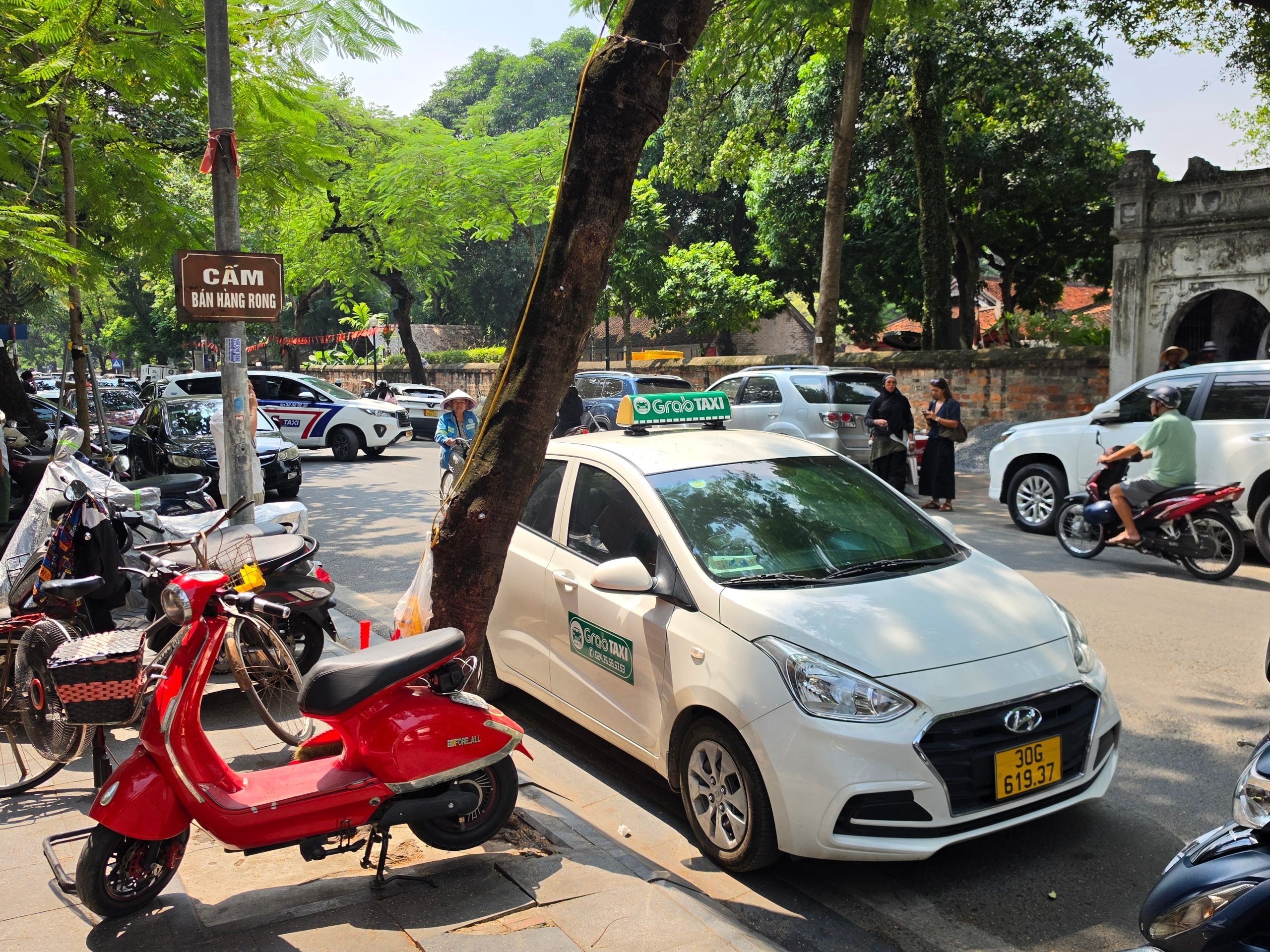
Check the type of service before booking. The price quoted for a car is split between your fellow passengers, whilst a motorbike taxi is based on a single passenger.
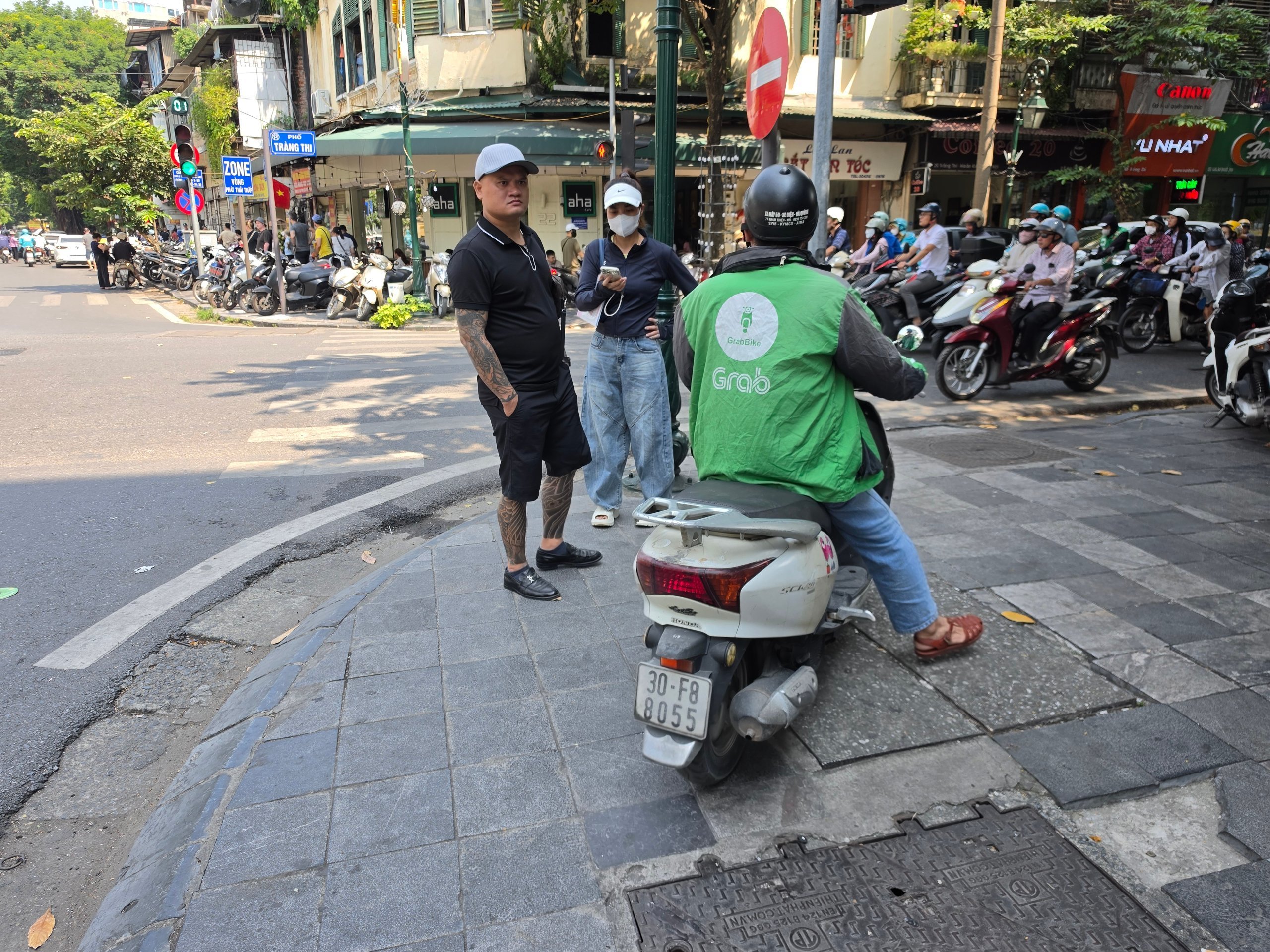
You’ll only find out the exact price once you’ve entered a specific route into the app. It depends on the distance, journey time, type of service and current demand.
For a rough estimate of the cost of short city journeys of a few kilometres, I’d expect it to be in the region of:
This is a rough estimate, not a fixed price list or a price guaranteed for every occasion. In the rain or when demand is high, the fare may be higher.
Please check the payment method in the app before booking:
Personally, I’ve always found that paying by card via the app has worked without any problems every time.
I’d set up the app before setting off, whilst you can still easily receive verification text messages.
When booking, make sure you pay particular attention to the following:
Stay connected during your stay in Hanoi and get a local data eSIM, for example via airalo.com.
I wanted to try a traditional taxi with a meter in Hanoi. I only managed to do so on the journey to the airport.
On other occasions, the drivers wanted to agree on a price with me in advance, so in the end I decided to book a Grab instead.
I take this as my experience with specific journeys. Taxis with meters do work in Hanoi, but I wouldn’t count on every driver you flag down in the street automatically switching it on.
Even in 2026, travel forums still feature accounts of significantly overpriced short journeys and instances of banknotes being swapped during payment.
These are individual, independently unverified accounts from travellers; however, they do illustrate why I would prefer to use an app.
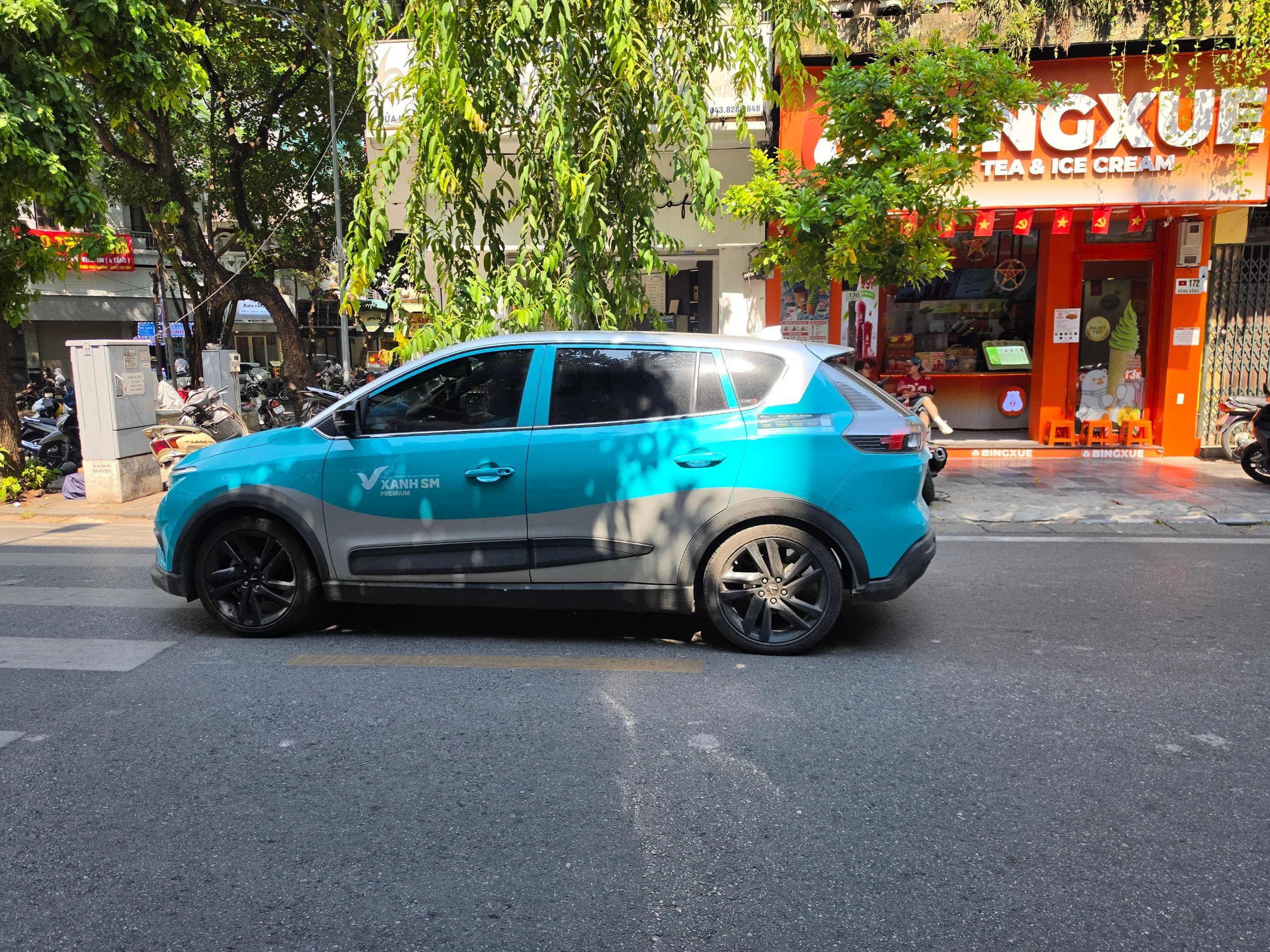
If you want a traditional taxi:
The fact that the meter is switched on does not in itself guarantee that the final fare will be reasonable.
💬 Have you had any personal experience with traditional taxis in Hanoi? Please share any tips on specific companies or tricks for avoiding overpaying in the comments below the article – thanks!
At first glance, the bus system seemed like a confusing mess to me. But once I realised that Google Maps is good at planning public transport routes, I started using buses quite often.
They’re a good option for travelling outside the very centre if you want to save money and don’t mind approximate departure times.
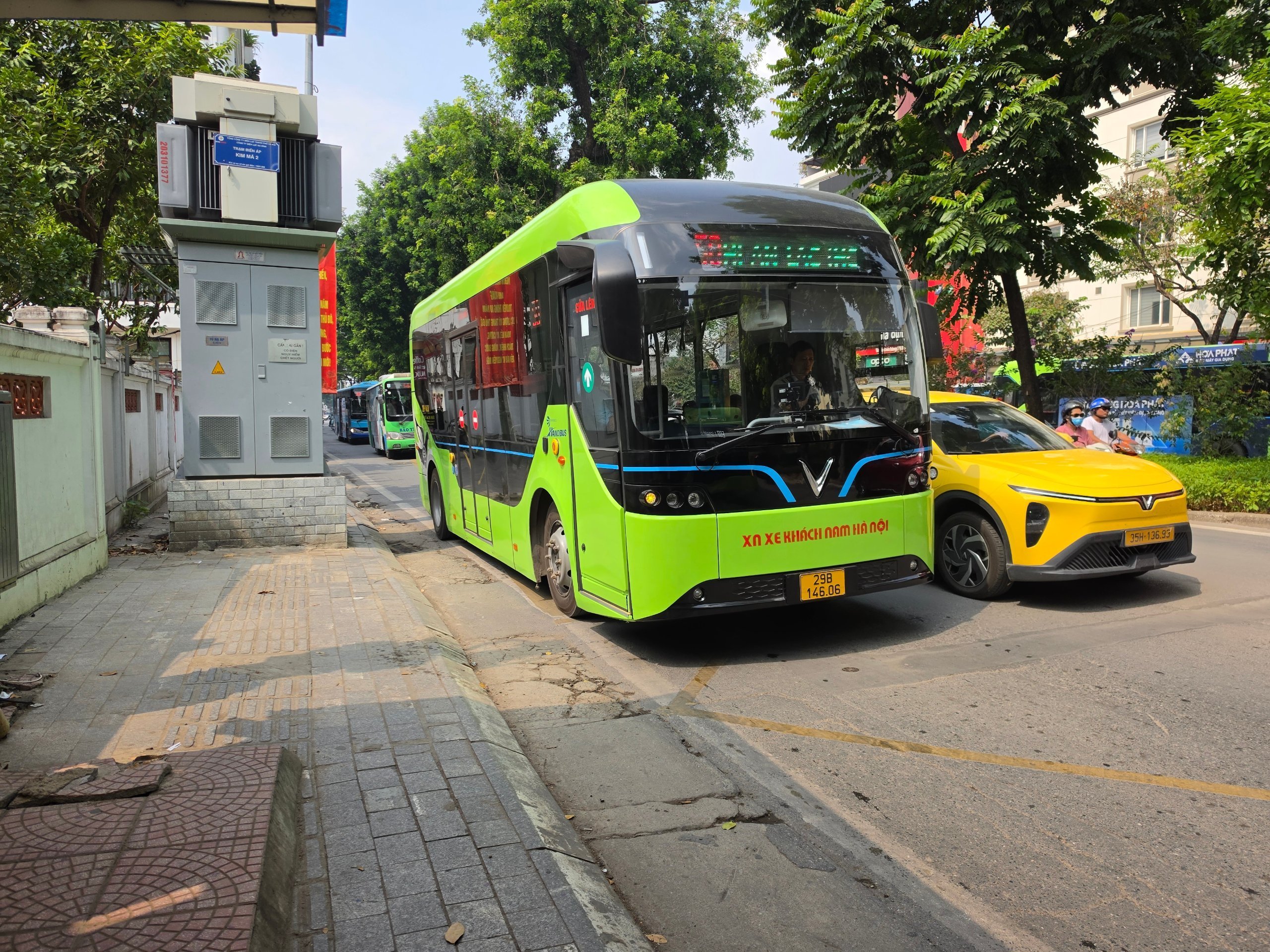
In Google Maps, enter your destination and switch to public transport. For the suggested journey, check:
Google Maps always planned my routes well, but the times were very approximate.
During my journeys, the buses didn’t stick to the exact departure times shown on Maps. However, there were plenty of them running, so it wasn’t a major problem.
I’d allow plenty of time to get to the train station or any other fixed appointment.
As an additional resource, you can use Tìm Buýt, which is linked to by the transport operator Transerco, or the VinBus route map for its electric buses.
If you’re paying for each journey in cash as you go, bear in mind that you’ll need another ticket when changing buses.
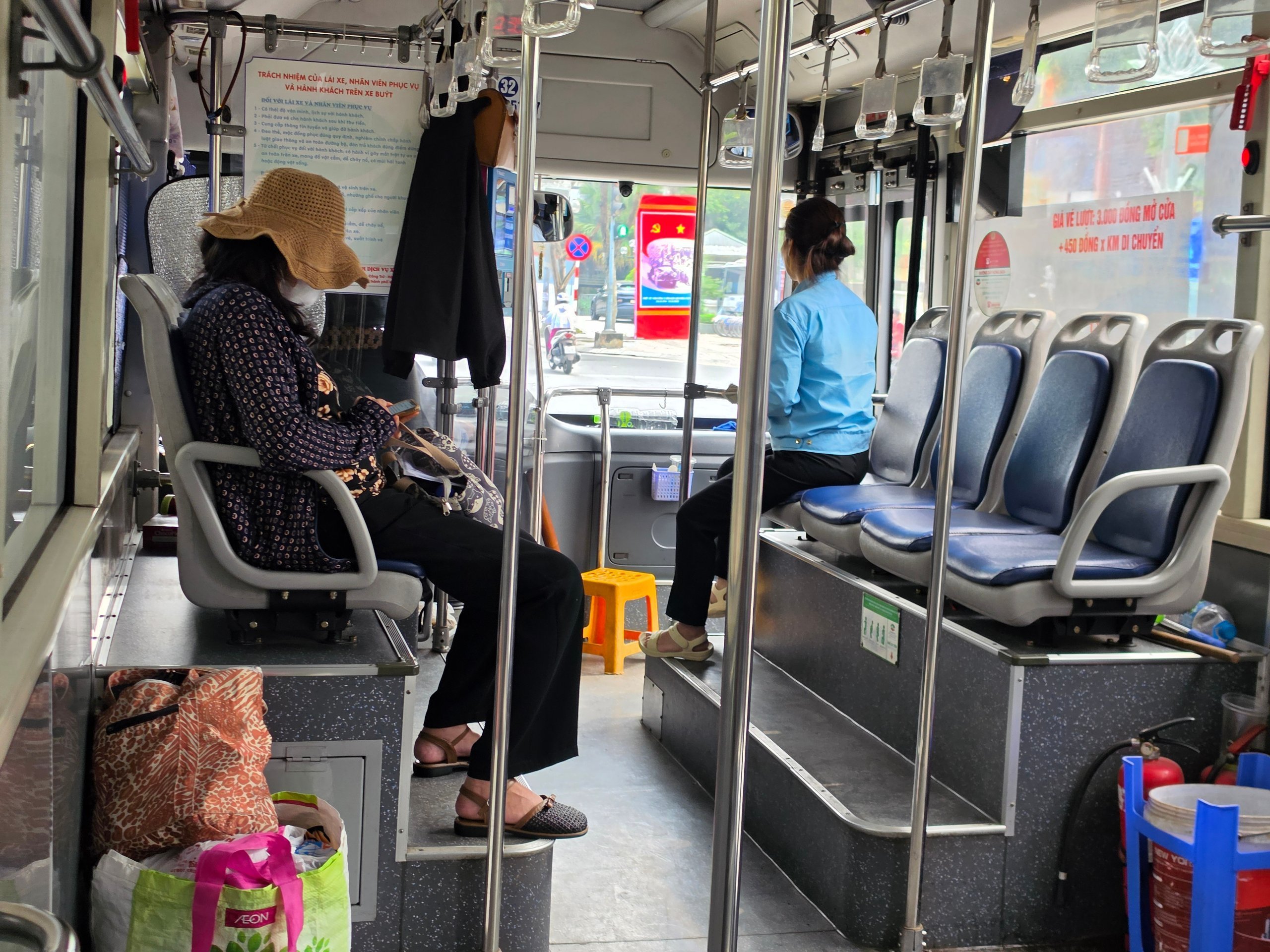
On my journeys, I’ve always paid 5 000 vnd, even though Google Maps has shown 10 000 vnd on several occasions.
However, there isn’t a flat fare for the whole of Hanoi. As well as the length of the journey, the fare now also depends on the part of the city and the method of payment.
For example, a fare distance of 3–4 km works out at 5 000 vnd.
Carriers’ online price lists may operate under a different system: VinBus, for example, still quotes 10 000 vnd per journey for route E07.
Treat the price shown on Google Maps as a guide only. Check the actual fare with the conductor and against your ticket. For a short visit, cash is a convenient option, but it may not work out at the same price as a correctly used electronic ticket.
Contactless payment is available on some buses, but it cannot be automatically assumed to be available across the entire network or for every foreign card.
Personally, though, card payments didn’t work for me on a single journey, so I’d definitely take some cash with me.
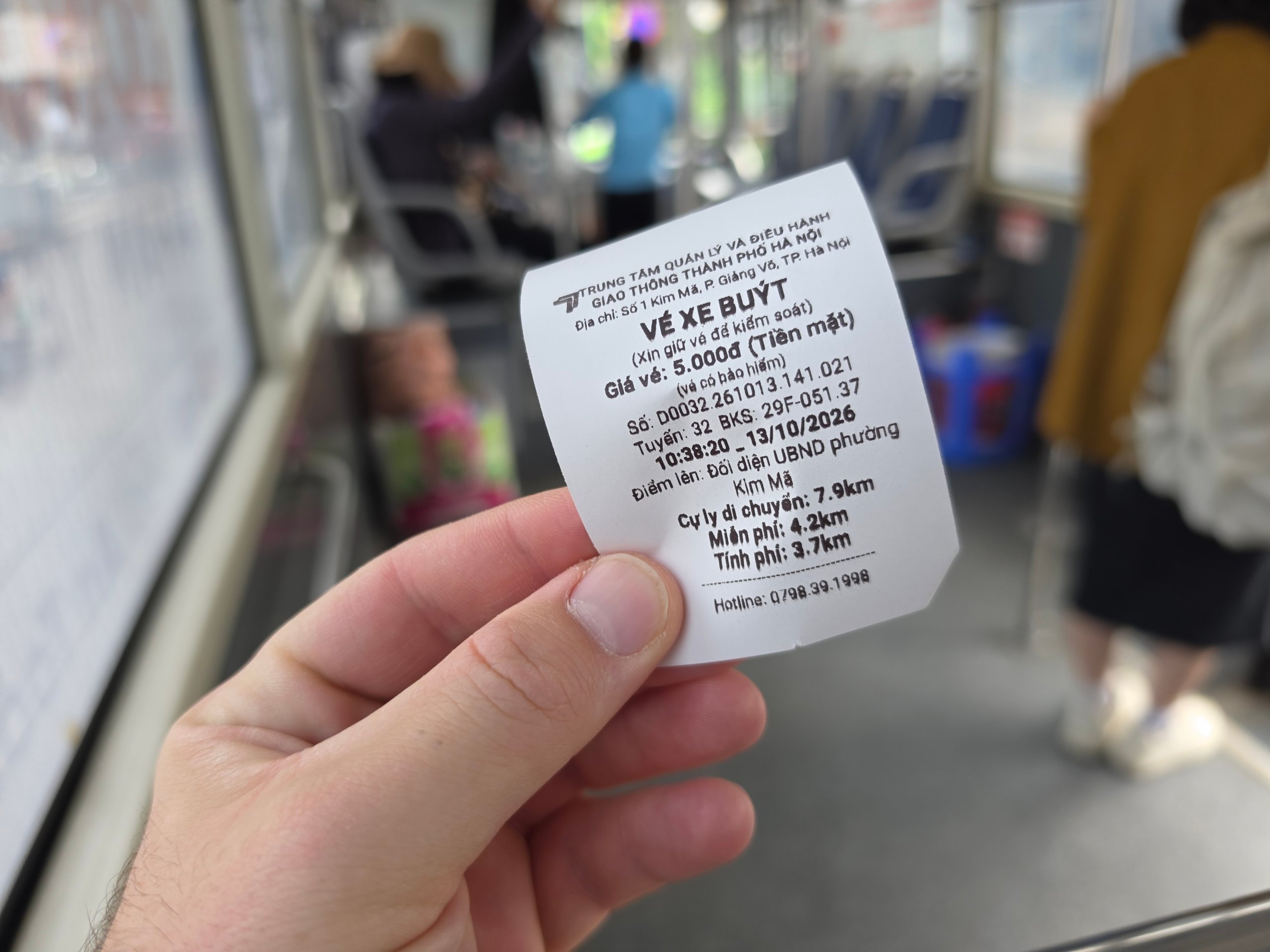
Please check the bus number in the timetable planner before you set off.
| Route | When to use it | Practical information |
|---|---|---|
| 02 | Hoan Kiem Lake → Temple of Literature | 6–8 Trang Thi → 92–94 Ton Duc Thang |
| 34 | Temple of Literature → north of the Old Quarter | Nguyen Thai Hoc → 80 Tran Nhat Duat |
| 11 | North of the Old Quarter → Thong Nhat Park | From the Tran Nhat Duat area to the Công viên Thống Nhất stop |
| E07 | From the city centre towards the new military museum | Long Bien → towards Smart City; allow for a short walk |
Details of specific entrances can be found at the Temple of Literature, Thong Nhat Park and the Vietnam Military History Museum.
The BusMap Ha Noi mobile app (available on: Google Play / App Store) provides clear information on the location of stops, routes and current fares.
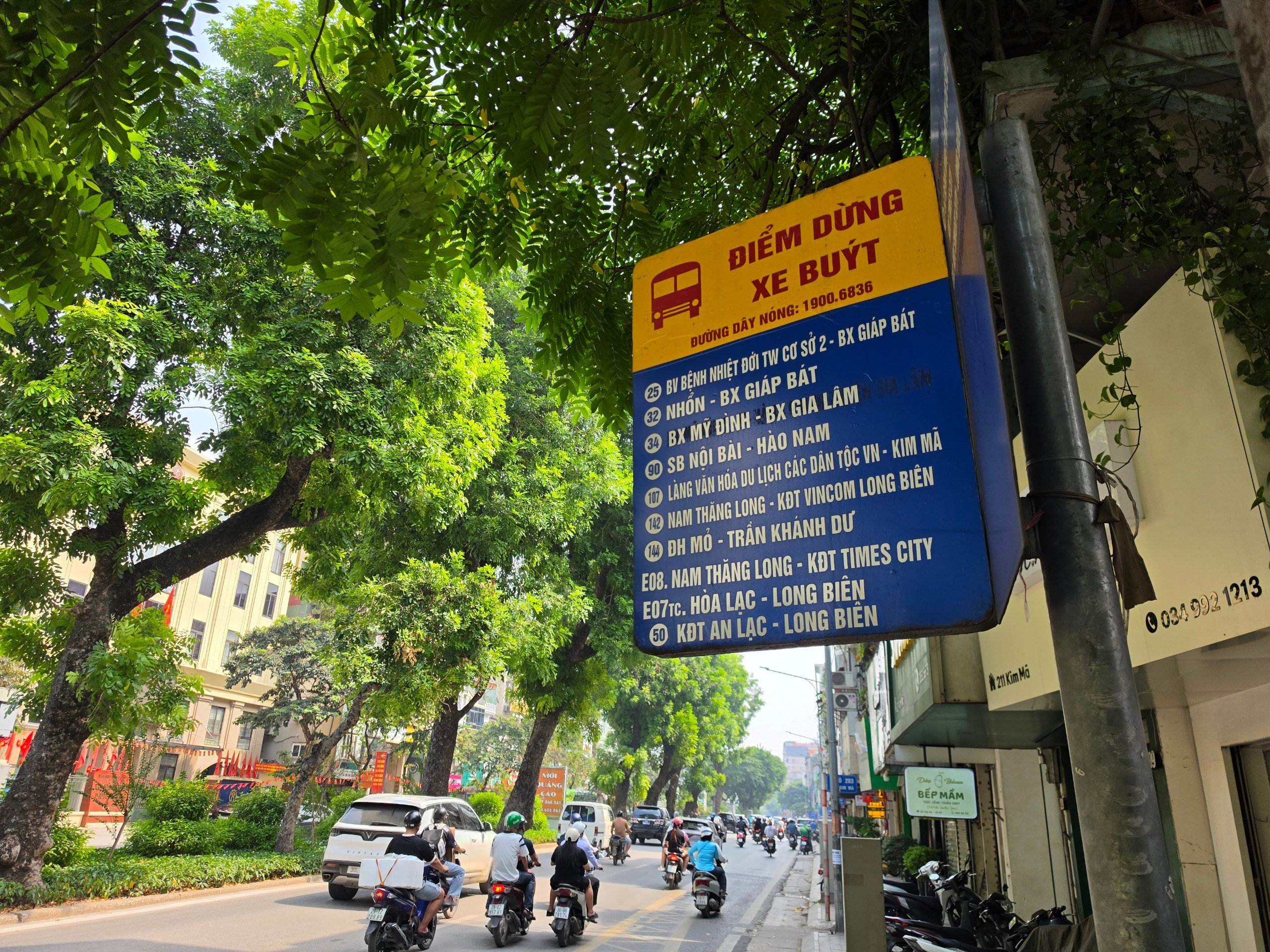
Operating hours vary depending on the route. For many city buses, you can generally expect services to run from 5.00 am to 9.00–10.00 pm, although some finish earlier or later.
For the time being, the metro is not a practical means of transport for tourists. It does not serve the area around Hoan Kiem Lake or the airport.
It is more suitable for journeys to the western and south-western parts of the city, or if you simply want to experience a metro ride.
| Route | Route section | Single-journey fare paid in cash |
|---|---|---|
| 2A | Cat Linh – Yen Nghia | 9,000–19 000 vnd |
| 3.1 | Nhon – Cau Giay | 9,000–15 000 vnd |
Please note the name of the Nhon – Ga Ha Noi line. It often refers to the entire project, but the section to the main station via the city centre is still under construction. The section currently in operation ends at Cau Giay.
Cat Linh station on Line 2A is relatively close to the Temple of Literature, but when travelling from the Old Quarter, the metro alone does not provide a practical direct connection.
For foreign visitors, the two most practical options are:
1. Tapping a contactless Visa card
Direct payment by Visa card is confirmed on both routes, including via a supported mobile phone or smartwatch.
Tap your card when boarding and alighting. Always use the same card or device. Only one passenger may use a single card at any one time.
2. Single-journey ticket from the ticket counter
If you do not wish to use direct Visa payment, you can buy a single ticket at the ticket counter. For foreign visitors without a local travel card, the transport operator will issue a paper QR ticket, which you can use at the turnstile.
You do not need to create an account on the Hanoi Metro app for a single journey. Registering as a foreigner on the app requires passport details, and according to the transport operator, approval can take around three days.
For a typical tourist visit to the city centre, I wouldn’t buy an all-day ticket in advance. First, check whether you’ll actually be using the underground on your planned route.
You can find official information on the Hanoi Metro website.
A cycle rickshaw, known locally as a xích lô, is ideal for a sightseeing tour of the Old Quarter. Make sure you confirm the total price, the duration of the ride and the number of passengers covered by the agreement in advance.
For everyday travel during a short visit, I’d stick to walking, apps and buses. I wouldn’t opt for a car or motorbike hire due to the traffic, parking and the nature of the city centre.
For a first visit, I’d look for accommodation in the Old Quarter or within walking distance of Hoan Kiem Lake. Staying near one of the current metro stations won’t, in itself, make exploring the city centre any easier.
Depending on your budget, I’d choose from options such as these:
You can find a more detailed comparison of areas and other specific options in the article ‘Where to stay in Hanoi’.
Transport from the airport is covered in a separate article, ‘Transport from Hanoi Airport’, where I compare the bus and car journeys. There is currently no metro service to the airport.
If you’re travelling on to Da Nang, do also read about my experience on the Hanoi–Da Nang night train.
Have you travelled by bus in Hanoi? Please write in the comments the route number, the date, the fare you paid and whether you were able to pay by card. It is precisely these specific experiences that will help to further refine this article.
If you have any questions or comments about the article...