Bali from Prague with Etihad Airways: a whole host of dates available throughout the year
623 €



What activities are worth going to Newcastle upon Tyne for?
This city in the north of England is known for its diverse mix of historic landmarks and modern buildings, its stunning coastline and, above all, its endless possibilities for day trips and longer excursions in the surrounding area.
We personally recommend spending at leastfour full days in Newcastle, but if you’d like to explore the natural beauty of the surrounding area as well, feel free to stay for more than a week.
Find the cheapest flights to Newcastle NCL Airport
Undoubtedly the biggest attraction near the city is one of the most famous monuments of the Roman Empire in Europe.
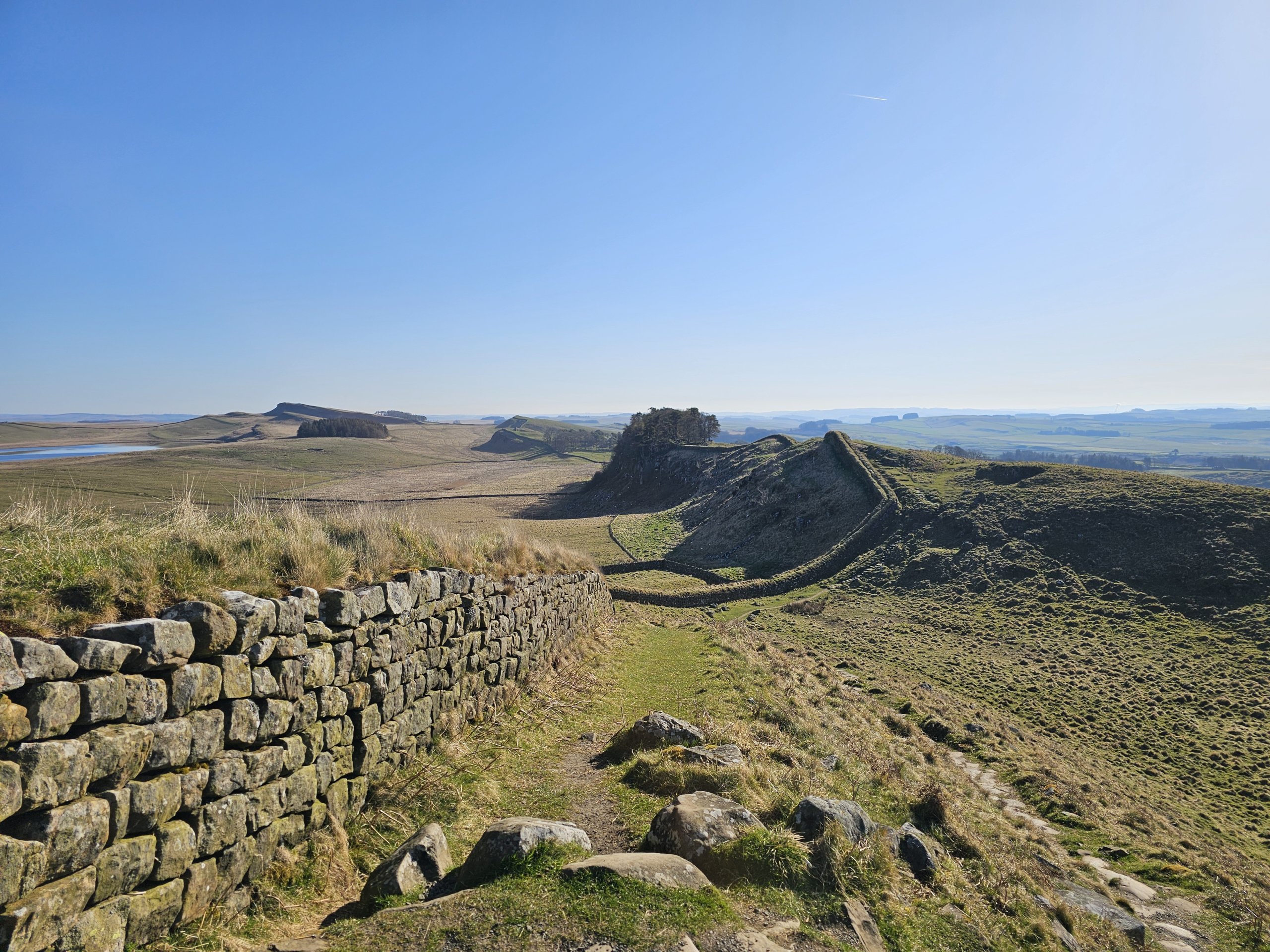
The defensive wall, over 117 km long and built from 122 AD onwards, is superbly preserved in many places, and the Hadrian’s Wall Path runs alongside it.
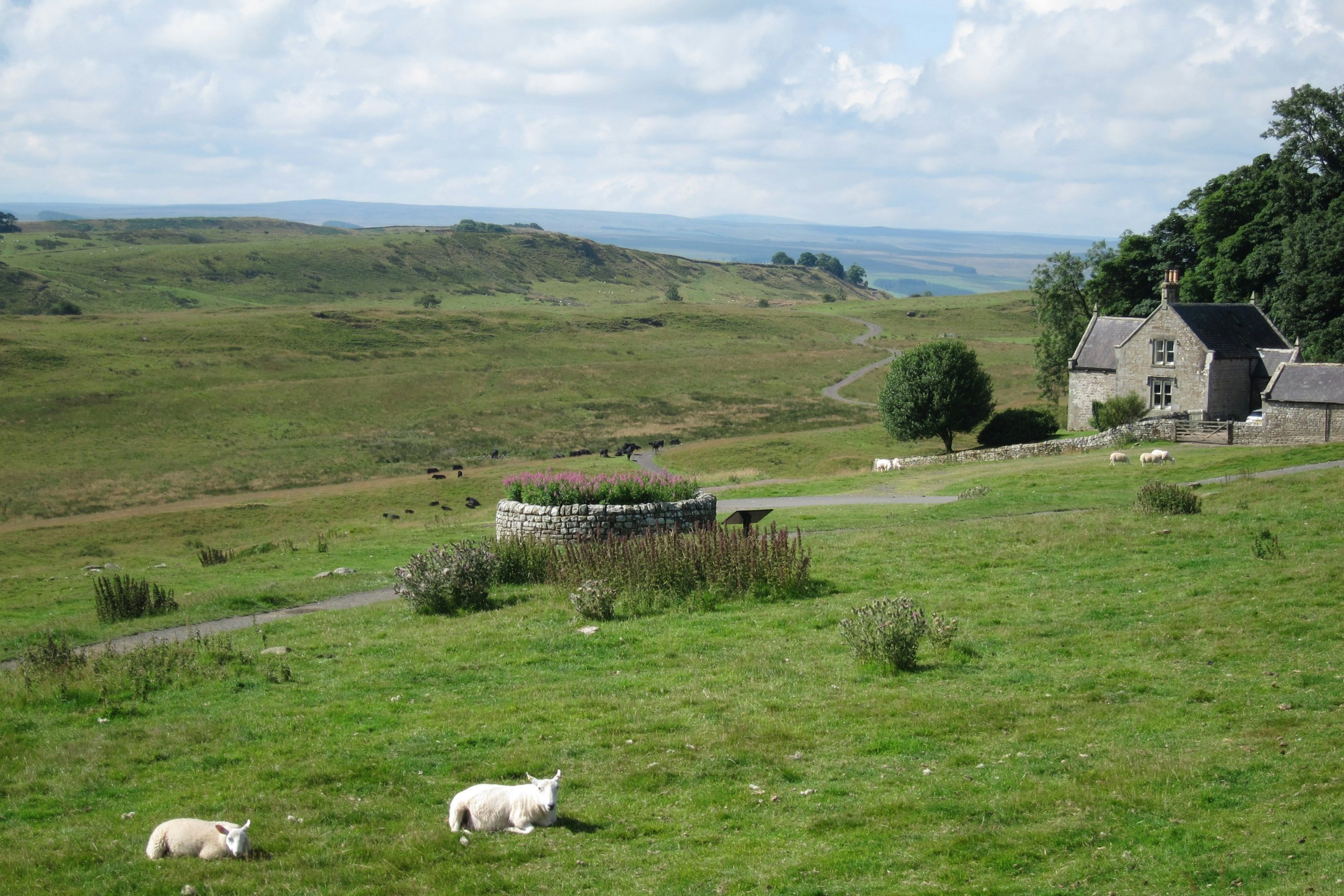
The wall winds through beautiful countryside of rolling hills, wide meadows and fields. Along the way, you’ll come across sheep, picturesque farms and lakes.
Small remains of Hadrian’s Wall can be found right in Newcastle, in an area known as Segedunum, which is easily accessible by underground.
However, the most beautiful section of Hadrian’s Wall begins near the town of Hexham, about an hour’s journey by train and bus.
We provide detailed instructions on how to get there from Newcastle in our mini-guide to Hadrian’s Wall.
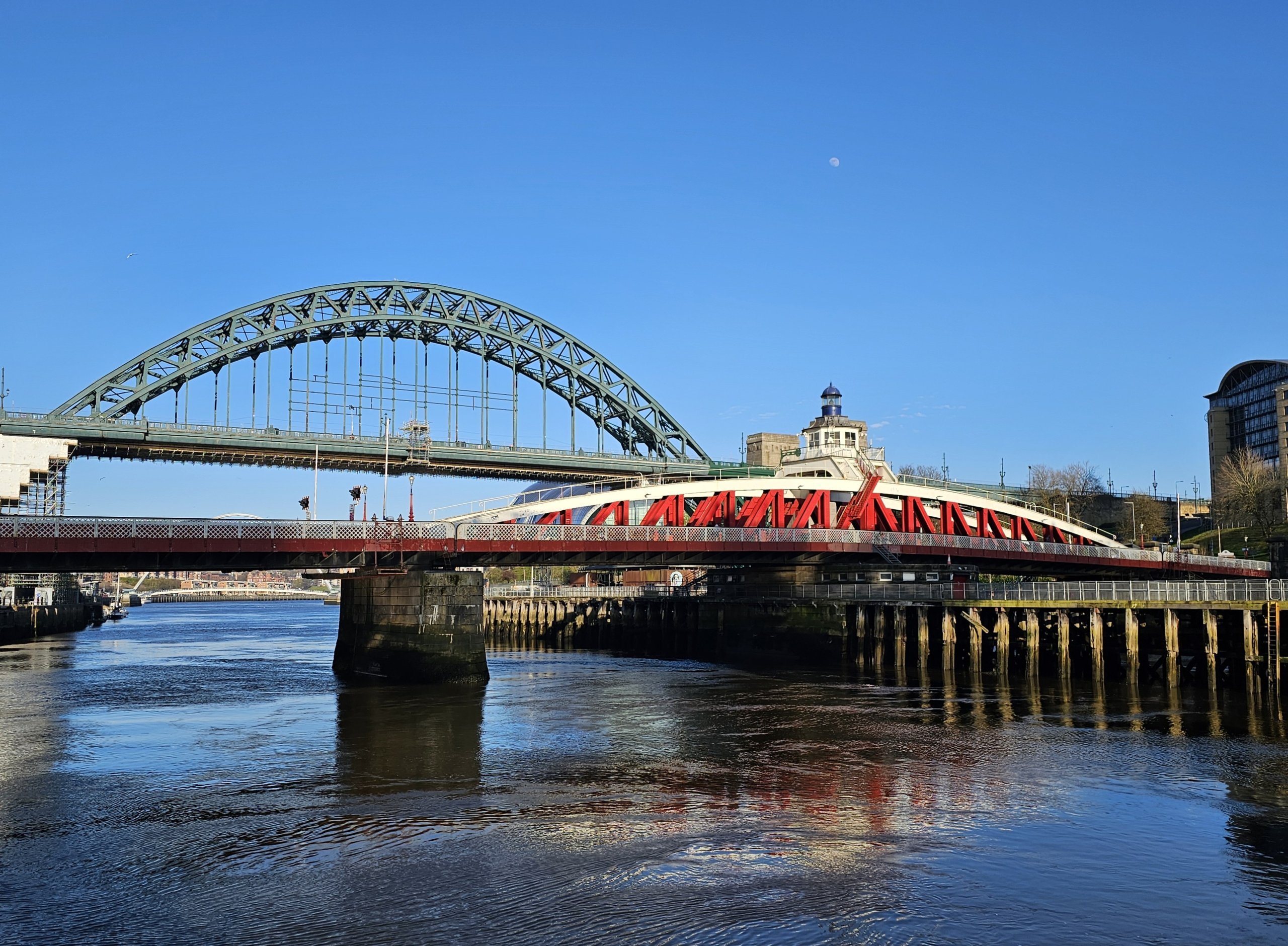
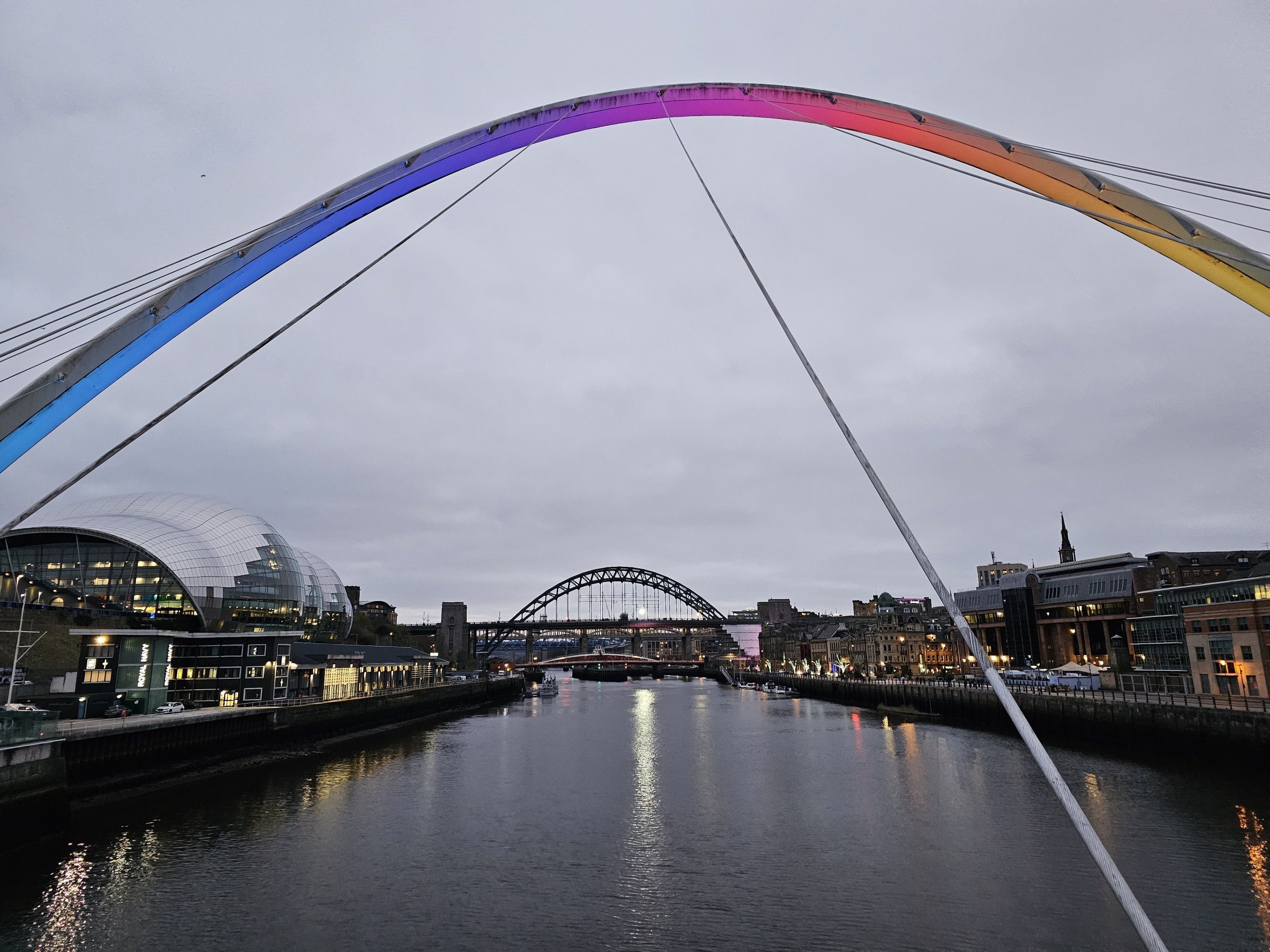
The River Tyne divides the conurbation of Newcastle and Gateshead, and the riverfronts are among the most popular tourist spots.
The northern embankment on the Newcastle side is much prettier, with wide pavements and long pedestrian zones featuring plenty of restaurants and stalls.
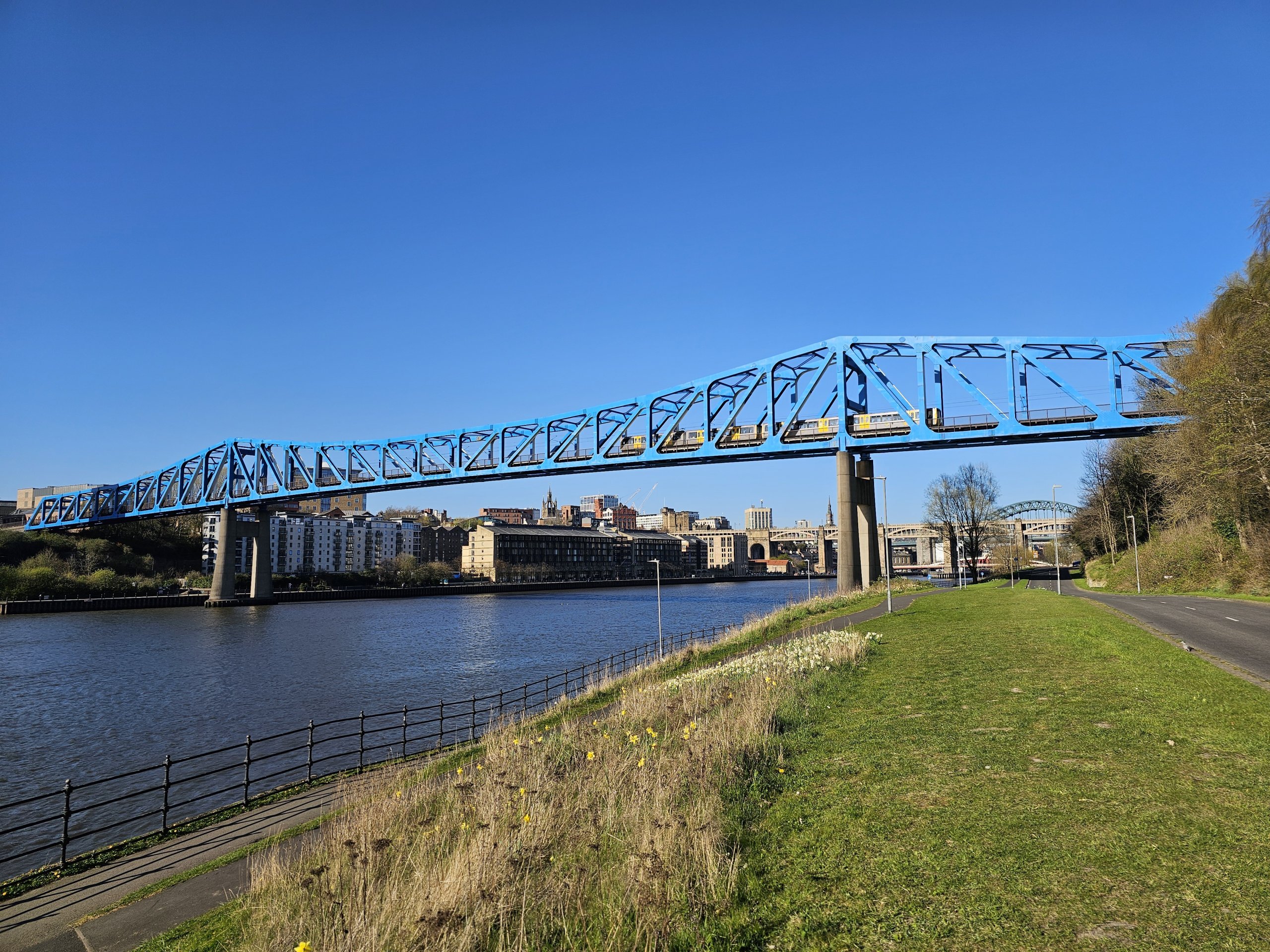
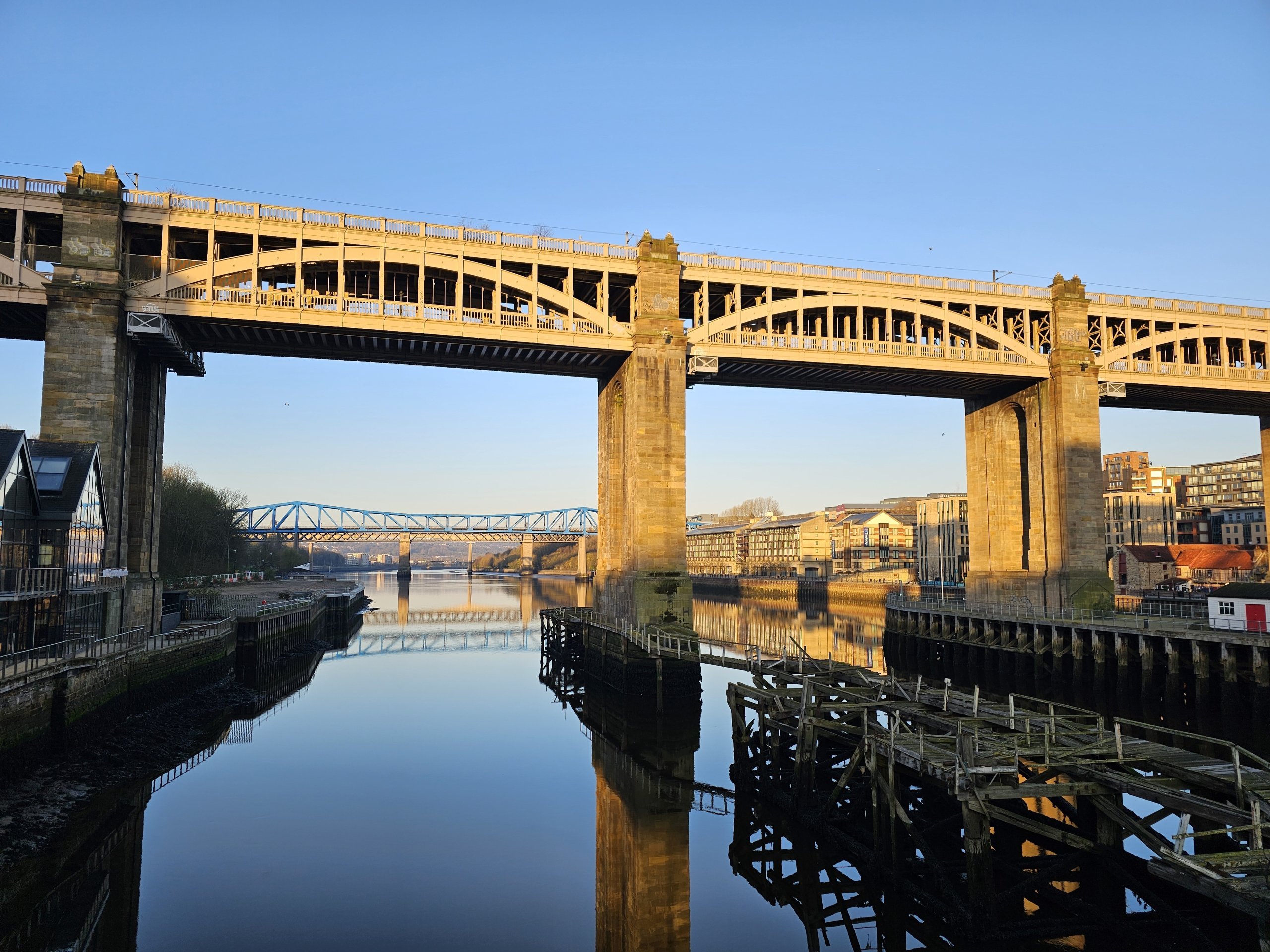
Walks along the water’s edge are very photogenic. The river valley is deep, and the city centres of both Newcastle and Gateshead are significantly above its level, so there are five high bridges and two low bridges spanning the river .
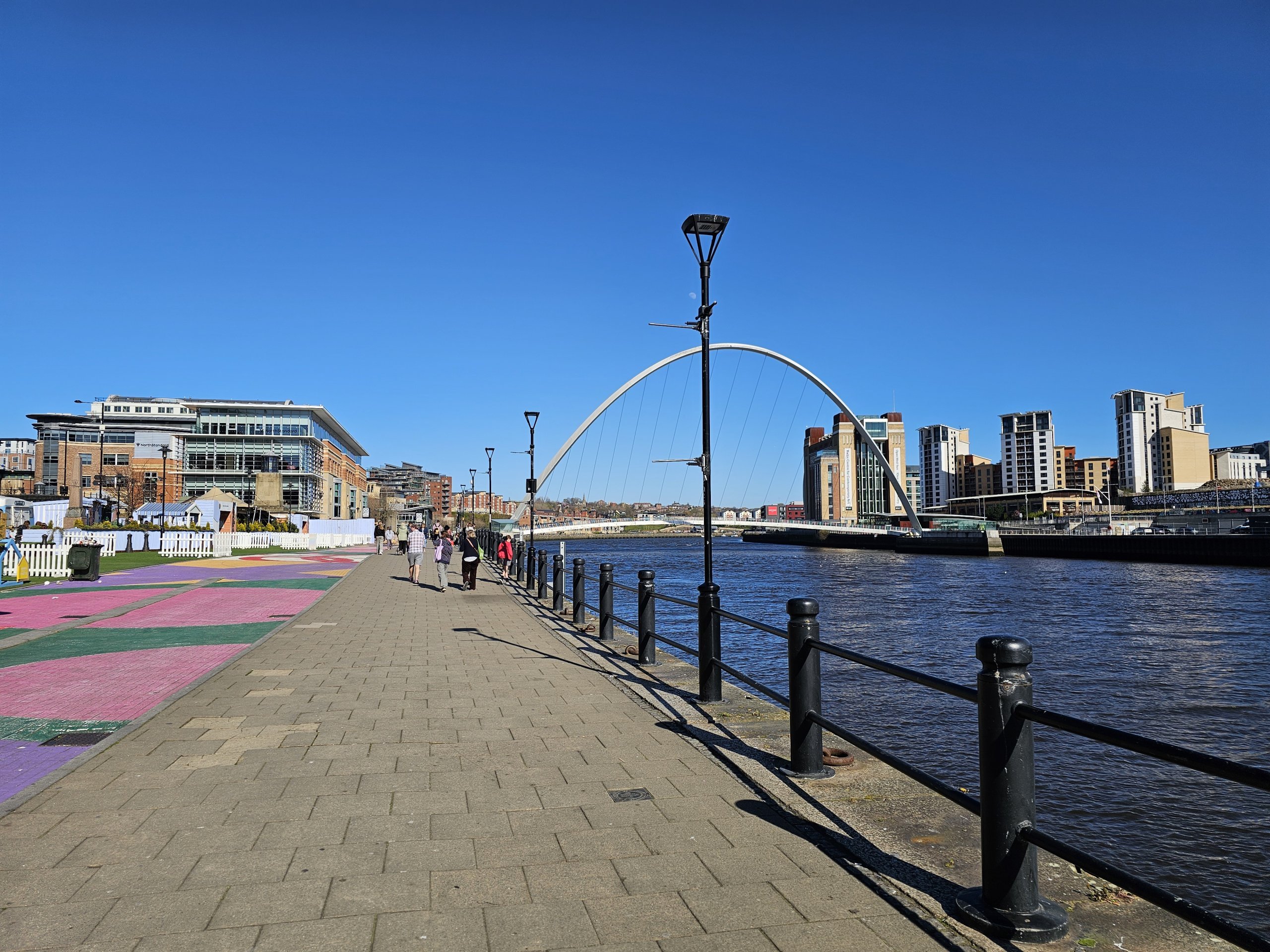
In the city centre, you’ll see the following bridges:
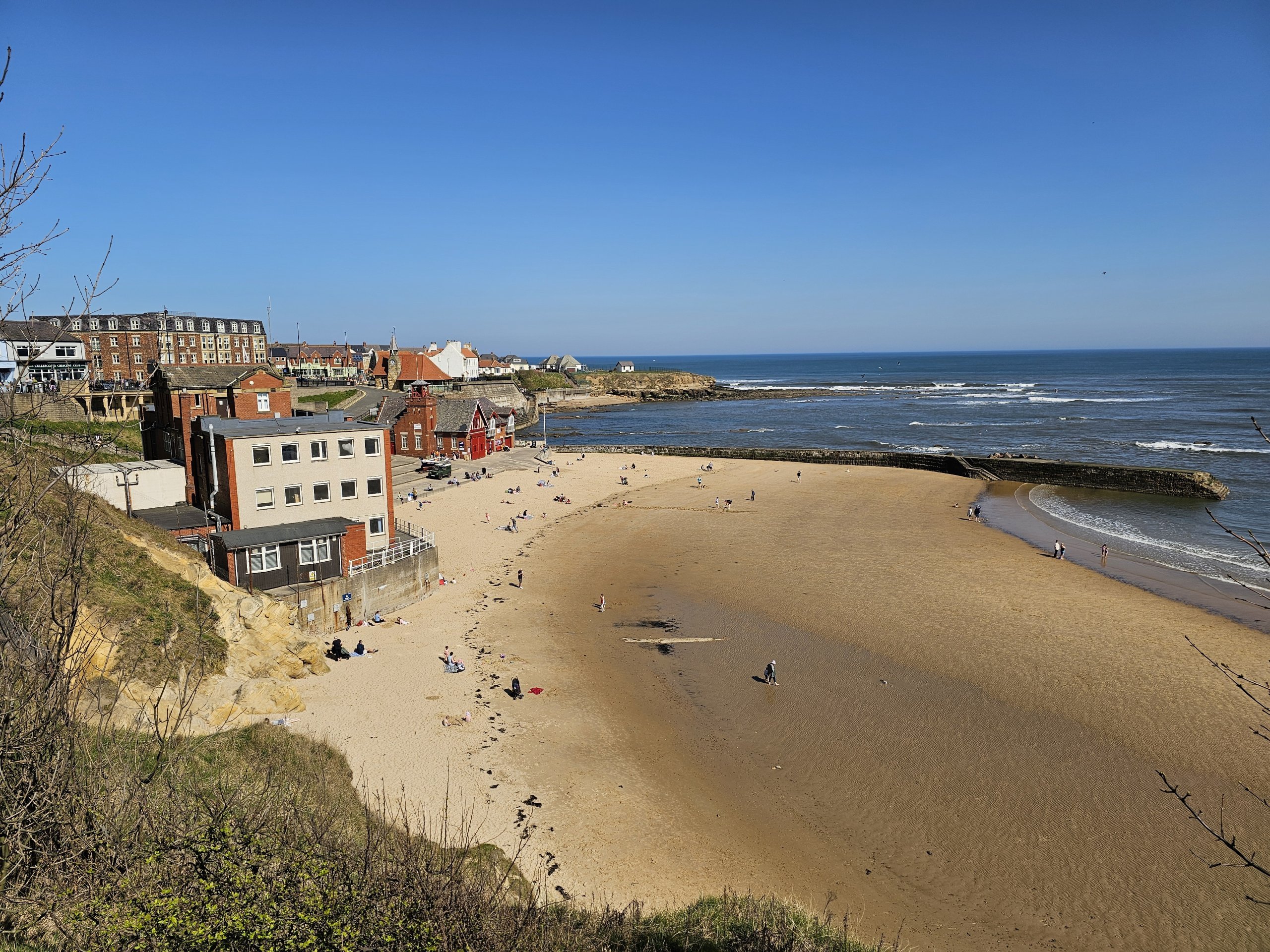
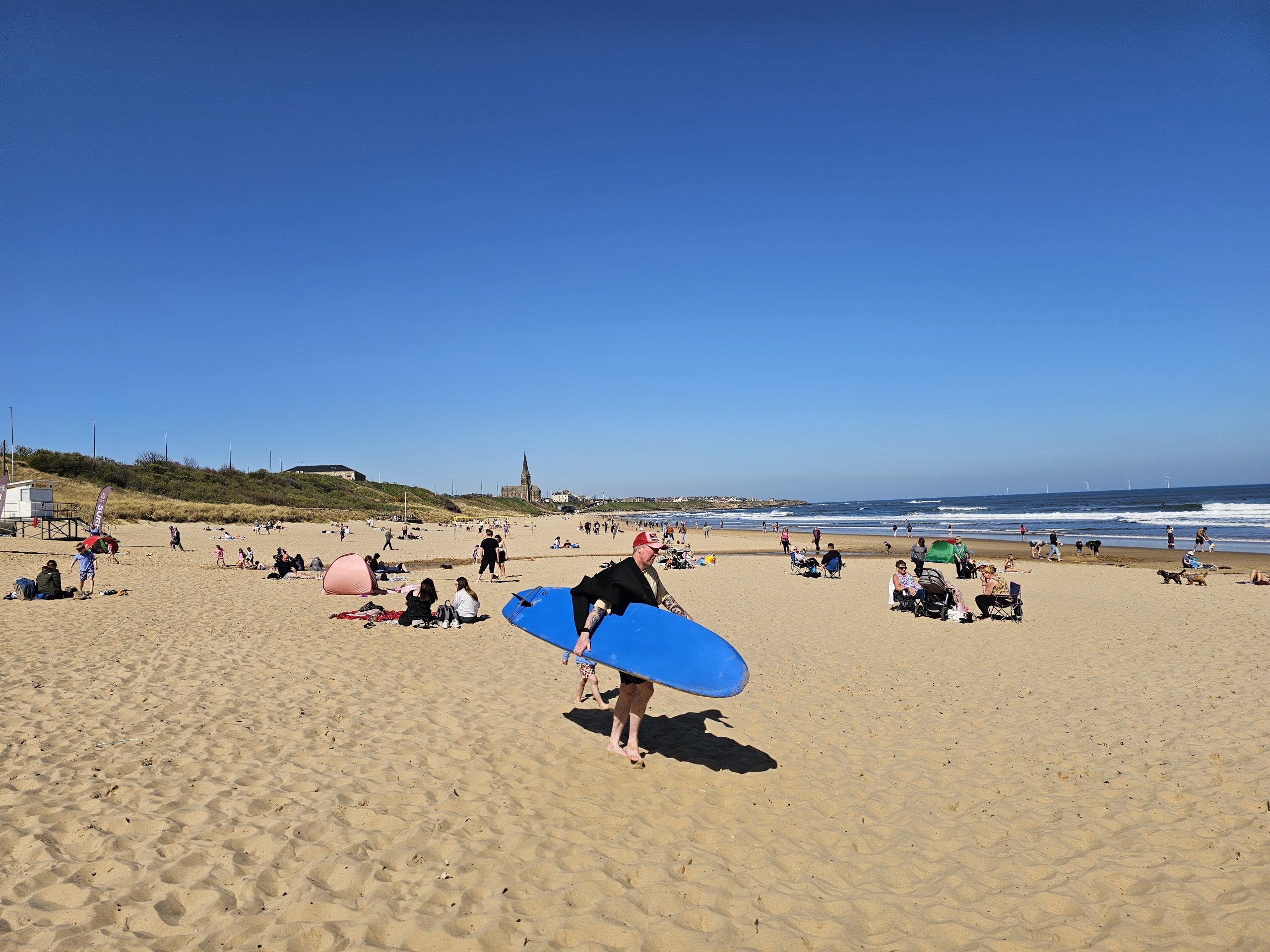
The North of England is certainly not known as a major holiday destination for seaside breaks. The temperature of the North Sea barely exceeds 15 °C even in July and August, yet Newcastle is a popular beach destination.
In its eastern suburbs, you’ll find several beautiful beaches, ideal for relaxing on warm, sunny days.
Some beaches are lined with promenades featuring restaurants and cafés – for example, the longest, Whitley Beach, or Long Sands Beach – whilst others boast picturesque surroundings and a location beneath the cliffs, such as Cullercoats Beach.
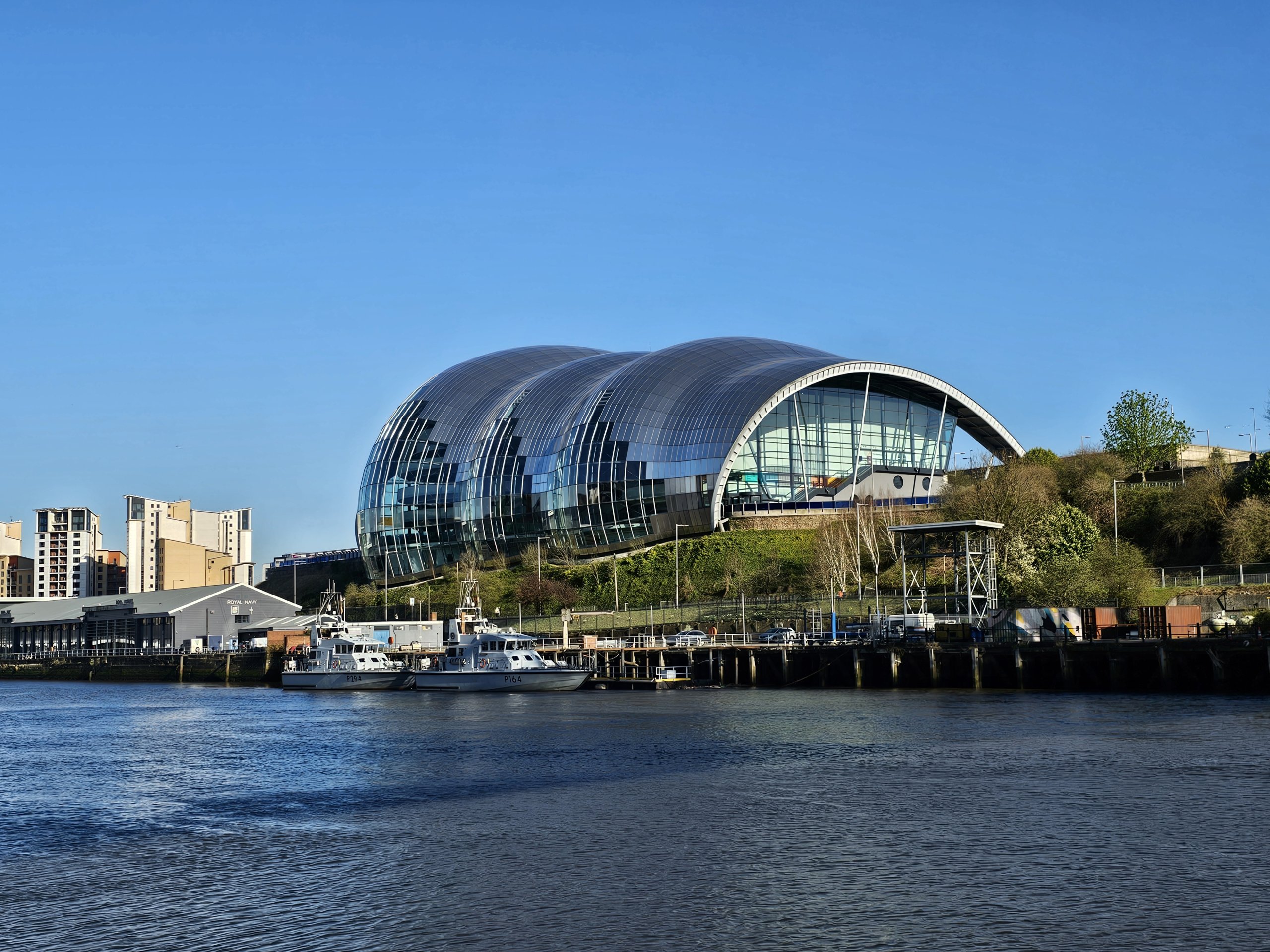
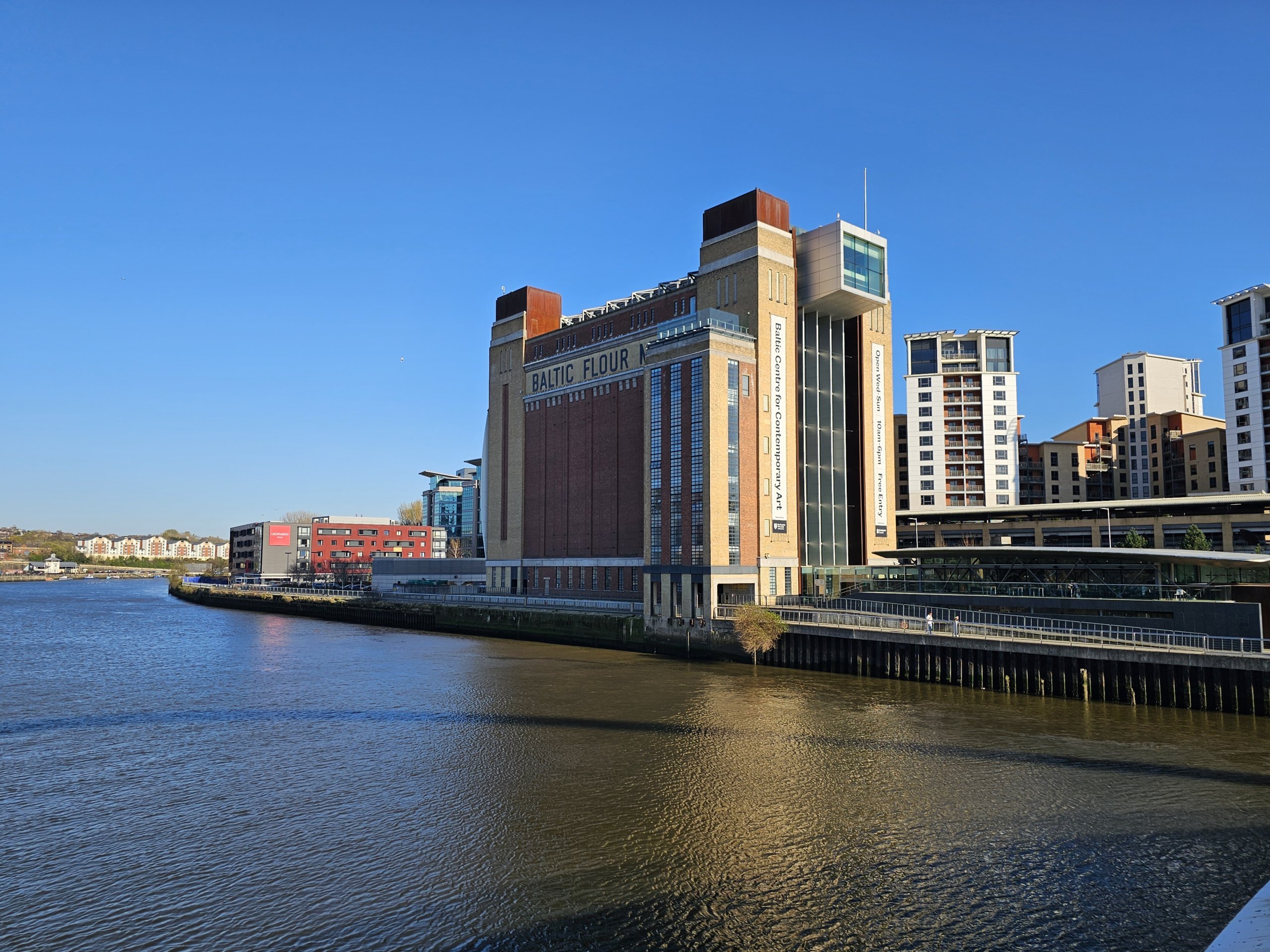
At the turn of the millennium, Newcastle underwent a transformation from a former industrial city into one of the most important cultural centres in the north of England.
You can visit several major cultural institutions here, which we cover in more detail below:
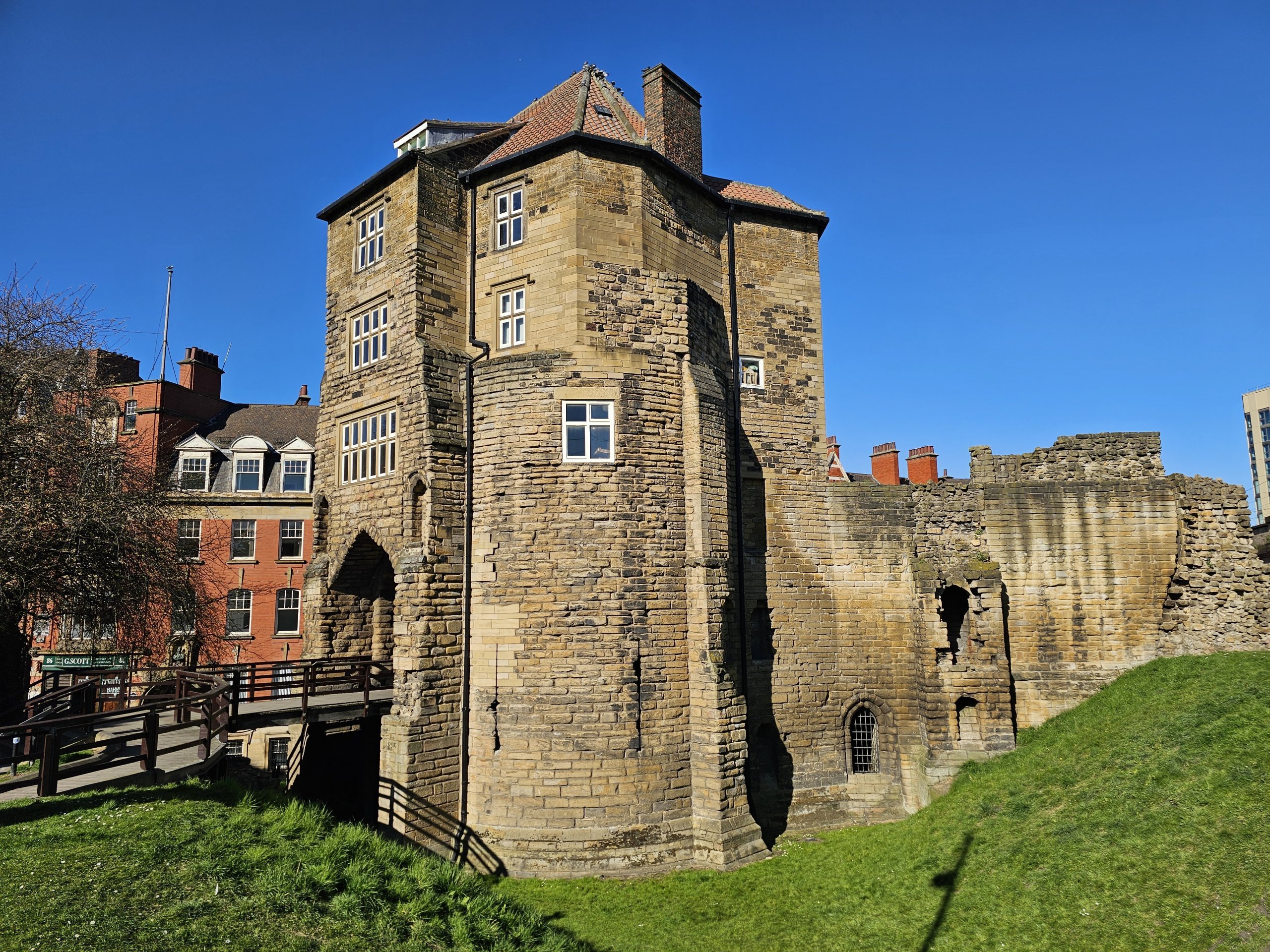
Newcastle’s history dates back to before the Common Era, when the Romans ruled over this part of the British Isles.
We’ve already mentioned the famous Hadrian’s Wall above, but in the suburb of South Shields you’ll find another Roman fort, Arbeia.
The 10 best hotels in Newcastle
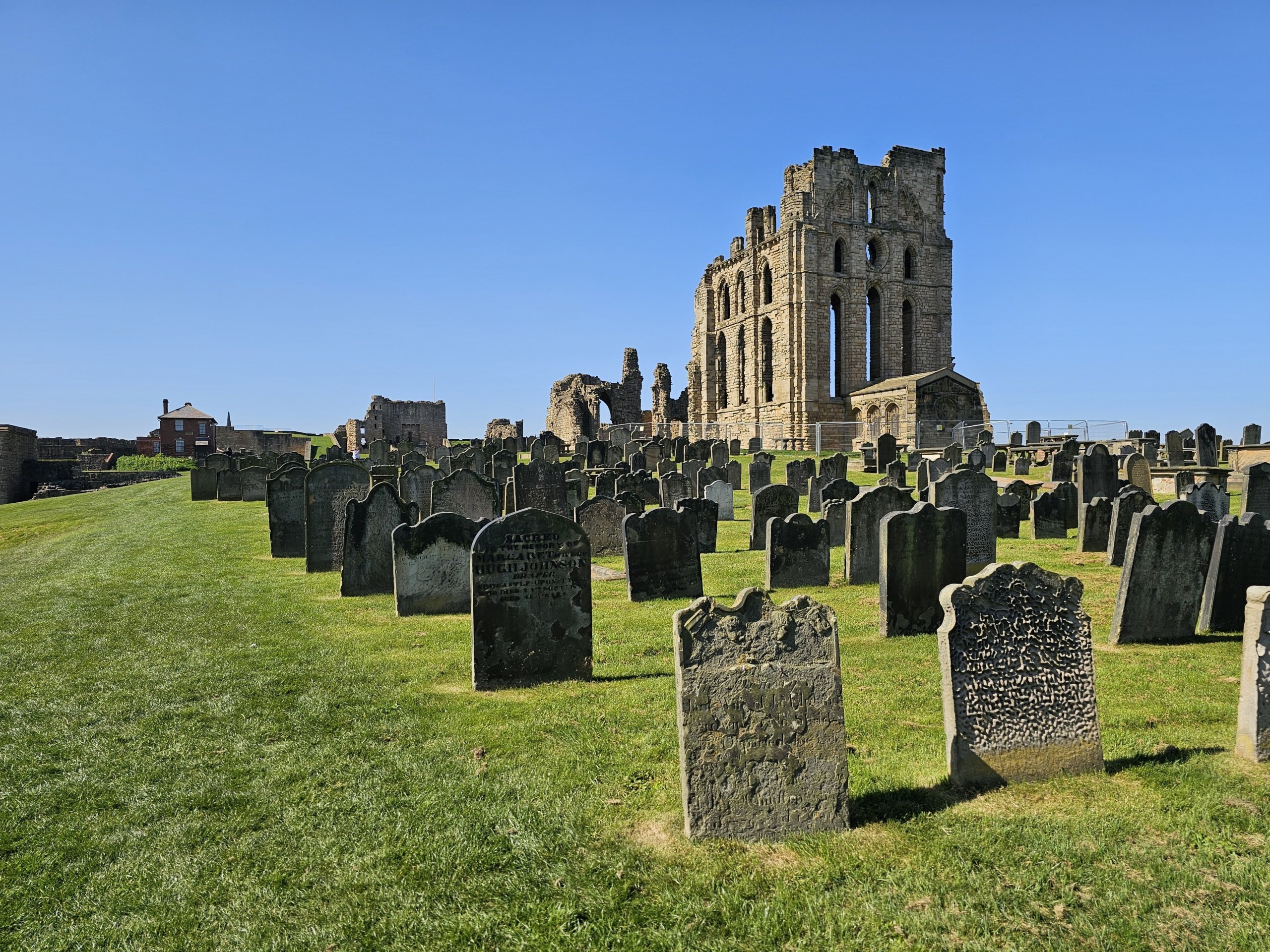
However, there are many other sights to see in the city. Among the most famous are the following:
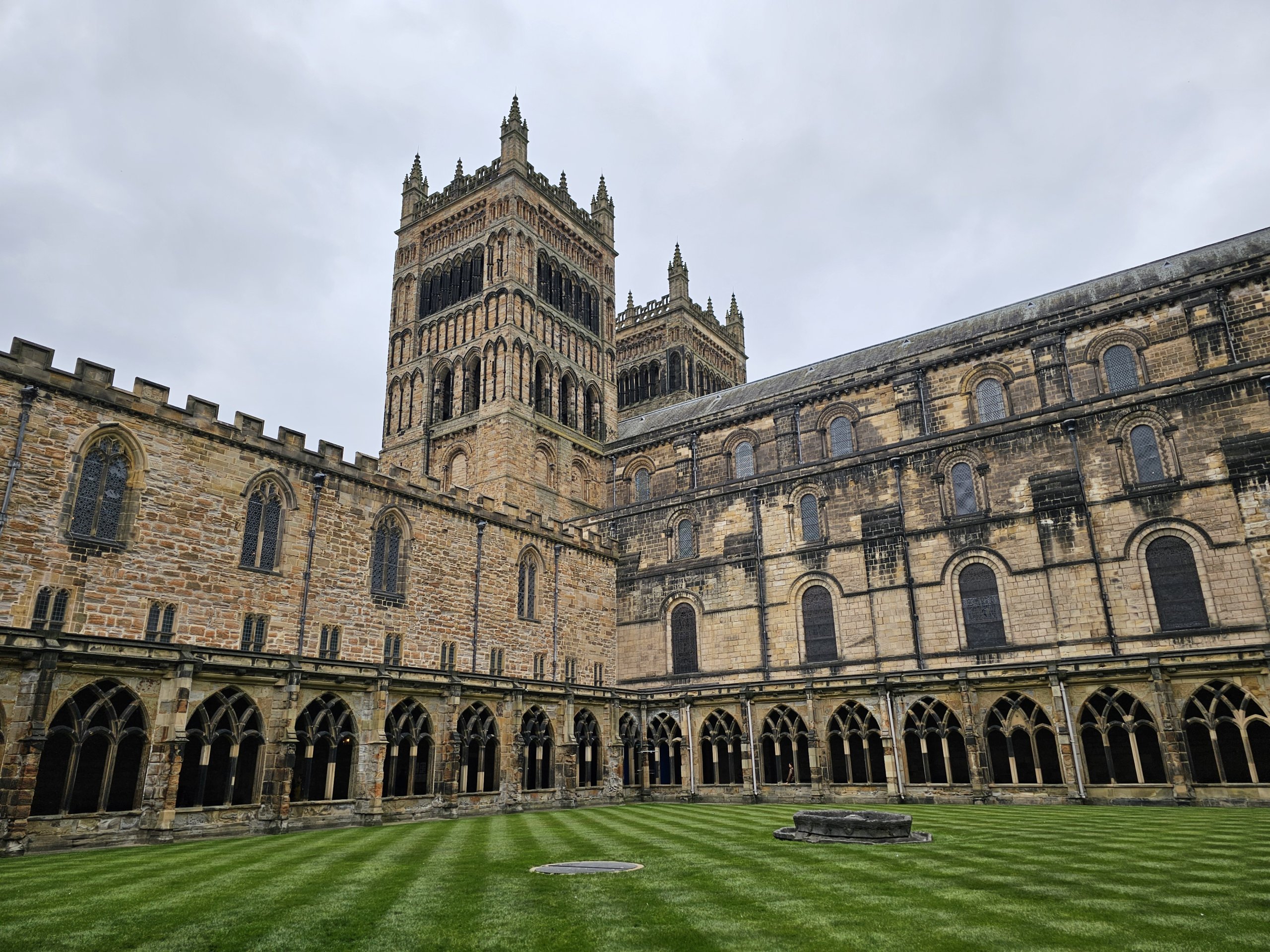
Just a 15-minute train journey from Newcastle Central Station, you’ll discover the small but significant historic city of Durham.
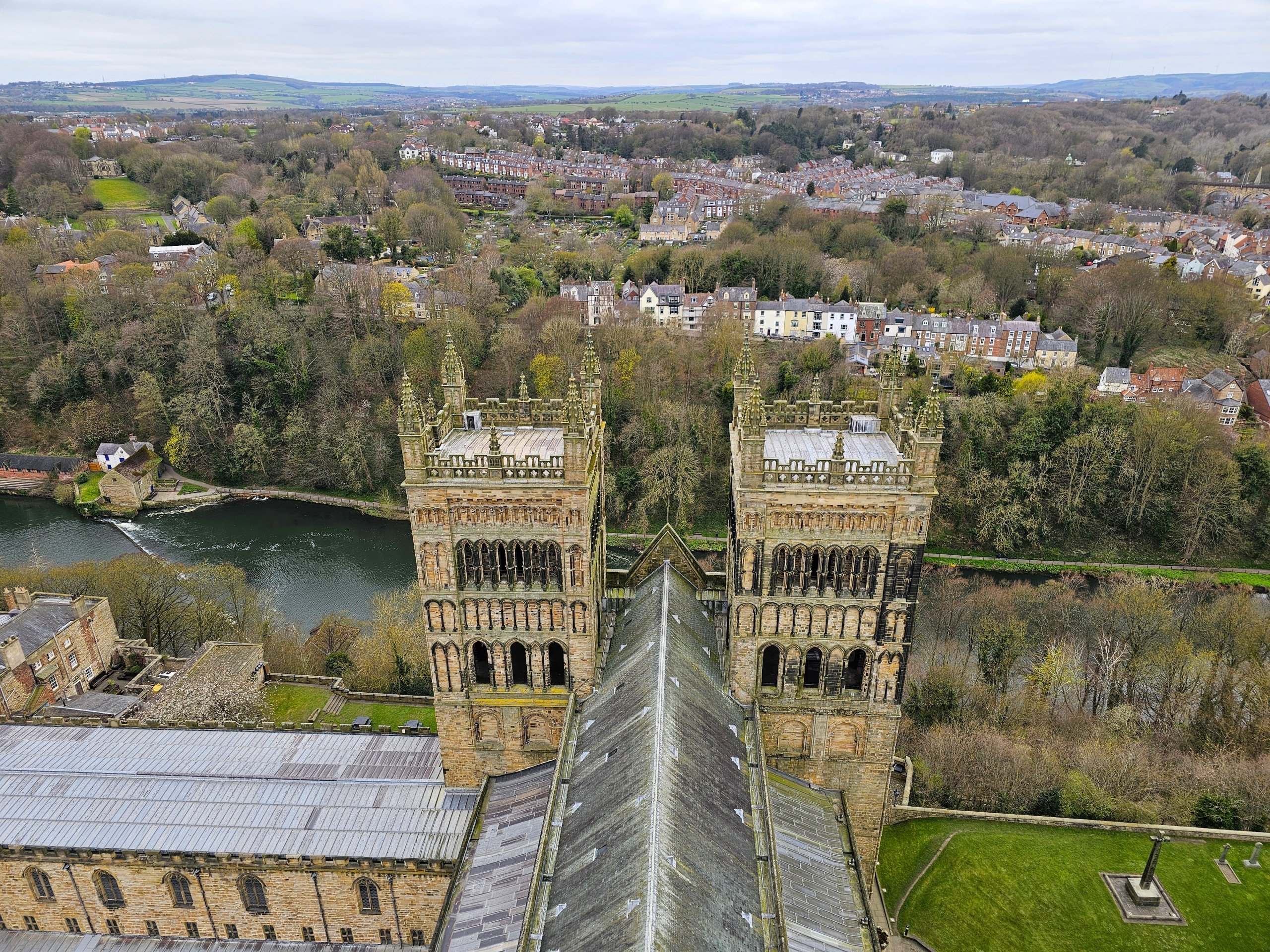
The magnificent city centre lies on a peninsula formed by a bend in the River Wear, and at its highest point stand the city’s two main landmarks:
The cathedral, in particular, is one of the most significant monuments in the whole of the UK, and its 66-metre-high tower offers breathtaking views.
Buy train tickets – thetrainline.com
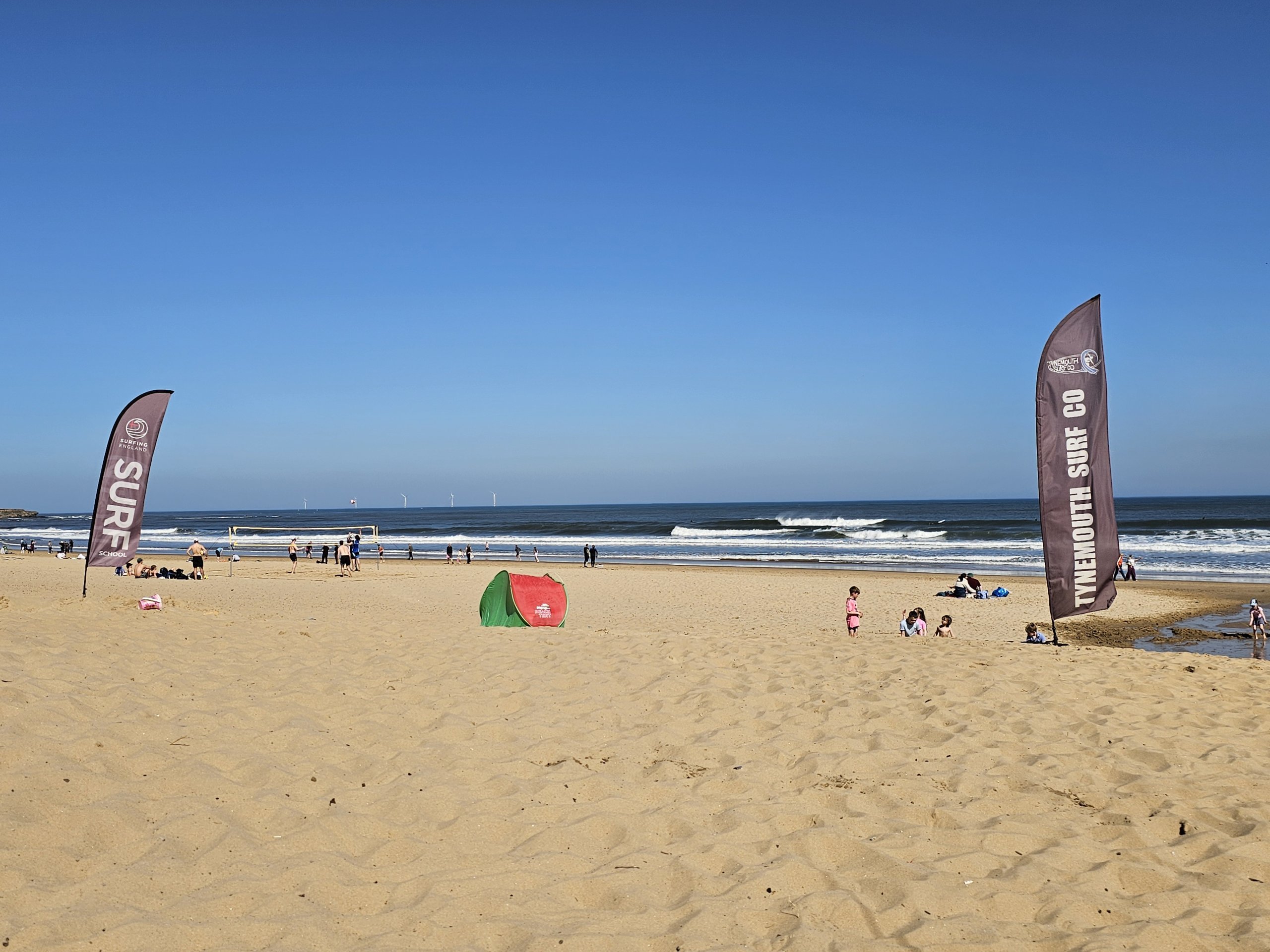
The coastline near Newcastle is very open, and large waves often break right up against the shore.
That’s why Newcastle is a popular British destination for beginner surfers.
The main surf schools, where you can book lessons or hire a surfboard, are located at Long Sands Beach.
Take a day trip – or even a trip lasting several days – to Britain’s most remote national park, which has the lowest population density and is furthest from the major cities.
The landscape on the border between England and Scotland, where the national park is situated, is magical, melancholic, gloomy in bad weather and, conversely, inspiring in fine weather.
From the gently rounded peaks of the hills, there are sweeping views of vast pastures, meadows and forests.
Northumberland National Park is the least visited of all 13 British national parks, so you’ll often come across no one at all on the footpaths during the day.
The national park is situated roughly 35 km north-east of Newcastle and, given the very low population density and the resulting lack of good public transport, it is best accessed by hire car.
If you have any questions or comments about the article...