Fly to Corsica from Vienna, even during the summer holidays, with Air Corsica
198 €



Hadrian’s Wall is one of Europe’s most famous monuments, listed as a UNESCO World Heritage Site, and one of the largest surviving relics of the Roman Empire in the whole of Europe.
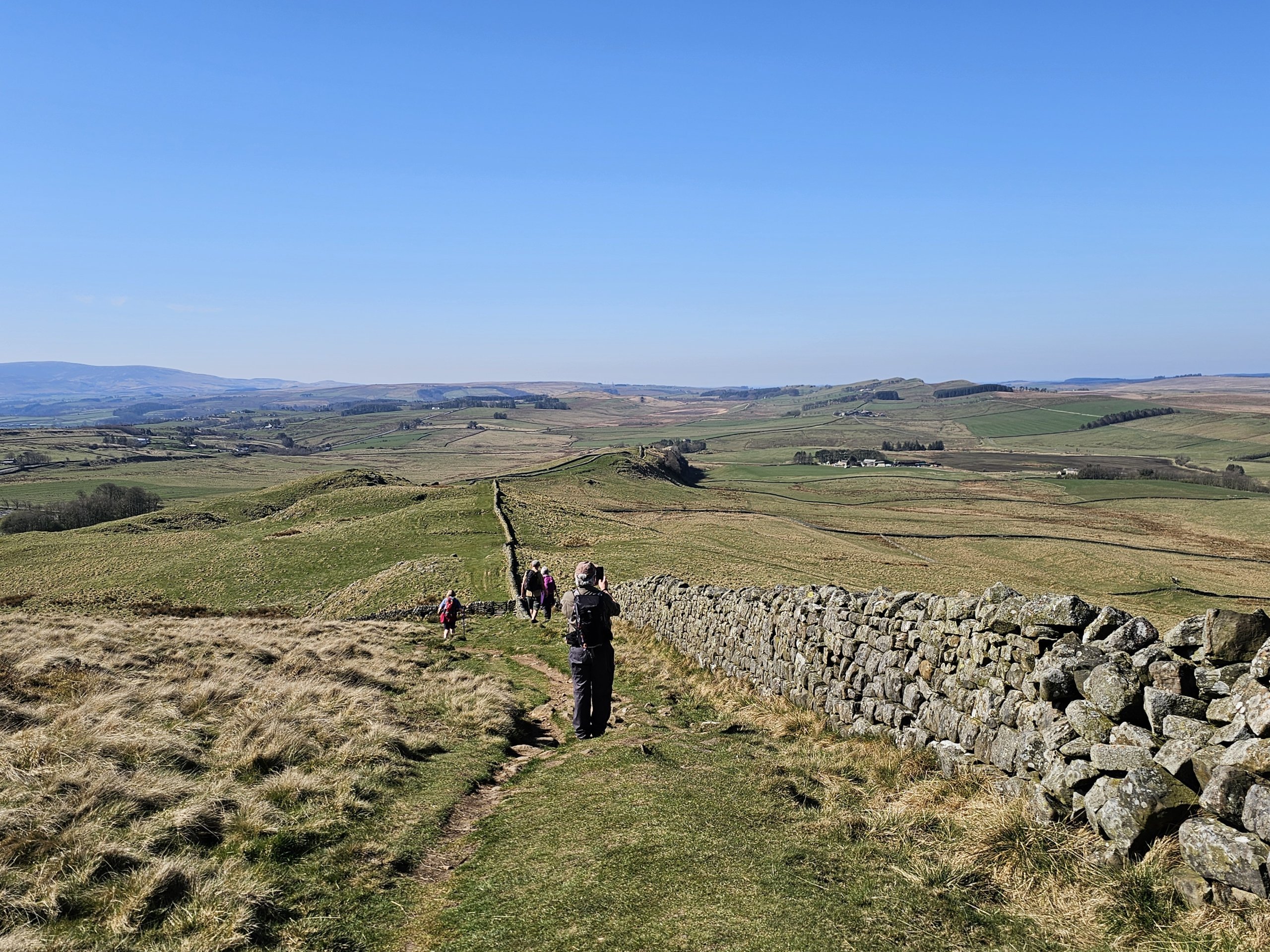
A popular walking trail runs the entire length of Hadrian’s Wall, offering breathtaking views of the open countryside on the border between England and Scotland.
Find a hotel near Hadrian’s Wall now
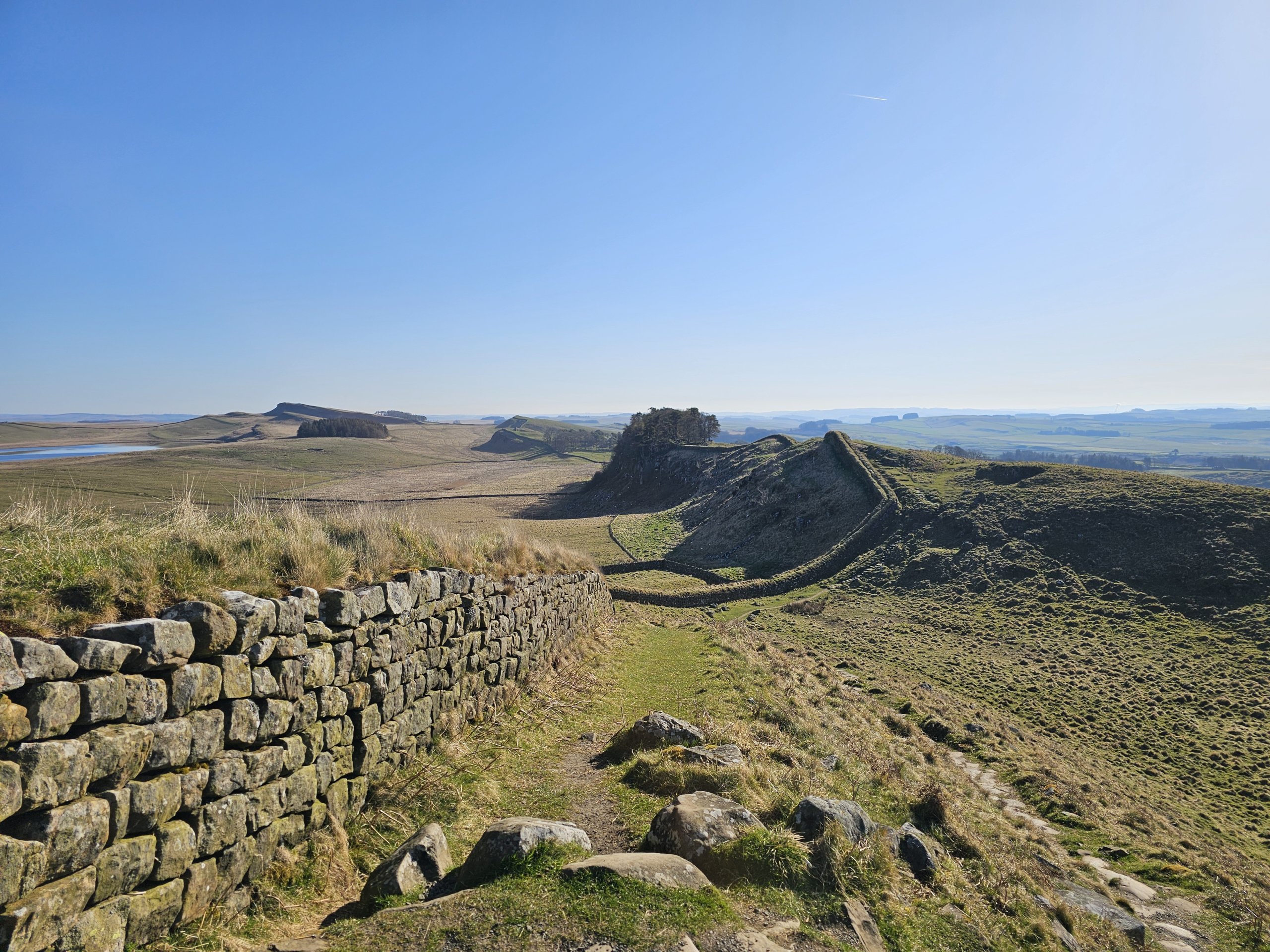
When the Roman Empire expanded to what is now the British Isles, it faced raids by northern tribes from Scotland for a long time.
During the reign of Emperor Hadrian, it was therefore decided to build a monumental defensive wall stretching across the entire width of the island.
Hadrian’s Wall began in what is now the city of Newcastle on the North Sea coast and ended near Carlisle on the Irish Sea coast.
The total length of Hadrian’s Wall was 117 km (73 miles).
Construction of Hadrian’s Wall began in 122and took just 6–7 years to complete. Seventeen forts and dozens of watchtowers were built along the wall. It is estimated that the total military garrison numbered around 9,000 men.
Hadrian’s Wall was built in locations where it made good use of the terrain. In many sections, there are high stone cliffs which fully replace the wall and significantly saved on materials and labour.
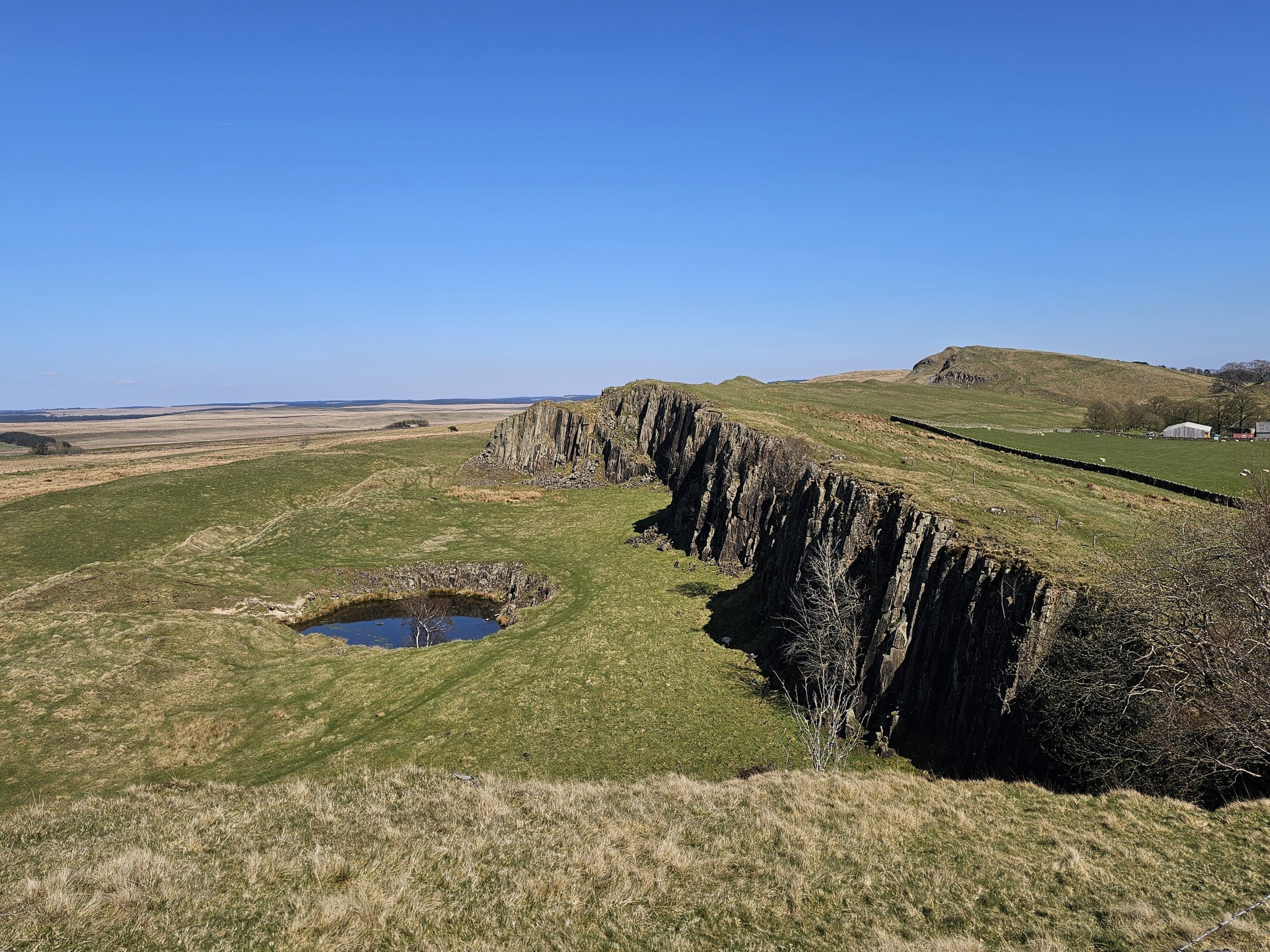
The fortifications were in use throughout the Roman Empire’s presence in the British Isles, that is, until AD 410.
Since then, for more than 1,300 years, it has fallen into disrepair and served as a source of stone. From the 17th century onwards, local enthusiasts and, later, archaeologists began to take an interest in these historic structures.
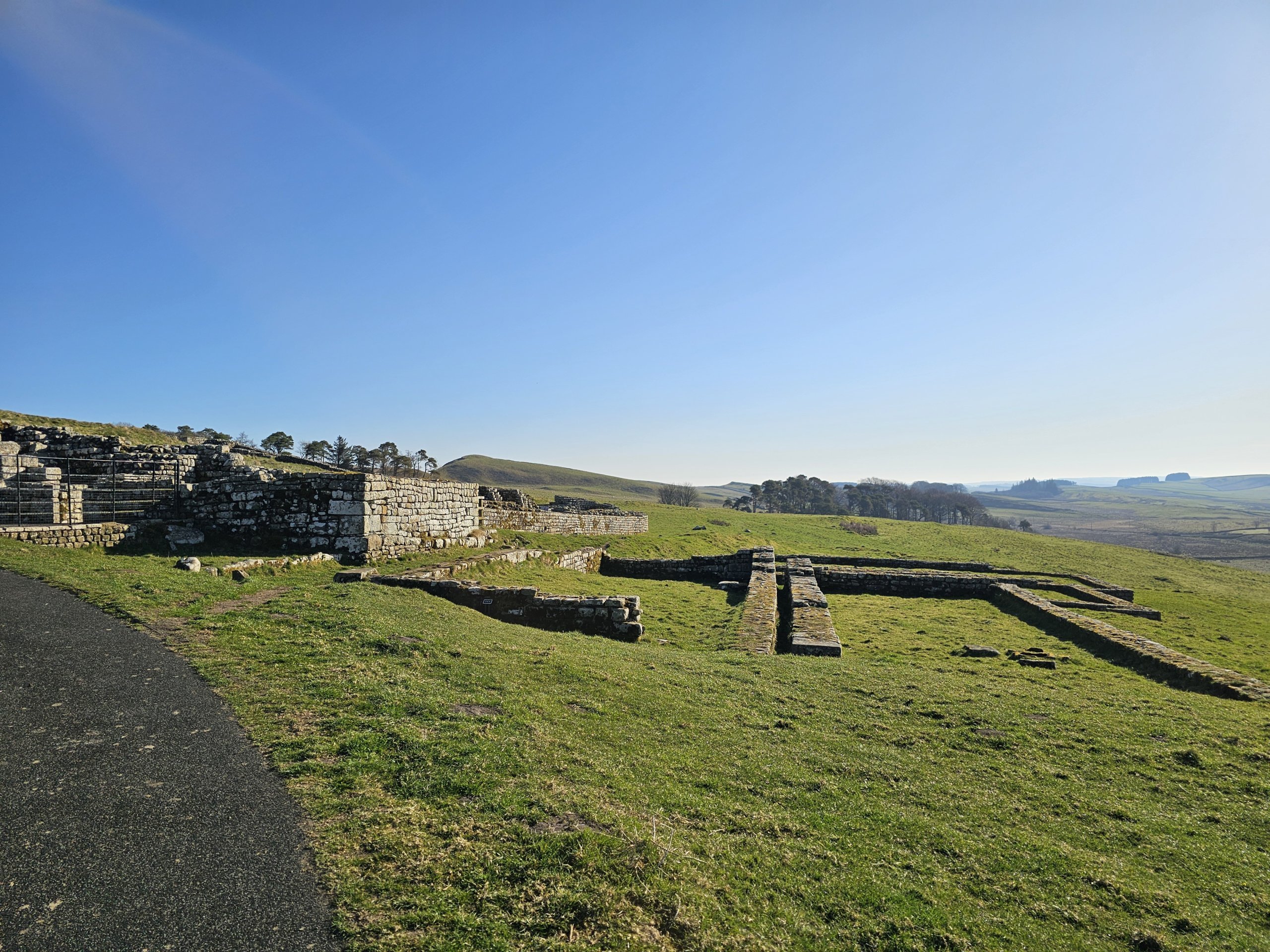
Although nowhere along the entire route can you see the fortifications at their original height today, the section that still runs away from the major cities is exceptionally well-preserved and ranks among the most valuable monuments of the Roman Empire in the whole of Europe.
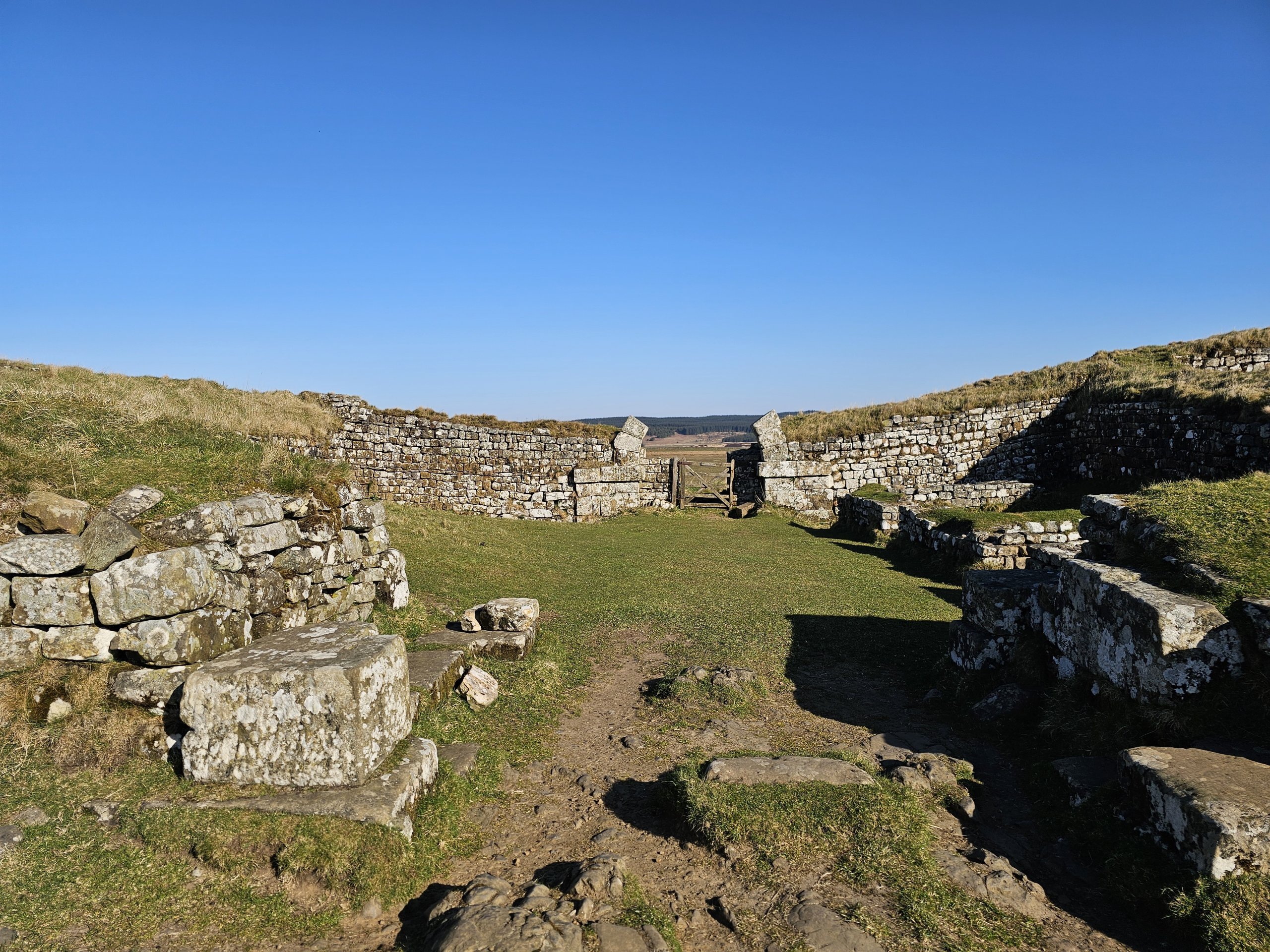
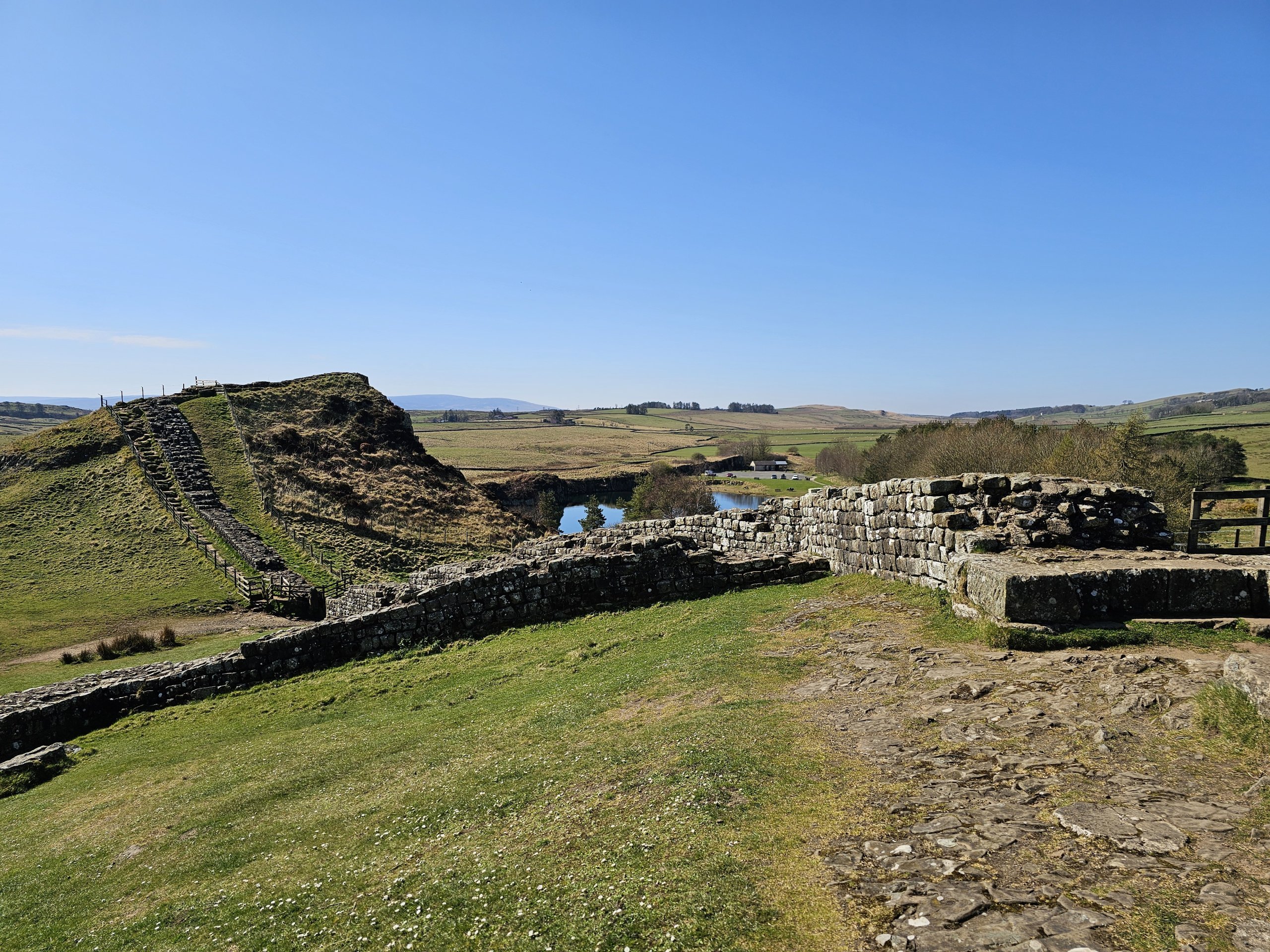
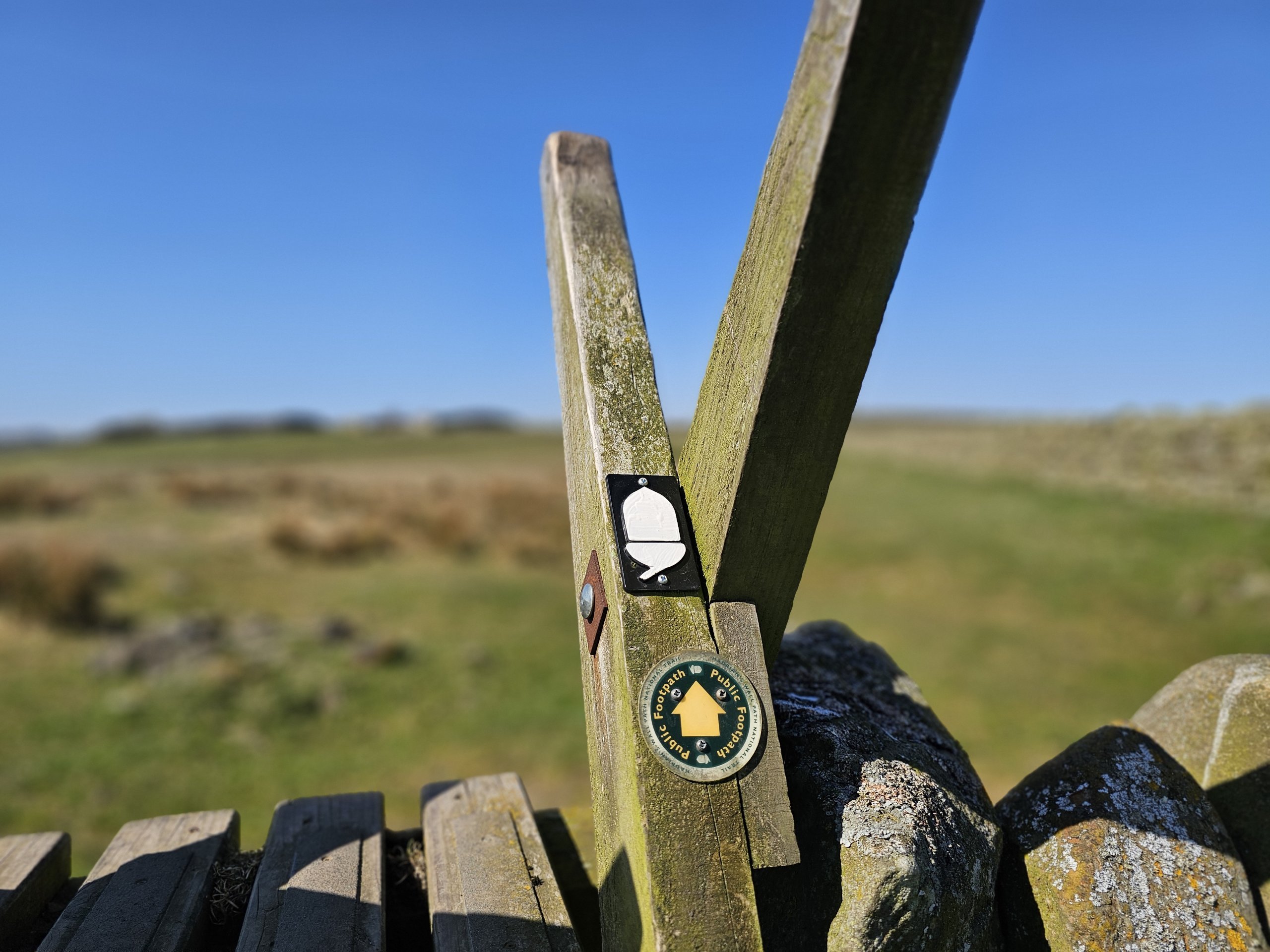
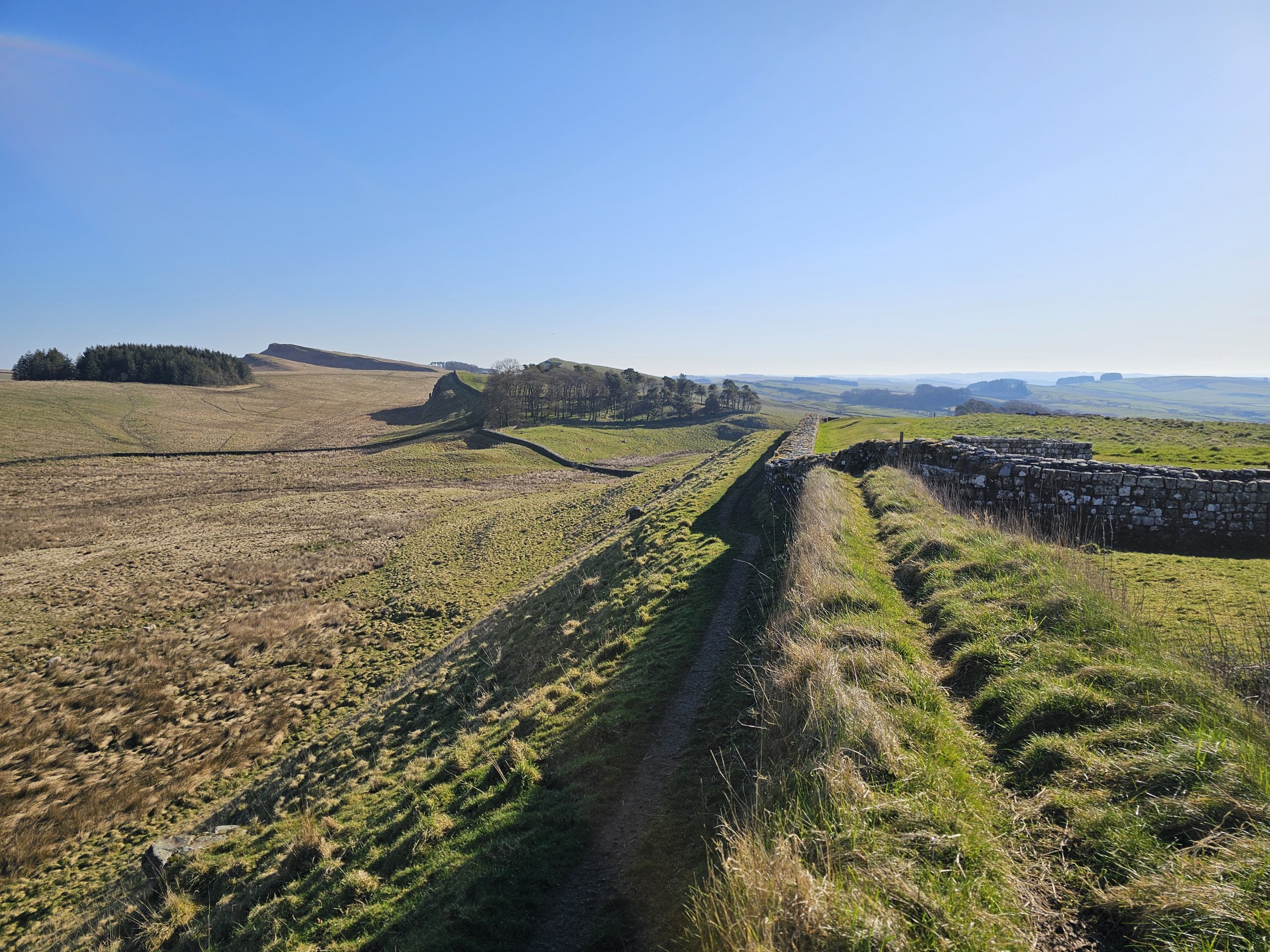
One of Britain’s most popular walking routes, the Hadrian’s Wall Path, now runs the entire length of the original fortifications.
You can find the official route description and map atnationaltrail.co.uk/hadrians-wall-path.
The total length of the route is 135 km, as in several places where the wall is not well preserved, the route takes a longer route.
Hadrian’s Wall is not well preserved along its entire original length. There are the fewest remains at its western end, near Carlisle, and we would skip this section entirely.
At the eastern end, you’ll find the remains of the Segedunum fort in Newcastle, but the continuous wall doesn’t begin until roughly the village of Heddon-on-the-Wall. However, much of the stretch from Heddon to the village of Walwick runs alongside the road.
The most visited and, at the same time, the most beautiful section is the central part, which runs across several rocky massifs and also includes the highest point of the entire Hadrian’s Wall, Winshields Crags, at an altitude of over 300 metres above sea level.
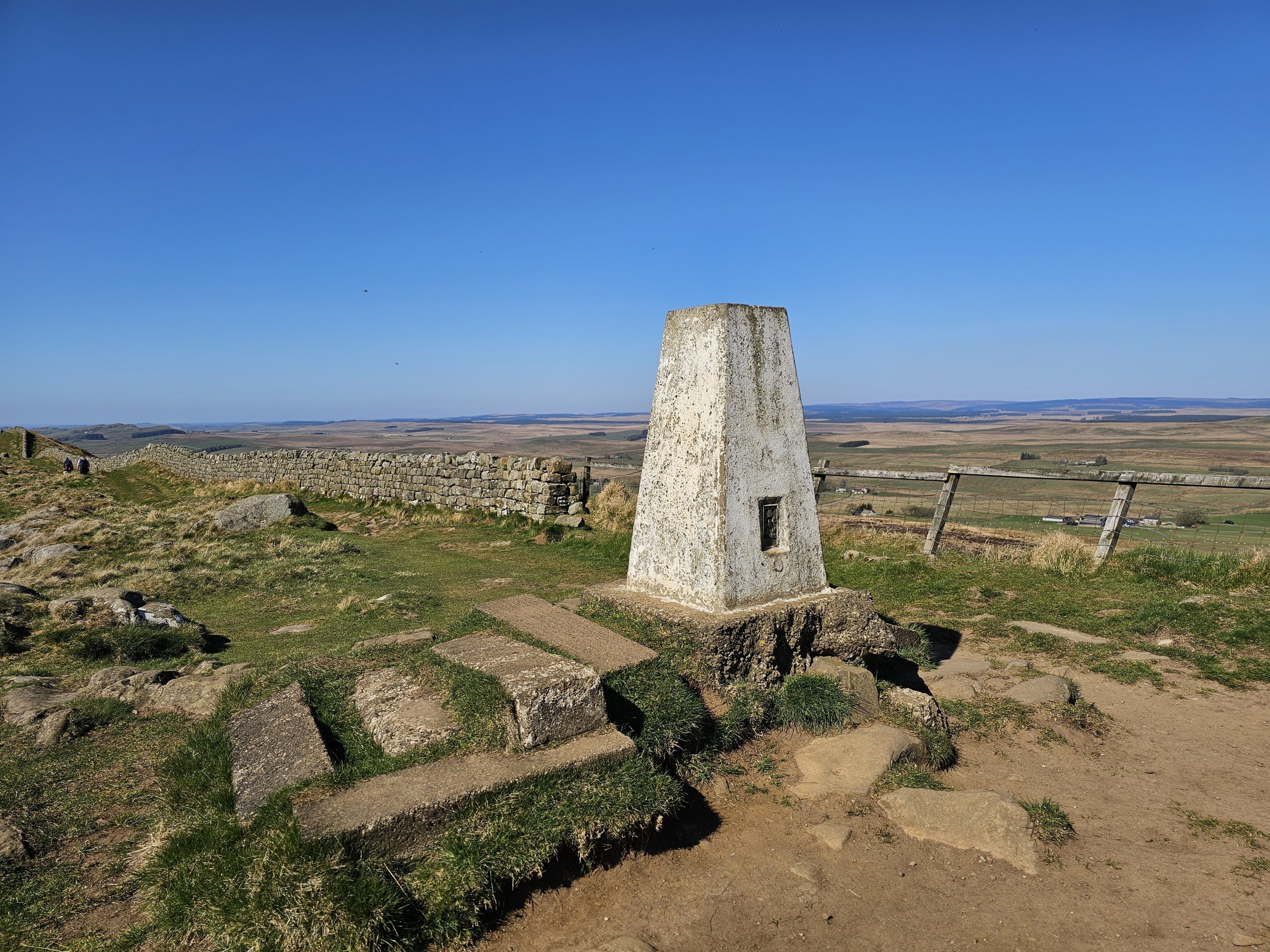
The most beautiful section of Hadrian’s Wall lies between Housesteads Fort and the former Walltown stone quarry near the village of Greenhead.
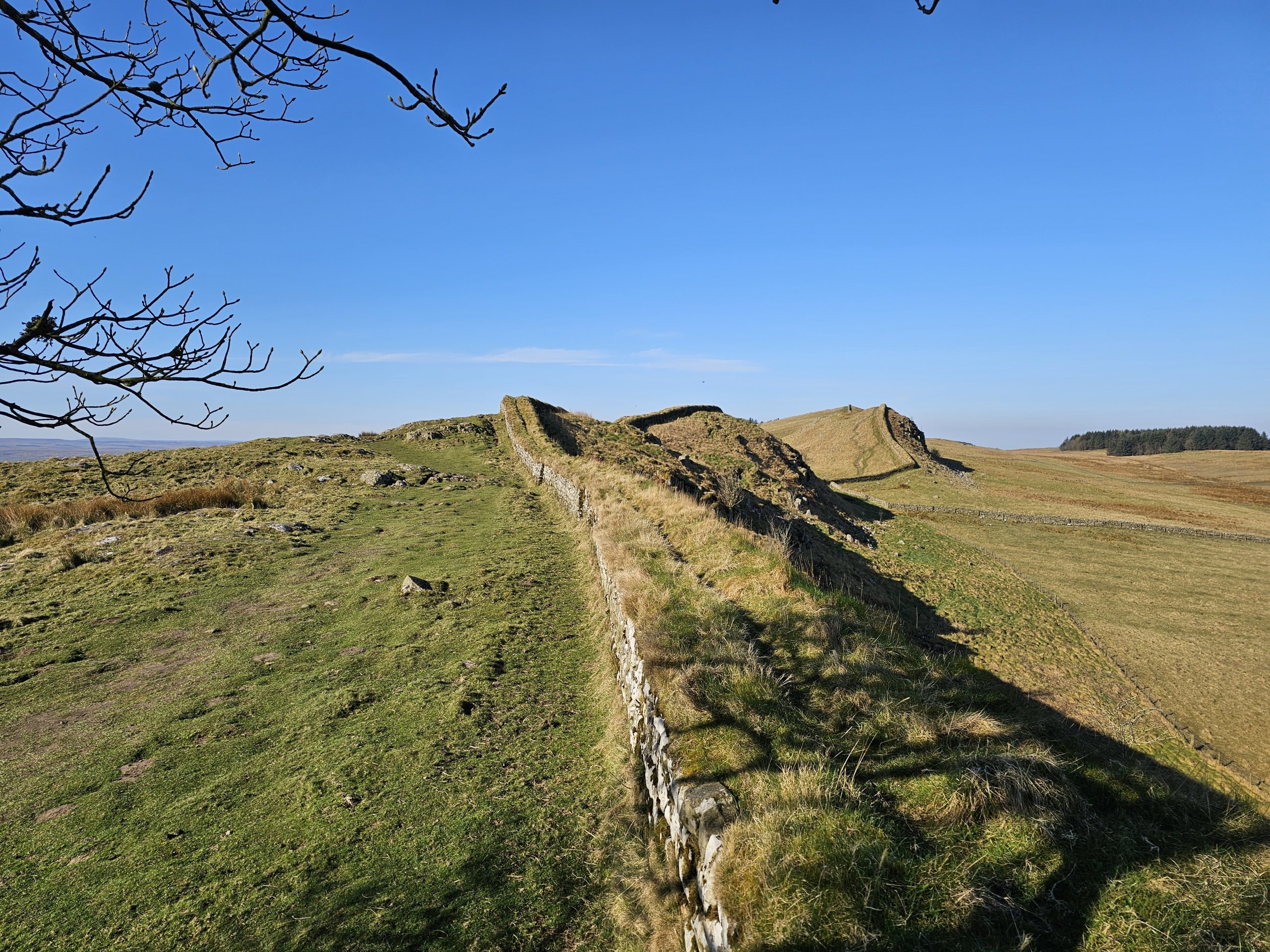
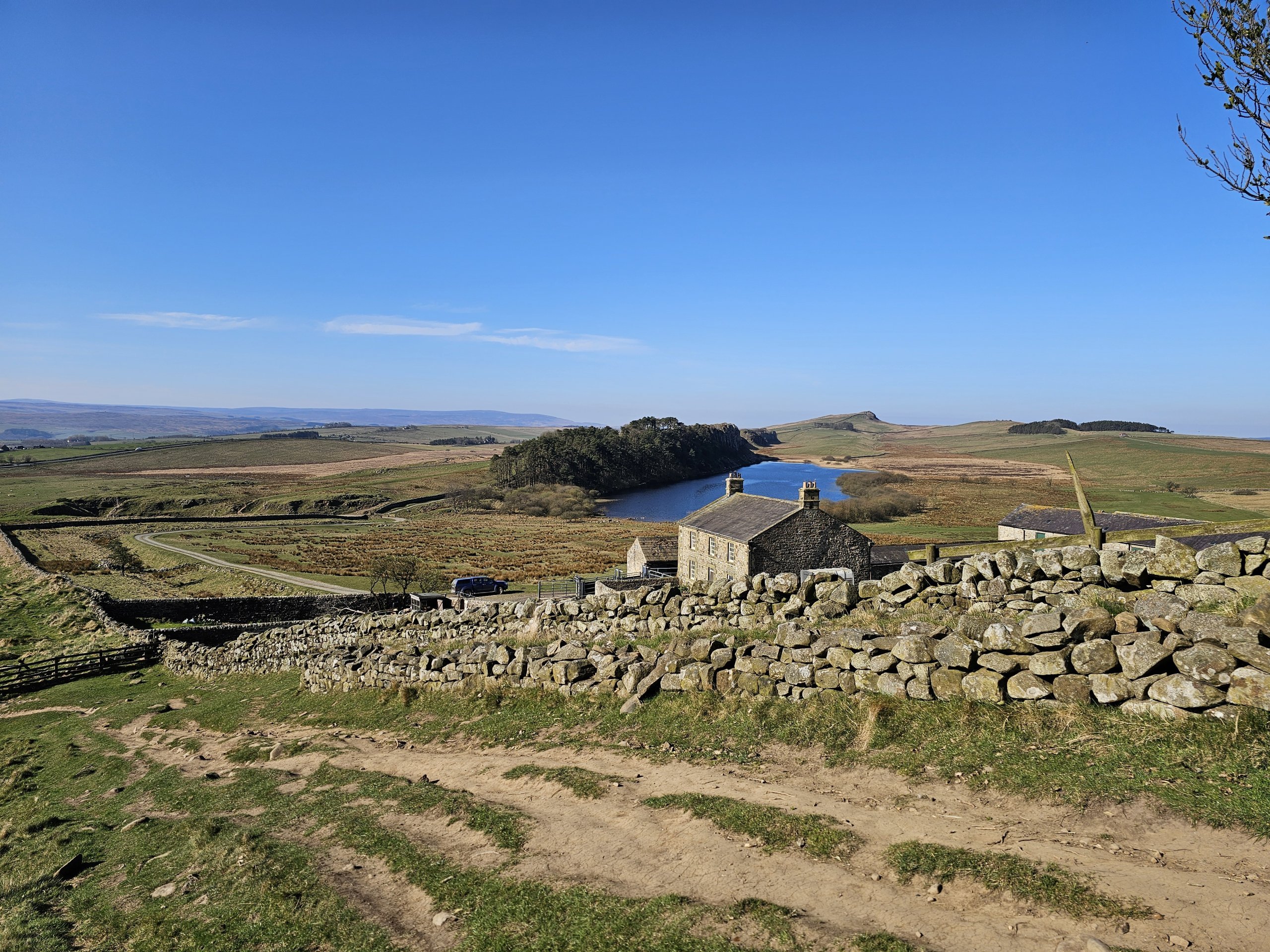
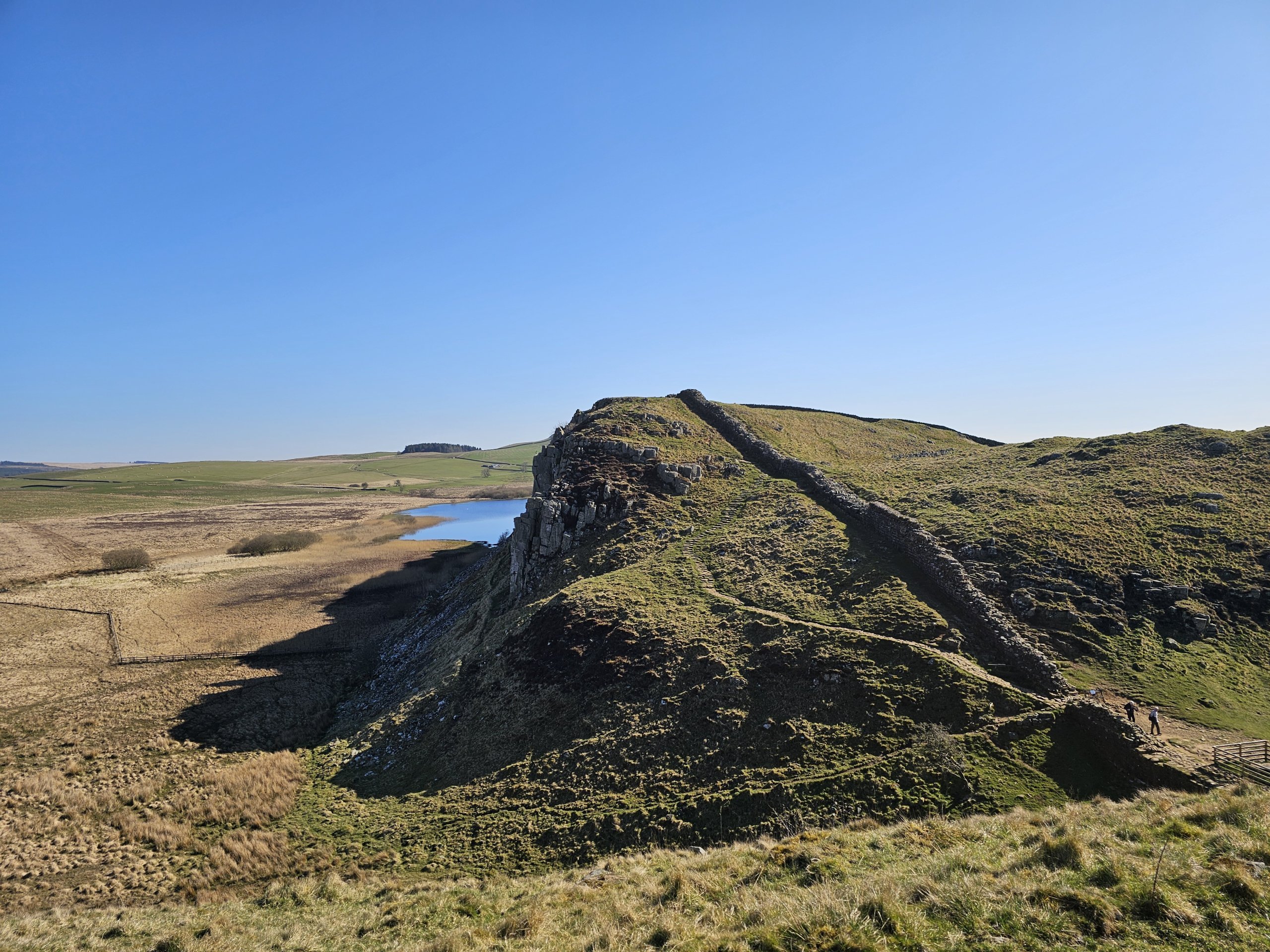
As this section of Hadrian’s Wall runs at its highest points, it offers breathtaking, sweeping views across the plains of northern England.
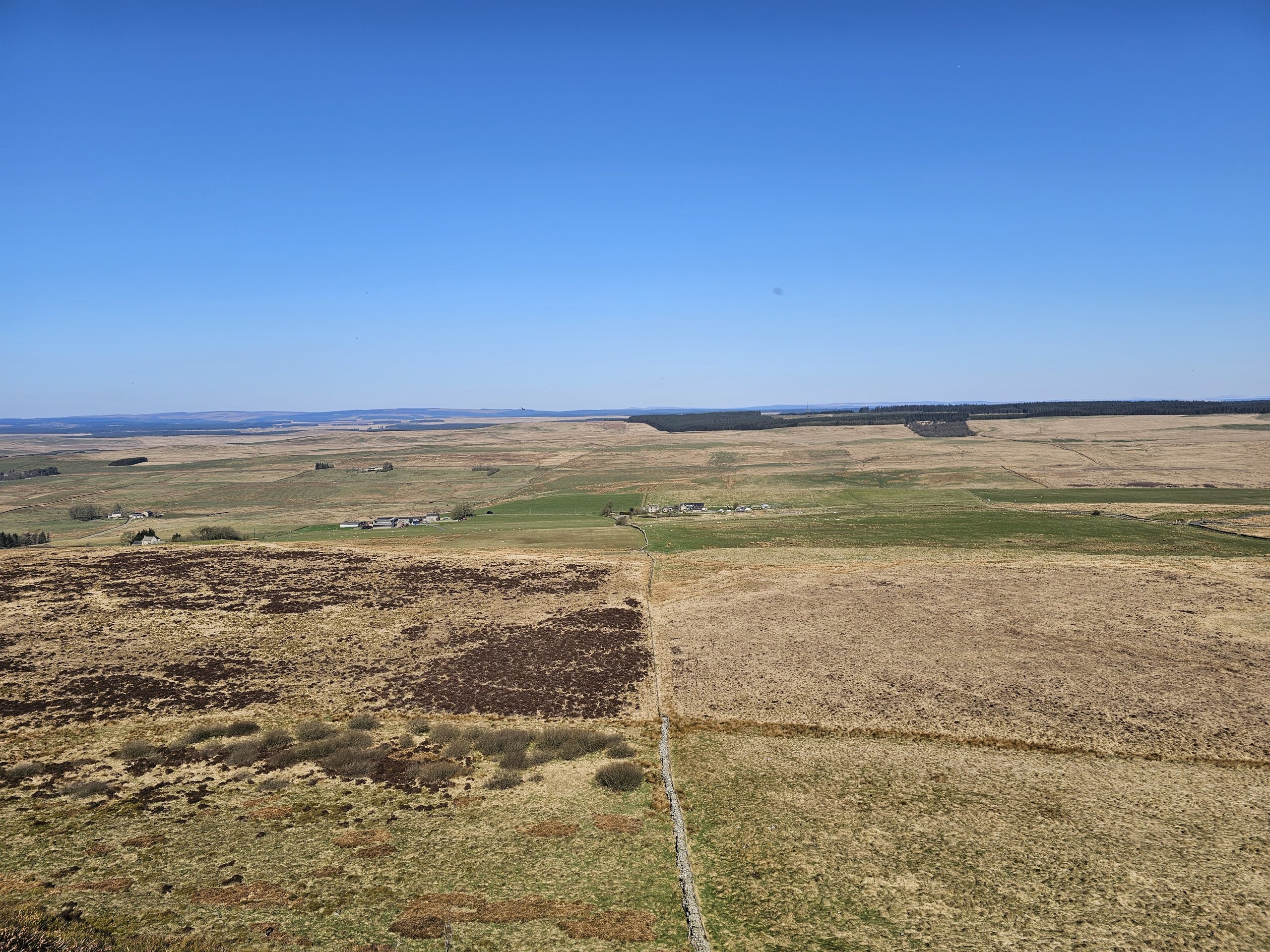
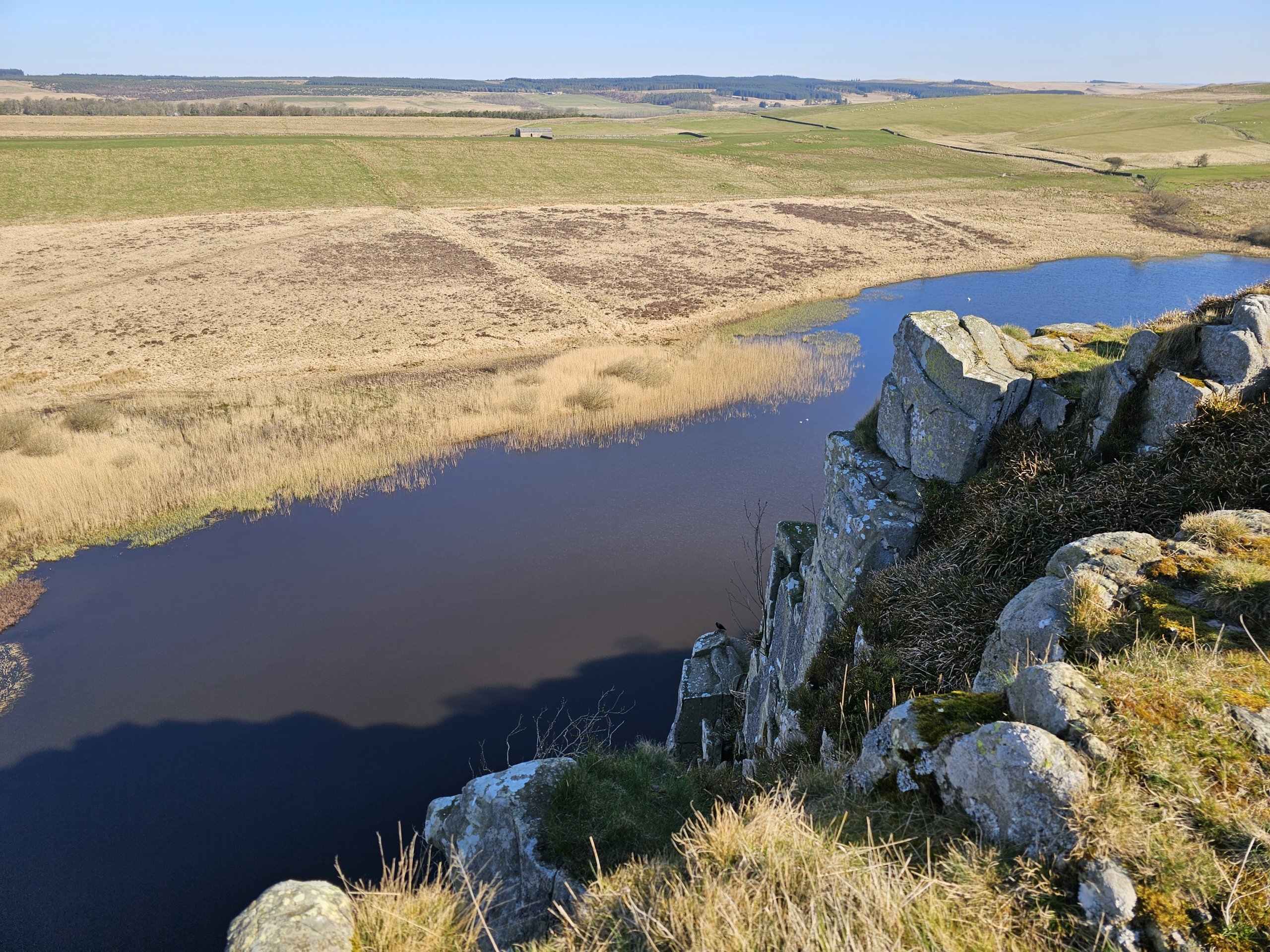
The path along Hadrian’s Wall is generally easy to walk and well-maintained, but it can become very muddy and slippery in wet weather.
Although the path often leads up very steep hills, the ascents and descents are short, and even less fit walkers can manage the route.
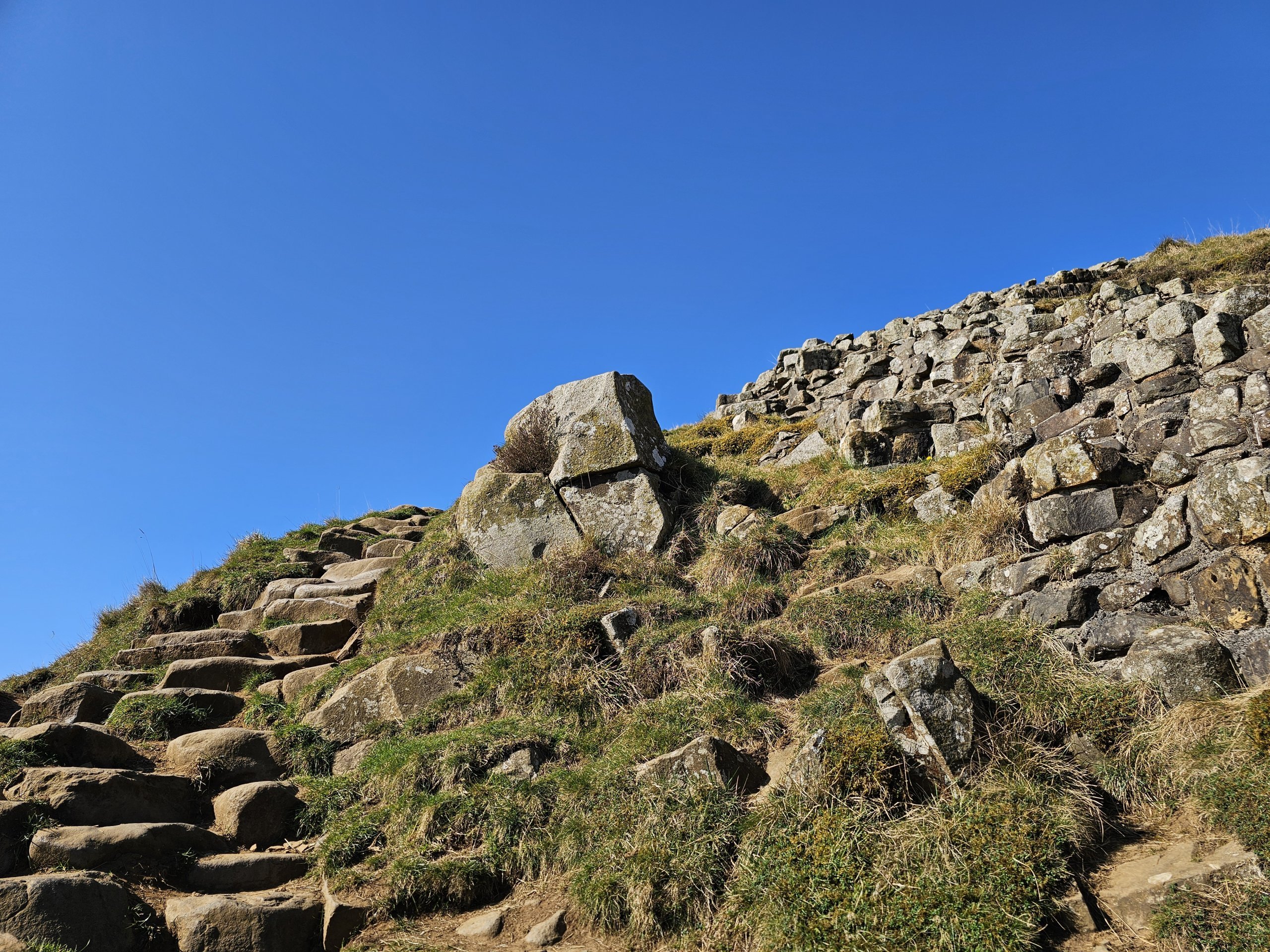
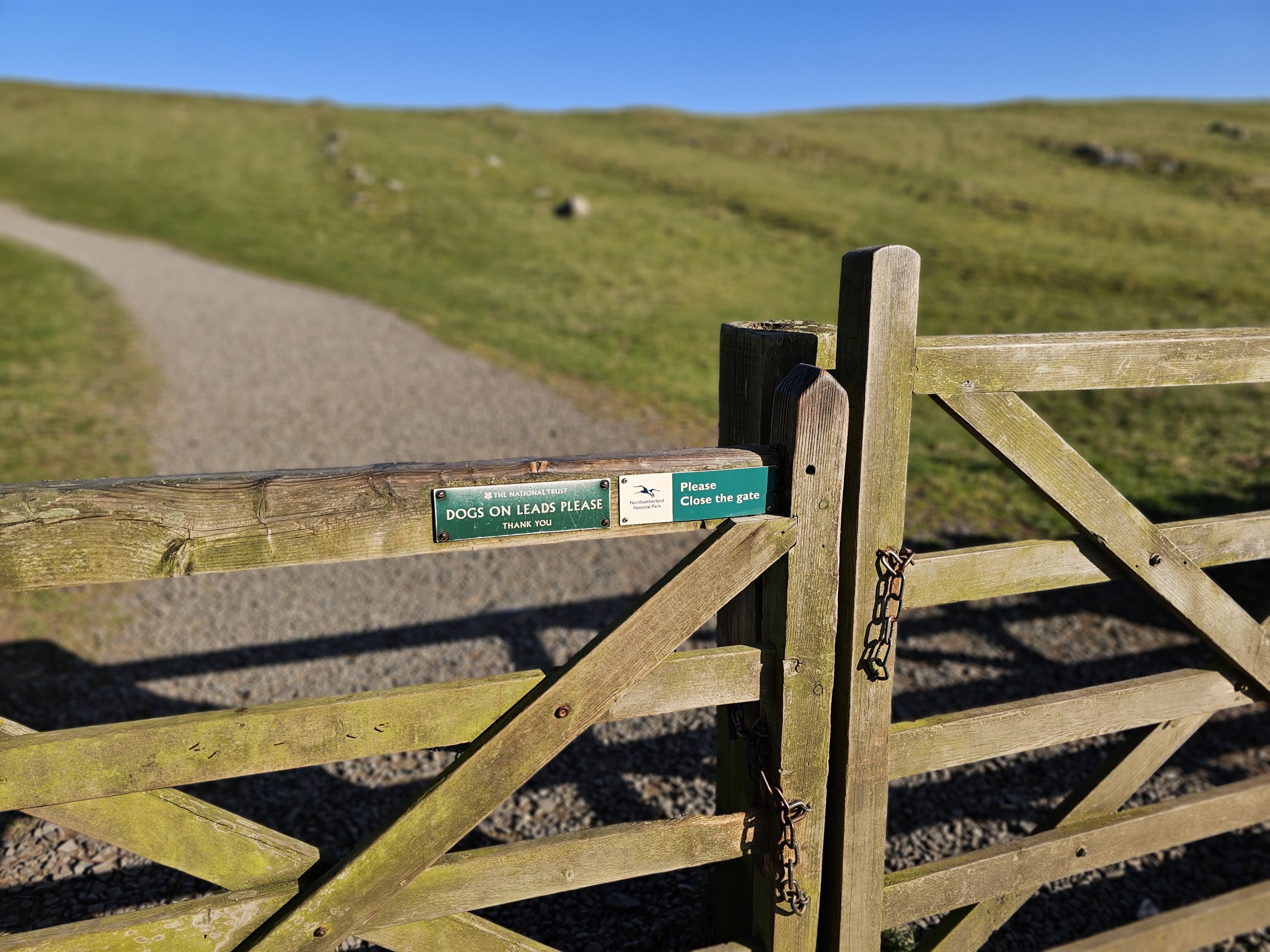
Most of the route passes through sheep pastures, which are separated by gates and barriers. Please make sure you always close these gates behind you!
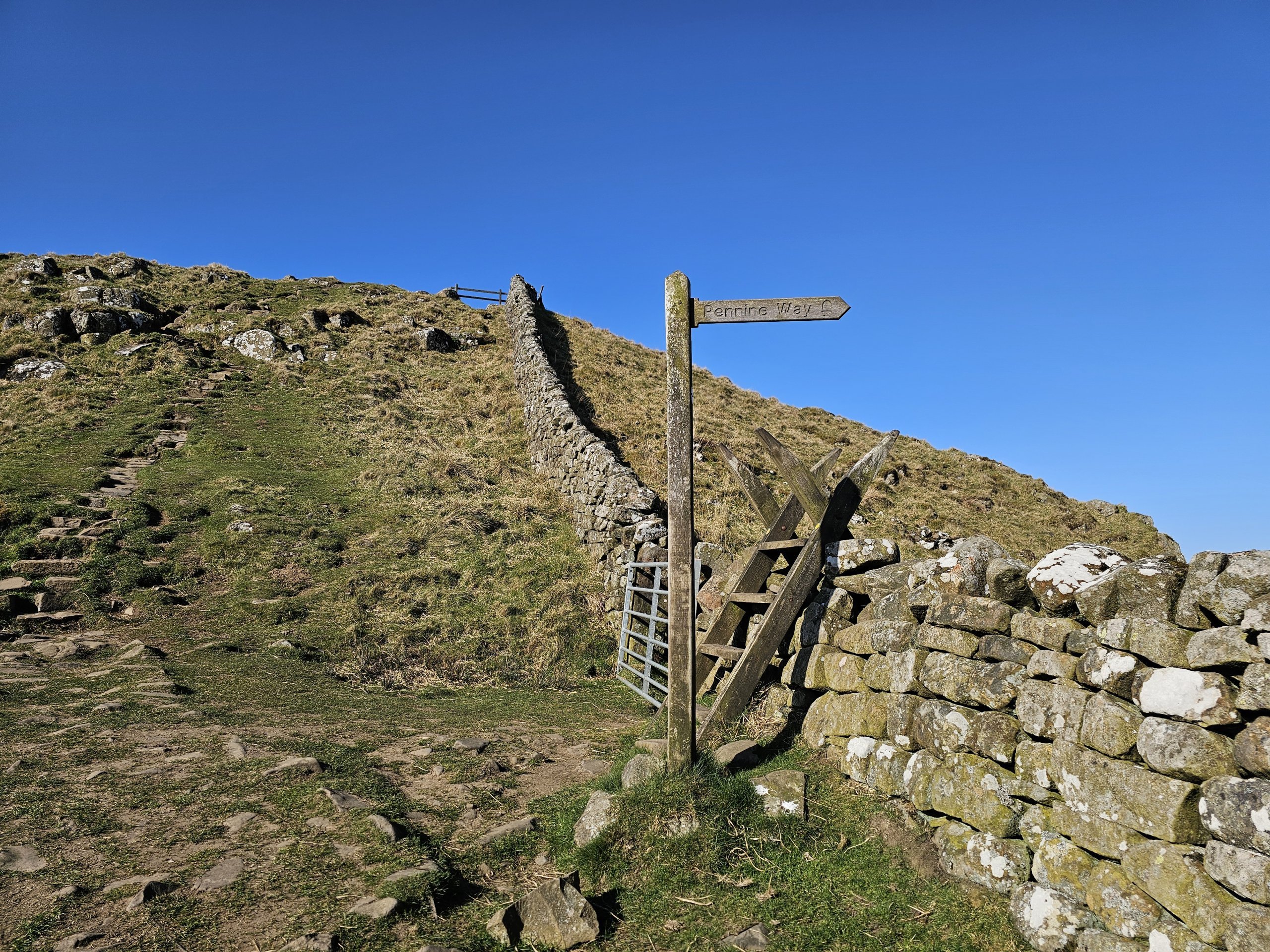
In a few places there are also ladders which you can use to climb over the wall instead of using the gates; however, on the busiest section between Housesteads Fort and the former Walltown quarry, you can always pass through the wall via a gate without having to use a ladder.
If you don’t have several days to spare and want to avoid the less interesting sections where Hadrian’s Wall isn’t well preserved, head straight for its central section.
Here you can choose from several sections of varying lengths.
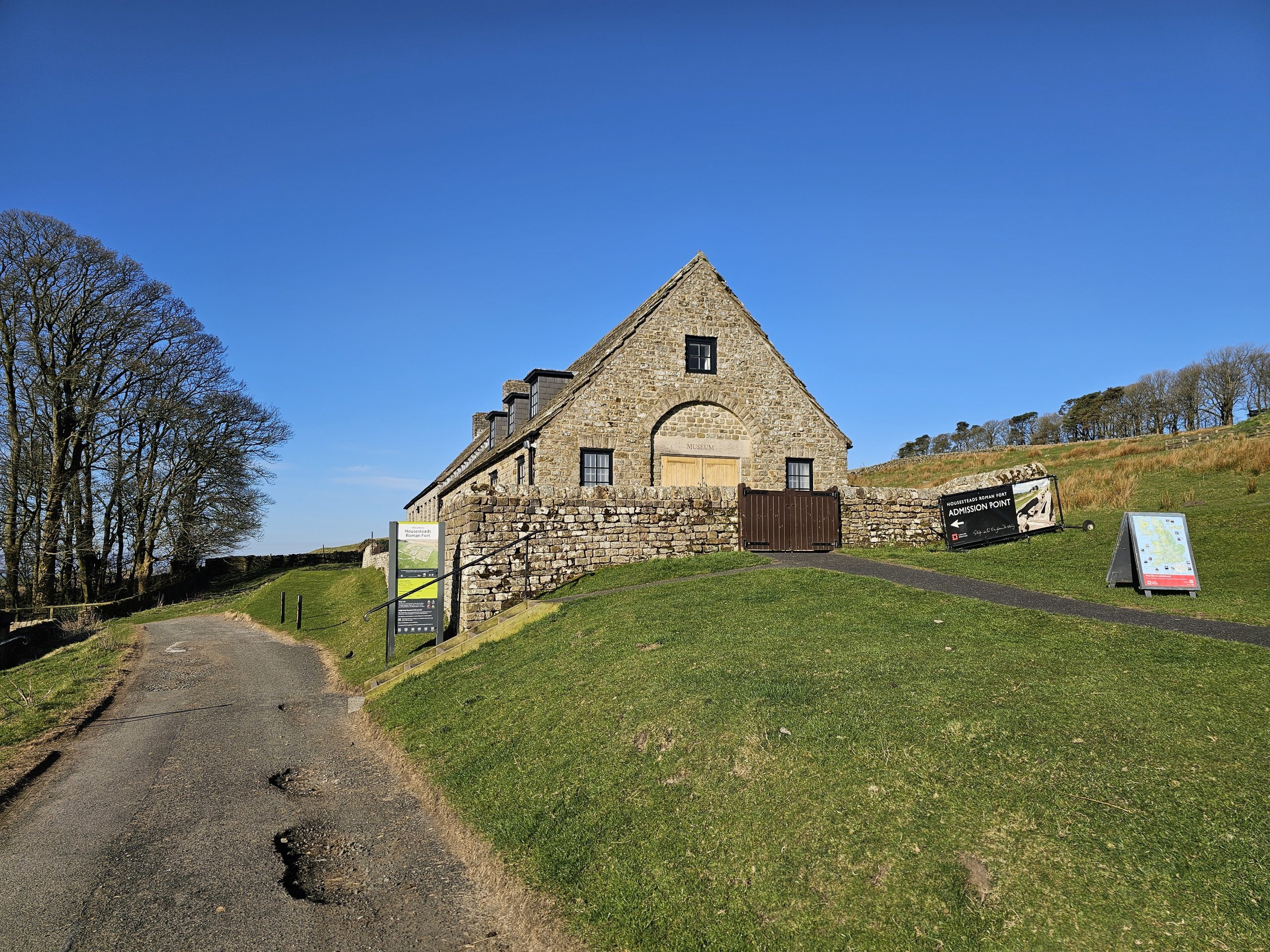
At several points – particularly in the most popular central section of the route – you’ll find relatively well-preserved ruins of four large fortresses and many other smaller ones.
Hadrian’s Wall is easily accessible by car, but you can also get there by public transport.
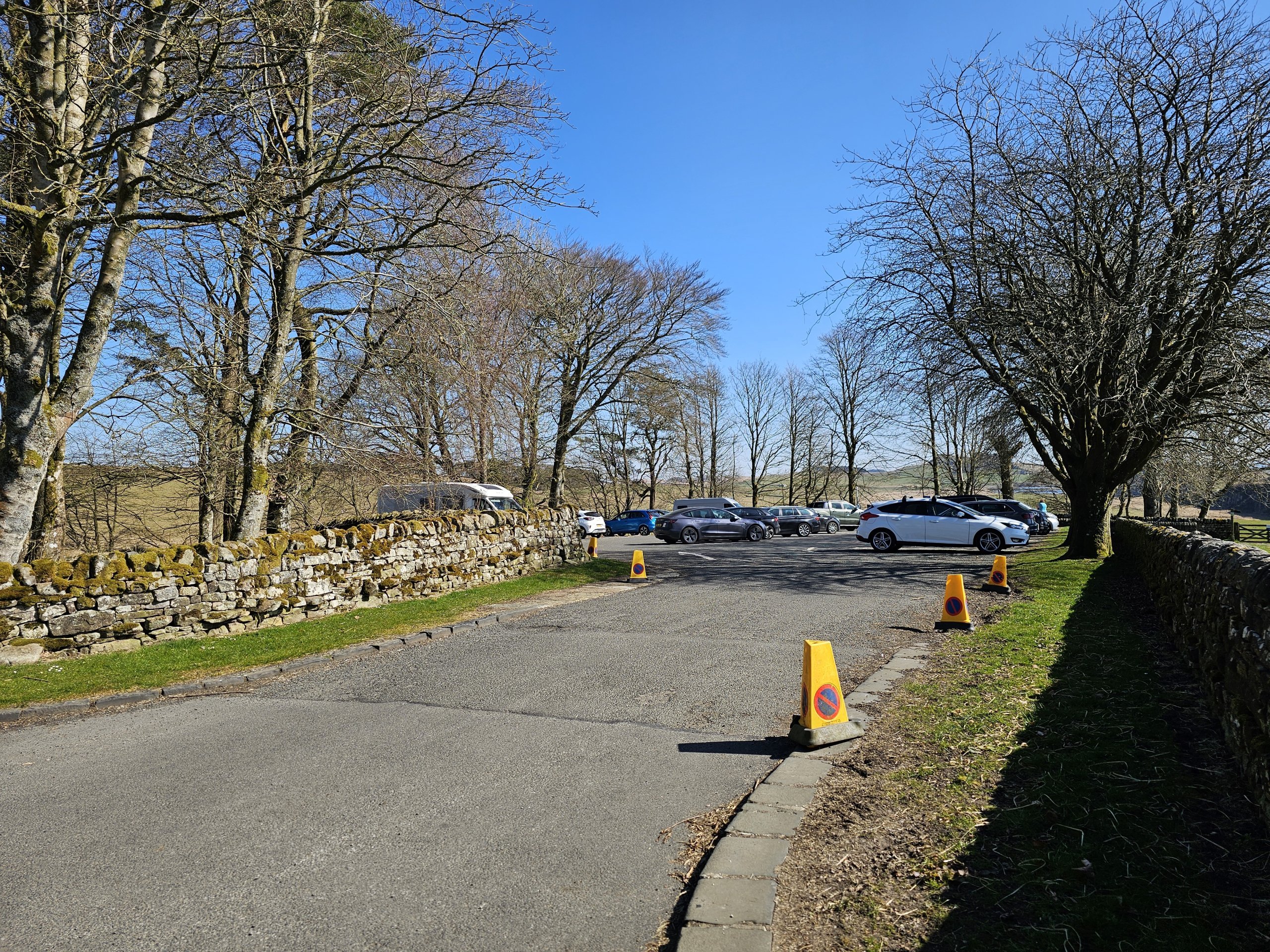
The well-signposted B6318 road runs alongside Hadrian’s Wall, with plenty of car parks, some of which are right next to the wall.
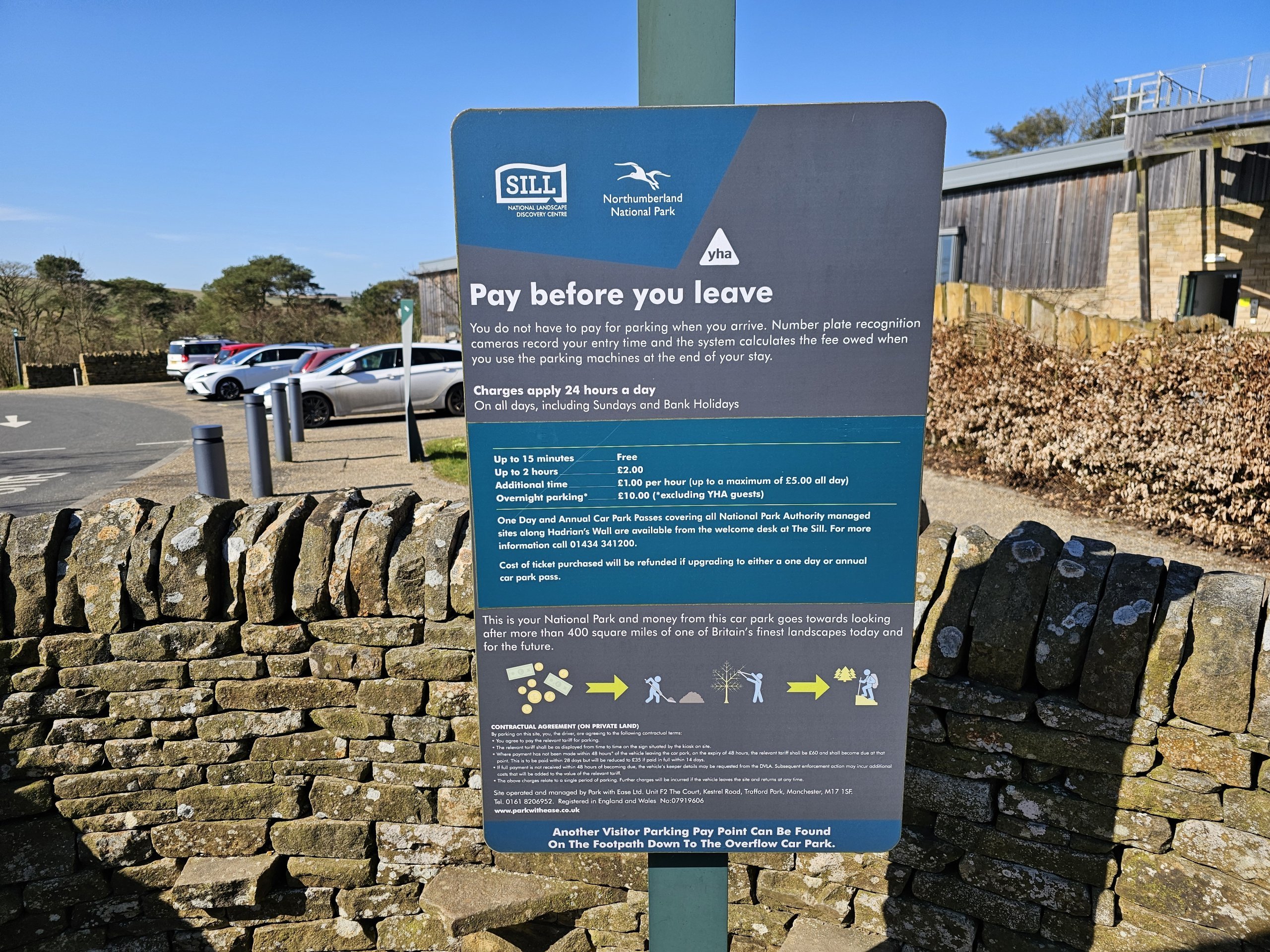
All car parks are pay-and-display. You pay the parking fee via a pay-and-display machine, which is always located in the car park, and payment can only be made by card.
Prices are around 2 gbp for 2 hours and 5 gbp for the whole day.
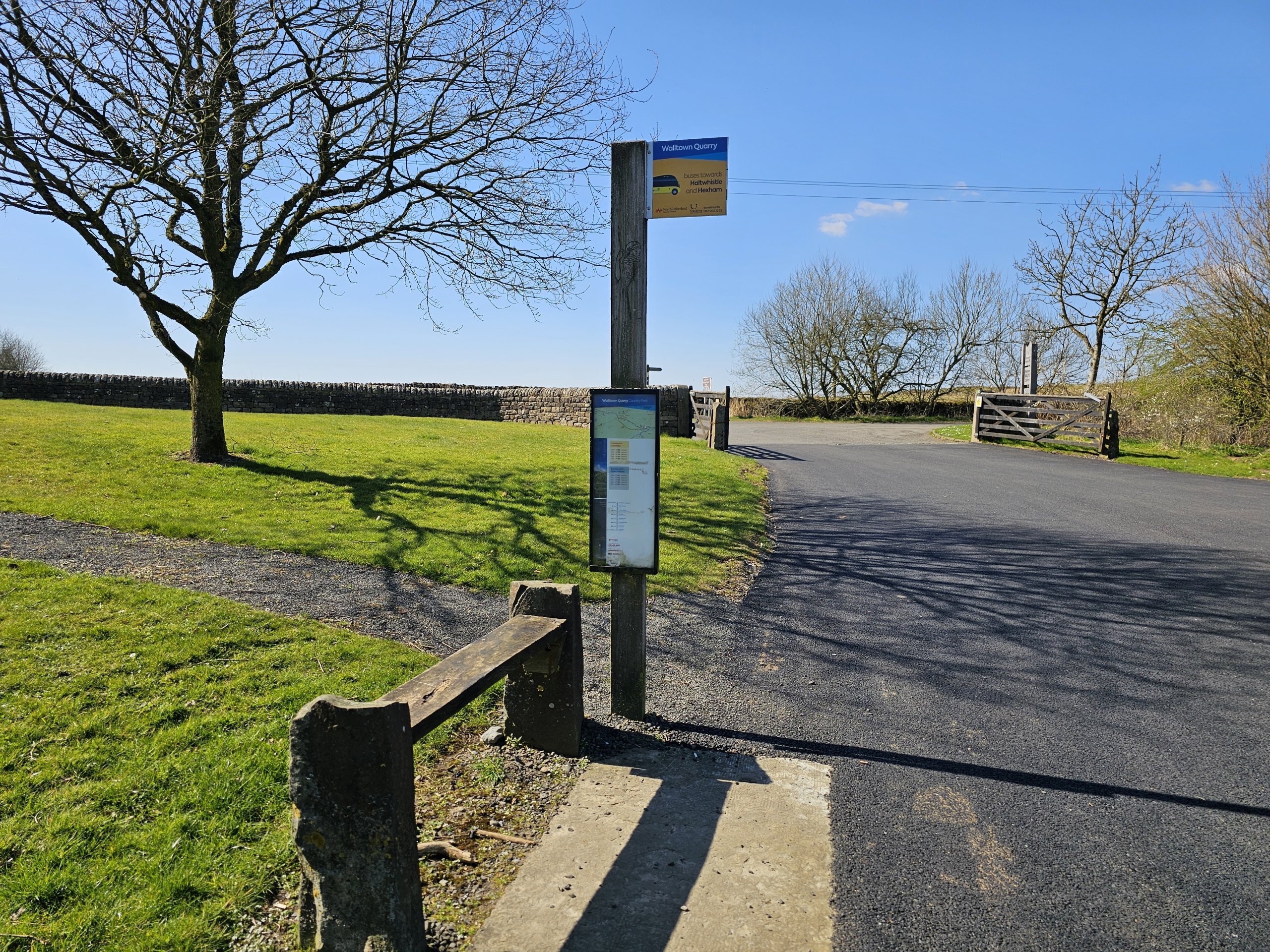
The central section of Hadrian’s Wall between the towns of Walwick and Greenhead is also fairly easy to reach by public transport.
Trains run from both Newcastleand Carlisle to a point approximately 5 km from Hadrian’s Wall, where you can catch the AD122 tourist bus service. This will take you directly from the train station to Hadrian’s Wall.
The AD122 bus service connects with trains atHexhamstation (closer to Newcastle) and Haltwhistle station (closer to Carlisle).
Buy a ticket on thetrainline.com
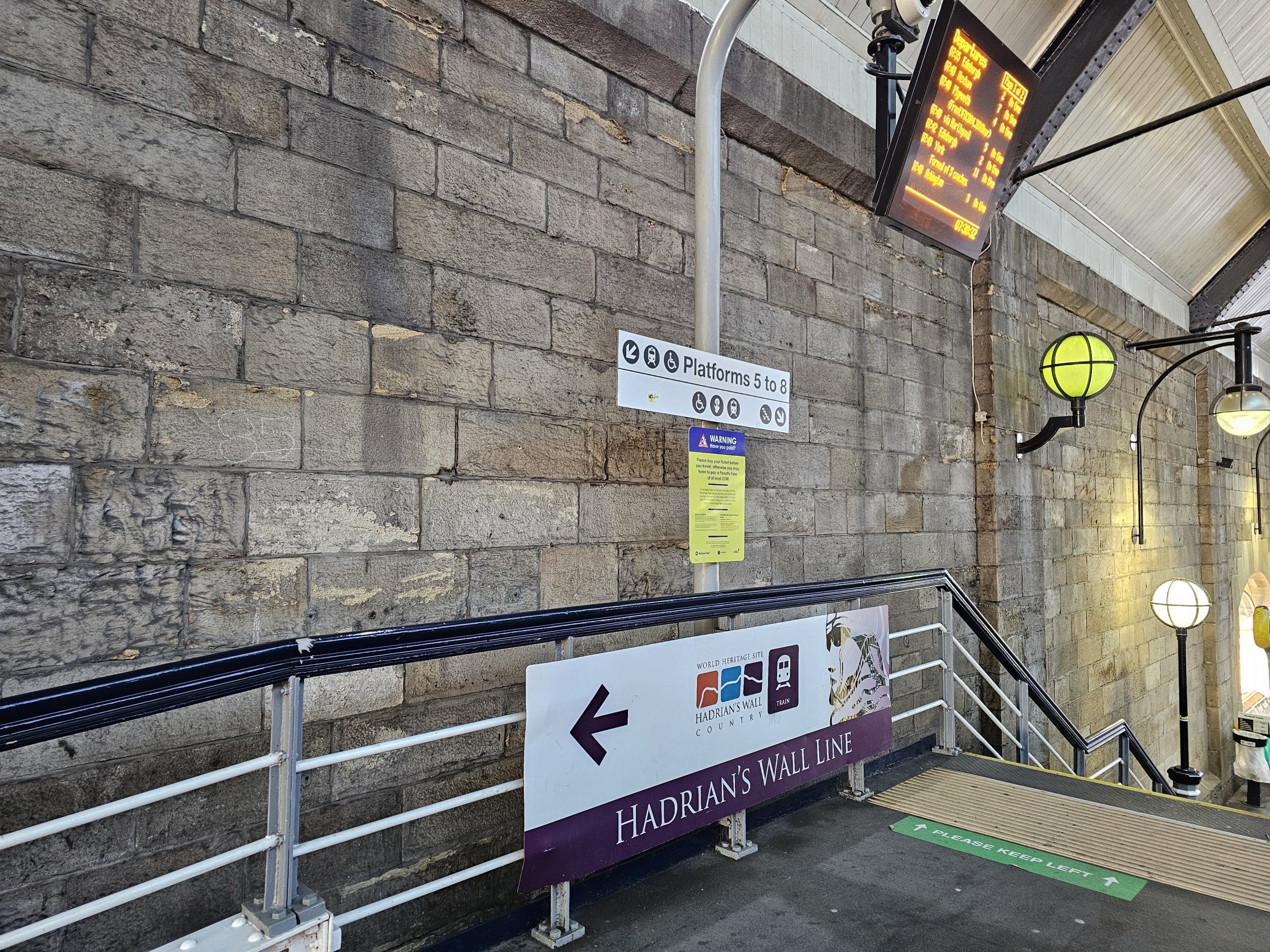
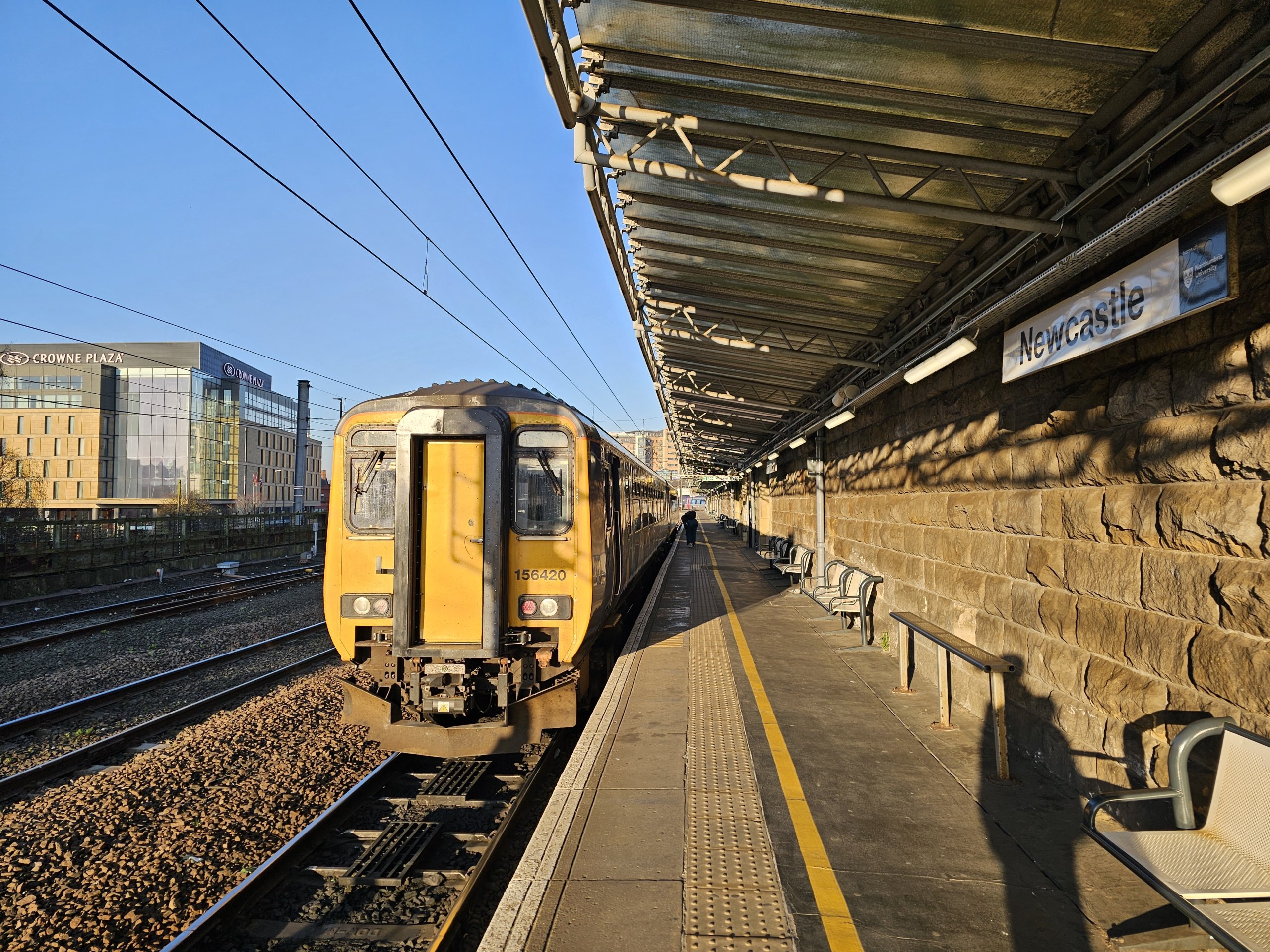
The AD122 bus service runs every day at 120-minute intervals.
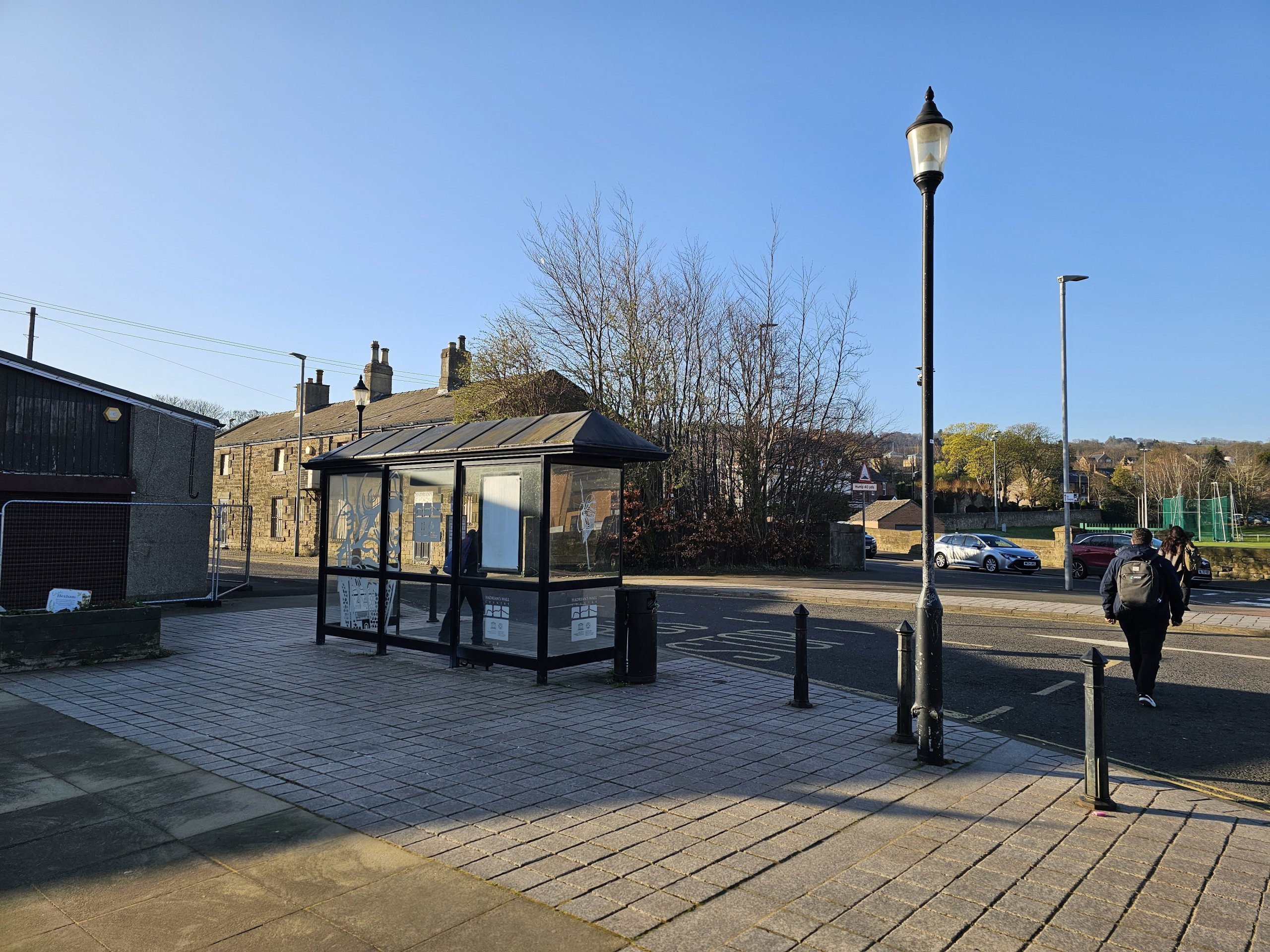

A single ticket costs 2,50 gbp and can be purchased from the driver in cash or by card.
The Day Saver ticket ( 6 gbp ) is also valid along the entire AD122 route; it is valid on public transport in Newcastle (buses, ferries and the metro), but is not valid on trains from Newcastle to Hexham or Haltwhistle.
However, apart from the train, you can also use bus routes 684 and 685 (which run from the central Eldon Square bus station) from Newcastle to Hexham once an hour, on which the TNE Day Saver ticket is valid. You can buy a ticket from ticket machines at metro stations or via the Go North East mobile app.
You can search for bus connections on thegonortheast.co.uk website.
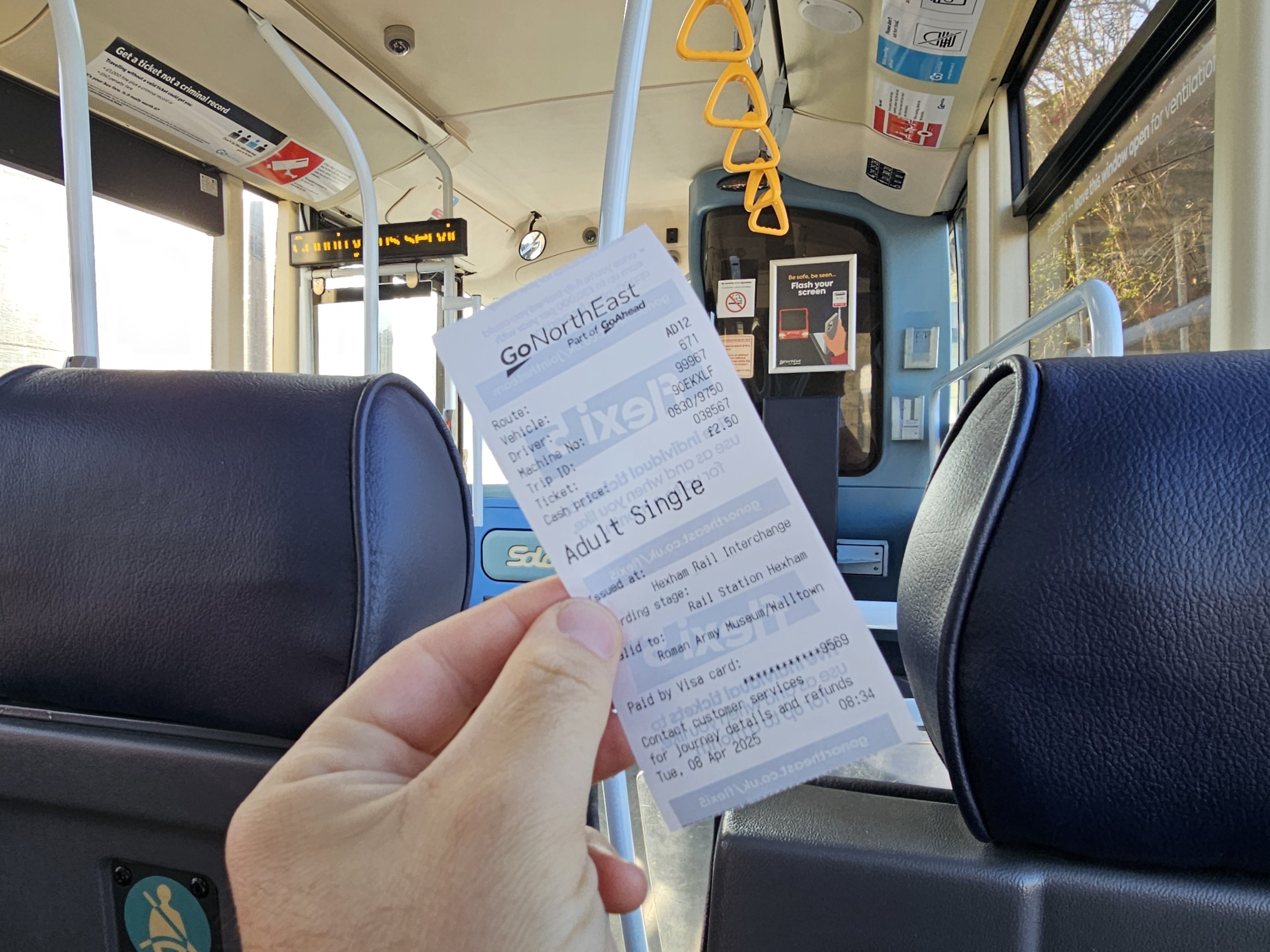
Many travellers spend a whole day at Hadrian’s Wall or set off on a multi-day hike along the entire Hadrian’s Wall Path.
In that case, staying at one of the many stylish accommodation options set amidst the beautiful countryside of wide, rolling plains is an excellent choice.
Many farms offer an excellent choice, with part of their buildings set aside for accommodation. The rooms are usually very modern and equipped with every comfort.
We would recommend these top-rated farms:
If you prefer more traditional accommodation, choose from these hotels:
Discover all the places to see in United Kingdom.
If you have any questions or comments about the article...