
Safety and security in Mauritius


What are the health risks in Mauritius? Is it safe and where are the places with the highest crime rates?
The 10 best hotels in Mauritius
Health risks
The islands do not have an increased incidence of any exotic diseases and in this respect it is one of the safest countries in Africa.
There are no exotic diseases or extremely dangerous animals.
The most common health problems for tourists in Mauritius are related to prolonged exposure to the sun in the heat or overestimation of swimming abilities during sea bathing. The basic thing is always to have enough water, ideally 3 litres a day.
Swimming in the sea
When it comes to swimming, observe any swimming bans and heed warnings about strong sea currents.
On the south and west coasts, many beaches have really big and strong waves.
Drinking water
Tap water in Mauritius is drinkable as long as it comes from the public water supply. However, many households have their own wells and in this case it may not be entirely good.
If you are staying in a hotel, there is generally no problem drinking tap water. If you are staying in a private apartment, we would rather recommend buying bottled water.
Mosquitoes and flies
Don't forget to buy repellent for evenings out and for trips into the countryside.
I personally rarely use repellent, but I did buy some in Mauritius. Especially on trips to Black River Gorges NP or the Sept Cascades waterfalls, repellent will definitely come in handy.
Flies, mosquitoes and other insects are often in huge numbers here!
Dangerous animals
There are few animals dangerous to humans in Mauritius, but it is still advisable to be cautious in some cases.
Stray dogs
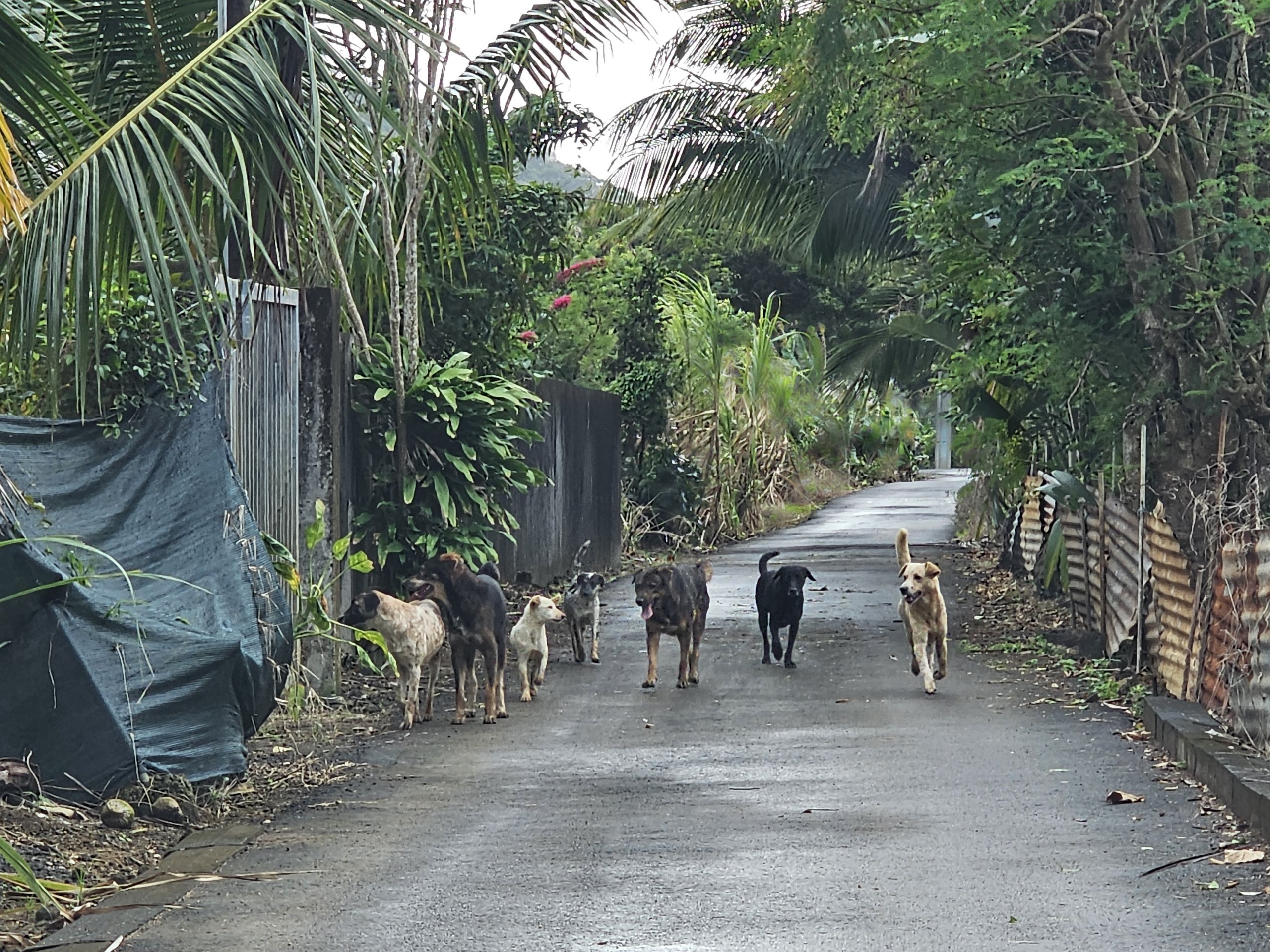
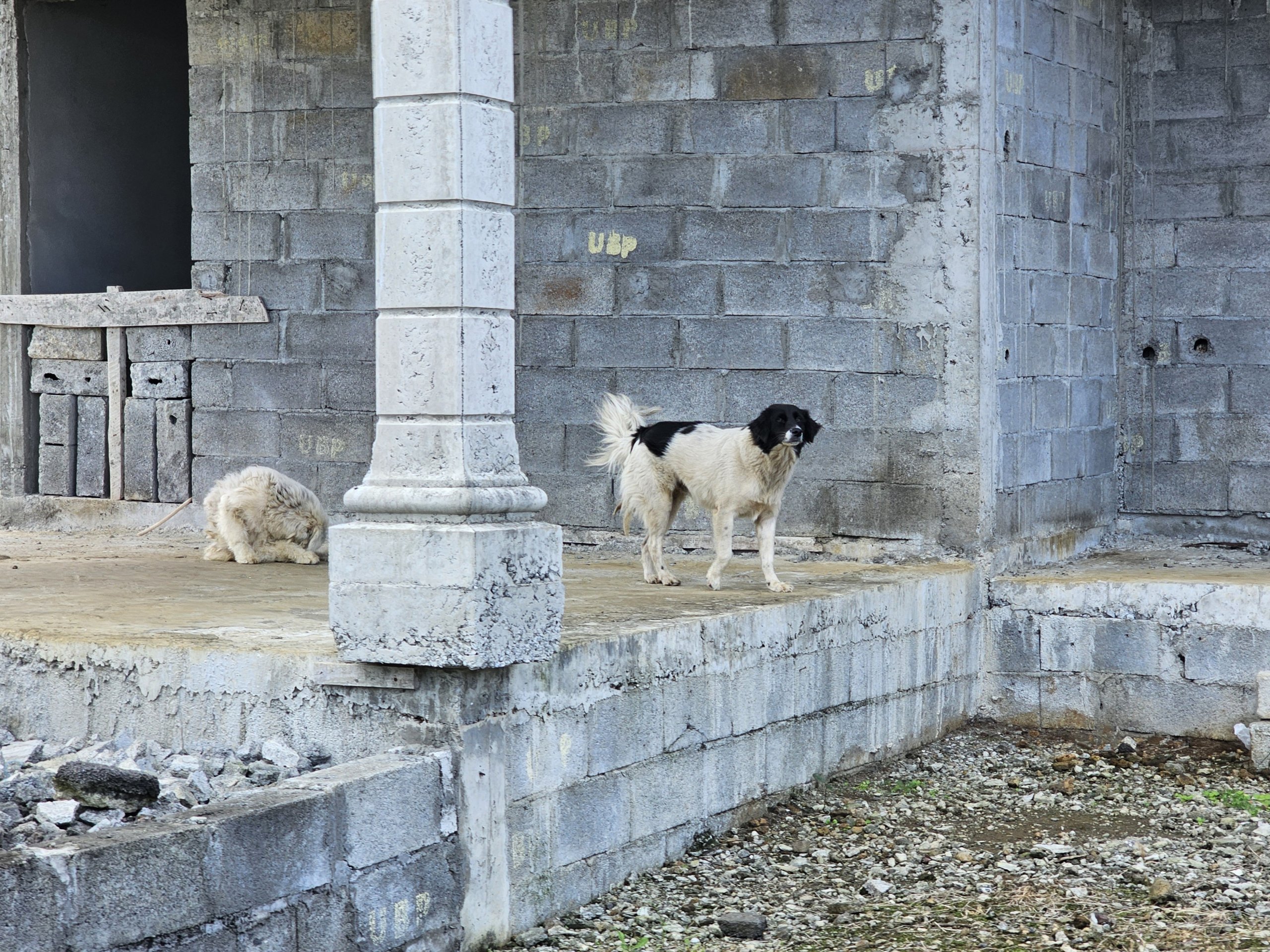
There are a huge number of stray dogs in Mauritius. In fact, I can think of few countries where there is a greater concentration of street dogs. The numbers are perhaps only comparable to India or Thailand.
Most of the dogs actually have owners, but simply roam freely in public spaces, often forming large packs.
In big cities, beaches and tourist attractions, the dogs tend to be completely at ease and more likely to wait to see if they can get some food from tourists.
But in the countryside (especially in the early evening and evening), dogs defend their territories and can be aggressive.
Marine animals
In the sea, the biggest danger lurks in the form of sea urchins. I speak from personal experience, having stepped on a sea urchin out of carelessness on Ile aux Cerfs.
Most sea urchins in Mauritius are not poisonous, but if your wound becomes swollen or red, definitely visit a medical emergency.
There are also extremely poisonous urchins in Mauritius' waters. stonefishknown to have spines that look like stone. However, they live at greater depths and are only encountered when diving or snorkelling off the beach.
There are sharks in the waters around Mauritius, but interactions with humans are extremely rare and shark-induced injuries are virtually non-existent.
Snakes and spiders
There are no venomous snakes or spiders in Mauritius, and there are no constrictors.
There are a few species of small harmless snakes that pose no risk.
Predators
There are no large predators on the island that pose a threat to humans.
Compulsory vaccinations
There are no tropical diseases and vaccinations are not required for Mauritius.
Crime
Mauritius is a very safe country.
Crime and attacks against tourists are rare, but basic caution is still advised. Do not leave belongings unattended and keep valuables stored or locked in a safe.
Pickpockets are mainly found in large cities in places with high concentrations of people such as bus stations, market places or shopping centres.
In general, however, petty crime in Mauritius is also the lowest of any African country.
Within Africa, perhaps only the Seychelles is similarly safe.
Important contacts
Phone numbers that may come in handy during your stay:
- Police - 112 or 999
- Tourist Police - 213 17 40
- Fire Brigade - 115 or 995
- Ambulance (SAMU) - 114
- Coastguard - 212 27 47
Any questions left?
If you have any questions or comments about the article...