
What to do in Iceland


Whether you’re spending a week or a month in Iceland, you’ll always feel it’s not long enough. Iceland is a paradise for travellers looking for adventure or wishing to marvel at the beautiful landscape. Whatever the reason for your visit, the following trips and activities are definitely worth doing.
Search for accommodation in Iceland
Glacier climbing
Iceland is nicknamed the ‘land of fire and ice’, and it is the ice here that is represented by 13 glaciers, with Vatnajökull – covering an area of 8,300 square kilometres – being the largest in Europe. Many glacier tongues flow down into easily accessible valleys, offering one of Iceland’s most popular activities: glacier hiking.
You are not allowed to set foot on a glacier without a guide, which is actually an advantage. You don’t need any previous experience of glacier walking. Walking on a glacier isn’t all that physically demanding; you don’t need any mountaineering skills.
The most popular glaciers are themuch-visited SkaftafellandSólheimajökull, the latter being the closest glacier to Reykjavík.
Prices and tours
Prices for organised tours range from 14 000 isk to 20 000 isk, and you can usually expect a 3–4-hour walk across the glacier, sometimes enhanced by a visit to a glacier cave. Cheaper tours start right at the foot of the glacier, with transport to the site by car; the more expensive ones also include a coach journey to and from Reykjavík.
Examples of tour operators:
Hot springs, geothermal lagoons and pools
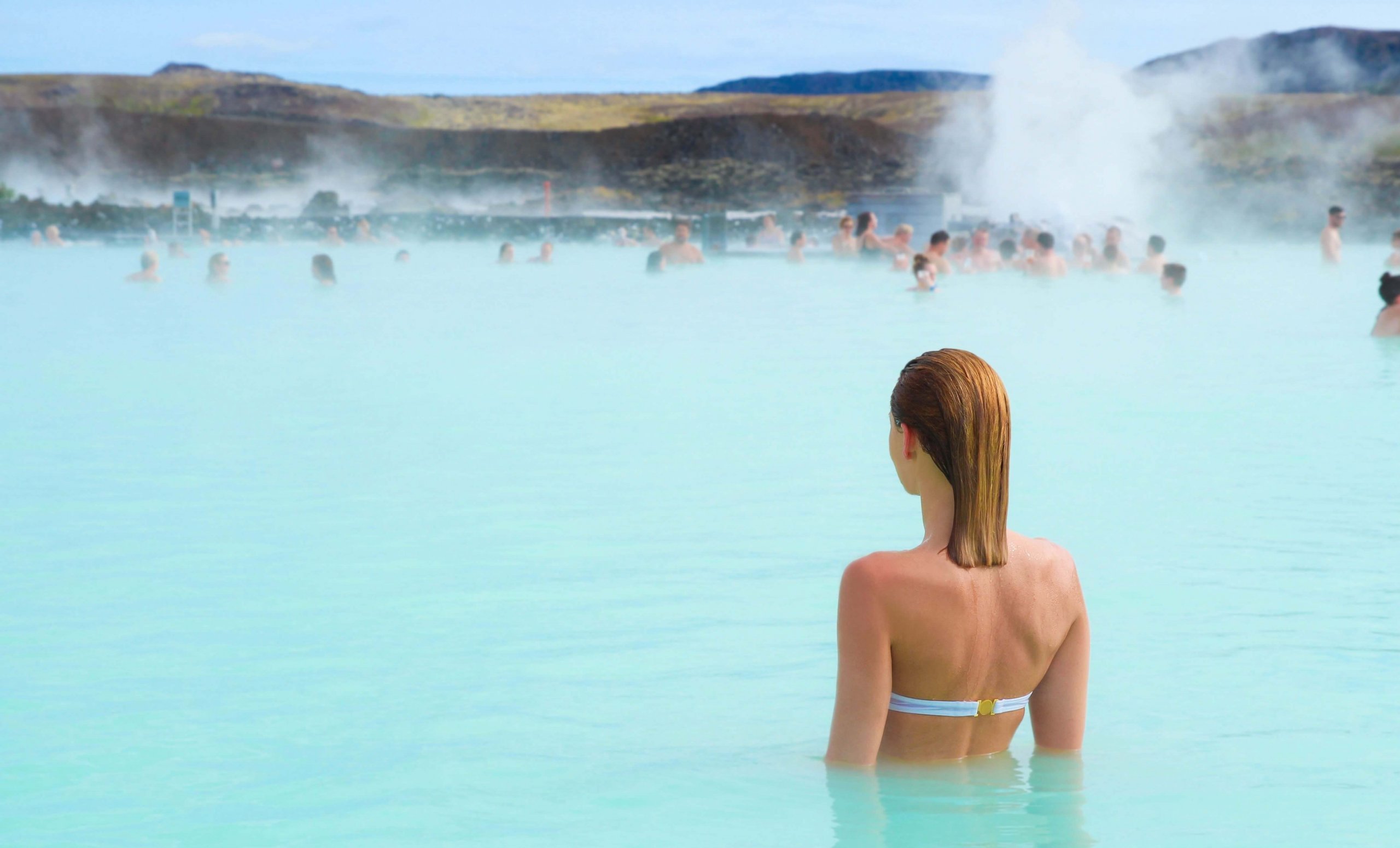
In Iceland, you’ll encounter geothermal activity at every turn, whether you’re having a shower or fancy a dip in a natural hot spring. After a strenuous trek, there’s nothing better than staying out in the fresh air, immersing yourself in warm water and simply relaxing.
The Icelanders know this all too well, which is why they’ve made many geothermal springs accessible to tourists; you’ll find them in both major cities and even the most remote villages. If you fancy a chat with the locals, be sure to pop into one of these pools. What’s more, you’ll be surprised at how little it costs to get in.
The most famous thermal spas:
The last – and cheapest – option is to find a natural geothermal pool, such as the one in Landmannalaugar, which is sure to be a wonderful experience and, what’s more, completely free.
- Landmannalaugar
- Reykjadalur
- Kerlingarfjöll
- Hveravellir
You’ll find many small hot springs, for example, on the Reykjanes Peninsula between Reykjavík and Keflavík Airport.
Treks
For many travellers, the countless short and multi-day treks are Iceland’s main attraction. If you set off on a trek, expect the landscape to change before your very eyes within a matter of hours.
Among the best and most famous treks is the 55 km Laugavegur trek, which takes you through the Rainbow Mountains until you reach Thor’s Valley, or Þórsmörk. You can extend this trek by a few days by setting off from Skógar and walking 23 km amongst the glaciers. You’ll also find plenty of treks in the West Fjords, which aren’t as well known, so you’ll come across far fewer travellers there.
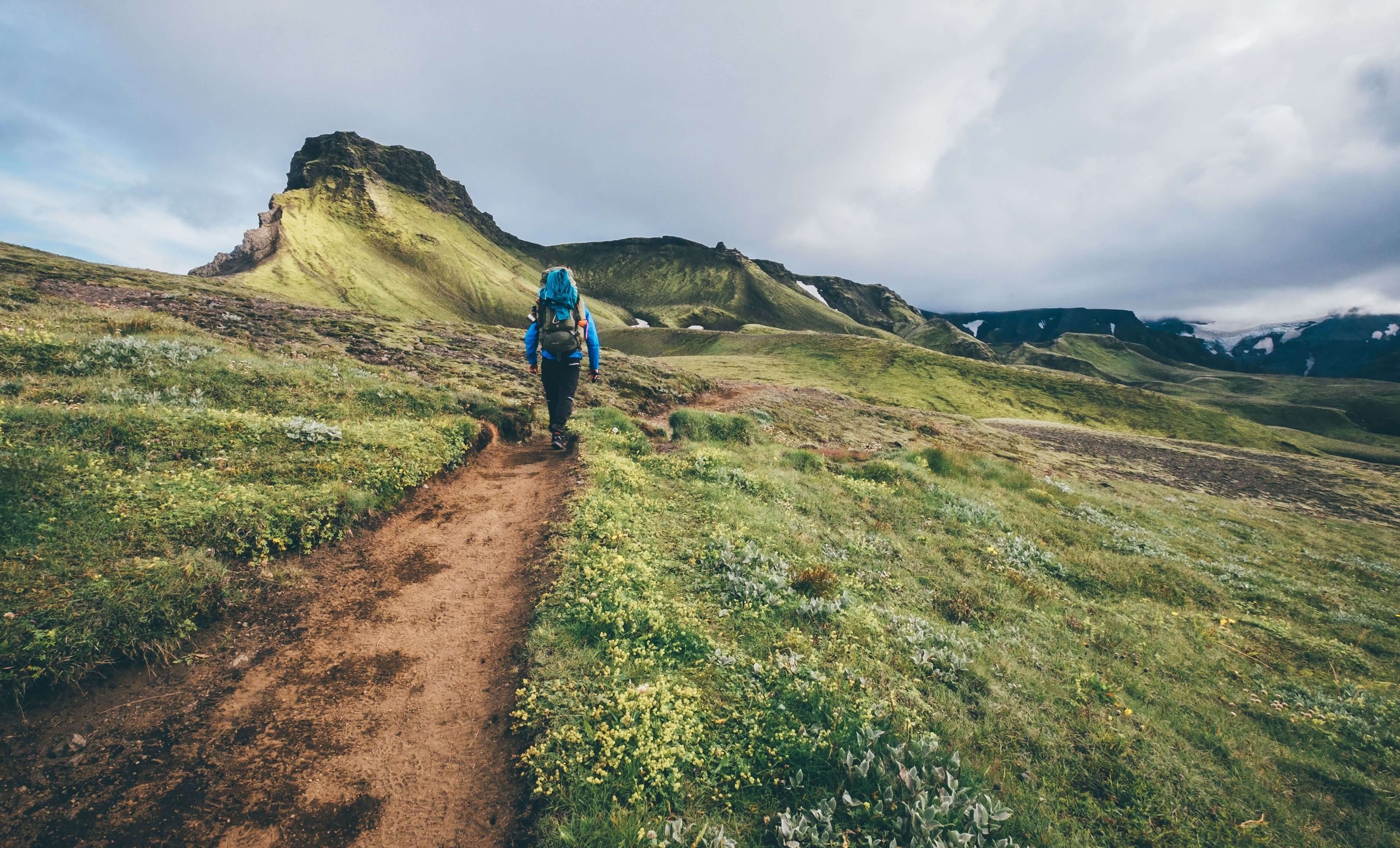
Hiking trails – long and short, challenging and easy – can be found literally anywhere in Iceland. Most routes are at least roughly signposted, but you must always bear in mind that you are in a harsh Arctic environment, where temperatures can drop below 5 °C even in the middle of summer.
TheLandmannalaugar Rainbow Mountains are certainly among the most popular tourist destinations.
Watching the Northern Lights
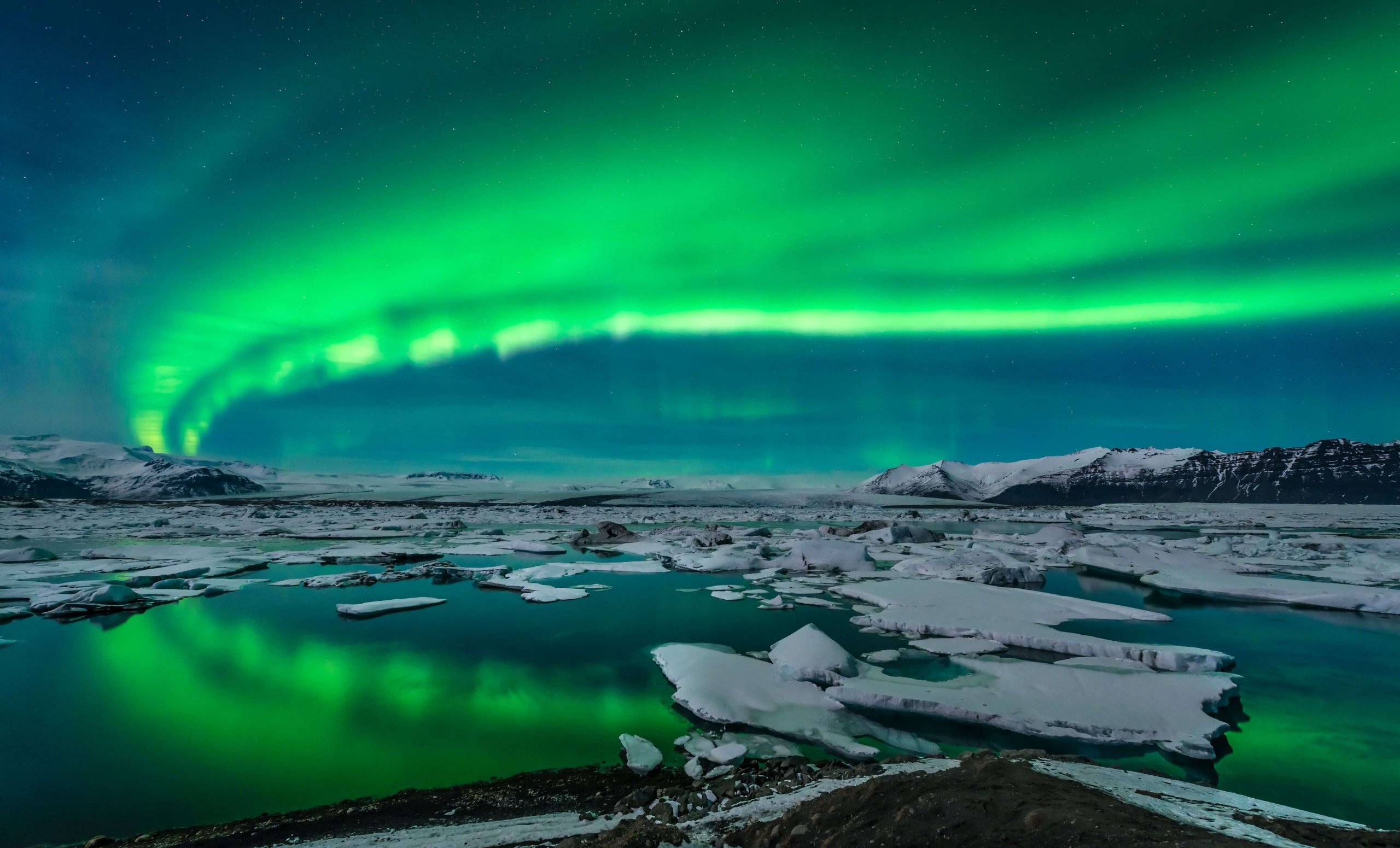
The Northern Lights can usually be seen in Iceland from September to April, i.e. during the darkest months of the year. If the weather is on your side and the sky is clear, you have a very good chance of seeing the Northern Lights. The Northern Lights can also be seen in Reykjavík, but their brightness will be significantly reduced due to the many lights in the city, so it’s worth heading out of Reykjavík – and you don’t even need to travel very far.
You can find detailed information, tips on websites with aurora forecasts and more in our more detailed article on the Northern Lights in Iceland.
Whale watching
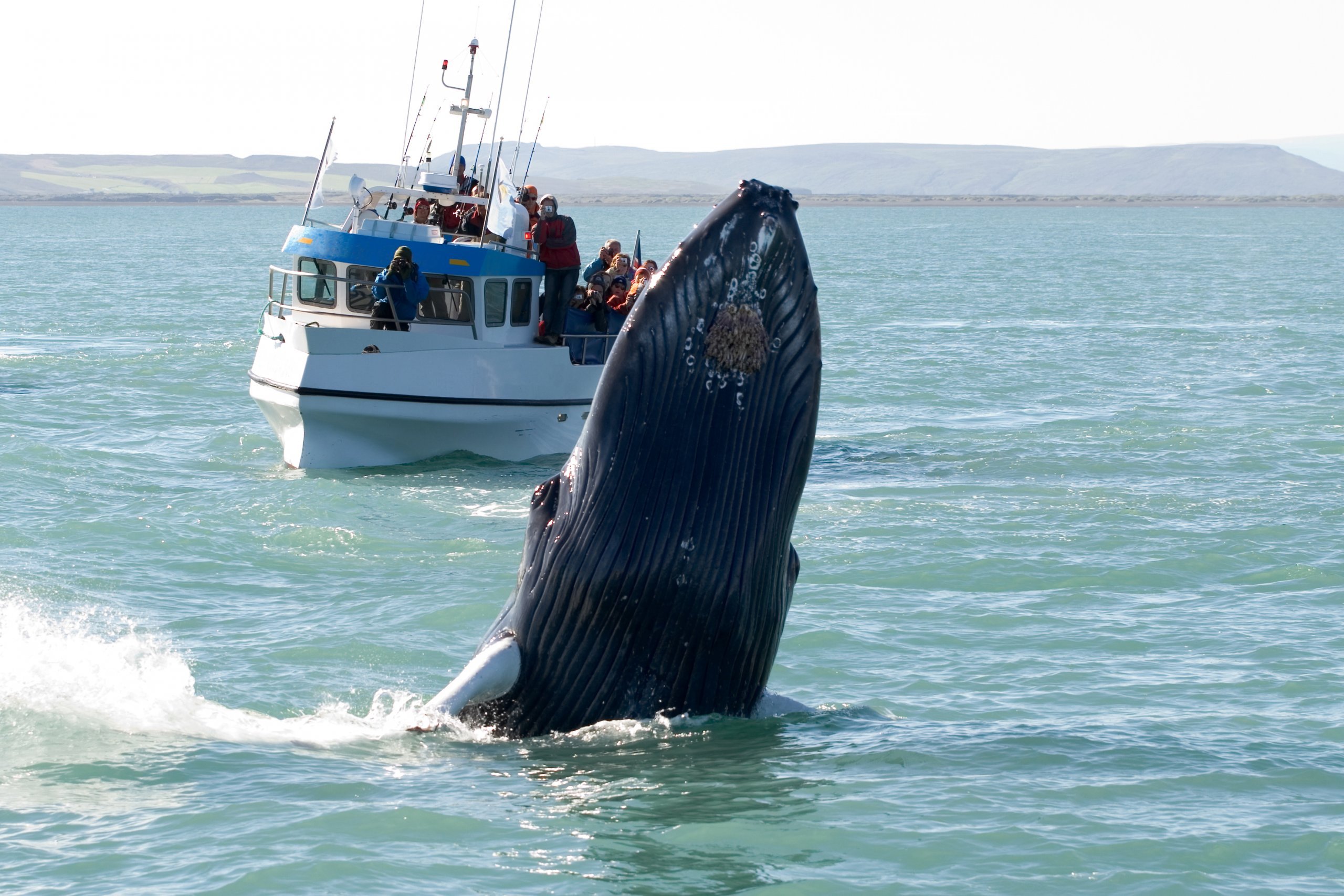
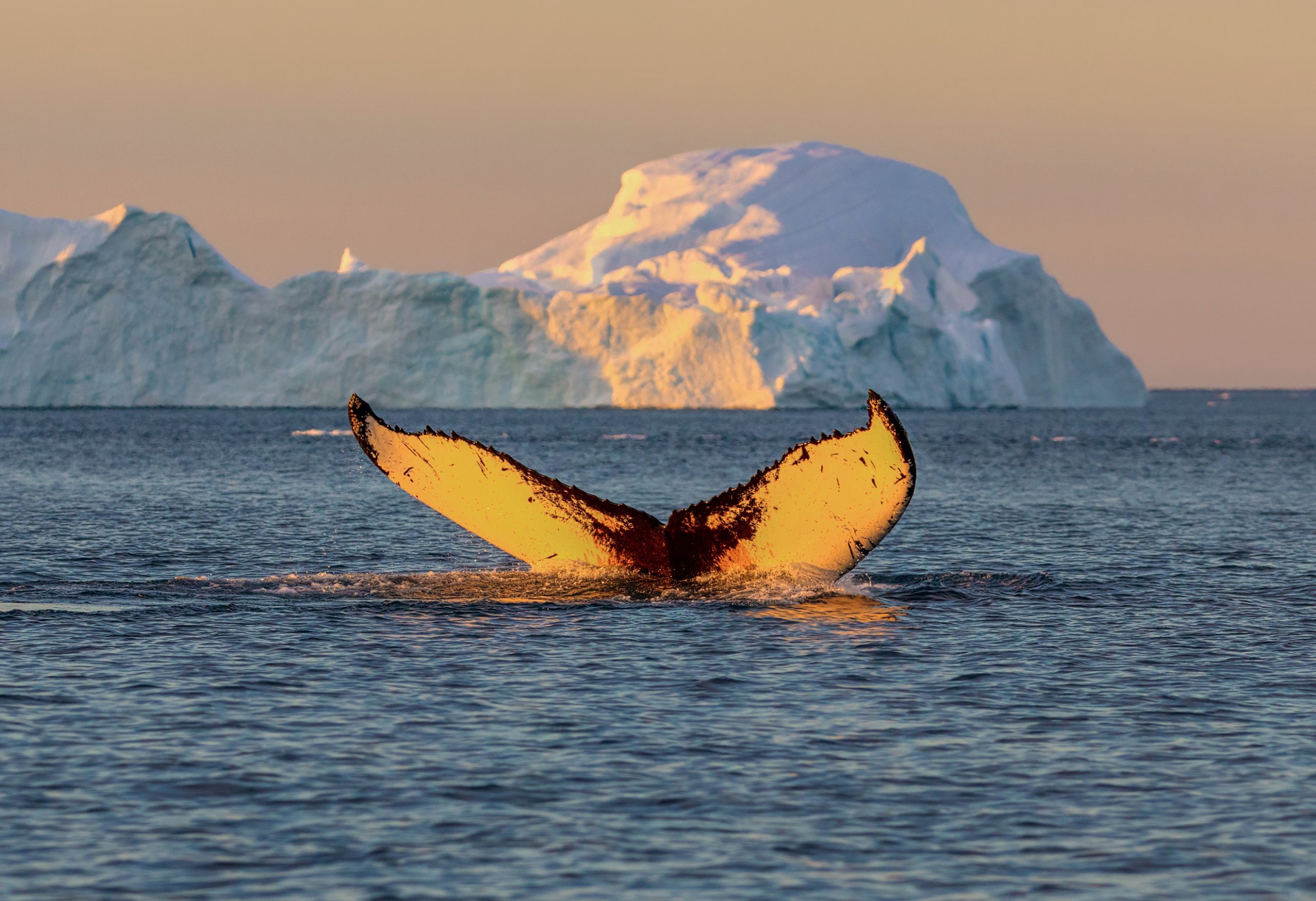
You don’t have to be a ‘whale enthusiast’ to appreciate a boat trip in search of these remarkable mammals. You may spot killer whales, fin whales or humpback whales, as well as countless smaller cetacean species such as porpoises, bottlenose dolphins or beaked whales.
Iceland is one of the destinations in the world where you have one of the highest chances of spotting whales. The boat crews are experienced; they know which spots to head for and how to behave if a whale appears. What’s more, the trips last long enough (usually 2–4 hours), so your chances of a sighting are really high. You must be prepared for the possibility of bad weather and the potential cancellation of trips you’ve already booked.
When is the best time for whale watching?
In terms of whale sightings, there isn’t much difference between summer and winter. However, conditions are undoubtedly much better in summer, when the days are long, the weather is calmer and the sea is less rough, which contributes to much better visibility and significantly increases the chances of spotting a whale.
Where are the best conditions?
There are four main locations in Iceland from which whale-watching trips depart. You have a high probability of spotting a whale at all of them, and each has its own pros and cons.
- Húsavík– northern Iceland, home to the greatest variety of cetaceans, from the smallest to the largest humpback whales; orcas are also occasionally spotted. Húsavík boasts the highest percentage chance of spotting a large whale – up to 97 per cent.
- Reykjavík –the most easily accessible spot, right in the capital; you’re almost certain to see dolphins here, and fin whales are also common. The chance of spotting a large whale is slightly lower due to relatively heavy boat traffic, but even so, it’s still over 85 per cent.
- Grundafjörður –set in the beautiful surroundings of the Snaefellsnes Peninsula, this is where you have the best chance of spotting orcas, sperm whales and pilot whales.
- Akureyri –there is a similar diversity of species here as in Húsavík, though whilst you’re likely to spot large whales 1–2 times during a cruise in Akureyri, in Húsavík you might see twice as many.
How much do the trips cost and who organises them?
There are many companies offering day trips to see whales. Prices vary depending on the length of the trip, the itinerary and the location, but generally range from 11 000 isk to 18 000 isk for a 3–4-hour trip. Take a look at examples of agencies in each town:
- Húsavík: Gentle Giants, Húsavík Adventures, North Sailing
- Reykjavík: Elding, Grayline, Whale Safari, Ambassador, Arctic Adventures
- Grundafjörður + Ólafsvík: Arctic Adventures, Láki Tours
- Akureyri: Arctic Sea Tours (Dalvík), Elding, Ambassador
The Kingdom of Waterfalls
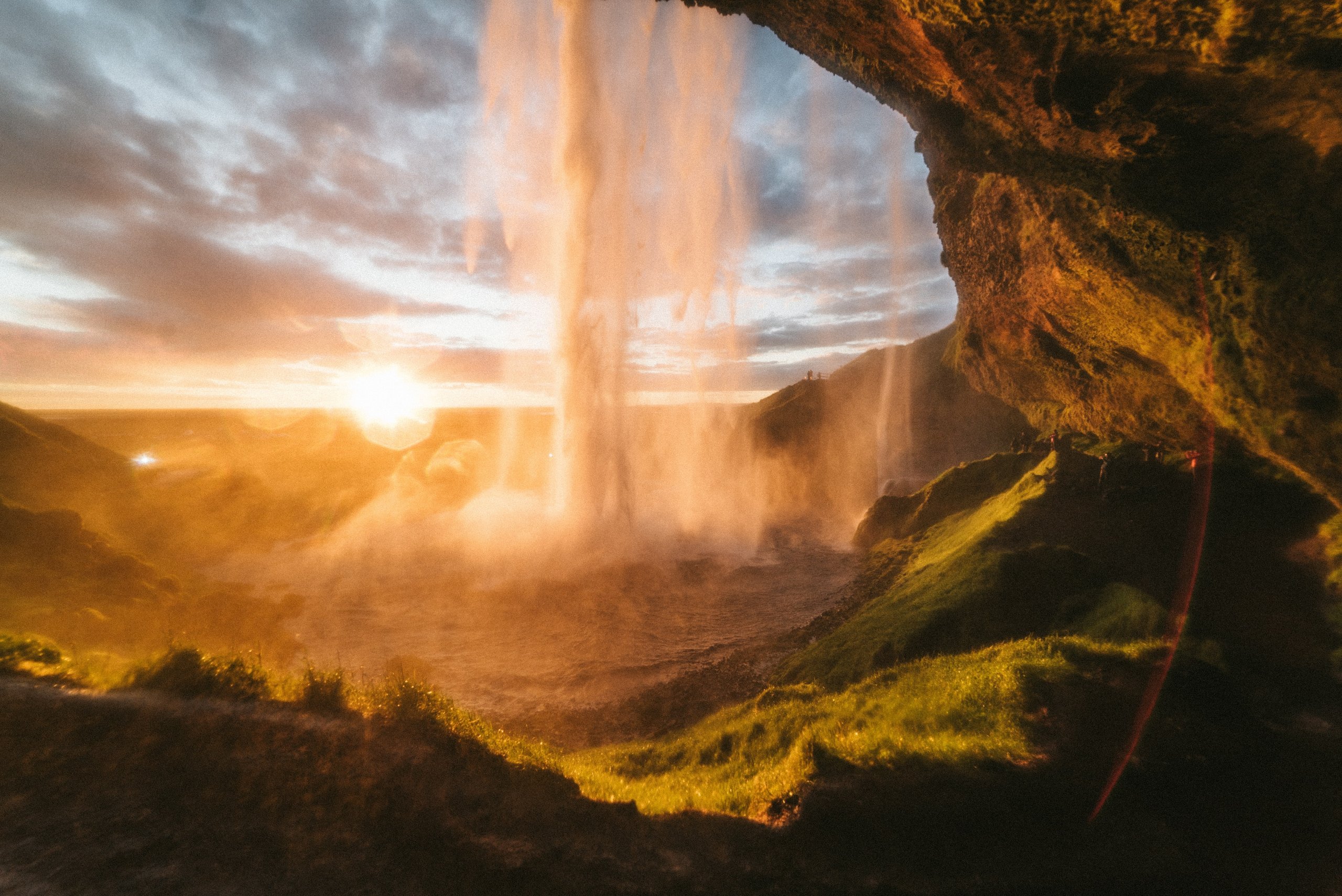
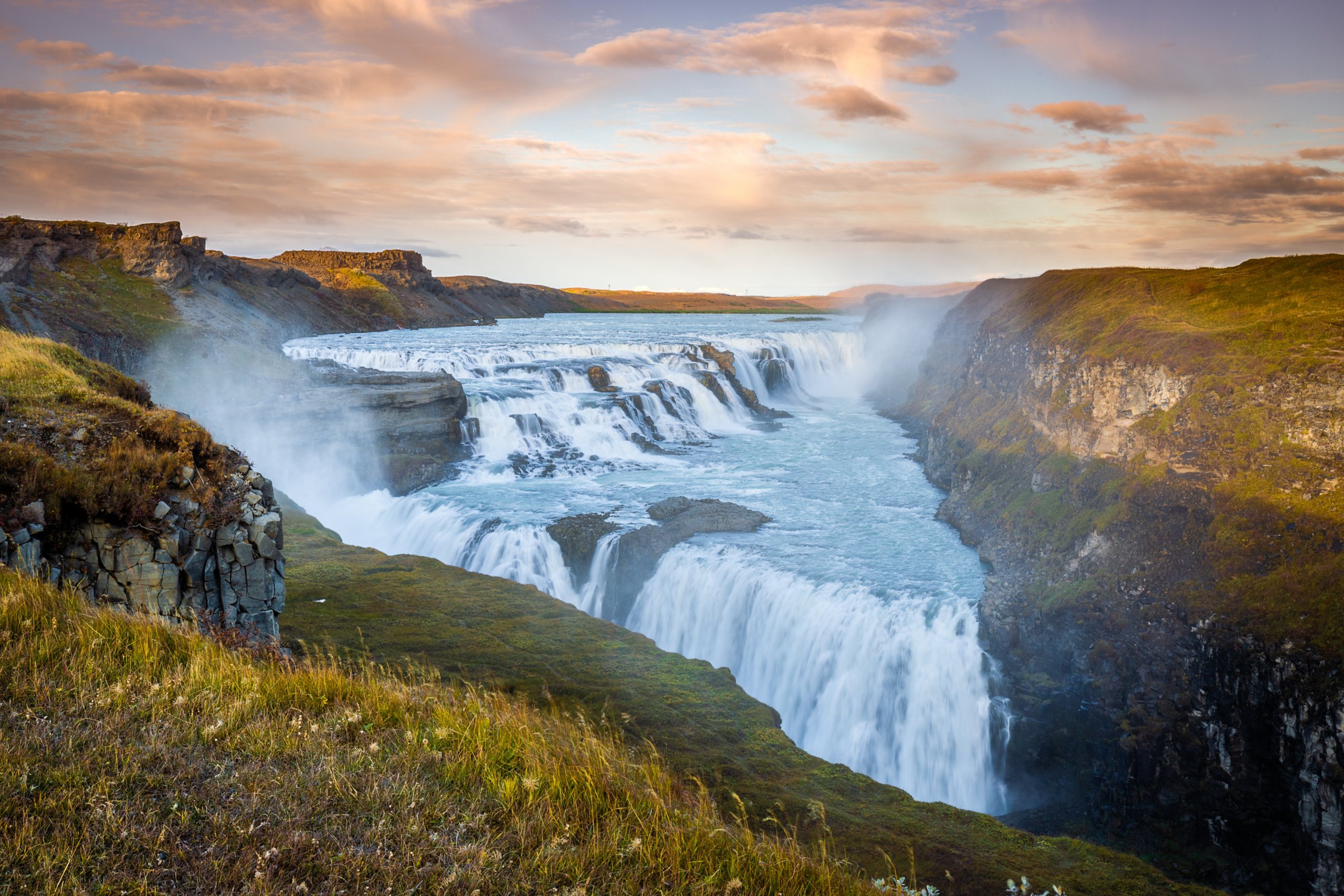
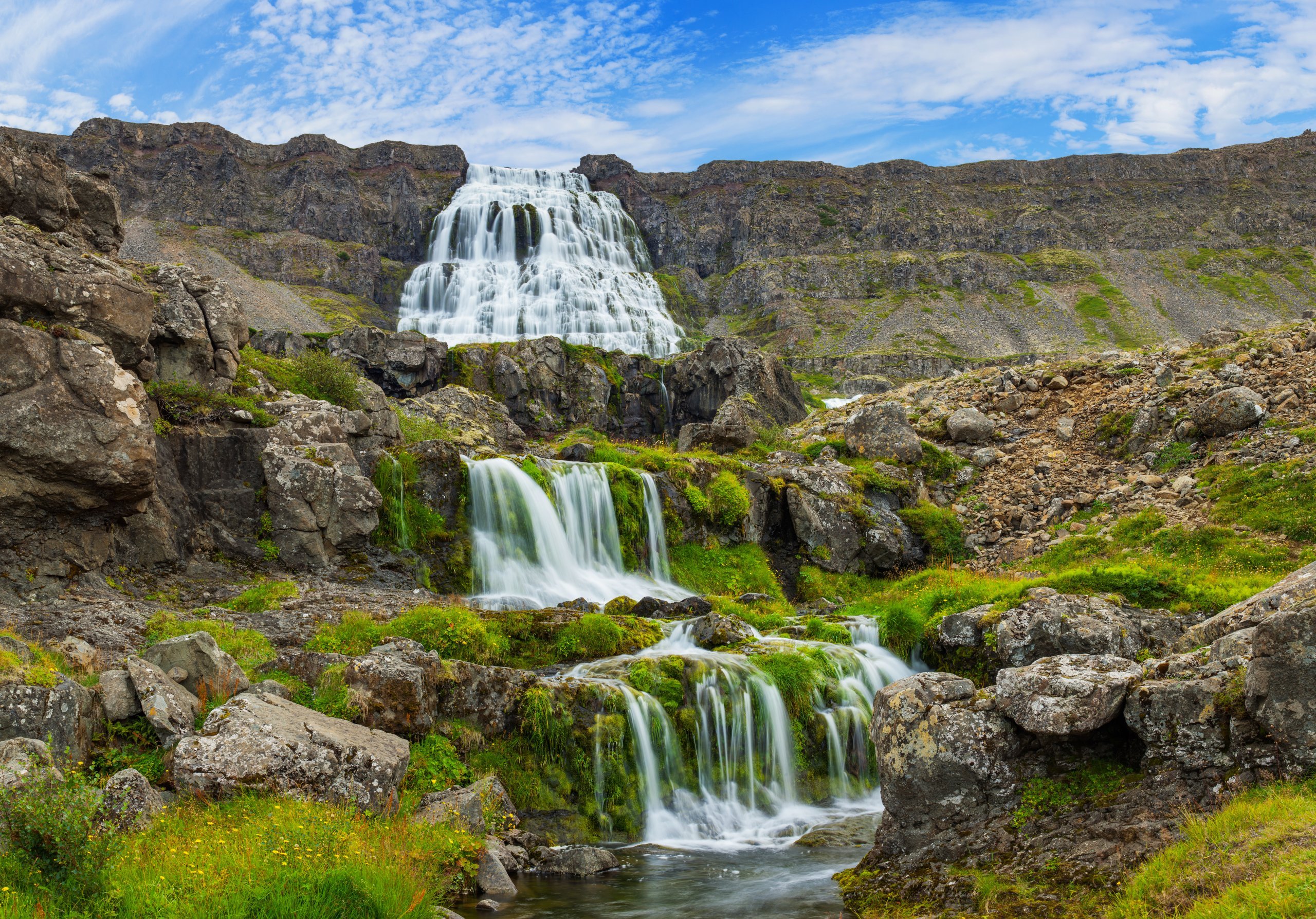
You’d be hard pressed to find many countries in the world with such a dense concentration of waterfalls. Iceland is literally their kingdom; there are thousands upon thousands of waterfalls here, and you’ll come across them on literally every corner, in every nook and cranny of Iceland.
TOP 7 most beautiful waterfalls in Iceland
- Dynjandi – a somewhat forgotten waterfall consisting of seven cascades and plunging from a height of 150 metres, situated in a remote area of the western fjords
- Seljalandsfoss – one of the most famous waterfalls in the world, which, thanks to its overhang, you can view ‘from behind’ – particularly popular at sunset
- Skógafoss – an easily accessible, monumental, beautifully straight and wide waterfall on the Ring Road
- Gullfoss – the most visited ‘double-cascade’ waterfall and a staple of the Golden Circle
- Glymur – at 198 metres, Iceland’s second-highest waterfall, plunging into a photogenic narrow gorge
- Dettifoss – the second most powerful waterfall in Europe in terms of water flow
- Hraunfossar – lava waterfalls flowing through porous soil, several hundred metres wide
Icelandic beaches
With an average sea temperature of around 4 °C to 11 °C, the sea in Iceland is certainly not ideal for swimming, yet the beaches are among the most popular tourist attractions. This is because they offer some of the most beautiful and exotic scenery. Here you’ll find wild black volcanic beaches with basalt cliffs; among the most beautiful is Reynisfjara, which is even frequently ranked amongst the world’s most beautiful beaches.
You certainly mustn’t miss the Diamond Beach by theJökulsárlónglacial lagoon, studded with icebergs that look like hundreds of diamonds.
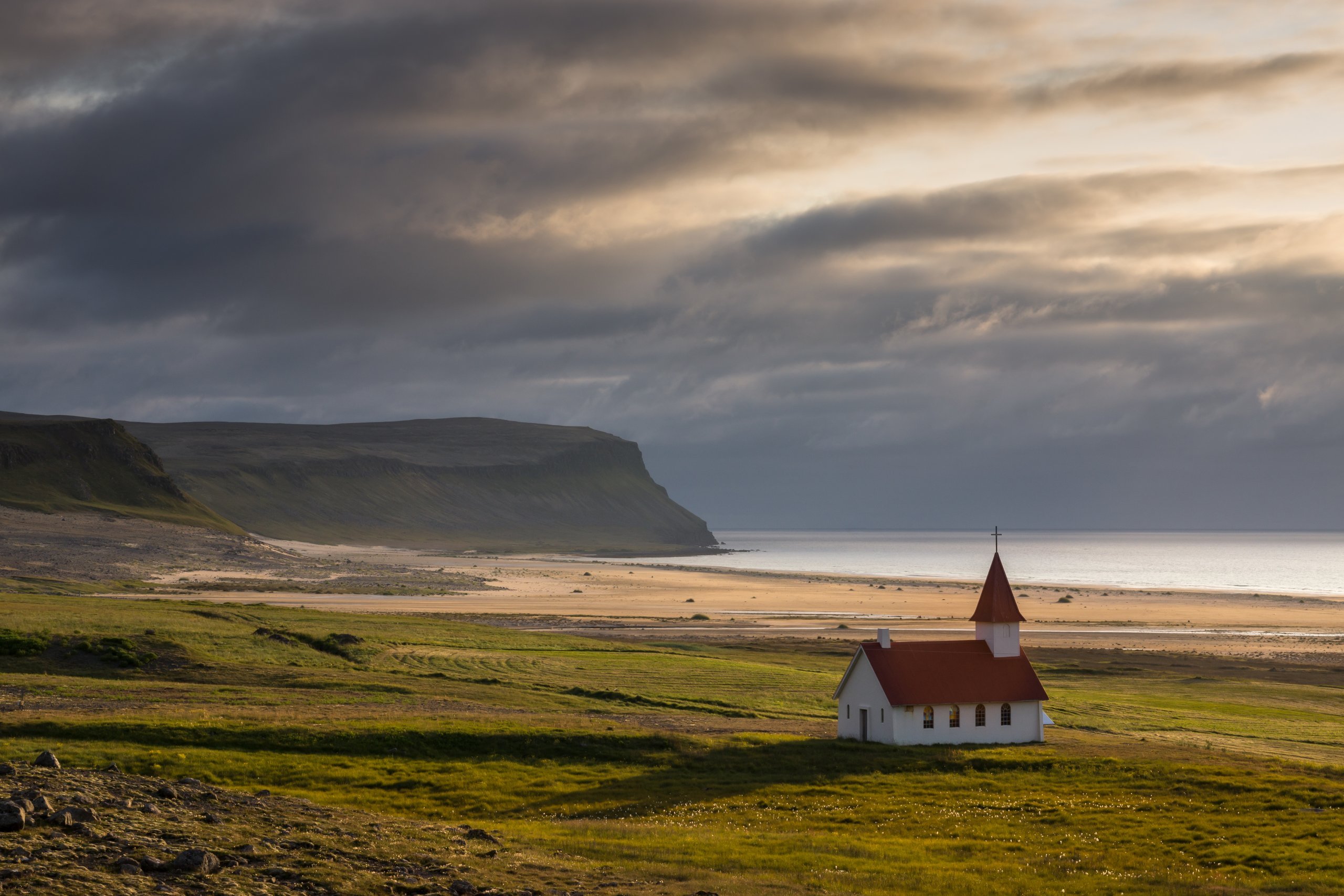
As well as the black beaches, however, in the western fjords you’ll also come across the wide, golden beachof Breiðavík and, just a few kilometres away,Rauðisandur, a beach with golden and, in places, reddish sand.

Exploring the fjords
Norway is particularly famous for its fjords, but in Iceland too you can marvel at the inlets of the sea cutting deep into the mainland, flanked by majestic, silent, barren mountains offering beautiful views. There are two main fjord regions in Iceland, each at opposite ends of the island.
Whilst the Westfjords are a remote, rugged landscape with an absolutely unspoilt natural environment, numerous bird colonies and often only gravel tracks accessible in summer, the East Fjords around the townof Seyðisfjörðurare easily accessible via the main Route 1 ‘Ring Road’, which is passable all year round.
A round-the-island road trip
As there is only one road encircling Iceland, the centre of the country is difficult to reach and public transport is not very widespread, making a round-the-island road trip almost a necessity. Eight days will suffice for the journey, but you can easily spread it out over three weeks. There’s plenty to admire along the way.
We provide more information on various road trips around Iceland in the more comprehensive chapter ‘Itineraries and Tips for Trips’.
Any questions left?
If you have any questions or comments about the article...