
Currency and prices in Iceland


What currency do you use in Iceland? How much do goods cost in a typical supermarket and in a restaurant? And how much does a week’s stay on the island cost? You’ll find out in this chapter.
Icelandic króna (ISK)
The currency of Iceland is the Icelandic króna, known as ‘króna’ in Icelandic. One hundredth of a króna is an ‘eyrir’ (plural ‘aurar’), though these are not actually in circulation.
Coins are available in denominations of 1, 10, 50 and 100, and banknotes in denominations of 500, 1,000, 2,000, 5,000 and 10,000. The obverse of the coins features typical Icelandic animals, whilst the banknotes depict notable figures.
- International currency code: ISK (numerical code 352)
- Currency symbol: kr
Although we use euros in some sections of this guide (accommodation, car hire) for clarity, the Icelandic króna is the only currency used in everyday transactions in Iceland.
Search for accommodation in Iceland
Currency exchange and card payments
Paying by card is the ideal solution in Iceland.
Iceland is one of the countries where coins and banknotes have been replaced by payment cards almost everywhere. You can therefore quite commonly pay by card on a bus or at a campsite in the middle of the wilderness.
You won’t find many currency exchange bureaux outside Iceland where you can buy Icelandic kronur. Don’t worry about this, though, as there’s a cash machine on every corner in Iceland. However, as we mentioned above, it’s quite likely that you won’t come across any cash at all during your entire stay; Iceland simply runs on contactless payments.
How much does it cost – prices in Iceland
Iceland is known for its high prices and is one of the most expensive countries in the world.
You should expect to pay roughly 2.5 times more for supermarket groceries than in Western Europe. Prices are comparable to those in the Hawaiian Islands or Caribbean destinations, for example.
You’ll pay about three times as much in restaurants, and petrol prices are also among the highest in Europe.
Example prices in Iceland
How much do basic groceries, tourist attractions and transport cost in Iceland? Take a look at this indicative price guide.
Accommodation in a double room (prices per night):
- Budget hotel with shared bathroom – from 83 eur
- Local 3* hotel – from 165 eur
- International 4* hotel – from 248 eur
- Search for accommodation in Iceland
Meals in a restaurant:
- Hot main course in a standard restaurant – 2 500 isk
- Fast-food meal – 2 300 isk
- Espresso or cappuccino – 640 isk
- Water 0.33 l – 290 isk (however, tap water is usually offered free of charge)
- Fanta/Coca-Cola/Sprite 0.5 l – 500 isk
- Draught beer – 1 300 isk
Groceries at the supermarket:
- Water 1.5 l – 290 isk
- Packaged baguette – 550 isk
- Coca-Cola (and other soft drinks) – 350 isk
- Milk 1 l – 215 isk
- Apples – 420 isk / kg
- Bananas – 305 isk / kg
- Rice – 435 isk / kg
- Chicken – 2 500 isk per kg
- Tinned fish – 730 isk
- Fish fillets – 3 500 isk / kg
- Cheese in a tube – 350 isk
Transport:
- Public transport ticket – around 500 isk in towns; inter-city transport is expensive and tickets for journeys of around 100 km cost around 4 000 isk
- Price of petrol per litre – 300 isk to 350 isk
- Car hire per day – from 9 500 isk depending on the season and duration of the hire
- Compare car hire prices at Keflavík Airport
Alcohol and cigarettes:
- A bottle of wine in a shop – 2 700 isk
- A can of local beer – 435 isk
- Cocktails at a bar – 3 000 isk
- A packet of cigarettes – 1 600 isk
Prices are for guidance only and vary depending on the town and type of shop.
Where is the cheapest place to shop?
Iceland is a popular destination for camping or staying in self-catering apartments.
In Iceland, you’ll find standard supermarkets in all towns of any significance with a population of over 1,000. The cheapest discount chains include the following:
- Bónus
- Nettó
- Krónan
There is a dense network of supermarkets throughout Iceland. Larger supermarkets are usually open until 9.00 pm. In smaller towns, expect them to close around 6.00 pm.
Shops are open on weekdays and at weekends.
Avoid buying groceries at petrol stations, where prices are 2–3 times higher than in supermarkets.
Tipping and haggling
Leaving a tip in restaurants and bars is not very common in Iceland. This is because staff wages are quite high and all service charges are already included in the price.
If you do wish to leave a tip, you may find that it is politely declined or, conversely, gratefully accepted with a smile.
Haggling has no tradition in Iceland. If you were to try to haggle with an Icelander, you would only put them in an awkward position. Prices in all shops and for all services are fixed.
How to save money?
Iceland is an expensive country, but there are still ways to save quite a bit of money.
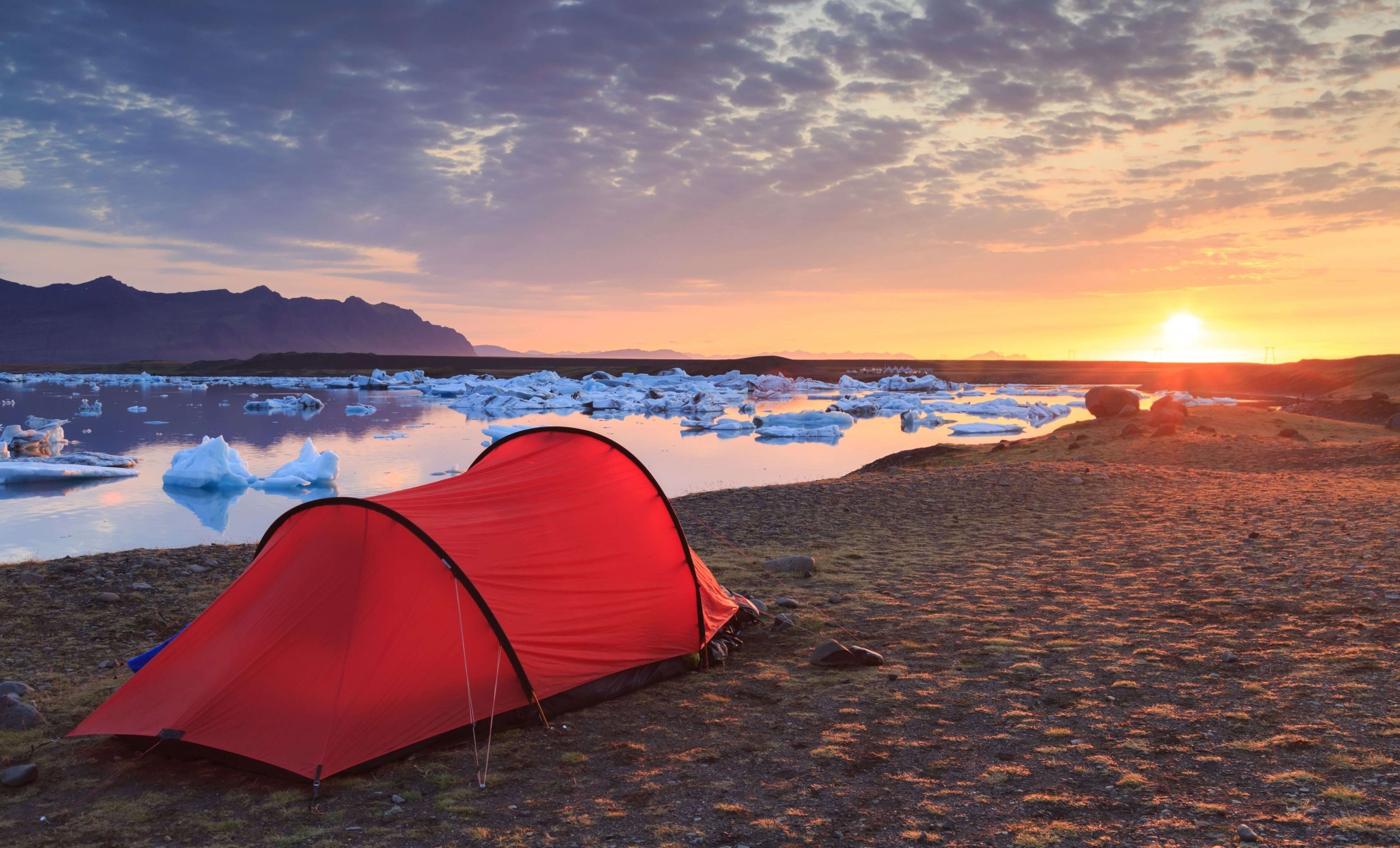
You’ll save the most on accommodation if you stay in hostels or campsites, of which there are plenty in Iceland.
If you don’t mind hitchhiking, Iceland is the ideal country for travelling this way. If you’re travelling with more than two people, it’s definitely worth hiring a car.
You’ll definitely save more on everything if you travel to Iceland out of season, i.e. roughly from September to June. Accommodation prices out of season can be up to half the price.
Restaurant prices aren’t particularly affordable. It’s better to eat at fast-food outlets. The cheapest option is to buy ingredients at supermarkets such as Nettó, Bónus or Krónan and cook for yourself.
Avoid alcohol. Until 1989, there was a partial ban on alcohol, and today all alcoholic drinks are subject to high taxes. Buying a few tins of beer in a shop can therefore make a significant dent in your budget.
Any questions left?
If you have any questions or comments about the article...