Bali from Prague with Etihad Airways: a whole host of dates available throughout the year
622 €



You can visit Mérida, Valladolid and Chichén Itzá by ADO bus or the Tren Maya train.
However, as soon as you add a few cenotes, Las Coloradas or more remote spots on the north coast to your itinerary, a hire car will save you a huge amount of time.
In two days, we managed to visit the Suytun cenote, Las Coloradas, Valladolid, Chichén Itzá, Ik-Kil and Hacienda Oxmán. After our final swim, we carried on to catch the evening ferry to Isla Mujeres.
Without a car, I wouldn’t even have attempted to put together a similar itinerary.
| What do you want to visit? | Should I hire a car? |
|---|---|
| Just Mérida or Valladolid | No |
| Mérida, Valladolid and Chichén Itzá | Not necessary |
| Cenotes around Valladolid | Yes |
| Las Coloradas and Río Lagartos | Yes |
| Uxmal, cenotes and haciendas around Mérida | Yes |
| Holbox | Yes |
| Road trip from the Riviera Maya | Definitely yes |
If you only want to visit the three main tourist destinations, the ADO or Tren Maya might be more convenient. You won’t have to worry about insurance, parking or returning the car.
However, when visiting the cenotes, the situation changes quickly. Buses will take you to Valladolid, not directly to Suytun, Ik-Kil and Oxmán. You can arrange a taxi, but you’ll lose the freedom to change your itinerary depending on the weather and the number of people.
From the Bahía Principeresort in Tulum, we set off for the Suytun cenote, continued on to Las Coloradas and spent the night in Valladolid.
The next day, we visited:
We then continued along the toll motorway all the way to Cancún.
Having a car meant we could arrive at Suytun before most of the other visitors, adjust how long we spent swimming in each cenote, and avoid wasting time travelling back to Valladolid.
For most travellers, Cancún or Mérida airports are the main options.
| Pick-up location | When to choose it |
|---|---|
| Cancún Airport | Valladolid, Chichén Itzá, Holbox and connections to the Riviera Maya |
| Mérida Airport | Mérida, Uxmal, Celestún and western Yucatán |
| Tulum Airport | A combination of Yucatán, Tulum and Bacalar |
| Cancún or Mérida city centre | rental for just a few days |
| Valladolid | only if you don’t want to hire a car in Cancún or Mérida |
Although Cancún is situated in the neighbouring state of Quintana Roo, for most international visitors it is the main gateway to Yucatán.
There is the widest choice of car hire companies here, and the journey to Valladolid takes about 2 hours.
Mérida is a better starting point for a trip to Uxmal, Celestún, Progreso and the cenotes near Homún or Cuzamá.
If you can find a good flight directly to Mérida, you won’t have to endure a journey of several hours from Cancún.
Cheap flights are often available from Mexico City, Guadalajara or Monterrey – frequently much cheaper than those to Cancún.
Car hire prices tend to be slightly cheaper in Cancún due to much greater competition.
However, the differences are largely minor, so if Mérida fits in better with your itinerary, you won’t lose out financially by any significant amount compared to Cancún.
A one-way hire between Cancún and Mérida makes more sense than randomly combining city branches.
It’s particularly worthwhile when:
When searching, select a different drop-off location right at the start. The fee can vary significantly between car hire companies.
If you’re flying in and out of Cancún, it will still be cheapest and easiest to return the car to the same airport.
I’d book a standard car 1 to 2 months before your trip. For Christmas, New Year, Semana Santa or a one-way hire, it’s best to book 2 to 3 months in advance.
As a realistic budget, you should allow for:
| Car type and insurance | Price for 7 days |
|---|---|
| A smaller car with basic cover | from 3 000 mxn |
| A small or medium-sized car with more comprehensive cover | from 6 000 mxn |
| SUV with extended cover | from 10 000 mxn |
The lowest price shown may not include the same cover as a more expensive offer. Compare the final price, the excess and the excess amount.
In Mexico, a car must have third-party liability insurance, known as TPL.
To this end, please check:
We paid extra for the most comprehensive package directly from America Car Rental. It had zero excess, but did not cover the wheels, chassis or glass.
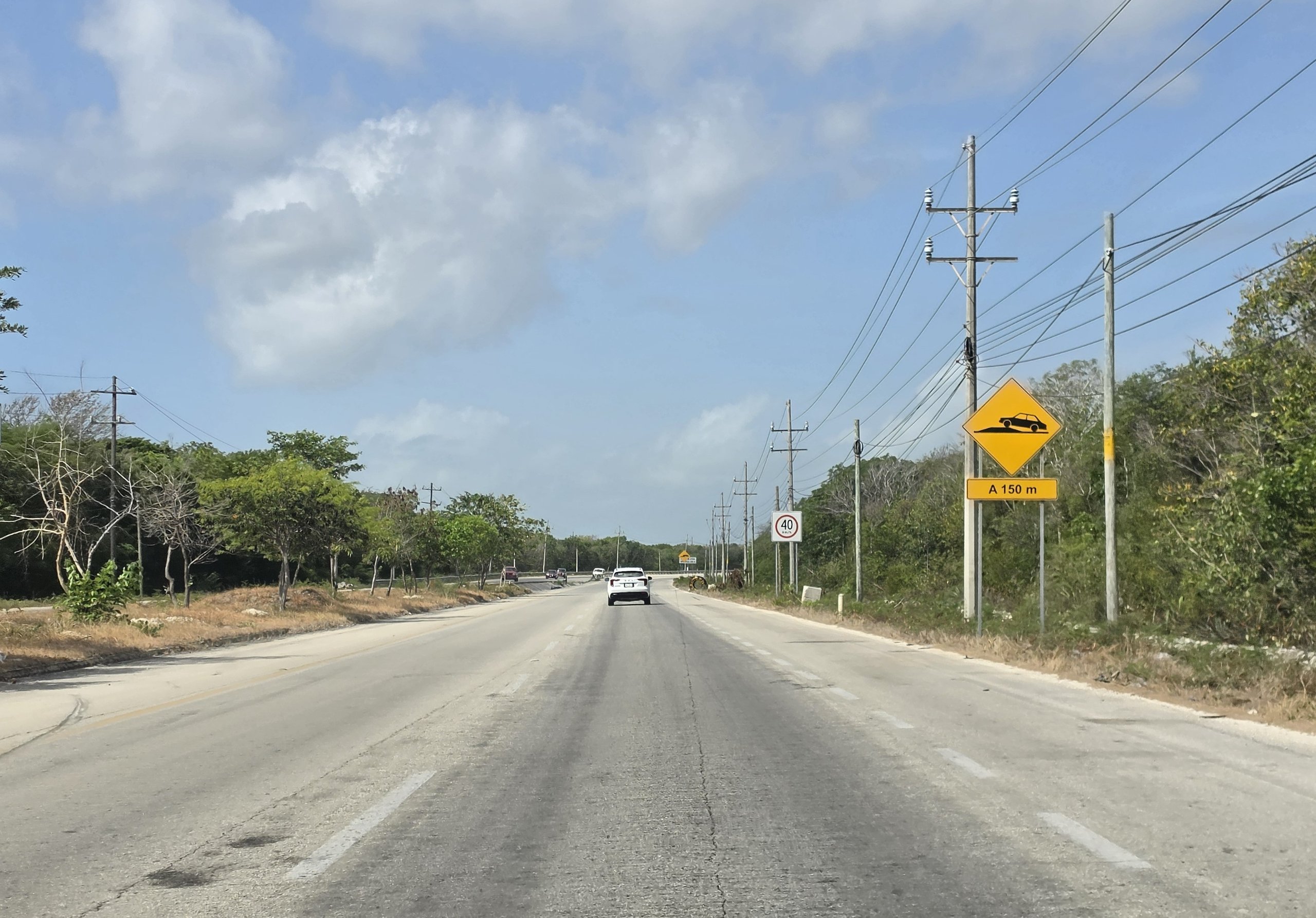
In Yucatán, these exclusions are quite significant. Some access roads to the cenotes are unpaved, and you’ll come across speed bumps in almost every village.
External ‘Full Protection’ cover via Booking.com may be cheaper and may also cover parts that the rental company’s basic insurance leaves out. However, in the event of damage, you’ll usually have to pay the rental company first and only then claim a refund.
We go into more detail in the article ‘Car hire insurance’.
A small car will cope with all the main roads, Valladolid, Chichén Itzá and the usual routes to the cenotes.
Yucatán is flat, so you don’t need a powerful engine or four-wheel drive. However, greater ground clearance is a bonus on rougher side roads.
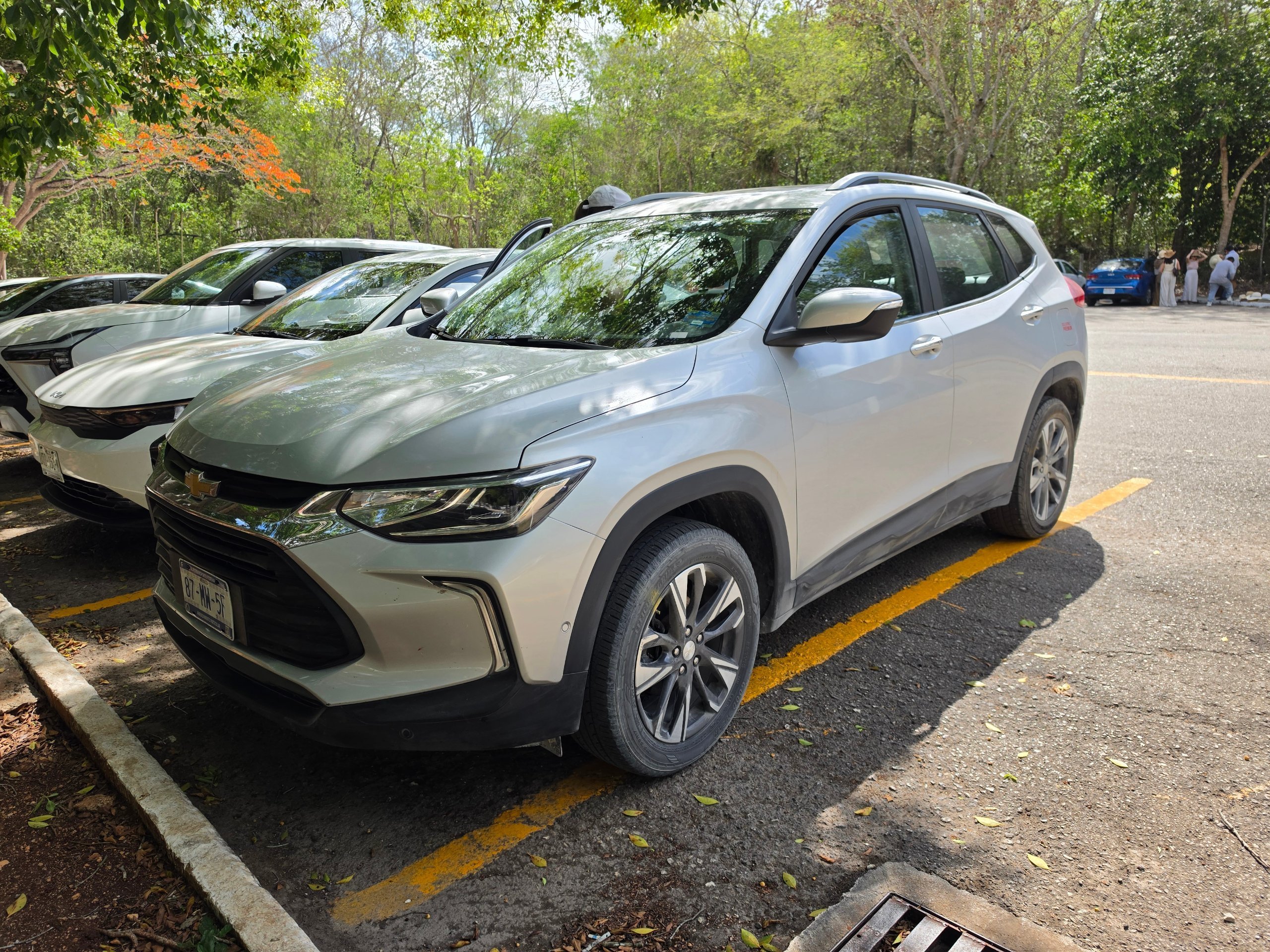
I’d booked a smaller car, but as it wasn’t available, we were given an SUV at no extra cost. Looking back, I was glad we got it.
We appreciated the advantages of the SUV:
The road we wanted to take beyond Las Coloradas to the flamingo sites was so badly damaged that we eventually gave up on it, even in our SUV.
In my view, a mid-sized car or a small crossover is the ideal compromise. A large off-road vehicle is unnecessary.
Driving it was easier than I’d expected.
The main roads are straight, there’s little traffic outside towns, and the local drivers didn’t strike us as aggressive at all. I’ve experienced much worse traffic in Europe.
Be particularly careful of:
I would plan longer journeys to take place whilst it is still light. At night, an unmarked speed bump or a cyclist without lights only becomes visible at the very last moment.
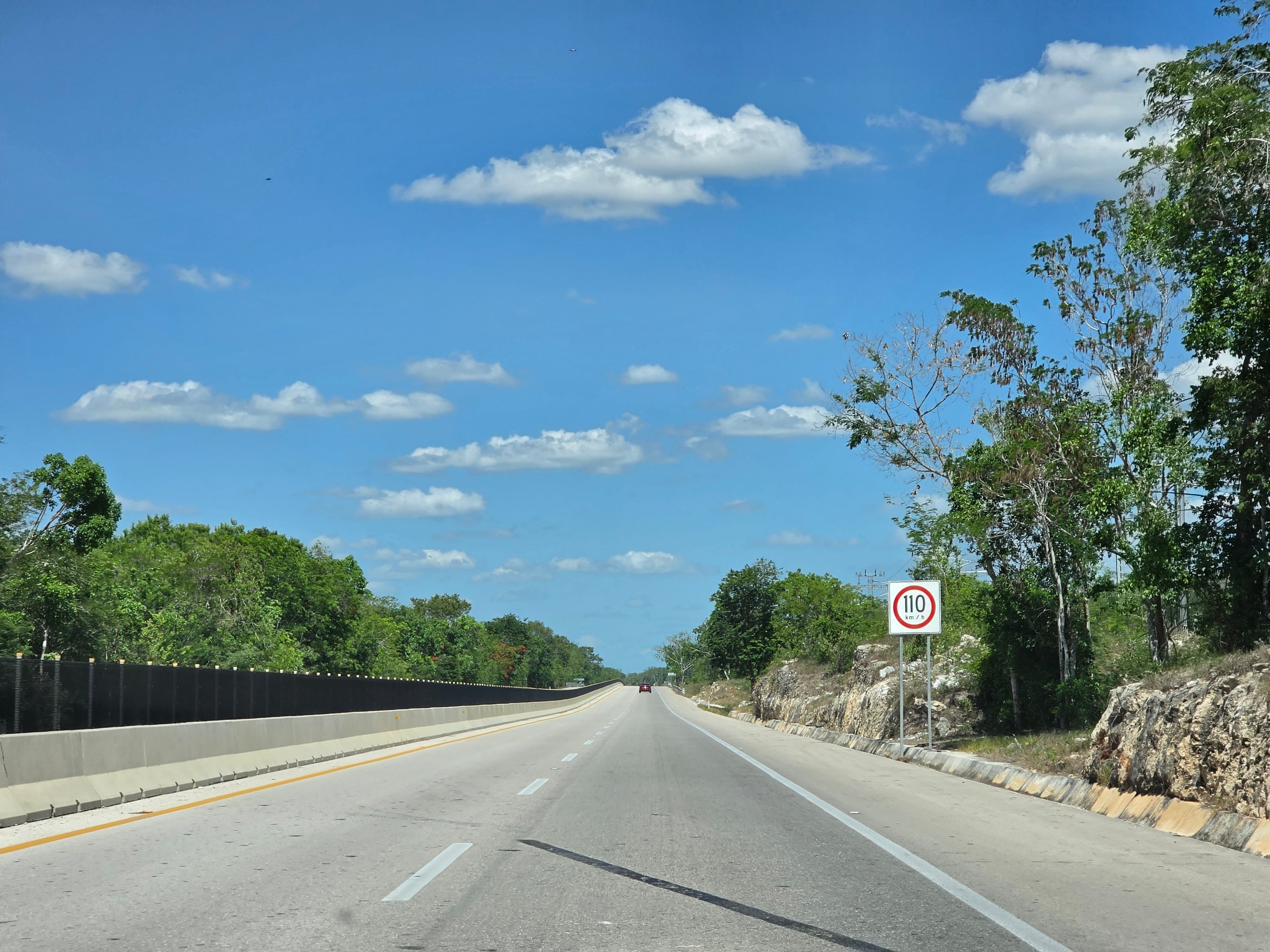
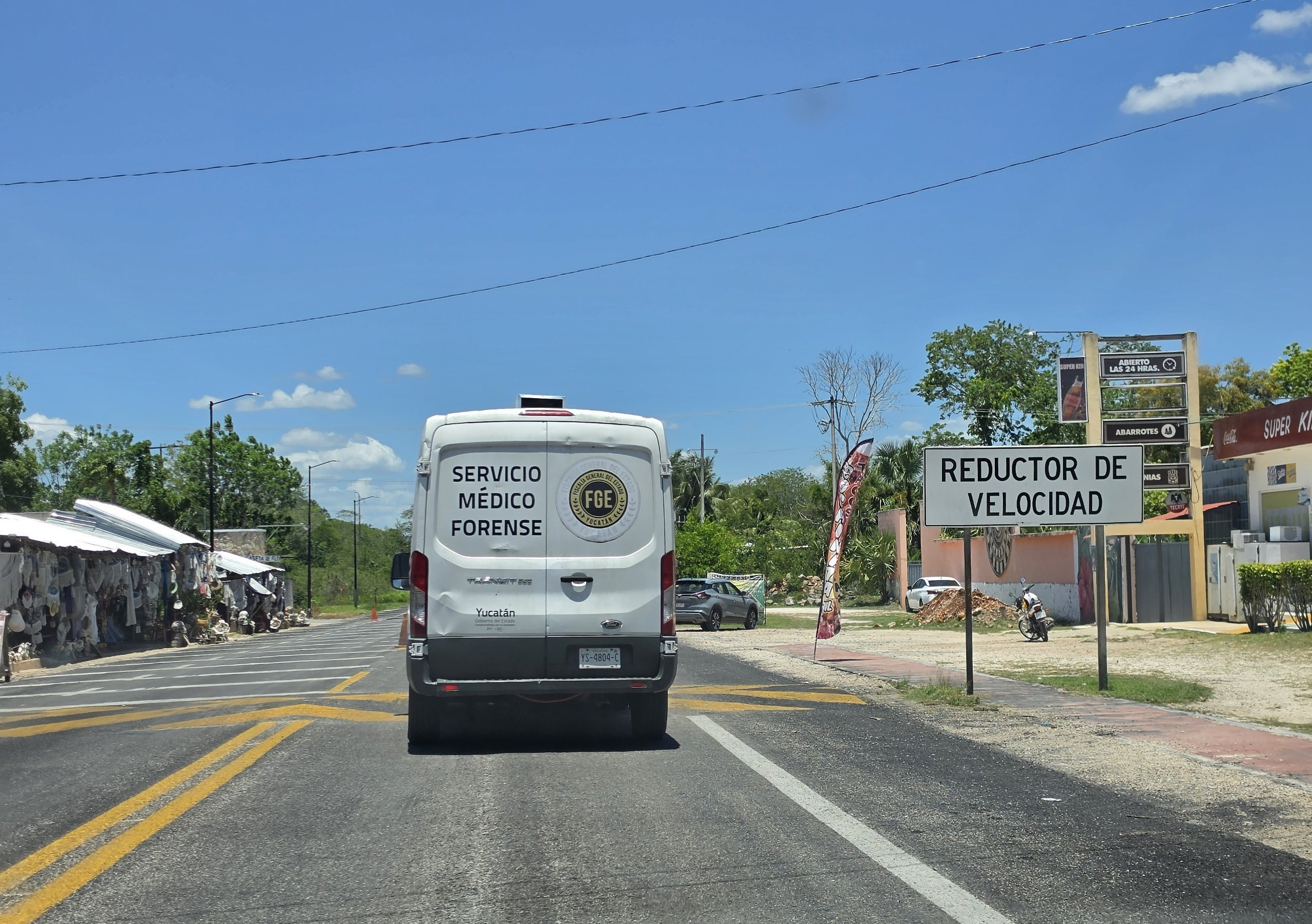
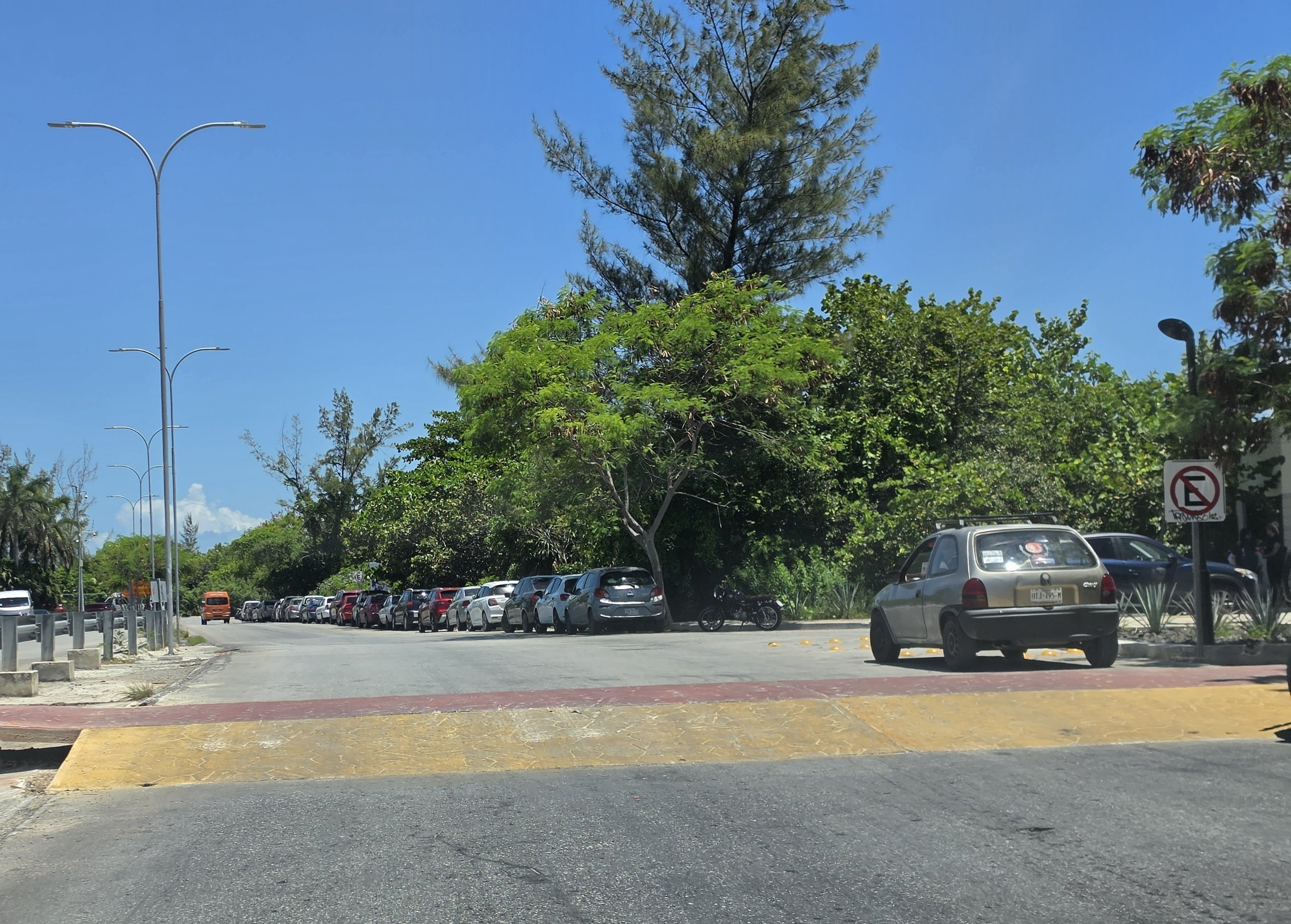
Toll roads are marked with the word ‘cuota’, whilst toll-free routes are marked as ‘libre’.
The most important toll road is the 180D motorway between Mérida, Valladolid and Cancún.
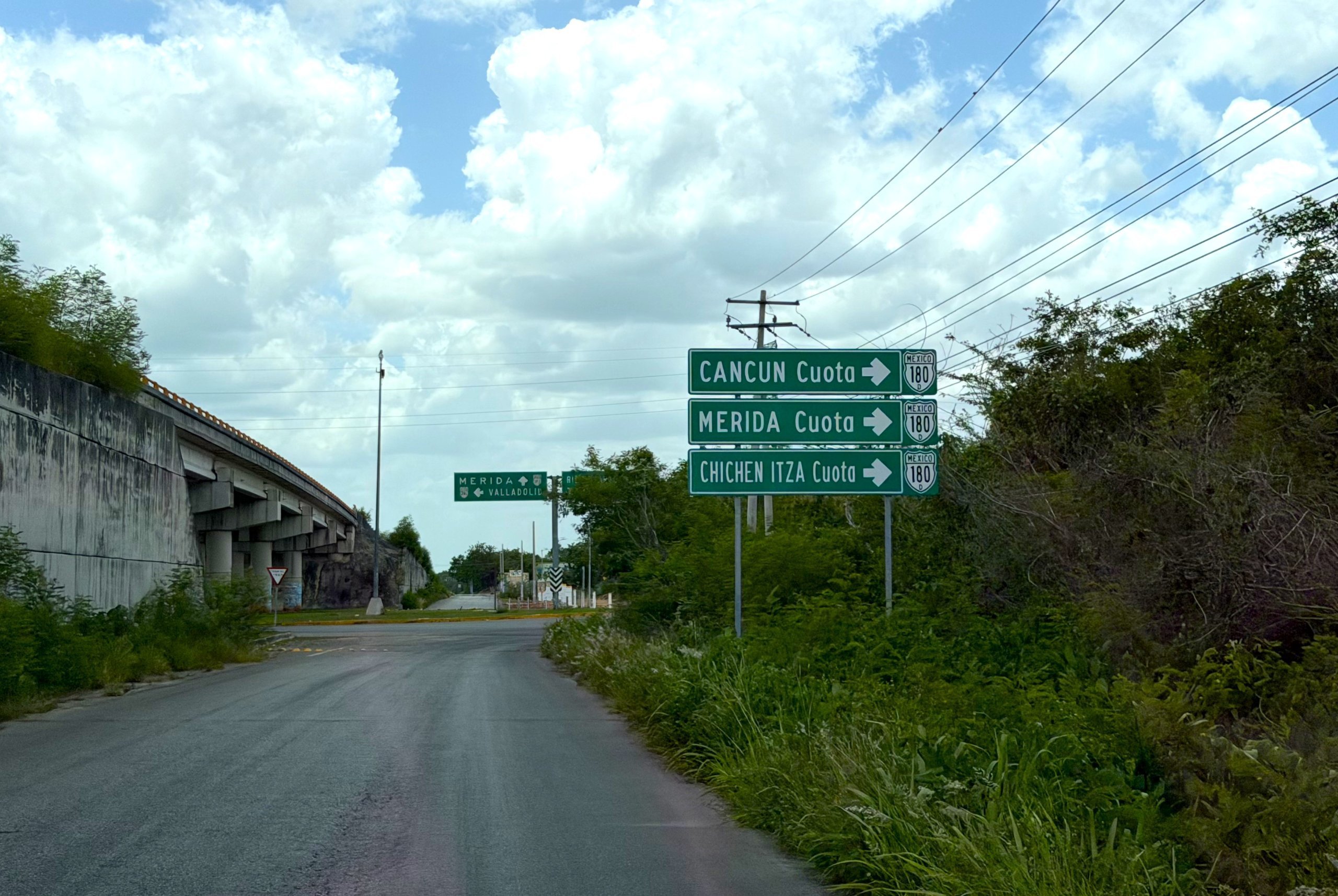
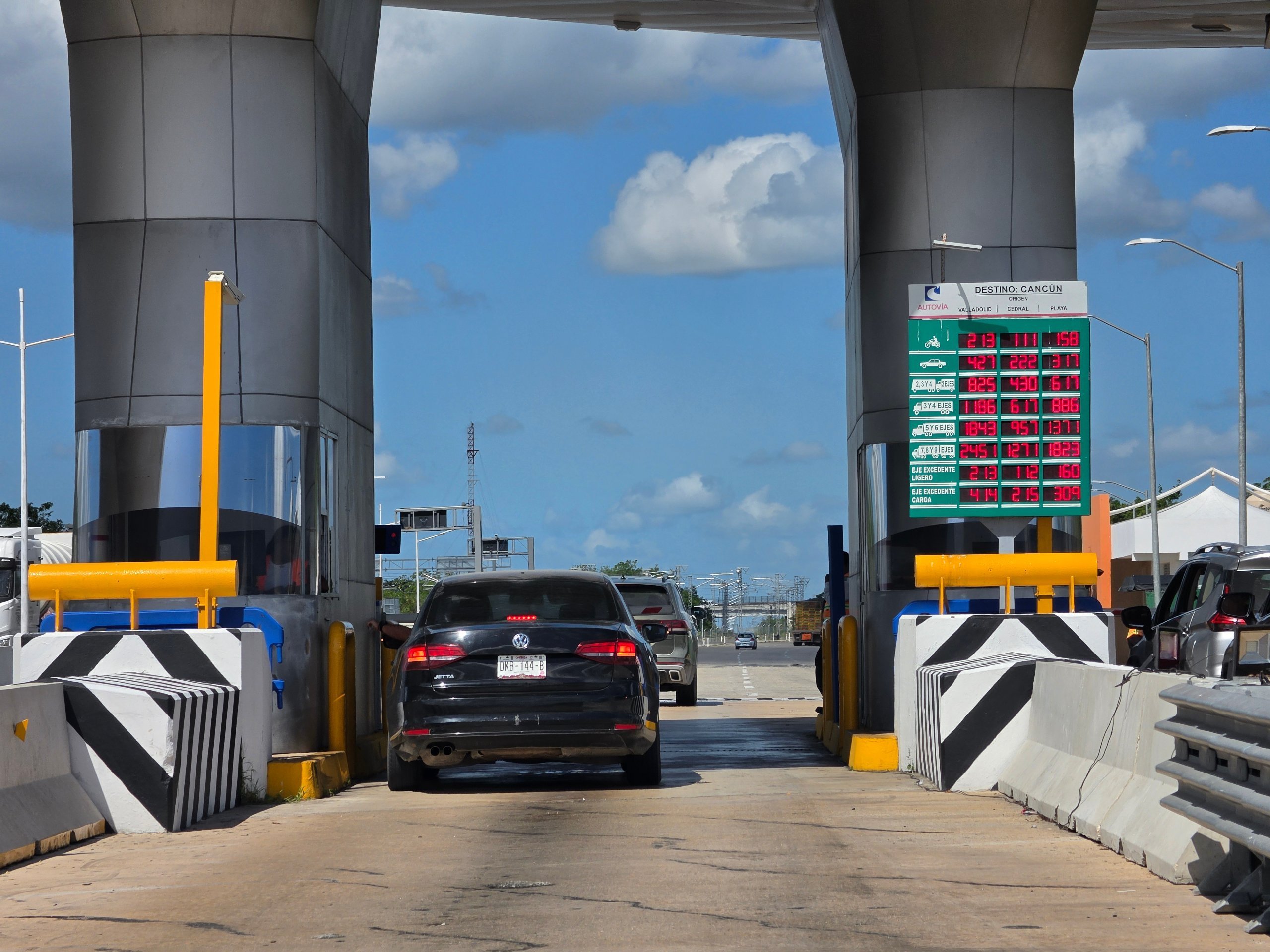
Current tolls for a passenger car:
| Route | Toll |
|---|---|
| Mérida–Cancún | 675 mxn |
| Valladolid–Cancún | 427 mxn |
| Kantunil–Valladolid | 248 mxn |
Make sure you have cash in Mexican pesos ready at the toll booths.
Do not assume that a standard payment card will be accepted. The other option is an electronic TAG, which hire cars do not usually have.
The toll is paid directly at the gate and you do not need a motorway vignette or registration. Keep your receipt until the end of your journey.
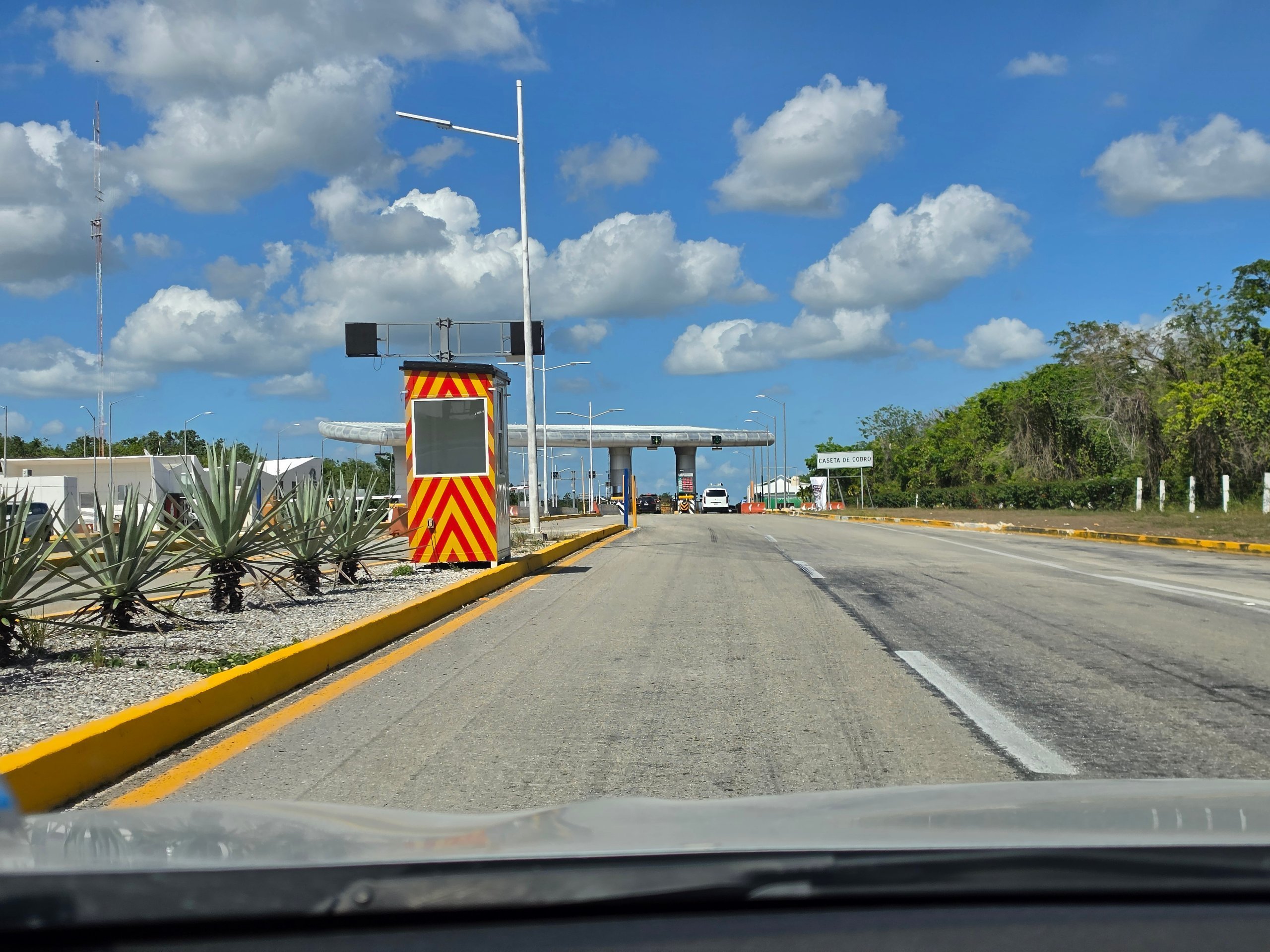
The toll-free road passes through towns and villages. You’ll save on tolls, but you’ll travel more slowly and encounter considerably more speed bumps.
I would:
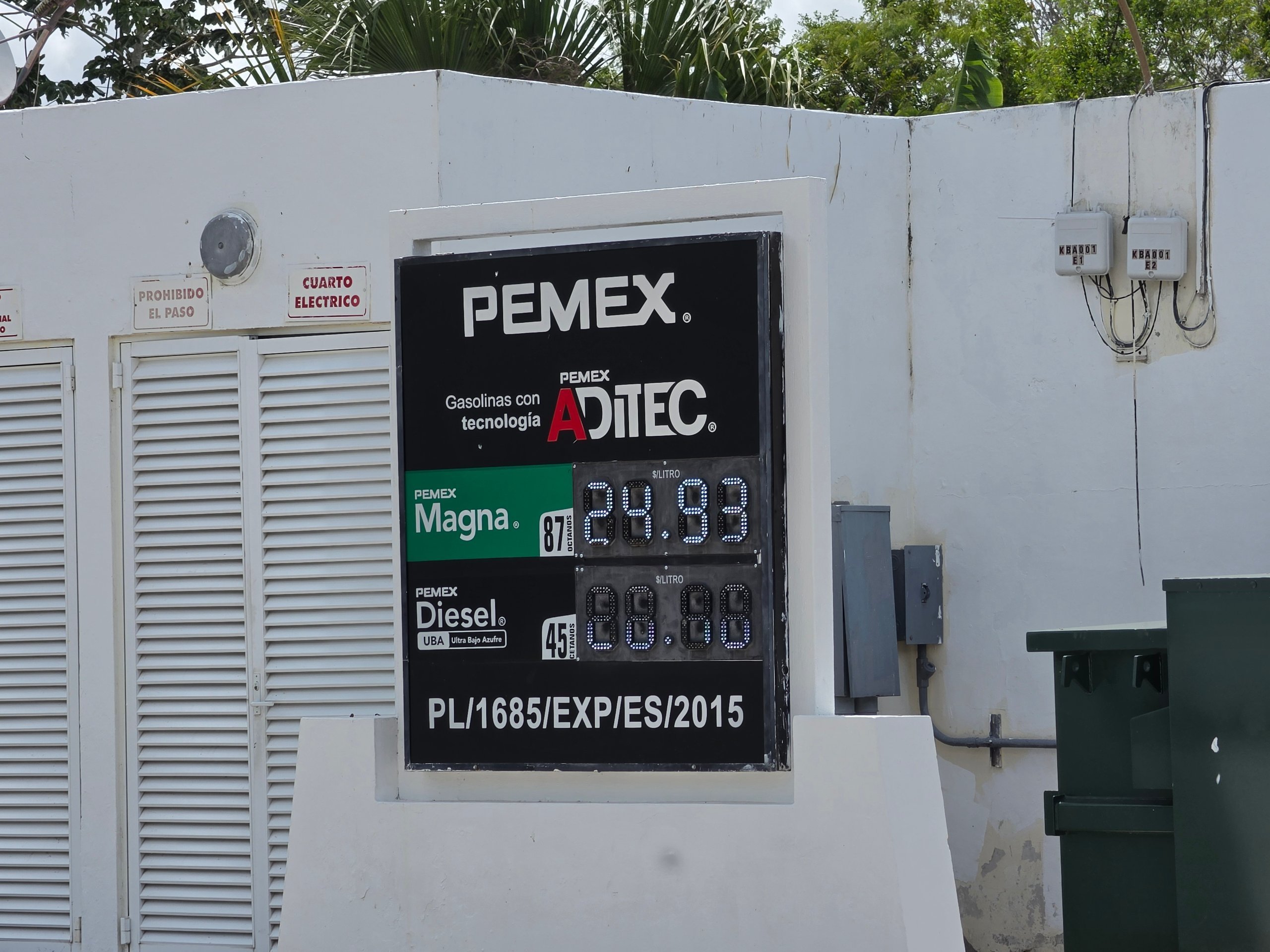
Regular petrol costs around 24–26 mxn s per litre.
There are plenty of petrol stations in towns and along non-toll roads. On the 180D toll motorway, the situation is considerably worse.
We slightly underestimated how much fuel we’d need before setting off from Valladolid to Cancún. Coming from Europe, I’m used to the fact that, sooner or later, you’ll come across a petrol station on a long motorway.
However, on the approximately 150 km long toll section from Valladolid to Cancún, we didn’t come across a single one directly on our route.
We practically ran on vapour as we made our way to Cancún.
So, before joining the 180D, make sure you fill up in Valladolid. On the north coast and on the way to Las Coloradas, I’d top up no later than when the fuel gauge drops below half.
At petrol stations, the attendant fills up the tank for you. Before they start, check that the pump is at zero, and if paying in cash, keep an eye on the banknote you hand over.
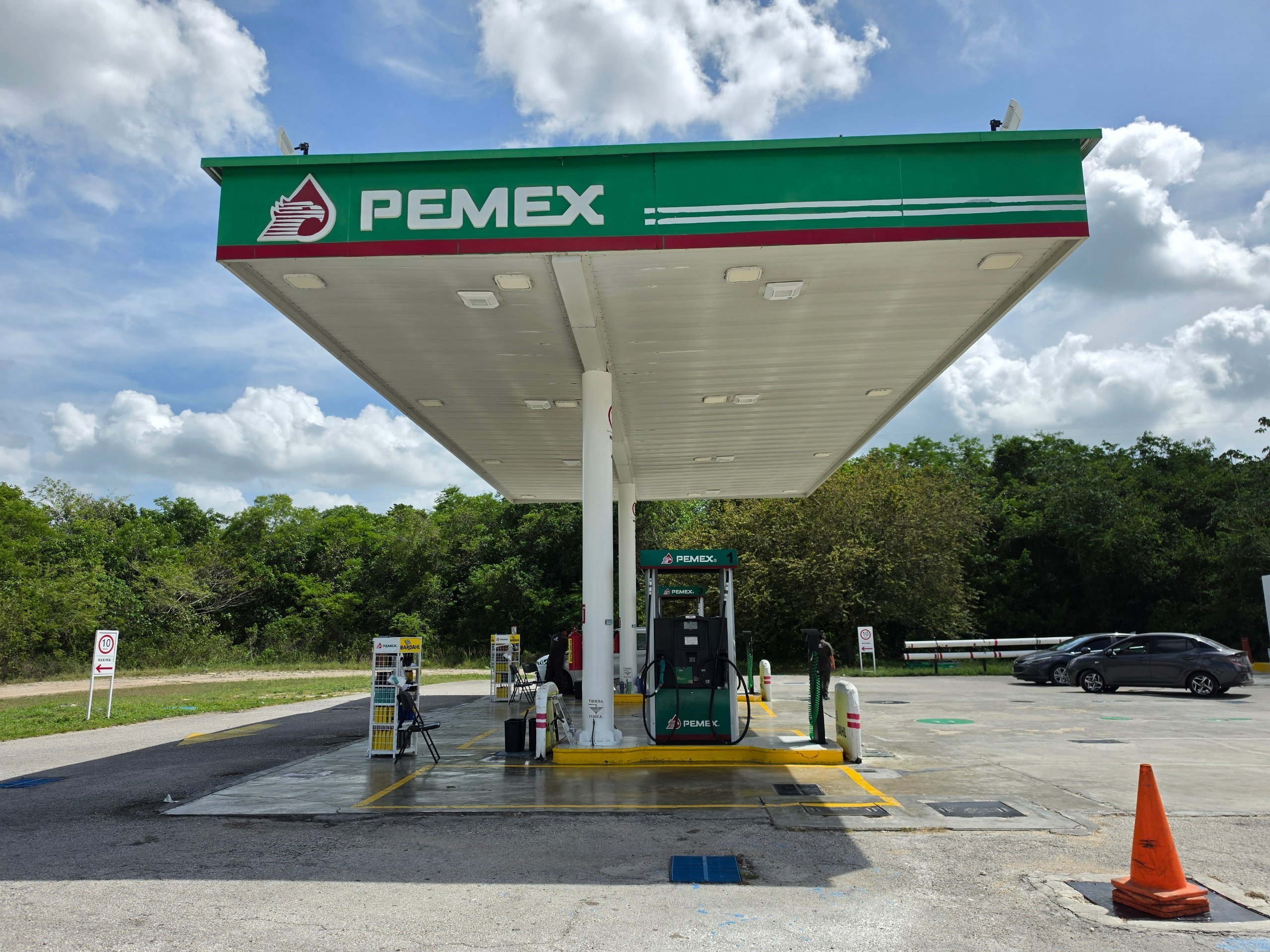
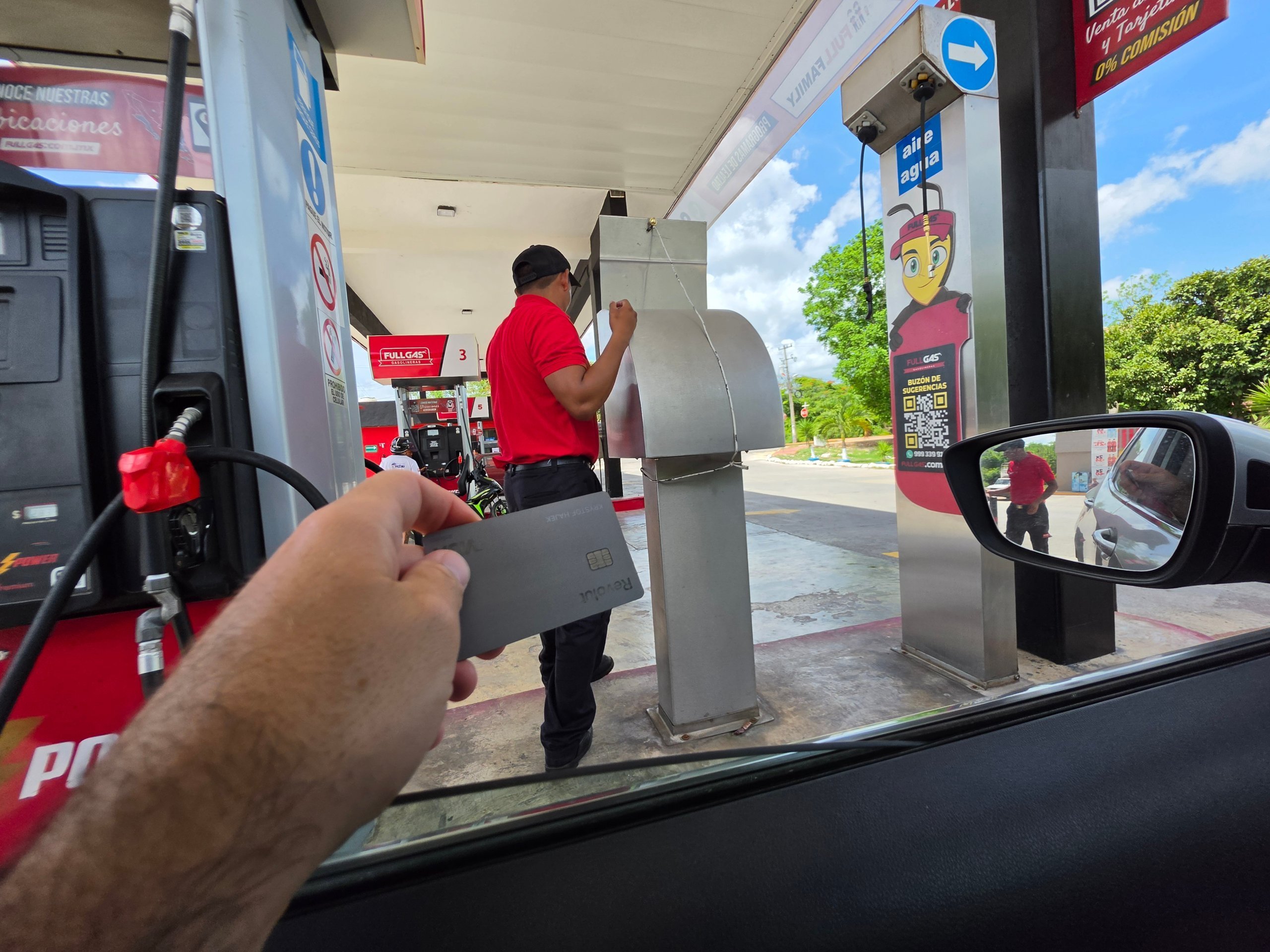
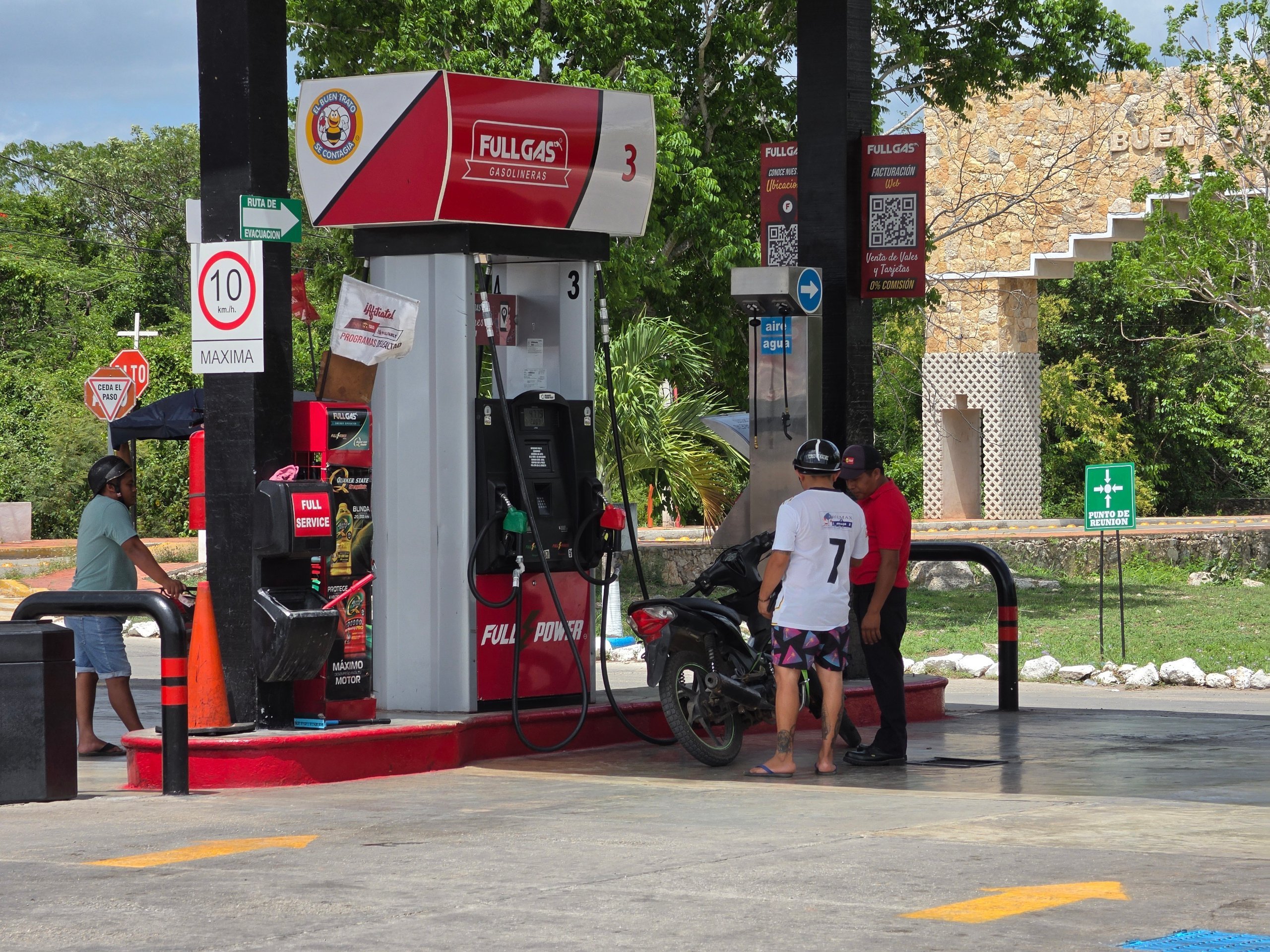
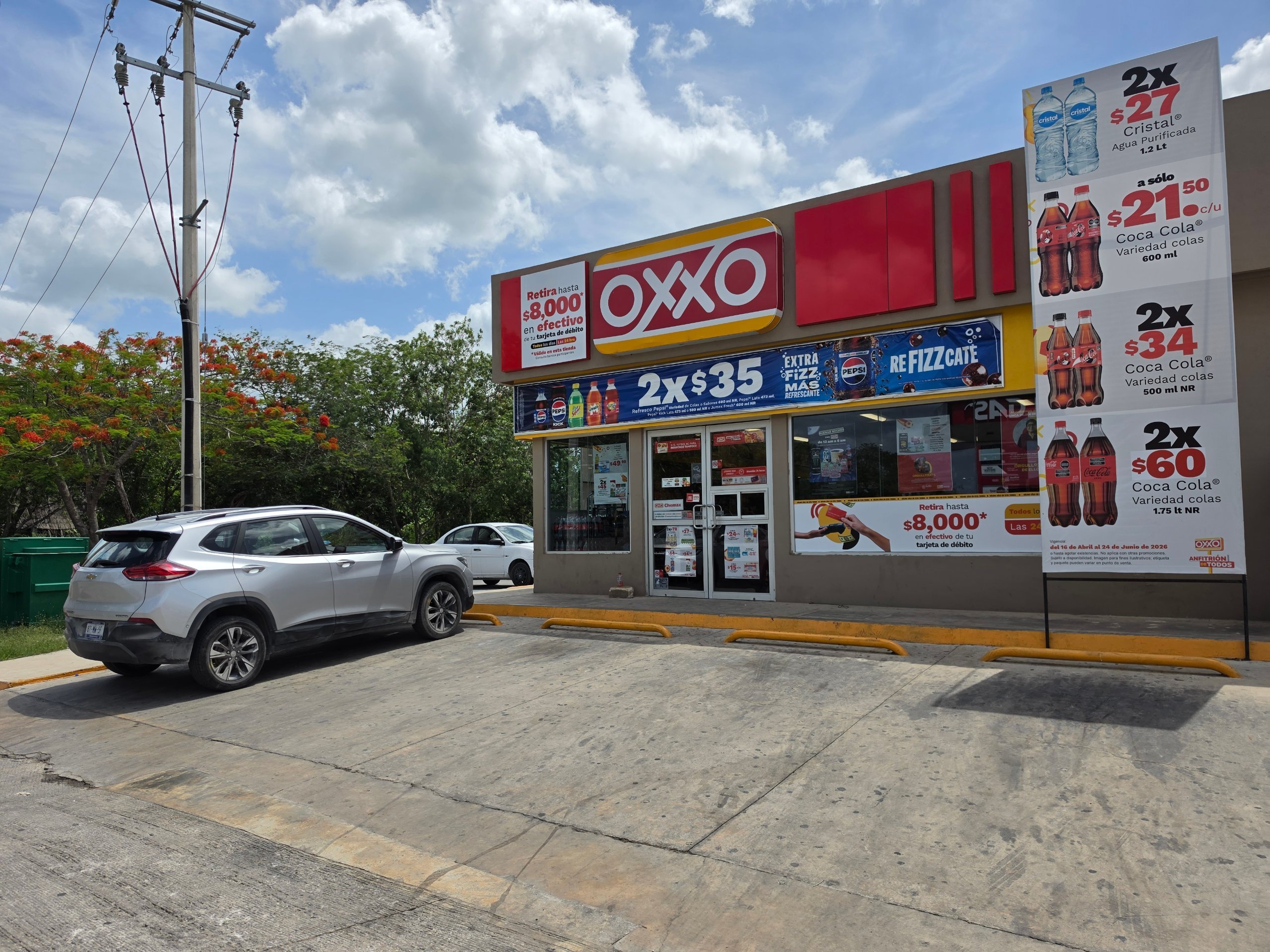
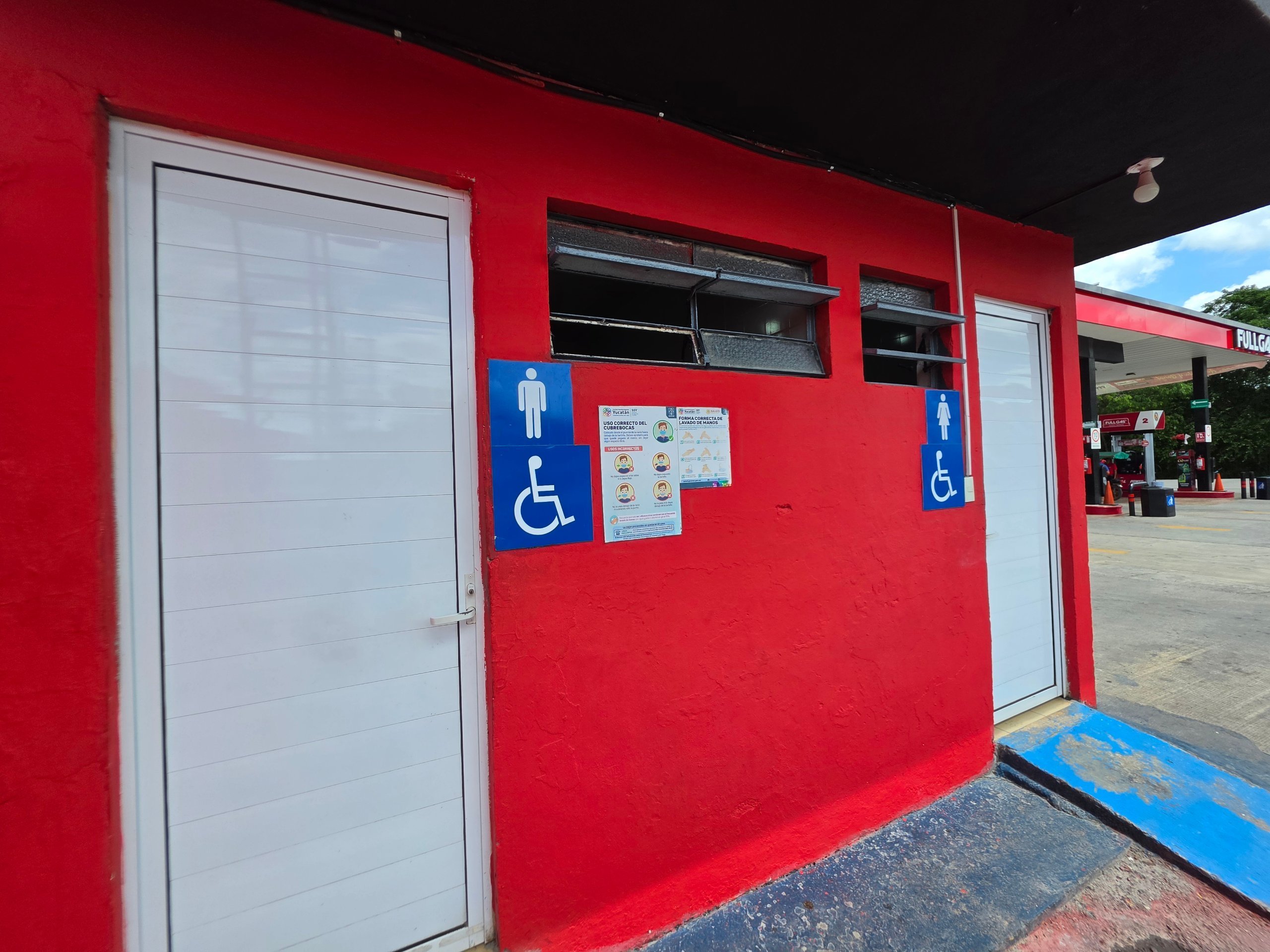
Larger petrol stations are usually equipped with toilets, and you’ll often find convenience stores such as Oxxo or 7-Eleven there as well.
Parking in Yucatán is generally straightforward and operates in a fairly informal manner.
| Location | Price and parking arrangements |
|---|---|
| Cenotes | usually free or included in the admission fee |
| Chichén Itzá | Official car park 124 mxn |
| Private car parks near Chichén Itzá | often nearby 80 mxn |
| Valladolid | on the streets or in private car parks |
| Las Coloradas | along the visitor routes as currently organised |
| Chiquilá for the journey to Holbox | around 100–200 mxn s a day |
Private car parks are springing up around Chichén Itzá before the official entrance. Their attendants sometimes try to convince you that you won’t be able to park any further on.
You don’t need to turn off at the first offer. The official car park is right by the entrance and, when we visited, cost 124 mxn.
At the cenotes, we usually parked for free right on the premises.
In Valladolid, it’s best to choose a hotel with its own car park. The streets in the historic centre are narrow and there are no-parking zones in some places.
When travelling to Holbox, you must leave your car in Chiquilá. Standard tourist cars are not transported to the island.
Both Google Maps and Waze work well on the main routes. However, I’d also download an offline map before setting off, as mobile signal can be patchy on the north coast and near some cenotes.
Waze is particularly useful for traffic updates and reports of speed bumps. However, neither app knows about absolutely all of them.
Also, be aware of the time difference.
Cancún and Tulum are in the state of Quintana Roo and are one hour ahead of Valladolid, Chichén Itzá and Mérida all year round.
When travelling from the Riviera Maya to Yucatán, you’ll need to set your watch back by one hour. Your mobile phone will usually do this automatically, but the clock in your car won’t.
It was precisely because of this that we gained an extra hour on our journey to Suytun and arrived at around 10.00 local time.
We didn’t feel unsafe whilst driving, and the traffic seemed calmer than we’d expected.
However, I’d stick to a few simple rules:
If you are stopped by the police, always ask for any fine to be issued officially. I would not hand over cash to the police officer on the spot.
For our route, definitely yes.
If I were only going to Mérida, Valladolid and Chichén Itzá, I’d be torn between a car, the ADO bus and the Tren Maya train. But for a combination of several cenotes, Las Coloradas and the north coast, a car is much more practical.
I wouldn’t be worried about the driving itself. I’d pay much more attention to the insurance cover, making sure I had enough petrol before a toll motorway, and those pesky speed bumps.
If you have any questions or comments about the article...