
Vietnam from Budapest at the end of November and beginning of December with China Eastern Airlines
517 €



When getting around Kuala Lumpur, you’ll mainly use the metro, walk and, occasionally, a taxi or Grab. There are also buses running around the city, but these are mainly for locals, as they do not serve areas of interest to tourists.
When travelling by taxi, be prepared for long traffic jams!
The 10 best hotels in Kuala Lumpur
We got around Kuala Lumpur using all kinds of transport. What are our experiences, tips and tricks?
You can use the rechargeable Touch 'n Go card to travel on all metro, train and bus routes.
You can also use the card to pay for public transport in other Malaysian cities (though not in all of them – for example, in Malacca, you can only pay for buses in cash).
On buses, you can only pay with a Touch 'n Go card, whilst on the metro you can also buy tokens (with cash) from ticket machines. Metro fares are slightly cheaper when paying with a Touch 'n Go card.
The basic price of the card is 10 myr. You can buy the card for this price at any MRT or monorail station, but only at a manned ticket counter and not from a ticket machine.
You simply tell the staff how much you want to top up the card with. The amount will then be deducted as and when you use public transport.
You can top up your card again at ticket counters in metro stations or via the Touch 'n Go mobile app.
You can also buy the card from many other retailers, such as 7-Eleven convenience stores or Watsons chemists. These retailers usually sell Touch 'n Go cards for around 25 myr, but you’ll also get discounts on purchases from their range of products.
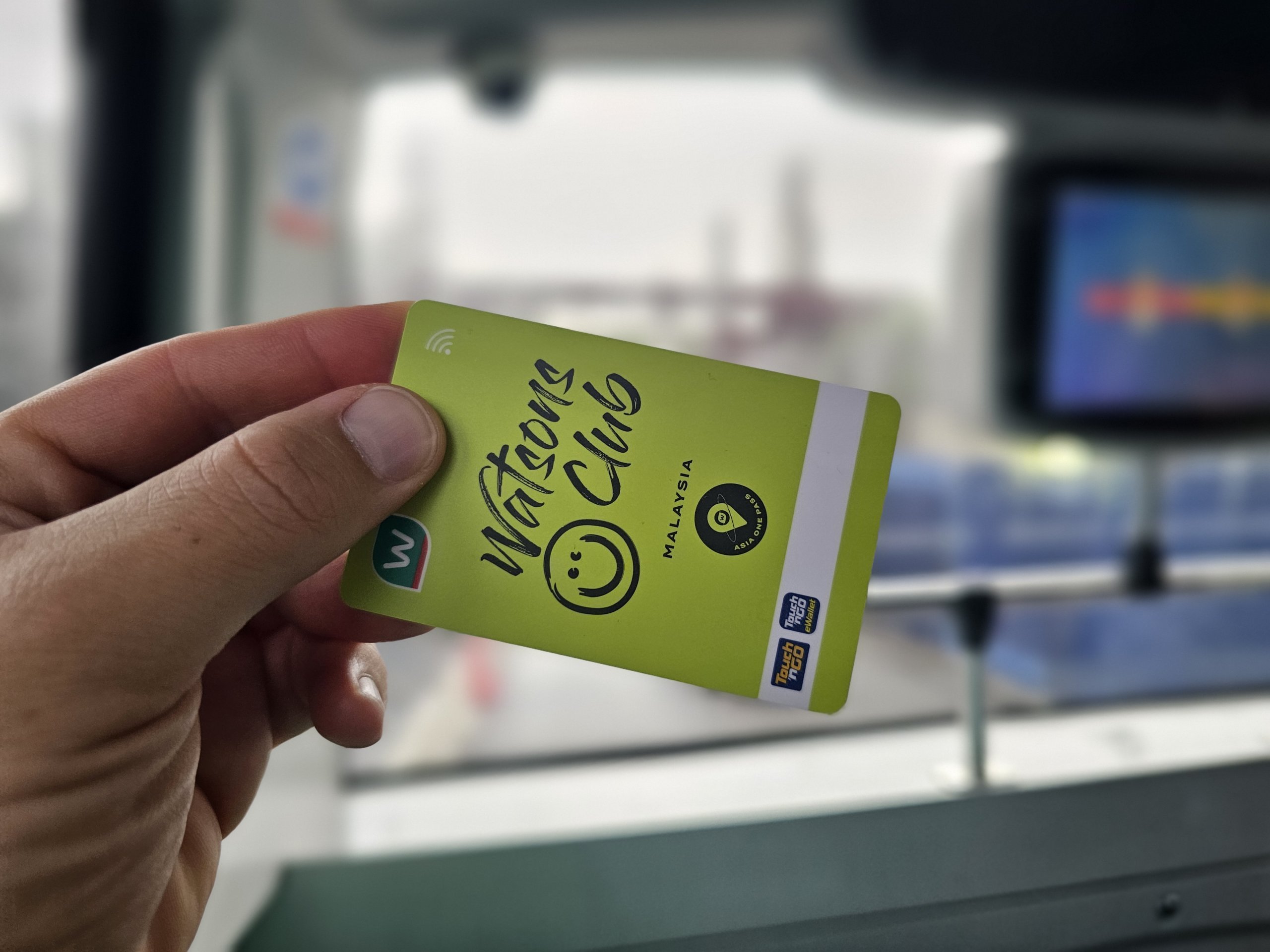
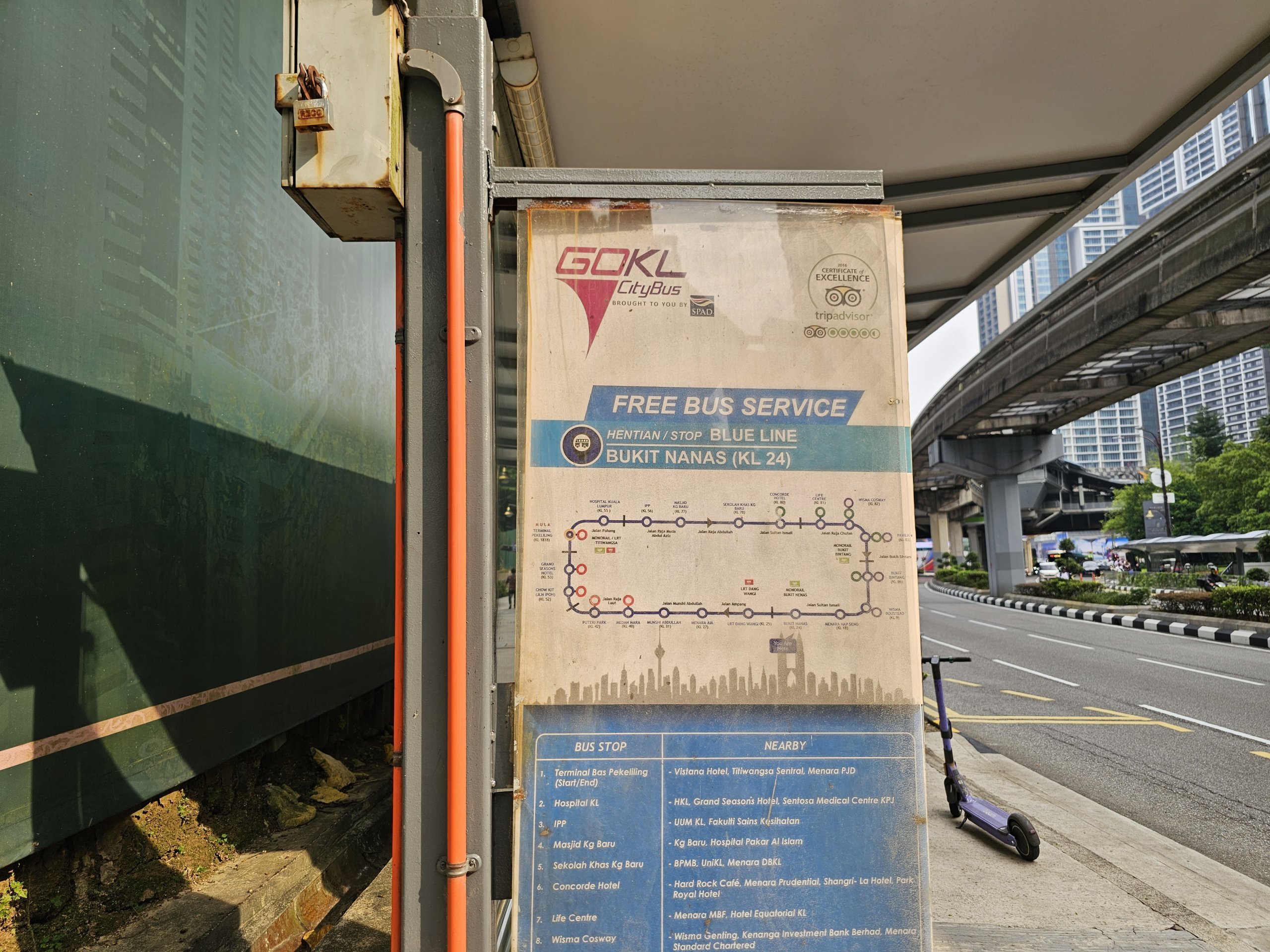
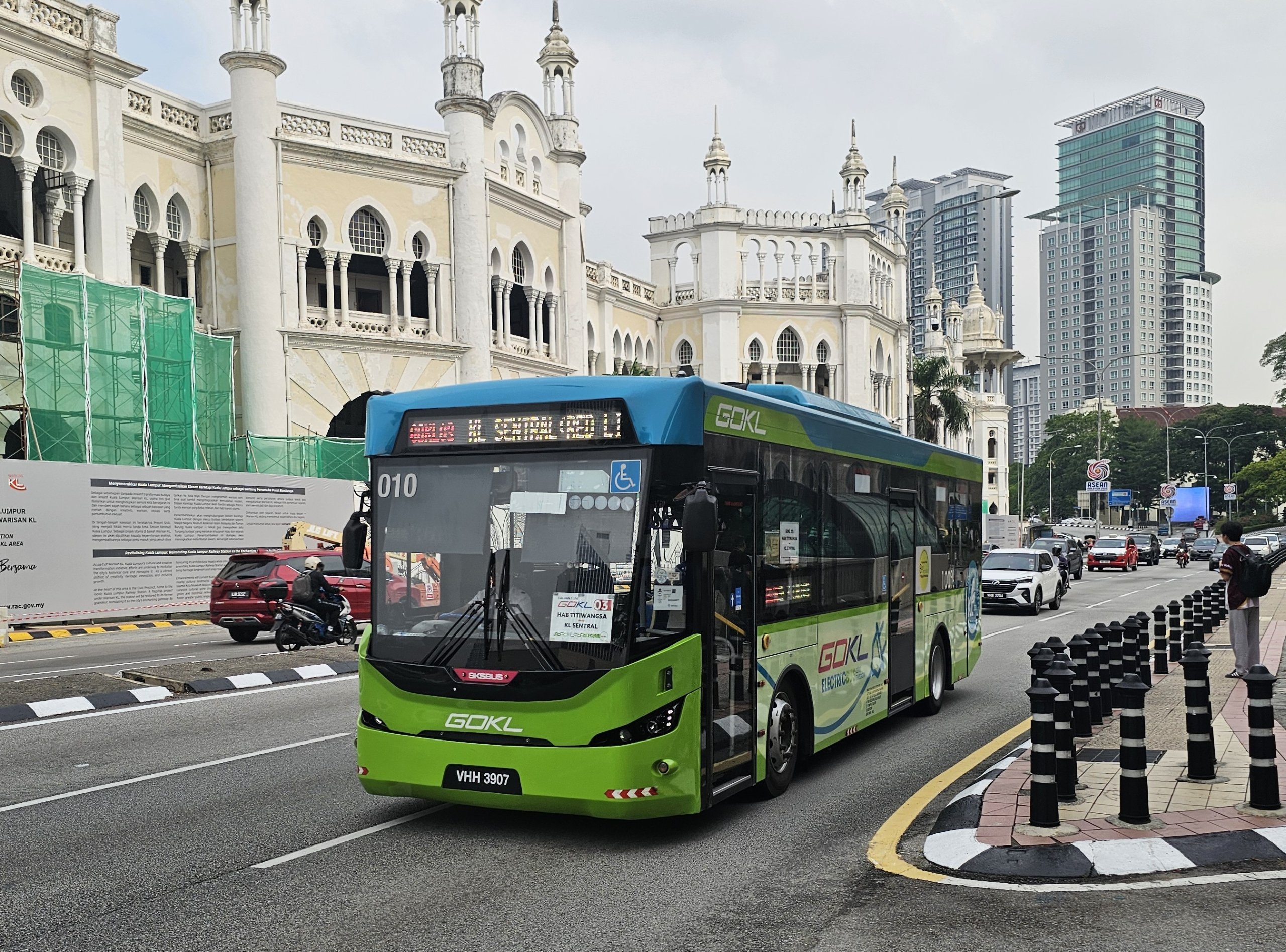
If you’re planning to travel by bus as well, then the Touch ‘n Go card is the only payment option. The exception is GO KL buses, which only operate in the city centre, where travel is free.
However, tourists are likely to use the bus service only when travelling from Subang Airport or, for example, between Putrajaya Sentral station and Putrajaya city centre. Most tourists, however, do not use buses in KL.
Discounts on MRT fares range from 0,30 myr to 0,50 myr, so you would need to make at least 20 MRT journeys for the card to be worth buying.
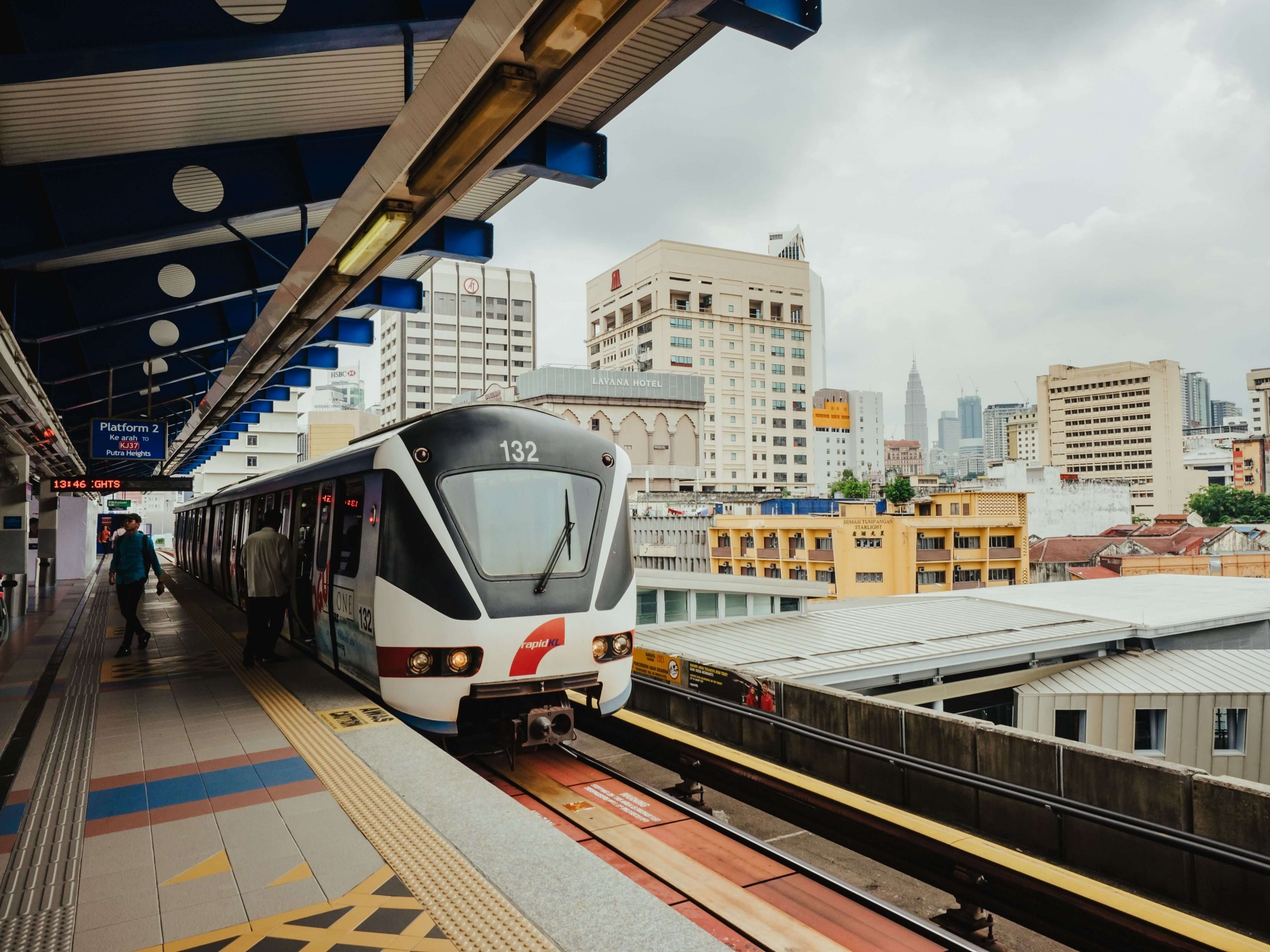
The metro in Kuala Lumpur isn’t really a metro at all, but rather a system of automated, driverless elevated trains. It’s similar to what you might be familiar with from travelling between terminals at larger airports, and it operates throughout the day here.
In KL, you’ll find 10 mainly elevated lines, which interconnect at certain stations, though they aren’t always fully interchangeable. Each line is usually operated by a different company. Therefore, you’ll need to leave the station concourse and buy a new ticket at the other entrance.
Detailed information, route maps and the fare system are described in the chapter ‘Metro in Kuala Lumpur’.
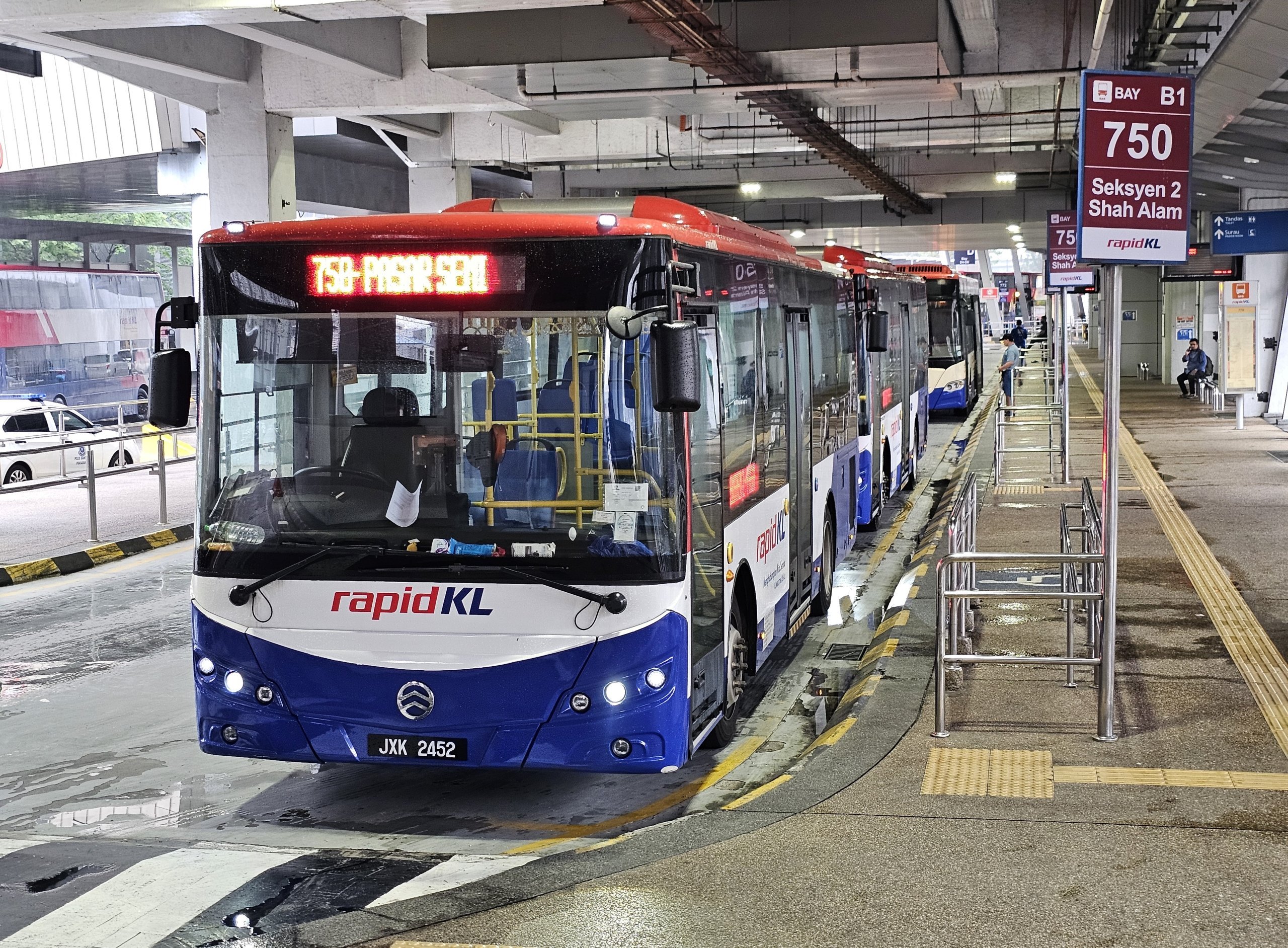
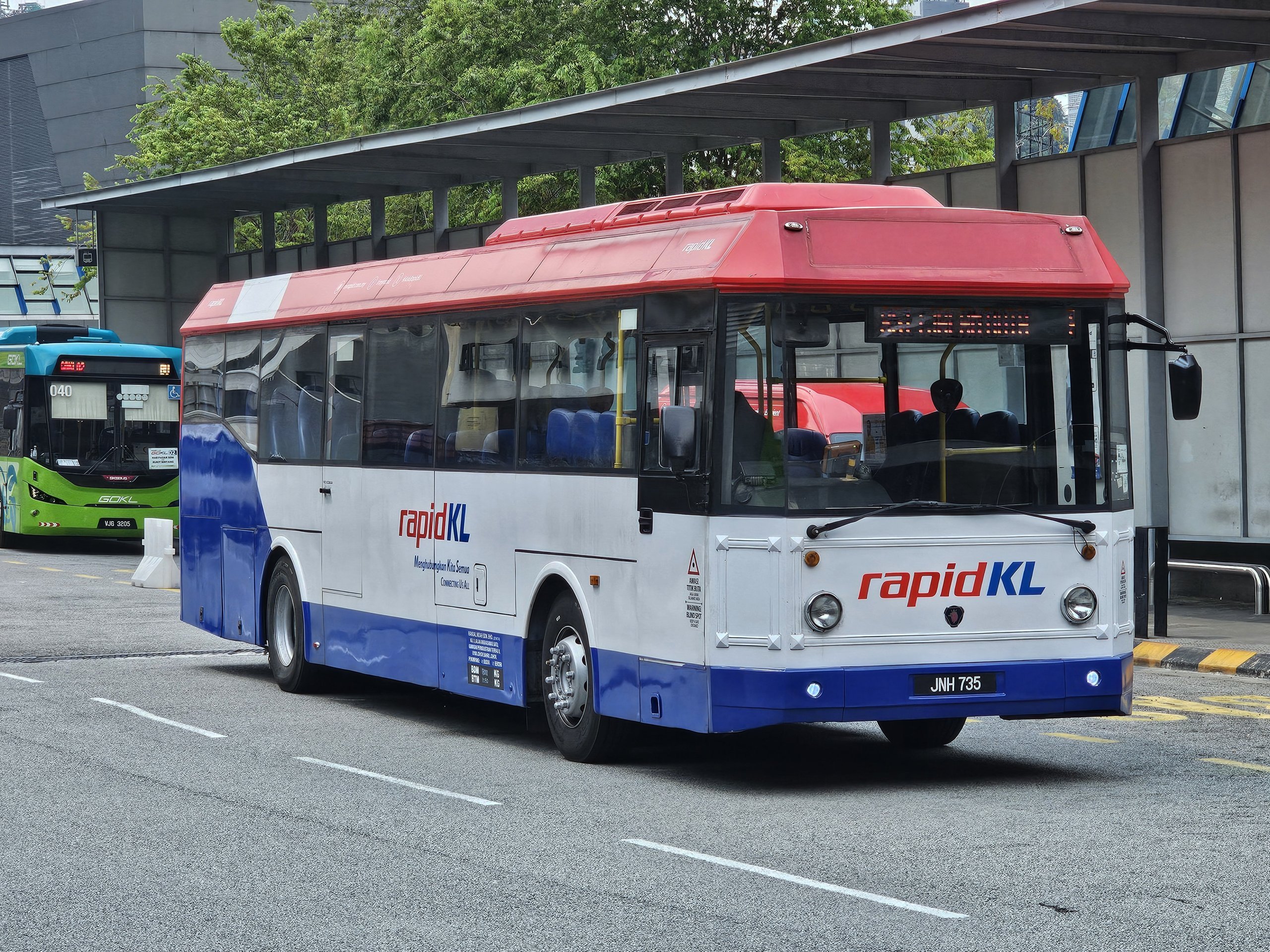
City buses in Kuala Lumpur are operated by several companies, but there are two main ones:
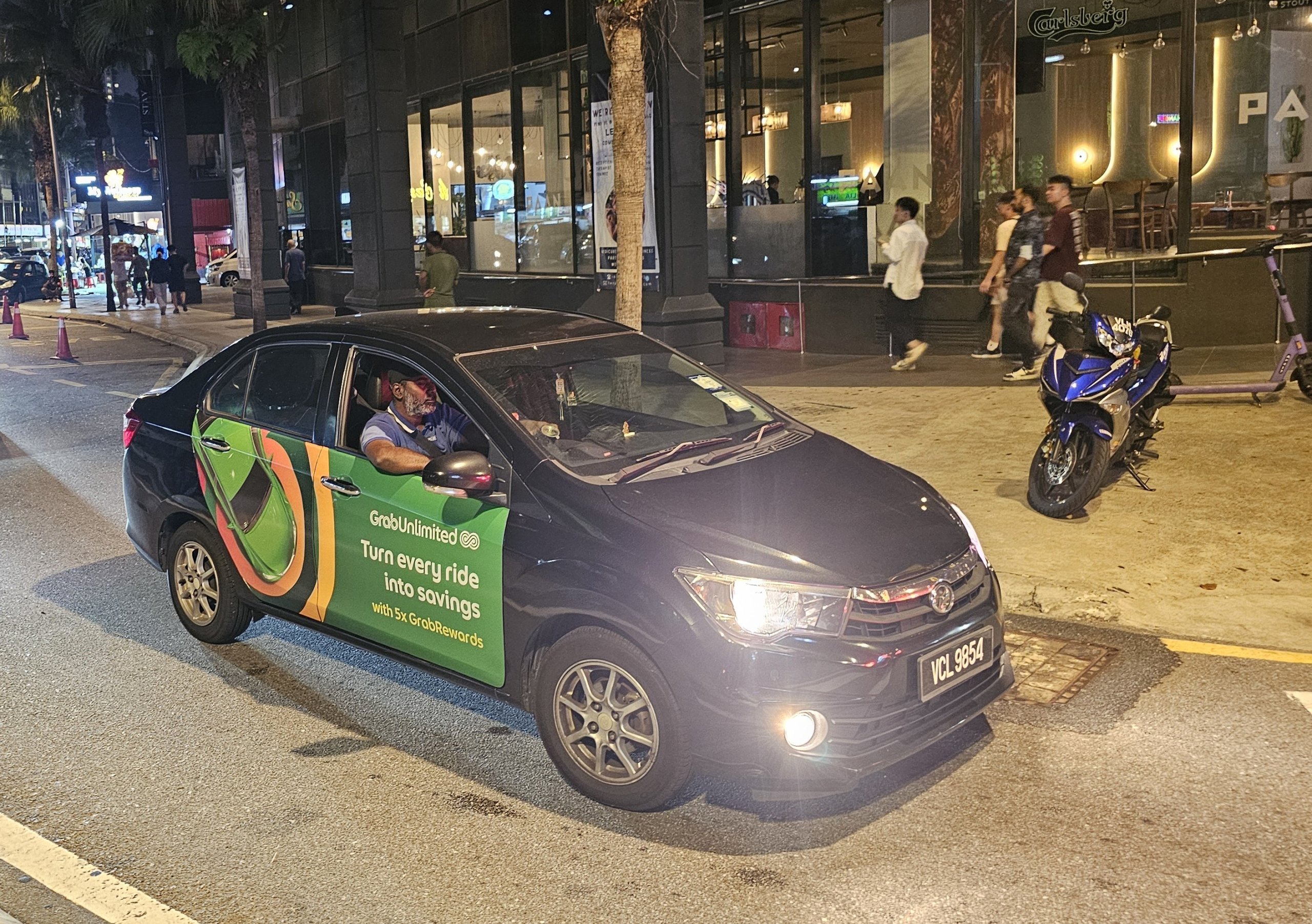
Asia is riding a wave of smart apps, so ideally you should buy an e-SIM with data (for example, from airalo.com) and install theGrab app.
Uber also operates in Kuala Lumpur, but it’s generally less readily available than Grab and the fares are usually a little higher.
You can call a Grab literally at any time of the day or night, absolutely everywhere in the city centre and the suburbs. Waiting times at the busiest spots, such as Batu Caves, can be around 15 minutes.
Grab is generally a very cheap way to get around KL.
Here’s how much we paid for Grab on our journeys:
If you’re of the old school, just make sure you hail a taxi on the street that uses a meter.
Taxis are typically red, but not all of them are honest, and the prices they quote will often make your head spin. The most dodgy ones are usually those waiting at tourist spots along Chinatown – give them a wide berth.
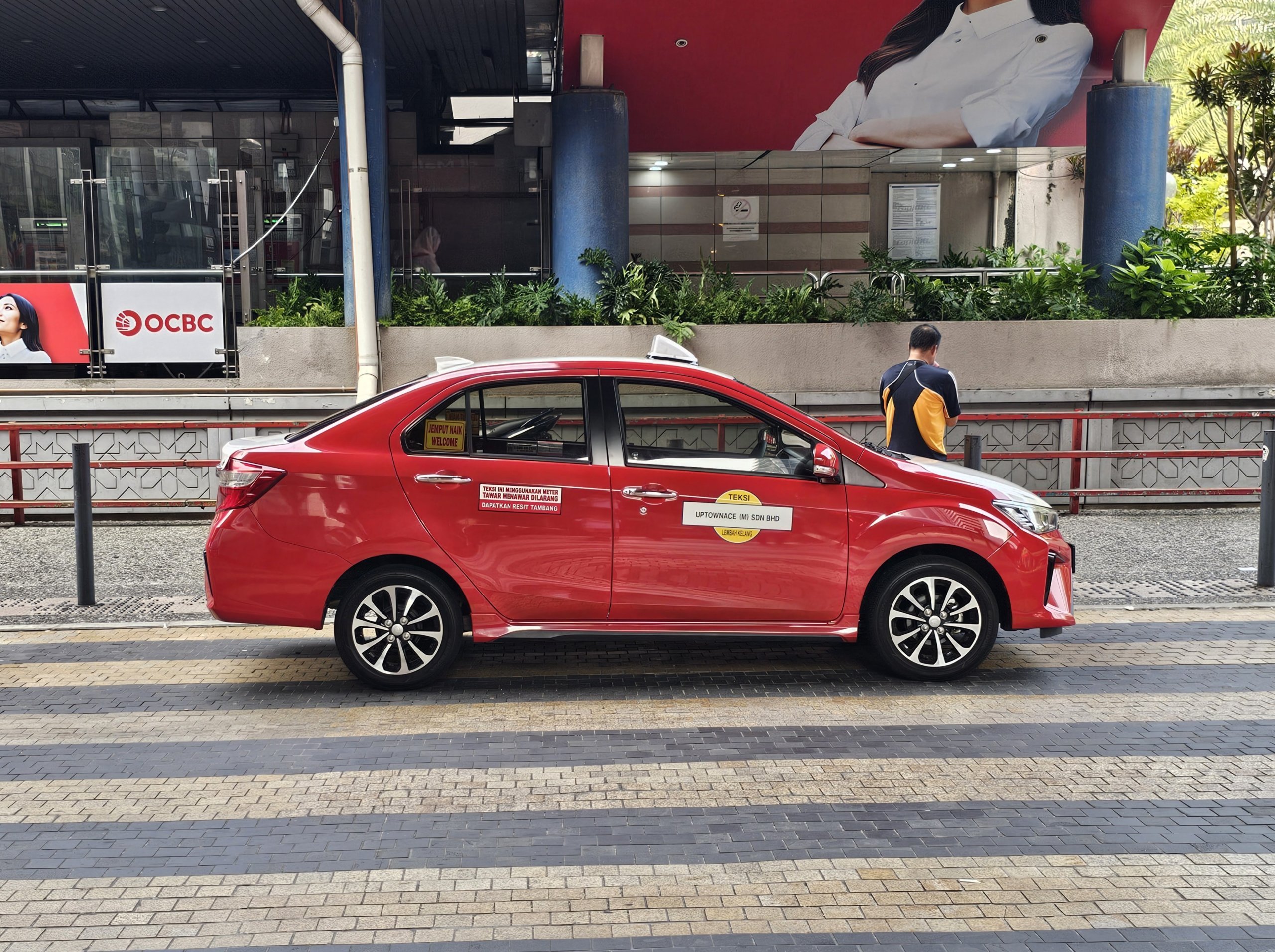
Please note that when travelling by car in Kuala Lumpur, you must allow plenty of time for your journey.
With the possible exception of late at night and early in the morning, traffic jams are ubiquitous on the streets of Kuala Lumpur and can occur both in the city centre and on the outskirts.
If you have any questions or comments about the article...

I would just like to add that the GO KL lines have been charging a nominal fee of RM1 to board the bus for at least two years now. Locals don't pay it, only foreigners.