Direct flights from Katowice to Iceland in January and February
87 €



What currency do you use in Sweden? How much do goods cost in a typical supermarket and how much in a restaurant? And how much does a stay in Sweden cost? You’ll find out in this chapter.
Sweden is one of the few EU countries where the currency is not the euro, but the Swedish krona.
One krona is divided into 100 öre, although öre are not commonly used in circulation. Coins are issued in denominations of 1, 5 and 10 kronor, whilst banknotes are printed in denominations of 20, 50, 100, 200, 500 and 1,000 kronor.
In Sweden, you don’t need cash at all. During your stay, you’re unlikely to see anyone using actual cash.
You canpay by card absolutely everywhere, including markets, buses, restaurants and so on. Card payments are just as common in large cities as they are in the smallest villages, even those completely off the tourist trail.
For this reason, currency exchange bureaux are completely unnecessary and are only found at airports for those who haven’t realised in advance that cash isn’t needed in Sweden.
If, however, you would still prefer to use cash, withdraw money from ATMs operated by mainstream banks.
Also bear in mind that in Sweden, many businesses and transport operators do not accept cash at all, and card payments are often the only option.
The cost of living in Sweden is higher than in the rest of Europe, and Sweden is generally considered one of the most expensive countries in the world. Nevertheless, prices here are slightly lower than in neighbouring Norwayor Iceland, for example.
Prices are particularly high for services and alcohol.
Prices in supermarkets are only a few tens of per cent higher than in Germany or the UK, for example.
The best supermarkets are Lidl, Coop and ICA. In restaurants, it’s worth taking advantage of the set lunch menus, which cost around 80–100 sek.
How much do basic groceries, tourist attractions and transport cost in Sweden? Take a look at this indicative price guide.
Accommodation in a double room (prices per night):
Eating out:
Groceries at the supermarket:
Transport:
Alcohol and cigarettes:
Prices are for guidance only and vary depending on the town and type of shop.
Tipping is not necessary. It is not customary to tip. If you are very satisfied with the service, it is appropriate to tip 10 per cent.
In Sweden, people almost never haggle. It’s a good idea to always carry your student card with you, particularly when visiting tourist attractions.
The best way to save money is to buy groceries at ICA, Lidl or Coop supermarkets.
Public transport is very expensive, especially if you’re travelling in a group over long distances. In that case, it’s worth hiring a car or travelling in your own car, despite the high cost of petrol.
It’s best to bring your own alcohol or buy it from Systembolaget, which are specialist alcohol shops. You won’t find any alcohol with an alcohol content of over 4 per cent in ordinary supermarkets.
If you like to travel by taxi, it’s better to use the Bolt or Uber mobile apps, which are usually about half the price of standard taxis.
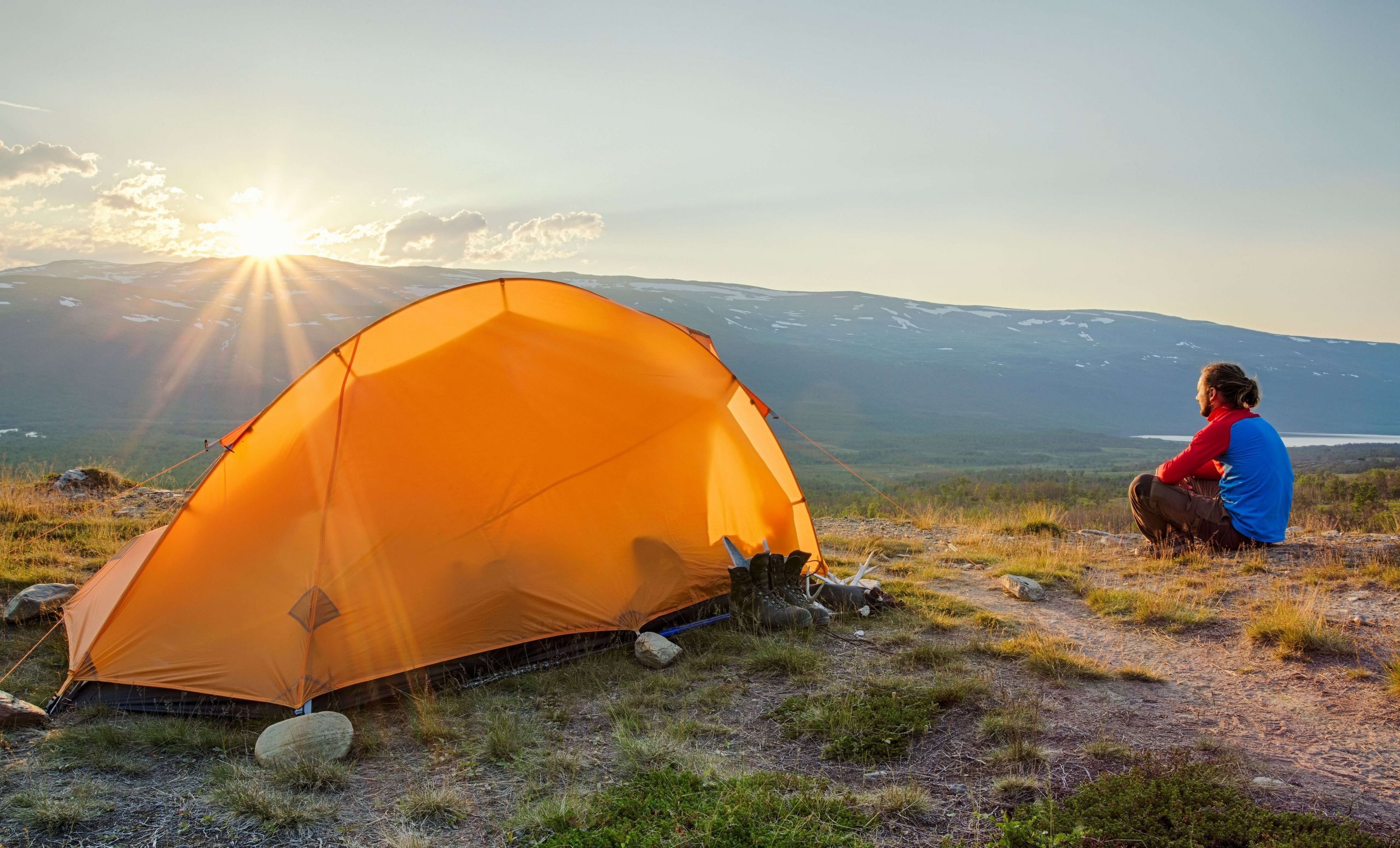
Accommodation in Sweden is also relatively expensive. If you want to get out into the countryside, be sure to take a tent with you. You can camp practically anywhere for free thanks to the ‘Allemansrätt’ law (everyone’s right of public access).
If you have any questions or comments about the article...