
Agadir, Morocco, for a week from Vienna
39 €



Public transport in Oslo is operated by Ruter, which runs the metro, trams, buses and ferries, as well as regional trains operated by Vy.
Travelling around Oslo by public transport is fast, safe and relatively cheap. A single ticket costs 46 nok and, for example, a day ticket costs 137 nok.
We provide a detailed breakdown of tickets and the various modes of transport below.
Book your hotel in Oslo in advance
The whole of Oslo falls within Zone 1, so you don’t need to worry about other zones at all.
Zone 1 also includes all metro, tram and red bus routes, some of which extend beyond Oslo’s administrative boundaries in certain places. Even so, a Zone 1 ticket will suffice in these cases (for example, Bekkestua and Østerås stations).
The airport Oslo OSL falls within Zone 4. If, within a 24-hour period, you travel to and from the airport at least twice and then make at least one journey within the city, it’s worth buying a 24-hour ticket for all zones.
The table below shows the prices of the most commonly used tickets. You can find current prices and the full range of tickets on the official websiteruter.no/tickets-and-fares.
| Validity | Price – 1 zone | Price – 4 zones | |
|---|---|---|---|
| Single ticket | 60 minutes | 46 nok - adults 19 nok - 6–17 years 23 nok - seniors aged 67 and over |
134 nok - adults 52 nok - 6–17 years 64 nok - senior citizens aged 67 and over |
| 24-hour ticket | 24 hours | 137 nok - adults 69 nok - 6–17 years 69 nok - senior citizens aged 67 and over |
314 nok - adults 157 nok - 6–17 years 157 nok - senior citizens aged 67 and over |
| 7-day ticket | 168 hours | 379 nok - adults 190 nok - 6–17 years 190 nok - seniors aged 67 and over |
918 nok - adults 459 nok - 6–17 years 459 nok - senior citizens aged 67 and over |
👉 Our tip: find out whether the Oslo Pass discount card is worth it for you
A weekly ticket pays for itself after just a 3-day stay, provided you use more than 3 single-journey tickets each day.
The easiest way to top up your fare for an additional zone – for example, if you have a day pass valid only for Zone 1 – is via the Ruter mobile app. Simply enter your destination and the app will automatically suggest the fare top-up you need.
In this case, you’ll pay 46 nok for the journey to the neighbouring zone.
For example, if you have a day ticket for Zone 1 costing 137 koruna and are heading to Oslo-Gardermoen Airport in the evening, do not buy an airport ticket for 134 nok from the ticket machine; instead, top up your fare for the remaining journey via the mobile app for 134 nok.
There are two ways to buy public transport tickets:
You can download the official app via Google Play / App Store.
You pay for your ticket and activate it via the app at a time of your choosing, and then you don’t have to worry about a thing.
You do not need to tap your ticket on the validator. Simply show it during a random ticket inspection.
You can still buy a standard paper ticket with a chip.
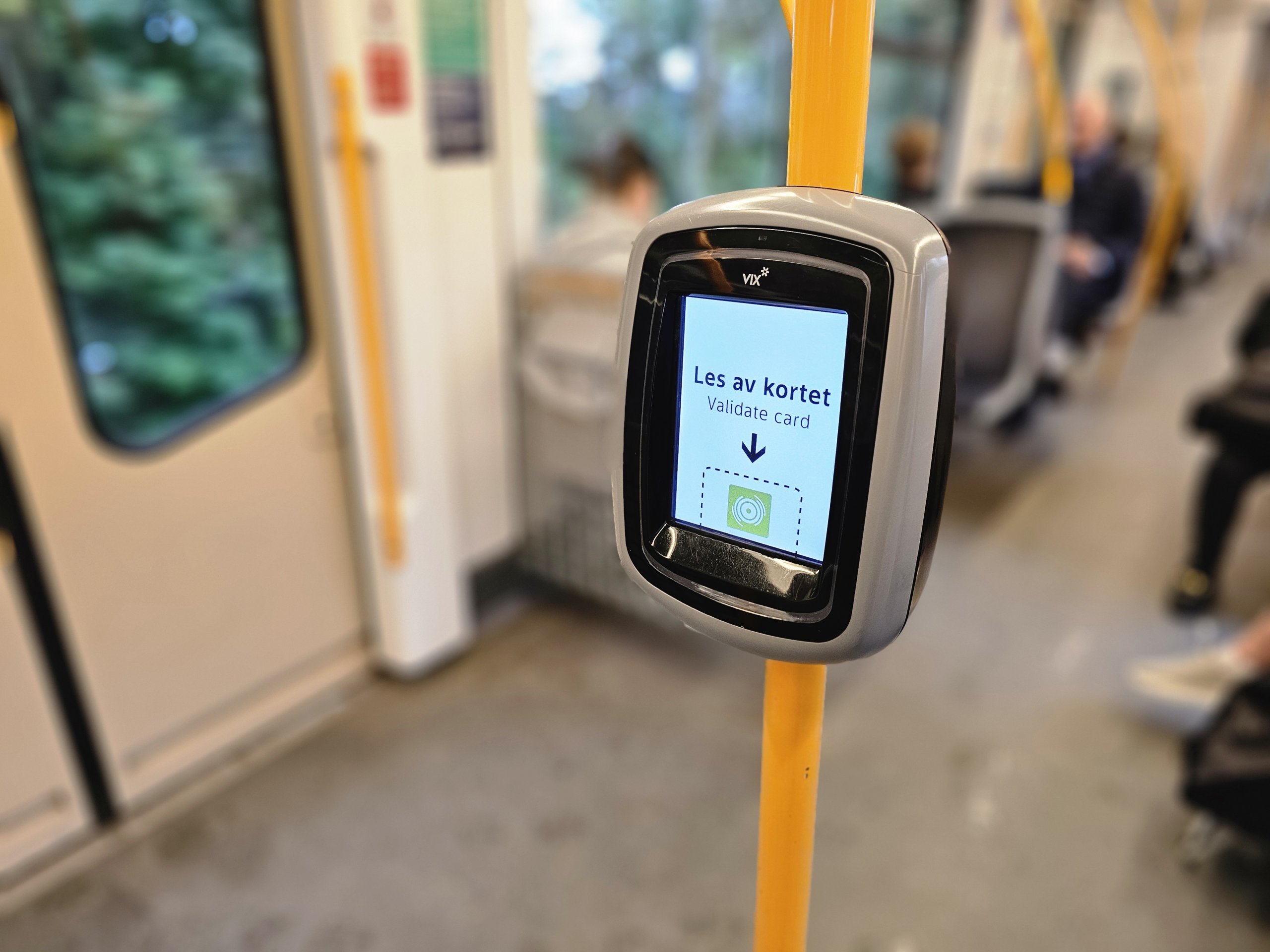
There are no longer any ticket machines in Oslo, but you can buy tickets at all 7-Eleven, Deli De Luca, Narvesen and Mix outlets. You must always tap your paper ticket on the validator before entering a metro or train station, or whilst on board metro trains, trams, buses or boats.
In Oslo, you cannot pay your fare using your own contactless card.
Which websites are best for finding connections between different stops in Oslo?
You can find all metro, train, tram, bus and ferry connections via the transport authority’s official websites.
Timetables for individual routes in PDF format are available in Norwegian only on this page:ruter.no/rutetabeller-og-linjekart.
You can view maps of all routes on the website:ruter.no/route-maps.
google.com/maps also provides a good overview of current connections and departure times for all transport in Oslo.
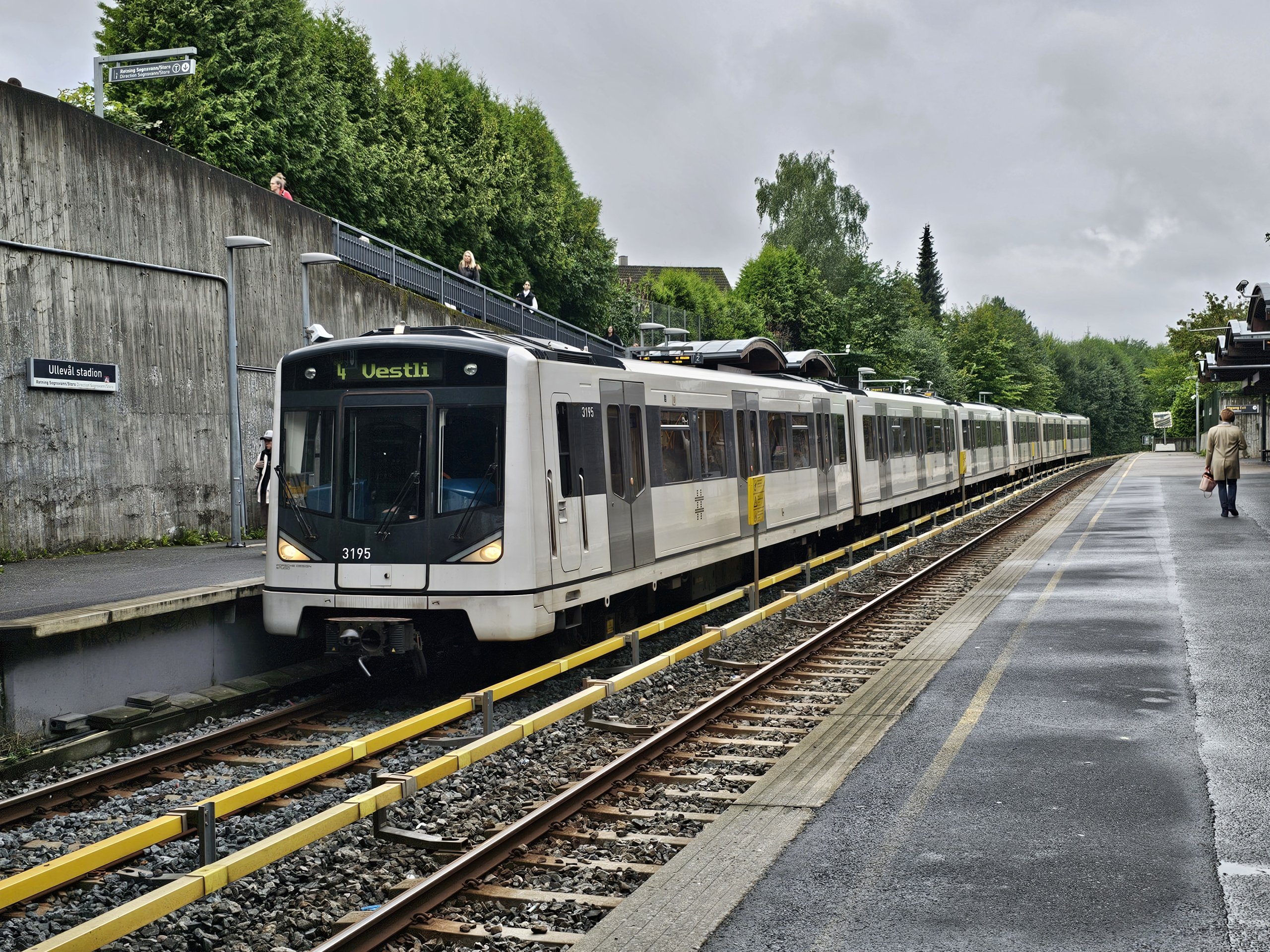
There are a total of five metro lines in Oslo. In the city centre, between Majorstuen and Tøyen stations, all lines run together, forming a very busy backbone route beneath the historic centre.
The Oslo Metro provides a convenient way to travel to the mountains, ski resorts or hiking trails.
You can find detailed information on how to use metro tickets, where to find line maps and what the timetables are in a separate section –The Oslo Metro.
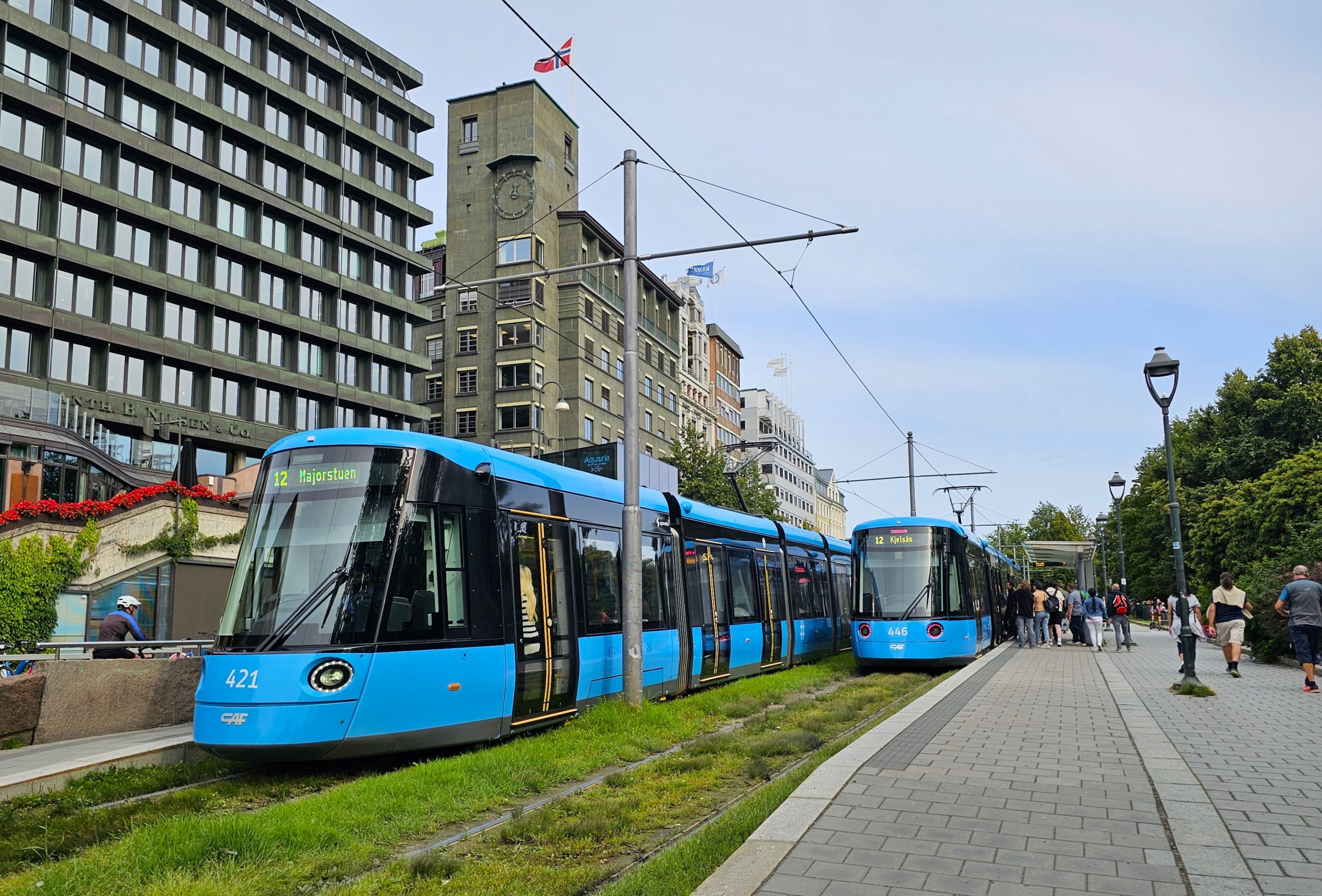
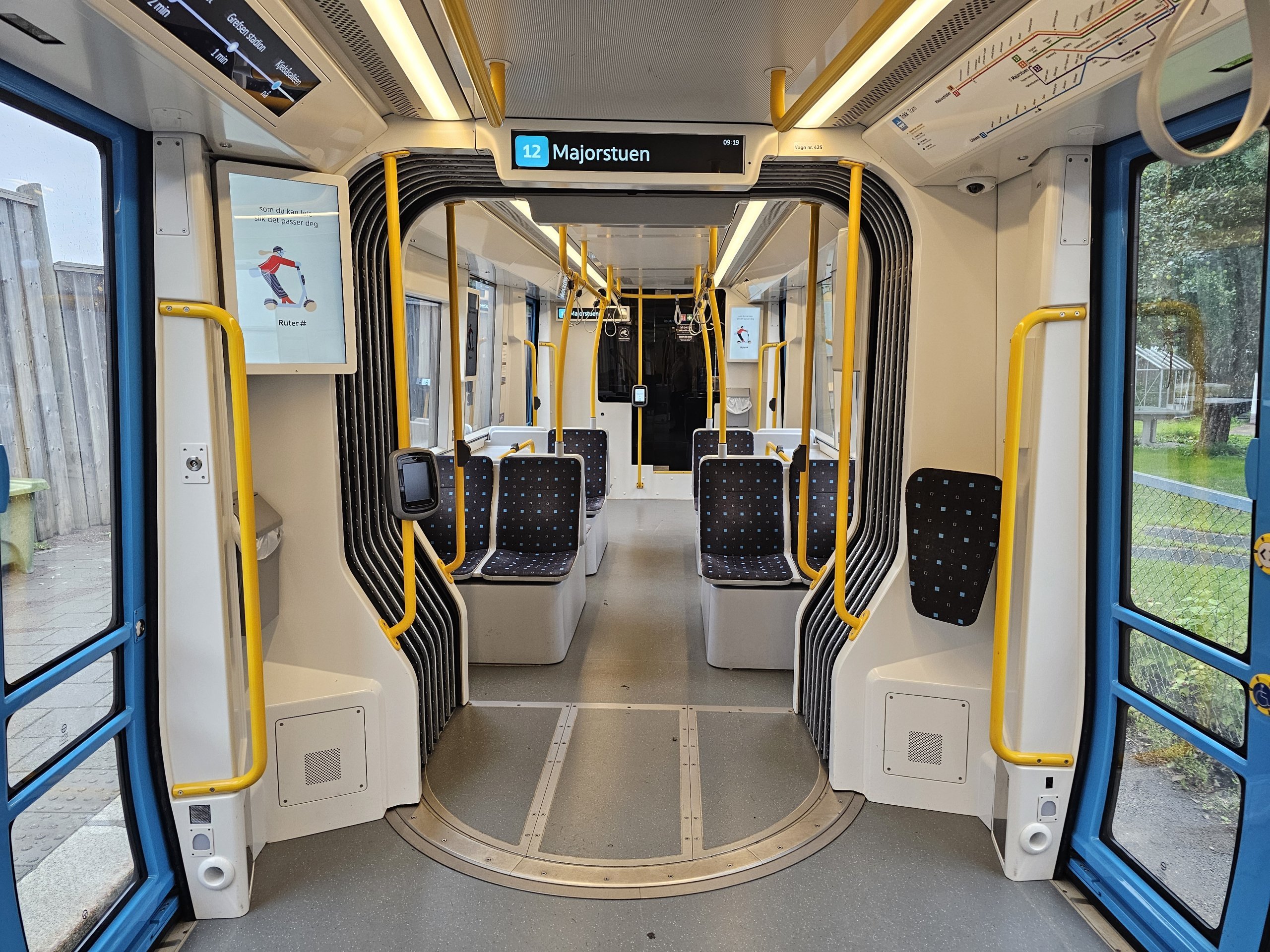
Oslo has a good tram network, with passengers able to use the service on 6 lines.
The distinctive blue trams are ideal for travelling around the city centre, as well as to the outskirts, where you can find cheaper accommodation.
Travelling by tram is quick and very straightforward. All stops are equipped with electronic departure time displays.
The following tram routes are the most useful for tourists:
You can always use any of the doors to get on and off the tram.
You can view a map of the tram routes in Oslo on this page:ruter.no/route-maps.
All tram routes have the following details:
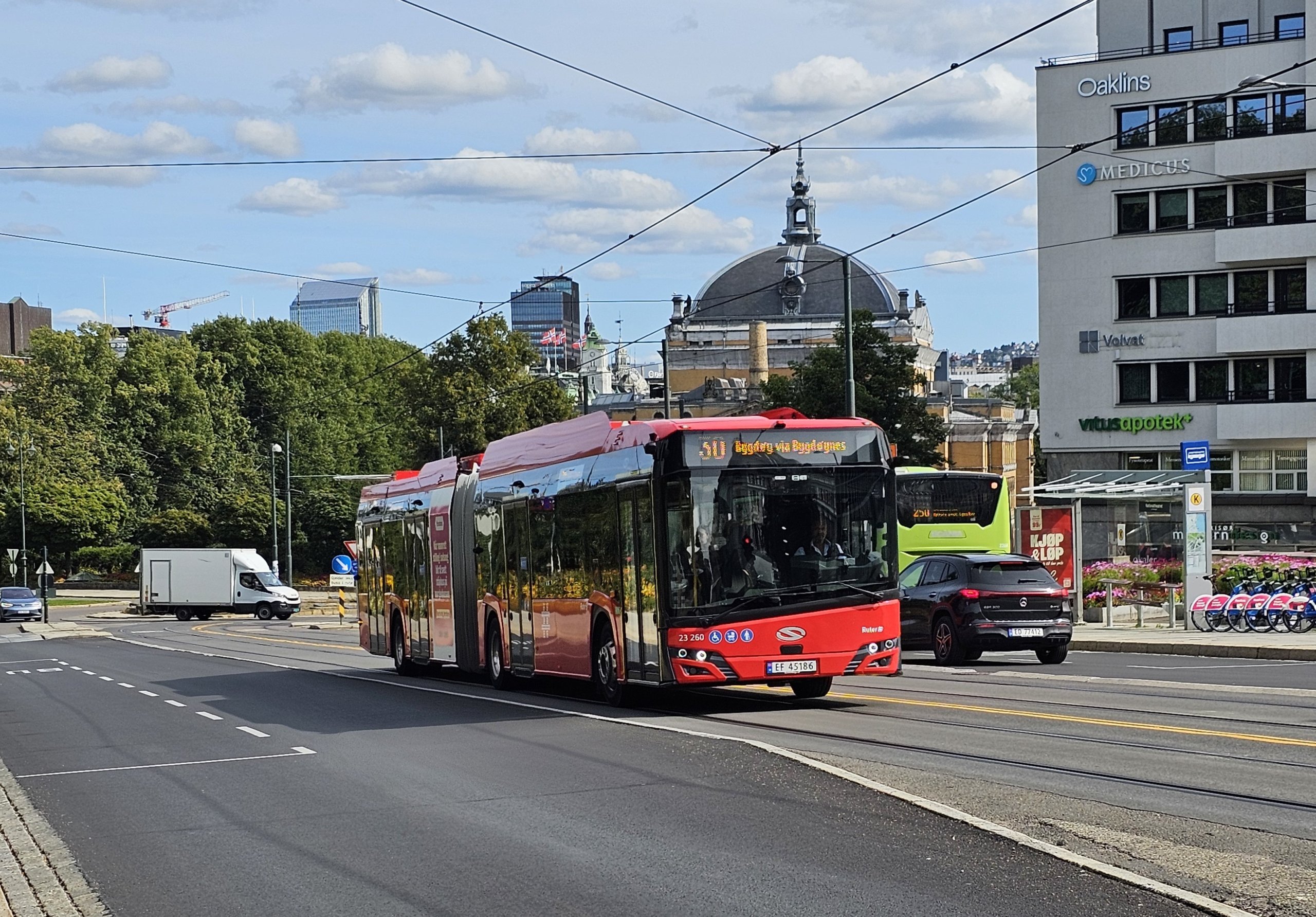
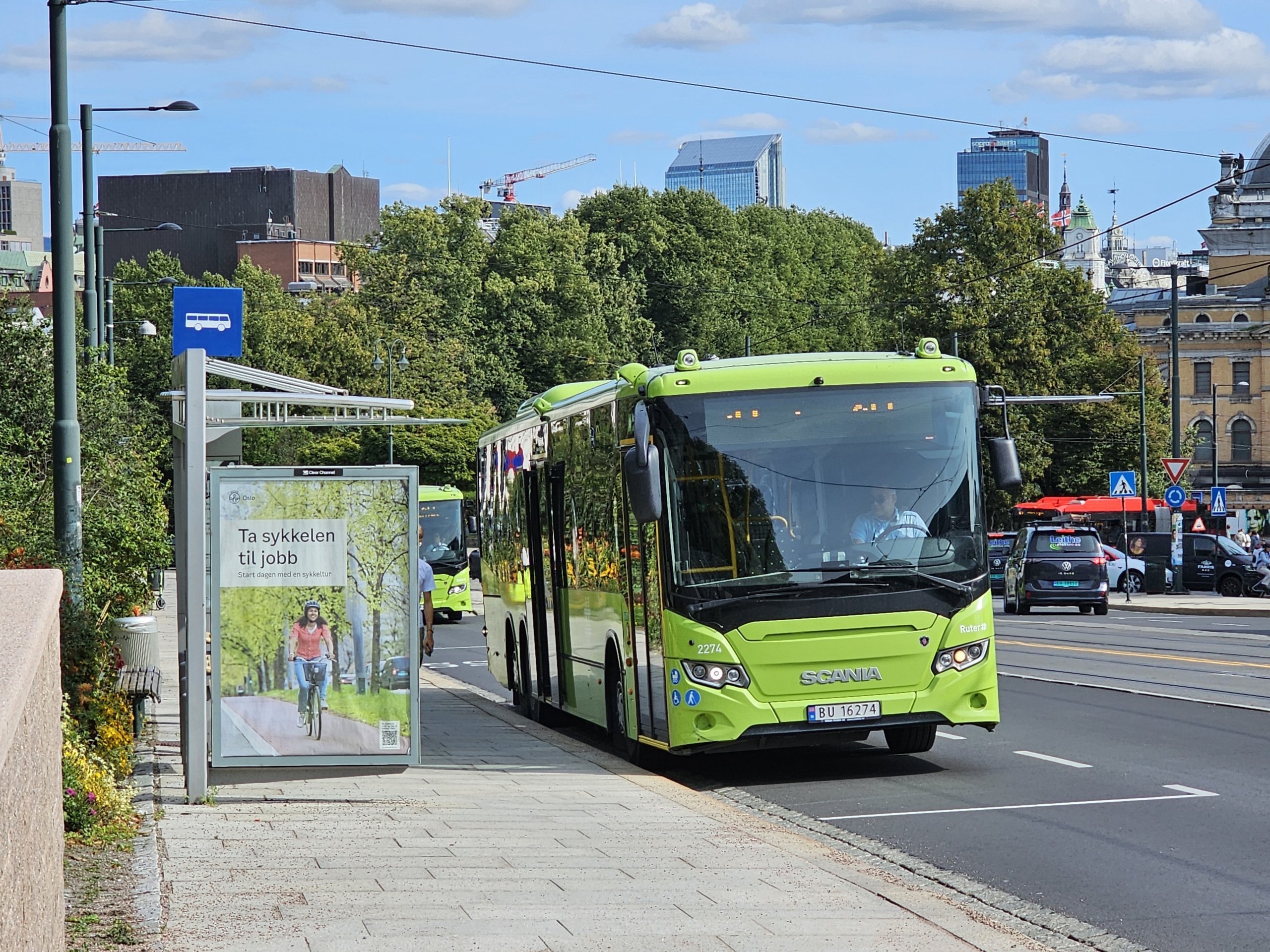
Buses complement the metro and tram network and are particularly useful for travelling to the outskirts of Oslo.
There are two types of bus in Oslo.
The following bus routes are most useful for tourists:
You can view a map of bus routes in Oslo on this page:ruter.no/route-maps.
City buses travelling through the city centre on busy routes run every 10–15 minutes on weekdays and every 15–30 minutes at weekends.
For quick travel around the city, you can also use the regional train services operated by Vy.
Ruter tickets are not valid on long-distance trains operated by Vy, Go-Ahead and SJ, or on the Flytoget express train to the airport.
You can use Ruter tickets on lines L1, L2, RE10, RE11, R12, R13, R14, RE20, R21, R22, R23, RE30 and R31.
The following train stations are located within Zone 1:
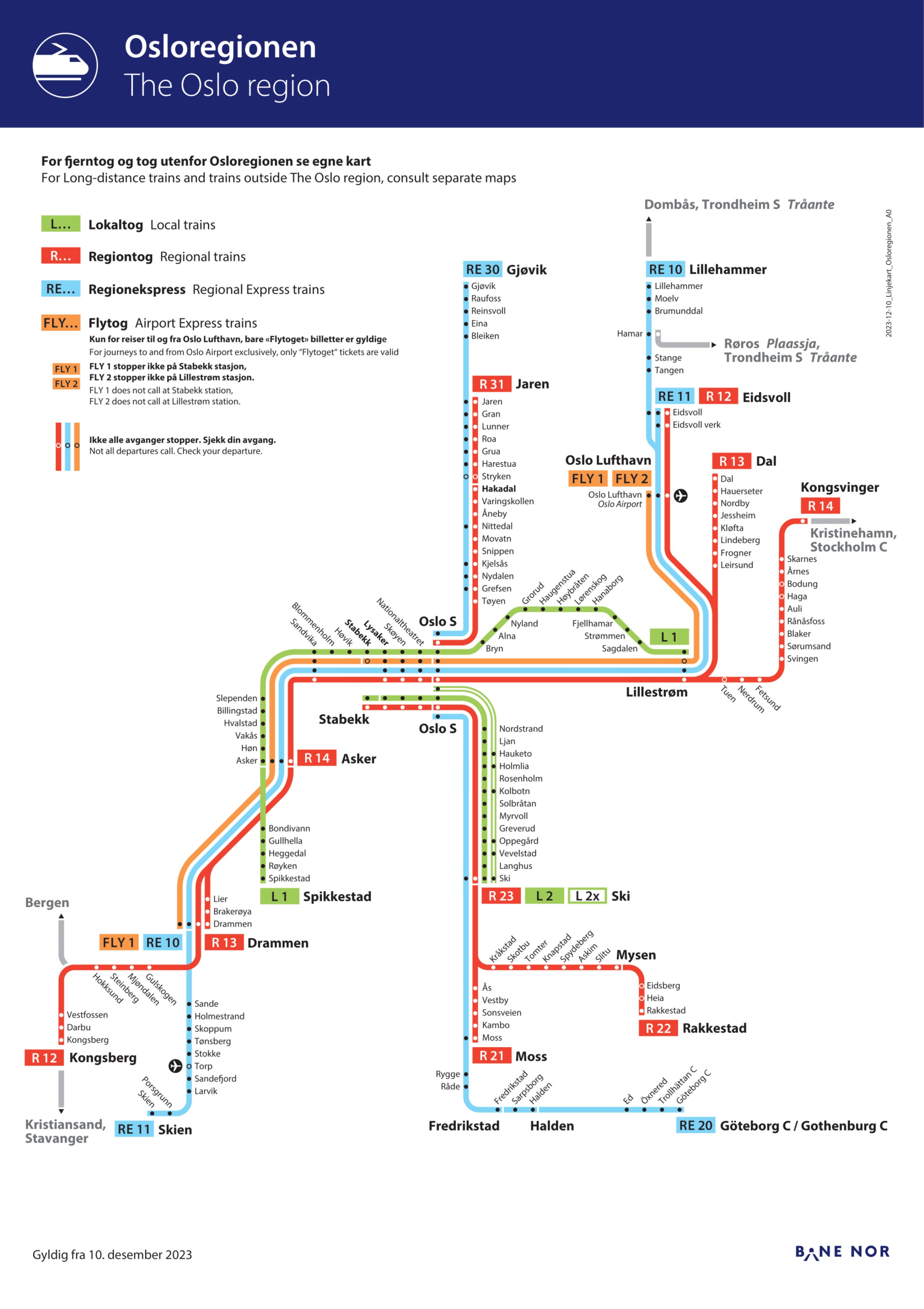
Trains effectively replace the metro for journeys from the city centre to Oslo’s western suburbs. On the Oslo S – Nationaltheatret – Skøyen – Lysaker – Stabekk section, and onwards towards Drammen, trains run every 2–6 minutes.
Frequent services also run to Oslo Gardermoen Airport (lines RE10, RE11, R12).
The easiest way to find connections and timetables is on the Ruter.no website.
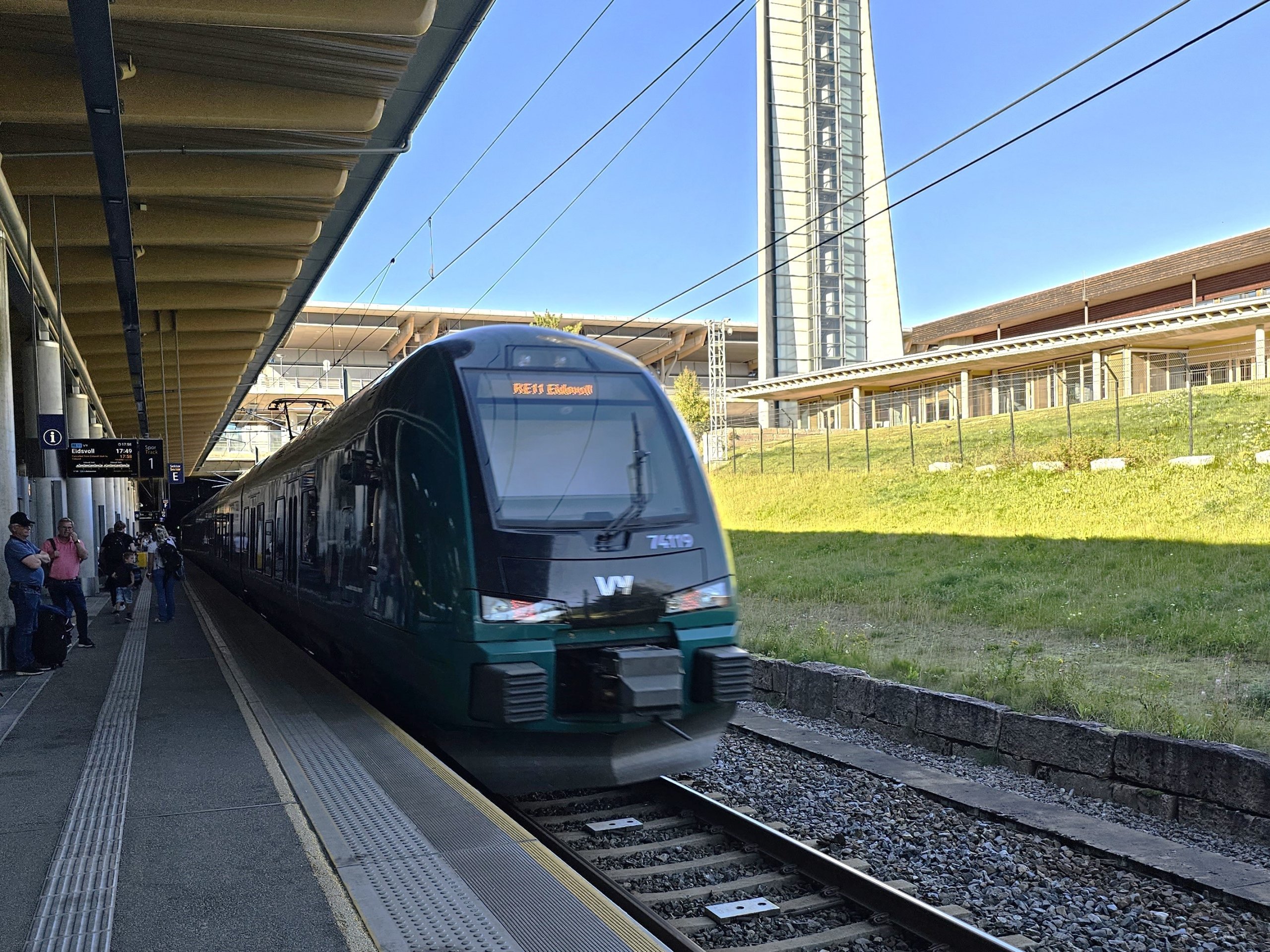
Tickets purchased via the Ruter mobile app simply need to be stored on your mobile and shown to the conductor.
Ruter chip tickets purchased at newsagents must be activated by holding them up to the reader on the platform.
Paper tickets purchased from ticket machines do not need to be validated in any way; again, simply present them to the conductor when asked.
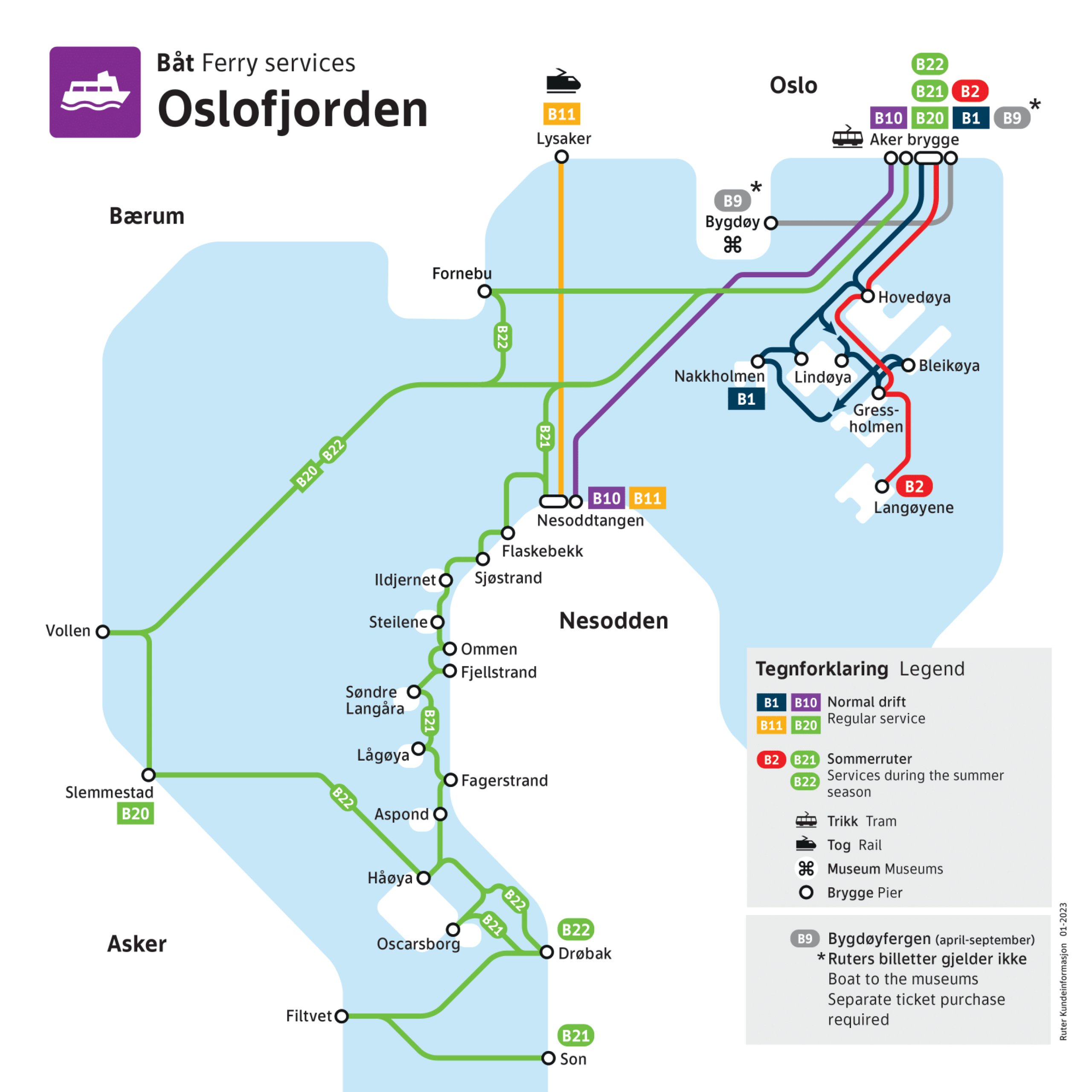
The ferry service, which forms part of the public transport network, comprises several ferry routes, all of which depart from the central ferry terminal at Aker Brygge.
The ferries sail to picturesque islands in the Oslofjord, all of which are in Zone 1, meaning you do not need to pay any extra on top of your day ticket for the ferry journey:Hovedøya,Lindøya, Gressholmen, Langøyene, Nakkholmen and Bleikøya.
Book a hotel with a view of the fjord
There are two ferry routes serving these islands:
Other busy year-round routes, running every 30 minutes, connect the town of Nesoddtangen on the peninsula:
Nesoddtangen is already in Zone 2, so if you have a day ticket for Zone 1, you’ll need to pay extra via the Ruter mobile app 27 nok.
The less frequent routes B20, B21 and B22 are also part of the Ruter network and sail to destinations in Zones 2, 3 or 4.
You can search for services and buy tickets via the website ruter.no.
RouteB9, which connects Aker Brygge with the Bygdøy museum peninsula, is not part of the public transport network, and you must purchase a ticket on board for 79 nok (card payments only).
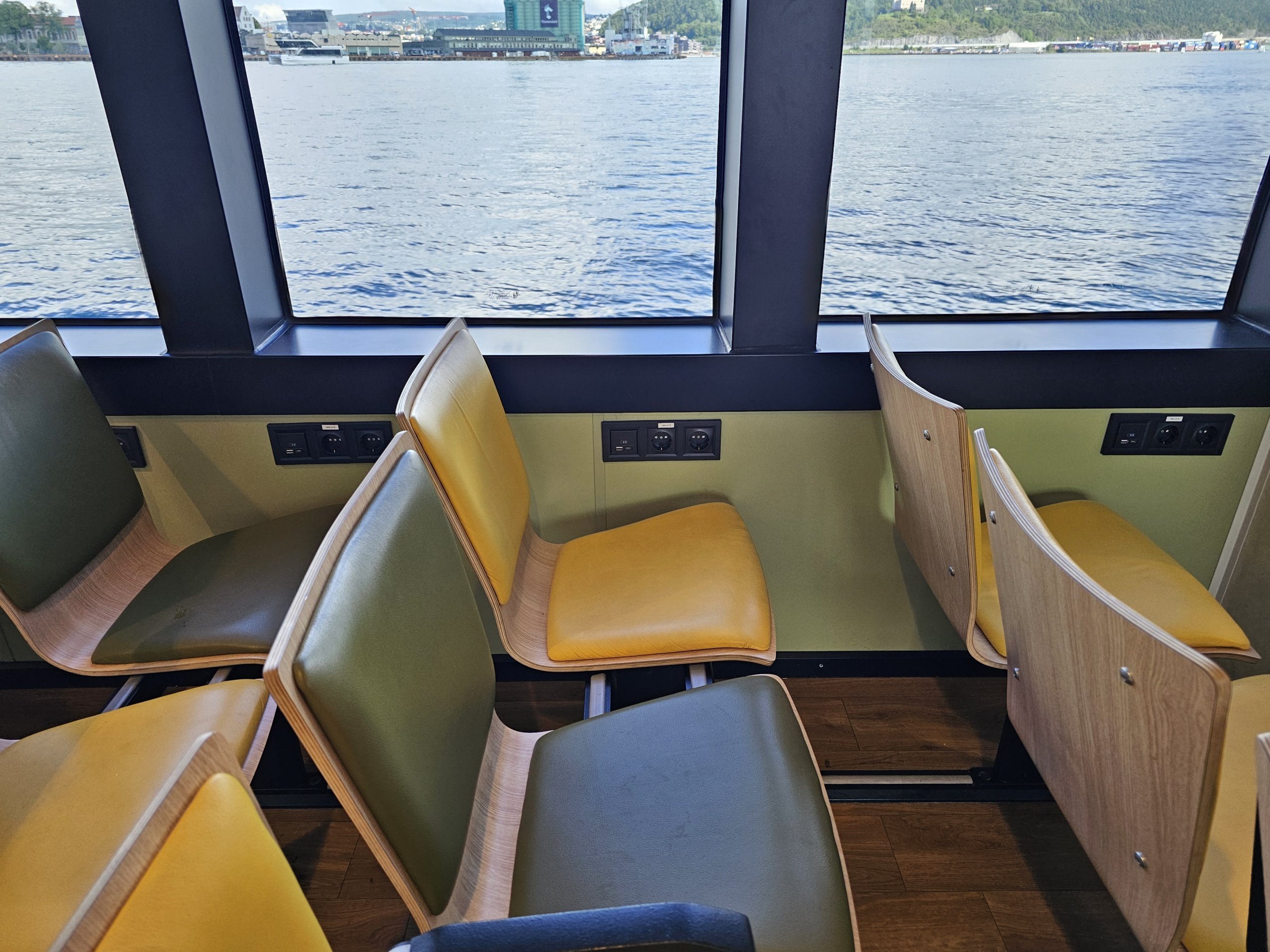
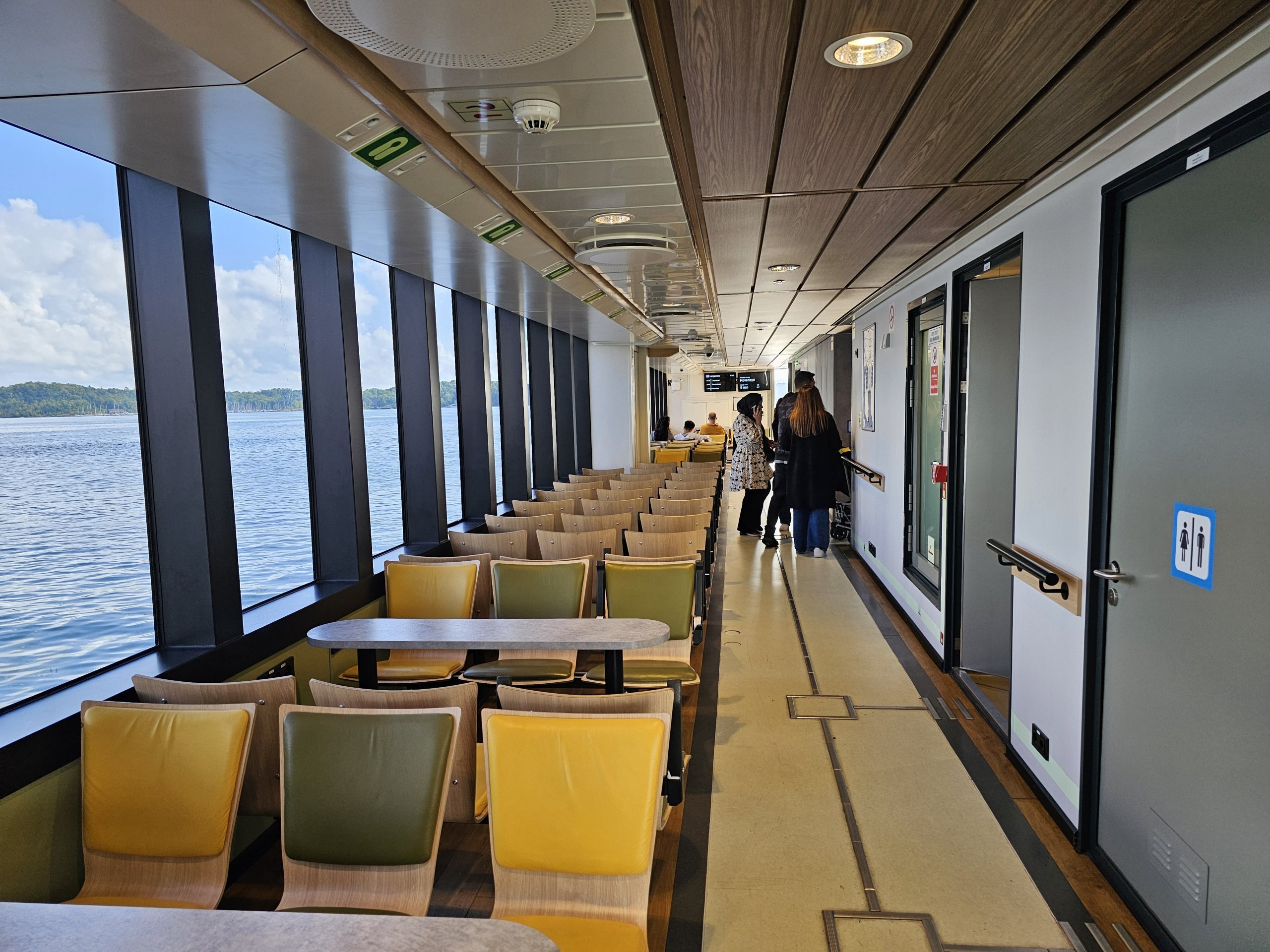
The ferries are equipped with both indoor and outdoor decks, offering magnificent views of the islands and Oslo city centre.
Inside the ferry, you’ll find power sockets and toilets.

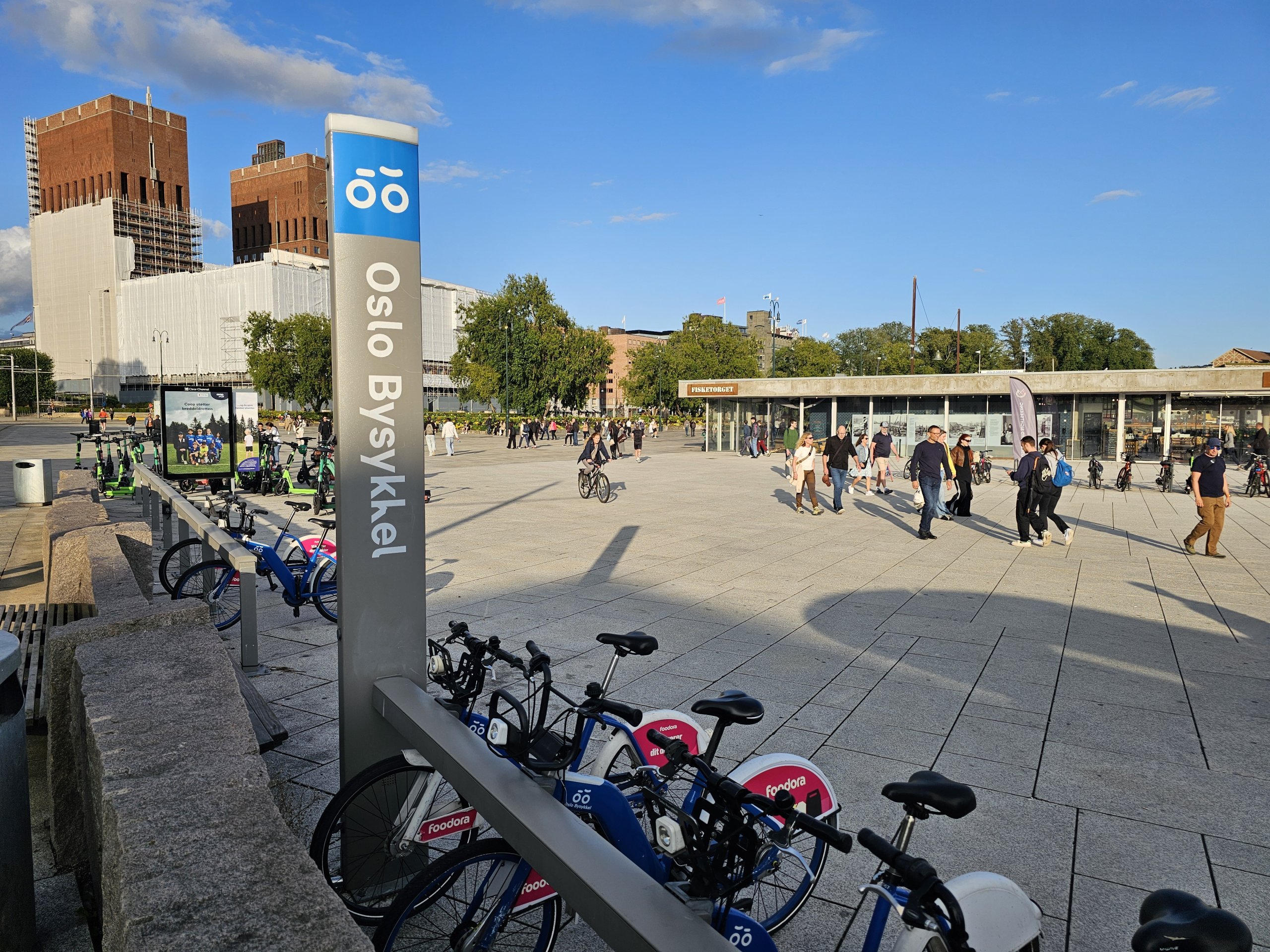
If you’re interested in a different, slightly faster and more active mode of transport than walking, you can hire a bike from public and fairly busy bike racks for a small fee.
The bike-sharing scheme is operated by Oslo Bysykkel.
To unlock a bike, you’ll need to install the Oslo Bysykkel mobile app, which you’ll also use to pay for your ride.
The prices are as follows:
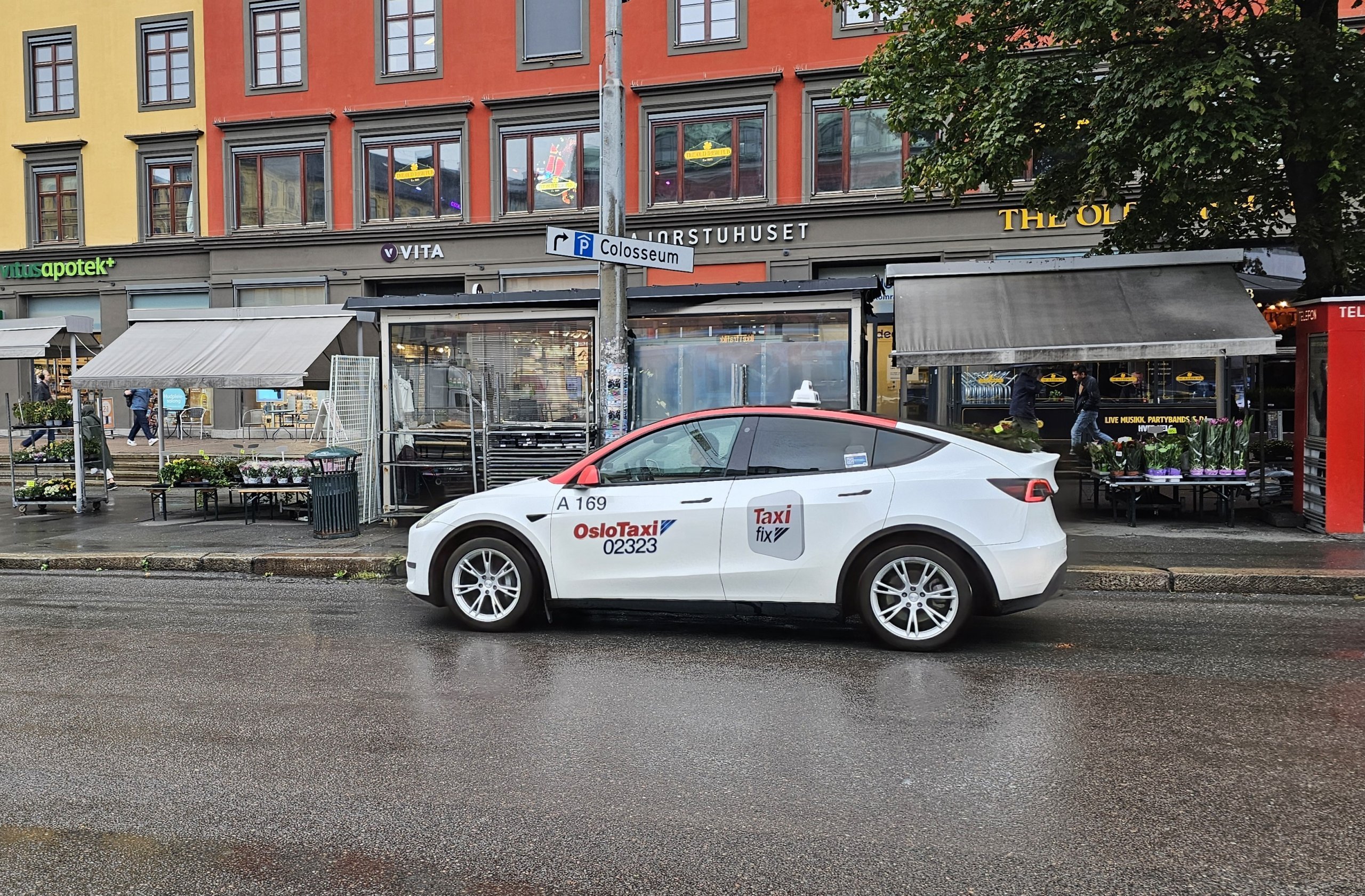
Despite their high fares, taxis are popular in Oslo and you’ll see plenty of them on the streets.
You can safely hail a standard taxi on the street by waving. Most taxi drivers only accept payment by card and do not take cash. Taxis always operate on a meter, and dishonest behaviour on the part of taxi drivers is extremely rare in Oslo.
You can check the fares for standard taxis, for example, on the website of the city’s largest taxi company:oslotaxi.no/en/prices
The Uber and Bolt mobile apps are widely used in Oslo, with Bolt usually being the cheaper option. However, it’s always worth comparing prices on both apps.
If you have any questions or comments about the article...
What is the most convenient way to get from Sandefjord Airport to Oslo?

Public transport has gone up in price, please correct ...the fare is now NOK 46 for a single ticket, NOK 137 for a 24h ticket
Thanks for the update, I will edit everywhere including the airport information.