
Marrakech from Prague with Eurowings in December
93 €



The Bygdøy peninsula is a must-see for every visitor.
This beautiful area, full of residential villas, vast meadows, parks and beaches, is particularly well known for its concentration of several museums.
If you want to explore the whole of the Bygdøy peninsula, set aside at least one full day – or, if the weather is fine and you can spend time on the beaches, feel free to allow two days.
There are several famous museums in the area that you certainly shouldn’t miss when visiting Oslo.
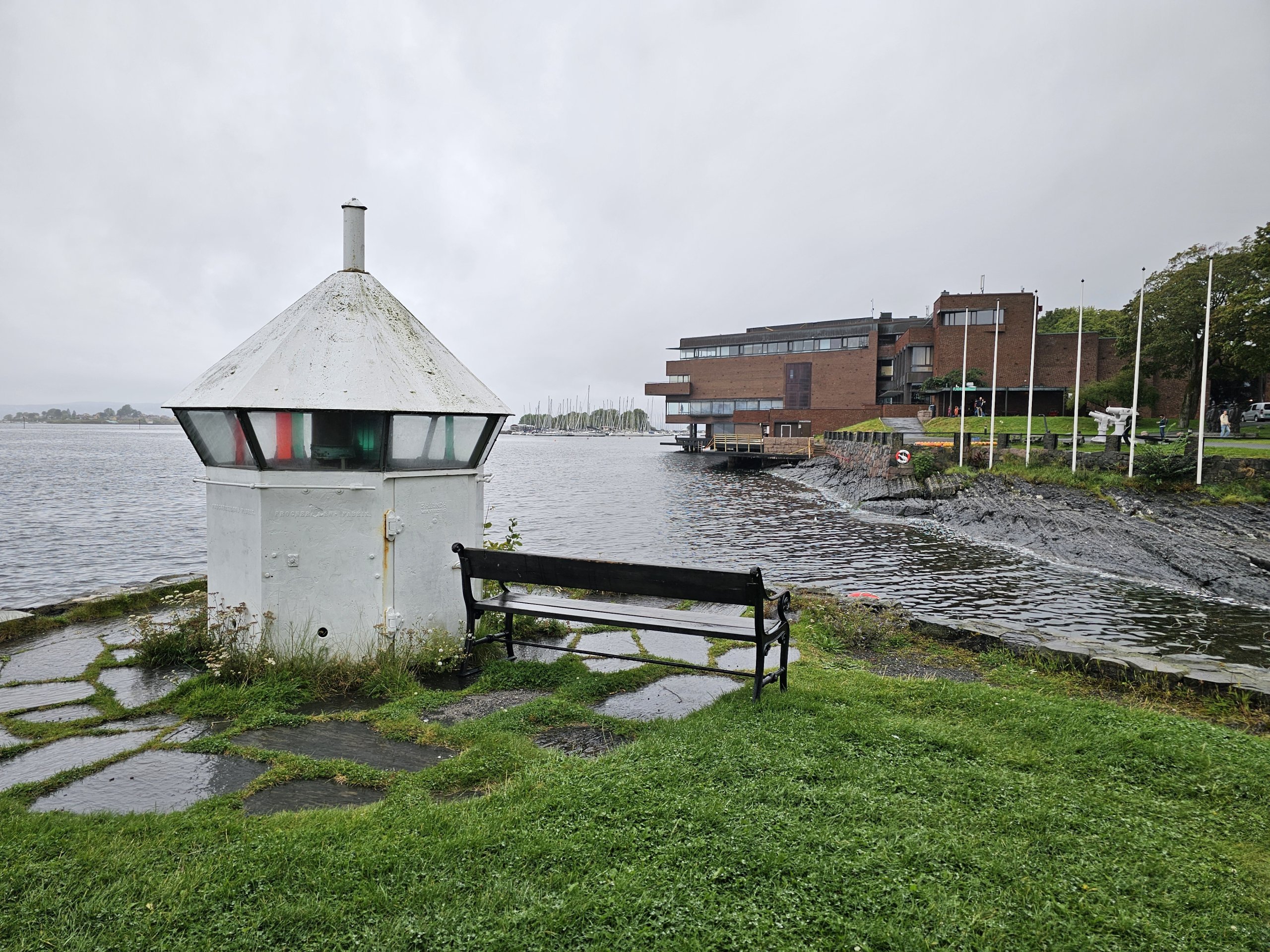
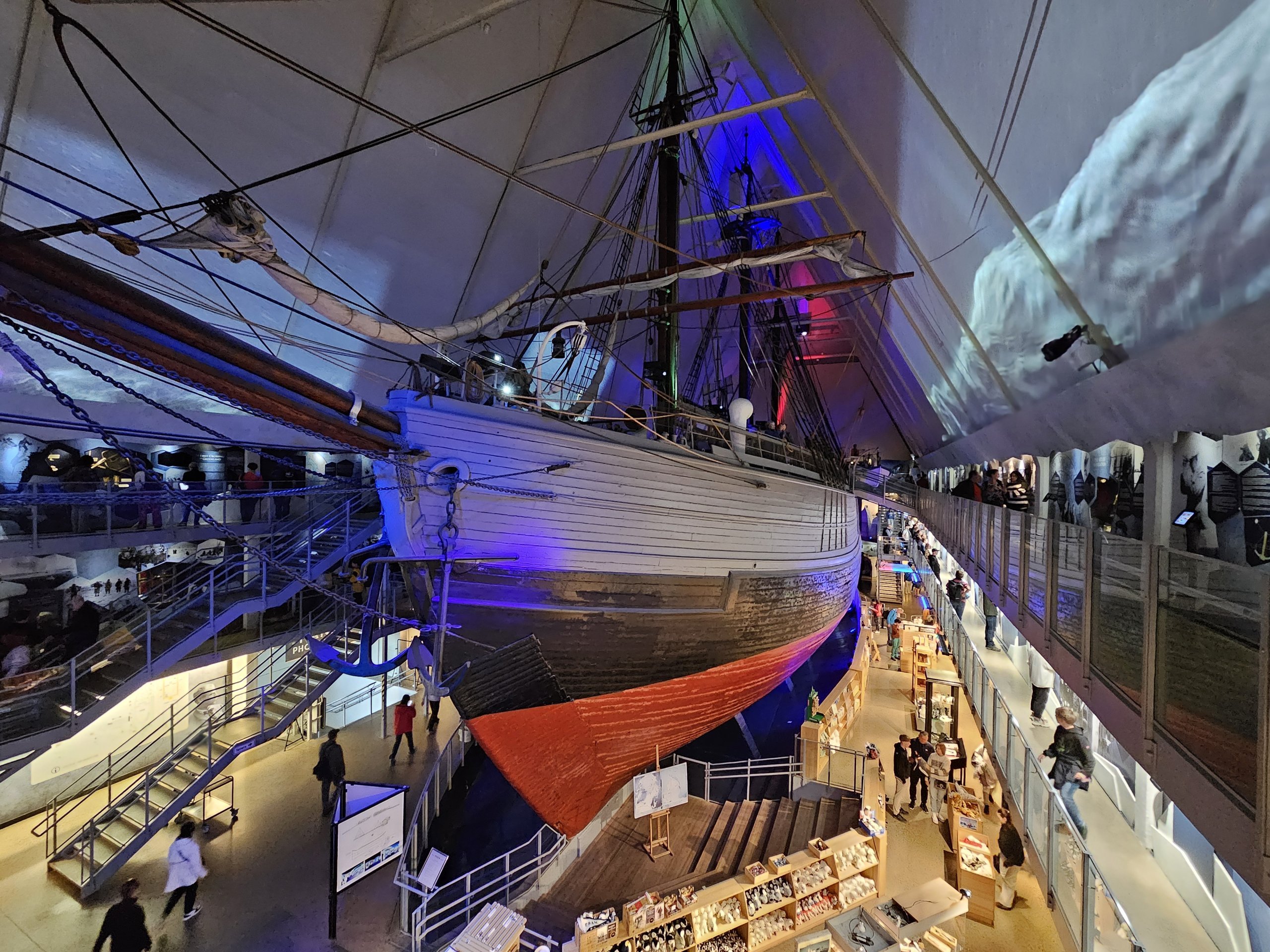
The Bygdøy Peninsula is also a lovely place for walks amongst villas, meadows and woods.
In fine weather, you can visit several sandy beaches here:
Bus number 30 runs across the entire peninsula and to all the museums; you can use it on your way to the city centre (Nationaltheatret, Kvadraturen, the Opera).
The bus runs roughly every 12–15 minutes and you can check timetables on the ruter.no website.
You can also reach the Bygdøynes ferry terminal near the Fram Museum by taking the B9 ferry, which runs every 20 minutes during the summer. Ruter tickets are not valid on this service, and you must purchase a ticket on board for 79 nok (card payments only).
Despite its popularity with tourists, there are no traditional hotels on the peninsula itself, nor are there practically any private flats.
The nearest hotel is theScandic Sjølyst ****.
Discover all the places to see in Oslo.
If you have any questions or comments about the article...



The Viking Ship Museum is currently closed for renovation.
The open-air museum is brilliant, and the indoor exhibition features touchscreen displays instead of boring, illegible labels, as befits the 21st century (unlike, for example, the Museum of the Resistance, which is firmly stuck in the 20th century, which is a bit of a nuisance).
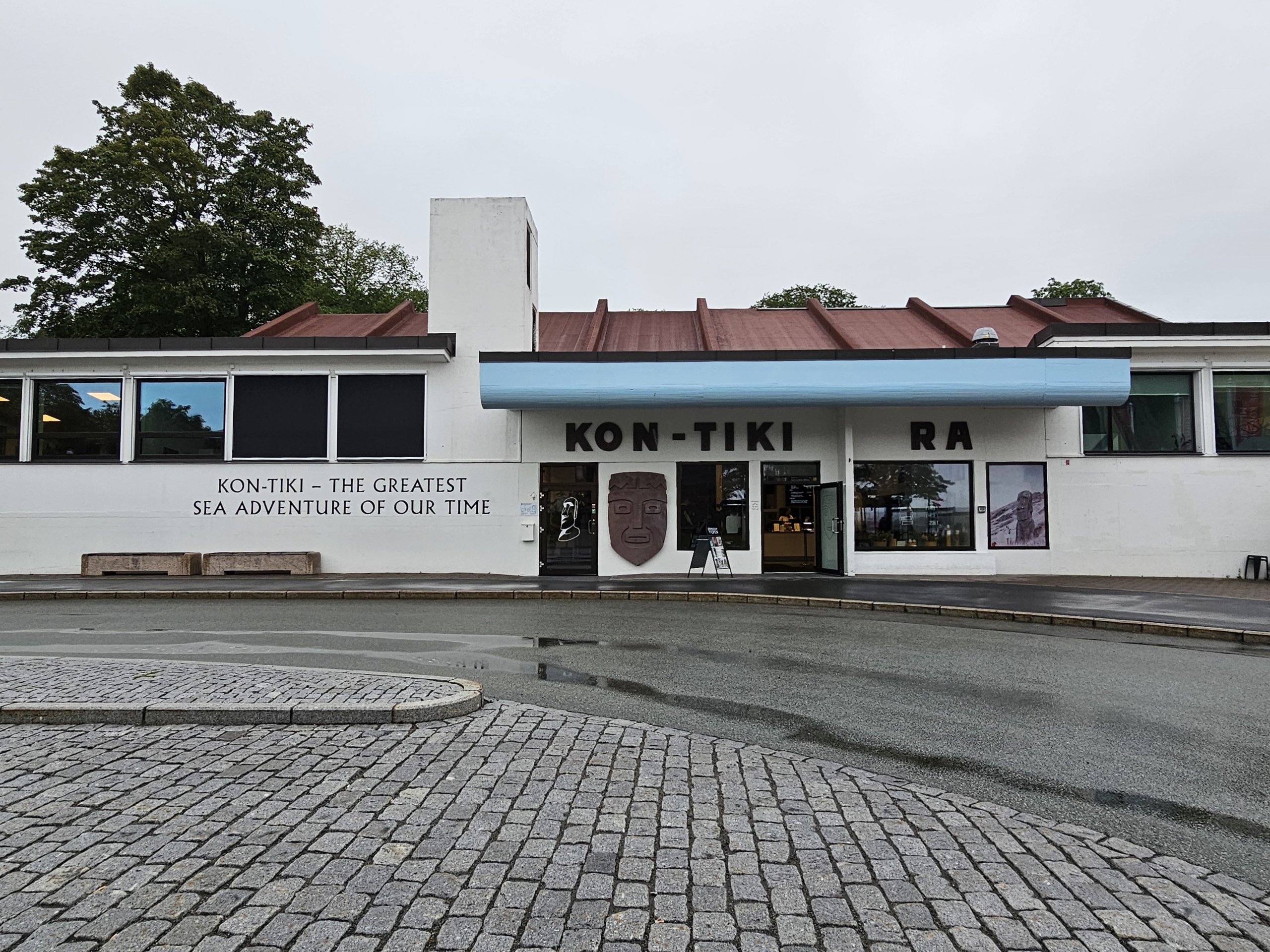
The Kon-Tiki (and Ra) Museum is also excellent. The Maritime Museum isn’t bad either.