Fly to Corsica from Vienna, even during the summer holidays, with Air Corsica
198 €


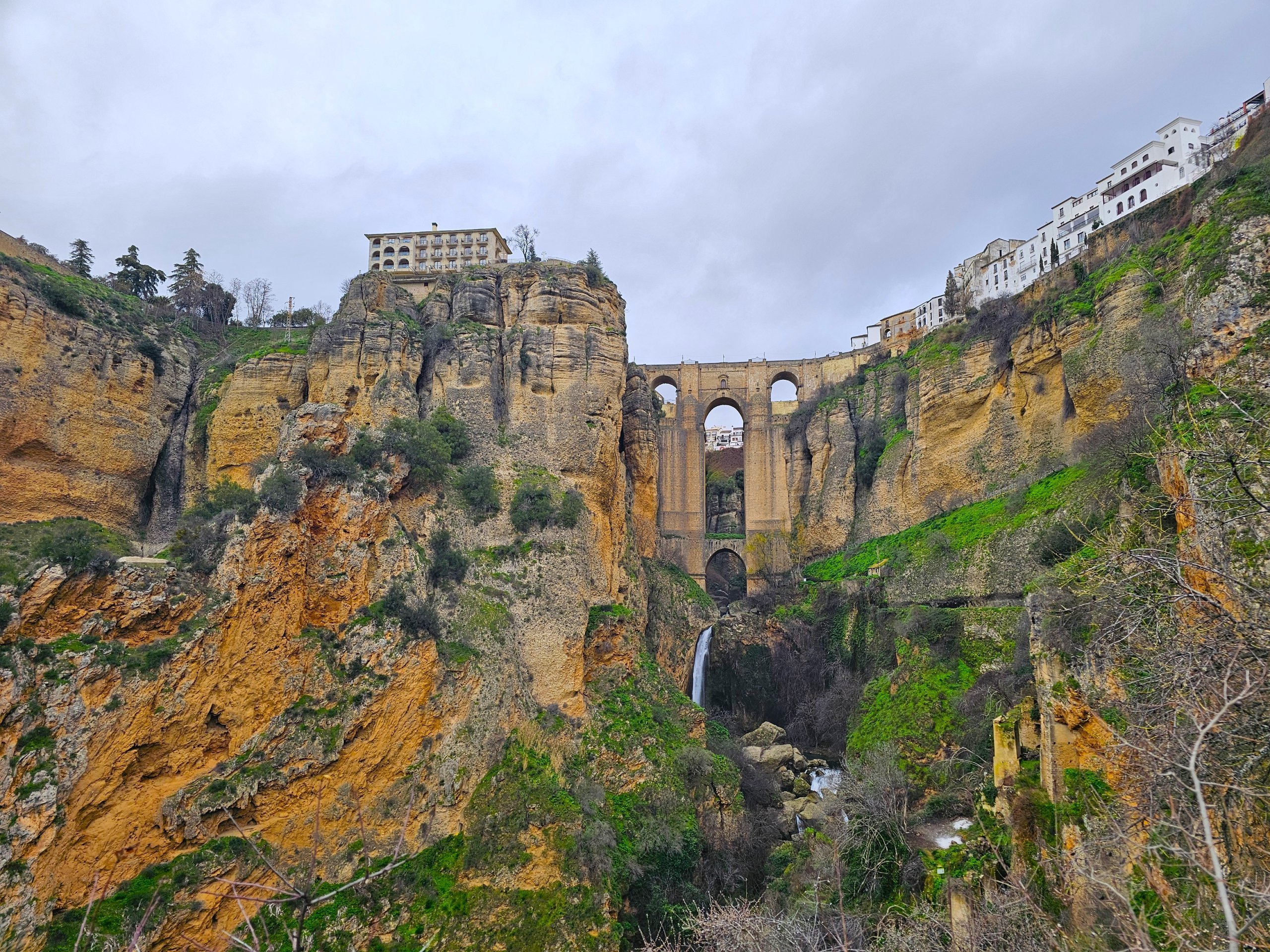
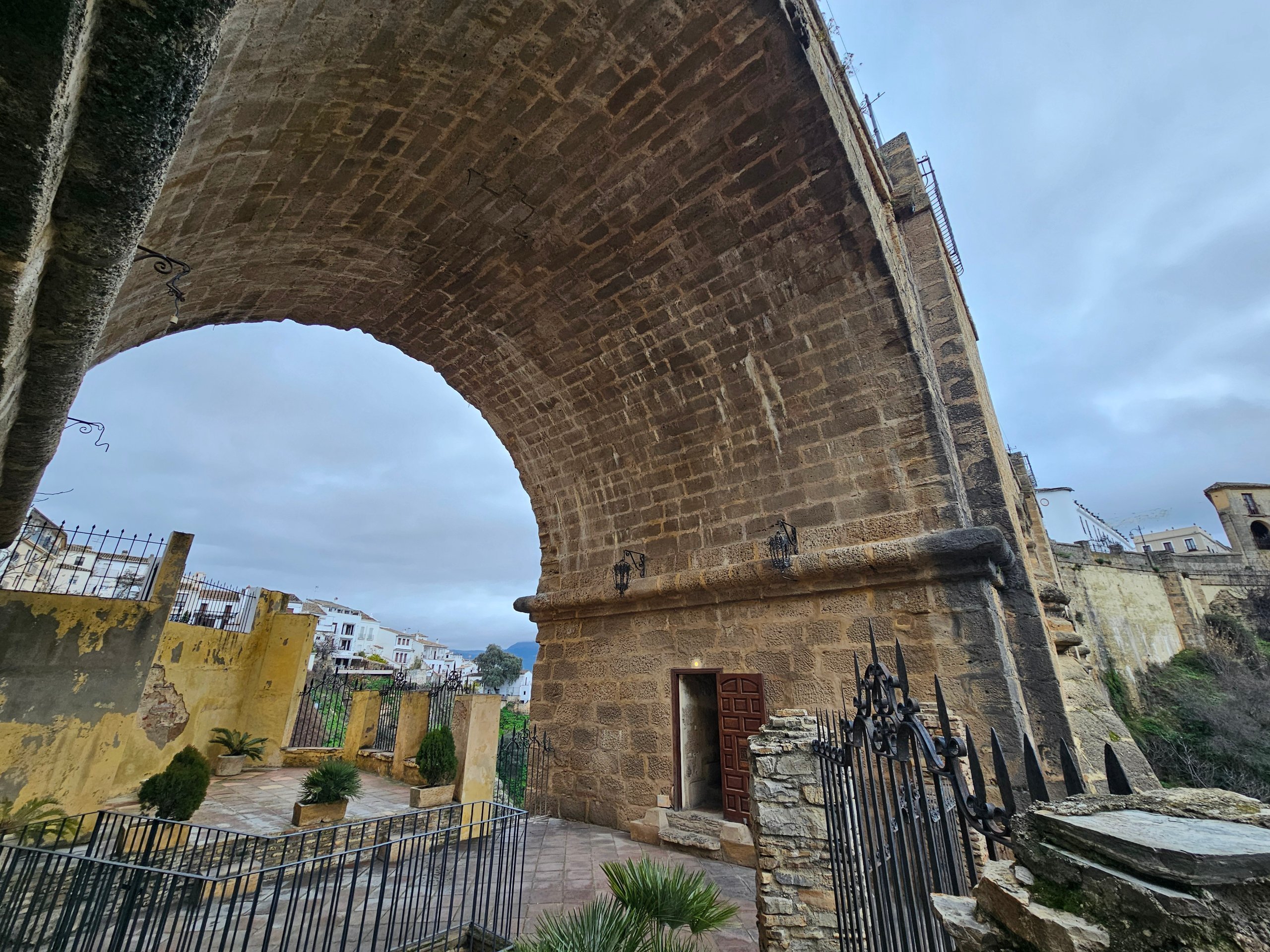
It’s easy to expect too much from a famous landmark. At the Puente Nuevo, I had the opposite problem: the photos I’d seen before my trip didn’t show just how big the bridge is.
It was only when I was there that I realised just how incredibly imposing it looks and how naturally it blends in with the rocks of the El Tajo gorge.
Puente Nuevo is certainly not an overhyped tourist stop. In my opinion, it’s really worth making the trip to Ronda just for this one monument.
To see the whole structure, you have to go down below the town. And if you want to take a good photo of it, choose the right side depending on the sun.
Compare flight prices to Málaga
The location of the viewpoints provides a simple rule of thumb: the eastern side is best in the morning, the western side in the afternoon.
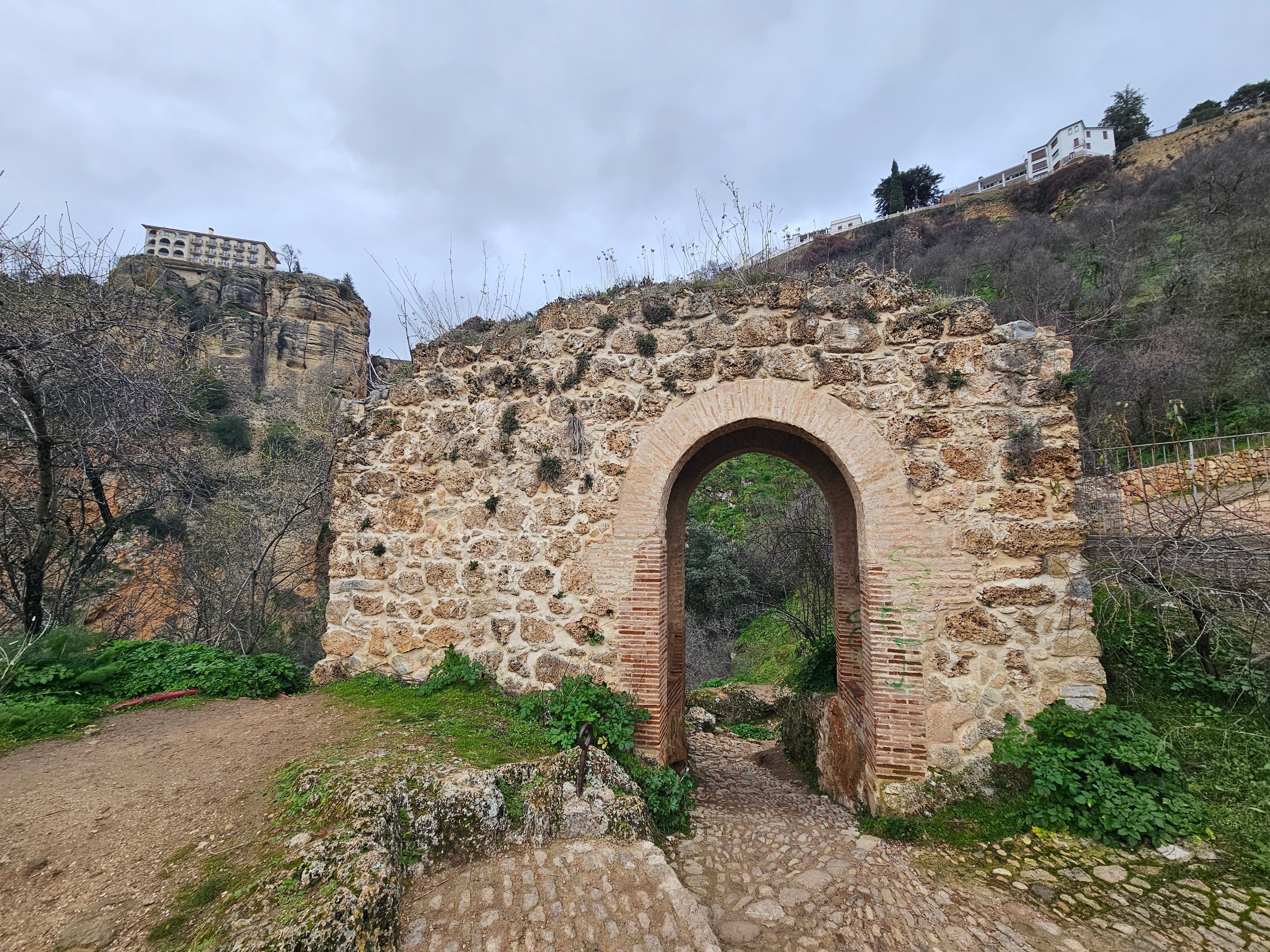
If you only have one chance, I’d choose the Arco del Cristo about 60 to 90 minutes before sunset.
Don’t wait until sunset itself. The high walls will cast the lower part of the gorge into shadow before the sun disappears below the horizon.
In summer, the evening light comes more from the side; from autumn to spring, it tends to be more direct on the western wall of the bridge.
The easiest way to catch both the morning and evening light is to stay in Ronda for one night.
The Hotel Don Miguel is situated right next to the bridge and offers specific rooms with ‘Puente Nuevo’ in their name. I’ve compared other verified options below.
If I had to choose just one viewpoint, I’d go here.
From the old Arco del Cristo gate, sometimes also known as the Arco Árabe, you can see the entire main arch, the rock faces and the town high above the valley. After rain, there may be a waterfall beneath the bridge, but don’t count on it during the dry season.
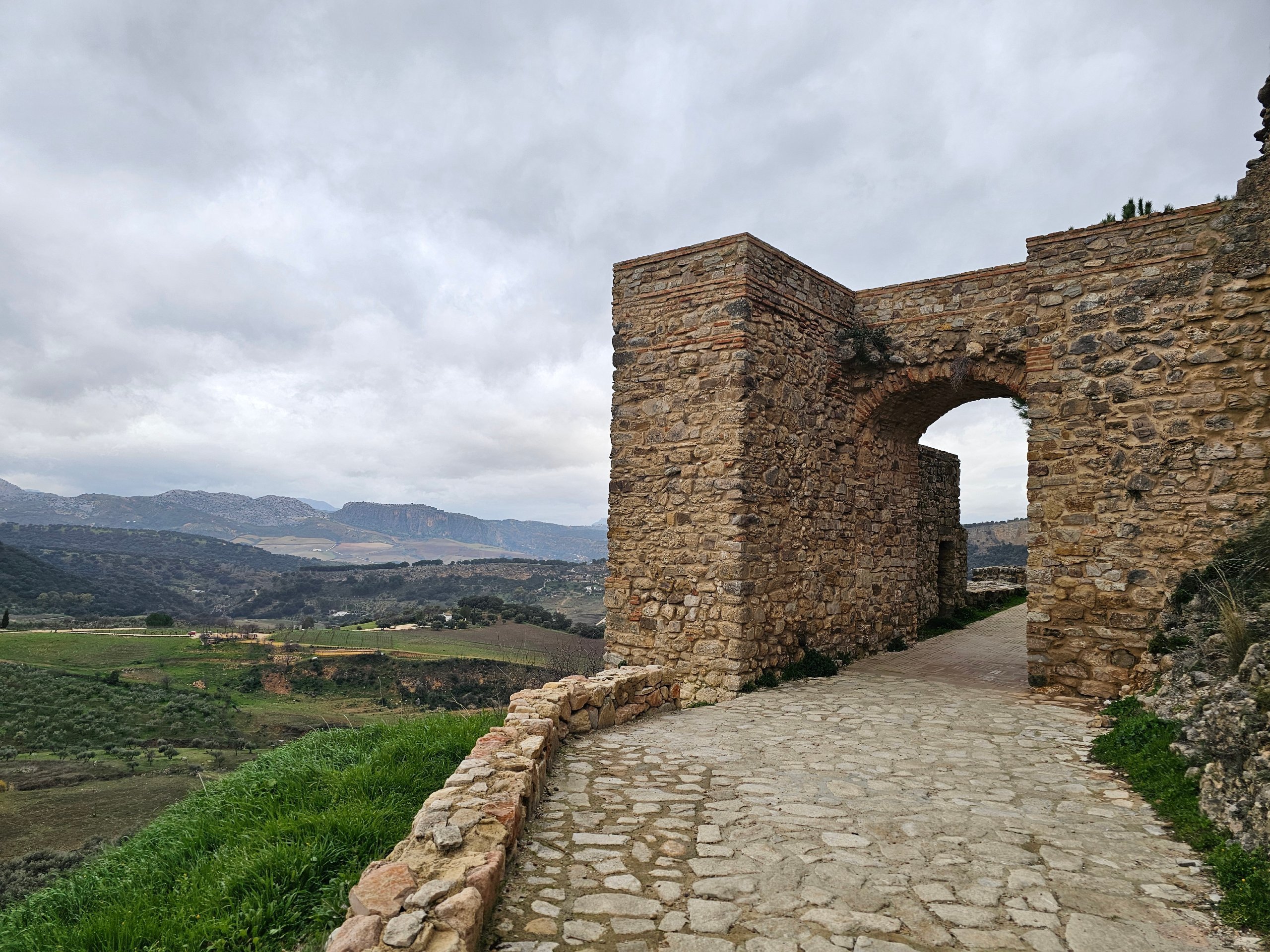
From Plaza María Auxiliadora, head down the Camino de los Molinos.
At Casa Manolillo, stick to the public path and avoid the entrance to the toll footbridge. The descent takes about 15 to 20 minutes. It isn’t technically difficult, but it is steep and uneven in places. The climb back up is noticeably more challenging than the descent.
What’s more, there are absolutely stunning views from here of the open countryside below Ronda.
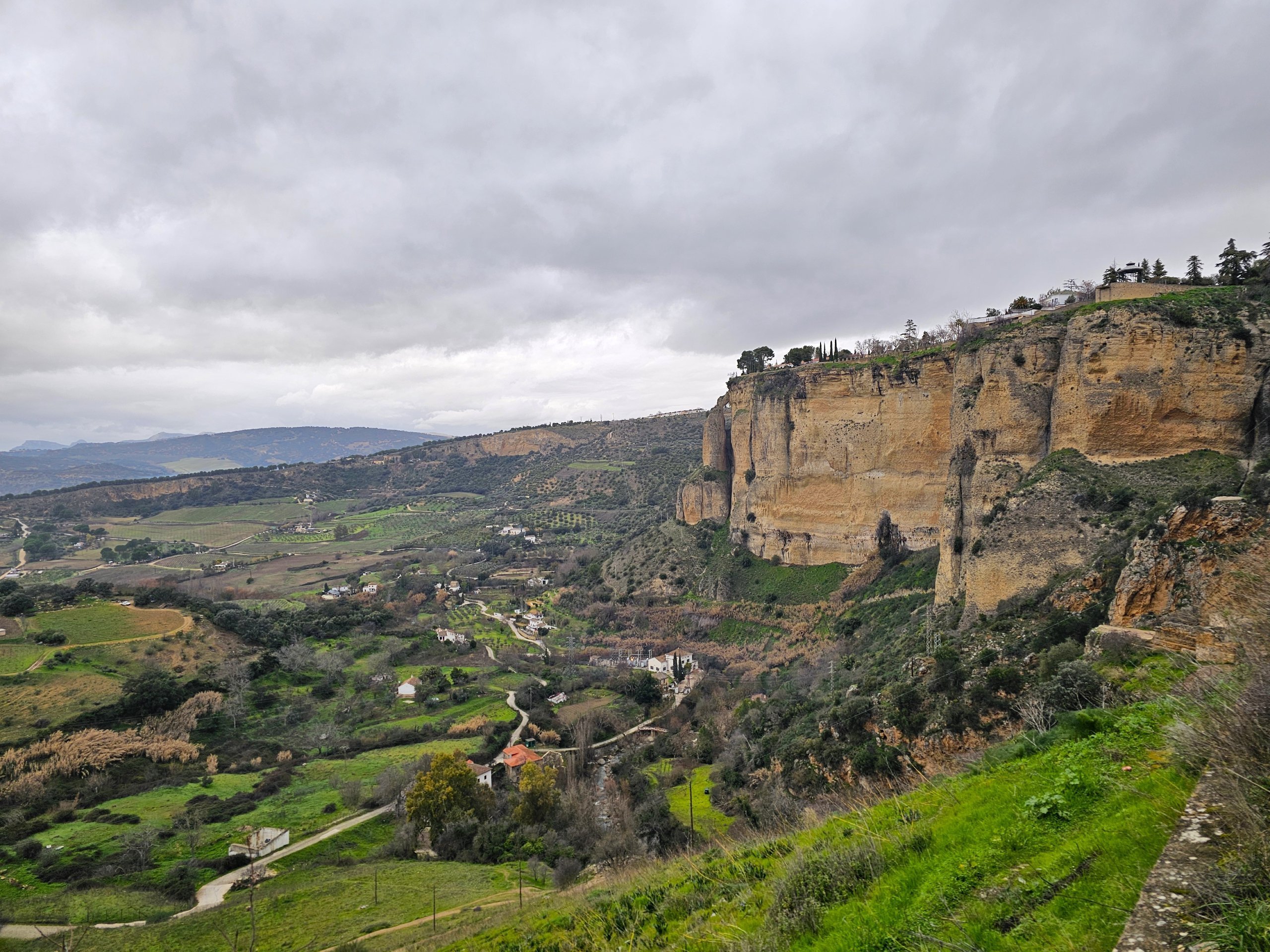
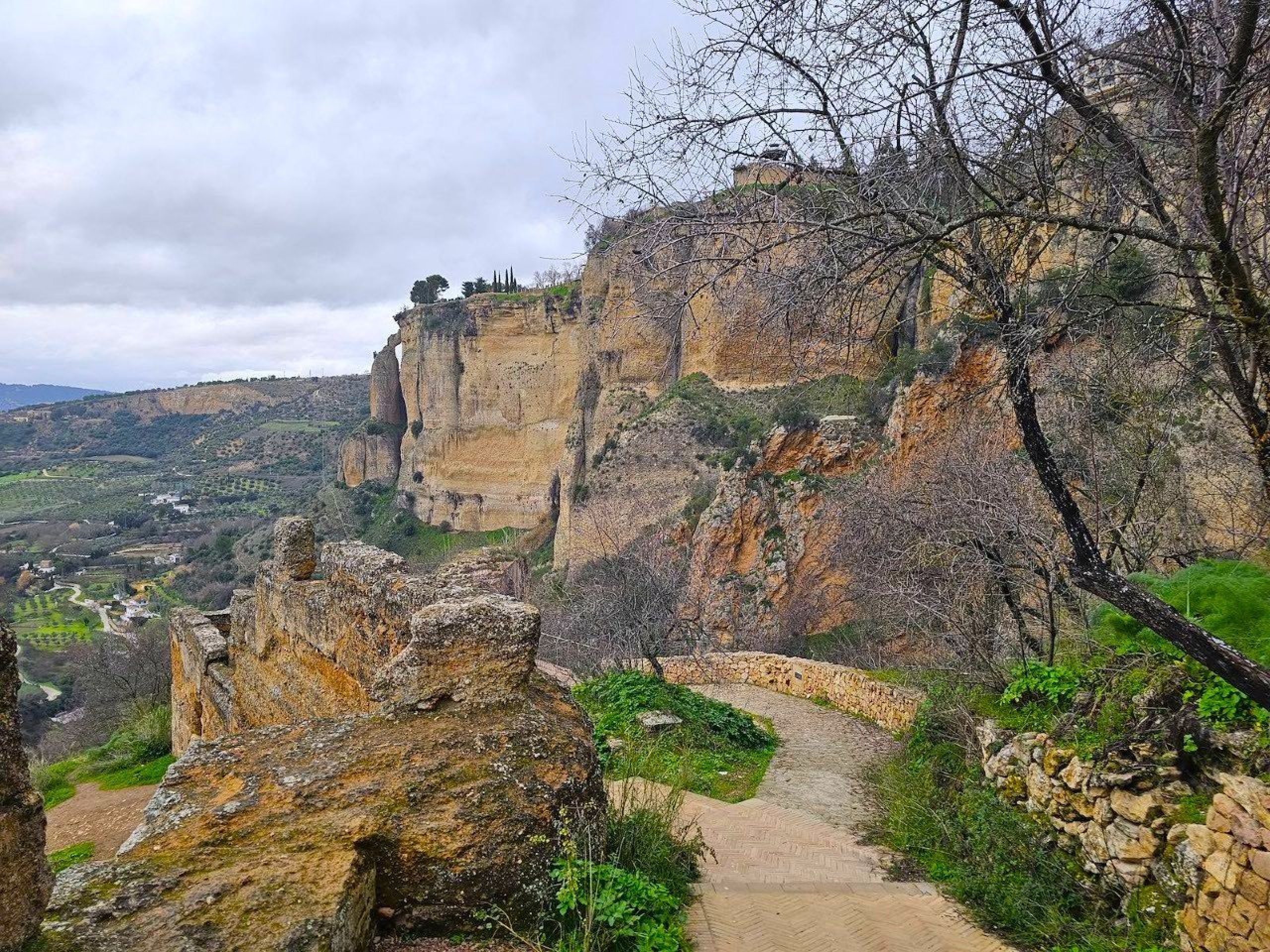
Mirador Puente Nuevo is situated higher up and closer to the bridge than Arco del Cristo.
It forms part of the landscaped entrance to the gorge and features a railing and a safe viewing platform. From here, the bridge fills most of the frame, and its height really stands out.
I wouldn’t choose the paid route just for this photograph alone. The slightly more distant Arco del Cristo offers a more complete composition for free.
However, the entrance fee makes sense if you want to continue right up to the arch and walk through the gorge. It is precisely the scale of the structure when viewed up close that is the main reason to visit.
A similar view can be enjoyed for free on the walk from the Arco del Cristo back to the town centre.
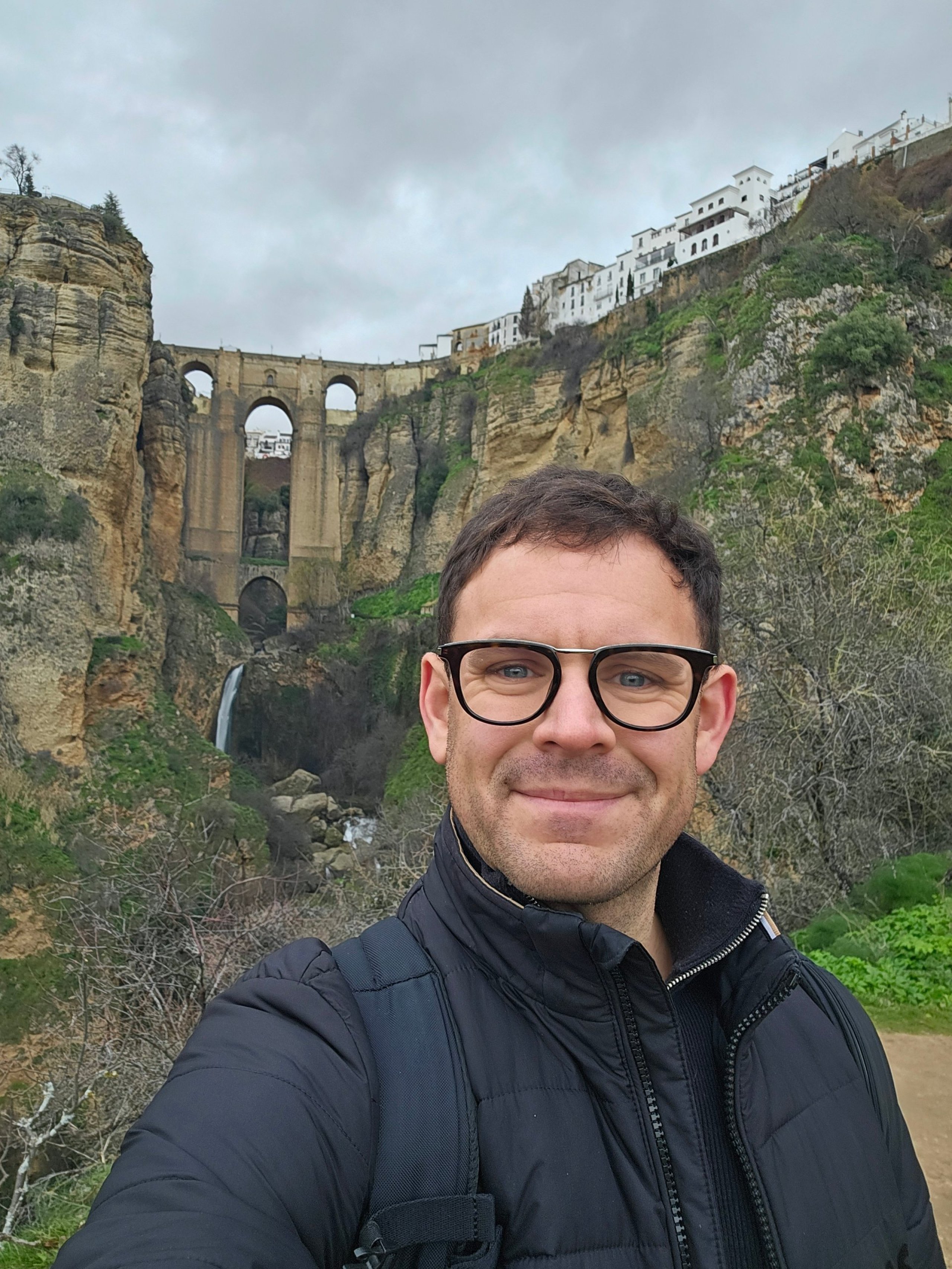
La Hoya del Tajo lies further down the valley. The bridge appears smaller in the photograph, but it is only from here that its relationship with the cliffs and the position of Ronda as a whole above the precipice really stand out. It is the best spot for a wide-angle shot and there tend to be fewer people here than at the higher viewpoints.
Continue down past the Arco del Cristo. It takes about another 10 to 15 minutes to reach the viewpoint; the walk back uphill takes longer.
You can also get there by car from the valley, though the final stretch may be narrow and unpaved. Without knowing the local roads, I’d opt to walk.
On your mobile, try using the 2x zoom instead of the widest lens. A wide-angle shot will show the whole valley, but the bridge will easily get lost in the frame.
Camino del Desfiladero is not just another viewpoint. The route descends to the foot of the bridge and then continues along footbridges beside the River Guadalevín through the heart of the gorge.
It is here that you’ll best appreciate what the builders have erected above you. For me, this view is more powerful than actually walking across the bridge itself.
The entire one-way route is almost a kilometre long. It starts at Casa Manolillo below Plaza María Auxiliadora and ends at the former Ermita de San Miguel near the Arab Baths. You won’t be returning to the same entrance; the way back to the historic centre is uphill.
Admission costs 12 eur. Book your slot in advance on the official Camino del Desfiladero website, as capacity for each time slot is limited. I’d allow at least an hour for the walk itself, and longer if you’re taking photos.
Inside the gorge, the sun has less of an impact than at typical viewing points. In summer, I’d choose the first or last time slot because of the heat. Around midday, more light filters down, but the contrast between the bright sky and the dark walls will be stark.
Before booking, please bear the following rules in mind:
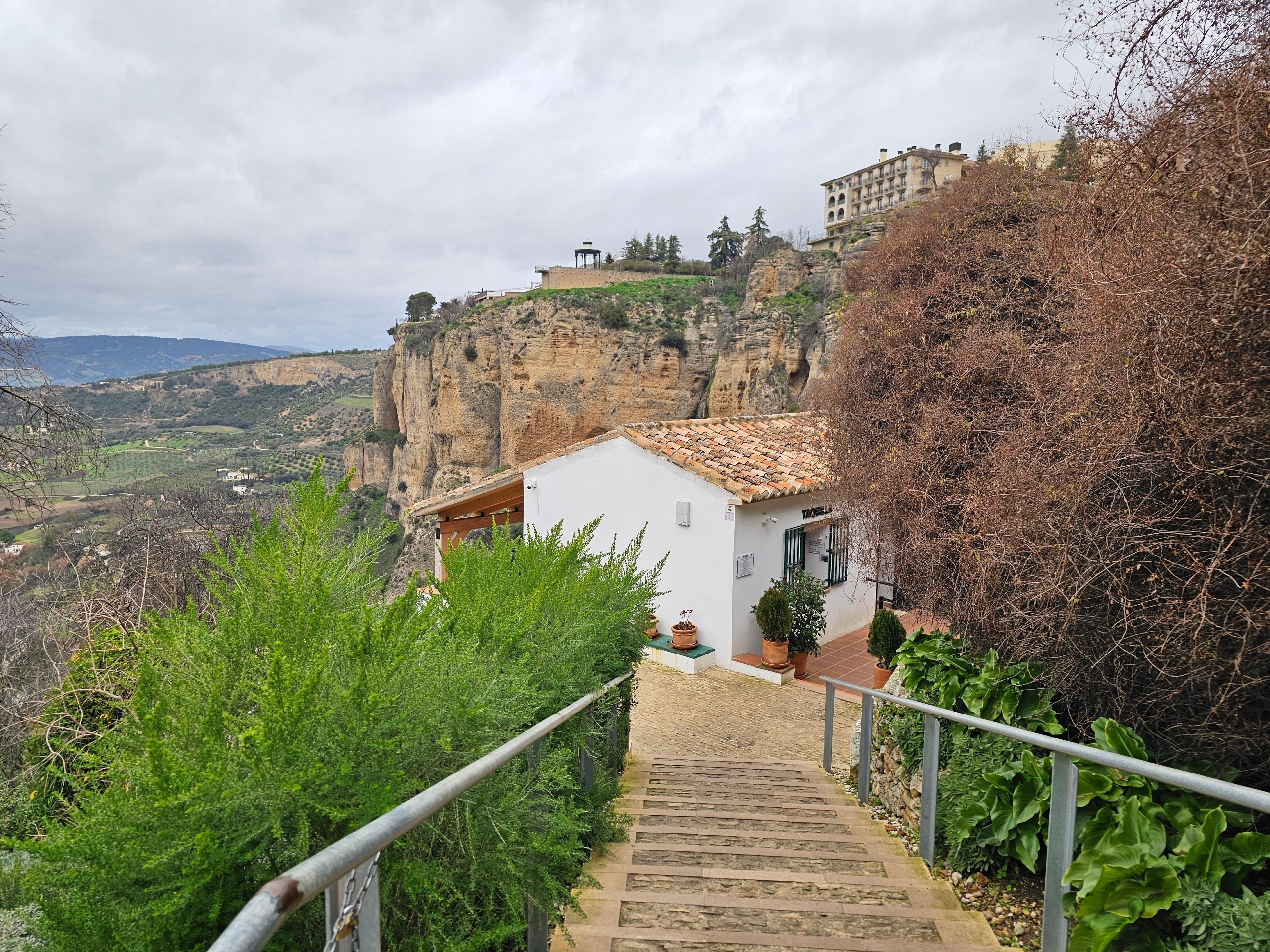
The terraced Jardines de Cuenca gardens lie on the eastern edge of the gorge. They are on the opposite side of the bridge to the descent from Plaza María Auxiliadora and are bathed in more favourable light in the morning.
Don’t just stay on the top terrace. Walk down a few levels and keep turning around as you go.
With each level, a larger section of the bridge comes into view and the relationship between the arch and the rock faces changes.
Below, you’ll also see the smaller and older Puente Viejo bridge.
The gardens are freely accessible during opening hours, but not around the clock. There are many steps leading between the terraces.
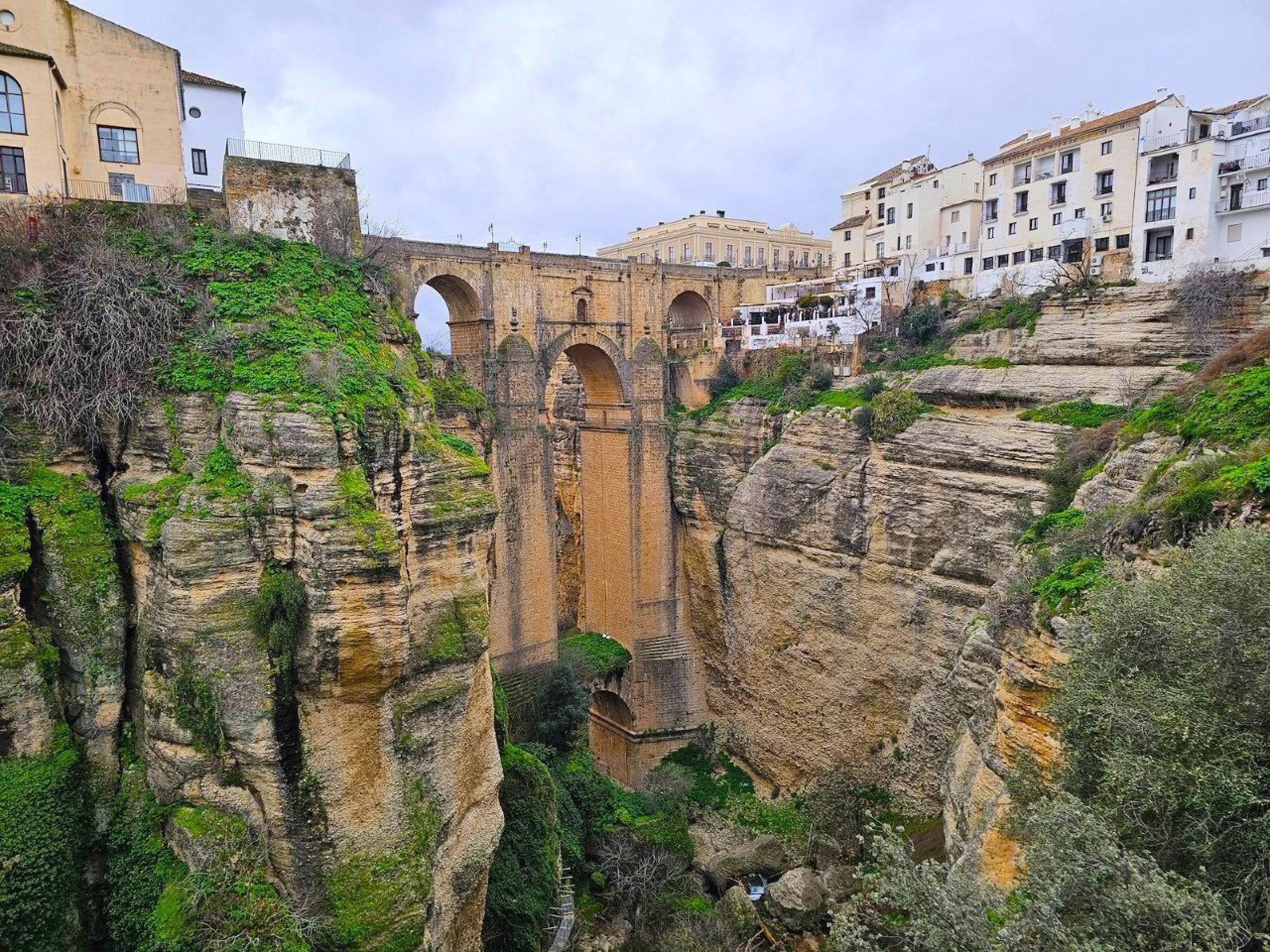
You’ll find the Mirador de Aldehuela right next to the eastern end of the bridge.
You don’t need to go down any steps, and it’s just a few minutes’ walk from Plaza de España. It’s the best option for those with limited mobility, pushchairs or a very short visit.
From the viewpoint, you can see the side and upper part of the Puente Nuevo, as well as the gorge leading towards the Puente Viejo.
You won’t be able to see the full height of the bridge from here, as you’re standing almost at the same level as it. The bridge is better lit in the morning; later in the day, you’ll be taking photos more against the light.
On some maps, the Mirador de los Viajeros Románticos appears right next to it.
When visiting the Puente Nuevo, treat this as part of the same stop. It mainly offers a view into the interior of the gorge.
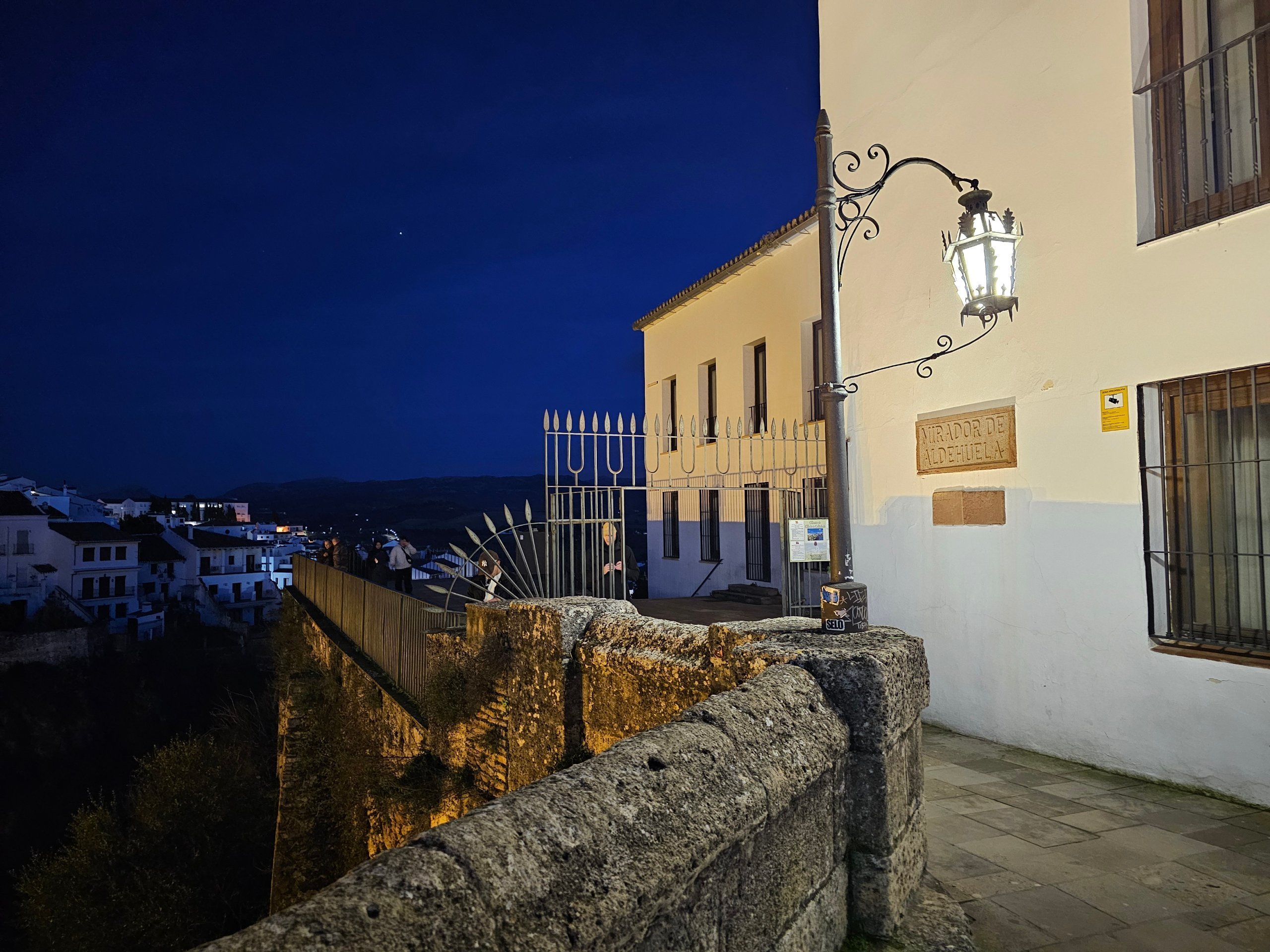
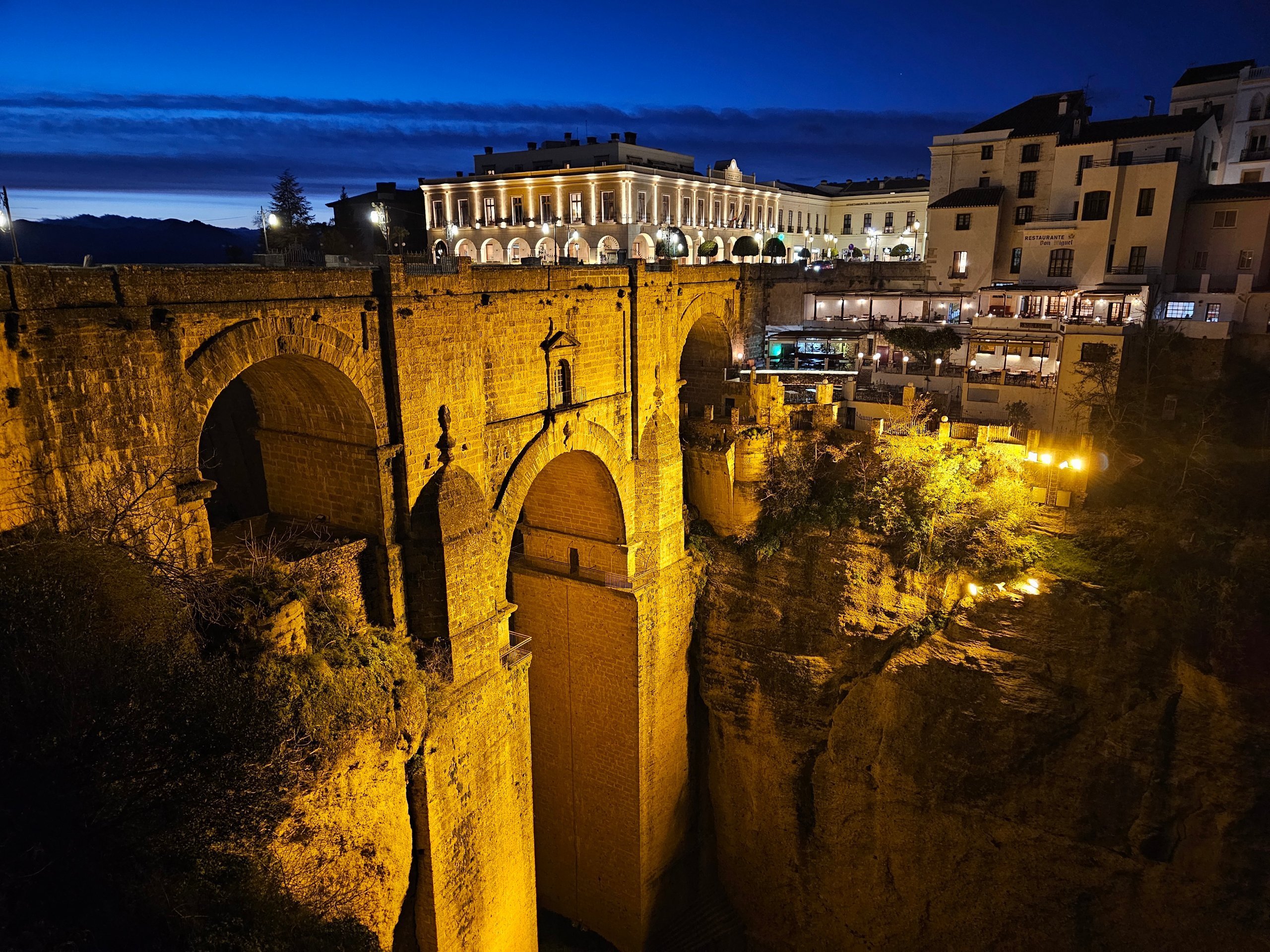
On the opposite side of the bridge, a short promenade runs past the Parador de Ronda. You’ll find it marked on the map as Paseo de Kazunori Yamauchi. It offers a close-up view of the upper part of the bridge’s western wall and down into the valley.
Due to its location, it works better in the afternoon than the Mirador de Aldehuela. After sunset, it is also one of the easiest places to photograph the bridge when it is illuminated. The promenade is flat and just a few steps away from the Plaza de España.
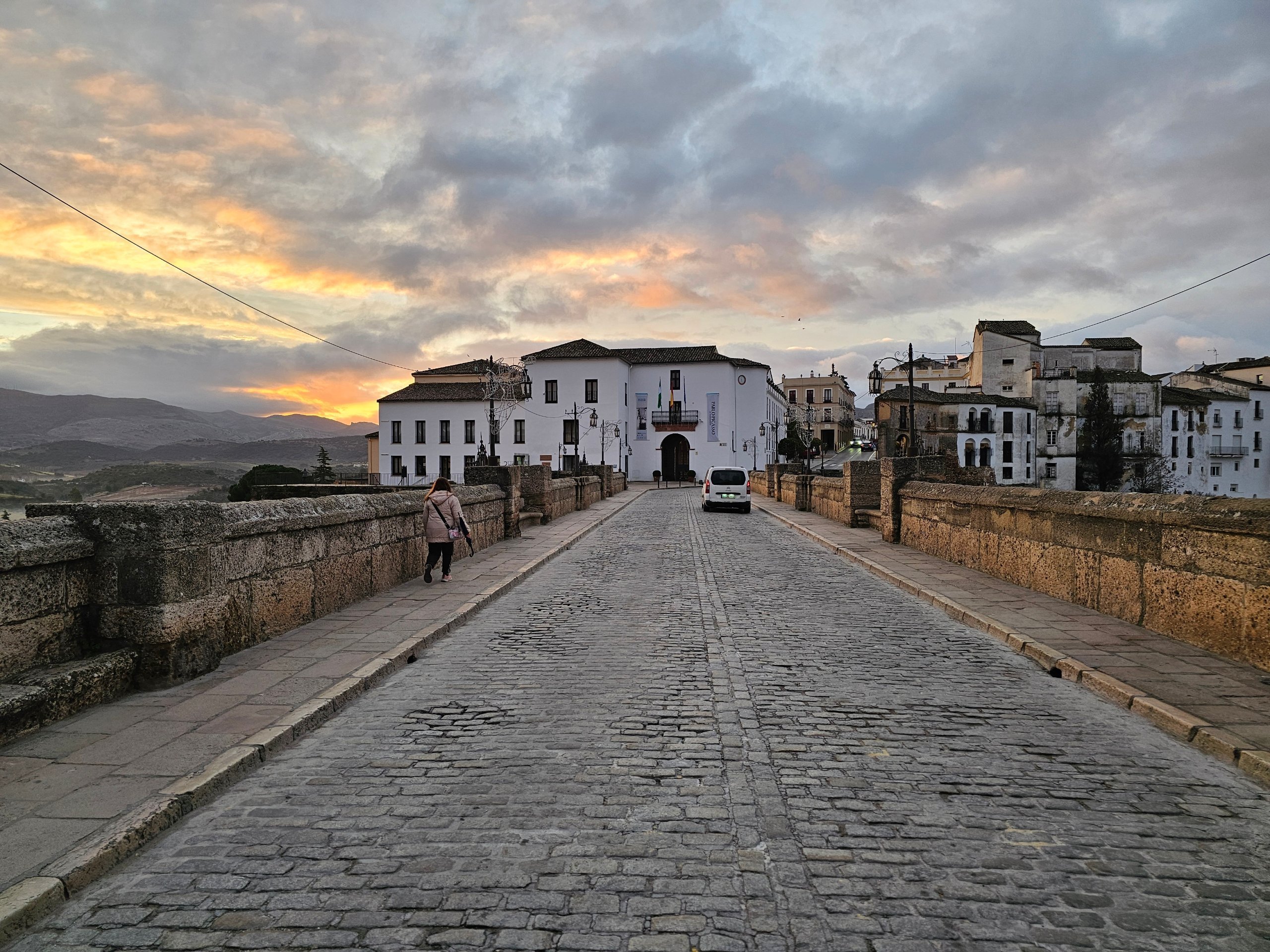
Crossing the Puente Nuevo is free. From the footpaths, you can look down deep into the gorge and see the houses clinging to the rocks, but you cannot see the entire bridge. The footpaths are narrow and local traffic may still be passing over the bridge, so please do not step onto the carriageway to take photographs.
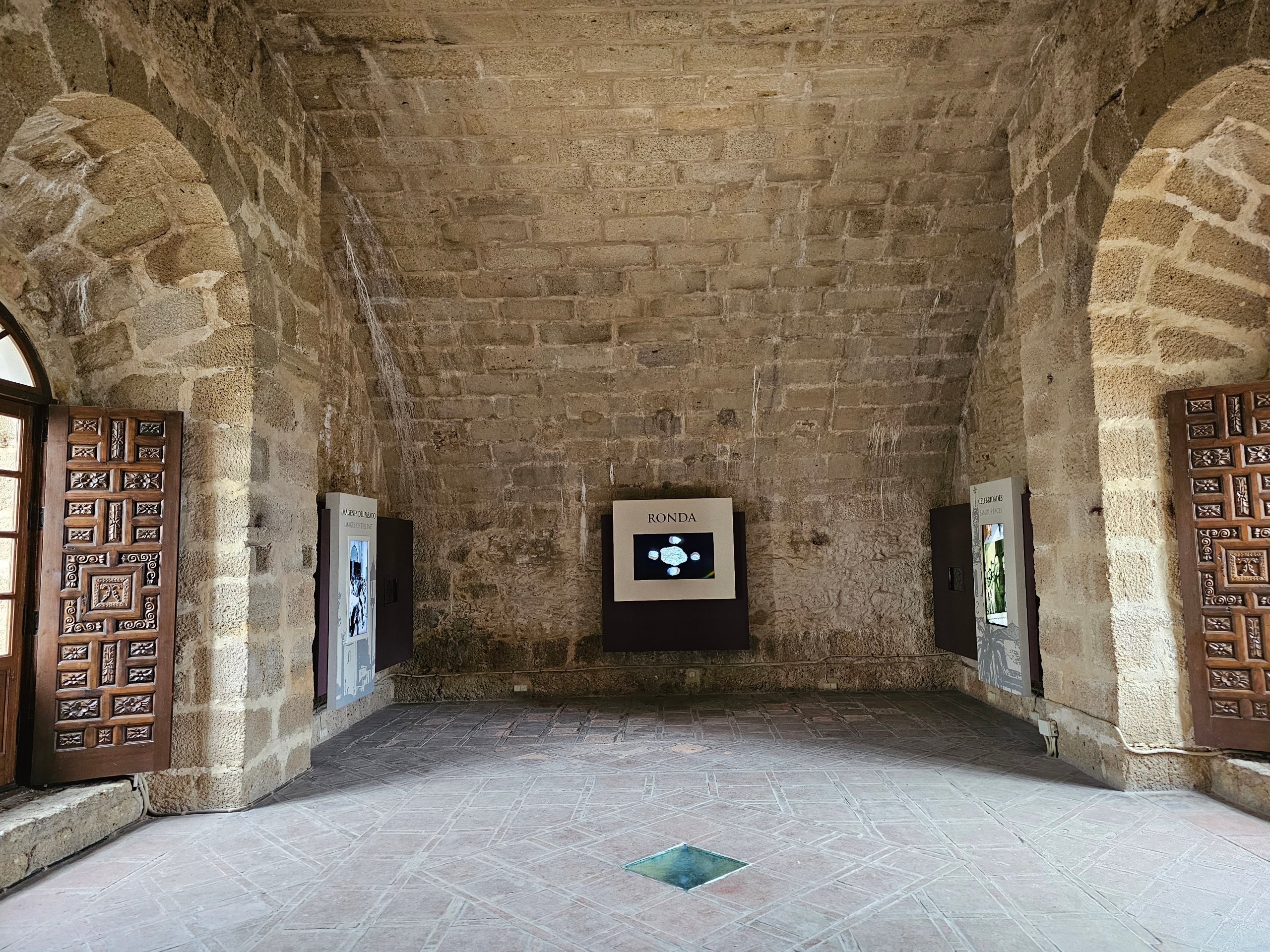
A small entrance from the bridge leads to the former guardhouse in the area above the main arch.
Today, there is a brief exhibition inside about the bridge’s construction, and the windows offer unusual views into the canyon.
The visit takes about 15 minutes. At the time of our last visit, 2,50 eur; please check the centre’s official website for opening hours.
Admission can only be paid by card.
If you have 30 minutes: walk past the Mirador de Aldehuela, cross the bridge and stop off at the Paseo de Kazunori Yamauchi. It’s easy and free, but you won’t be able to see the full height of the structure.
If you have 1½ hours: cross the bridge and walk down from Plaza María Auxiliadora to the Arco del Cristo. This option offers the best balance between time spent and the view you’ll get.
You have half a day: start in the morning at the Jardines de Cuenca and the Mirador de Aldehuela, then head to the historic centre and walk the entire length of the Camino del Desfiladero. The route will take you past the Arab Baths, from where you can return via the Puente Viejo.
If you want the best photos: stay overnight in Ronda. In the morning, take photos of the eastern viewpoints; during the day, walk through the gorge; in the late afternoon, head down to the Arco del Cristo or La Hoya del Tajo; and after sunset, return uphill for the blue hour.
You can cover all the angles in a day, but it’s not possible to catch good light on both sides during a short stop.
When looking at hotels, be aware of the difference between a ‘view of the gorge’ and a ‘view of the Puente Nuevo’. They’re not the same thing.
If you’re paying extra for the view, check the name of the specific room and its photos. Even a hotel situated right next to the bridge doesn’t guarantee that you’ll be able to see it from every room.
Compare hotels near Puente Nuevo
I describe more options and neighbourhoods in the guide on where to stay in Ronda.
If you’re staying in Málaga, Marbella or on the Costa del Sol and don’t want to worry about transport links, an organised day trip is a good option. Most tours combine Ronda with Setenil de las Bodegas.
Before booking, I’d check, above all, how much free time is included.
You’ll need at least 1½ hours for the bridge and the walk down to one of the lower viewpoints; two to three hours is much more comfortable. Some tours only show the upper part of the bridge and don’t visit the Arco del Cristo at all.
Of the options available from Málaga, the trip to Ronda and Setenil – with around four hours of free time in Ronda – makes the most sense to me for visiting Puente Nuevo. A break of that length allows you to walk down to the base of the bridge and return without having to rush.
I compare all the travel options in the section on how to get to Ronda.
The name means ‘New Bridge’, yet the current structure was built between 1759 and 1793. It is ‘new’ in relation to the two older bridges further down in the gorge.
Puente Nuevo connected the historic district of La Ciudad with the newer part of El Mercadillo and radically changed the way people moved around the city.
A previous attempt in 1735 lasted only six years. The bridge collapsed, killing approximately 50 people. The new structure therefore took 34 years to build, and its massive piers were set right at the bottom of the gorge. The completion of the bridge was overseen by the architect José Martín de Aldehuela.
The structure measures approximately 98 metres from the river to the top edge. The often-cited figure of 120 metres refers to the maximum depth of the El Tajo gorge, not to the height of the bridge itself. The stone was quarried directly in the canyon, which is why the bridge is the same colour as the surrounding walls. This, too, made it seem to me more like a continuation of the rock than a structure inserted into the landscape.
You’ll see the Puente Nuevo on every walk through the town centre.
However, you’ll only see the whole bridge once you’ve walked away from it and descended into the countryside below Ronda. It’s from there that you can best see why, in my opinion, it’s not just a symbol of the town, but a place that makes the journey to Ronda worthwhile.
Further planning: what to see in Ronda, accommodation in Ronda and transport to Ronda.
Discover all the places to see in Ronda.
If you have any questions or comments about the article...