
Monuments and statues in Malaga
5 best monuments & statues in Malaga
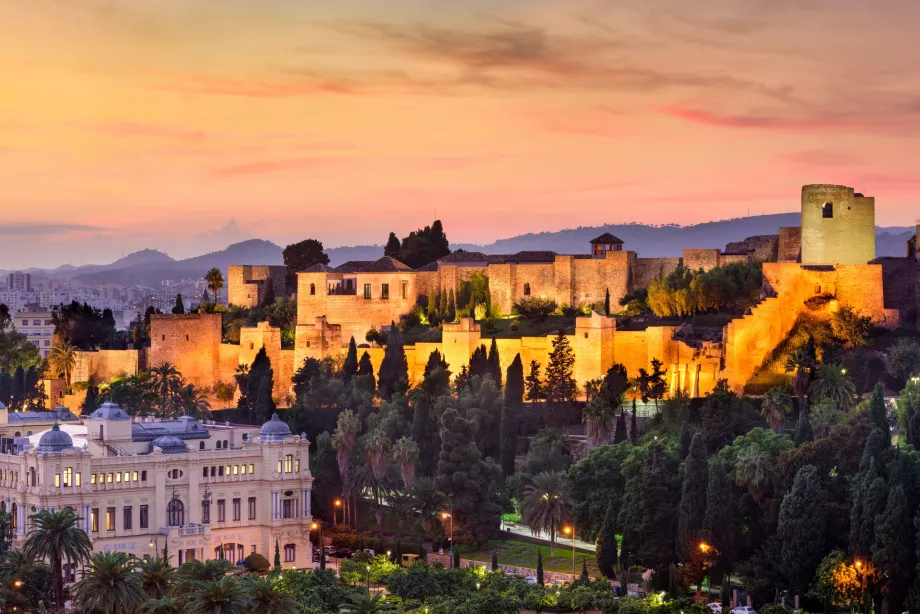
Fortress
The ancient palace-fortress of the Alcazaba is the most striking landmark in Málaga and ranks amongst the best-preserved Moorish fortresses in Spain. The Alcazaba is connected by a fortified passageway to Gibralfaro Castle, which towers above the fortress. [btn "The 10 best hotels in Málaga" https://www.booking.com/city/es/malaga.en.html?aid=2380460;label=p-malaga-alcazaba] The Alcazaba encircles the entire hilltop above the city centre and…
Read more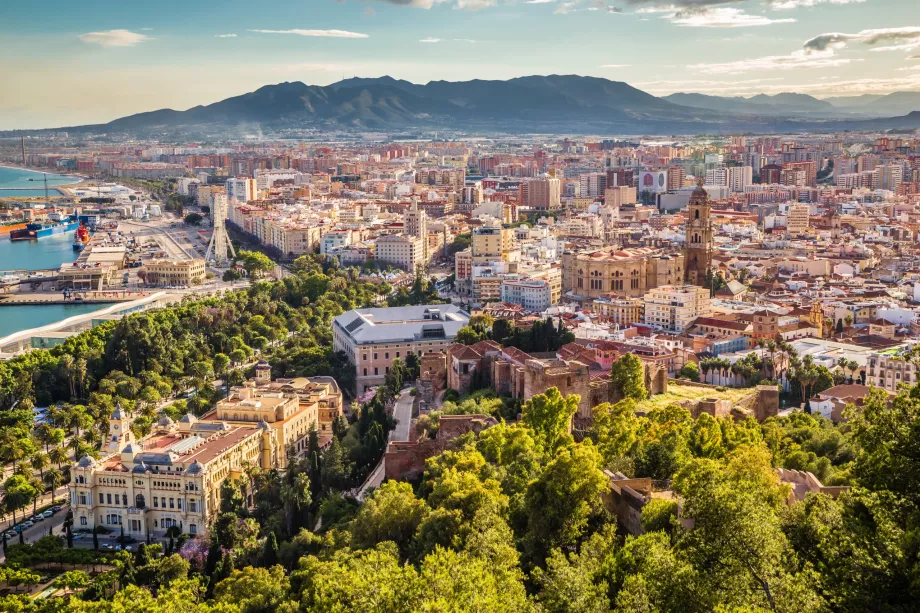
Castle, Lookout
Gibralfaro Castle could be described as a fortress within a fortress. It was built in the 14th century to reinforce the defences of the Alcazaba fortress, situated on a lower hill below this castle. It served primarily as an artillery position and a lookout point for the entire city. [btn "The 10 best hotels in Málaga" https://www.booking.com/city/es/malaga.en.html?aid=2380460;label=p-malaga-gibralfaro] It is connected to the Alcazaba fortress…
Read more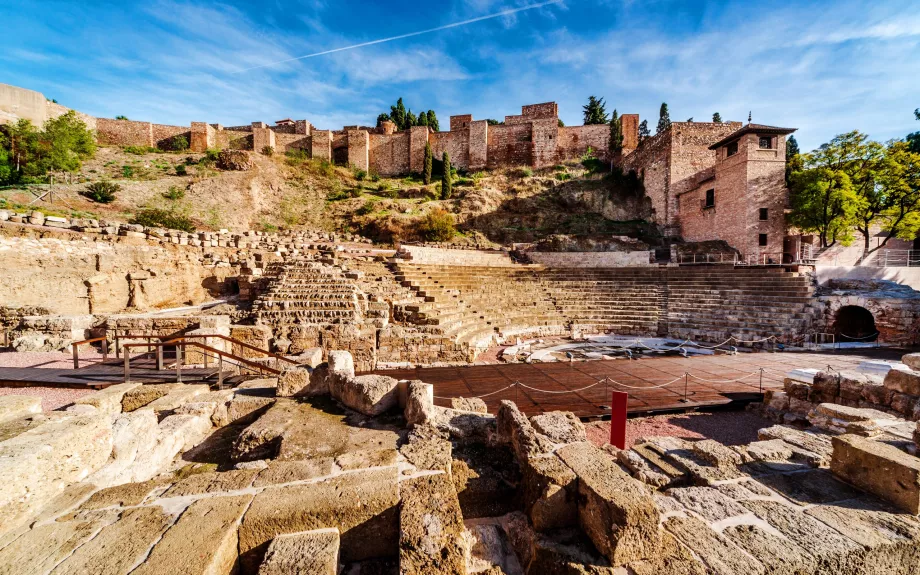
Archaeological site
Located between the historic centre and the monumental Moorish fortress of Alcazaba, the ancient theatre is the most visible and well-preserved monument to the Roman Empire in Málaga. The Roman theatre was probably built in the 1st century AD during the reign of Emperor Augustus and was in use until the 3rd century. After that, it fell into disrepair for centuries and its remains were only discovered and archaeologically restored in 1951. [btn …
Read more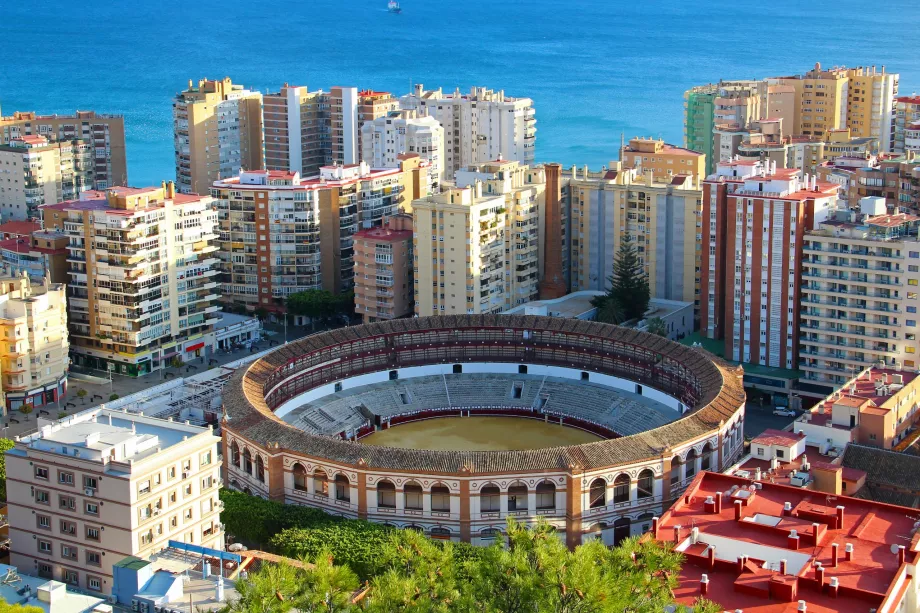
Sports hall, Historic building
Every Spanish city must have its own bullring, and Málaga is, of course, no exception. The local Plaza de Toros is situated in the La Malagueta district, near the beach of the same name, and has been serving its purpose ever since it was built in 1876. [btn "Find a hotel in the centre of Málaga" https://www.booking.com/city/es/malaga.en.html?aid=2380460;label=p-malaga-plazatoros] The bullring is striking in its architectural design. It is…
Read more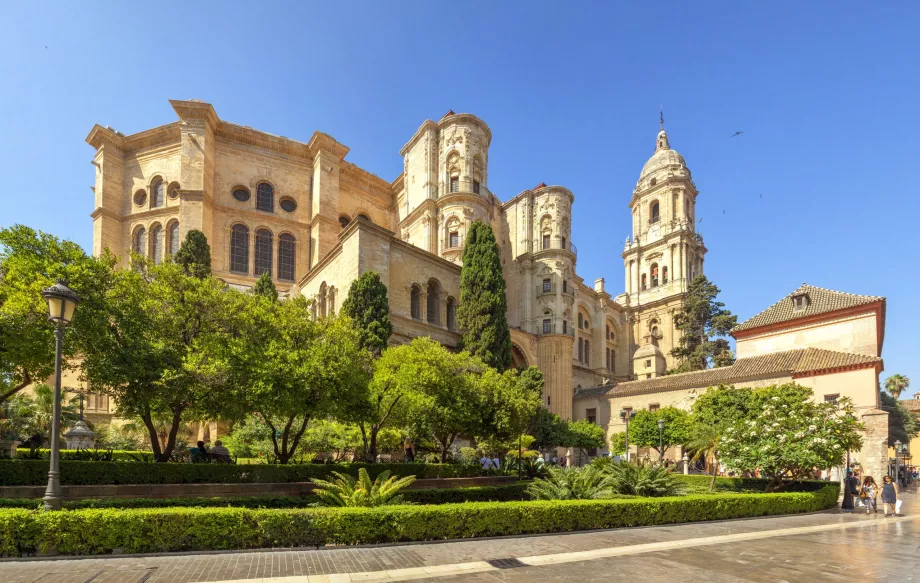
Cathedral
Among the most significant landmarks in Málaga is the local Cathedral of the Incarnation, officially known as the Santa Iglesia Catedral Basílica de la Encarnación. Construction of the cathedral began in 1528 in the Renaissance style, but as it took more than 200 years to complete, its final stages in 1782 were carried out in the richly ornamented Baroque style, which is particularly evident on the exterior façades. In contrast, the cathedral’s…
Read more