
Weekends in Zaragoza, Spain, from Bucharest
56 €



Although the centre of Barcelona itself isn’t particularly large and can be explored on foot, many of the sights are scattered throughout the city, so you’re bound to make use of the local public transport.
The metro is the fastest option, supplemented by buses, trams and urban and suburban trains. All these modes of transport form part of an integrated system, so you can change between different modes of transport using a single ticket.
The main exceptions are the tourist cable cars, for which you need to buy a separate ticket.
Both Google Maps and the official TMB app work well when searching for connections. You can find service information on the website tmb.cat/en.
A good hotel location can save you more time than even the best-chosen ticket. Ideally, you should stay within walking distance of the metro, preferably in the areas around Plaça Catalunya, Eixample, Sants or Plaça Espanya. You can find further tips in the article on where to stay in Barcelona, or compare hotel offers in Barcelona straight away.
Book a hotel in the centre of Barcelona
For the vast majority of visitors, a Zone 1 ticket is sufficient. It covers the whole of Barcelona, the nearest surrounding towns and BCN Airport. Please note, however, that there are special rules for the airport metro, which I describe in the article ‘How to get from Barcelona Airport’.
You can find a map of the zones on the official website:atm.cat/mapa-de-la-zonificacio.
The simplest choice is as follows:
| How you’ll be travelling | The best value ticket | Price for Zone 1 |
|---|---|---|
| Just 1 to 4 single journeys | Single | 2,90 eur per journey |
| Approximately 5 to 10 journeys per person | T-Casual | 13 eur / 10 rides |
| A pair or group, up to 8 rides in total | T-Familiar | 11,50 eur / 8 rides |
| Lots of rides within 24 hours | Hola Barcelona 24 h or T-Dia | 11,25 eur online |
| Unlimited journeys over 2 days, including the airport metro | Hola Barcelona 48 h | 16,83 eur online |
| Plenty of journeys over 3 to 5 days | T-Usual | 22,80 eur / 30 days |
When purchasing tickets loaded onto a new physical card for the first time, please add 1 eur to the ticket price to cover the cost of the card.
A common mistake is automatically purchasing a Hola Barcelona card for every stay. It’s very handy for a 2-day stay, as it includes unlimited travel and the airport metro.
However, for stays of 3 days or more, the T-Usual is also worth considering: it is cheaper, valid for 30 days and also includes the airport metro. It is, however, personalised, and you must provide your passport or national ID card number when purchasing it.
If you’re going to explore most of the city centre on foot, the T-Casual is usually the cheapest option.
The table below lists the most commonly used tickets for Zone 1.
| Ticket | Price | Validity |
|---|---|---|
| T-Dia | 12 eur | 24 hours |
| Hola Barcelona 24 h | 11,25 eur online / 12,50 eur on site | 24 hours |
| Hola Barcelona 48 h | 16,83 eur online / 18,70 eur on site | 48 hours |
| Hola Barcelona 72 hrs | 24,57 eur online / 27,30 eur on site | 72 hours |
| Hola Barcelona 96 h | 32,04 eur online / 35,60 eur on site | 96 hours |
| Hola Barcelona 120 h | 39,24 eur online / 43,60 eur on-site | 120 hours |
| T-Casual | 13 eur | 10 journeys, 1 passenger only |
| T-Familiar | 11,50 eur | 8 journeys within 30 days, can be shared |
| Single | 2,90 eur | 1 journey without changing trains |
| Airport Ticket | 5,90 eur | 1 metro journey via Aeroport T1 or T2 stations |
| T-Usual | 22,80 eur | Unlimited travel for 30 days, personal ticket |
Children under 4 travel free of charge. There is no straightforward short-term tourist discount for older children.
You can find the current prices for integrated tickets on the T-mobilitat website, and prices for the metro and buses on the TMB website.
T-Casual and T-Familiar are not packages of individual journeys on a single mode of transport.
A single journey represents an integrated trip during which you can change between the underground, bus, tram and train up to three times within Zone 1.
You have 75 minutes for the entire journey from the time of first validation.
Tap your card again each time you board another service or pass through a ticket barrier. Provided you are still within the time limit and are following the rules for an integrated journey, the next journey will not be deducted.
Hola Barcelona allows unlimited travel on the metro, TMB buses, NitBus night buses, trams, FGC and Rodalies trains in Zone 1, as well as the Montjuïc funicular.
It also includes one journey from the airport and one return journey on the L9 metro line.
Validity is calculated in hours from the first validation, not by calendar days. So, if you first use a 48-hour pass on Friday at 3.00 pm, it is valid until Sunday at 3.00 pm.
However, the pass does not include the Montjuïc cable car, the Aerobús or the tourist bus.
When purchasing via GetYourGuide, the voucher is exchanged for the card at a tourist information office. When purchasing on the official website, you will receive a code to enter into a ticket machine at any metro station – select the ‘Online Collection’ option.
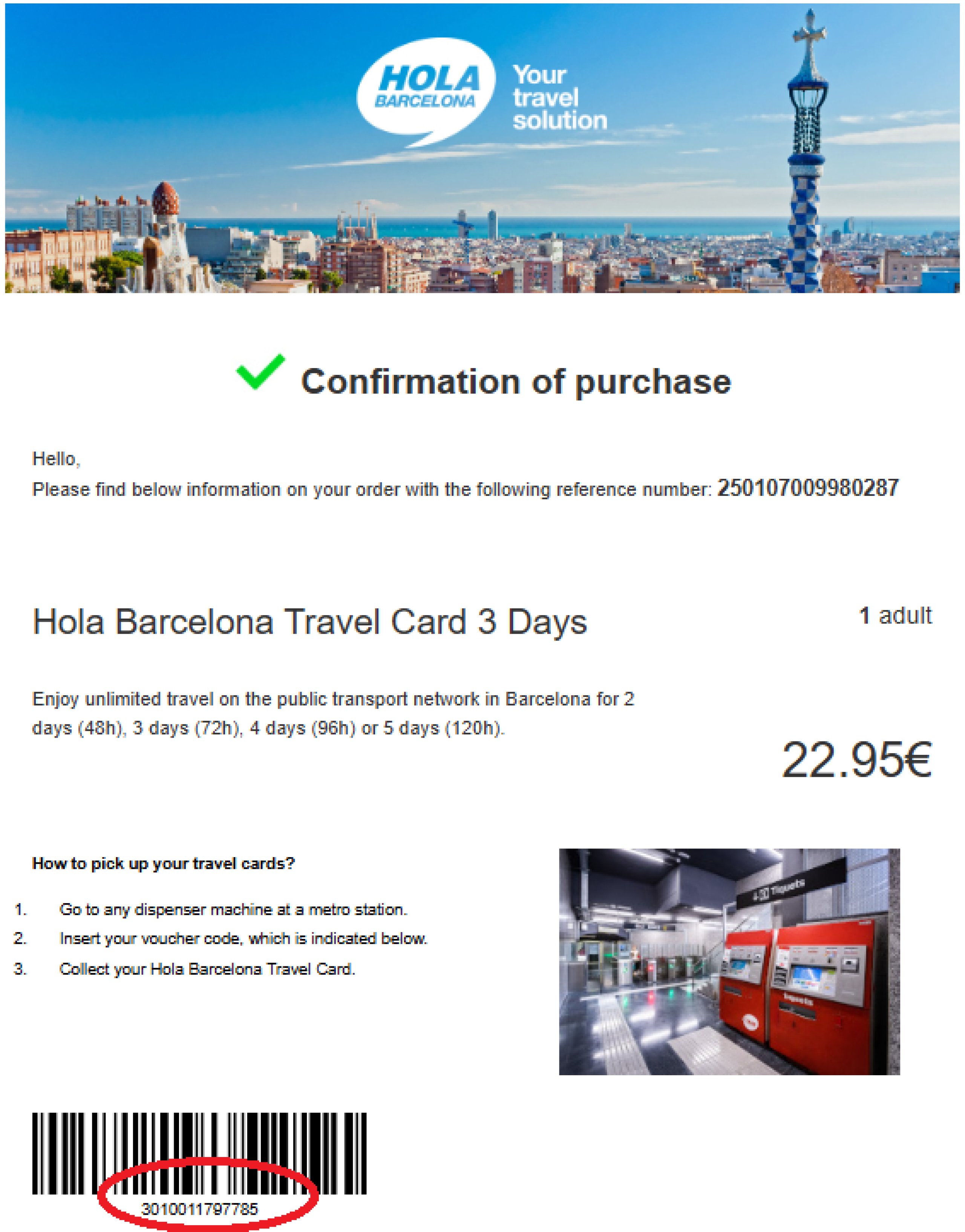
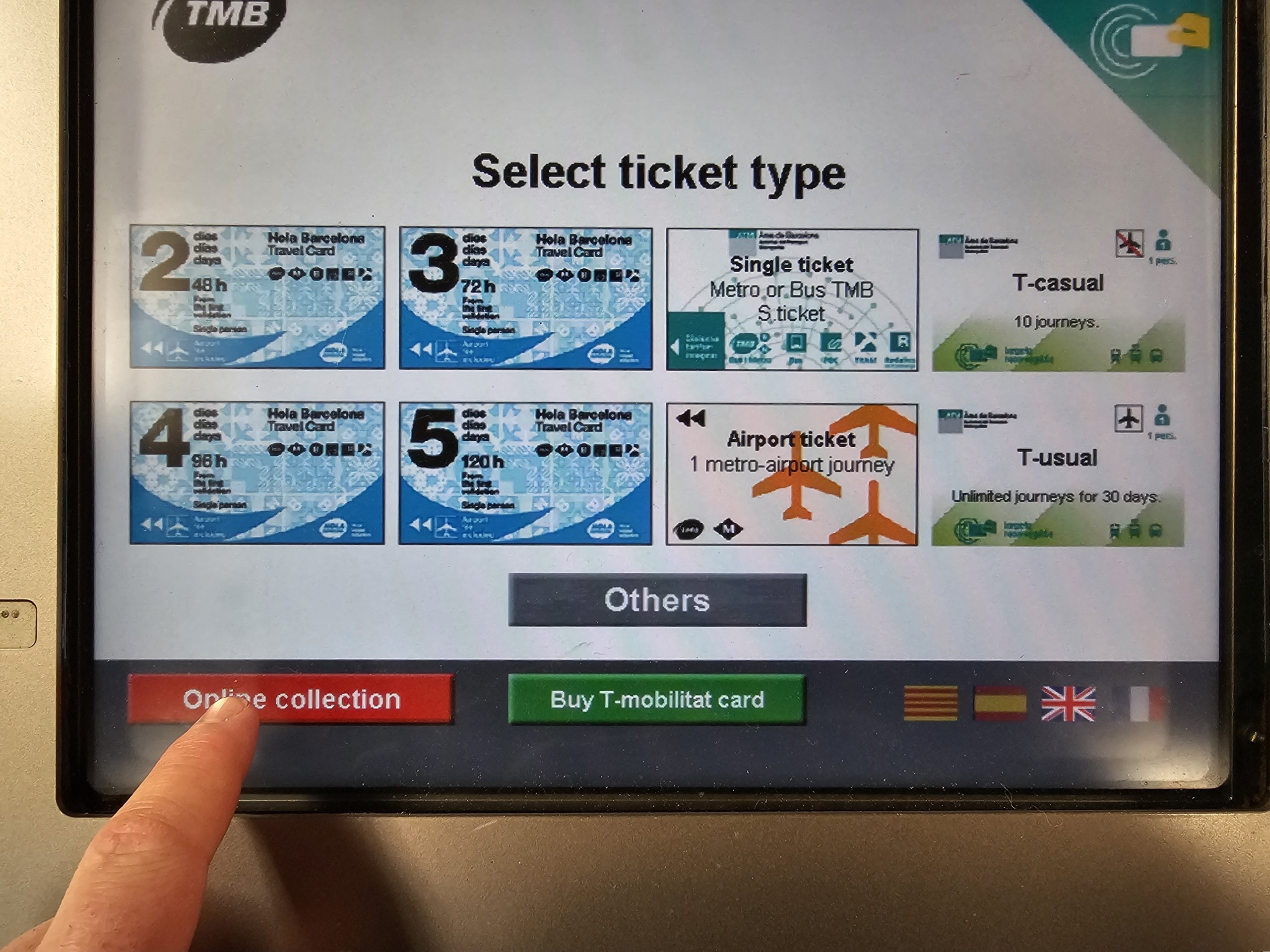
I’d actually recommend buying via the official website, as you can always claim a 10 per cent discount there.
Hola Barcelona is a travel card only.
If you’re planning to visit a lot of paid attractions, do compare it with the passes that include entry fees in our guide to tourist discount cards in Barcelona.
The T-Casual card includes 10 integrated journeys. The card is not designed for multiple people to travel together, so each passenger needs their own card.
The T-Familiar card contains 8 journeys and can be shared. When travelling as a pair, you simply tap the card twice and two journeys will be deducted. It is particularly suitable for couples or families who will only use public transport occasionally.
The T-Usual offers unlimited travel for 30 days. It is personal and non-transferable; when purchasing a paper card, you must provide your ID number, and you must carry it with you whilst travelling. Nevertheless, visitors from abroad can also purchase it without any problems.
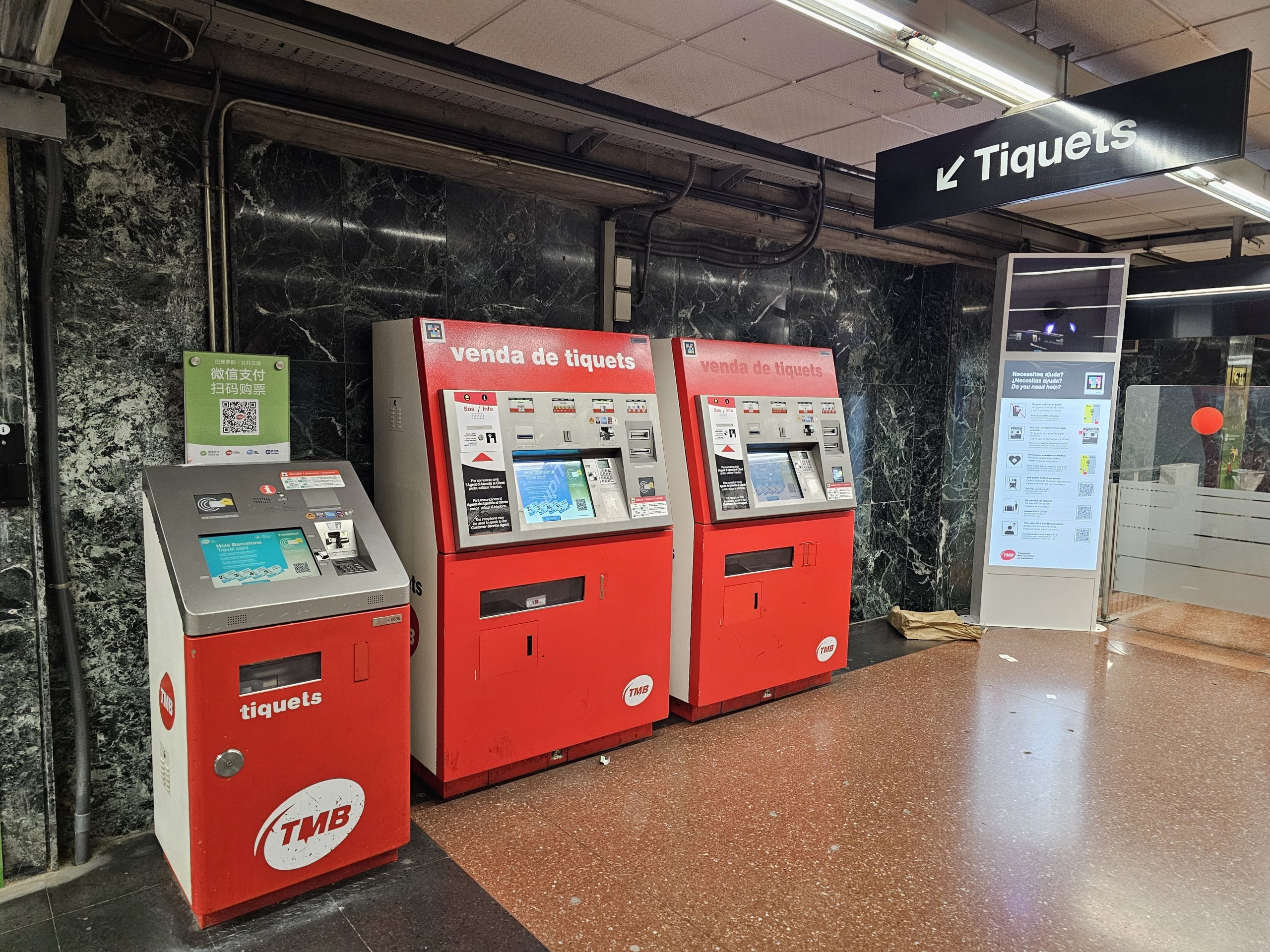
You can buy tickets from ticket machines at all underground and train stations. You can pay by card, and many machines also accept cash. For a short visit, the simplest option is the T-mobilitat contactless cardboard card for 1 eur.
You can top up an anonymous card with, for example, T-Casual, T-Familiar or T-Dia. For T-Usual, the machine will issue a special cardboard card onto which you enter your ID number.
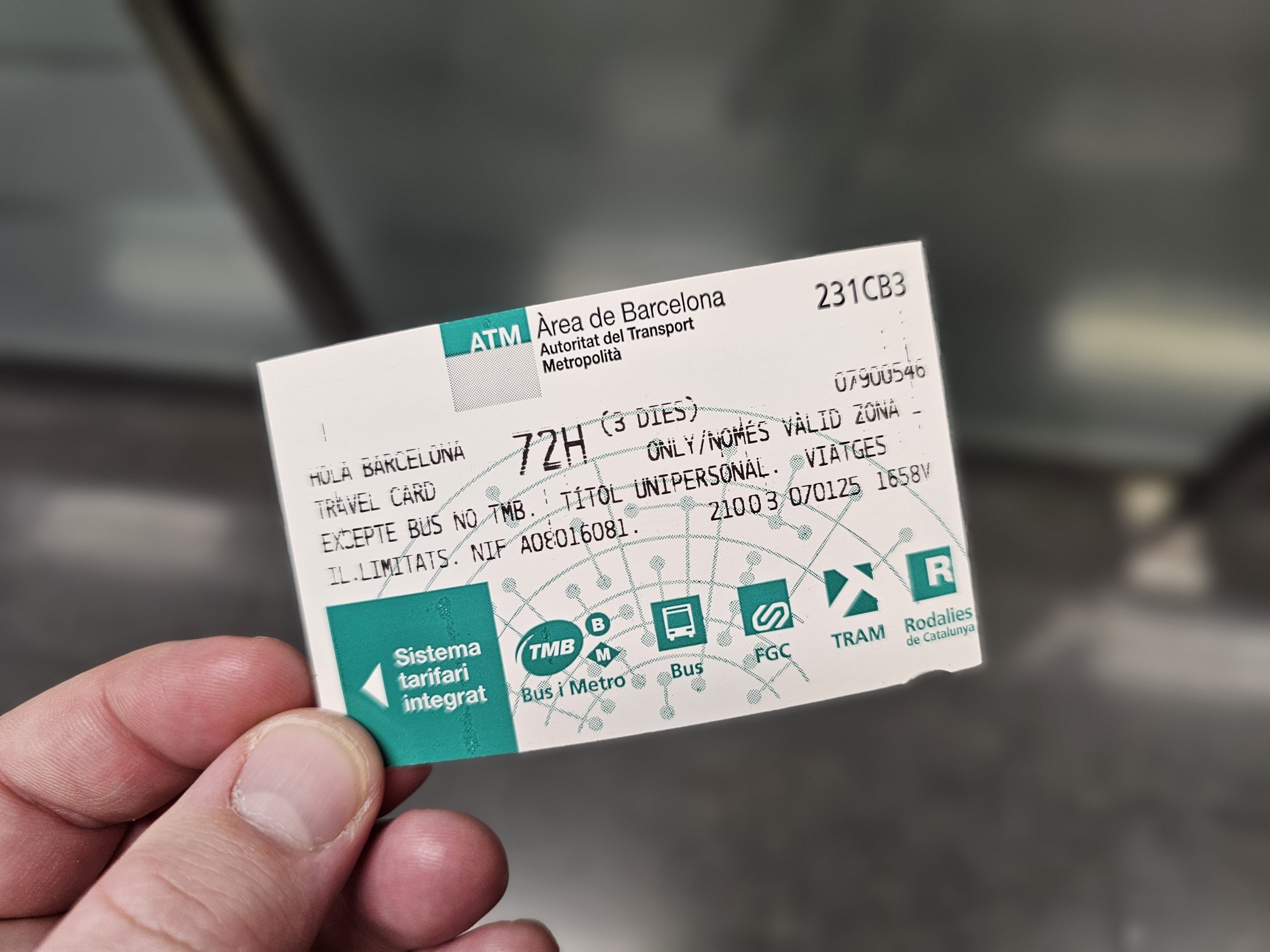
You can also manage your tickets via the TMB app, and a compatible mobile phone can be used directly to validate your ticket. For a short stay, however, buying a cardboard card from a ticket machine is usually quicker and easier.
You can pay for a single-journey ticket on the bus using a contactless bank card in the reader by the driver.
You won’t receive a paper ticket, and during a ticket inspection, your purchase is verified via your payment card. The same option is also available at some metro entrances, but don’t expect to be able to pay by contactless bank card across the entire network. This method is only used to purchase a full-price single ticket for 2,90 eur, without a daily price cap.
The fastest way to get around the city is by metro, which will take you almost anywhere – just make sure you don’t get lost in the maze of different coloured lines.
The Barcelona metro has 10 lines and is the best way to travel longer distances.
As the metro is by far the most popular means of transport, you’ll find detailed information in the separate chapter ‘The Metro in Barcelona’.
Hundreds of buses criss-cross the streets of Barcelona. They’ll take you absolutely everywhere, even to places the metro doesn’t reach.
Bear in mind, however, that travelling by bus can be time-consuming, mainly due to the constant traffic lights.
You can find maps for specific bus routes and the entire network on the websitetmb.cat/map/bus.
Timetables for specific routes can be found on this page:tmb.cat/buses/lines. Regular daily services run from approximately 5.00 am to 11.00 pm.
Services usually run every 5 to 10 minutes, although at weekends and on outlying routes, the interval may be up to 30 minutes.
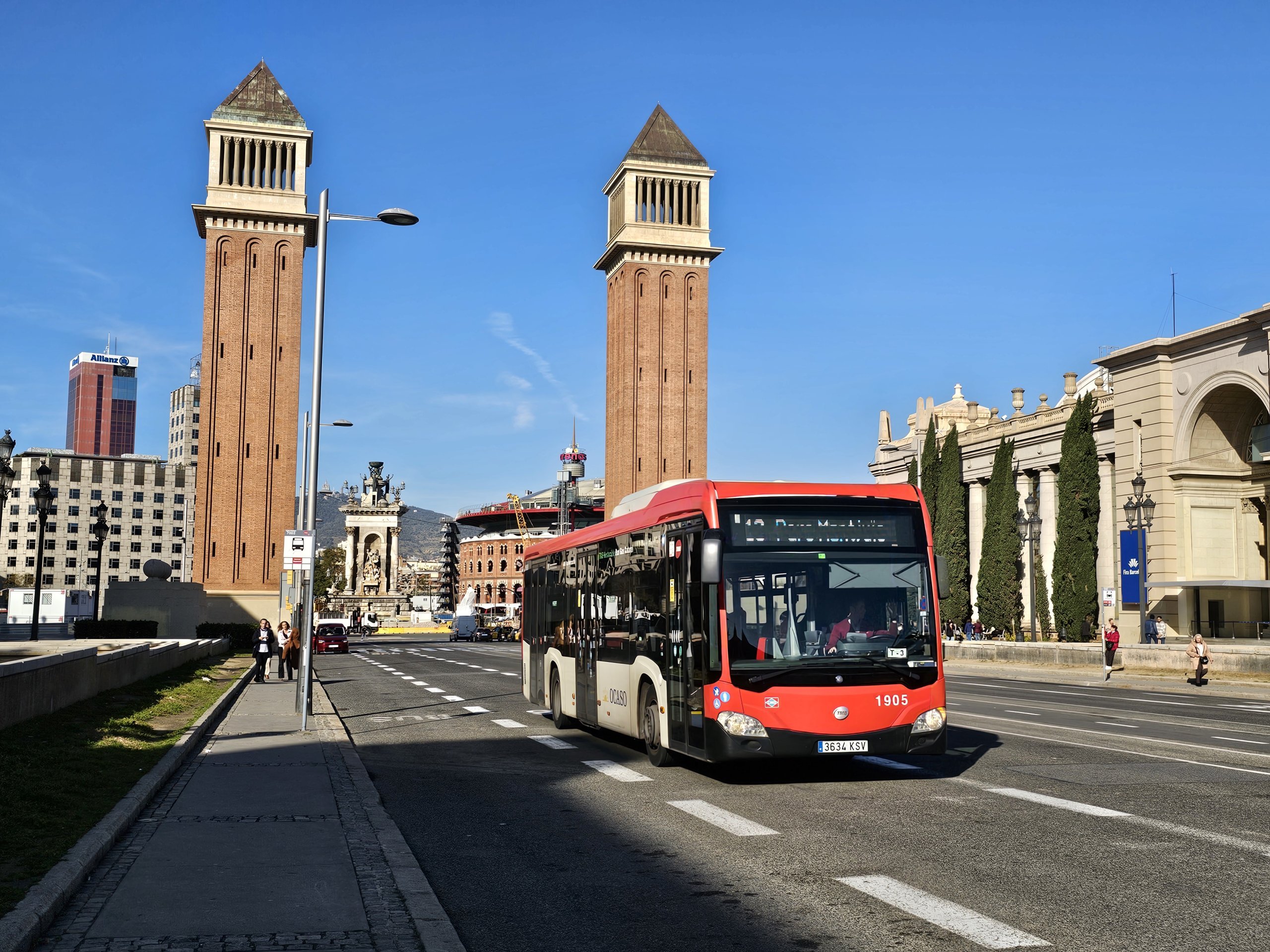
At bus stops, you will always find timetables and a digital display showing the estimated arrival time for that route.
On standard buses, you should always board via the front door, whilst on articulated buses you can board via the first two doors.
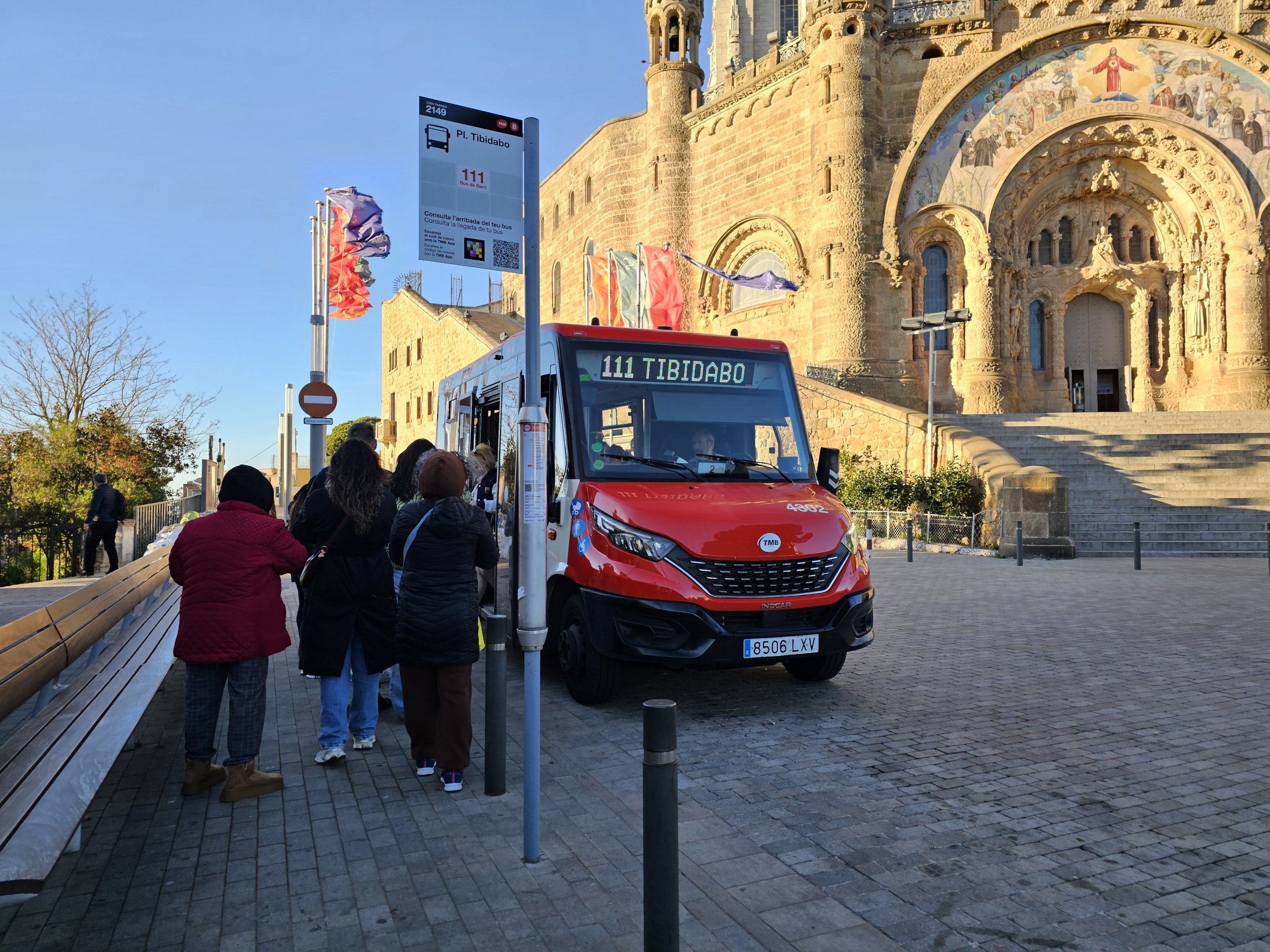
All stops are request stops, so you must wave to the driver before boarding and press the ‘stop’ button well before reaching the stop when alighting.
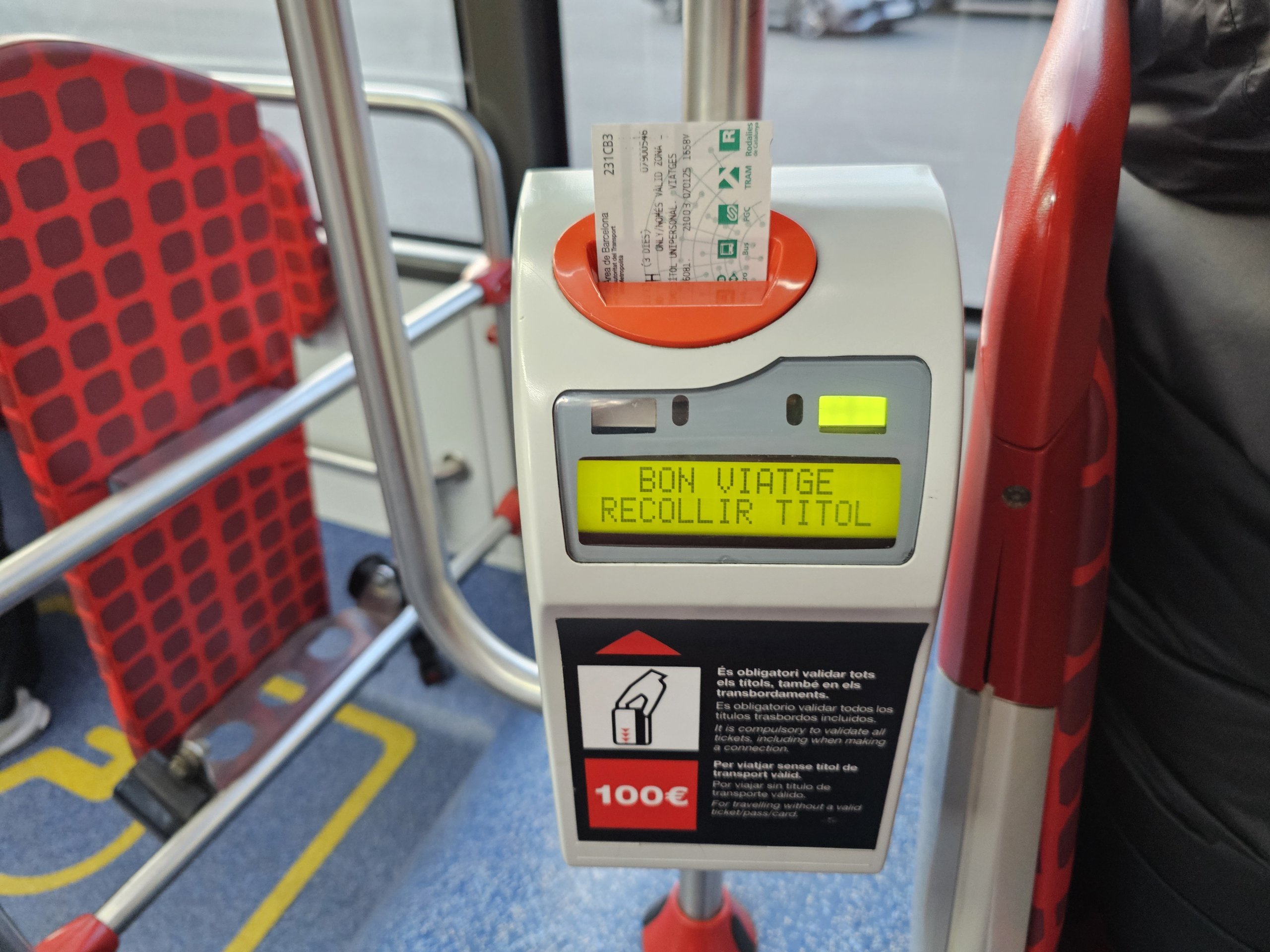
You must always validate your ticket in the ticket validator when boarding the vehicle, including multi-day tickets.
Special Nitbus night buses, always marked with the letter ‘N’ and a route number, are the only all-night transport available for travelling around Barcelona. The night service runs from around 23:00 to 05:00 at 20-minute intervals.
As well as the metro, Barcelona’s underground network is criss-crossed by an extensive network of urban and suburban railways, which you can also use to travel quickly from one end of the city to the other.
You can also use the trains when travelling to the airport or, for example, on a trip to the Montserrat monastery.
All multi-day public transport tickets are valid on all trains in Zone 1.
As with the underground, you must validate your ticket at the turnstile. Insert the ticket into the turnstile; it will pass through and be returned to you. Trains here are operated by two companies:
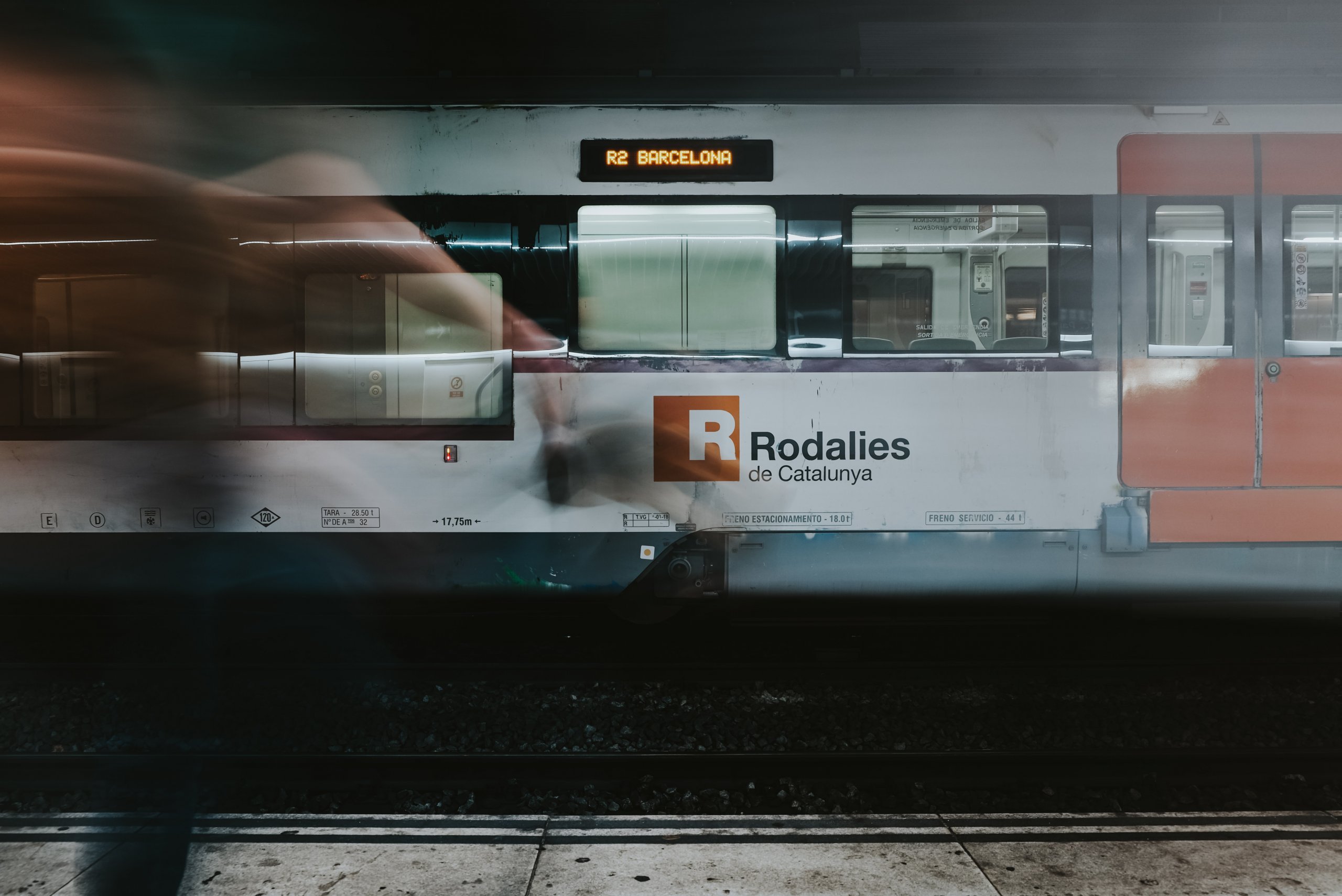
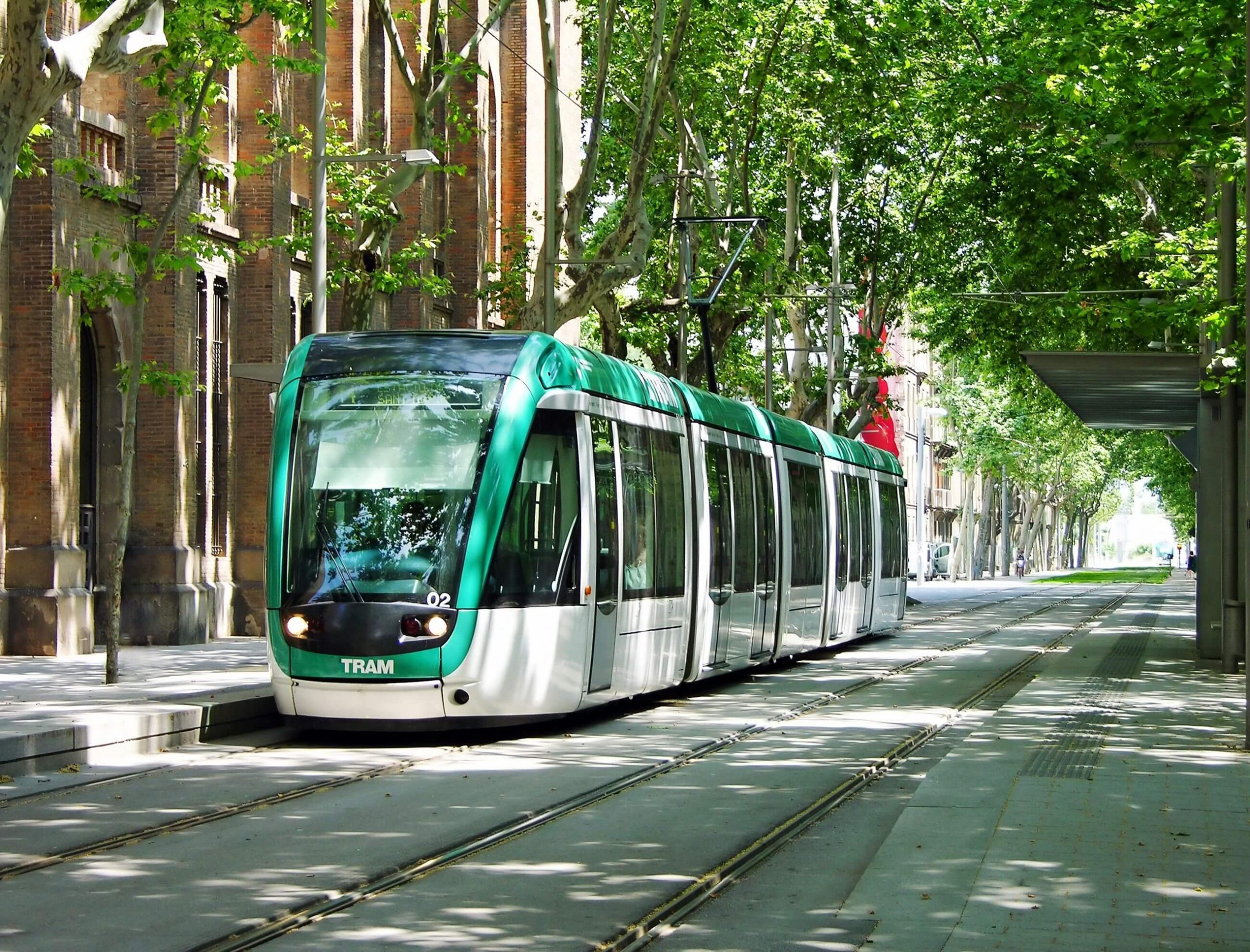
You’ll also come across trams in Barcelona. There are two separate networks here: one in the west of the city and one running from the centre towards the north-east.
The trams are modern and fast, and if you have the choice between a bus and a tram, it’s definitely better to take the tram.
You validate your tickets in the same way as on buses, using the validator inside the tram.
Official information about trams in Barcelona can be found on the tram.cat website.
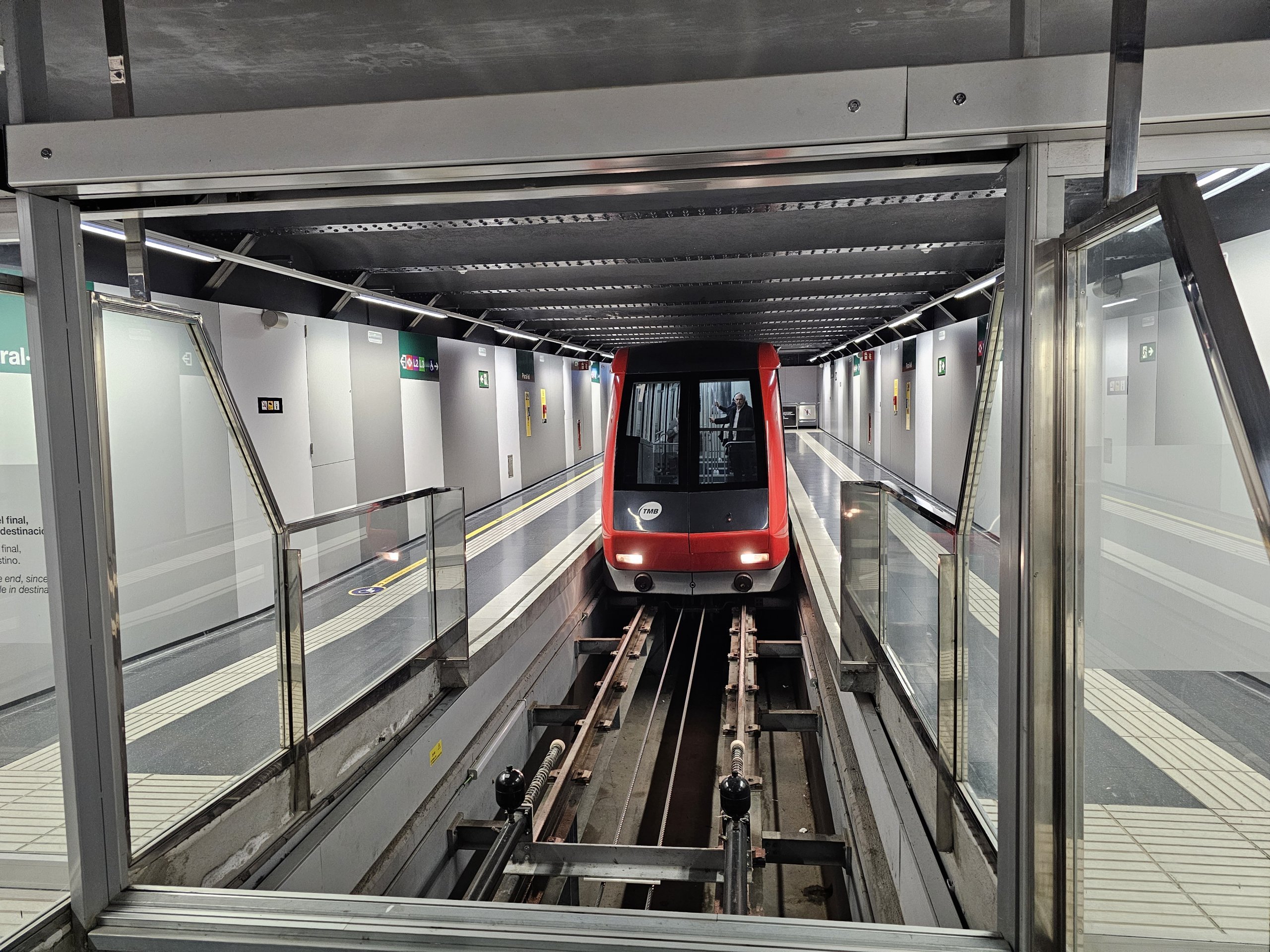
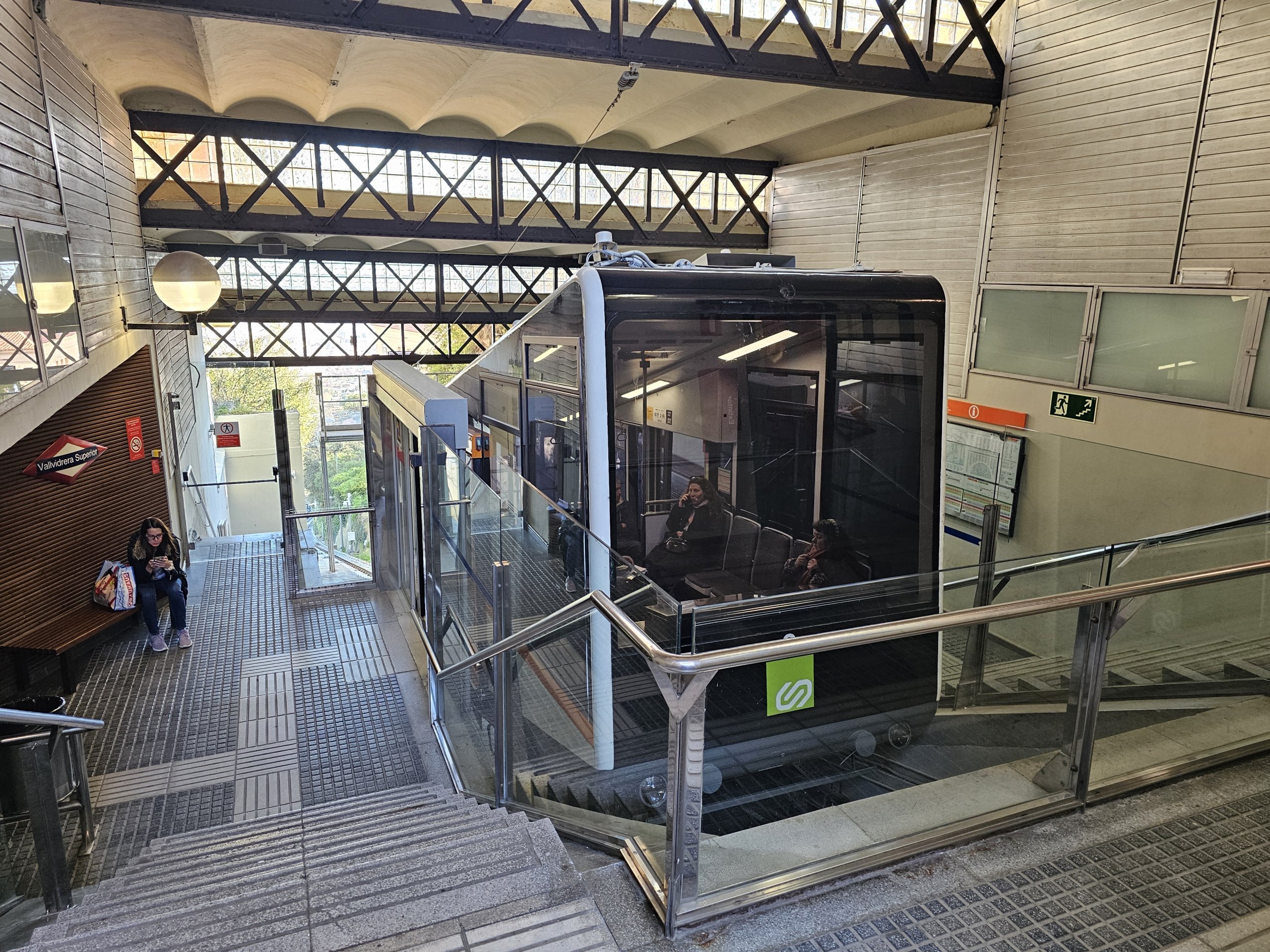
Funiculars are always among the most attractive modes of transport, and in Barcelona you can enjoy them on no fewer than five different routes and in three different types.
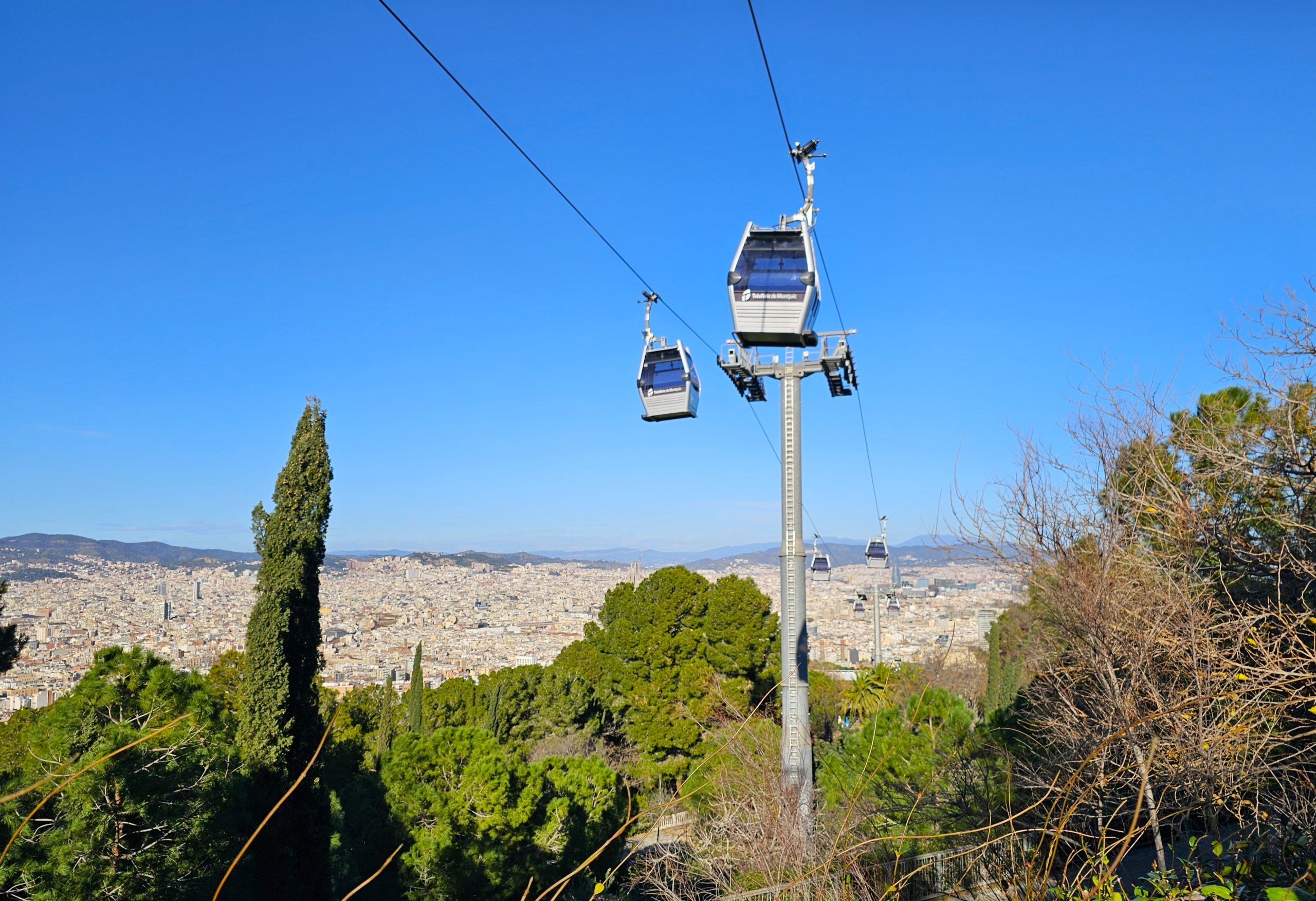

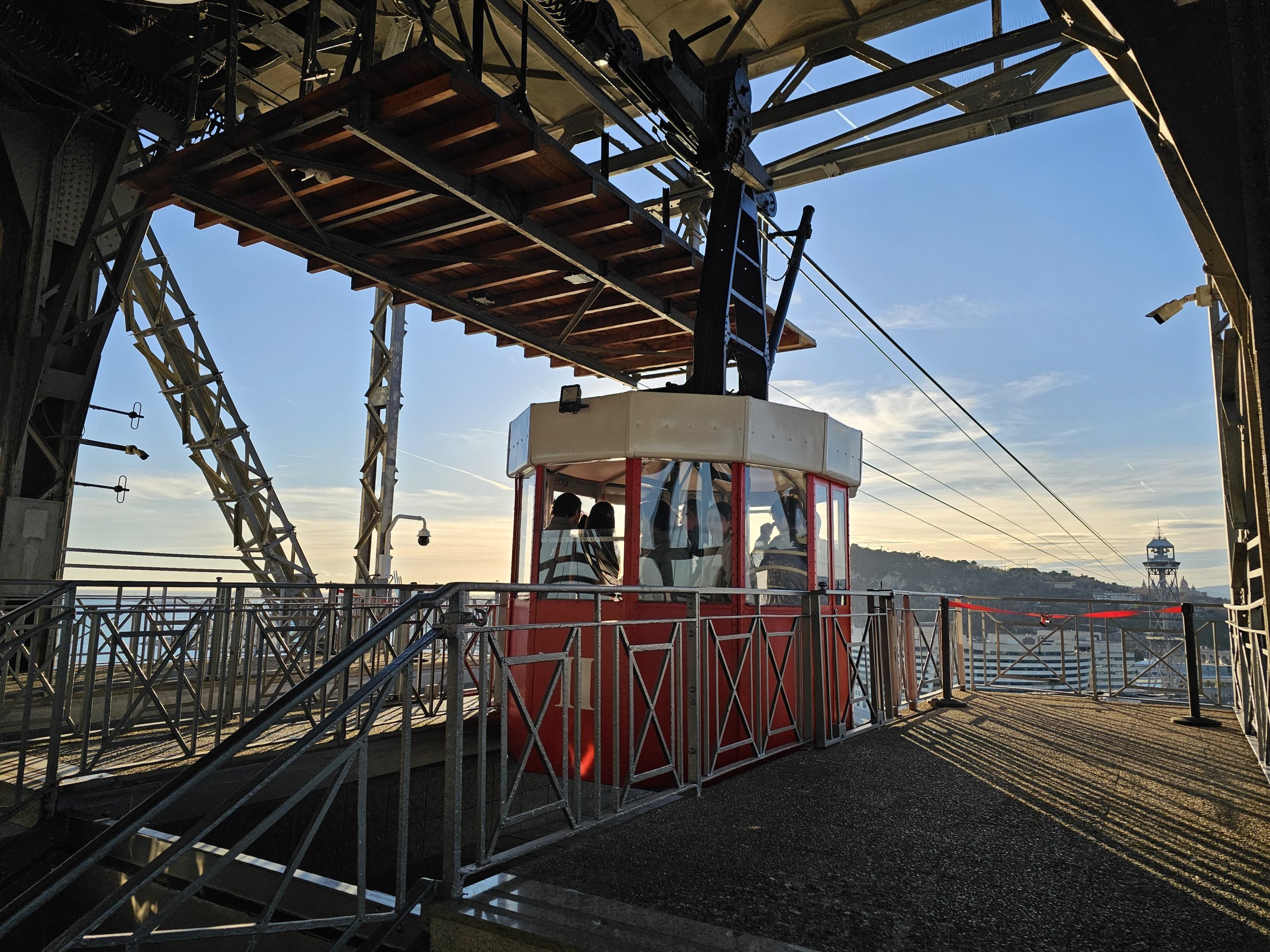

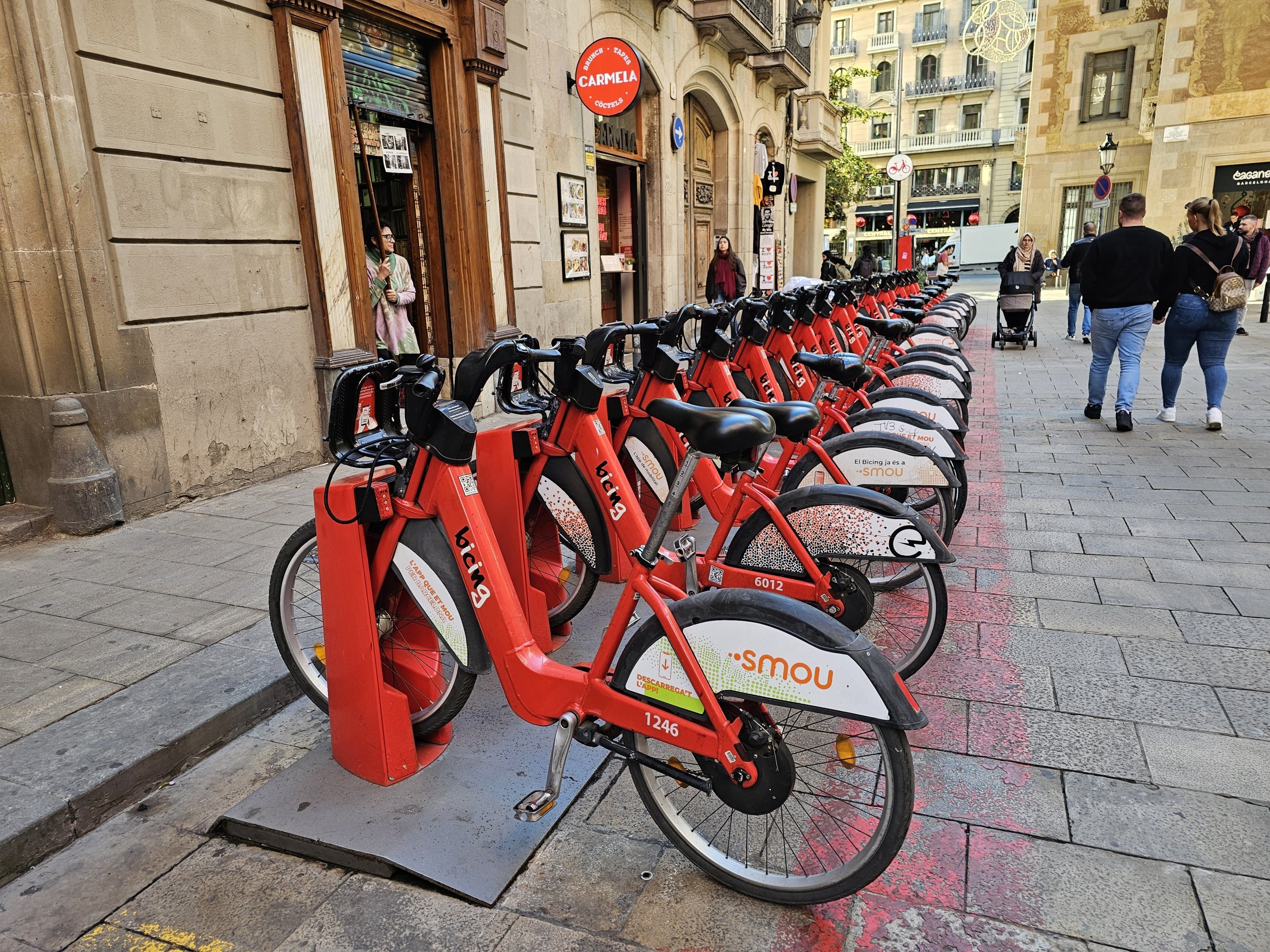
Barcelona is generally a very cycle-friendly city, so there’s nothing easier than enjoying the beauty of Barcelona from the saddle of a bicycle.
Several companies rent out bikes, with prices often starting as low as 6 eur per day. As well as cycling on your own, you can also try an organised tour of the city or along the beach. Scooters and the little yellow GoCar vehicles are also very popular.
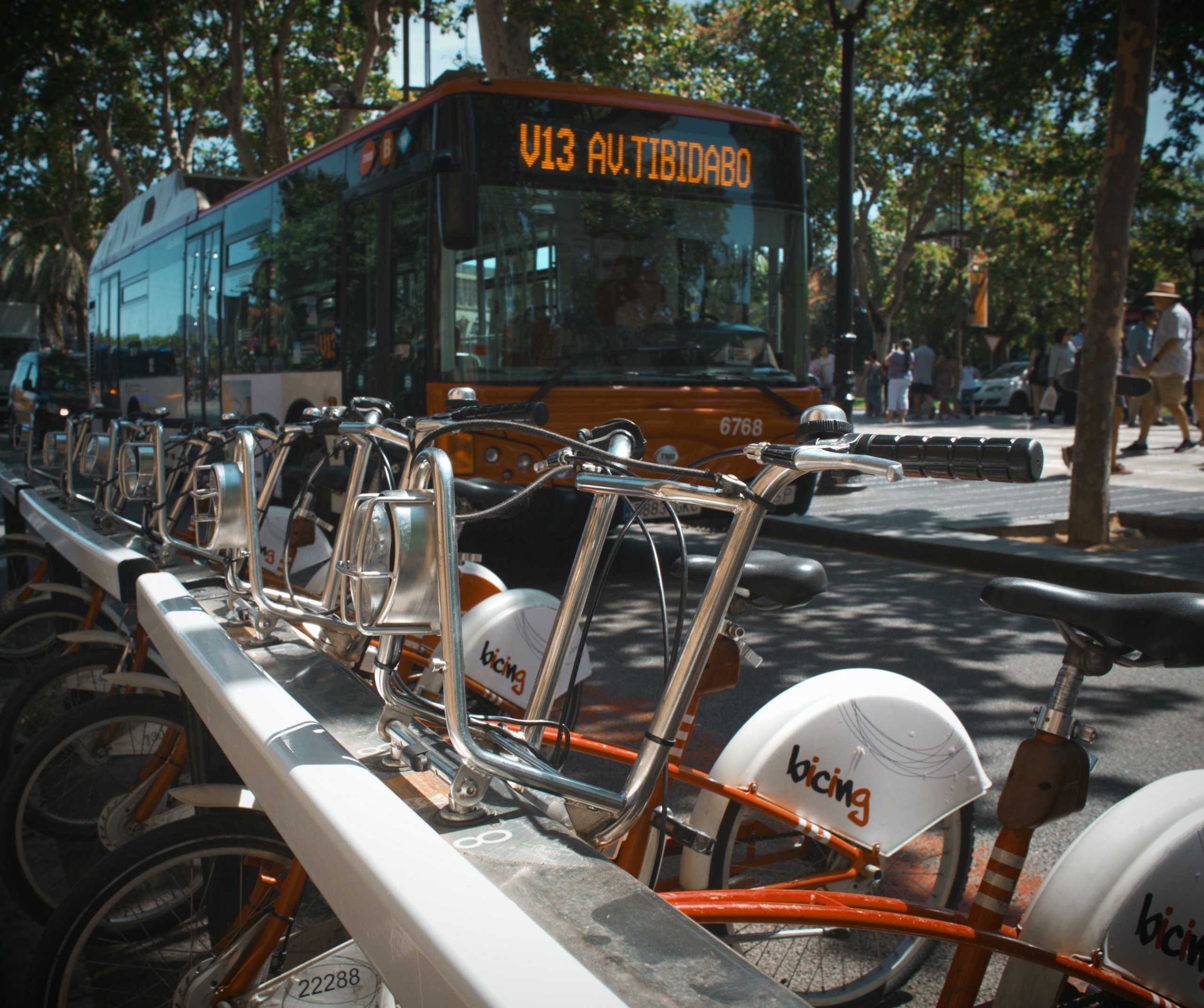
The main city-wide bike-sharing scheme is Bicing, with Bolt also competing in the market.
The Bicing app is more suitable for locals, as you need to pay a subscription fee, which starts at 50 eur per month.
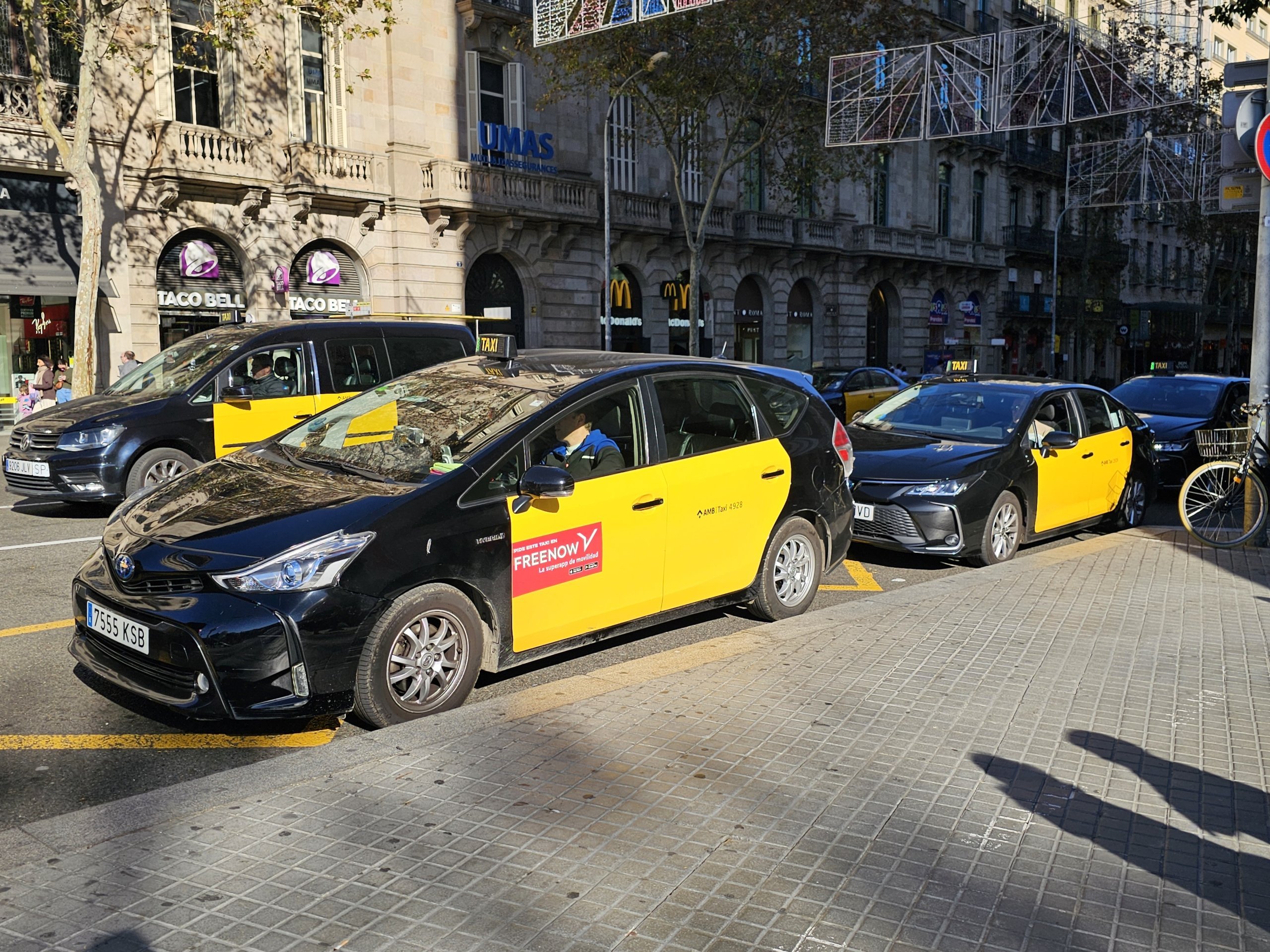
Although taxi drivers have a tarnished reputation in other parts of the world, you needn’t worry about using their services in Barcelona.
All vehicles here operate under fares set by municipal regulations, so prices are clearly fixed and it makes no difference who you travel with. What’s more, if there are several of you travelling together, a taxi can cost about the same as a bus.
A detailed breakdown of fares is available on the websiteinfotaxi.amb.cat/tarifesdeltaxi.
Fares are divided into different periods.
There is a surcharge of 4,50 eur for journeys to/from the airport and a surcharge of 2,50 eur for journeys to/from Sants station.
The Uber and Bolt mobile apps are also available in Barcelona and offer similar prices to taxis.
If you have any questions or comments about the article...
I'll add some actual info - we were there for 5 days, so it's definitely worth buying a T-usual card right at the Aeroporto 2 metro station (Terminal 2 - take the tube from the airport). You buy it at the red machine, just enter your OP or passport number and pay a total of 23,50 Euros. After payment, the card comes out and is activated by the first pass through the reader. Then you ride without any worries, you just attach it to the turnstile of the metro at the entrance, at the transfer station and exit or on the bus. It's really cool and more convenient than a bare card, because it's also valid for the metro to and from the airport. Valid for 30 days. If anyone is interested, I have 5 of them, they are until 5/22/2026, it does have a passport number on it, but we haven't had any checking, I don't think they even go there, they just hope people have something, let alone check the ID as well. But maybe someone has a different experience. It will let you in and out of the subway. So write, we'll work something out :-). I also recommend downloading the TMB transport companies app, it will plan the fastest route, easily, quickly.
In fact, the Hola card is valid for 1 trip from and 1 trip to the airport by metro.
For those who are interested, I will write my practical experience of buying and collecting a 96h Hola card in March 2026. I bought the card on the website with a 10% discount the day before my flight, when I received a voucher with a code in my email. After arriving at T2, it's quite a long walk to the metro, with the first train stop being at the entrance to the local rail boarding area where there are orange ticket buying/dispensing machines. You can't pick up a Hola card there though. The metro entrance is a little further on (about 50-80m) where there are red TMB machines. There I quite intuitively entered the code from the voucher and the Hola card fell out just fine. Then you just have to let it "go through the turnstile" every time you enter the metro, you don't have to do anything when you exit, or you only have to insert it into the turnstile on the way back and when you exit at the airport. In the city centre, the turnstile always opens itself when you exit the metro.
Hello, may I ask Hola card 3 days means it is valid for 72hrs. from the notification, or only 3 calendar days in a row (e.g. Monday, Tuesday, Wednesday)? Thank you
Hello, valid for 72 hours. See info in the table above in the text.
Thank you
Hello. Please tell me: Can the T Casual Card be used for several days or are these 10 journeys for one day. We have a 4-day trip planned. Will that be enough?
Thank you.
Hello, the ticket is valid for more than one day.
Thank you very much
Good evening!
Could you please tell me how easy it is to get to the bus station from the airport to get to Salou? Where can I buy tickets? Thank you!
For information on airport transportation, click here: https://www.cestee.com.ua/aeropo...bcn/dostup
@Lucie = I solved the T-usual at the airport, just before the entrance to the metro. There is also an info station there. I wouldn't stress about the app.
As for T-Usual (which is linked to a document), I entered my passport number in the ordering process - just the numbers from it.
Have a nice experience in Barca

Thank you very much.
How does T_familiar still work please ? It is bought for 11.05 a whole family up to 8 people can ride it and there are 8 rides ? 1 ride 75 minutes and three changes in one direction ?
Yes, there are 8 rides of 75 minutes each on the T-Familiar ticket and more than one person can share the card.
We are going 4 thank you very much for the answer ...
Or which of the three works out best for us ? T-usual, T- familiar, T-casuar?
T-usual and T-casual can only be used for single passengers, they cannot be shared between multiple passengers. It depends on how much you travel around Barcelona. For example, if you only have one trip, it will work out cheaper if everyone buys a single ticket for 2.65.
We will travel from the airport to Barcelona and to the airport and definitely 1-2 rides per day for the 5 days we are there
Hi I want to register for the TMB app for a T-usual ticket can someone please advise me ...I can't fill in the DNI or NIE I don't even know what the document is? .or can it be bought somewhere at the airport please?
The TMB app only works if you have a T-Mobilitat card, which is the only way to load a T-usual or T-familiar ticket. The card can be bought for €1 from a machine in the metro station. (Please note that the T-usual or T-familiar cannot be used for metro travel to/from the airport, but you can use it for bus 46).
One last thing so the usual is for 22euro for one person 30 days in a row unlimited rides can be arranged on the belt in some booth not on the metro from the airport ....T -casual is for an individual who has on one card 10 rides for 12euro from the airport only train and bus t-familiar is for a family of 4 -8 people l and there are 8 rides one ride is for all 4 people at once ? That card would probably work best for 11 euro no? If I understand it right ? My phone number is 604741184 could you call me?

I'm left with a T-Familiar with probably 6 rides. I'm sorry to throw it away, so I can donate it (I can throw it in a regular letter and send it) to one of the contributors here = not someone who registers after this post just to get something :) Alternatively, send me a PM

Hello-do you still have available petals.we are flying on 18.5. Thank you very much for info. 602406517-Tomáš

Hello, we’re planning a 5-day trip to Barcelona with our family (2 adults, 2 children aged around 10). I’m trying to work out which tickets to buy. It seems better value to buy 4 T-usual tickets than 4 Hola Barcelona 96-hour tickets. Am I right, or is there a catch?