Marrakech from Prague with Eurowings in December
93 €



The Mayan ruins at Tulum are the most famous attraction in the whole of the Riviera Maya.
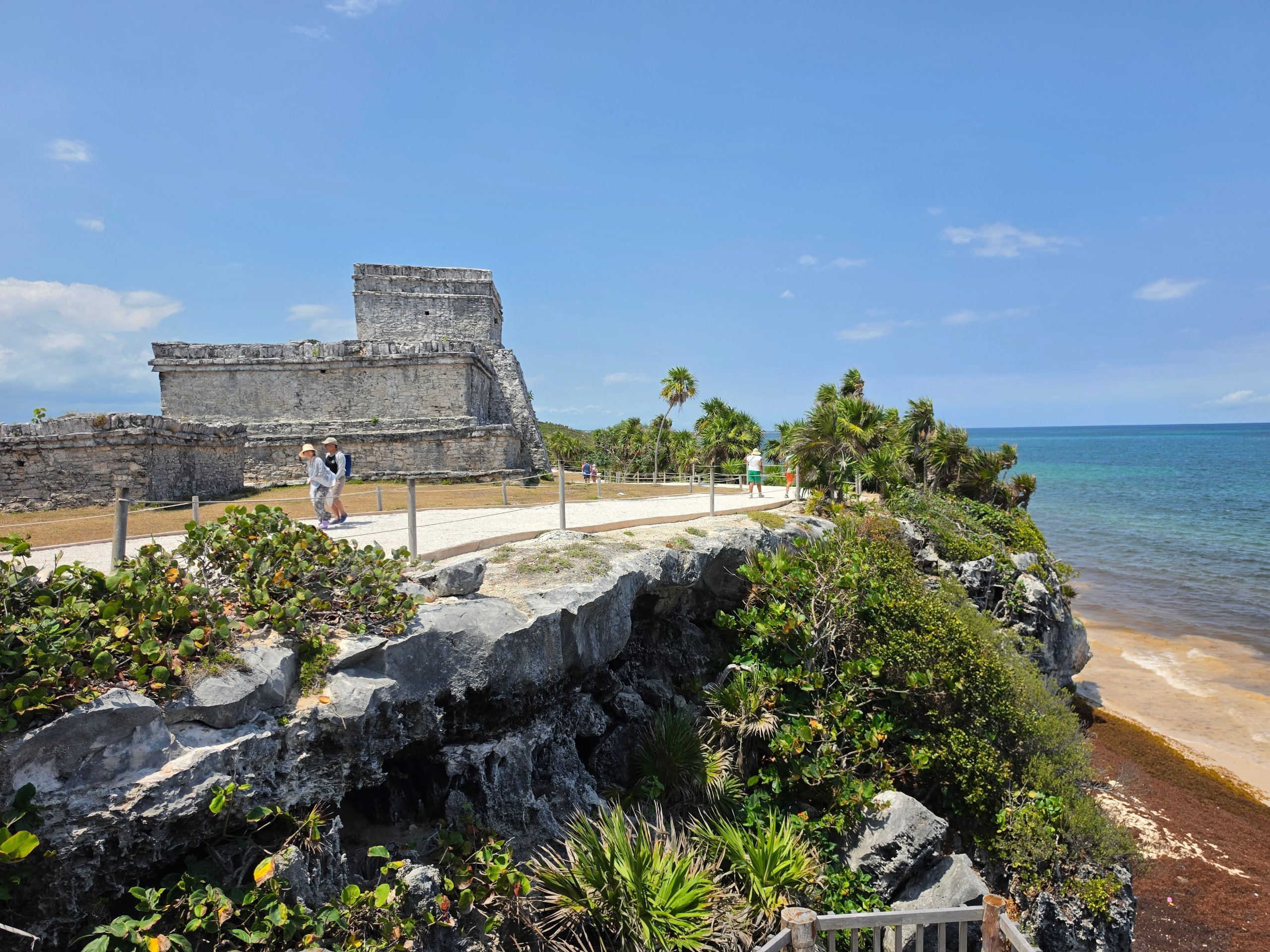
The structures themselves are not as monumental as those at Chichén Itzá or Coba, but their location on the cliffs overlooking the turquoise Caribbean Sea is exceptional.
Was the visit worth the relatively high admission fee and the hassle of organising it? Ultimately, yes. The archaeological site is beautifully maintained, the views of the coast are stunning, and, as it was off-peak, there were fewer people here than we’d expected.
However, the experience before we even got in was one of the most chaotic parts of our entire trip around Mexico.
An extremely confusing ticketing system, chaotic parking and dozens of touts trying to offer tourists supposedly ‘official’ services.
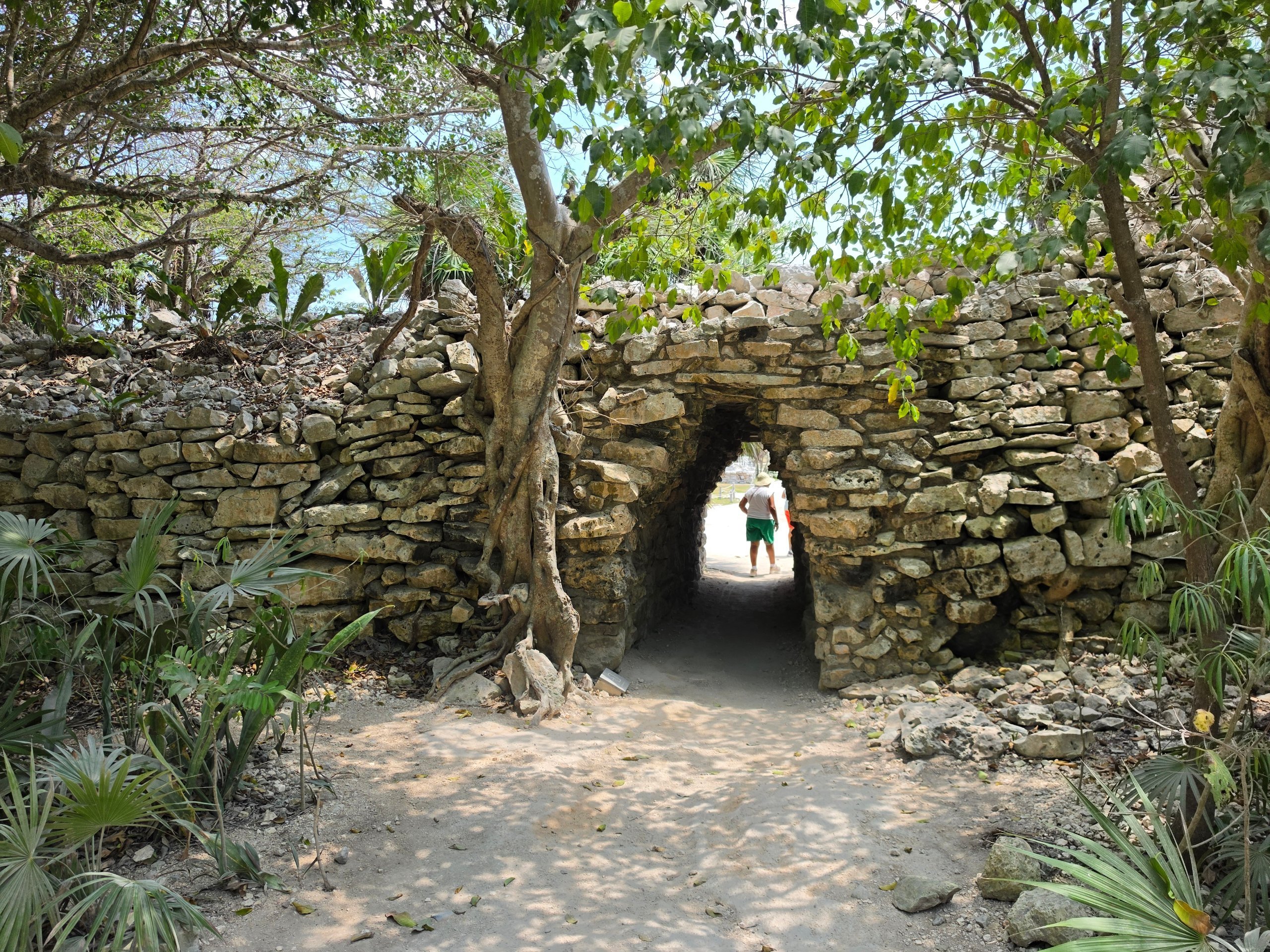
But if you know where to go and where to buy your ticket, the visit is much simpler.
Check car hire prices in Tulum
Tulum was a fortified Mayan city and an important port. It reached the height of its development between the 13th and 15th centuries.
The main landmark is the El Castillo structure, standing on the edge of the cliff.
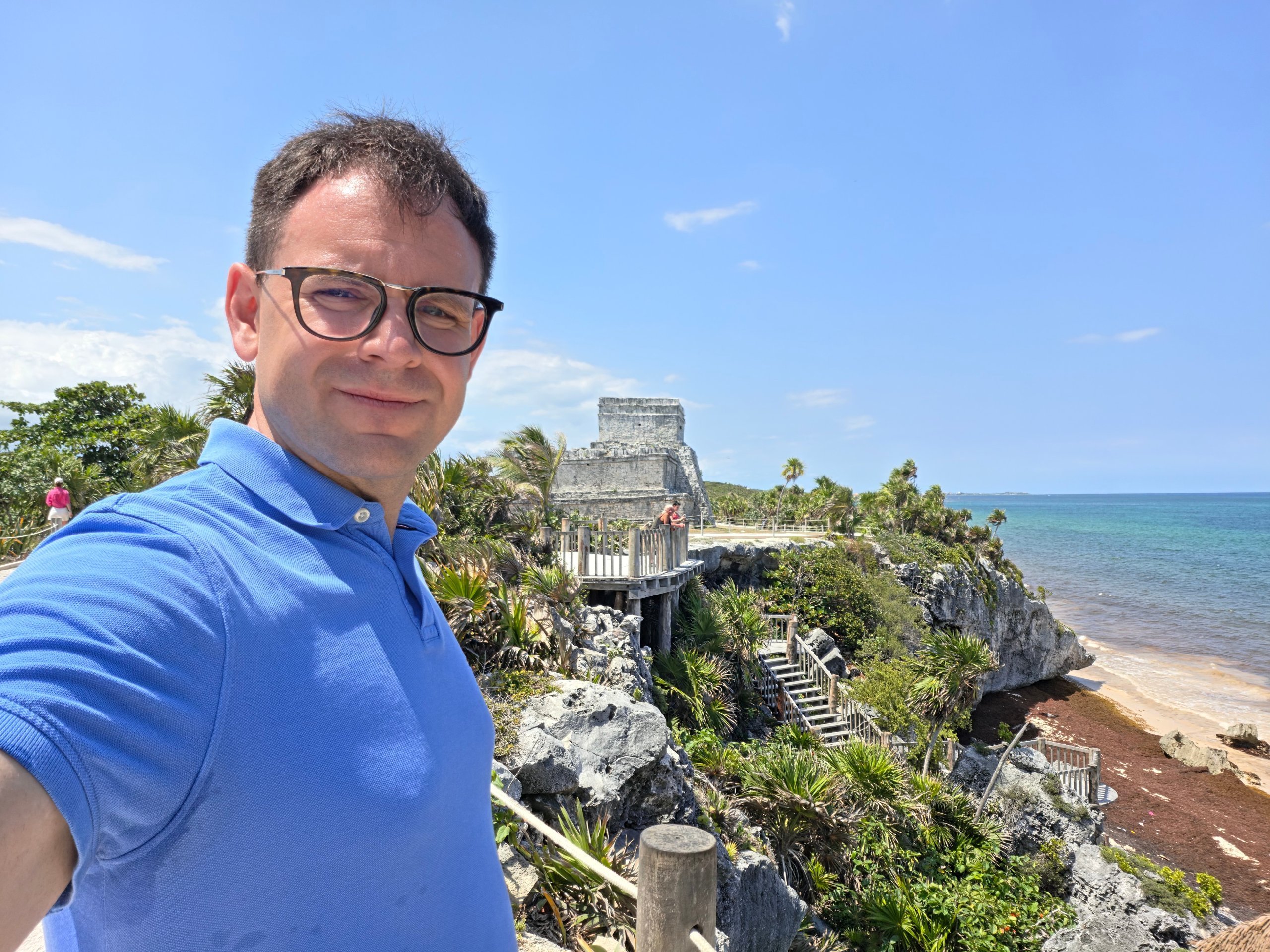
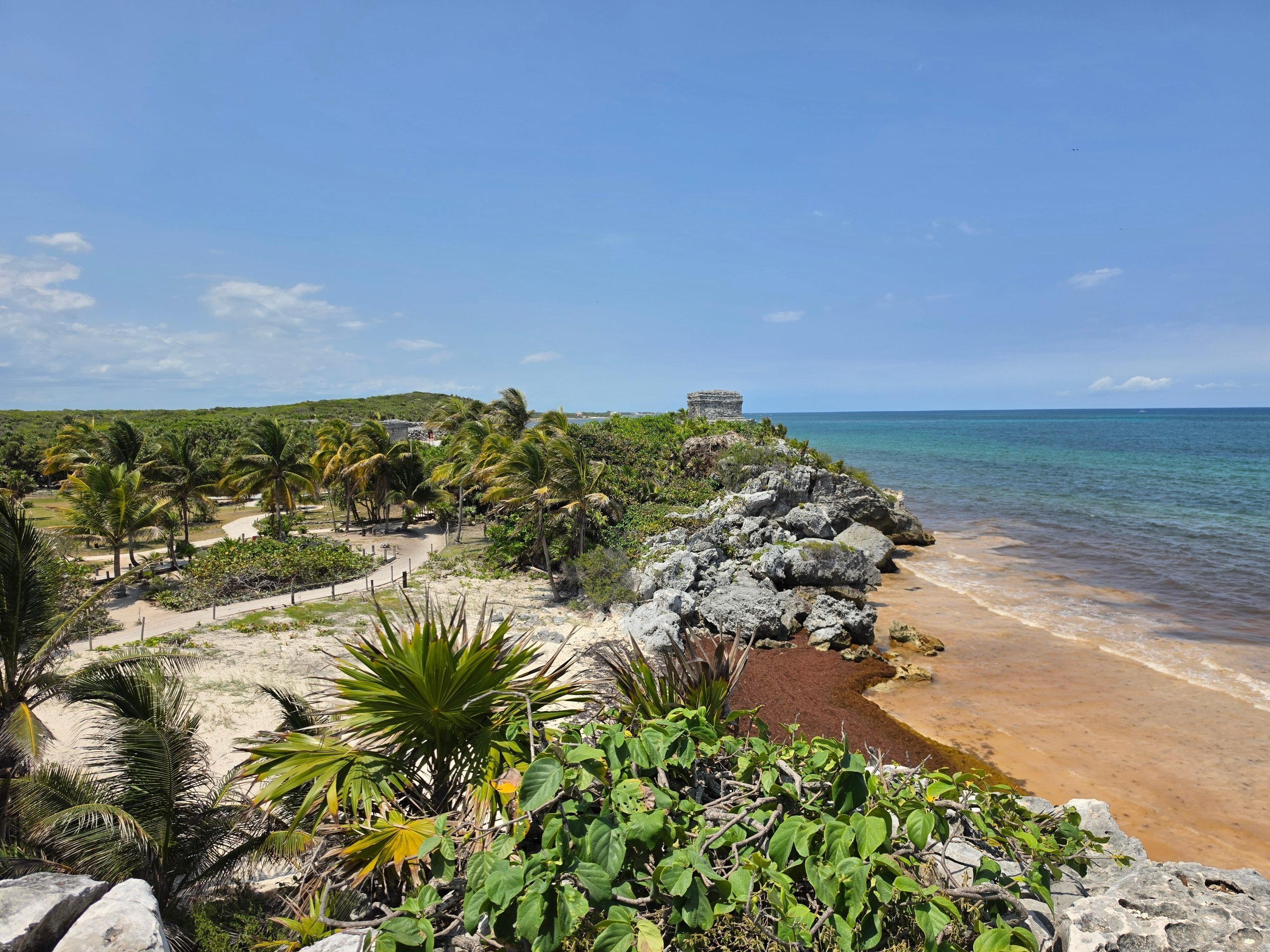
You will also see, for example, the Temple of the Frescoes, the Temple of the Descending God and the Temple of the Wind God.
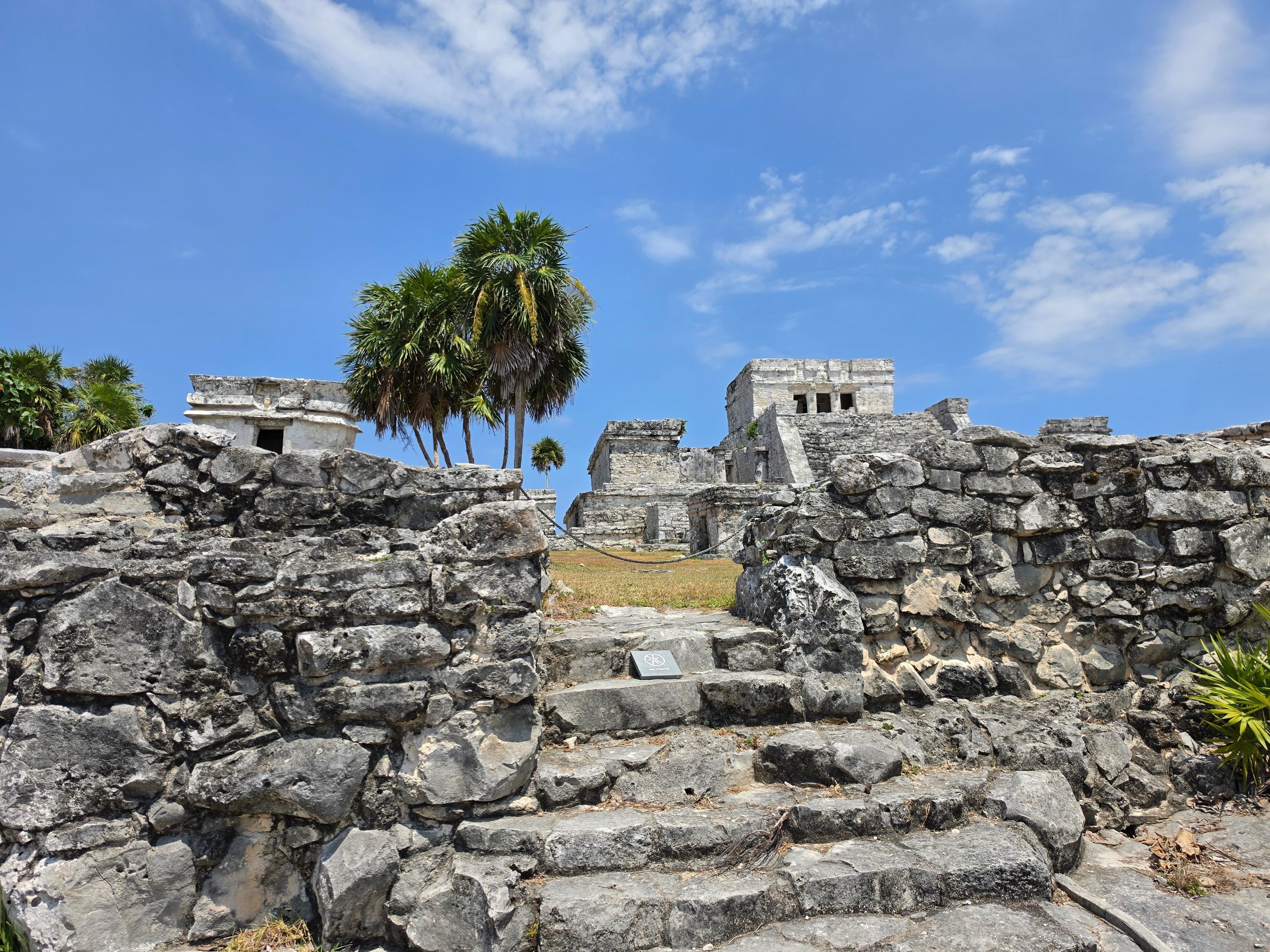
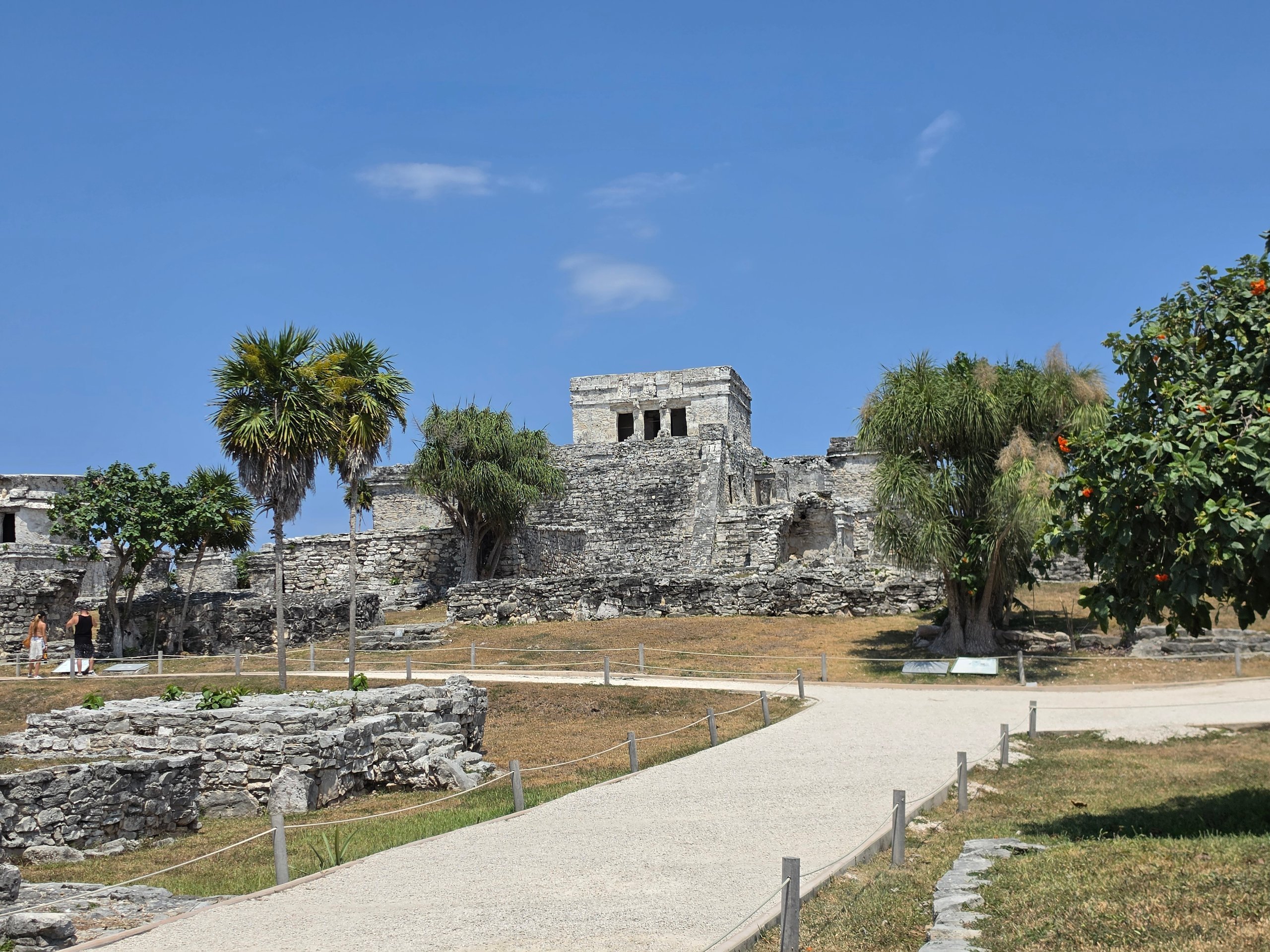
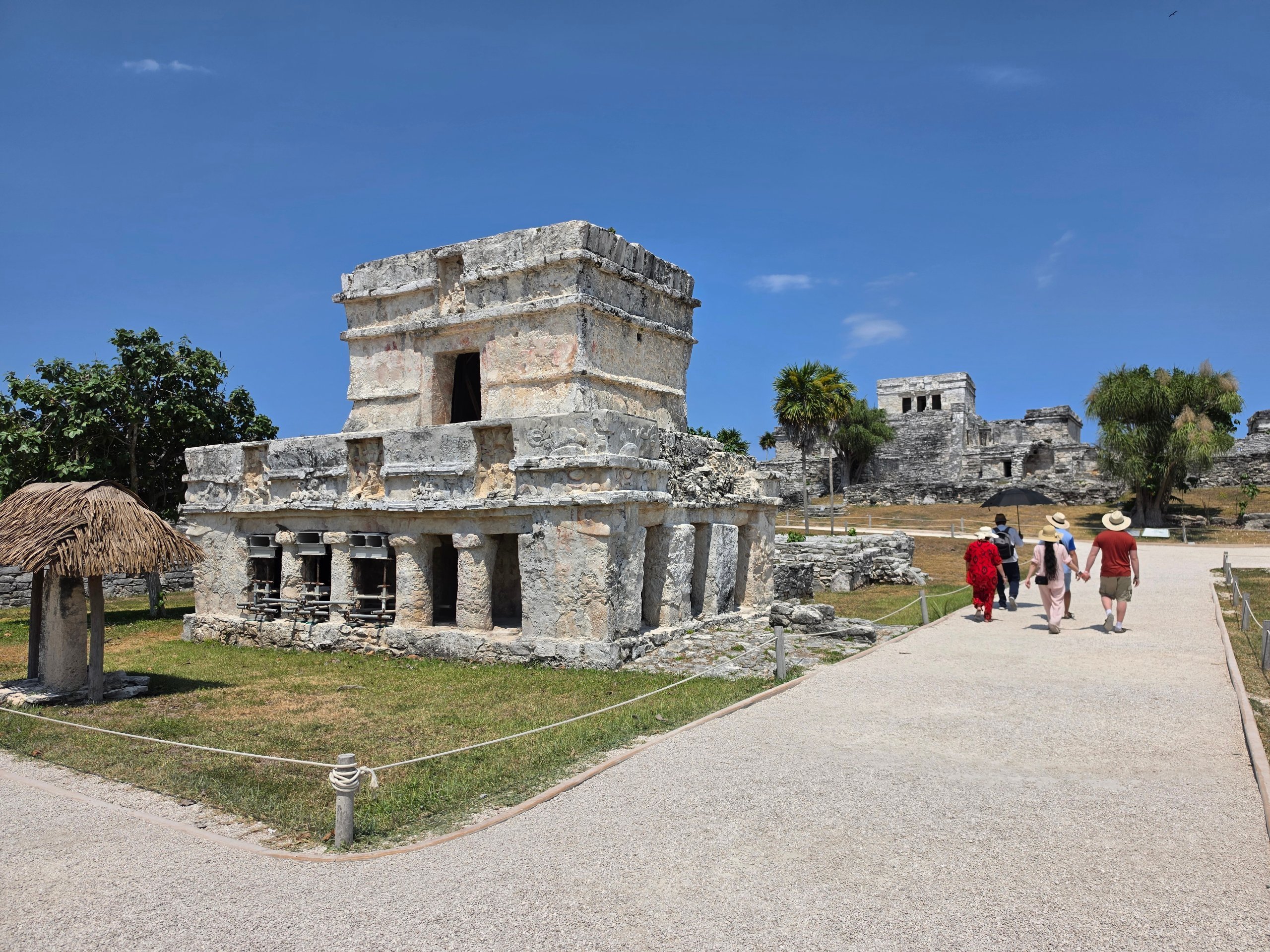
You are not allowed to walk on the structures themselves, and you can explore the entire archaeological site via the marked paths. For us, the greatest experience was not the individual buildings, but their combination with the views of the sea and the coastal cliffs.
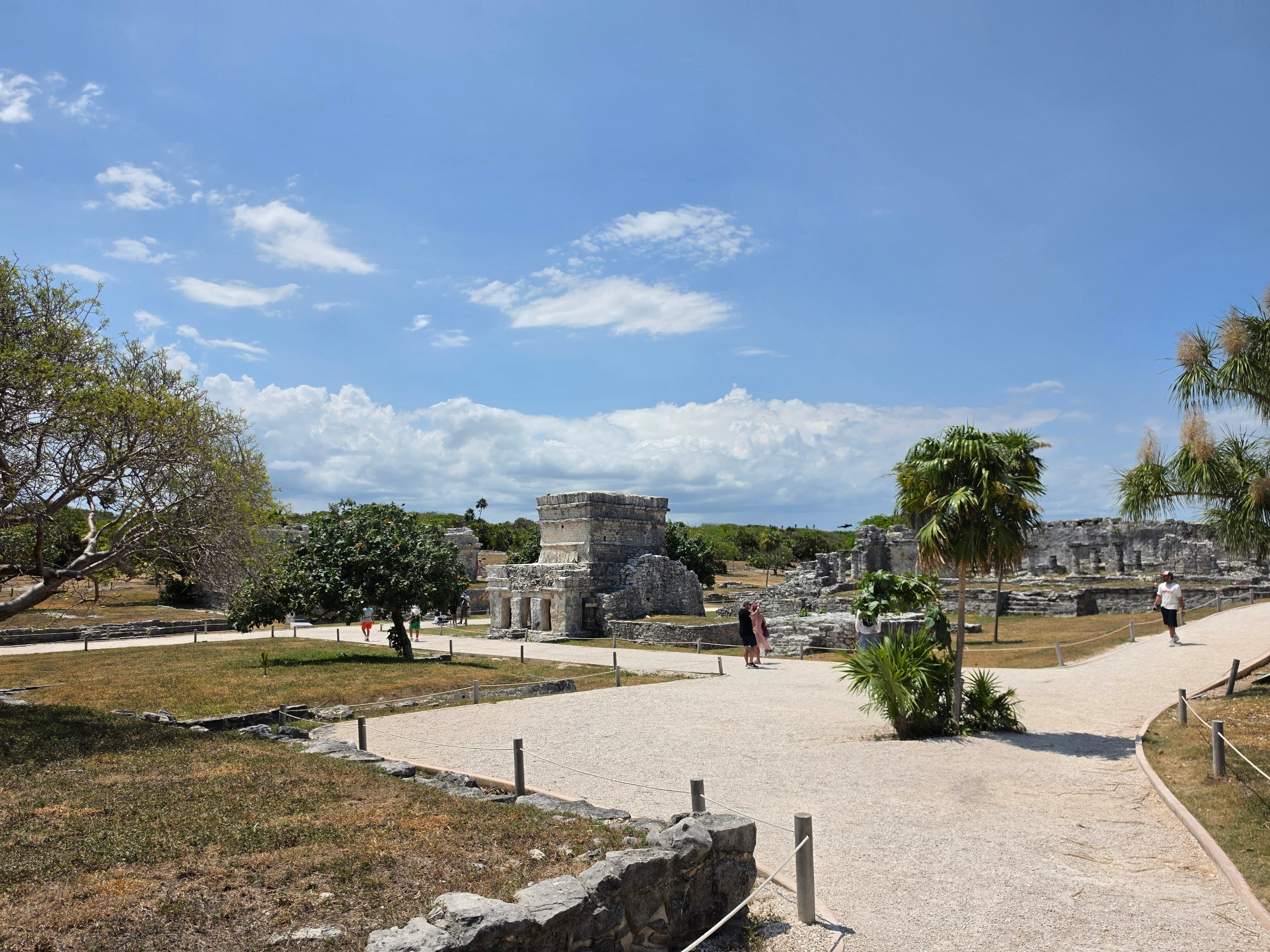
Allow around 45 to 60 minutes for the ruins themselves. The site is relatively small, and without a guide you are unlikely to spend much longer there.
In our opinion, yes, especially if you’ve never visited any Mayan ruins before.
The ruins of Tulum are one of the symbols of the Riviera Maya, and their location overlooking the Caribbean Sea is unrivalled amongst the well-known sites in this area.
Right here, reality really does live up to what we’ve seen on Instagram or TikTok.
Beautiful, well-maintained ruins and breathtaking views.
If you’ve already visited Chichén Itzá, Cobá or other large Mayan sites, the ruins in Tulum themselves probably won’t impress you all that much. Tulum is interesting mainly for its location, the coastline and the overall atmosphere.
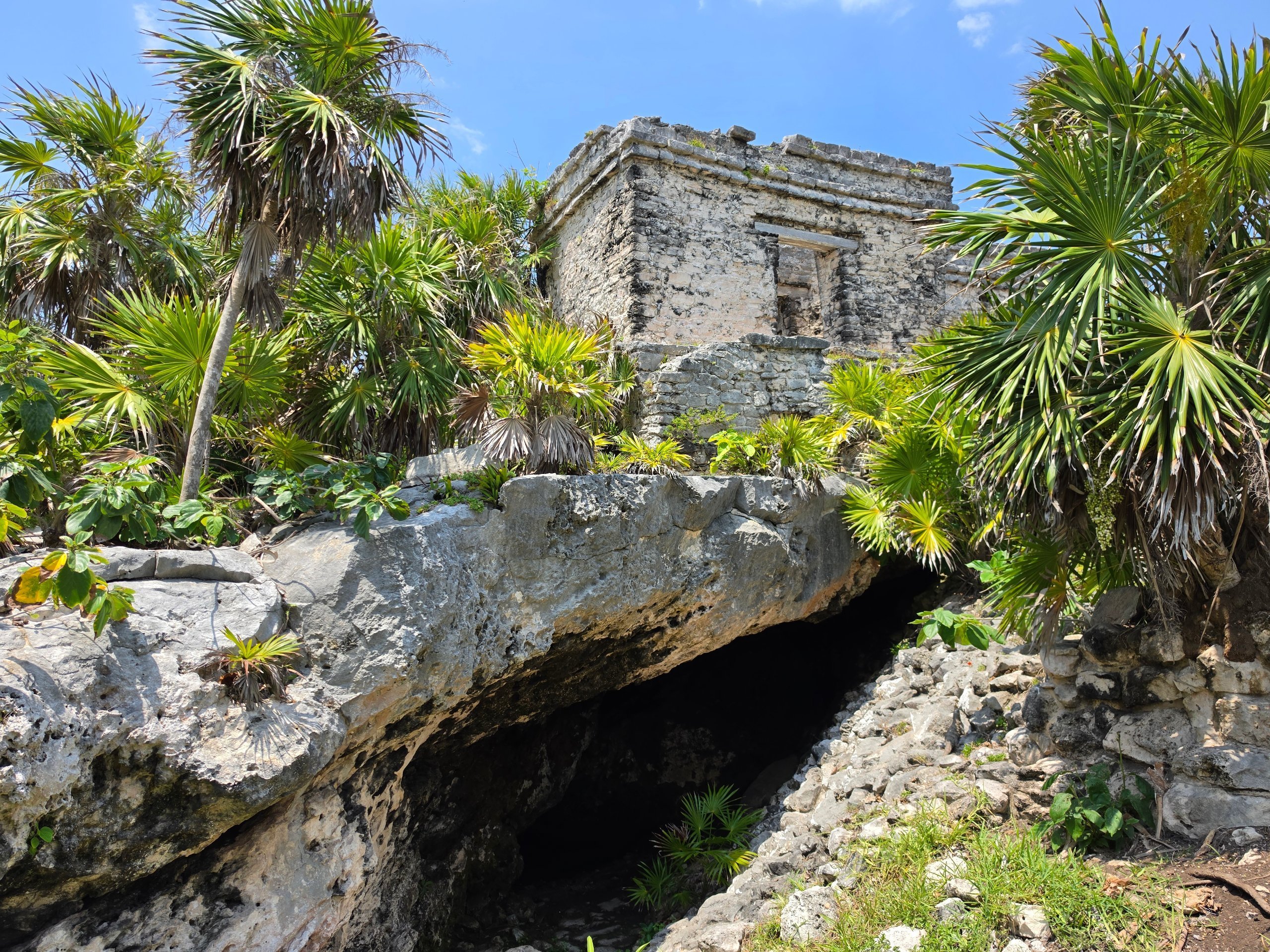
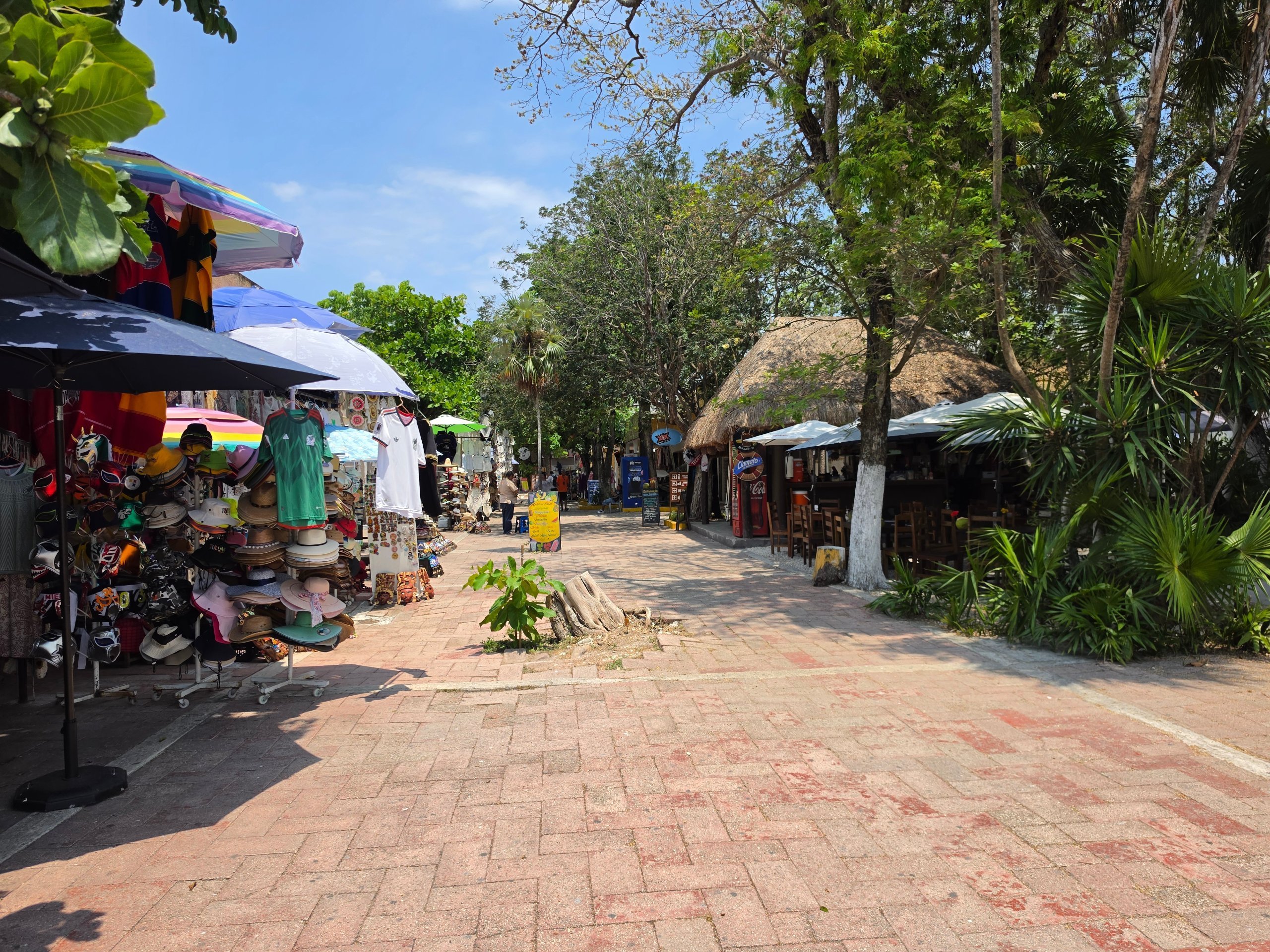
We were left with a much less favourable impression of the area around the entrance. Here you’ll find overpriced souvenir shops and restaurants catering almost exclusively to tourists. We’d prefer to head back to the centre of Tulum for a meal.
A new admission system is due to come into effect on 20 July 2026. However, the old prices are still listed on the official website.
💬 This is where your personal experience can really help us. Have you visited Tulum recently? What are the actual prices? Let us know in the comments below the article – thanks!
The total admission fee for foreign visitors is 515 mxn per person. However, this is not a single standard ticket.
The amount consists of three different charges levied by several institutions.
| Fee | Price |
|---|---|
| Archaeological site managed by INAH | 210 mxn |
| Tulum National Park, managed by CONANP | 125 mxn |
| Entry to Parque del Jaguar | 180 mxn |
| Total | 515 mxn |
It is precisely the breakdown of these fees that is causing much of the confusion.
At the main entrance to Parque del Jaguar, you’ll pay the fees for the park and the protected area, as well as for the archaeological zone.
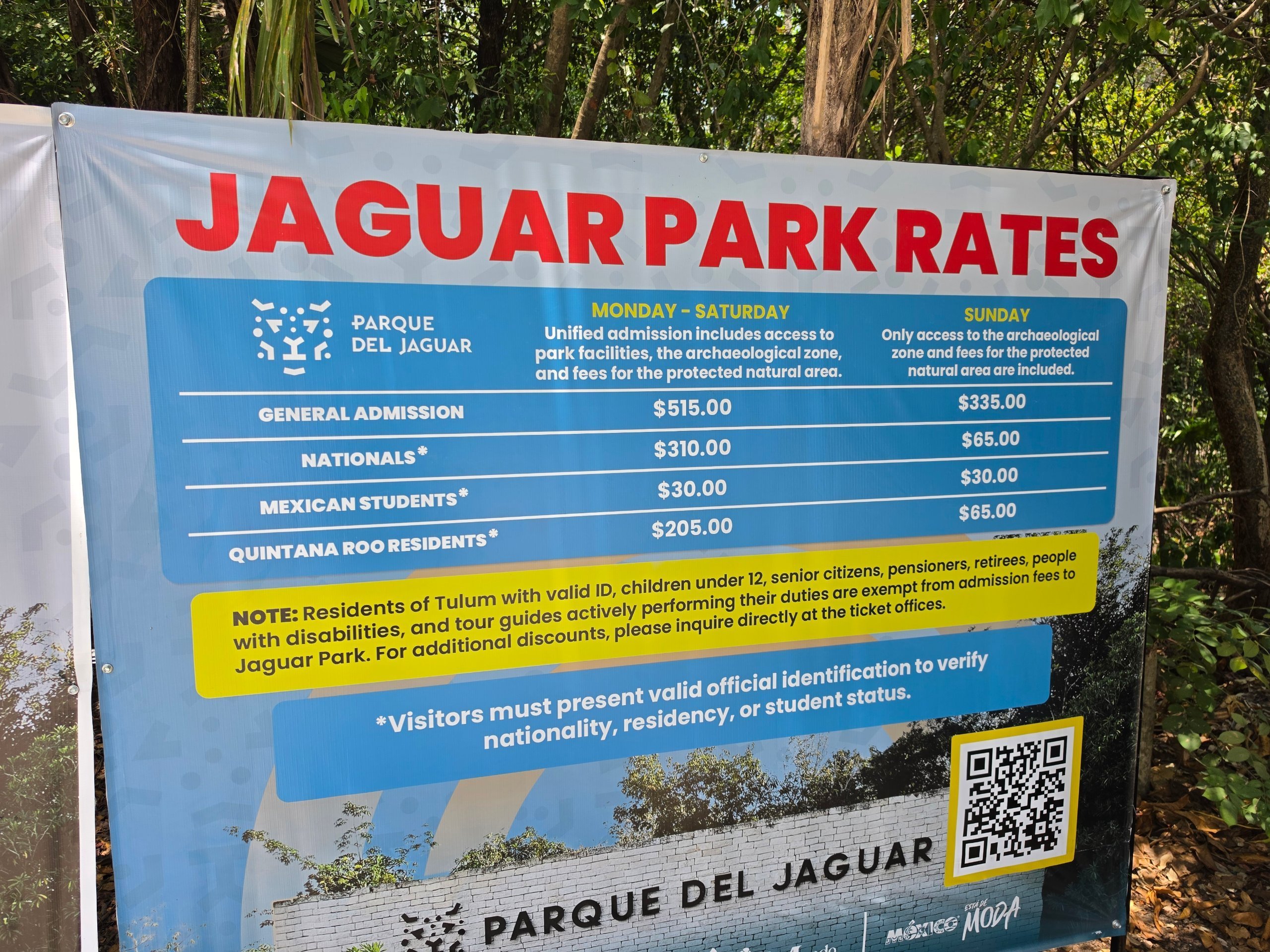
Just before the archaeological zone itself, there is another INAH ticket office where you pay the ‘ 210 mxn ’ fee for entry to the ruins.
A separate ticket for the ‘ 210 mxn ’ is not a cheaper alternative to the combined admission fee. You’ll only use the ticket office right by the archaeological zone if you first pay just for entry to the park (CONANP + Jaguar), go only to the beach, and only later decide that you want to buy a ticket for the archaeological zone as well.
Park entry also includes use of the electric buses, footpaths and access to the beaches.
The Mureco Museum and the large viewing platform above the jungle have free admission in their own right, but are located in a different part of the park to the archaeological zone.
A new ticketing system will come into effect on 20 July 2026. Foreign visitors will pay a total of 265 mxn.
| Fee | Price for international visitors |
|---|---|
| Entry to Parque del Jaguar | 100 mxn |
| Archaeological site and Tulum National Park | 165 mxn |
| Total | 265 mxn |
| Electric buses around the park | 20 mxn plus |
No.
Admission to the whole park is unrestricted and the queues at the ticket offices aren’t very long (at least we didn’t have to wait even two minutes).
What’s more, you can pay by card or cash at the ticket office.
However, you can buy tickets online directly via the official Parque del Jaguar website.
On arrival, you will be given a wristband, which may be checked by national park staff.
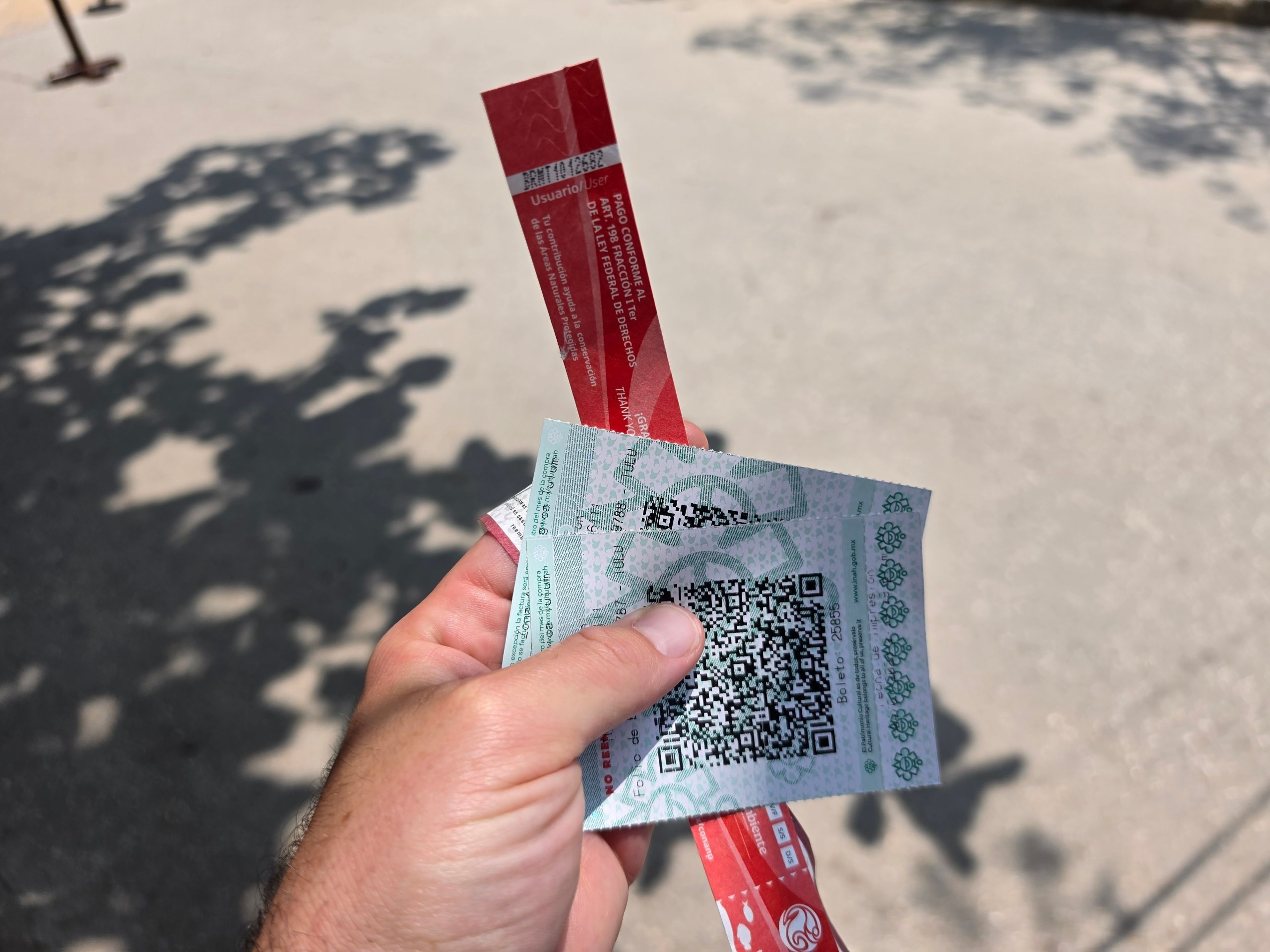
If you’re entering with an action camera (GoPro, DJI, etc.), you’ll always have to pay a fee of 63 mxn at the entrance (cash only).
This fee does not apply to mobile phones – you can take photos and videos on your mobile for free.
If you do not wish to use your GoPro, you can leave it in the free storage facility at the ticket office.
The archaeological zone is situated within the extensive Parque del Jaguar. The site also features:
Entry to the Mureco Museum is free, but foreign visitors must pay the entrance fee for the Parque del Jaguar. The museum is situated in a different part of the park to the archaeological zone.
In our opinion, the observation tower isn’t worth visiting on its own. It’s quite a long way from the coast and the view over the jungle isn’t particularly interesting. If you’re short on time, focus on the ruins and the beaches.
Electric buses run between the main entrance, the museum, the archaeological zone and the beaches. During our visit, they ran every 5 to 10 minutes, but they don’t have a fixed timetable.
From July 2026, the use of electric transport is set to become 20 mxn. If you do not wish to use the bus, you can walk. It is 1 to 1.5 km from the main entrance to the archaeological zone.

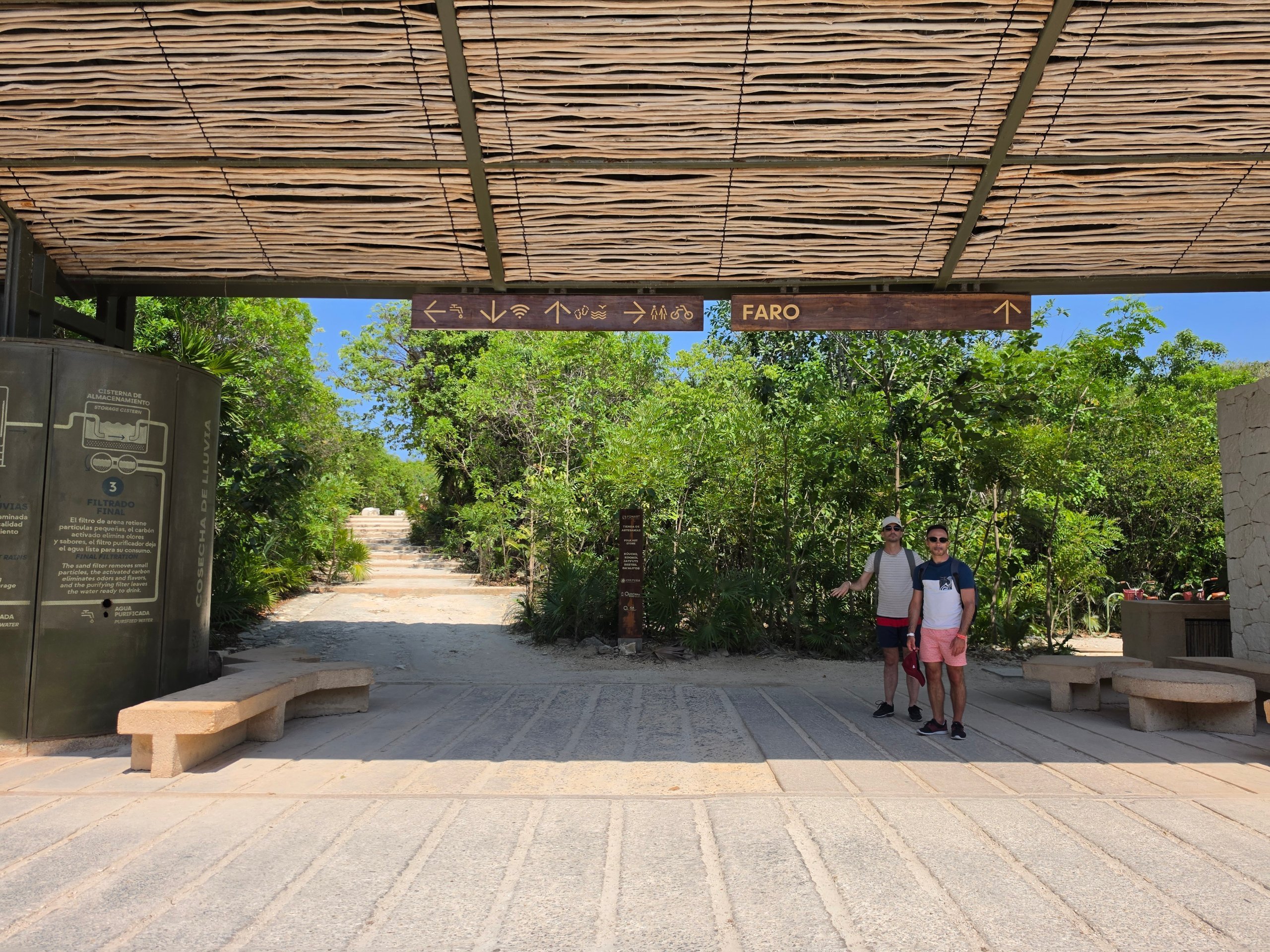
There are several beaches to the south of the archaeological zone.
After exploring the ruins, we took an electric bus to two of them – the prettiest is probablyPlaya Pescadores, which has a bit of a local feel with several fish restaurants.
We got off just for a quick stroll along the coast and then returned to the main entrance. If you fancy a swim, bring your swimwear and allow at least an extra hour for your visit.
The beaches themselves are free to access, but you still have to pay the park entrance fee, even if you enter from the other side (from the south).
In our opinion, it’s certainly not worth travelling to the Archaeological Zone just for the beaches – there are much nicer beaches in the main Zona Hotelera or further south in Sian Ka’an National Park.
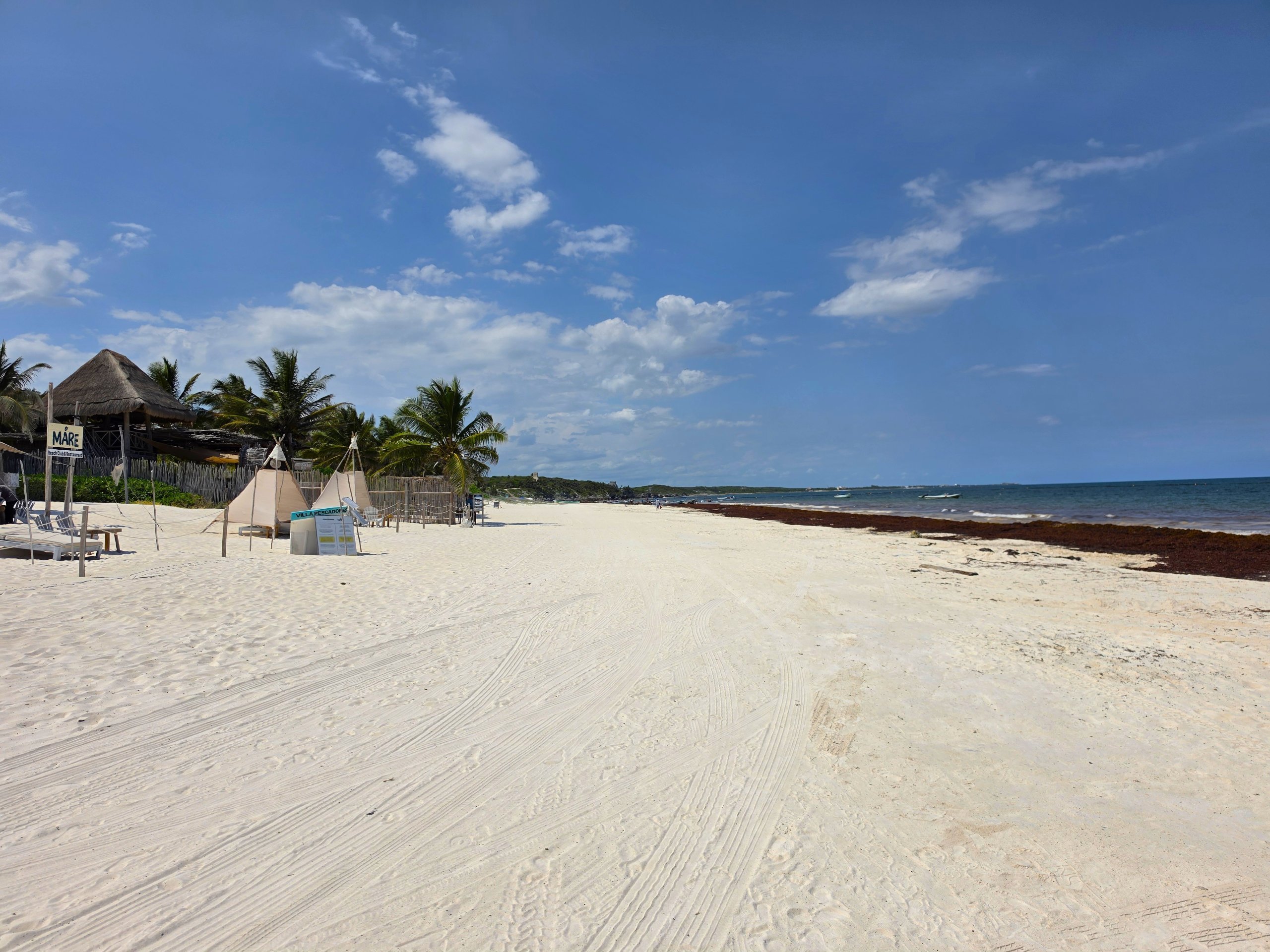
The Archaeological Zone is open every day.
Please check the current opening hours on the official INAH website.
It’s best to arrive shortly after opening. This way, you’ll avoid the worst of the heat and the organised groups that usually arrive during the morning. There’s little shade amongst the ruins.
If you’re staying in Tulum itself, you can be at the entrance before the tour buses from Cancún and Playa del Carmen arrive.
Before entering the park, visitors must pass through a strict security check.
In particular, single-use plastic packaging, drones, loudspeakers, alcohol and pets (with the exception of assistance dogs) are prohibited.
An ordinary plastic water bottle may be confiscated during the security check. You should therefore bring your own reusable bottle. Shopping options inside the park are very limited, and water is significantly more expensive than in the city.
Don’t forget to bring a hat and sun cream either. Most of the route through the archaeological zone is in direct sunlight.
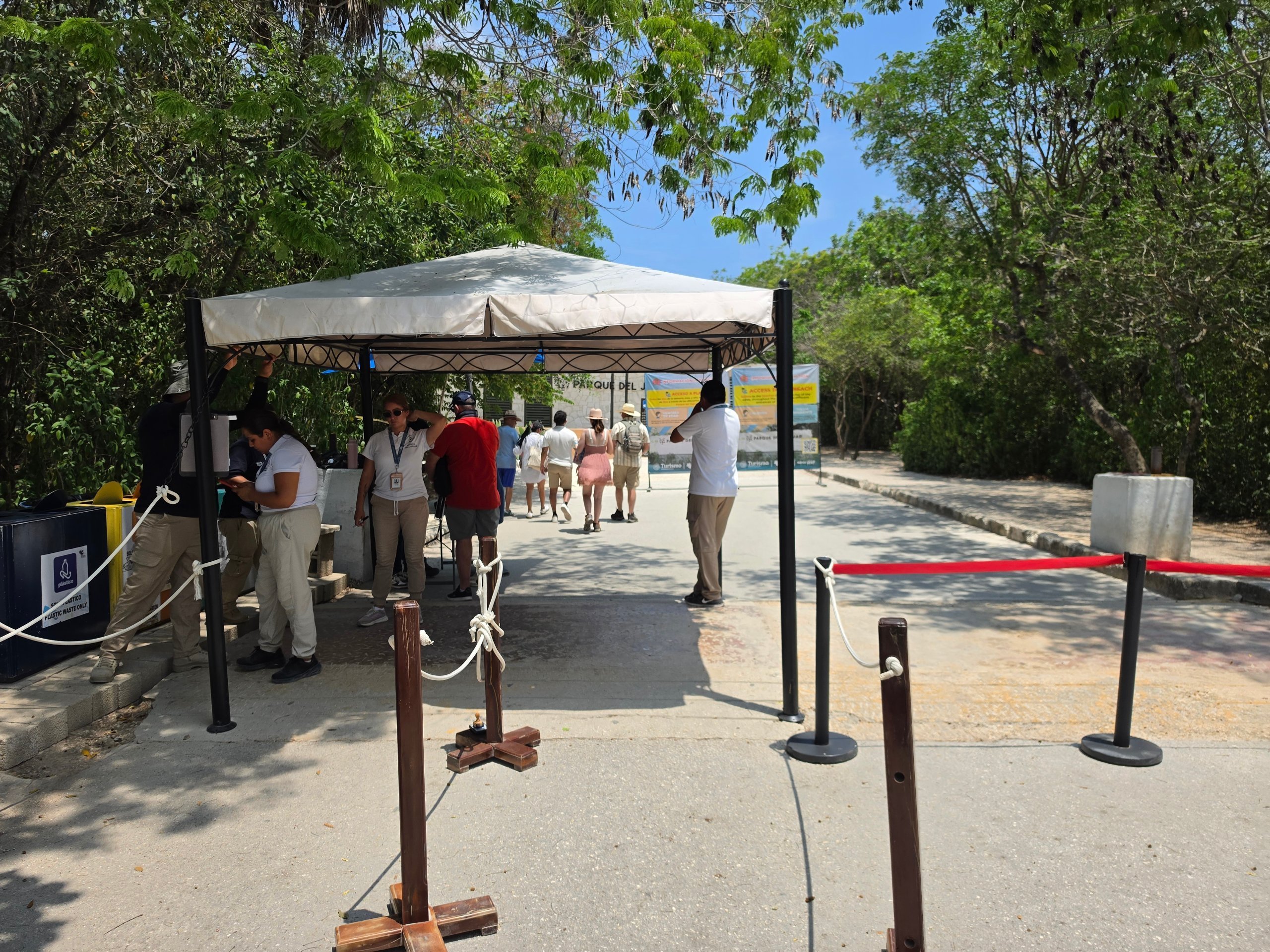
There is only one main entrance to the ruins – at Parque del Jaguar; see the location on Google Maps.
A car is mainly worth it if you’re combining your visit with the cenotes, the ruins of Cobá or other sites on the Riviera Maya. A car isn’t essential if you’re only visiting the archaeological site.
Personally, though, I can’t really imagine a stay in Tulum without a car – unless you’re here just for the beaches.
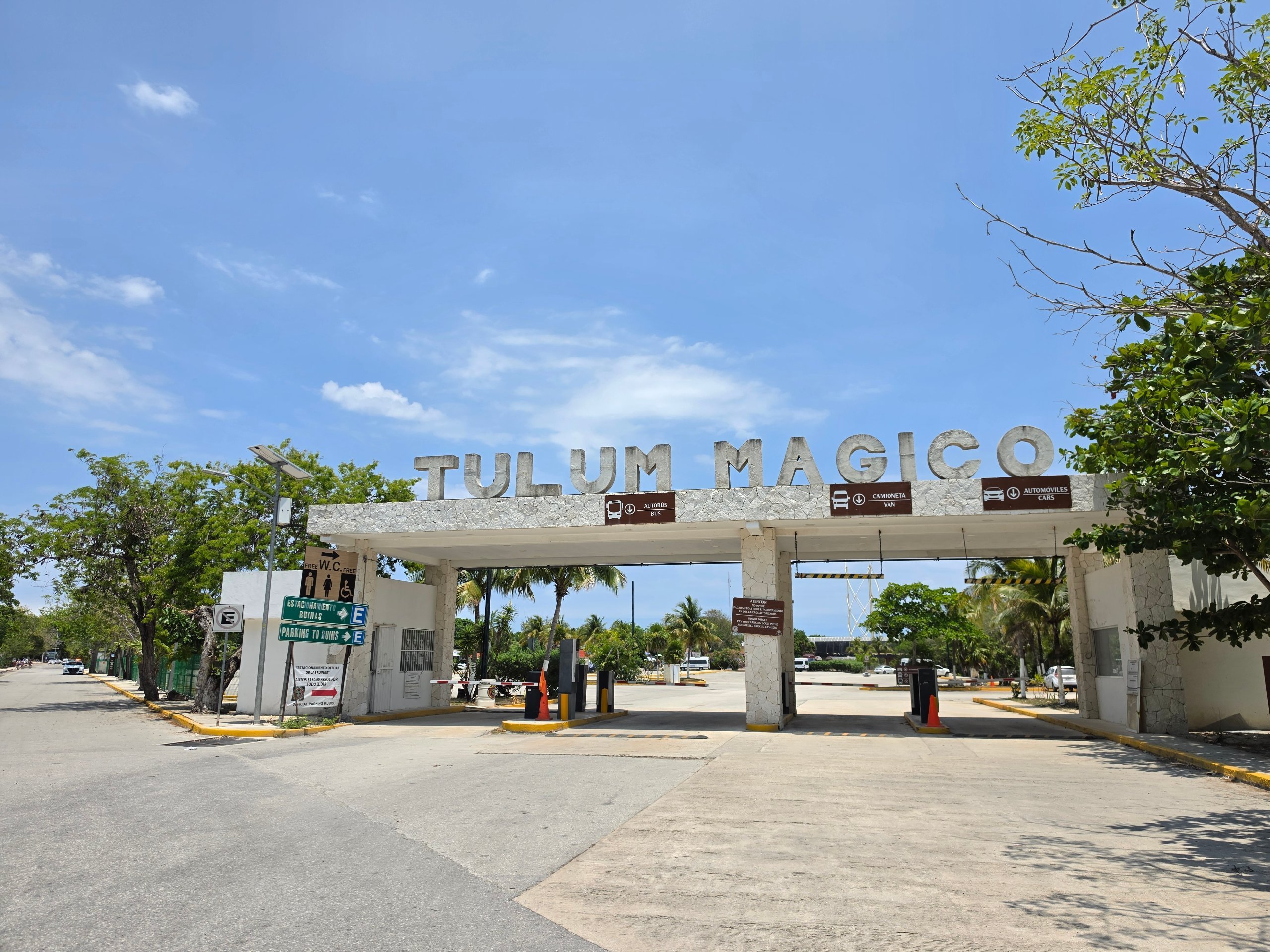
Enter ‘Parque del Jaguar’ or ‘Zona Arqueológica de Tulum’ into your sat-nav and follow the signs to the main entrance. Don’t automatically stop at the first private car park – see below for details.
A more comfortable but more expensive option is a taxi. Always agree on the price in advance.
Uber doesn’t operate in Tulum, but you can try booking a taxi in advance via Booking.com.
The colectivos running between Tulum and Playa del Carmen stop at the turn-off for the ruins. From the main road, you’ll need to walk about 1.5 km to the main entrance with the ticket office.
The fare from the centre of Tulum should not exceed 30 mxn. Payment is always made in cash inside the minibus.
Colectivas do not run to a fixed timetable, but they run approximately every 5–10 minutes on the route between Tulum and Playa del Carmen.
If you’re staying in Cancún, Playa del Carmen or a more distant resort, an organised tour may make more sense than travelling independently.
You won’t have to worry about transport, parking or tickets, and most tours combine the ruins with a cenote or other attractions.
However, prices are quite high, and full-day tours (usually involving several stops at different sights) start at 100 usd.
You can compare all organised tours on GetYourGuide.com. We used this comparison site ourselves in Mexico – most local agencies sell their tours primarily through this website.
Parking is one of the least straightforward aspects of a visit.
Once you turn off the main road, you’ll start to be stopped by people who introduce themselves as official national park staff.
They offer ‘official parking’, tickets or discounted guided tour packages.
In reality, these are mostly private car parks. The parking itself may not be a scam, but the vendors often give the impression that you have to stop there or buy a ticket from them. This is not true.
We recommend:
Private car parks usually cost around 100 mxn to 200 mxn for the whole day. The distance between individual car parks varies by only a few hundred metres, so you don’t need to make a decision straight away due to aggressive sales pitches.
The main official car park costs 160 mxn per day. Upon entering, take a ticket from the barrier and keep it in your car at all times.
Payment is made on exit at the barrier – you can pay in cash or by card.
Compare car hire prices in Tulum
Our visit to the archaeological site took about 45 minutes. Including parking, waiting for the electric buses and a short stop on the beach, we spent nearly 2 hours at the site.
The recommended time depends on your itinerary:
We recommend visiting the ruins at Tulum. The site is very well maintained, the coastal views are beautiful, and it is one of the most famous landmarks in the whole of Mexico.
However, the organisation itself left us with mixed feelings. The car park, several different ticket offices, security checks and pushy salespeople at the entrance unnecessarily complicated our visit to this beautiful place.
A new system, effective from 20 July 2026, has significantly reduced admission prices and standardised some of the fees. If the signage and organisation at the main entrance are also improved, the overall experience will be much better.
Discover all the places to see in Tulum.
If you have any questions or comments about the article...