Marrakech from Prague with Eurowings in December
93 €



The Mexico City Metro is the largest urban transport system in Latin America.
Yet we used it much less than we expected.
The reason was simple - between Roma Norte, Condesa, Polanco and the historic center, it was often more convenient to Uber or walk. The metro to many tourist attractions doesn't run at all or transfers are necessary.
Still, the metro is a great option for longer journeys and, at 5 mxn, is one of the cheapest in the world.
Find the cheapest hotels in Mexico City
| Question | Answer |
|---|---|
| Is the metro worth it for tourists? | Yes, but only sometimes |
| Price of the ride | 5 mxn |
| How to pay? | Contactless card or MI card |
| Metro from the airport | Yes, but Uber or bus is faster |
| Safety | No problems during off-peak hours |
| Biggest drawback | Serves mostly locals (tourist areas are often missed) |
| Does Google Maps work? | Yes |
💡 If you travel mainly between Roma Norte, Condesa, Polanco and downtown, you're more likely to use Uber than the metro.
As of 2026, you don't have to deal with any tickets.
You can conveniently pay for the metro with your own contactless card.
It also works with NFC technology, so you can also use mobile payment, watches, etc.
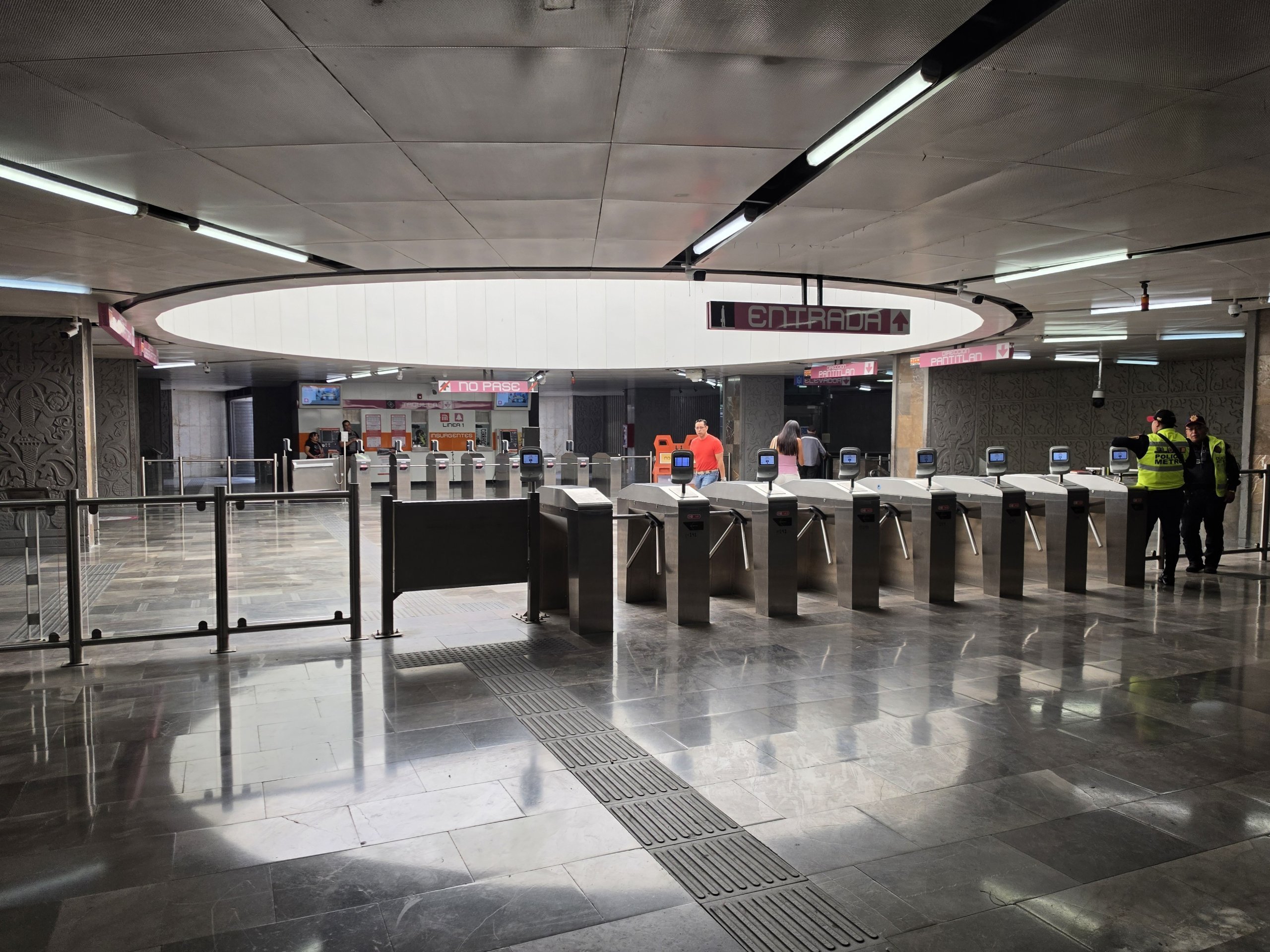
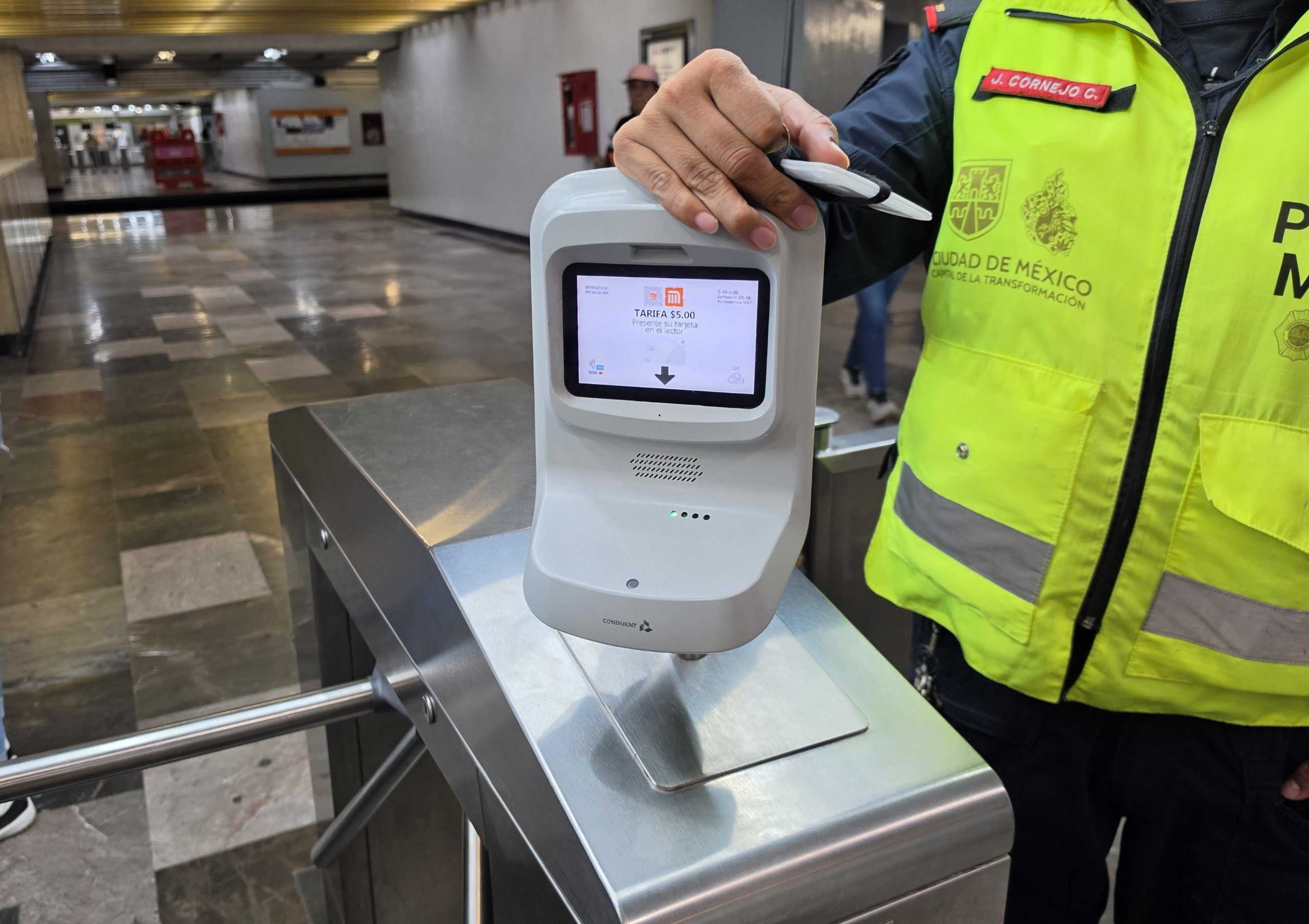
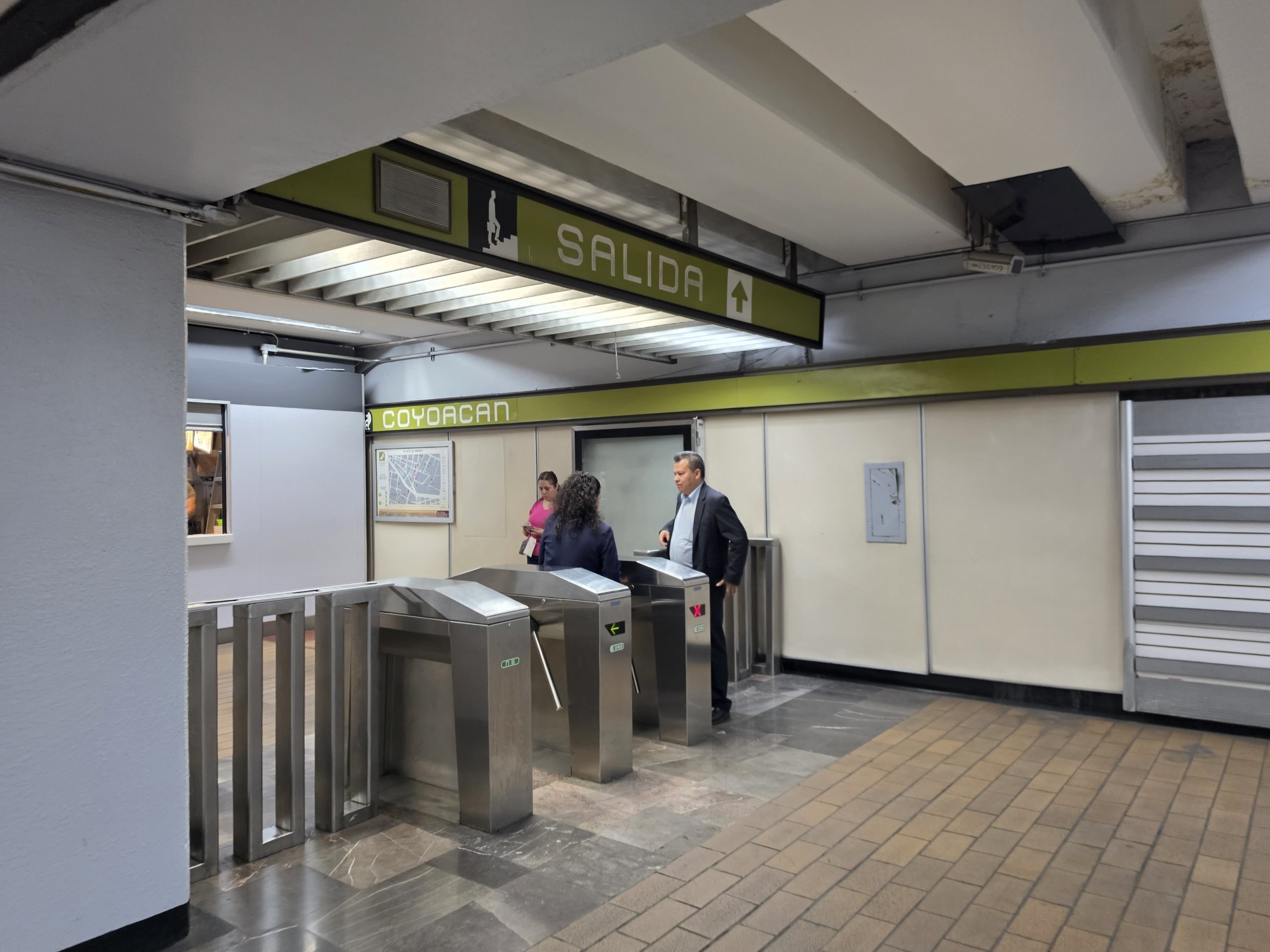
You don't have to use your mobile/card when leaving the station - you can walk freely through the turnstile.
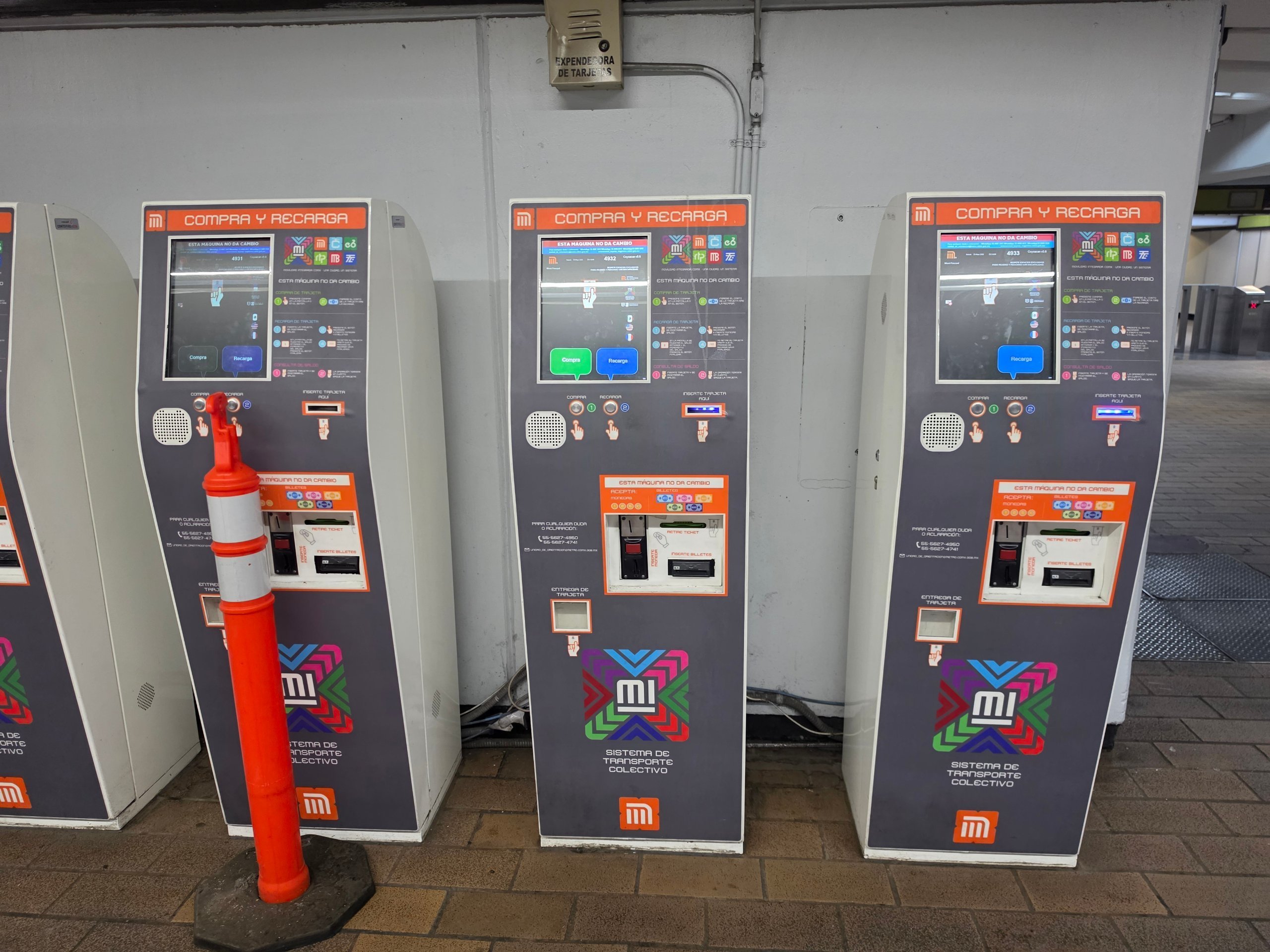
If you don't want to pay with your own card, there are other options:
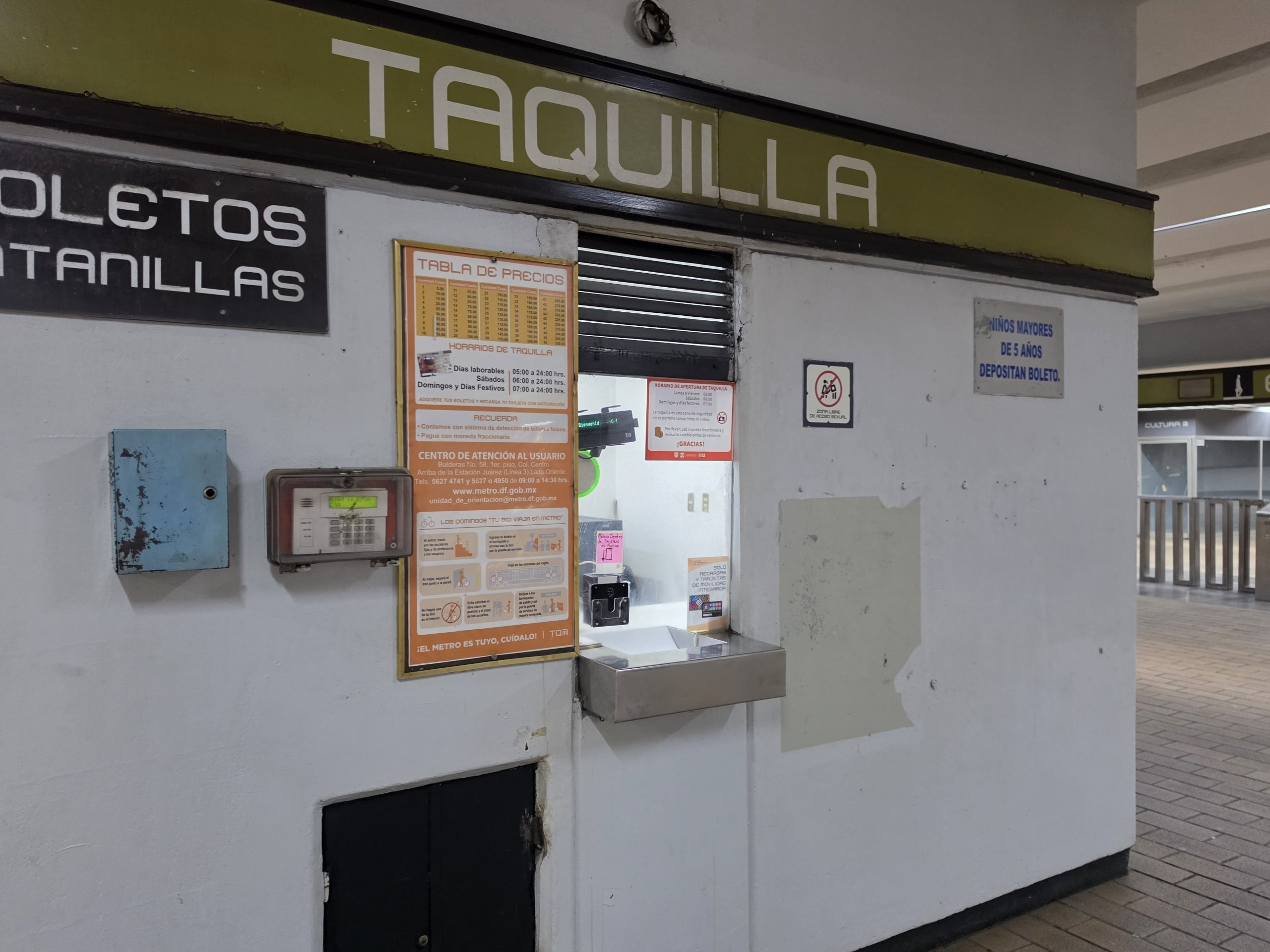
The flat price, regardless of distance, is 5 mxn for 1 ride.
If you change between lines, you don't pay again during the transfer (you don't go through the turnstiles).
The price is the same for cash, your own contactless card and MI transport card.
There are no day tickets on the metro.
Mexico City's metro has 11 lines + 1 rapid transit line (Tren Ligero) + suburban trains.
For most tourists, the following lines are of particular interest:
One of the most important lines in the city. It connects the eastern and western parts of Mexico City.
Ideal for the route:
In combination with line 1 (transfer station is "Pino Suárez") the most important tourist line.
With the Zócalo station, it takes you directly to the historic centre to the Metropolitan Cathedral and the main square, and also goes to the Palacio de Bellas Artes.
Connects the city centre with the north of the metropolis and is one of the busiest.
For tourists it works well in the session:
The only metro that goes to MEX airport, but does not go directly to the centre.
Line 5 also serves the main Terminal del Norte long-distance bus station.
Interesting mainly for its connection to the Polanco area.
A small metro, or rather a fast-track tram, for travelling to the tourist area of Xochimilco in the southern suburbs.
It is connected to metro line 2.
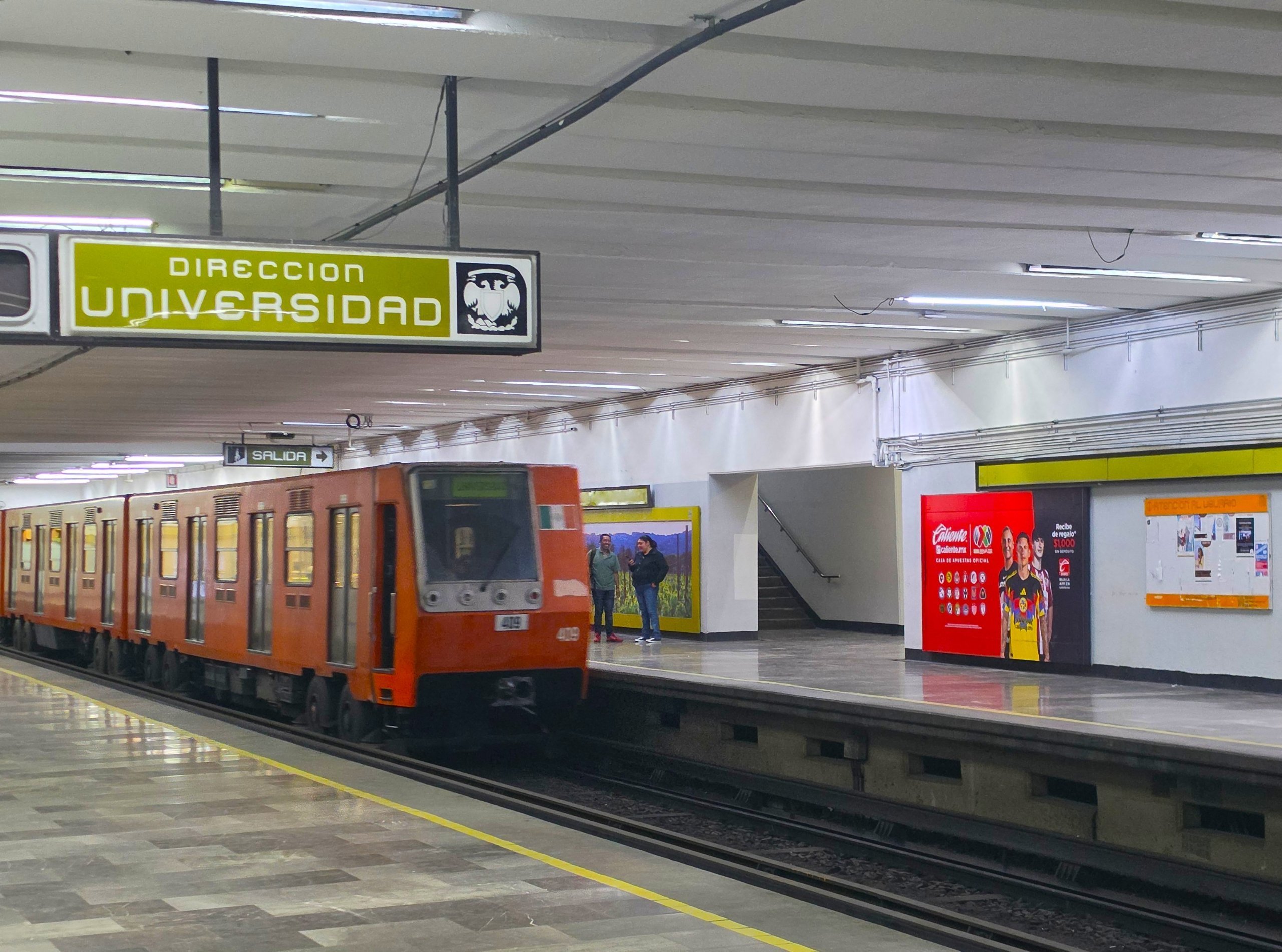
On the clear official map you can see not only the metro lines, but also the Metrobús suburban trains and buses.
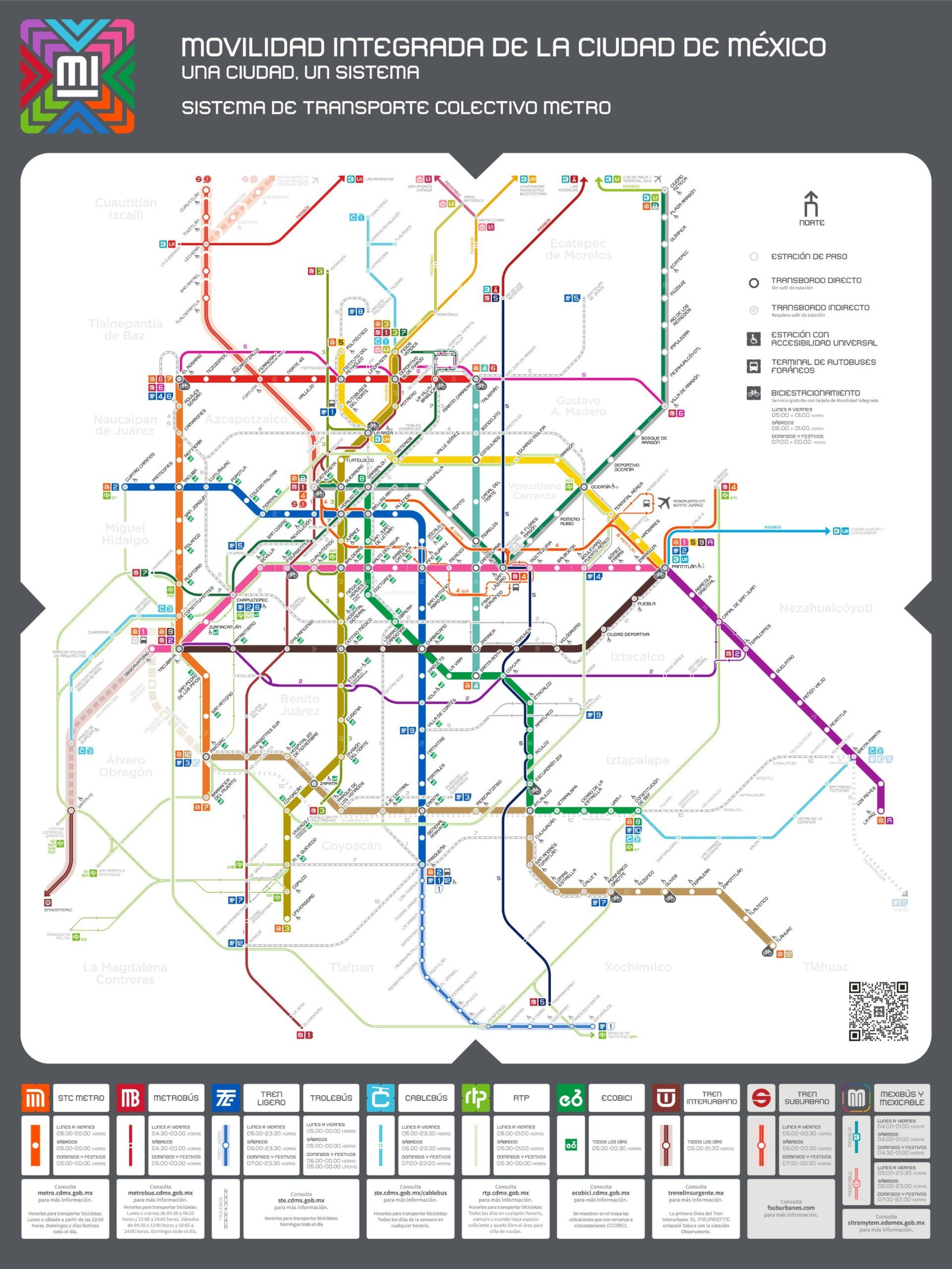
But we've always planned all our metro trips using Google Maps.
Yes, it is.
We did not encounter any major problems during our rides.
As in other big cities, the biggest risk is pickpocketing, especially during the morning and afternoon rush hours.
As long as you keep an eye on your phone, wallet and backpack, there is no reason to worry about the metro.
The metro may not be downright dangerous, but there are plenty of homeless people and people on the poverty line using it.
The stations outside the centre look a bit dated and not very clean.
I write more about getting around the city in my article Safety in Mexico City.
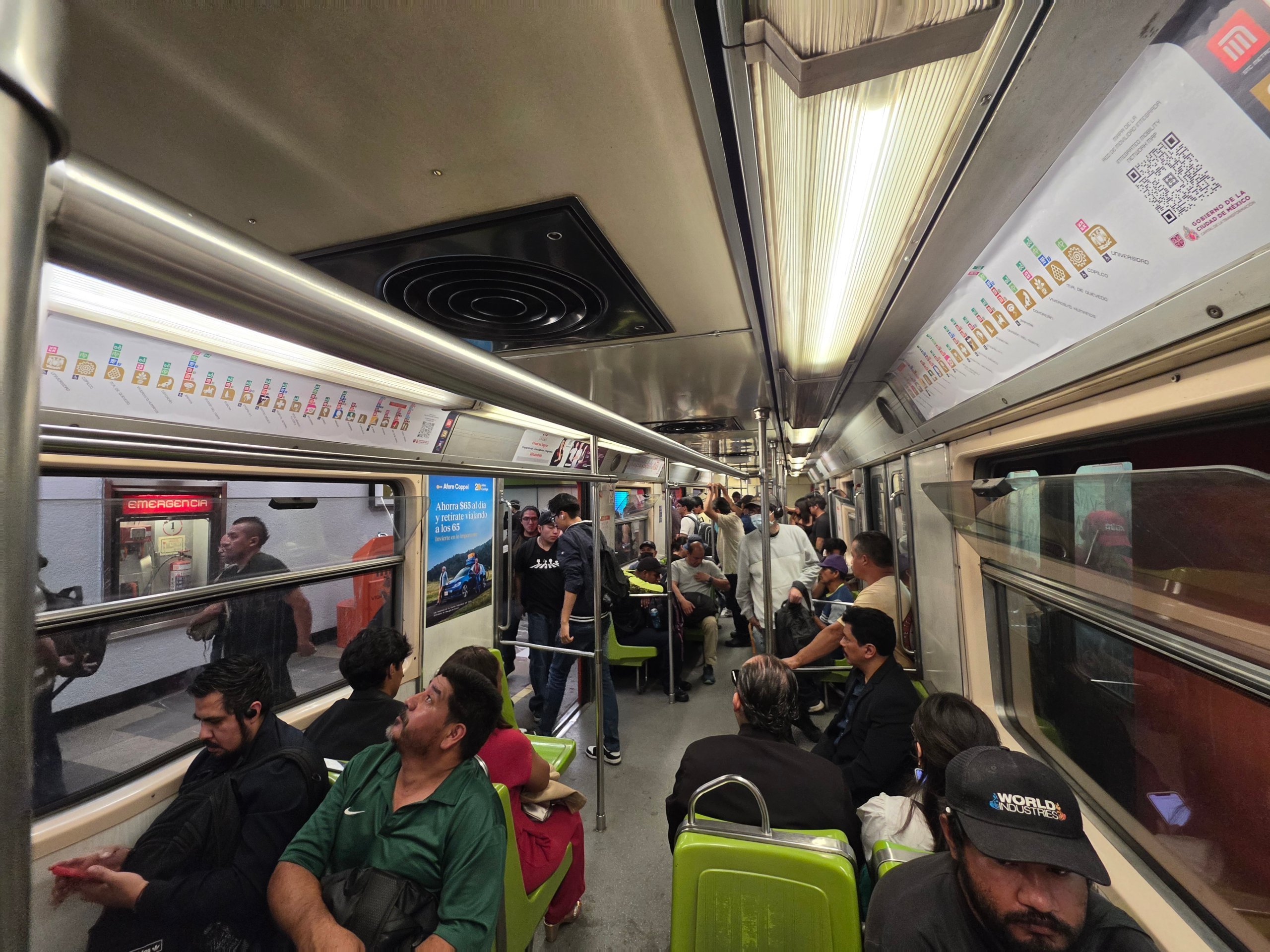
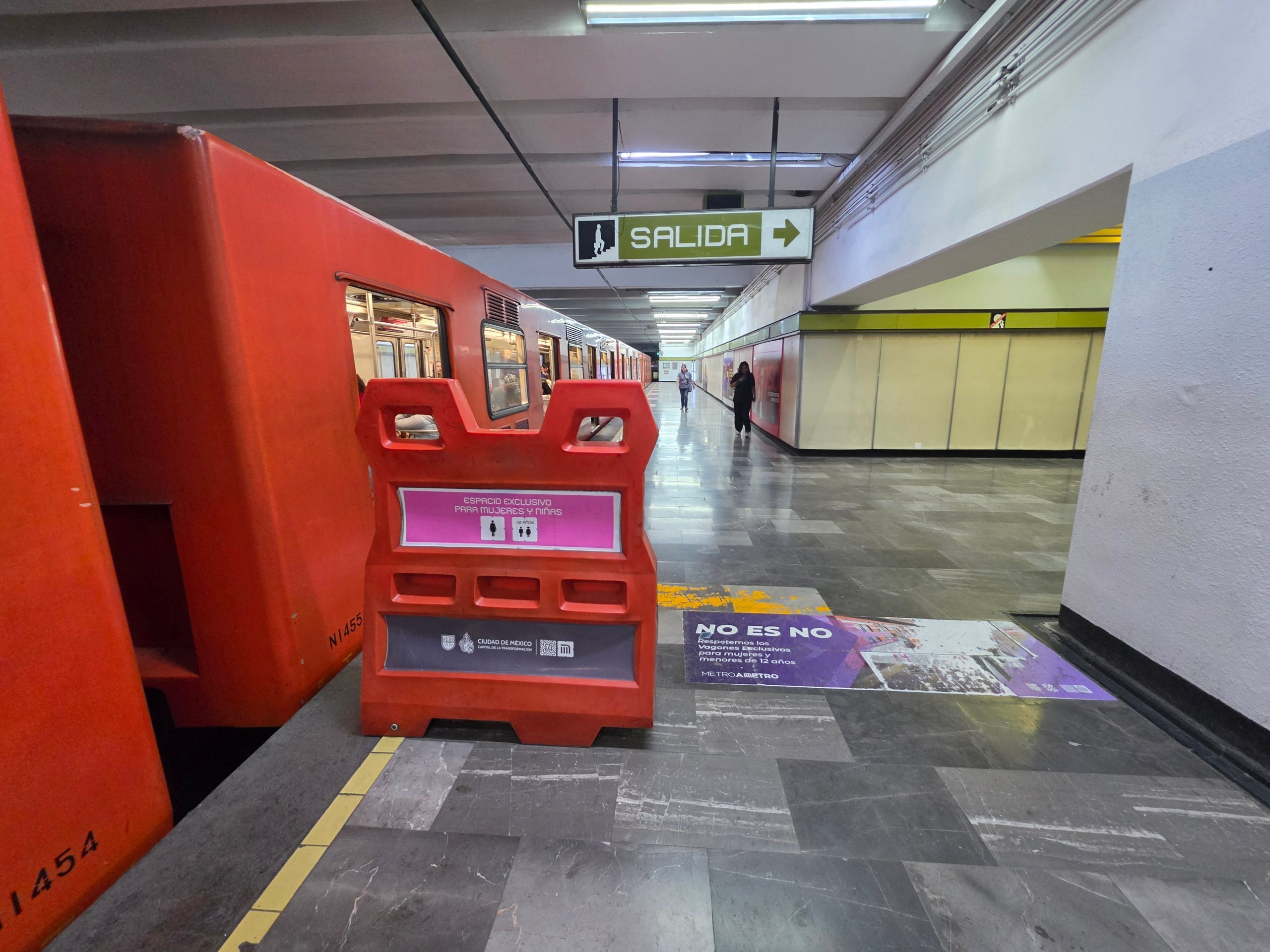
All metro trains have a front section reserved for women and children all day.
Men are not allowed to travel in these carriages.
However, women may travel on the entire train.
The space for women and children is always marked on the platform.
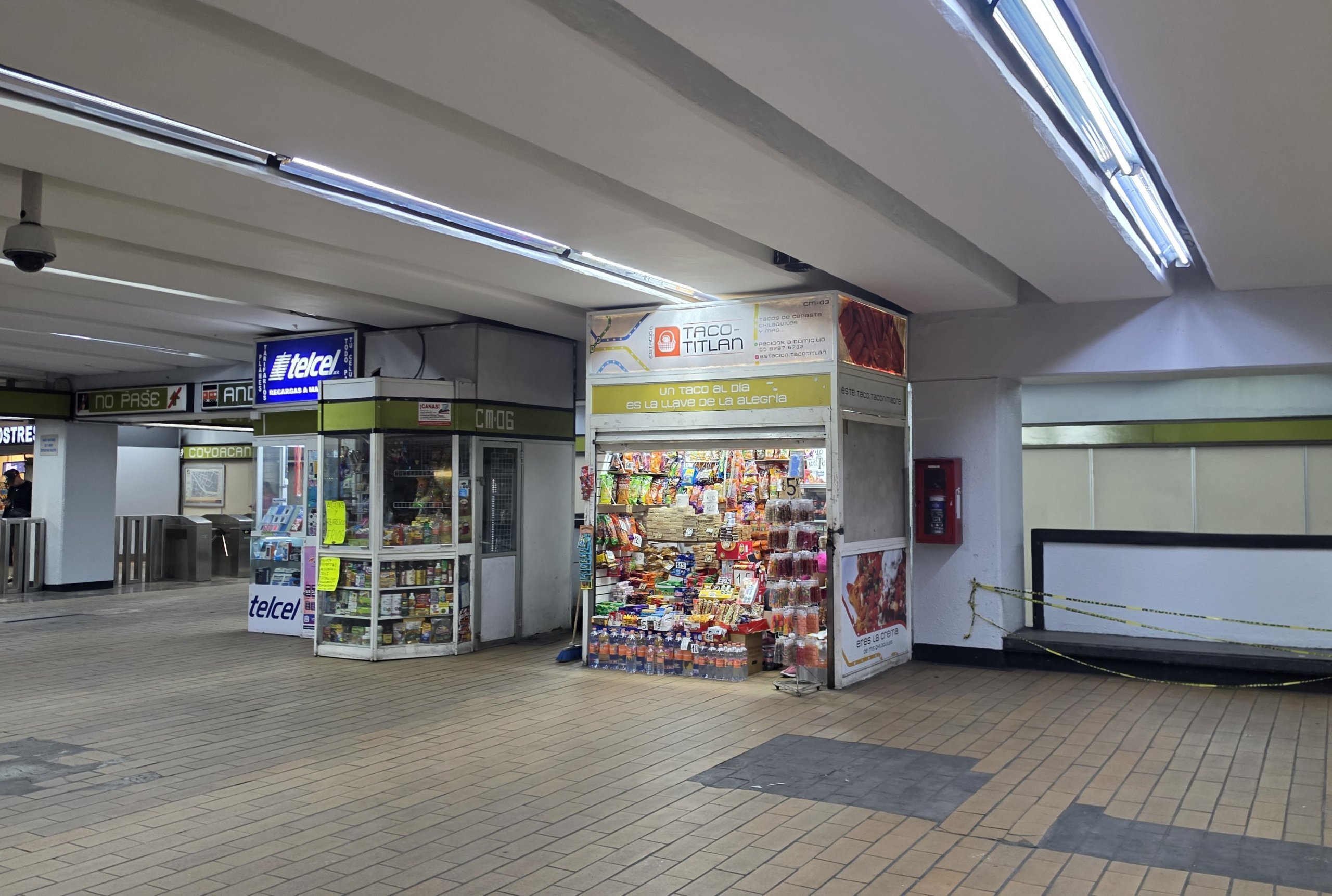
Each station has a couple of refreshment stands in the lobbies, and you'll usually find other street stalls around the stations on the surface.
Further afield, you'll find machines everywhere for buying transport cards (you can do without them, as the metro can also be paid for with a contactless card) and a ticket office.
We didn't see a public toilet once on the Mexico City metro.
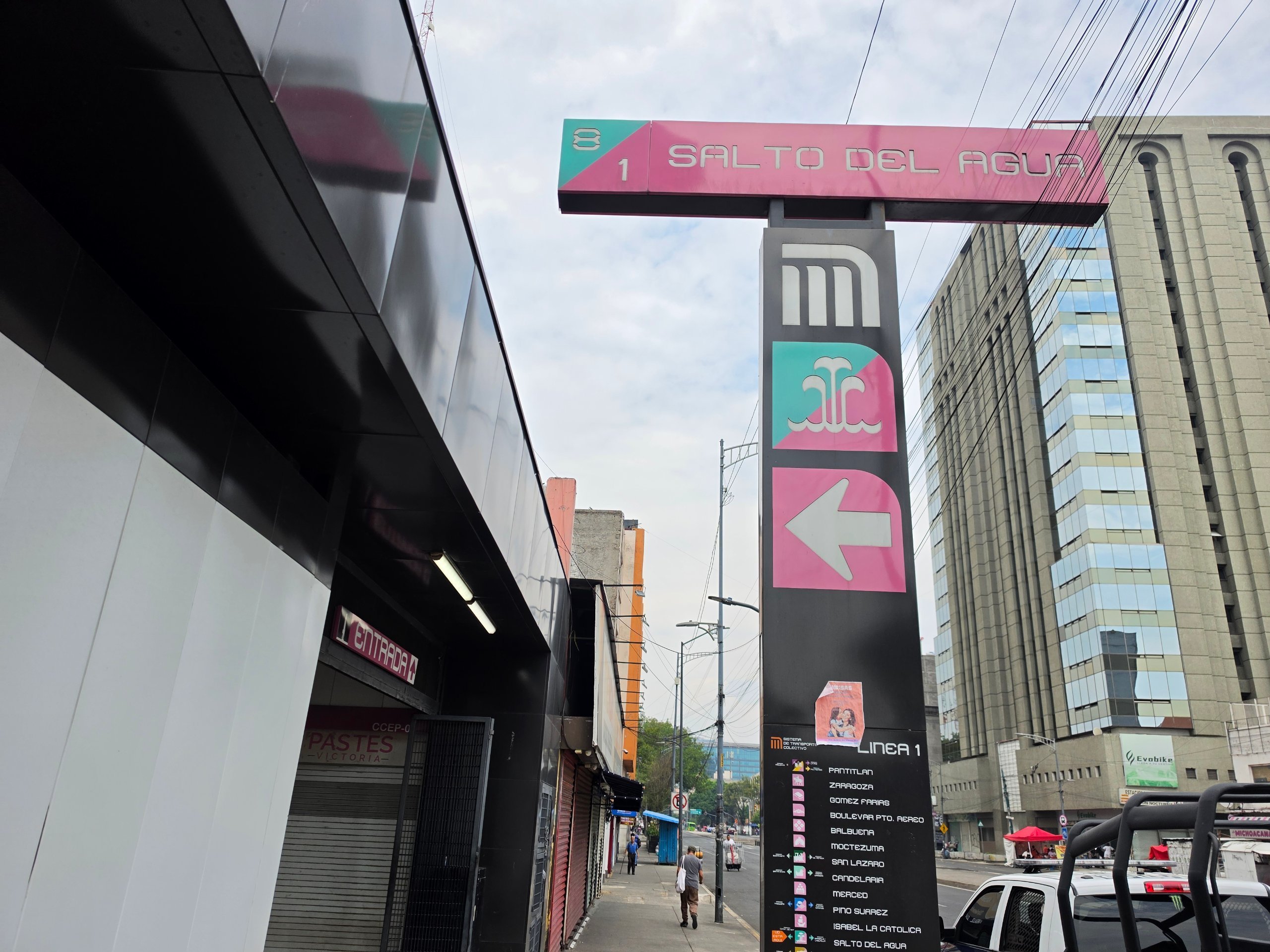
One of the most interesting features of the CDMX metro is the pictograms of each station.
Each station has its own symbol in addition to its name.
The system was created at the time of the opening of the metro in 1969, when some of the population could not read or had limited literacy.
The symbols made it much easier to navigate the network.
To this day, the pictograms are one of the most interesting features of the local metro.
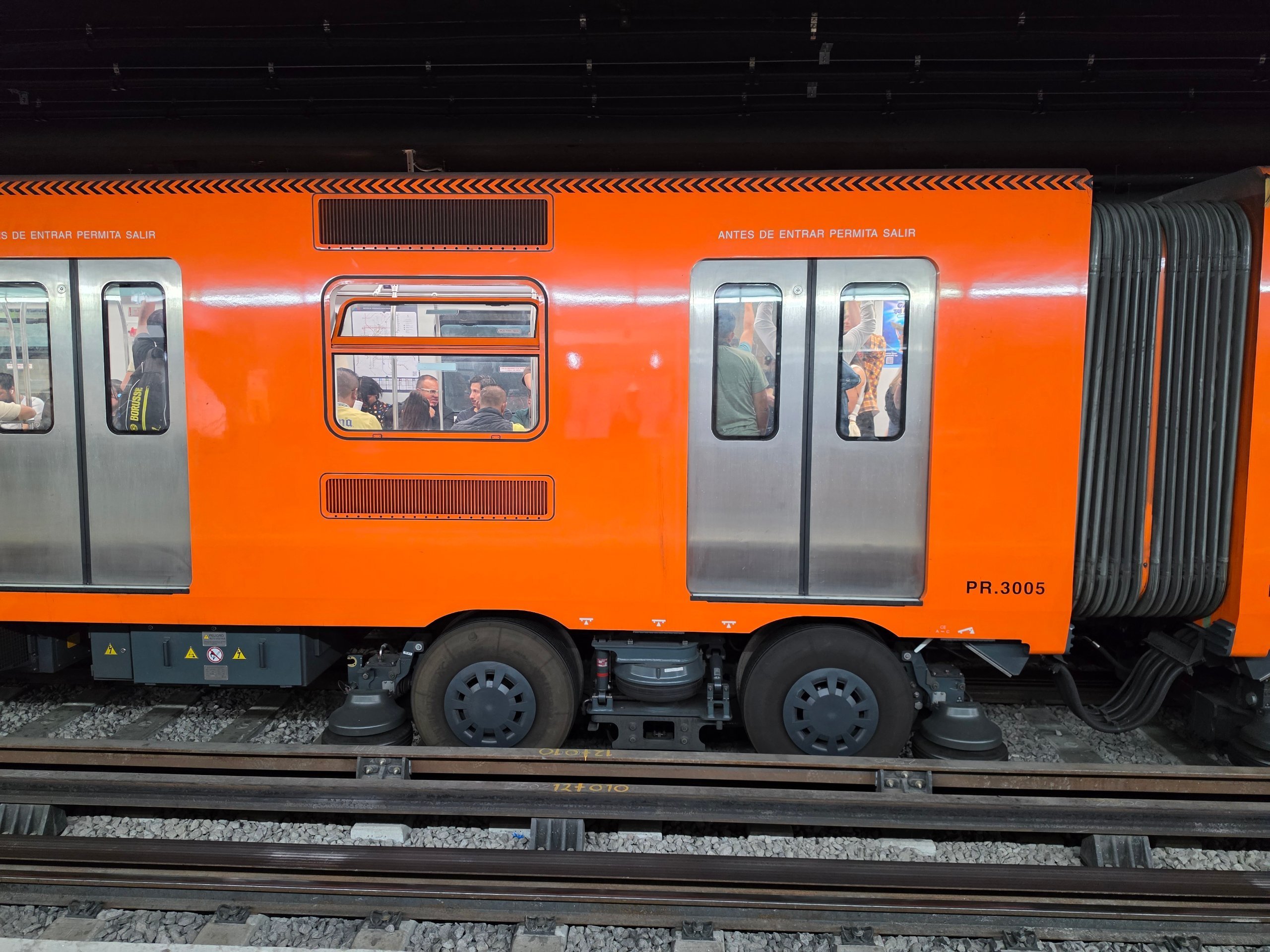
Another interesting feature of the CDMX metro is that, like some metro lines in Paris, the trains run on rubber tyres to reduce vibration.
If you have any questions or comments about the article...