Marrakech from Prague with Eurowings in December
93 €



I like to use public transport in foreign cities. You get to know the local culture a bit more and of course you save money too.
But the public transport system in CDMX already seemed a bit complicated when planning a trip, so I always just ended up searching how reliable Uber is here anyway.
And in the end, we really only used Uber about 80% of the time.
Find a hotel in Mexico City by location
| How to get around Mexico City | How often have we used |
|---|---|
| Uber | 80 % For most longer trips around town |
| On foot | 15 % Ideal in Roma Norte, Condese, Polanco and downtown |
| Metro | 5 % Extremely cheap, but mostly off our route |
| Metrobús | we only used it on a trial basis a bit of a confusing system, but it runs very frequently |
| Cable cars | we didn't manage to get on even once more for locals from the outskirts than a practical thing for tourists |
| Taxi | Never Prices always overpriced against Uber |
💡 If you're going to Mexico City for the first time, you'll probably get by with Uber, walking and the occasional metro.
I would also recommend my other 2 articles before your trip:
If I had to recommend one way to get around Mexico City, it would be Uber.
We used it several times a day, day and night, and never encountered a single problem.
Paying through the app always worked, we didn't have to deal with cash or haggling over the price, and booking a ride in advance worked without a problem.
To use Uber, you need to have a cell signal.
I use Airalo's eSIM for all my trips.
Get a Mexican eSIM and stay online
This is Uber's biggest advantage in CDMX.
Cars are available everywhere at any time of the day or night.
The longest we waited was about 10 minutes for confirmation from the driver + the arrival of the car.
We also traveled by Uber more than 50 km outside of Mexico City to Teotihuacan at 4:30am - I made reservations ahead of time instead and that went smoothly as well.
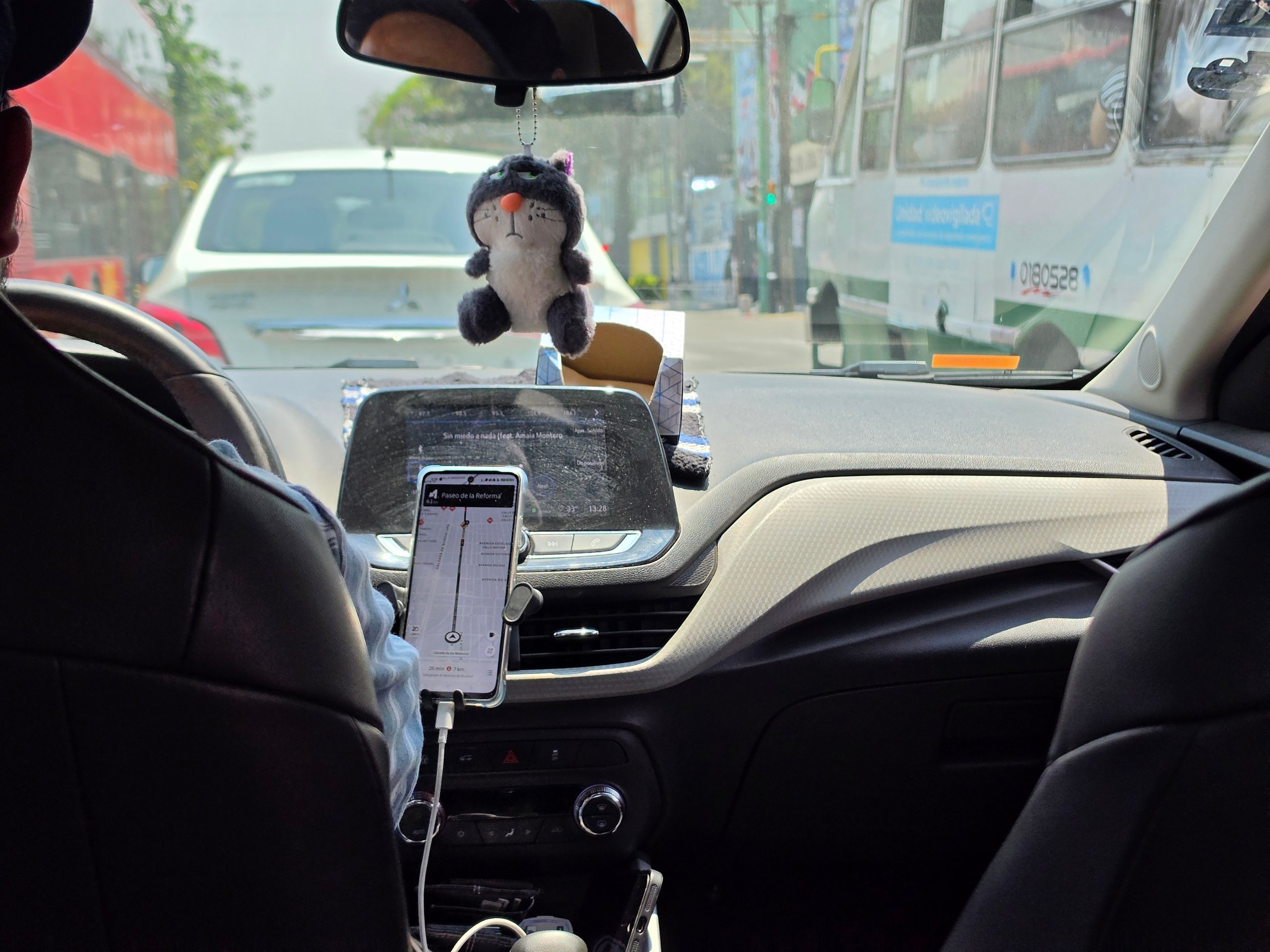
We have not encountered any safety issues at all.
The drivers always took us where we wanted to go without any hassle or added fees.
Sometimes the cars are older and sometimes there are no seat belts available on the back seats.
Uber was a little more expensive than I expected, but still nothing that would have ruined our 5-day stay.
These are the prices we paid in CDMX in May 2026 (I'm just giving examples of some of the routes):
Book a hotel in the center of Mexico City
This is a pretty major drawback: transportation in Mexico City is often quite difficult.
Traffic jams, traffic lights and lots of cars are the order of the day, so a journey that seems short on the map can take up to 3 times longer than you'd expect in reality.
We have only ever had trouble-free trips in the morning until about 8:30am.
If you will be traveling on a route with a parallel metro, I would use the metro. If time is your main concern.
If you prefer convenience, safety and cleanliness, take Uber.
Yes.
You can use Uber to both MEX and NLU airports. It works on the way to and from the airport.
The following other apps work in Mexico City:
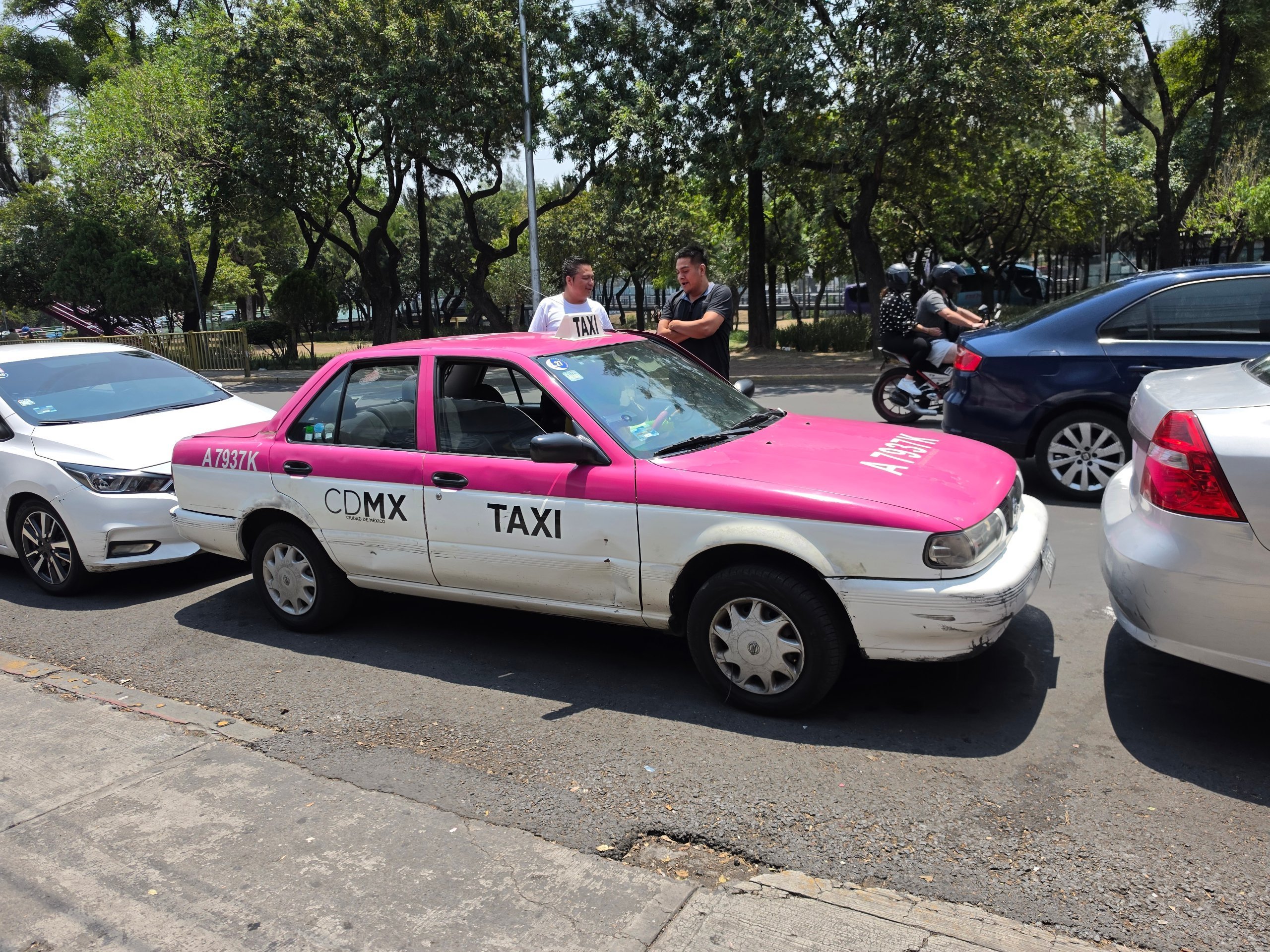
Although regular taxis in Mexico City operate without problems (and there are perhaps even more of them than Uber cars), we didn't use them once during our stay.
The reason was simple. Whenever I compared the price with Uber, the taxi was about 2-4x more expensive.
If you already have Uber on your phone, I don't see much reason to use a regular taxi.
While there are only official pink and white taxis in Mexico City, it's absolutely rare to use the meters.
And that's a stumbling block.
You can only price match the amount you'd pay for an Uber with perfect Spanish, and only if you can give the impression that you know Mexico City very well.
Surprisingly often we got around the city on foot.
We spent most of our time in Roma Norte, Condesa, Polanco and the historic centre, where walking is the fastest mode of transport.
Roma Norte and Condesa in particular feel much more compact than one would expect from Mexico City.
Instead of constantly moving through traffic, we simply moved between restaurants, cafes and individual sights on our own.

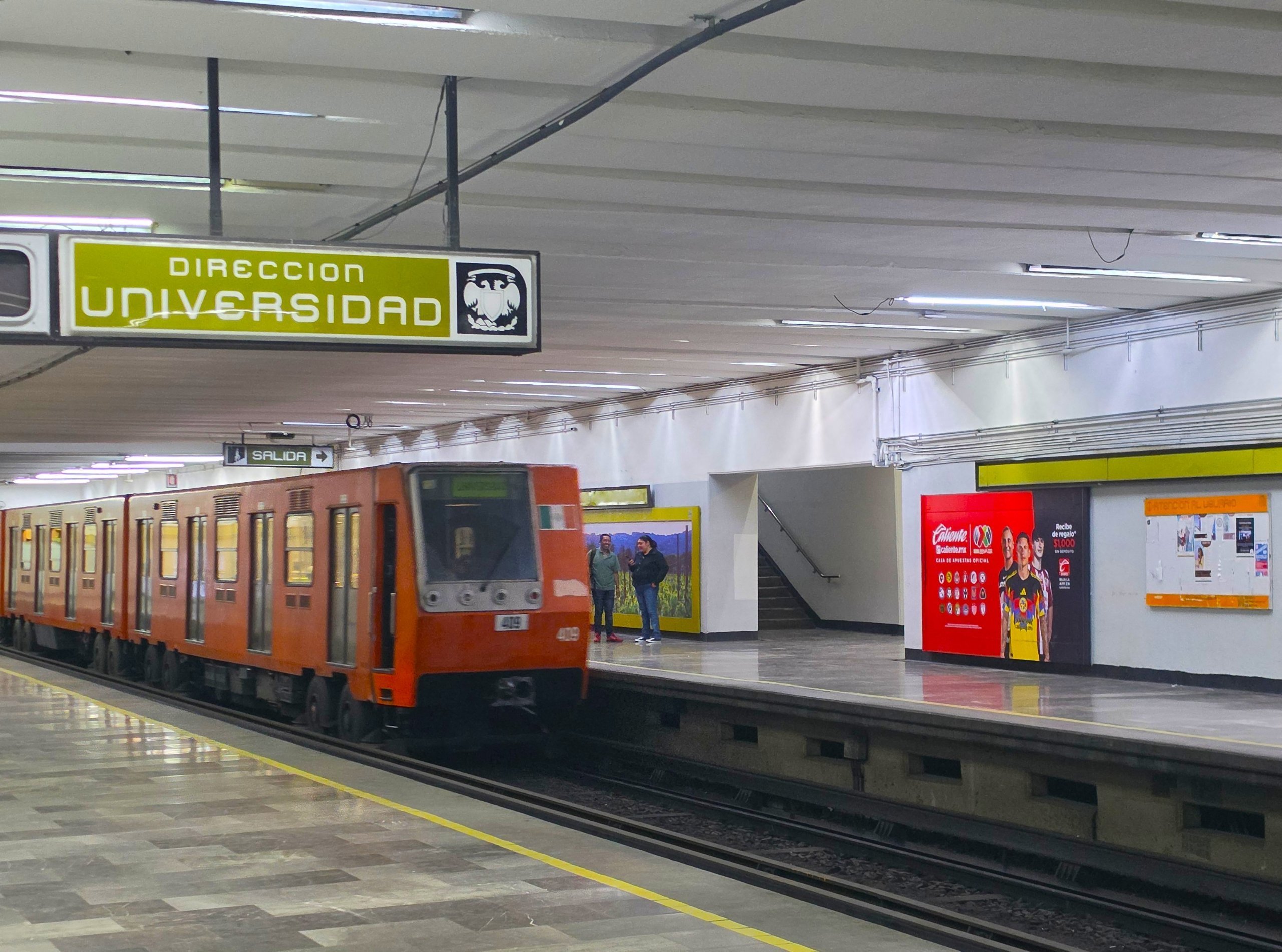
Mexico City has one of the largest metro systems in Latin America and many guidebooks present it as the main mode of transport around the city.
Having experienced it myself, I would be more cautious.
The metro is great for locals, but the average tourist uses it less than they would expect.
The main tourist areas are not always on the most convenient routes.
Nevertheless, the metro is useful for example when travelling to the historic centre or for longer distances.
The advantage is the extremely low price (only 5 pesos per ride).
Public transport in Mexico City is not only made up of the metro.
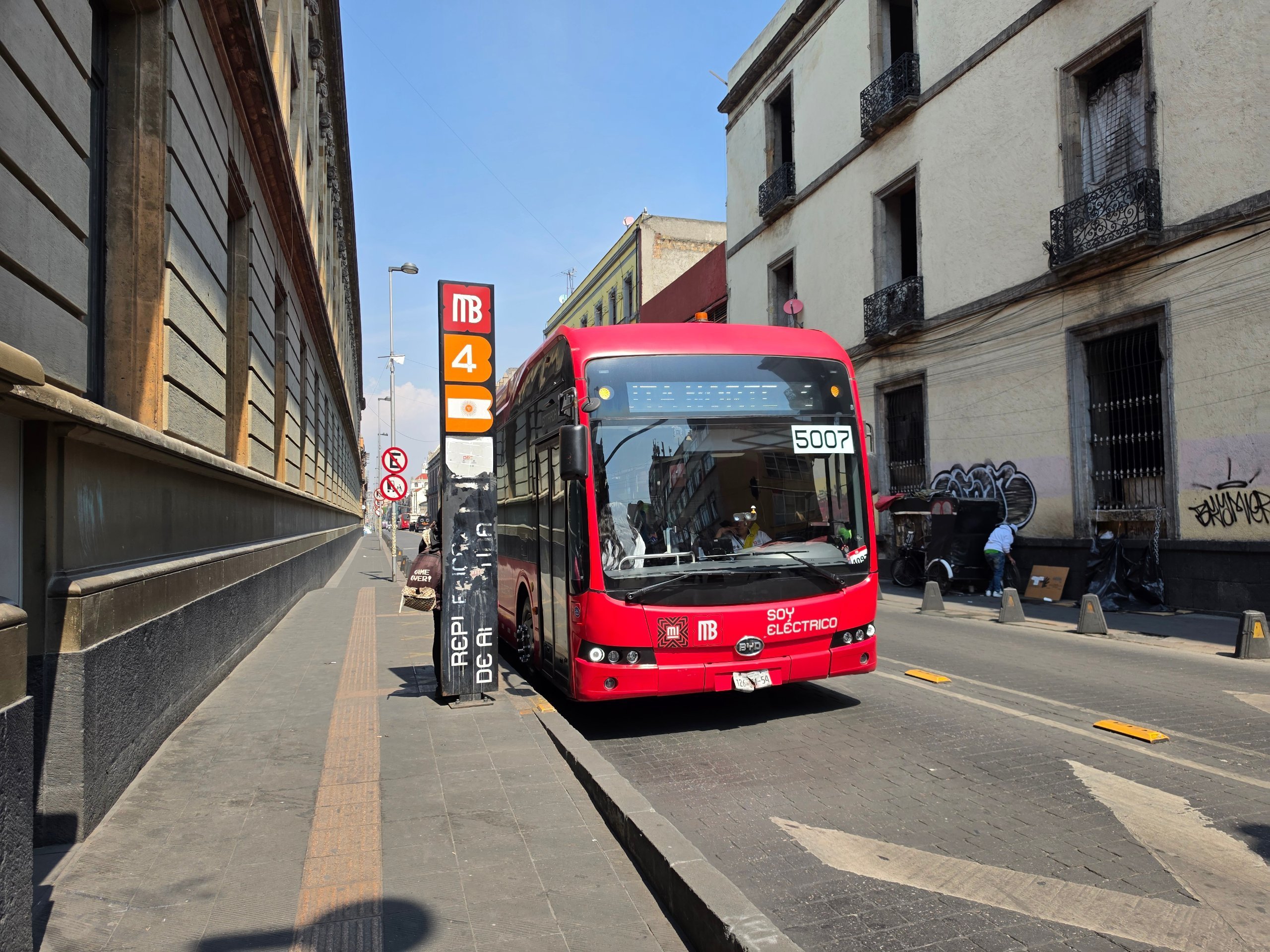
The most important bus network is the Metrobús, a system of red express buses running in designated corridors where cars are not allowed.
Although buses do not stop as often as cars in traffic jams, they are still slowed down considerably by the very frequent traffic lights.
However, other buses (trolleybuses) of the carriers RTP, Trolebús, purple triangle buses or minibuses also operate in CDMX.
Even if the individual stops, line numbers and departure times are marked on Google Maps, the reality is often different.
In fact, buses don't actually display a line number at all (just the registration number of the bus, like a number plate).
You are mainly oriented by the destination stops and the streets the bus is travelling on.
Still, Google Maps Transit is the only at least somewhat reliable way to find out what's going where.
For us, the only meaningful bus options were these routes:
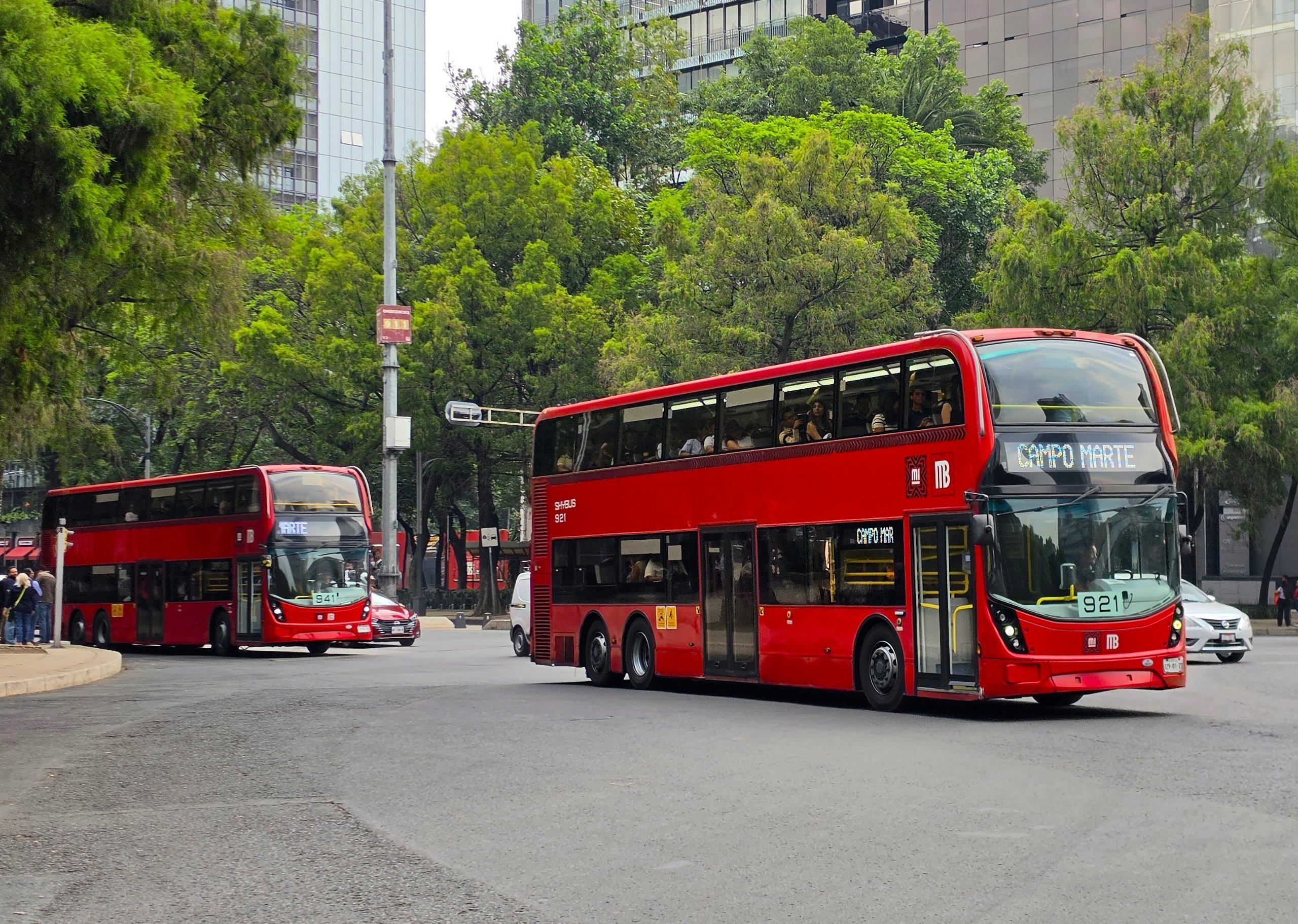
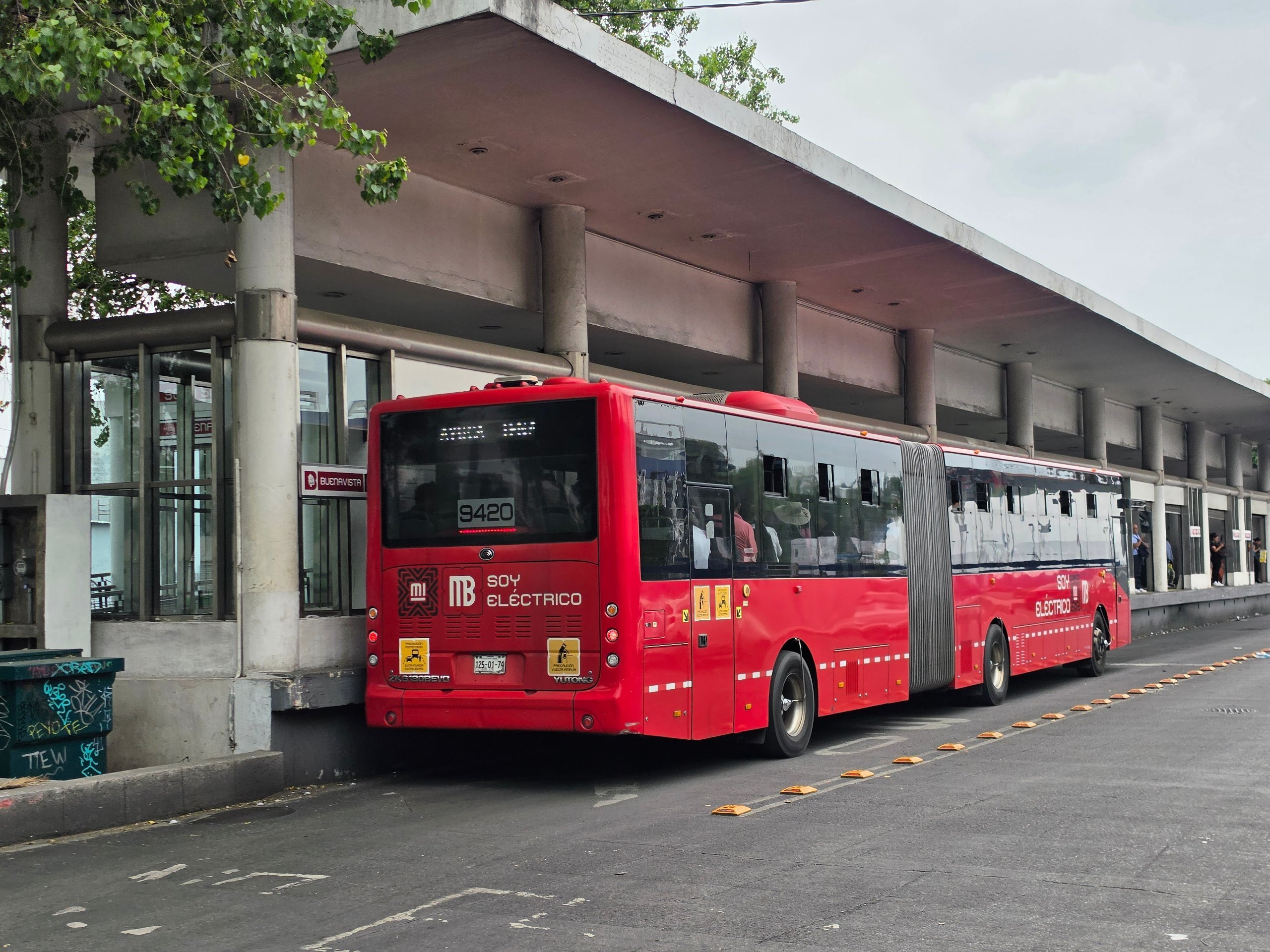
Different transport companies accept different forms of payment.
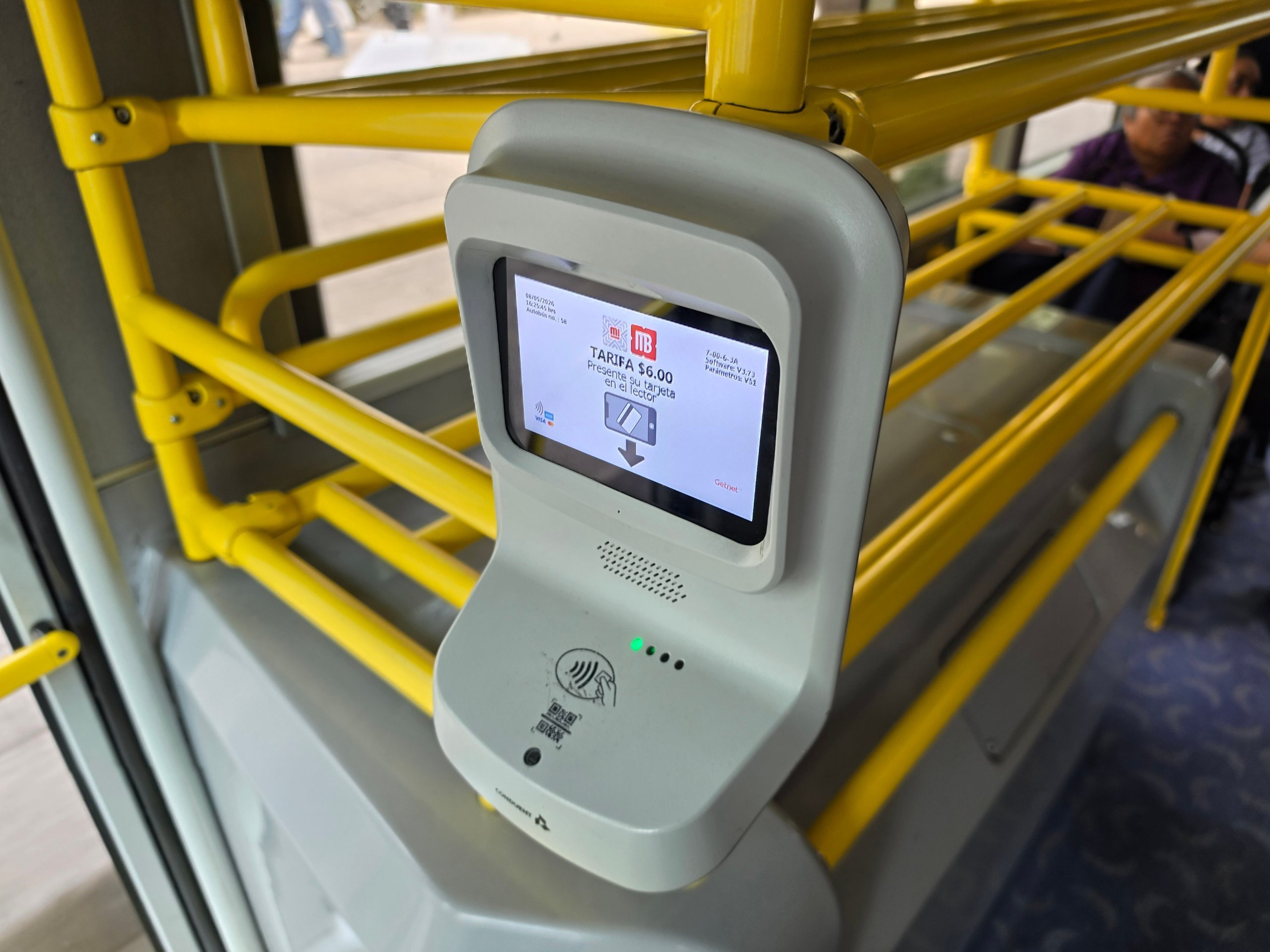
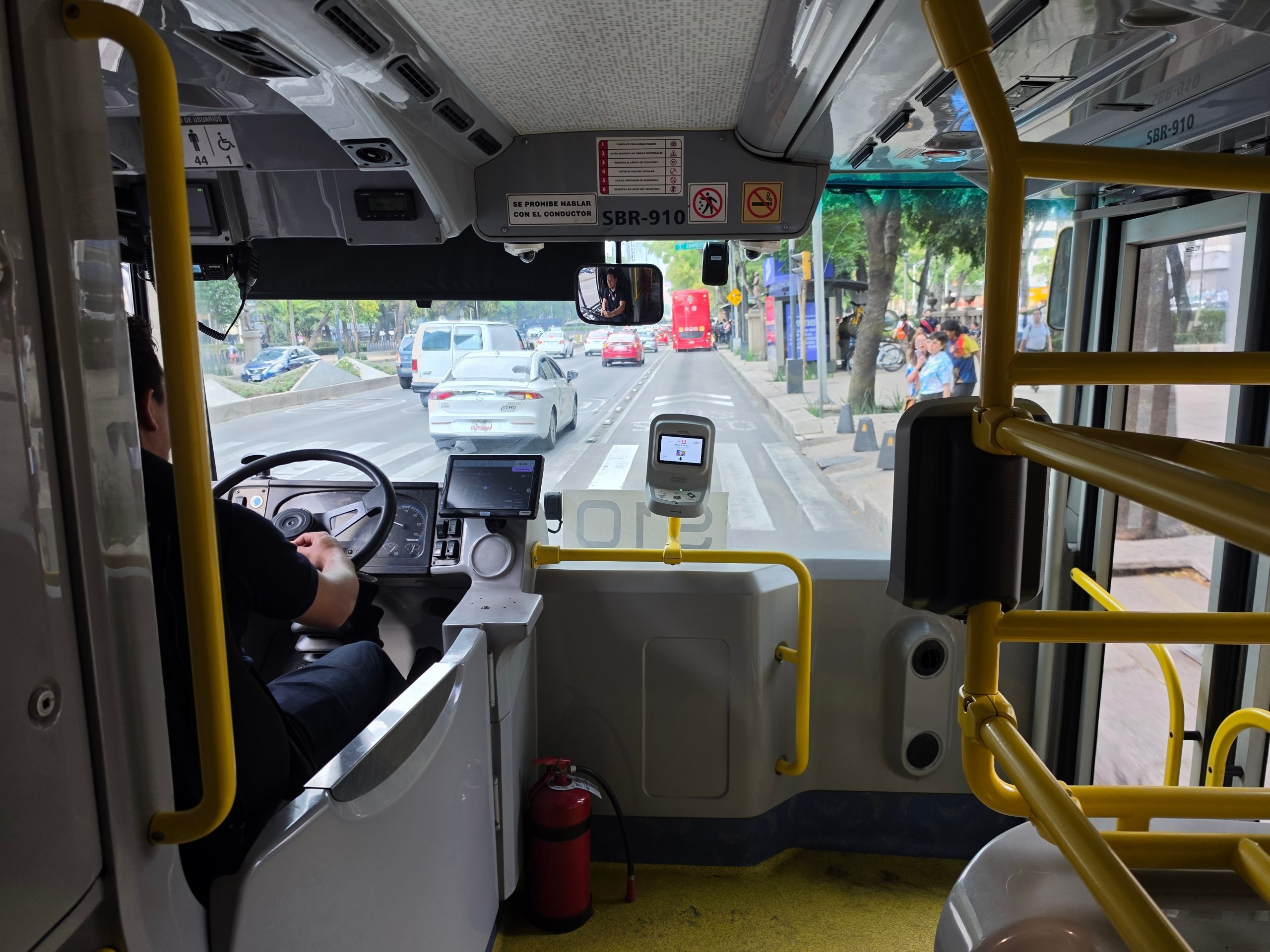
It is only worth buying if you want to travel on a lot of buses or trolleybuses on which payments with your own contactless card are not possible.
The MI card costs 15 mxn and you have to load any amount on it, which will be charged gradually.
One of the most interesting pieces of transportation in Mexico City are the Cablebús cable cars.
Unlike most similar systems in the world, they were not created as a tourist attraction, but as a regular part of the city's transport.
The lines run mainly to the outskirts of the city, where travel used to be very difficult.
We didn't manage to try Cablebuses during our visit, but if you have more time, it can be an interesting trip with unusual views of the city.
There is a single fare on all cable car routes 7 mxn.
You can pay in the following ways:
If I have an extra half day in CDMX, which line should I take and why?
The cable cars offer nice and, above all, unusual views of Mexico City, and you'll get to know much more about the local life of the poorer classes.
The reason is simple:
Moreover, it is the only line that locals themselves often recommend to foreign visitors.
The line runs through the vast residential areas of Iztapalapa and offers a very interesting view of daily life in the city.
The views are impressive, this line is particularly popular because of the colourful Iztapalapa houses, which are beautifully visible from the cable car.
Most "off the beaten path".
If you want to get an idea of the real size and density of Mexico City, it is fascinating.
If I came to the city again, I would do it exactly the same way.
Find a hotel in Mexico City by location
For most tourists, I think this is the easiest, fastest and most convenient way to get around Mexico City.
If you have any questions or comments about the article...