Direct flights from Vienna to Corsica, even during the summer holidays
198 €



Japan's tallest mountain, Mount Fuji, has always been high on my travel bucket list - first to see it during the winter and sometimes even to climb it in the summer.
Mount Fuji is not a problem to find. The problem is actually seeing it.
But seeing Mt. Fuji is definitely not a given. In some seasons the haze is often strong: you can be in Japan for a week and not see the peak even once.
Here are my places and tips - when to go and where I saw Mt. Fuji best, including tips from the shinkansen and from the plane.
Read also on our website:
For many of you, travelling to Japan is a lifelong dream. How to increase the chances of not being wasted and actually seeing Mt. Fuji?
The air in Japan tends to be cleanest during the winter and generally in the morning. But it's not a rule - for example, it happened to me that it was completely cloudy in the morning and in the morning (in the middle of winter) and it got nice in the afternoon.
So it's good to be a bit flexible and ideally spend a few nights around Fuji.
In summer, spring and autumn, Fuji often gets lost in a misty haze or straight into the clouds.
Especially humid summer days are the worst for views of Mount Fuji.
Find out flight prices to Japan in winter
I ended up seeing Fuji from a few completely different places, and some of them were much better than I expected.
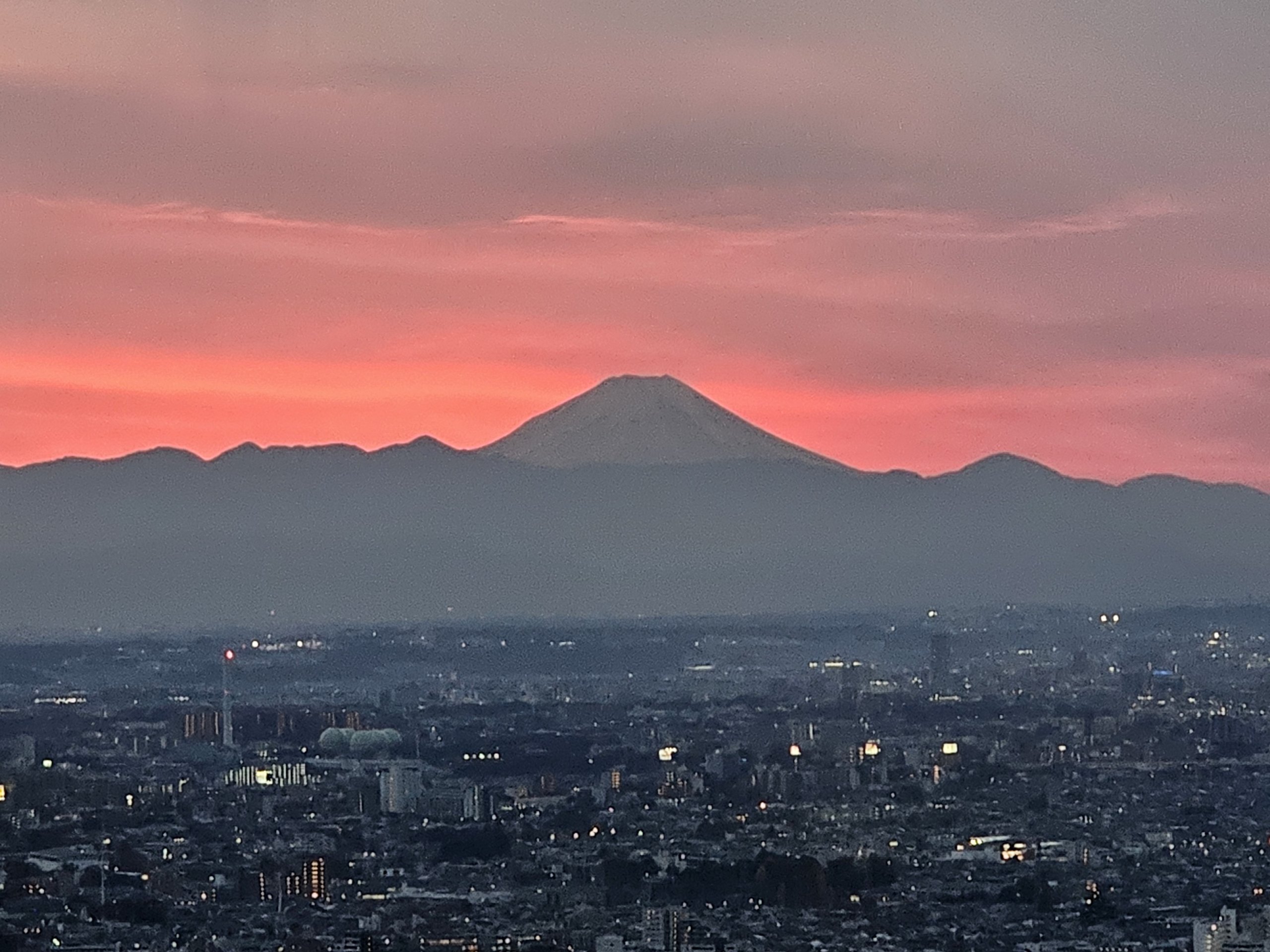
Tokyo is about 100 km as the crow flies from Mount Fuji, but with a bit of luck and clear skies you can see the mountain from here.
It's not a "wow-effect" like from Lake Kawaguchiko, but I take it more as a bonus that I can see the mountain for free without a trip.
It has to be clear weather with no haze though, and Fuji is most often seen from Tokyo in winter.
For me, the best place to go is the westernmost viewpoint in Tokyo, which is also free - the Tokyo Metropolitan Government Building.
Lake Kawaguchiko is to Mount Fuji what the Eiffel Tower is to Paris: the classic from where you have the best chance of seeing Mount Fuji.
There are plenty of hiking trails around the lake, boats ply the lake and the town is full of hotels, traditional Japanese ryokans, shops and restaurants.
However, it's also worth coming here for the best views of Fuji, especially in winter - when it's foggy, you can't see anything.
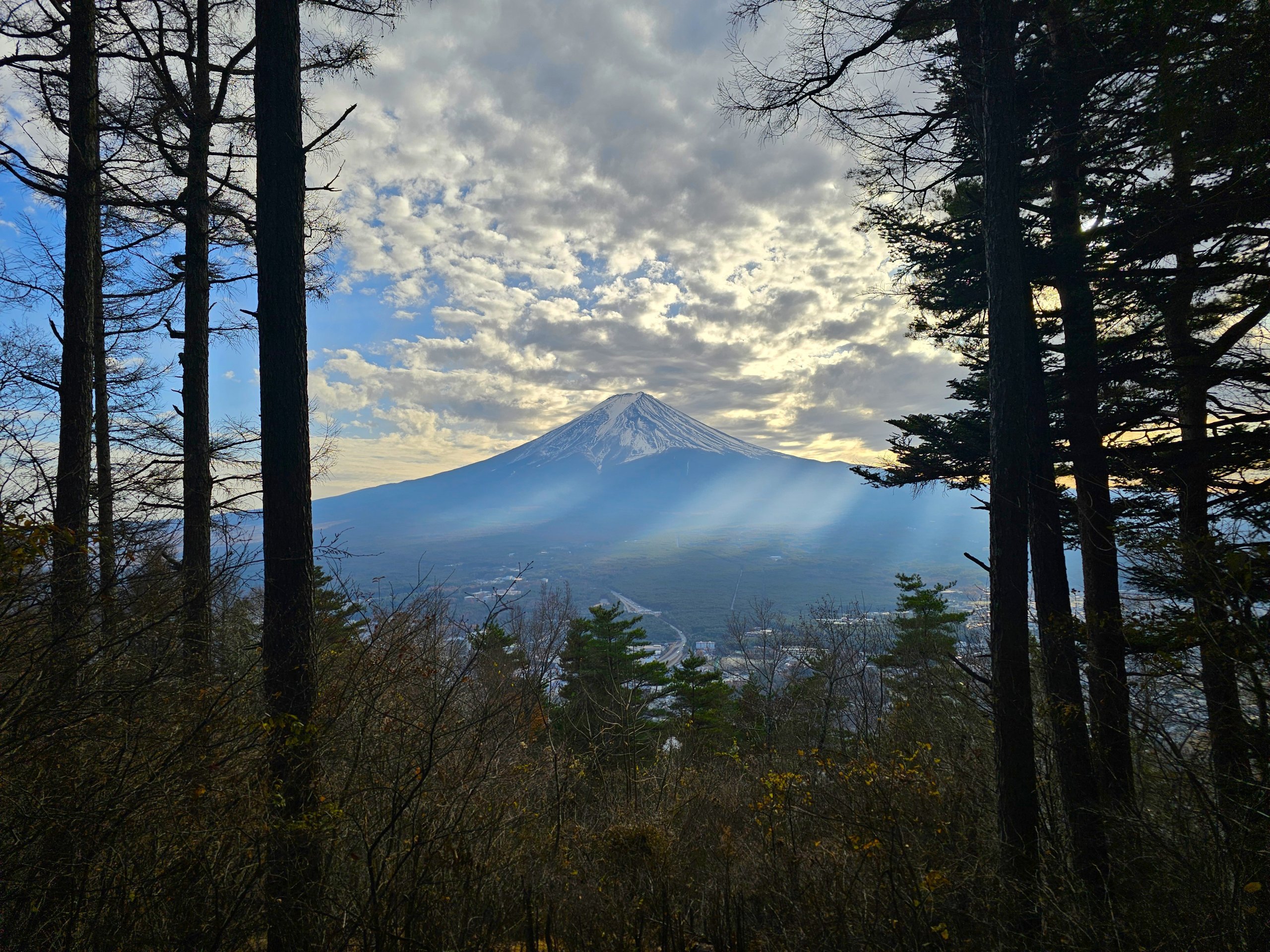
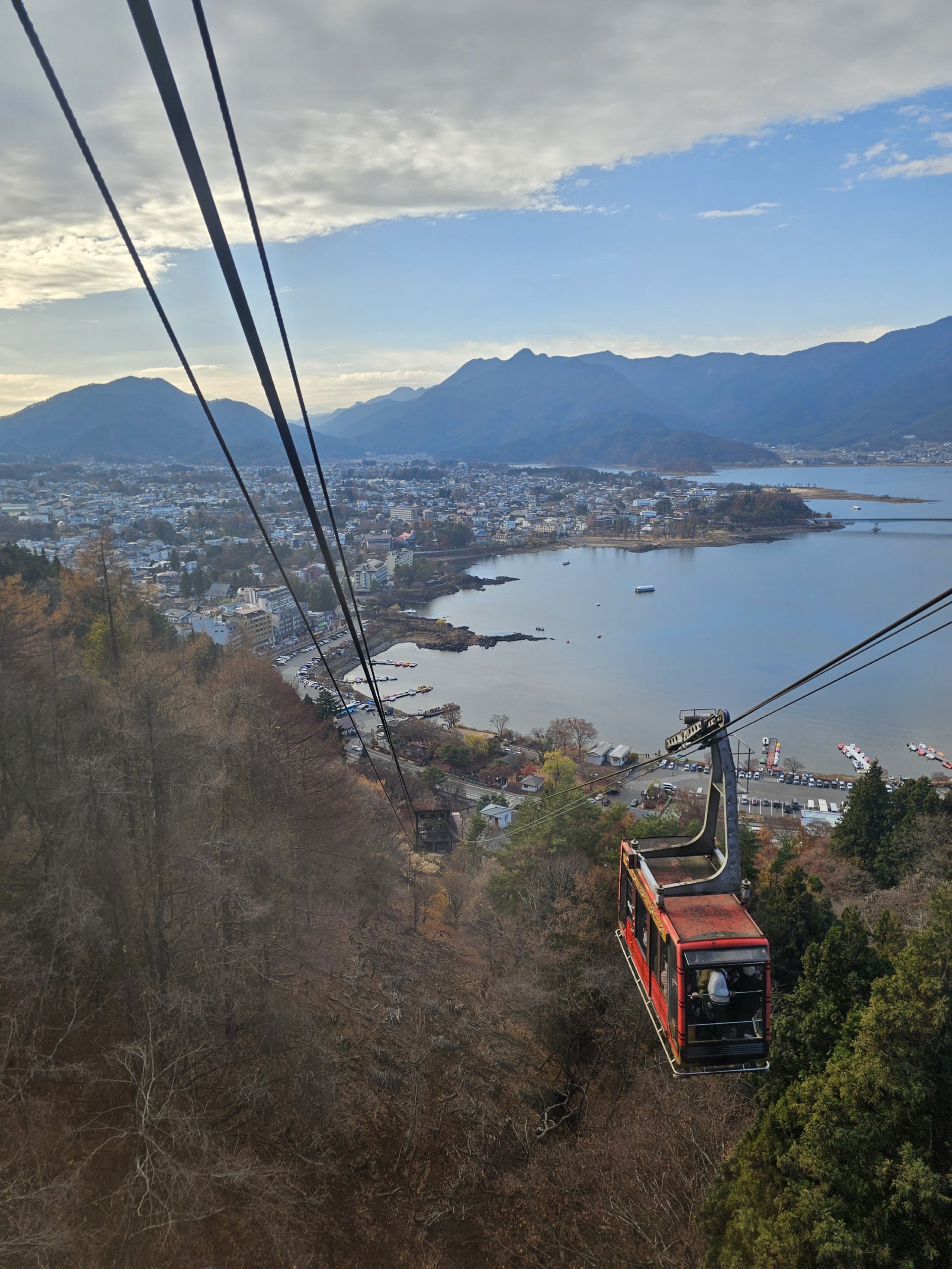
I spent only one night at the lake. If you just want to see Mount Fuji according to the current weather forecast, feel free to leave Tokyo for just one - there in the morning and back in the evening. Trains run all day long.
In that case, I'd recommend staying somewhere near Shinjuku Station.
In Kawaguchiko, I would choose accommodation based on what you want to experience here.
Show all hotels in Kawaguchiko
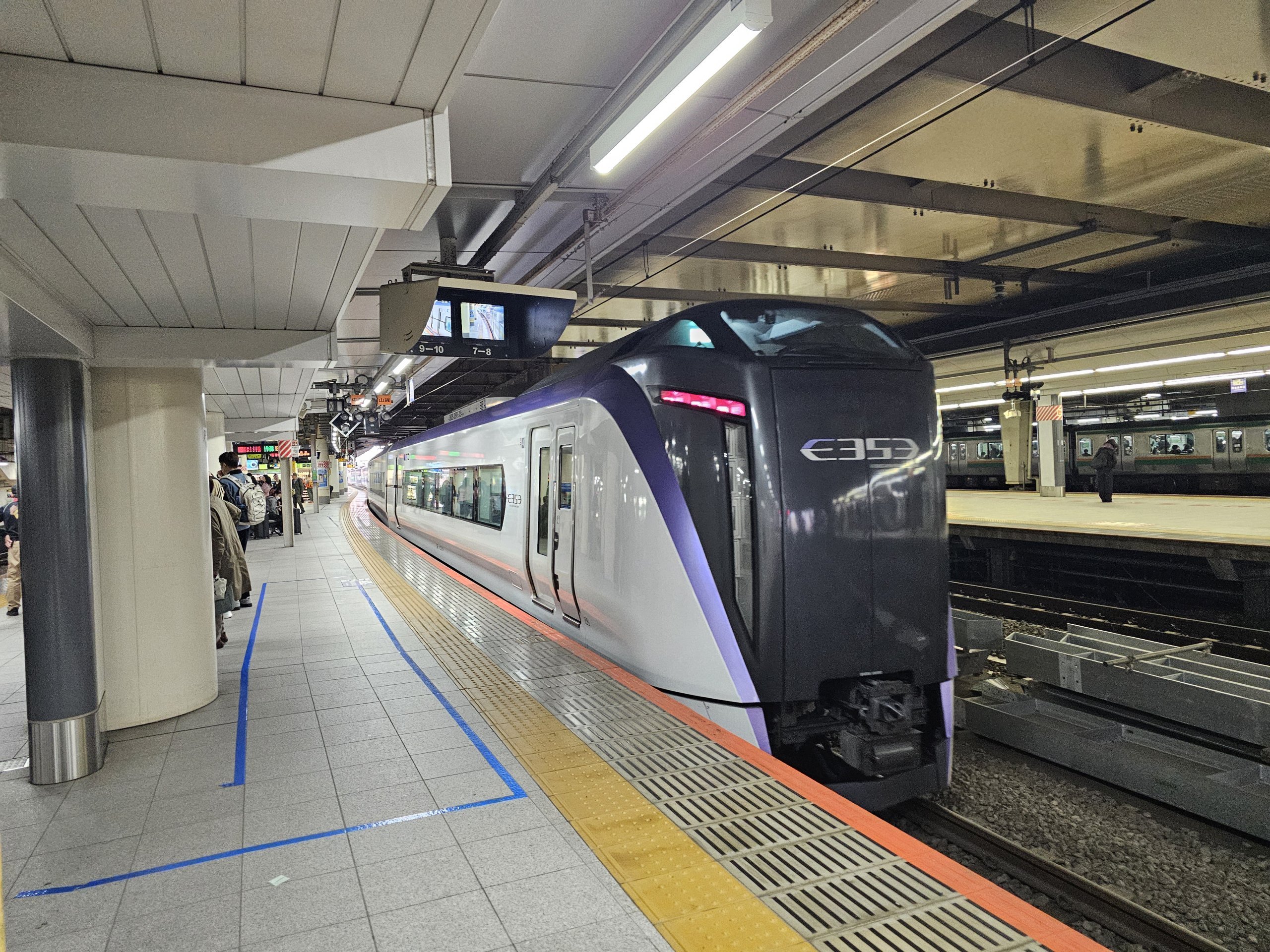
The best way is definitely by train.
Regular services run daily from Shinjuku Station to Kawaguchiko Station.
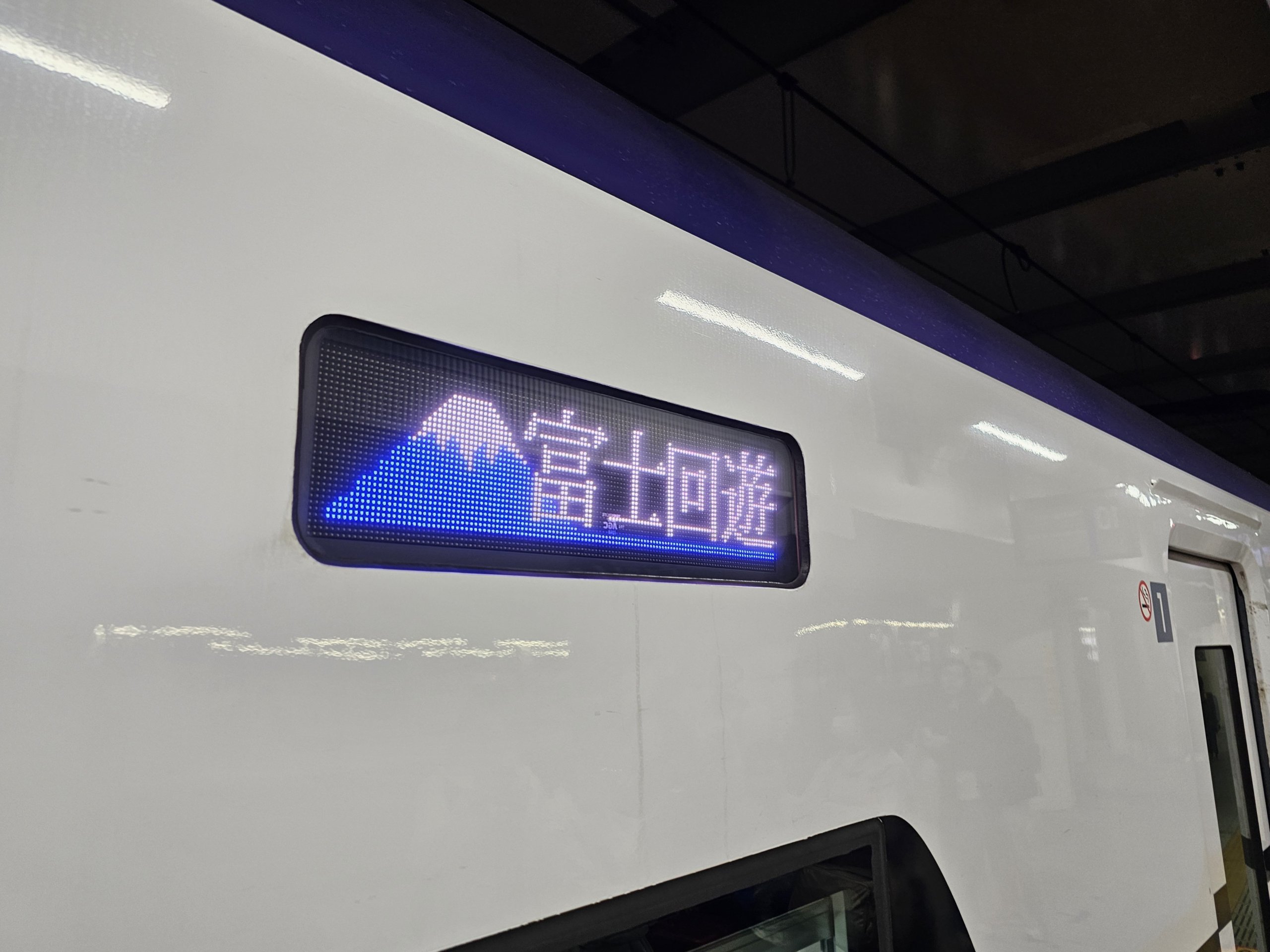
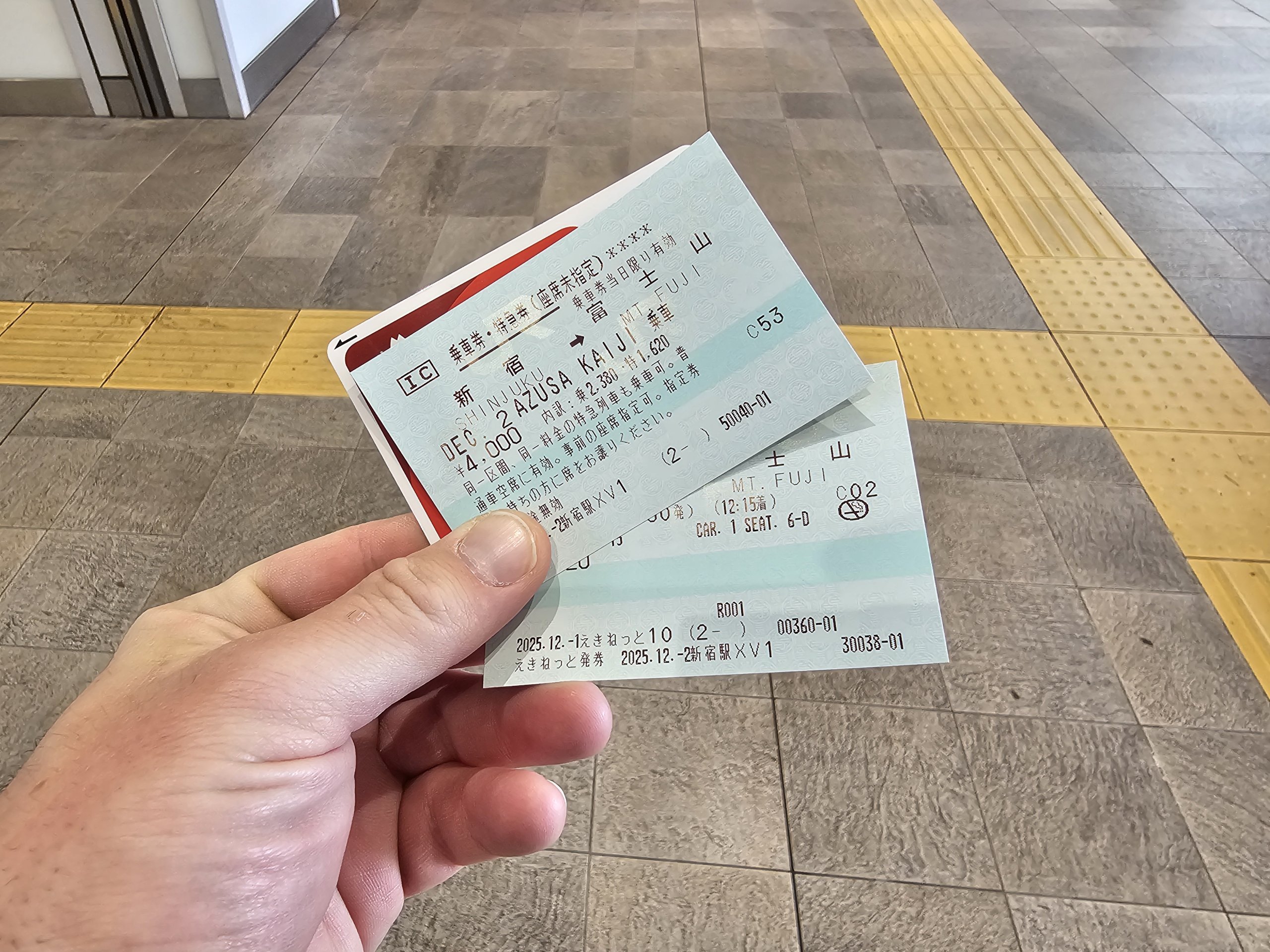
You may be familiar with one of the most famous photos of Mount Fuji - a white shinkansen passing in the foreground, with the perfectly symmetrical cone of the mountain rising behind it.
The location is in the industrial city of Fuji, which really isn't pretty at first (or any other) glance.
Still, I don't regret stopping here for 1 night at all (could have done without the overnight stay).
It was just worth the trip for this photo!
Count on it:
I've written up detailed practical information from my visit in the article Shinkansen Photo Spot with Mount Fuji.

You can also see Fuji directly from the train between Tokyo and Kyoto, Osaka or Nagoya. To be clear, it's one of the nicest "bonuses" when traveling by train in Japan.
Mount Fuji is best seen between Fuji and Mishima stations - about 40 to 50 minutes after leaving Tokyo or 115 minutes after leaving Nagoya.
The mountain is only visible for a few minutes (or rather, tens of seconds), so:
Mount Fuji is often easy to see from a plane, especially when arriving at Haneda Airport from the west, typically from Europe, Korea, China or Japanese cities west of Tokyo.
Arrivals to Tokyo's other airport, Narita, are usually via a completely different route and Fuji is not visible from there.
The advantage is that you can often see the mountain above the layer of haze that spoils the view from the ground.
The downside: you can't control the flight path, so it's not a sure thing.
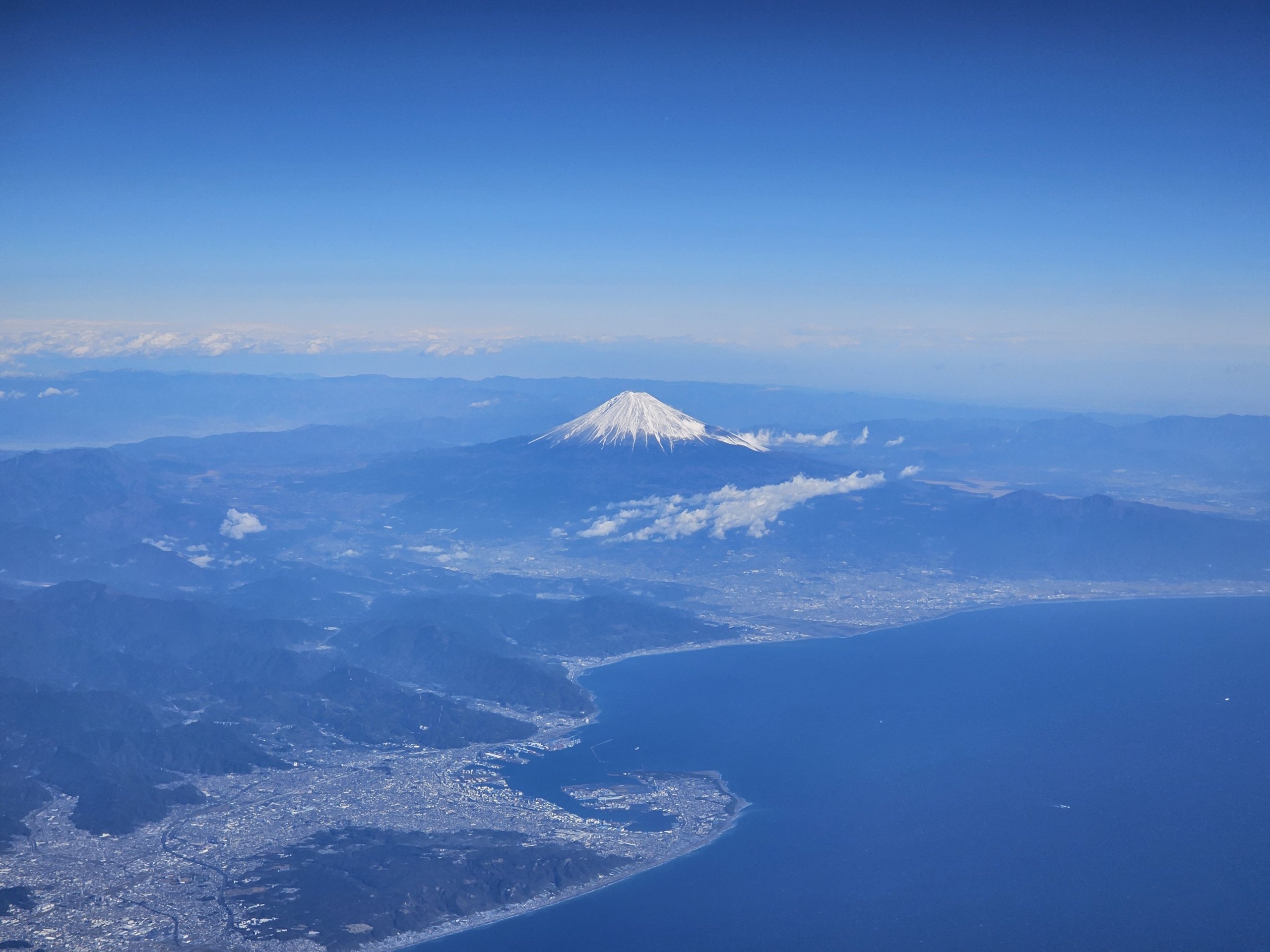
My personal tip:
The absolute best way to see Fuji from a plane is when departing from the small Shizuoka airport heading north.
You have the best chance when flying between Shizuoka and Sapporo, when the departure often goes just past Mount Fuji. But it's not a sure thing.
Anyway, in this case, I would recommend choosing seat "F" by the window, i.e. to the right of the flight direction.
The route is currently flown by All Nippon Airways and Fuji Dream Airlines.
Buy flight Shizuoka FSZ -> Sapporo CTS
If you want to be sure of the view, Fuji Dream Airlines even arranges special sightseeing flights around Mount Fuji from Shizuoka Airport or Nagoya-Komaki Airport.
These flights are operated by classic Embraer E170 transport aircraft.
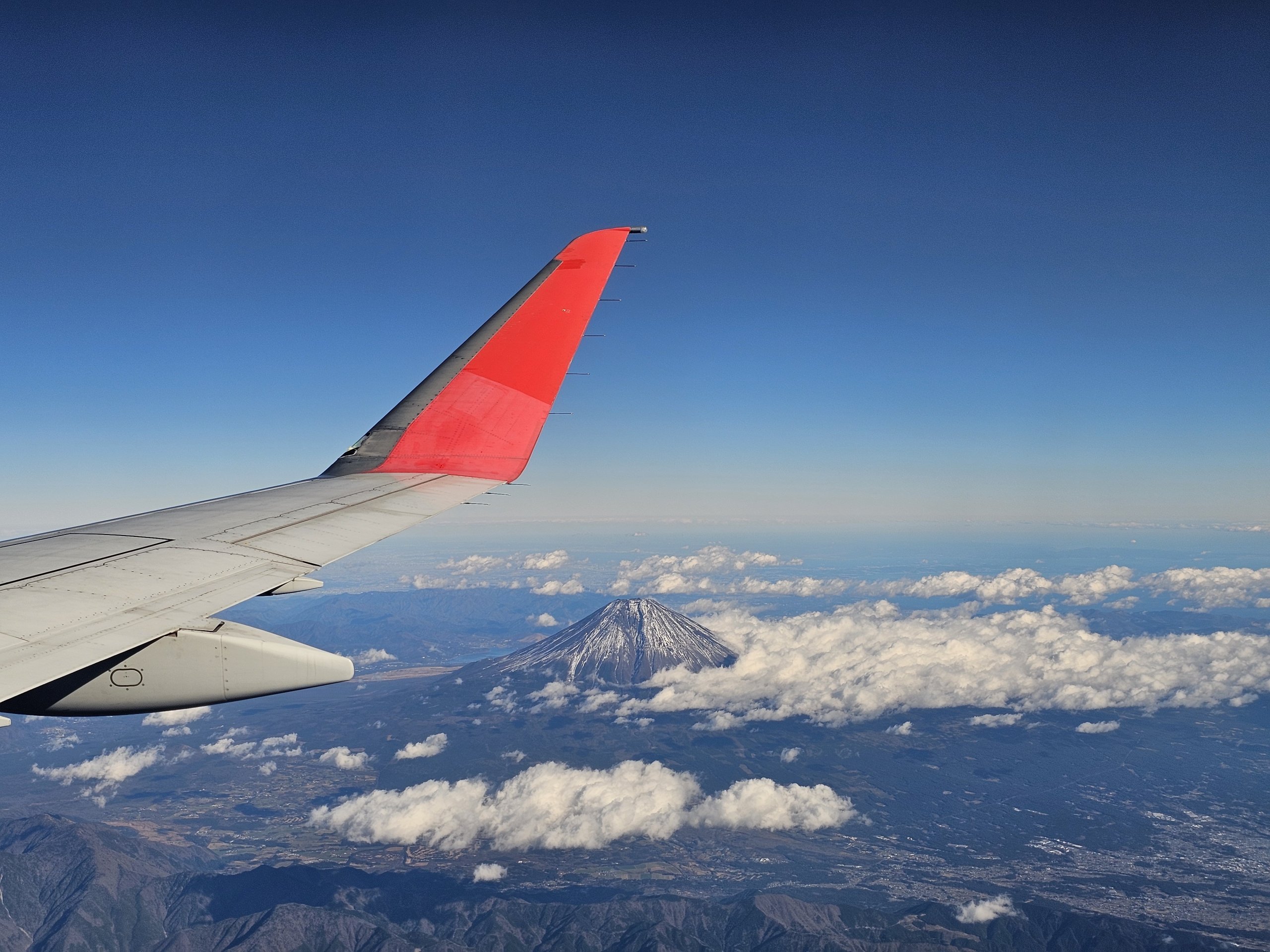
If you want to have the best chance:
But when the weather works out, it's one of the most powerful experiences in Japan - and it doesn't matter if you see it from the lake, from the train or from the plane.
If you have any questions or comments about the article...